25 Saturday Morning Habits That Disappeared When Cable Arrived
For decades, Saturday morning belonged to children in a way no other time did. The broadcast networks—ABC, CBS, and NBC—cleared their schedules between 7 a.m. and noon specifically for kids.
This created a culture of behavior and ritual that seemed eternal but evaporated almost overnight when cable networks began offering cartoons every day. What disappeared wasn’t just the TV shows; it was an entire infrastructure of habits built around the scarcity of animated content.
When abundance replaced restriction, these behaviors became unnecessary, and most kids never thought about them again. The shift happened gradually through the late 1980s and accelerated through the 1990s, but by 2000, the old Saturday morning culture was archaeologically dead.
New behaviors didn’t replace these habits—they simply stopped mattering. The time slot that once structured childhood became irrelevant.
Waking Up Early on Purpose

Kids naturally wanted to wake up before dawn on Saturday. The allure of cartoons created intrinsic motivation that parents never had to enforce.
The habit died when cartoons were available at 3 p.m. on Tuesday, Thursday, and Sunday—anytime became Saturday morning in terms of availability, which meant no Saturday held special power over sleep schedules.
Claiming a Spot on the Living Room Floor

The ritual of staking territorial claim to a comfortable floor location opposite the television disappeared when the living room was no longer a battle zone for viewership. Cable meant kids could watch in their own rooms, eliminating the negotiation required to secure the best viewing position.
Eating Specific Breakfast Cereals

Cereal selection became its own category of decision-making tied to Saturday morning cartoons. Certain cereals were “Saturday morning cereals”—sugary, marketed through commercials, endorsed by cartoon mascots.
When cartoons stopped being contained in Saturday mornings, the cultural connection between cereal and the weekly ritual evaporated.
Appointment Viewing With No Recording Option

Kids existed in a pre-VCR universe where missing a show meant missing it until the reruns aired next week or next season. This created genuine stakes around watching and genuine disappointment at missed episodes.
The habit died when cable meant you could probably catch the reruns within days or when home video made recording inevitable.
Sitting Through Toy Commercials

Watching toy advertisements was integral to the Saturday morning experience. Kids memorized them, discussed them, and created wish lists based on commercial airtime.
These weren’t skippable—they were part of the content rhythm. When cable offered some commercial-free (if subscription-based) viewing, the forced exposure to advertising diminished, and the habit of cataloging new toys via commercials weakened.
Memorizing Theme Songs Through Repetition

Theme songs repeated every week, with no ability to pause, rewind, or skip. Kids absorbed them through repetition. They hummed them at school on Monday.
They could sing them backward. When on-demand viewing allowed skipping of opening sequences, the memorization habit died—theme songs were no longer compulsory listening.
Discussing Shows at School on Monday

A shared Saturday morning meant all kids in a particular grade saw the same thing at the same time. Monday morning conversations centered on what happened on weekend cartoons.
This created a common cultural reference point. When viewing became staggered and on-demand, Monday morning conversations about cartoons made less sense—not everyone had watched them yet.
Reading TV Guide to Plan Saturday

The habit of consulting TV Guide or the newspaper television section to plan Saturday morning disappeared when cable meant there was no strategic planning necessary. Cartoons were always available, so studying a weekly schedule made no sense.
Negotiating Channel Changes With Siblings

The limitation of one television and limited channel options created genuine conflict and negotiation skills. Kids had to argue for their preferred shows and compromise on shared viewing.
When cable meant multiple channels and on-demand options, the negotiation habit became unnecessary.
Recording Cartoons on VCR

Kids who had access to VCRs developed the habit of recording shows during the week to watch on Saturday, or recording Saturday shows to rewatch later. This behavior was specific to appointment television and disappeared when on-demand viewing made recording unnecessary and streaming made the entire concept archaic.
Parents Planning Errands Around Cartoon Time

Saturday morning cartoons gave parents a predictable, guilt-free window of unsupervised children. Parents scheduled their own activities around these hours—grocery shopping, exercise, personal time.
When cartoons became everywhen, this structured break in parental duty disappeared, and parents lost a reliable block of free time.
Rotating Through Network Channels

Kids would rotate through ABC, CBS, and NBC during Saturday morning, sampling shows based on what was available. Each network had distinct programming blocks and distinct target demographics.
The habit of channel surfing died when cable replaced the three-network model with dozens of options.
Wearing Pajamas All Morning

A specific cultural habit of staying in pajamas through the cartoon block disappeared when the morning’s schedule no longer structured the entire early day. Cartoons meant staying in pajamas; cable cartoons anytime meant no cultural marker for pajama time.
Staying Home All Weekend Because Cartoons Mattered
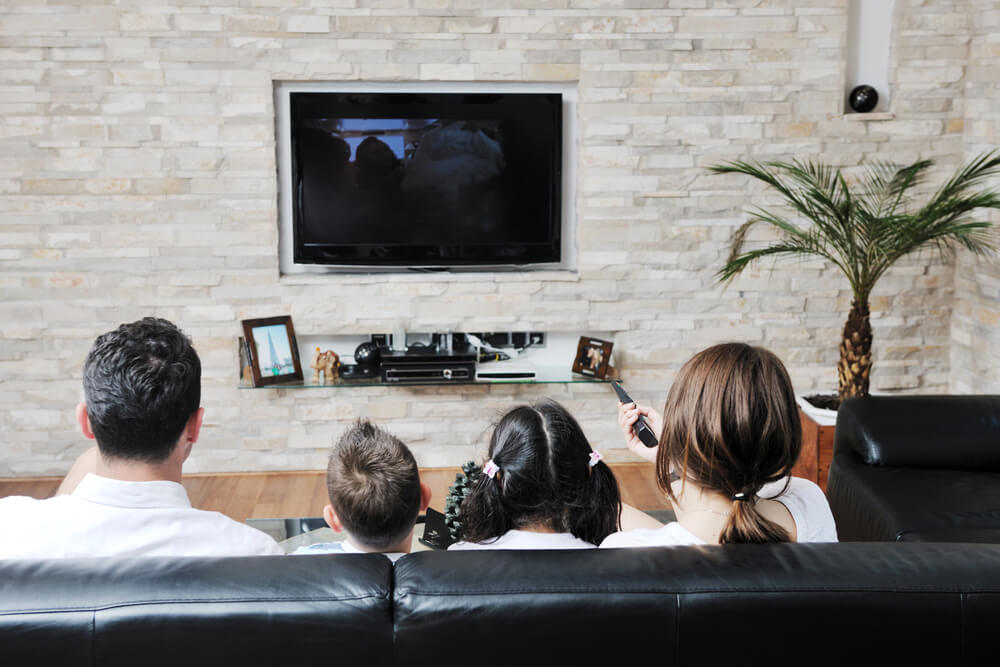
Some families built weekend plans around Saturday morning cartoons. Staying home, canceling trips, or delaying breakfast involved checking when cartoons ended.
This importance evaporated when anytime viewing made Saturday morning no different from any other morning.
Collecting Cereal Box Prizes

Marketers heavily promoted prizes in cereal boxes during Saturday morning viewing. Kids would specifically request certain cereals because of advertised prizes.
When Saturday morning marketing lost its uniqueness, cereal box premiums stopped being strategic purchase drivers.
Cereal Commercial Jingles Becoming Earworms

Specific jingles—”I want my Ecto Cooler,” “They’re Grrreat!”—became cultural touchstones through repetition during Saturday morning blocks. When block advertising ended, these marketing moments lost their concentrated distribution power, and new jingles never embedded the same way.
Buying Advertised Toys Based on Saturday Commercials

The feedback loop of watching cartoons, seeing toy commercials, and requesting those toys for birthdays and holidays created a predictable retail cycle. When commercial advertising lost its Saturday morning concentration, this purchase decision pattern weakened.
Watching Educational Programming by Default
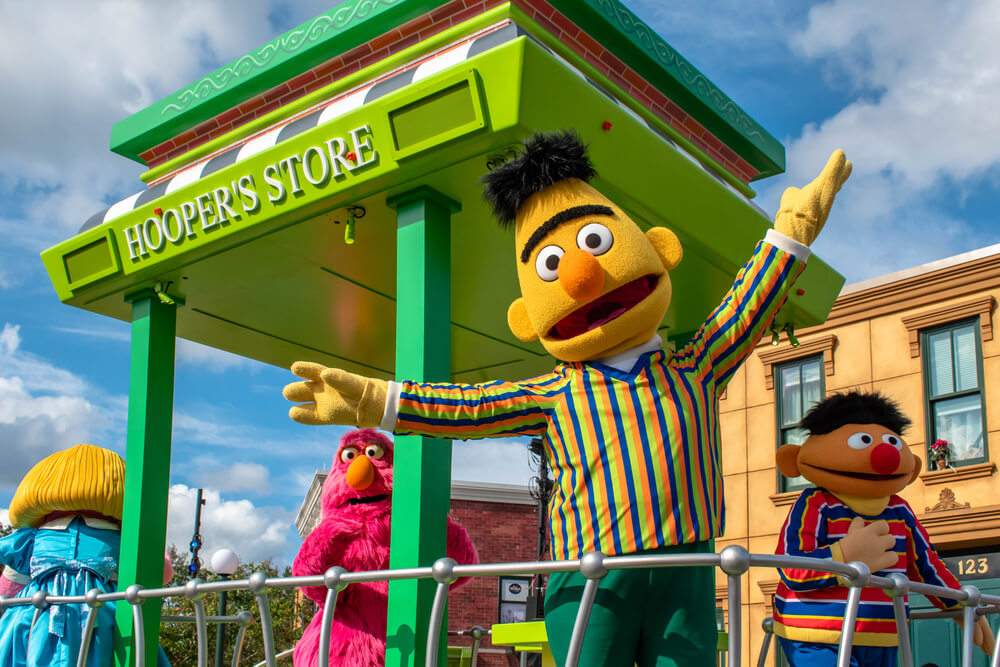
Networks included educational content mixed into Saturday morning blocks—Schoolhouse Rock, The Electric Company, Sesame Street. Kids watched them not out of choice but because they were part of the lineup.
When pure entertainment options were available elsewhere, these programs were skipped without guilt.
Rewatching the Same Episodes Repeatedly

Cable’s strategy of running continuous syndication meant seeing the same episodes multiple times yearly. Kids watched the same show numerous times without complaint because it was new to them each time.
The habit of repeated viewing created deep familiarity with specific episodes that became core memories.
Getting Information About Shows From Word-of-Mouth Only

Before the internet and social media, the only way to know about shows was talking to friends or reading TV Guide. This created a slower, more limited information ecosystem.
The habit of gleaning entertainment news from playground conversation died with internet access to instant episode summaries and fan communities.
Pretending to Watch Educational Content
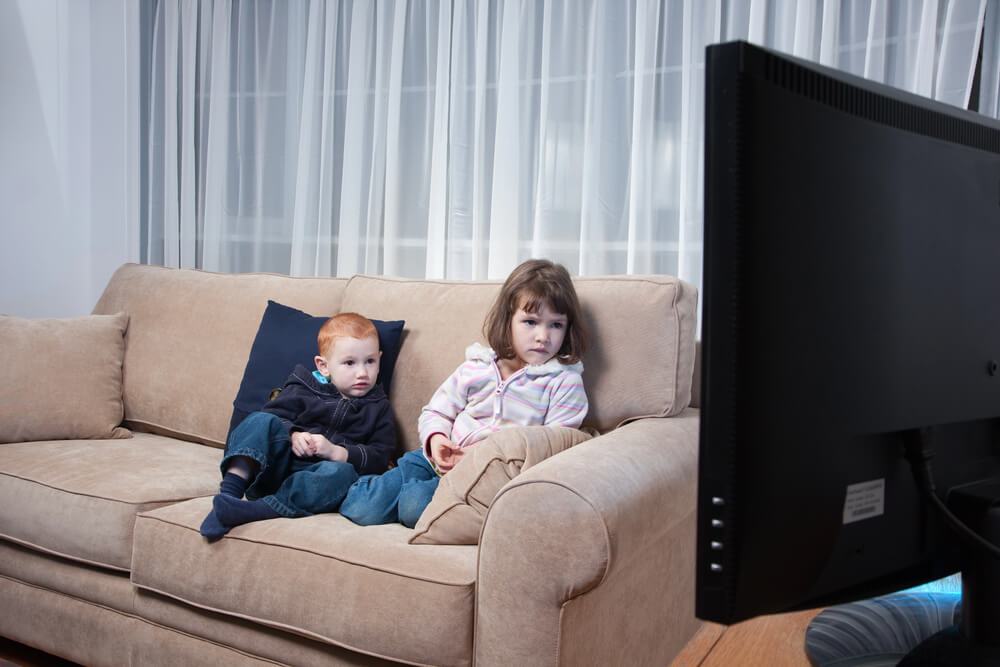
Kids endured less popular shows to stay in their viewing spot for the next cartoon block. They faked attention through educational programming to preserve their floor position.
When instant access meant no lost opportunities, the habit of tolerating lesser content for eventual better content disappeared.
Feeling Genuine Disappointment at Reruns

Reruns signaled the end of new content for the summer or that production had lapsed. Seeing a repeated episode meant genuine disappointment.
The habit of caring about new versus repeated content vanished when on-demand meant you could always find something unwatched.
Writing Fan Mail to Networks and Characters

Kids would write letters to TV networks addressing fictional characters, requesting specific episodes, or requesting merchandise. Networks would respond.
This habit declined when email and social media replaced physical correspondence, and when direct creator access became possible through internet channels.
Experiencing Legitimate Anxiety Over Missed Episodes

The fear of missing a show you cared about created stress that motivated early rising and planning. The anxiety was real because there was no second chance easily available.
This behavior pattern died when immediate access meant no stakes for missing any single viewing.
Bonding Over Common Commercial Memories

Entire conversations could be built on shared commercial memories—which ads were funny, which annoyed everyone, which became meme-level famous. The habit of building friendship around commercial culture specific to Saturday mornings disappeared when marketing became fragmented across platforms and timing.
The Loss of Scarcity-Based Attention

The fundamental habit that underlay everything was the ability to focus intensely on a limited set of options. Scarcity created attention.
Abundance destroyed that attention model. The habit of sustained focus on Saturday morning television became permanently replaced by fractured, on-demand viewing across multiple screens and platforms simultaneously.
More from Go2Tutors!

- 16 Historical Figures Who Were Nothing Like You Think
- 12 Things Sold in the 80s That Are Now Illegal
- 15 VHS Tapes That Could Be Worth Thousands
- 17 Historical “What Ifs” That Would Have Changed Everything
- 18 TV Shows That Vanished Without a Finale
Like Go2Tutors’s content? Follow us on MSN.