Native Leaders Who Shaped American History
American history textbooks long treated Native leaders as obstacles on the road west, figures who appeared briefly before a battle and vanished after a treaty. The record says otherwise.
Diplomats, warriors, writers, lawyers and politicians from dozens of nations shaped the borders, laws and institutions of the United States, often while fighting for the survival of their own people.
Hiawatha and the Great Law of Peace
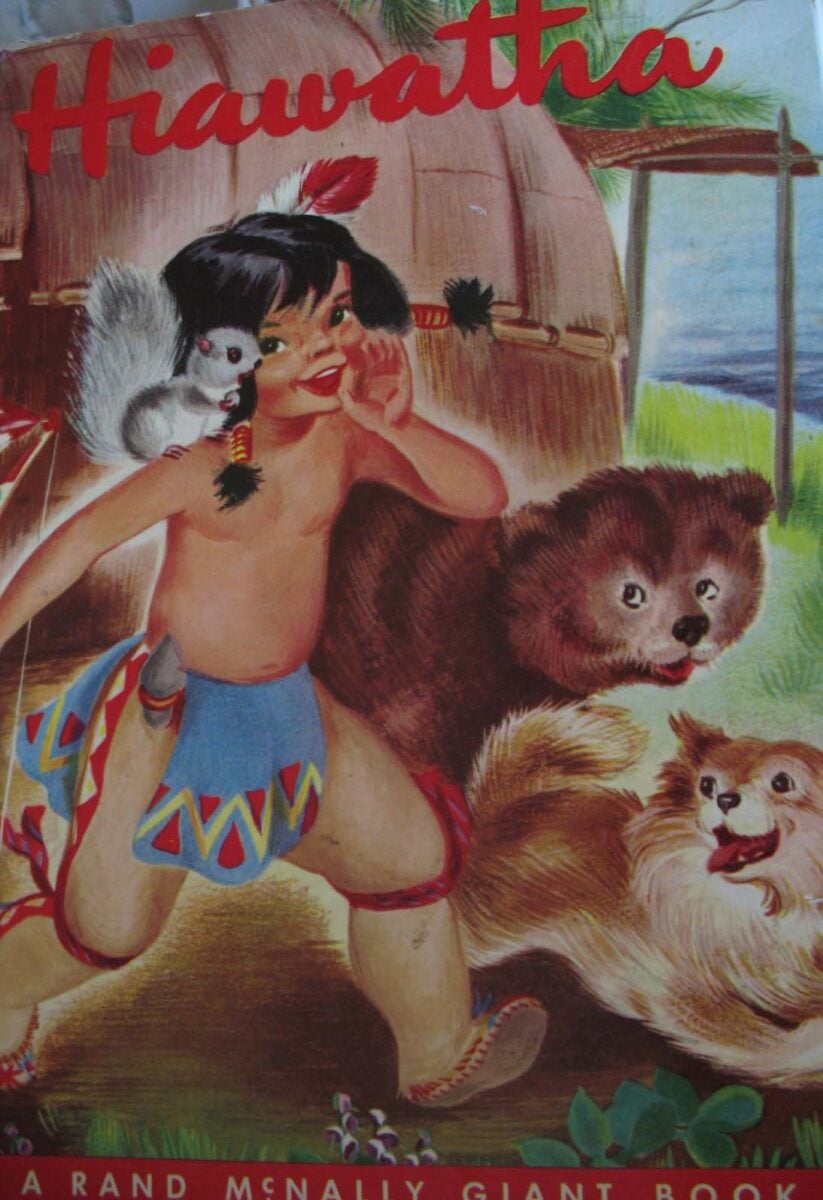
Hiawatha, an Onondaga or Mohawk leader depending on the telling, worked with a figure known as the Peacemaker to unite five warring nations, the Mohawk, Oneida, Onondaga, Cayuga and Seneca, into the Haudenosaunee Confederacy. The Tuscarora joined in the early 1700s.
The confederacy’s founding date remains debated, with estimates spread over several centuries. Its Great Law of Peace established councils, checks on power and a role for clan mothers in choosing leaders.
In 1988, Congress passed a resolution acknowledging the confederacy’s influence on the framers of the Constitution. Longfellow’s famous poem borrowed the name but not the history.
Powhatan and the Jamestown Colony
Wahunsenacawh, known to the English as Powhatan, ruled a paramount chiefdom of roughly 30 Algonquian-speaking nations in coastal Virginia when the Jamestown colonists landed in 1607. His territory, Tsenacommacah, covered much of the Tidewater region.
He controlled access to the food the colonists desperately needed, alternating between trade and pressure as their numbers and demands grew. The marriage of his daughter Pocahontas to John Rolfe in 1614 brought a period of relative peace that lasted until his death in 1618.
His choices shaped whether England’s first permanent American colony would survive at all.
Massasoit and the Plymouth Alliance
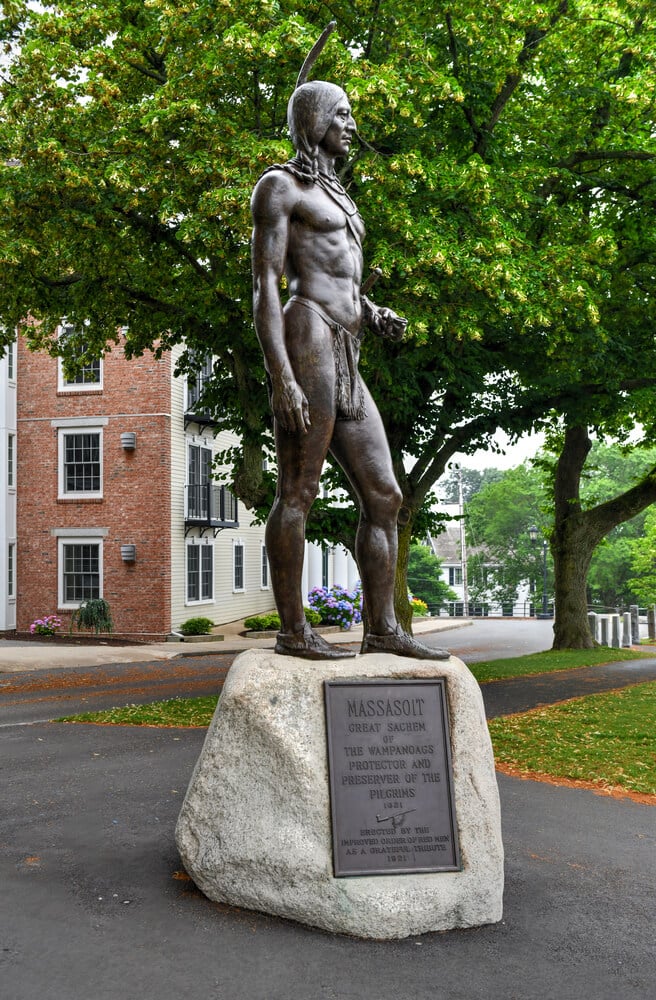
Massasoit, also known as Ousamequin, led the Wampanoag when the Mayflower settlers arrived in 1620. His people had just been devastated by epidemics, and an alliance with the newcomers offered protection against rival nations.
In 1621 he agreed to a mutual defense pact with Plymouth Colony, and that autumn he arrived with about 90 men at the harvest celebration later remembered as the first Thanksgiving. The alliance held for roughly four decades, until his death around 1661.
Without his decision to support the struggling colony, Plymouth might not have survived its early years.
Metacom and King Philip’s War
Metacom, Massasoit’s son, was called King Philip by the English. As colonists pushed onto Wampanoag land and pressured his people to submit to colonial law, he led a coalition of nations in a war that broke out in 1675.
Relative to population, King Philip’s War ranks among the deadliest conflicts in American history, destroying dozens of English towns and killing thousands on all sides. Metacom was killed in August 1676, and colonial authorities displayed his head on a pike in Plymouth for about two decades.
The war broke the military power of southern New England’s Native nations.
Pontiac and the War of 1763

Pontiac, an Odawa war leader, organized an uprising in 1763 after Britain took over French forts in the Great Lakes region and cut back on the gifts and trade that had sustained alliances. Warriors from many nations captured or destroyed several British posts, and Pontiac led a months-long siege of Fort Detroit.
The uprising helped push London toward the Royal Proclamation of 1763, which limited colonial settlement west of the Appalachians and angered colonists in the years before the Revolution. General Motors later named a car brand after him, sold from 1926 until 2010.
Little Turtle and the Army’s Worst Defeat
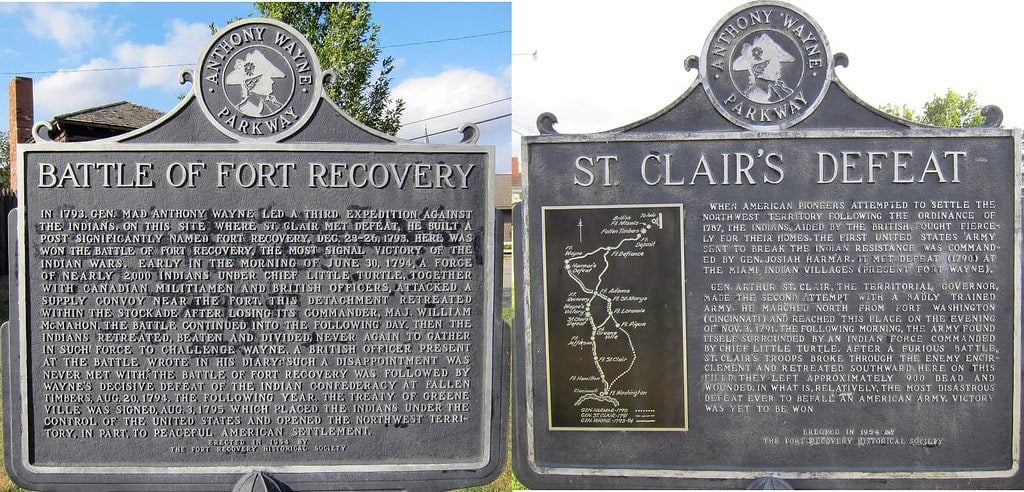
Little Turtle, or Mishikinakwa, was a Miami war leader who helped organize a confederacy of nations against American expansion into the Ohio Country. In November 1791, his forces, together with the Shawnee leader Blue Jacket and others, routed General Arthur St. Clair’s army along the Wabash River, killing more than 600 soldiers.
It remains the worst defeat ever suffered by the U.S. Army at the hands of Native forces. The disaster led Congress to build a stronger professional army.
After the confederacy lost at Fallen Timbers in 1794, Little Turtle signed the Treaty of Greenville and became an advocate for peace.
Tecumseh and the Dream of a Confederacy
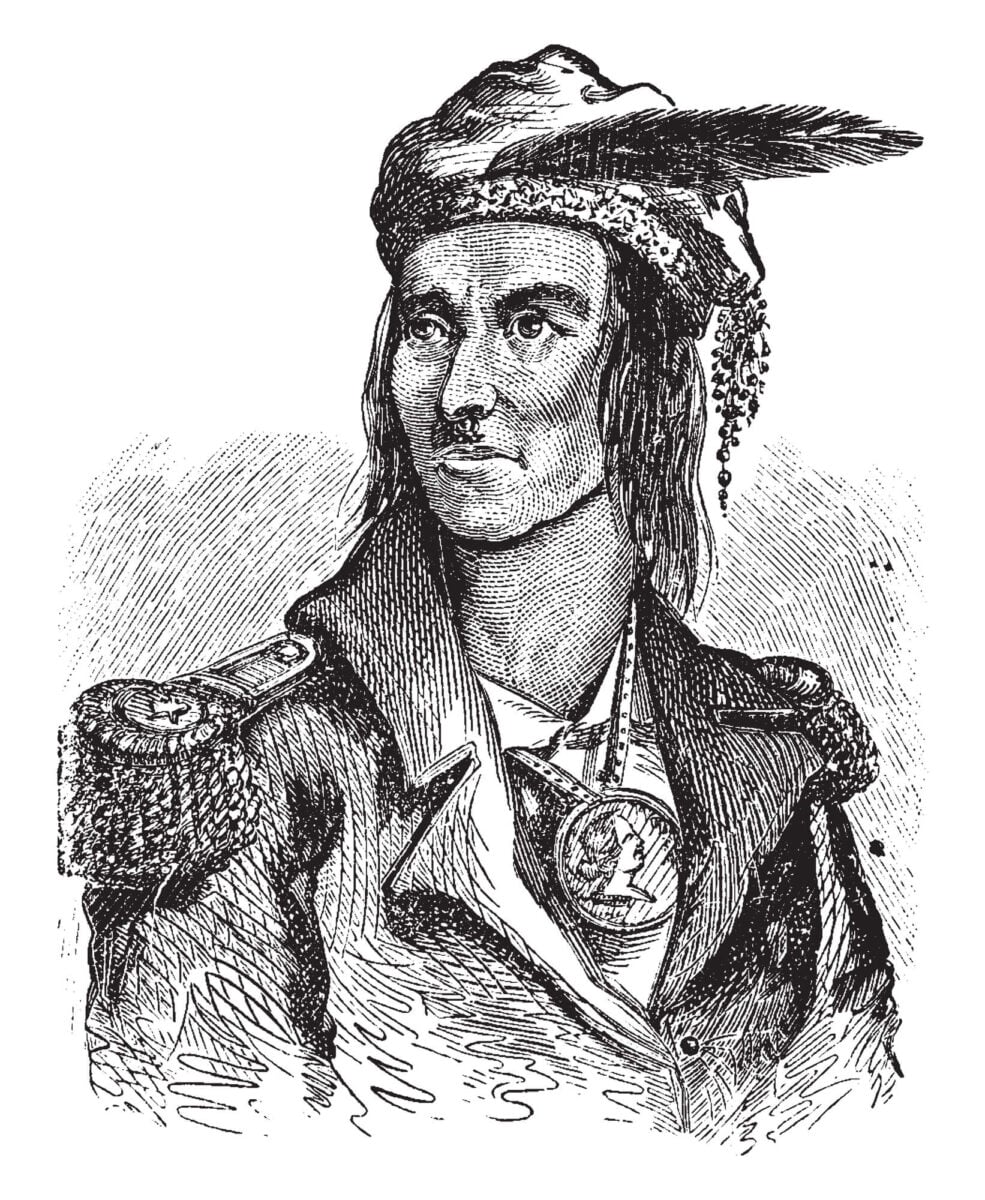
Tecumseh, a Shawnee leader, traveled thousands of miles in the early 1800s urging nations from the Great Lakes to the Gulf Coast to unite and refuse further land cessions. His brother Tenskwatawa, known as the Prophet, led a spiritual revival at Prophetstown in Indiana.
While Tecumseh was away recruiting in 1811, American forces under William Henry Harrison fought the Battle of Tippecanoe there. Tecumseh then allied with Britain in the War of 1812 and helped capture Detroit.
His death at the Battle of the Thames in October 1813 ended the most ambitious pan-Indian alliance of the era.
Sequoyah and the Cherokee Syllabary
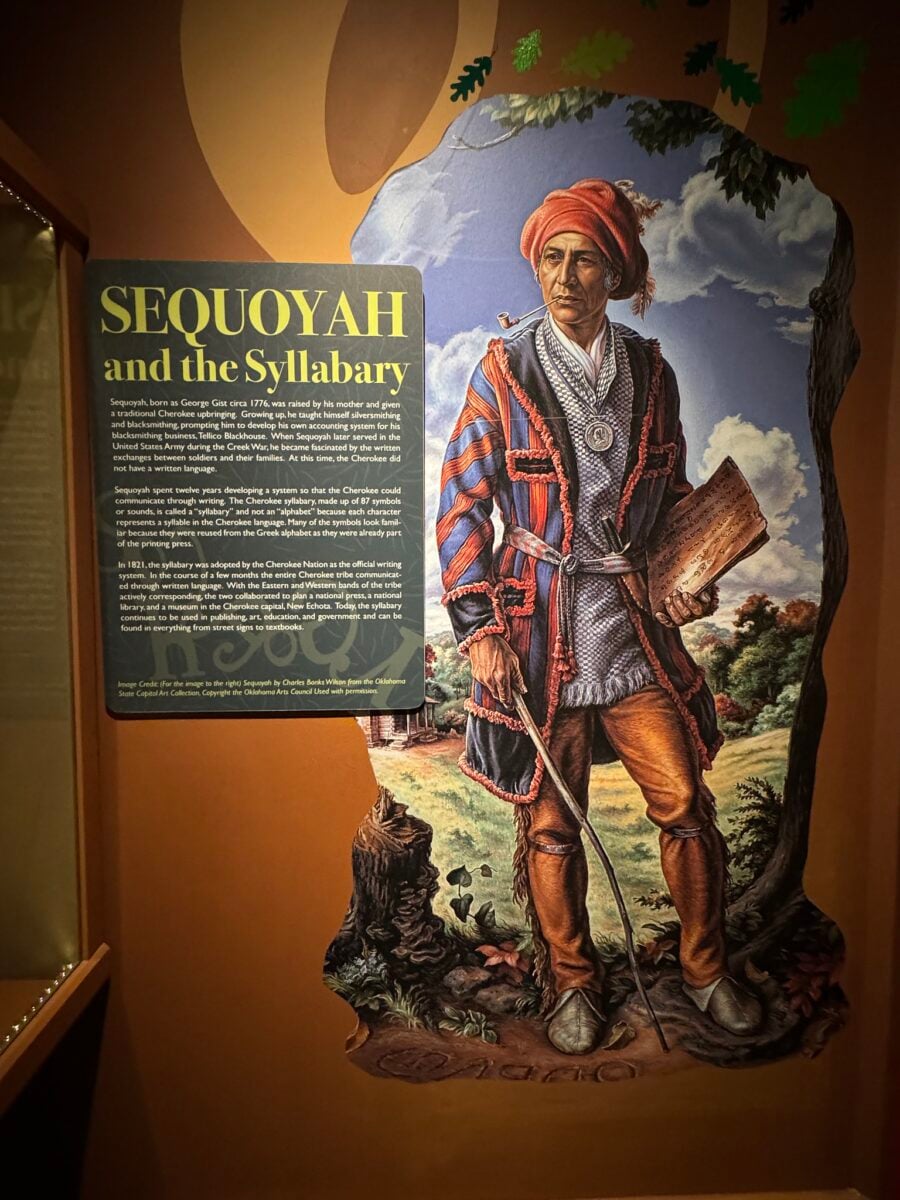
Sequoyah, a Cherokee silversmith who could not read or write any language, spent years developing a writing system for Cherokee. By 1821 he had created a syllabary of 86 characters, each representing a syllable.
It was so easy to learn that thousands of Cherokee became literate within a few years. In 1828 the nation launched the Cherokee Phoenix, the first newspaper published by Native Americans, printed in both English and Cherokee.
Sequoyah’s achievement is often cited as one of the very few cases of a single person creating a complete writing system, and the syllabary is still taught today.
John Ross and the Fight Against Removal
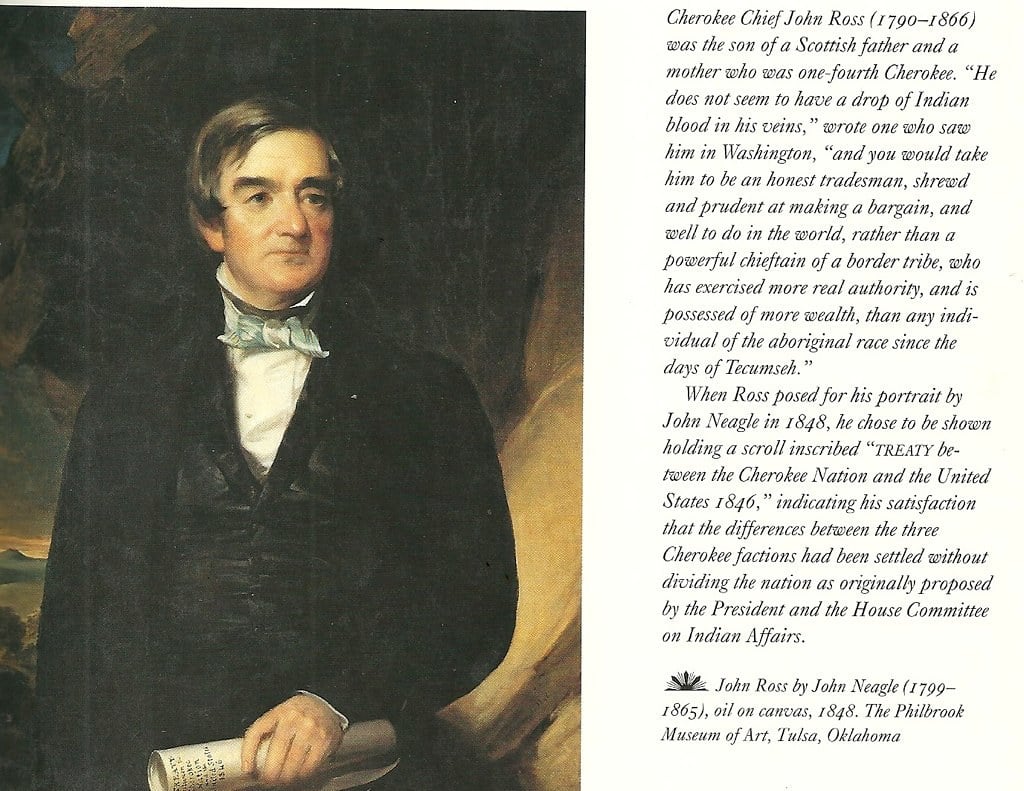
John Ross served as principal chief of the Cherokee Nation from 1828 until his death in 1866, nearly four decades. Though he was only one-eighth Cherokee by ancestry, he became the nation’s leading defender in its legal and political fight against forced removal from Georgia.
The Supreme Court sided with the Cherokee in Worcester v. Georgia in 1832, but President Andrew Jackson’s administration did not enforce it. Federal troops forced the Cherokee west in 1838 and 1839, on the forced march known as the Trail of Tears, when thousands died.
Ross’s wife Quatie was among them.
Osceola and the Seminole Resistance
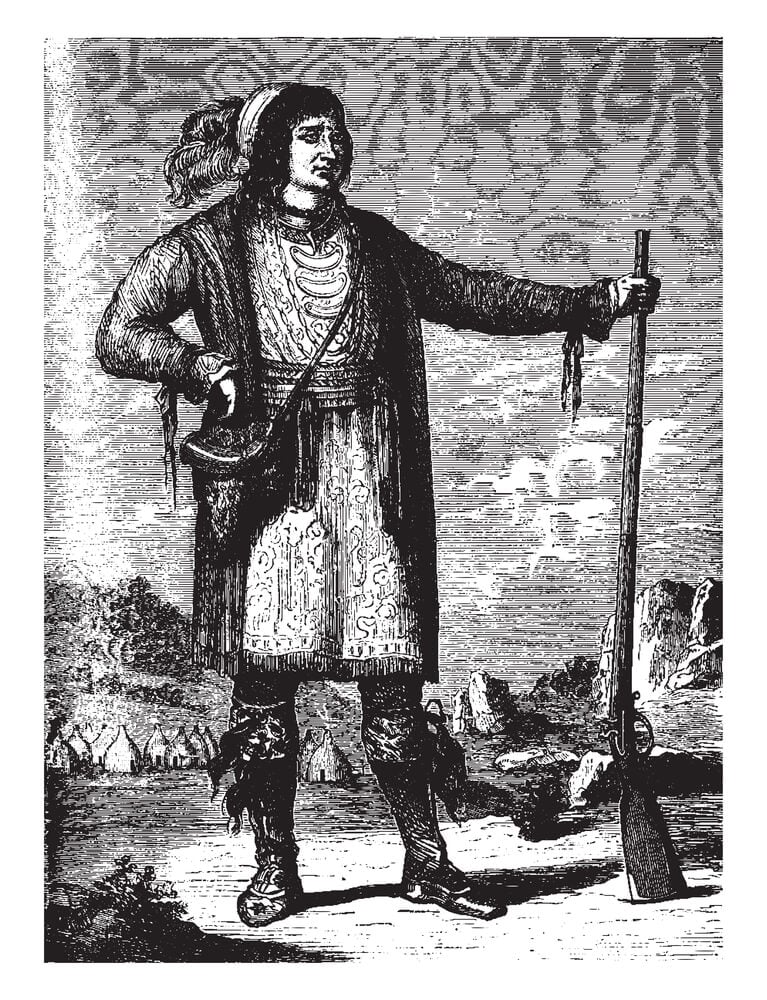
Osceola became the most famous leader of Seminole resistance during the Second Seminole War, which broke out in 1835 when the United States tried to force the Seminole out of Florida. The conflict became one of the costliest Indian wars the U.S. Army fought.
In 1837, General Thomas Jesup had Osceola seized while he was meeting under a white flag of truce, an act that drew outrage across the country. Osceola died in prison at Fort Moultrie, South Carolina, in 1838.
Many Seminole never surrendered, and the Seminole Tribe of Florida proudly describes its ancestors as unconquered.
Black Hawk and the War of 1832
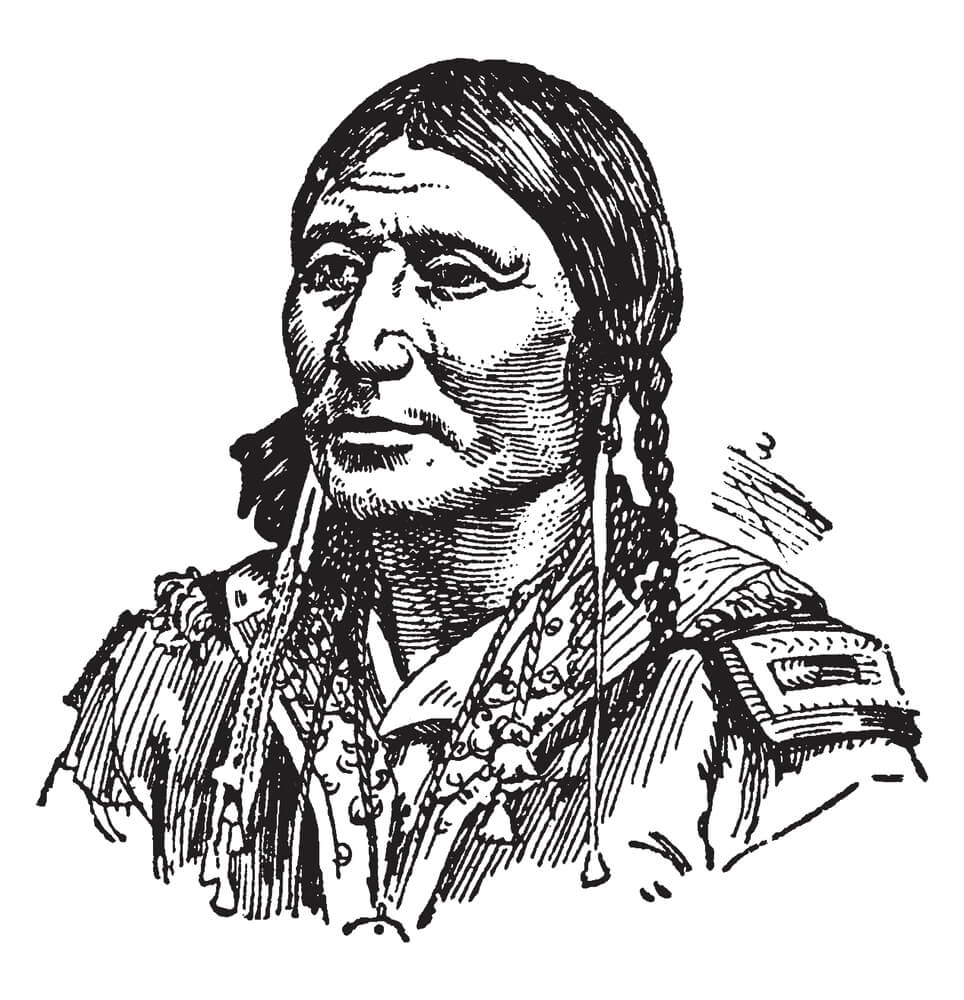
Black Hawk, a Sauk war leader, refused to accept a disputed 1804 treaty that ceded Sauk lands in Illinois. In 1832 he led about a thousand Sauk and Meskwaki people, including women and children, back across the Mississippi River, setting off the Black Hawk War.
A young Abraham Lincoln served in the Illinois militia during the conflict. The war ended in a massacre at the Bad Axe River.
Black Hawk’s autobiography, dictated and published in 1833, is widely described as the first Native American autobiography published in the United States. The Army later named its UH-60 helicopter after him.
Manuelito and the Return From Bosque Redondo
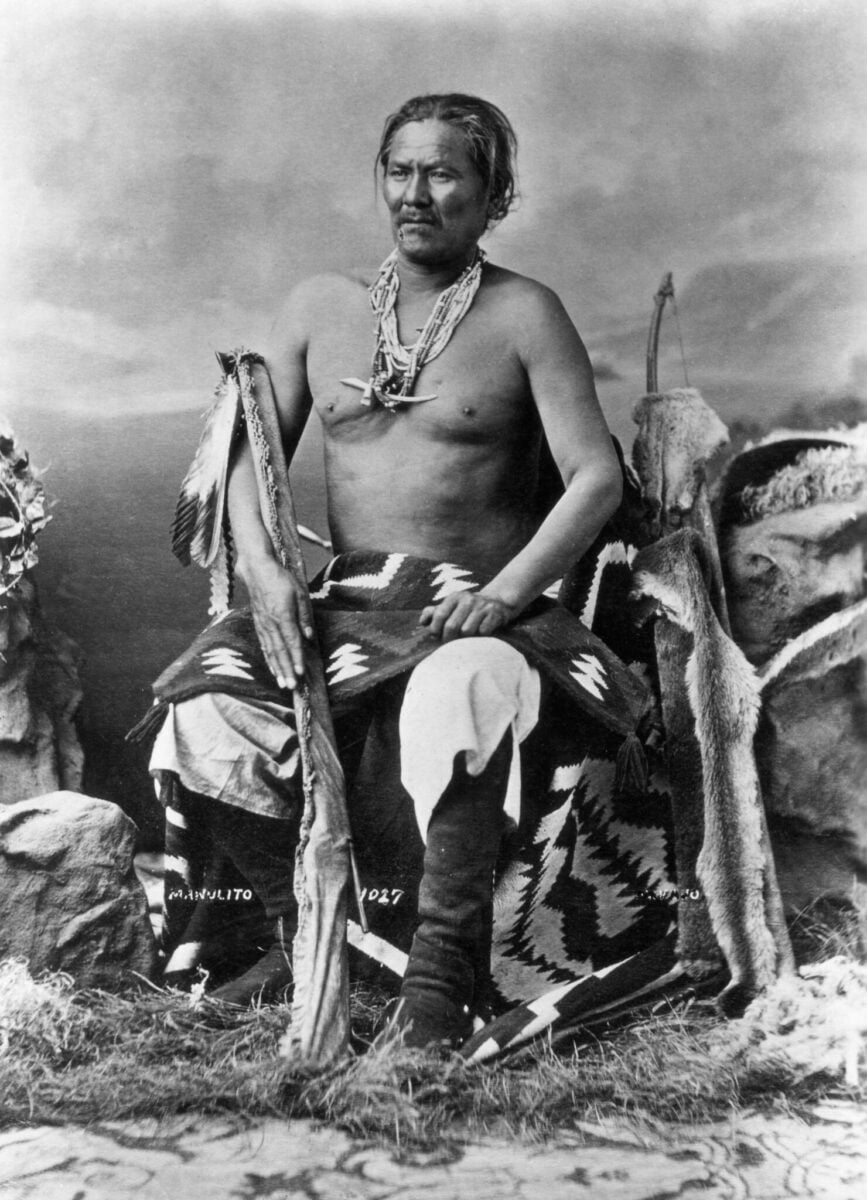
Manuelito was a Navajo leader who resisted the U.S. Army campaign of the 1860s that forced thousands of Navajo on the Long Walk to Bosque Redondo, a barren reservation in eastern New Mexico. Many died on the march and in the camp.
Manuelito was among the leaders who signed the Treaty of 1868, which allowed the Navajo to return to part of their homeland, a rare outcome in an era of removals. In later years he urged young Navajo to pursue education as a new form of protection.
The Navajo Nation, now the largest reservation by area in the United States, grew from that treaty.
Red Cloud and the War He Won
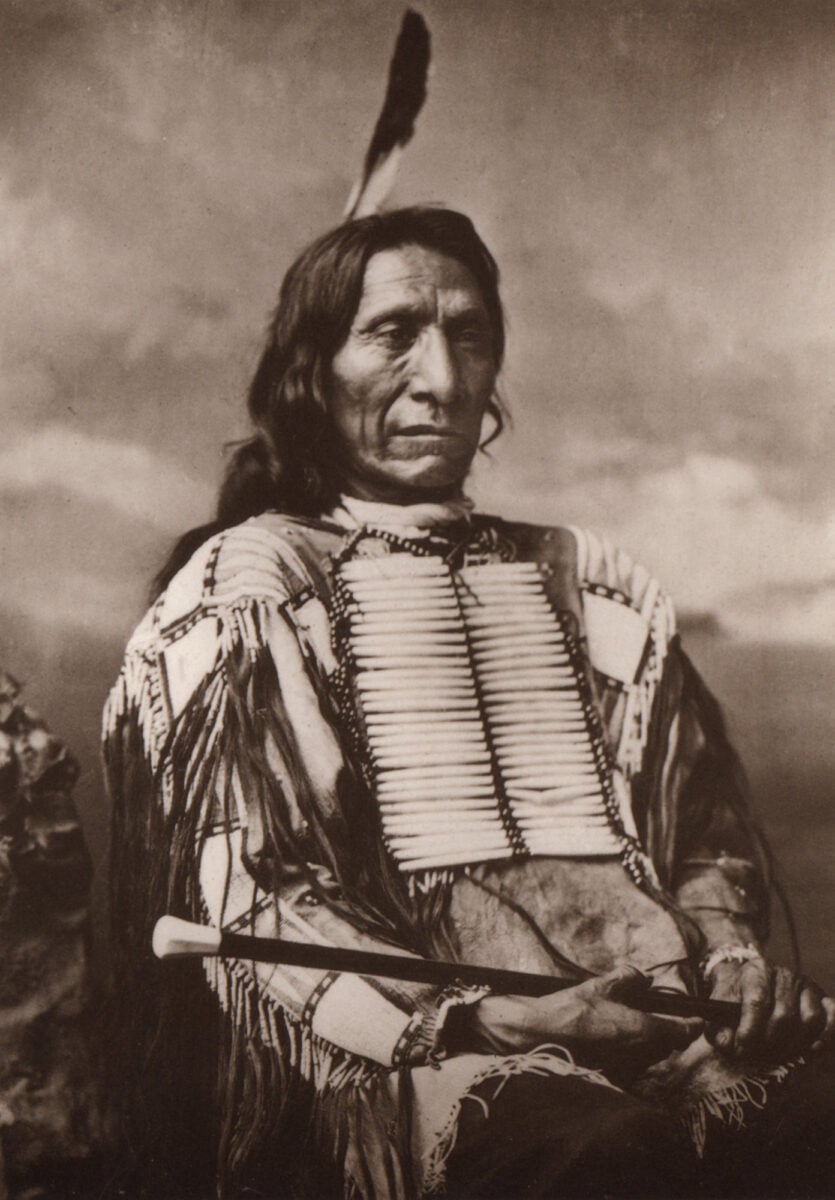
Red Cloud, an Oglala Lakota leader, led a campaign from 1866 to 1868 against U.S. forts protecting the Bozeman Trail through Lakota hunting grounds in Wyoming and Montana. His warriors made the trail too dangerous to use, and in 1866 they wiped out a detachment of 81 soldiers under Captain William Fetterman.
The Treaty of Fort Laramie in 1868 closed the forts and recognized the Black Hills as part of the Great Sioux Reservation. Red Cloud’s War is often described as the only war in which a Native nation forced the United States to accept its terms.
He lived until 1909.
Sitting Bull at Little Bighorn
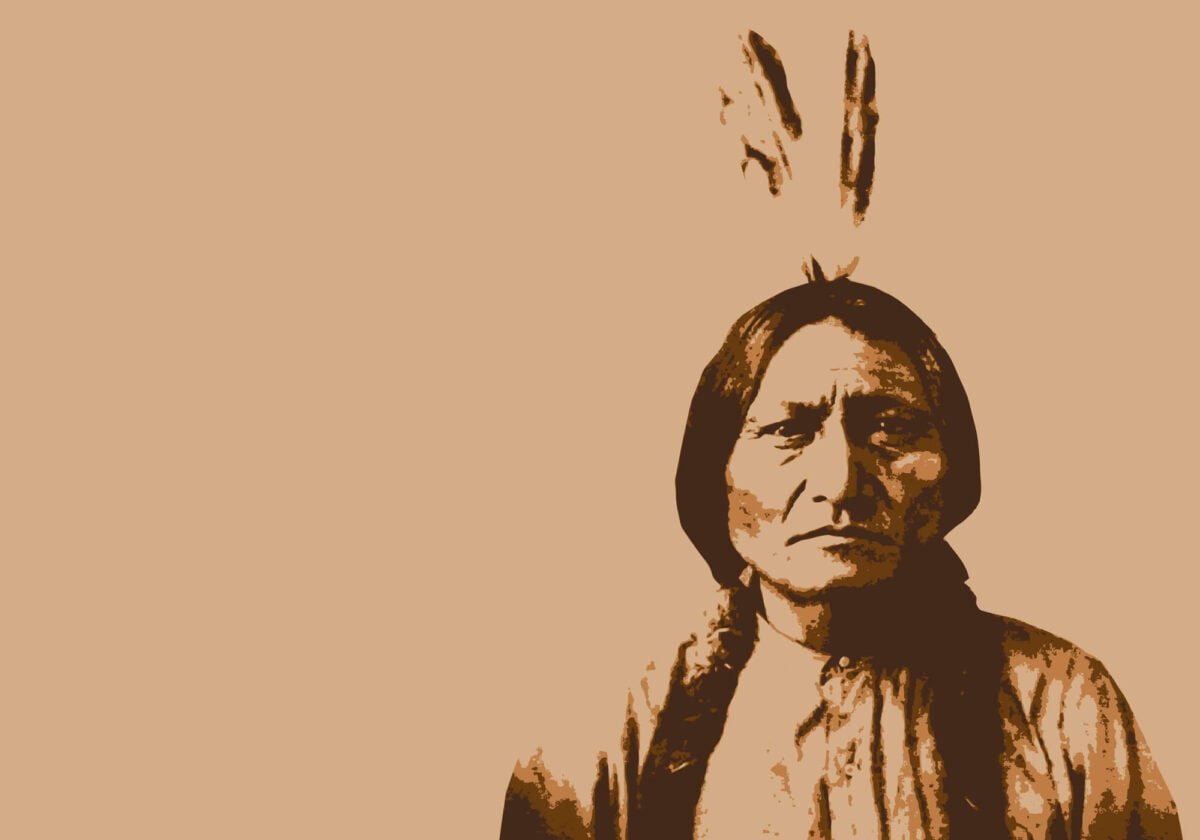
Sitting Bull, a Hunkpapa Lakota leader and holy man, refused to move onto a reservation after gold seekers flooded the Black Hills in the 1870s. In June 1876 he had a vision during a Sun Dance of soldiers falling into camp, and days later Lakota, Cheyenne and Arapaho warriors destroyed Lieutenant Colonel George Custer’s command at the Little Bighorn.
Sitting Bull later fled to Canada, surrendered in 1881, and spent about four months touring with Buffalo Bill’s Wild West in 1885. He was killed by tribal police at Standing Rock in December 1890, two weeks before the massacre at Wounded Knee.
Crazy Horse, the Leader Never Photographed
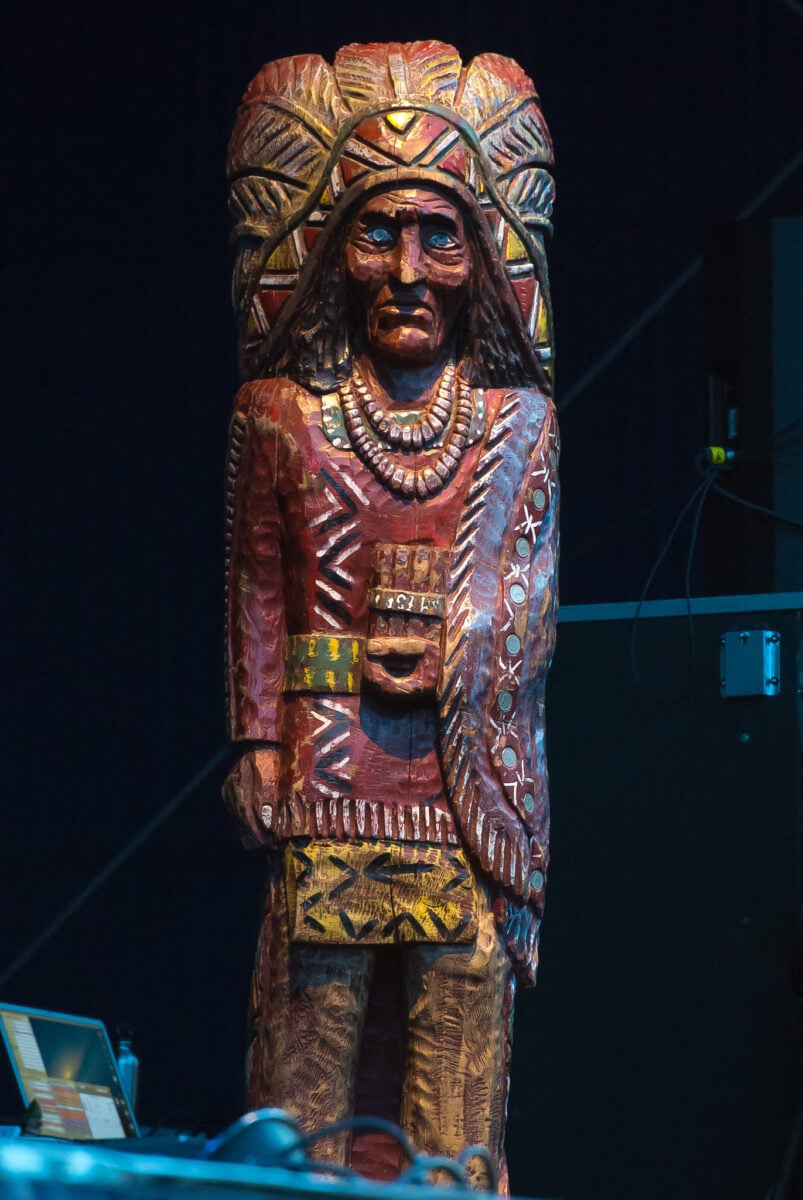
Crazy Horse, an Oglala Lakota war leader, fought at the Rosebud and the Little Bighorn in 1876 and became a symbol of resistance to reservation life. He surrendered in 1877 and was fatally stabbed by a soldier at Camp Robinson, Nebraska, that September, in circumstances still disputed.
No authenticated photograph of him exists. In 1948, sculptor Korczak Ziolkowski began carving the Crazy Horse Memorial into a mountain in the Black Hills at the invitation of Lakota elder Henry Standing Bear.
The face was completed in 1998, and work continues, funded without federal money.
Chief Joseph and the Long Retreat
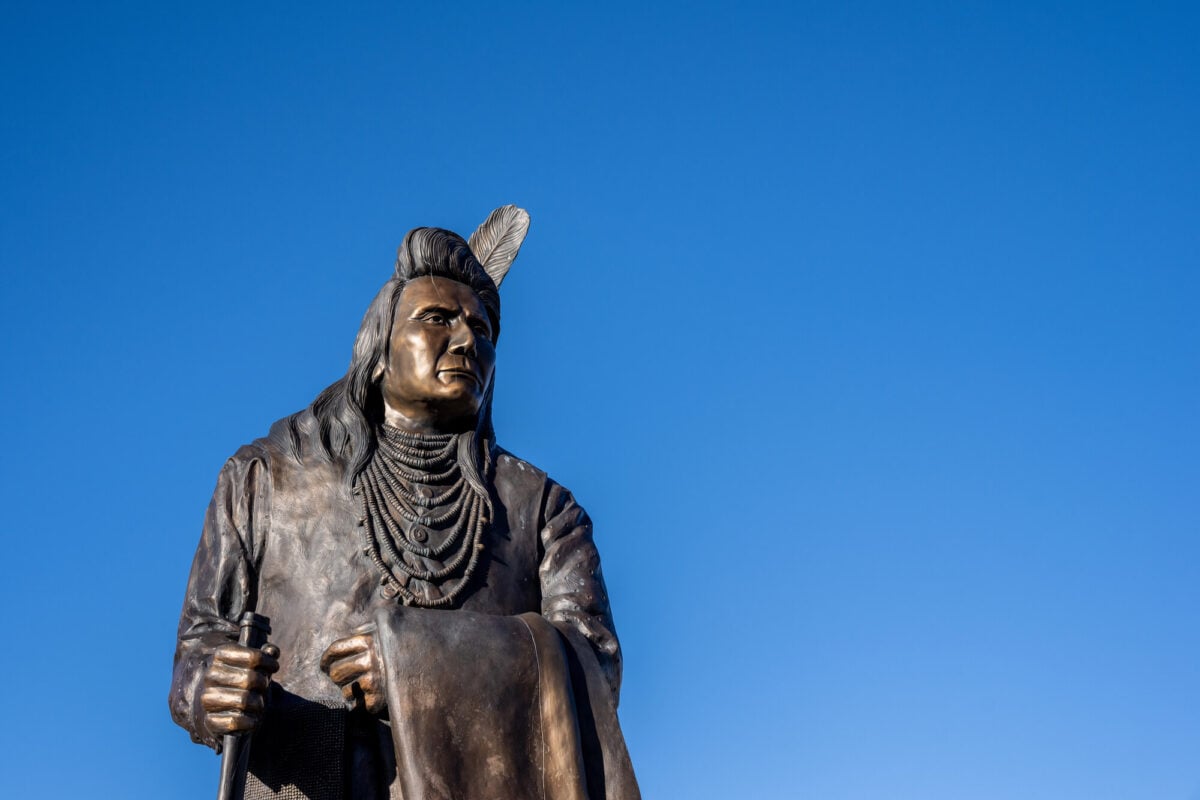
Chief Joseph led the Wallowa band of Nez Perce, who refused to leave their Oregon homeland for a reservation in Idaho. In 1877, as the Army moved to force them out, roughly 800 Nez Perce fled on a trek of about 1,170 miles through Idaho, Wyoming and Montana, outmaneuvering several Army columns.
They were stopped at the Bear Paw Mountains, about 40 miles from the Canadian border, in October 1877. Joseph’s surrender speech became one of the most quoted statements in American history.
He spent his remaining years petitioning for his people’s return and died in exile in 1904.
Standing Bear and the Right to Be a Person
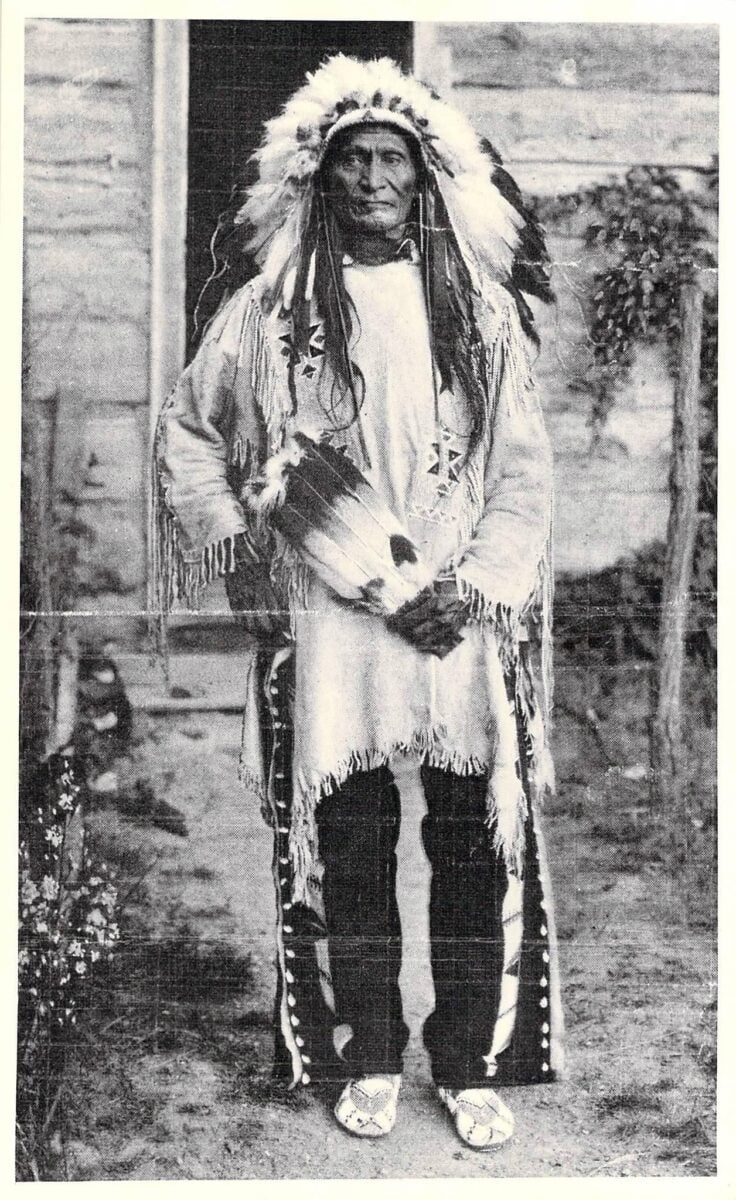
Standing Bear, a Ponca chief, was arrested in 1879 after leaving the reservation in Indian Territory where his people had been forcibly relocated. He was trying to bury his son in the family’s homeland along the Niobrara River in Nebraska.
With help from sympathetic lawyers, he sued in federal court in Omaha. Judge Elmer Dundy ruled that a Native American is a person under the law with the right to seek habeas corpus, a landmark decision.
In 2019 a statue of Standing Bear was placed in the National Statuary Hall collection at the U.S. Capitol, representing Nebraska.
Geronimo and the Last Holdouts
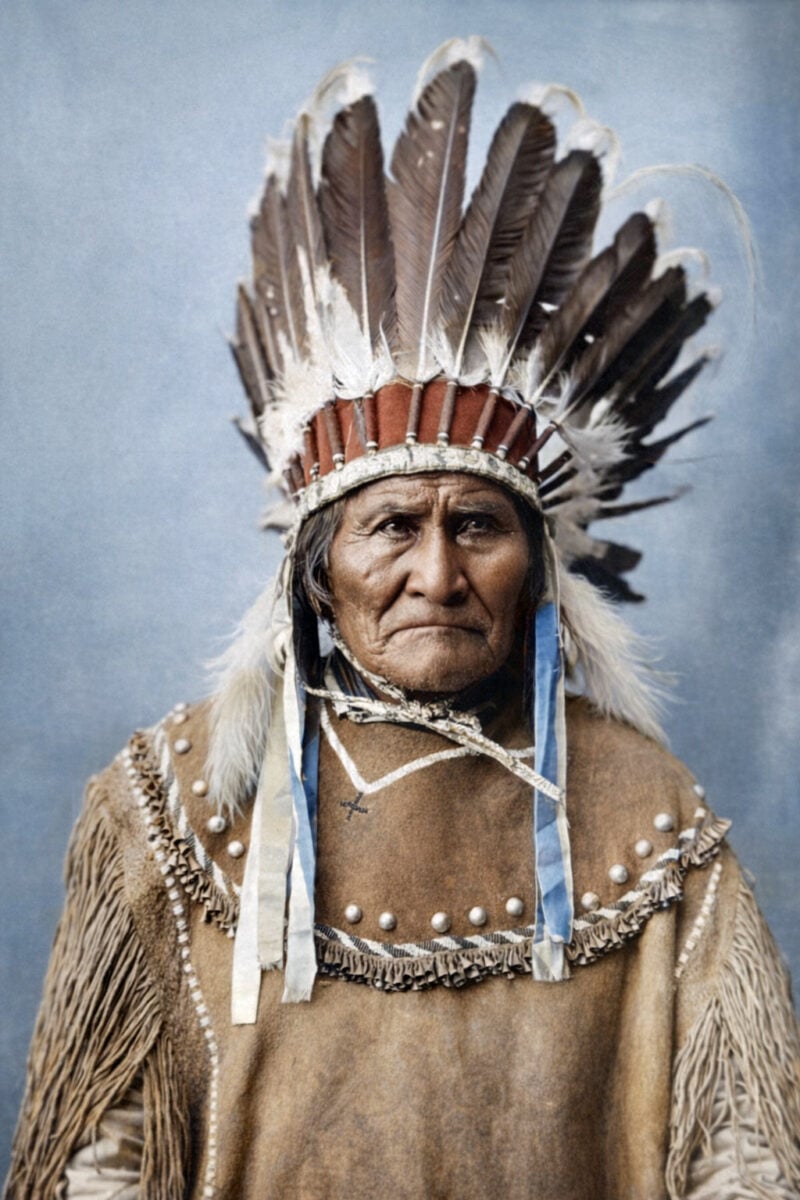
Geronimo, a Bedonkohe Apache medicine man and war leader, led small bands that evaded thousands of U.S. and Mexican troops in the mountains of Arizona and northern Mexico during the 1880s. His final surrender, in September 1886 at Skeleton Canyon, Arizona, is often marked as the end of the Apache wars.
He spent the rest of his life as a prisoner of war, eventually at Fort Sill, Oklahoma. Officials displayed him at the 1904 St. Louis World’s Fair, and he rode in Theodore Roosevelt’s 1905 inaugural parade.
He died in 1909, still a prisoner.
Quanah Parker, Warrior Turned Rancher
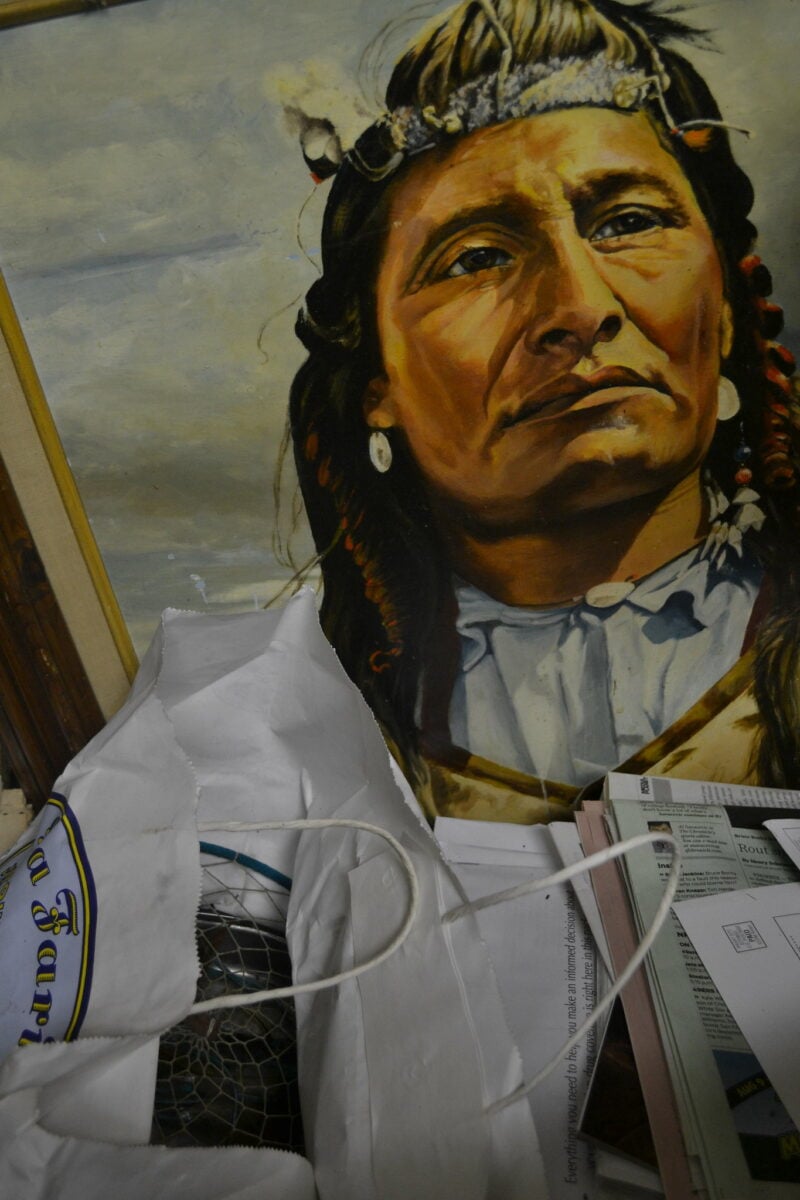
Quanah Parker was the son of the Comanche leader Peta Nocona and Cynthia Ann Parker, a settler captured as a child who grew up Comanche. He fought on the southern Plains until 1875, when his Quahadi band became one of the last Comanche groups to come onto the reservation near Fort Sill.
Quanah then became a skilled negotiator, leasing grazing land to Texas cattlemen and growing wealthy. His home, the Star House, still stands in Cache, Oklahoma.
He hosted Theodore Roosevelt on a wolf hunt in 1905 and was a key early leader of the movement that became the Native American Church.
Ely S. Parker at Appomattox
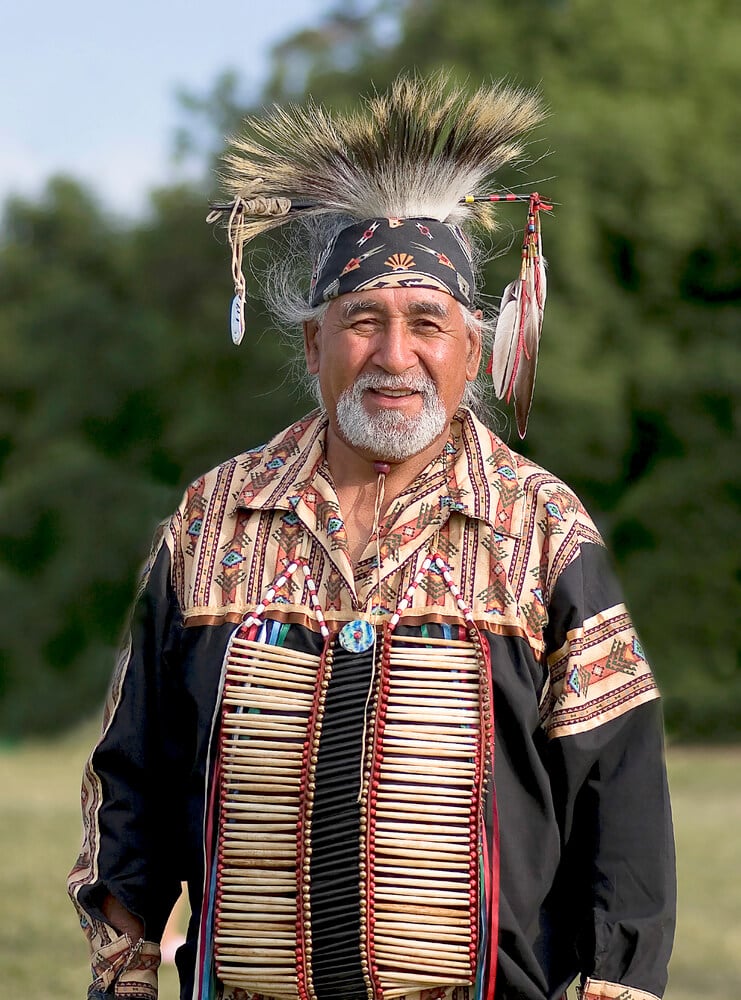
Ely S. Parker, a Seneca sachem trained in engineering and law, served as military secretary to Ulysses S. Grant during the Civil War. At Appomattox Court House in April 1865, Parker wrote out the final copies of the surrender terms that ended the war in Virginia.
According to accounts of the meeting, Robert E. Lee remarked on Parker being a real American, and Parker replied that all of them were Americans. In 1869 President Grant appointed him Commissioner of Indian Affairs, the first Native American to hold the post.
He had earlier been refused admission to the bar because he was not considered a citizen.
Sarah Winnemucca, Writer and Advocate
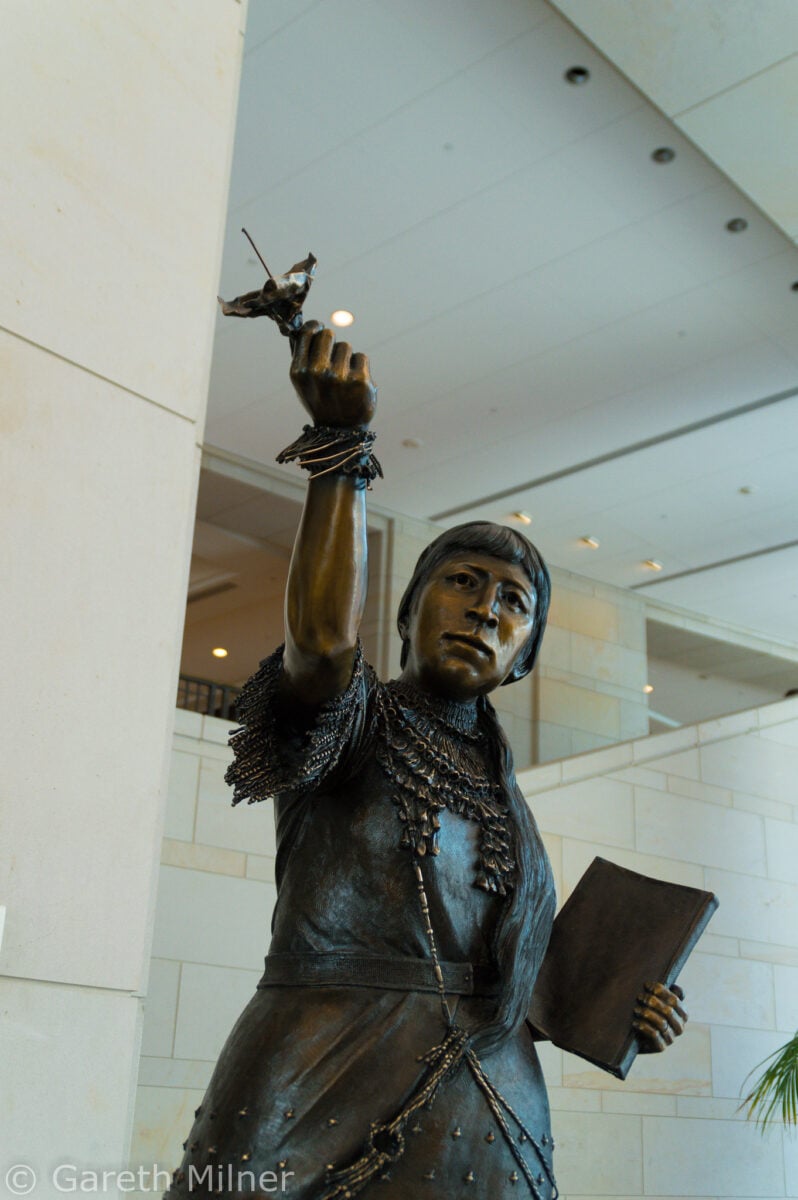
Sarah Winnemucca was a Northern Paiute interpreter, lecturer and author who spent her life defending her people’s land and rights. She gave hundreds of lectures across the East in the early 1880s, describing abuses by government agents and calling for reform.
In 1883 she published Life Among the Piutes, widely regarded as the first autobiography written by a Native American woman. She also opened a school for Paiute children in Nevada that taught in both Paiute and English.
In 2005 Nevada placed her statue in National Statuary Hall in the U.S. Capitol.
Charles Curtis, Vice President
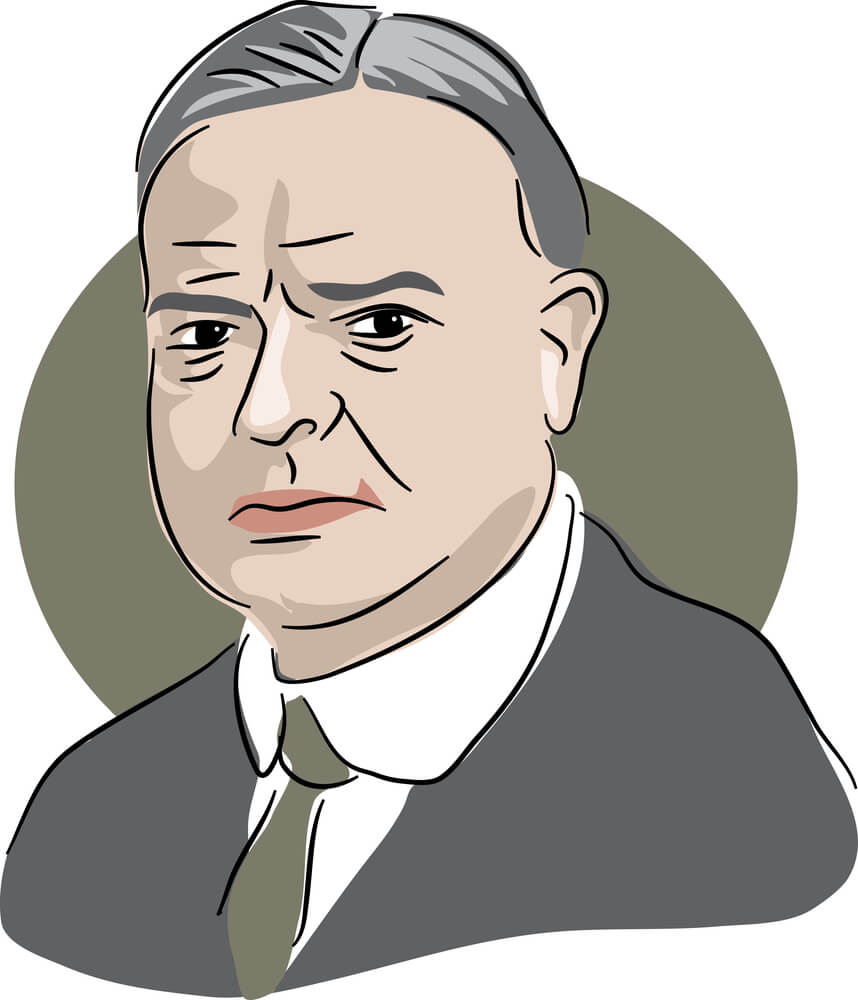
Charles Curtis, a member of the Kaw Nation who spent part of his childhood on the Kaw reservation in Kansas, became the first person of significant Native American ancestry to serve as vice president, holding the office from 1929 to 1933 as the 31st vice president. Before that he served in the House and the Senate, where he rose to Senate majority leader.
His legacy is complicated. The Curtis Act of 1898, which he sponsored, helped dismantle tribal governments in Indian Territory and break up communal lands.
He remains the highest-ranking official of Native ancestry in American history.
Zitkala-Sa, Writer, Composer and Activist
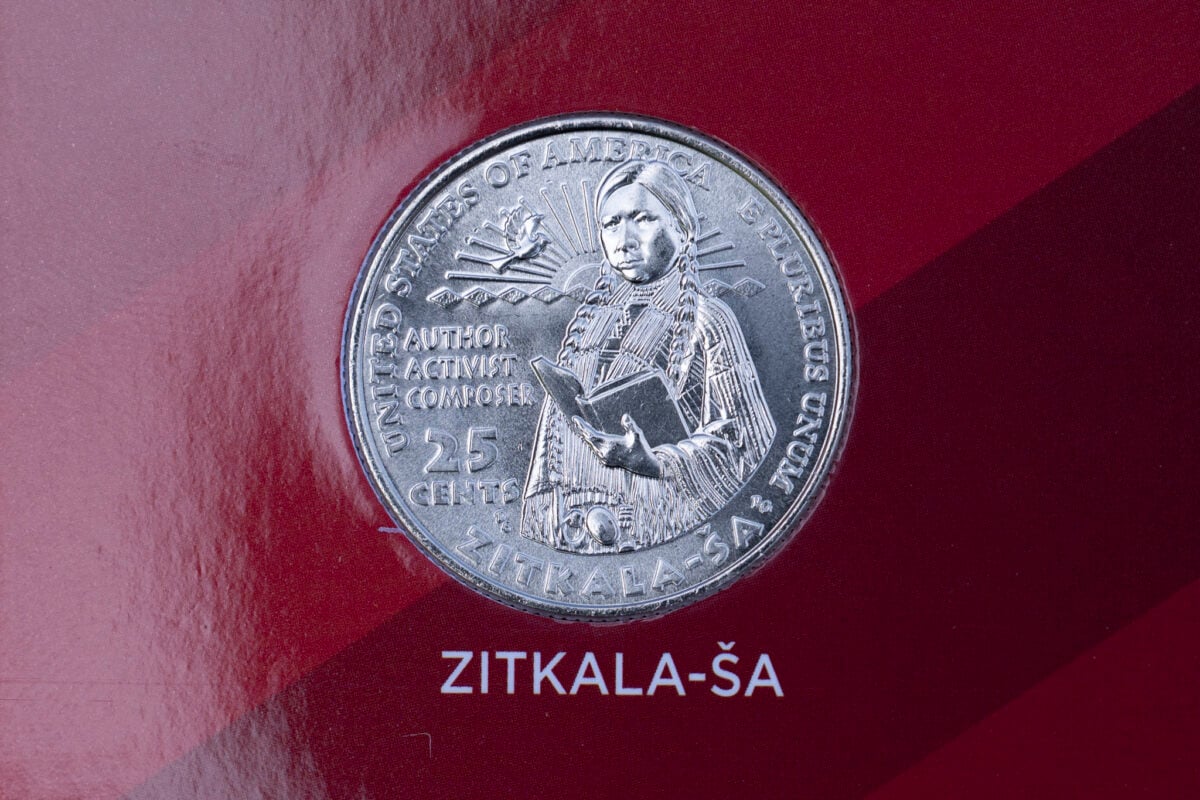
Zitkala-Sa, a Yankton Dakota writer whose English name was Gertrude Simmons Bonnin, published essays about the pain of boarding school life in the Atlantic Monthly around 1900. She co-wrote The Sun Dance Opera in 1913, one of the first operas created with a Native American collaborator.
In 1924 she co-wrote a report exposing the theft of land and oil wealth from Native people in Oklahoma, and in 1926 she founded the National Council of American Indians to lobby for citizenship and voting rights. The U.S. Mint featured her on a 2024 quarter in its American Women Quarters series.
Elizabeth Peratrovich and Alaska’s Civil Rights Law
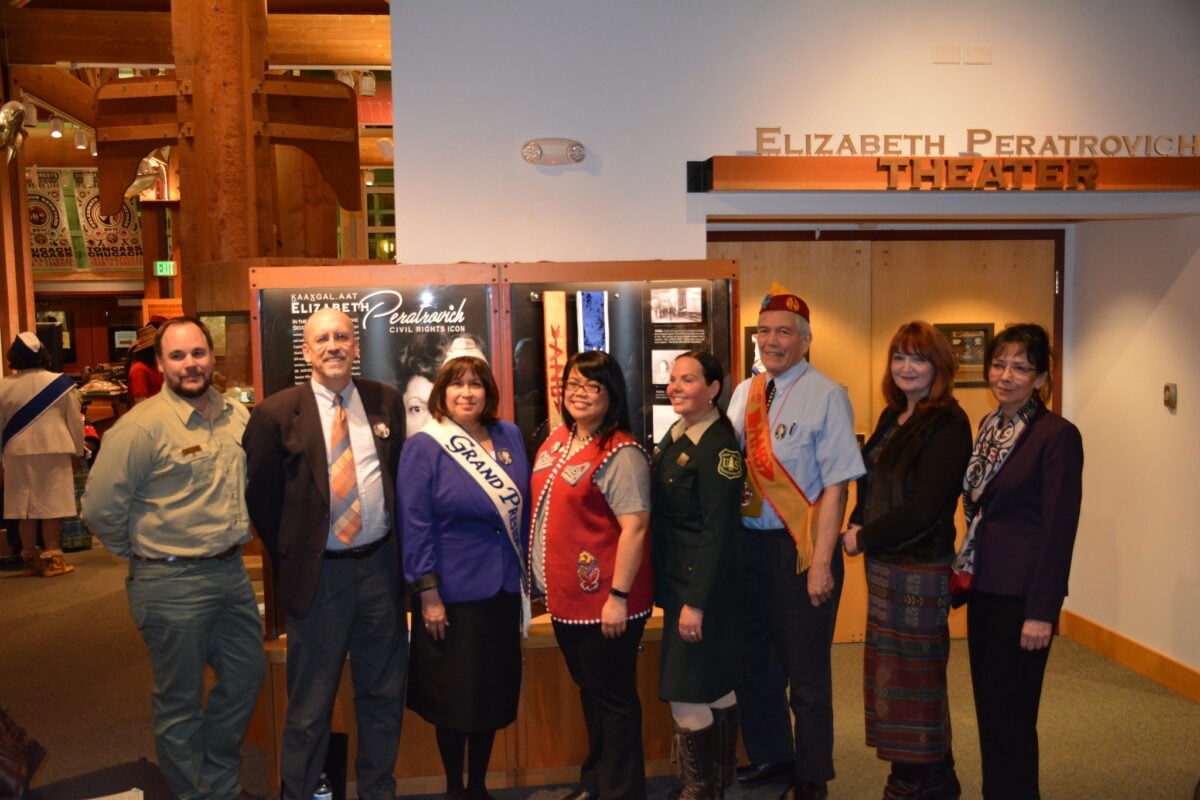
Elizabeth Peratrovich, a Tlingit civil rights leader, fought the signs in Alaska businesses that barred Native people. In February 1945, when the territorial Senate debated an anti-discrimination bill, one senator questioned whether Native people deserved equality.
Peratrovich answered with a speech so pointed that the gallery applauded, and the bill passed. The Alaska Anti-Discrimination Act is often described as the first anti-discrimination law in the United States, arriving nearly two decades before the federal Civil Rights Act of 1964.
Alaska observes Elizabeth Peratrovich Day each February 16, and she appeared on the 2020 Native American dollar coin.
Wilma Mankiller, Principal Chief
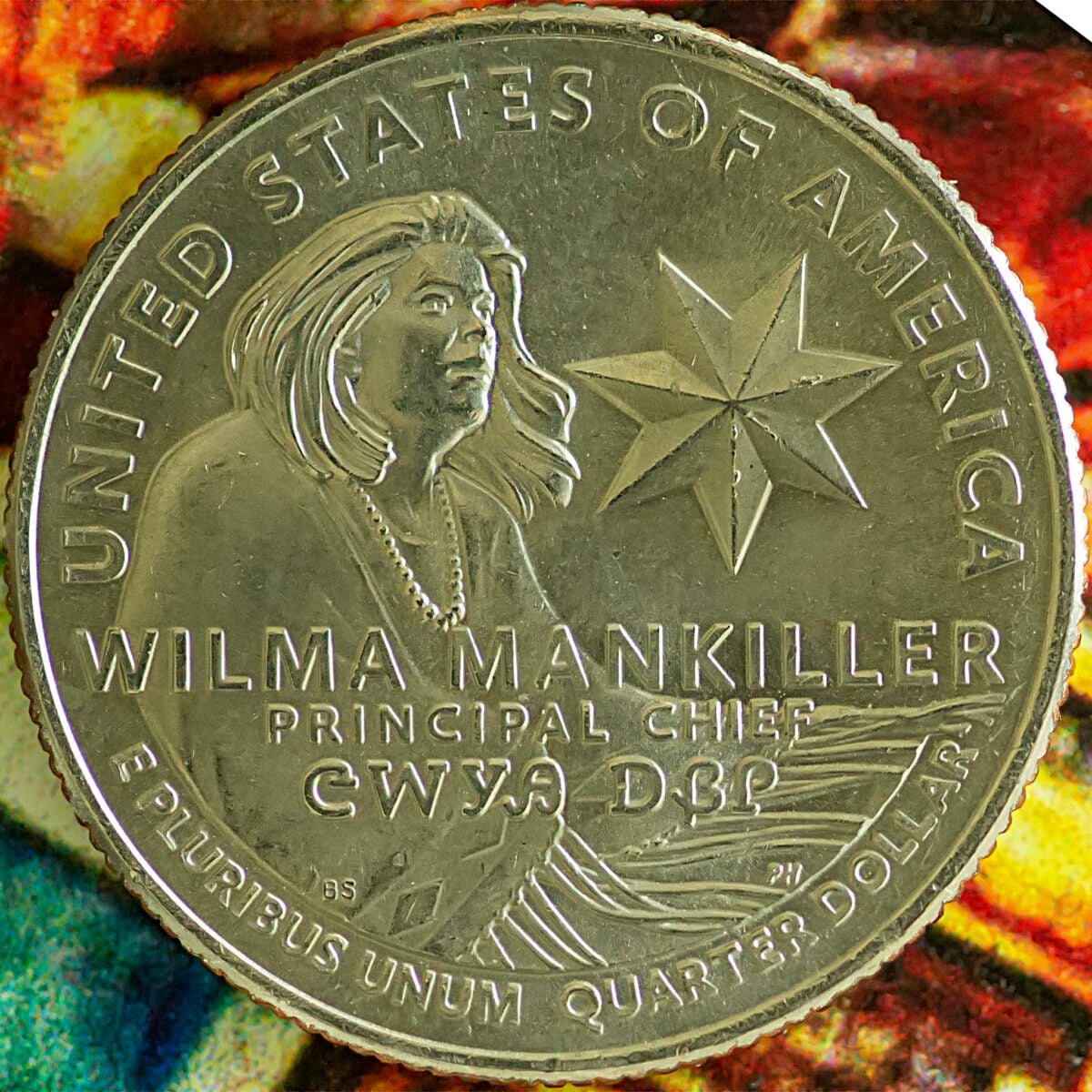
Wilma Mankiller became the first woman elected principal chief of the Cherokee Nation, serving from 1985 to 1995. During her tenure, the number of registered Cherokee citizens roughly tripled, and she expanded health clinics, housing and community development projects, many built through local volunteer labor.
Earlier, she had organized the Bell community water project in Oklahoma, in which residents laid miles of water line themselves. President Bill Clinton awarded her the Presidential Medal of Freedom in 1998.
In 2022 she appeared on a U.S. quarter as part of the American Women Quarters Program.
Billy Frank Jr. and the Fish Wars
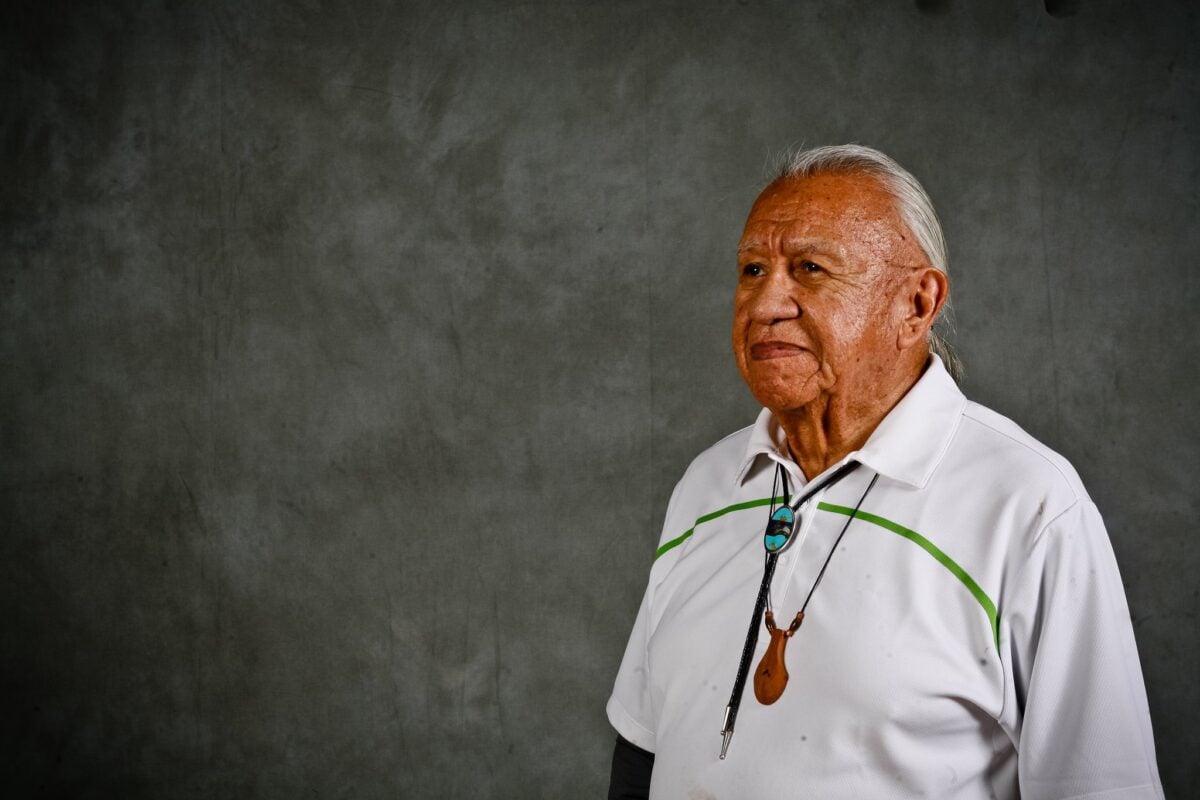
Billy Frank Jr., a Nisqually fisherman, was arrested dozens of times beginning in the 1940s for fishing in the Nisqually River under treaty rights that Washington state refused to recognize. The protests that followed, known as the fish wars, led to a 1974 federal ruling, the Boldt Decision, which affirmed that tribes were entitled to up to half the harvestable fish in their traditional waters.
Frank spent decades as chairman of the Northwest Indian Fisheries Commission, pushing for salmon habitat protection. He received the Presidential Medal of Freedom posthumously in 2015, and a national wildlife refuge now carries his name.
Deb Haaland, Interior Secretary
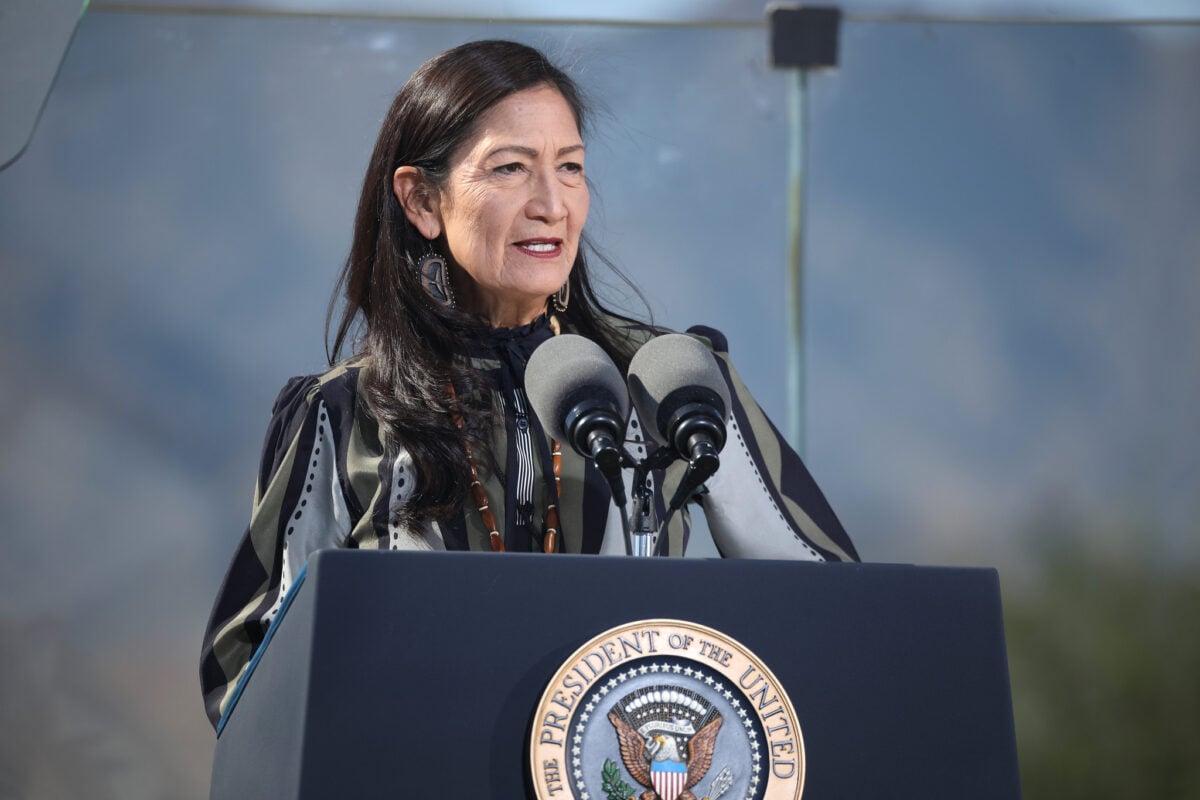
Deb Haaland, a citizen of Laguna Pueblo, became one of the first two Native American women elected to Congress in 2018, alongside Sharice Davids of Kansas. In 2021 she became Secretary of the Interior, the first Native American to lead a Cabinet department, overseeing an agency that had once run boarding schools and managed tribal lands.
She launched the Federal Indian Boarding School Initiative, whose reports documented at least 973 student deaths at federal schools. In June 2026 she won the Democratic nomination for governor of New Mexico, seeking to become the first Native American woman elected governor of a state.
Courage Recorded in Treaties and Courtrooms
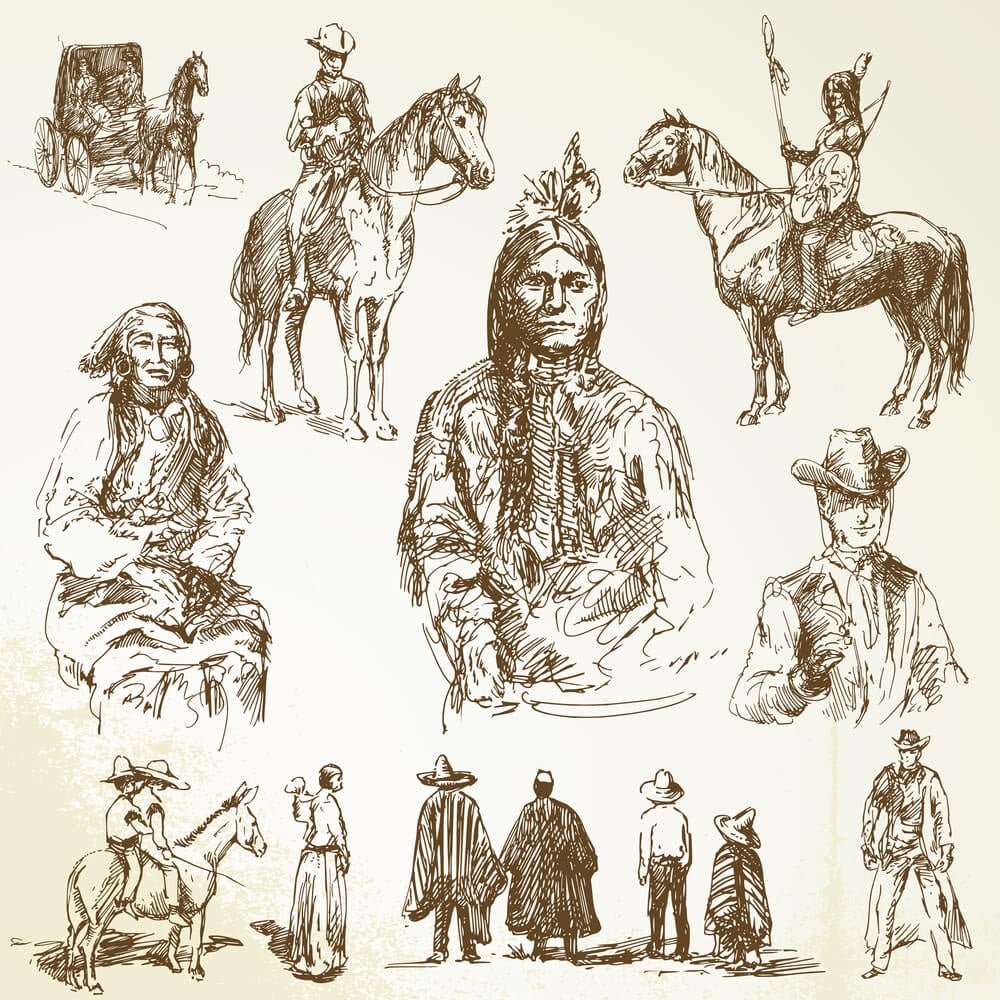
Some of these leaders fought battles, and some fought lawsuits, legislatures and newspaper editors. The tools changed from alliances and rifles to syllabaries, court petitions and election campaigns, but the goal stayed remarkably steady.
Each one was trying to keep a people, a homeland or a set of rights intact against enormous pressure. Their influence runs through American law and geography in ways that are easy to miss.
Treaties they signed still define reservation boundaries, court rulings they won still protect fishing and civil rights, and the confederacies they built shaped how the founders thought about union. Leaving them out of the story leaves the story incomplete.
More from Go2Tutors!

- The Romanov Crown Jewels and Their Tragic Fate
- 13 Historical Mysteries That Science Still Can’t Solve
- Famous Hoaxes That Fooled the World for Years
- 15 Child Stars with Tragic Adult Lives
- 16 Famous Jewelry Pieces in History
Like Go2Tutors’s content? Follow us on MSN.