16 Tools Found in Every ’70s Workshop
The 1970s were the golden age of the home workshop. Dad’s garage wasn’t just for parking cars — it was command central for fixing everything that broke around the house. Back then, people actually repaired things instead of throwing them away, and every self-respecting homeowner had a collection of tools that could handle just about any project.
These weren’t fancy power tools with laser guides or digital displays. This was the era of muscle-powered simplicity, when tools were built to last forever and passed down through generations.
Here’s a list of 16 tools that every ’70s workshop had hanging on pegboard walls or stuffed into metal toolboxes.
Claw Hammer

Every workshop started with a trusty claw hammer — usually a 16-ounce model with a wooden handle that felt perfect in your grip. These weren’t the lightweight titanium versions you see today, but solid steel heads that could drive nails through the toughest lumber. The claw end pulled out bent nails and pried apart stubborn boards, making this the most versatile tool in any homeowner’s arsenal.
Adjustable Wrench

The adjustable wrench was like having a whole set of wrenches in one tool. Most workshops had at least two sizes — a smaller 8-inch version for tight spaces and a hefty 12-inch model for serious leverage. These chrome-plated beauties could grip any nut or bolt, though they’d round off corners if you weren’t careful.
Phillips Head Screwdriver Set

Phillips head screws were taking over the world in the ’70s, so every workshop needed a complete set of these cross-shaped screwdrivers. The handles were usually clear plastic with colored ends — red, blue, yellow — so you could grab the right size quickly. These screwdrivers had magnetic tips that helped hold screws in place, a feature that seemed like magic back then.
Flat Head Screwdriver
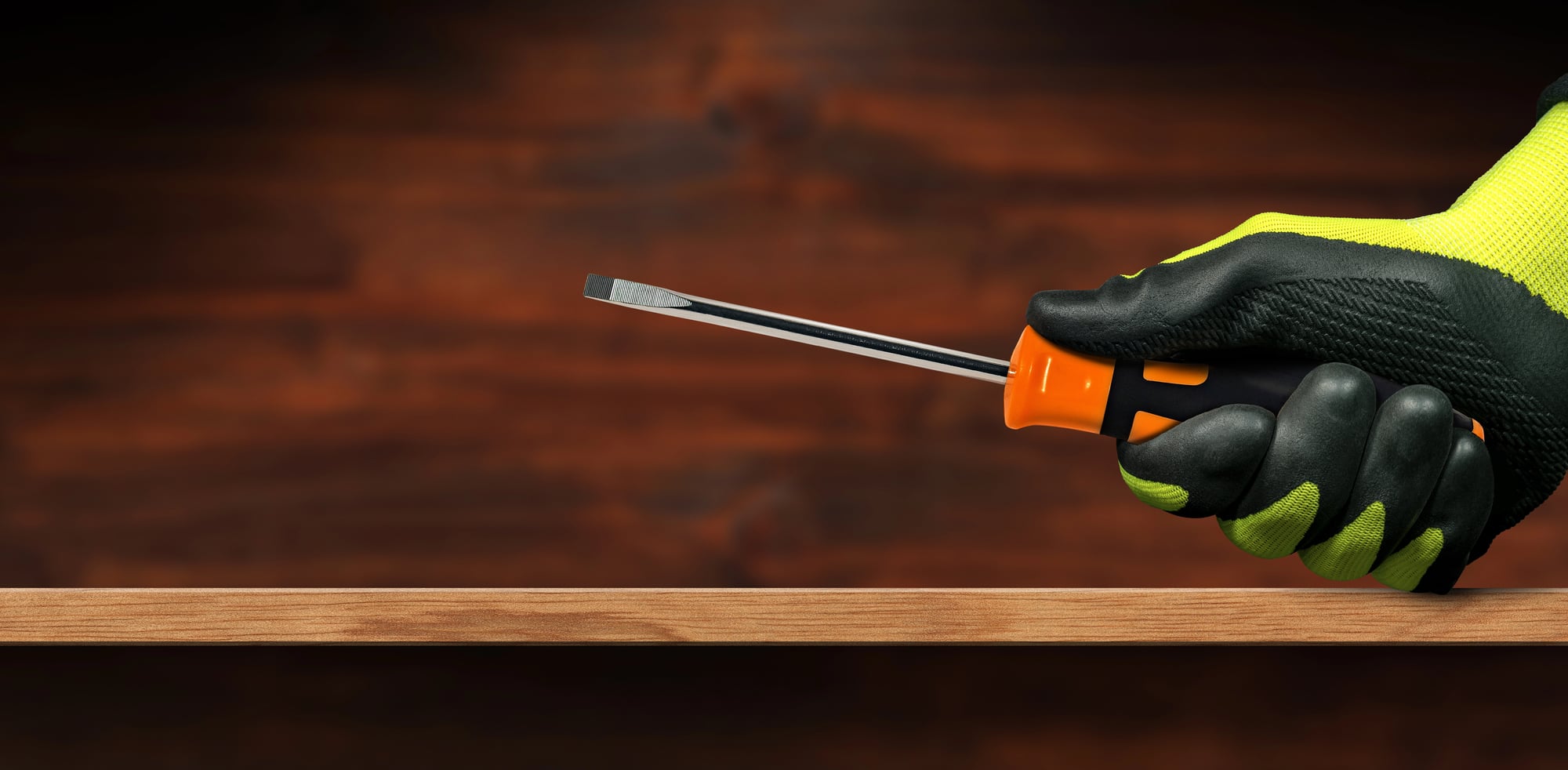
Before Phillips heads dominated, flat head screwdrivers ruled the workshop. Every toolbox had multiple sizes, from tiny precision drivers for electronics to massive cabinet-handled monsters for prying and heavy-duty turning. These doubled as chisels, paint can openers, and general-purpose prying tools — much to the horror of tool purists.
Hand Saw
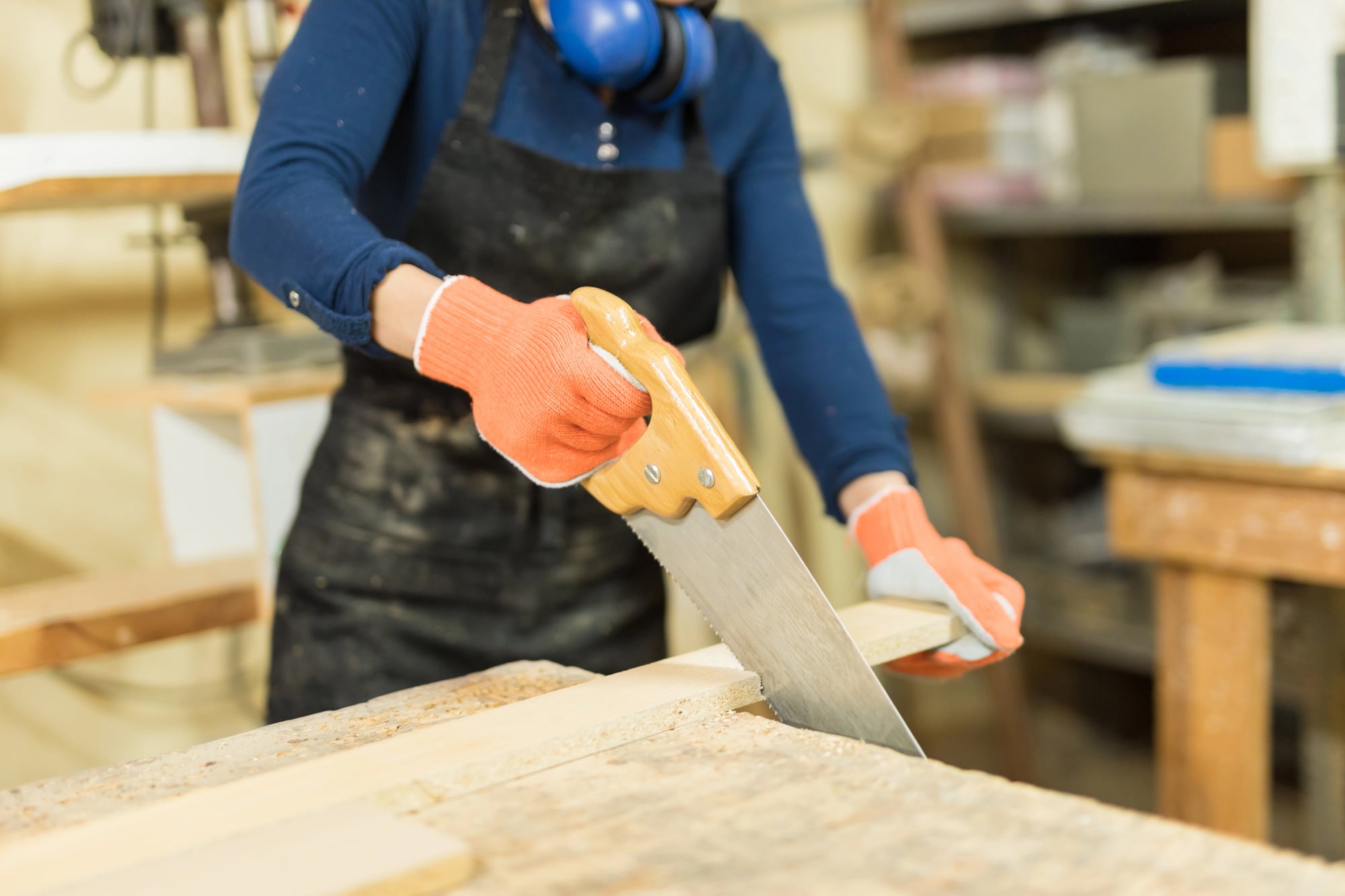
Power saws were expensive luxury items in most ’70s workshops, so the trusty hand saw handled all the cutting duties. These had 26-inch blades with aggressive teeth that could rip through 2x4s faster than you’d expect. The wooden handles were smooth from years of use, and every dad knew exactly how to start a cut without the blade jumping around.
Level

The classic yellow bubble level was essential for hanging pictures, building shelves, and making sure everything was perfectly straight. Most were 24 inches long with three bubble windows — one for level, one for plumb, and one for 45-degree angles. These aluminum beauties were nearly indestructible, though dropping them could throw off the accuracy forever.
Tape Measure
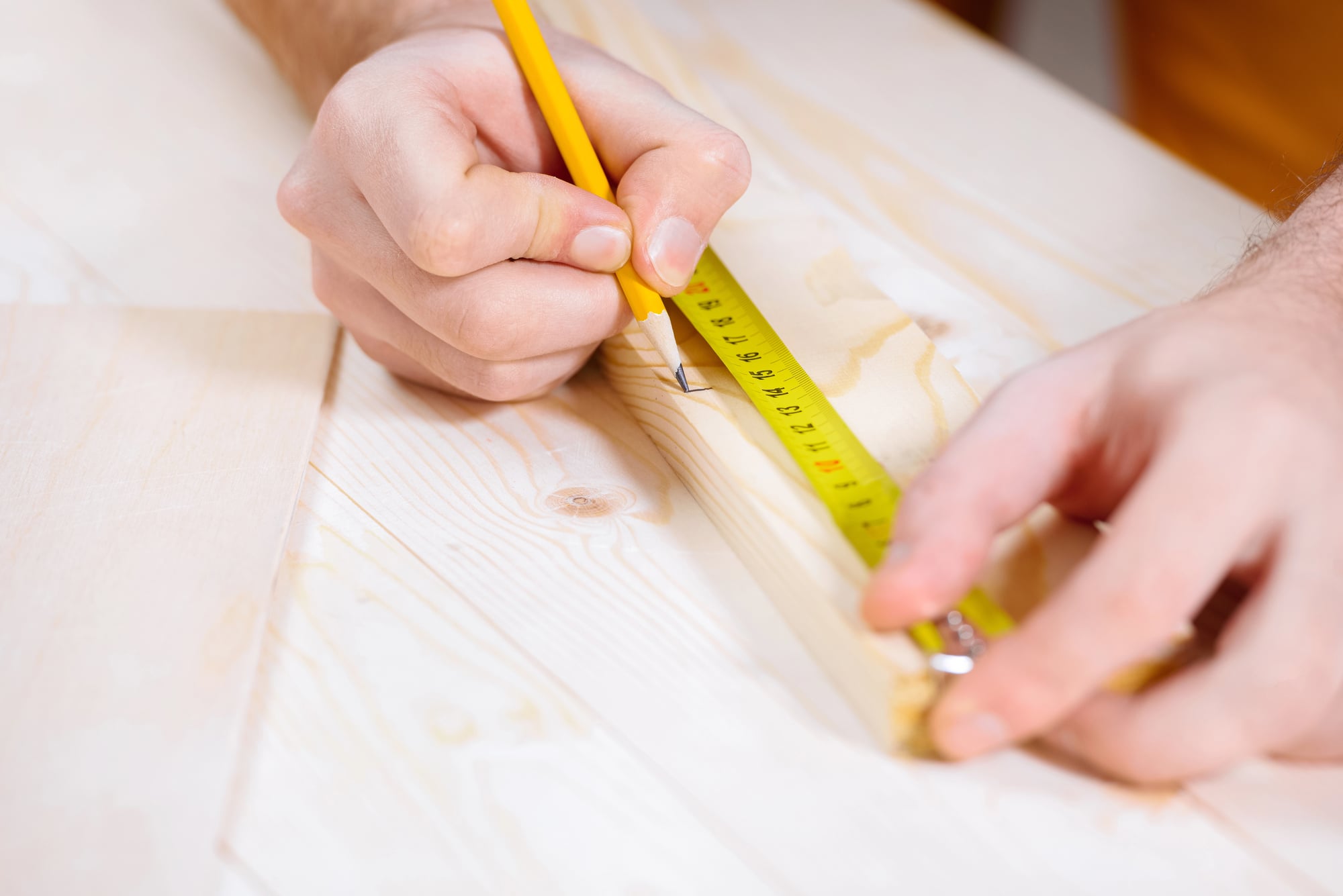
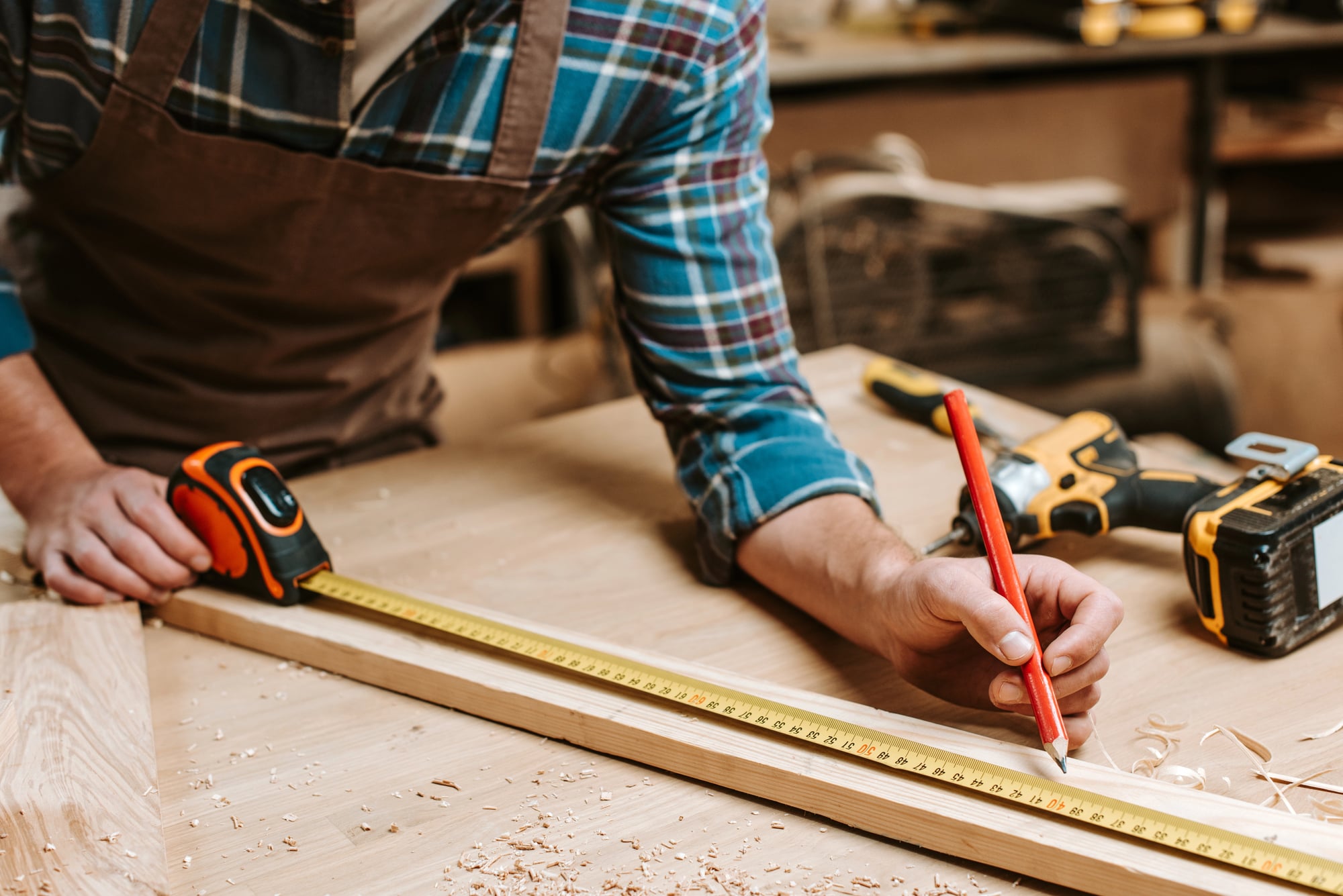
The retractable steel tape measure was a ’70s innovation that revolutionized how people measured things. Most workshops had a 25-foot version with a sturdy metal case and a belt clip that actually worked. The tape had both imperial and metric markings, though most Americans ignored the metric side completely.
Pliers Set

Every workshop needed at least three types of pliers — needle-nose for precision work, standard slip-joint for general gripping, and cutting pliers for snipping wire. The handles had those distinctive red plastic grips that got sticky in hot weather. These tools could grab, twist, cut, and hold just about anything you threw at them.
Socket Set

The ratcheting socket set was the crown jewel of any serious workshop. These usually came in metal cases with foam cutouts showing exactly where each socket belonged. Most sets included both standard and metric sizes, plus extensions and universal joints for reaching impossible angles. The satisfying click of the ratchet mechanism never got old.
Chisel Set
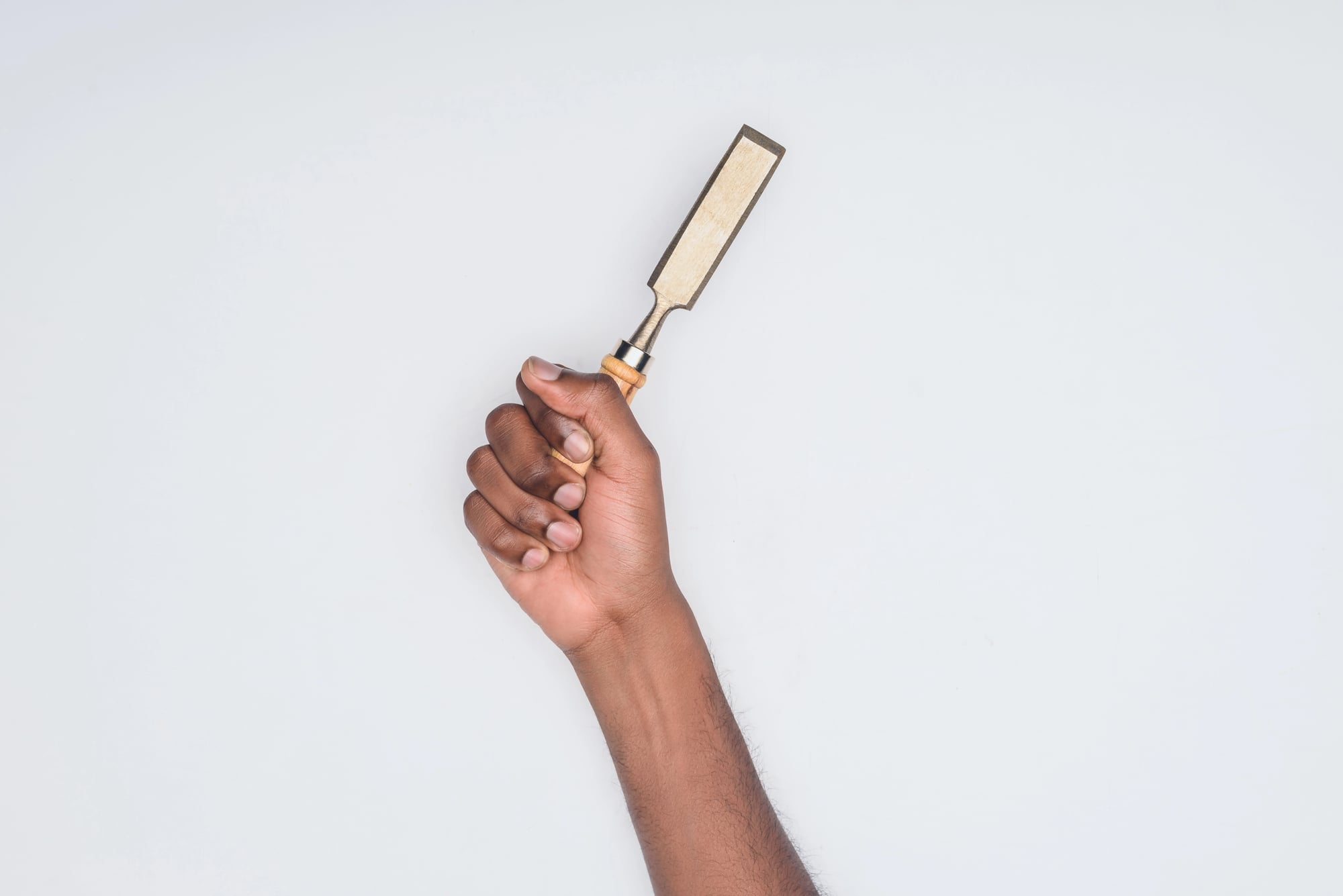
Wood chisels were essential for any homeowner who did cabinet work or furniture repair. These came in sets of four or six, ranging from quarter-inch to inch-and-a-half widths. The wooden handles were designed to take hammer blows, and the steel blades held their edge surprisingly well. Keeping them sharp was a point of pride for serious woodworkers.
Hand Plane
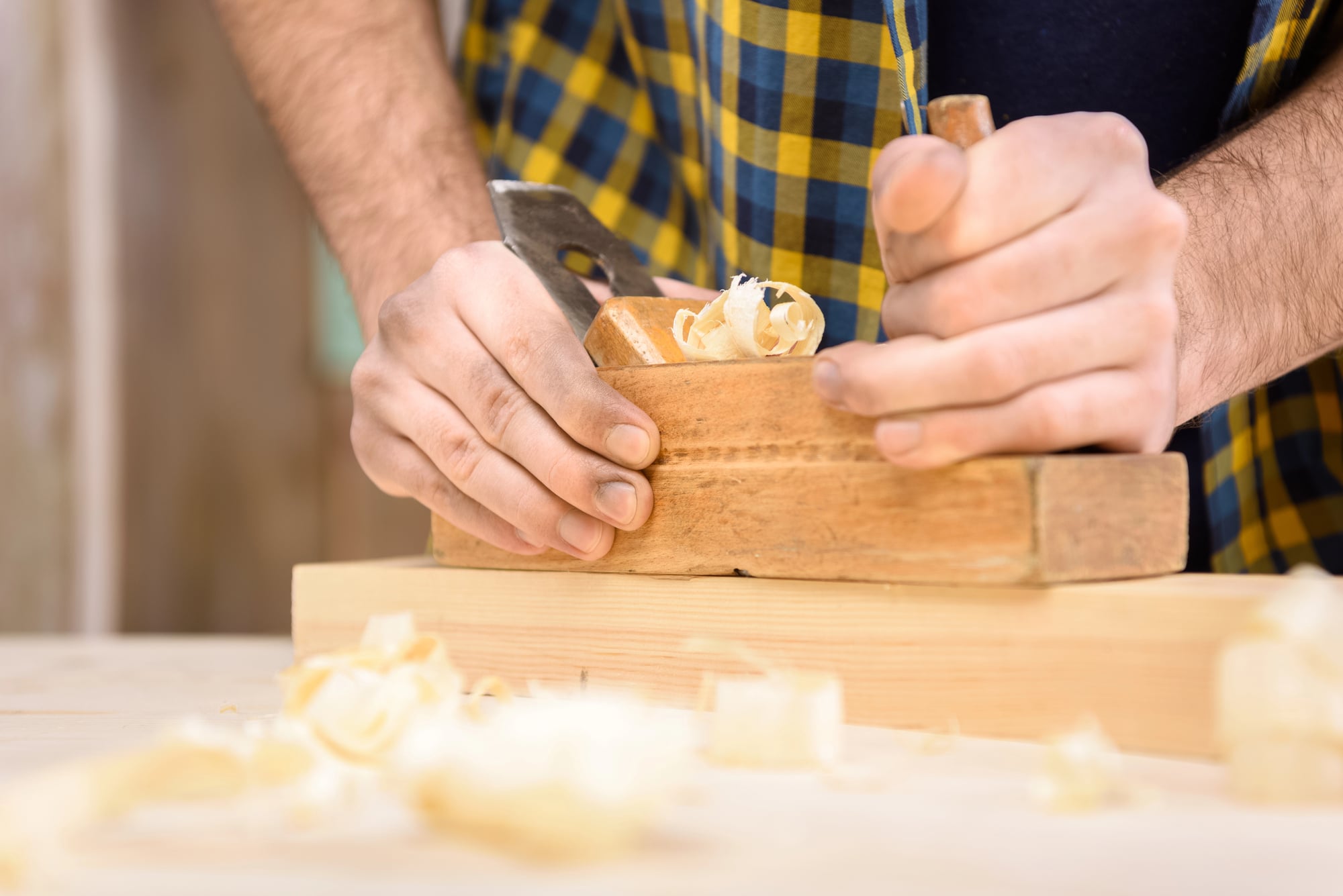
The hand plane was old-school technology even in the ’70s, but every workshop had at least one. These cast-iron tools could shave paper-thin curls of wood off boards, creating surfaces smoother than sandpaper could achieve. Adjusting the blade depth was an art form that separated the weekend warriors from the real craftsmen.
Hacksaw
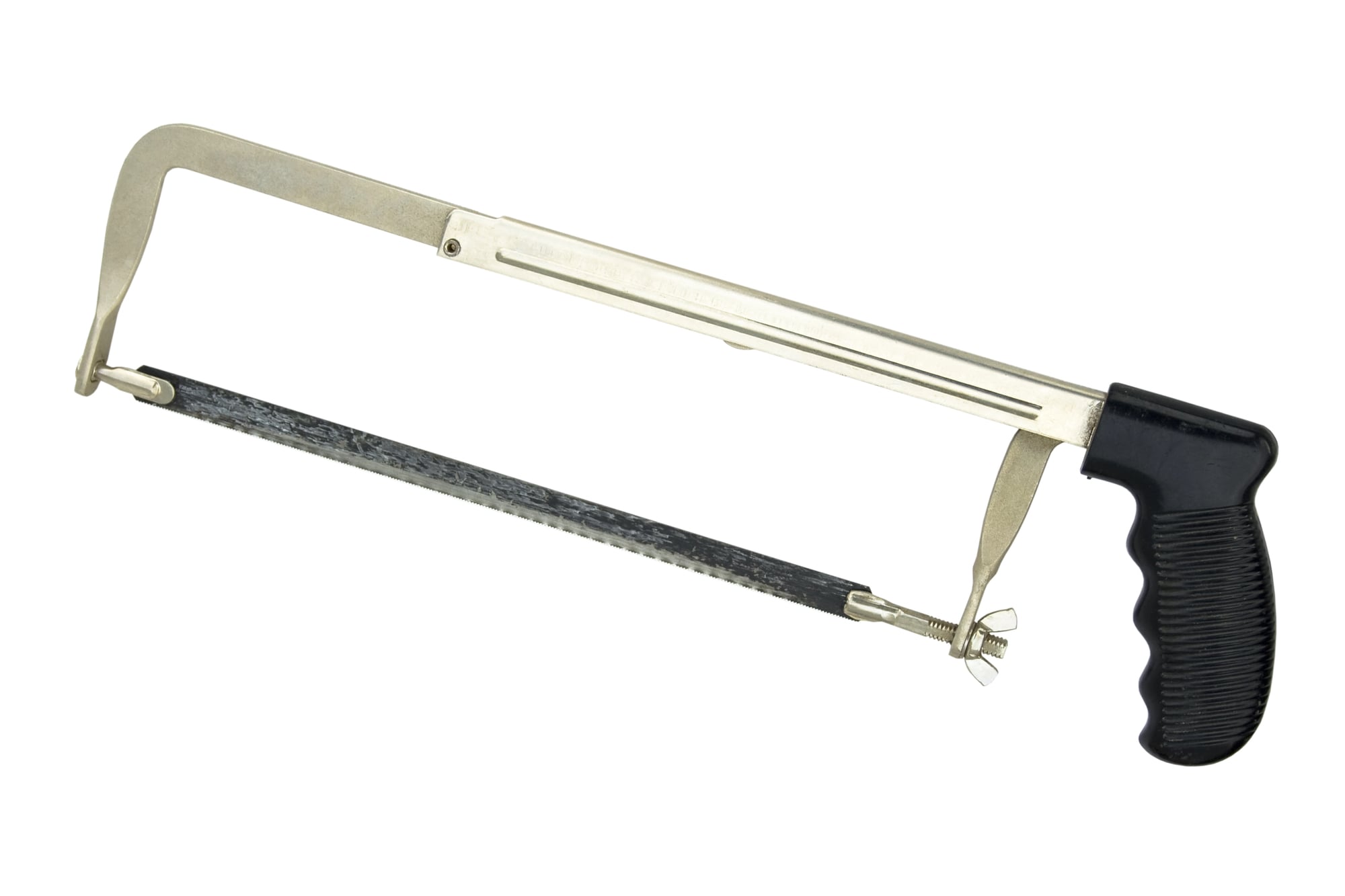
For cutting metal, nothing beats the humble hacksaw with its thin, flexible blade. These U-shaped frames held the blade under tension, and you could flip the blade around for cutting in tight spots. Most workshops had boxes of replacement blades with different tooth counts for various materials.
Awl

The awl looked like an ice pick but served as the precision tool for starting openings in wood or leather. This pointed steel tool made perfect pilot openings for screws and could mark exact locations on materials. Old-timers used awls for everything from punching openings in canvas to scribing lines on metal.
Hand Drill

Before cordless drills took over, the hand-cranked drill was the go-to tool for making openings. These had adjustable chucks that could hold various sized bits, and the side crank gave you complete control over drilling speed. The breast plate lets you put your whole body weight behind the drilling action for tough materials.
C-Clamps
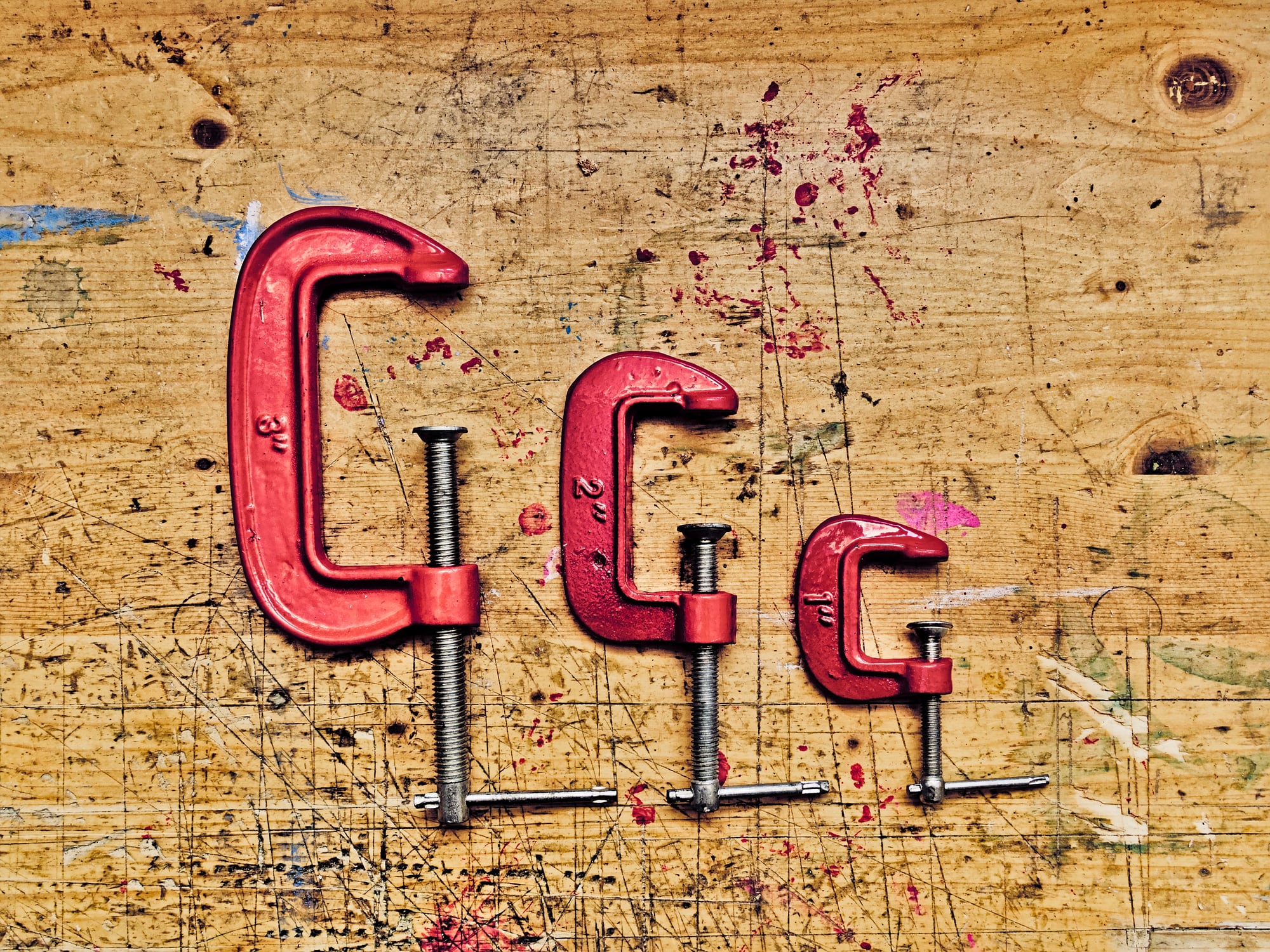
C-clamps came in every size imaginable and were essential for holding work pieces while gluing, cutting, or drilling. Most workshops had at least a dozen of these simple but effective tools. The deeper the throat, the more versatile the clamp, and serious woodworkers collected them like other people collected stamps.
Oil Can
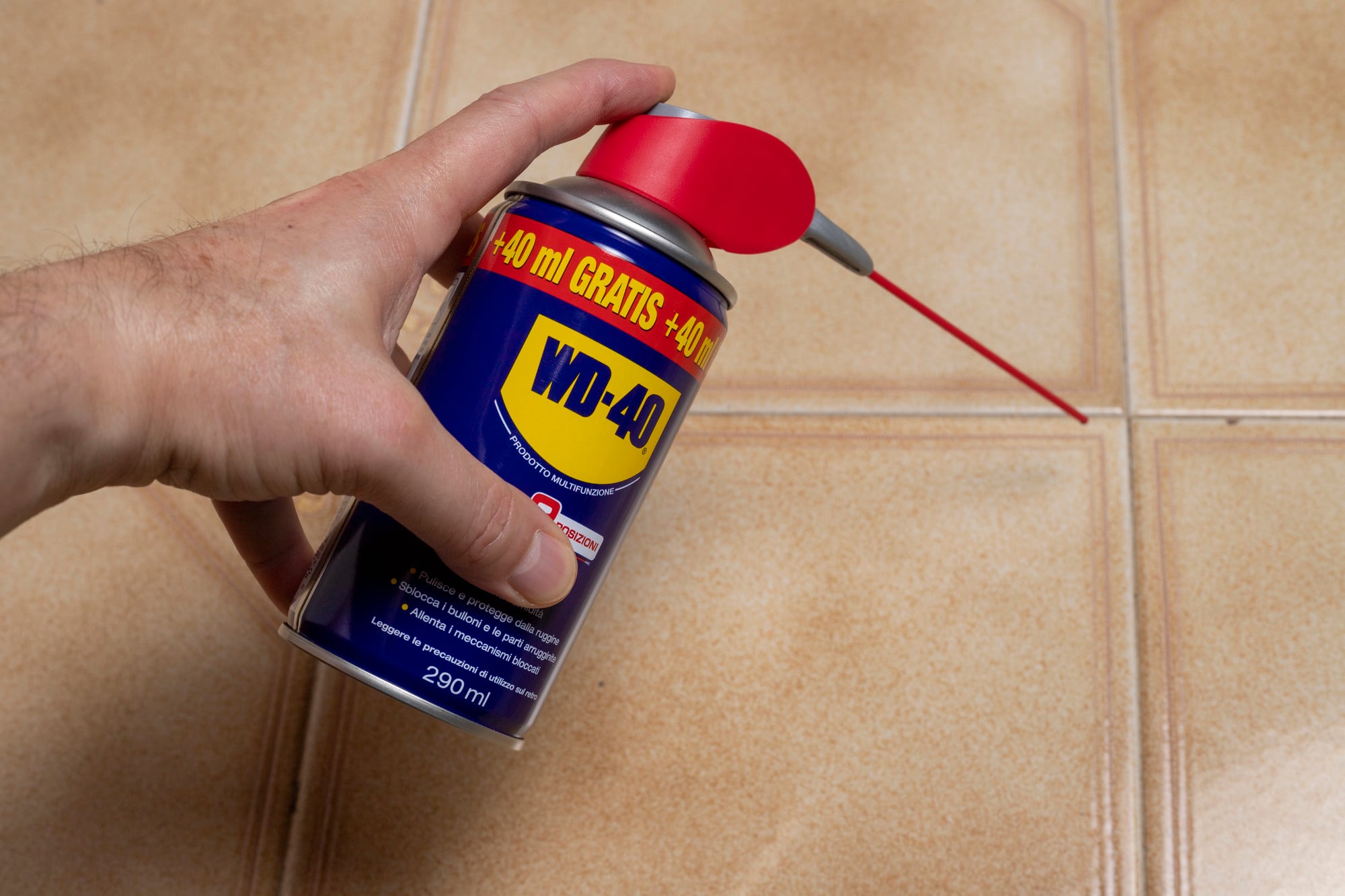
The trusty oil can with its long spout was essential for keeping tools and machinery running smoothly. These held lightweight machine oil that could penetrate into the smallest spaces. Every moving part in the workshop got a drop of oil regularly — drill chucks, saw adjustments, plane mechanisms — because maintenance was religion to ’70s craftsmen.
When Simple Was Better
These 16 tools represent an era when craftsmanship meant more than speed. ’70s workshops were temples of self-reliance, where homeowners could fix almost anything with basic tools and some know-how. There were no battery packs to die, no complicated electronics to malfunction — just solid steel and wood that could last for generations.
Today’s power tools are faster and more precise, but they’ve also made us dependent on technology that can fail. Those simple hand tools from the ’70s are still working perfectly in garages across America, outlasting the houses they helped build. Sometimes the old ways really were better — they just required a little more muscle and a lot more patience.
More from Go2Tutors!

- The Romanov Crown Jewels and Their Tragic Fate
- 13 Historical Mysteries That Science Still Can’t Solve
- Famous Hoaxes That Fooled the World for Years
- 15 Child Stars with Tragic Adult Lives
- 16 Famous Jewelry Pieces in History
Like Go2Tutors’s content? Follow us on MSN.



