25 Scientists Who Got Credit Late
History’s textbooks tend to attach discoveries to single names, but the real story is usually messier. Many of the scientists behind history’s biggest breakthroughs spent years, sometimes lifetimes, watching credit go to someone else — a supervisor, a rival, or simply a man in an era that assumed authority belonged to men.
These are some of the researchers whose recognition arrived decades after their work, sometimes only after they had died.
Rosalind Franklin
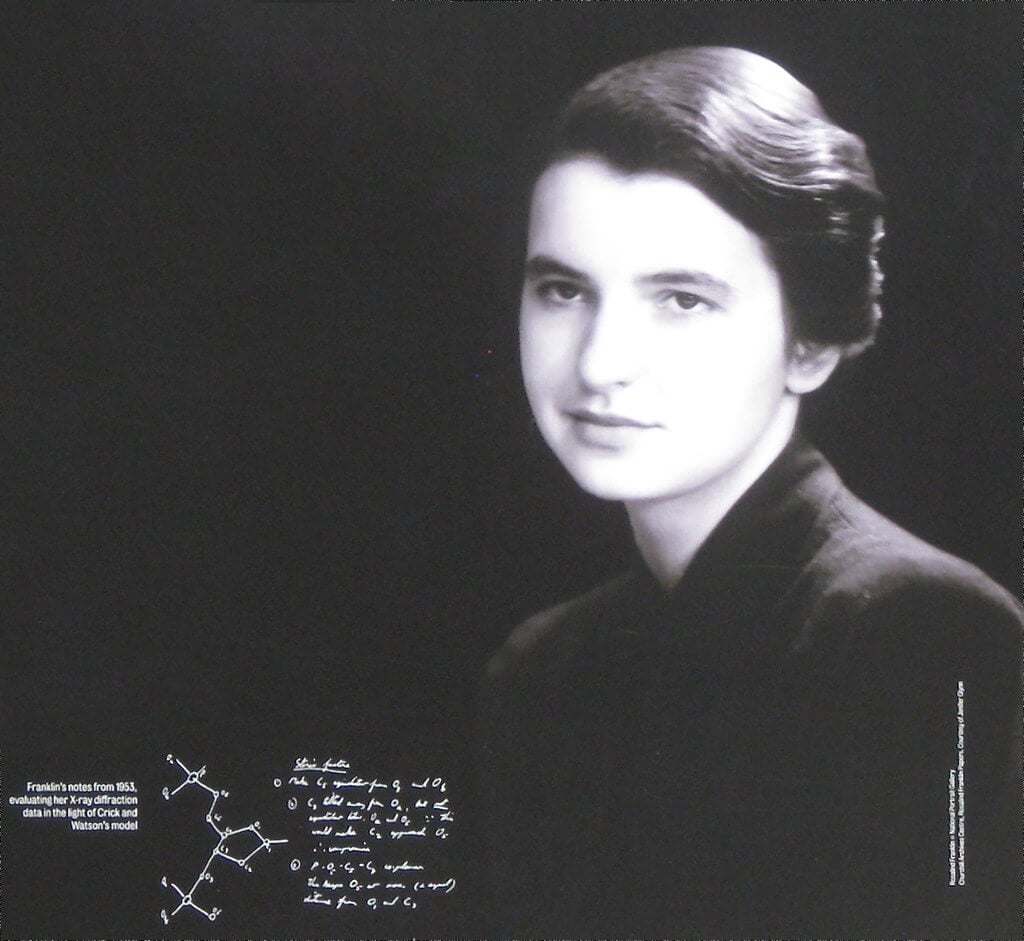
Franklin’s X-ray diffraction images of DNA, particularly the now-famous “Photo 51,” provided crucial evidence for the double-helix structure, but the image was shown to James Watson and Francis Crick without her knowledge or permission. Watson and Crick published their model in 1953 with only a passing reference to her work, and Franklin died in 1958 from ovarian cancer, four years before Watson, Crick, and Maurice Wilkins received the Nobel Prize.
Because the prize is never awarded posthumously, Franklin’s contribution was only widely acknowledged decades later through historical reassessment.
Jocelyn Bell Burnell
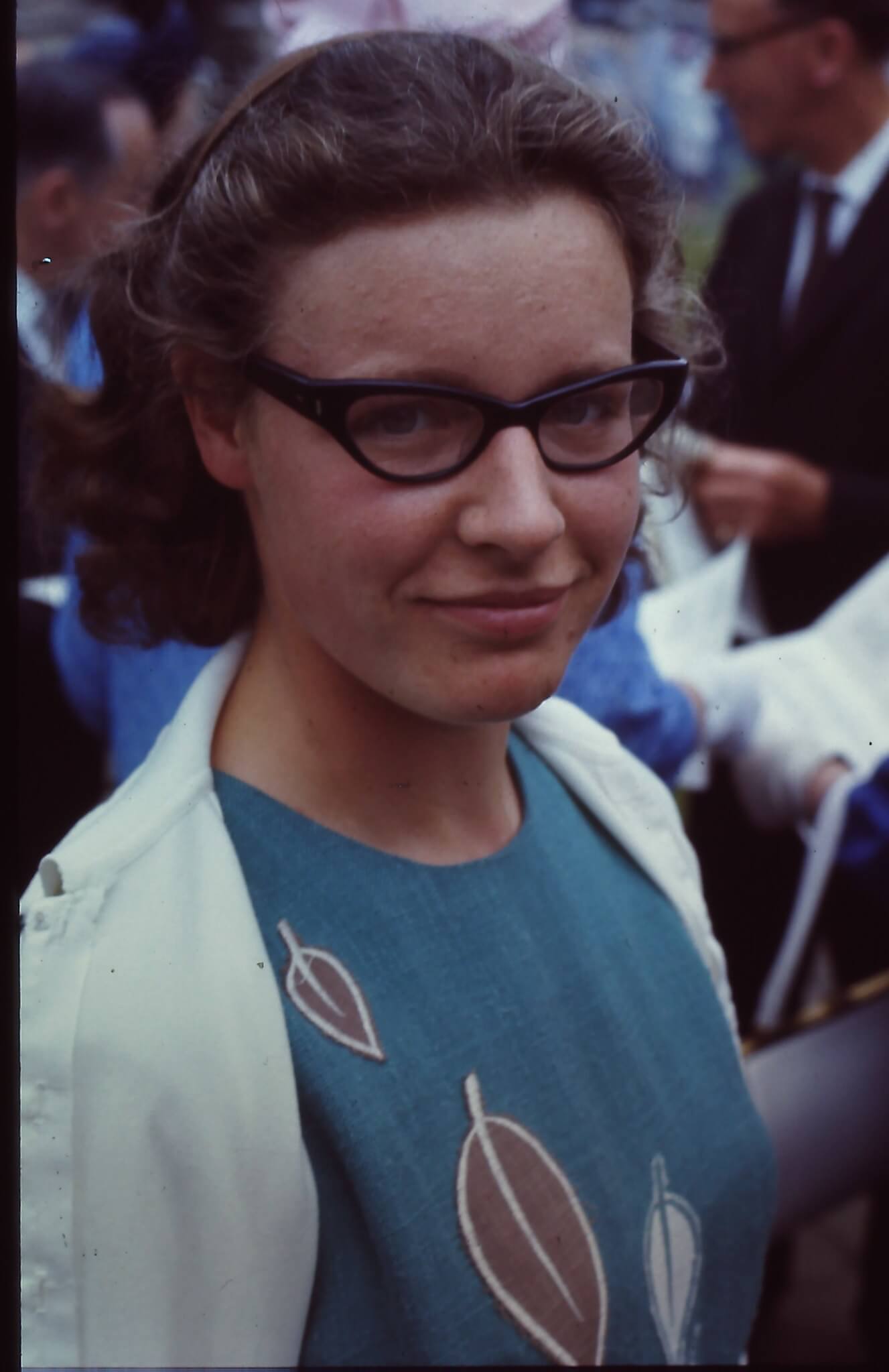
As a graduate student in 1967, Bell Burnell identified the first pulsar in radio telescope data she had spent months painstakingly analyzing by hand. When the discovery won the Nobel Prize in Physics in 1974, it went to her supervisor Antony Hewish and colleague Martin Ryle, with no formal recognition for Bell Burnell herself.
She has since received numerous other honors, including a 2018 Special Breakthrough Prize, whose $3 million award she donated to fund physics scholarships for underrepresented students.
Lise Meitner
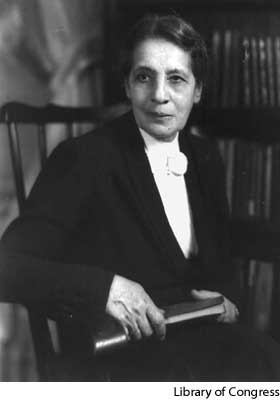
Meitner co-discovered nuclear fission alongside Otto Hahn, providing the theoretical explanation for experimental results Hahn could not account for on his own, after being forced to flee Nazi Germany in 1938 due to her Jewish heritage. Hahn received the 1944 Nobel Prize in Chemistry alone, with Meitner’s essential contribution largely omitted from the official recognition.
Element 109, meitnerium, was later named in her honor, a rare instance of a scientist receiving that distinction while still living, decades after the slight.
Chien-Shiung Wu
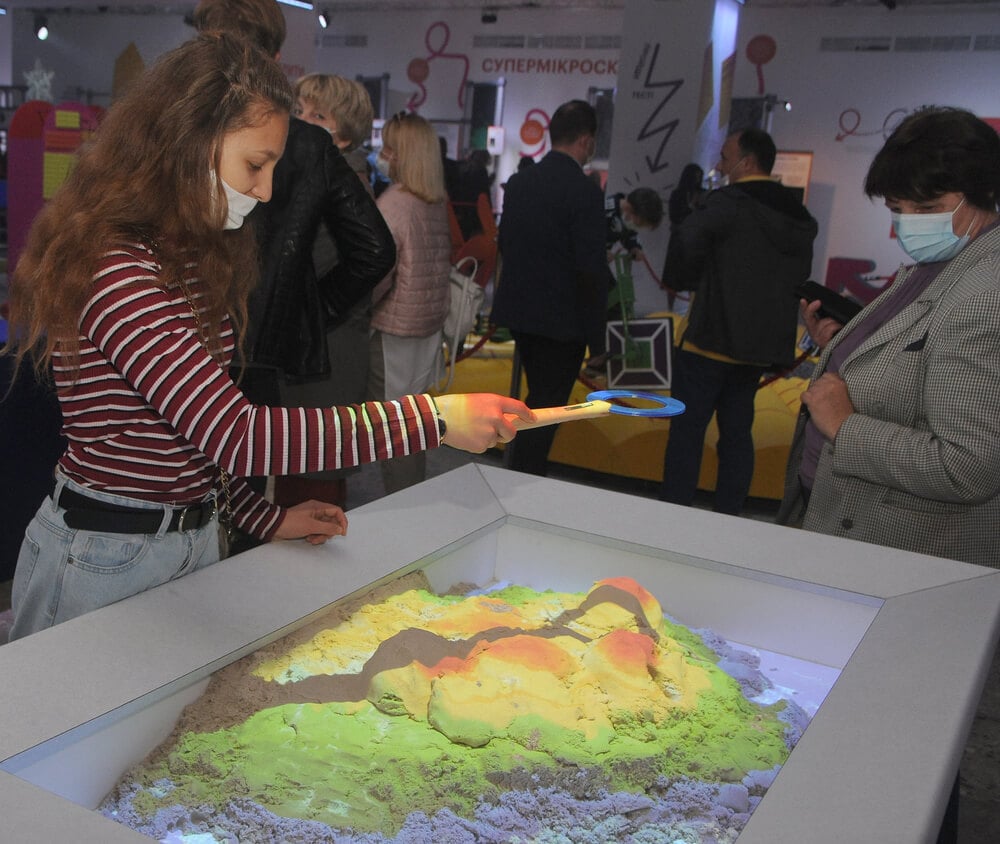
Wu conducted the landmark experiment in 1956 that disproved the principle of parity conservation in physics, confirming a theoretical prediction made by colleagues Tsung-Dao Lee and Chen-Ning Yang. Lee and Yang received the 1957 Nobel Prize in Physics for the theoretical work, while Wu, who had done the demanding experimental proof, was left out entirely.
She was eventually awarded the inaugural Wolf Prize in Physics in 1978, a recognition that came more than two decades after her original experiment.
Cecilia Payne-Gaposchkin
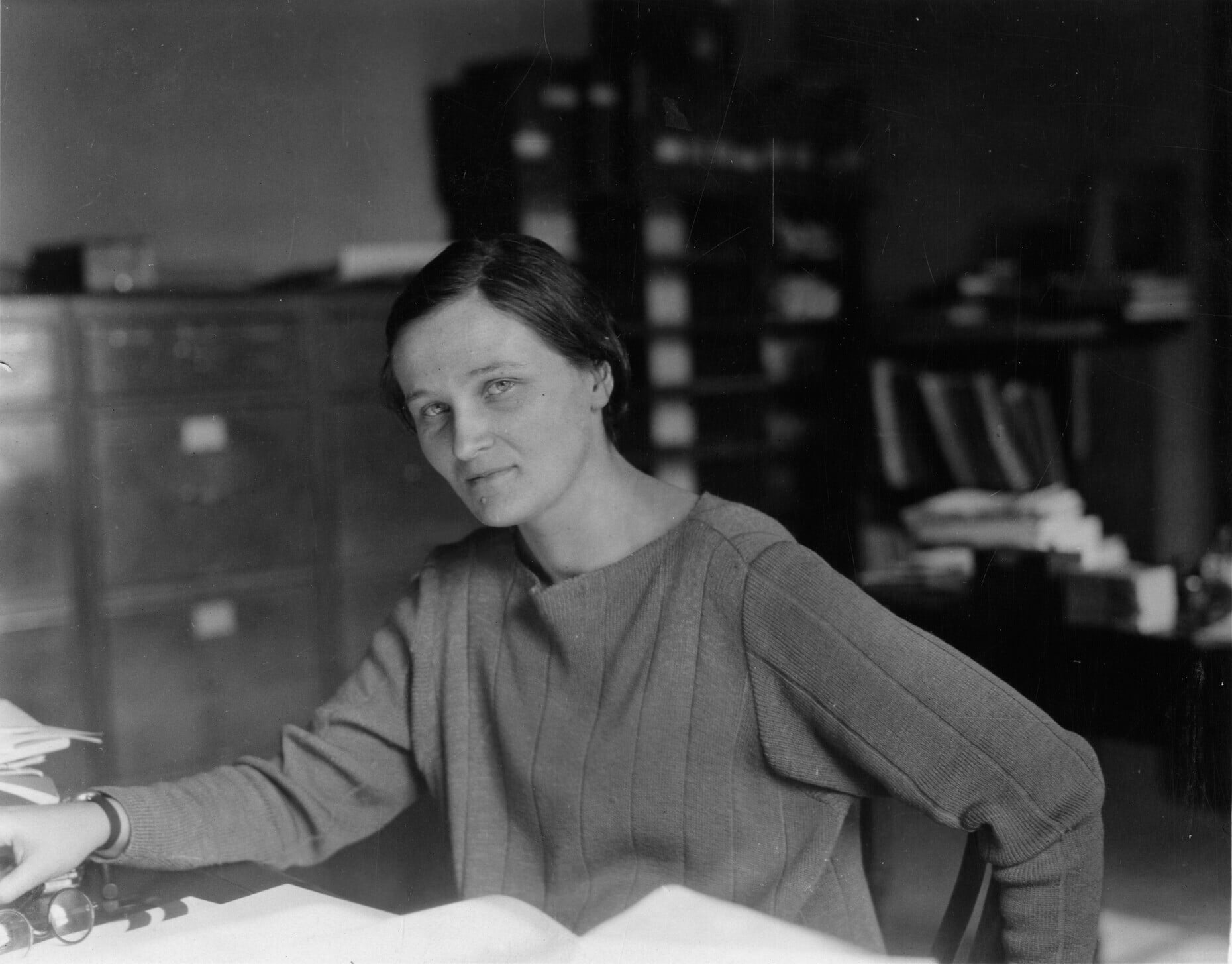
In her 1925 doctoral thesis, Payne-Gaposchkin correctly determined that stars are composed primarily of hydrogen and helium, a conclusion so far outside prevailing wisdom that senior astronomer Henry Norris Russell pressured her to describe it as “spurious” before publication. Russell published similar conclusions himself four years later and is frequently credited as the discoverer in older textbooks.
Payne-Gaposchkin later became the first person to earn a PhD in astronomy from Radcliffe College and eventually the first woman to chair a department at Harvard.
Esther Lederberg

Lederberg developed the replica plating technique in the early 1950s, a foundational method in microbial genetics that allowed scientists to study bacterial mutations, and discovered a bacteriophage that would prove central to genetics research. Her husband, Joshua Lederberg, won the 1958 Nobel Prize in Physiology or Medicine largely for work built on her techniques, while Esther’s role went largely unmentioned in the prize citation.
Historians of science have since worked to restore recognition of her contributions to bacterial genetics.
Nettie Stevens
Stevens discovered the chromosomal basis of identity determination in 1905, showing that an organism’s identity is determined by a specific pair of chromosomes rather than environmental factors as many scientists then believed. Her contemporary Edmund Beecher Wilson published similar findings around the same time and, partly due to his more established reputation, received greater credit for decades.
Stevens died in 1912 at 50, before the significance of her work was fully appreciated.
Katherine Johnson
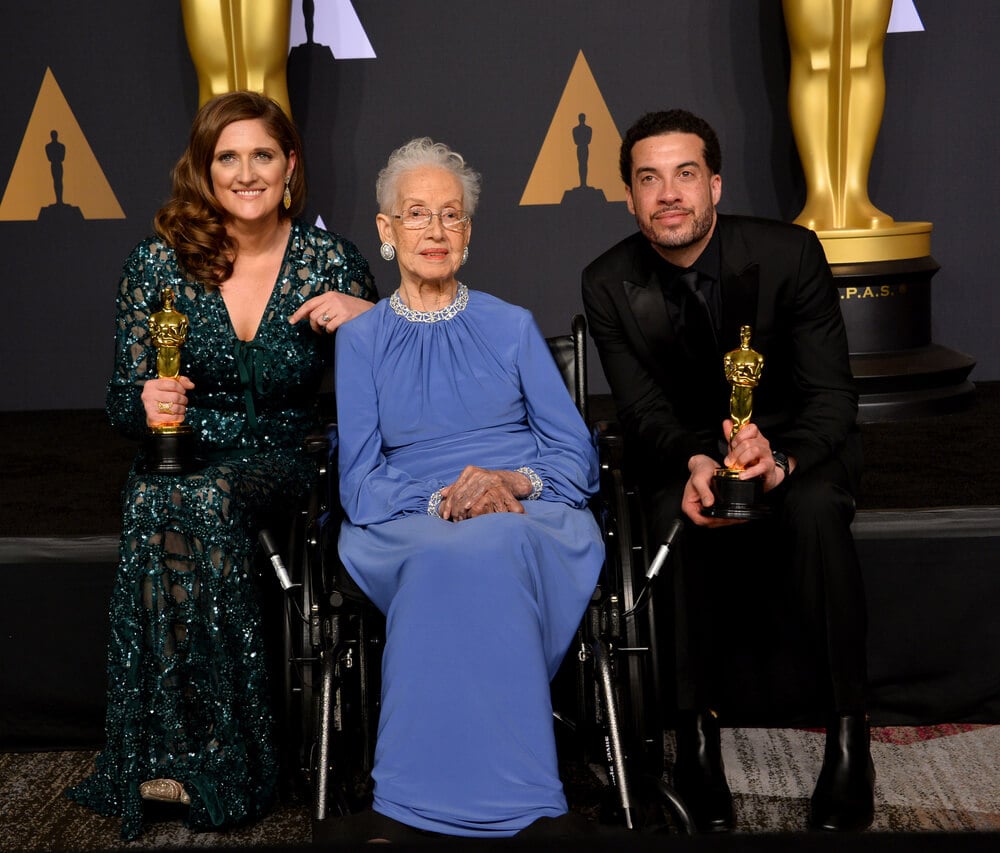
Johnson calculated the orbital mechanics for NASA’s early crewed spaceflights, including John Glenn’s 1962 orbital mission, work so trusted that Glenn reportedly asked engineers to have Johnson personally verify the electronic computer’s calculations before he would fly. For decades her contributions remained largely unknown outside NASA due to the era’s racial segregation and the general invisibility of women in technical roles.
Widespread public recognition did not arrive until the 2016 book and film “Hidden Figures,” more than 50 years after her key calculations.
Marthe Gautier

Gautier conducted much of the laboratory work behind the 1959 discovery that Down syndrome is caused by an extra copy of chromosome 21, a finding often credited solely to her colleague Jérôme Lejeune. Gautier’s name was reportedly misspelled or omitted in early publications describing the work, and Lejeune became the internationally recognized face of the discovery.
Later historical investigations restored her role as a central contributor to the finding.
Henrietta Leavitt
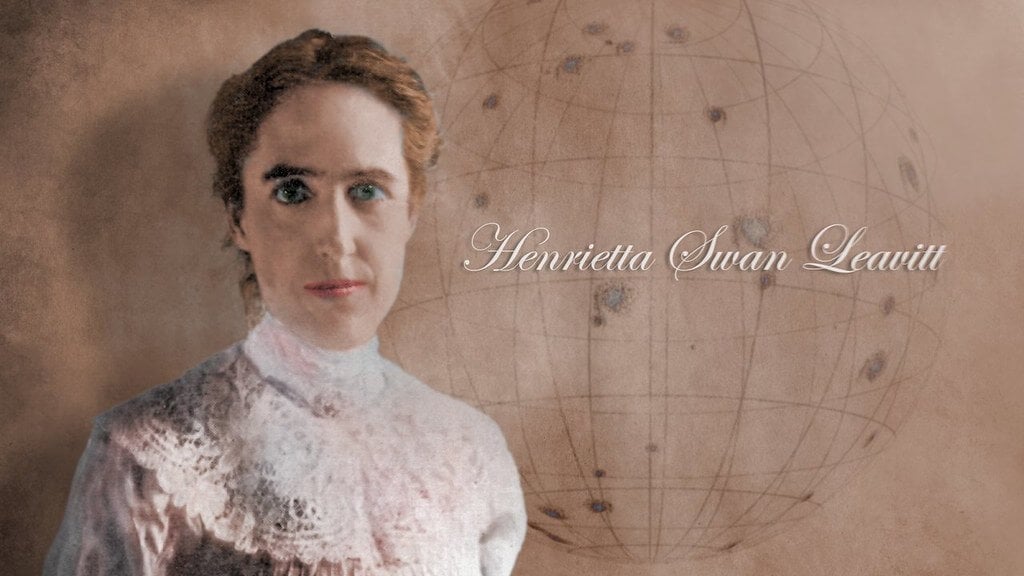
Leavitt discovered the relationship between the luminosity and pulsation period of Cepheid variable stars in 1908, a finding that became the essential tool astronomers used to measure distances across the universe, including Edwin Hubble’s later work on the expanding universe. She worked as a “computer” at Harvard College Observatory, a role with low pay and little scientific authority, and her discovery was frequently cited by others who received greater acclaim for applying it.
She died in 1921, reportedly nominated for a Nobel Prize years later by a mathematician unaware she had already passed away.
Ignaz Semmelweis

Semmelweis discovered in the 1840s that hand-washing with a chlorine solution dramatically reduced maternal deaths from childbed fever in Vienna hospitals, but the medical establishment of his time rejected his findings, partly because he could not explain the underlying germ theory that later validated his results. Ridiculed by colleagues, he suffered a breakdown and died in an asylum in 1865 at 47.
His practices were only widely adopted after Louis Pasteur’s germ theory confirmed the mechanism decades later.
Barbara McClintock

McClintock identified transposable genetic elements, informally called “jumping genes,” in corn plants during the 1940s and 1950s, a discovery so far ahead of prevailing genetic theory that much of the scientific community dismissed or ignored it for years. She largely stopped publishing on the topic, believing colleagues were not ready to accept it.
Recognition finally arrived in 1983, when she received the Nobel Prize in Physiology or Medicine alone, more than three decades after her original findings.
Mary Anning
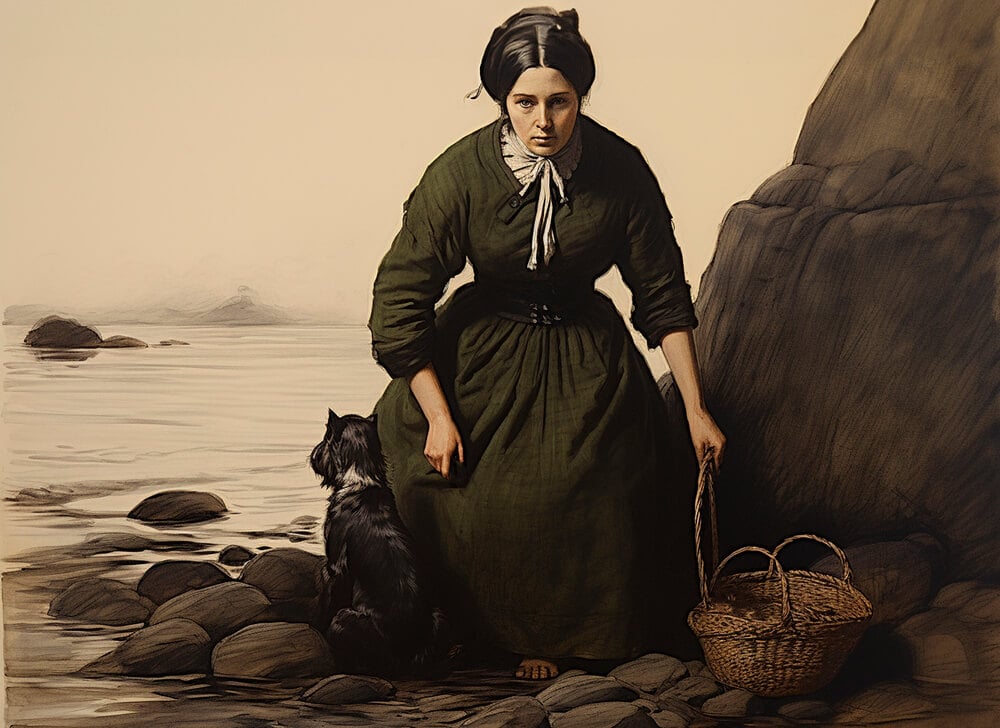
Anning discovered and excavated some of the first complete ichthyosaur and plesiosaur fossils in early 19th-century England, providing crucial early evidence for extinction and deep geological time. As a working-class woman without formal scientific standing, she was routinely excluded from the scientific societies that used her fossils and often had her discoveries credited to the wealthy men who purchased them.
The Geological Society of London did not admit women as fellows until 1919, nearly 72 years after her death.
Vera Rubin
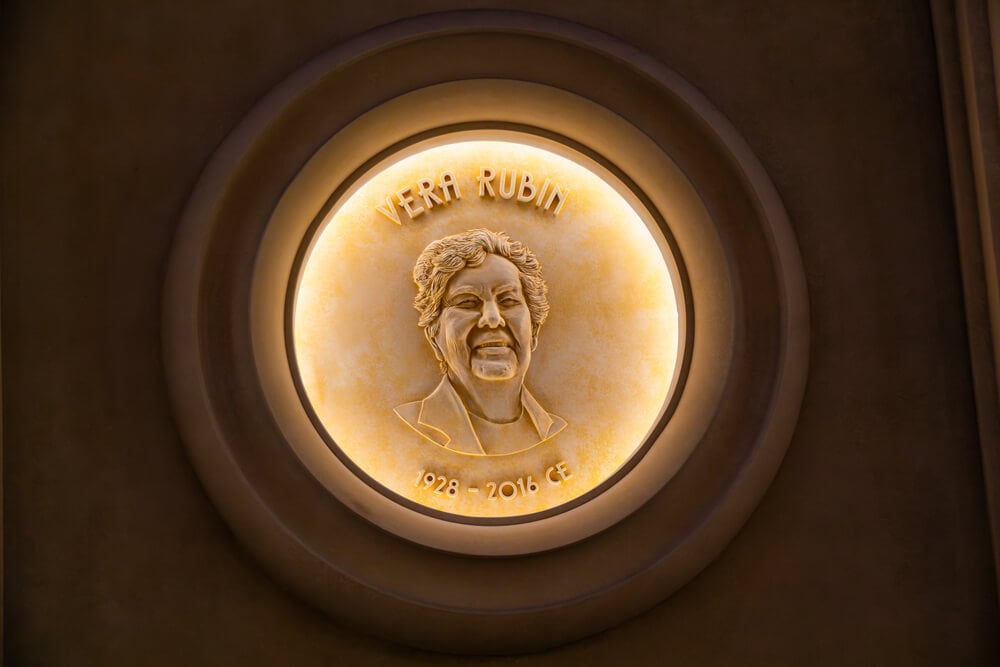
Rubin’s meticulous measurements of galactic rotation speeds in the 1970s provided the strongest evidence yet for dark matter’s existence, work now considered among the most important in modern astrophysics. Despite repeated nominations, she never received a Nobel Prize before her death in 2016, an omission many astronomers have publicly described as one of the prize’s most notable oversights.
She did, however, receive the National Medal of Science and numerous other honors during her lifetime.
Annie Jump Cannon
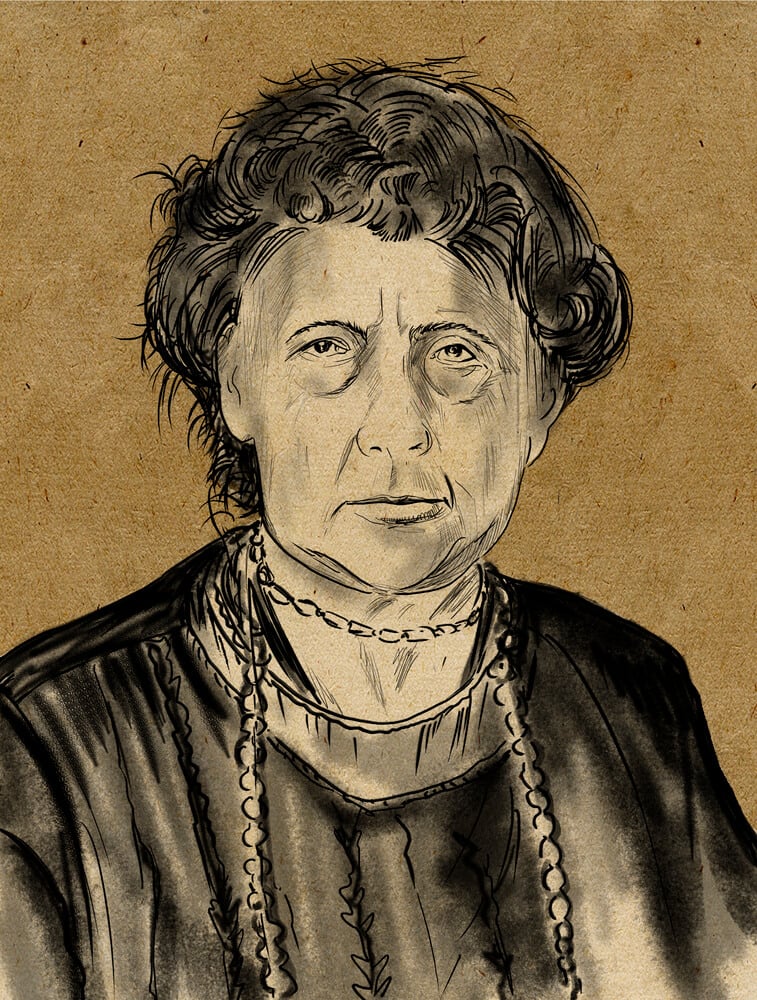
Annie Jump Cannon developed the stellar classification system still used by astronomers today, manually classifying the spectra of hundreds of thousands of stars during her career at Harvard. Working as one of the observatory’s “computers” alongside Henrietta Leavitt, she received far less institutional recognition than the male astronomers who used her system.
Harvard did not grant her an official staff astronomer title until 1938, more than three decades into her career there.
Charles Drew’s Overlooked Collaborators

Charles Drew pioneered techniques for blood plasma storage and large-scale blood banking that saved countless lives during World War II, but much of the foundational research built on earlier work by lesser-known colleagues whose names rarely appear in popular retellings. Drew’s own career was also affected by the segregation of blood donations by race, a policy he publicly opposed despite having helped establish the systems later used to enforce it.
His full story is only recently being told with more nuance.
William Perkin’s Overlooked Assistants

William Perkin is widely credited with accidentally discovering the first synthetic dye in 1856 at 18, but laboratory assistants who mixed and tested his compounds under his direction are rarely named in historical accounts. The dye, mauveine, launched the synthetic chemical industry and made Perkin wealthy and famous while the people who did much of the hands-on lab work faded from the record entirely.
This pattern, a credited principal investigator and uncredited assistants, repeats throughout 19th-century laboratory science.
Oswald Avery

Avery’s experiments in the 1940s identified DNA, rather than protein, as the molecule responsible for carrying genetic information, a finding that set the stage for Watson and Crick’s later structural discovery. Despite the significance of the work, Avery was repeatedly passed over for the Nobel Prize and died in 1955 without ever receiving one.
Some historians consider his exclusion one of the more puzzling omissions in the prize’s history.
Fritz Zwicky
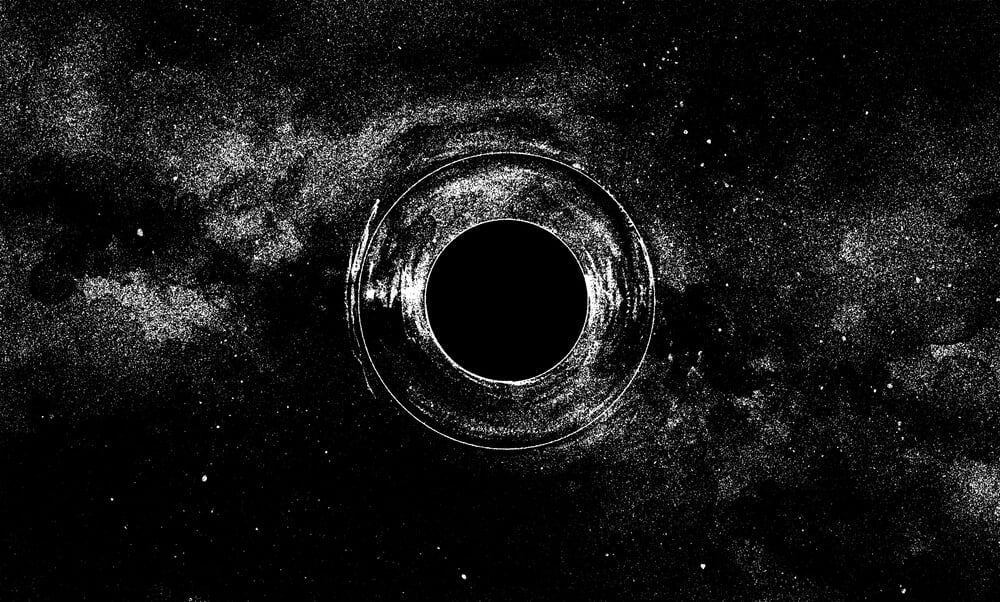
Zwicky proposed the existence of dark matter in 1933, decades before Vera Rubin’s later observational confirmation, based on his own calculations of galaxy cluster masses. His abrasive personality and tendency toward confrontational disputes with colleagues meant his ideas were often dismissed or ignored during his lifetime.
Vera Rubin’s later, more methodical observations are what ultimately brought the dark matter concept mainstream acceptance.
Dorothy Hodgkin’s Delayed Recognition
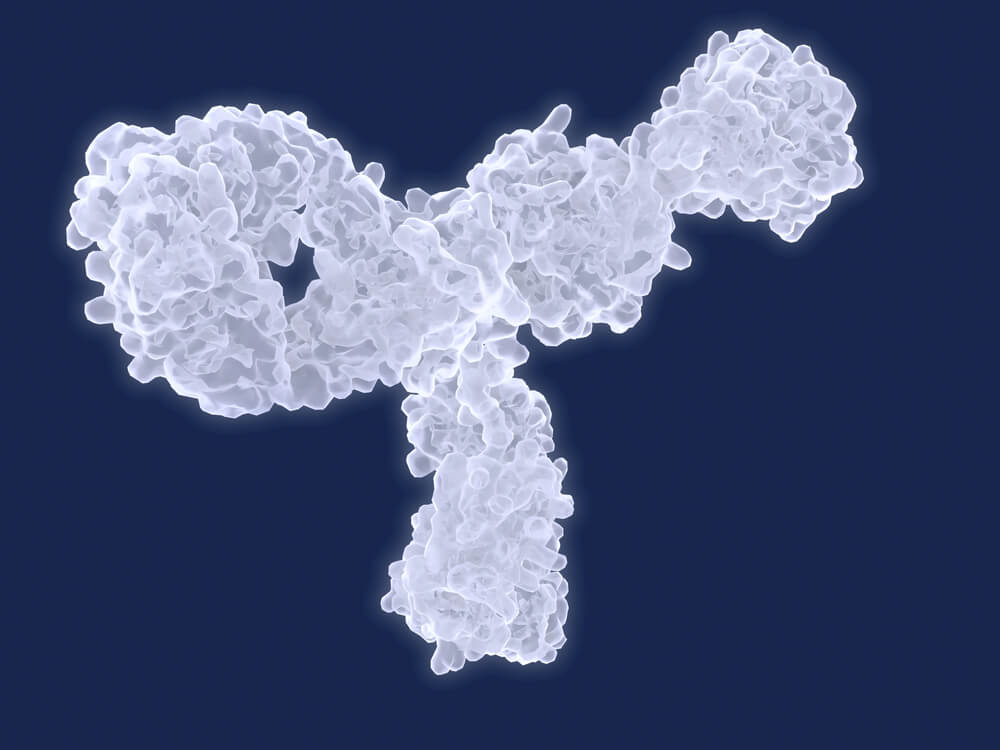
Hodgkin determined the molecular structures of penicillin, vitamin B12, and insulin using X-ray crystallography, work that took years of painstaking analysis for each molecule. Though she did eventually win the Nobel Prize in Chemistry in 1964, British press coverage at the time focused disproportionately on her appearance and domestic life rather than the scientific achievement itself.
Her insulin structure work, begun in 1934, was not completed until 1969, 35 years after she started.
Marie Tharp

Tharp’s detailed mapping of the ocean floor in the 1950s revealed the mid-ocean ridge system, providing crucial evidence for the theory of continental drift and plate tectonics. Her male research partner, Bruce Heezen, initially dismissed her interpretation of the data as “girl talk” before later observations forced him to accept it.
Tharp’s contributions to one of geology’s most important 20th-century discoveries went largely uncredited during much of her working life.
Rachel Fuller Brown and Elizabeth Lee Hazen
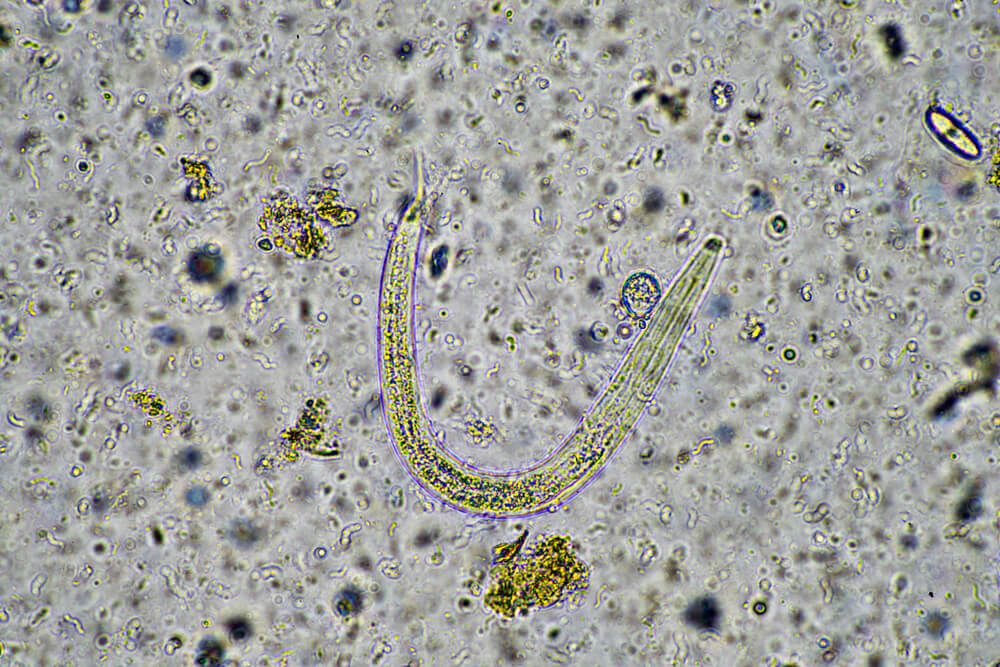
Brown and Hazen co-developed nystatin, the first effective antifungal antibiotic, in 1950, a discovery that has since been used to treat fungal infections and preserve art and historical documents from fungal damage. The two scientists deliberately assigned patent royalties to a nonprofit foundation to fund further research rather than seeking personal profit, a choice that may have further reduced their public visibility.
Their collaboration remains one of the most successful in mid-20th-century pharmaceutical science.
Emmy Noether

Noether developed a foundational theorem in theoretical physics linking symmetry and conservation laws, work so significant that Albert Einstein himself praised her as one of the most important mathematicians of her time. Despite this, she was barred from holding a paid professorship for years at the University of Göttingen due to being a woman, and later fled Nazi Germany because she was also Jewish.
Wider public recognition of her contributions has grown mainly in recent decades.
Harriet Brooks

Brooks conducted early research into radioactive decay and transmutation under Ernest Rutherford in the early 1900s, work that contributed directly to the understanding of atomic structure. She was forced to resign from a teaching position after her engagement was announced, since married women were barred from holding the post, effectively ending her scientific career.
Her early contributions to nuclear physics went largely unrecognized for most of the 20th century.
Gerty Cori’s Shared but Unequal Recognition

Cori shared the 1947 Nobel Prize in Physiology or Medicine with her husband Carl for their work describing how the body metabolizes glucose, becoming the first American woman to win a Nobel Prize in science. Despite equal contribution to the research, she was paid a fraction of her husband’s university salary for years and held a lesser academic title at the same institution.
Her Nobel win did little to immediately change the disparity in how she was treated professionally.
Credit as a Kind of Currency

Recognition in science has never been purely a matter of who discovered what first. It has also depended on who had a platform, whose name a committee found easier to attach to a headline, and who was simply present in the rooms where credit got decided.
What these delayed recognitions share is not carelessness but structure, an entire century of institutions built to notice some contributors and overlook others by design. The correction, when it finally comes, rarely undoes the original cost, but it does at least put the record where it always should have been.
More from Go2Tutors!

- The Romanov Crown Jewels and Their Tragic Fate
- 13 Historical Mysteries That Science Still Can’t Solve
- Famous Hoaxes That Fooled the World for Years
- 15 Child Stars with Tragic Adult Lives
- 16 Famous Jewelry Pieces in History
Like Go2Tutors’s content? Follow us on MSN.