25 Summer Blockbusters That Permanently Changed the Film Industry
Before the mid-1970s, summer was Hollywood’s dumping ground — the season studios used to quietly release films they didn’t believe in. Then a mechanical shark that barely worked changed everything.
A handful of summer films didn’t just earn money, they rewired how studios thought about audiences, marketing, technology, and what movies were even for.
Some of these shifts were visible immediately. Others took years to fully register.
But each film on this list left the industry permanently different from how it found it.
Jaws (1975)
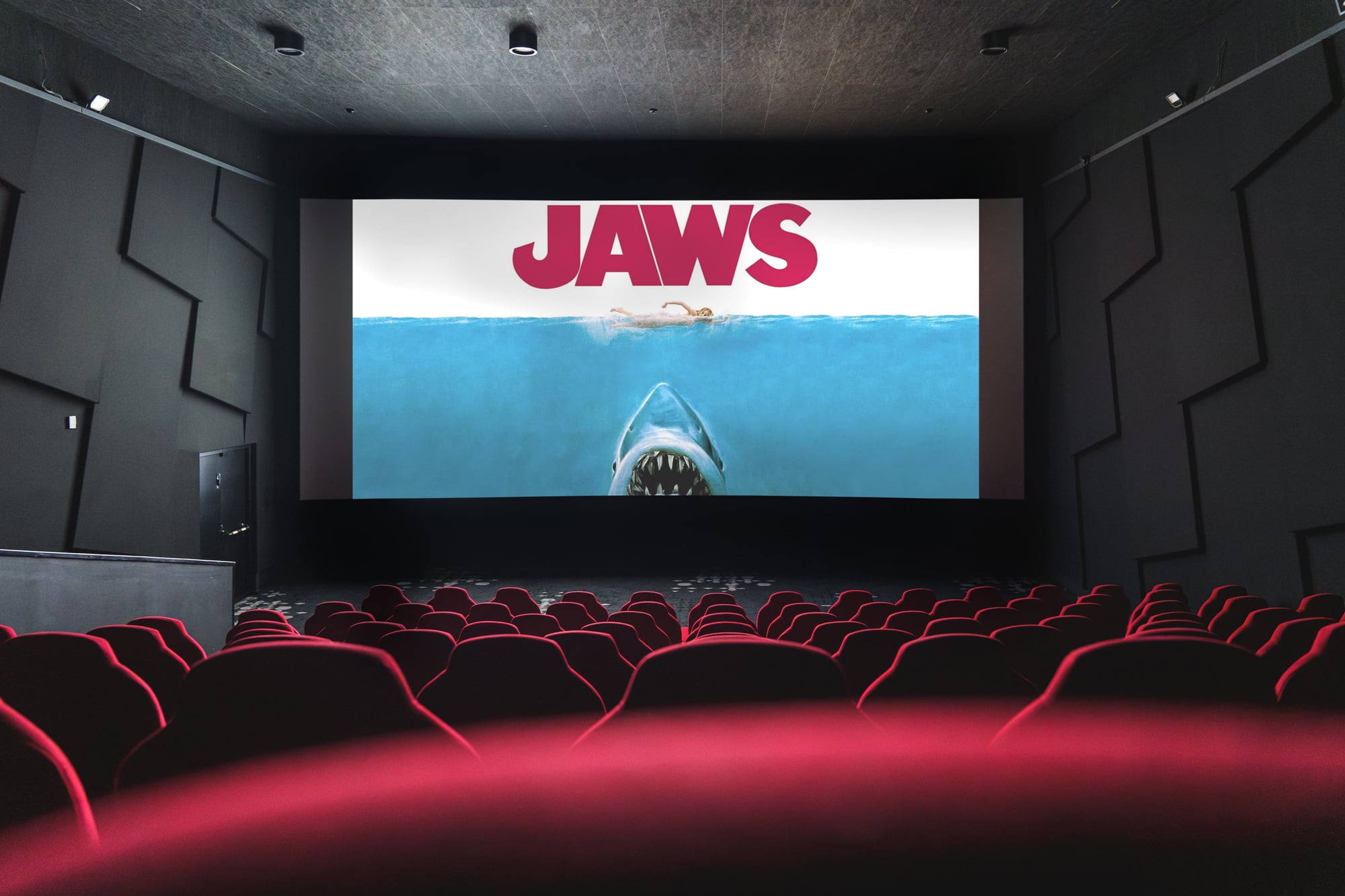
Before Jaws, studios rolled films out slowly across the country, letting word-of-mouth build over months. Steven Spielberg’s shark thriller changed that entirely.
Universal spent an unprecedented $2 million on national advertising — almost matching the film’s production budget — and opened it simultaneously in more than 400 theaters. It became the first film to gross over $100 million domestically, and the wide-release model it pioneered became the new standard.
Summer was never a quiet season again.
Star Wars (1977)
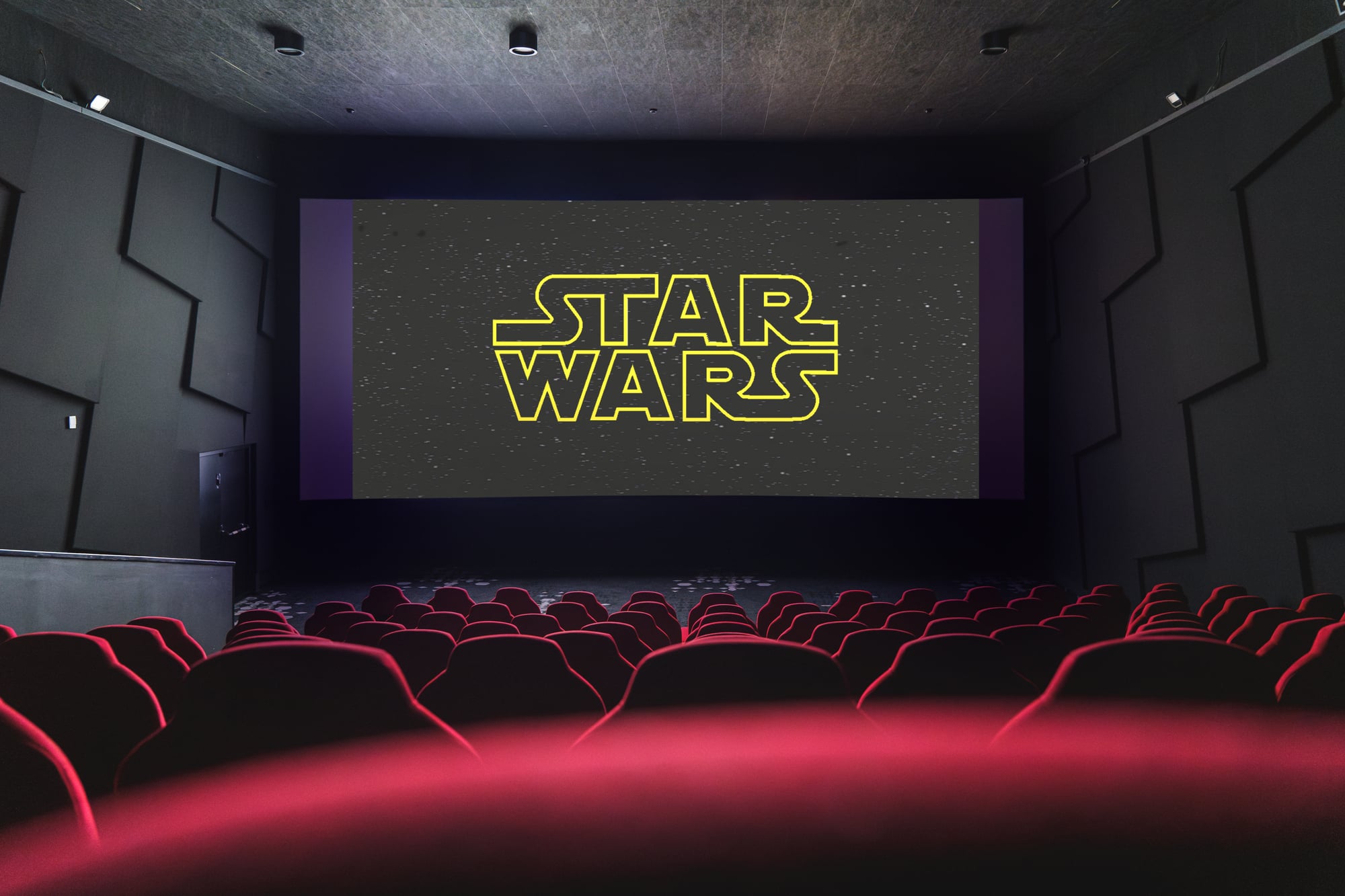
If Jaws invented the summer blockbuster, Star Wars industrialized it. George Lucas’s space opera didn’t just break box office records — it created the modern franchise economy.
Merchandise licensing, action figures, sequels, prequels, spin-offs: all of it traces back to the deal Lucas made to retain control of Star Wars licensing rights, which 20th Century Fox dismissed as worthless. Those rights ultimately generated billions.
Every studio that has since fought to own its intellectual property has Lucas to thank.
Grease (1978)
Grease proved that a musical could be a summer blockbuster at a time when the genre was considered commercially dead. Shot on a budget of $6 million, it earned over $395 million worldwide, becoming the highest-grossing musical in history at the time.
The film also demonstrated the extraordinary marketing potential of a film’s soundtrack as a standalone product — the album preceded the movie’s release and went multi-platinum, establishing the template for using music to sell a film months before it opened.
Raiders Of The Lost Ark (1981)

Steven Spielberg and George Lucas’s collaboration wasn’t just a massive hit — it codified the modern adventure template. The film showed that a summer blockbuster could have genuine wit, a charismatic lead unburdened by superpower mythology, and set pieces that moved at a pace audiences had rarely experienced.
Raiders also re-established the importance of practical stunt work at a moment when studios were beginning to lean heavily on effects, and its success directly prompted a generation of action-adventure franchises.
E.T. The Extra-Terrestrial (1982)
E.T. held the title of highest-grossing film ever made for eleven years after its release, and it fundamentally expanded who Hollywood believed would pay to see a summer film. The idea that a quiet, emotionally grounded story about a child and an alien could outperform every action film and effects spectacle before it forced studios to acknowledge that sentiment, not scale, was often the actual product.
The film’s product placement deal with Reese’s Pieces also became a landmark case study in tie-in marketing after sales of the candy increased by 65 percent.
Batman (1989)
Tim Burton’s Batman launched the era of the blockbuster as total cultural saturation. Warner Bros. put the bat symbol on everything from fast food cups to bus shelters months before the film opened, and the marketing campaign became as much a cultural event as the movie itself.
The prerelease hype machine Batman assembled — licensing, apparel, teaser campaigns, merchandise ecosystems — became the template every superhero studio has followed since. The film earned $250 million domestically and proved that a dark comic book property could carry a summer.
Home Alone (1990)

Home Alone didn’t change special effects or marketing strategy — it changed the studio calculus around comedies. The film cost $18 million to make and grossed over $476 million worldwide, making it the highest-grossing comedy of its time and one of the most profitable films ever released relative to its budget.
Studios had been undervaluing family comedies as awards-season or holiday filler. Home Alone demonstrated they could be the biggest films of the year, full stop.
Terminator 2: Judgment Day (1991)

T2 cost $102 million to produce — at the time the most expensive film ever made — and it justified every dollar by introducing computer-generated imagery that made audiences genuinely uncertain what was real. The liquid metal T-1000 was not just a visual effect, it was proof of concept for an entirely new approach to on-screen reality.
Industrial Light & Magic’s work on T2 opened the door that Jurassic Park would walk through two years later, and every CGI-dependent film since owes a debt to James Cameron’s decision to spend what nobody else would.
Jurassic Park (1993)

Jurassic Park didn’t use CGI for most of its dinosaurs — director Steven Spielberg blended animatronics with digital effects strategically, using CGI only for wide shots and full-body movement. But those digital sequences were so convincing that they ended an era.
After 1993, the debate about whether computer-generated imagery could fool an audience was over. The film grossed over $1 billion worldwide, and the practical effects industry began an accelerated decline as studios rushed to chase what they saw on screen.
Speed (1994)

Speed didn’t invent the action film, but it refined the formula down to its minimum viable components: one location, one ticking clock, one clear threat, and characters you could care about without backstory. The film proved that a mid-budget action thriller — made for $30 million, without a star actor at its center — could compete with any summer blockbuster on stakes alone.
It also launched Keanu Reeves as a leading man and contributed to a decade of high-concept one-sentence-premise films.
The Lion King (1994)
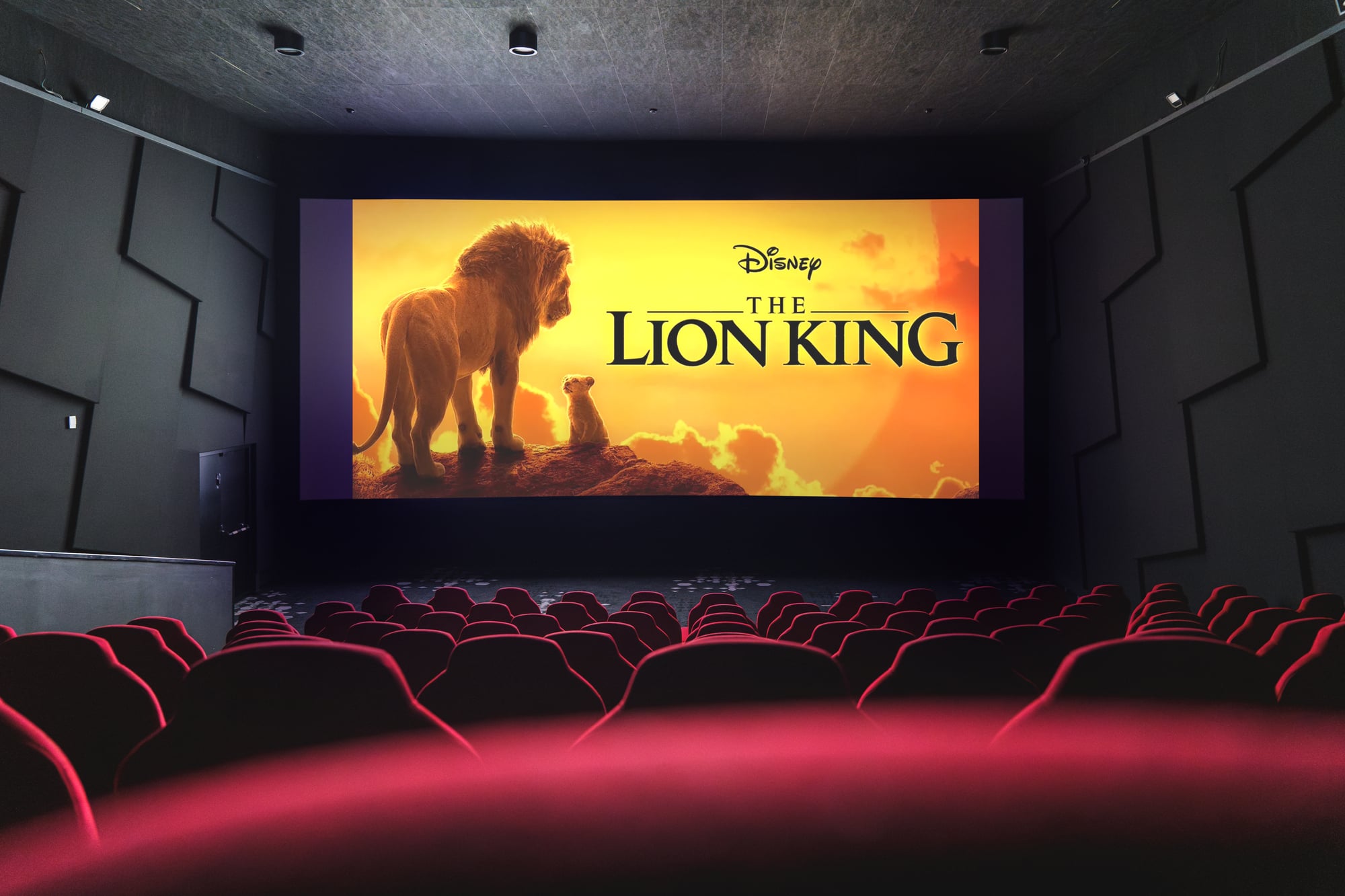
Disney’s animated features had always performed well, but The Lion King changed the perception of animation as a category. Grossing over $422 million domestically on its original release, it proved animation wasn’t a children’s genre — it was a cinematic one.
The film’s combination of emotional ambition, Broadway-caliber music, and genuine dramatic stakes made it harder for studios to dismiss animation as peripheral. It also launched Disney’s theatrical division, which brought The Lion King to stage and created an entirely new revenue stream the studio has mined ever since.
Independence Day (1996)

Independence Day made the destruction of landmarks a genre. The image of the White House exploding in the film’s trailer became one of the most effective single shots in blockbuster marketing history, and audiences showed up specifically to witness obliteration at scale.
The film earned over $817 million worldwide and established that a movie could be built almost entirely around a premise and a visual effect, provided the execution was confident enough. Roland Emmerich has spent the decades since refining this formula.
Titanic (1997)
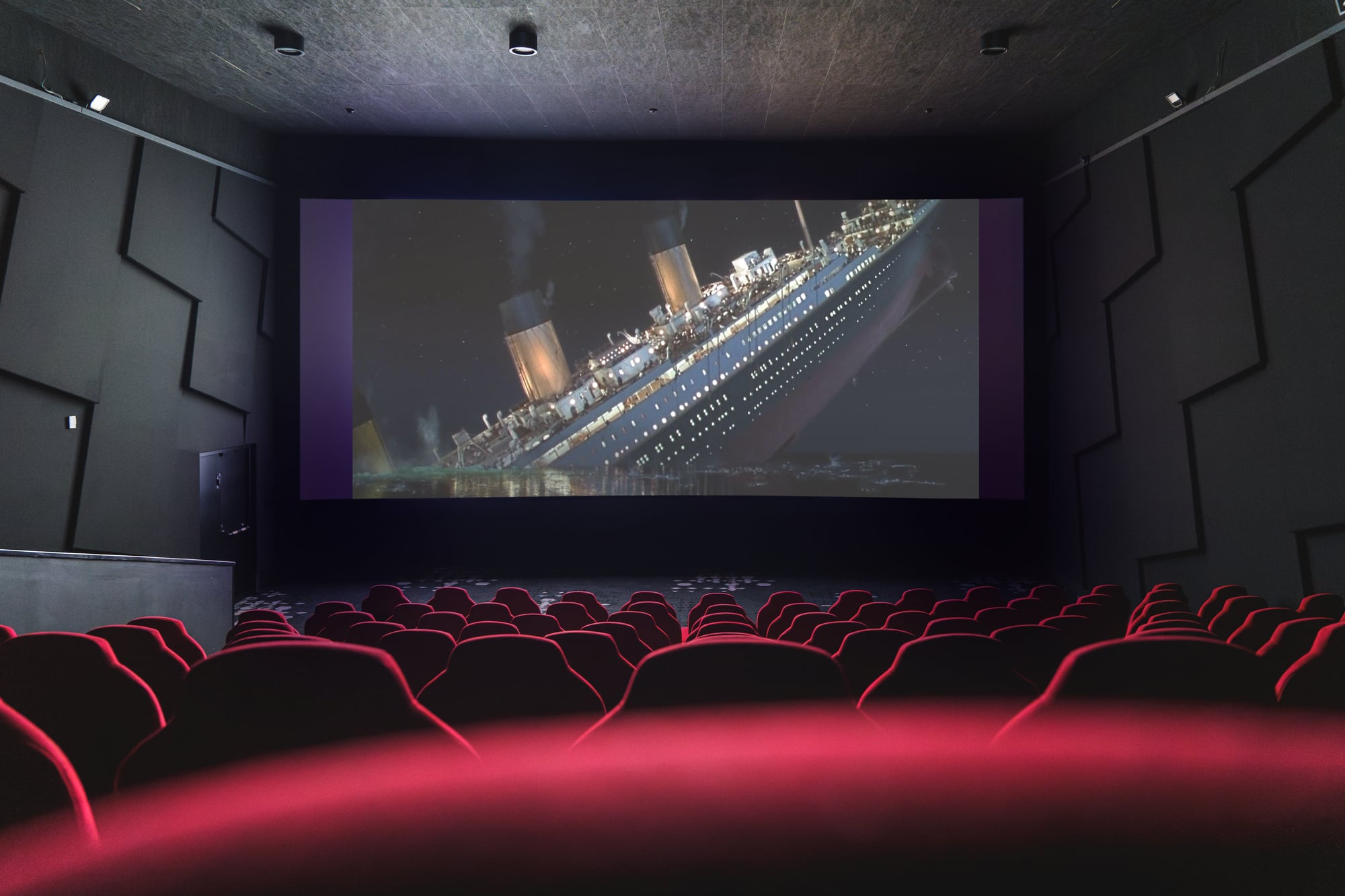
James Cameron’s Titanic arrived with a production cost of roughly $200 million and near-universal industry predictions of catastrophe. It won eleven Academy Awards and became the first film to gross $1 billion worldwide.
More than its box office performance, Titanic dismantled the assumption that event-scale spectacle and emotional storytelling were incompatible — that big meant dumb. Studios had been bifurcating their slates between prestige films and commercial films; Titanic collapsed that distinction and earned both audiences simultaneously.
The Blair Witch Project (1999)

Made for under $60,000 and marketed through an internet-based fake-documentary campaign that convinced many viewers the footage was real, The Blair Witch Project grossed nearly $250 million worldwide. It proved that micro-budget filmmaking could compete with studio releases at the summer box office, established found-footage horror as a legitimate genre, and pioneered viral internet marketing years before any studio had a strategy for it.
Every guerrilla horror film since has worked in its shadow.
The Sixth Sense (1999)

M. Night Shyamalan’s psychological thriller demonstrated that an original, non-franchise, non-sequel film could open at number one in August and become one of the year’s most talked-about releases. Made for $40 million, it grossed over $672 million worldwide and revived serious interest in the twist ending as a narrative device.
The Sixth Sense also gave Hollywood its last great argument for the mid-budget original drama as a summer film — a case studios have found increasingly difficult to make since.
Gladiator (2000)

Gladiator brought the epic historical spectacle back to summer cinema at a moment when the genre had been dormant since the 1960s. Director Ridley Scott’s willingness to blend digital backgrounds with practical set construction on a scale that felt genuinely ancient created a visual grammar for period action that studios have borrowed relentlessly.
The film grossed $460 million worldwide, won Best Picture, and prompted a full decade of sword-and-sandal productions, including Troy, Alexander, and Kingdom of Heaven.
Spider-Man (2002)

Spider-Man became the first film to earn over $100 million in a single opening weekend, a record that reset every studio’s expectations for what a franchise launch could generate. The film also marked the moment Marvel characters officially became the most commercially reliable property in Hollywood.
Director Sam Raimi’s success with a character many considered too nerdy for mainstream audiences opened the door for dozens of comic book adaptations that studios had previously dismissed as too niche. The superhero era began here in practical terms.
The Dark Knight (2008)

Christopher Nolan’s Batman sequel earned nearly $1 billion worldwide and was widely regarded as a genuinely great film — not just a great blockbuster. Its exclusion from the Best Picture category at the Academy Awards caused sufficient public outcry that the Academy expanded its Best Picture nominees from five to ten the following year, a structural change to the most prestigious ceremony in film that a summer blockbuster directly caused.
The Dark Knight also pioneered large-format IMAX shooting for commercial cinema, a practice that has since become standard.
Iron Man (2008)

Iron Man launched the Marvel Cinematic Universe and introduced the post-credits scene as a narrative device for world-building across multiple films. The moment Nick Fury appears after the credits to mention the Avengers Initiative was not just a marketing stunt — it was a structural innovation in how studios could build audiences across a slate of interconnected films.
Every franchise that has since attempted shared universe construction has used Iron Man as its template, and most have failed to match it.
Avatar (2009)
James Cameron’s Avatar became the highest-grossing film in history with $2.9 billion worldwide and triggered a mass conversion of theaters to 3D projection that cost exhibitors billions in equipment upgrades. The film’s visual achievement was genuine — Cameron developed new camera systems for the production — but the industry overcorrected badly, attaching a 3D premium to films that had been post-converted rather than shot in the format.
Audiences eventually punished studios for the quality gap, and the 3D era faded within a decade, but Avatar’s influence on how Hollywood thinks about immersive technology has never left.
Toy Story 3 (2010)

Toy Story 3 grossed over $1 billion worldwide and made it definitively clear that sequels to animated films were not a lesser category. More importantly, it reframed what a franchise could mean emotionally — the film was marketed directly at the generation who had grown up with Woody and Buzz, not just at children currently in the target demographic.
Pixar’s willingness to let characters age alongside their audiences changed how studios thought about the longevity of animated properties.
The Avengers (2012)
The Avengers grossed $1.5 billion worldwide and proved that the shared universe model Marvel had been building since Iron Man could pay off at a scale that justified every investment in its infrastructure. For the first time, multiple films featuring different lead characters crossed over into a single event film, and audiences turned up in numbers studios hadn’t anticipated.
Every studio that subsequently attempted to build a cinematic universe — DC, Universal’s Dark Universe, Hasbro — was responding to what The Avengers demonstrated was possible.
Guardians Of The Galaxy (2014)

Guardians of the Galaxy made a talking raccoon and a sentient tree the co-leads of a $773 million-grossing summer blockbuster and proved that Marvel’s brand had become stronger than any individual character’s recognizability. Before Guardians, studios believed audiences required some pre-existing familiarity with a character to invest in a franchise.
After it, Marvel showed that their logo on a poster was itself sufficient assurance. It was the moment the studio stopped adapting existing fame and started manufacturing it from scratch.
Get Out (2017)

Jordan Peele’s debut horror film cost $4.5 million and grossed over $255 million worldwide, becoming one of the most profitable films ever made on a return-on-investment basis. Equally important, Get Out demonstrated that horror could carry thematic and political weight without sacrificing commercial appeal, and that a Black filmmaker leading a predominantly Black cast could open to number one without the marketing caveats studios had historically attached to such projects.
The film reshaped how studios thought about the intersection of genre, race, and audience.
Barbie (2023)

Greta Gerwig’s Barbie grossed $1.44 billion worldwide and became the highest-grossing film ever directed by a woman, while also sparking a conversation about how studios had long underestimated the commercial appetite of female audiences for films made on their own terms. The marketing campaign — a relentless, playful, self-aware cultural saturation — demonstrated that the pre-release conversation around a film could become the film’s first act.
Barbie didn’t just perform well. It made the rest of the summer look timid by comparison.
What Summer Did To Cinema

The films on this list didn’t arrive as industry reforms. They arrived as entertainment, with varying degrees of expectation, and reshaped the business by succeeding in ways nobody had fully anticipated.
Jaws accidentally invented a release model. Star Wars accidentally invented licensing. The Blair Witch Project accidentally invented viral marketing. Most of the time, the industry didn’t change because someone planned it — it changed because a film worked and studios ran toward what worked.
What the summer blockbuster ultimately created was an audience trained to expect spectacle, and an industry trained to provide it. The tension between those expectations and the quieter, stranger films that occasionally break through — Get Out, The Sixth Sense, Barbie — is what keeps summer cinema genuinely unpredictable.
The season that was once considered worthless turned out to be the one that most reliably told Hollywood what it was capable of.
More from Go2Tutors!

- The Romanov Crown Jewels and Their Tragic Fate
- 13 Historical Mysteries That Science Still Can’t Solve
- Famous Hoaxes That Fooled the World for Years
- 15 Child Stars with Tragic Adult Lives
- 16 Famous Jewelry Pieces in History
Like Go2Tutors’s content? Follow us on MSN.