28 Retro Video Games and Consoles That Collectors Are Paying Top Dollar For
The basement treasure hunt happens every weekend across America. Someone’s grandmother decides to clean out decades of accumulated belongings, and there, wedged between Christmas decorations and old photo albums, sits a dusty Nintendo cartridge that could pay for a vacation.
The retro gaming market has exploded beyond anyone’s predictions, turning childhood memories into serious investment opportunities. What once sold for $29.99 at Toys”R”Us now commands four-figure price tags on auction sites, and collectors are competing with the intensity of Wall Street traders for the rarest finds.
Stadium Events
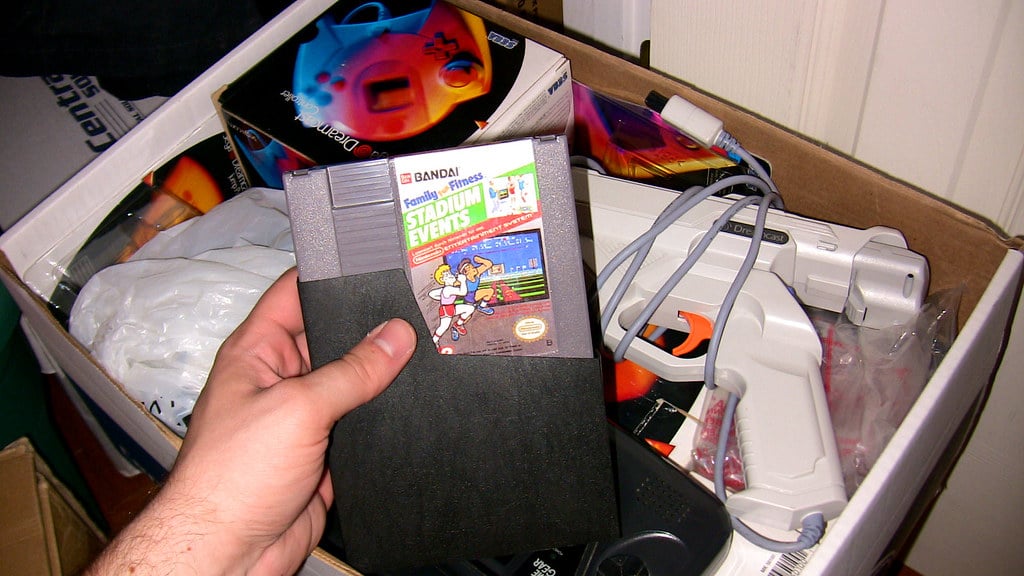
Stadium Events is the holy grail nobody saw coming. Nintendo recalled this Family Fun Fitness track-and-field game in 1987, making sealed copies rarer than hen’s teeth.
A pristine copy sold for $41,300 in 2010, and prices have only climbed since then.
Nintendo World Championships Gold
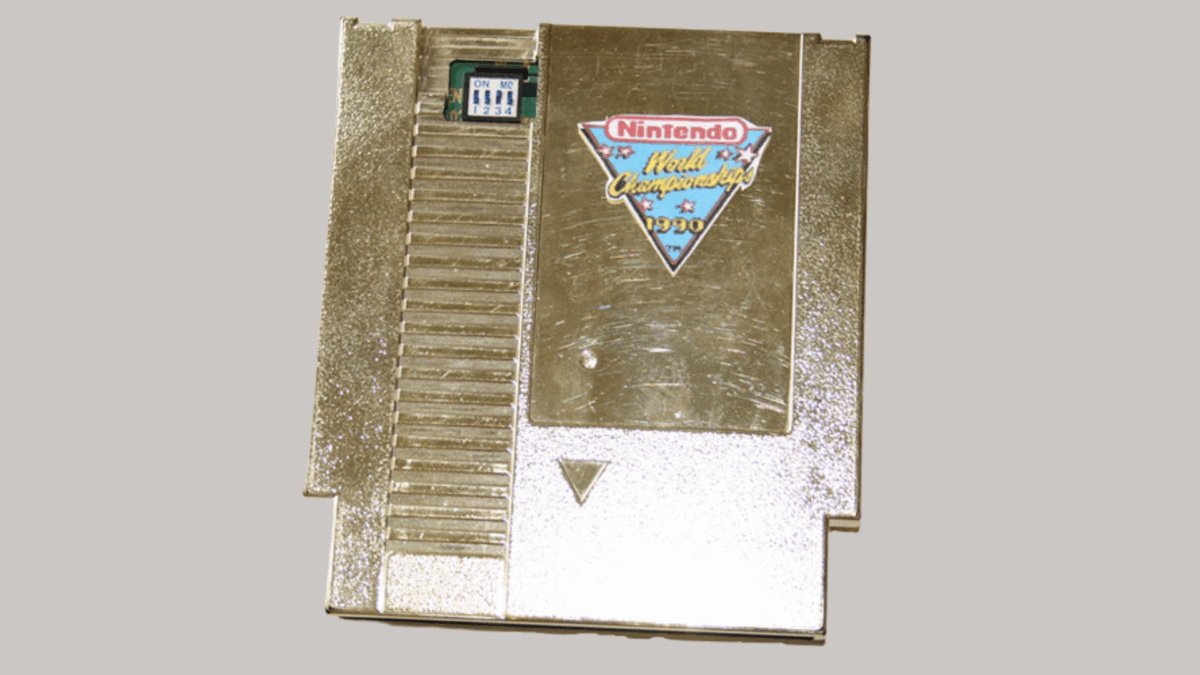
Picture this: Nintendo creates a limited-edition gold cartridge for a 1990 gaming competition, hands out exactly 26 copies to contest winners and magazine subscribers, then watches as collectors spend the next three decades hunting them down like buried treasure. And the thing is, finding one of these golden cartridges feels exactly like discovering actual treasure (because at current market prices, which hover around $100,000 for pristine copies, that’s essentially what it is).
So when someone posts a photo of their childhood game collection and there’s a glint of gold among the standard gray cartridges, the entire retro gaming community collectively holds its breath. Even cartridge-only copies—no box, no manual, just the game itself—command prices that make grown collectors weep actual tears.
The scarcity isn’t just about the initial limited run, though that certainly helps drive the frenzy. It’s about the intersection of nostalgia, competitive gaming history, and pure mathematical rarity creating a perfect storm of desirability.
Magical Chase
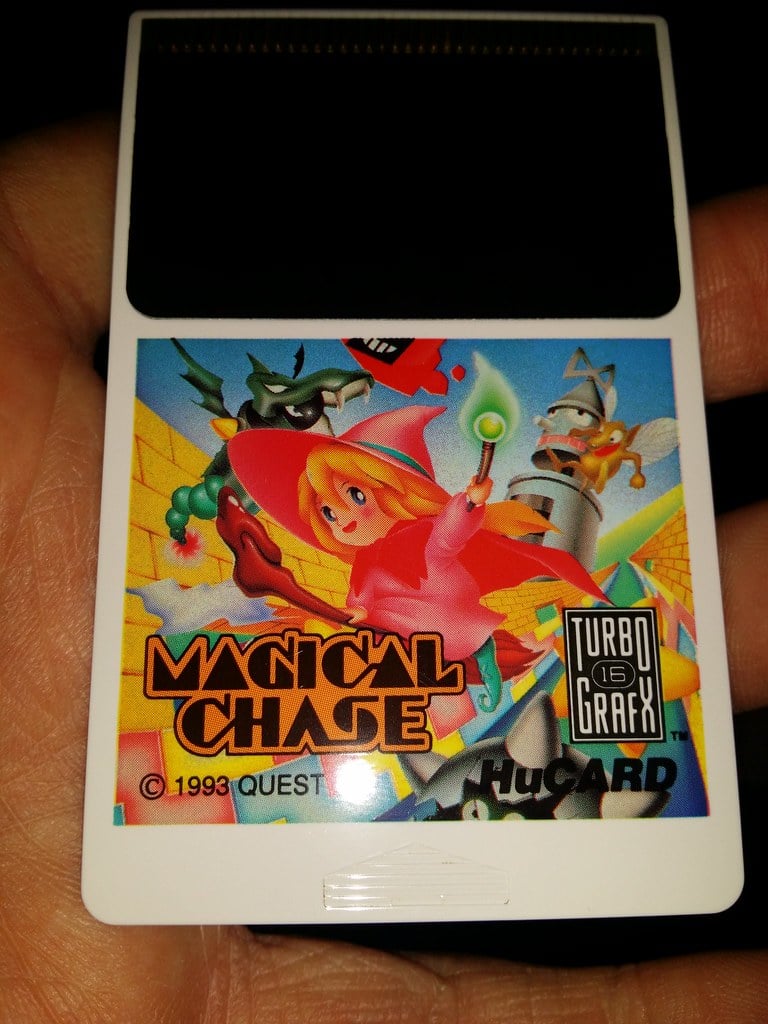
Magical Chase sits in that peculiar space where obscurity breeds obsession. This cute-em-up shooter for the TurboGrafx-16 received such a limited release that most people never knew it existed until they couldn’t afford it.
The game itself is perfectly pleasant—nothing revolutionary, just solid shooting action wrapped in colorful graphics. Complete copies approach $10,000 because collectors operate on a simple principle: if fewer than a thousand people can own something, everyone wants to be one of those thousand people.
The TurboGrafx-16’s commercial failure in America accidentally created one of the most expensive gaming libraries ever assembled.
Little Samson
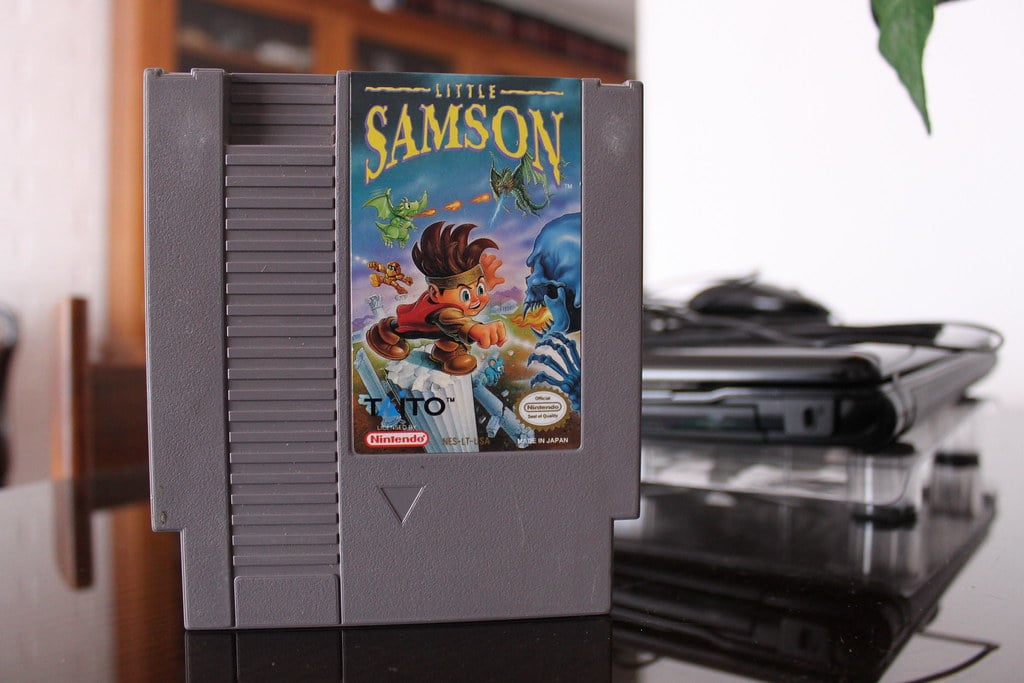
Little Samson proves that being good isn’t enough. This exceptional platformer arrived in 1992 when everyone had moved on from the original Nintendo, dooming it to commercial failure despite brilliant game design.
Players control four different characters with unique abilities, creating puzzle-platforming gameplay that rivals the best Nintendo first-party releases. But timing kills even masterpieces, and Little Samson’s late arrival meant tiny print runs and smaller audiences.
Complete copies sell for $4,000 to $6,000, making it more expensive than most people’s cars. The game’s quality makes the price sting less—this isn’t artificial scarcity inflating a mediocre product, but genuine rarity protecting something worth protecting.
Panzer Dragoon Saga
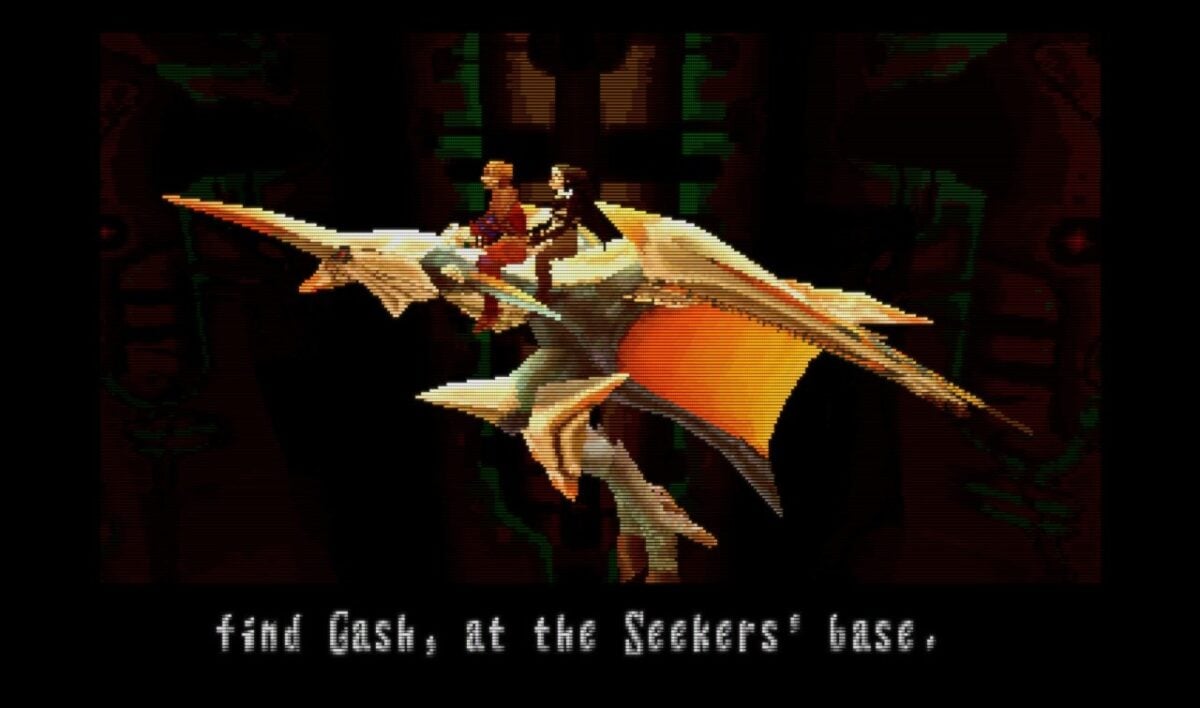
Panzer Dragoon Saga died with the Sega Saturn, and both deserved better fates. This four-disc RPG masterpiece showcased everything the Saturn could accomplish when developers understood its architecture.
The story, visuals, and gameplay mechanics created an experience that critics still reference as one of gaming’s high-water marks. Sega printed roughly 20,000 copies for the American market before abandoning the Saturn entirely.
Complete copies now sell for $1,000 to $2,000, making it the most expensive way to experience one of gaming’s finest moments. The price reflects not just scarcity but genuine artistic achievement trapped in commercial failure.
Air Raid
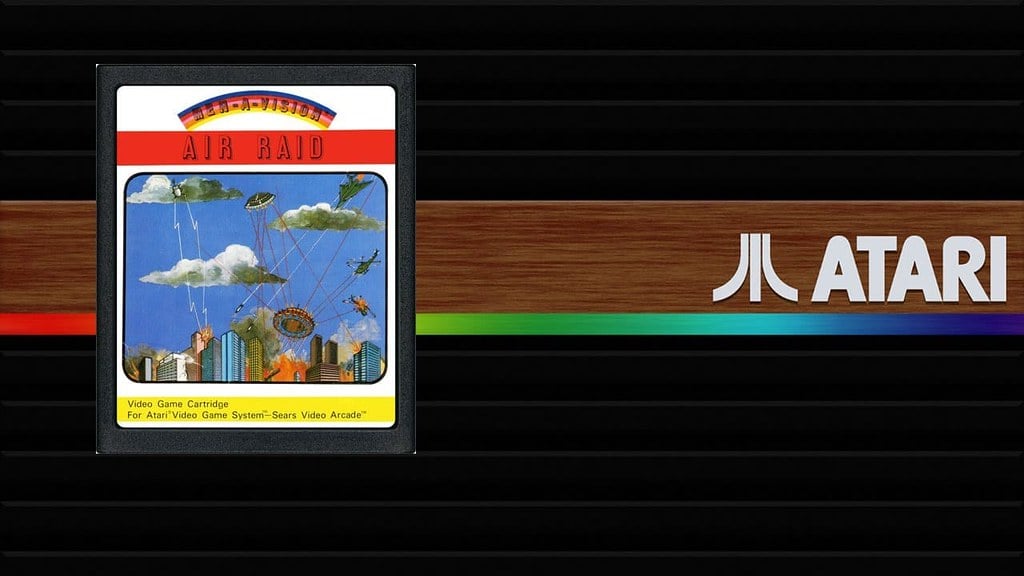
Air Raid exists in gaming folklore because almost nobody can prove they’ve seen one. This Atari 2600 cartridge featured a distinctive T-shaped handle instead of the standard rectangular design, making it instantly recognizable to the few people who encountered it.
The game itself is forgettable space-shooting action, but the unique physical design created lasting mystique. Loose cartridges sell for $3,000 to $4,000 when they surface at all.
Complete boxed copies approach $30,000 because boxes for this game are rarer than the game itself. Air Raid proves that sometimes the story behind an object matters more than the object’s actual quality.
Clayfighter Sculptor’s Cut
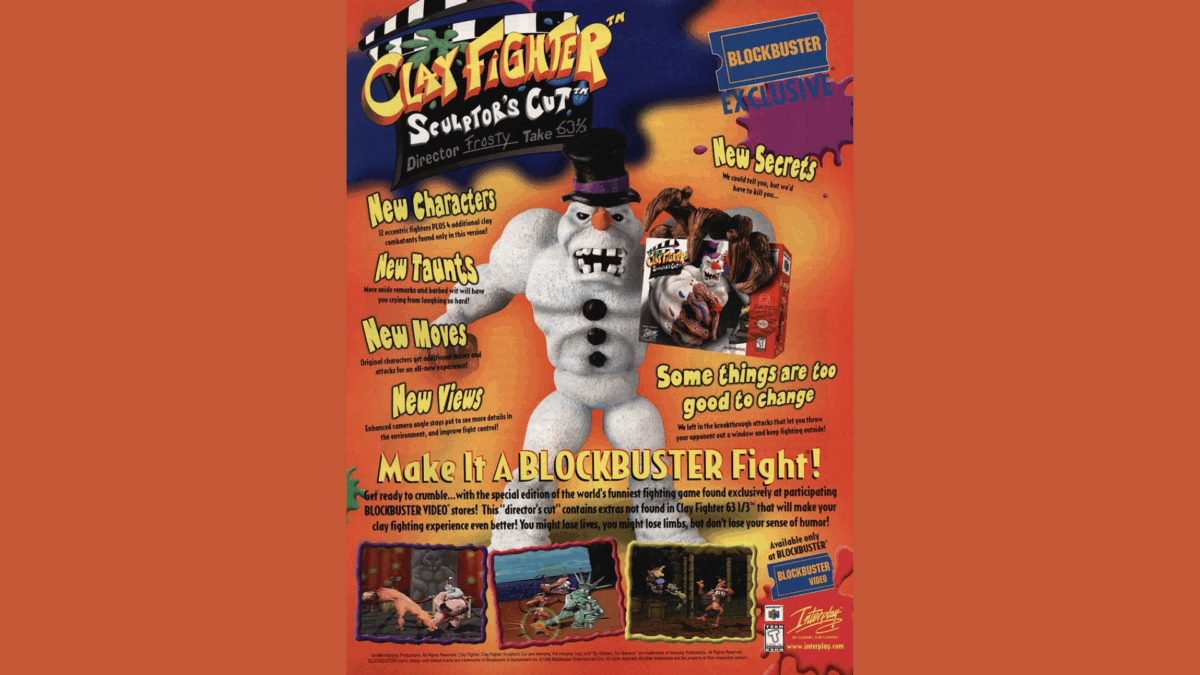
Here’s where Nintendo’s rental-exclusive strategy backfired spectacularly: they created Clayfighter Sculptor’s Cut exclusively for Blockbuster Video rental stores, printed maybe 20,000 cartridges, then watched as most of them disappeared into the rental store ecosystem and never emerged again (because let’s face it, when Blockbuster went under, tracking down specific cartridges wasn’t exactly anyone’s priority). And so what was meant to be a clever marketing partnership became an accidental lesson in artificial scarcity—though whether Nintendo intended to create a $300 to $500 collectible out of a mediocre fighting game is debatable.
But the market doesn’t care about intentions: it cares about availability. Even loose cartridges command serious money because finding this particular version of Clayfighter requires either tremendous luck or tremendous patience.
The irony cuts deep, too. Sculptor’s Cut added characters and features that made it objectively the best version of Clayfighter, but the rental exclusivity meant almost nobody got to experience those improvements when they actually mattered.
Radiant Silvergun
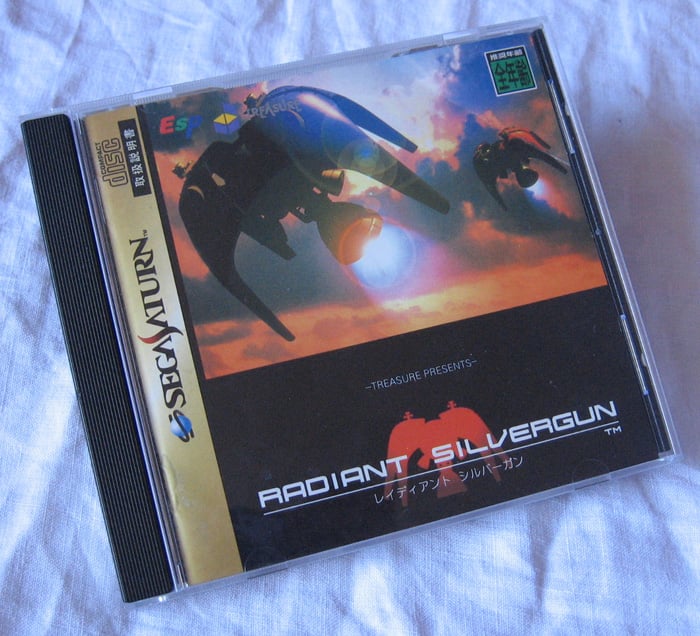
Some games transcend their circumstances through pure artistry. Radiant Silvergun represents the pinnacle of shoot-em-up design, featuring a color-based weapon system so elegant that other developers still study its mechanics decades later.
The Sega Saturn version received limited release outside Japan, creating scarcity around genuine excellence. Import copies sell for $400 to $600, but complete domestic releases approach four figures.
The price reflects both rarity and recognition—this isn’t speculative collecting but preservation of documented greatness. Silvergun earned its reputation through gameplay innovation, and collectors pay accordingly.
Flintstones Surprise at Dinosaur Peak
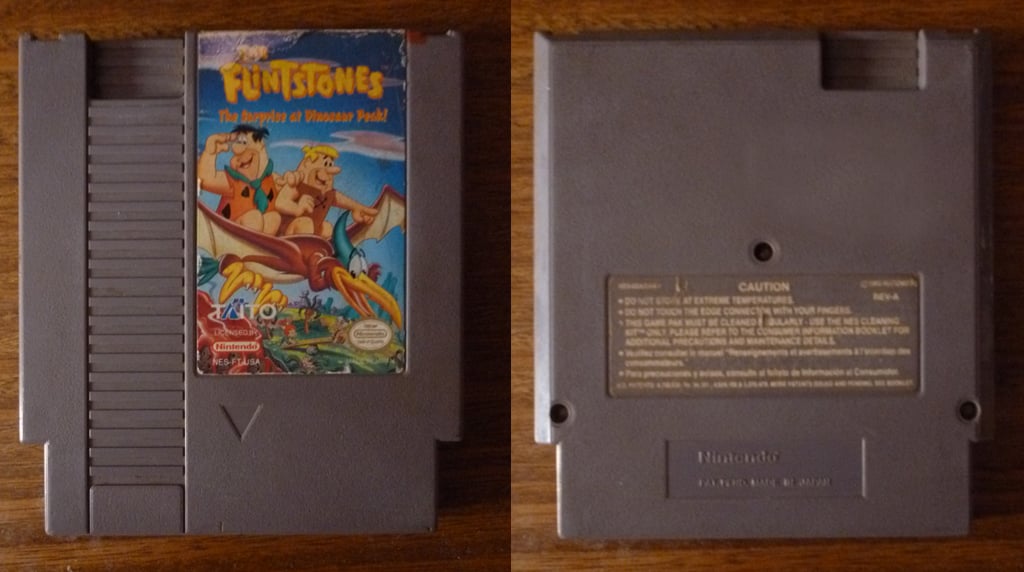
Surprise at Dinosaur Peak springs the cruelest joke on Flintstones fans. This genuinely excellent platformer arrived so late in the original Nintendo’s lifecycle that retailers barely bothered stocking it.
The game features polished mechanics, creative level design, and production values that shame most licensed properties. But excellent execution couldn’t overcome terrible timing.
Complete copies sell for $1,200 to $1,800 because quality and scarcity aligned to create the perfect collectible storm. Players who track down this game discover that licensed properties can achieve greatness when developers actually care about the end result.
Metal Storm
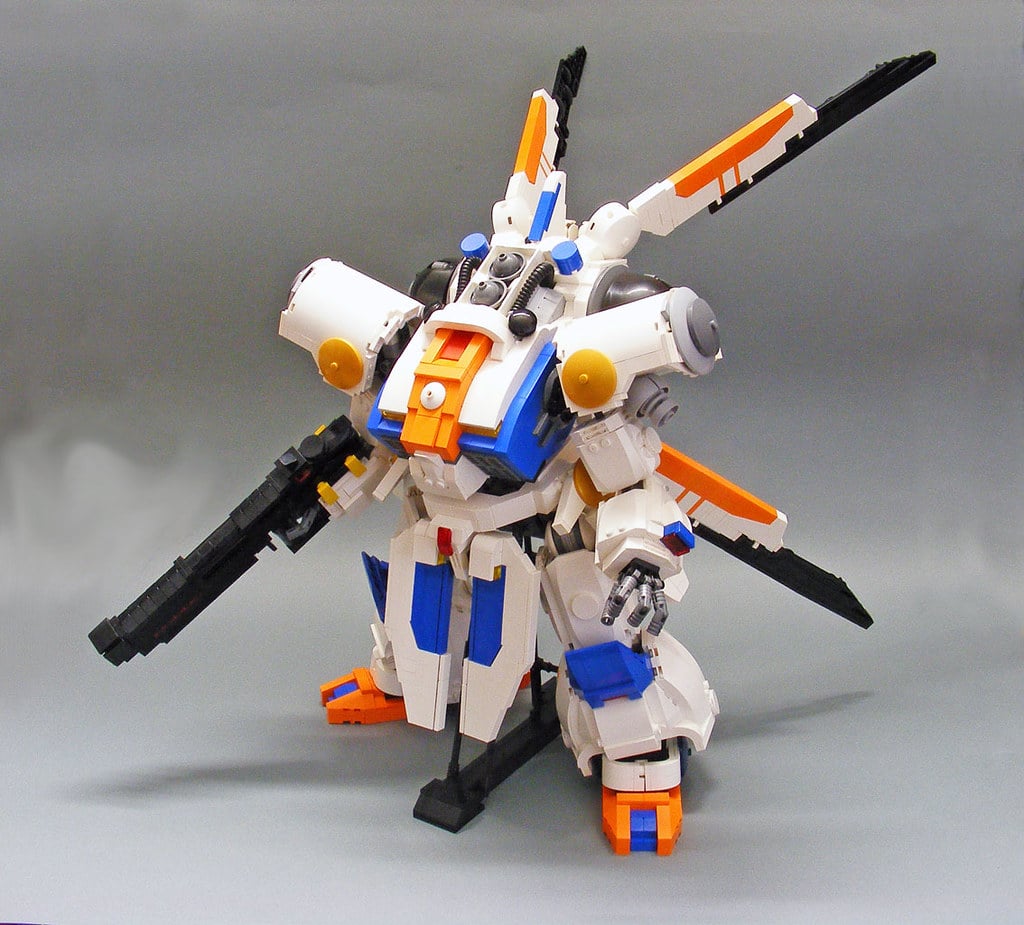
Metal Storm showcases technical wizardry that pushed the original Nintendo beyond its supposed limitations. The game features gravity-flipping mechanics and visual effects that seem impossible on 8-bit hardware.
Players pilot a mech through levels that rotate completely, creating spatial puzzles wrapped in intense shooting action. Limited release means complete copies command $300 to $500, but the price reflects genuine innovation rather than artificial scarcity.
Metal Storm earned collector attention by demonstrating that creative programming could overcome hardware limitations. The game remains playable and impressive today, justifying its collectible status through actual merit.
Burning Rangers
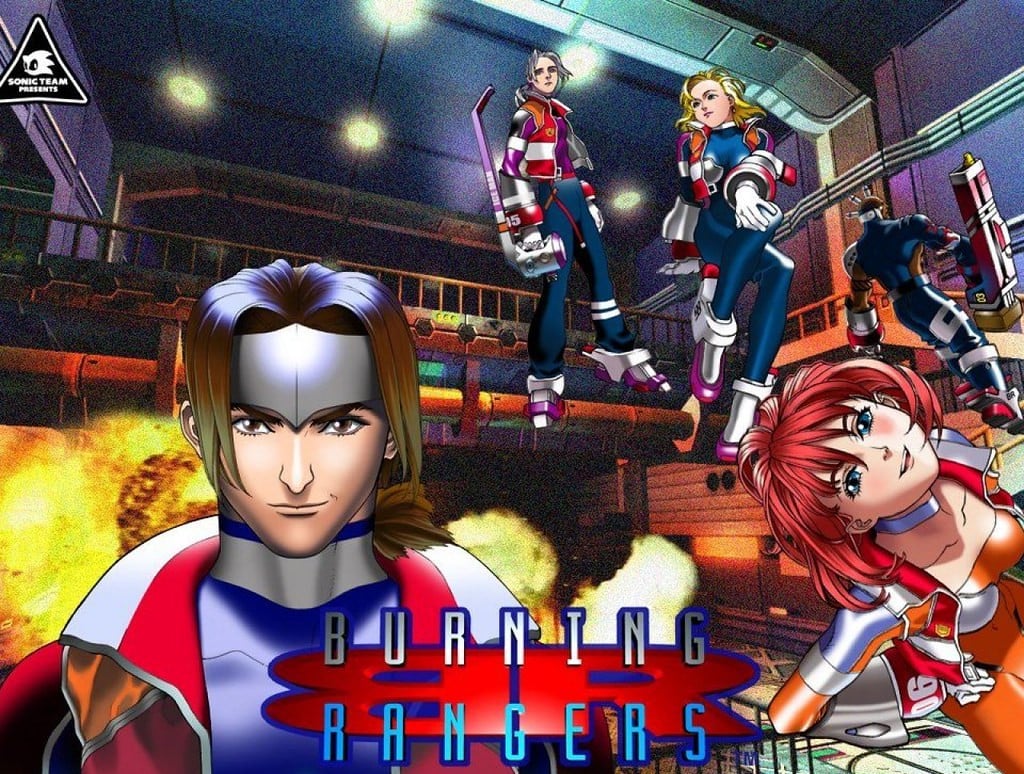
Burning Rangers stands as both Sonic Team’s Saturn swan song and proof that innovative concepts can bloom even during console death throes. This fire-rescue action game tasked players with saving people rather than destroying enemies—a refreshingly altruistic premise wrapped in stunning visuals that maximized the Saturn’s capabilities (though “maximized” might be underselling it, since Burning Rangers pushed graphical effects that seemed designed to make other Saturn games look primitive by comparison).
And the voice samples throughout the game created an almost cinematic experience that felt years ahead of its time, particularly the dynamic emergency calls that changed based on player actions. But being years ahead of your time means nothing when your platform is already commercially dead, and Sega’s limited American print run ensures that complete copies now sell for $200 to $400 even though most players never experienced this particular flavor of brilliance.
The game’s reputation has grown substantially since the Saturn era ended, with modern players recognizing innovations that went largely unnoticed during the original release window.
Crusader of Centy
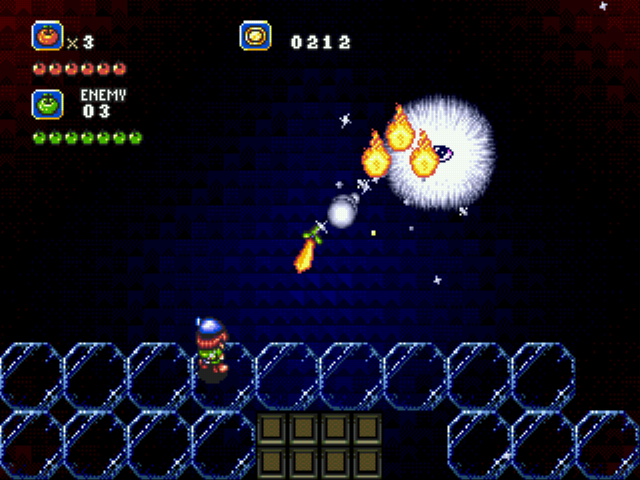
Crusader of Centy carries the burden of being excellent at the worst possible moment. This action-RPG arrived on Sega Genesis just as everyone fixated on the next generation of consoles, dooming quality to obscurity.
The game borrows Zelda’s exploration formula but adds unique pet mechanics that create fresh gameplay possibilities. Limited American release means complete copies sell for $150 to $250.
The price reflects both scarcity and belated recognition that Sega’s 16-bit library contained hidden masterpieces worth preserving. Centy proves that timing determines commercial success, but quality determines lasting value.
Neo Geo AES Console
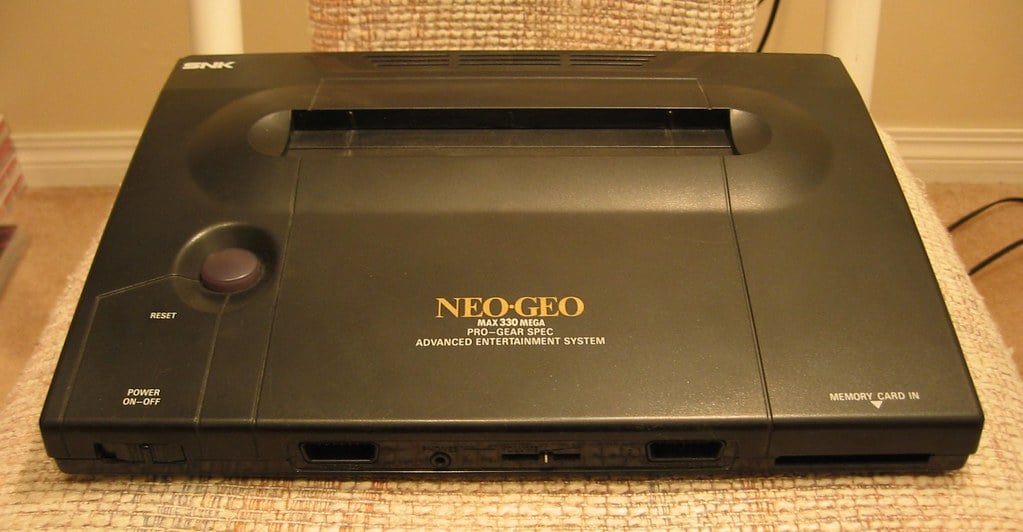
The Neo Geo AES represents gaming’s most expensive joke. SNK marketed this arcade-perfect home console to wealthy enthusiasts, pricing games at $200 each in 1990s money.
The strategy failed commercially but created today’s ultimate collector system. Complete AES systems sell for $800 to $1,200 before adding any games.
Individual cartridges range from $100 for common titles to $1,000+ for rare releases. The Neo Geo proved that arcade perfection at home was possible but financially impractical for most consumers.
Earthbound
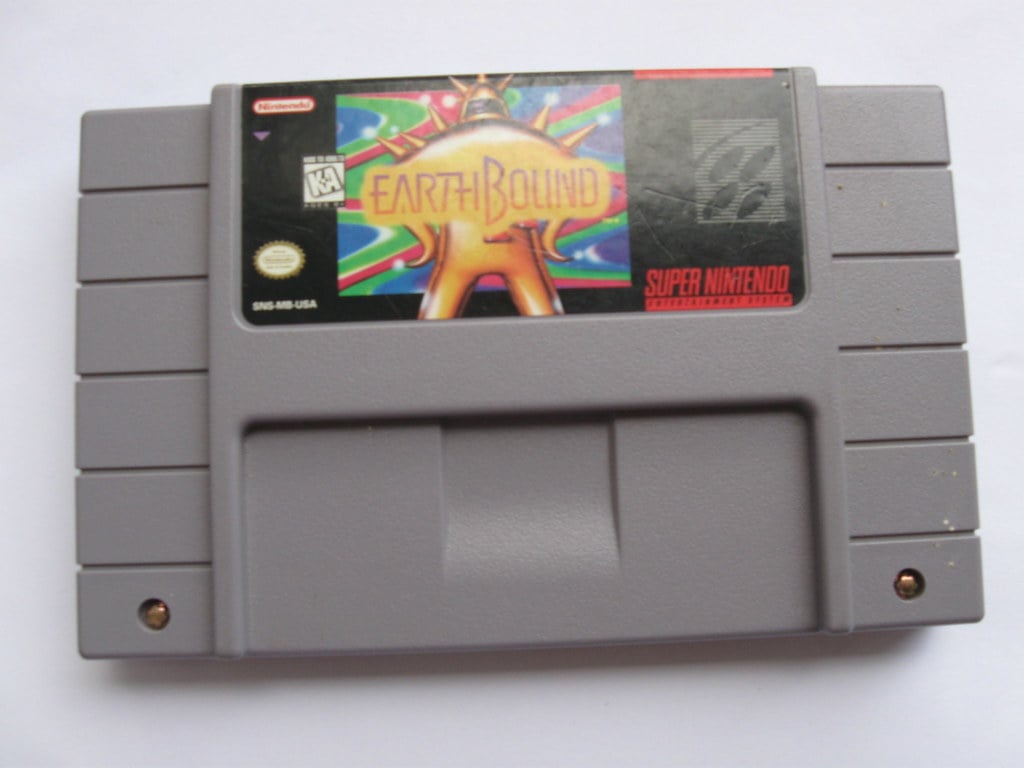
Earthbound’s massive box size made it a retail nightmare but a collector’s dream. Nintendo included a strategy guide to justify the oversized packaging, creating storage problems that led many stores to discard boxes after selling the game.
This mundane retail decision accidentally manufactured rarity around one of the Super Nintendo’s most beloved RPGs. Complete boxed copies sell for $300 to $500 because the game’s cult following grew substantially after its original release.
Earthbound’s quirky humor and modern setting aged better than most fantasy RPGs, creating sustained demand for physical copies that justifies current market prices through genuine artistic merit.
Chrono Trigger
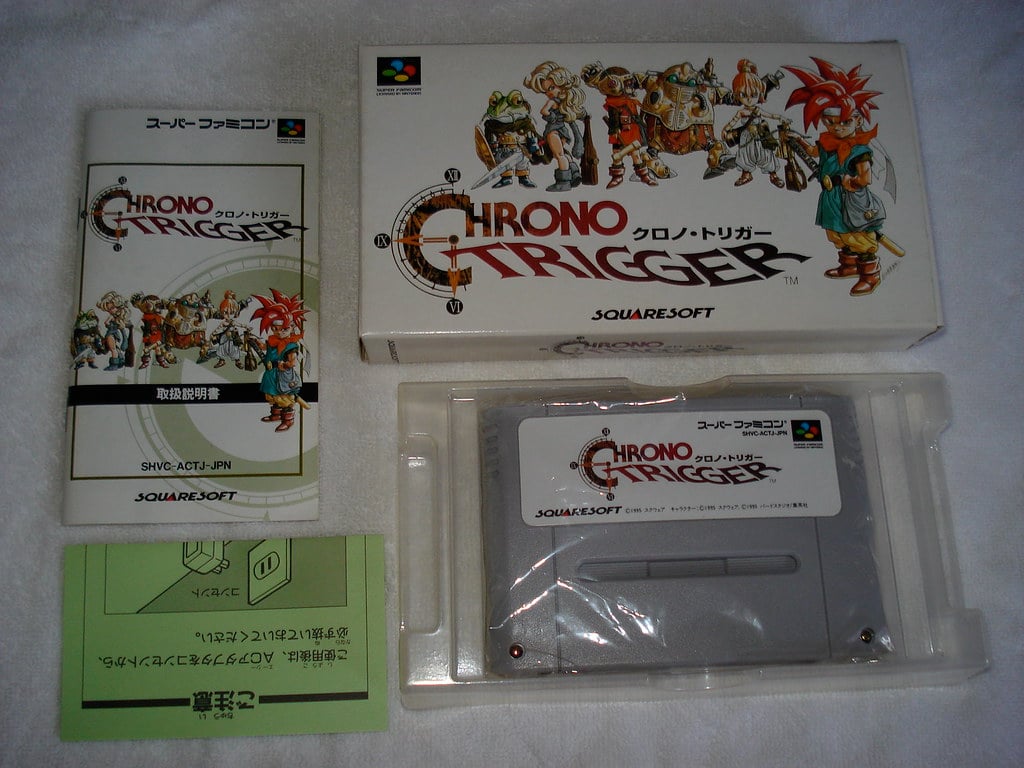
Chrono Trigger sits where critical acclaim meets collector obsession, and the result is predictably expensive. This RPG represents the dream team collaboration between Final Fantasy’s creators, Dragon Quest’s designer, producing what many consider the greatest role-playing game ever made.
The original Super Nintendo release featured multiple endings, time-travel mechanics, and a soundtrack that still brings grown adults to tears (which sounds like hyperbole until you hear “Corridors of Time” again and find yourself unexpectedly emotional about 16-bit synthesized music). And the thing about owning this particular masterpiece in its original form is that collectors aren’t just buying a game—they’re buying a piece of gaming history that represents the absolute peak of what the medium could accomplish during the 16-bit era.
So when complete copies sell for $100 to $200, the price reflects not just scarcity but reverence for documented excellence that changed how people thought about video game storytelling. Even loose cartridges command premium prices because this is one of the few games that lives up to its legendary reputation.
Virtual Boy Console
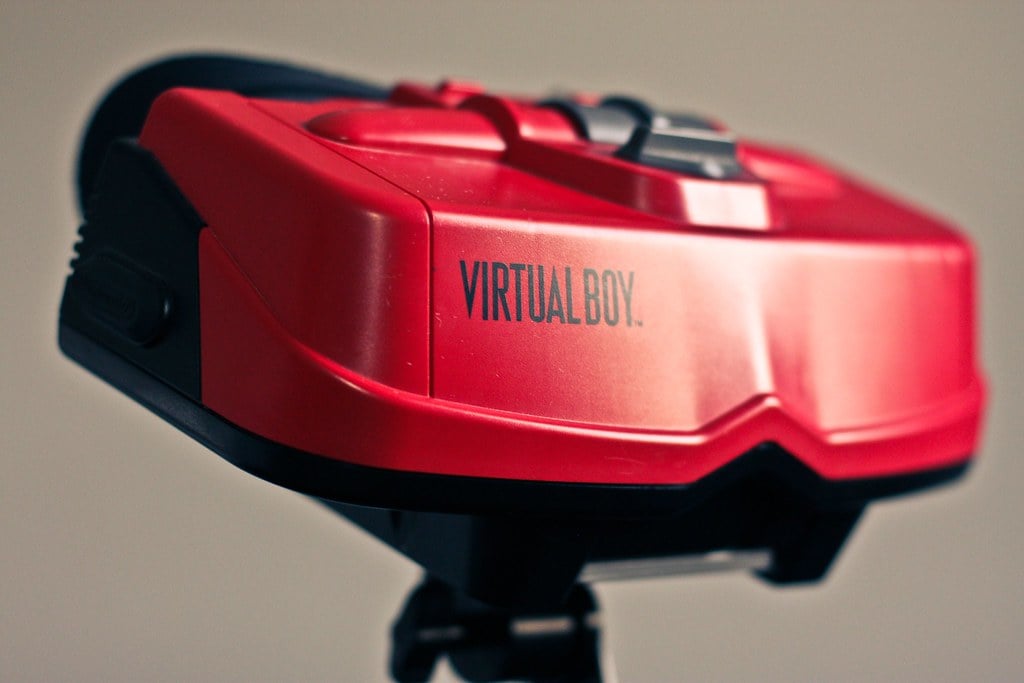
The Virtual Boy stands as Nintendo’s most spectacular failure and most fascinating collectible. This red-and-black headache machine promised virtual reality but delivered eye strain and commercial disaster.
Nintendo discontinued the system within a year, creating instant rarity around obvious failure. Complete Virtual Boy systems sell for $200 to $400 because failure can be just as collectible as success.
The library consists of only 22 games, most of which are genuinely unplayable today. Virtual Boy collecting represents nostalgia for an alternate timeline where this technology might have worked.
Suikoden II
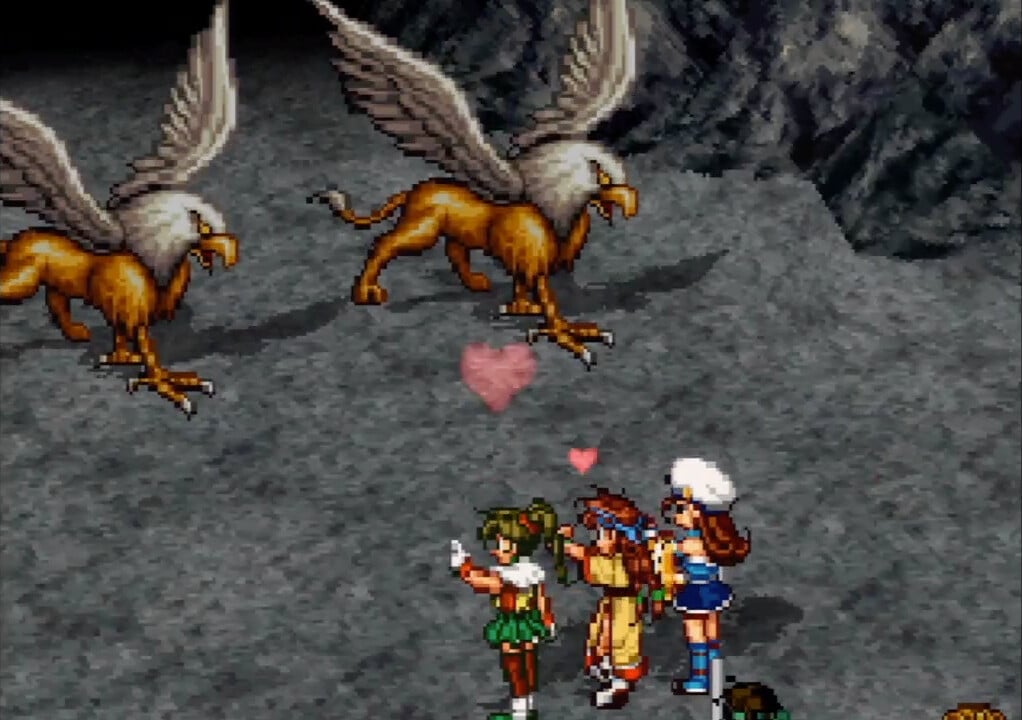
Suikoden II proves that quality and commercial success operate on different timelines. This PlayStation RPG received minimal marketing and tiny print runs, ensuring that most players discovered its excellence years after release.
The game features 108 recruitable characters, complex political storytelling, and emotional depth that rivals any narrative medium. Complete copies sell for $150 to $250 because word-of-mouth reputation eventually overwhelmed initial commercial indifference.
Suikoden II demonstrates that true quality creates lasting demand regardless of initial market reception.
Mega Man X3
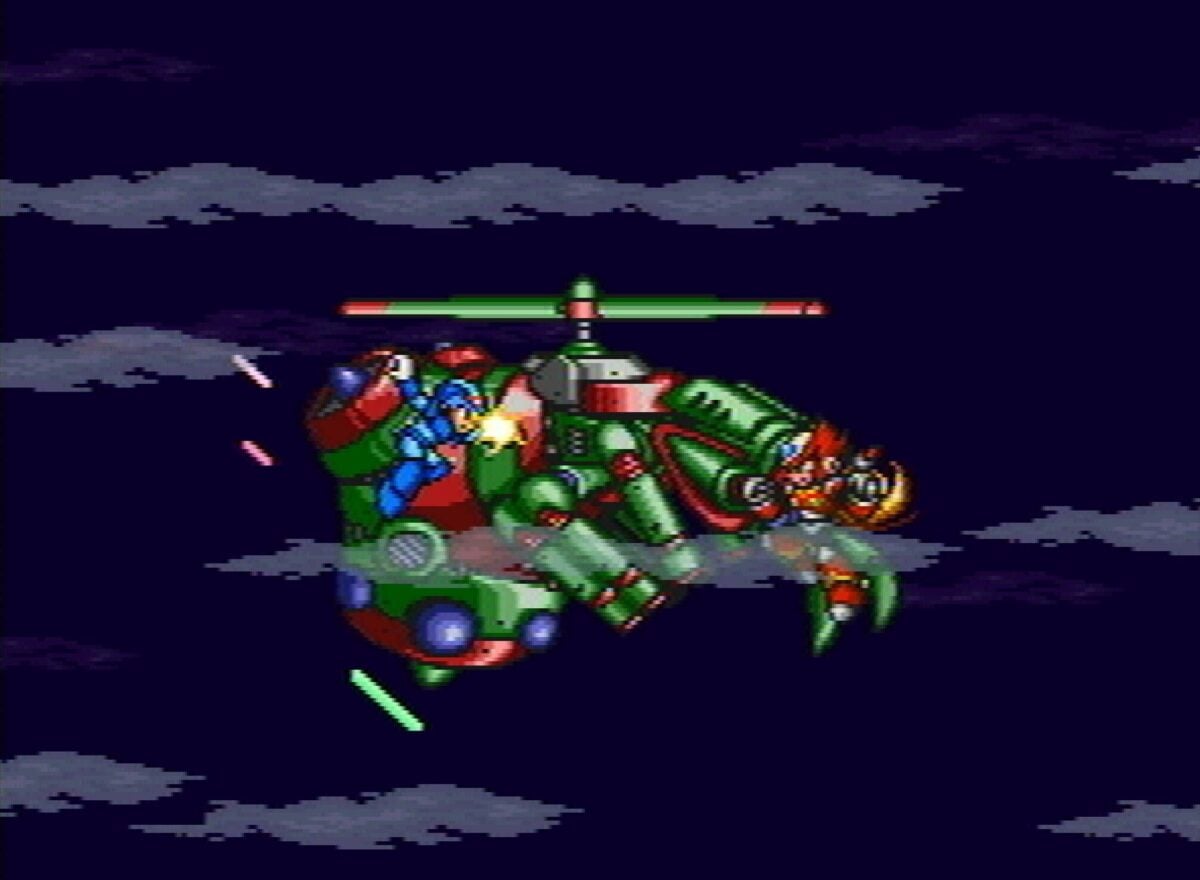
Mega Man X3 arrived at the worst possible moment for Super Nintendo software. Capcom released this excellent platformer just as everyone focused on 32-bit systems, ensuring tiny sales despite solid gameplay.
The game features multiple armor upgrades, branching paths, and the series’ trademark precise controls. Limited release means complete copies command $80 to $120.
The price reflects late-cycle scarcity rather than exceptional quality, but X3 offers enough content to justify collector interest. Sometimes market timing matters more than actual merit.
Saturn Console
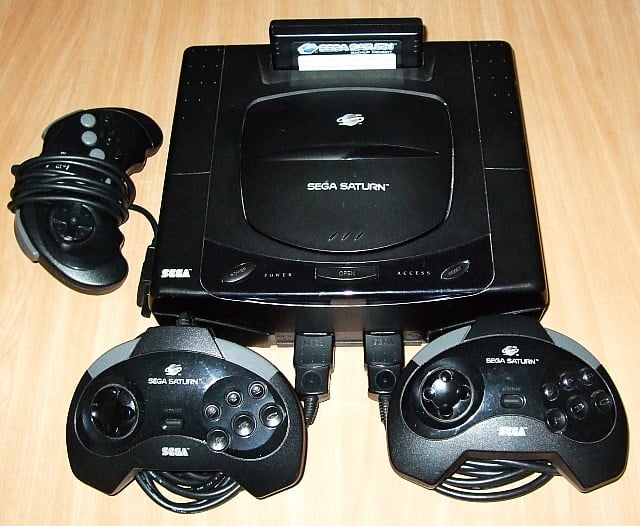
The Sega Saturn embodies everything wrong with console launches while housing some of gaming’s finest achievements. Sega’s surprise early release confused retailers, alienated developers, and doomed the system commercially.
But the Saturn’s library includes genuine masterpieces that remain exclusive to the platform. Complete Saturn systems sell for $100 to $200, but games drive the real expense.
Panzer Dragoon Saga, Burning Rangers, and Radiant Silvergun represent some of gaming’s finest moments trapped on a failed console. Saturn collecting requires deep pockets and deeper patience.
Conker’s Bad Fur Day
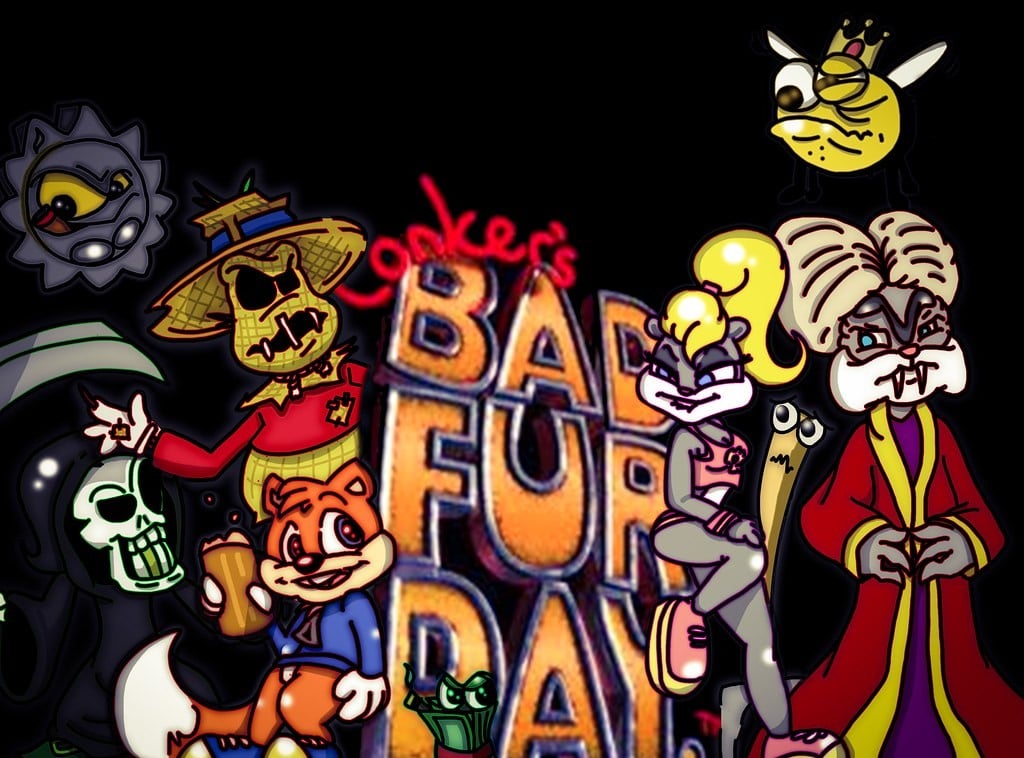
Conker’s Bad Fur Day marks Rare’s farewell to Nintendo with spectacular profanity and brilliant platforming. This mature-rated adventure features crude humor wrapped around genuinely innovative gameplay mechanics.
Nintendo’s reluctance to promote the game ensured limited sales despite critical acclaim. Complete copies sell for $80 to $120 because adult-oriented Nintendo 64 games remain curiosities worth preserving.
Conker proves that technical excellence and creative writing can overcome commercial indifference to achieve lasting cult status.
Tales of Destiny II
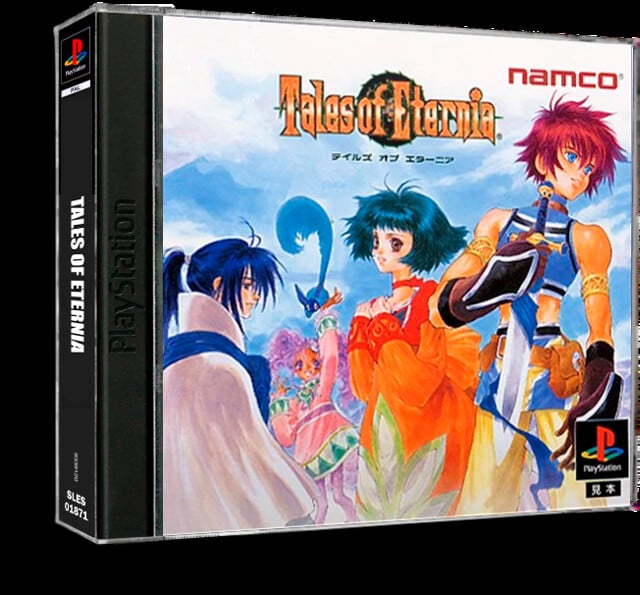
Tales of Destiny II (actually Tales of Eternia in Japan) suffered from Namco’s confusing localization decisions and minimal marketing support. This PlayStation RPG features excellent combat mechanics and strong character development, but poor promotion doomed it to obscurity in American markets.
Complete copies command $60 to $100 because the Tales series developed a devoted following that retroactively seeks out older entries. Sometimes collector value emerges from franchise loyalty rather than individual game recognition.
Keio Flying Squadron
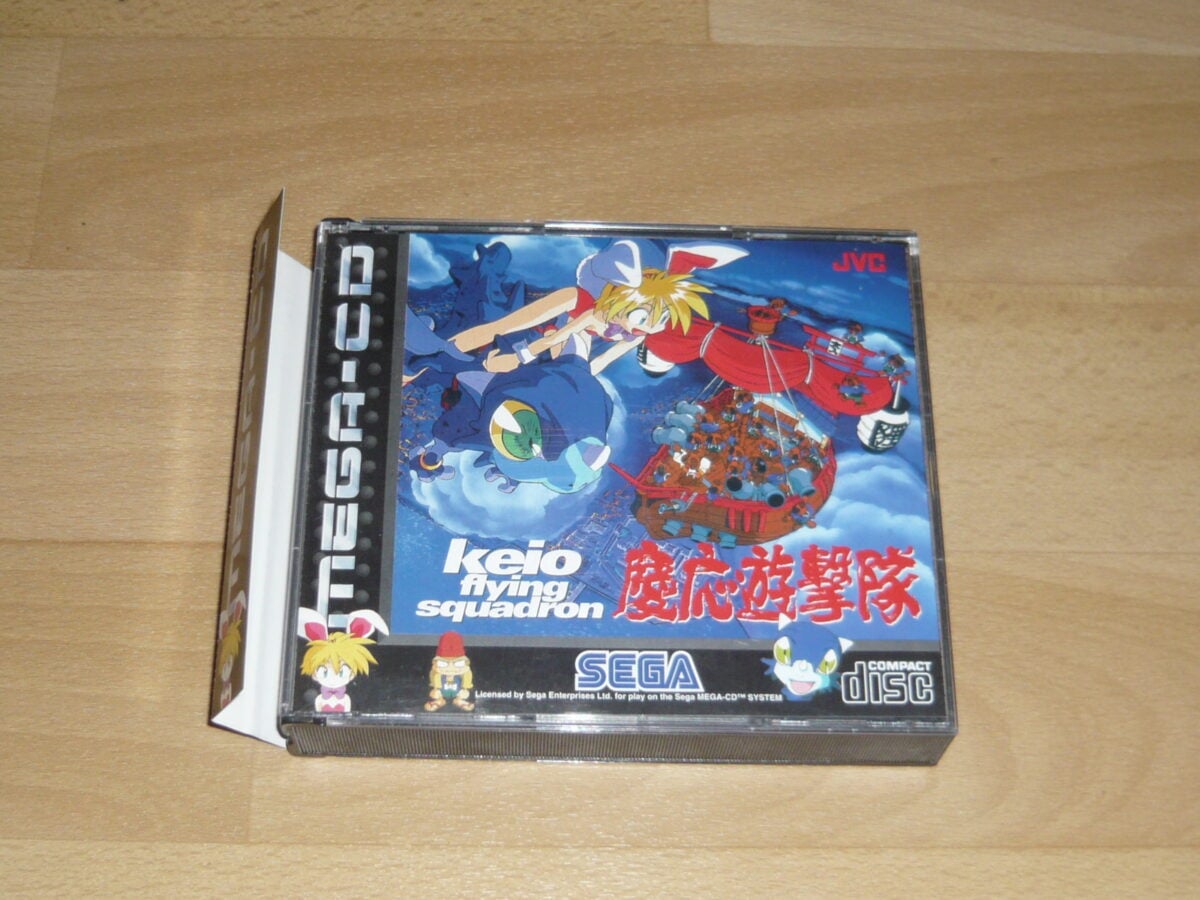
Keio Flying Squadron represents Sega CD’s brief moment of creative potential before commercial reality crashed the party. This colorful shooter features a schoolgirl riding a dragon through imaginative levels that showcase the CD format’s enhanced storage capacity.
The game’s Japanese sensibilities and platform exclusivity created lasting mystique. Complete copies sell for $150 to $250 because Sega CD collecting appeals to enthusiasts who appreciate the system’s unrealized potential.
Keio proves that creative vision can overcome technical limitations when developers embrace rather than fight their hardware’s quirks.
Harvest Moon 64
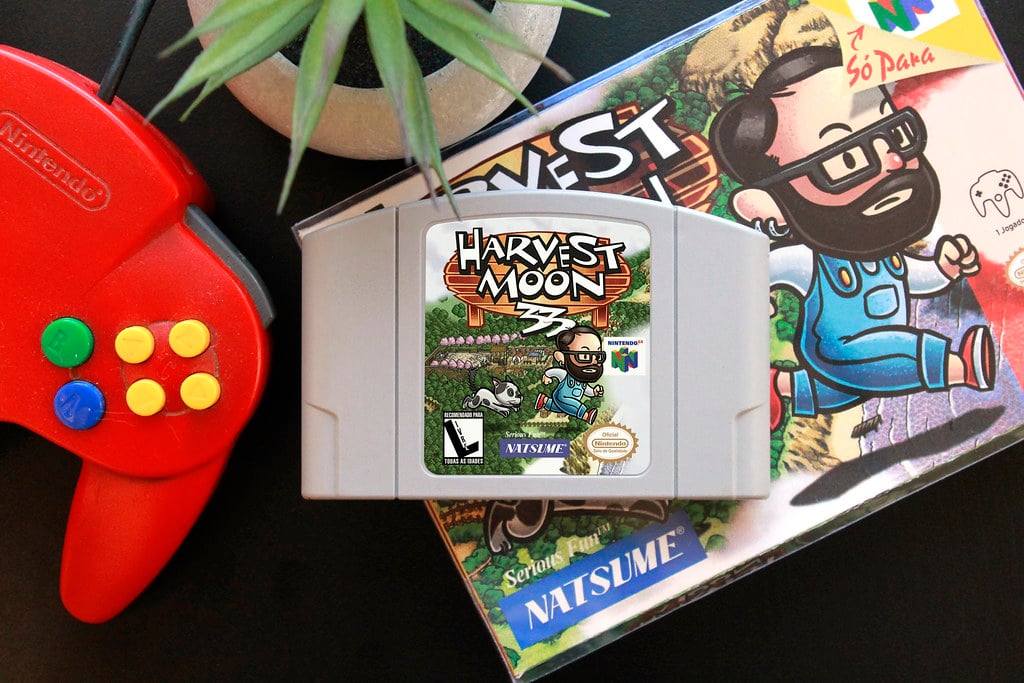
Harvest Moon 64 refined the farming simulation formula into something approaching perfection. This Nintendo 64 release features deeper relationship mechanics, expanded customization options, and addictive gameplay loops that consumed entire summers.
Limited late-cycle release created scarcity around genuine quality. Complete copies command $60 to $100 because the Harvest Moon series influenced an entire genre of simulation games.
Collectors seek out this particular entry for its perfect balance of complexity and accessibility that later entries struggled to recapture.
Ninja Five-O
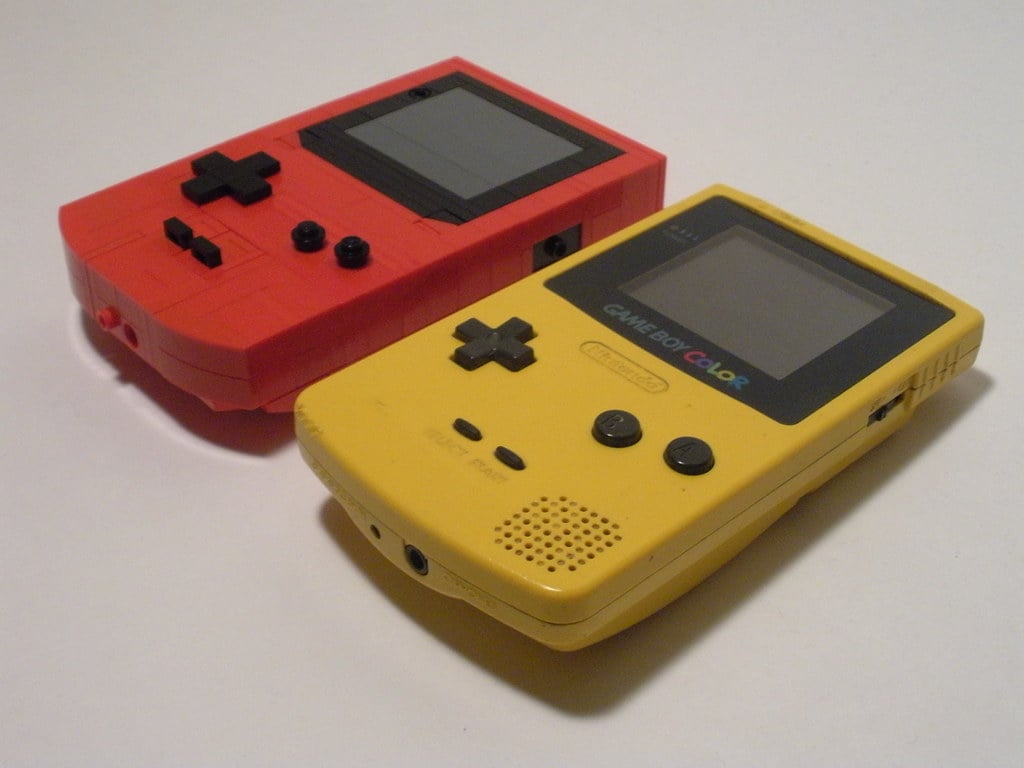
Ninja Five-O hides exceptional platforming behind a ridiculous premise and terrible title. This Game Boy Advance game combines precise controls with creative grappling mechanics, producing some of the finest 2D action available on any handheld system.
Limited promotion and late release ensured commercial failure despite critical excellence. Complete copies sell for $100 to $150 because Game Boy Advance collecting has exploded as players recognize the system’s exceptional software library.
Ninja Five-O proves that quality eventually finds its audience regardless of initial commercial indifference.
Gotcha Force
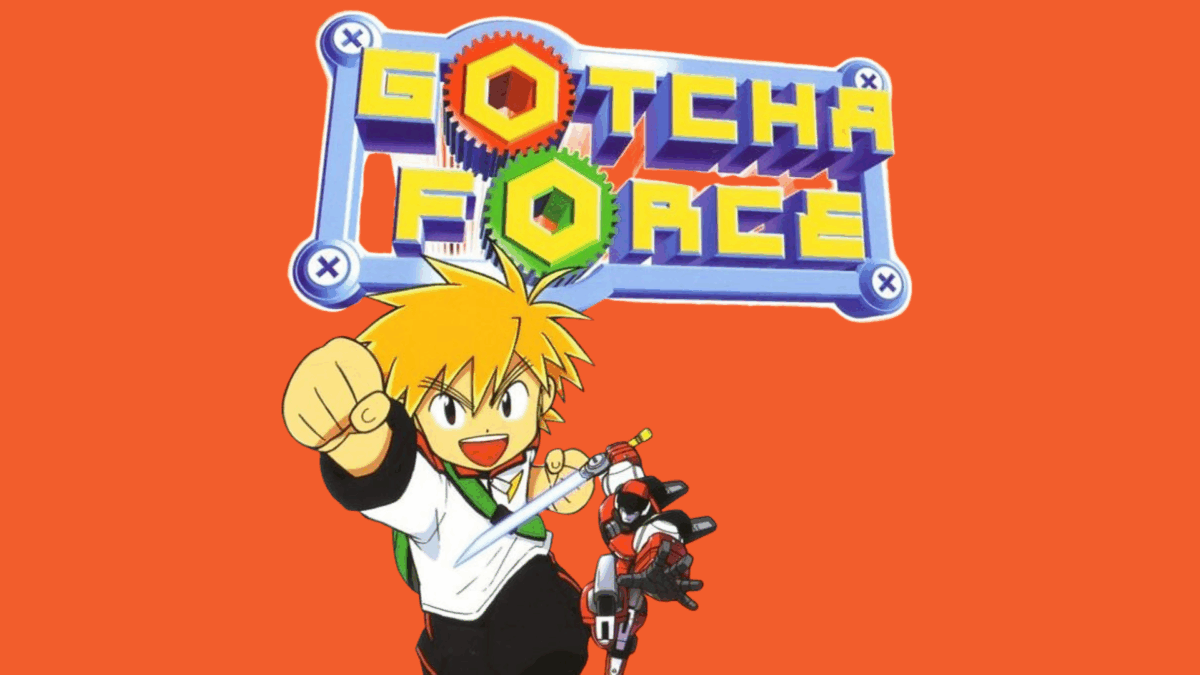
Gotcha Force buries brilliant toy-battle mechanics under childish presentations that scare away adult audiences. This GameCube game features incredibly deep combat systems involving customizable robot collections.
Players who dismissed it as a children’s game missed some of the most strategic action available on the platform. Limited release means complete copies sell for $80 to $120.
The price reflects belated recognition that Gotcha Force offered genuine depth beneath its colorful surface. Sometimes the best games hide behind the most misleading packaging.
Snatcher
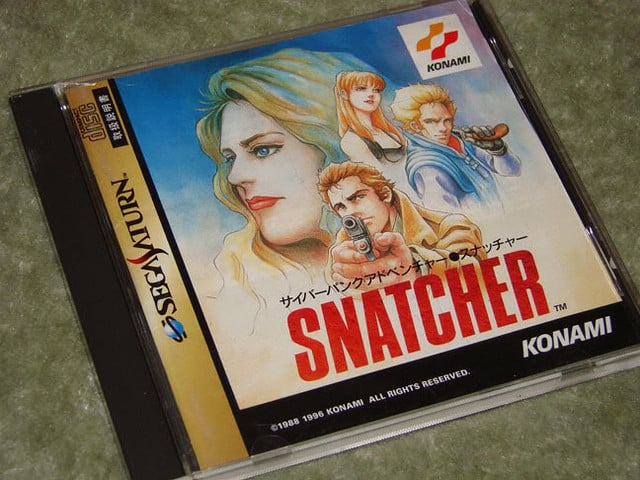
Snatcher represents Kojima’s cyberpunk masterpiece trapped in a dead console format. This Sega CD adventure combines mature storytelling with excellent voice acting, creating an experience that predicted many modern gaming trends.
Limited English release makes complete copies incredibly scarce. Complete Snatcher copies sell for $400 to $600 because this represents essential gaming history from one of the medium’s most important creators.
The price reflects both extreme rarity and recognition that Kojima was experimenting with cinematic techniques years before they became industry standard.
Chinatown Wars
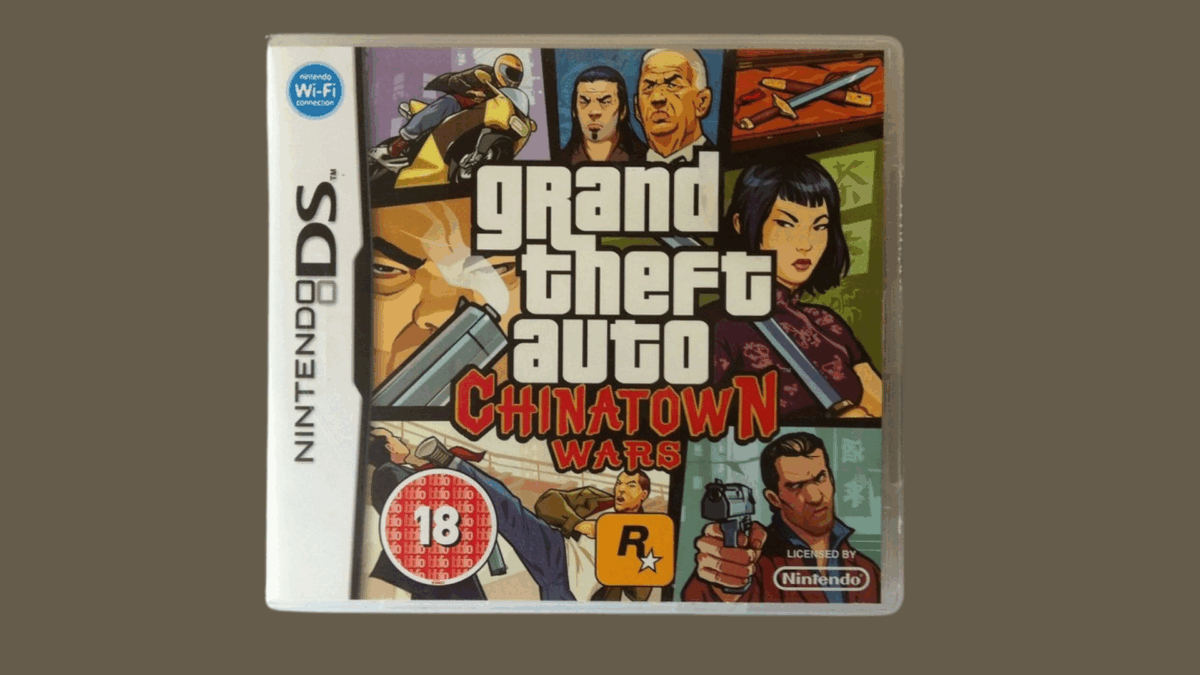
Grand Theft Auto: Chinatown Wars proves that mature gaming can work on family-friendly systems when developers adapt rather than compromise their vision. This Nintendo DS game features all the series’ trademark chaos adapted for dual-screen presentation.
Limited physical release favored digital distribution, creating scarcity around the cartridge version. Complete copies sell for $40 to $60 because portable Grand Theft Auto remains a curiosity worth preserving.
Chinatown Wars demonstrates that creative adaptation can overcome apparent platform mismatches to produce something genuinely unique
More from Go2Tutors!

- The Romanov Crown Jewels and Their Tragic Fate
- 13 Historical Mysteries That Science Still Can’t Solve
- Famous Hoaxes That Fooled the World for Years
- 15 Child Stars with Tragic Adult Lives
- 16 Famous Jewelry Pieces in History
Like Go2Tutors’s content? Follow us on MSN.