25 Summer Camp Traditions That Faded Away
A week or two spent away from home used to run on a set of rituals so consistent that campers from opposite sides of the country would recognize each other’s routines instantly. Screens have replaced some of it, shrinking budgets have replaced more, and a general shift toward shorter, more specialized programs has quietly erased the rest.
What is left behind is a specific kind of shared memory that an entire generation still carries, even though almost none of it exists in quite the same form anymore.
Campfire Storytelling
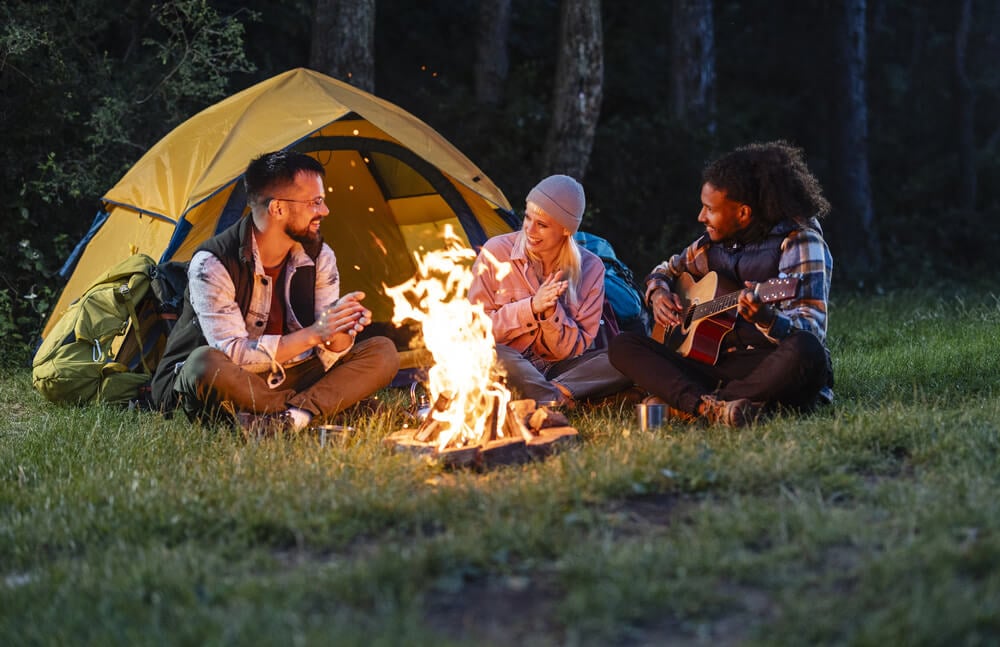
A counselor with a flashlight held under their chin, telling a story built to end on a sudden scare right as the fire died down, was once a nightly fixture rather than a special occasion reserved for the last evening of the session.
Friendship Bracelet Weaving

Rows of campers sat cross-legged on cabin floors twisting embroidery floss into patterned bands, trading colors and patterns with bunkmates in a ritual that often produced a wrist full of bracelets by the end of a single session.
Color War
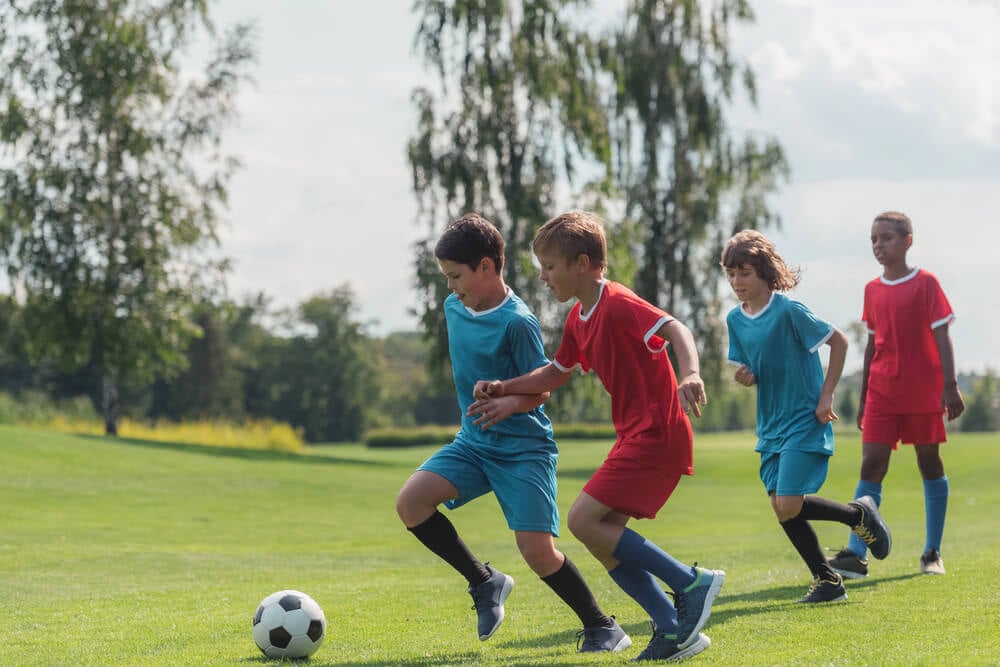
Camps once split their entire population into competing teams for a multi-day tournament of games and challenges, complete with a dramatic surprise announcement and team colors revealed only at the last possible moment. Shorter modern sessions have left little room for a tradition that depended on several uninterrupted days to build momentum.
Talent Show Night
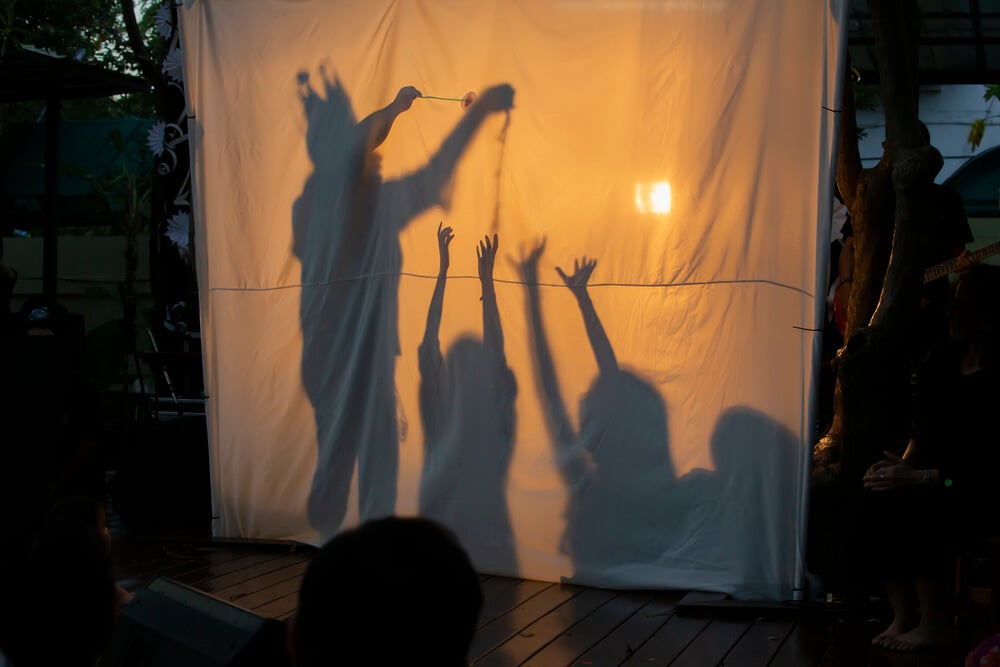
Every cabin prepared a skit or performance for a single evening where even the shyest camper was expected to take the stage at least once, an unofficial rite of passage that many camps have since folded into smaller, optional showcases.
Capture the Flag
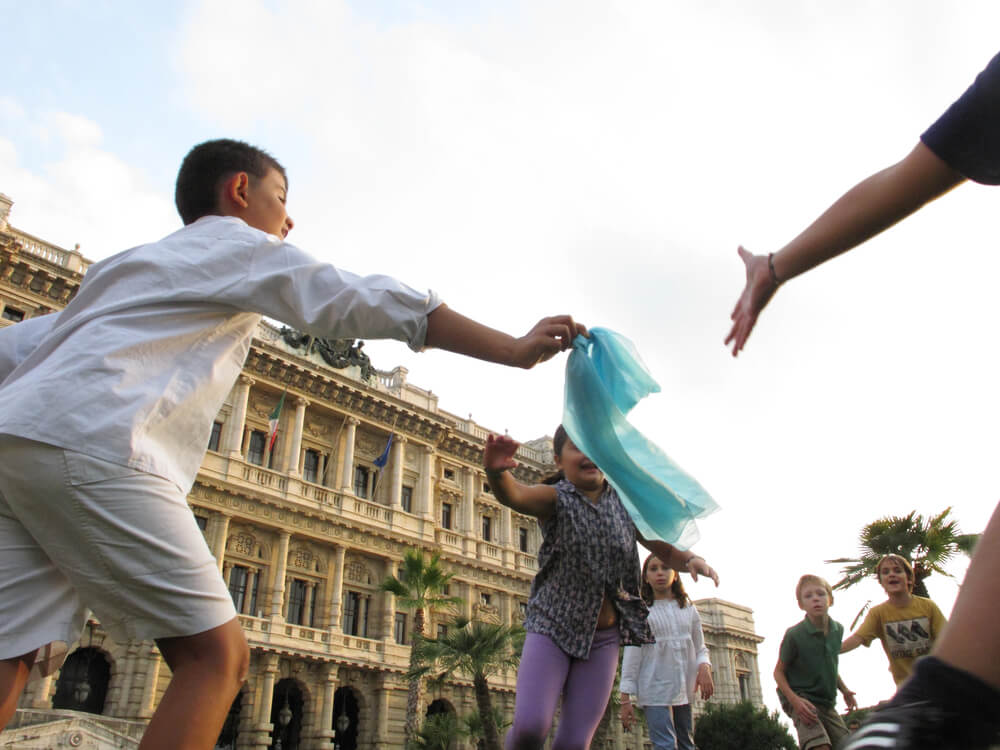
Entire camp populations once spread across the property’s full wooded acreage for a single sprawling match, a scale that liability concerns and smaller modern camp footprints have made increasingly rare.
Canoe Trips
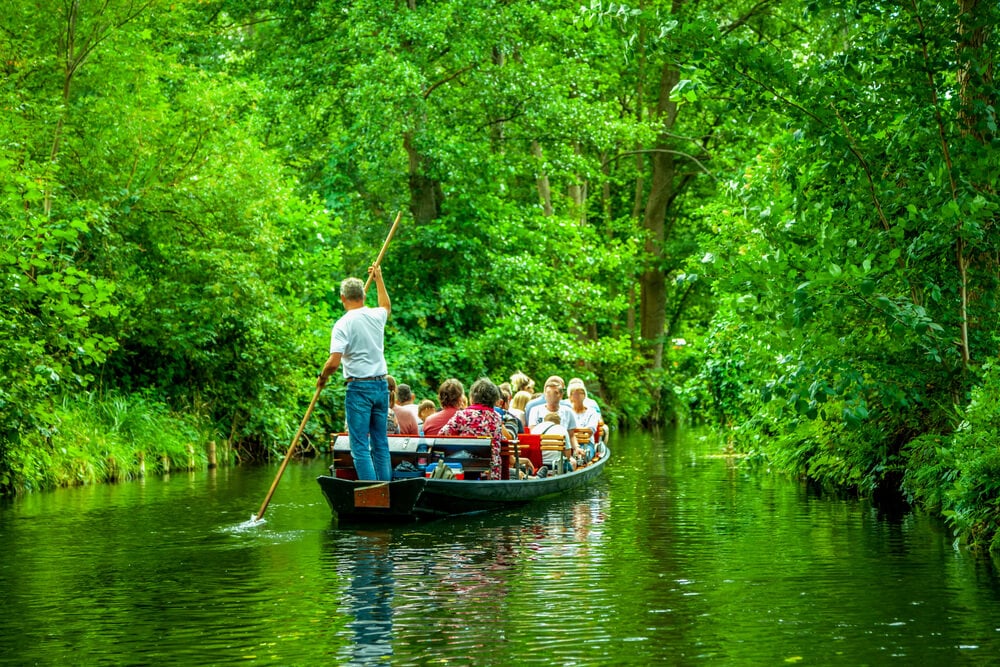
Multi-day paddling expeditions into backcountry lakes, complete with portages and campsite cooking, were once a rite of passage for older campers. Rising insurance costs and staffing requirements have pushed many camps toward shorter, closer-to-shore outings instead.
Mess Hall Camp Songs
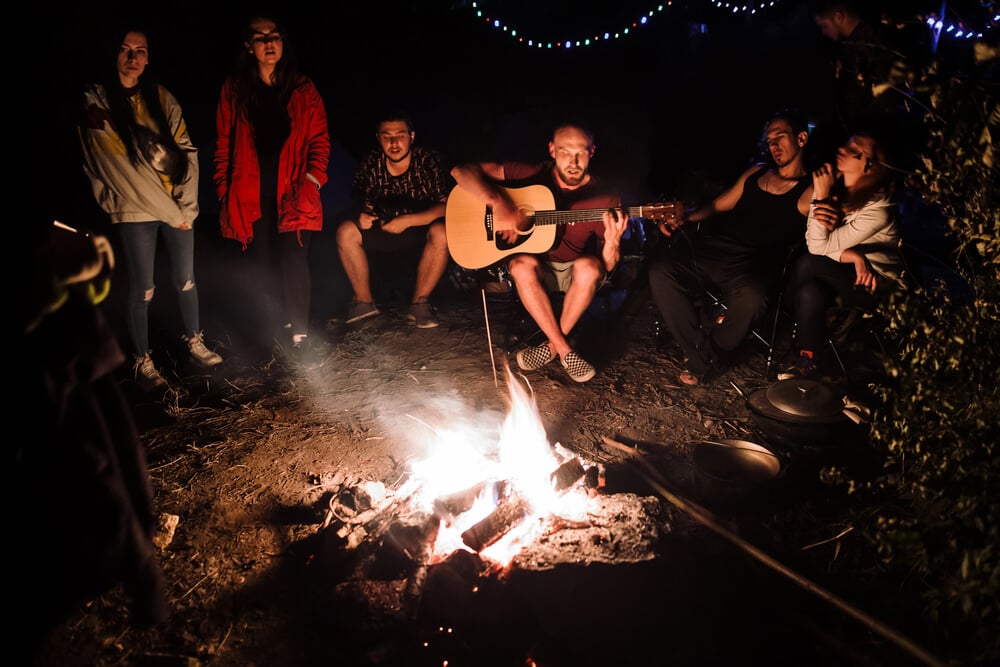
Meals once opened and closed with the entire dining hall singing call-and-response songs passed down through generations of counselors, a tradition that depended on an oral memory now increasingly replaced by printed song sheets or skipped entirely.
Cabin Inspections
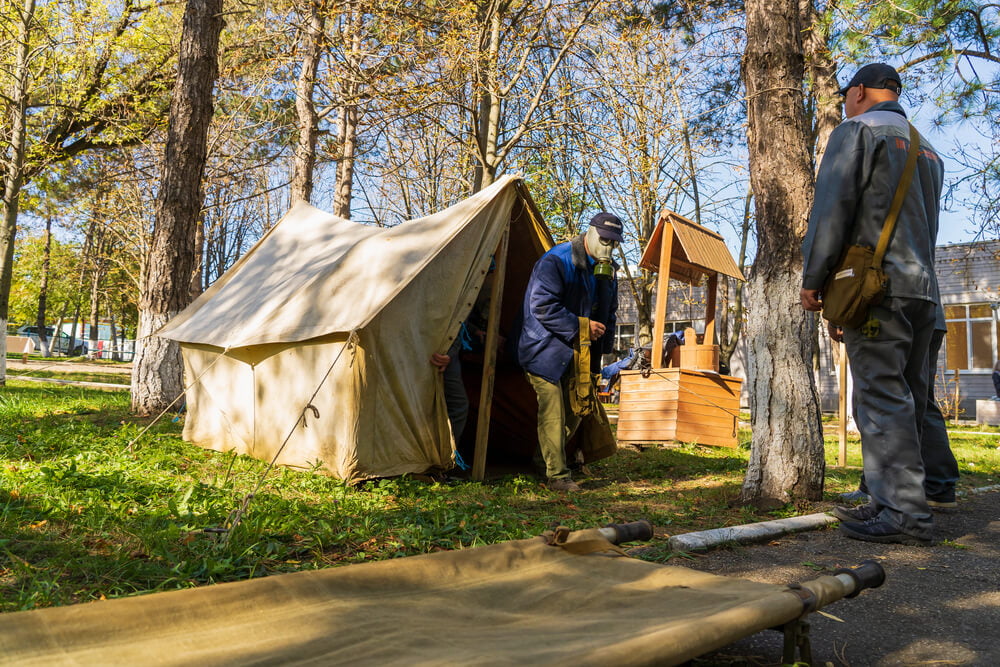
A counselor or camp director walking through each cabin each morning to check for tidy bunks and swept floors, often awarding points toward a weekly prize, was a near-universal ritual that has faded as camps have moved away from competitive cleanliness scoring.
Taps at Lights-Out
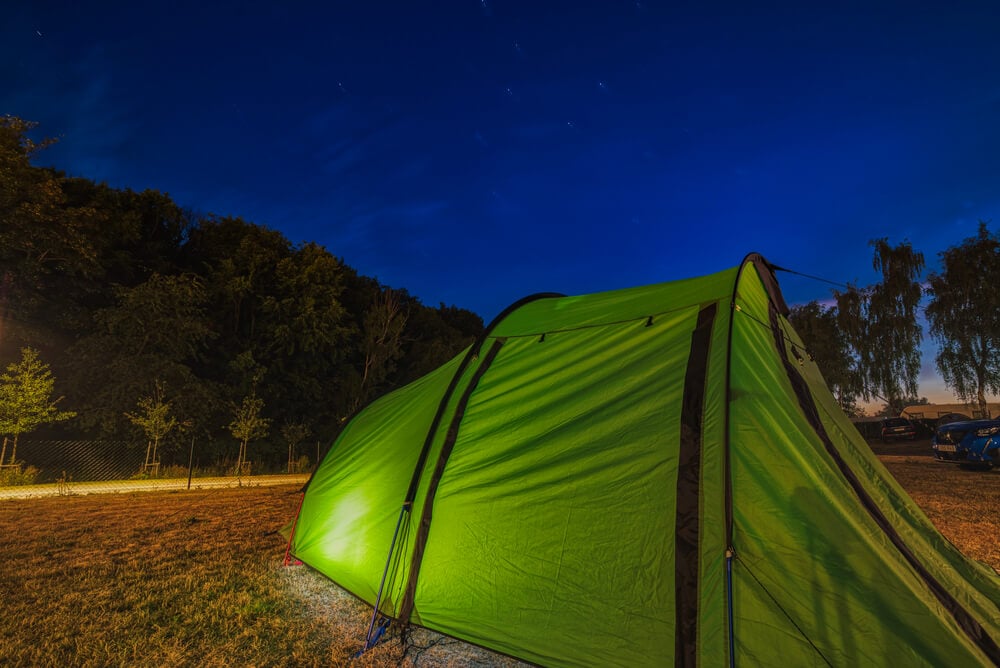
A single bugle call, whether played live or through a loudspeaker, once signaled the exact end of every camper’s day across the entire property, a tradition that has largely given way to staggered, age-based bedtimes.
Letters Home

Campers once sat down for a mandatory letter-writing hour at least once a week, often producing the only handwritten mail some families received all year. Parent-facing photo apps and check-in calls have made the ritual feel unnecessary to many modern programs.
The Polar Bear Swim
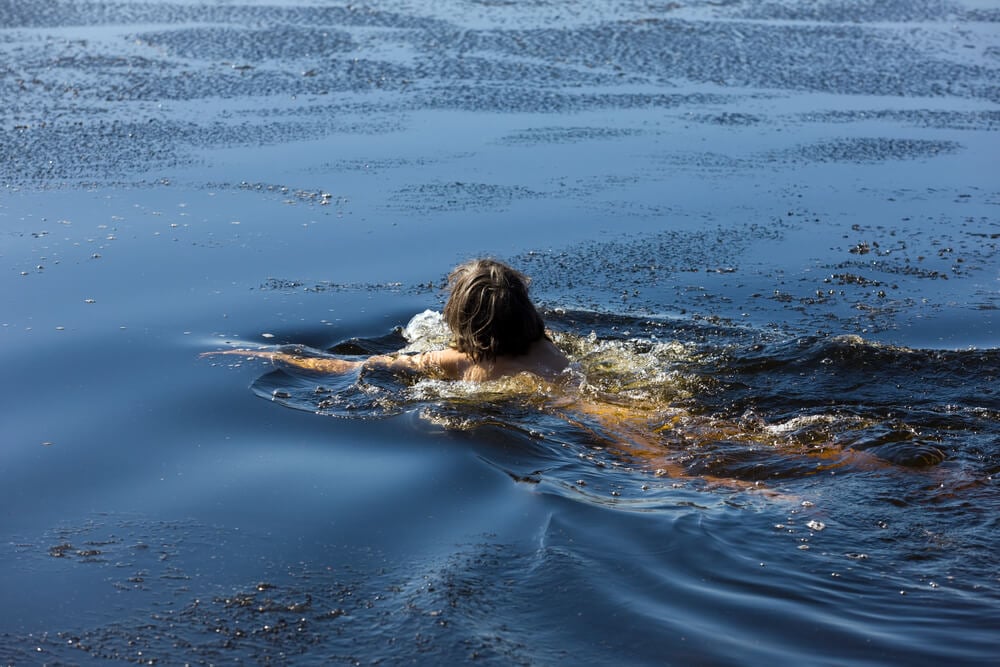
An optional early-morning dip in cold lake water, taken before breakfast by whichever campers were brave enough to show up, has largely disappeared as camps have tightened supervision requirements around unstructured early-morning activities.
Tie-Dye Day

An entire afternoon set aside for dyeing plain white t-shirts in rubber-banded patterns, leaving every camper in a cabin dressed in nearly identical, uniquely stained shirts for the rest of the session, has become a shorter, more contained craft period at many modern camps.
Scavenger Hunts
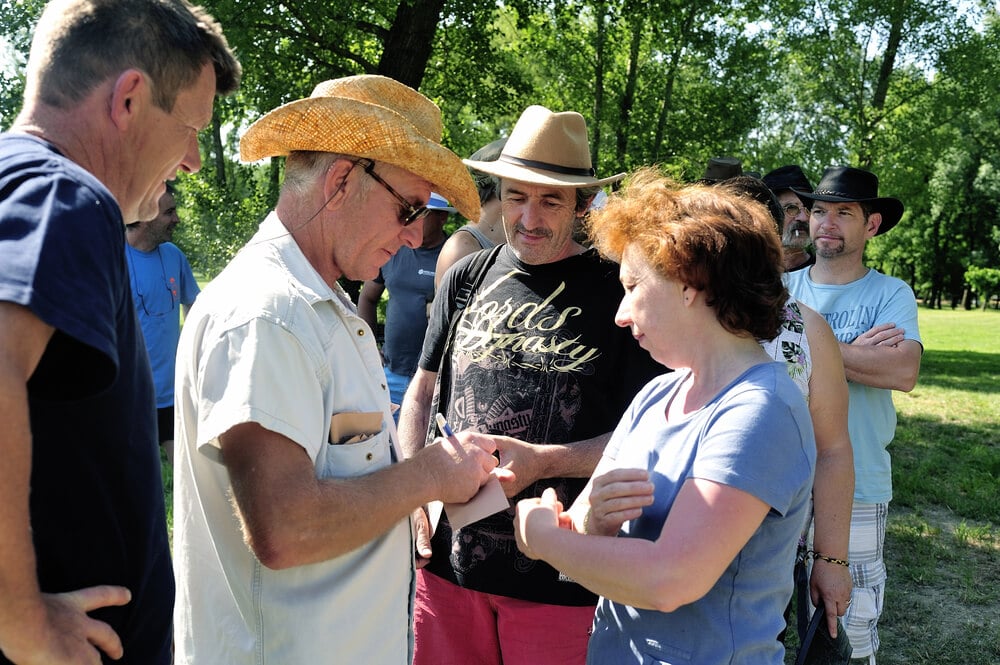
Handwritten clue lists sending teams of campers sprinting across camp property to find hidden objects or complete odd challenges have given way to shorter, more supervised versions built around specific learning objectives rather than open exploration.
Gimp Lanyard Weaving
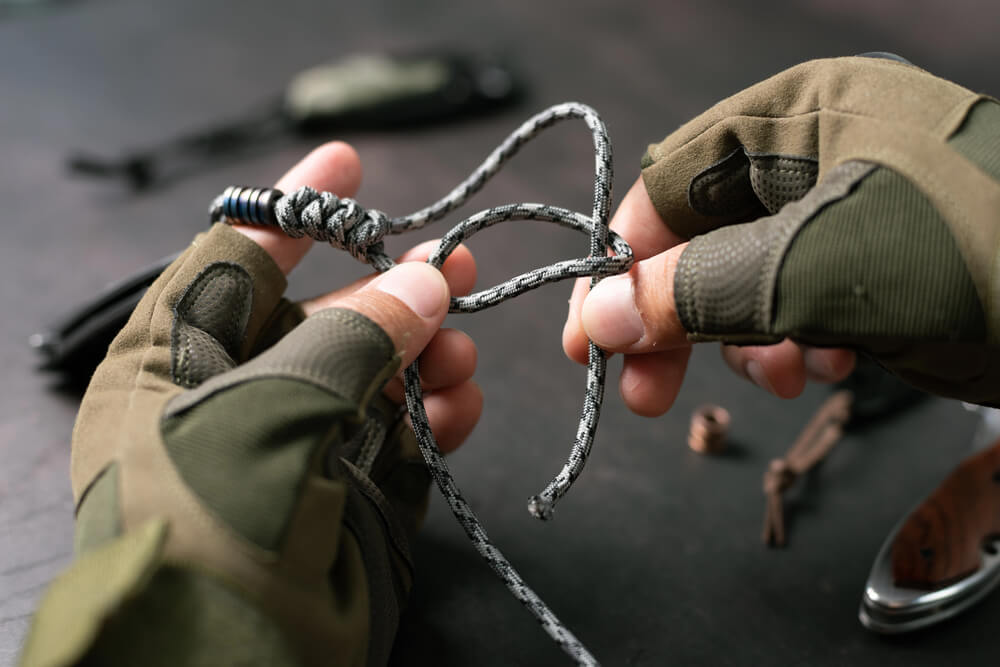
Plastic lacing cord, woven into keychains and bracelets during free periods, was once sold by the spool at camp stores as one of the most reliable ways to fill an unstructured afternoon.
The Camp Newspaper

A handful of campers with access to a typewriter or mimeograph machine once produced a weekly bulletin covering cabin gossip and activity results, a tradition that largely disappeared once digital newsletters became easier for camp offices to produce and email directly to parents.
Marshmallow Roasts
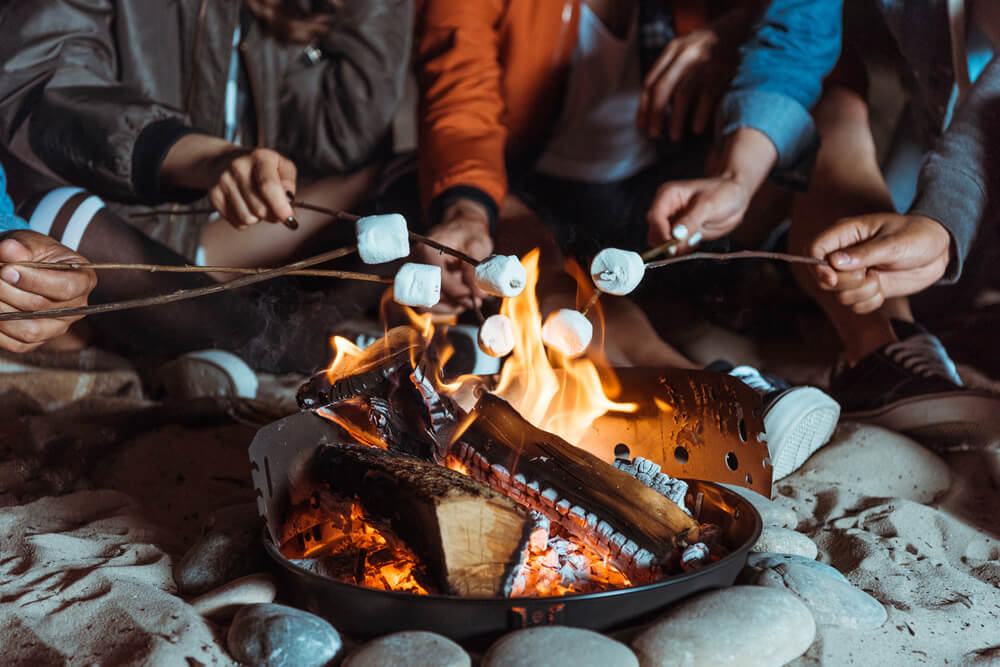
A sharpened stick, a bag of marshmallows, and a fire pit produced one of the most reliable nightly rituals at nearly every camp, though rising wildfire concerns in many regions have pushed some programs toward propane fire pits or indoor alternatives.
Nature Hikes With a Naturalist
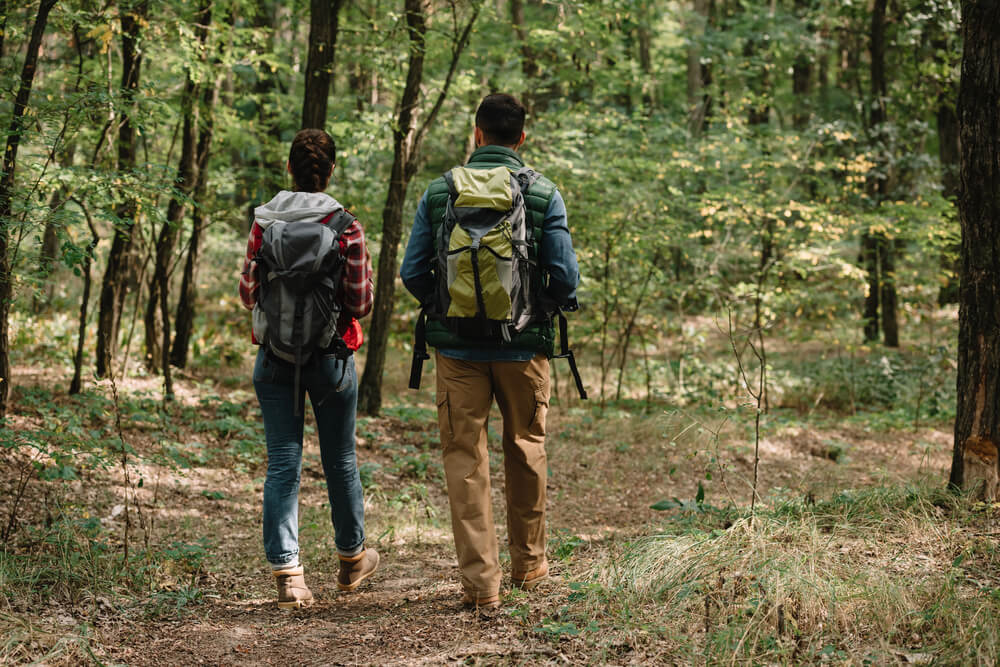
A staff member trained specifically in local plant and animal identification once led regular hikes meant to teach campers the names of everything around them, a specialized role that many camps have folded into general activity counselor duties.
The Camp Photographer
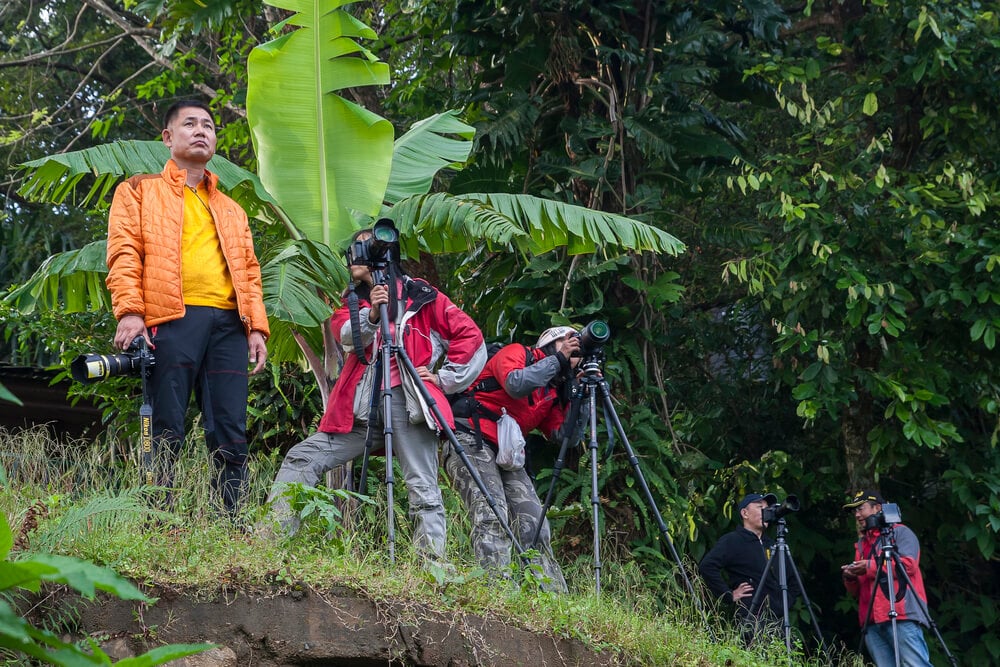
A staff member walking the grounds with a camera, later posting printed contact sheets on a bulletin board for parents to order prints from, has been almost entirely replaced by private online photo galleries updated throughout the session.
Cabin Cheers
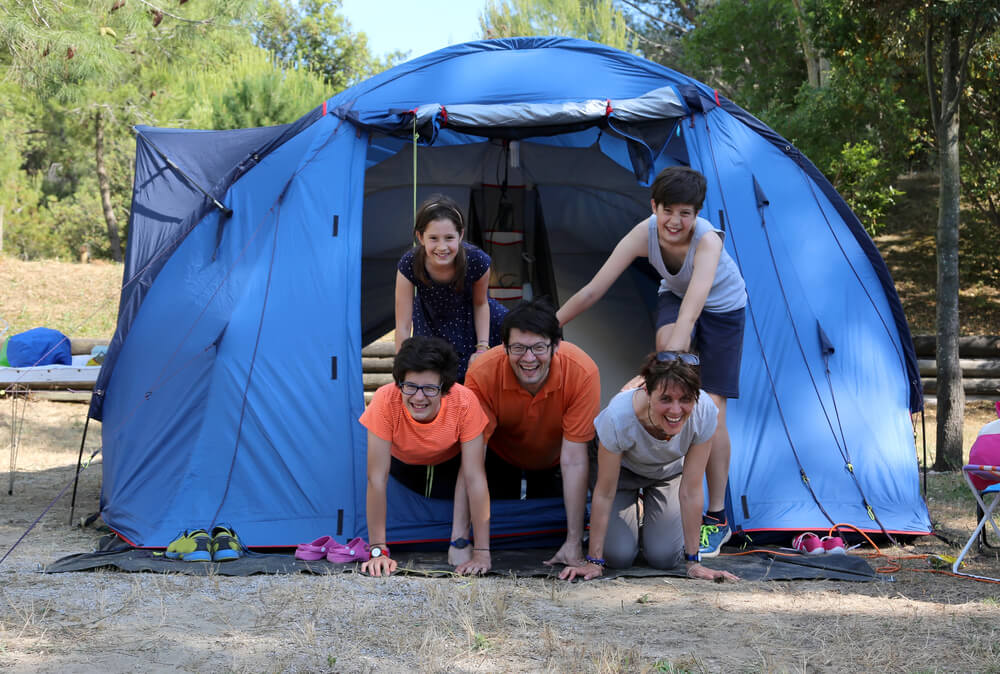
Each cabin once developed its own chant or cheer, performed loudly at mealtimes or assemblies to announce its presence, a tradition that depended on cabin groups staying together for a full multi-week session rather than the shorter stays common today.
Archery Instruction
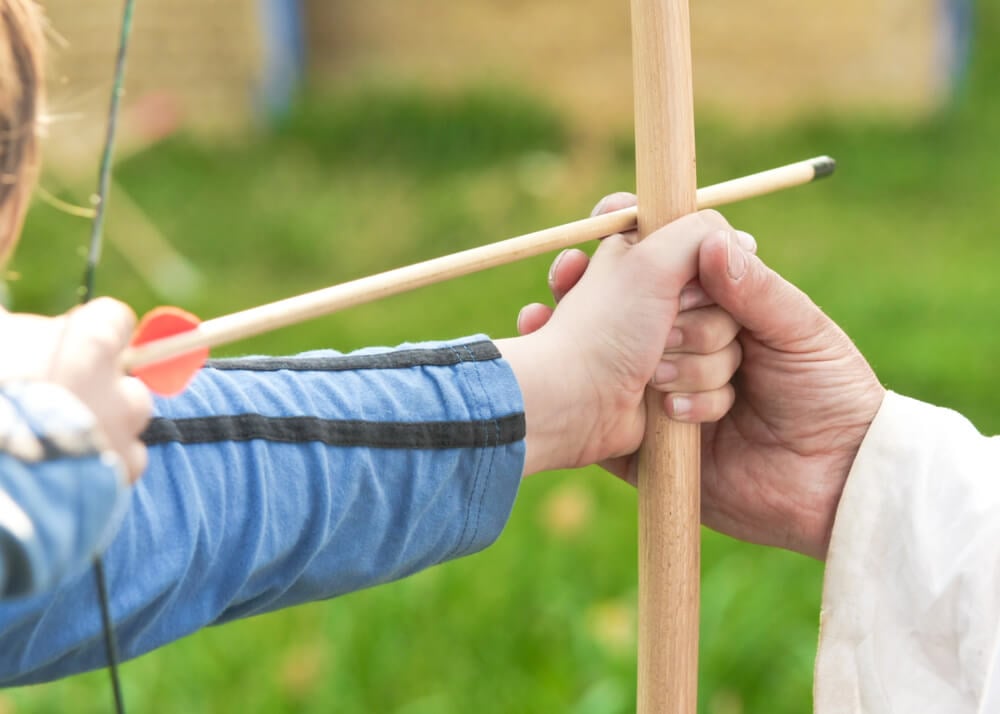
A dedicated range staffed by an instructor teaching proper form with real bows and arrows was once a fixture at nearly every camp, though liability insurance requirements have made the activity increasingly rare or heavily restricted at smaller programs.
The Overnight Campout
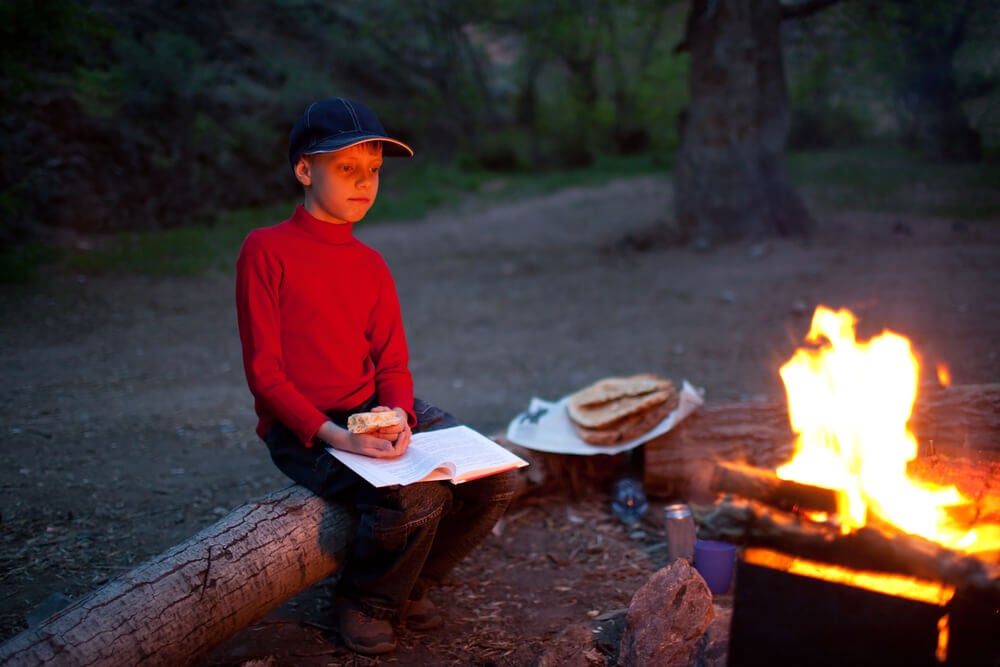
A single night spent sleeping outside the main cabins, usually in tents set up in a nearby field or woods, gave older campers a taste of independence that many modern programs have replaced with shorter, more closely supervised outdoor experiences.
The Closing Banquet
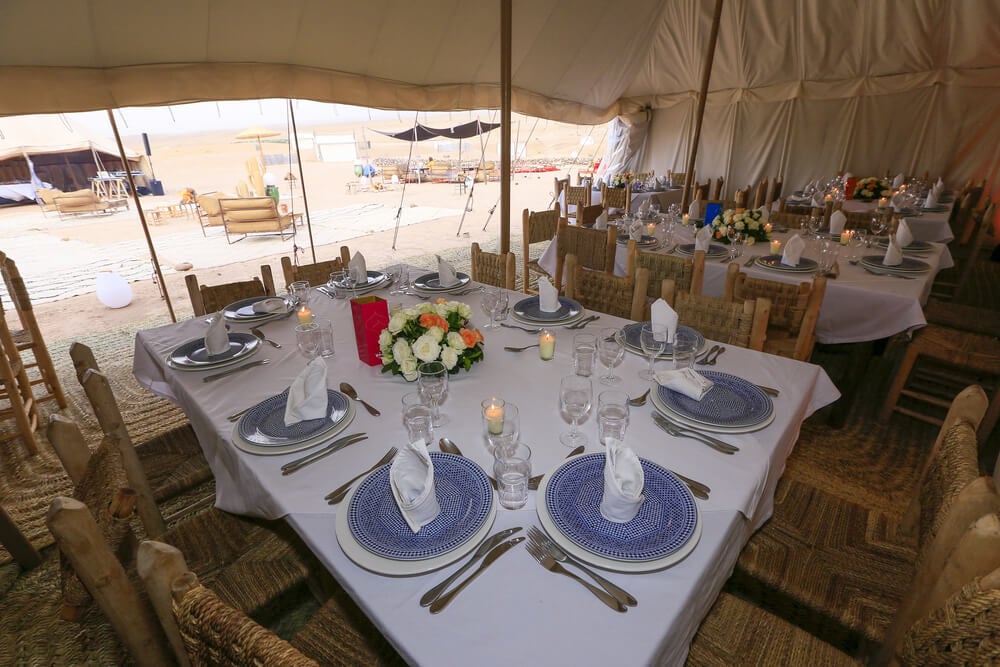
A formal final-night dinner, often with a theme and handmade decorations, once marked the end of a session with speeches and awards, a tradition many camps have scaled back into a simpler farewell gathering.
The Camp Yearbook

A staff-assembled booklet of photos and camper signatures, handed out on the final day of a session, has largely given way to digital photo albums shared through parent apps rather than a physical keepsake.
Rainy Day Board Games
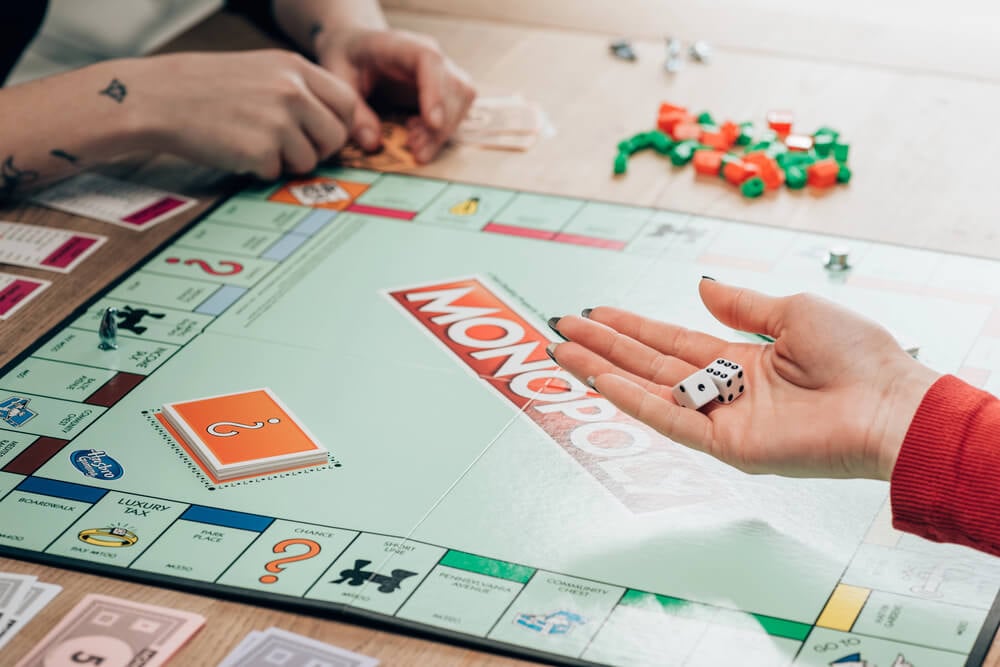
An entire cabin crowded around a single stack of well-worn board games during a storm was once a near-universal experience, though many modern camps now default to indoor movie screenings when weather cancels outdoor activities.
The Buddy System at the Waterfront
A loud, repeated head count using paired camper names before, during, and after swim time was once one of the most recognizable rituals of any waterfront period, gradually replaced at many camps by electronic wristband tracking systems.
What the Woods Kept
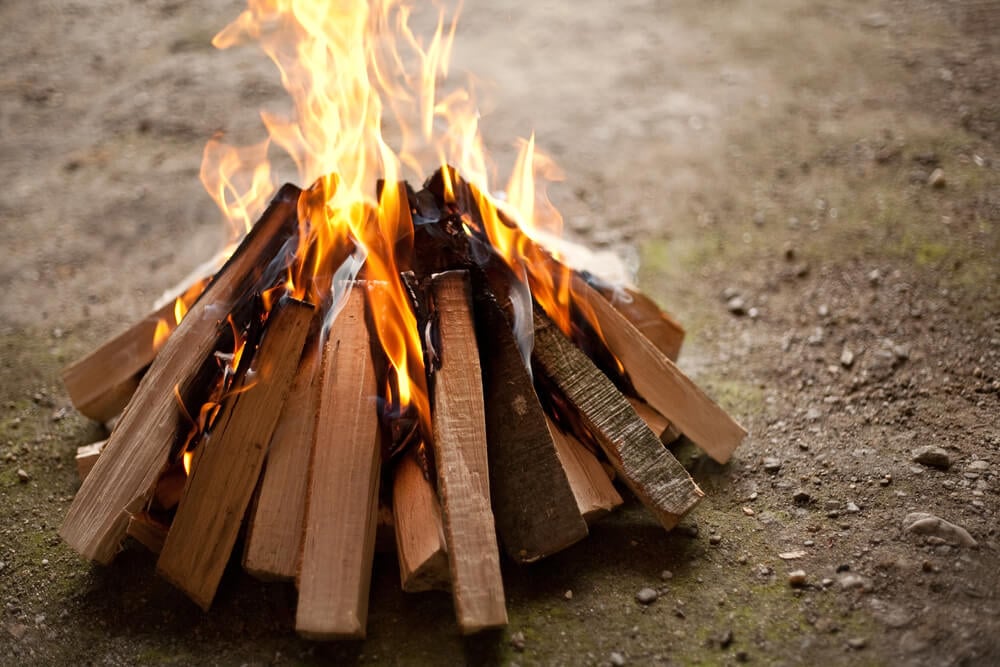
Most of these rituals disappeared for practical reasons rather than any loss of interest, since insurance requirements, staffing shortages, and shorter session lengths have reshaped what a modern camp is able to offer. Very few of the changes were sudden, and most camps simply let a tradition quietly stop rather than announcing its end.
What survives is mostly memory, carried by people now well into adulthood who can still recall the exact smell of a cabin from the opening night of a session or the specific ache of homesickness on the second night. That kind of memory rarely transfers to whatever replaced it, no matter how well designed the replacement turns out to be.
More from Go2Tutors!

- The Romanov Crown Jewels and Their Tragic Fate
- 13 Historical Mysteries That Science Still Can’t Solve
- Famous Hoaxes That Fooled the World for Years
- 15 Child Stars with Tragic Adult Lives
- 16 Famous Jewelry Pieces in History
Like Go2Tutors’s content? Follow us on MSN.



