17 Movies That Were Almost Totally Different Before Release
The unseen—the reworked versions, abandoned concepts, and last-minute edits that modify a film before it is released to the public—often contain the magic of cinema. During production, many well-loved masterpieces and box office successes suffered significant changes, with the original ideas barely resembling the finished works that were shown in theaters.
Below is a list of 17 films that were nearly entirely different from what viewers saw on screen.
Titanic
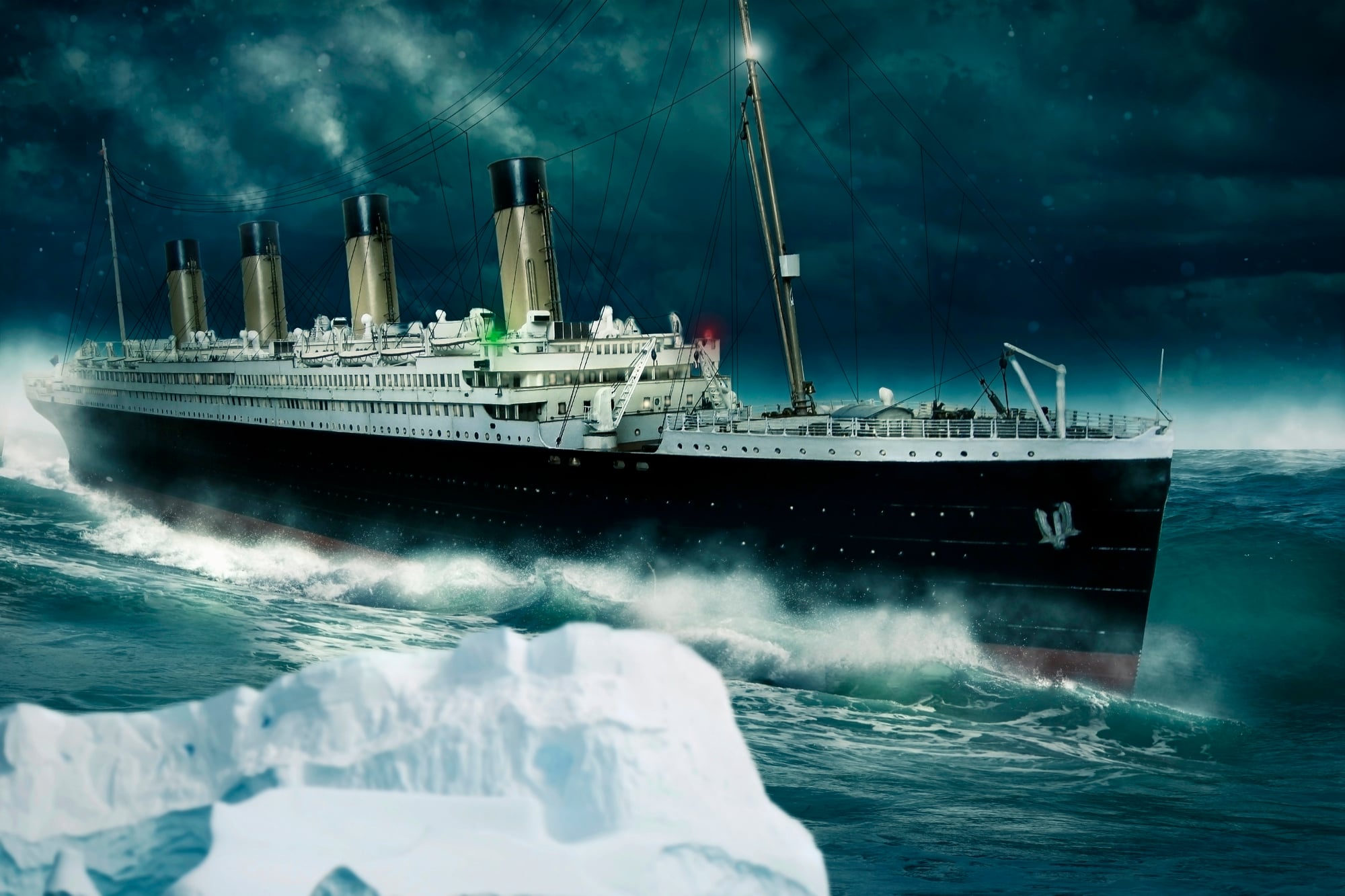
James Cameron’s on-screen romance was originally thought up as a much more action-packed disaster film. Matthew McConaughey was the studio’s initial choice for the leading role instead of Leonardo DiCaprio, which would have totally altered the chemistry behind the film’s iconic status.
Cameron also fought to maintain the three-hour running time when executives tried to make drastic cuts, not willing to give in on the argument that the emotional impact required the longer run time.
Star Wars
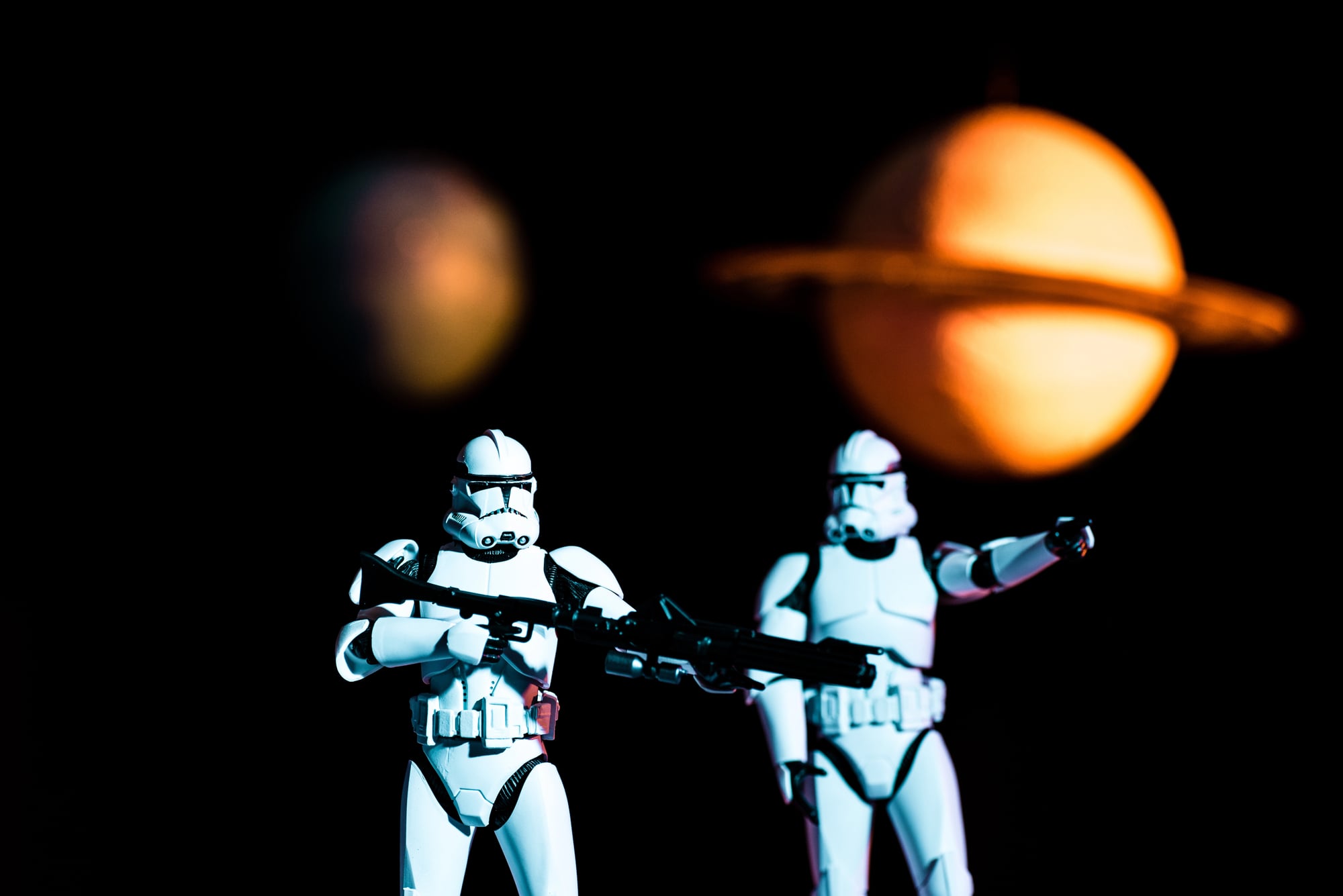
George Lucas’s space saga almost looked like a low-budget indie film. The original script featured a much older Luke Skywalker and a female Han Solo.
In early drafts, Darth Vader wasn’t Luke’s father, and the famous opening crawl was initially a jumbled mess of exposition. The film was saved in editing, where Lucas’s then-wife Marcia performed what many consider a miracle of restructuring.
Pretty Woman
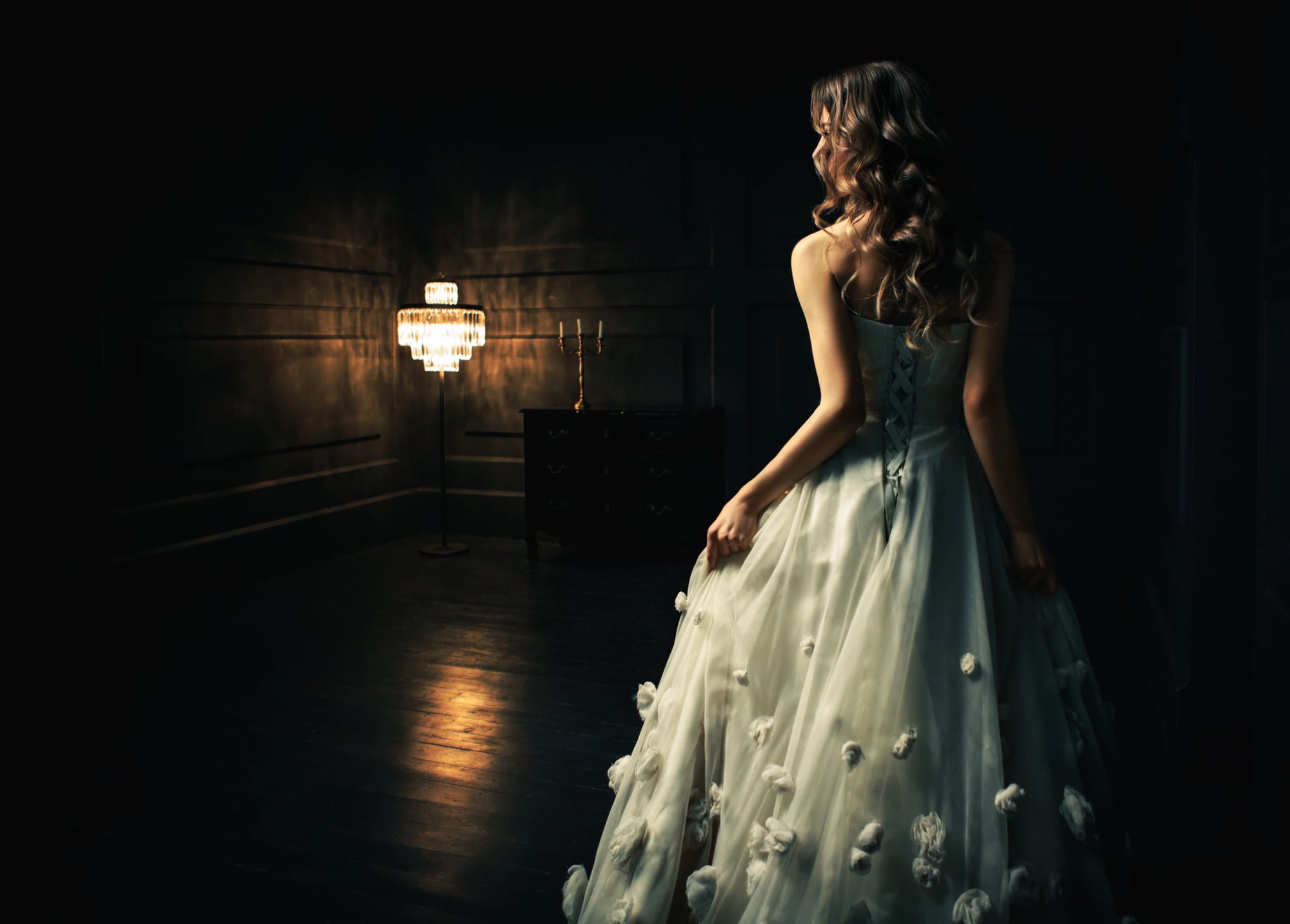
This romantic comedy started life as a dark, gritty drama titled ‘3000’ about drug addiction and prostitution. The original screenplay ended with the main character being kicked out of a car and left in a dirty alley, far from the fairy tale ending audiences know today.
The transformation happened when Disney acquired the project and completely reimagined it as a modern Cinderella story.
The Wizard of Oz
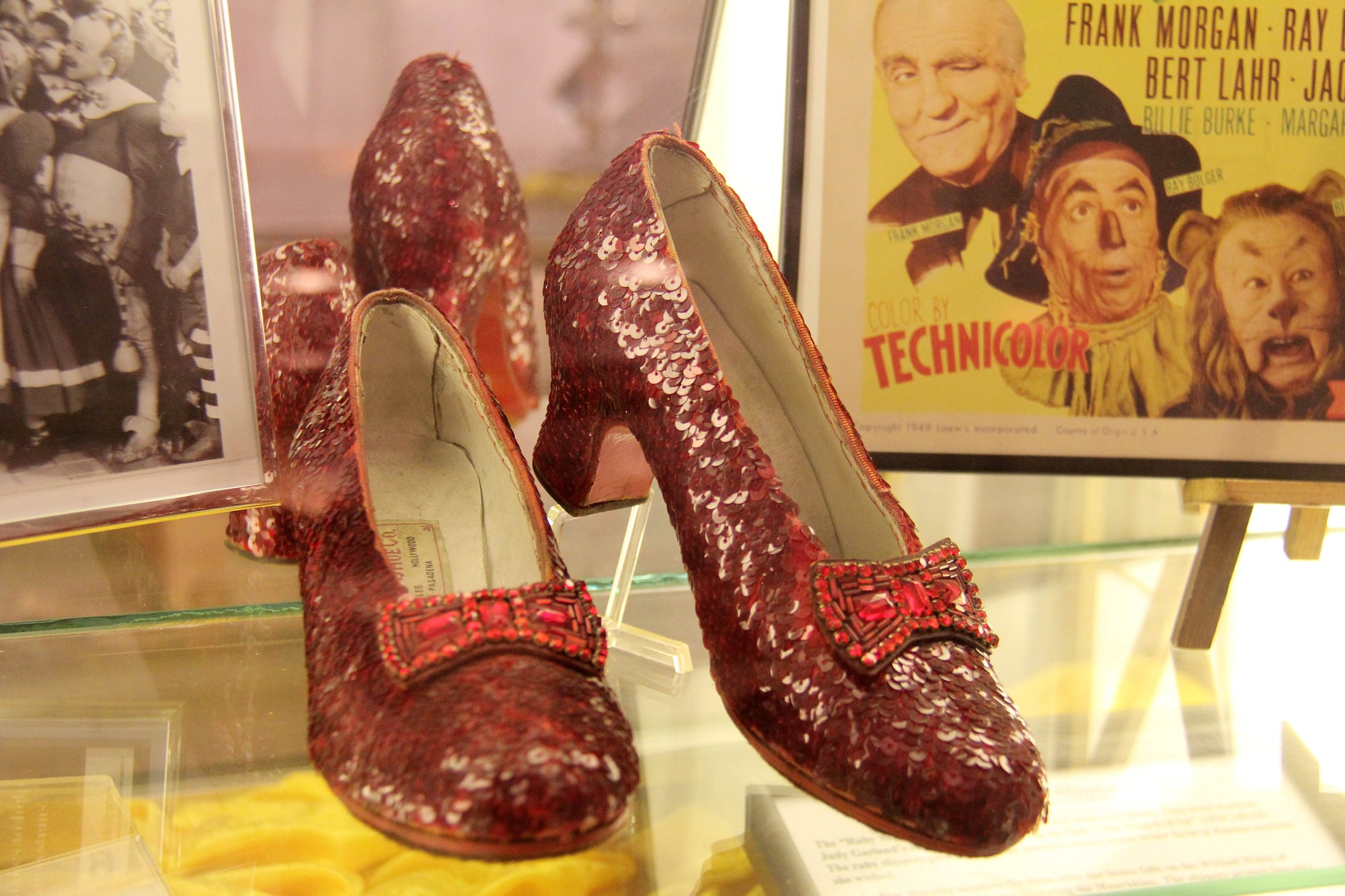
The iconic ruby slippers were originally silver in L. Frank Baum’s book and early screenplay drafts. The change was made specifically to take advantage of Technicolor’s capabilities.
Additionally, the famous ‘Over the Rainbow’ song was nearly cut from the film because producers thought it slowed down the opening. Several darker sequences, including extended scenes in the haunted forest, were filmed but removed before release.
Back to the Future
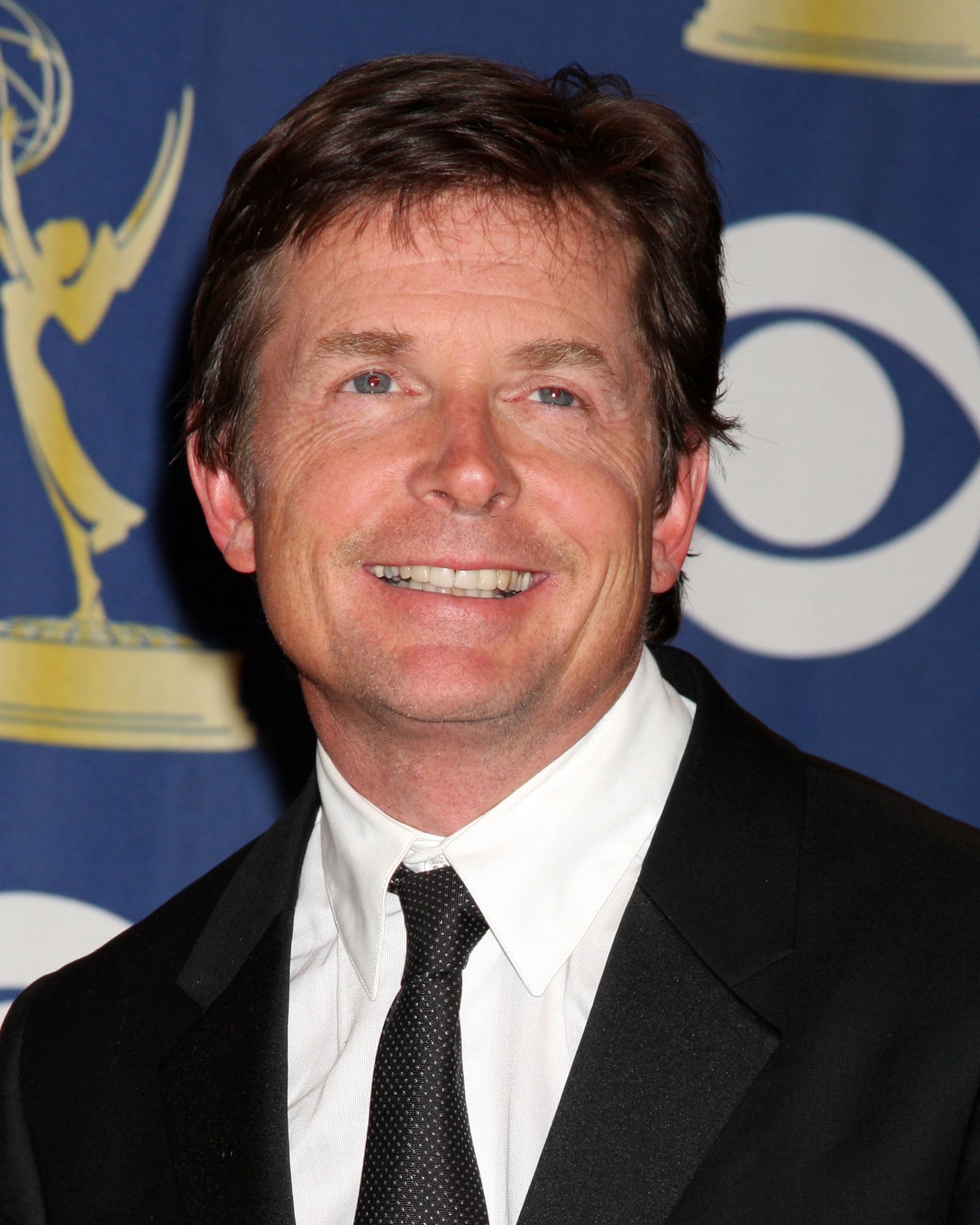
The time machine wasn’t always a DeLorean—original concepts had Marty McFly traveling through time in a refrigerator. Steven Spielberg nixed this idea, concerned that children might imitate it and get trapped in appliances.
Even more surprising, Michael J. Fox wasn’t the first Marty; Eric Stoltz filmed for weeks before being replaced. The original tone was also darker, with the power source being a nuclear explosion rather than lightning.
Alien
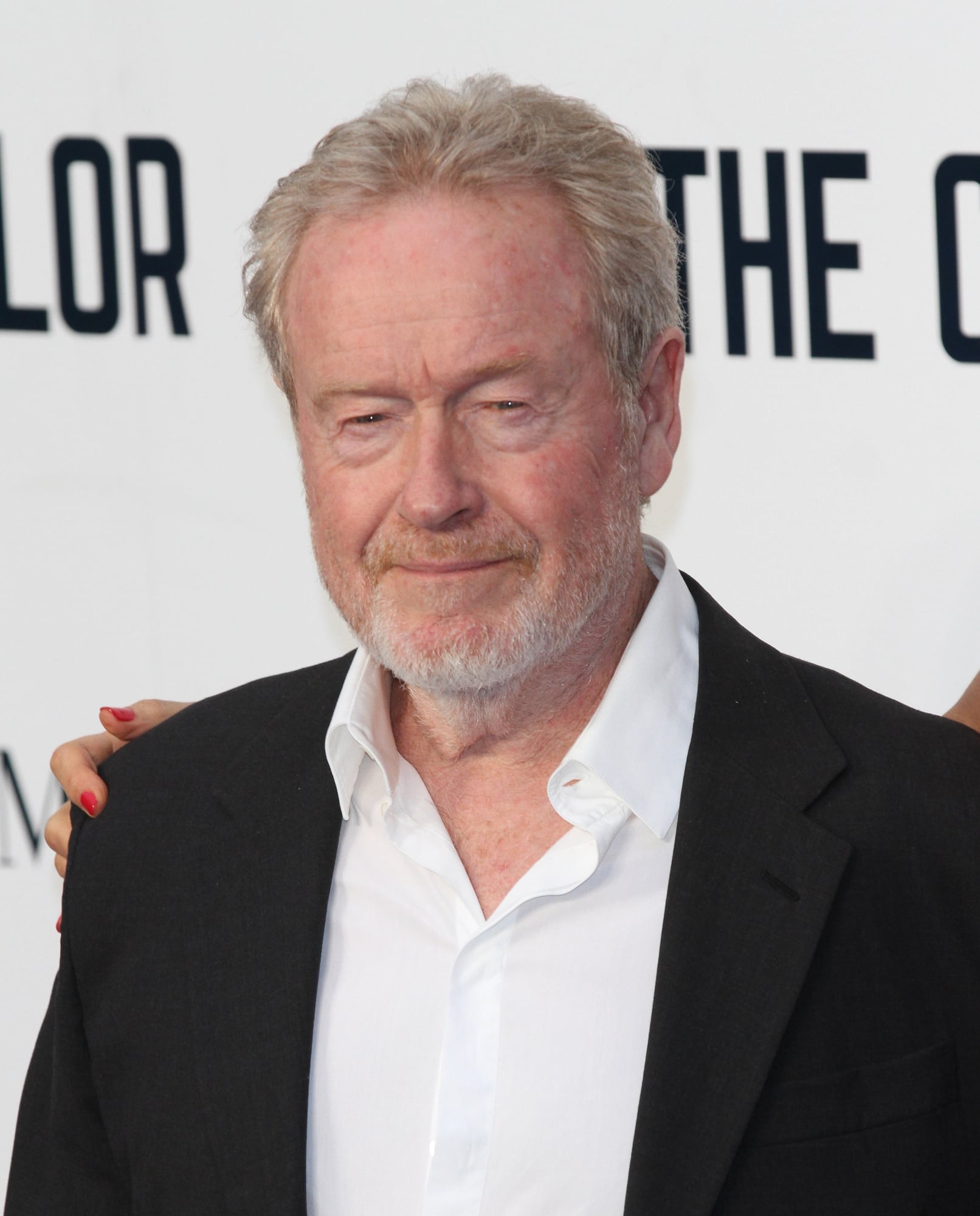
Ridley Scott’s space horror masterpiece originally featured a very different creature design and an all-male crew. The iconic xenomorph went through numerous iterations before H.R. Giger’s design was approved.
Perhaps most surprisingly, Ripley was written as a male character until late in pre-production. This gender swap completely transformed the film and created one of cinema’s most groundbreaking heroines.
Die Hard
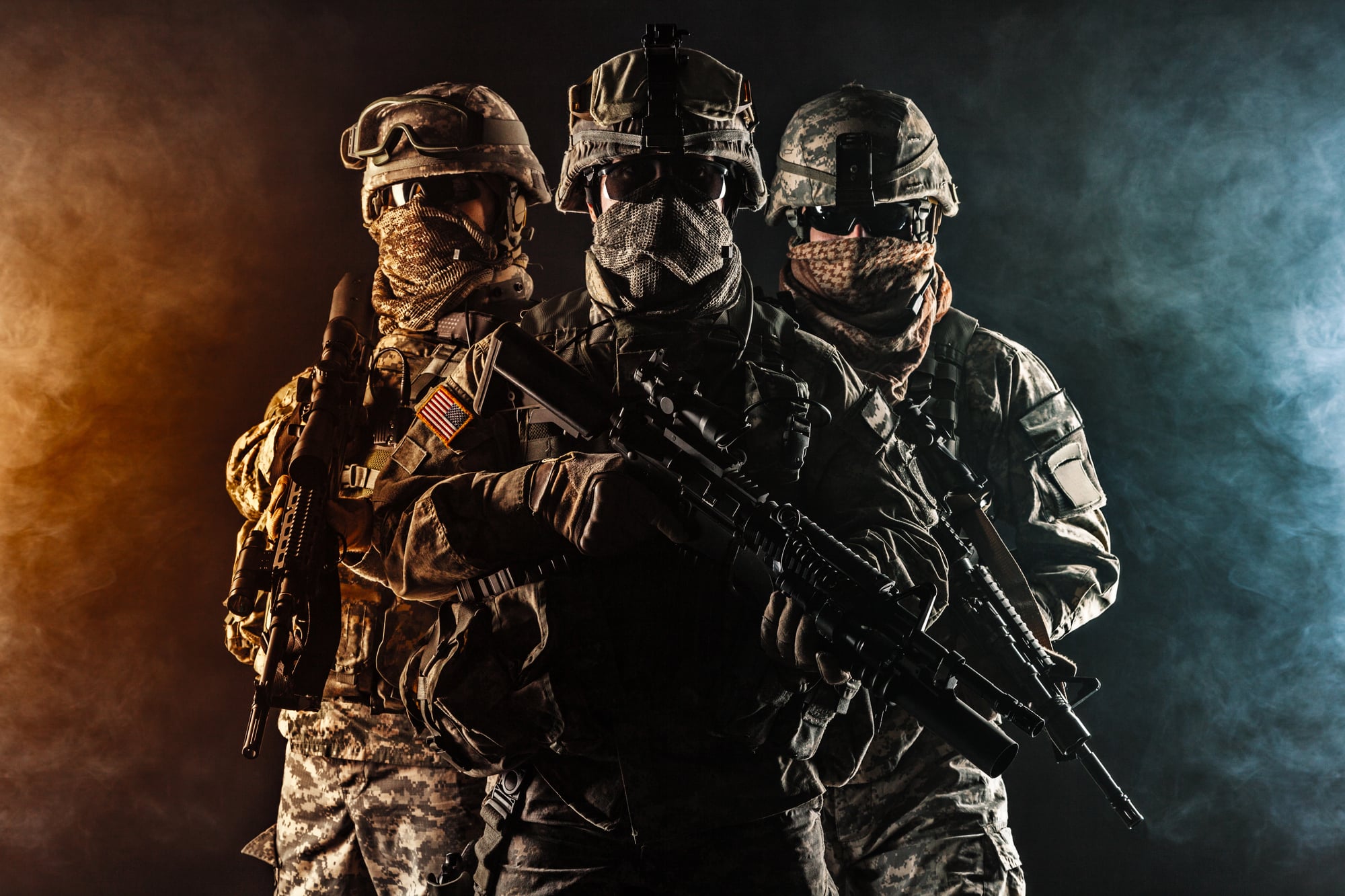
This action classic was initially conceived as a sequel to the Frank Sinatra film ‘The Detective’ and later reworked as a follow-up to ‘Commando’ starring Arnold Schwarzenegger. When both options fell through, the script was reworked again for a lesser-known TV actor named Bruce Willis.
The setting was also transformed from a conventional action film spanning multiple locations to the claustrophobic confines of Nakatomi Plaza.
The Bourne Identity
Doug Liman’s spy thriller underwent extensive reshoots and rewrites. The original cut featured a completely different ending and tone—much darker and more cynical than the released version.
Test audiences rejected the bleaker conclusion, prompting Universal to demand changes. The studio was so unhappy with early versions that they nearly released it as a direct-to-video title before the reshoots salvaged the project.
Toy Story
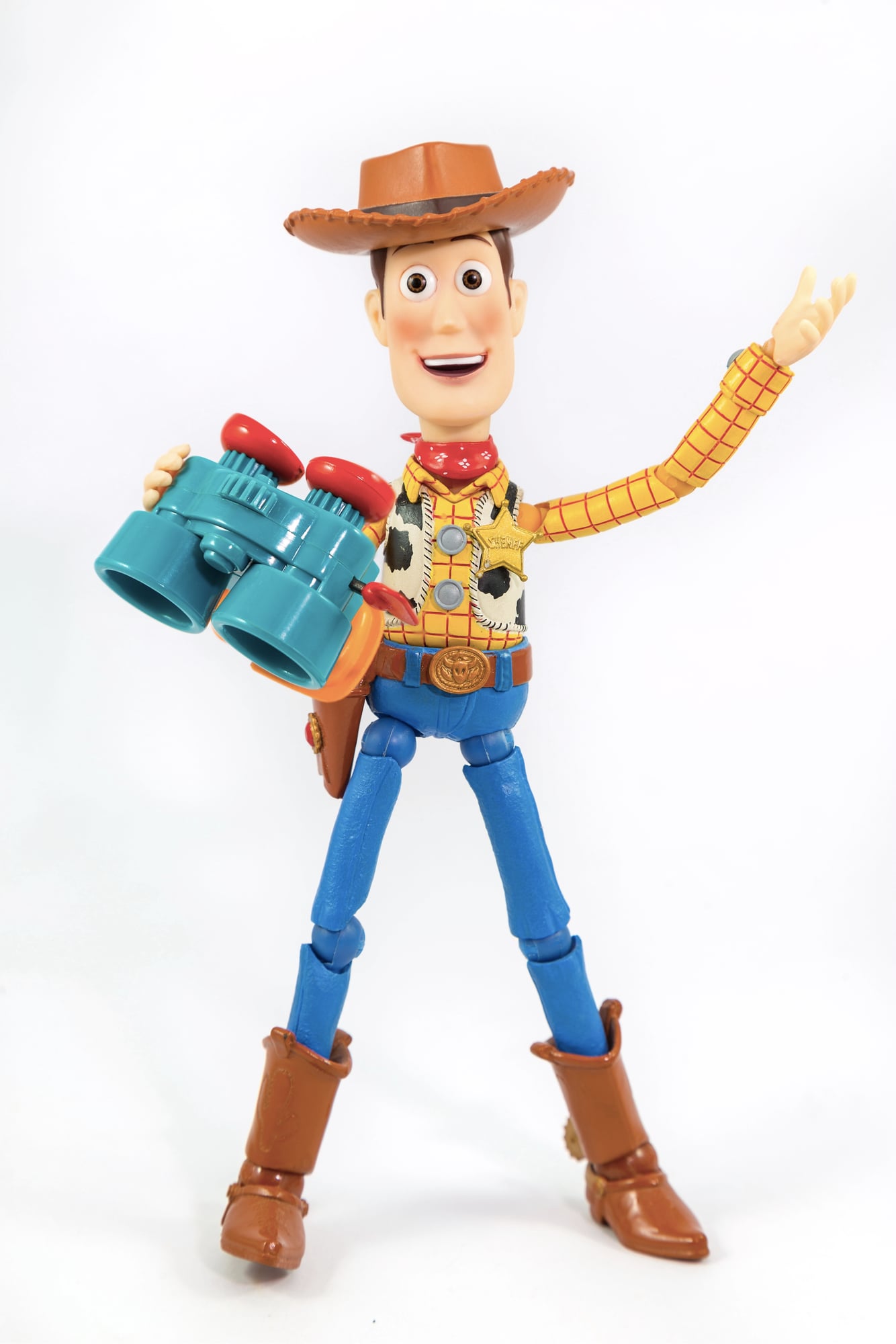
Pixar’s groundbreaking animated feature initially portrayed Woody as a tyrannical, unsympathetic villain who mercilessly bullied the other toys. Early test screenings were so disastrous that Disney nearly shut down production.
The entire script was reworked to make Woody more sympathetic and insecure rather than malicious. This fundamental character change shifted the entire emotional core of what would become Pixar’s first masterpiece.
Frozen
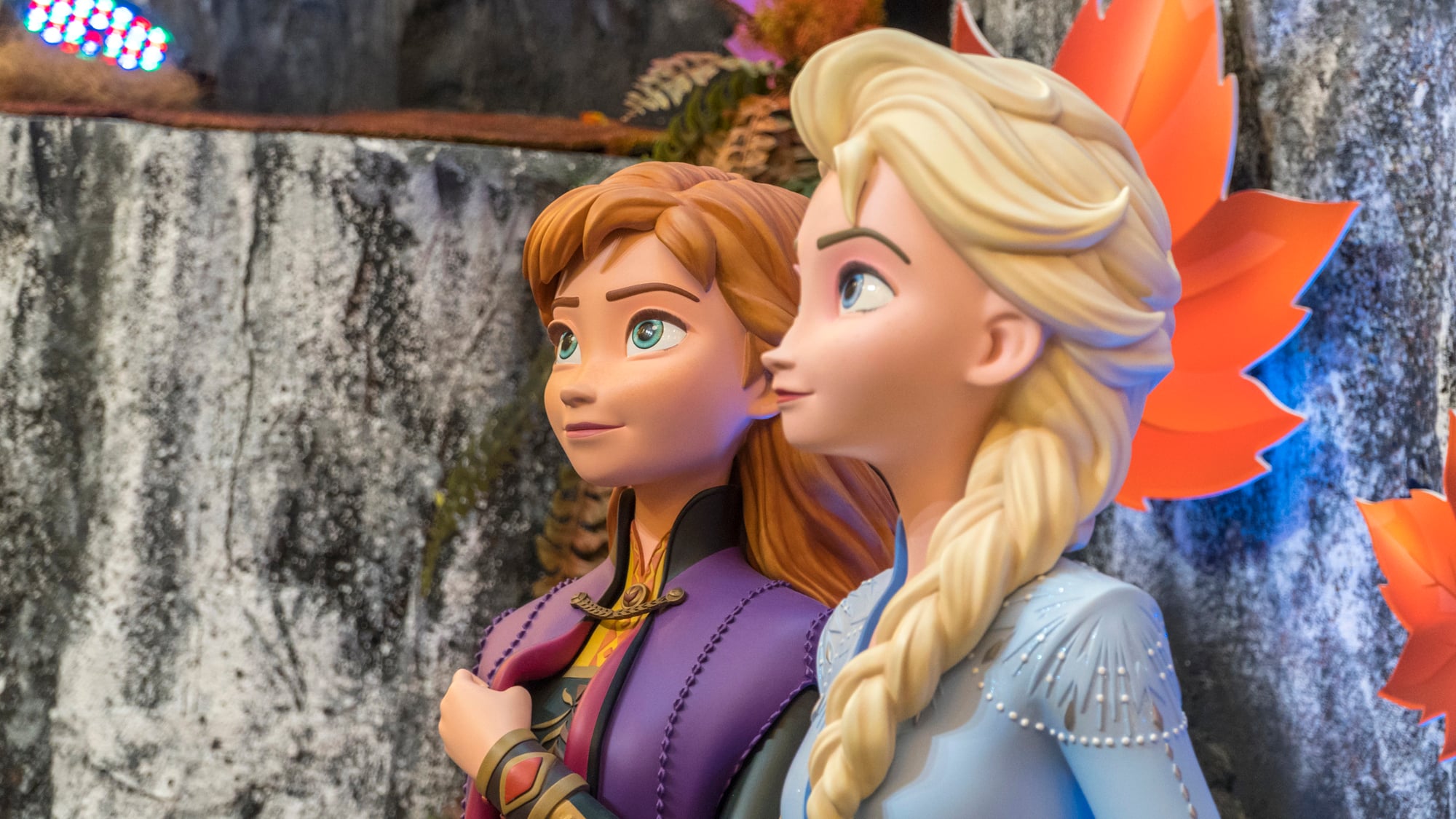
Disney’s massive hit began development in the 1940s as a direct adaptation of ‘The Snow Queen.’ Decades of attempts failed until the concept was reimagined with Elsa as a sympathetic character rather than a villain.
Even in late production, Elsa and Anna weren’t sisters, and the film featured a more conventional ‘evil queen versus innocent princess’ storyline. The creation of ‘Let It Go’ prompted rewrites that transformed the entire film’s narrative.
Apocalypse Now
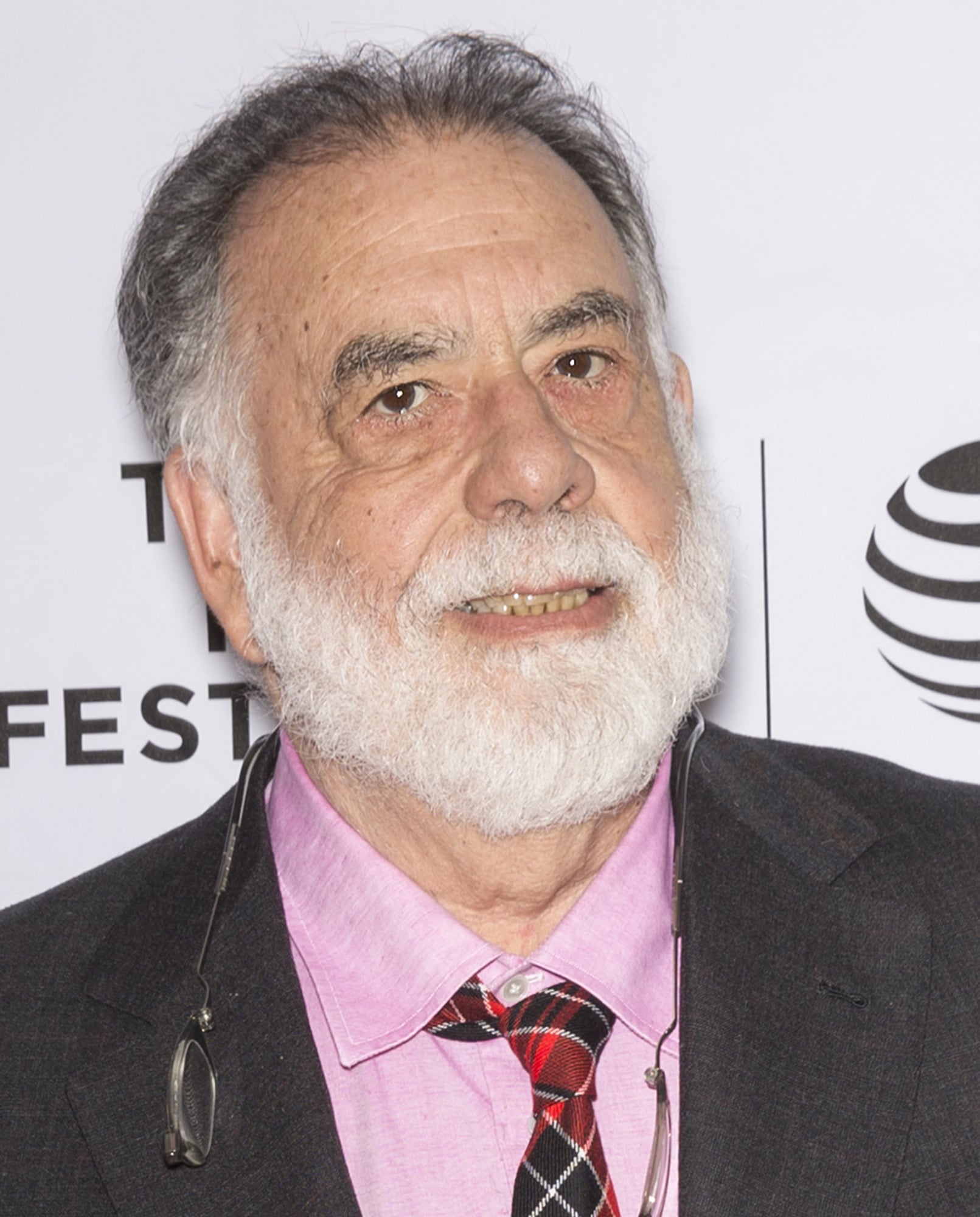
Originally scheduled to be shot in 16 weeks, Francis Ford Coppola’s epic about the Vietnam War ended up taking more than 16 months to complete. The initial script was far less surrealistic and told a traditional military story with a definite ending.
Coppola made numerous revisions while filming in the Philippine jungle, ultimately adopting a more surreal, philosophical style. When Marlon Brando showed up unprepared and overweight, the film’s iconic climax was improvised.
E.T. the Extra-Terrestrial
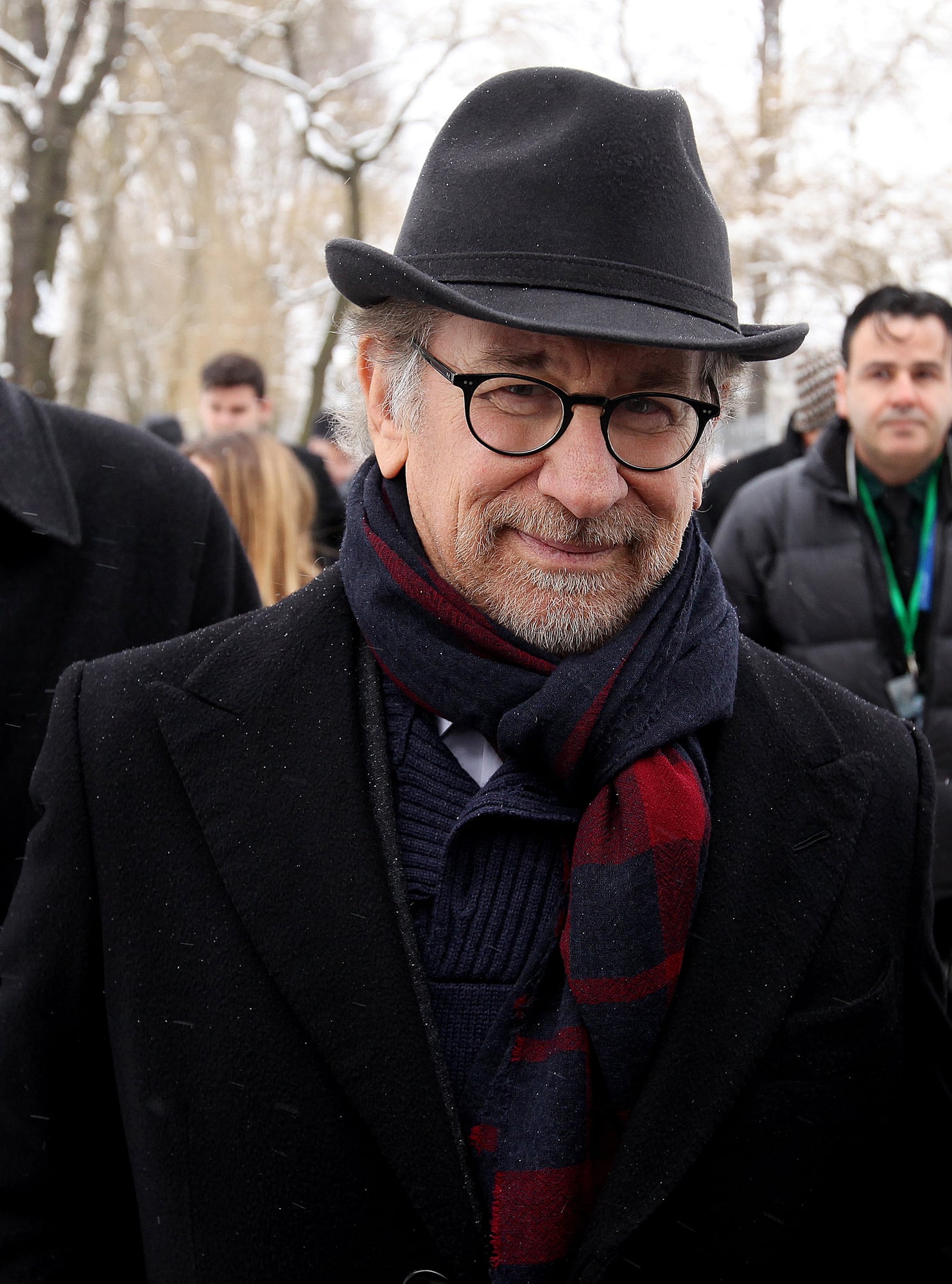
Spielberg’s emotional odyssey began as a horror film called ‘Night Skies,’ in which a family was terrorized by evil aliens. One of the aliens, less evil than the others, formed a connection with a mute autistic boy.
Spielberg believed that this connection was worth a film of its own, doing away with the horror elements entirely. The government agents were also darker in the initial drafts, carrying shotguns instead of walkie-talkies.
The Shawshank Redemption
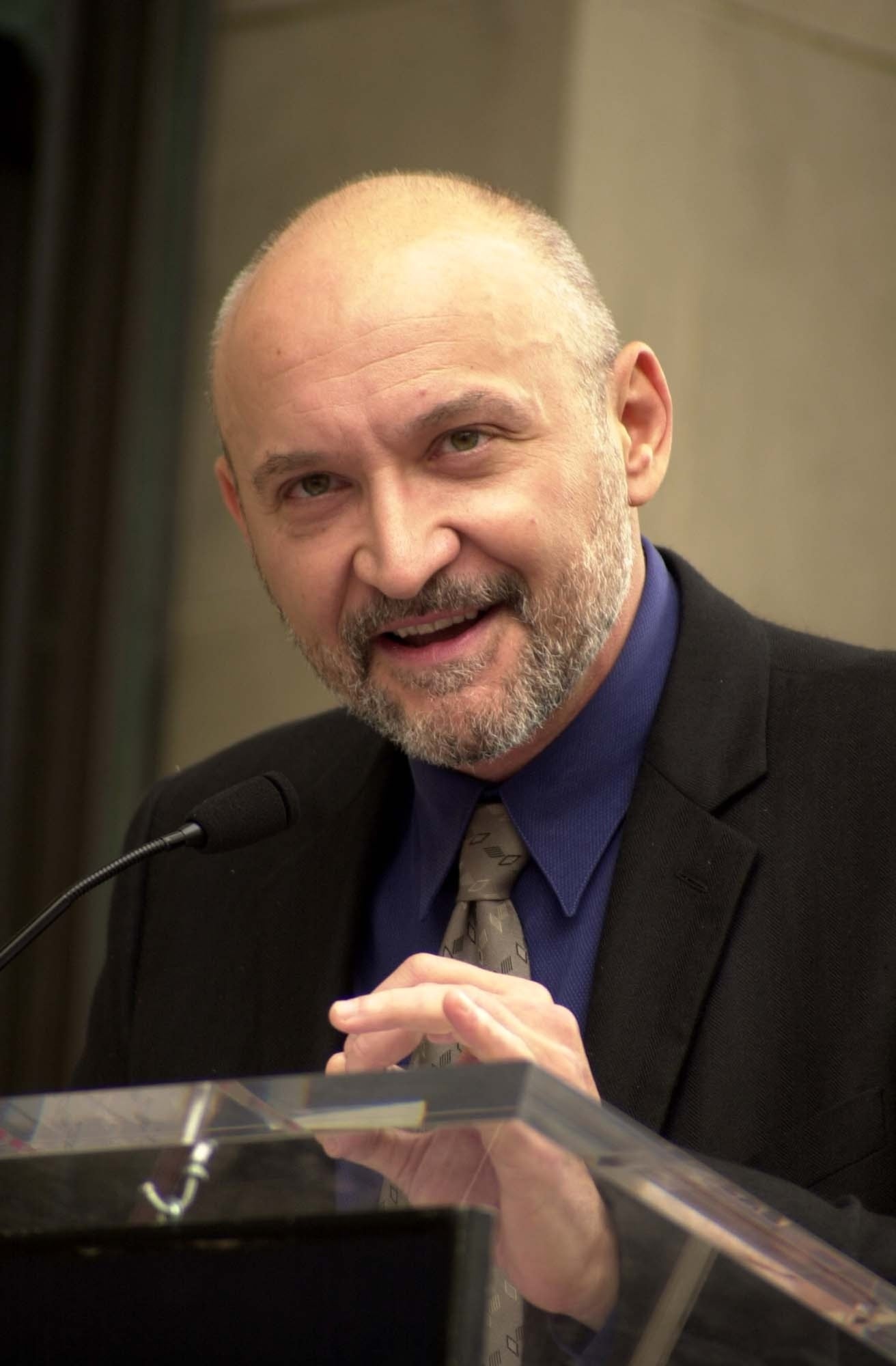
Frank Darabont’s prison drama, now considered one of the greatest films ever made, almost went straight to cable television. The studio had so little faith in the project that they considered cutting costs by drastically reducing the runtime and scope.
The original ending was also more ambiguous, not showing the reunion between Andy and Red on the beach. Test audiences pushed for the more satisfying conclusion that eventually made it to theaters.
Thor: Ragnarok
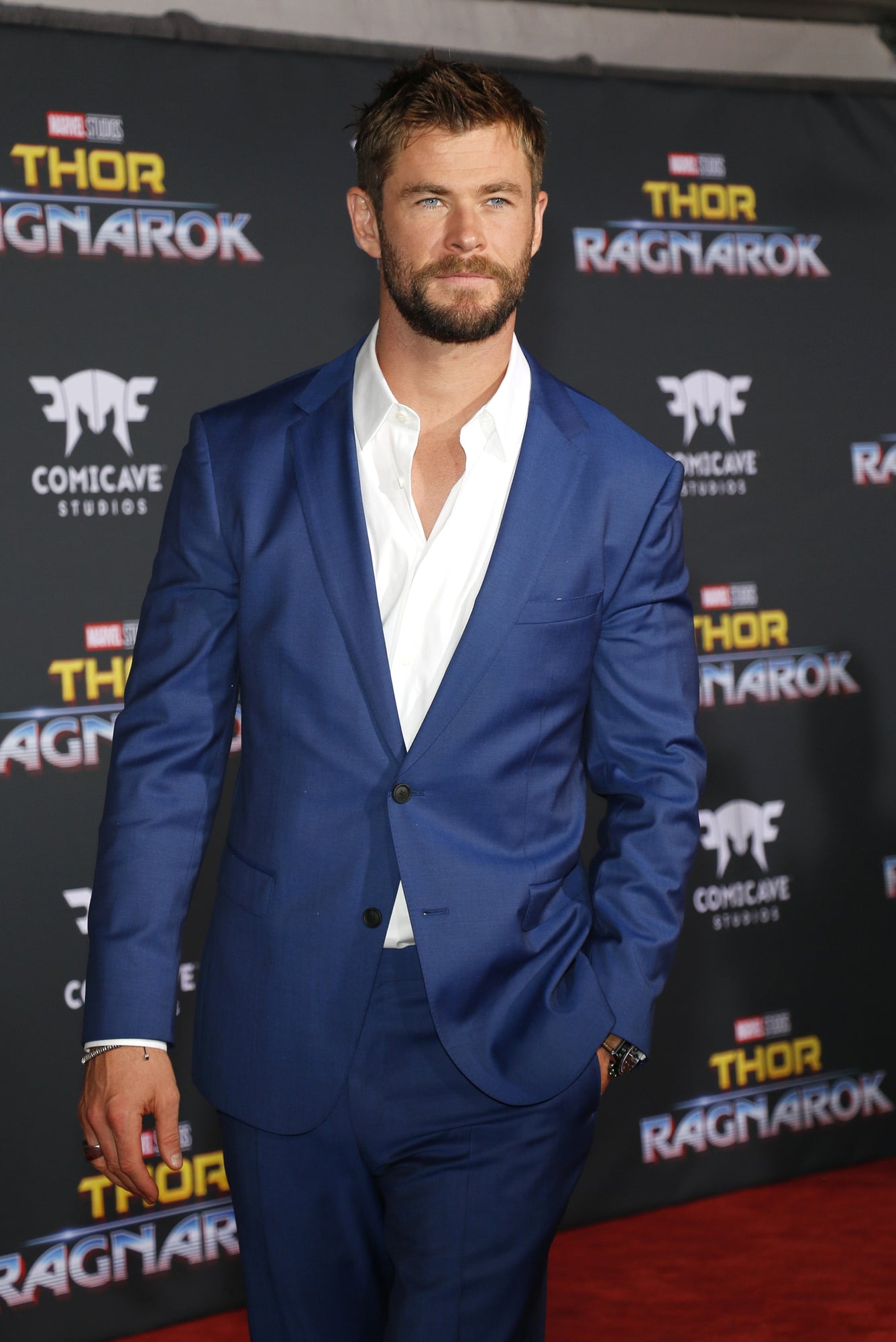
The third Thor film underwent a complete tonal shift from previous entries. Original concepts were much more serious and traditional, continuing the Shakespearean approach of earlier films.
Director Taika Waititi convinced Marvel to embrace comedy and vibrant colors inspired by 1980s science fiction. About 80% of the dialogue was improvised on set, creating a fundamentally different film than what was originally scripted.
Ant-Man
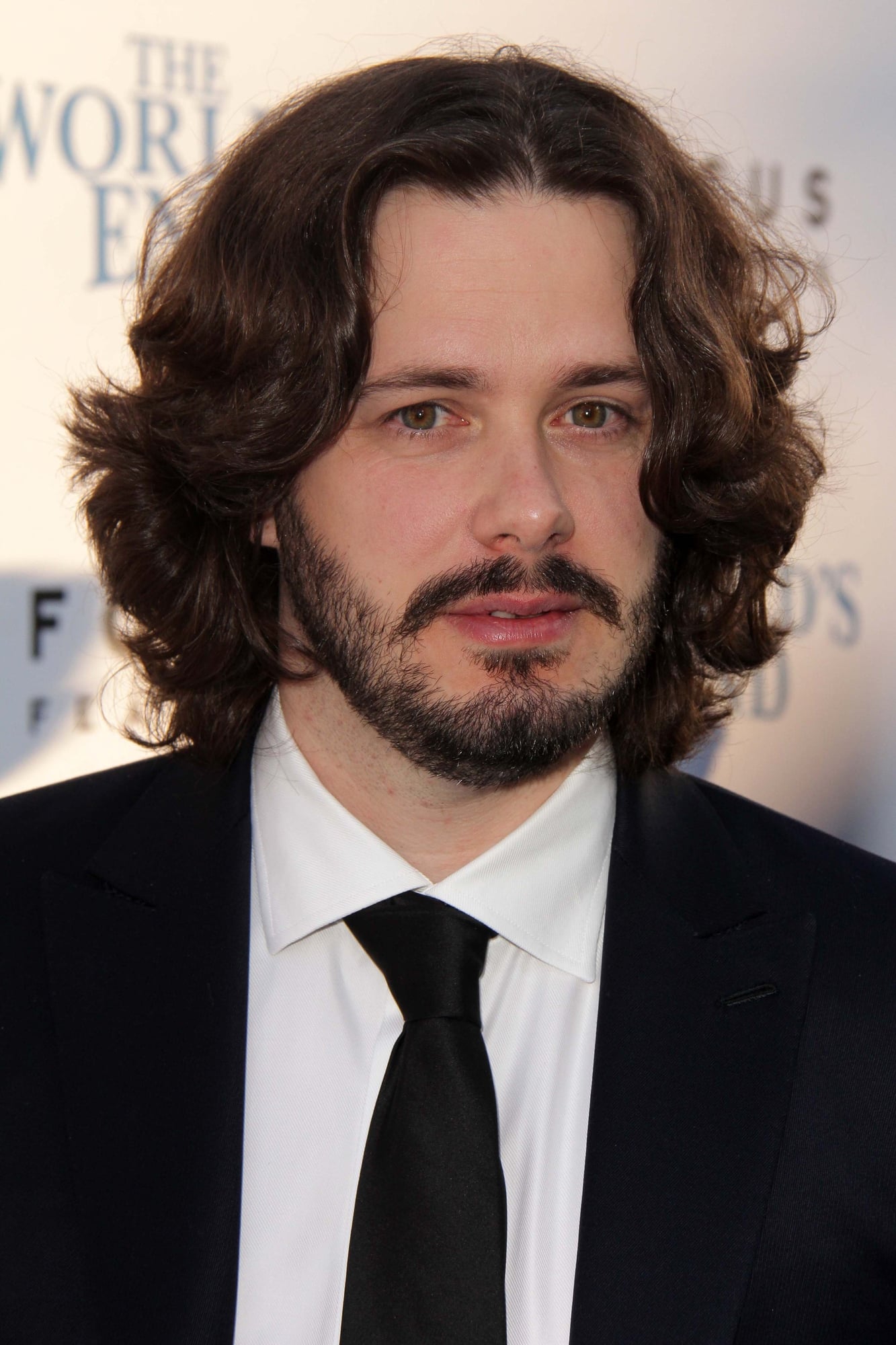
This Marvel film spent nearly a decade in development with director Edgar Wright before he left due to creative differences. Wright’s version was reportedly more stylized and standalone, less connected to the broader Marvel universe.
When Peyton Reed took over, the script was overhauled to increase connections to the Avengers and reduce some of the more experimental elements Wright had planned, resulting in a more conventional superhero film.
Get Out
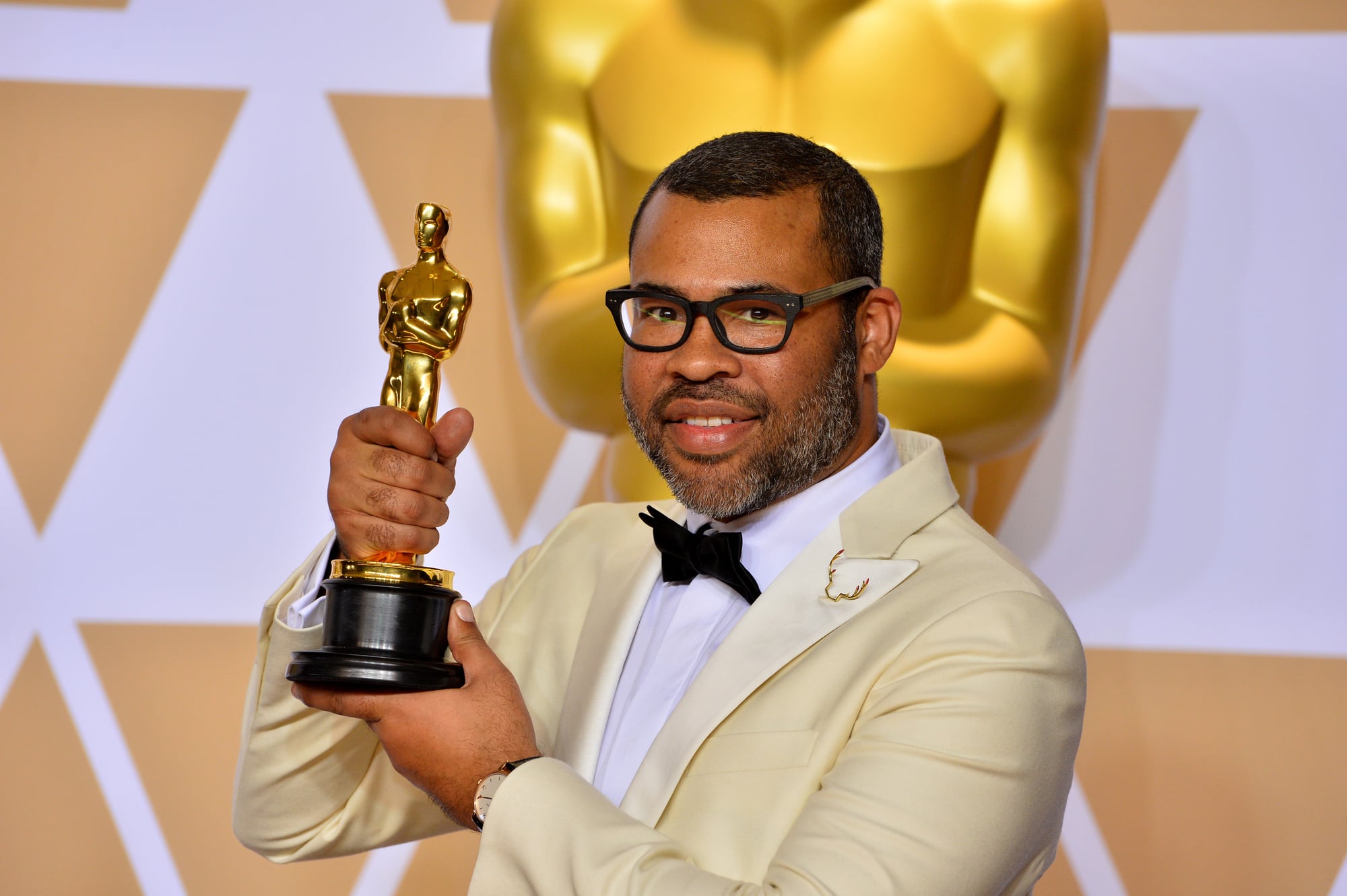
Jordan Peele’s groundbreaking horror film originally had a much darker ending. In the initial version, Chris was arrested and imprisoned for the murders at the Armitage house, ending with him behind bars with no hope of exoneration.
Test audiences found this ending too devastating and realistic, prompting Peele to create a more cathartic conclusion where Chris is rescued by his friend Rod. However, Peele has stated he believes the original ending is more truthful.
Rogue One
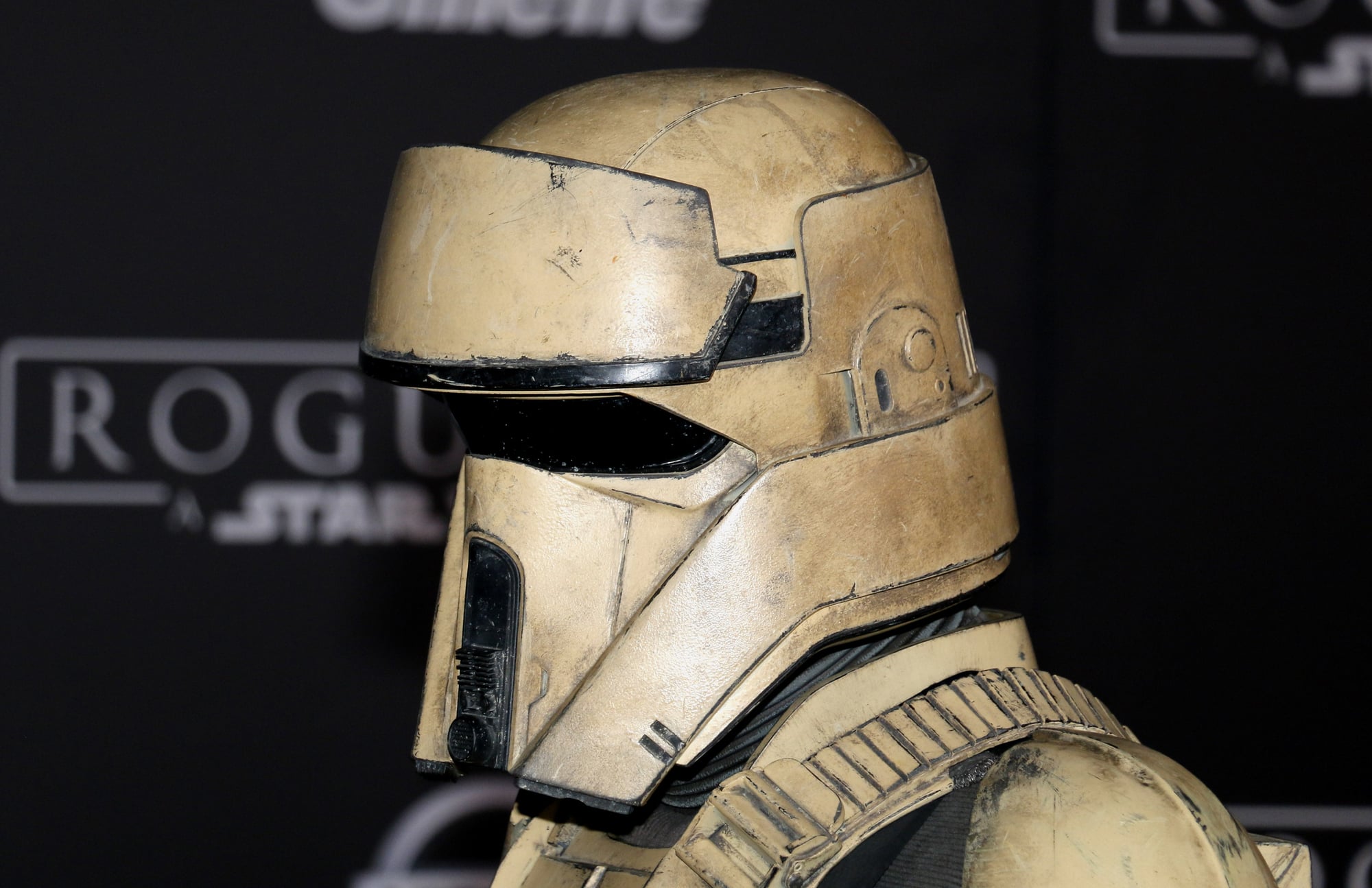
The first Star Wars standalone film underwent extensive reshoots that fundamentally changed its third act. Early versions were darker, with most characters surviving the mission to steal the Death Star plans.
Disney executives pushed for reshoots that created the more sacrificial ending. The film’s trailers contain numerous scenes that aren’t in the final cut, evidence of how dramatically the story evolved during post-production.
The Magnificent Relevance
Hollywood’s constant evolution reflects our changing cultural landscape more than we might realize. These cinematic transformations remind us that art is rarely born perfect—it’s shaped through collaboration, compromise, and sometimes happy accidents.
The next time you enjoy a favorite film, consider the phantom version that never made it to the screen. These alternate possibilities live on as fascinating footnotes in cinema history, proving that sometimes the most crucial creative decisions happen long after the cameras start rolling.
More from Go2Tutors!

- The Romanov Crown Jewels and Their Tragic Fate
- 13 Historical Mysteries That Science Still Can’t Solve
- Famous Hoaxes That Fooled the World for Years
- 15 Child Stars with Tragic Adult Lives
- 16 Famous Jewelry Pieces in History
Like Go2Tutors’s content? Follow us on MSN.