25 Things Most People Believe Are Illegal That Actually Aren’t
The gap between what people believe is illegal and what actually violates law is wider than most realize. Years of urban legends, employer intimidation, and misunderstood rules have convinced people they are constantly breaking laws that don’t actually exist.
Half the “rules” people follow were invented to scare employees or children, or they were misconstrued from actual regulations so thoroughly that the original meaning is lost. Understanding the difference between real law and imaginary prohibition is surprisingly important to living without unnecessary paranoia.
The following activities remain perfectly legal, despite widespread belief otherwise.
Removing a Mattress Tag

Mattress tag warnings say “do not remove under penalty of law,” which sounds absolute. The warning actually applies only to manufacturers, retailers, and distributors.
Consumers can remove the tag without legal consequence. The tag exists so manufacturers can prove the mattress meets safety standards.
Removing it does nothing illegal. This misconception persists because the warning is prominently displayed and uses threatening language directed at anyone reading it.
Turning on the Interior Car Light While Driving
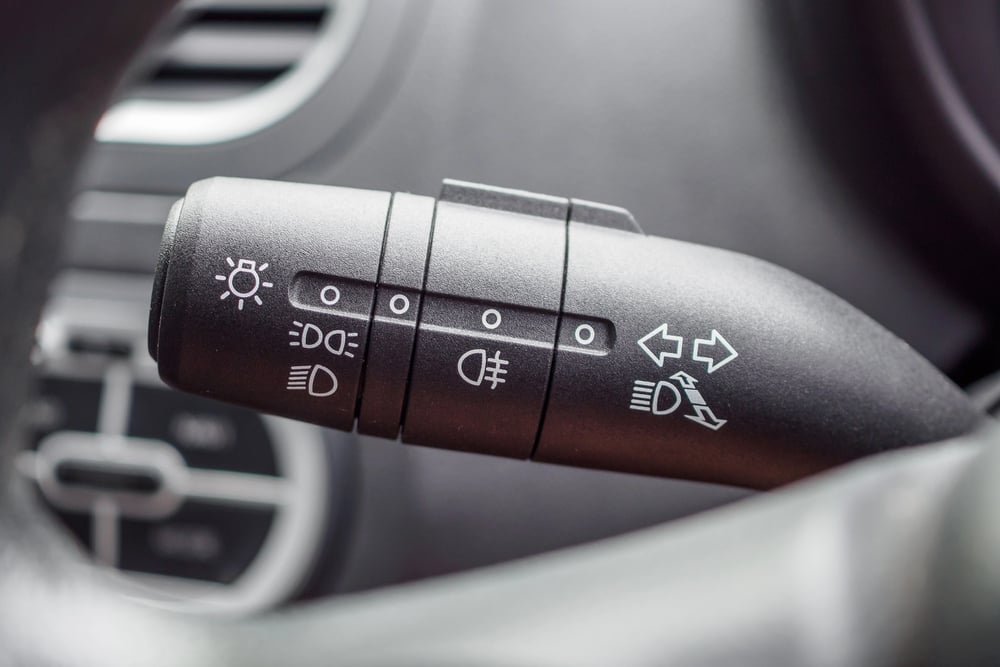
No federal or state law bans turning on the interior light while driving. This persistent myth likely originated from parents telling children the light was distracting.
While poor visibility could theoretically make you liable if it contributes to an accident, the light itself carries no legal prohibition. Police cannot ticket someone for this action.
The myth has persisted for decades despite having no legal basis.
Eating a Free Sample Without Buying Anything

Stores that offer free samples do so without requiring a purchase. Eating a sample and leaving without buying anything is perfectly legal.
Stores use samples to encourage purchases, but they have no legal recourse against customers who sample without buying. This misconception likely stems from the awkwardness people feel when declining to purchase after accepting a sample.
Passing a Police Car While Both Are Moving

Overtaking a police car when both are moving at or below the speed limit is entirely legal. Drivers often hesitate to pass police vehicles due to anxiety about drawing attention, but the act itself violates no law.
Police officers expect other vehicles to pass them when safe to do so. This hesitation is based on social anxiety rather than legal reality.
Marrying Your First Cousin

At least 25 U.S. states allow first-cousin marriage without restriction. Some states permit it only for couples over 65 or with documented infertility.
Only a handful of states prohibit first-cousin marriage entirely. This surprises most people who believe cousin marriage is universally illegal.
The legal landscape is far more permissive than popular understanding suggests.
Burying Someone on Your Property

Backyard burial is legal in most U.S. states, though regulations vary significantly. You must comply with local zoning laws and distance requirements from bodies of water and property lines.
Some urban areas restrict it more heavily than rural areas. Check local regulations before burial, but in many places, you have legal rights to bury a deceased person on your own land.
Sleeping in Your Car at a Rest Stop

In at least 14 states, sleeping in your vehicle at a rest stop is perfectly legal. Federal law permits rest stops to be used for rest, which sleeping technically enables.
Some states restrict it explicitly, but many do not. Checking state-specific regulations matters, but many drivers legally rest in their vehicles at rest stops without violating any law.
Discussing Wages with Coworkers

Federal law explicitly protects employees’ rights to discuss wages. Section 7 of the National Labor Relations Act guarantees all private-sector employees the right to discuss compensation with colleagues, on social media, and in writing.
Employers often discourage wage discussion, but doing so is illegal employer retaliation. The law protects worker discussion more strongly than most realize.
Driving Barefoot

No state law prohibits barefoot driving. This persistent myth has no legal basis.
Police cannot cite someone for removing shoes while driving. While excessive speeds or erratic driving while barefoot could result in reckless driving charges, the barefoot status itself is legal.
The myth likely originated from safety concerns rather than actual law.
Jaywalking

Jaywalking is illegal in some jurisdictions but legal in others. Many states have no jaywalking prohibition, and in others, it is only illegal if it interferes with traffic flow or poses immediate danger.
Jaywalking laws vary by municipality, and many cities have effectively stopped enforcing them. Assuming jaywalking is universally illegal overlooks significant regional variation.
Taking Roadkill

Several states, including Montana, West Virginia, and Oregon, explicitly permit taking recently killed animals from roadways. Wildlife agencies sometimes issue permits for collecting fresh roadkill, viewing it as waste reduction.
Other states prohibit it. Some people legally take roadkill home for food, while laws in other jurisdictions prohibit the practice.
State-level variation is significant.
Public Nudity in Certain Contexts

Public nudity is not illegal in all states. Oregon and Vermont permit nudity unless it is intended to offend.
San Francisco allowed public nudity until 2012. Several other jurisdictions have surprisingly permissive nudity laws.
Assuming public nudity is universally illegal overlooks significant legal variation across jurisdictions.
Recording Conversations Without Consent

In 38 U.S. states, recording a conversation in which you are a participant requires no consent from others. You can legally record if you are part of the conversation.
In 12 states including California, Florida, and Illinois, both parties must consent to recording. Assuming recording requires universal consent misses the legal distinction between one-party and all-party consent jurisdictions.
Buying a Military Tank

Decommissioned military tanks are legally available for purchase. Civilians can buy tanks, though the gun must be disabled in most jurisdictions.
Some people even register tanks for road use. This surprises most people who believe military hardware is universally restricted from civilian ownership.
Legal decommissioned tanks represent an exception to weapons restrictions.
Counting Cards at a Casino

Counting cards is not illegal. Casinos cannot arrest someone for mental calculation.
Casinos can refuse service and ban card counters, but counting cards violates no law. This misconception persists because casinos discourage counting and many people wrongly assume being banned from a business means breaking the law.
The act itself is legal.
Passing Gas in Public

Public flatulence is not illegal. While crude and socially awkward, passing gas violates no law.
This nonsensical misconception likely originates from childhood—either as a joke or from confusion about public decency laws that apply to exposure rather than bodily functions. Embarrassing actions are not automatically illegal.
Wearing Clothes That Don’t Match

No law requires clothing to coordinate. Wearing mismatched socks, clashing colors, or odd clothing combinations violates no ordinance.
Dress codes in workplaces or establishments can restrict clothing, but public dress freedom is extremely broad. People sometimes worry they’ll be cited for unusual clothing choices despite no legal prohibition.
Paying Someone Else’s Parking Meter

Paying another person’s parking meter is perfectly legal. No regulation prohibits depositing coins in someone else’s meter.
This charitable act has no legal consequence and does not constitute tampering with parking equipment. The misconception likely stems from confusion about meter tampering laws, which apply to preventing proper payment, not enabling it.
Shooting Down Drones Over Your Property

The legality of shooting down drones over your property is legally ambiguous and potentially risky. Federal law (18 U.S.C. § 32) prohibits destroying aircraft, and the FAA classifies drones as aircraft. Shooting down a drone likely violates federal law regardless of airspace location, despite property rights concerns.
While cases remain unsettled, self-help destruction carries serious legal risk including federal charges. Better legal recourse includes contacting local law enforcement, filing civil suits against the drone operator for trespass or privacy violations, or reporting the drone to the FAA.
Property rights do not clearly extend to destroying federal-regulated aircraft through force.
Spitting on the Ground

Public spitting is legal in most jurisdictions unless specifically prohibited locally. No universal prohibition on spitting exists.
Some cities or countries restrict it, but no federal law bans it.
Spitting on a person is assault, but spitting on the ground is usually legal. Misconceptions arise from confusion between these two distinct acts.
Killing a Praying Mantis

Killing a praying mantis is legal in most places. Only a handful of jurisdictions protect mantises legally.
No widespread legal protection exists for this insect. The myth that killing one is illegal likely originated as folklore or from overstated children’s tales rather than actual law.
Minors Drinking Alcohol with Parental Consent

Twenty-nine U.S. states allow minors to drink legally on private property with parental presence and consent. Six states permit minors to drink on private property without parental presence.
Twenty-five states allow minors to drink for religious reasons. Sixteen states allow minors to drink for medical reasons.
The assumption that minors cannot drink anywhere overlooks significant legal exceptions.
Refusing to Answer Questions From Police

You have the right to remain silent and refuse to answer questions from the police. The Fifth Amendment protects against self-incrimination.
While refusing cooperation may raise suspicion, it violates no law. Police often imply that silence indicates guilt, pressuring people to waive rights.
Refusing to speak is actually a legally protected action.
Giving the Middle Finger to Police

Giving a police officer the middle finger is protected speech in most circumstances. Courts have found that the gesture constitutes expression protected by the First Amendment.
Police cannot legally arrest someone solely for this gesture. This surprises many people who believe disrespecting police officers is inherently illegal.
Having Multiple Romantic Partners

Polygamy is illegal, but having multiple romantic partners without legal marriage to all of them violates no law. Non-monogamy, polyamory, and open relationships are perfectly legal as long as legal marriage is not involved.
Misconceptions arise from confusion between polygamy and consensual non-monogamy. Legal and ethical frameworks diverge significantly on this question.
More from Go2Tutors!




