16 School Lunches Around the World That Are Just Wow
Most American kids know the drill: pizza rectangles, mystery meat, maybe some sad vegetables if they’re lucky. But step into a school cafeteria in France or Japan, and you’ll wonder if you accidentally wandered into a restaurant. Countries worldwide have figured out that feeding students well doesn’t require sacrificing taste or breaking the bank. Some places treat lunch like another subject—teaching kids about culture, nutrition, and respect for good food.
What’s fascinating is how much these different approaches reveal about what each country values most. Here is a list of 16 school lunches around the world that’ll make you question everything about cafeteria food.
France
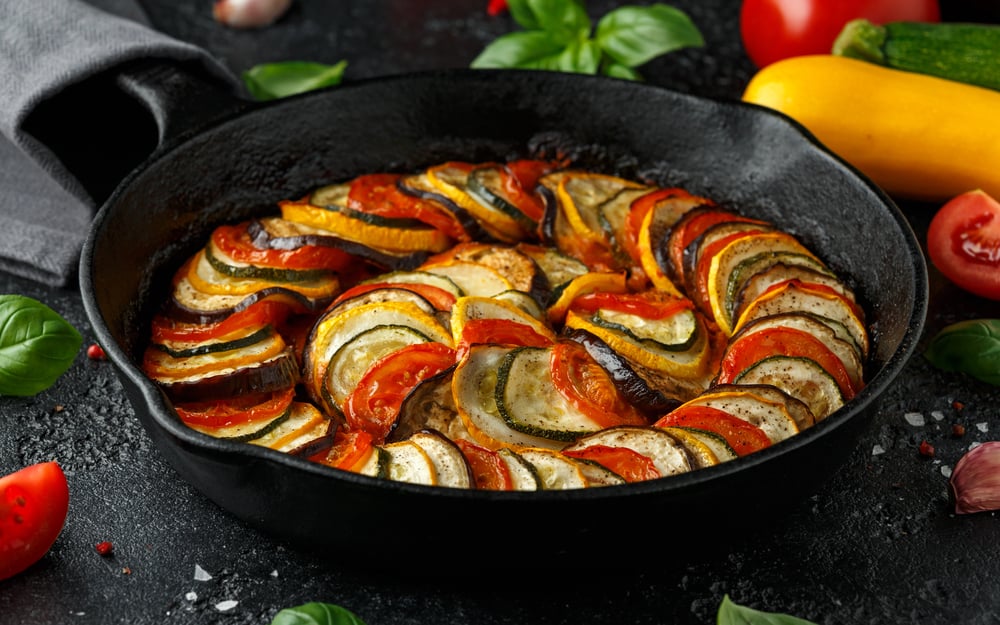
Walk into any French school at lunchtime and you’ll think the kids are dining at a bistro. Multiple courses arrive daily—maybe roasted chicken with herbs, some ratatouille, crusty bread, cheese, plus fruit to finish.
Students sit at actual tables with real silverware, learning how to eat properly while they fuel up. France spends serious money making sure trained chefs prepare everything fresh on-site.
No microwave mysteries here.
Japan

The Japanese call their school lunch ‘kyushoku,’ and watching it happen is like seeing a tiny restaurant operation run by kids. Each meal hits precise nutritional targets: rice or noodles, miso soup, protein, vegetables, milk.
But here’s the kicker—students serve each other and clean up afterward. Everyone learns responsibility while eating food that changes with the seasons.
Fresh, local ingredients mean spring menus look completely different from winter ones.
Like Go2Tutors’s content? Follow us on MSN.
Italy
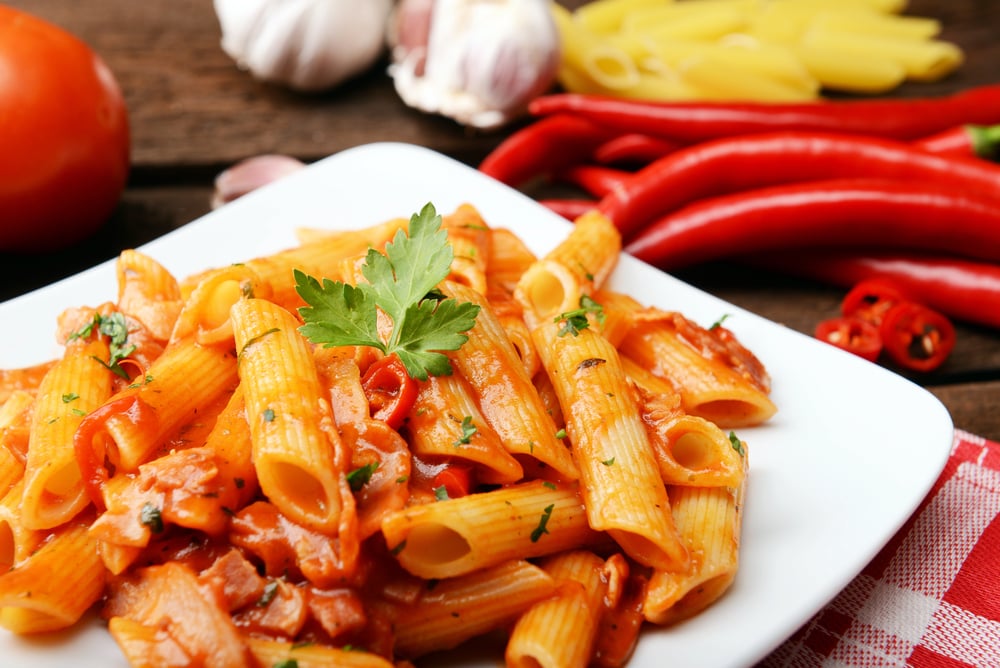
Italian schools don’t mess around when it comes to food. Students get pasta with actual tomato sauce (not the sugary stuff), grilled fish, seasonal vegetables, local fruit.
Many schools work directly with nearby farms, keeping ingredients fresh while supporting their neighbors. Lunch takes time here—no rushing to finish.
Kids learn that meals are social events, not something you wolf down between classes.
Finland
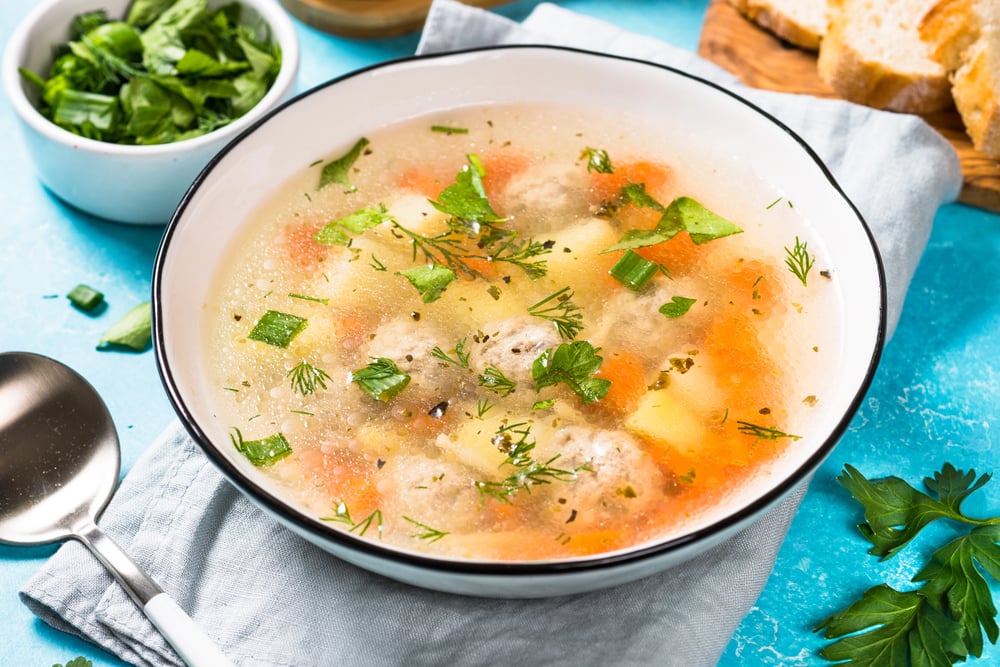
Every Finnish student eats free lunch, no questions asked. The meals focus on organic, local ingredients that happen to be good for both kids and the planet.
Think hearty soups, dark bread that actually tastes good, fresh vegetables, plus fish or lean meat. Want seconds? Go for it.
Vegetarian options are always available. Finland decided long ago that hungry kids can’t learn properly, regardless of what their parents earn.
South Korea

Korean school lunches look like small feasts spread across multiple dishes. Rice, kimchi, grilled meat or fish, several vegetable sides, soup—everything calculated to boost brain power and concentration.
The government sets strict nutritional rules while making sure the food includes ingredients that supposedly help with studying. Students eat together in their classrooms, turning mealtime into community time while enjoying restaurant-quality food made fresh that morning.
Like Go2Tutors’s content? Follow us on MSN.
Brazil

Brazilian school meals celebrate the country’s wild biodiversity. Kids might get açaí, tropical fruits most Americans have never heard of, plus regional specialties that vary depending on where you are.
Rice and beans with grilled chicken, fruit salads, vegetables from school gardens. Some schools teach about indigenous ingredients and cooking methods—food becomes a history lesson.
This program feeds over 40 million kids daily, making other countries take notes.
Sweden
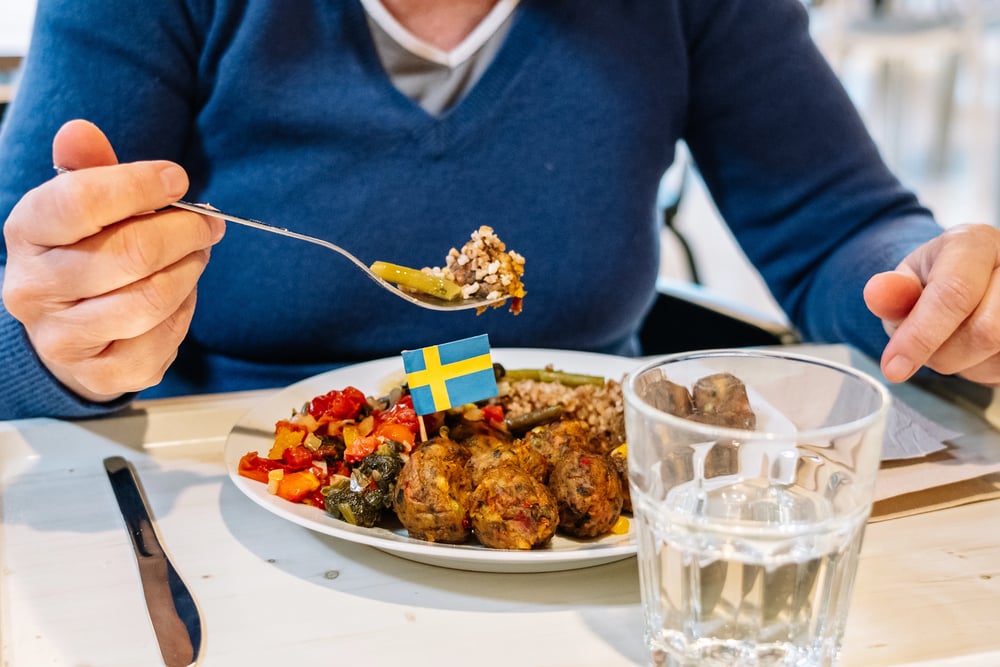
Swedish schools serve free, organic meals that might include anything from traditional meatballs to curry to stir-fry. Sustainability matters here—less waste, local ingredients, plant-based options galore.
Students serve themselves buffet-style, which encourages trying new things while preventing food waste. The setup teaches kids to take only what they’ll actually eat, not just pile their plates high.
India

School lunches across India vary wildly depending on the region, but they all use local spices, grains, and cooking traditions. Dal (lentil curry), rice, vegetables, chapati bread—all designed to provide the proteins and nutrients growing kids need.
The Mid Day Meal Scheme feeds over 120 million children every single day. That makes it the world’s largest school feeding program.
Most ingredients come from local farms, helping communities while ensuring freshness.
Like Go2Tutors’s content? Follow us on MSN.
United Kingdom
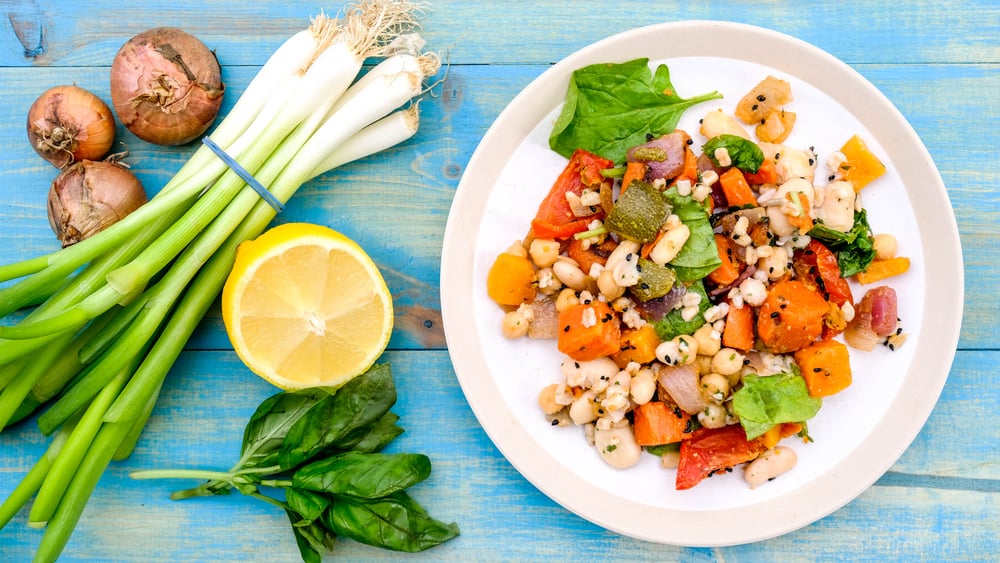
British school food used to be pretty awful, but things have changed dramatically. Celebrity chefs made a big fuss about the connection between diet and learning, and the government listened.
Now students get roasted meats with seasonal vegetables, whole grain bread, and desserts made from scratch. Many schools grow their own herbs and vegetables, turning food preparation into another learning opportunity.
Germany

German schools believe in substantial meals that’ll keep students energized all afternoon. Think schnitzel with potatoes, hearty stews, pasta with rich sauces—portions that would satisfy most adults.
Everything gets prepared fresh using local suppliers when possible. Schools accommodate different dietary needs too: vegetarian, vegan, religious restrictions.
Germany’s increasingly diverse student population means lunch options have expanded considerably.
China

Chinese school meals follow traditional food combinations that have kept people healthy for thousands of years. Rice or noodles with stir-fried vegetables, lean proteins, soup—all prepared with minimal oil and maximum freshness.
The goal is steady energy without the afternoon crash that might interfere with learning. Many schools incorporate traditional Chinese medicine principles, choosing ingredients believed to support specific aspects of health and development.
Like Go2Tutors’s content? Follow us on MSN.
Norway

Norwegian schools load up on fish, whole grains, and vegetables that reflect both good nutrition and environmental responsibility. Salmon with dark bread, root vegetables, dairy from local farms.
The program prioritizes organic ingredients while working to minimize environmental impact through less packaging and locally sourced food. Schools often include nutrition education alongside the meal, teaching kids to make smart choices about their health.
Mexico

Mexican school lunches celebrate the country’s incredible food traditions using indigenous ingredients like beans, corn, chili peppers. Students enjoy pozole, quesadillas loaded with fresh vegetables, and agua fresca made from seasonal fruits.
The emphasis falls on foods that provide lasting energy and nutrients often missing from processed alternatives. Schools regularly use locally grown produce, supporting regional farmers while ensuring maximum flavor and freshness.
Australia

Australian school meals reflect the country’s multicultural mix through diverse options: Asian stir-fries, Mediterranean salads, traditional meat pies with vegetables. Fresh, minimally processed ingredients align with Australia’s outdoor lifestyle and emphasis on physical activity.
Schools partner with local farms and suppliers, keeping ingredients fresh while supporting regional economies. The program works hard to accommodate various dietary restrictions and cultural preferences.
Like Go2Tutors’s content? Follow us on MSN.
Canada
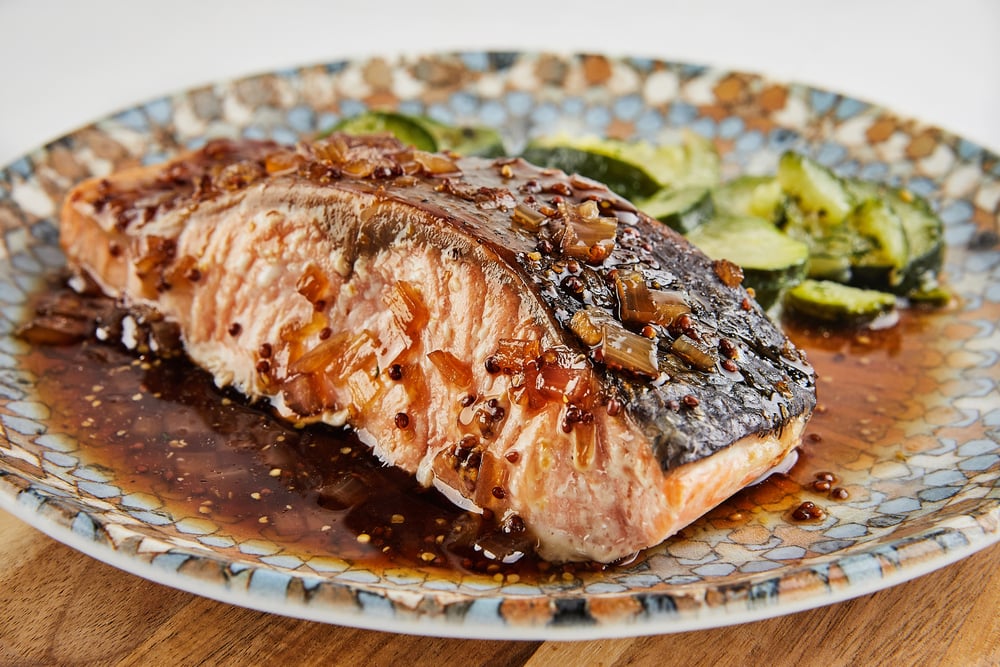
Canadian school lunches change with the seasons—hearty winter stews give way to fresh summer salads featuring whatever’s growing nearby. Maple-glazed salmon, whole grain breads, vegetables from neighboring farms.
Sustainability drives the program through waste reduction, composting, and partnerships with local food producers. Many schools incorporate indigenous foods and cooking methods, teaching students about Canada’s diverse cultural heritage through what they eat.
Denmark

Danish schools use organic ingredients and creative cooking to make healthy food actually appealing to kids. Open-faced sandwiches with fresh toppings, hearty soups, vegetable preparations that disguise nutrition in delicious flavors.
The program focuses on teaching students to appreciate quality ingredients and understand food origins. Schools often involve students in meal planning and preparation, creating ownership and excitement around healthy eating habits that stick.
What These Lunch Tables Teach Us
Looking at how different countries feed their students reveals something important: good school meals aren’t just about nutrition at the moment. The most successful programs use lunch as another classroom, teaching sustainability, community cooperation, cultural appreciation alongside proper eating habits.
Countries that invest in quality ingredients, decent facilities, and trained staff consistently see better academic results and healthier students. Feeding children well creates habits and values that last long after they leave school.
Maybe it’s time to rethink what cafeteria food could actually be.
More from Go2Tutors!

- 16 Historical Figures Who Were Nothing Like You Think
- 12 Things Sold in the 80s That Are Now Illegal
- 15 VHS Tapes That Could Be Worth Thousands
- 17 Historical “What Ifs” That Would Have Changed Everything
- 18 TV Shows That Vanished Without a Finale
Like Go2Tutors’s content? Follow us on MSN.