25 Things Tucked Inside The Bathroom Of A ’70S Home
There’s something almost archaeological about walking into a bathroom that hasn’t been touched since 1974. The colors hit you first — avocado, harvest gold, a shade of brown that has no modern name — and then the details start revealing themselves, one strange, specific artifact at a time.
If you grew up in a house built or decorated during that decade, certain objects probably feel less like memories and more like facts of life: things that were just there, on the edge of the sink or mounted to the tile wall, as permanent and unremarkable as the grout. For everyone else, these bathrooms are a time capsule — and a surprisingly rich one.
Avocado Green Fixtures
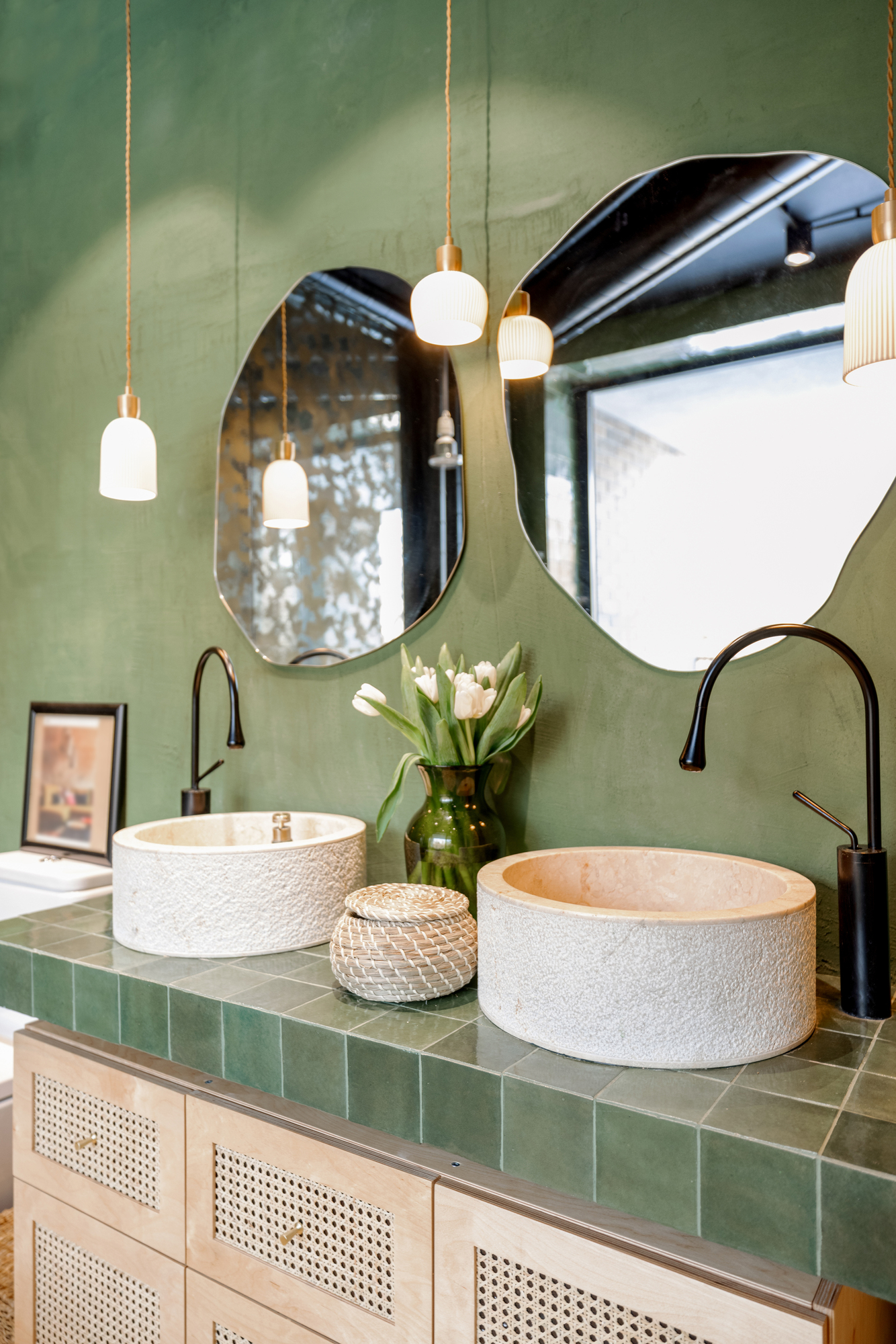
The sink, the tub, the toilet — all the same color, all avocado green. It wasn’t an accent, it was a commitment.
Homeowners in the ’70s didn’t coordinate a room so much as they surrendered to it entirely.
Harvest Gold Towels
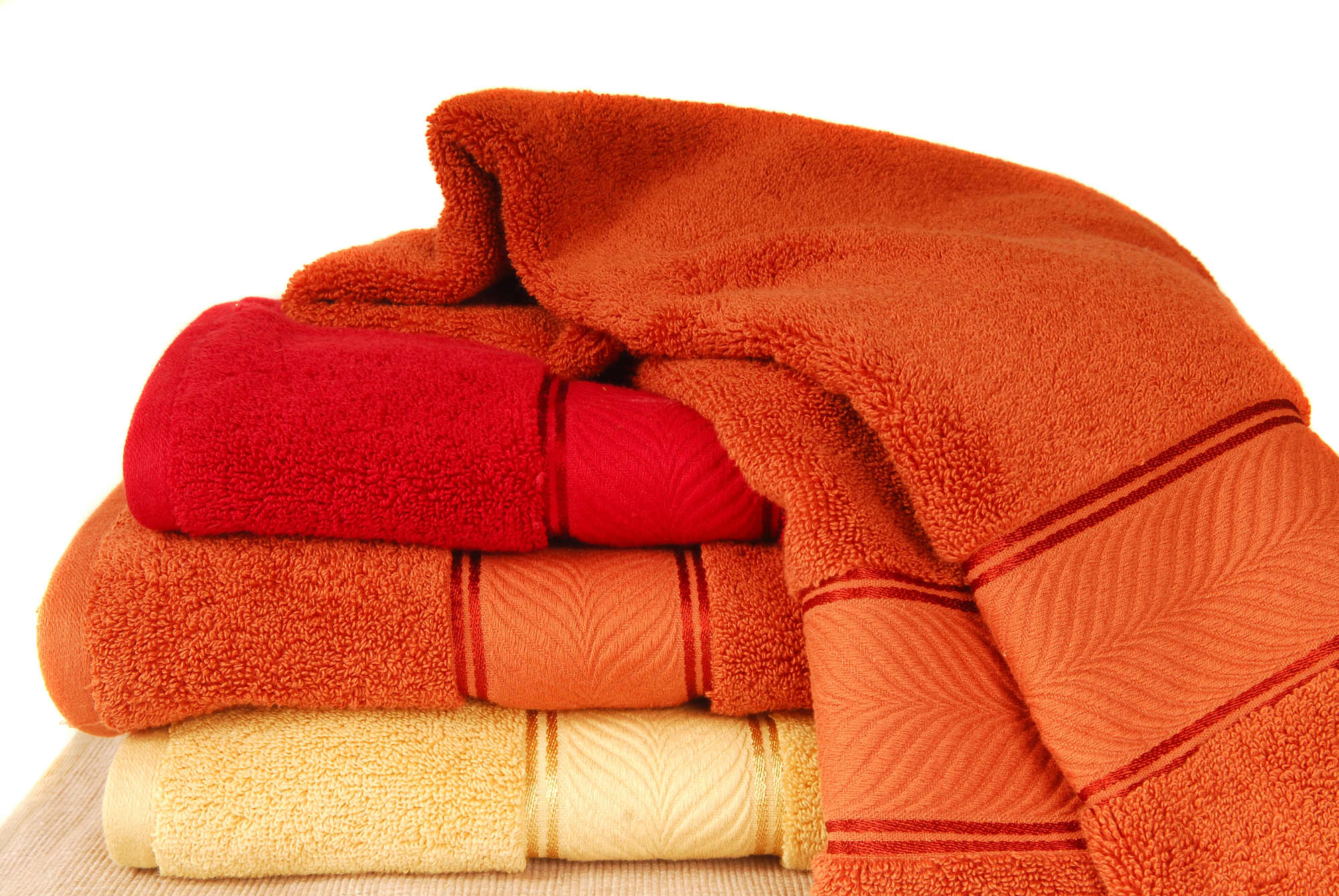
Harvest gold was the decade’s answer to a question nobody had asked. It showed up on towels, bath mats, and shower curtains with the confidence of someone who genuinely believes burnt yellow is cheerful.
To be fair, matched sets were a point of real pride — a coordinated bathroom was a sign that you had things together.
Shag Toilet Lid Cover
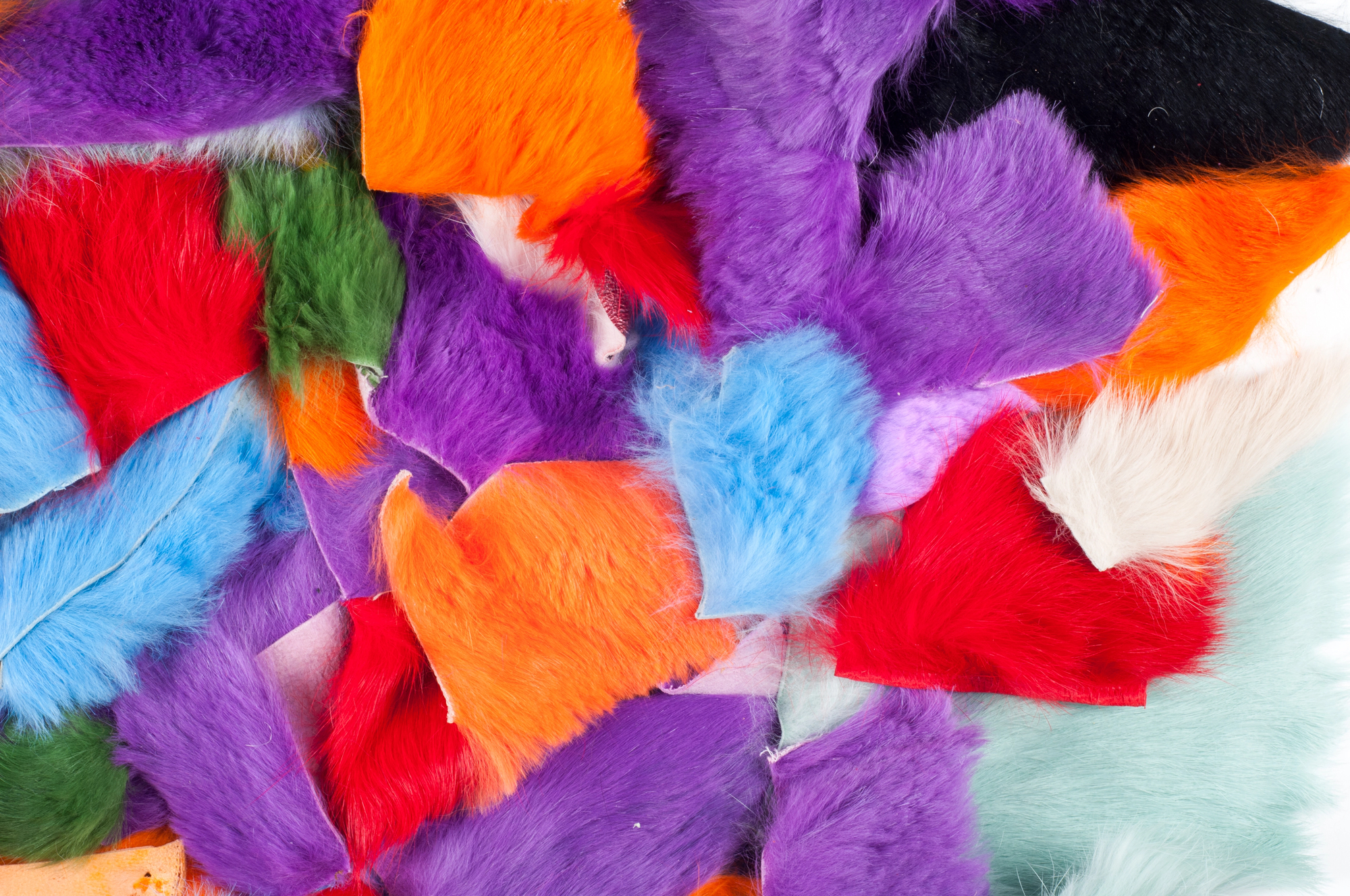
There’s something stubborn and oddly committed about a shag carpet toilet lid cover — the kind that gripped the porcelain lid in burnt orange acrylic and refused, absolutely refused, to be practical. It shed fibers into everything, collected moisture, and served no real function that a bare lid couldn’t serve better, and yet there it sat, decade after decade, in millions of American homes.
So it persisted, the way bad ideas with good texture tend to.
Wall-Mounted Hair Dryer
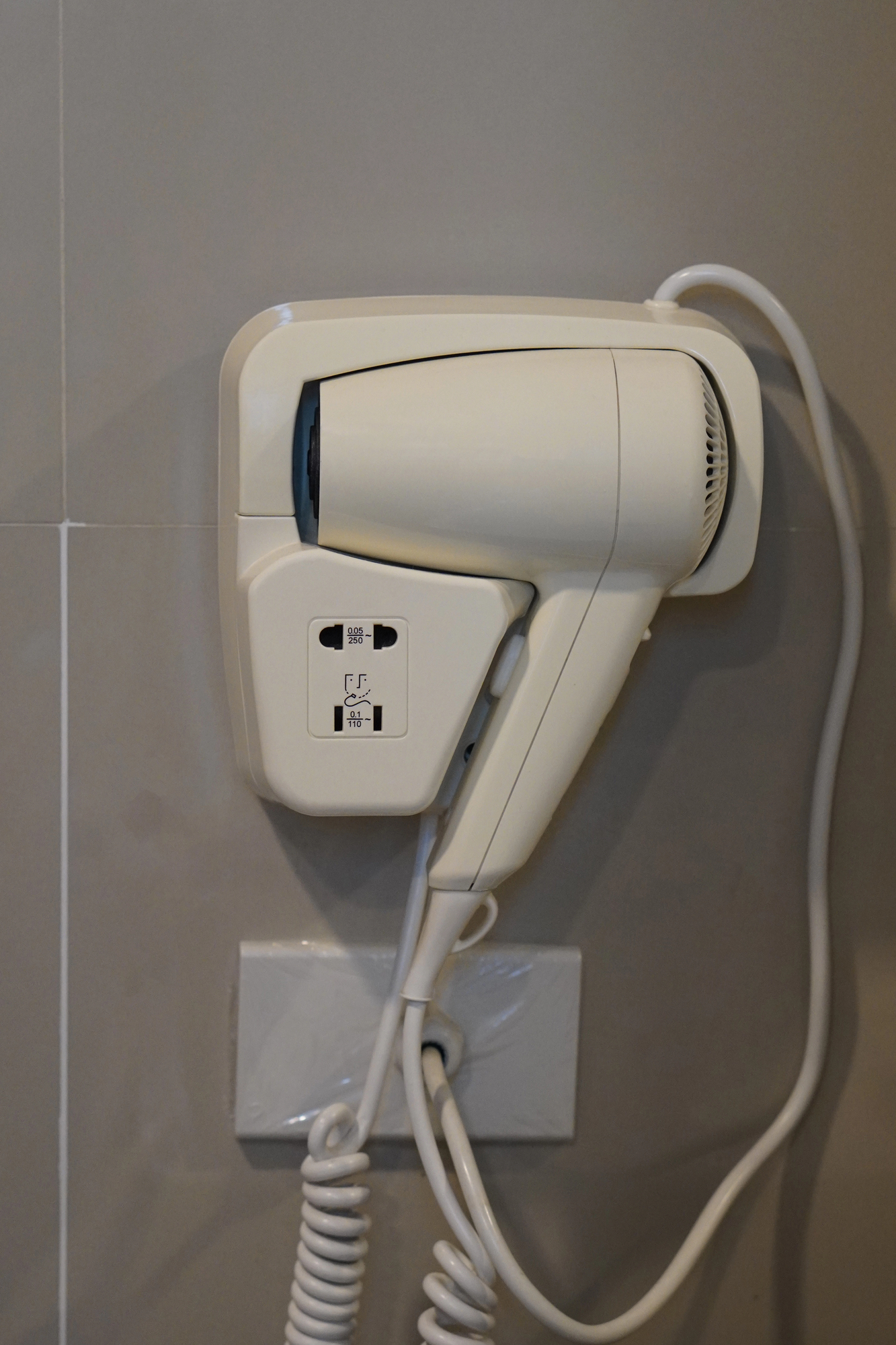
The wall-mounted bonnet hair dryer was a fixture, not a tool. It hung on the bathroom wall like a piece of equipment from a mid-century salon — and in many ways, that’s exactly what it was trying to be.
You sat under the hood, you waited, and the experience was the point.
Pink Soap in A Shell-Shaped Dish
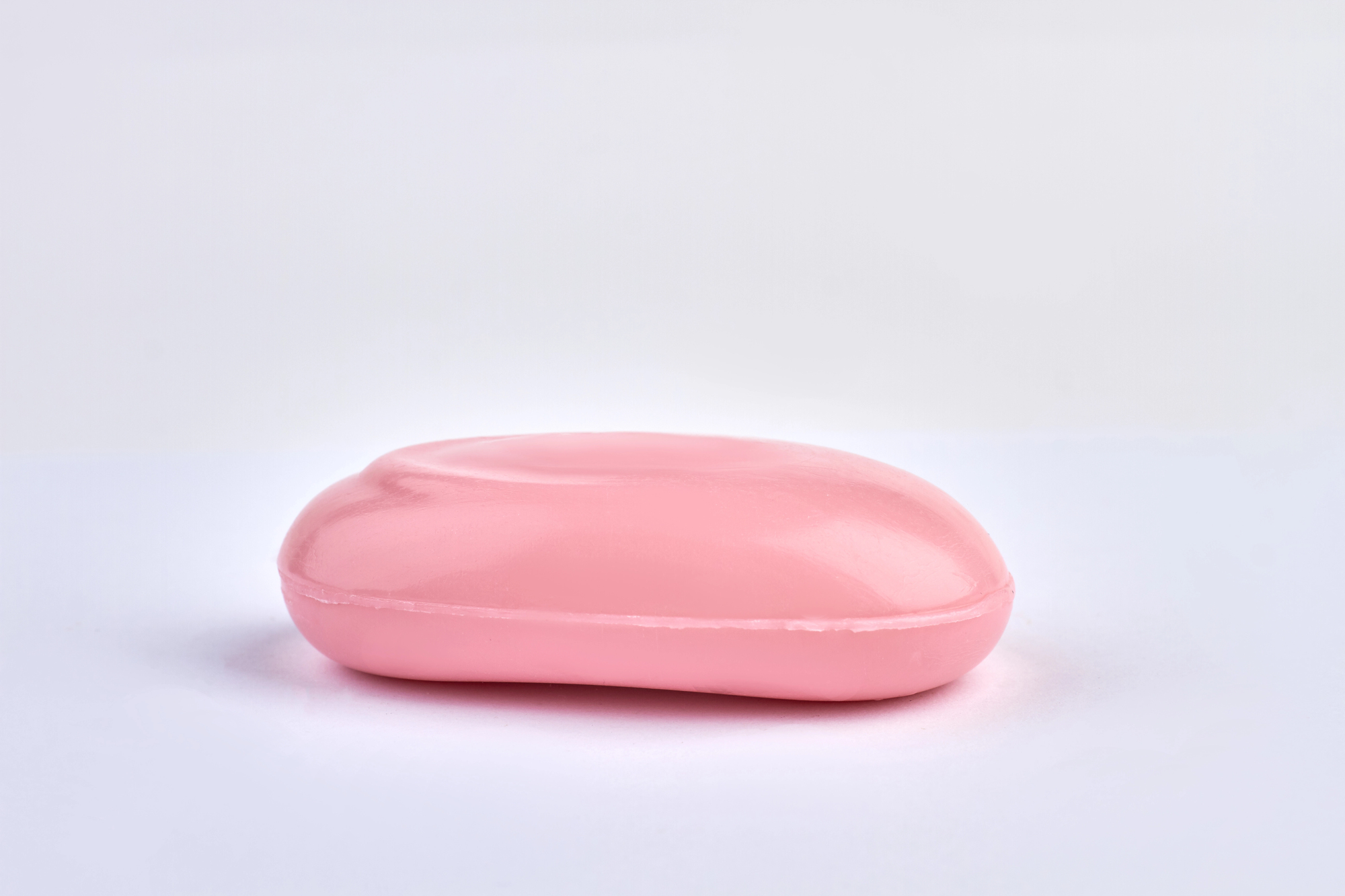
The guest soap situation in a ’70s bathroom was essentially a still life — small, decorative, molded into a shell or rose shape, and positioned inside a dish that matched nothing and everything at once. These soaps were never used; using the guest soap was somewhere between a social violation and a minor act of vandalism.
They sat there like ornaments, slowly drying into something closer to sculpture than hygiene product.
Aqua Net Hairspray
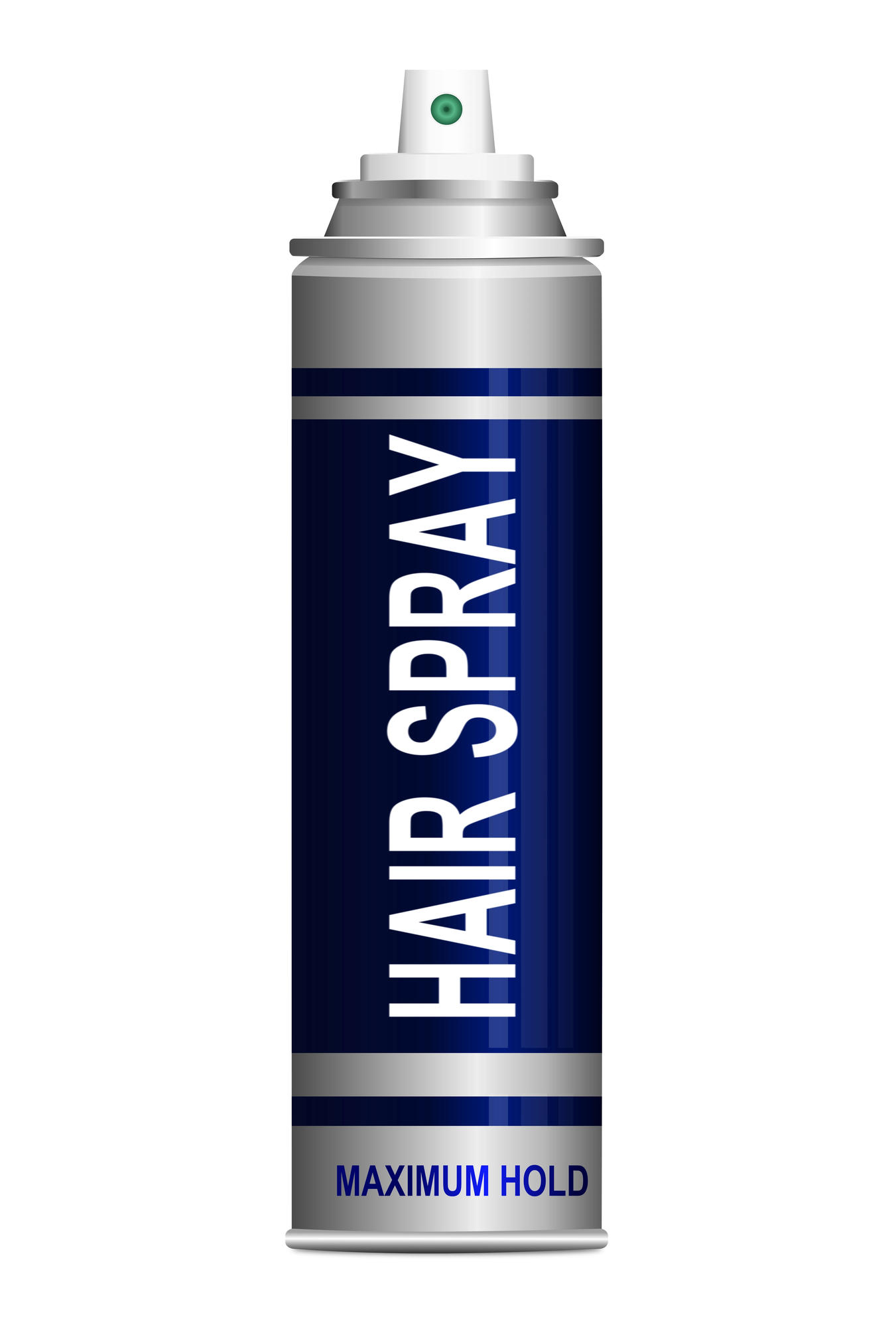
Aqua Net earned its place on the bathroom shelf and held it through sheer volume of use. It came in an aerosol can — large, pink, and unambiguous about what it was there to do.
Hair went up, hair stayed up, and the bathroom smelled like a lacquer factory for the rest of the morning.
Lemon-Scented Soft Scrub Or Comet
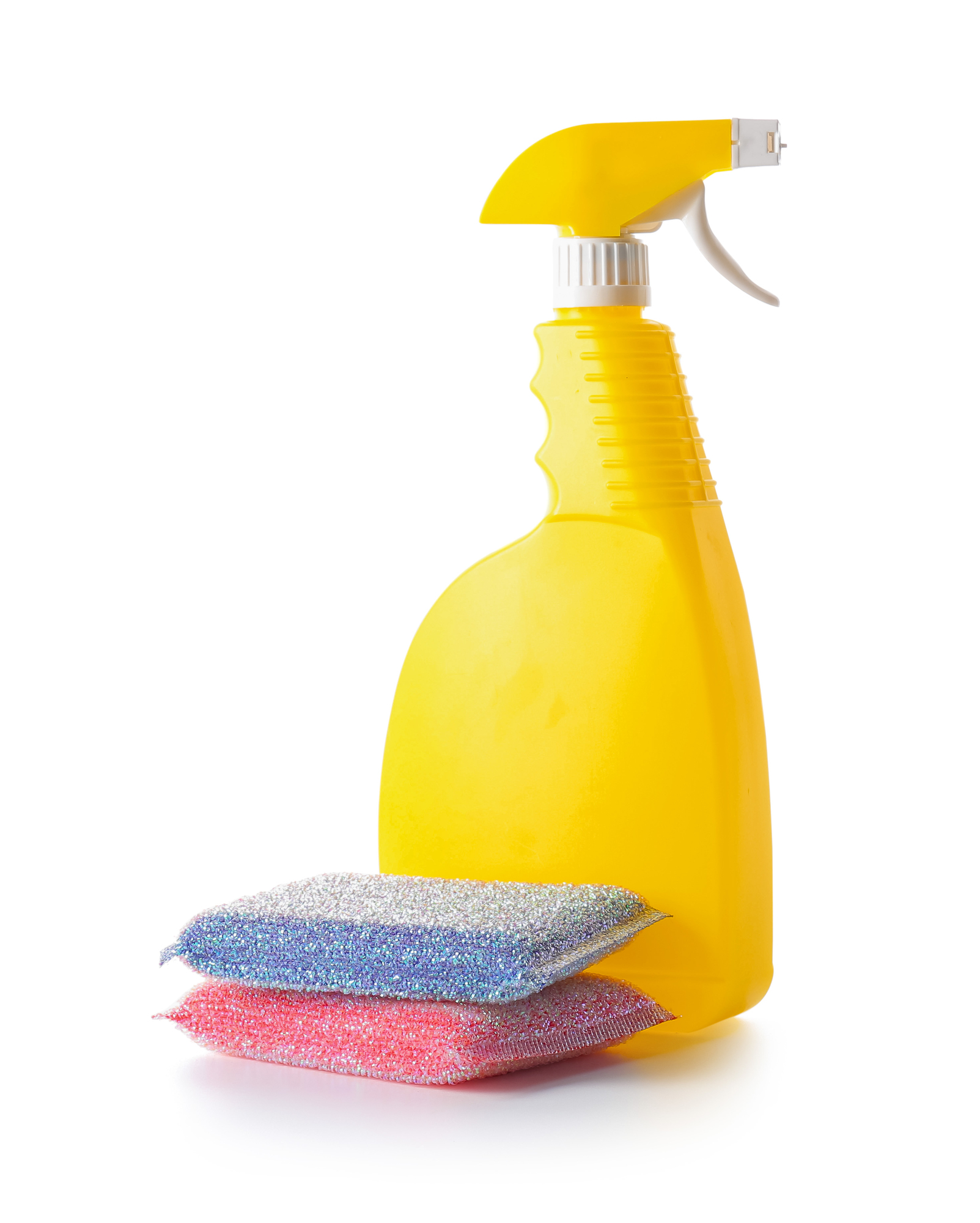
Cleaning products in a ’70s bathroom didn’t hide under the sink; they lived out in the open on the edge of the tub, slightly gritty at the nozzle, never quite rinsed off the porcelain entirely. Comet, with its green can and its powdery blue contents, was a constant presence — less a cleaning product than a piece of permanent furniture.
The lemon scent was optimistic in a way that the actual result rarely matched.
Wallpaper With A Floral Or Geometric Pattern
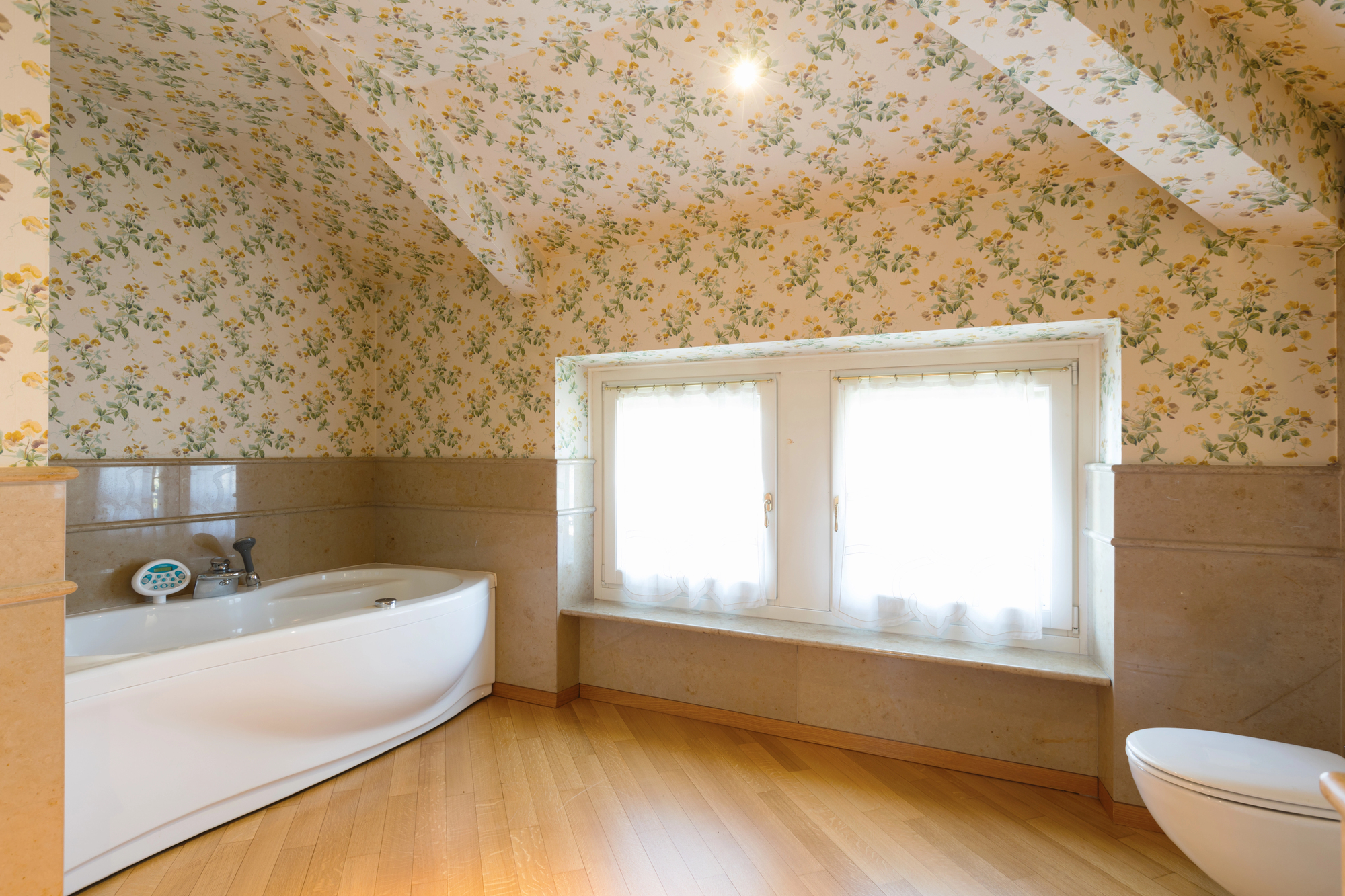
A ’70s bathroom without wallpaper was like a stage without a set — technically functional, but visually incomplete. The patterns ranged from oversized daisies to interlocking geometric shapes in brown and tan, often running floor to ceiling with no apology.
And somehow, in the small contained space of a bathroom, those patterns felt less overwhelming than they had any right to.
A Plug-In Electric Razor
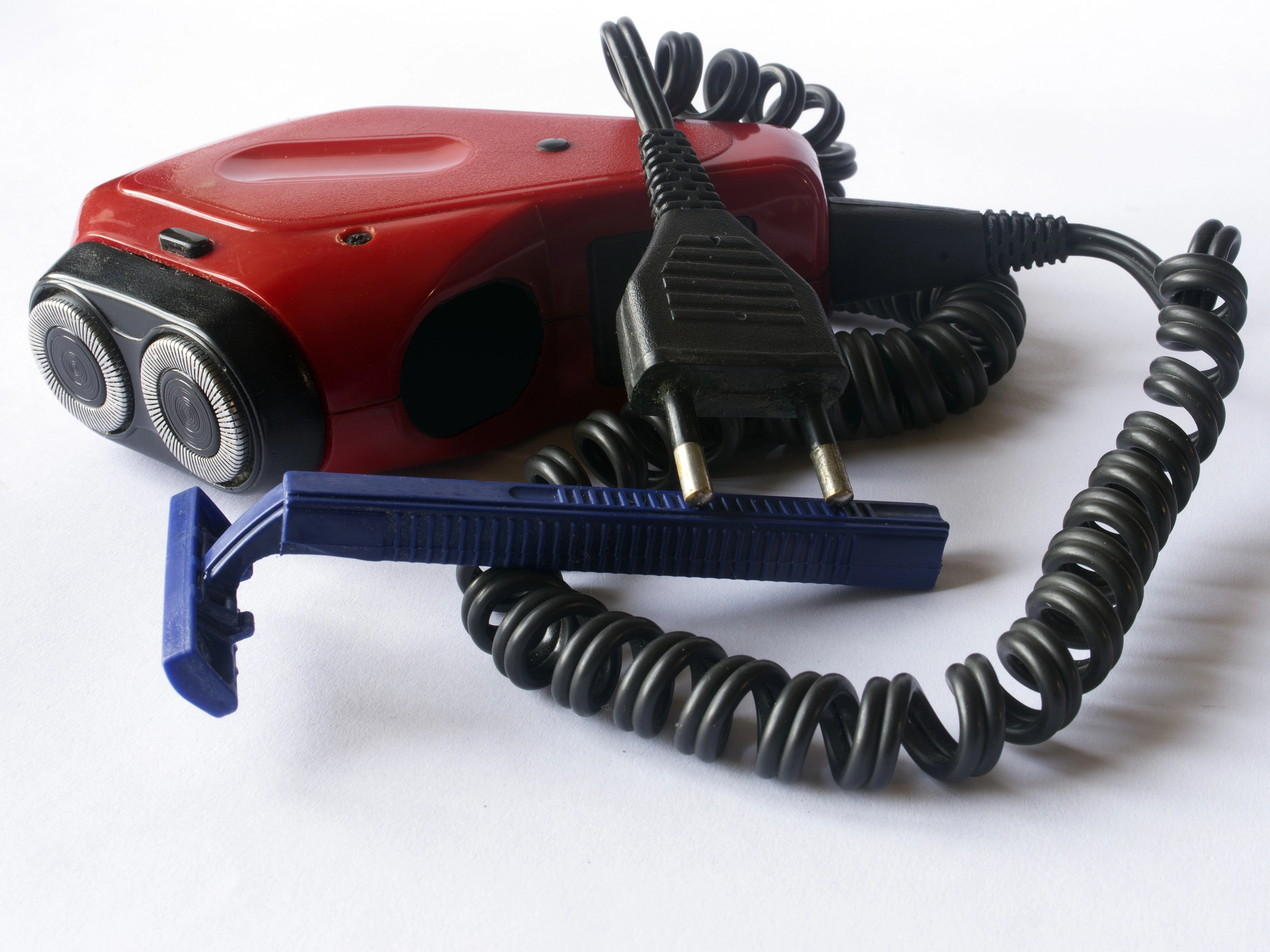
The plug-in electric razor was always on the vanity, always slightly warm from recent use, and always trailing a cord that looped over the faucet. Norelco and Remington owned the decade’s faces.
It wasn’t elegant, but it was efficient in a way that felt distinctly mid-century American: loud, reliable, and absolutely not going anywhere.
Johnson’s Baby Powder
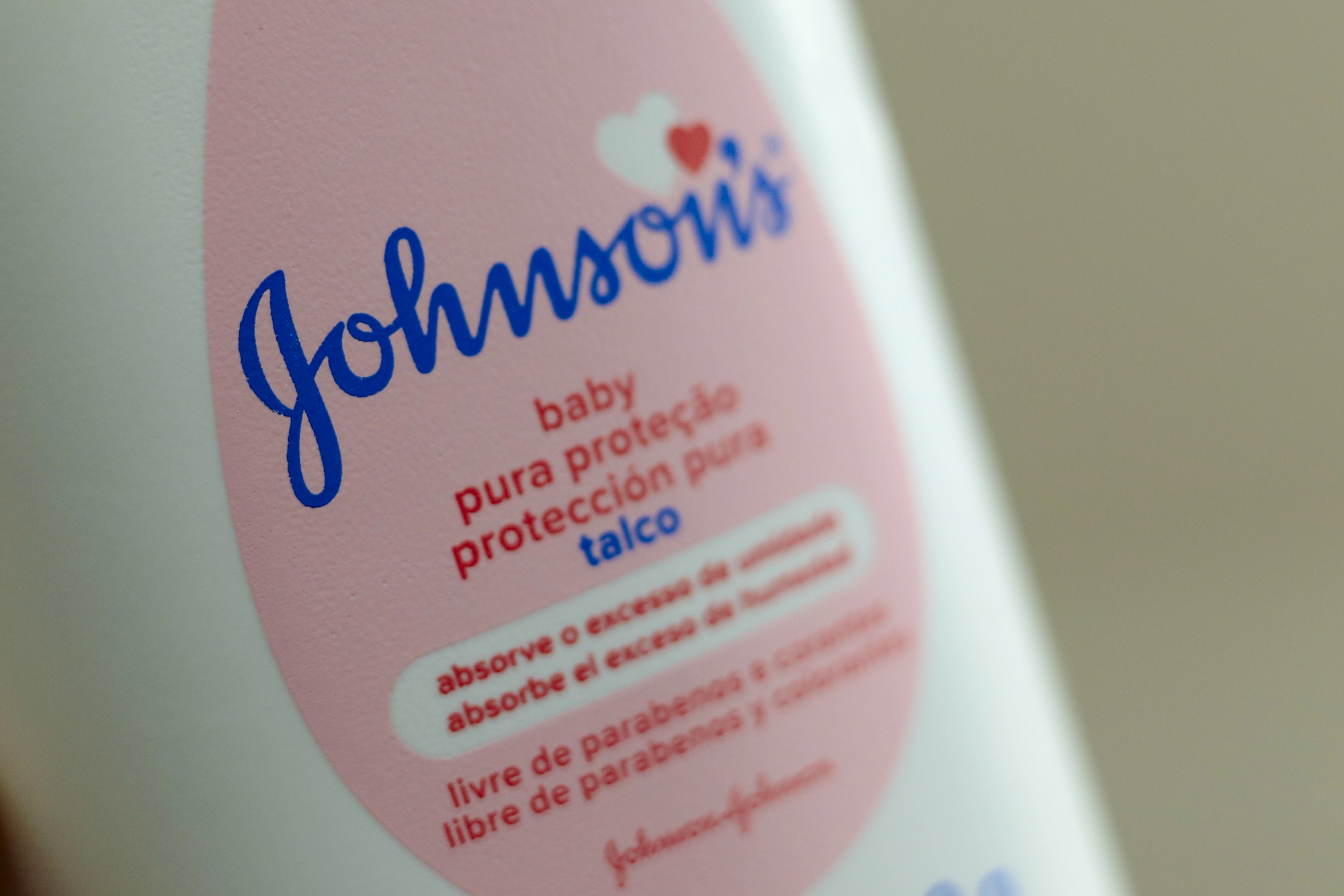
Johnson’s Baby Powder was used by everyone in a ’70s home, not just babies. It lived on the counter or the back of the toilet tank, the top slightly caked from humidity, the scent indistinguishable from the decade itself.
Dusting yourself with talc after a shower was simply what you did — the ritual hadn’t been questioned yet.
A Framed Piece Of Bathroom Humor
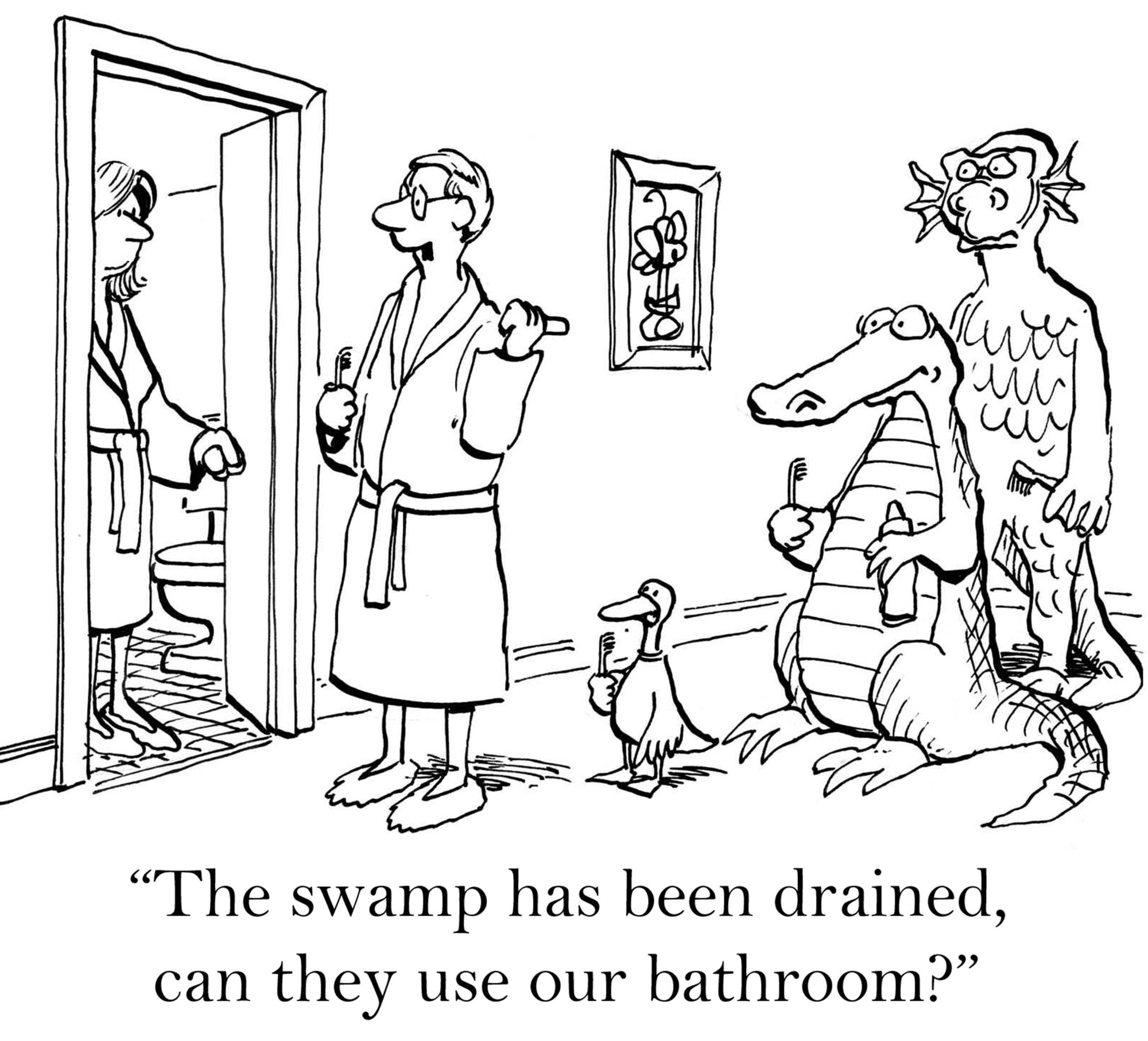
The ’70s bathroom almost always had one joke on the wall — a small framed print, a novelty sign, something about what goes on in here staying in here. It was low-key wit in a room that otherwise took itself very seriously in terms of décor.
These prints were purchased at gift shops and pharmacies and treated like genuine artwork.
Pink Or Mint Green Tile
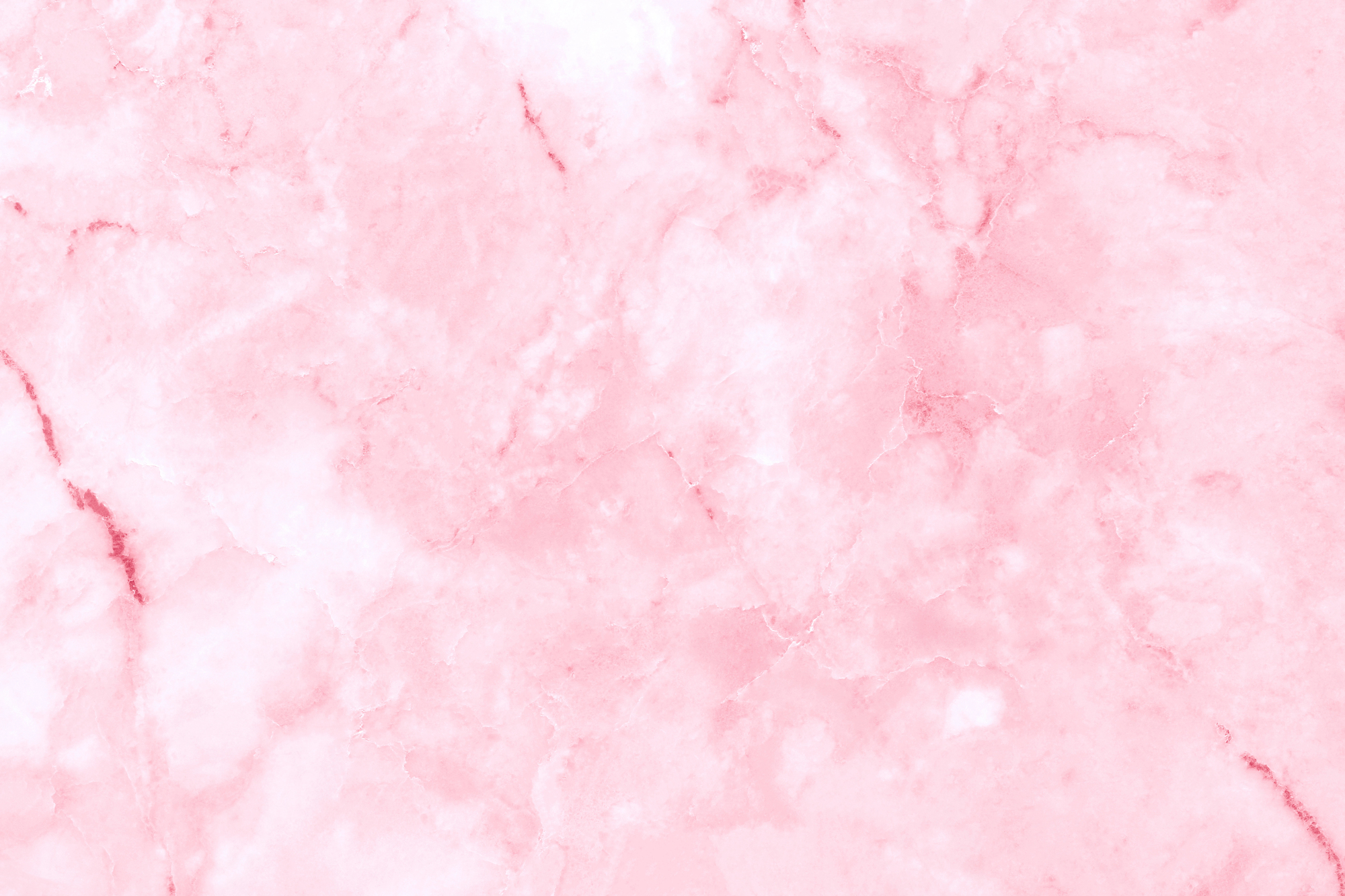
Pink and mint green tile didn’t appear in ’70s bathrooms so much as they colonized them — floor to ceiling, sometimes with a contrasting border, occasionally in a checkerboard that vibrated slightly if you stared too long. These tile jobs came from the ’50s and survived well into the ’70s simply because nobody was ready to tear out a functioning bathroom over a color preference.
The grout between them, always white, always eventually gray, was its own small story.
A Rug Set Over The Tile Floor
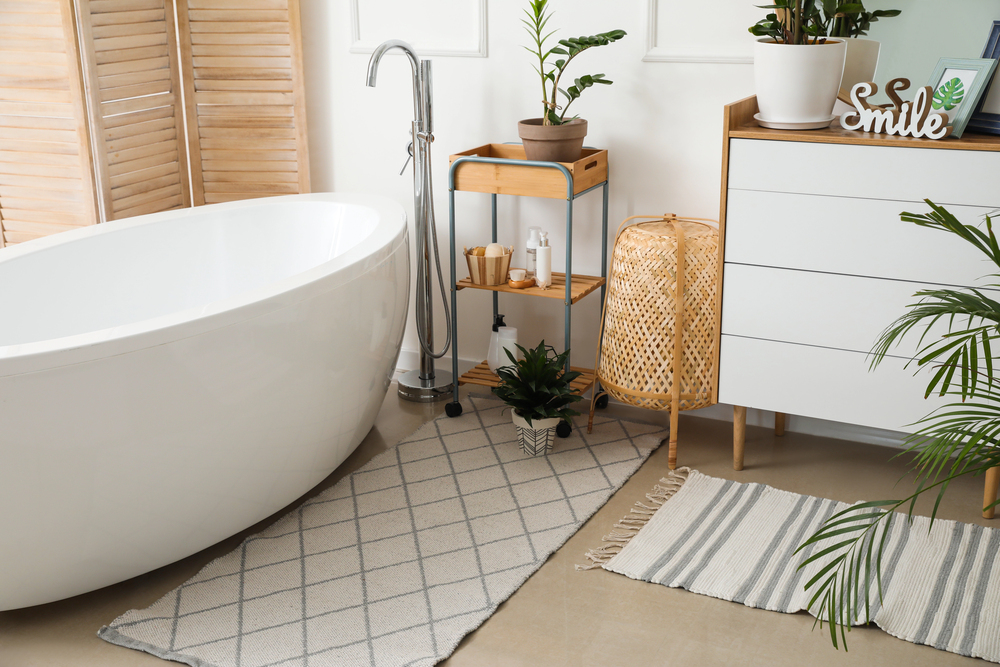
The three-piece bathroom rug set — the large mat, the small contour rug around the toilet base, and the toilet lid cover — came as a matched unit and functioned as the room’s anchor. They soaked up water, collected everything a floor collects, and needed washing with a frequency that most households never quite achieved.
But they were soft underfoot on cold mornings, and that counted for something real.
Dial Soap On A Soap Dish
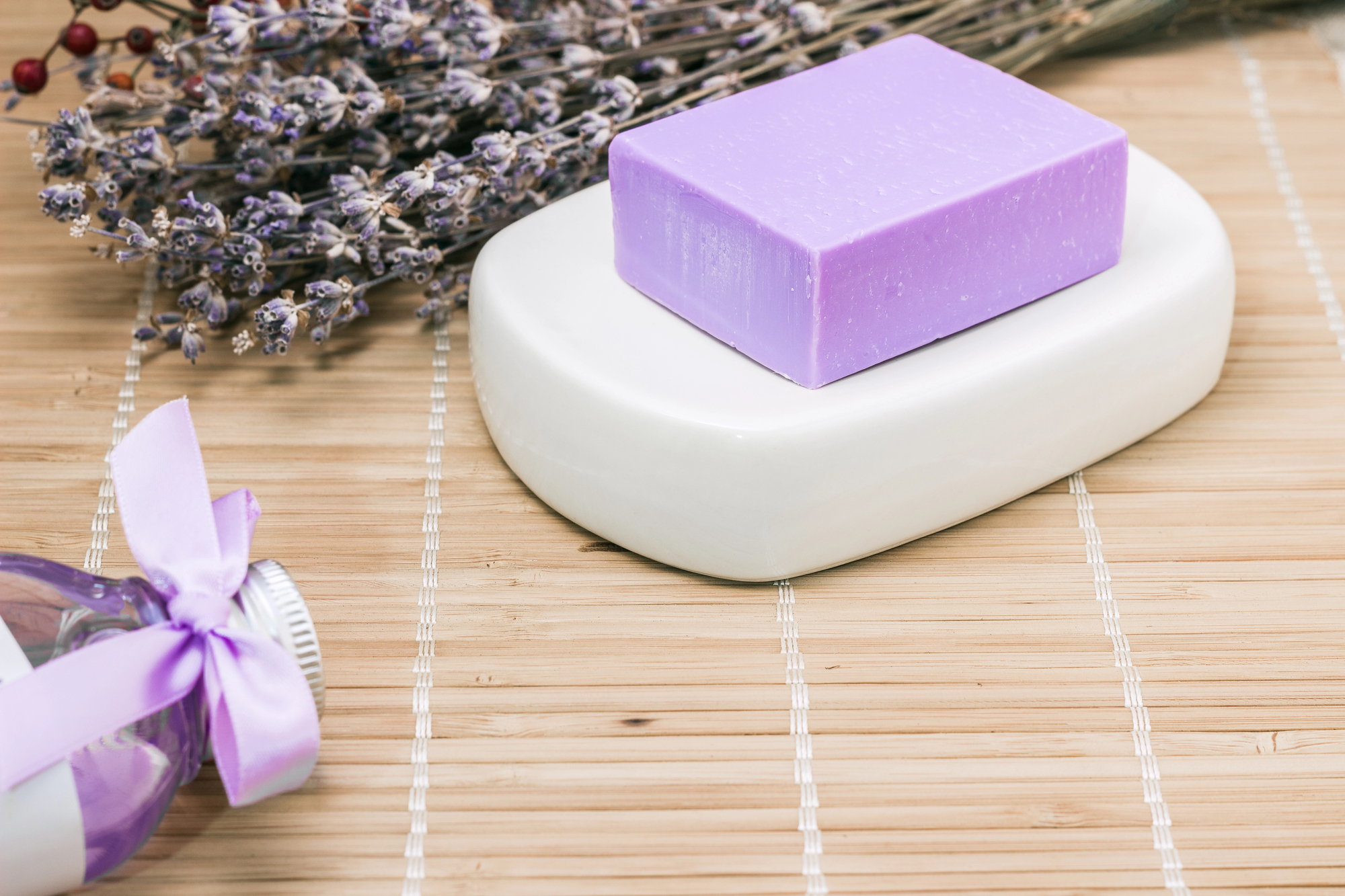
Dial gold bar soap was the default — not a preference, just the condition of the bathroom. It sat in a plastic or ceramic soap dish (sometimes wall-mounted, sometimes balanced on the sink rim) and eventually dissolved into a thin, translucent wafer that clung to the dish for weeks before anyone addressed it.
The soap dish itself was almost always a color that matched nothing else in the room.
Revlon Flex Conditioner
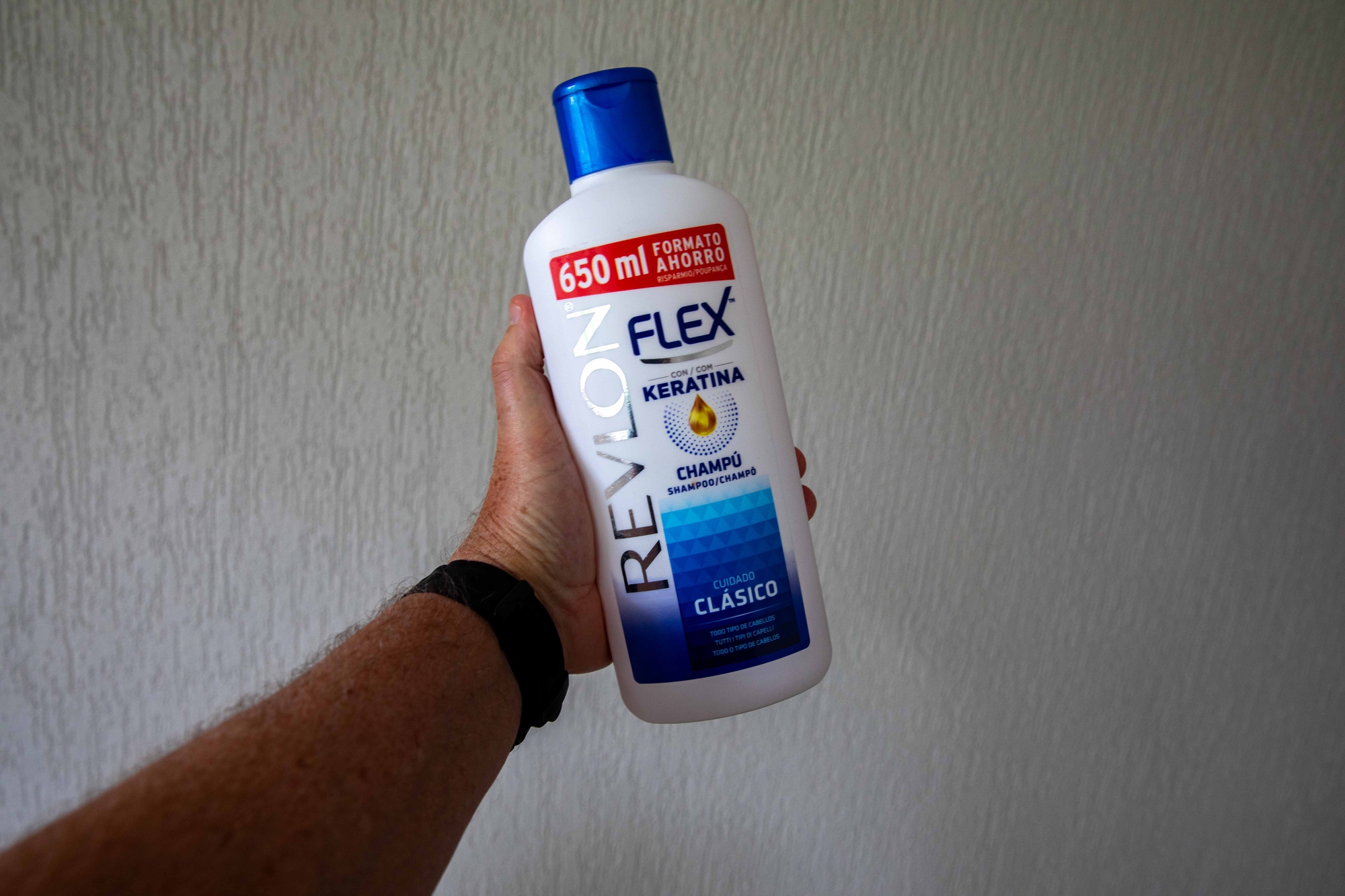
Revlon Flex conditioner, with its sturdy brown bottle and its promise of “body and bounce,” was one of the first mass-market conditioners to land in American bathrooms at scale — and in the ’70s, it was everywhere. The bottle felt serious, almost pharmaceutical.
It meant the bathroom’s occupants had opinions about their hair, and those opinions were documented in product form.
A Medicine Cabinet With A Mirrored Door

The mirrored medicine cabinet was the ’70s bathroom’s primary storage solution and its most reliable design feature. Behind that mirror: prescription bottles from the early part of the decade, a rusting can of Barbasol, old Band-Aid tins, and at least one bottle of something no one could identify.
The hinge always squeaked. Nobody fixed the hinge.
Mercurochrome Or Merthiolate
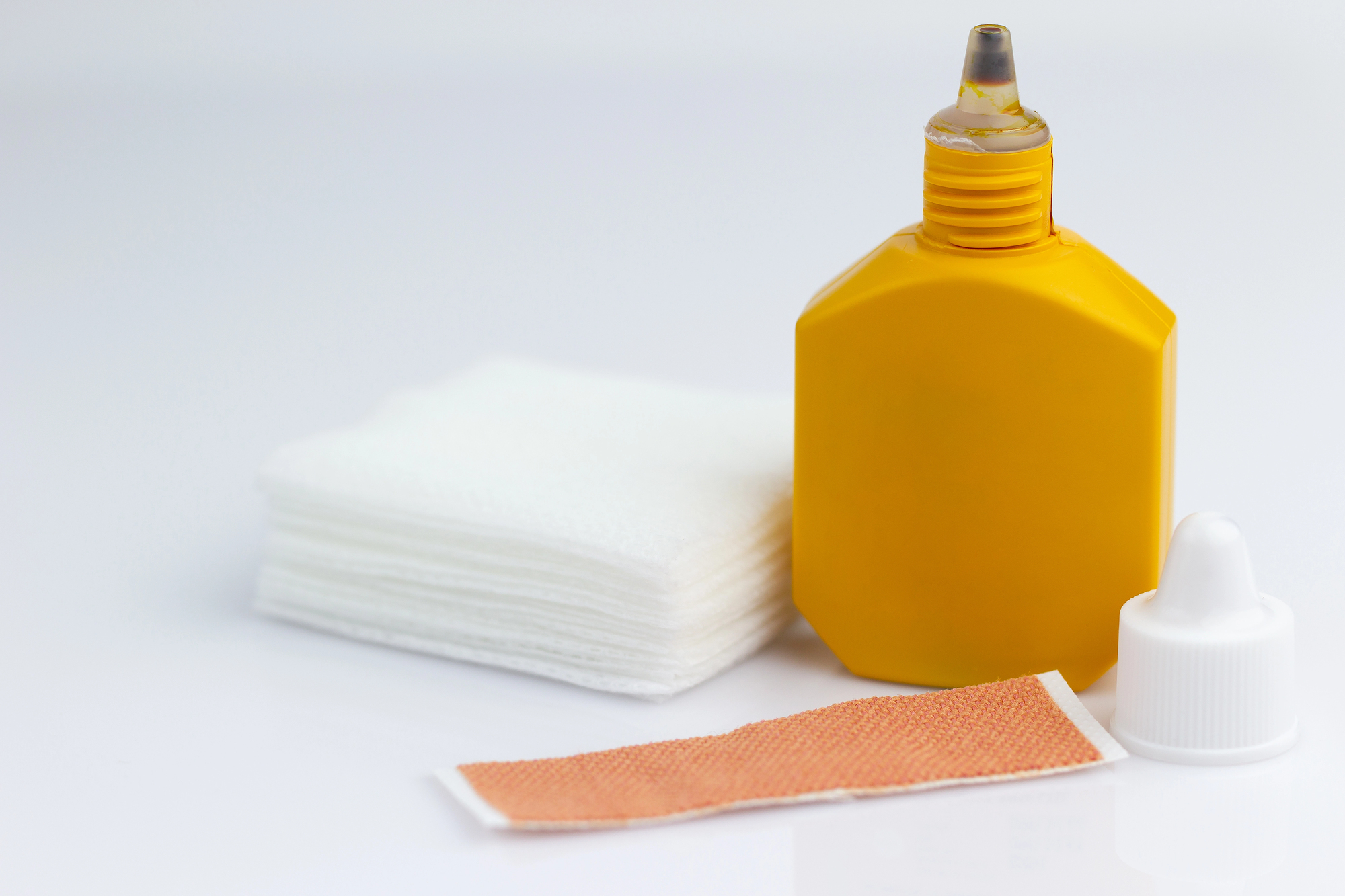
Mercurochrome and Merthiolate were the antiseptics of choice before concerns about mercury content gradually pushed them out of medicine cabinets in the late ’70s and into the ’80s. They stained skin a vivid orange-red, and that stain lasted long enough to be a visible record of what had gone wrong.
Getting a cut in a ’70s household meant looking like you’d lost an argument with a rust bucket for the next week.
Brut Or English Leather Cologne
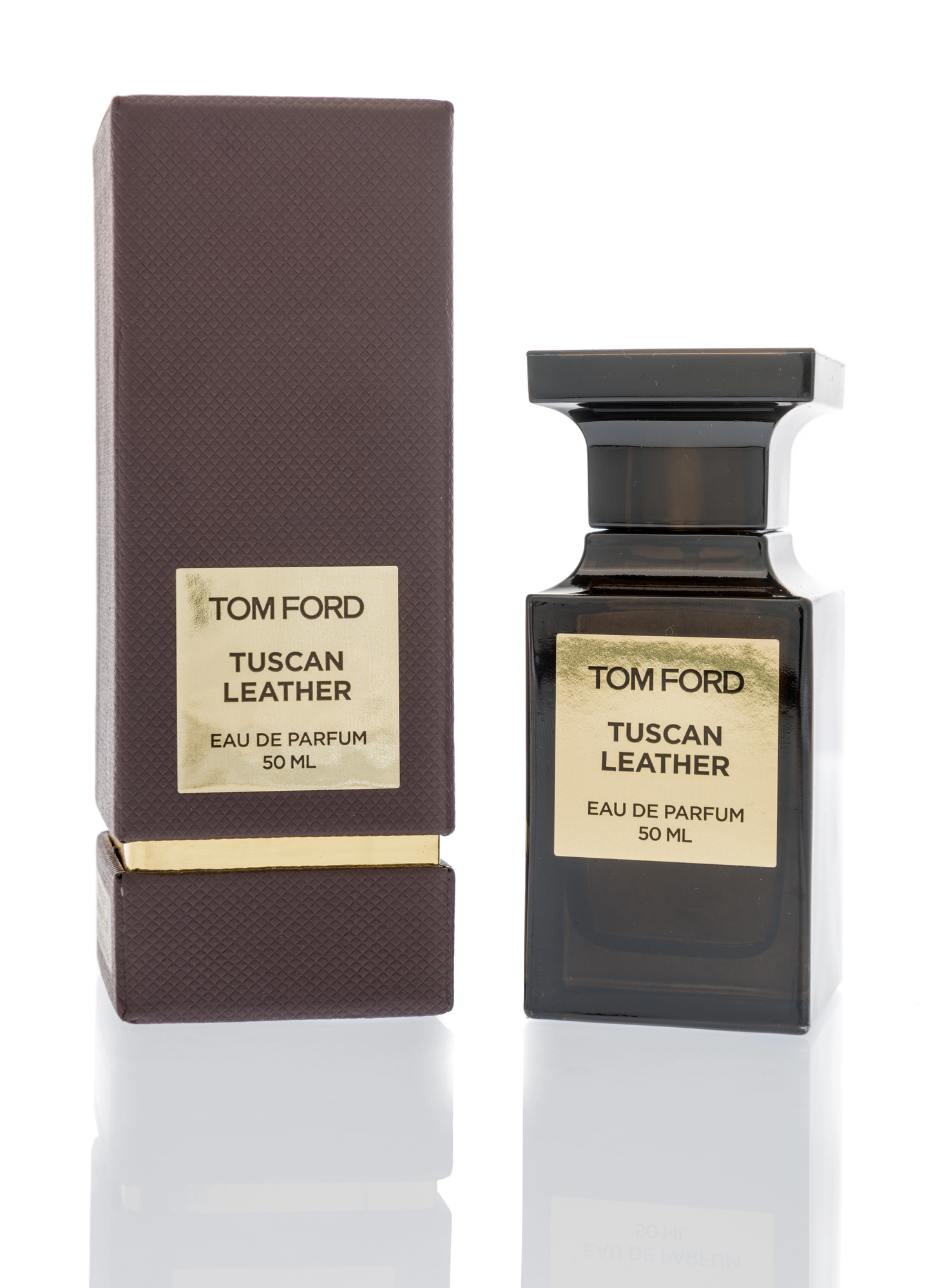
The cologne situation on a ’70s bathroom shelf was direct and unapologetic: a bottle of Brut or English Leather, heavy glass, sitting next to the electric razor like a sidekick. These weren’t subtle fragrances; they announced themselves from across the room and held the announcement for hours.
The bottles themselves were objects — shaped and weighted in ways that felt more like hardware than cosmetics.
A Hanging Ivy Plant
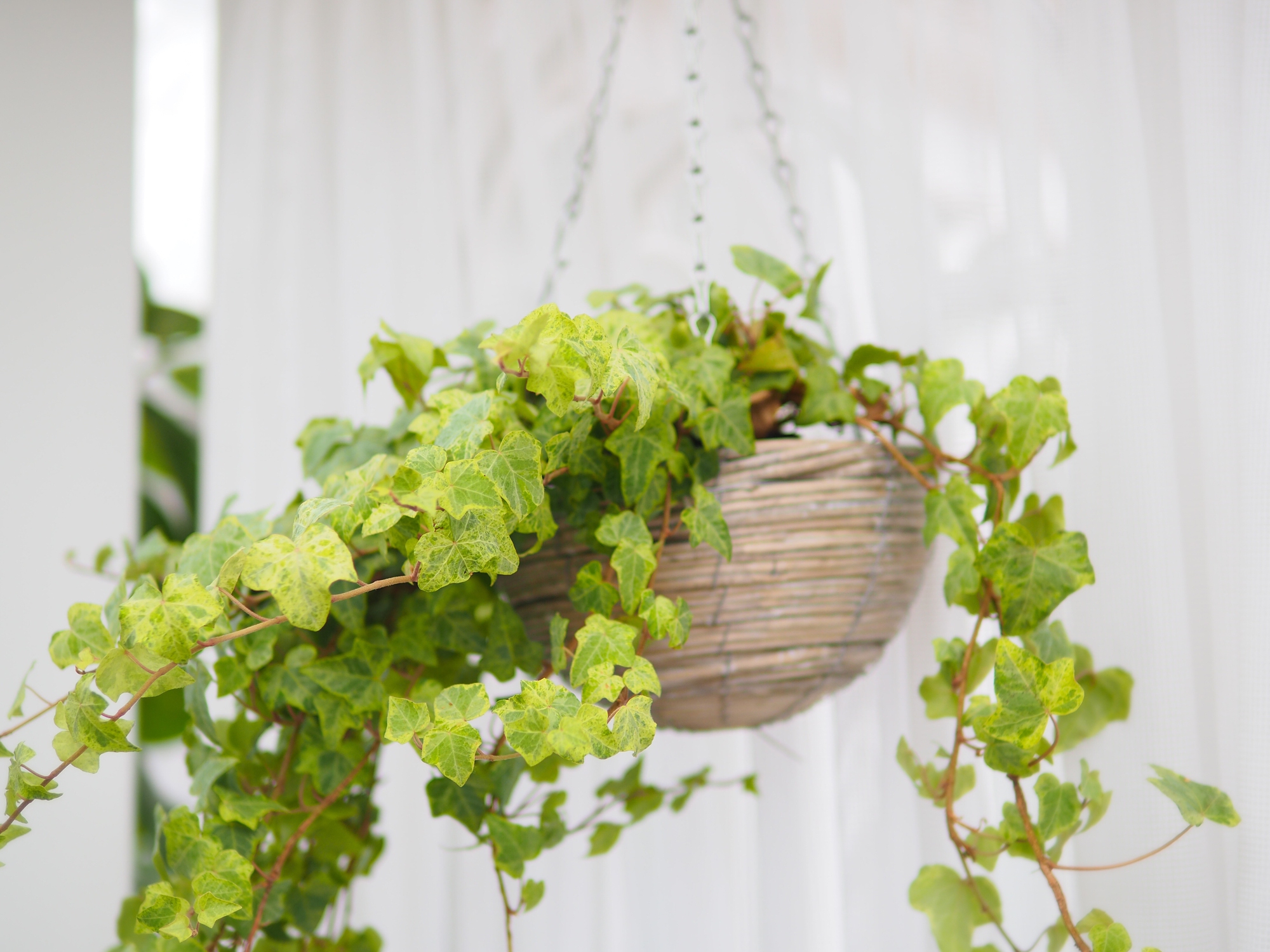
Hanging plants in bathrooms were taken seriously in the ’70s, and ivy was the top choice — looping down from a macramé hanger over the tub or near the window, thriving on humidity in a way that almost felt purposeful. The macramé hanger was likely made by someone in the household.
Plants and craft were both on the approved list of domestic activities that decade.
Prell Shampoo
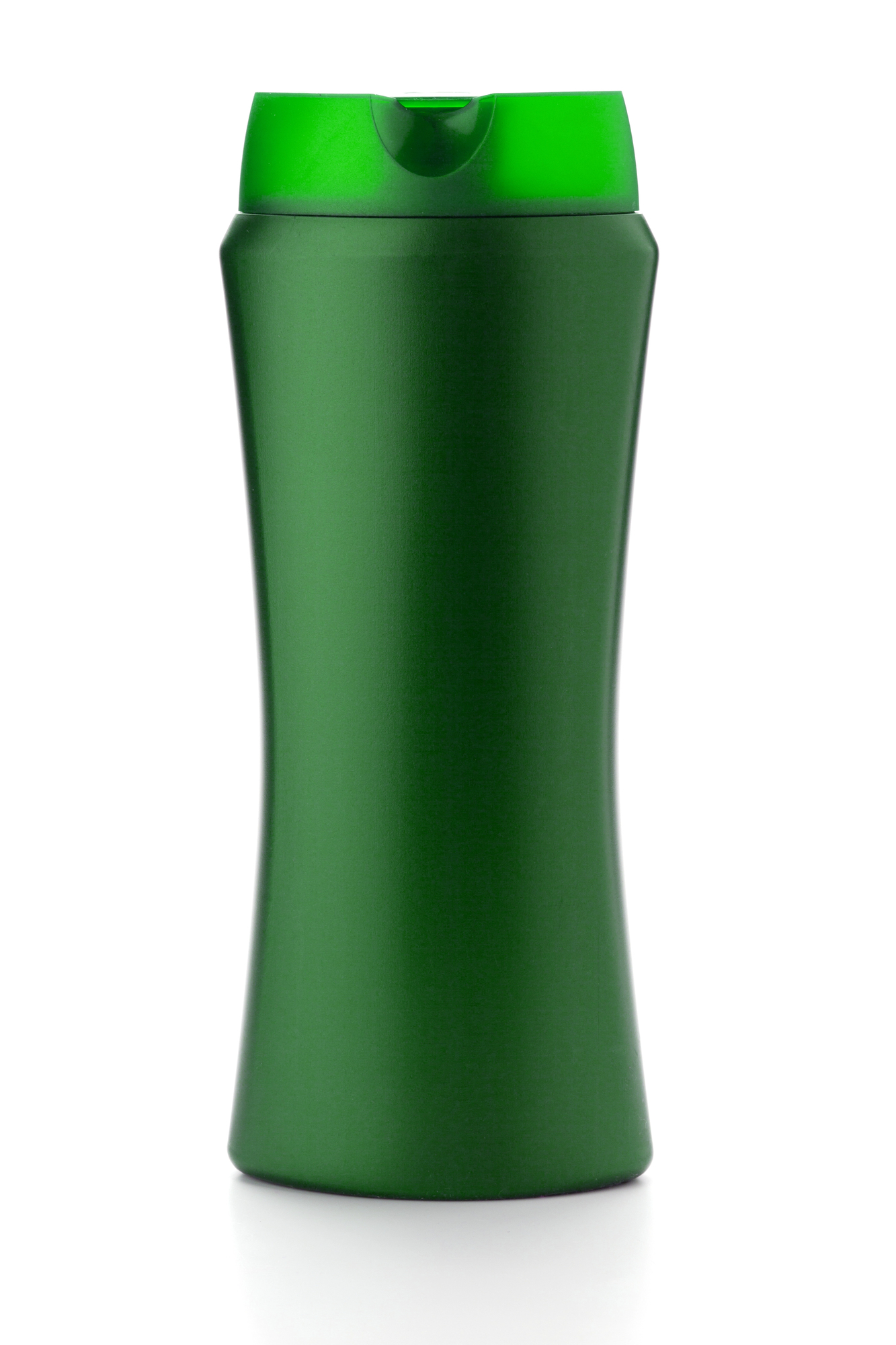
Prell shampoo came in a concentrate so thick it moved like liquid glass in the green tube, and the TV ads spent considerable time demonstrating this with a pearl dropped into the bottle. It was one of the most recognizable objects in any ’70s bathroom — the color, the weight of the tube, the specific clean-chemical smell.
Shampoo had personality back then, or at least it had a visual identity strong enough to remember fifty years later.
Suction Cup Appliques On The Tub
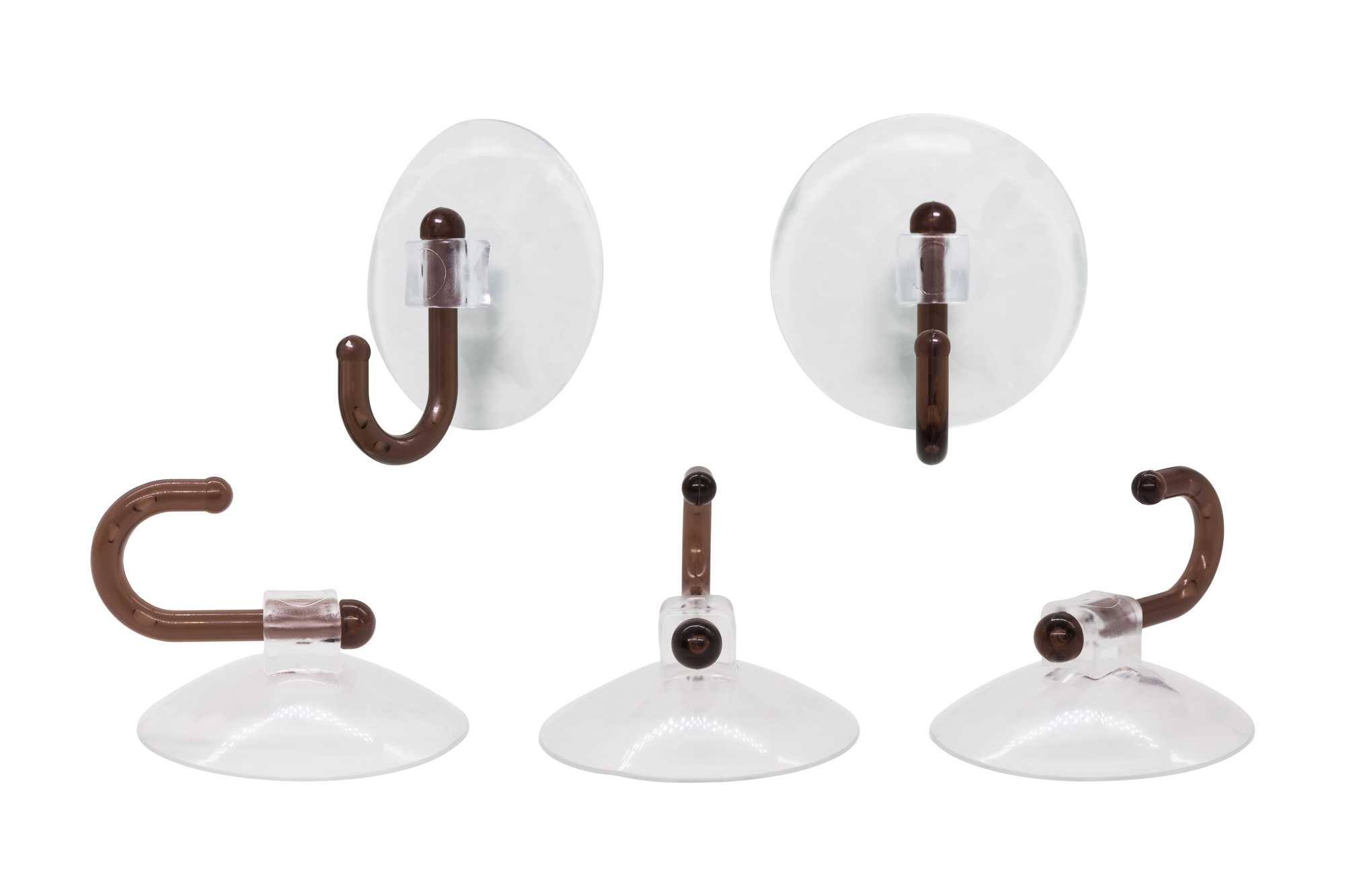
Flower-shaped or fish-shaped suction cup appliques on the floor of the bathtub were a genuine safety product that somehow became a decorating convention. Daisies in white or yellow, stuck to pale green porcelain, doing double duty as non-slip surface and aesthetic contribution.
The suction wore out before anyone replaced them, and by the end they were mostly decorative in the least effective way possible.
A Tiny Wicker Wastebasket
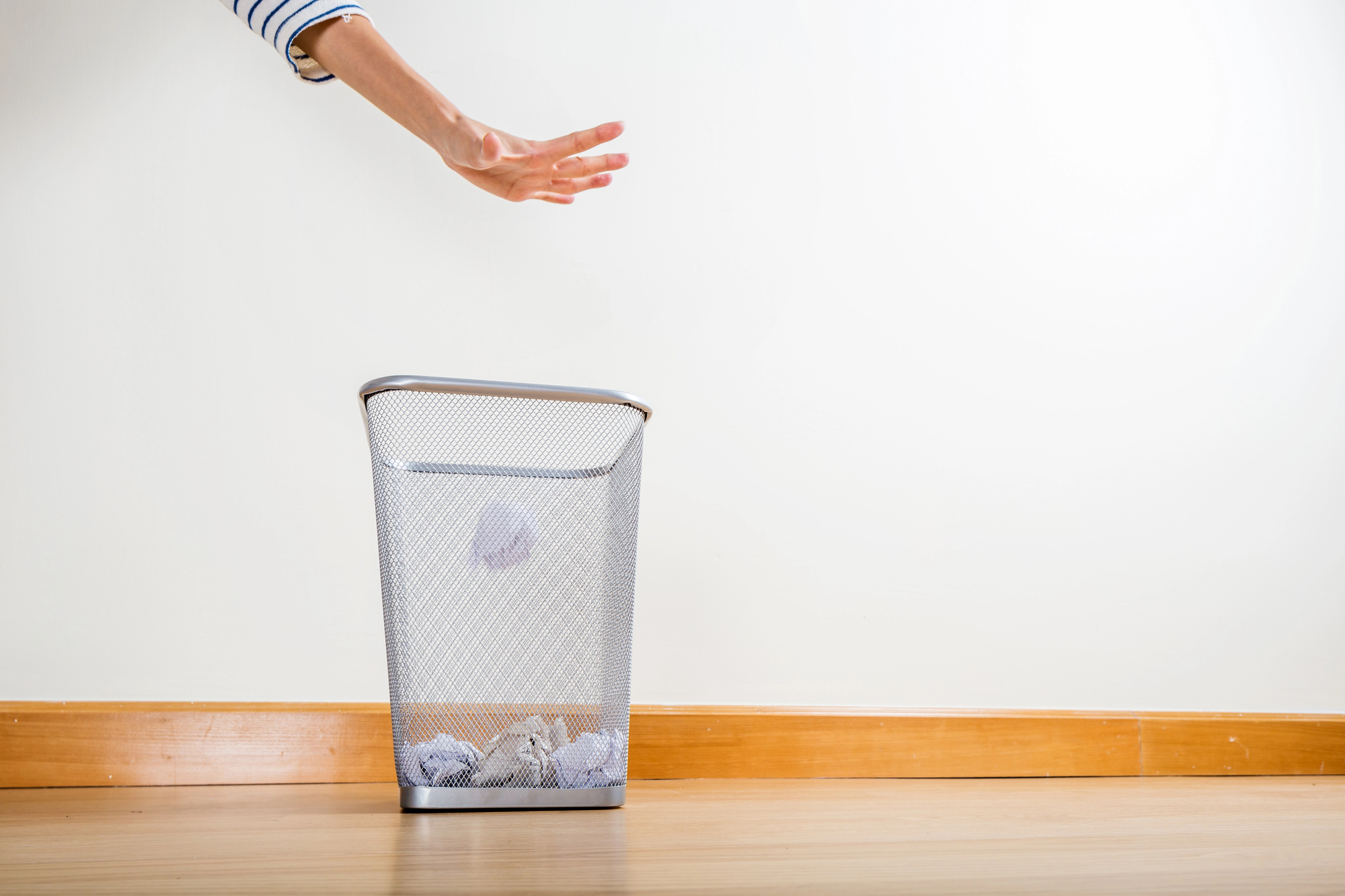
The wicker wastebasket was small, open-topped, and completely unsuited for anything wet — which, in a bathroom, is most things. It sat in the corner or beside the toilet with the confidence of an object that had never reconsidered itself.
Lining it with a plastic bag was optional; actually doing so was less common than logic would suggest.
A Night Light Plugged Into The Outlet
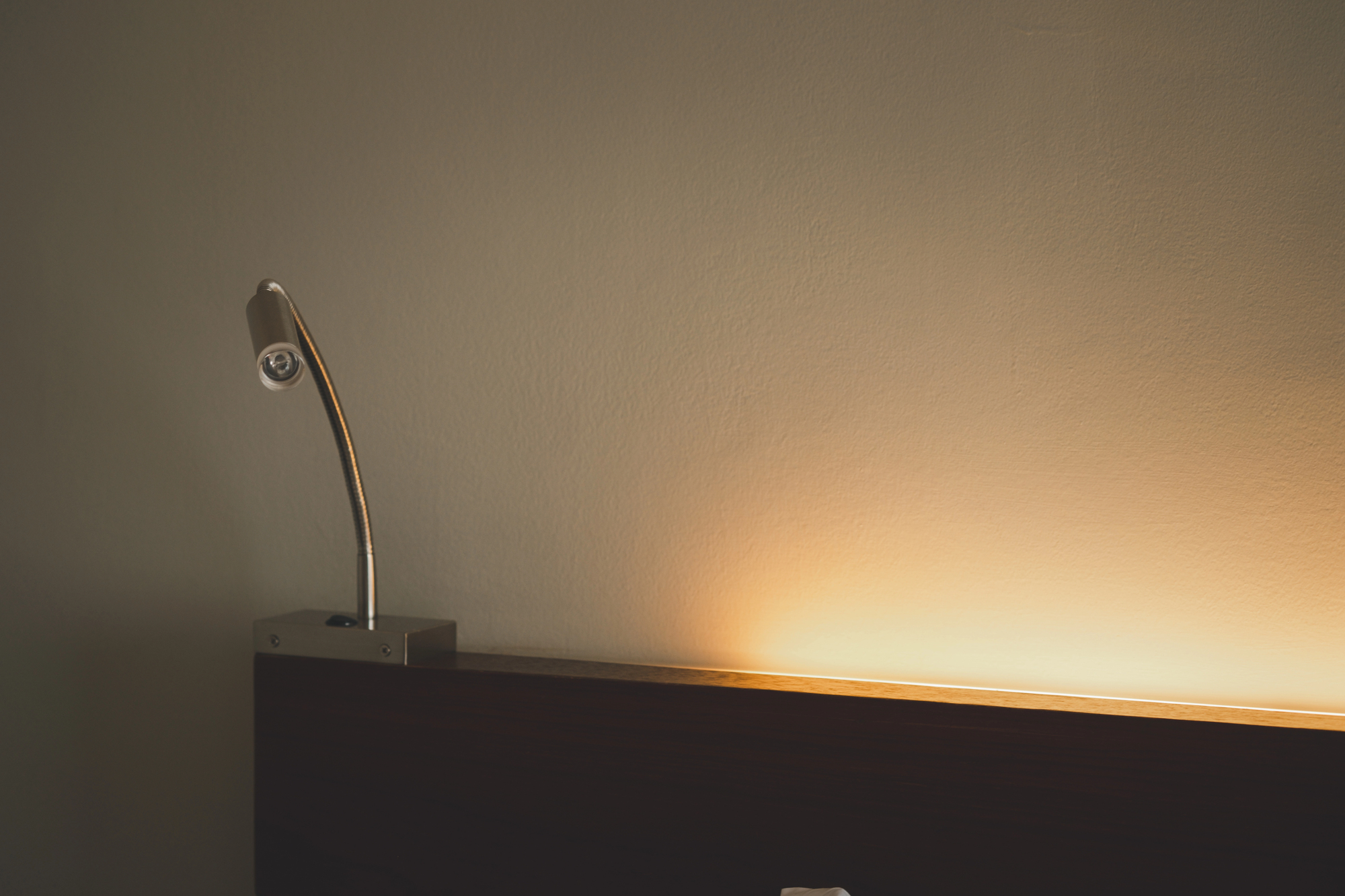
The plug-in night light in a ’70s bathroom was a small amber or orange glow at outlet level — the kind that created just enough light to navigate by at 2 a.m. without triggering full consciousness. They were practical inventions made in the cheapest possible materials, and they lasted for years anyway, which is more than most practical things manage.
The glow felt warm in the dark, almost apologetically so.
Pepto-Bismol Behind The Mirror
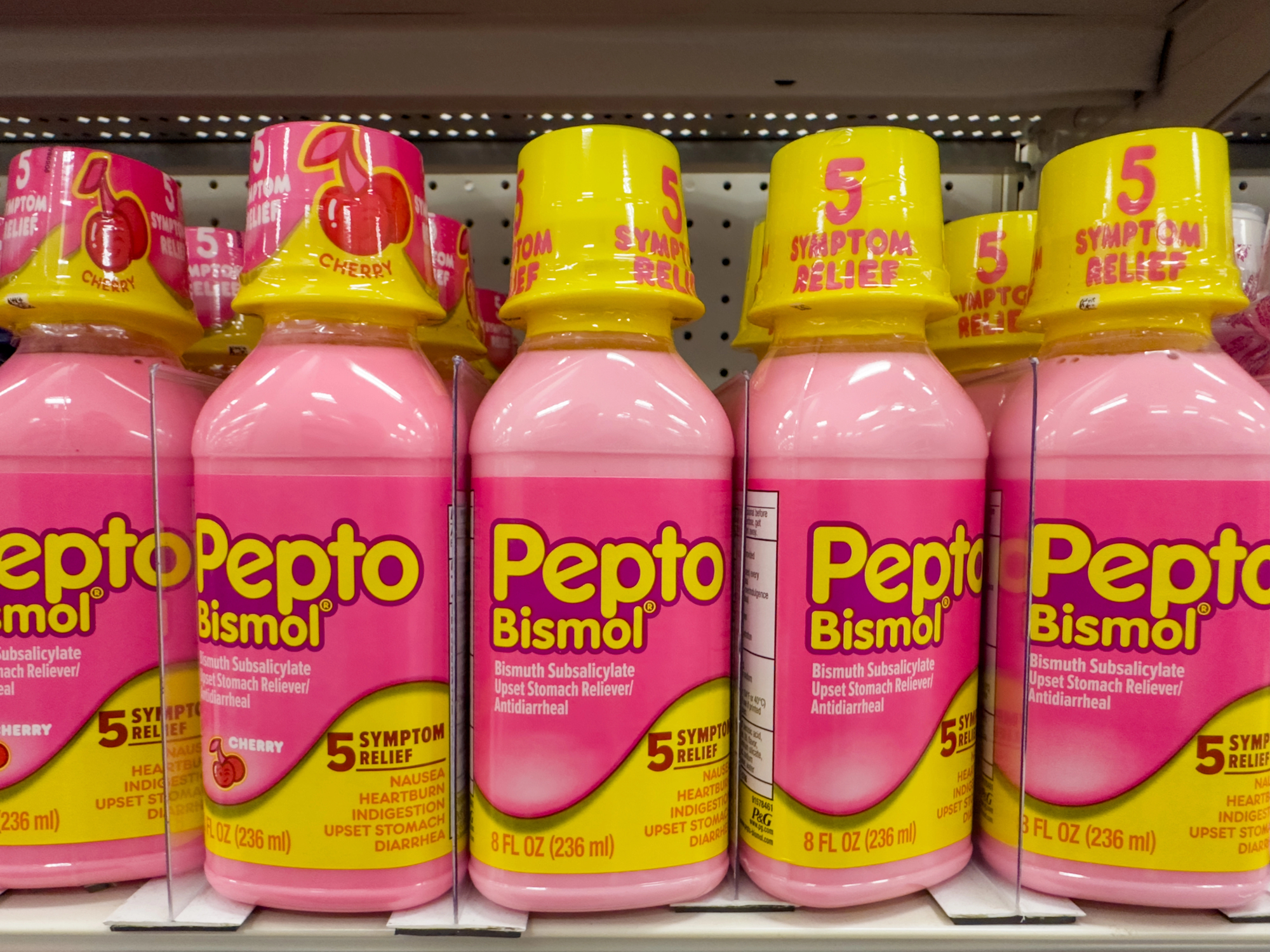
Behind that squeaky medicine cabinet door, Pepto-Bismol was almost always present — the bottle half-empty, the cap slightly pink at the rim, evidence of a recent evening. It’s the kind of medicine that doesn’t need to justify its presence; it’s just there, the way ibuprofen is there now, occupying a permanent slot in the domestic inventory.
Every household had a bottle, and few households could tell you when they bought it.
A Separate Tub And Shower Combination
Most ’70s bathrooms had a tub-shower combo — a standard five-foot cast iron or fiberglass tub with a shower head added above and a curtain rod stretched across. The curtain was always either floral or translucent white, and it always billowed inward during a shower, finding your leg with damp inevitability.
The rod was spring-loaded, and it fell down at least once.
What The Grout Remembers
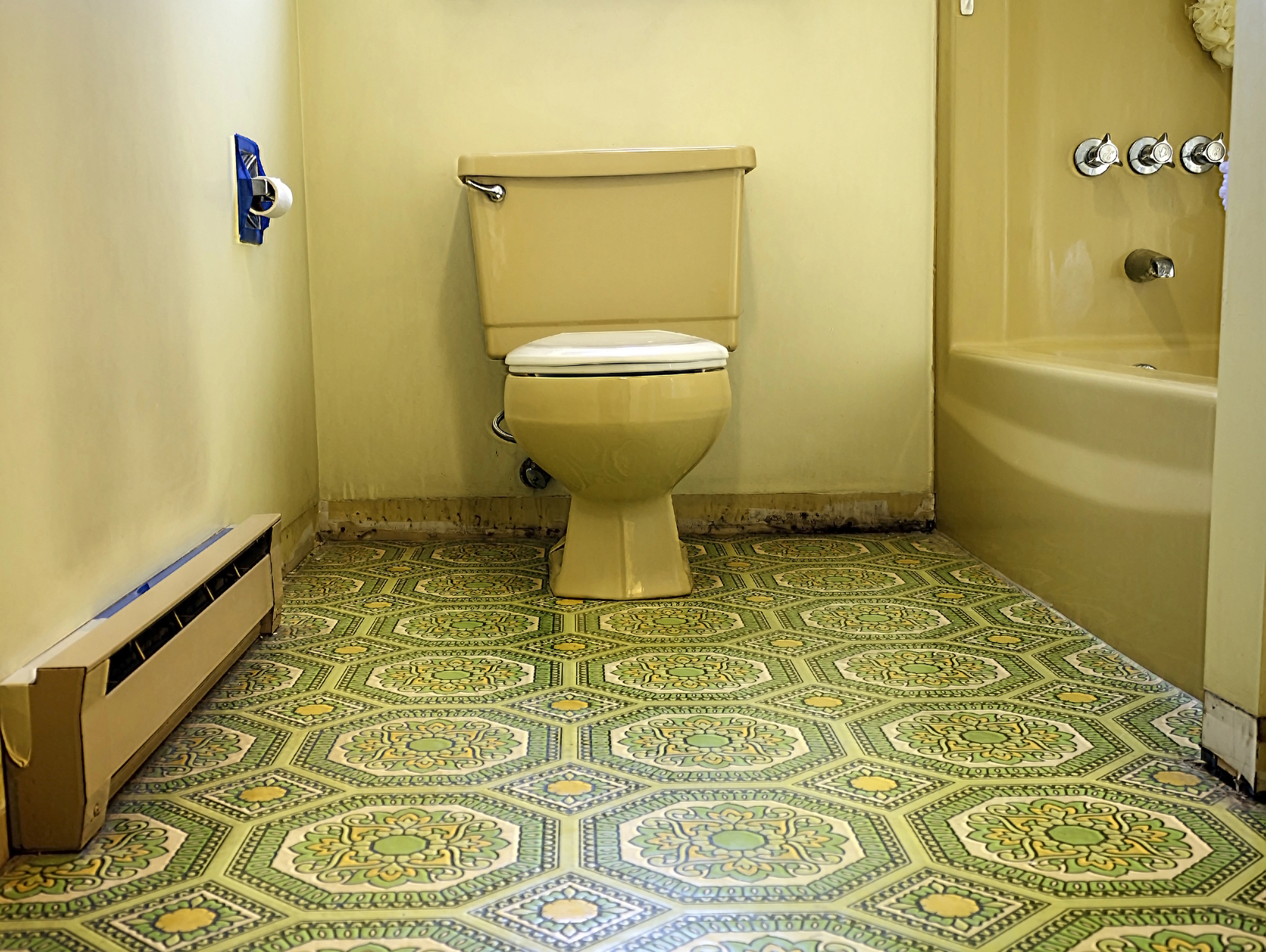
Every object on this list is gone from most bathrooms now — replaced, renovated, quietly discarded during a weekend project in 1993 or 2007. But there’s a particular kind of memory that lives in spaces rather than objects: the smell of talcum powder and hairspray, the cold pink tile under bare feet, the amber glow of a night light at 3 a.m.
The ’70s bathroom wasn’t beautiful by any current measure, but it was specific — unmistakably itself in a way that modern renovations, with their subway tile and matte black fixtures, often aren’t. You could walk into a hundred of those bathrooms across the country and feel immediately at home. That specificity, it turns out, is its own kind of comfort.
More from Go2Tutors!

- The Romanov Crown Jewels and Their Tragic Fate
- 13 Historical Mysteries That Science Still Can’t Solve
- Famous Hoaxes That Fooled the World for Years
- 15 Child Stars with Tragic Adult Lives
- 16 Famous Jewelry Pieces in History
Like Go2Tutors’s content? Follow us on MSN.