Some of the Most Valuable Vinyl Records Were Pressed by Accident
Every serious record collector has a story about the one that got away, or worse, the one that got away with it — a pressing so wrong it should have been pulled off the shelf, except somehow it wasn’t, and now it’s worth more than most people’s monthly rent. Vinyl production during its golden era ran on people, not machines with perfect memories, and people get tired, rush shifts, and let paperwork fall a step behind the presses themselves.
What slipped through those cracks, purely by accident, sometimes turned into the rarest, most sought-after records in existence. You don’t have to be an audiophile to appreciate the irony: the mistakes outlasted the intentions.
The Beatles’ Butcher Cover
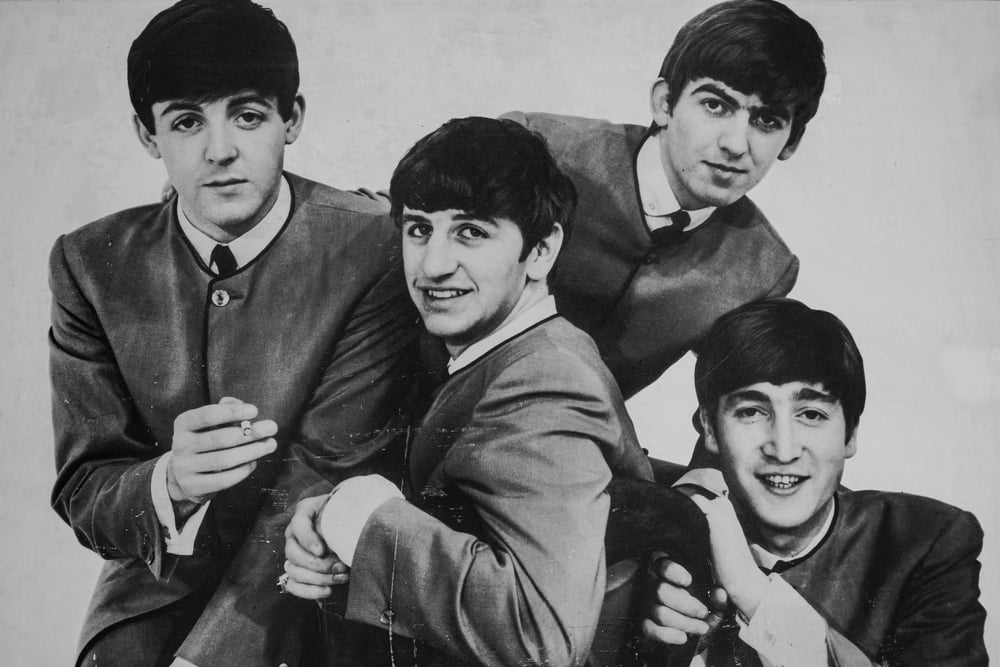
Capitol Records shipped “Yesterday and Today” in 1966 with a cover showing the Beatles surrounded by raw meat and dismembered dolls. Retailers complained within days.
Capitol pulled the covers and pasted a tamer trunk photo directly over the original artwork. Copies where that top layer has since peeled away, revealing the butcher image underneath, now sell for tens of thousands of dollars.
Bob Dylan’s Four-Song Freewheelin’
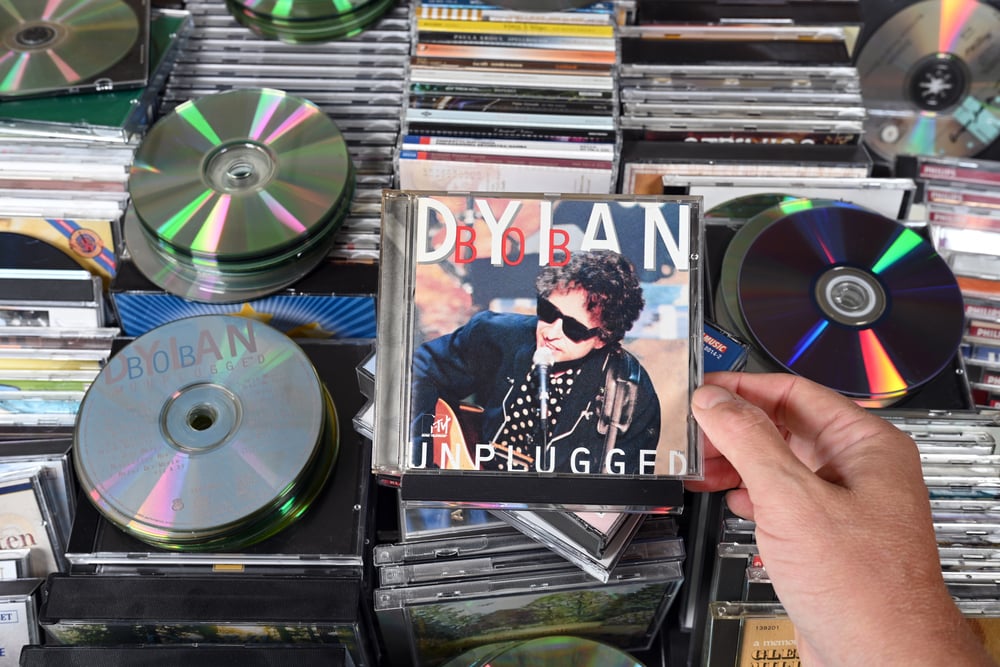
Columbia originally pressed “The Freewheelin’ Bob Dylan” with four tracks that never made the final cut — “Talkin’ John Birch Society Blues” among them — because Dylan and his label got nervous about the political heat those songs might bring, and by the time cooler heads intervened most of the run had already been destroyed. A handful of copies slipped out before the recall — not many, but enough to still show up at auction decades later.
So those four songs exist on vinyl in a version most fans never got to hear: sealed inside sleeves that look completely ordinary from the outside. And that’s the part collectors chase, honestly, not the music itself, which surfaced later anyway, but the specific pressing that was never supposed to survive.
The Beatles’ Extra Count-In

There’s a count-in at the start of “I Saw Her Standing There” — Paul McCartney counting off before the band crashes in — that was only ever meant to help the musicians find the beat, a scaffold meant to come down before anyone else saw it. George Martin left it in anyway, whether by oversight or instinct, and it rode along onto every pressing of “Please Please Me” like a stowaway on a delivery truck.
Most listeners never think twice about it. But that count-in is the sound of a mistake nobody bothered to fix, and six decades later it’s one of the most recognizable four seconds in recorded music.
Wrong Speed Labels

Mislabeled speed pressings are the dumbest kind of valuable record, and that’s exactly why collectors love them. A plant worker slaps a 33 1/3 label on a record cut at 45 RPM, nobody catches it before the boxes ship, and suddenly a handful of records play at the wrong speed forever.
To be fair, most of these are worthless novelties, but the rare ones — a promo cut for a song that never got a wide release, say — turn a clerical slip-up into a four-figure listing. Nobody plans a legacy around a labeling error, which is sort of the whole point.
Mono Copies Slipping Into Stereo Runs

Mono and stereo mixes from the 1960s often sounded genuinely different, not just louder or softer. Plants sometimes grabbed the wrong stamper mid-run.
A sleeve printed for stereo ended up holding a mono pressing, or the reverse, and nobody caught it before the boxes shipped. Collectors hunt those mismatches on purpose now — the label lies, and that’s the appeal.
Test Pressings That Escaped the Plant

Test pressings exist for one boring reason — quality control — a way to check that the lacquer cut translated properly before committing to a full run, and they were never intended to reach anyone outside the plant. But plants are staffed by people, and people take things home, hand them to friends, forget to log a copy back into inventory: one way or another, some slip through.
Plain white labels, no cover art, nothing. So a test pressing of an album that got scrapped, or reworked, or shelved entirely, becomes the only physical evidence that version ever existed, and when one surfaces at an estate sale decades later the price reflects exactly how rare that kind of accident is.
Misprinted Labels
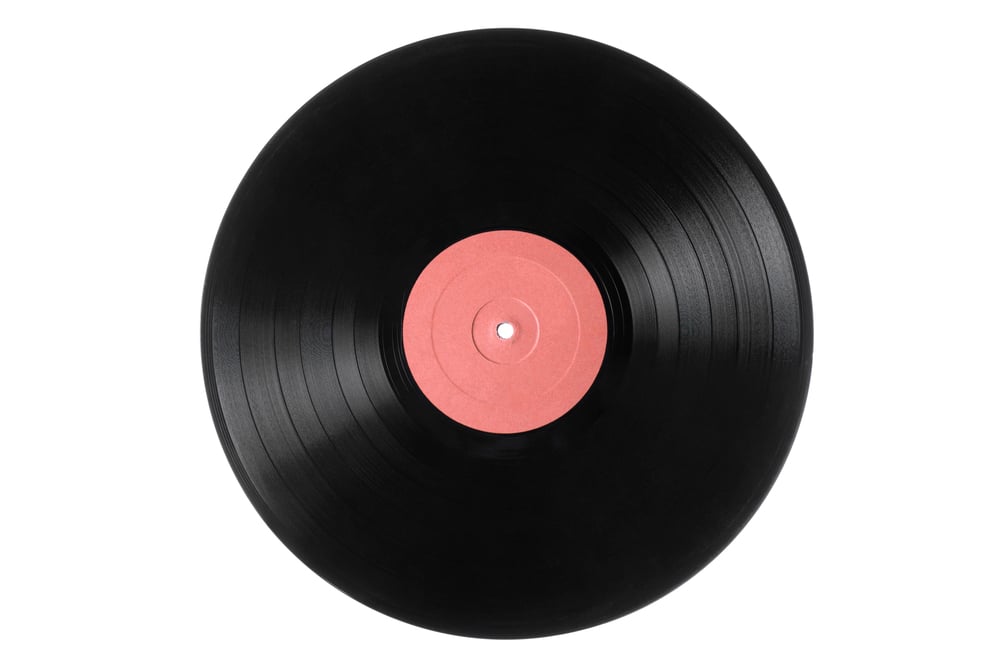
A label is supposed to be the record’s name tag, plain and reliable, telling you what you’re about to hear before the needle ever touches down. Sometimes the print run got it wrong instead — a song title swapped, a catalog number that belonged to something else entirely, an artist credit that didn’t match what came out of the speakers.
It reads like a birth certificate with someone else’s name on it: the record inside is exactly what it should be, but the paperwork insists otherwise. Collectors prize the mismatch precisely because it’s a small, permanent stutter in an otherwise mechanical process.
Prince’s Black Album Leak

Prince pulling “The Black Album” days before its 1987 release remains one of the strangest self-sabotage stories in music, and it turned an entire album into contraband almost overnight. Warner Bros had already pressed copies before the recall order came down, and a small number escaped the warehouse instead of getting destroyed.
Those runaway copies became the most bootlegged record of the decade, which is saying something given how much got bootlegged in the 1980s. Prince eventually released the album officially in 1994, but the original pressings still command serious money, because nostalgia for an accident never really fades.
Colored Vinyl That Wasn’t Supposed to Exist

Colored vinyl runs are supposed to be intentional, planned out months in advance. Sometimes a plant runs out of black compound mid-shift and finishes the batch with whatever colored stock happens to be sitting around.
Nobody plans for a hundred copies of a black-vinyl release to come out translucent red. Those accidental variants now outsell the planned special editions they were never supposed to resemble.
Wrong Song Inside the Right Sleeve
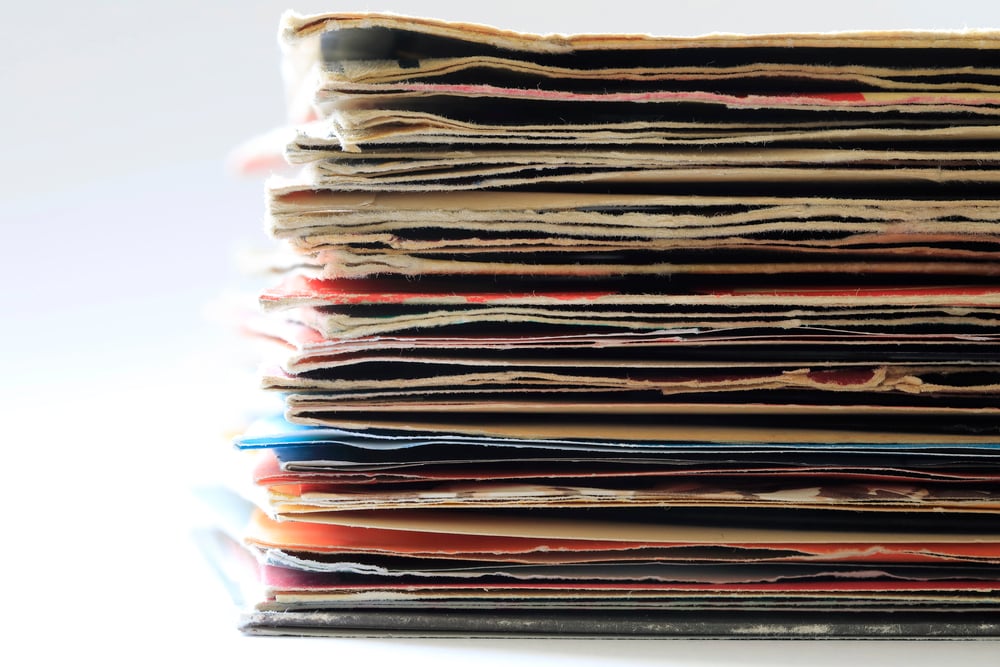
Sleeves and records get married at the very end of the pressing process, which sounds simple enough until you remember that thousands of records move through a plant in a single shift, and somewhere in that chaos the wrong disc occasionally ends up tucked inside the right cover. A buyer expecting one album drops the needle and hears something completely different — a b-side compilation, an unrelated artist entirely — sometimes another pressing from the same label that just happened to be nearby on the line.
It’s a mismatch nobody would design on purpose: the cover says one thing, the groove says another, and both halves are perfectly real. So the sleeve becomes a kind of accidental time capsule, proof that for one afternoon at one plant, the system briefly forgot what it was doing.
Off-Center Stampers
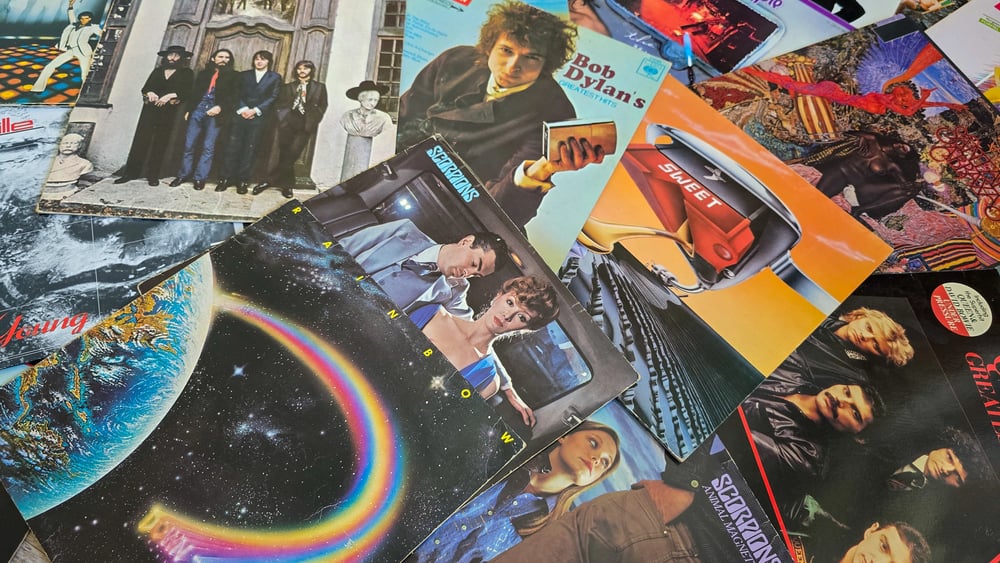
A stamper is a mold, and molds are only as reliable as the hands that align them, so an off-center press wobbles slightly under the needle instead of holding still, a barely audible wow that most listeners would call a scratch and move on from. It sounds like a heartbeat skipping without stopping, a flaw the record carries instead of hides.
Most warped or off-center pressings get pulled before they leave the plant, quietly recycled back into the batch. The ones that slip through anyway become collector curiosities, not because the sound is better, but because so few were ever allowed to survive.
Acetates That Escaped
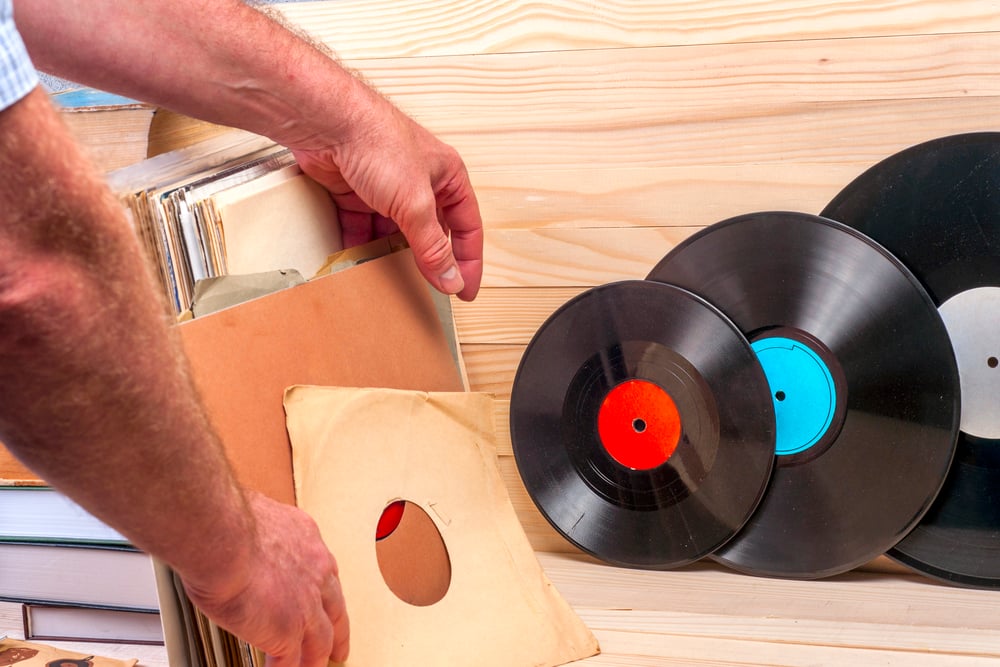
Acetates were never built to last, which makes it almost funny that some of them turned into the rarest records alive. These one-off lacquer discs were cut for reference only, meant to be played a handful of times before wearing out completely, not sold or shared with anyone outside the studio.
A few walked out of sessions anyway, tucked under someone’s arm on the way to the parking lot, and decades later they surface at auction as the only surviving copy of a song that never got a proper release. That’s not a preservation strategy anyone would recommend, but it worked out fine for the collectors who own one now.
Promo Copies With the Wrong Take
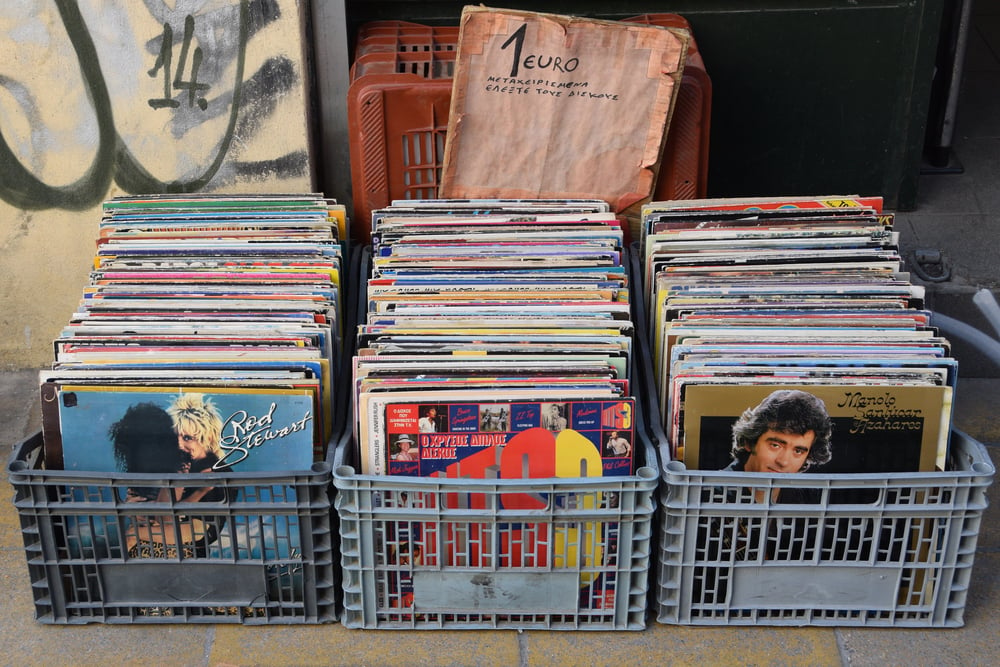
Promo copies exist to get songs onto the radio before the public release date. Sometimes the studio sent out an early mix by mistake, a take that got replaced before the final pressing.
Radio stations played it, reviewers wrote about it, and then the label quietly swapped in the correct version for retail. Whatever fraction of promos carry that first mistake are worth far more than the version everyone actually bought.
Recalled Covers Pressed and Shipped Anyway
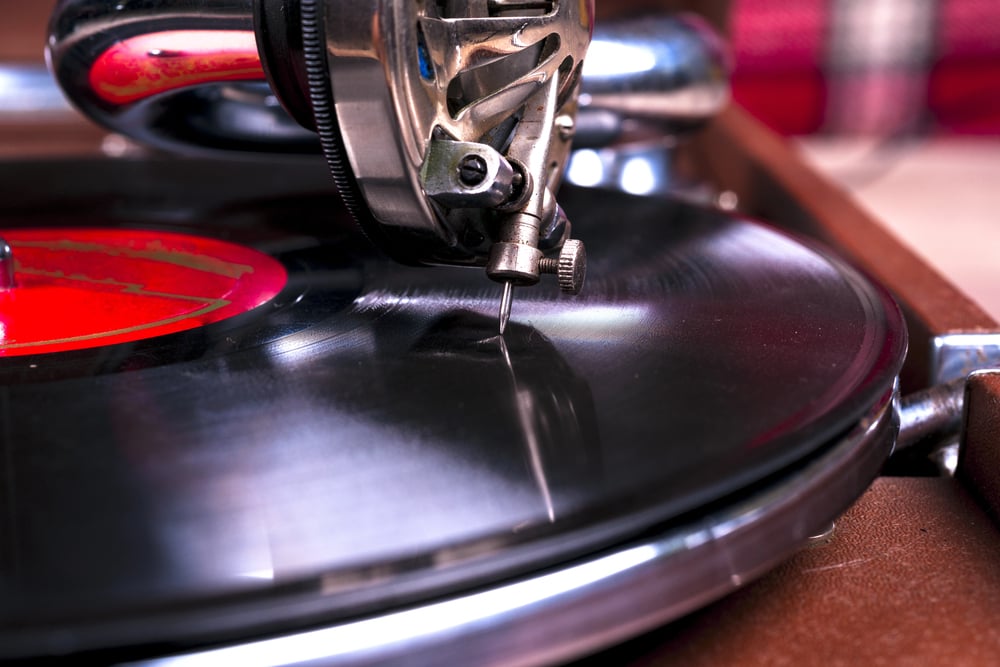
Recalls are supposed to work cleanly: a label decides a cover is too controversial, too expensive to print, or legally risky, and orders every copy pulled before it reaches a store shelf — in theory, anyway. In practice, distribution moves faster than paperwork, and by the time a recall notice reaches every warehouse and truck stop along the supply chain, some boxes have already been opened, sold, or shipped somewhere nobody thought to check.
So a small number of the “wrong” covers make it into circulation anyway, and those copies become the version everyone actually wants. And it’s a strange kind of value: not for the music, which is identical to the reissue, but for a piece of cardboard that a label spent real money trying to make disappear.
Reused Stampers Past Their Prime
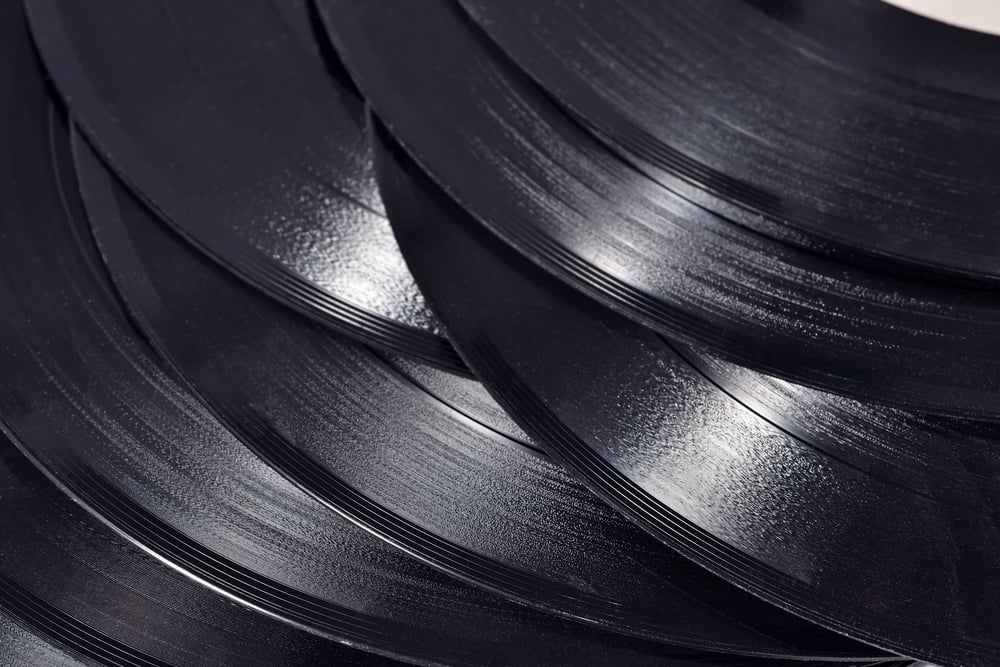
Every stamper has a lifespan, a number of pressings it can produce before the grooves start losing their sharp edges, like a rubber stamp inked too many times in a single afternoon. Plants are supposed to retire a stamper before that decline shows up on the record, but deadlines don’t always wait for quality control to catch up.
The last pressings off a worn stamper carry a softness in the high end that trained ears notice immediately, a faint blur where there should be clarity. Ironically, those degraded copies now sell for more than the crisp early pressings, because scarcity, in the end, cares nothing about sound quality.
Where the Value Really Comes From

None of this happened because anyone was trying to make a rare record. It happened because a person on a factory floor was tired, or rushed, or working with equipment that had seen better days, and the record that came out the other end wasn’t the one anyone planned to make.
That gap between intention and outcome is where the value lives now, and it’s worth sitting with for a second: the most treasured objects in an entire collecting culture are the ones that prove the system briefly failed. You can spend a lifetime chasing the perfect pressing.
Sometimes it’s the broken one that was worth the search all along.
More from Go2Tutors!

- The Romanov Crown Jewels and Their Tragic Fate
- 13 Historical Mysteries That Science Still Can’t Solve
- Famous Hoaxes That Fooled the World for Years
- 15 Child Stars with Tragic Adult Lives
- 16 Famous Jewelry Pieces in History
Like Go2Tutors’s content? Follow us on MSN.