25 Trials That Changed the Rules Countries Live By
Most trials settle a single dispute between the parties in the room. A small number end up rewriting the rules everyone else has to follow afterward, whether through the precedent they set, the law they provoked, or the public reckoning they forced.
The following cases each left a legal or constitutional mark well beyond the individuals originally on trial.
The Nuremberg Trials
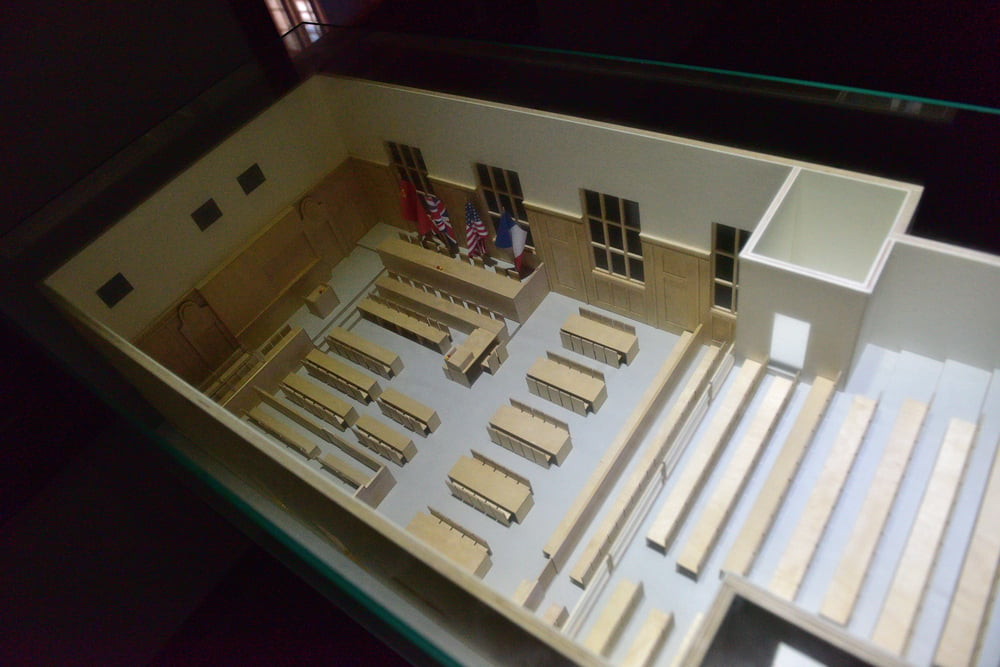
The 1945–46 trials of senior Nazi officials before an International Military Tribunal in Nuremberg established that individuals, including heads of state and military officers, could be held personally criminally liable for war crimes and crimes against humanity, rejecting the defense that they were merely following orders.
The trials directly shaped the later development of international criminal law, including the frameworks that eventually led to the International Criminal Court.
Brown v. Board of Education
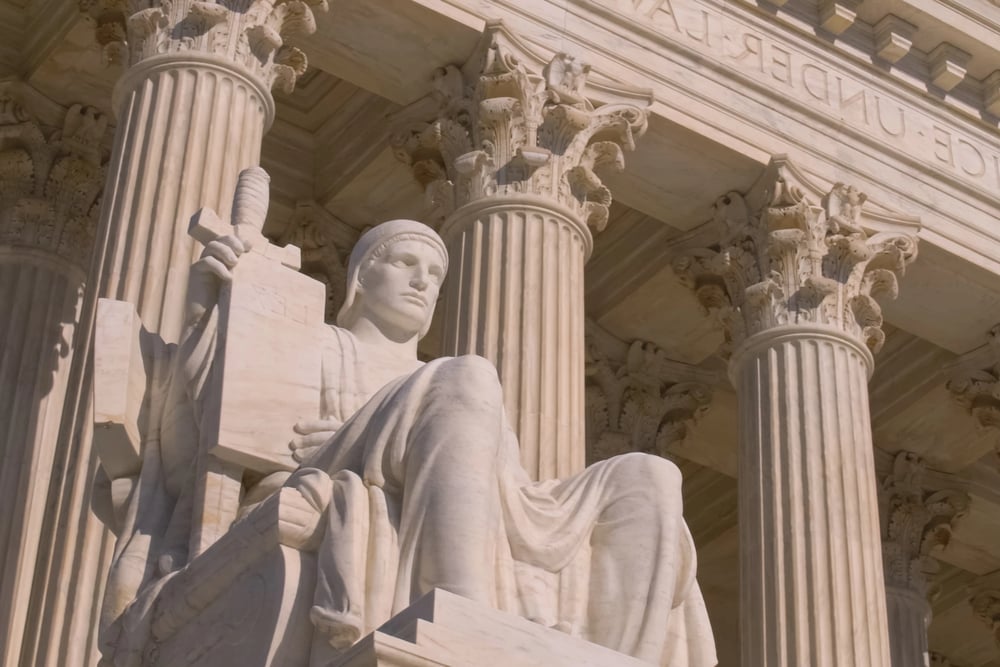
The U.S. Supreme Court’s 1954 ruling in Brown v. Board of Education declared state-mandated segregation in public schools unconstitutional, overturning the “separate but equal” doctrine established nearly 60 years earlier in Plessy v. Ferguson.
The decision became a foundational legal pillar of the American civil rights movement and reshaped public education policy nationwide, though implementation faced significant resistance for years afterward.
Miranda v. Arizona
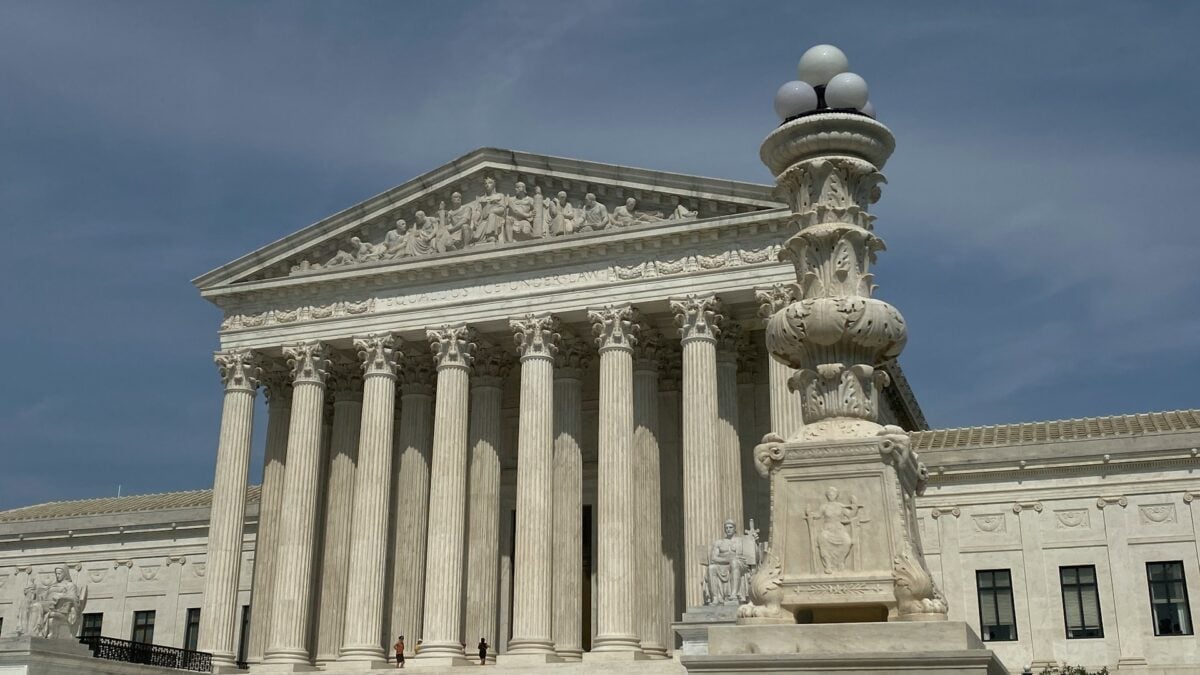
The 1966 Supreme Court case Miranda v. Arizona established that criminal suspects in police custody must be informed of their constitutional rights, including the right to remain silent and the right to an attorney, before interrogation.
The resulting “Miranda warning” became a standard, scripted procedure used by virtually every police department in the United States and entered popular culture through decades of television crime dramas.
The Scopes Trial

The 1925 Scopes “Monkey Trial” in Dayton, Tennessee, prosecuted teacher John Scopes for violating a state law banning the teaching of evolution in public schools. Although Scopes was convicted and the conviction was later overturned on a technicality, the trial’s intense national media coverage shaped decades of American debate over the relationship between science education and religion in public schools.
The Nuremberg Doctors’ Trial

A lesser-known but highly consequential follow-up to the main Nuremberg proceedings, the 1946–47 Doctors’ Trial prosecuted Nazi physicians for conducting lethal experiments on concentration camp prisoners.
The trial’s verdict produced the Nuremberg Code, a set of ethical principles for human medical experimentation that became the foundation for modern informed-consent standards in medical research worldwide.
Roe v. Wade and Its 2022 Reversal

The 1973 U.S. Supreme Court decision Roe v. Wade established a constitutional right to abortion access, shaping American reproductive law for nearly 50 years until the Court’s 2022 ruling in Dobbs v. Jackson Women’s Health Organization overturned it, returning abortion regulation authority to individual states.
Together, the two rulings represent one of the most direct examples of a legal precedent shaping national policy and then being reversed by a later case.
The Trial of Socrates
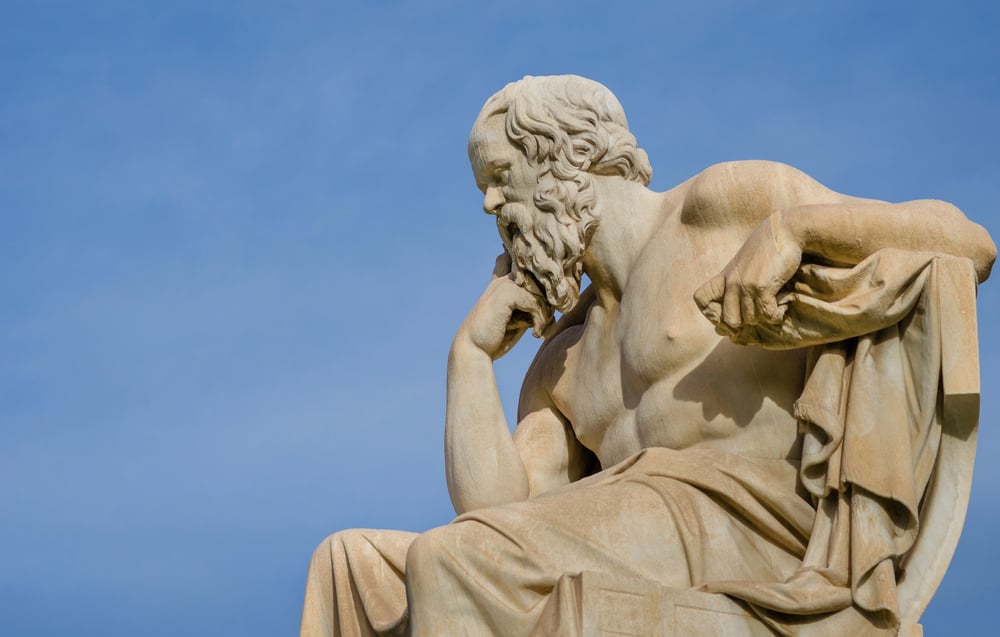
The trial of the Athenian philosopher Socrates in 399 BCE, in which he was convicted of corrupting the youth and impiety and sentenced to death, remains one of the earliest and most studied examples of a state prosecuting someone for their ideas.
The trial has been referenced for over two thousand years in debates about free expression, civic duty, and the limits of democratic majority rule.
The Dreyfus Affair

French army officer Alfred Dreyfus was wrongly convicted of treason in 1894 based on forged evidence, largely driven by antisemitism, and the case’s eventual unraveling, aided by writer Emile Zola’s public campaign, exposed deep institutional corruption within the French military justice system.
The affair led to significant reforms in French civil-military relations and the formal separation of church and state in France in 1905.
Marbury v. Madison
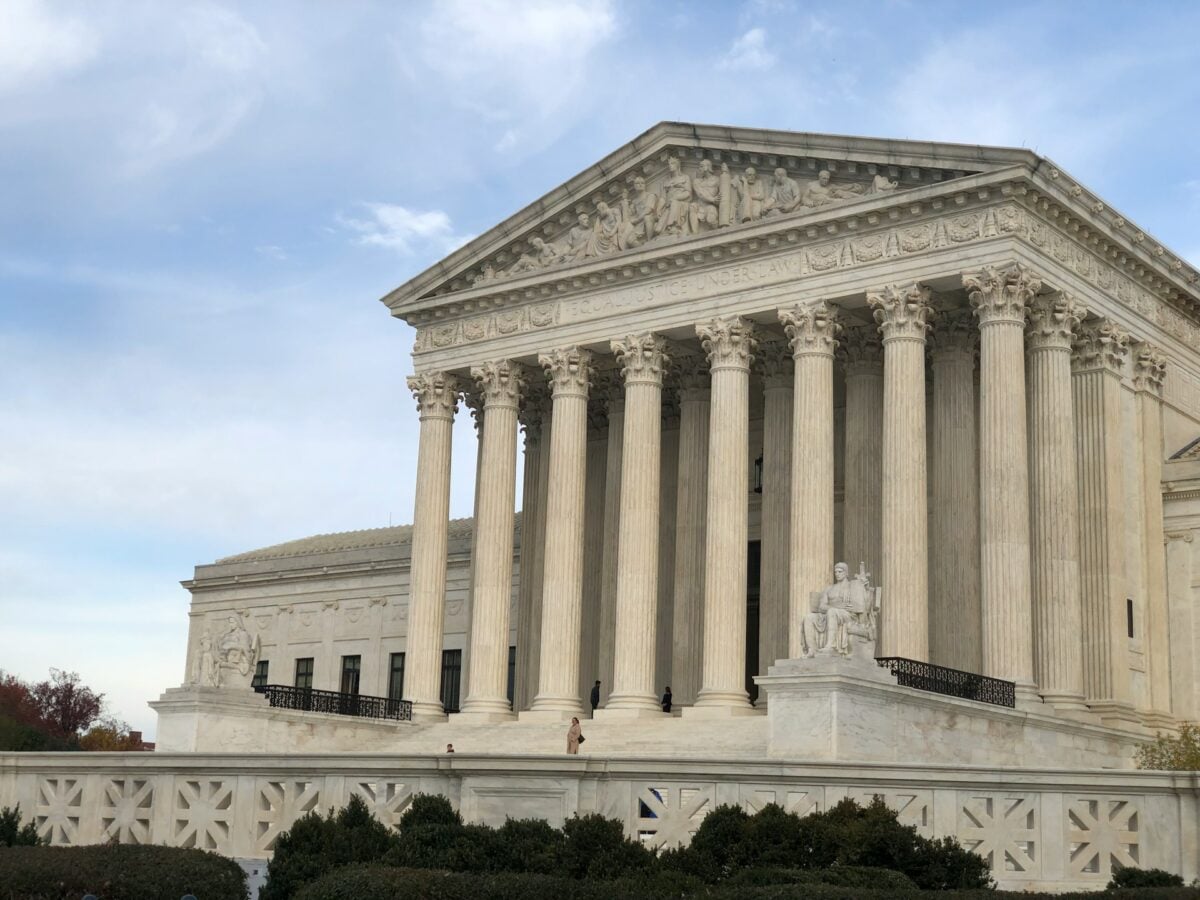
The 1803 U.S. Supreme Court case Marbury v. Madison established the principle of judicial review, giving federal courts the authority to strike down laws they find unconstitutional. The ruling fundamentally shaped the balance of power among the American executive, legislative, and judicial branches and remains one of the most cited cases in constitutional law.
The Nuremberg-Style Tokyo War Crimes Tribunal

The International Military Tribunal for the Far East, held in Tokyo from 1946 to 1948, prosecuted senior Japanese wartime leaders for crimes committed during the Second World War, applying legal principles similar to those established at Nuremberg. The tribunal shaped postwar Japanese constitutional reform, including provisions renouncing war, and contributed to the broader international legal framework for prosecuting state-level war crimes.
Loving v. Virginia
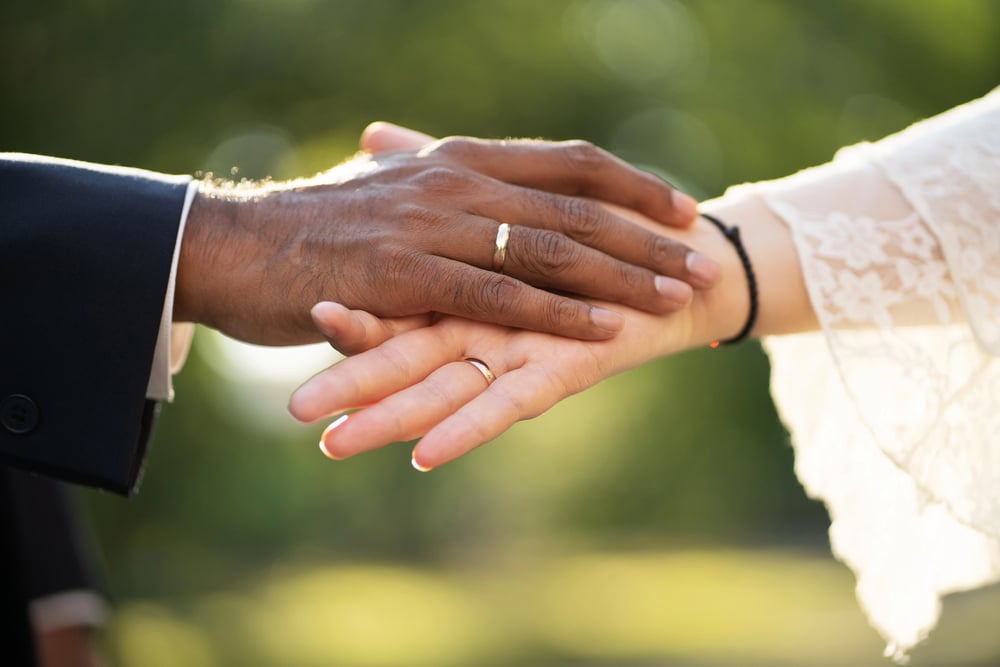
The 1967 U.S. Supreme Court case Loving v. Virginia struck down state laws banning interracial marriage, ruling that such bans violated the constitutional guarantees of equal protection and due process. The decision invalidated similar laws still on the books in more than a dozen states at the time and remains a frequently cited precedent in later civil rights and marriage-equality litigation.
The Trial of Charles I
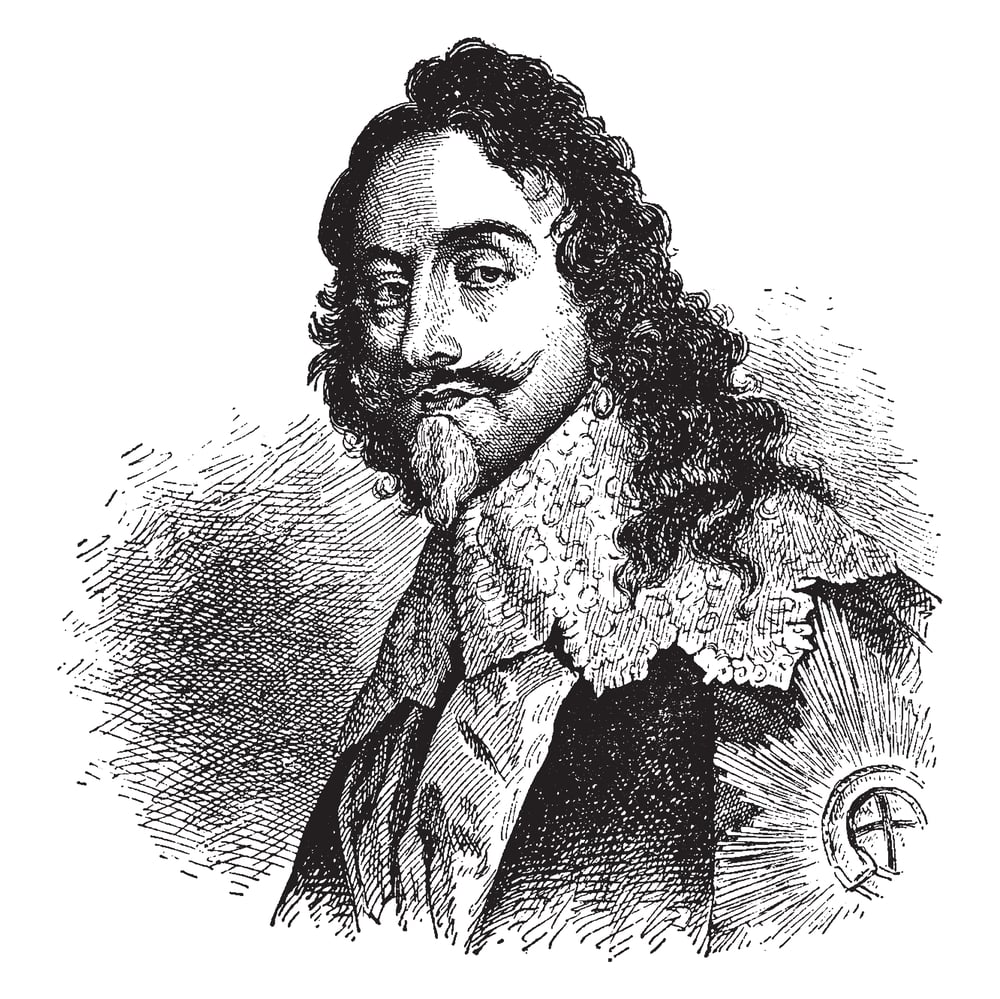
The 1649 trial of King Charles I of England, in which a specially convened High Court of Justice found the monarch guilty of treason against his own people and sentenced him to execution, was the first time a reigning European monarch had been formally tried and executed by his own government. The trial established a lasting precedent that monarchs were not above the law, influencing later constitutional limits on royal power in Britain.
The Nuremberg Trials’ Legal Successor: The Eichmann Trial
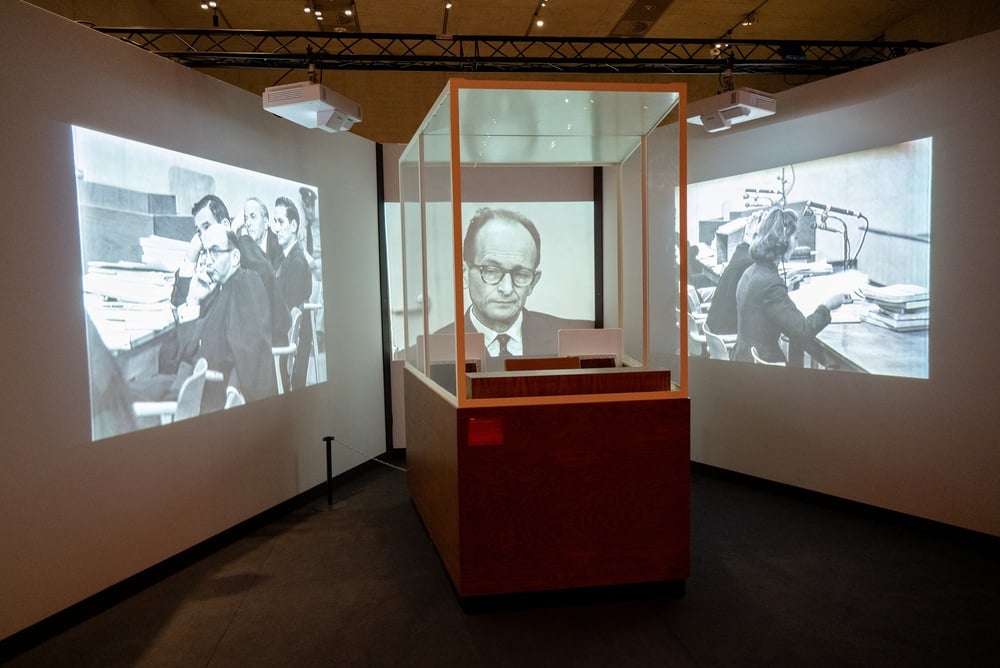
Adolf Eichmann, a senior organizer of the Holocaust, was captured by Israeli agents in Argentina and tried in Jerusalem in 1961, marking one of the first major uses of extraterritorial jurisdiction to prosecute crimes against humanity outside the country where they were committed. The trial, extensively broadcast and documented, played a significant role in shaping global public understanding of the Holocaust and influenced later international efforts to prosecute crimes regardless of where the accused fled.
Gideon v. Wainwright
The 1963 U.S. Supreme Court case Gideon v. Wainwright established that criminal defendants who cannot afford an attorney must be provided one by the state in serious criminal cases, extending the constitutional right to counsel to state courts. The ruling created the modern American public defender system used in courts nationwide.
The Salem Witch Trials
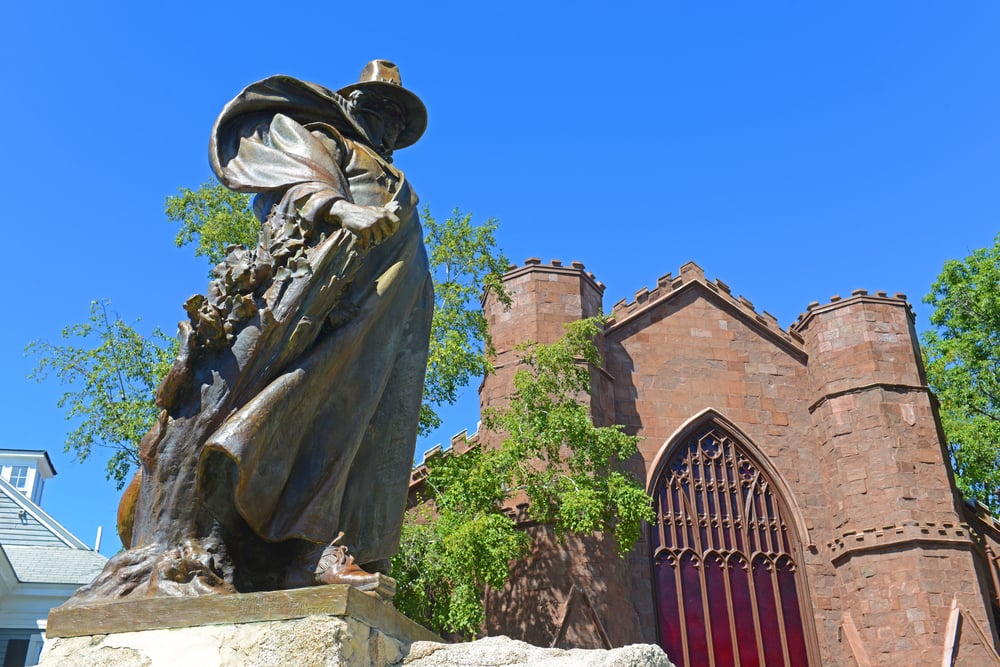
The 1692–93 Salem witch trials in colonial Massachusetts, which resulted in the execution of 20 people based largely on unreliable “spectral evidence,” became a lasting cautionary reference point in American and broader legal history regarding due process, mob-driven justice, and the danger of testimony based on unverifiable claims.
Massachusetts formally apologized for the trials centuries later, and the case remains a standard reference in discussions of legal reform regarding evidence standards.
The Trial of Nelson Mandela (The Rivonia Trial)
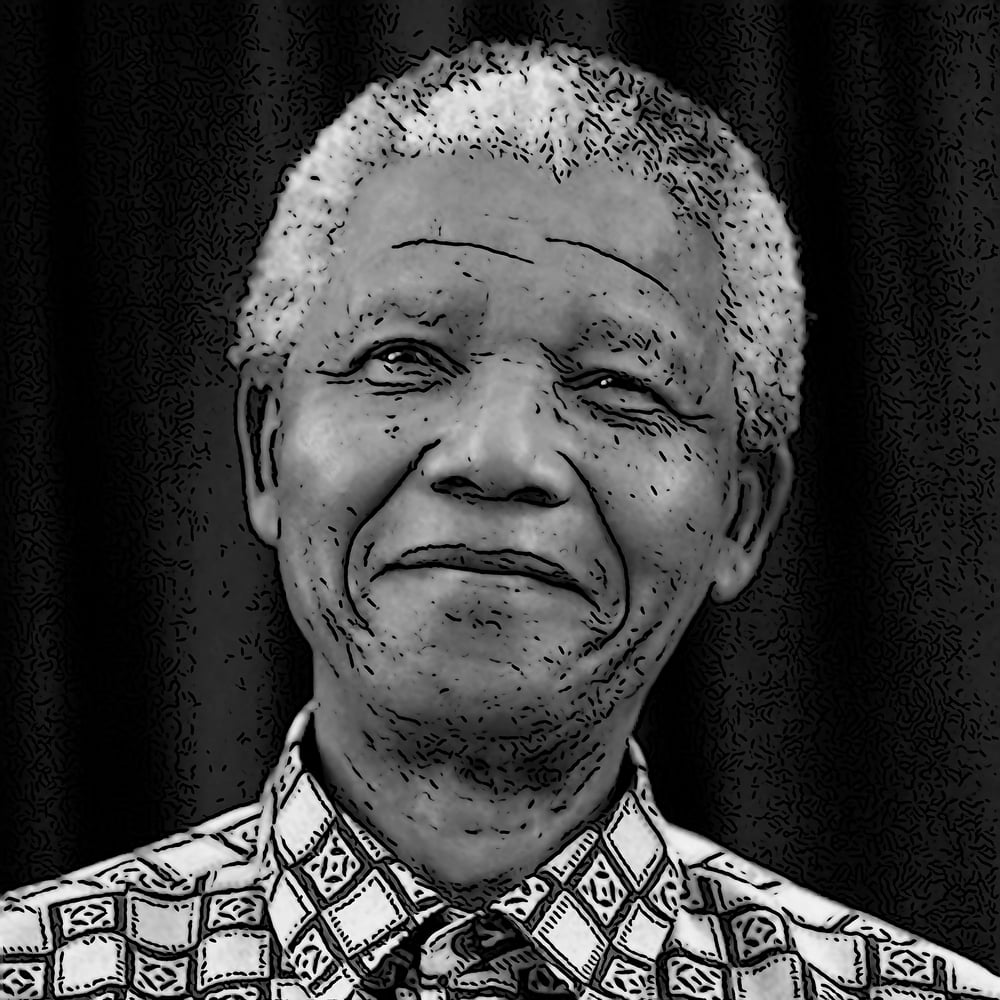
The 1963–64 Rivonia Trial in South Africa, in which Nelson Mandela and other anti-apartheid leaders were tried for sabotage and sentenced to life imprisonment, became an internationally watched symbol of apartheid-era injustice. Mandela’s courtroom statement from the dock was widely circulated internationally and helped galvanize the global anti-apartheid movement that eventually contributed to the system’s collapse decades later.
United States v. Nixon
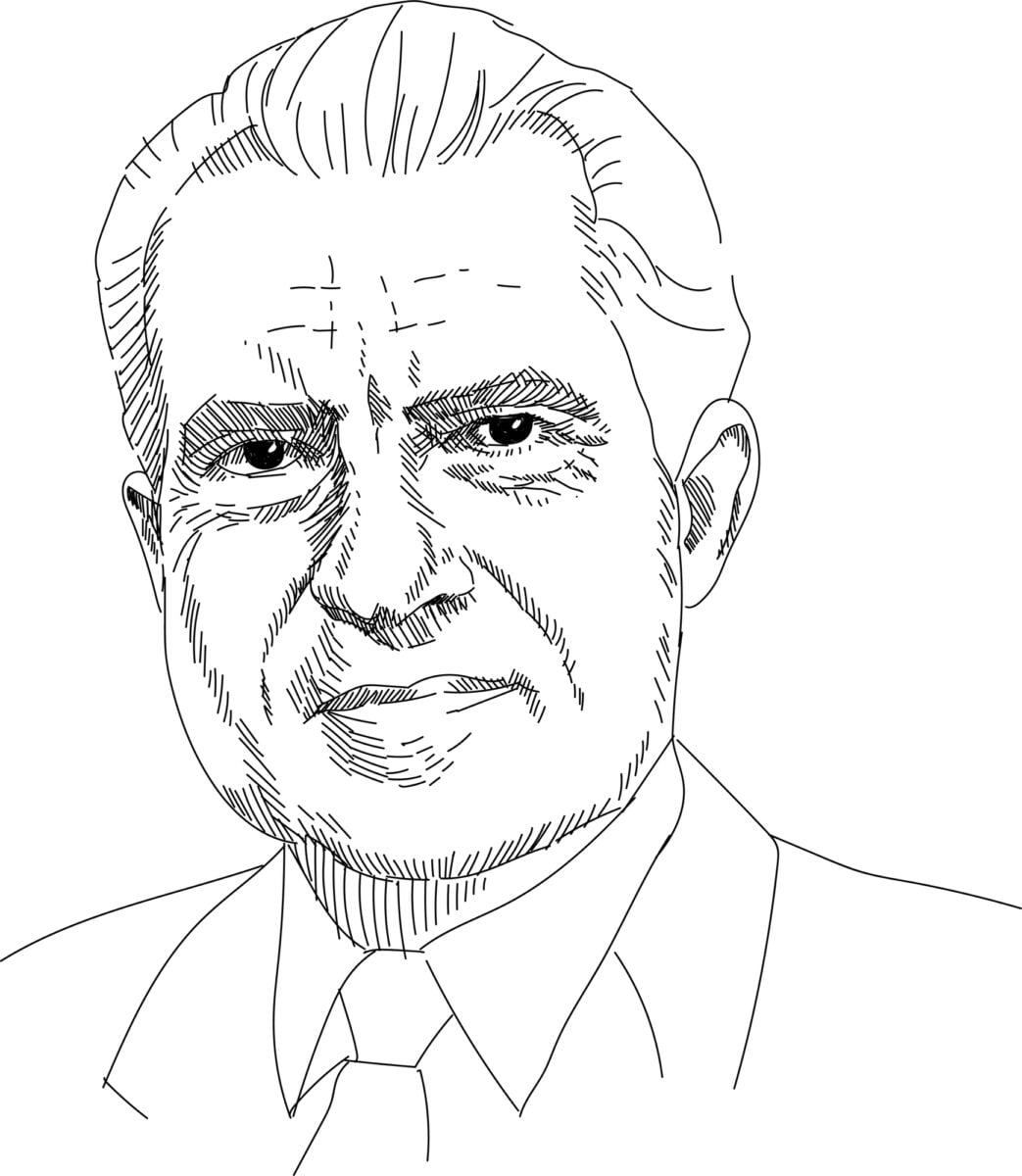
The 1974 U.S. Supreme Court case United States v. Nixon ruled that President Richard Nixon had to comply with a subpoena to release Oval Office tape recordings related to the Watergate scandal, rejecting his claim of absolute executive privilege.
The decision directly led to Nixon’s resignation days later and established a lasting precedent limiting the scope of presidential immunity from judicial process.
The Trial of Galileo Galilei
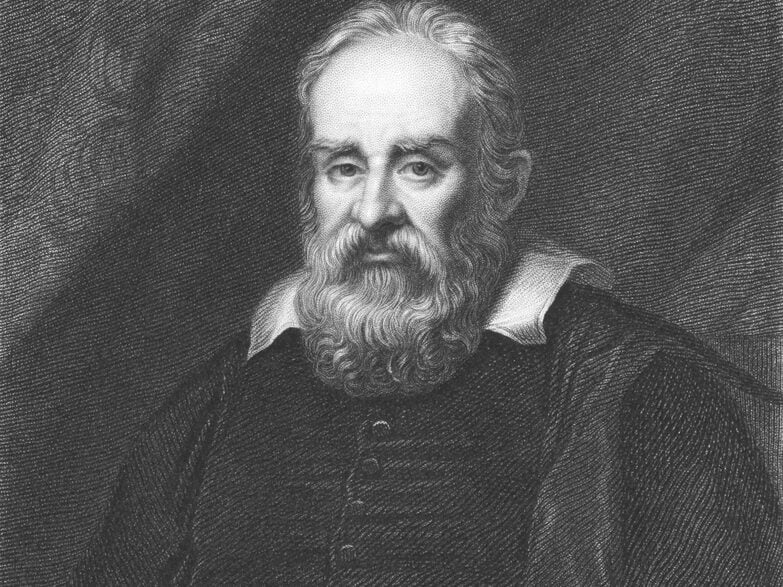
Galileo’s 1633 trial before the Roman Inquisition, in which he was forced to recant his support for the Copernican model of a sun-centered solar system, remains a defining historical case in the long-running relationship between scientific inquiry and institutional authority. The Catholic Church did not formally acknowledge the scientific validity of Galileo’s position until 1992, and the trial remains a standard reference point in debates over scientific freedom.
Plessy v. Ferguson
The 1896 U.S. Supreme Court case Plessy v. Ferguson upheld state segregation laws under the doctrine of “separate but equal,” providing constitutional cover for decades of Jim Crow segregation across the American South. Though later overturned by Brown v. Board of Education, the case remains a central example in American legal education of how a Supreme Court ruling can entrench discriminatory policy for generations.
The Nuremberg Framework’s Descendant: The Yugoslav War Crimes Tribunal
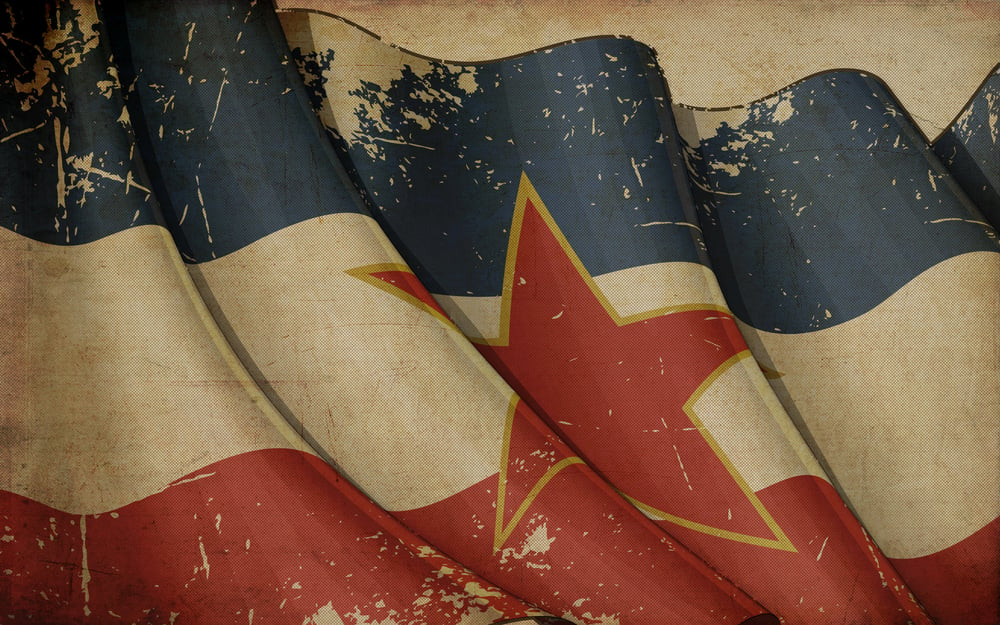
The International Criminal Tribunal for the former Yugoslavia, established by the United Nations in 1993, prosecuted individuals for war crimes and genocide committed during the Balkan conflicts of the 1990s, becoming the first international war crimes tribunal since Nuremberg and Tokyo. Its procedures and legal precedents directly informed the creation of the permanent International Criminal Court, established in 2002.
Obergefell v. Hodges

The 2015 U.S. Supreme Court case Obergefell v. Hodges established a constitutional right to marriage for same-gender couples nationwide, invalidating the remaining state-level marriage restrictions. The ruling followed a decades-long sequence of state-by-state legal challenges and remains one of the most significant civil rights decisions in recent American legal history.
The Trial of Adolf Eichmann’s Predecessor Case: The Nuremberg Industrialists Trials
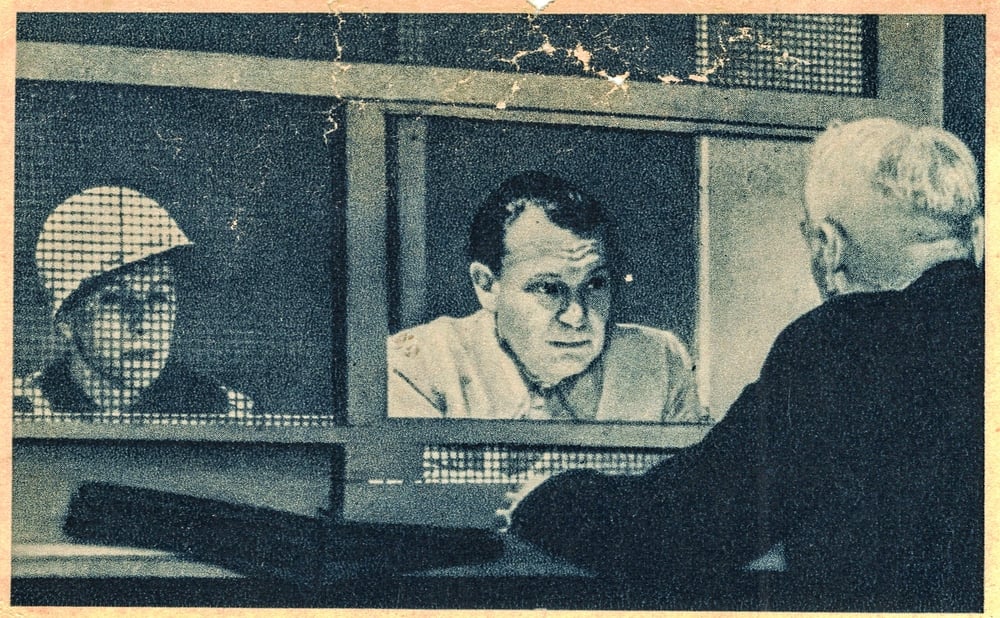
Following the main Nuremberg trial, subsequent proceedings prosecuted German industrialists and business executives whose companies used forced and slave labor during the war, establishing that corporate leaders, not just military and political officials, could bear individual criminal responsibility for wartime atrocities. The precedent later informed international legal debates over corporate accountability in conflict zones.
The Chicago Seven Trial
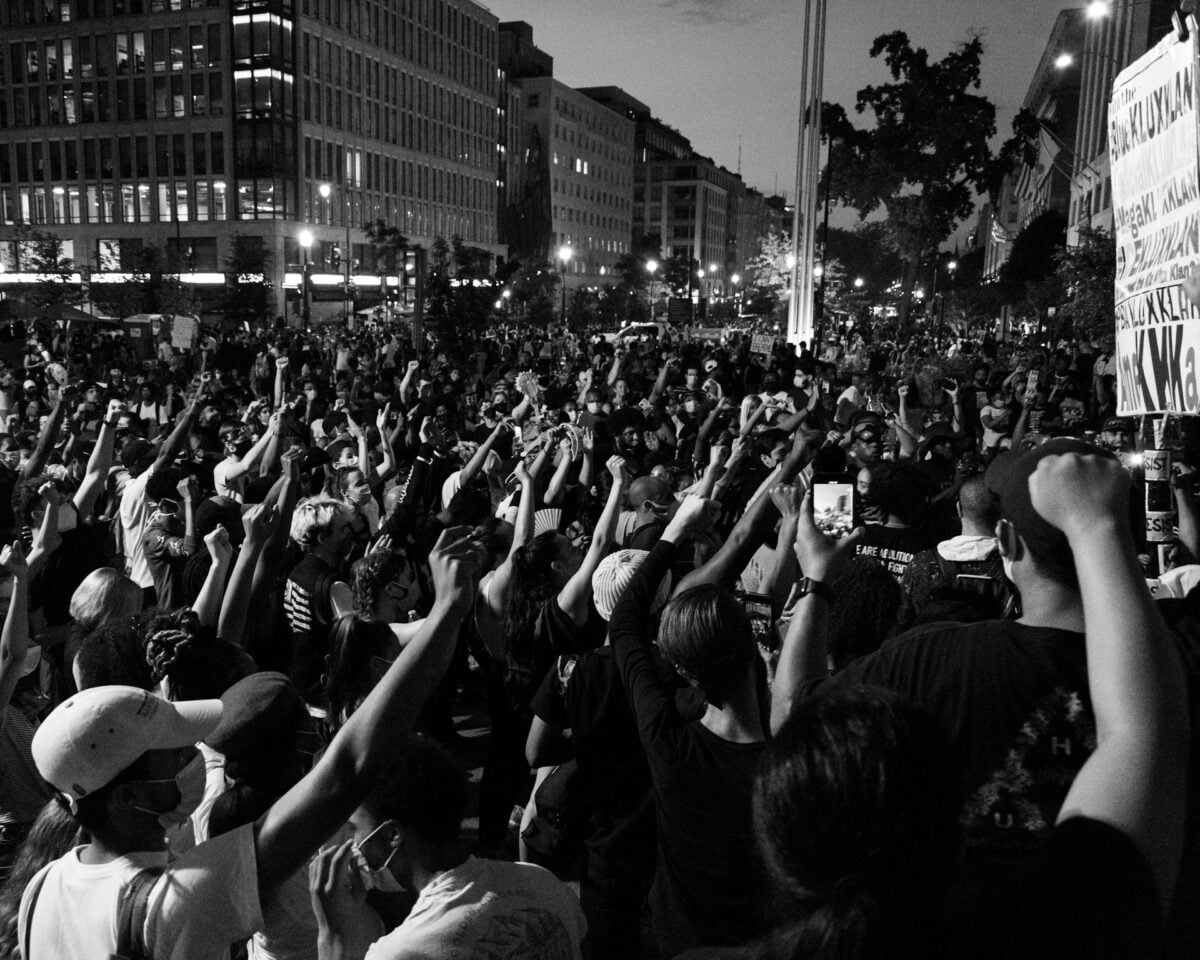
The 1969–70 trial of seven defendants charged with conspiracy and incitement to riot following protests at the 1968 Democratic National Convention became a highly publicized referendum on free speech, protest rights, and courtroom conduct amid open political tension between the defendants and the presiding judge. Most convictions were later overturned on appeal, and the trial remains a frequently studied case regarding the boundaries of political protest protections.
Brown v. Board’s International Counterpart: South Africa’s Constitutional Court Desegregation Rulings
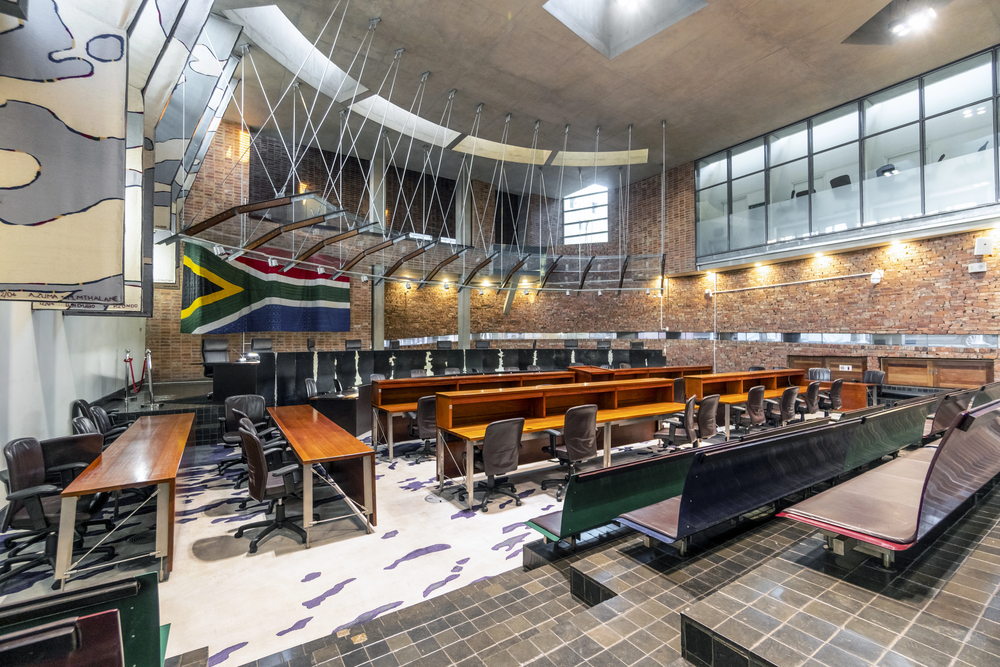
Following the end of apartheid, South Africa’s newly established Constitutional Court issued a series of rulings in the 1990s dismantling remaining legal structures of racial discrimination and affirming a new constitutional framework built around equality rights.
These rulings played a role comparable to Brown v. Board in the American context, formally ending legally sanctioned segregation and shaping the country’s post-apartheid legal order.
The Trial of the Birmingham Six
The wrongful 1975 conviction of six men for a pub bombing in Birmingham, England, later overturned in 1991 after evidence of police misconduct and unreliable forensic testimony came to light, became one of the most significant miscarriage-of-justice cases in modern British legal history.
The case contributed directly to reforms in British criminal evidence law, including the creation of the Criminal Cases Review Commission to investigate other potential wrongful convictions.
The Legal Reckoning That Outlasts the Verdict
Nearly every case on this list mattered less for what happened to the individual defendant than for the rule it left behind. A single ruling on segregated schools, coerced confessions, or executive privilege ended up governing millions of unrelated future cases, long after the original parties had been forgotten by everyone except historians.
That is the strange power of a courtroom: it is built to resolve one specific dispute, but its written reasoning becomes a permanent instruction manual for every future dispute that resembles it. The trials people remember decades later are rarely the ones with the highest stakes for the defendant.
They are the ones where the court’s reasoning became bigger than the case itself.
More from Go2Tutors!

- The Romanov Crown Jewels and Their Tragic Fate
- 13 Historical Mysteries That Science Still Can’t Solve
- Famous Hoaxes That Fooled the World for Years
- 15 Child Stars with Tragic Adult Lives
- 16 Famous Jewelry Pieces in History
Like Go2Tutors’s content? Follow us on MSN.