25 Vintage Postcards From Specific Locations That Have Quietly Become Valuable
Somewhere in a shoebox, a junk drawer, or the bottom of a moving box marked “misc,” there’s probably an old postcard nobody thought twice about. Most people treat them as clutter, tossed in with grocery receipts and expired coupons. But deltiology, the collecting of postcards, has quietly turned into one of those hobbies where patience pays off in ways nobody expects. Certain cards, tied to certain places, have climbed in value while everyone else was busy throwing theirs away. This isn’t about rare stamps or ancient coins. It’s about scenes of boardwalks, main streets, and roadside attractions that used to cost a nickel and now fetch real money at auction.
The locations matter as much as the condition, sometimes more. Here’s where to start looking.
Coney Island, New York
Coney Island postcards from the early 1900s show a boardwalk that barely resembles what’s there now. Luna Park lit up at night, crowds in suits and long dresses packed onto the sand, rides that don’t exist anymore. Collectors pay premiums for the ones showing the original Luna Park before it burned down in 1944.
Condition matters, but so does the specific ride or building pictured, since some of them only appear on postcards for a handful of years.
Mackinac Island, Michigan
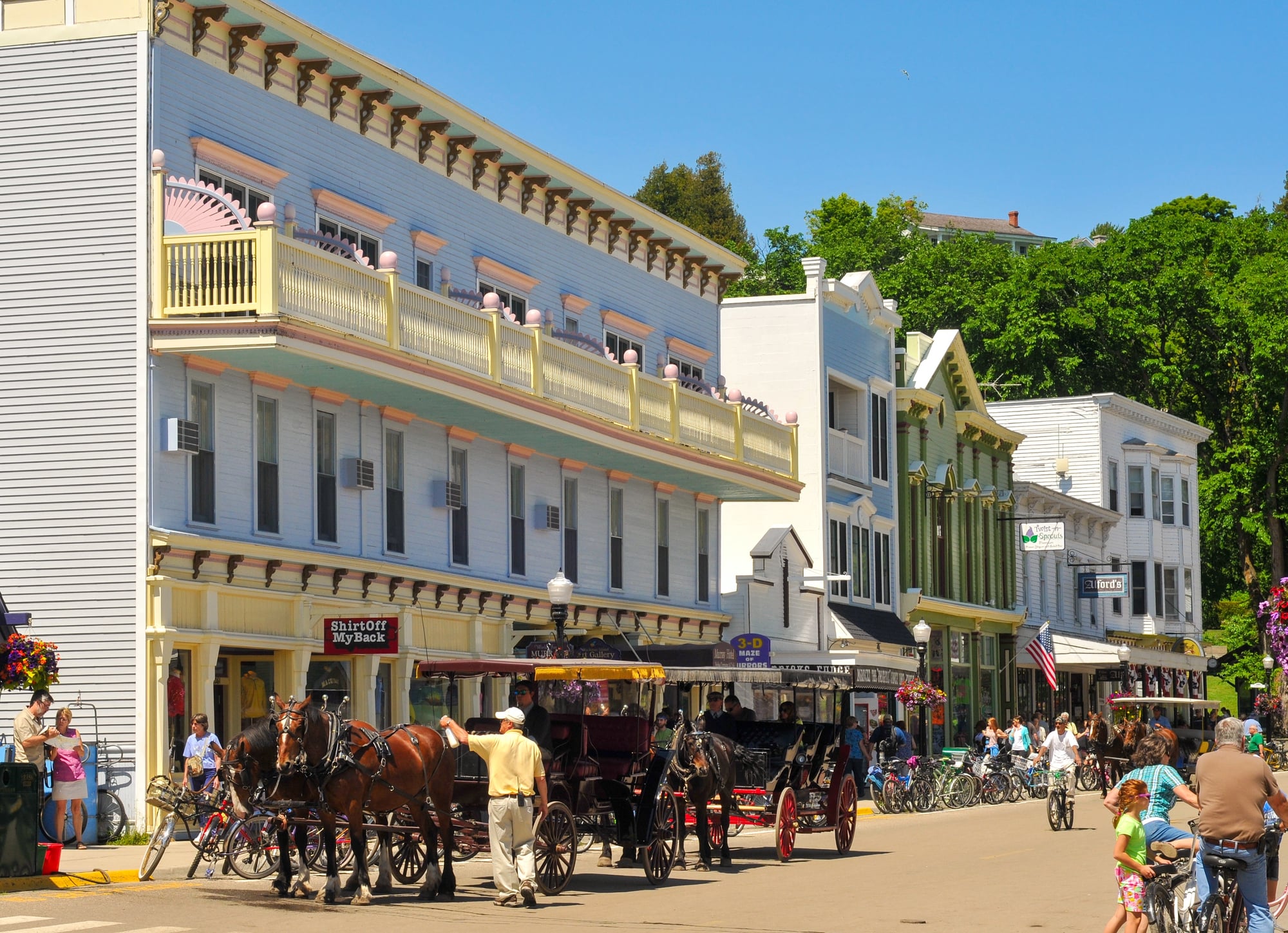
There’s something almost stubborn about Mackinac Island resisting cars for over a century, and that stubbornness is exactly why its old postcards hold value now: the Grand Hotel looming over the bluff, horse-drawn carriages lined up where a parking lot would sit anywhere else, the ferry docks looking barely changed from 1910. Collectors chase the hand-tinted lithograph cards from before 1915, the ones printed in Germany before World War I cut off that supply chain — and once that pipeline dried up, the printing quality on American cards dropped noticeably, which is part of why the earlier ones command higher prices. So it’s not just nostalgia driving the numbers up.
A card showing the original Grand Hotel porch, before renovations altered its length, can outsell a dozen generic lake-view postcards from the same era combined.
Route 66 Roadside Motels
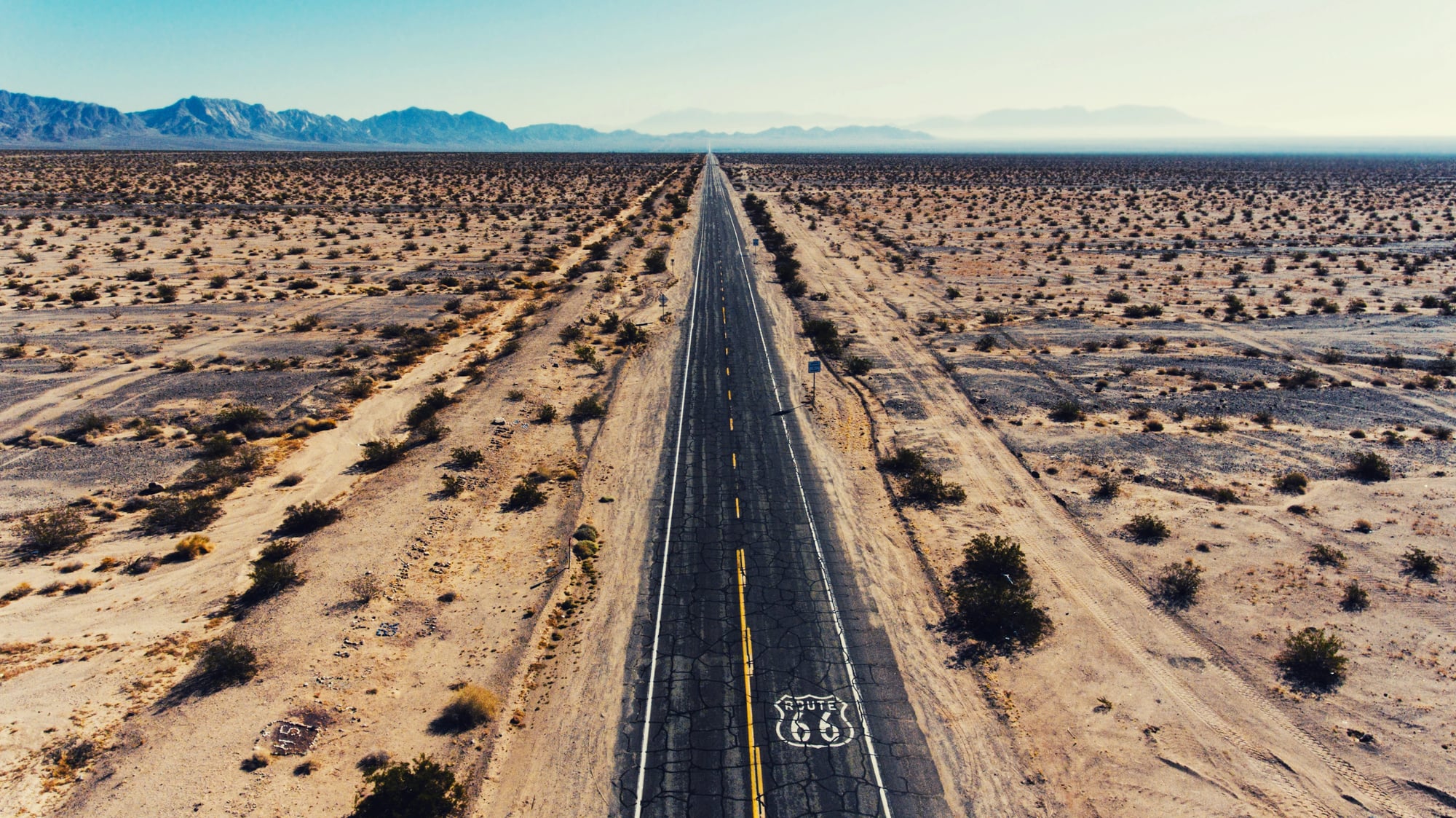
Postcards advertising motor courts along Route 66 used to be handed out for free at the front desk. Nobody kept them on purpose. Now the ones showing neon signs from places like the Blue Swallow in Tucumcari or the Wigwam Motel in Holbrook sell for far more than the room itself once cost.
Collectors specifically want the cards printed before interstate highways pulled traffic away from those towns in the 1960s, since that’s when a lot of these motels started closing or losing business.
Yellowstone National Park
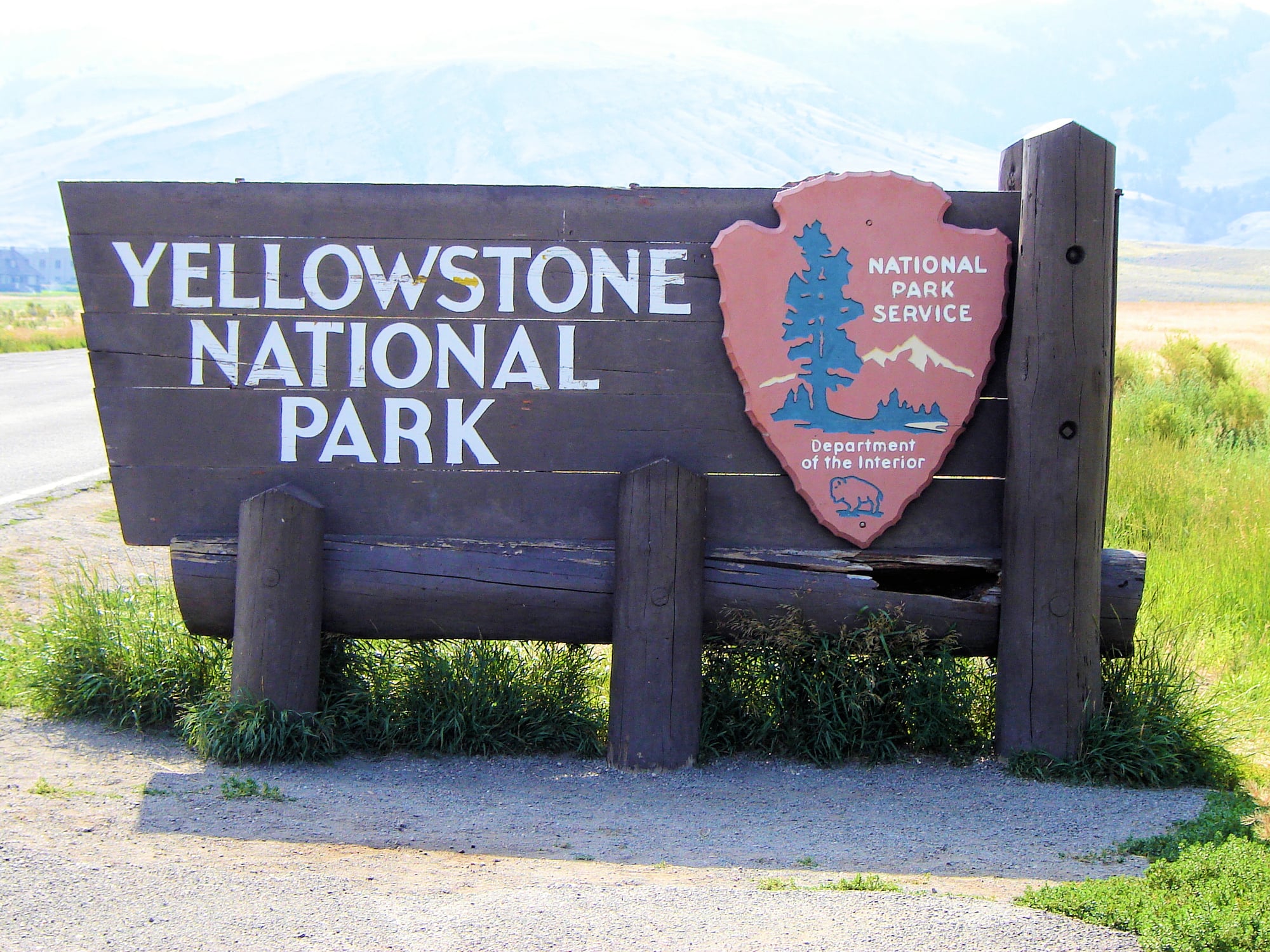
Early Yellowstone postcards feel less like snapshots and more like promises, the kind a park makes to visitors before it’s fully aware of how many people will show up wanting to keep one. Old Faithful mid-eruption, hand-tinted in colors that never quite existed in nature, geysers rendered in shades of orange and blue that some illustrator dreamed up in a print shop far from Wyoming. The cards from before 1920, before the National Park Service standardized its imagery, carry a kind of unpolished wonder that later, more accurate photographs somehow lost.
A bear standing too close to a car, a stagecoach parked where a tour bus would idle today — these details turn a five-cent souvenir into something a collector will pay hundreds for now.
Niagara Falls, New York
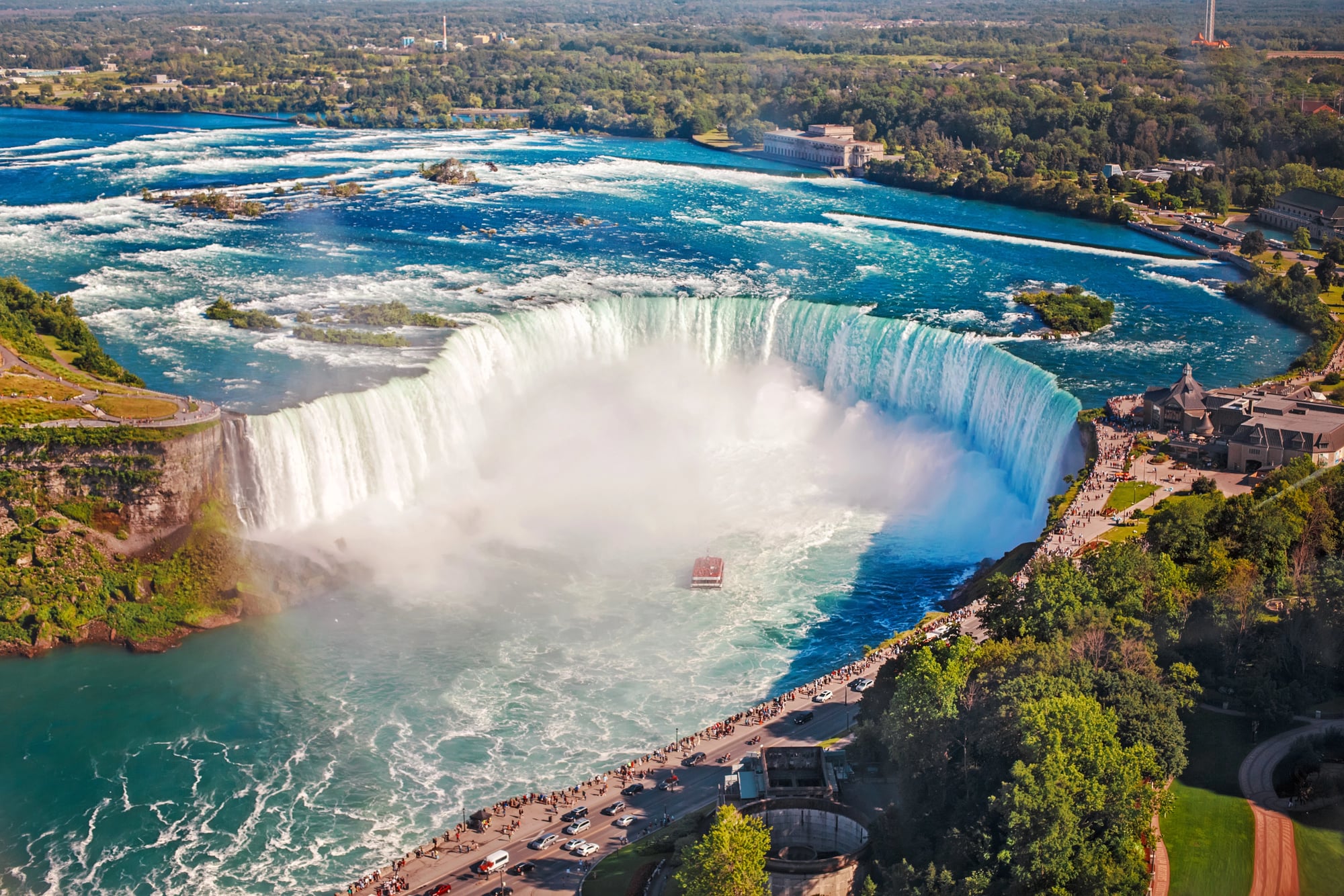
Niagara Falls postcards are everywhere. Most are worthless. But the early hand-colored ones from the 1890s and 1900s, printed before the falls’ flow was altered for hydroelectric use, sell for serious money.
Collectors want the honeymoon-era cards showing the old Prospect Point observation tower, torn down decades ago and gone for good.
Atlantic City, New Jersey
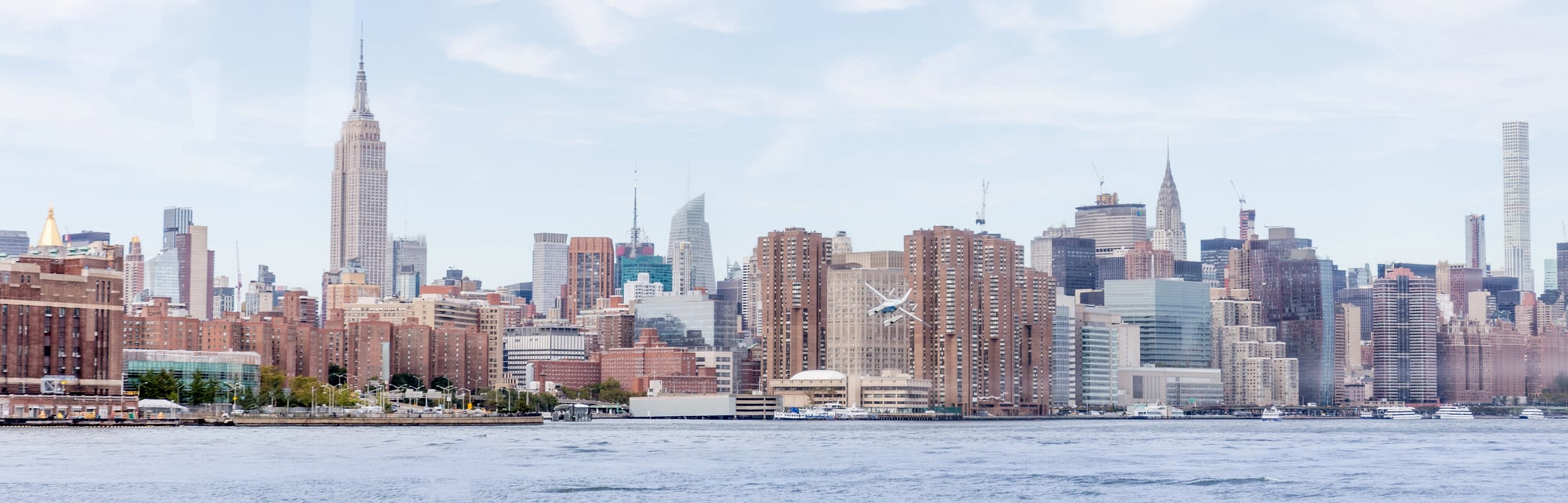
Atlantic City postcards from before the 1944 hurricane wiped out most of the original boardwalk are the ones worth chasing, and it’s not just the boardwalk itself but the specific hotels pictured on it (the Marlborough-Blenheim, the Traymore, buildings so ornate they look like someone’s fever dream of a seaside palace) that push prices upward. So a card showing the Steel Pier packed with visitors in 1910, its Ferris wheel lit against a darkening sky, can sell for more than a stack of a hundred generic beach scenes from anywhere else on the coast. And that’s the strange math of this hobby: rarity beats prettiness almost every time.
Collectors will overlook a faded, water-stained corner if the card shows a building that’s been gone since Eisenhower was in office — condition matters, sure, but disappearance matters more.
Savannah, Georgia
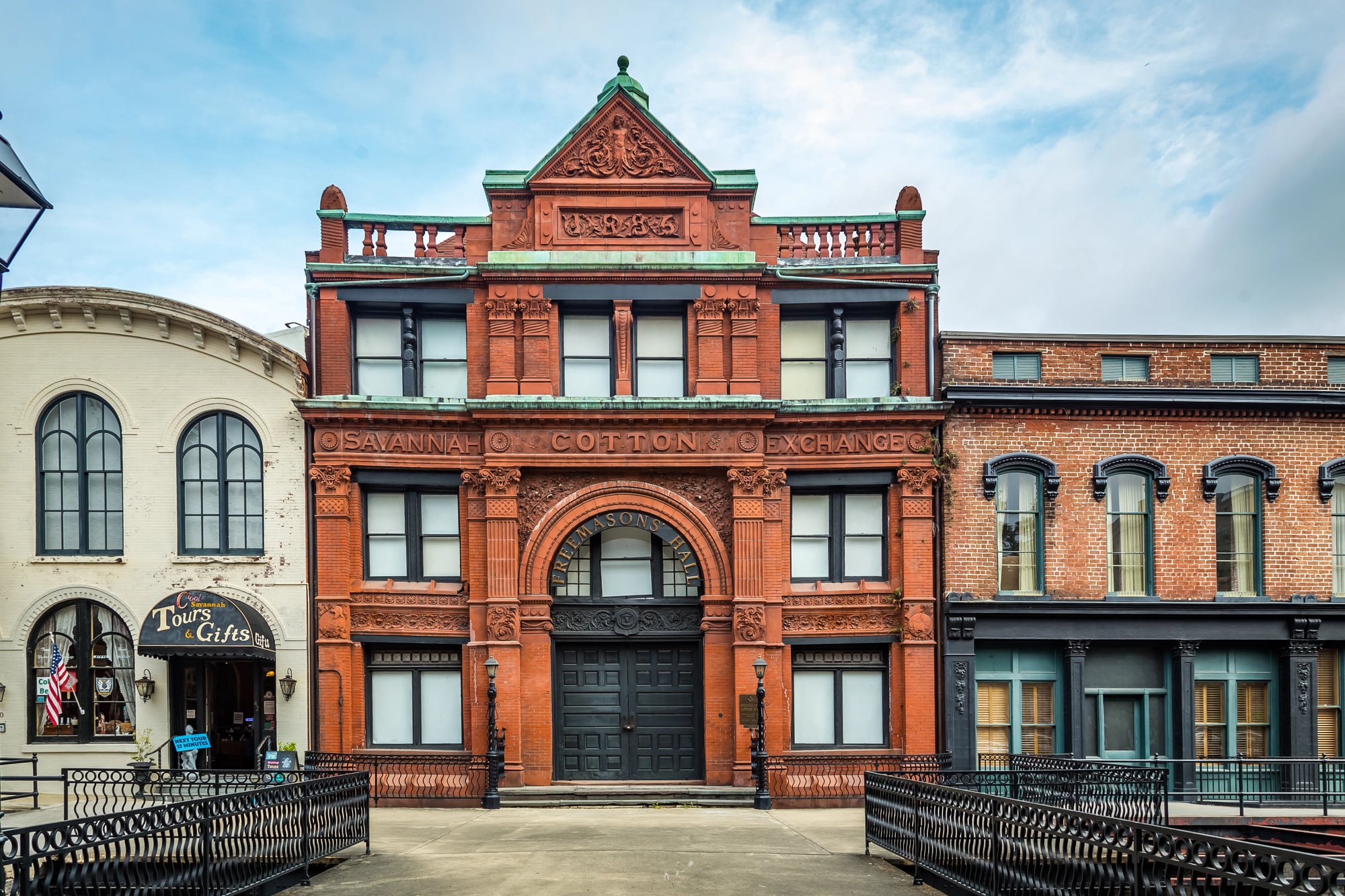
Savannah’s old squares photograph like they were designed for postcards before postcards even existed, which might explain why the early 1900s cards of Forsyth Park’s fountain and the moss-draped oaks along Bull Street still circulate in surprising numbers. What separates the valuable ones from the pile isn’t the greenery, though, it’s the storefronts and streetcars caught in the background, since Savannah’s downtown looks preserved today in a way that makes those small background details oddly rare. A card showing the old City Market before it was demolished in the 1950s to make way for a parking garage can pull in real money, mostly because nobody photographed that building enough before it disappeared.
Collectors also favor the cards printed by local Savannah publishers rather than the national postcard companies, since those smaller print runs simply didn’t survive in the same volume.
San Francisco, California
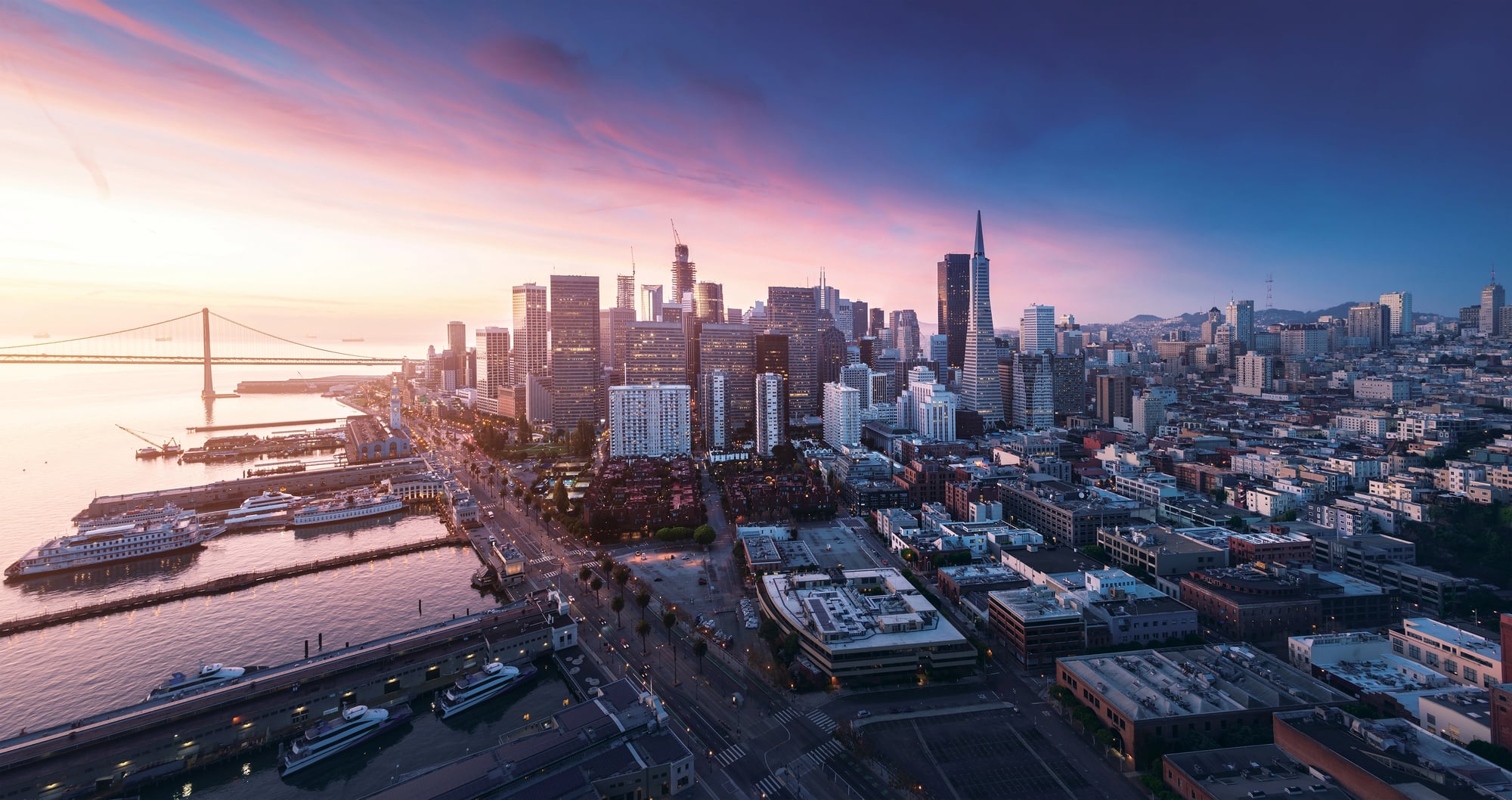
Pre-1906 San Francisco postcards are the real prize here, and nobody in this hobby pretends otherwise. Any card showing the city before the earthquake and fire leveled most of it that April morning is documenting a place that, in a very literal sense, no longer exists. Collectors don’t just want pretty streetscapes either — they want the ones capturing buildings like the original City Hall, ornate and doomed, sitting there looking permanent when it had weeks left.
A generic view of the bay can go for a few dollars; a clear shot of Market Street before the fire routinely sells for hundreds, which is a fairly blunt lesson in what actually drives value in this market.
Charleston, South Carolina
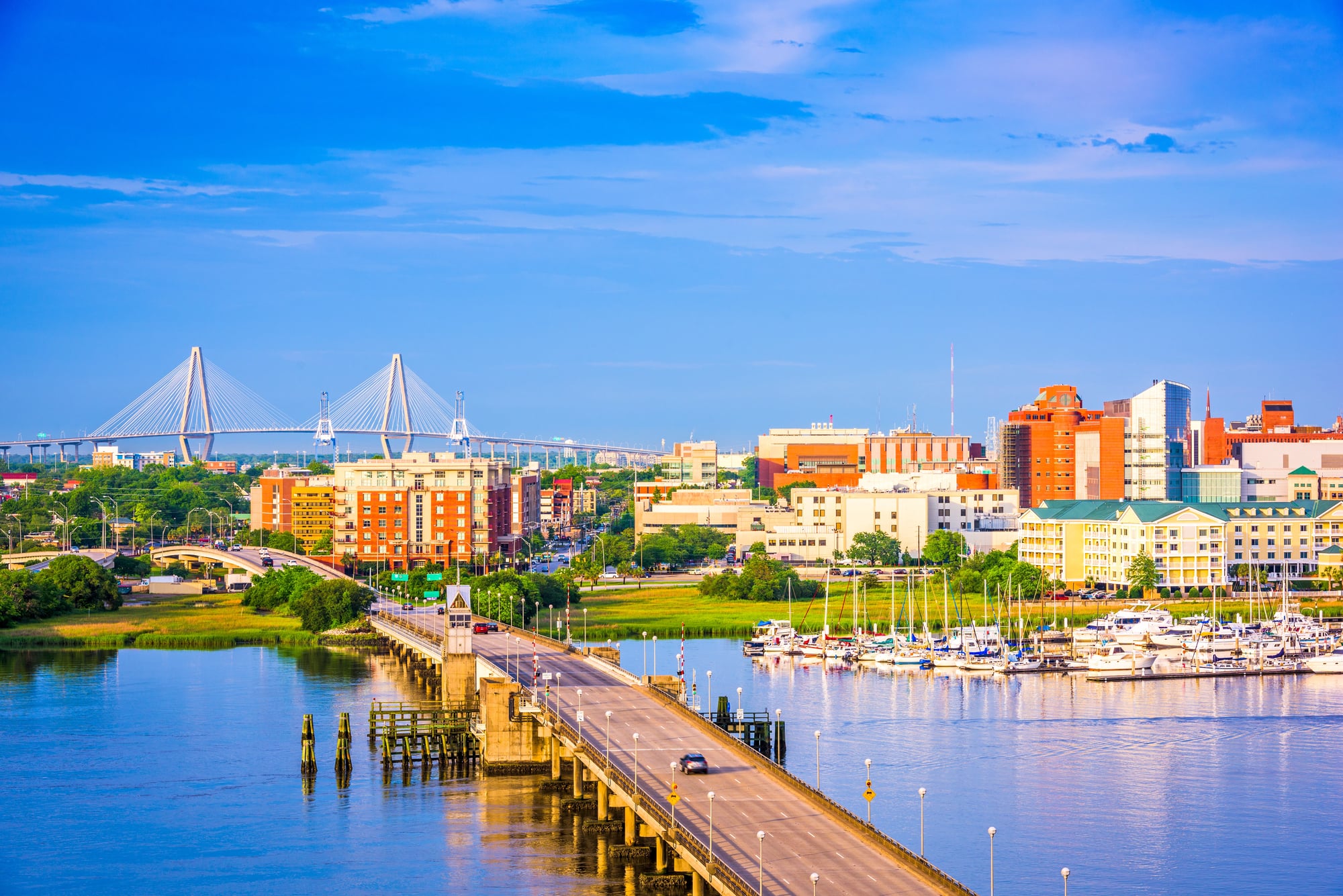
Charleston postcards from before World War I capture the cobblestones and ironwork almost untouched by tourism. The Battery, the pastel houses on Rainbow Row, horse carts still working the streets instead of just posing for photos. Collectors pay the most for cards printed before the 1929 earthquake damage was repaired, since a few showed cracked facades that got quietly fixed and never photographed again.
A clean, unposted example from a small Charleston print shop can outsell a stack of Savannah cards from the same decade.
Grand Canyon, Arizona
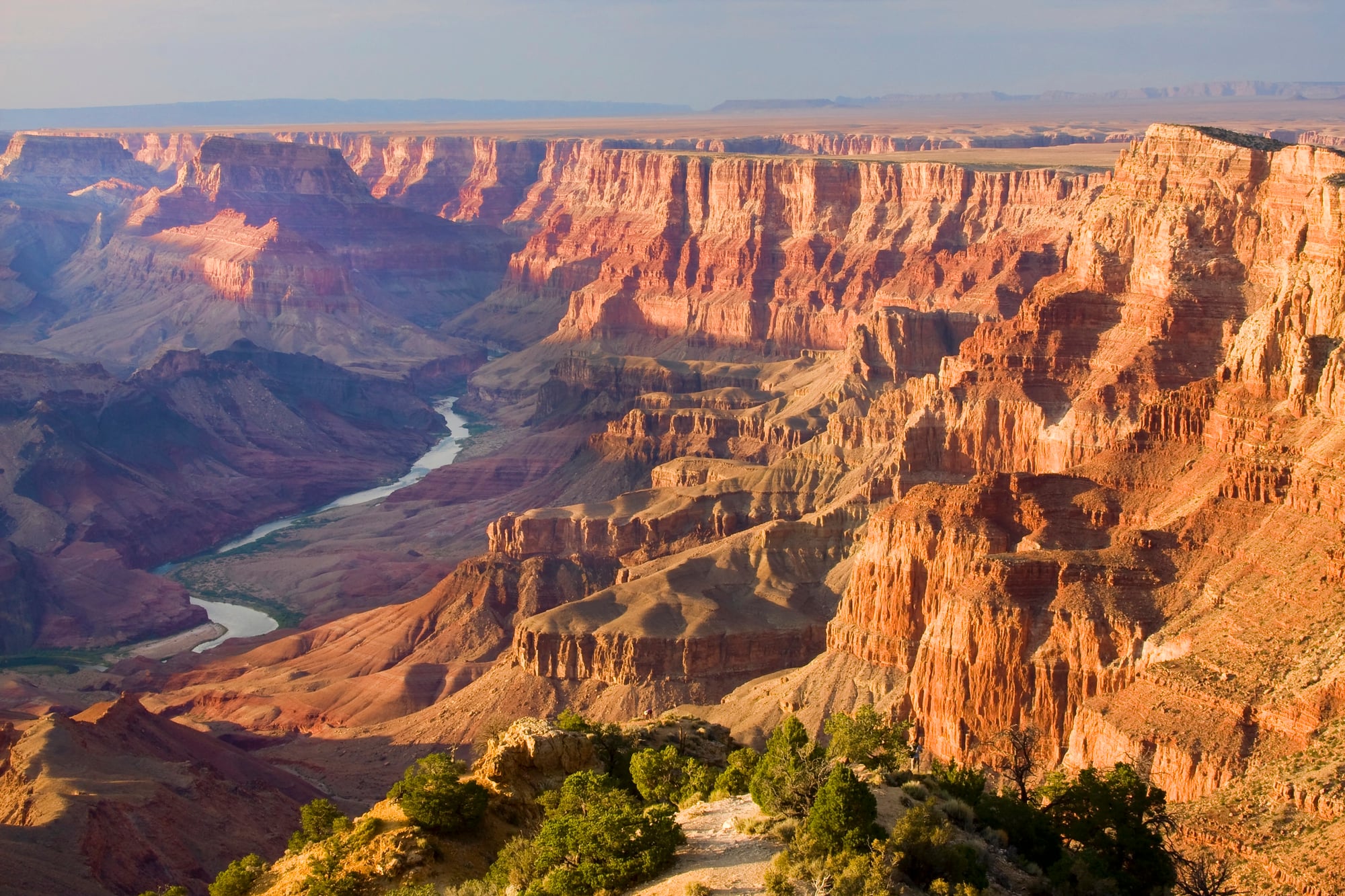
The Fred Harvey Company all but invented the Grand Canyon postcard business before the National Park Service ever showed up, commissioning hand-tinted photochrom views of El Tovar Hotel clinging to the rim (a hotel that, structurally, still looks like it shouldn’t be there) and shipping the finished cards back from a Detroit print shop by the crate. So it’s not the canyon. It’s the mule trains descending Bright Angel Trail, the Harvey Girls posed stiffly on the veranda, the small human details that pin a card to one exact decade instead of leaving it stranded in some timeless postcard-rack backdrop — and once you notice those details, you start understanding why one card sells for four dollars and another sells for four hundred.
A card postmarked before 1919, the year the canyon officially became a national park, carries a strange little premium: collectors like owning proof of a place from before the government caught up to what it obviously already was.
New Orleans, Louisiana
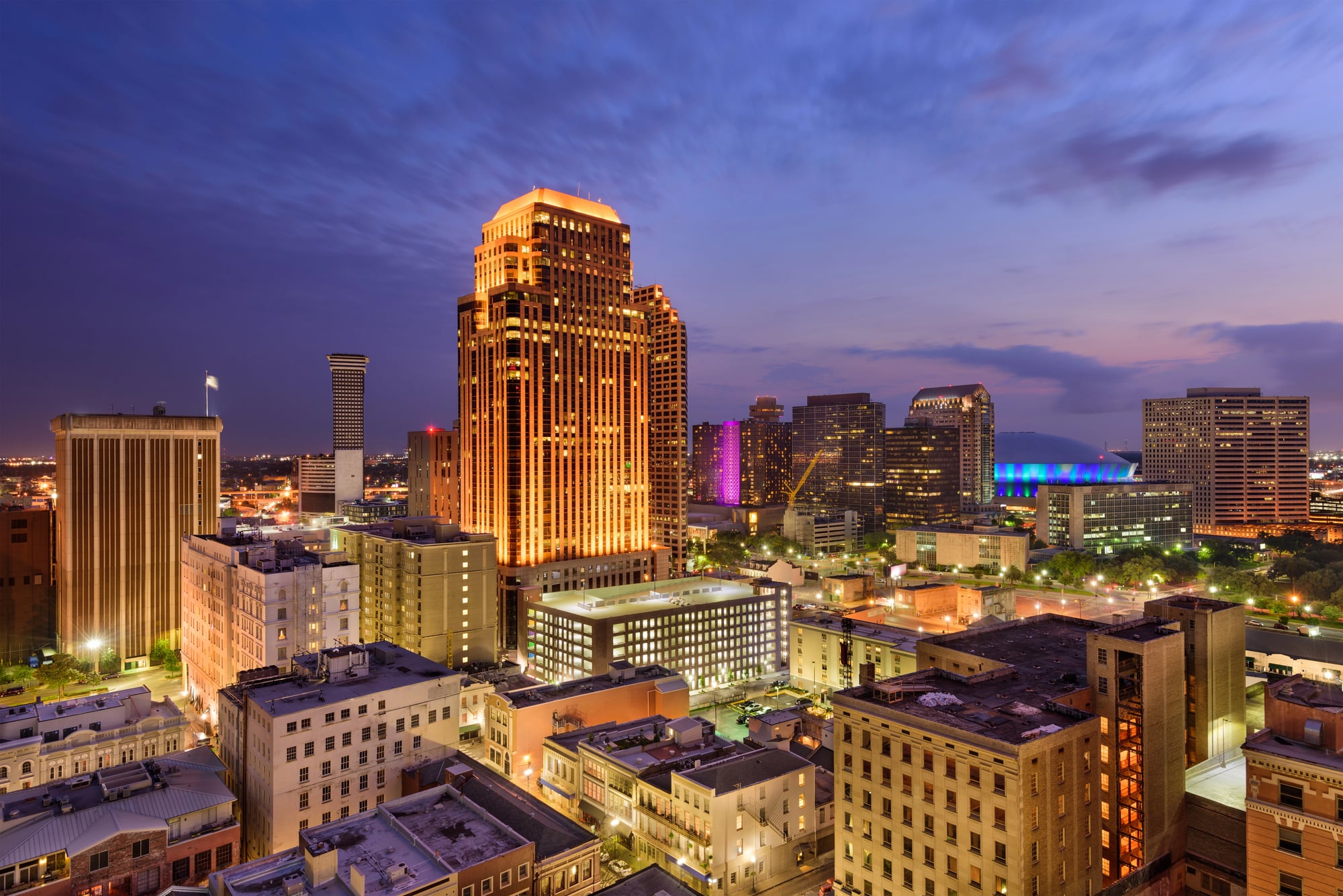
A French Quarter postcard from the early 1900s carries the particular weight of a place that never quite lets go of its own reflection, the wrought-iron balconies and mule-drawn streetcars rendered in tints that feel more like memory than photography. What collectors chase isn’t Bourbon Street itself, which has always performed for the camera, but the quieter corners: the old French Market before its stalls were modernized, the riverfront before the levee system reshaped the skyline into something flatter and less romantic.
A card postmarked before the 1915 hurricane tends to fetch more, mostly because it shows rooflines and shutters that storm quietly erased. There’s a particular stillness to these cards, the kind that makes a busy city look like it’s holding its breath for the camera.
Aspen, Colorado
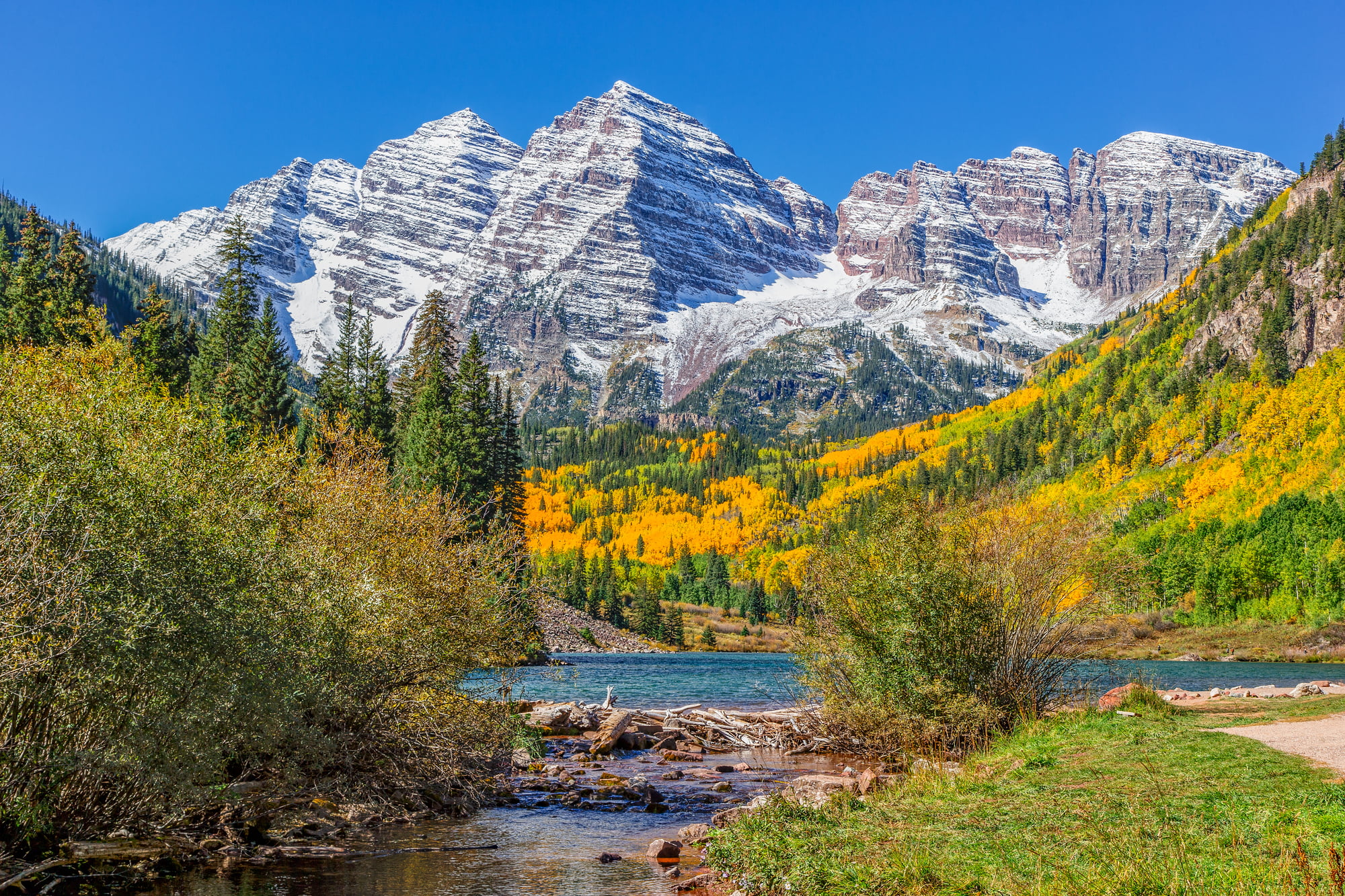
Aspen postcards from before the ski boom show a mining town on its last legs, not the resort it eventually became. Storefronts half-empty, Victorian buildings looking tired rather than restored, streets that would later get bought up and polished into something almost unrecognizable. Collectors want the cards from the 1930s and 1940s, right before Walter Paepcke and his money started turning the town into a destination, since that’s the last stretch where Aspen photographed like an ordinary place.
A card showing the original Hotel Jerome without its later additions can sell for a surprising amount, mostly because so few people bothered photographing a town nobody expected to matter.
Key West, Florida
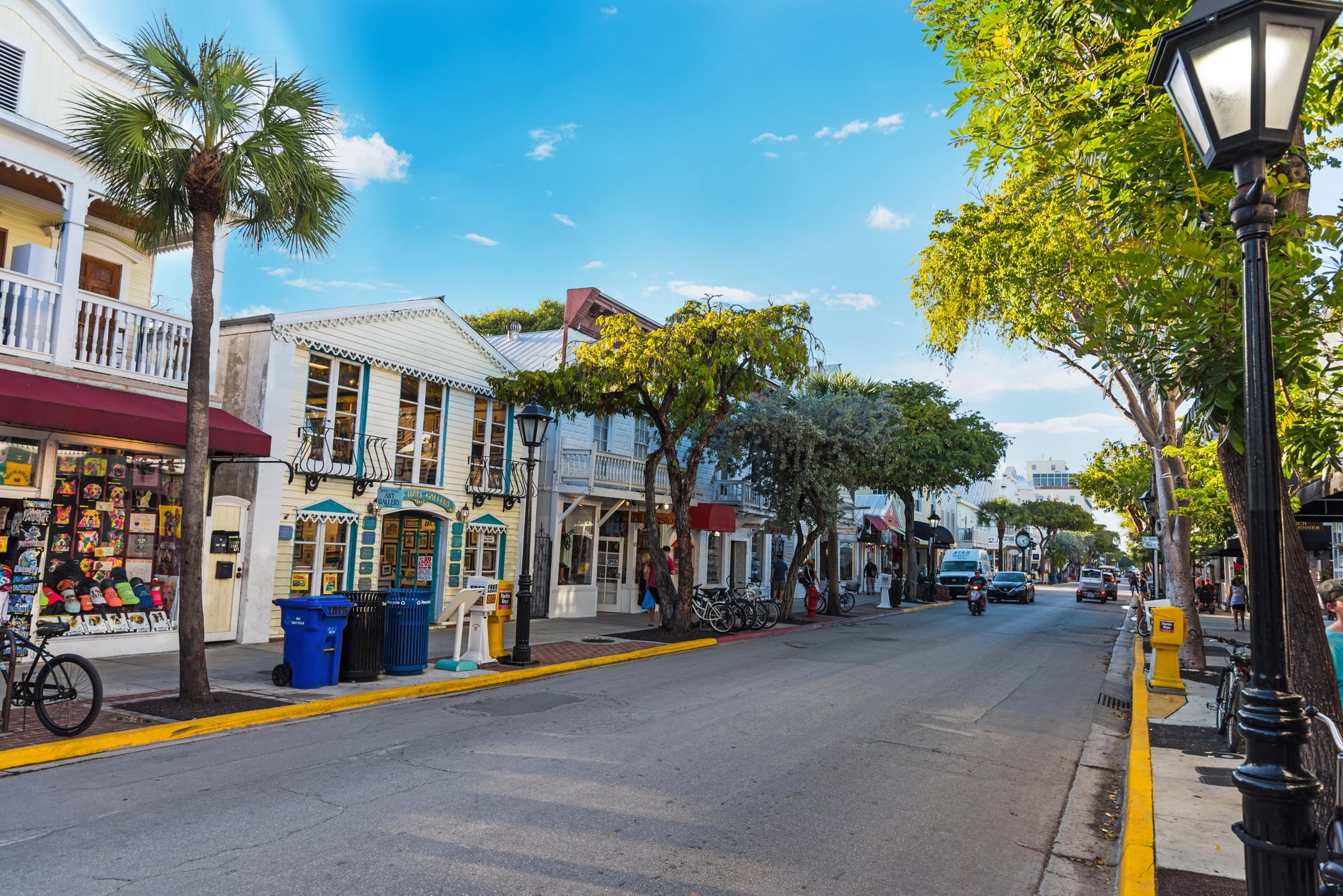
Key West postcards from before the Labor Day hurricane of 1935 carry the quiet weight of a place that used to be tethered to the rest of Florida by something more fragile than it looked. The old Overseas Railroad appears in the background of some of these cards, trestles stretching improbably across open water, a feat of engineering that reads now like a rumor rather than a fact. Once the storm tore the line apart for good, the highway replaced it, and the postcards showing that vanished railroad became small, accidental obituaries for an entire transportation system.
Collectors favor the ones postmarked before 1935, since anything after simply shows a different island, one already rebuilding itself into something more cautious.
Catalina Island, California
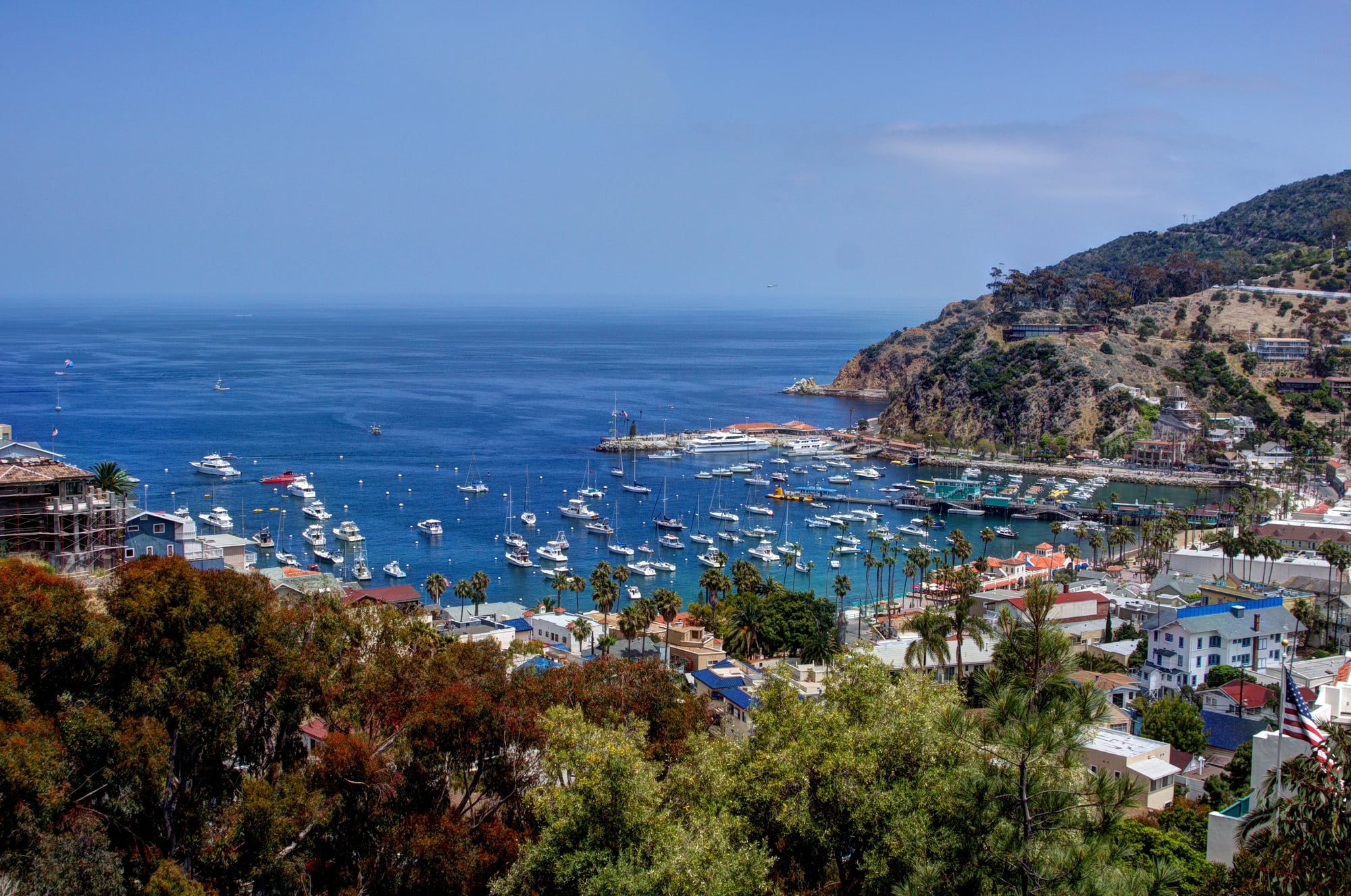
Catalina postcards from the 1920s and 1930s tend to circle back to one building over and over, the Casino at Avalon (which was never actually a casino in the gambling sense, just a dance hall and theater that somehow ended up with the wrong name stuck to it forever), and that architectural mix-up is part of what makes the earliest cards worth tracking down. So it’s not simply the glass-bottom boats or the flying fish hunts lit up at night with torches, though those show up constantly and collectors do want them — it’s the ones printed before William Wrigley Jr. bought most of the island in 1919 and started reshaping it into a resort with his own money and his own opinions about what a resort should look like.
A card from just before that purchase shows a scrappier, more improvised Avalon: wooden piers instead of the polished ones that came later, a skyline with none of the Mediterranean-style flourishes Wrigley eventually imposed on it, and somehow that rougher version photographs as more honest than anything that followed. And once the island got its now-famous white-and-red rooftops, nobody bothered documenting what it looked like before, which is exactly the kind of oversight that turns an ordinary five-cent card into something worth considerably more decades later.
Bar Harbor, Maine
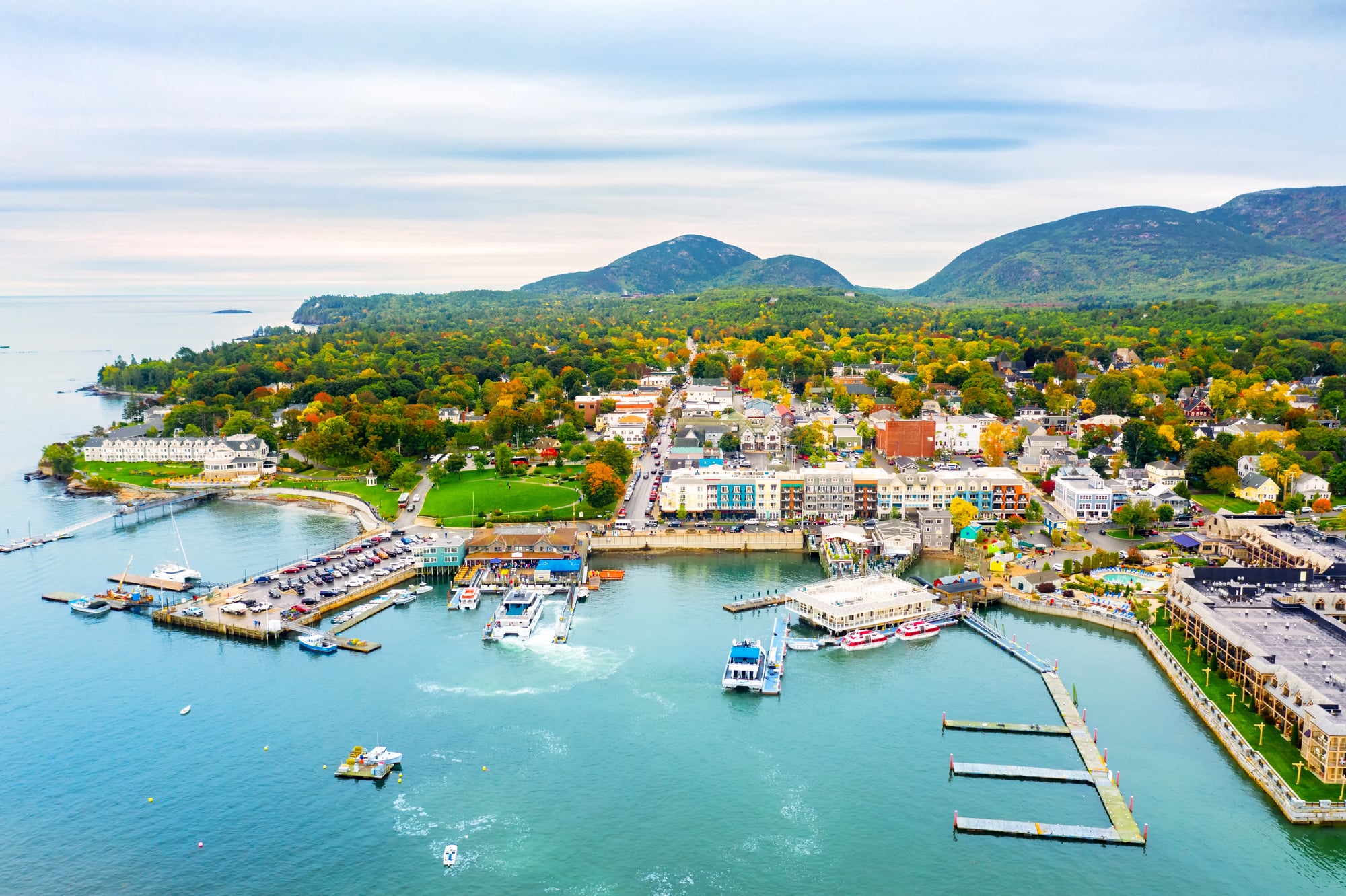
A Bar Harbor postcard from the 1910s looks less like a vacation photograph and more like a eulogy nobody knew they were writing yet, all those “cottages” with forty rooms and ocean views lined up along Millionaire’s Row like guests waiting for a party that never got canceled. The 1947 fire took most of them in a single autumn, embers carried on wind that locals still describe with a kind of hushed disbelief, and what survives on paper now stands in for buildings that survive nowhere else.
Collectors gravitate toward the cards showing specific estates, not the generic harbor views, because a scorched foundation doesn’t photograph nearly as well as the mansion that used to sit on it. There’s a quiet irony in how a five-cent card meant to advertise leisure ended up preserving grief instead.
Nantucket, Massachusetts
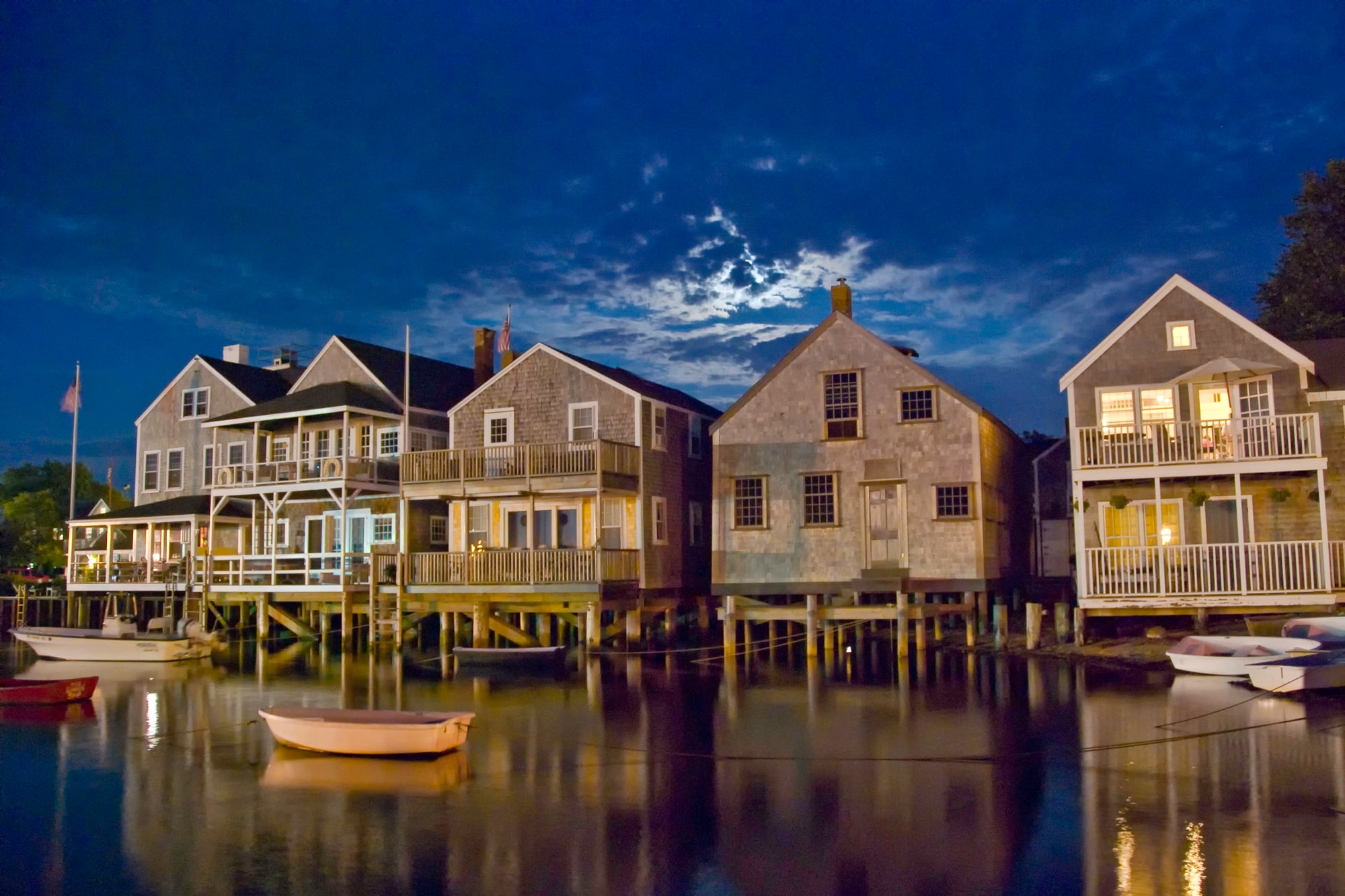
Nantucket postcards get overpriced constantly, and collectors who can’t tell a real find from a tourist trap deserve every dollar they lose chasing the wrong ones.
The cards actually worth something show the cobblestone streets and grey-shingled houses from back when the island still looked like a town recovering from the collapse of its whaling economy, not one performing quaintness for summer visitors who’ve never set foot on a boat. A card showing the old Steamboat Wharf before its 1900s rebuild carries real scarcity, not just charm, which is a distinction plenty of sellers on auction sites still haven’t sorted out. Nostalgia sells fine by itself, but nostalgia paired with genuine rarity is what actually moves the price.
Palm Beach, Florida
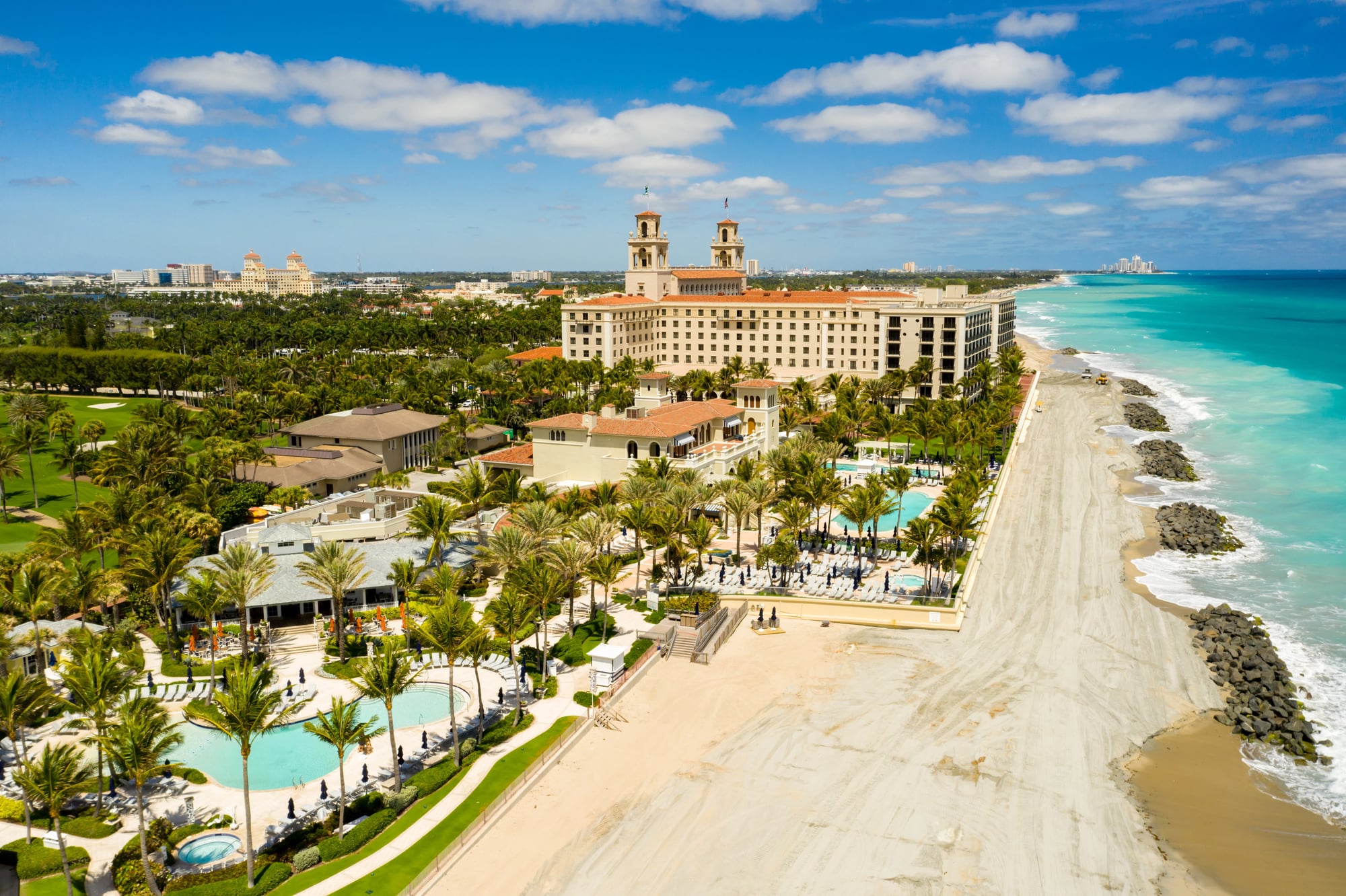
Palm Beach postcards worth real money almost always show the Royal Poinciana Hotel. Henry Flagler built it in 1894, and for years it was billed as the largest wooden building in the world.
It came down in 1935, torn apart board by board once resort tastes moved elsewhere. Cards printed before that demolition sell for hundreds now, and nobody’s printing new supply.
Coney Island, New York
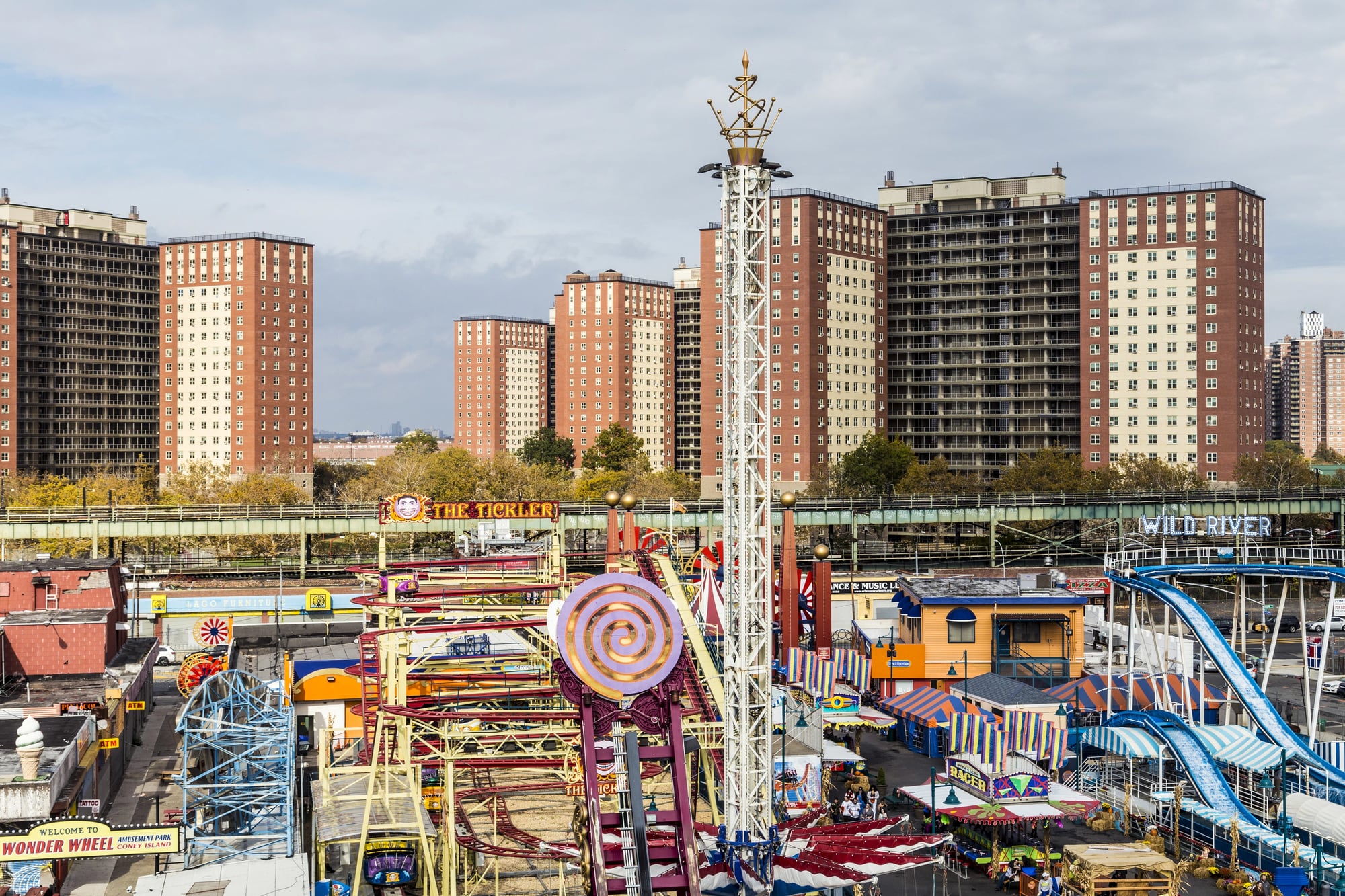
Coney Island postcards from before 1911 hold a strange kind of proof, since that’s the year Dreamland burned to the ground in a single night, an amusement park with a million lights and a lagoon meant to double as a fire brigade demonstration that instead failed spectacularly when the blaze actually came — and the cards showing its ivory towers before that April night now document something that simply isn’t checkable anywhere else. So it’s not Luna Park everyone wants, even though Luna Park’s own minarets and electric towers photograph beautifully; it’s the smaller, stranger structures at Dreamland, the incubator building where premature infants were displayed as a medical exhibit (a detail that sounds invented but wasn’t), that pull in serious money now.
And a run of these cards can swing from worthless to genuinely valuable depending on one detail: whether the postmark lands before or after that fire, since collectors here care less about the crowds on the boardwalk and more about a skyline that vanished in about seven hours. Nobody photographed the aftermath much, which is exactly why the “before” cards carry the weight they do.
Mackinac Island, Michigan
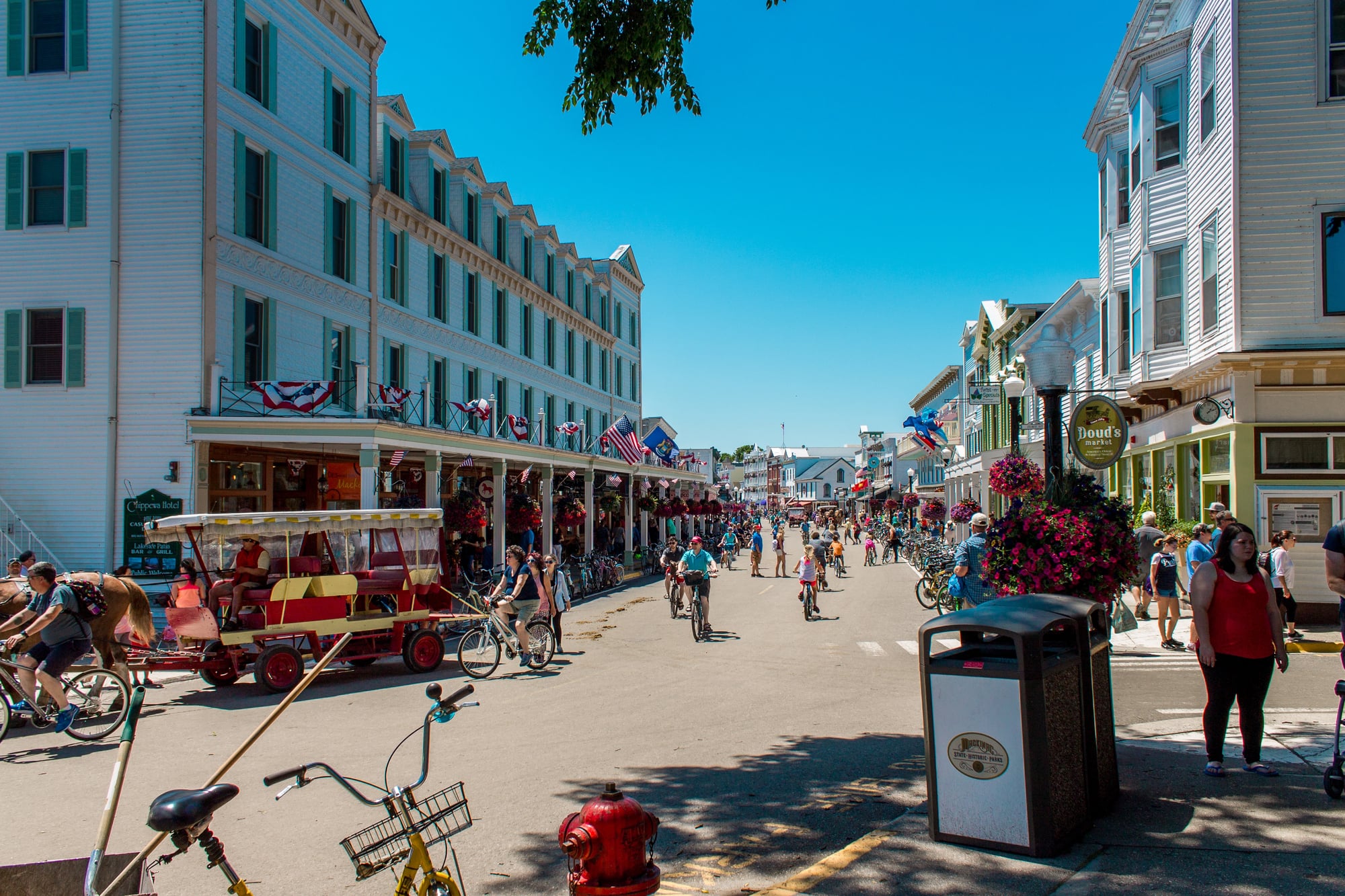
Mackinac Island postcards move at the speed of a horse-drawn carriage, unhurried and slightly out of step with everywhere else, which tracks given that the island banned automobiles back in 1898 and never once reconsidered. The Grand Hotel dominates the early cards the way a lighthouse dominates a shoreline, less a subject than a fixed point everything else in the frame seems to orbit, its porch stretching out longer in these old prints than any modern postcard would bother showing in full.
What collectors chase are the cards from before 1933, back when that porch still ran its original length, before later renovations trimmed and reshaped it into something slightly more modest. There’s something almost tender about a postcard preserving a porch, of all things, as though length itself were the detail worth remembering.
Galveston, Texas
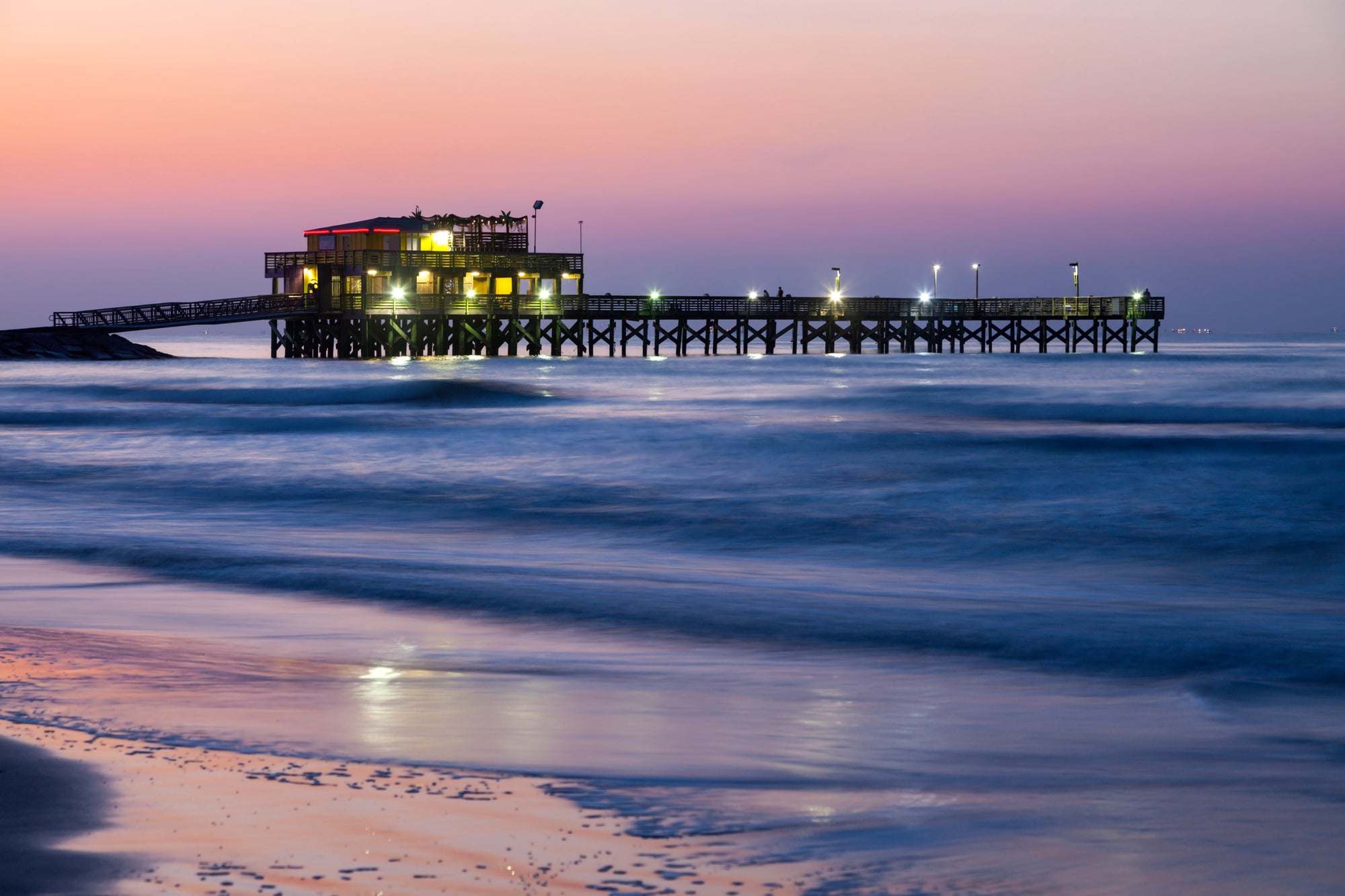
Galveston postcards are the most morbid entry on this list, and that’s exactly why they sell. The 1900 hurricane killed somewhere between six and twelve thousand people and flattened most of the city, so any card postmarked before that September documents a place that essentially stopped existing overnight.
Collectors don’t dress this one up: a clear shot of the old Beach Hotel or the original Tremont House before the storm can outsell a hundred generic Texas coastline scenes, because nowhere else does a five-cent card double as evidence of a disaster that total. To be fair, that’s a strange thing to build a hobby around, but nobody ever claimed postcard collecting was supposed to be cheerful.
Yellowstone, Wyoming
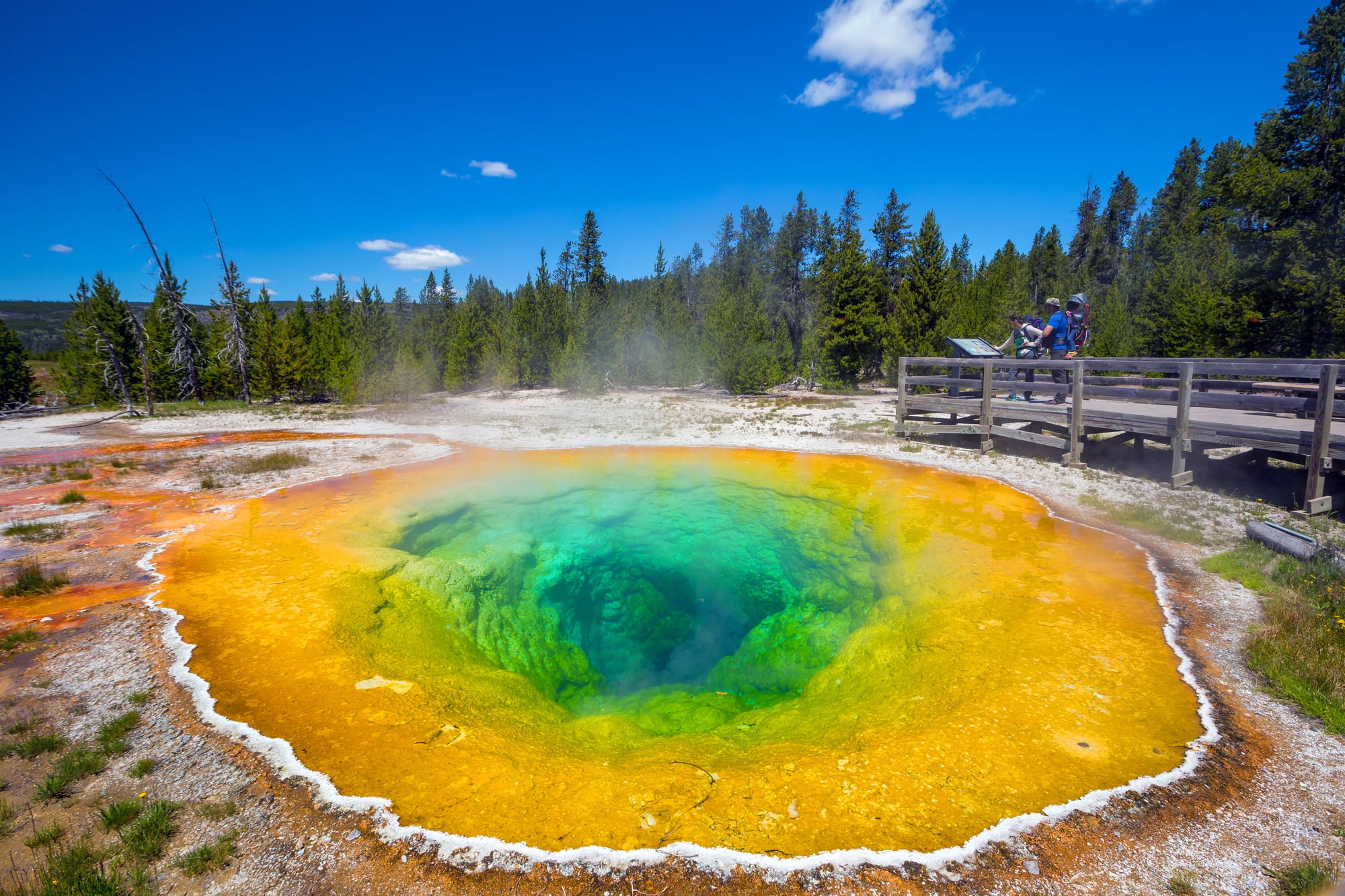
Yellowstone postcards from before 1904 are rare for one specific reason: Old Faithful Inn didn’t exist yet. Earlier cards show canvas tent camps and stagecoaches parked near the geysers, nothing permanent, nothing built to last.
Once the log-and-stone inn went up, it became the default backdrop for every card printed afterward, and the tent-camp views quietly stopped getting made. A worn 1900 card of a canvas camp beats a dozen crisp 1920s inn photos, no contest.
Niagara Falls, New York
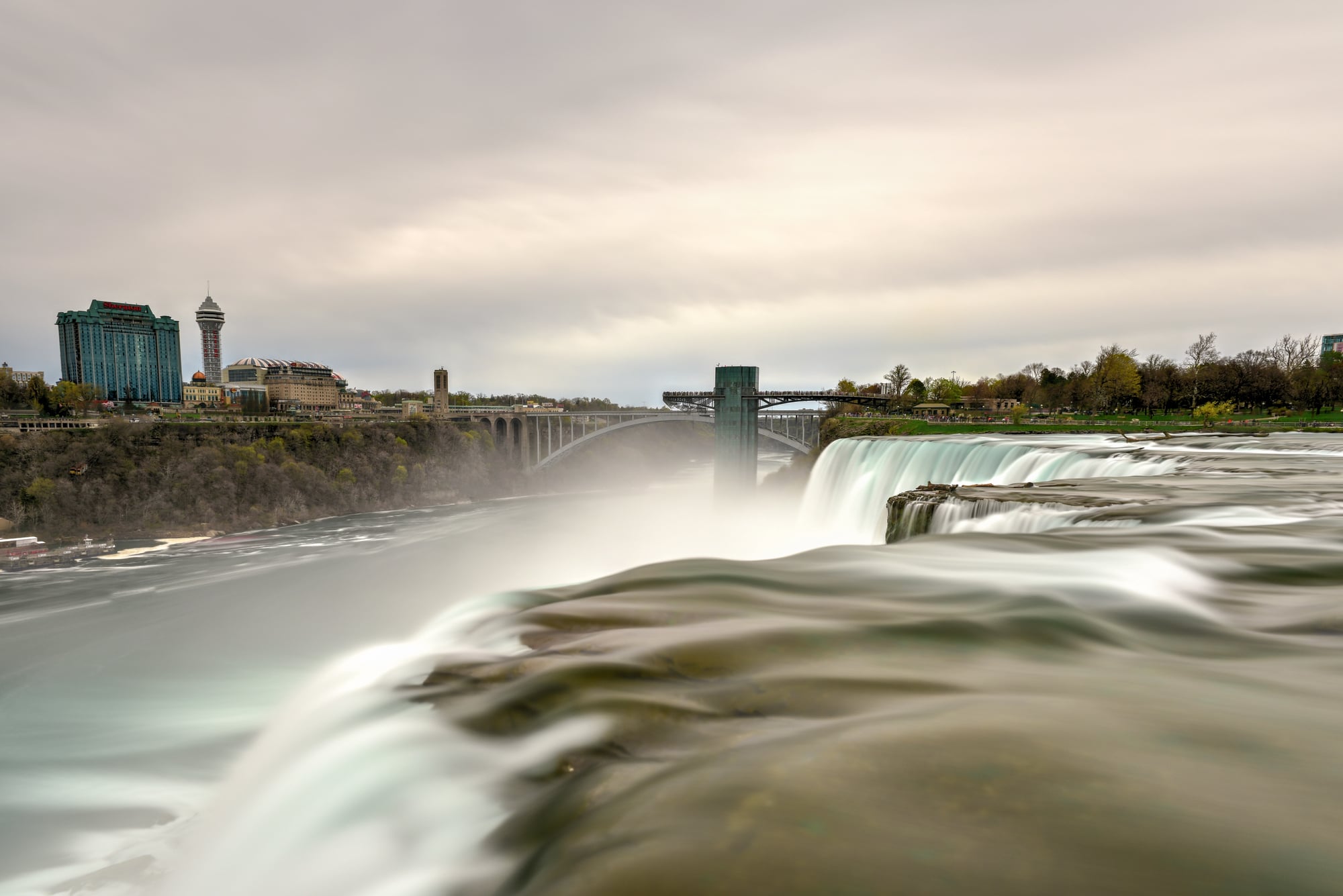
Niagara Falls postcards flooded the market for over a century, which is exactly why most of them are worth next to nothing — but the ones from before the 1920s power diversions, when the falls still ran at something closer to their original volume before the hydroelectric plants started siphoning off a huge share of the flow, are a different story entirely.
And the postcards worth chasing aren’t the wide, generic panoramas everyone printed by the thousands, they’re the ones showing the Maid of the Mist boats dwarfed by spray that simply doesn’t happen at that scale anymore, or the old Bridal Veil suspension bridge before ice and time took it apart piece by piece. So there’s a strange kind of scarcity built into a place that’s been photographed relentlessly since the 1890s: everything’s been shot, sure, but almost nothing shows the falls at their fullest, untamed force. A card postmarked before the diversion agreements, especially one printed by a small Niagara-area studio instead of a national publisher, tends to sell for considerably more than its prettier, more common cousins.
Cape May, New Jersey
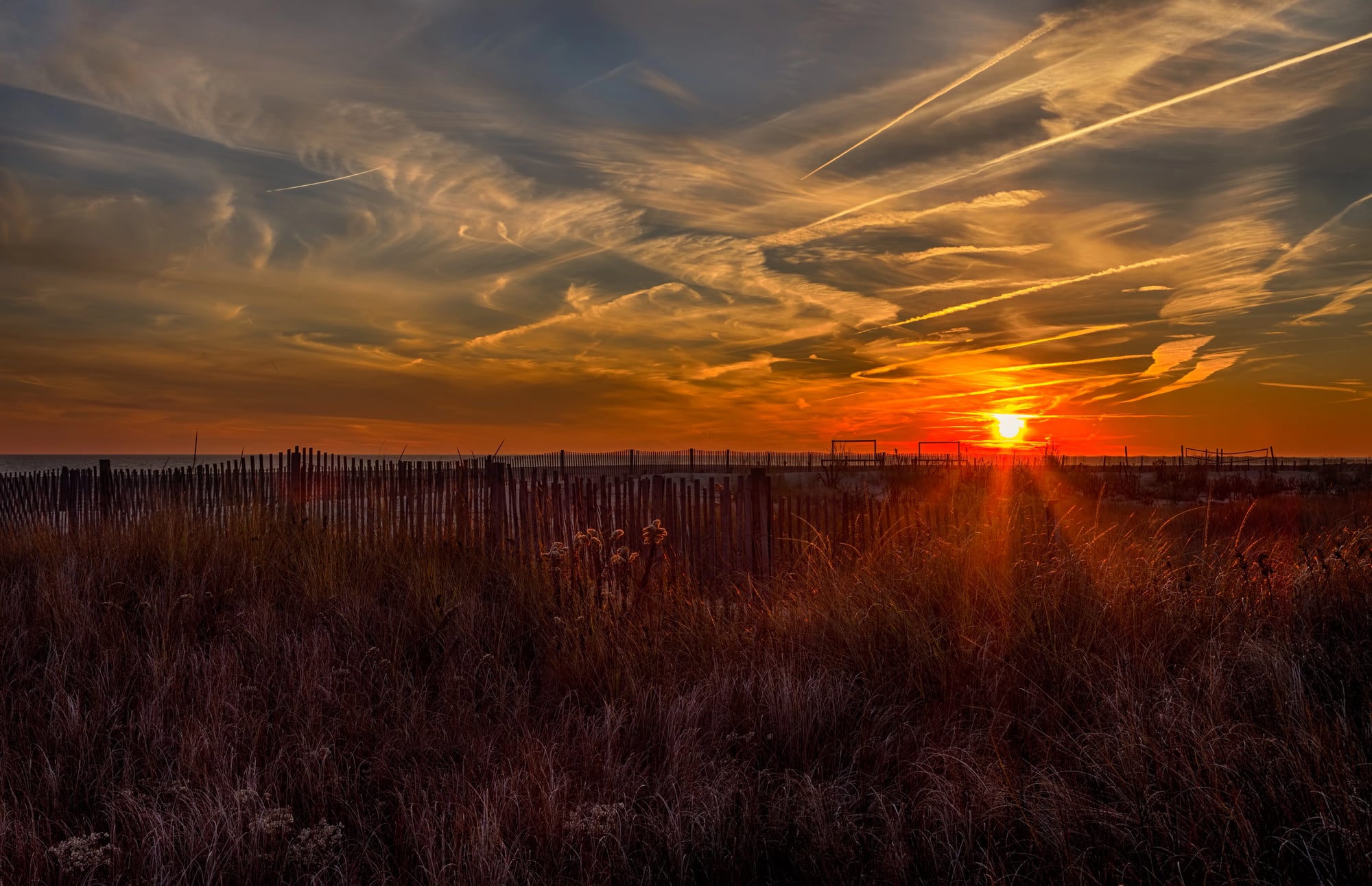
There’s a particular kind of postcard that documents a town losing an argument with the sea, and Cape May’s older cards do exactly that, showing the wide sand beaches and the sprawling wooden hotels that once lined them before erosion and a string of nor’easters rearranged the coastline for good.
The Mount Vernon Hotel appears in some of the earliest examples, a building so large it was briefly billed as one of the biggest hotels in the country before fire took it apart in stages across the 1850s and 1870s, leaving nothing behind but a name collectors now have to hunt for on the back of a card instead of finding standing in front of them. What makes these cards worth something isn’t the gingerbread trim on the Victorian cottages, pretty as that trim is, it’s the beachfront itself, wider and flatter than anything Cape May can show a camera today. A shoreline, it turns out, can vanish just as completely as a building, it just does it quietly enough that nobody thinks to mourn it until the postcard outlives the sand.
Atlantic City, New Jersey
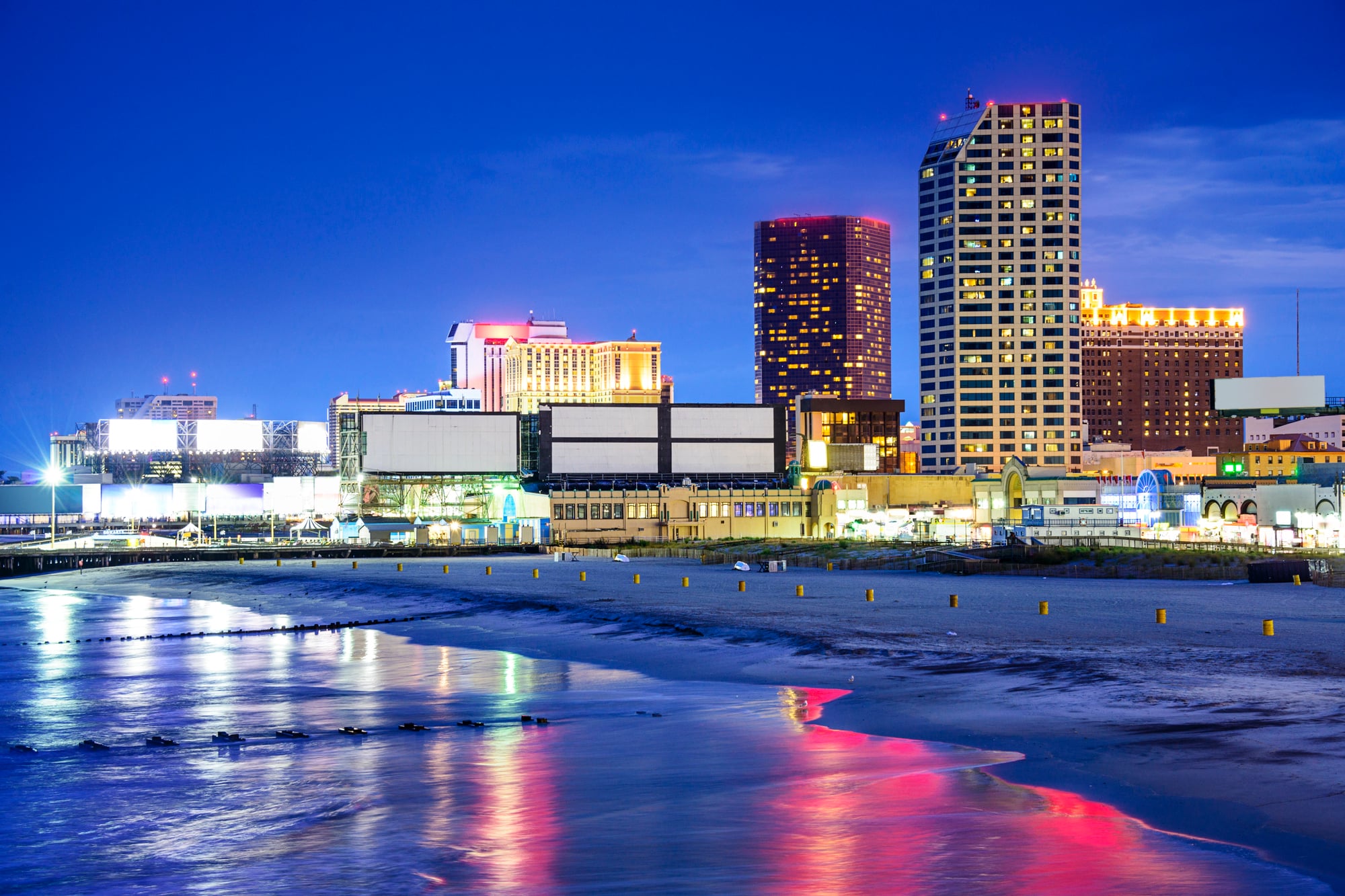
Atlantic City postcards get treated like a punchline by people who’ve only ever seen the modern skyline, which is a mistake, because the early boardwalk cards are some of the most historically loaded in the whole hobby. The original Boardwalk, built in 1870, was laid down specifically so hotel owners could stop sand from ruining their lobby carpets, a detail nobody puts on a plaque but should.
Cards showing the Marlborough-Blenheim Hotel or the old Steel Pier before their later fires and renovations carry real weight, mostly because so little of that original boardwalk architecture survived intact. To be fair, a city that keeps reinventing itself every few decades makes for lousy continuity and excellent postcard scarcity.
San Francisco, California
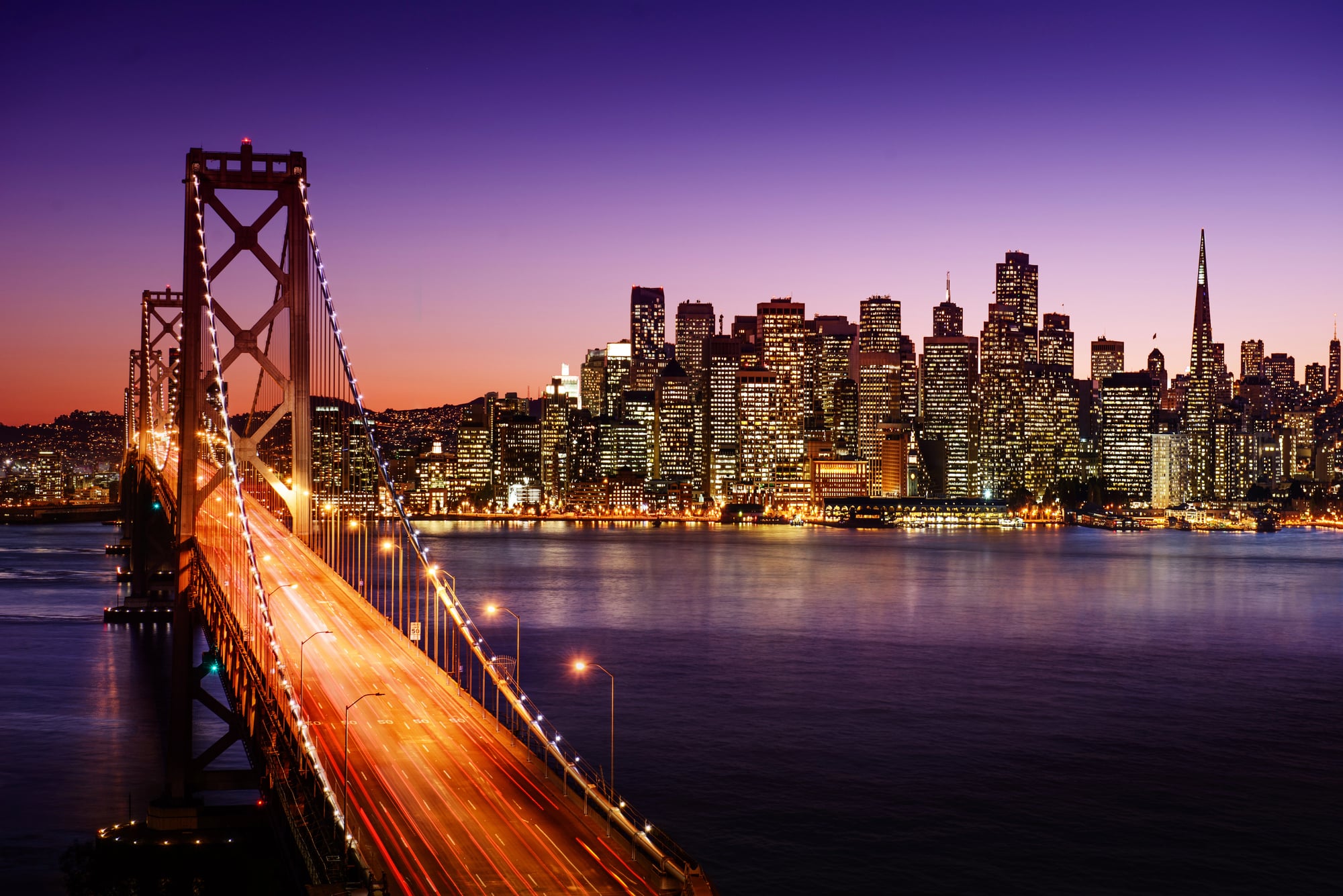
A San Francisco postcard from before April 1906 works less like a photograph and more like a held breath, the Valencia Street hotels and the ornate City Hall dome standing there fully unaware of what’s coming for them in a matter of seconds.
The earthquake and the fires that followed took out roughly eighty percent of the city, and postcards mailed before that spring now function as a kind of accidental census, proof that a building existed at all. Collectors reach for the Market Street views especially, wide boulevards lined with structures that don’t appear in a single photograph taken a year later. A city can rebuild itself taller and grander, sure, but it never quite rebuilds the version that got lost, and that’s the version these cards insist on remembering.
What These Cards Are Really Worth Holding Onto

None of this is really about postcards, not underneath it. It’s about the fact that most places don’t announce the moment they’re about to disappear, they just quietly become something else while everyone’s looking the other way, and a five-cent card mailed home from a vacation ends up being the only witness that bothered to show up.
A shuttered hotel, a stretch of untouched beach, a skyline before the fire or the storm or the diversion agreements, these things don’t ask permission before they vanish, and the camera that happened to catch them first didn’t know it was doing anything special at the time. That’s probably the appeal for anyone who ends up collecting these things seriously: not the market value, though that helps, but the strange comfort of holding a small rectangle of cardstock that outlasted the thing it was printed to advertise. Worth keeping an eye on the shoebox in the attic, is the point, since somewhere in there might be a version of a place that doesn’t exist anywhere else anymore.
More from Go2Tutors!

- The Romanov Crown Jewels and Their Tragic Fate
- 13 Historical Mysteries That Science Still Can’t Solve
- Famous Hoaxes That Fooled the World for Years
- 15 Child Stars with Tragic Adult Lives
- 16 Famous Jewelry Pieces in History
Like Go2Tutors’s content? Follow us on MSN.