26 Ancient Cities of the Americas Rediscovered
Jungle canopy, shifting sand, and centuries of neglect swallowed entire cities across the Americas, some housing tens of thousands of people at their peak. Many were never truly “lost” to the descendants of the people who built them, but they vanished from outside maps and written record until explorers, archaeologists, or laser-mapping technology brought them back into view.
These are the ancient urban centers that had to be found again.
Machu Picchu, Peru
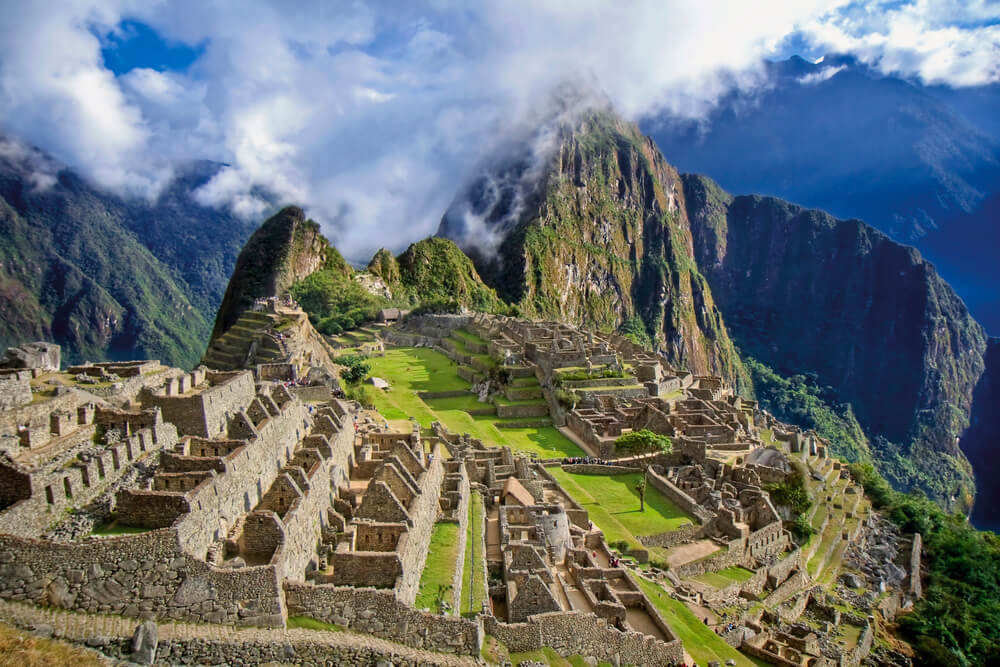
Built by the Inca in the 15th century as a royal estate roughly 8,000 feet above sea level, Machu Picchu was never actually found by Spanish colonizers and was likely abandoned before conquest ever reached it. American historian Hiram Bingham brought international attention to the site in 1911 after local farmers guided him there, though Peruvian farming families had lived and worked in the area for years beforehand.
It remains one of the best-preserved examples of Inca stonework anywhere in South America.
Chichen Itza, Mexico
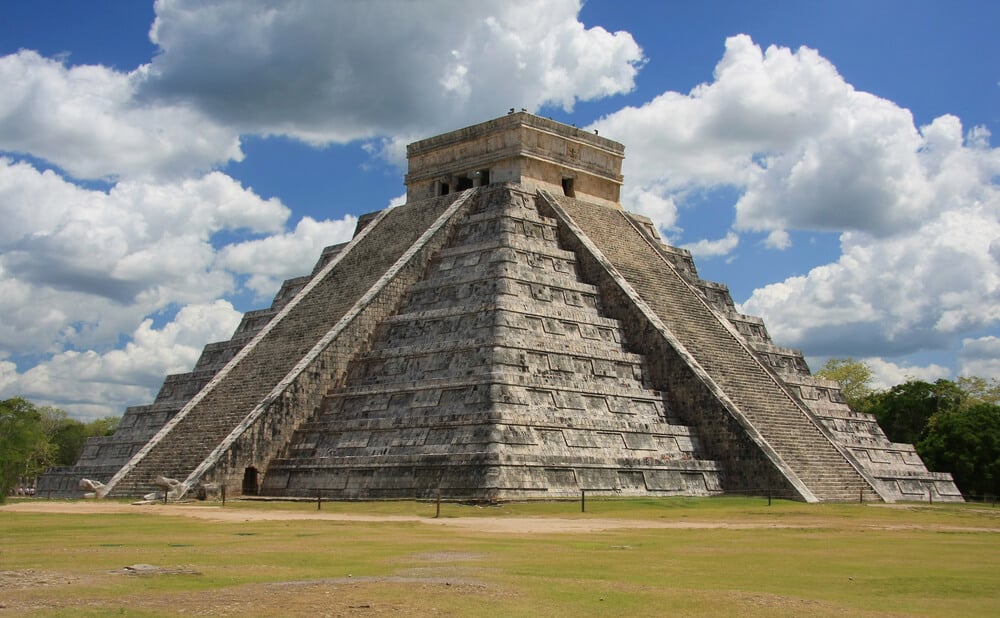
This major Maya political and religious center on the Yucatán Peninsula flourished between roughly 600 and 1200 CE before being gradually abandoned. American explorer John Lloyd Stephens and English artist Frederick Catherwood documented the ruins in detail during their 1841 expedition, producing illustrations that introduced the site to a wide international audience for the first time.
Its central pyramid, known as El Castillo, is engineered so that shadows form a serpent shape on the staircase during the spring and fall equinoxes.
Tikal, Guatemala
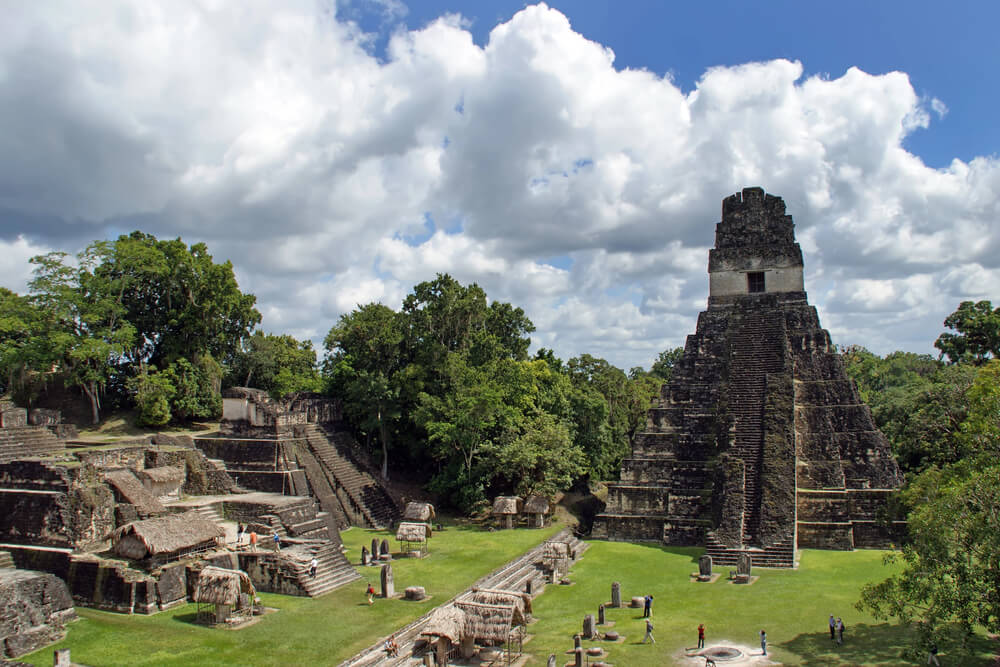
Tikal was one of the most powerful Maya city-states, home to an estimated 60,000 to 90,000 people at its height and featuring temple pyramids that rise more than 200 feet above the surrounding jungle. The city was largely abandoned by the 10th century and swallowed by dense rainforest for hundreds of years before 19th-century expeditions began systematically documenting it.
Its skyline of temple tops became widely recognized after being used as a filming location in the original Star Wars.
Caral, Peru
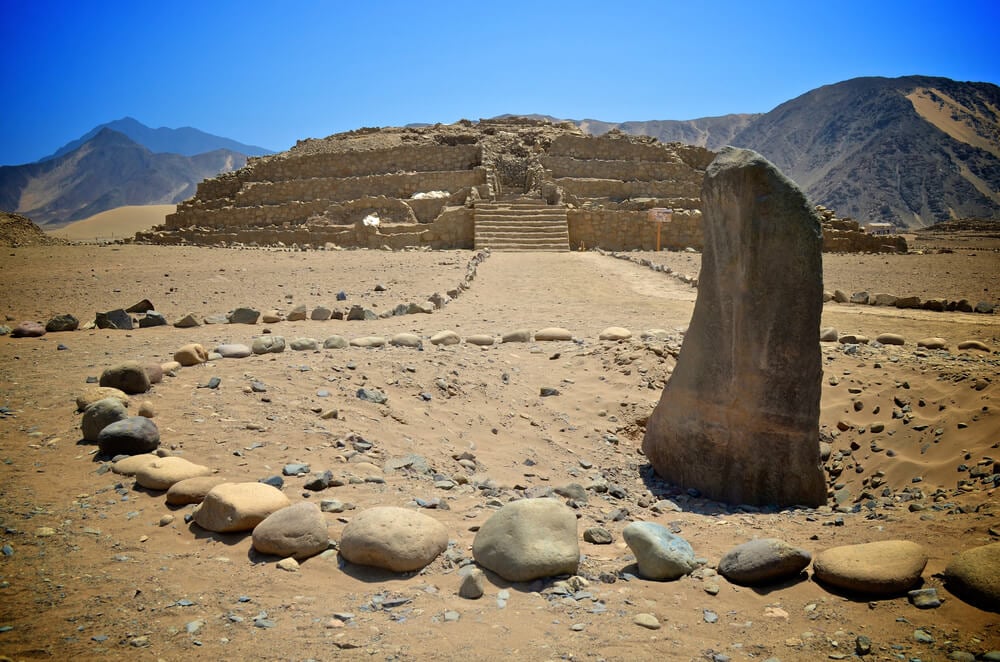
Caral, located in a river valley north of Lima, is now recognized as the oldest known city in the Americas, with monumental construction dating back roughly 5,000 years, making it contemporary with early Egyptian and Mesopotamian civilizations. Peruvian archaeologist Ruth Shady Solís led the excavations beginning in the 1990s that established its true age, overturning earlier assumptions about the timeline of urban development in South America.
Unlike many contemporary ancient cities, Caral shows little evidence of warfare or weapons.
Teotihuacan, Mexico
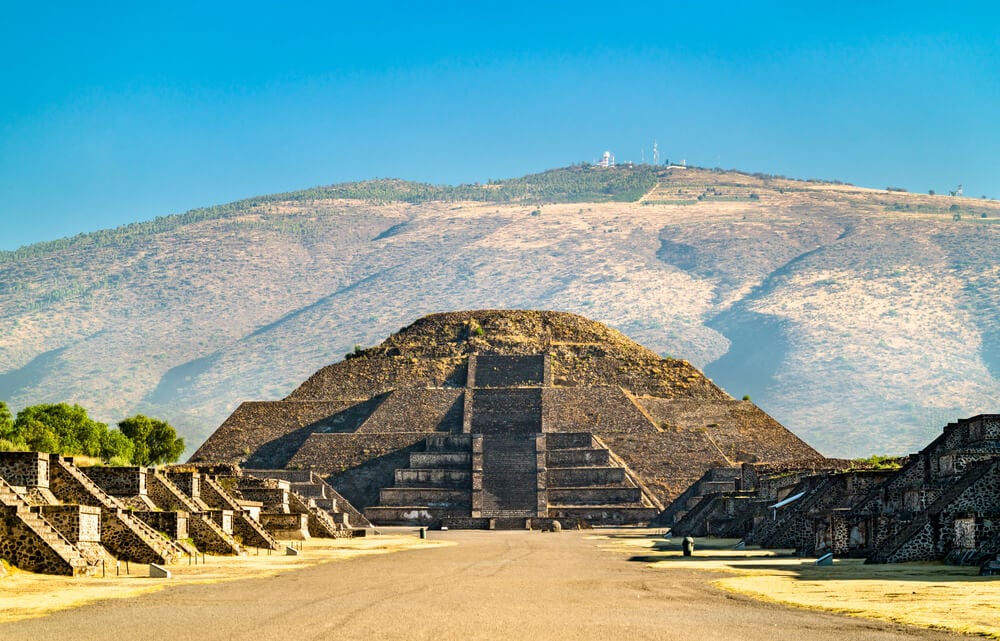
Even the Aztec, who encountered Teotihuacan centuries after its collapse, found it already abandoned and gave it the name it carries today, meaning “the place where the gods were created.” At its height around 400 CE, it may have housed more than 100,000 residents, making it one of the largest cities in the world at the time.
Systematic excavation and mapping through the 20th century revealed the extent of its massive pyramid complexes, including the Pyramid of the Sun.
Copán, Honduras
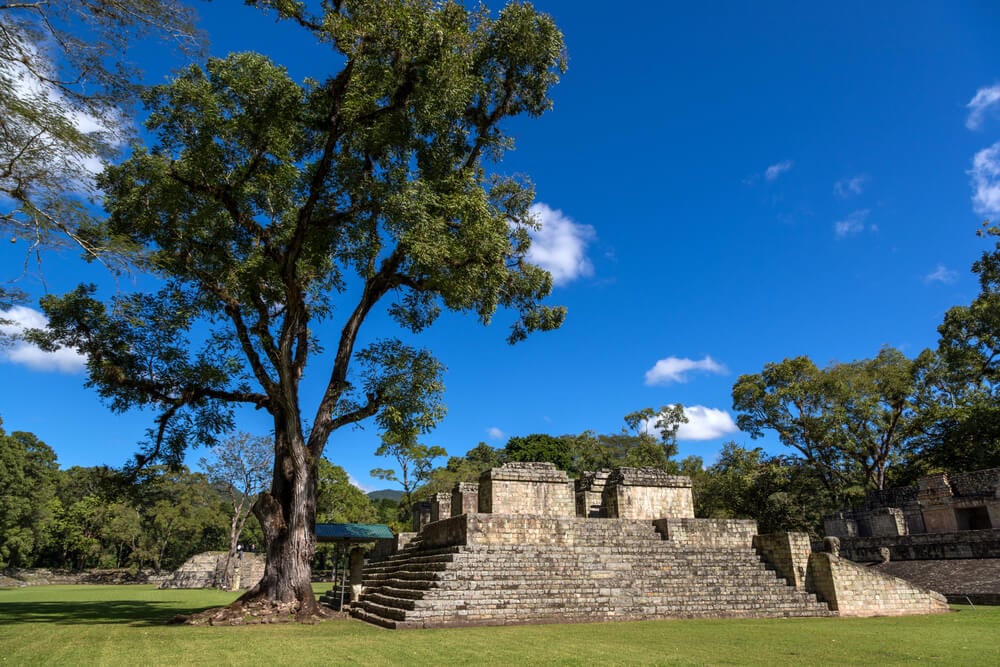
Copán served as a major Maya political center known for its detailed carved stelae and hieroglyphic stairway, one of the longest known Maya text inscriptions. American explorer John Lloyd Stephens purchased the site for $50 in 1839, believing at the time that he was buying the ruins outright, and his subsequent writings helped launch serious Western interest in Maya archaeology.
The hieroglyphic stairway alone contains more than 2,000 individual glyph blocks.
Palenque, Mexico
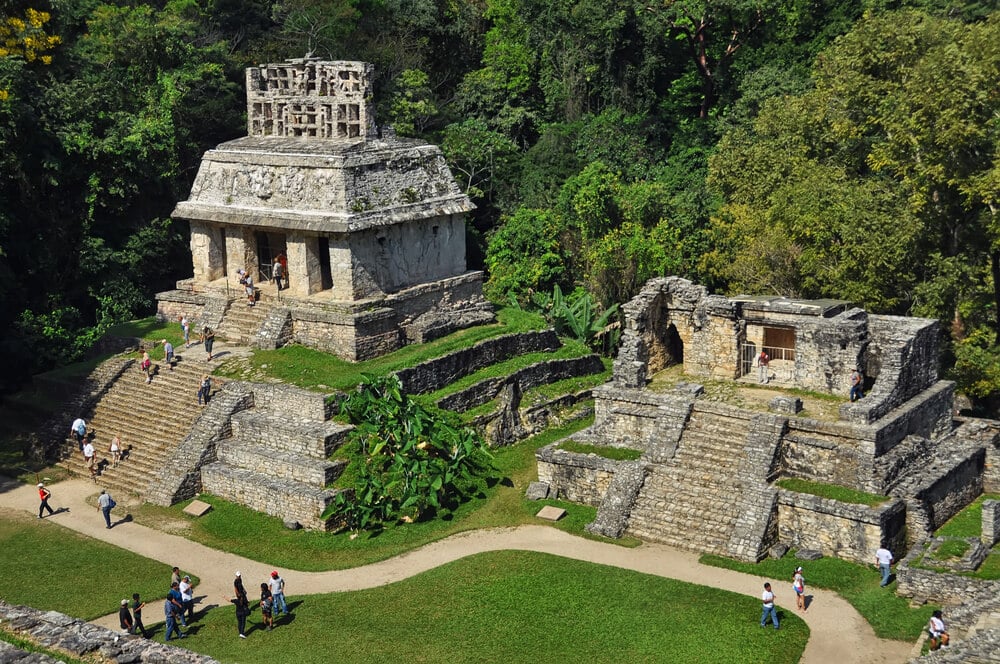
Palenque flourished as a Maya city-state during the 7th century under the ruler K’inich Janaab’ Pakal, whose elaborately carved sarcophagus was discovered inside the Temple of the Inscriptions in 1952. The dense jungle surrounding the site had obscured much of it from outside visitors for centuries, and significant portions remain unexcavated to this day.
Its inscriptions have provided archaeologists with some of the most complete dynastic records of any Maya city.
Ciudad Perdida, Colombia
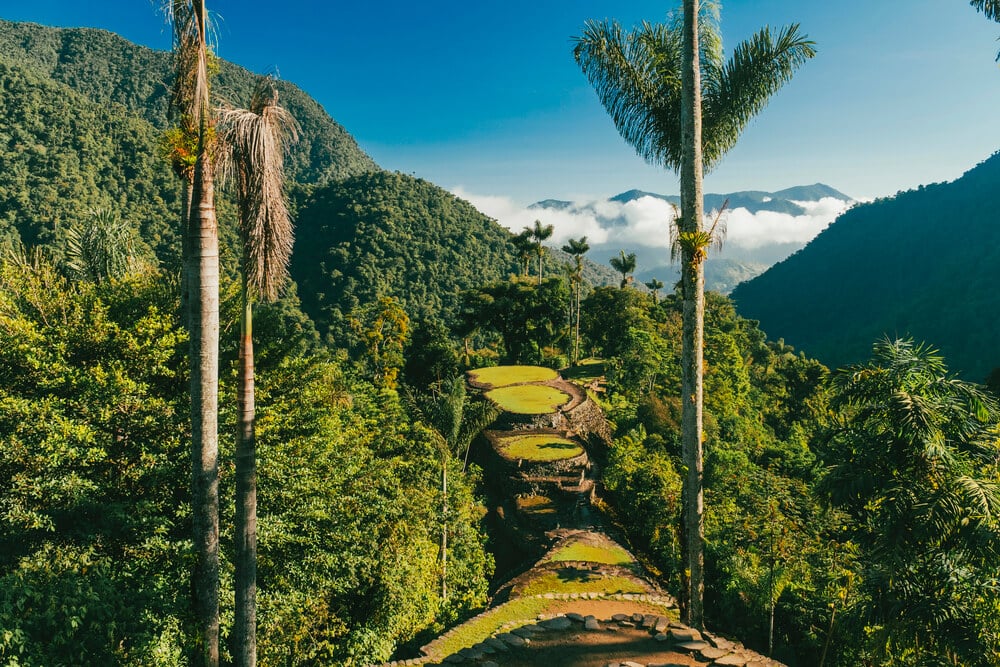
Built by the Tairona people around the 9th century, Ciudad Perdida sits high in Colombia’s Sierra Nevada de Santa Marta and predates Machu Picchu by several centuries. Local looters searching for gold artifacts rediscovered the terraced ruins in 1972, and archaeologists later mapped the extensive stone terraces and stairways connecting the site.
Indigenous communities in the region consider it a sacred ancestral site and were involved in its formal designation as a protected area.
Tiwanaku, Bolivia
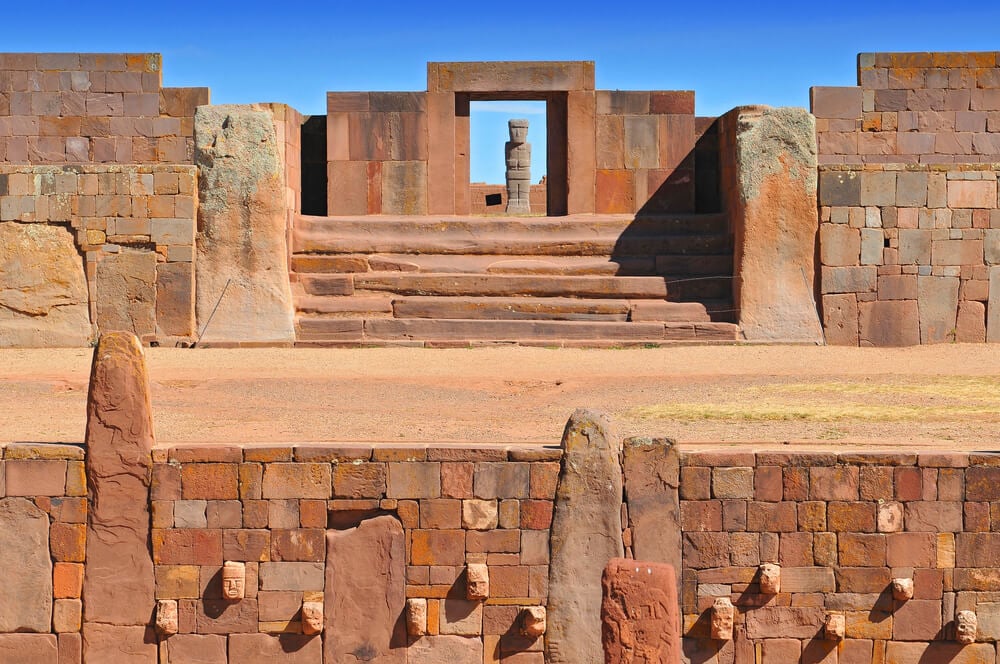
Tiwanaku served as the capital of a powerful pre-Inca civilization near Lake Titicaca, reaching its height between roughly 500 and 1000 CE with sophisticated stone architecture and agricultural terracing. The city’s monumental gateways and carved stonework were documented by Spanish chroniclers, but systematic archaeological study did not begin until the late 19th and 20th centuries.
Its influence on later Andean cultures, including the Inca, is visible in shared architectural and religious motifs.
Chan Chan, Peru
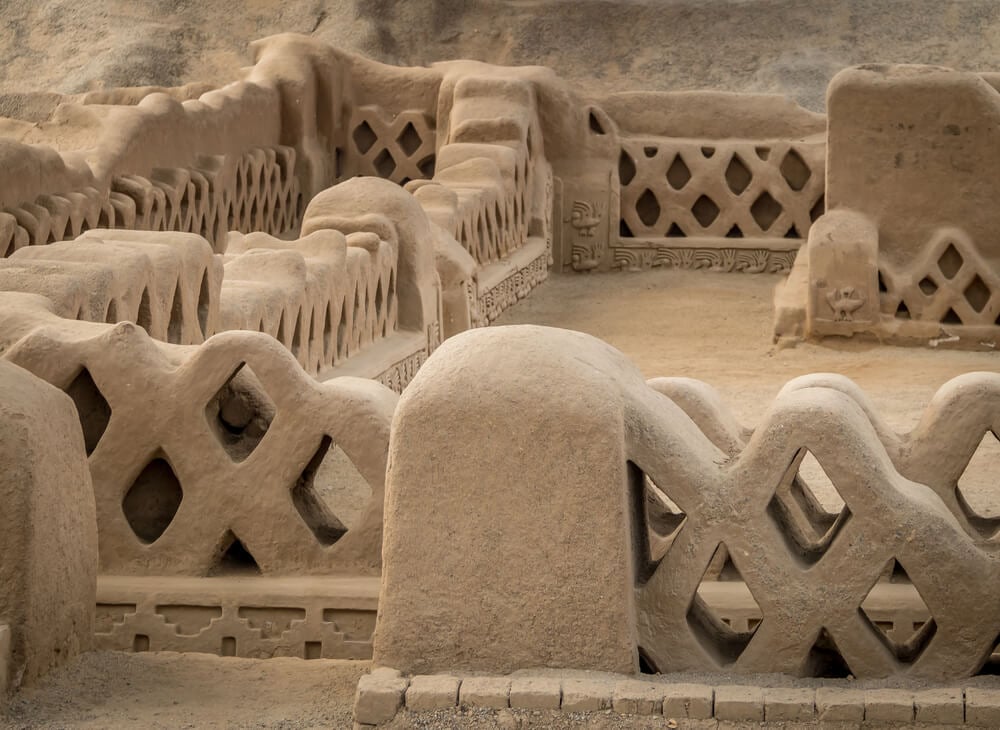
Chan Chan served as the capital of the Chimu Empire and was, at its peak in the 15th century, the largest adobe city in the pre-Columbian Americas, covering roughly eight square miles. The Inca conquered the Chimu and absorbed much of their metalworking and engineering knowledge before the Spanish arrived decades later.
Erosion from El Niño rains has made ongoing preservation of its intricate adobe wall carvings a continuing challenge for archaeologists.
Cahokia, United States
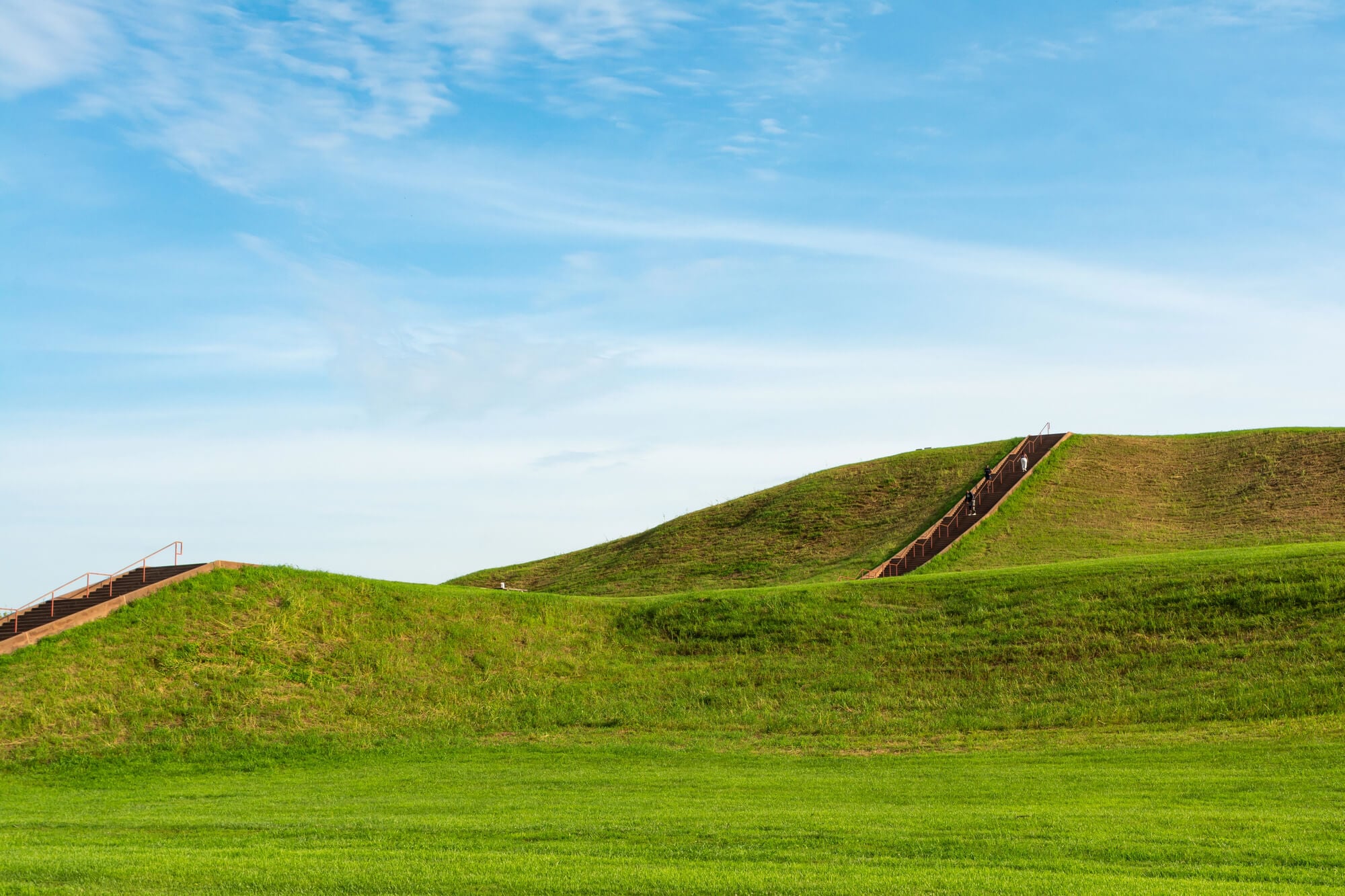
Cahokia, located near modern St. Louis, was the largest pre-Columbian city north of Mexico, with an estimated population between 10,000 and 20,000 people at its peak around 1100 CE, larger than London at the time. Built by the Mississippian culture, the site includes more than 80 earthen mounds, including the massive Monks Mound.
The city was largely abandoned by the 14th century for reasons still debated among archaeologists, including possible resource depletion and climate shifts.
Monte Albán, Mexico
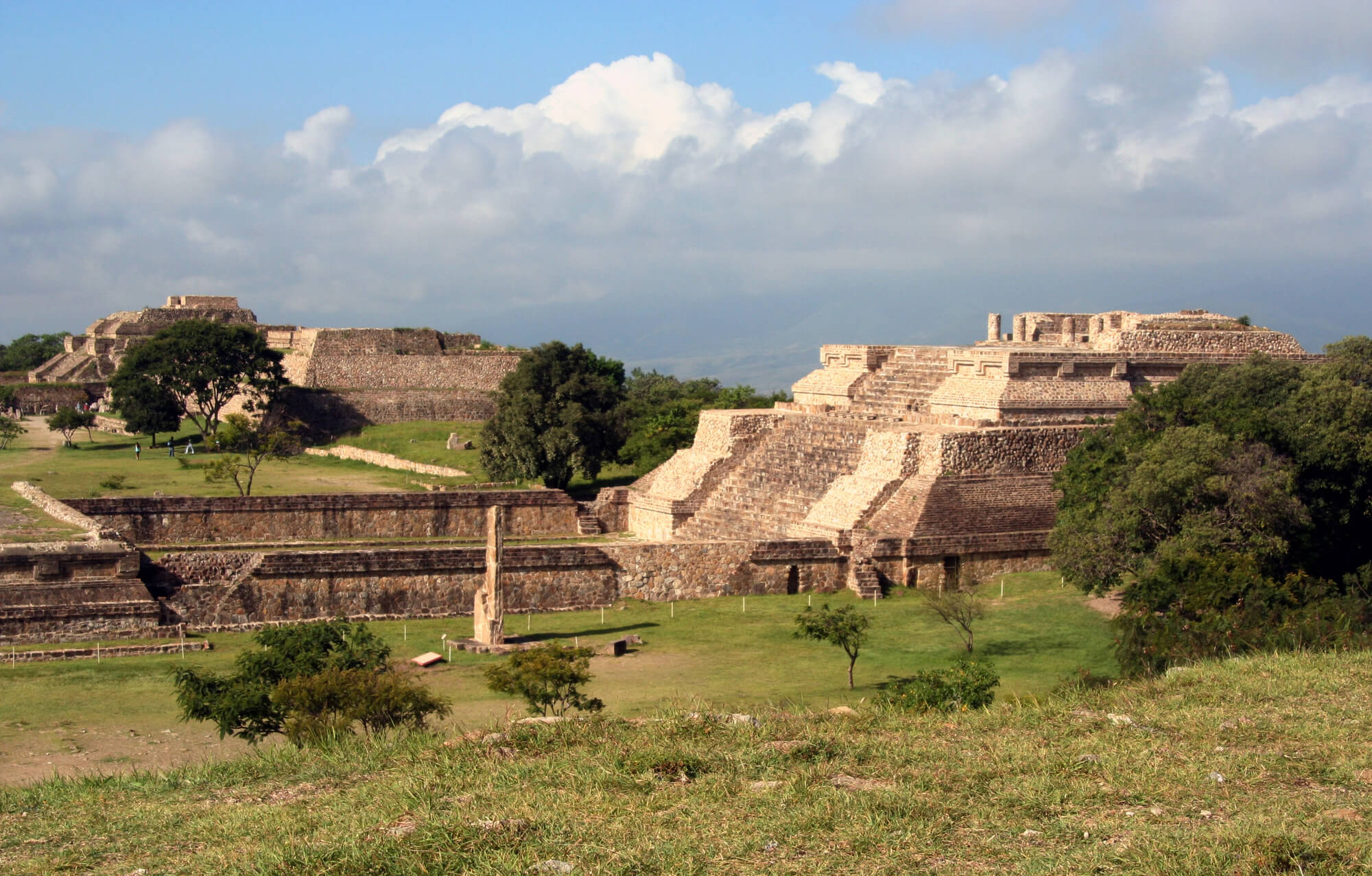
Monte Albán served as the capital of the Zapotec civilization for more than a thousand years, built atop a deliberately leveled mountaintop overlooking the Oaxaca Valley. Its position offered defensive advantages and views over three converging valleys, and its plazas include some of the earliest known written texts in Mesoamerica.
Archaeological excavation in the 20th century uncovered elite tombs containing elaborate gold and jade offerings.
El Mirador, Guatemala
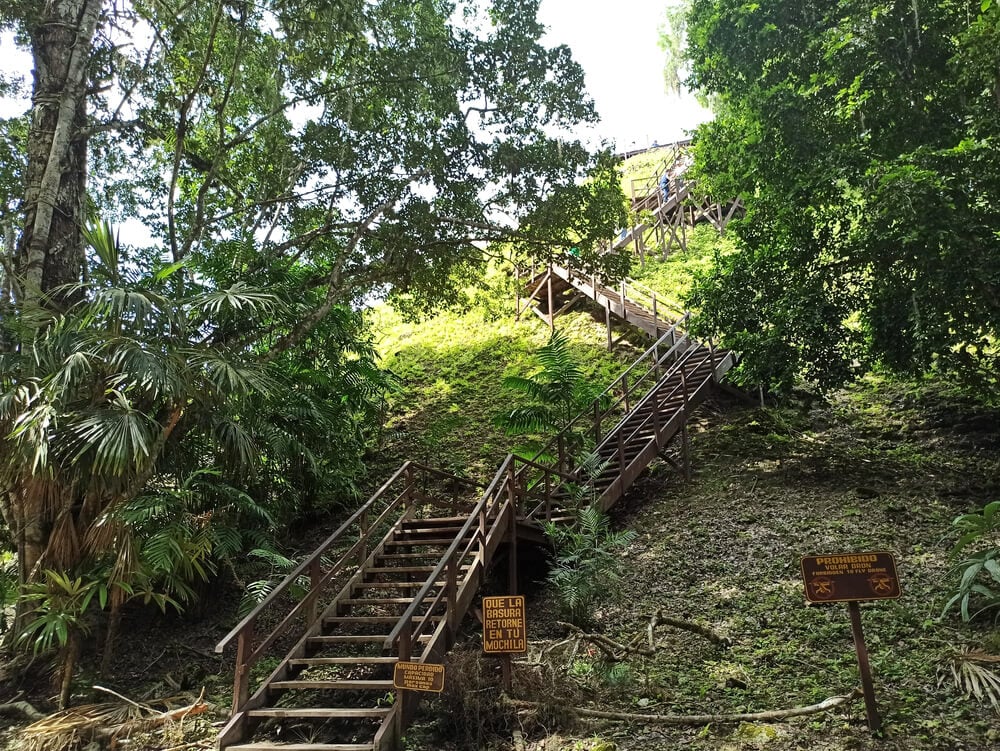
El Mirador was one of the earliest and largest Maya cities, home to pyramids that rival or exceed those of the more famous Tikal in sheer volume, despite flourishing centuries earlier. Its remote jungle location kept it largely unexplored until the late 20th century, and recent LIDAR laser-mapping surveys revealed a far larger network of causeways and structures than previously known.
The site remains difficult to access, requiring a multi-day trek or helicopter transport.
Kuelap, Peru
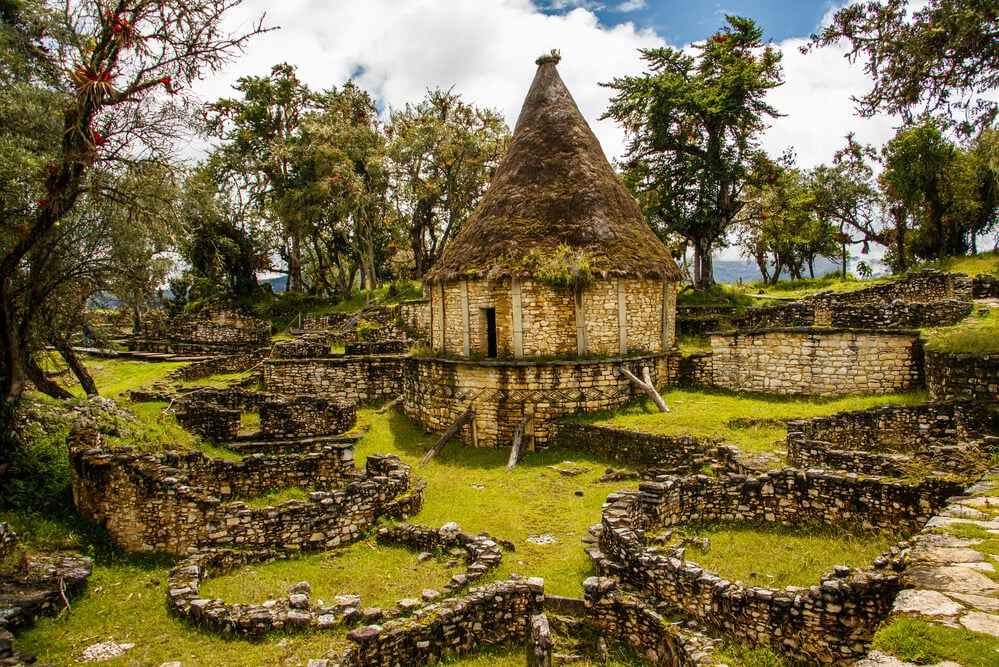
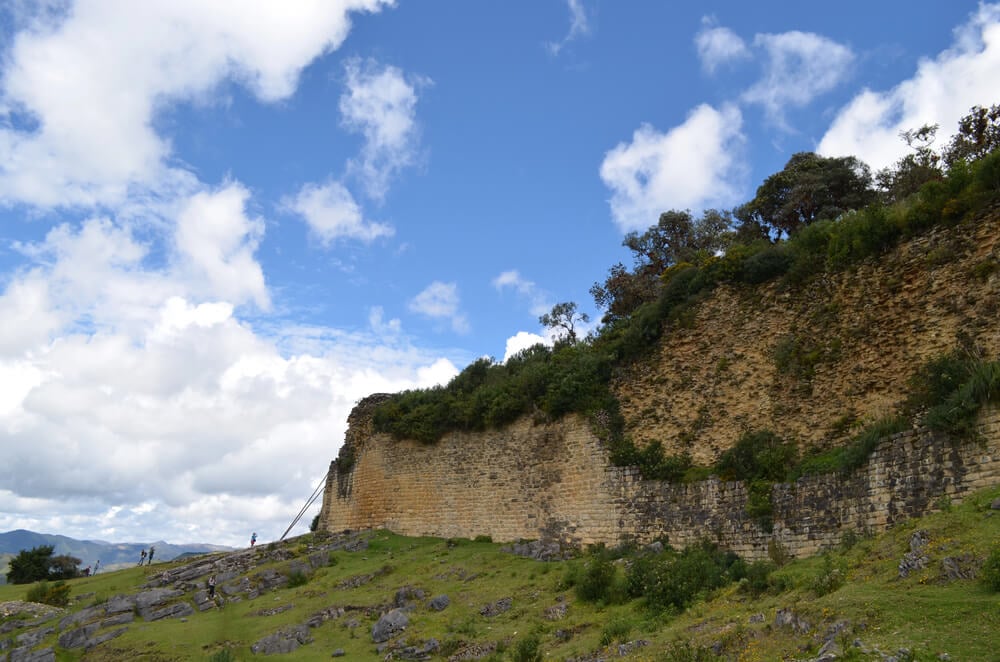
Kuelap, built by the Chachapoya culture in the cloud forests of northern Peru, features massive stone walls up to 65 feet high enclosing hundreds of circular stone dwellings. Its remote, high-altitude location kept it relatively obscure even within Peru until a cable car system opened greater access to tourists in 2017.
The Inca eventually conquered the Chachapoya, absorbing the site not long before Spanish colonization began.
Choquequirao, Peru
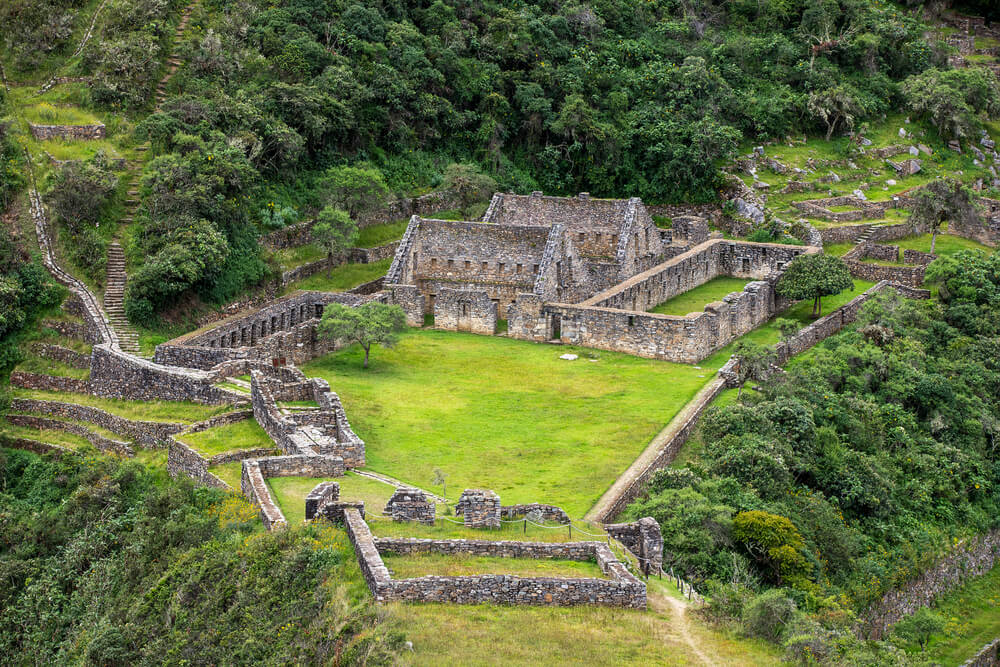
Often called Machu Picchu’s sister city for its similar Inca architecture and mountaintop setting, Choquequirao remains far less visited because it can only be reached by a multi-day hike with no road or train access. Archaeologists estimate that only a portion of the site has been excavated, with much of it still covered by vegetation.
Peru has periodically discussed building a cable car to the site, a proposal that remains controversial among preservationists.
Tulum, Mexico
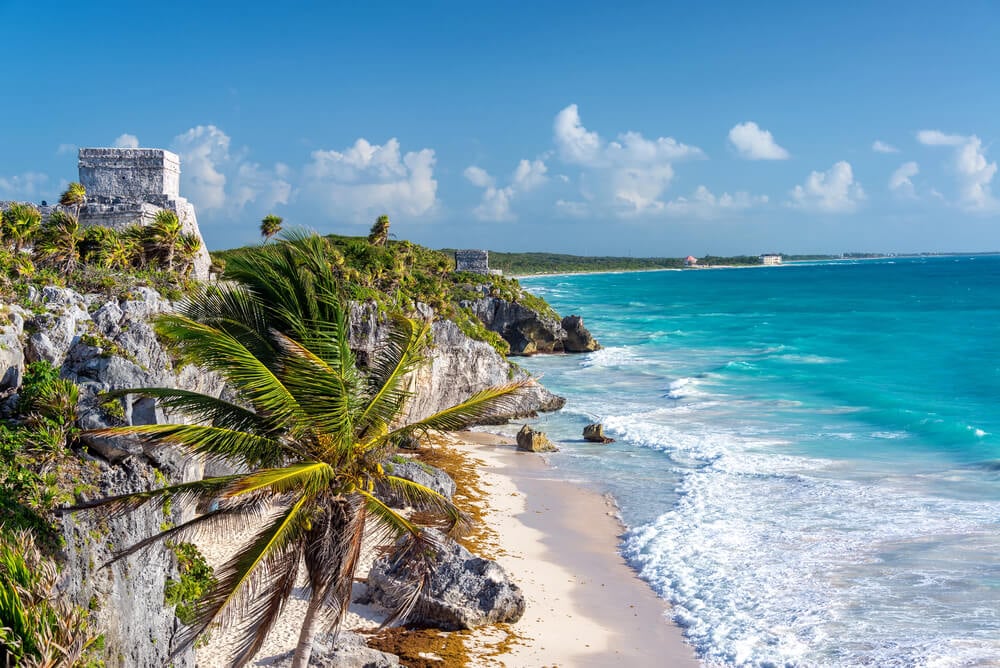
Tulum stands out among Maya cities for its dramatic position on cliffs overlooking the Caribbean Sea, and it functioned as a fortified trading port during the Maya Postclassic period. Spanish sailors actually recorded sighting the walled city from their ships in the 16th century, making it one of the few Maya cities Europeans documented while still active.
Its coastal setting has made it one of the most visited archaeological sites in Mexico today.
Uxmal, Mexico
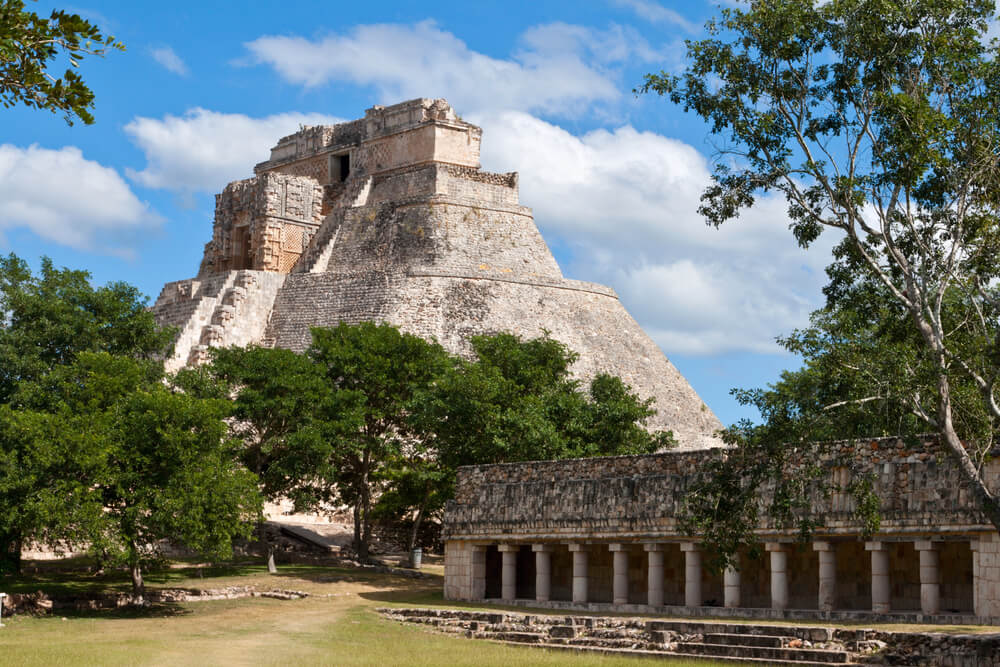
Uxmal represents one of the finest examples of Puuc architectural style in the Maya world, distinguished by elaborate stone mosaic facades depicting the rain god Chaac. The city reached its height between the 7th and 10th centuries before being gradually abandoned, and 19th-century explorers John Lloyd Stephens and Frederick Catherwood documented its structures in detail, helping introduce the site to international audiences.
Its Pyramid of the Magician has an unusual rounded, oval base rarely seen in Maya construction.
Caracol, Belize
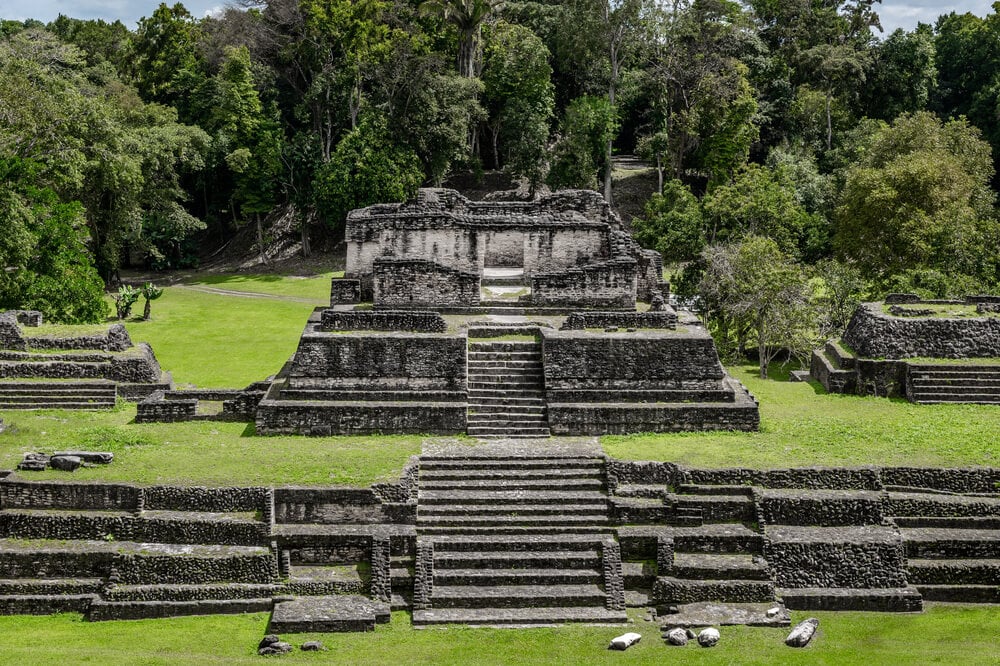
Caracol was once one of the largest Maya cities, and 21st-century LIDAR surveys revealed that its true extent had been dramatically underestimated by earlier ground-based surveys, showing an urban footprint far larger than nearby Tikal. Inscriptions found at the site describe Caracol’s military victory over Tikal in the 6th century, a rare documented conflict between major Maya powers.
Much of the city remains covered by dense jungle despite decades of excavation.
Ciudad del Jaguar, Honduras
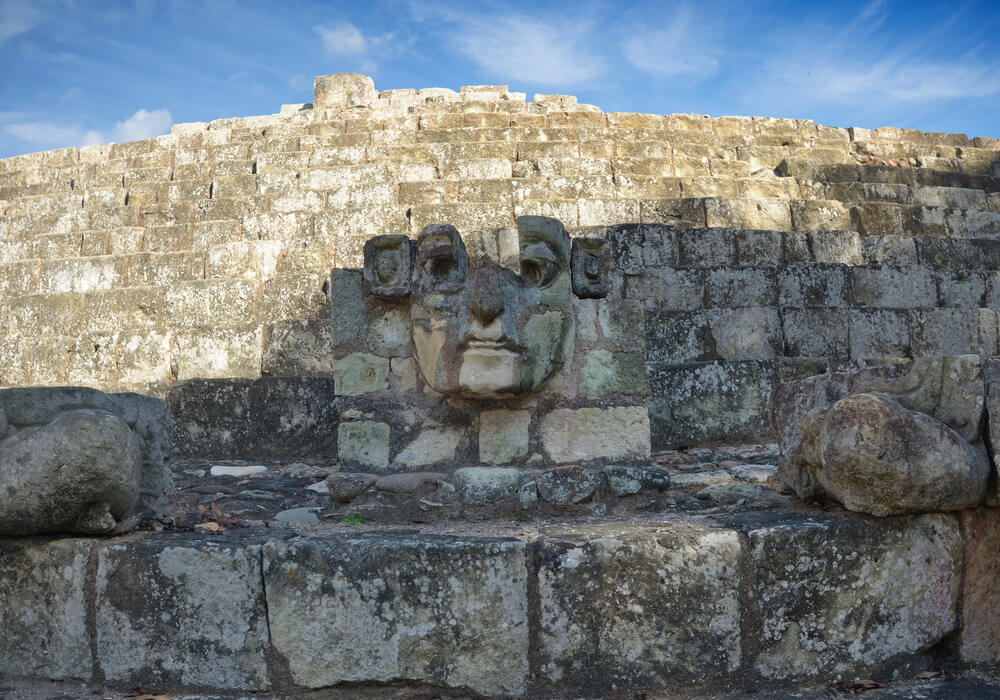
Long referenced in local legend as the “White City” or “City of the Monkey God,” this site in Honduras’s remote Mosquitia region was confirmed through LIDAR aerial surveys in 2012 and ground expeditions in 2015, revealing plazas, earthworks, and artifact caches from a previously undocumented culture. Researchers deliberately avoided naming it after the legend to respect its actual, still-unidentified builders, instead calling it Ciudad del Jaguar for jaguar effigies found at the site.
The area’s isolation had protected it from looting far more effectively than more accessible Maya sites.
Mitla, Mexico
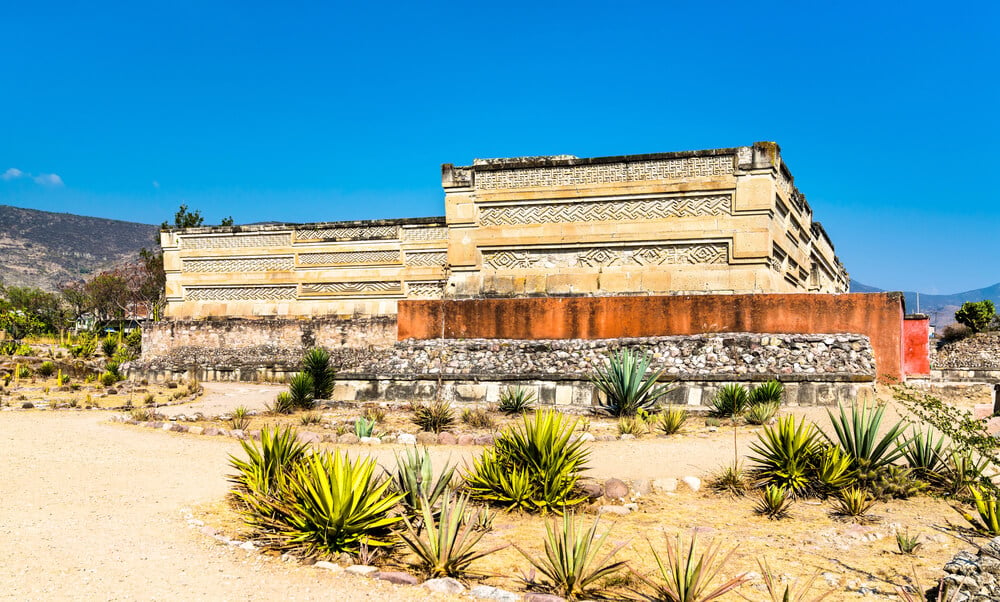
Mitla served as a major religious center for the Zapotec and later Mixtec cultures, known for stone mosaic wall patterns of a complexity found nowhere else in Mesoamerican architecture. Unlike many regional sites, part of the city remained in continuous use into the colonial period, with a Spanish church later built directly atop existing structures.
Its geometric fretwork designs required precisely cut stone pieces fitted together without mortar.
Tzintzuntzan, Mexico
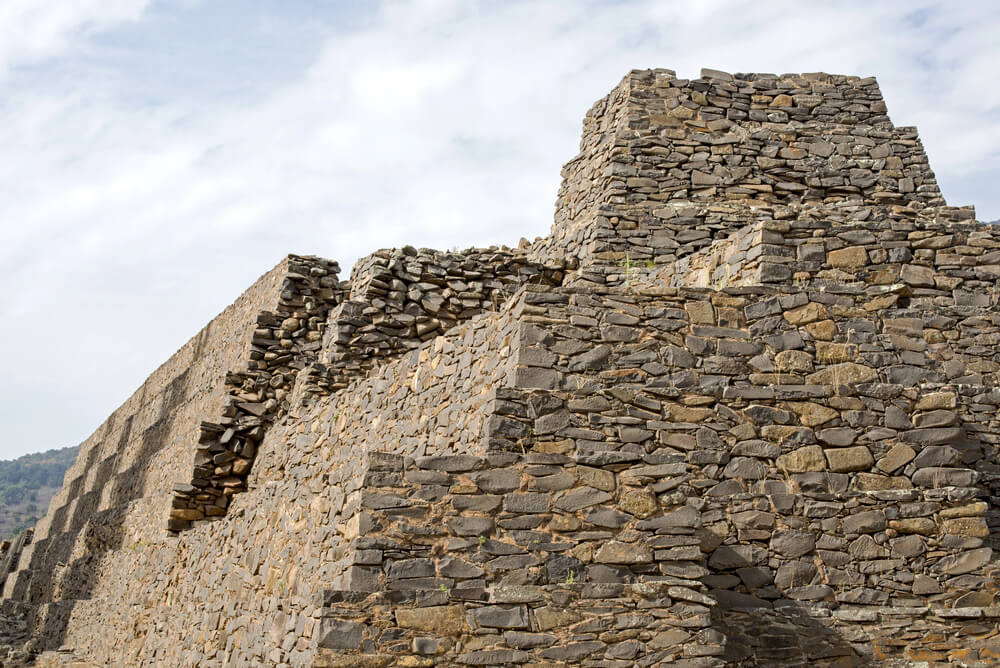
Tzintzuntzan served as the capital of the Purépecha Empire, one of the few Mesoamerican civilizations that successfully resisted Aztec conquest, and featured distinctive circular stepped pyramids called yácatas unlike anything built by neighboring cultures. Spanish colonizers largely dismantled the city after conquest, reusing its stones for colonial buildings nearby.
Ongoing excavation continues to reveal the scale of a capital that once rivaled Aztec Tenochtitlan in regional power.
Etzanoa, United States
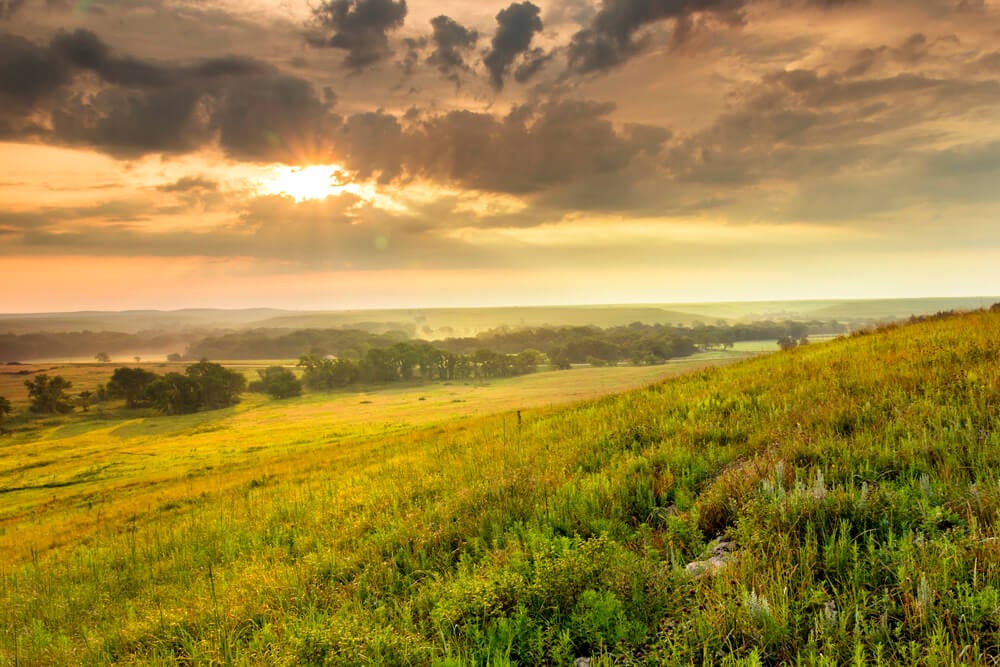
Etzanoa, located in present-day Kansas, is believed to have been a major ancestral Wichita settlement housing thousands of people, described in Spanish expedition records from the 1600s but largely forgotten until archaeologists confirmed its location in 2015 using metal detector surveys and cannonball fragments from a documented Spanish battle. The scale of the discovery surprised historians who had assumed large pre-Columbian settlements in the Great Plains were unlikely.
Ongoing excavation continues to reshape understanding of Indigenous urban life in the region.
Angamuco, Mexico
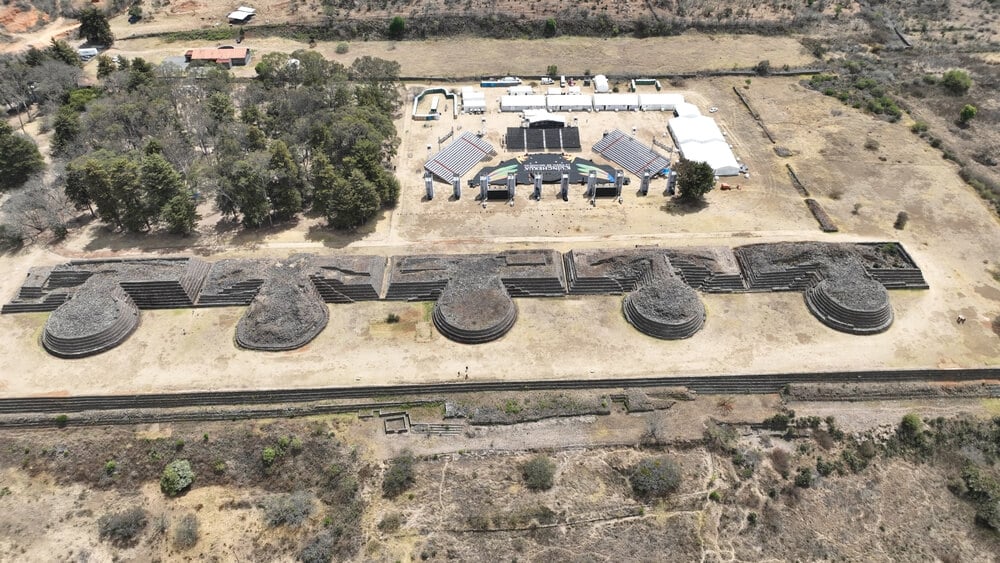
Angamuco, a Purépecha city in western Mexico, remained largely unrecognized in scale until a 2011 LIDAR survey revealed thousands of structures spread across a lava field, suggesting a population far larger than earlier ground surveys indicated. Volcanic rock had both preserved and obscured the site, making it difficult to identify through traditional excavation alone.
Researchers now believe it may have rivaled or exceeded the population of the Purépecha capital at Tzintzuntzan.
Paquimé, Mexico
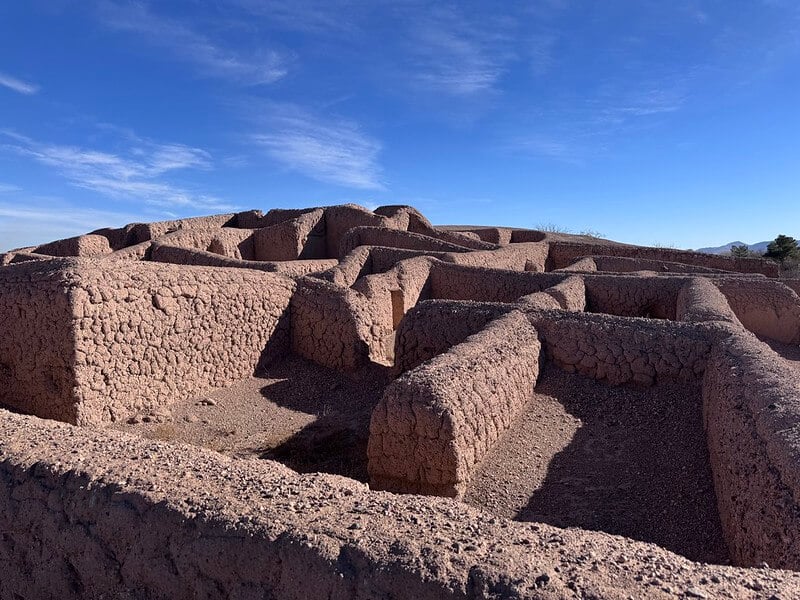
Paquimé, in northern Mexico’s Chihuahua desert, served as a major trading hub connecting cultures of the American Southwest with those of central Mexico, evidenced by macaw pens, ceremonial courtyards, and copper artifacts found far from their points of origin. The multi-story adobe structures suggest sophisticated water management systems adapted to the arid desert environment.
Its role as a trade intermediary helps explain cultural similarities found in sites hundreds of miles apart.
Xunantunich, Belize
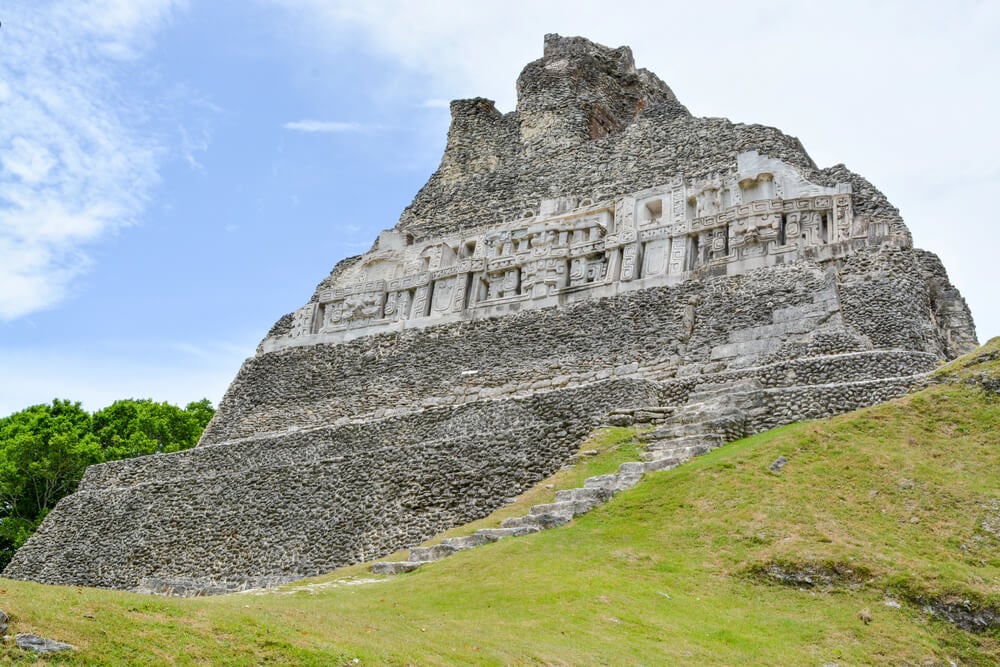
Xunantunich sits on a hilltop above the Mopan River and once served as a Maya ceremonial center, its name meaning “stone woman” after reported sightings of a ghostly figure by 19th-century visitors. Its central pyramid, El Castillo, features one of the best-preserved stucco friezes found at any Maya site.
Excavations in the 20th century revealed the astronomical alignment of several structures with seasonal solar events.
Pachacamac, Peru
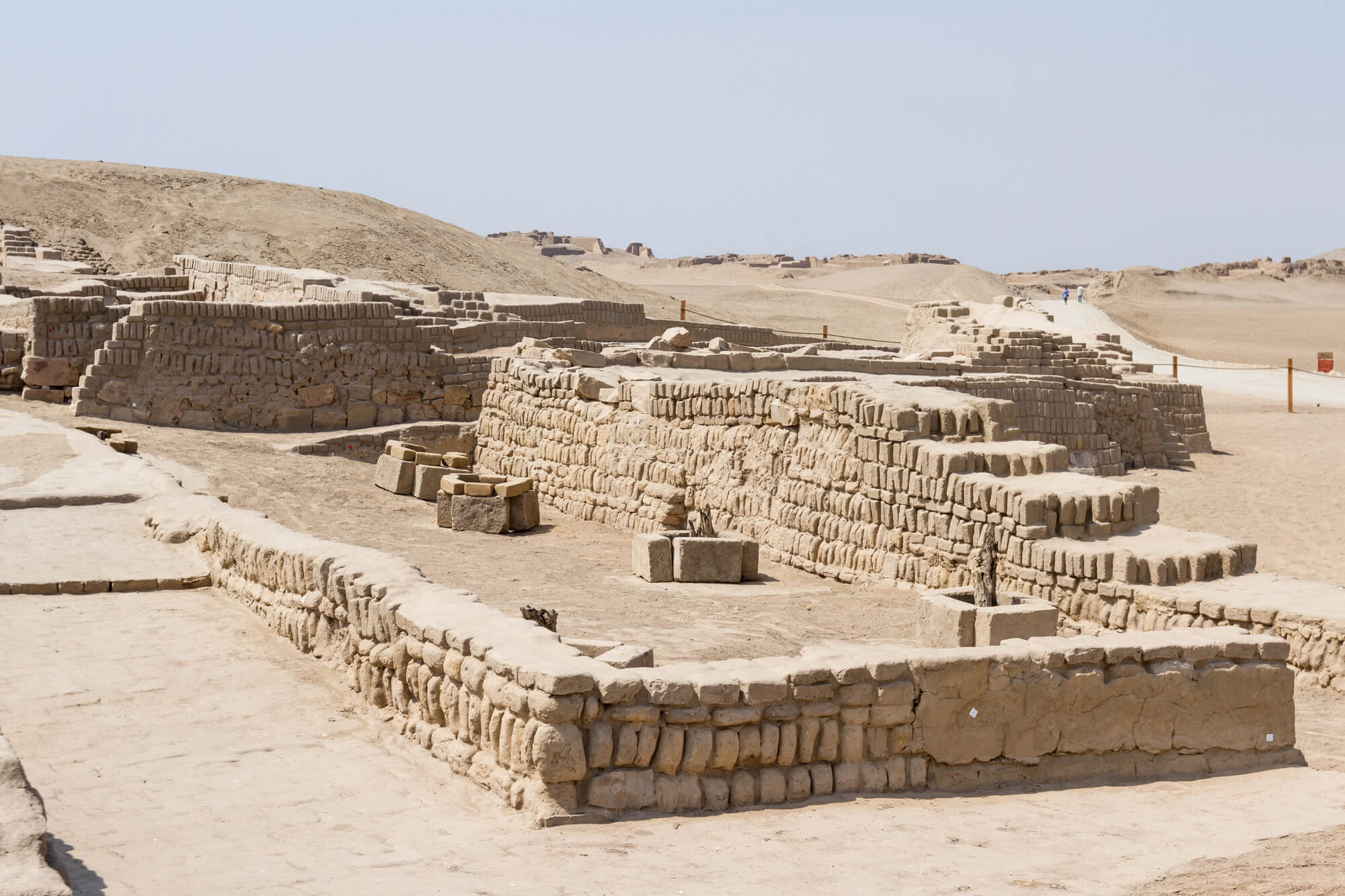
Pachacamac functioned for more than a thousand years as one of the most important pilgrimage and oracle sites on the Peruvian coast, predating the Inca Empire and later absorbed into it. Spanish chroniclers recorded pilgrims traveling great distances to consult its oracle, and the Inca built a Sun Temple alongside existing structures rather than replacing them.
Systematic excavation beginning in the 20th century uncovered multiple layers of construction reflecting successive cultures that each added to the site.
What the Jungle Kept
The common thread running through these cities is not decline but interruption. Disease, drought, political collapse, and conquest ended active urban life at different points for different reasons, but in nearly every case the people connected to these places did not disappear, even when outside record-keeping treated the cities themselves as lost.
Rediscovery, in nearly every instance on this list, means something narrower than it sounds: not that a place was found for the first time, but that it reentered a written record controlled by people who had not been paying attention. The actual continuity, held by descendant communities and local memory, was often there the entire time.
More from Go2Tutors!

- The Romanov Crown Jewels and Their Tragic Fate
- 13 Historical Mysteries That Science Still Can’t Solve
- Famous Hoaxes That Fooled the World for Years
- 15 Child Stars with Tragic Adult Lives
- 16 Famous Jewelry Pieces in History
Like Go2Tutors’s content? Follow us on MSN.



