26 Banned Newspapers Governments Couldn’t Keep Out of Circulation
There’s something governments have never quite figured out about paper. You can burn it, confiscate it, arrest the people who printed it — and somehow, copies still end up under floorboards, tucked inside coat linings, passed hand to hand in market squares.
The history of banned newspapers isn’t really a history of journalism. It’s a history of people deciding that certain information mattered enough to risk everything to share it.
Some of these publications lasted decades underground. Others survived a single print run before the authorities arrived.
All of them kept circulating anyway — which, depending on your perspective, is either inspiring or deeply inconvenient for whoever was doing the banning.
L’Humanité
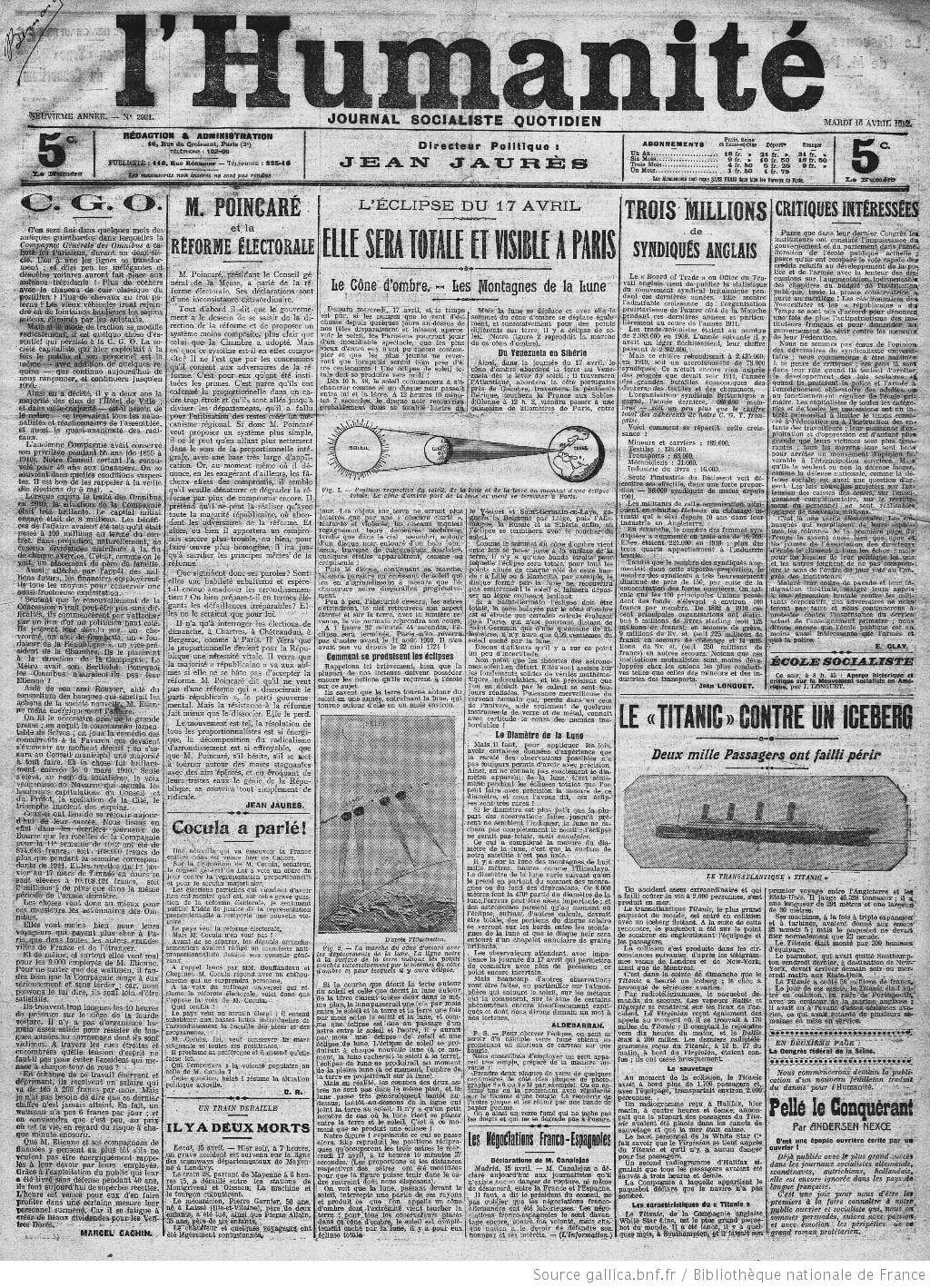
France banned its own communist newspaper during World War II, which tells you a great deal about the Vichy regime and nothing you didn’t already suspect. L’Humanité had been publishing since 1904, and its editors simply moved underground when the Nazis occupied Paris, continuing to distribute clandestine editions through resistance networks.
The paper survived the occupation and resumed open publication after liberation — outlasting every authority that tried to silence it.
Pravda
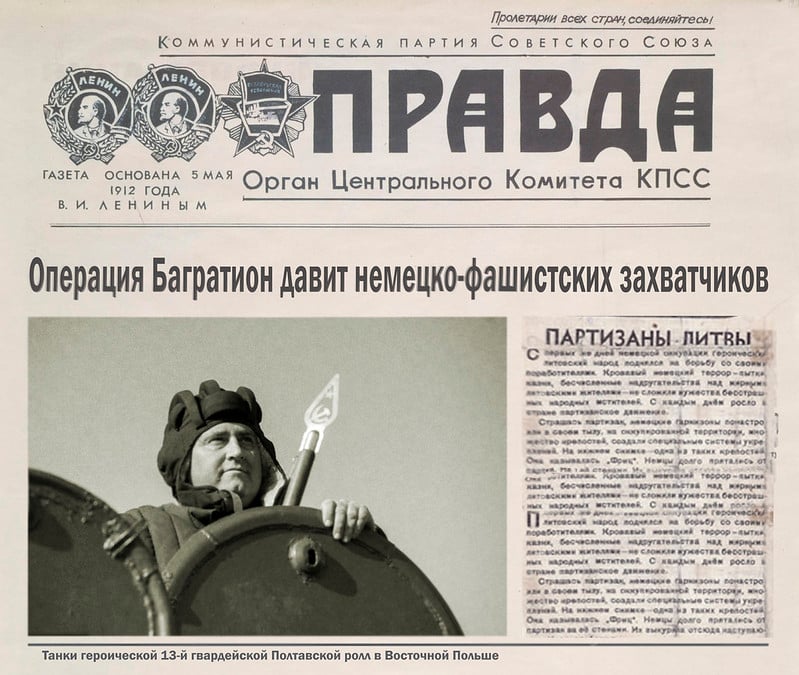
Pravda is one of history’s great ironies: a newspaper whose name means “truth” that spent decades printing state-approved fiction, yet was itself banned by the very tsarist government it opposed before the Russian Revolution. Before 1917, it was shut down repeatedly, its editors arrested, its presses seized — and each time, it reappeared under a slightly different name with the same editorial team.
The Bolsheviks running clandestine press operations were, to be fair, better at hiding newspapers than the tsar was at finding them.
Le Canard Enchaîné
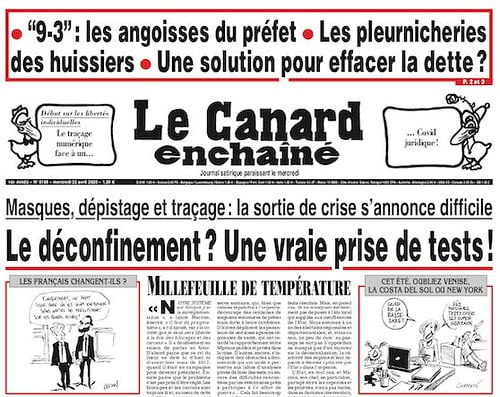
Le Canard Enchaîné is a stubborn little publication that has refused, across more than a century, to let the French government breathe easily. Founded in 1915 as a satirical response to wartime censorship — the name translates roughly to “The Chained Duck,” a deliberate jab at the strangled press — it survived both World Wars, multiple suppression attempts, and the kind of political pressure that would have shuttered less obstinate outlets.
It still publishes today, still refuses advertising to preserve editorial independence, and still makes French politicians visibly uncomfortable, which is exactly the point.
The Appeal to Reason
The Appeal to Reason was an American socialist newspaper out of Girard, Kansas, that the U.S. government found profoundly aggravating. At its peak around 1912, it was reaching over 760,000 subscribers — staggering for any publication, let alone one the postmaster general was actively trying to throttle by revoking its mailing privileges.
Copies circulated through union halls and passed from worker to worker long after official distribution channels were blocked, which meant the government’s interference mostly just made people more determined to read it.
Iskra
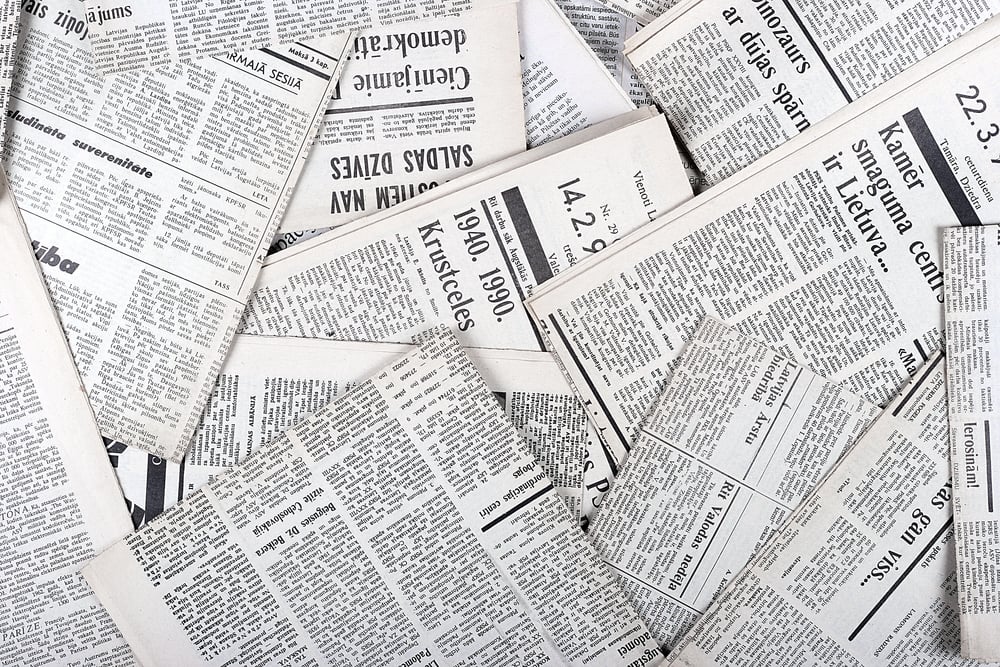
Lenin ran Iskra — meaning “The Spark” — from exile, printing it in Munich, London, and Geneva before smuggling it into Russia through an elaborate network of underground couriers. The tsar’s secret police, the Okhrana, spent years trying to intercept shipments and identify distributors, catching some, missing most, and never quite stemming the flow.
The paper lasted only a few years before factional disputes tore the editorial board apart, but not before it had built the organizational infrastructure that eventually became the Bolshevik Party.
The Liberator
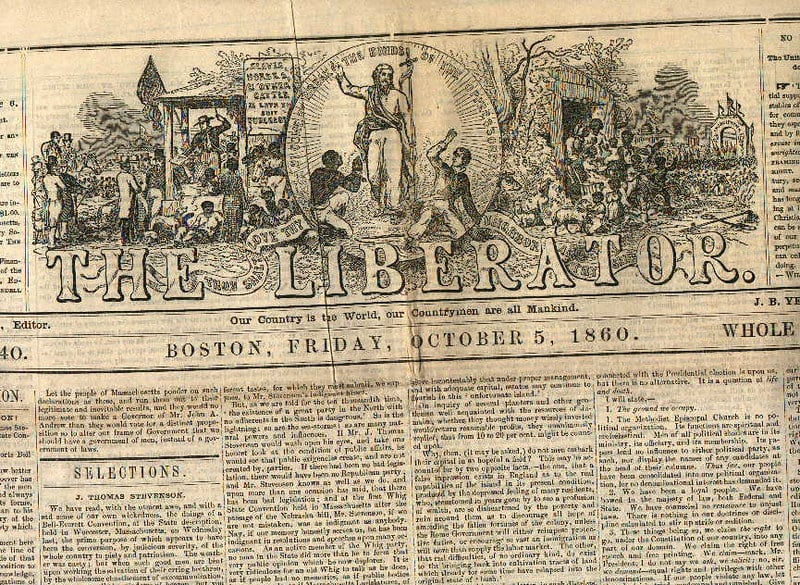
William Lloyd Garrison’s The Liberator published its first issue on January 1, 1831, and within months, the state of Georgia had offered a $5,000 reward for anyone who delivered Garrison to stand trial for inciting insurrection. Southern states banned the paper outright, made it illegal to distribute, and pressured Northern postmasters to intercept copies — none of which stopped abolitionists from routing it through private hands.
Garrison published continuously for 35 years, shutting down only after the Thirteenth Amendment was ratified, because at that point, he felt the work was done.
Die Rote Fahne
Die Rote Fahne — “The Red Flag” — was the central newspaper of the Communist Party of Germany, and the Nazis banned it within days of coming to power in 1933. The editors didn’t stop publishing; they relocated operations across the border, printed editions in Prague, Paris, and Brussels, and smuggled them back into Germany through a network that the Gestapo found genuinely difficult to dismantle.
Underground copies circulated inside Germany for years, hidden inside grocery bags and ordinary envelopes, because some readers considered the risk worth taking.
Trybuna Ludu
Poland’s communist authorities — themselves no strangers to repression — found the experience of being on the receiving end of an underground press considerably less amusing than they’d found the idea of one. When Solidarity’s illegal publishing network began producing samizdat newspapers in the early 1980s, the government’s official newspaper Trybuna Ludu was being openly mocked and circumvented by millions of readers who trusted the underground press over the state’s version of events.
Martial law in 1981 tried to crush independent publishing, and independent publishing simply went further underground and kept going.
Al-Ahrar
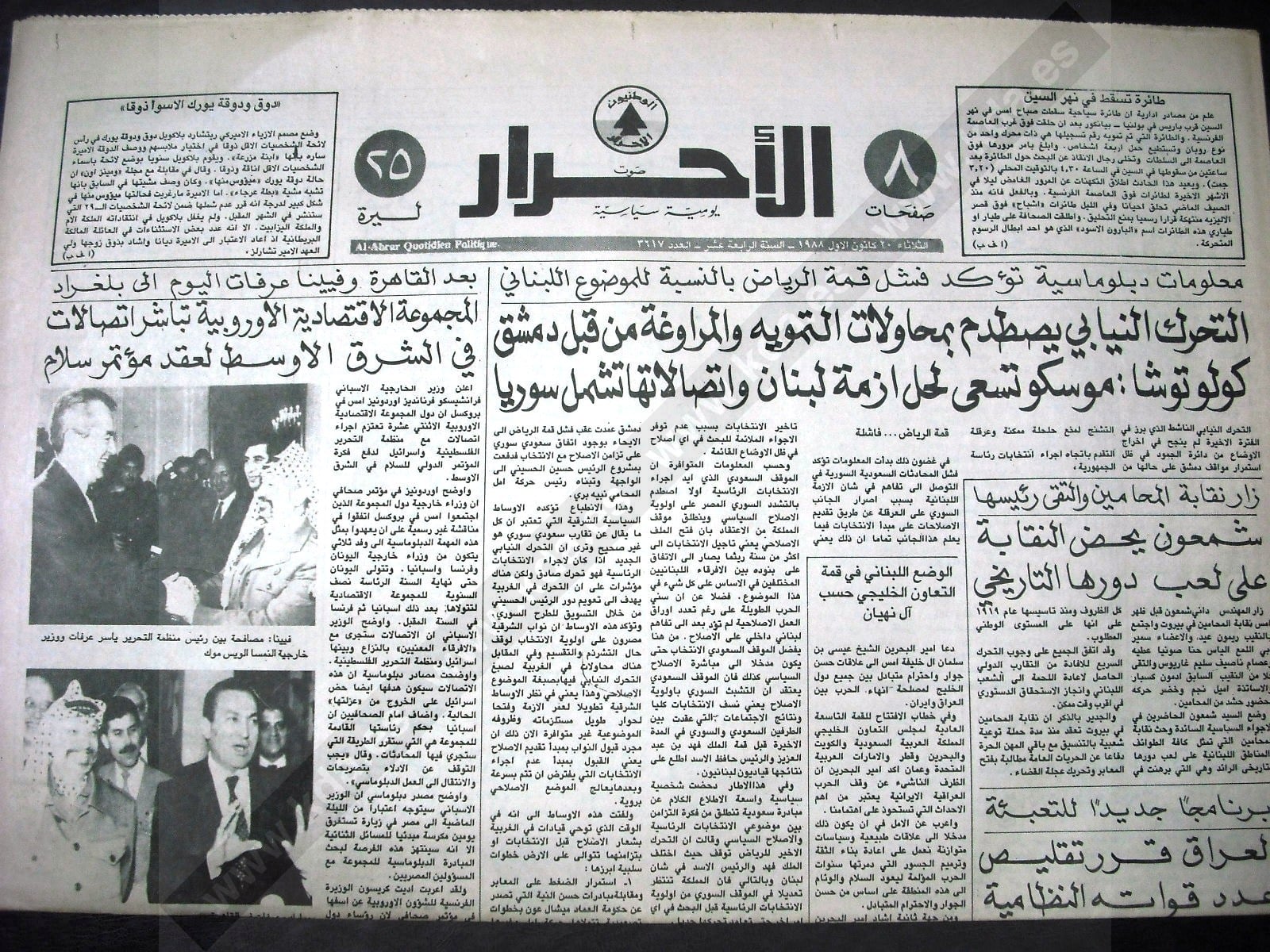
Egypt’s Al-Ahrar ran into sustained government pressure throughout the Nasser years, when publications that questioned state policy found their editors arrested and their print runs confiscated. The paper managed to keep circulating through informal distribution — readers making copies, passing along single issues until they fell apart — because the demand for reporting that wasn’t filtered through state approval was enormous and not something a government decree could simply extinguish.
Suppression, as it turned out, was excellent advertising.
The Workers’ Dreadnought
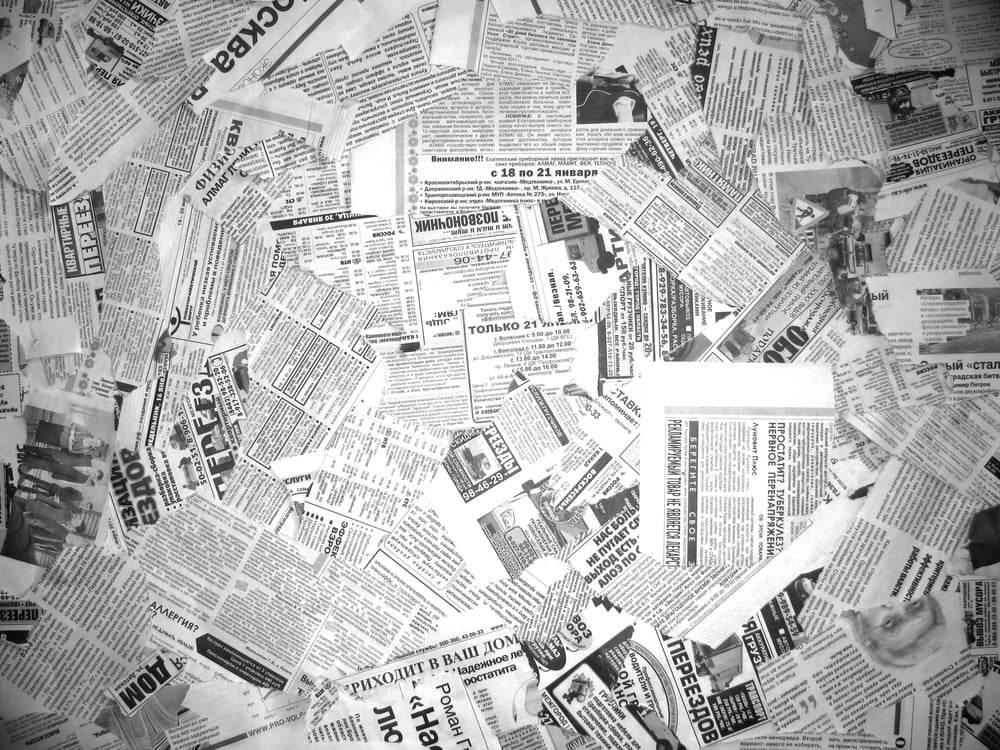
Sylvia Pankhurst’s The Workers’ Dreadnought is the kind of newspaper that makes governments nervous precisely because it had no interest in being respectable. Published in London’s East End from 1914 onward, it argued for women’s suffrage, Irish independence, and workers’ rights simultaneously — a combination that earned Pankhurst a prosecution under the Defence of the Realm Act and, later, under the Incitement to Mutiny Act.
The paper kept publishing through legal proceedings, police raids, and printer defections, sustained mostly by Pankhurst’s extraordinary refusal to consider stopping.
Samizdat Publications (Soviet Underground Press)
Samizdat wasn’t one newspaper — it was an entire ecosystem of self-published, hand-typed, carbon-copied texts that circulated through Soviet society like water finding cracks in concrete. The Chronicle of Current Events, which documented human rights abuses, was among the most significant: KGB attempts to identify its editors ran for years, and each time an editor was arrested, someone else quietly picked up the work.
The word “samizdat” itself was coined as dark humor, a play on the name of the state publishing house — “I publish myself,” which is exactly what people did.
L’Insurgé
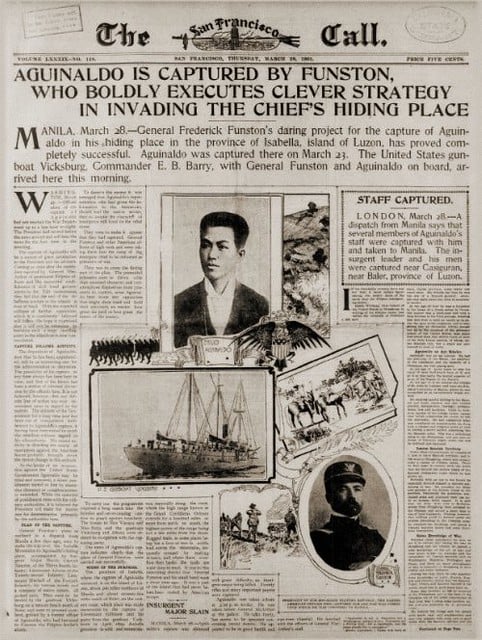
French authorities in the late nineteenth century had a recurring problem with anarchist publications, and L’Insurgé was among the most persistent irritants. Printed on whatever press could be quietly borrowed, distributed through informal networks with no fixed subscription list, it appeared and disappeared with a rhythm that made it nearly impossible to suppress through conventional means.
You can confiscate a press. You cannot confiscate the knowledge of how to find another one.
Defensor de Granada
During Spain’s Franco dictatorship, regional publications that strayed from approved Nationalist positions were shut down with brisk efficiency — but unofficial newsletters and mimeographed sheets continued circulating in cities like Granada, passed between trusted contacts in a system that resembled nothing so much as an informal lending library with considerably higher stakes. The Franco regime maintained strict censorship from 1939 well into the 1970s, and the underground press outlasted it, though barely.
The Irish Bulletin
The Irish Bulletin was the Dáil’s propaganda organ during the Irish War of Independence, produced by Erskine Childers and a rotating cast of volunteers who moved their typewriters between safe houses as British authorities closed in. Dublin Castle raided their operations repeatedly, arrested staff, and confiscated equipment — and the Bulletin reappeared within days, because the network behind it was distributed enough that losing one location didn’t collapse the whole operation.
It reached foreign journalists and diplomats with a consistency that made British military communiqués look, by contrast, like amateur hour.
Neues Deutschland

Neues Deutschland’s trajectory runs in the opposite direction from most newspapers on this list: it was the official organ of East Germany’s ruling Socialist Unity Party — state media, thoroughly approved — and became effectively contraband only after German reunification, when its readership collapsed and it survived on the fringes of legitimate publishing, carrying a legacy that the new Germany found deeply uncomfortable. It still publishes today as a left-wing paper, which is either admirable stubbornness or a spectacular failure to read the room, depending on your politics.
The Libertas
Nazi-occupied Norway had a robust underground press, and Libertas was among its most widely distributed illegal publications, produced by members of the Norwegian resistance at genuine personal risk. The Germans understood perfectly well that allowing Norwegians access to uncensored news would corrode support for the occupation, so every underground newspaper was treated as a serious threat — and every issue that appeared anyway was a small, specific act of defiance that thousands of Norwegians participated in simply by reading it.
Haaretz (Early Ottoman Bans)
Haaretz — today one of Israel’s most prominent newspapers — ran into serious trouble during the late Ottoman period and early British Mandate era, when authorities viewed independent Hebrew-language journalism with considerable suspicion. The paper navigated bans, suspensions, and confiscation attempts while maintaining a readership that refused to accept that the publication had actually stopped existing just because someone in authority said so.
Stubbornness, as a publication strategy, has a surprisingly strong track record.
El Machete
El Machete was the newspaper of the Mexican Communist Party, founded in 1924 with murals painted by Diego Rivera on its early editions — which is a fairly extraordinary fact about newspaper design. The Mexican government banned it repeatedly through the 1920s and 1930s, and the party continued publishing it underground, distributing it through labor unions and agrarian reform networks in the countryside.
Rivera’s involvement meant the paper had a visual identity unlike almost any other underground publication of the era.
The Daily Worker (UK Edition)
The British government banned The Daily Worker — newspaper of the Communist Party of Great Britain — in January 1941, citing its anti-war editorial line during the period of the Soviet-Nazi non-aggression pact. The ban lasted until August 1942, at which point the Soviet Union had become a British ally and the government found the paper’s continued suppression politically awkward.
Copies circulated through the ban period anyway, distributed through party networks with the kind of practiced efficiency that comes from having done this before.
Arbeiter-Zeitung
Vienna’s Arbeiter-Zeitung — “Workers’ Newspaper” — was the flagship of Austrian social democracy for decades before the Dollfuss regime banned it in 1934 during its establishment of an authoritarian state. The Social Democrats produced illegal editions almost immediately, printed in cramped apartments with equipment smuggled past police checkpoints, distributed through networks that had been built over decades of legal organizing and were now being pressed into a very different kind of use.
The paper resumed open publication after 1945 and ran continuously until 1991.
Ulwazi (and South African Underground Press)
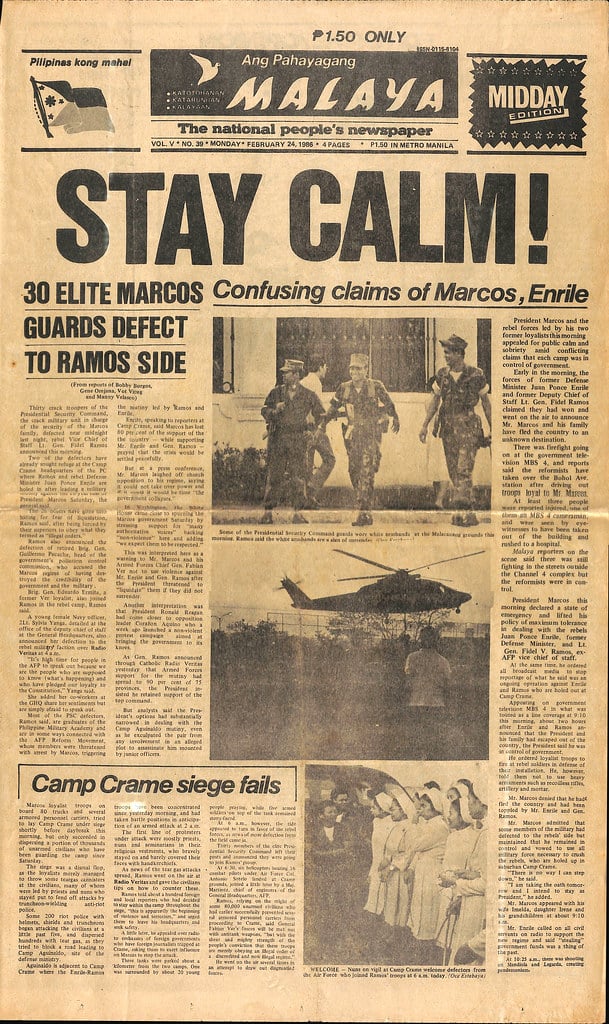
South Africa’s apartheid government suppressed dozens of publications, but the underground press — including pamphlets and newsletters distributed by the African National Congress — proved remarkably difficult to eradicate precisely because it had no single point of failure. Ulwazi and similar publications circulated through networks the security apparatus could partially map but never fully penetrate, partly because the distribution relied on ordinary social relationships — neighbors, coworkers, family members — that surveillance couldn’t easily untangle.
The banned material had a way of being exactly where the government least expected it.
Combat
Combat was the most intellectually serious of the French Resistance newspapers, edited for a period by Albert Camus, which explains both its quality and the fact that it reads, even now, as something more than wartime propaganda. The Germans treated it as a genuine threat — raids on Combat’s printing operations killed and arrested members of its network throughout the occupation — and Camus continued editing it anyway, producing essays about justice and freedom in a country that was at that moment offering very little of either.
The paper transitioned to legal publication after liberation and ran until 1974.
Min Sheng Pao
Min Sheng Pao operated in mainland China during the turbulent years following the Communist Party’s consolidation of power in 1949, when publications that didn’t conform to party editorial guidelines were swiftly shuttered. Copies of banned editions circulated through Hong Kong and among overseas Chinese communities, keeping alive a strain of independent Chinese journalism that the mainland government found inconvenient enough to work quite hard at suppressing.
The diaspora, as it happened, was beyond the reach of domestic press law.
Der Stürmer (Banned Postwar)
Der Stürmer reverses the moral logic of every other newspaper on this list: a viciously antisemitic Nazi publication that was banned after World War II and whose continued circulation represented not journalistic courage but something far uglier. Allied occupation authorities banned it in 1945, and copies nevertheless circulated through far-right networks in Germany and Austria for decades afterward.
The fact that a newspaper can be genuinely dangerous — not just inconvenient to authority — is a point this case makes more clearly than anyone would wish.
The Exile
The Exile was a Moscow-based English-language alternative newspaper that ran from 1997 to 2008, producing the kind of journalism that made Russian authorities progressively less amused as Putin’s government consolidated control over the media. The paper was eventually shut down after its offices were raided and its publisher was accused of distributing pornographic materials — a charge its editors disputed loudly and publicly, which was exactly the kind of behavior that made the paper interesting in the first place.
PDFs of its archives circulated online long after the physical paper ceased to exist.
Novaya Gazeta
Novaya Gazeta has had its journalists murdered. Not threatened, not arrested — murdered, in targeted killings that remain among the most brazen attacks on press freedom in the post-Soviet era.
The Russian government suspended its operations in 2022 following the invasion of Ukraine, and editor Dmitry Muratov — who received the Nobel Peace Prize in 2021 — continued his work in exile, with the publication operating digitally from outside Russia’s jurisdiction.
Some newspapers survive by moving. Some ideas are simply too persistent to be confined to a single country’s borders.
The Ink That Refuses to Dry
What runs through all of these — the mimeographed sheets, the clandestine presses, the newsletters smuggled inside bread loaves — is something that looks, from a distance, like optimism but is probably closer to stubbornness. Governments that ban newspapers tend to operate on the assumption that information can be managed the same way territory can be managed: establish a perimeter, enforce it, and the problem stays contained.
But information doesn’t work like territory. It moves the way rumors move, the way a song moves — passed between people who have no particular interest in obeying the perimeter.
The newspapers on this list span continents, centuries, and wildly different political contexts, but they share this: someone decided the information mattered more than the risk. And then someone else agreed.
And then someone else. Which is, in the end, how a banned newspaper keeps circulating — not through some grand act of heroism, but through the quiet, repeated decision of ordinary people to pass something along.
More from Go2Tutors!

- The Romanov Crown Jewels and Their Tragic Fate
- 13 Historical Mysteries That Science Still Can’t Solve
- Famous Hoaxes That Fooled the World for Years
- 15 Child Stars with Tragic Adult Lives
- 16 Famous Jewelry Pieces in History
Like Go2Tutors’s content? Follow us on MSN.



