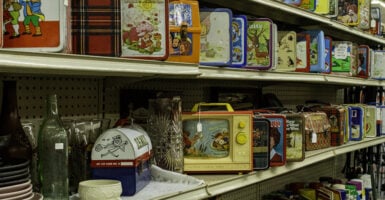
Retro Tech Gadgets Collectors Love
There’s something about old technology that refuses to let go. Maybe it’s the weight of a device in your hands, the click of mechanical buttons, or just the memory of simpler times when tech didn’t demand constant updates.
Whatever the reason, collectors keep hunting for these pieces of the past, and the market keeps growing. Some gadgets fetch hundreds or thousands of dollars now, while others just sit on shelves as reminders of how far things have come.
The Original Game Boy
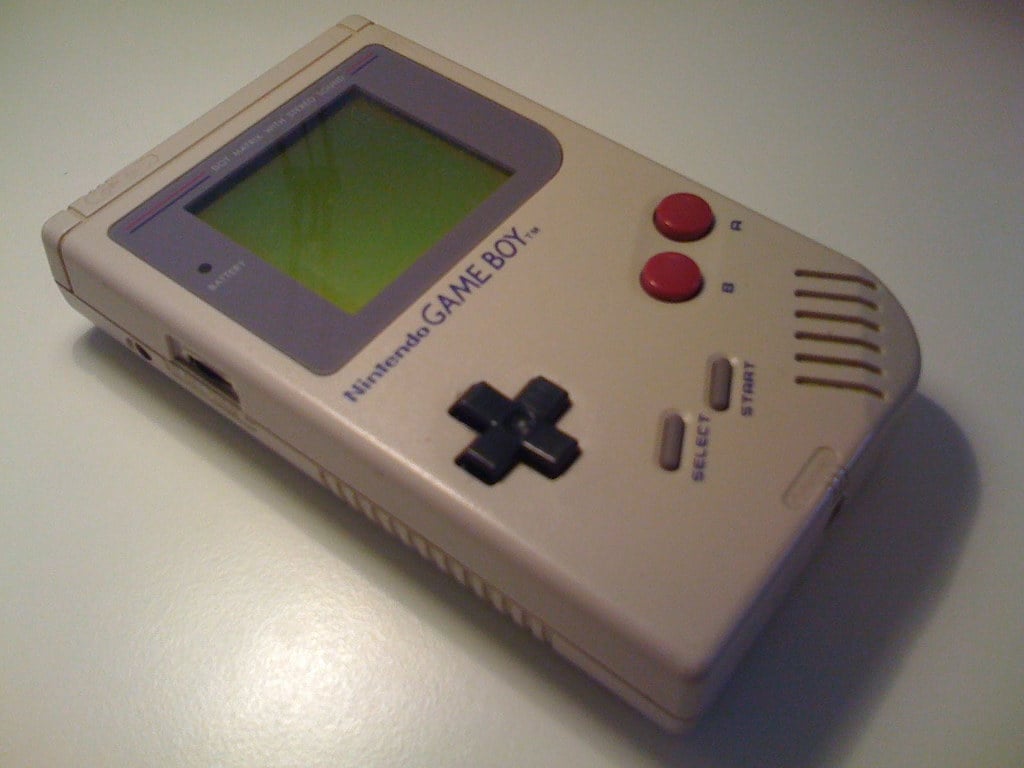
Nintendo released this gray brick in 1989, and it changed portable gaming forever. The screen was tiny and greenish, the graphics were blocky, and it ate through AA batteries faster than you could finish a level of Tetris.
But none of that mattered because you could play real games anywhere. Collectors look for units in good condition with the original packaging.
The screen protector often has scratches, and the battery cover likes to go missing. Limited edition colors and special bundles with games drive prices higher.
Japanese versions sometimes have different designs that American collectors want. The sound is what people remember most—that tinny chiptune music that somehow felt epic through the tiny speaker.
Sony Walkman
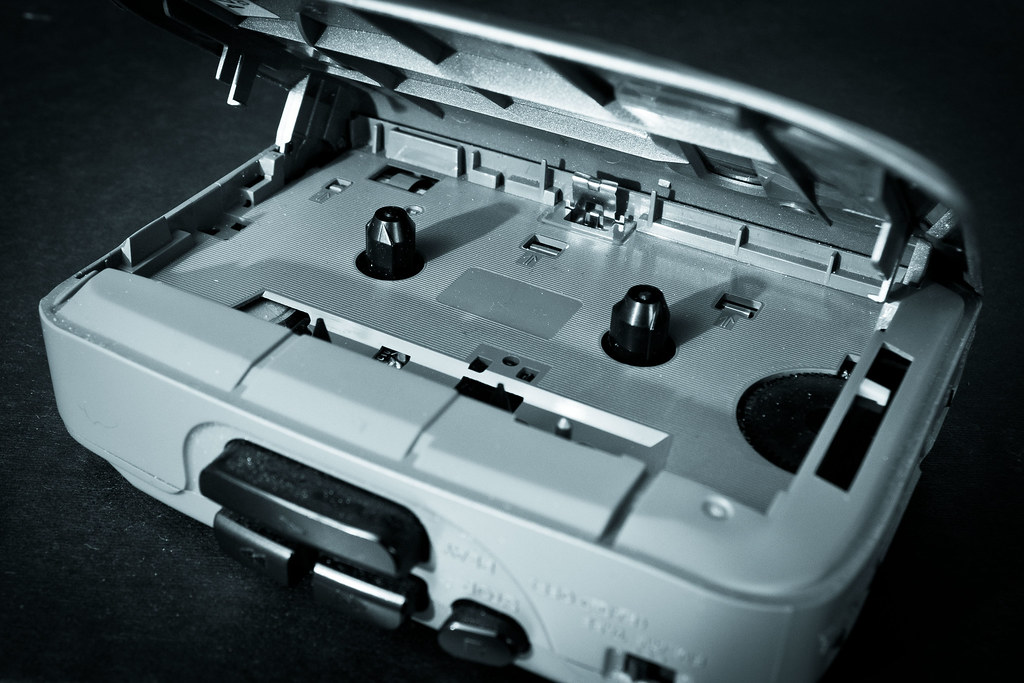
Before smartphones, before MP3 players, before even CD players became portable, there was the Walkman. Sony’s cassette player turned personal music into something you could carry around.
The original TPS-L2 from 1979 started it all. The design was simple.
Pop in a cassette, put on the foam headphones, and press play. The tape would spin, and you had your own soundtrack.
Models from the early 1980s are the most sought after, especially the bright yellow Sports Walkman that could supposedly survive water and drops. Finding one that still works takes luck.
The belts inside deteriorate, the battery compartments corrode, and the playback heads wear down. But collectors restore them, hunting for replacement parts and cleaning every component until the tape spins smoothly again.
Polaroid Cameras
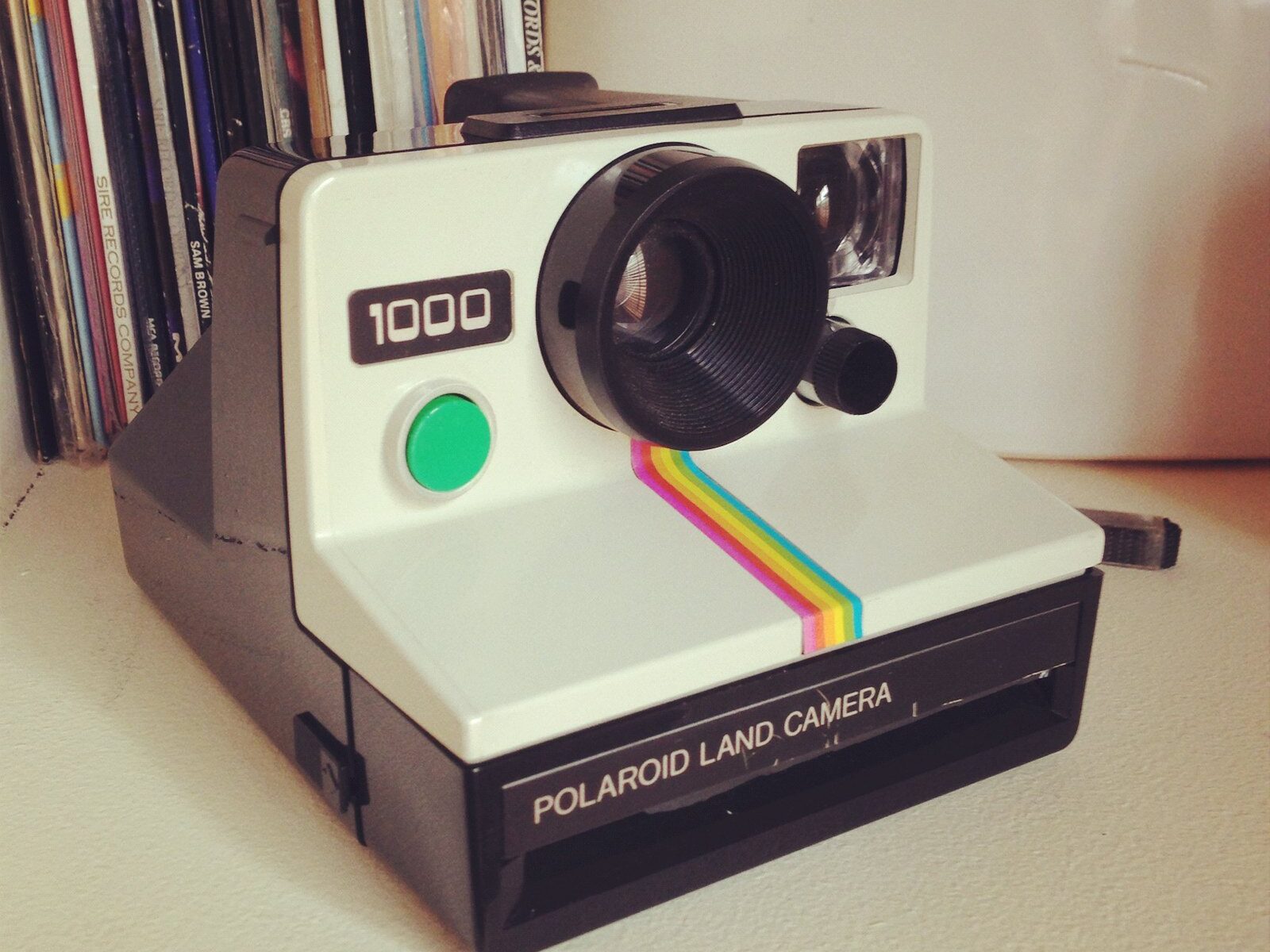
Digital photos are convenient, but they’re also disposable. Polaroid cameras gave you something physical seconds after you pressed the shutter.
The film would slide out, and you’d watch the image slowly appear like magic. The SX-70 is the collector’s favorite.
It folded flat, had a sleek chrome-and-leather design, and took pictures that still look good today. The 600 series cameras are more common and cheaper but still fun to use.
Newer models from the 1990s lack the build quality of the older ones. Film is expensive now. Each shot costs more than a dollar, so you think before you click.
That’s part of the appeal—making photos feel valuable again instead of taking fifty shots of the same thing.
Atari 2600
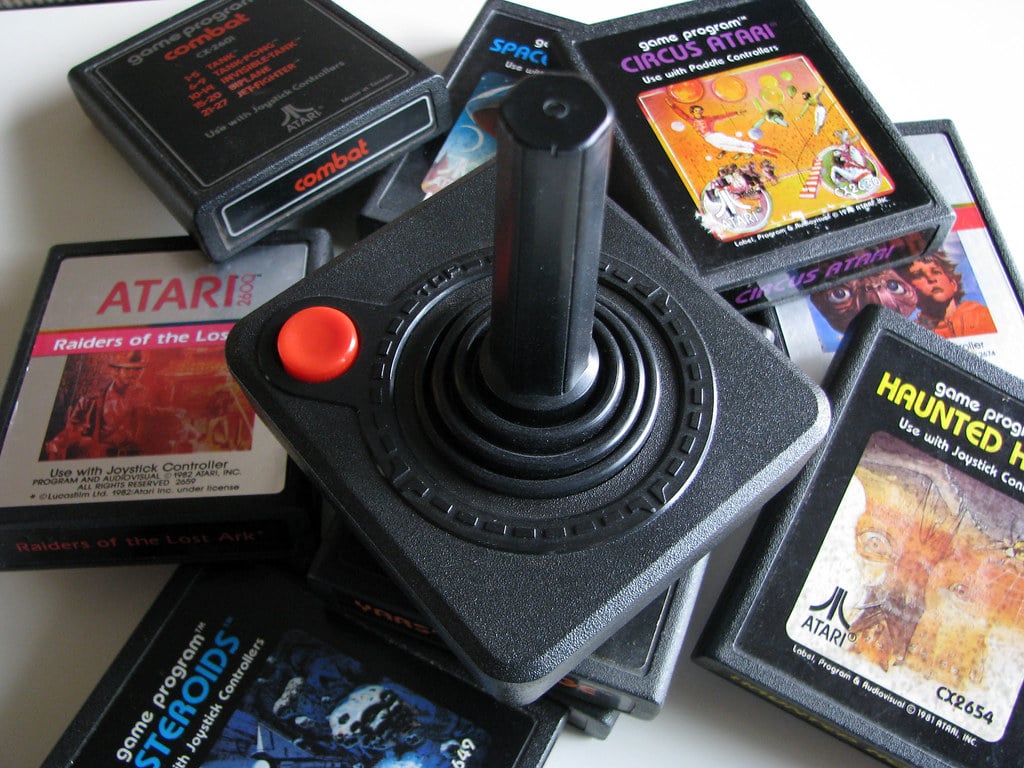
The wood paneling dates this console immediately. The Atari 2600 brought arcade games into living rooms starting in 1977, and for years it was the only game system that mattered.
The joystick had one button and barely moved, but it was enough for Space Invaders, Pac-Man, and hundreds of other titles. Collectors want the heavy six-switch models from the early years.
Later versions were cheaper and lighter but felt less substantial. Cartridges are easy to find at garage sales and thrift stores, often for a few dollars each.
Some rare titles, especially from smaller publishers, can cost hundreds. The console still works with modern TVs if you have the right adapter.
Picture quality is rough by today’s standards, but that’s part of the charm. Games were about gameplay, not graphics.
Commodore 64
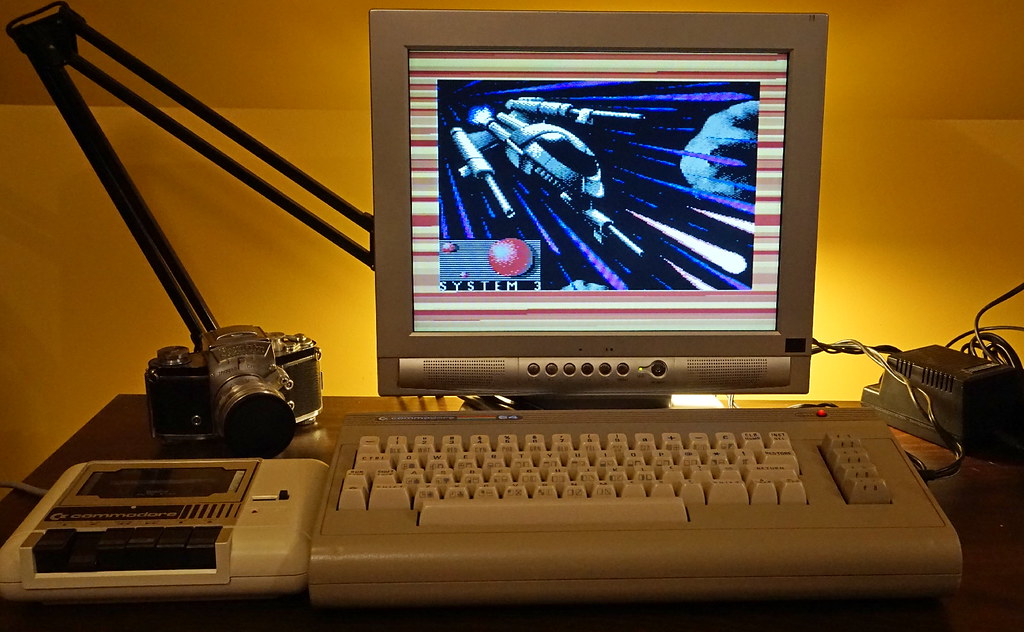
Personal computers in the 1980s looked like beige boxes with terrible keyboards. The Commodore 64 was different—it was a full computer that plugged into your TV and cost less than competitors.
Released in 1982, it became the best-selling single computer model ever. You could program on it, play games from cassette tapes or floppy disks, and even connect to early bulletin board systems with a modem.
The SID sound chip gave it better audio than most computers of its era. Games like Impossible Mission and The Last Ninja showed what it could do.
Finding a working C64 isn’t hard. Finding one with a working power supply is trickier—those old bricks tend to fail and can damage the computer.
Collectors either restore the original supplies or replace them with modern alternatives. The beige case yellows over time, and some people spend hours treating the plastic to restore the original color.
Pagers
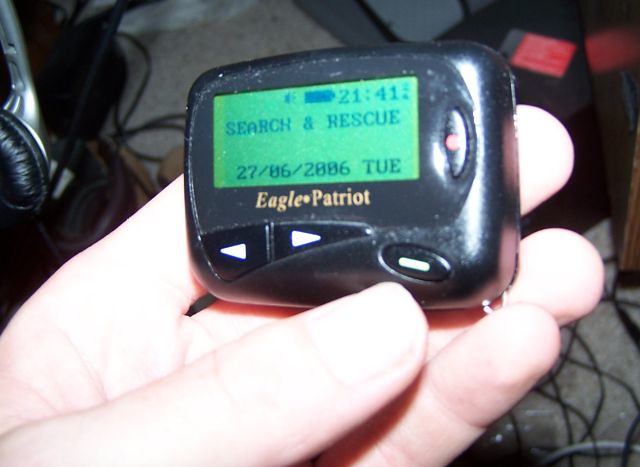
Before cell phones, pagers were how people stayed connected. Doctors, businesspeople, and eventually teenagers carried these small devices that would beep when someone sent a message.
You’d check the number on the screen and find a payphone to call back. Two-way pagers came later and let you send short text messages.
The Motorola models with the clip-on design are the most recognizable. Skytel and PageNet stickers still appear on some units.
They’re useless now since the networks shut down years ago, but collectors appreciate them as artifacts of a specific moment in communication history. Some people remember the codes—143 meant “I love you,” 911 meant urgent, and your friends’ numbers became shortcuts you memorized.
LaserDisc Players
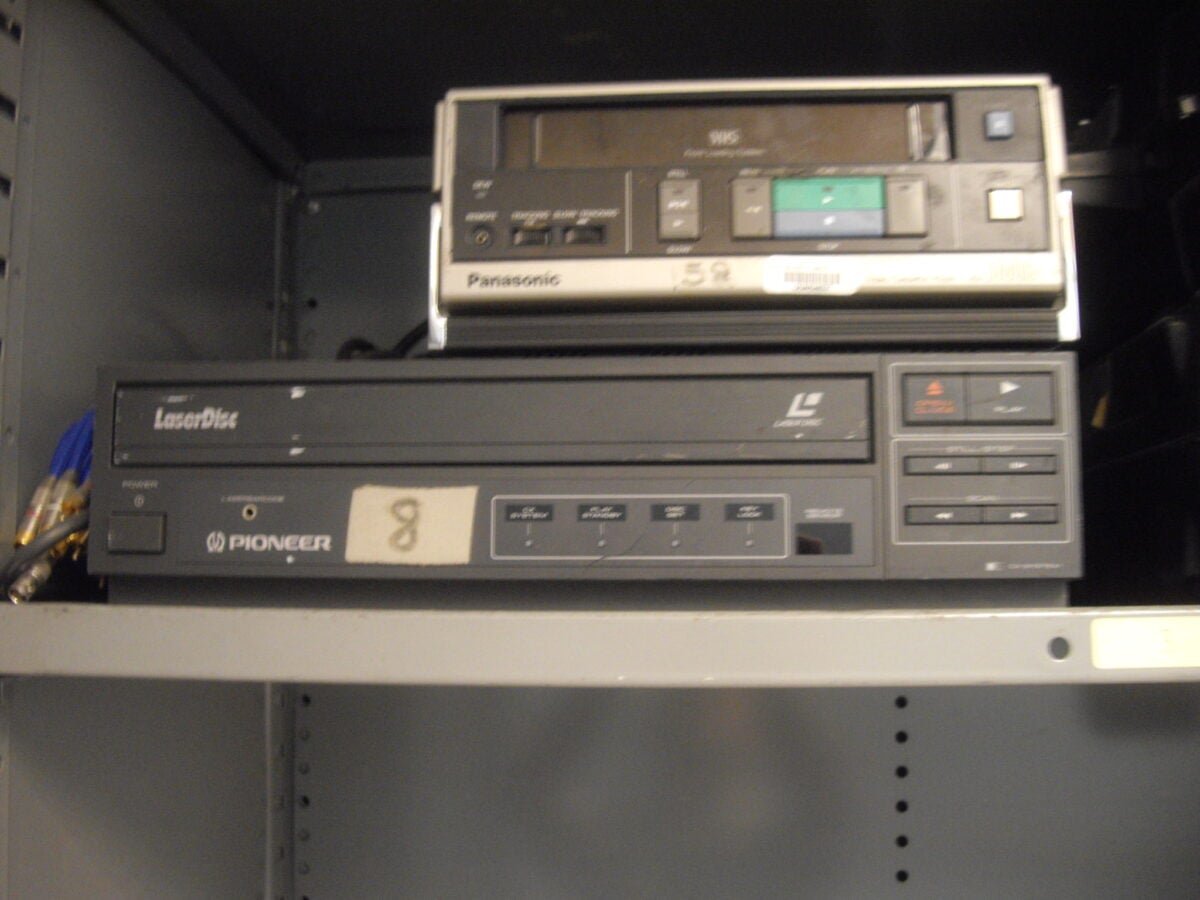
LaserDiscs looked like giant CDs and promised perfect video quality. The format launched in 1978 but never really caught on with mainstream audiences.
Movies came on these 12-inch platters that you had to flip halfway through, and the players were expensive. But the video quality was better than VHS, and the audio could be digital.
Film collectors preferred LaserDiscs because they offered widescreen versions of movies and special features that tapes didn’t include. The packaging was large enough for real artwork.
Pioneer made most of the good players. Late models from the 1990s had features like digital comb filters and could play both sides of the disc automatically.
Working players are getting harder to find because the laser assemblies fail. Discs themselves are cheap unless you want something rare or out of print.
Nintendo Entertainment System
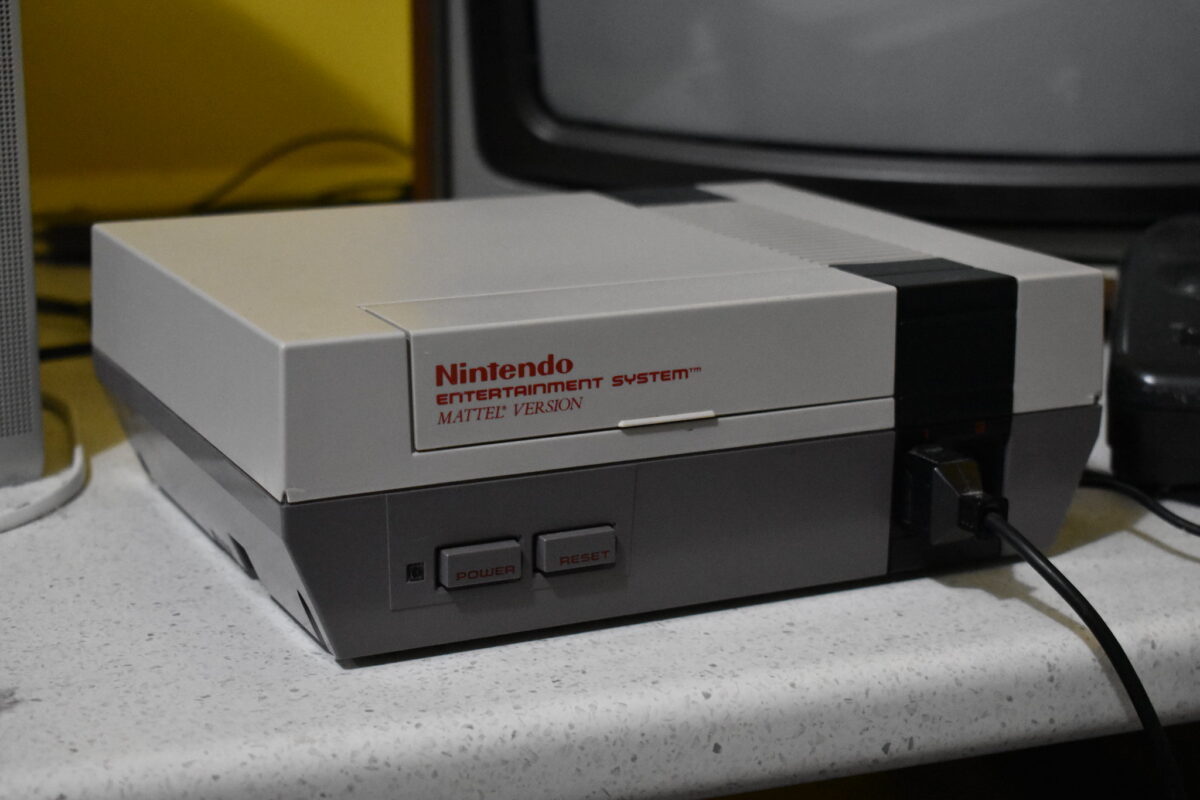
The gray box with the red and white logo saved video games in America. After the market crashed in 1983, people thought gaming was dead.
Then Nintendo released the NES in 1985 with Super Mario Bros., and everything changed. The design was boxy and utilitarian.
You’d push cartridges down into the front-loading slot, and the game would start. Except when it didn’t—the connector pins wore out, leading to the infamous ritual of blowing on cartridges and jamming them in at different angles until something worked.
Collectors want the original front-loader, not the top-loading redesign from 1993. Complete-in-box units with all the original packaging and inserts command high prices.
The gold-cartridge Legend of Zelda games are icons, and rare titles from small publishers can cost thousands. Games libraries were huge because Nintendo licensed so many third-party developers.
Quality varied wildly, but the best games still hold up decades later.
Vintage Apple Products
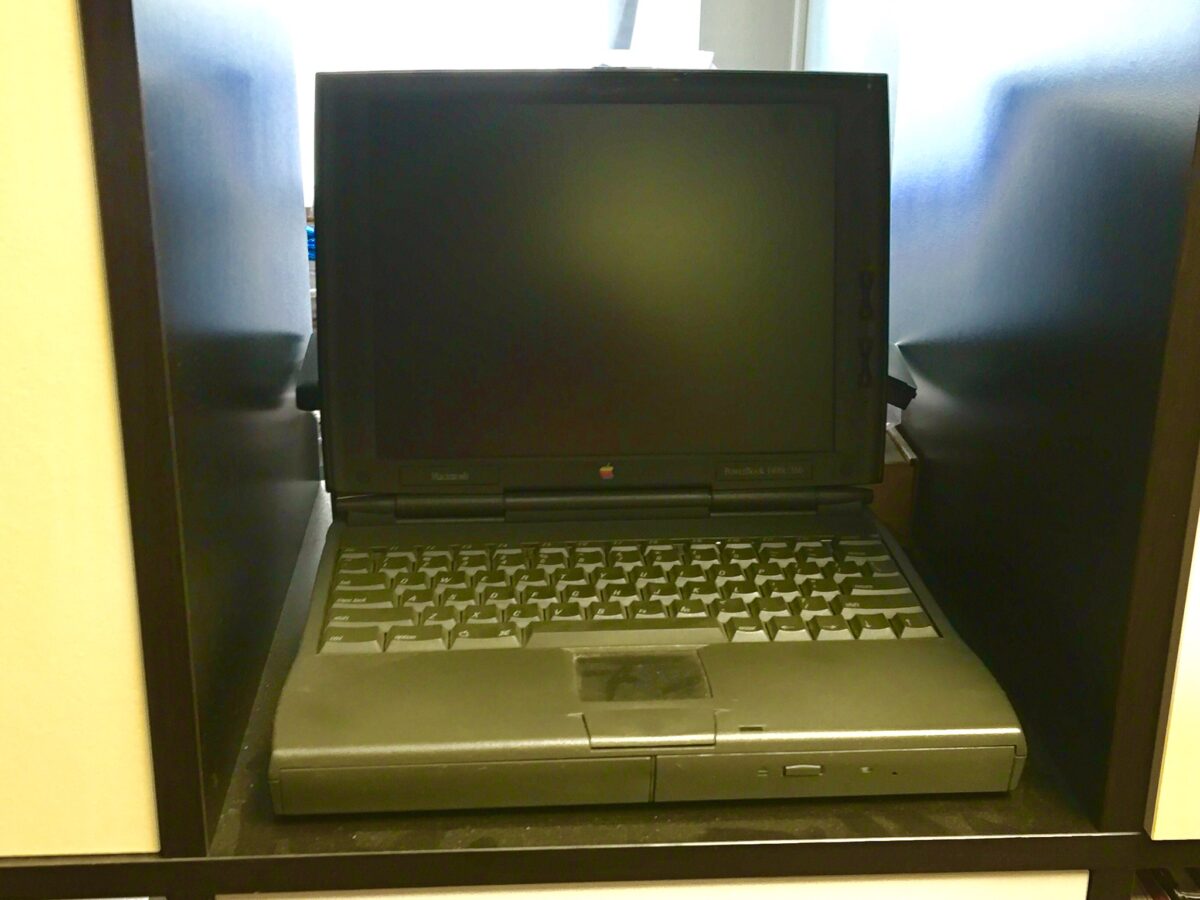
Apple computers have always had devoted fans, and that loyalty extends to collecting old models. The original Macintosh from 1984 with its compact all-in-one design and tiny black-and-white screen launched the graphical interface to the masses.
The iMac G3 from 1998 is more affordable and easier to find. Those translucent colored shells came in Bondi Blue, Tangerine, Lime, and other shades that defined late-90s design.
They’re heavy—over 30 pounds—but they look great on a shelf. Early iPhones and iPods show up in collections too.
The first-generation iPhone from 2007 in original packaging sells for more than its launch price. First-gen iPods with the scroll wheel are harder to find in working condition because the hard drives fail.
The key with Apple products is condition. Scratches, dents, and discoloration hurt value. Original packaging and accessories make a big difference.
CRT Televisions
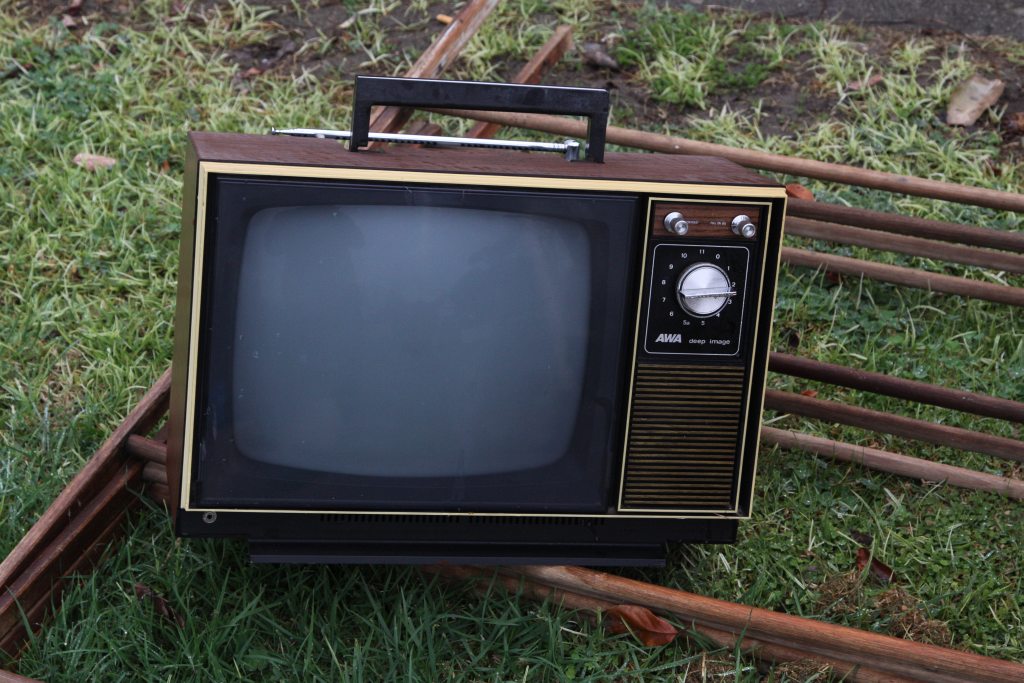
Flat screens took over so completely that people forgot why anyone would want a CRT television. Then retro gamers remembered—old consoles look terrible on modern displays.
The digital processing adds lag and makes pixels look wrong. CRT screens, with their curved glass and heavy magnetic coils, show old games the way they were designed to look. Sony Trinitron models are most desired.
They had better picture quality than competitors and came in sizes up to 36 inches. Moving one requires two people and a strong back.
The smaller 13-inch and 20-inch sets are easier to manage and work fine for gaming. Not just any CRT works well.
You want component video inputs or RGB support for the best picture. Models with flat screens instead of curved ones command higher prices.
Professional monitors used in broadcast and production are the top tier but cost accordingly. Finding them is the easy part—people give them away.
Getting one home and making space for it is the challenge.
Turntables
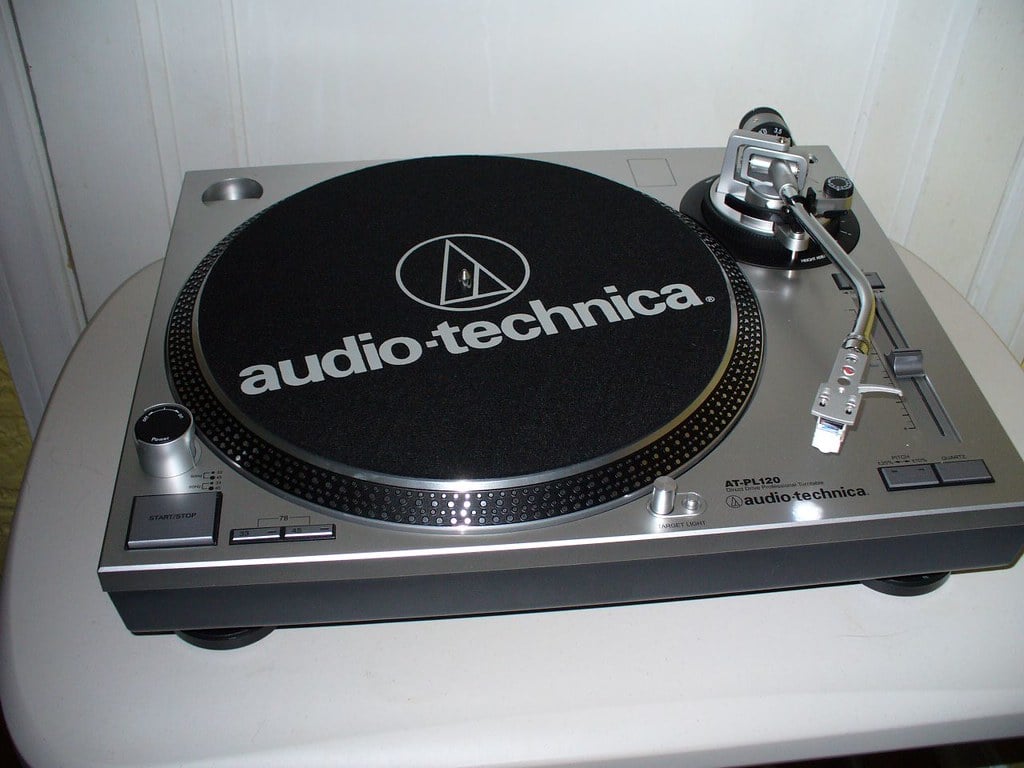
Vinyl records never really died, but turntables went through a long period where most people didn’t think about them. CDs were more convenient, then digital files made physical media seem pointless.
But sound quality matters to some listeners, and records offer a tactile experience that files don’t. Technics SL-1200 turntables are the most famous.
DJs used them for decades because they were built solid and had direct drive motors that maintained speed. You can still find them, and they still work reliably.
Other brands like Pioneer, Marantz, and Dual made excellent turntables in the 1970s and 1980s. Condition matters more than brand sometimes.
The stylus wears out and needs replacement. The belts stretch if the turntable has belt drive. Dust covers crack.
But a good turntable from 40 years ago can sound better than a cheap new one. The ritual is part of the appeal.
You pull out a record, set it on the platter, lift the tonearm, and lower it carefully onto the spinning vinyl. Then you sit and listen instead of shuffling through playlists.
Flip Phones
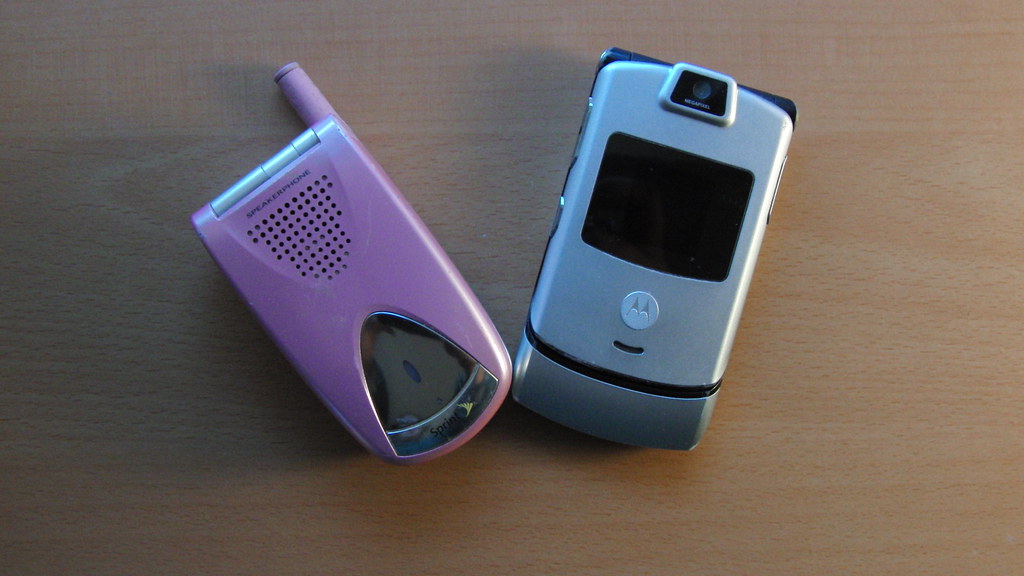
Smartphones do everything, which means they’re also kind of boring. Flip phones had personality.
The satisfying snap when you close them. The way you could answer a call by flipping them open.
The tiny screens that showed just enough information and nothing more. Motorola made the most iconic models.
The RAZR was impossibly thin when it came out in 2004 and became a status symbol. Earlier StarTAC phones from the late 1990s were the first successful flip design.
Nokia, Samsung, and LG made their own versions with different features. Most flip phones are cheap to collect because they’re outdated technology.
The networks they used are mostly shut down, so they work as collectibles but not as phones. Limited editions and special color variants are worth more.
Units in original packaging with all accessories are rare because people threw out the boxes. They represented a time when phones were just phones—no apps, no constant notifications, no pressure to check every few minutes.
Cassette Decks
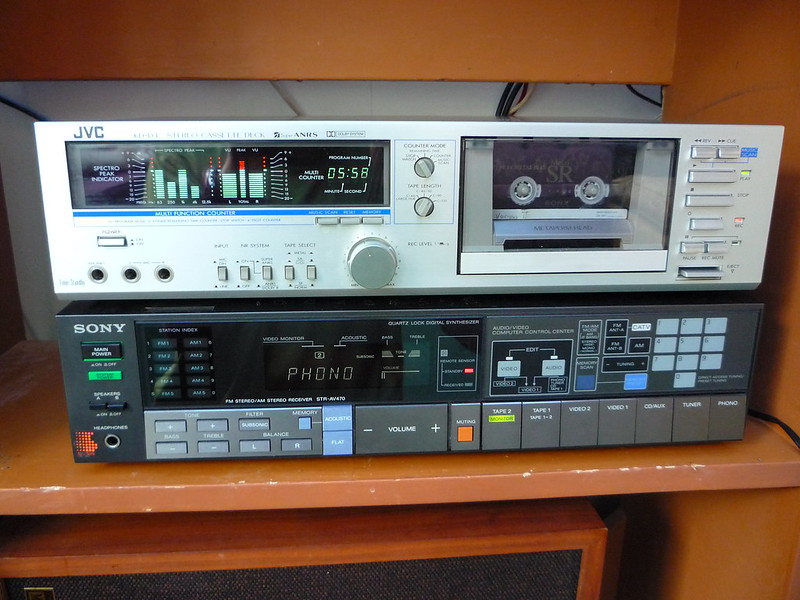
Cassettes weren’t popular, yet people kept using them. When they got twisted or broke down, playback still kinda worked – just not like vinyl or discs.
Still, you could copy music onto them, carry them around, plus they fit most setups. That tape player hooked up to your speakers meant recording tunes off airwaves – or making playlists for friends.
Top-tier players by brands such as Nakamichi came with triple heads along with support for metal tapes – giving clearer audio. These machines still pack a punch today, often selling for big bucks if they’re in solid shape.
Everyday versions made by Sony, Technics, or Onkyo? They handle regular use just right.
The parts wear down and need care.
Since belts crack, rollers stiffen – so heads pick up magnetic gunk. A quick clean plus a demag session helps heaps.
Swapping belts means ripping the deck wide open, yet slow hands can pull it off. Cassettes don’t cost much at secondhand shops.
If they’re not damaged, factory-made ones play just fine. Unopened blank tapes? Those are rare – collectors like ’em more.
When Technology Becomes Memory
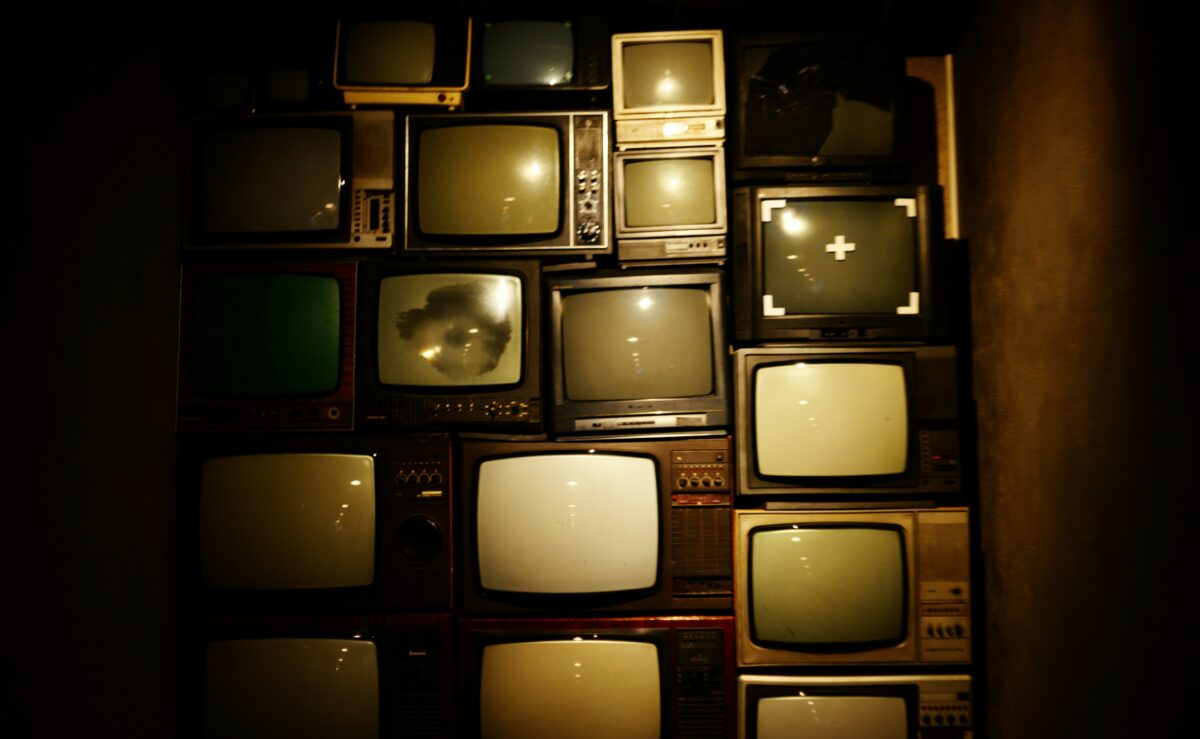
These gadgets don’t work as well as they used to. Better gaming’s possible now, yet old ones had a certain vibe.
Photos come out sharper today, still, the older look sticks with you. Audio quality improved loads – still sounds different somehow.
Talking to folks is simpler these days, but it lacks that old warmth. Holding onto outdated gadgets isn’t really useful.
Yet it keeps alive real items that changed how folks experienced life. That chunky feel of a Walkman in your jeans, the soft flicker from an old TV, the solid snap when you press a Game Boy button – none of those things come through on slick glass screens or tiny Bluetooth headphones.
Perhaps this explains why folks still browse flea markets or scroll web posts, looking for gadgets others ditched long back. Every piece hints at what felt important once, when life wasn’t so rushed, sleek, or quick to toss out.
More from Go2Tutors!

- The Romanov Crown Jewels and Their Tragic Fate
- 13 Historical Mysteries That Science Still Can’t Solve
- Famous Hoaxes That Fooled the World for Years
- 15 Child Stars with Tragic Adult Lives
- 16 Famous Jewelry Pieces in History
Like Go2Tutors’s content? Follow us on MSN.