26 Books Banned in Schools That Became Classics
Every one of these titles has, at some point, been pulled from a classroom shelf, challenged by a parent committee, or removed from a required reading list. Most of them are now taught in the very schools that once refused to carry them. The pattern says less about the books than about how each generation decides what young readers can handle.
To Kill a Mockingbird
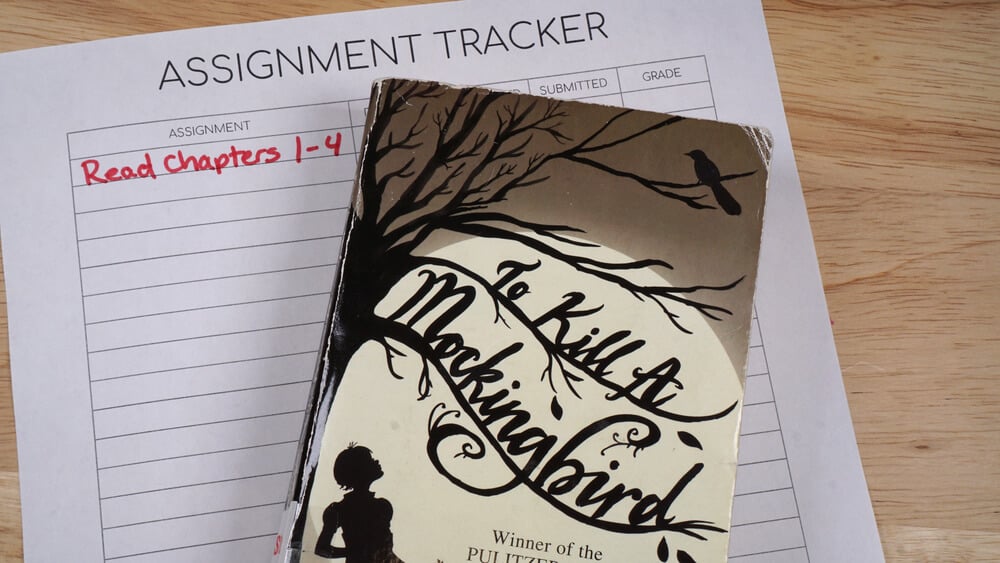
Harper Lee’s 1960 novel has faced school challenges almost continuously since its publication, targeted for its racial language and frank treatment of rape allegations in a small Southern town. It remains one of the most frequently assigned novels in American secondary education despite the challenges never fully stopping.
The Catcher in the Rye
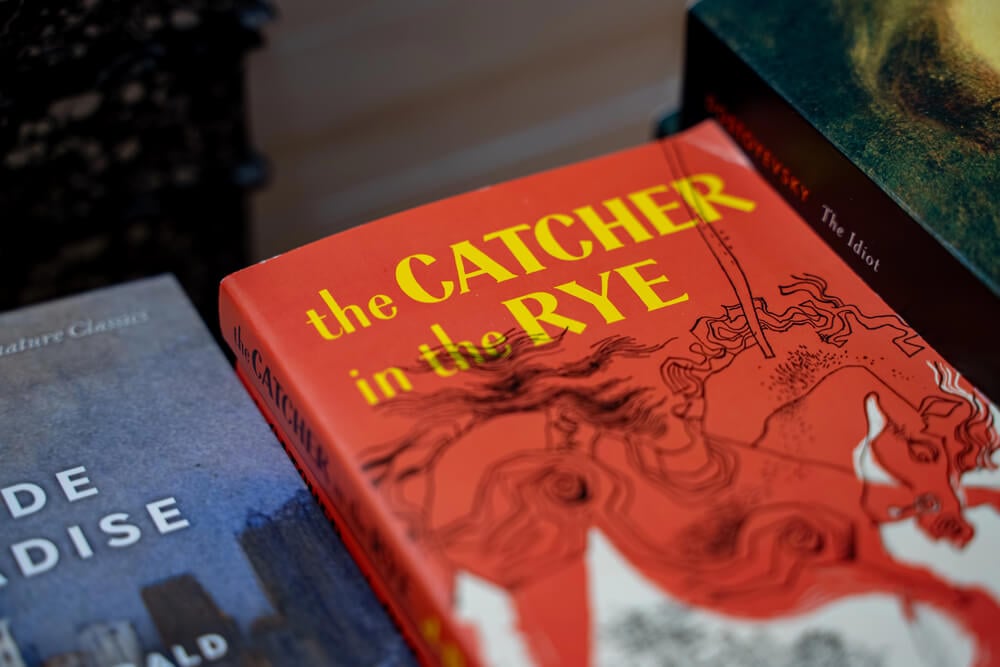
J.D. Salinger’s 1951 novel drew objections over its profanity and its narrator’s rebellious attitude toward authority, and it was pulled from numerous school reading lists throughout the second half of the twentieth century. It is now widely taught as a defining portrait of postwar adolescent alienation.
The Adventures of Huckleberry Finn
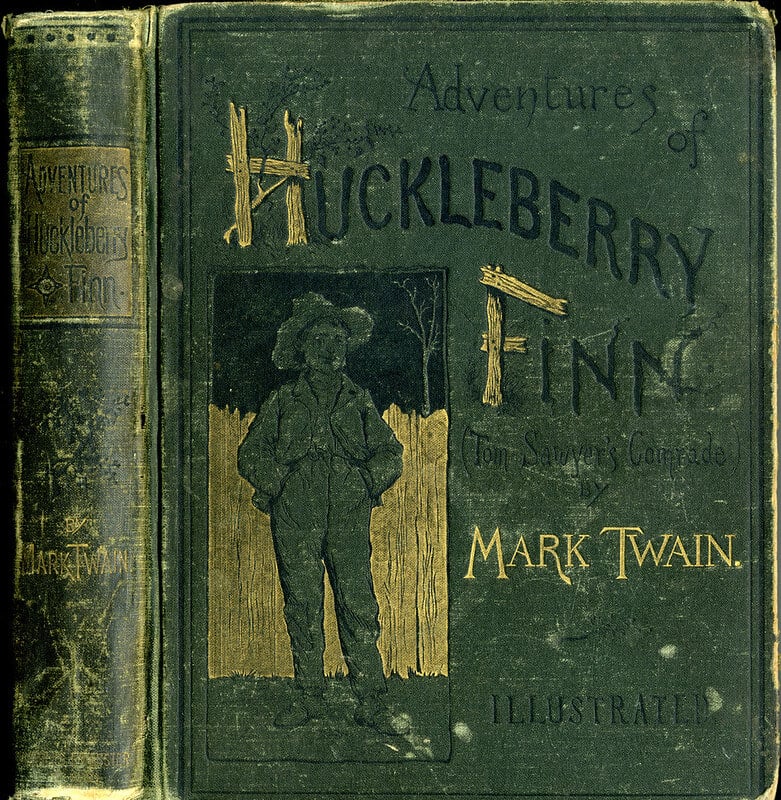
Mark Twain’s 1884 novel was banned from some libraries within a year of publication over concerns about its coarse language and morally ambiguous characters, and it has faced renewed challenges in the twentieth and twenty-first centuries over its repeated use of a racial slur. It remains a fixture of American literature curricula.
Of Mice and Men
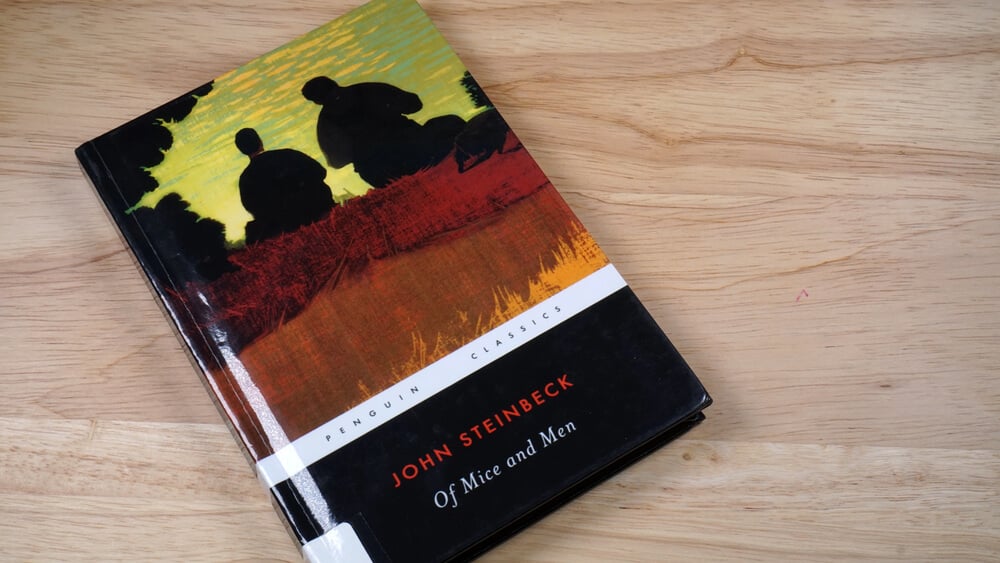
John Steinbeck’s 1937 novella has been challenged repeatedly for profanity, violence, and its use of racial and ableist language, making it one of the most frequently contested books in American schools for decades. It is still commonly assigned for its portrait of Depression-era migrant labor.
The Grapes of Wrath

Steinbeck’s 1939 novel was banned and even publicly burned in some California communities shortly after publication, with local leaders objecting to its unflattering portrayal of migrant labor conditions. It later won the Pulitzer Prize and is now a standard text in American literature courses.
Slaughterhouse-Five
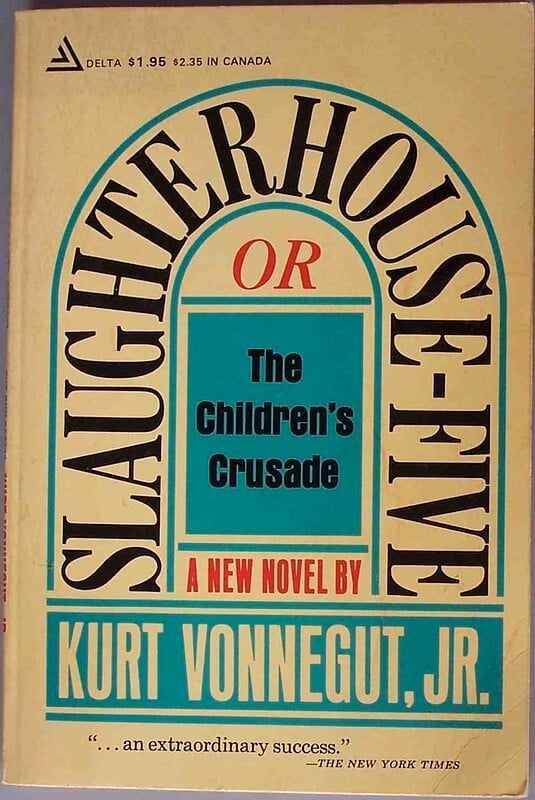
Kurt Vonnegut’s 1969 novel faced school bans and challenges over its language and its unconventional, fatalistic treatment of the firebombing of Dresden, with some districts removing it as recently as the 2010s. It remains a staple of high school and college courses on twentieth-century literature.
Beloved
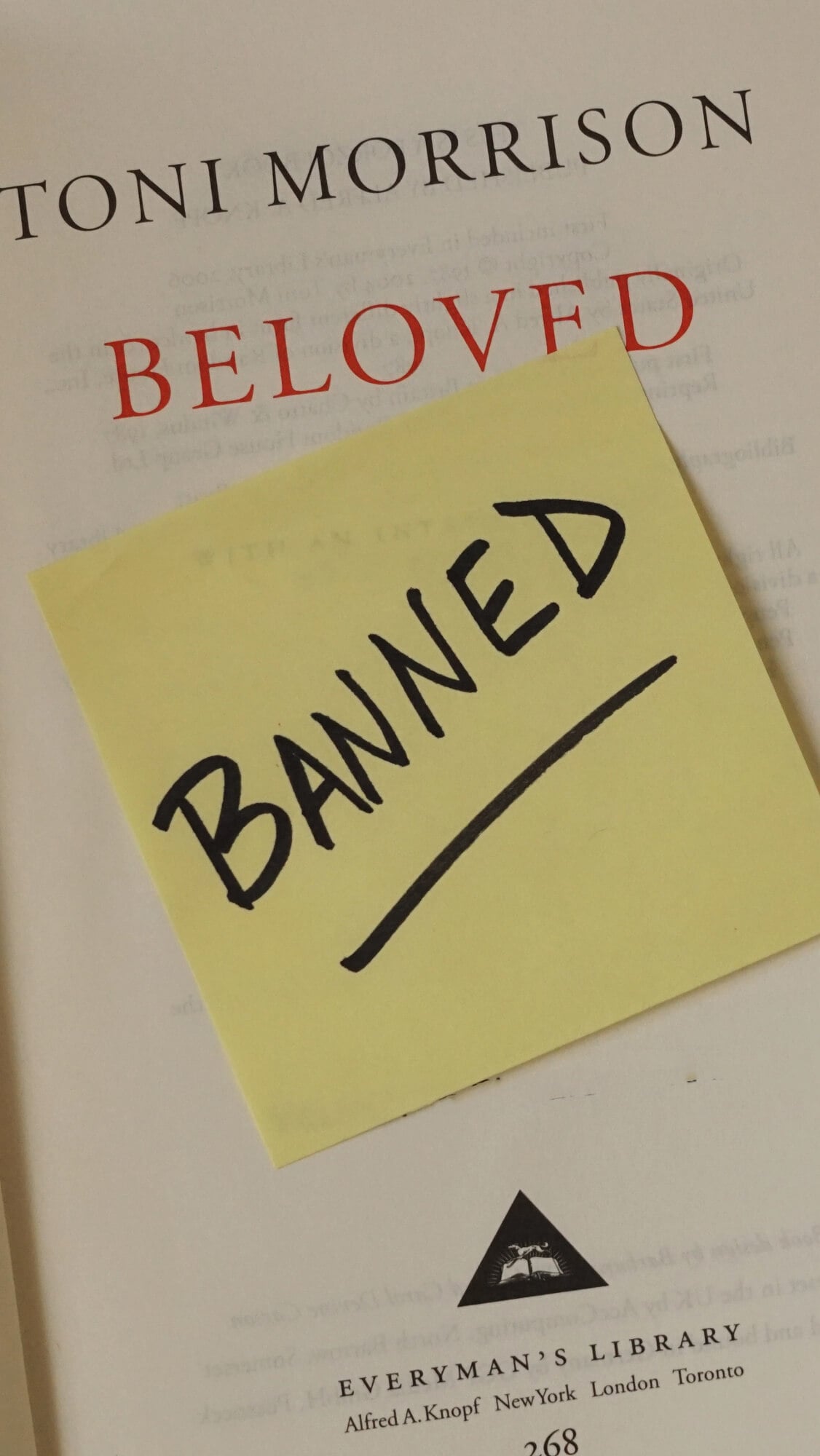
Toni Morrison’s 1987 novel, which won the Pulitzer Prize, has been challenged in numerous districts for its graphic content depicting the trauma of slavery. It is now widely taught in advanced high school and college courses as one of the defining American novels of its era.
The Color Purple
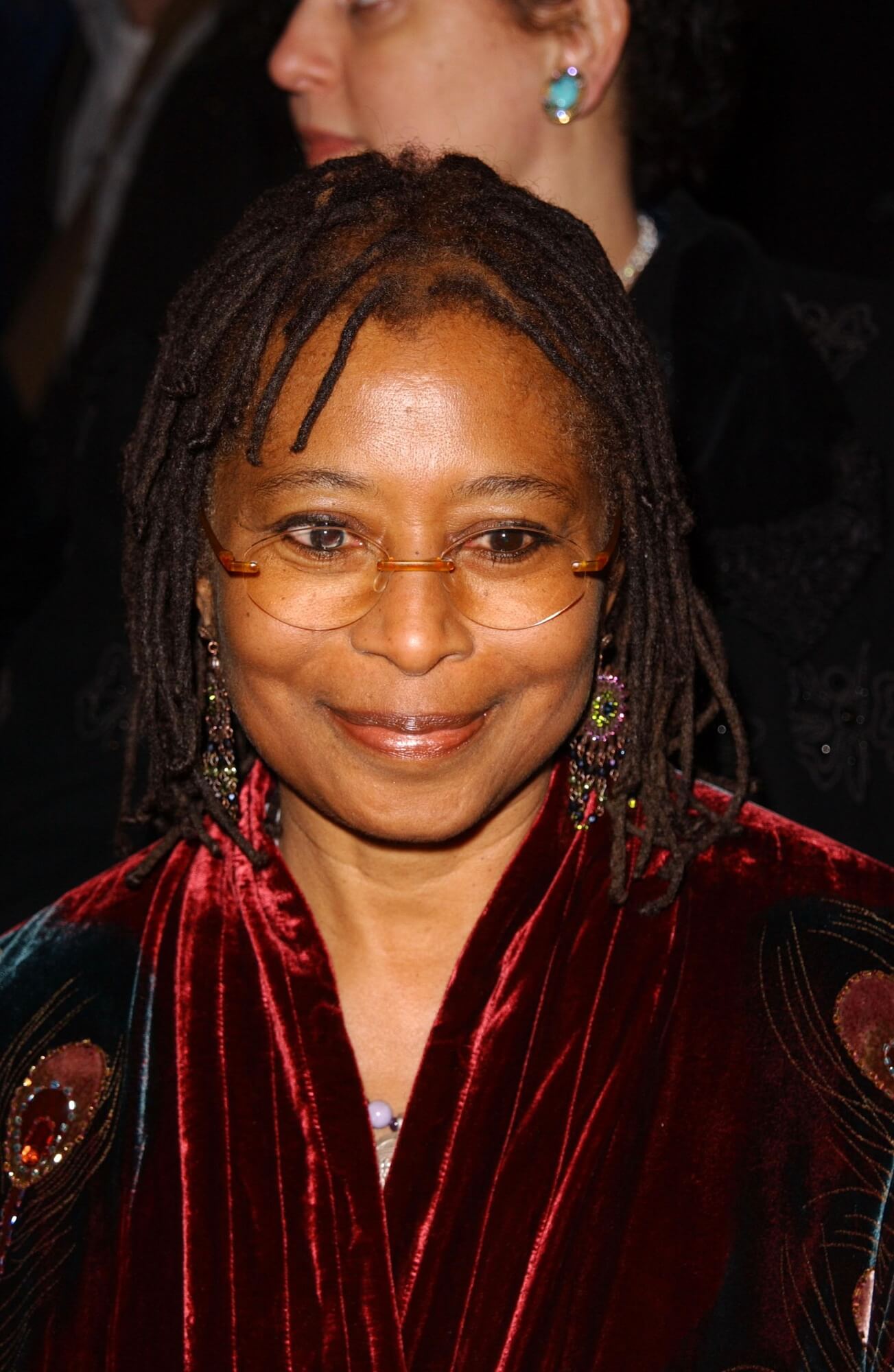
Alice Walker’s 1982 novel, also a Pulitzer winner, has faced repeated school challenges over its explicit content and themes of abuse, ranking among the most frequently contested books of the late twentieth century. It remains a central text in courses on American and African American literature.
Nineteen Eighty-Four
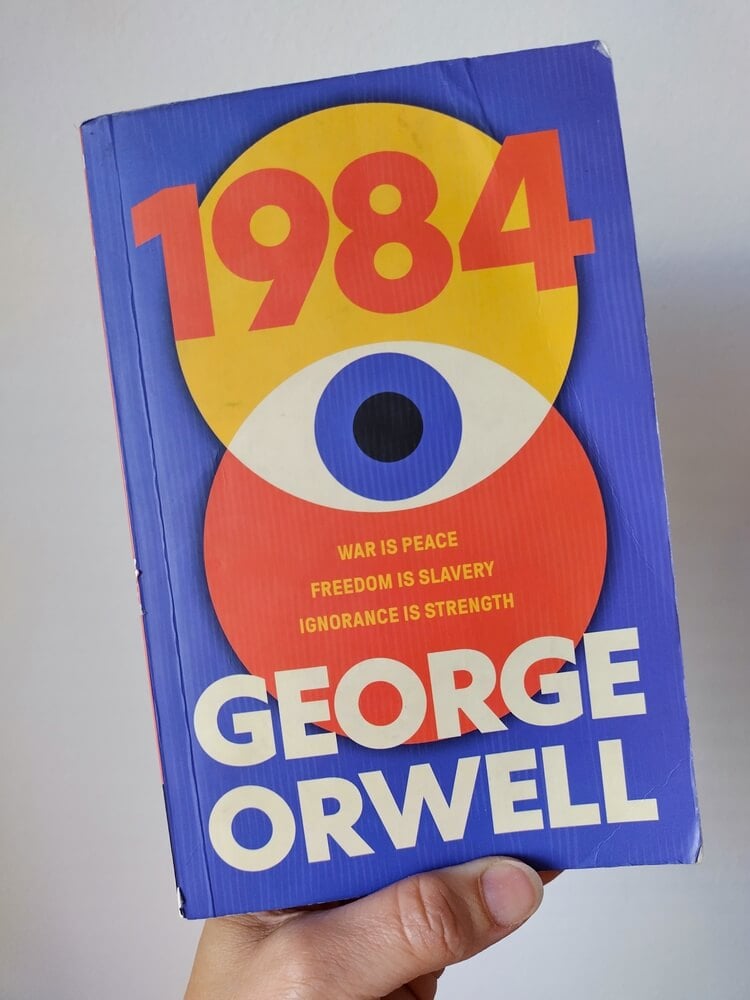
George Orwell’s 1949 novel has been challenged in various countries, including some school districts in the United States, over its political content and bleak subject matter. It is now assigned in classrooms worldwide as a foundational text on totalitarianism and surveillance.
Brave New World
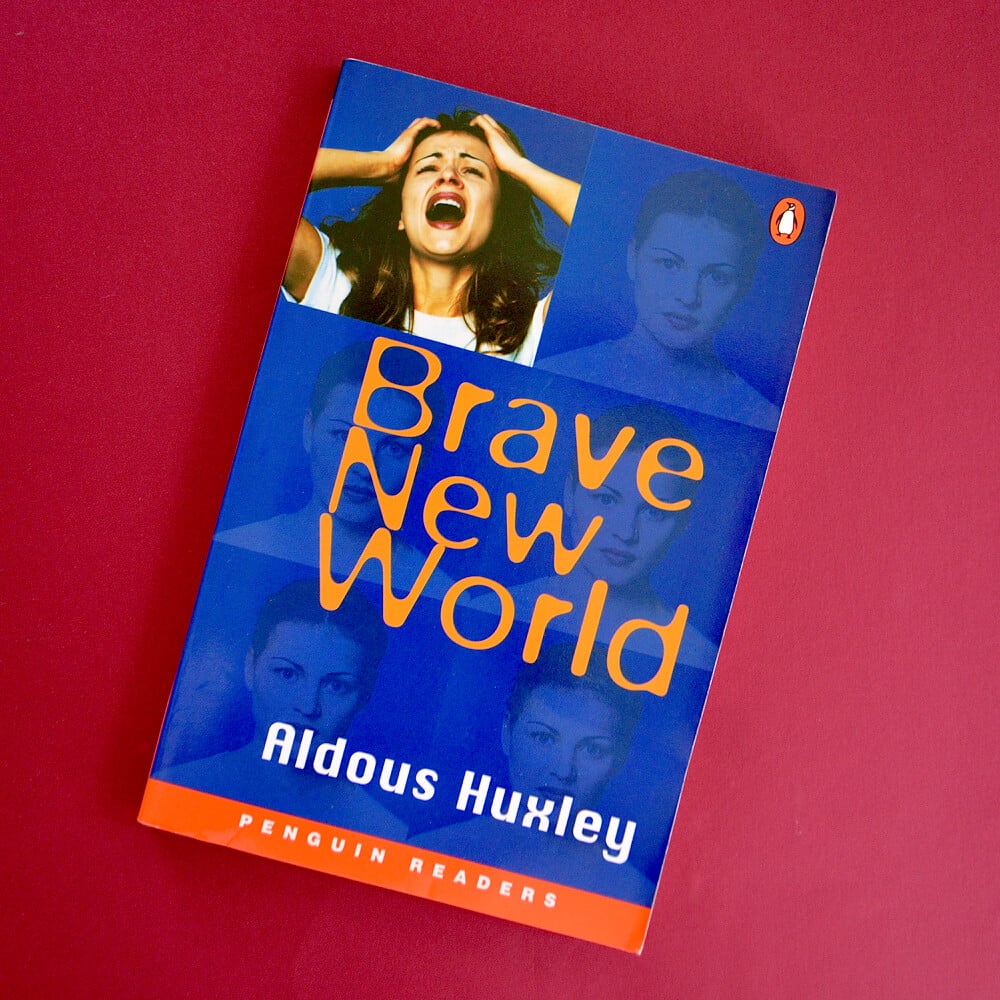
Aldous Huxley’s 1932 novel was banned or challenged in numerous school districts over its treatment of drug use and its frank approach to social conditioning, decades before finding a permanent place on advanced literature syllabi. It is now routinely paired with Orwell’s work in dystopian literature units.
Fahrenheit 451
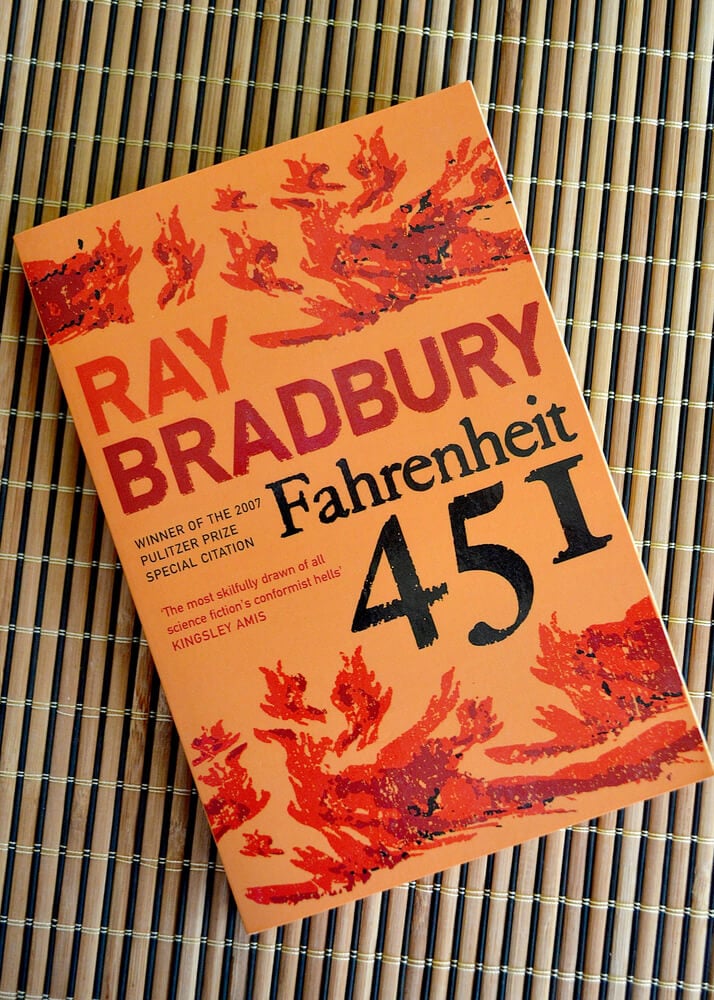
Ray Bradbury’s 1953 novel, itself about censorship, has ironically faced school bans and edited reprintings over its language, an irony Bradbury himself pointed out when he learned of a sanitized classroom edition. It is now taught in part because of that very history.
The Great Gatsby
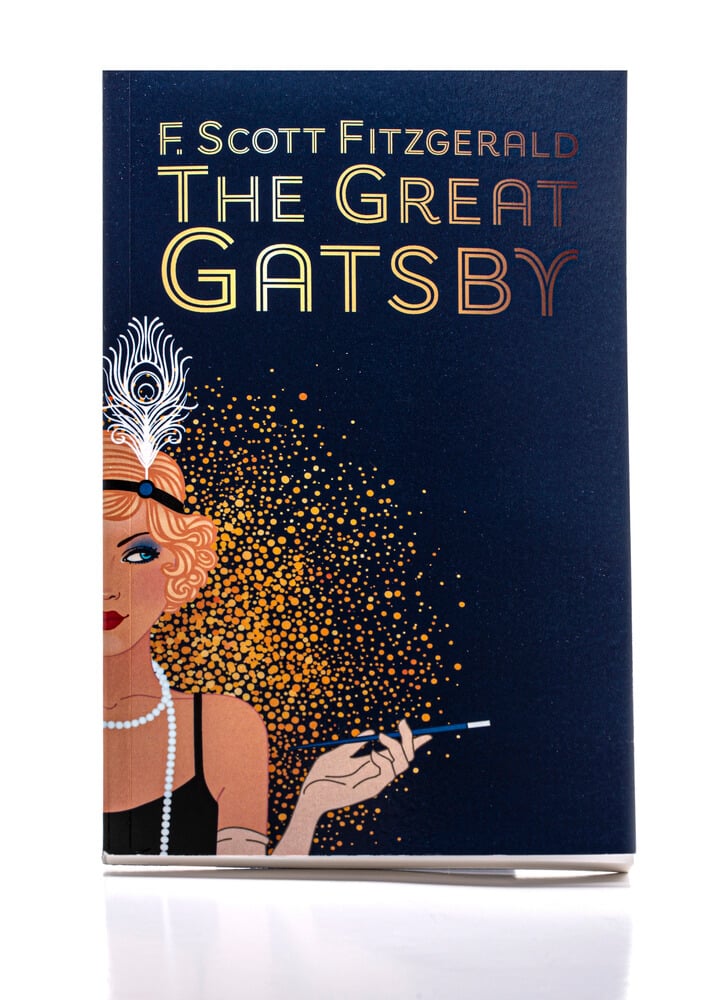
F. Scott Fitzgerald’s 1925 novel drew objections in some districts over its depiction of extramarital affairs and its language, though its challenges were less frequent than many others on this list. It has become perhaps the most commonly assigned American novel in high schools today.
Lord of the Flies
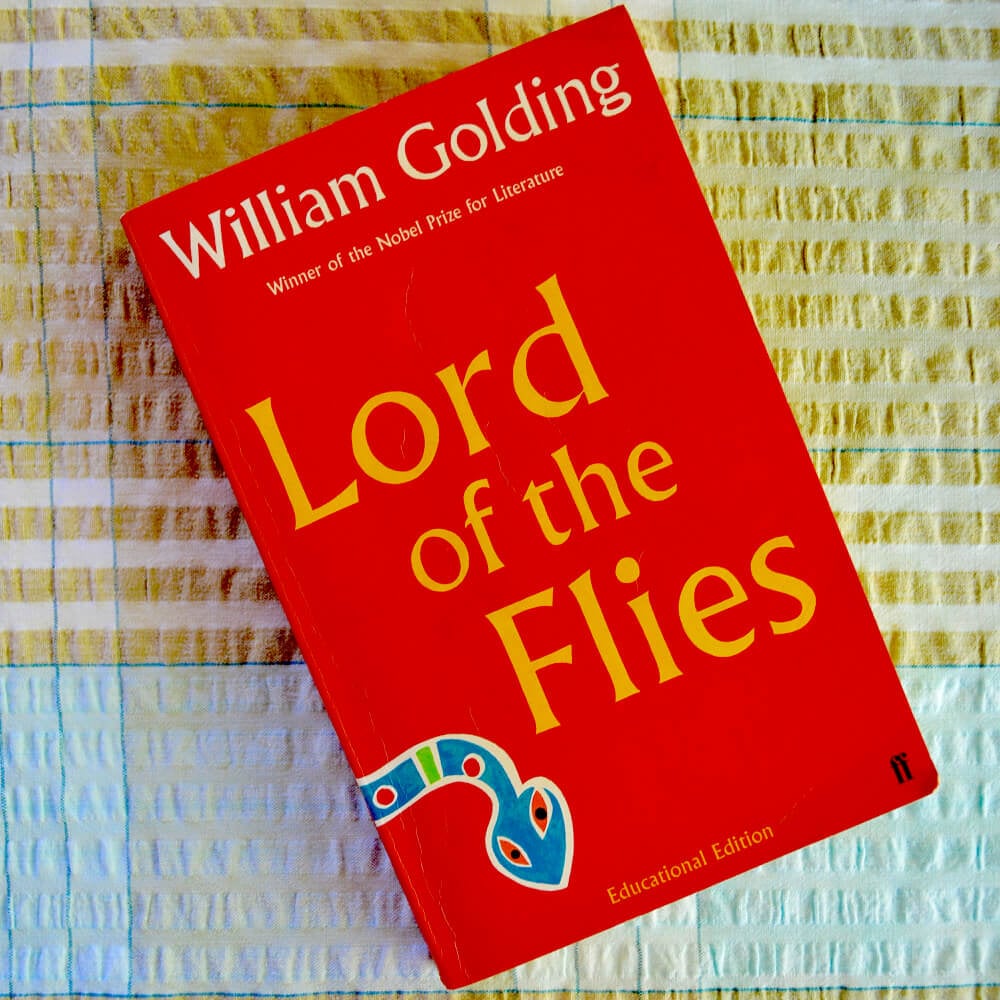
William Golding’s 1954 novel faced school challenges over its violence, and some districts restricted it for younger readers for decades after publication. It is now a near-universal fixture of middle and high school curricula on group psychology and civilization.
The Diary of a Young Girl
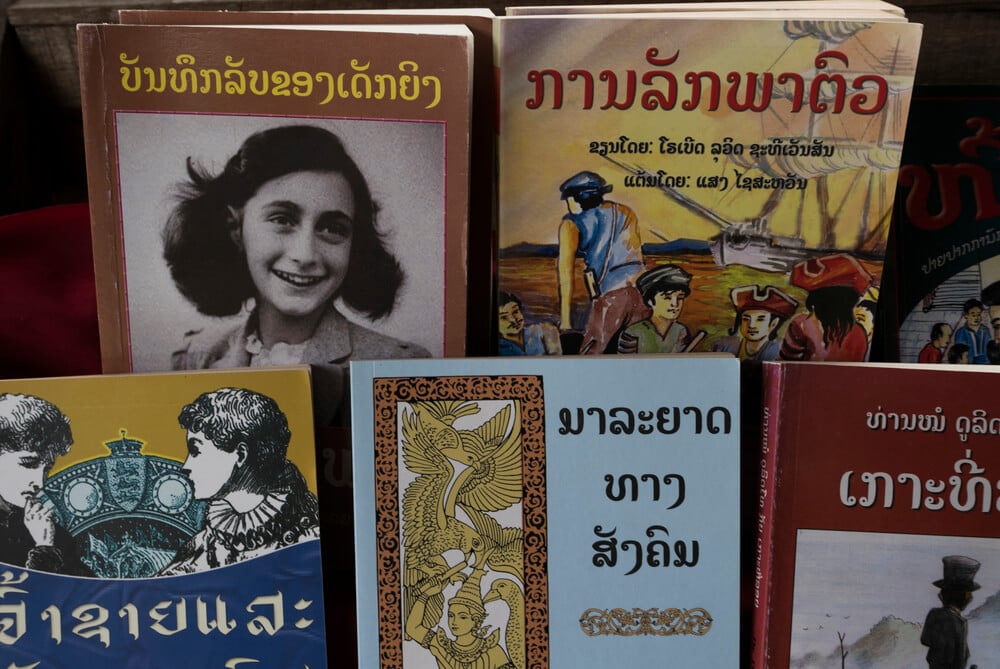
Anne Frank’s wartime diary, published posthumously in 1947, has been challenged in some American school districts over passages discussing her own physical maturation and coming of age, with a version even removed from a Michigan school in the 1980s. It remains one of the most widely read works of Holocaust literature in classrooms worldwide.
Their Eyes Were Watching God
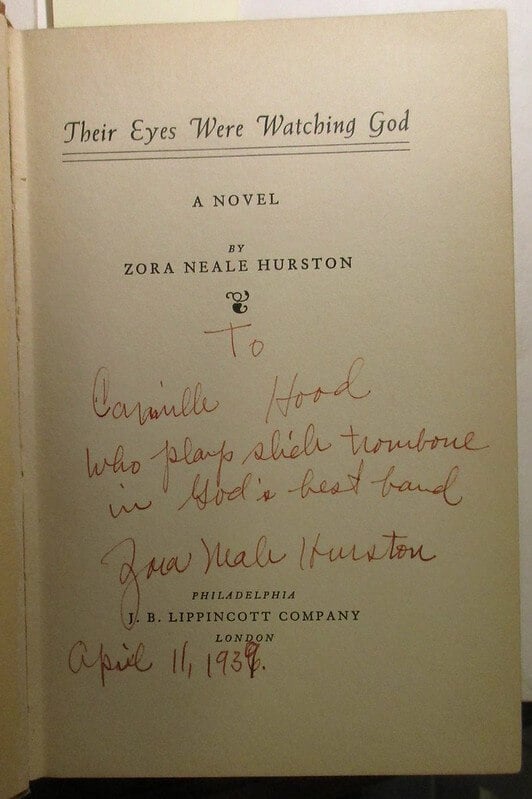
Zora Neale Hurston’s 1937 novel drew objections over its frank romantic content and dialect-heavy prose and was largely out of print for decades before its rediscovery. It is now a cornerstone of American literature and African American studies curricula.
Invisible Man
Ralph Ellison’s 1952 novel has been challenged and removed from reading lists over its violent and explicit content, including a school board removal as recently as 2013. It remains a foundational text in courses on American identity and race.
A Clockwork Orange
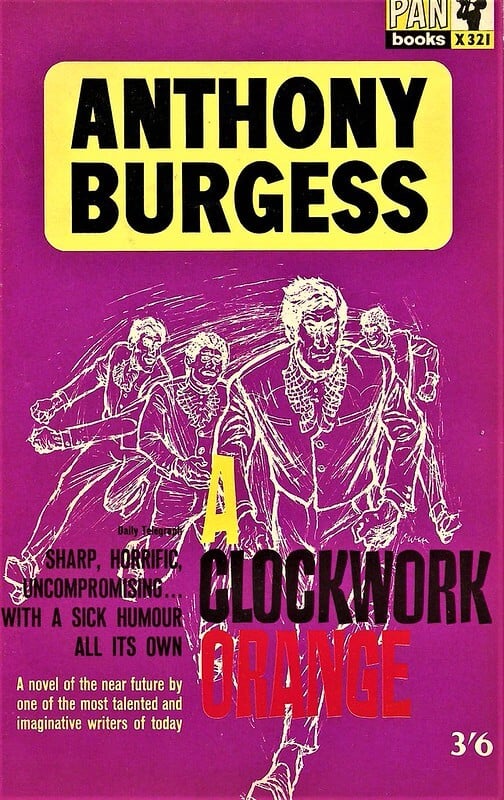
Anthony Burgess’s 1962 novel has been challenged and restricted in schools over its graphic violence since well before the film adaptation amplified its notoriety. It is now studied as a landmark work of language invention and moral ambiguity in literature courses.
The Handmaid’s Tale
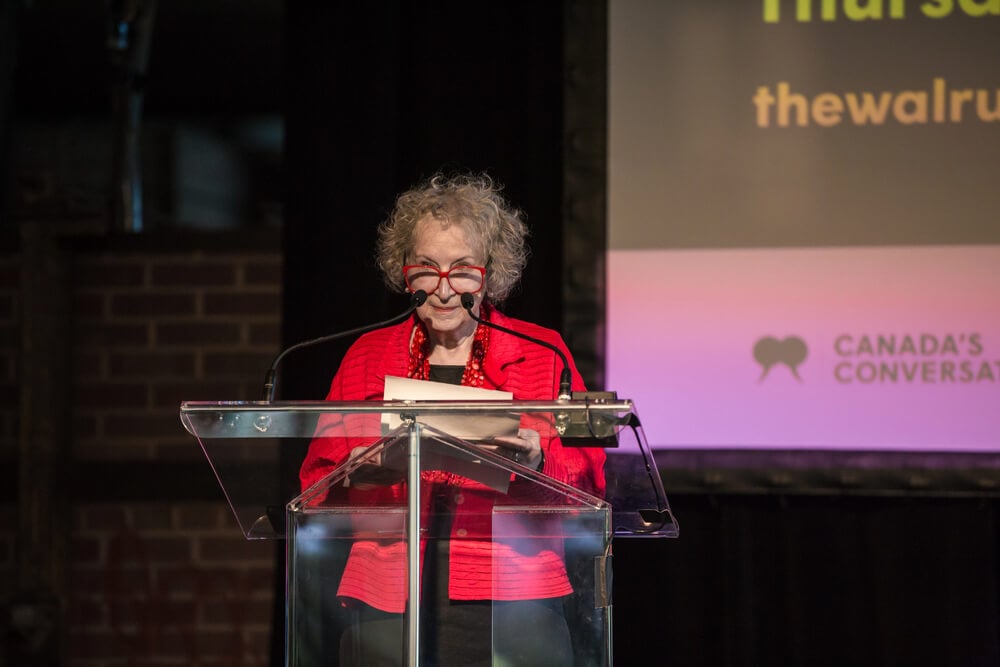
Margaret Atwood’s 1985 novel has faced school challenges over its mature content and political themes almost continuously since publication, including removals in the 2000s and 2010s. It is now a fixture of both high school and college syllabi on speculative fiction.
The Bluest Eye
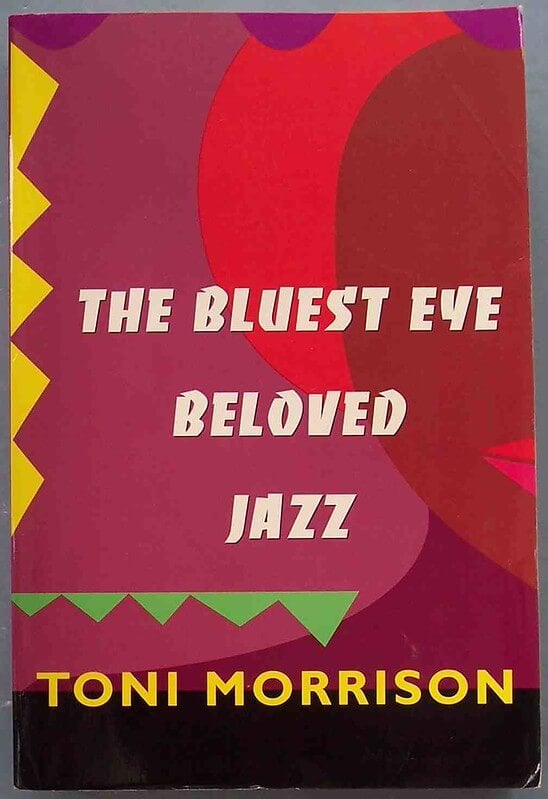
Toni Morrison’s 1970 debut novel is among the most frequently challenged books in American schools due to its depiction of abuse, prompting removals across multiple decades. It is nonetheless taught widely in advanced literature courses for its unflinching portrait of internalized racism.
Song of Solomon
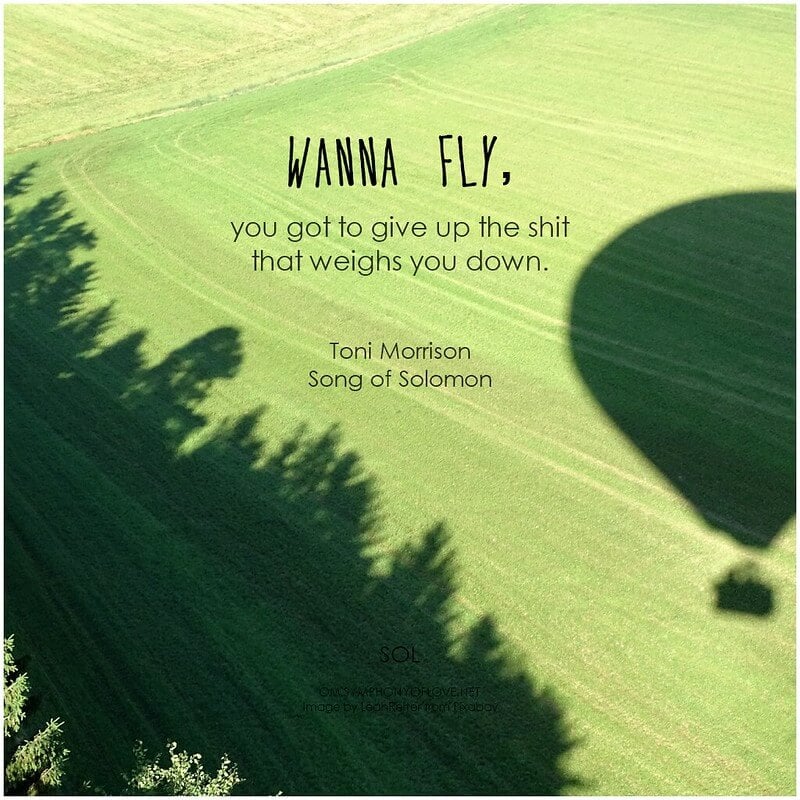
Toni Morrison’s 1977 novel has drawn objections over language and mature content in various districts, part of a broader pattern of challenges to her work. It won the National Book Critics Circle Award and is regularly assigned in college-level American literature courses.
Ulysses
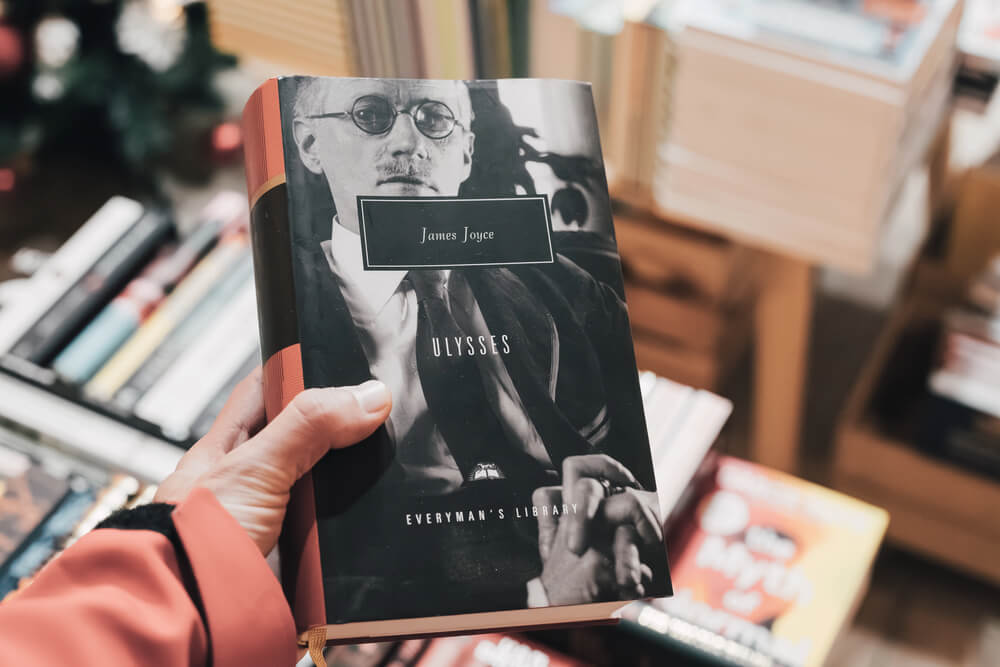
James Joyce’s 1922 novel was banned outright in the United States for over a decade following an obscenity ruling before a landmark 1933 federal court decision permitted its publication. It is now considered one of the most significant novels of the twentieth century and is taught in university literature programs worldwide.
Lady Chatterley’s Lover
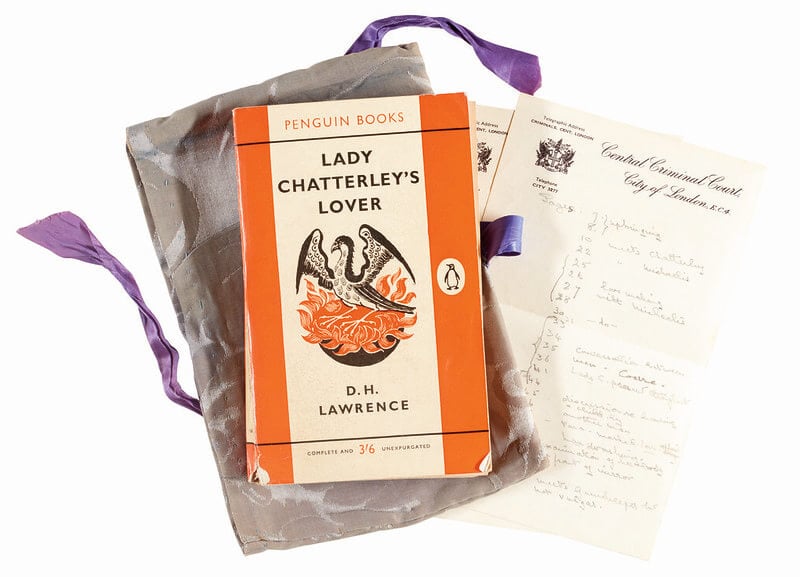
D.H. Lawrence’s 1928 novel was banned in multiple countries for decades over its explicit content, with a British court not lifting restrictions on unabridged publication until 1960. It is now taught in university courses on modernist literature and censorship history.
Animal Farm
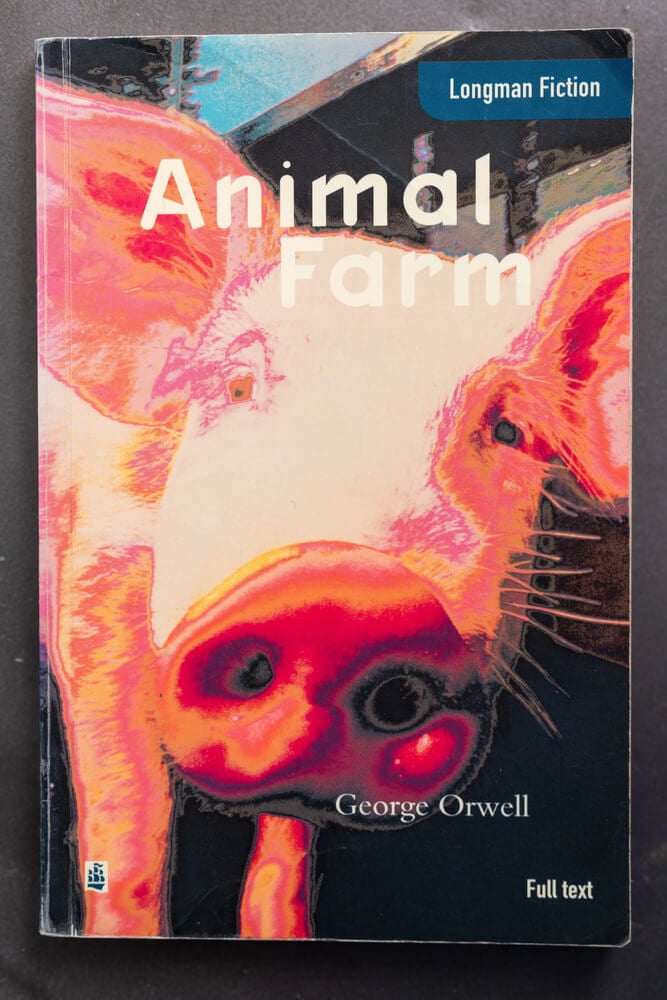
George Orwell’s 1945 political fable faced publication delays and later school challenges in various countries over its political content, particularly in nations sensitive to its allegorical critique of authoritarian rule. It remains one of the most commonly assigned short novels in middle and high schools.
The Jungle
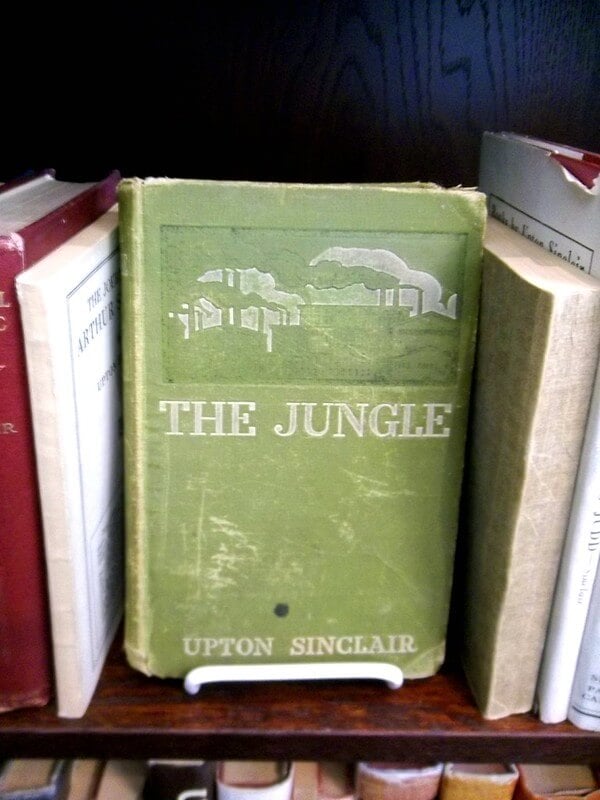
Upton Sinclair’s 1906 novel exposing conditions in the meatpacking industry drew objections in some districts over its graphic descriptions and political framing. It nonetheless prompted federal food safety legislation and remains a staple of American history and literature curricula.
Uncle Tom’s Cabin
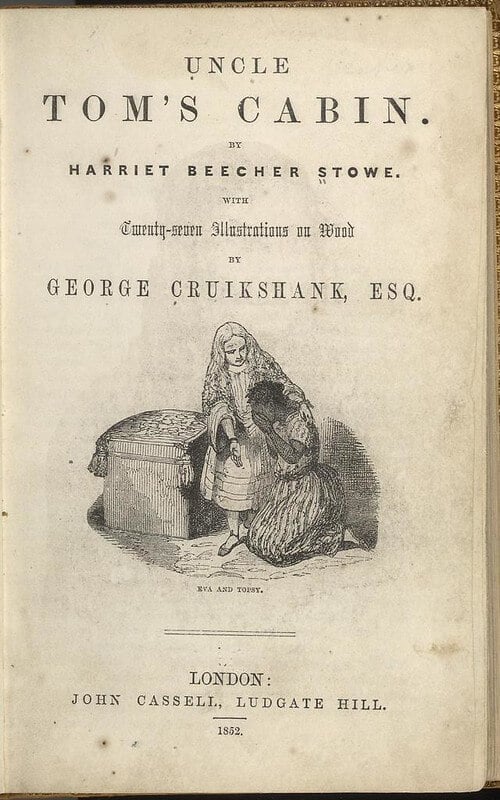
Harriet Beecher Stowe’s 1852 anti-slavery novel was banned across the antebellum South, where possessing a copy could carry legal consequences, making it one of the earliest widely banned American books. It later became a fixture of American literature courses examining the lead-up to the Civil War.
I Know Why the Caged Bird Sings
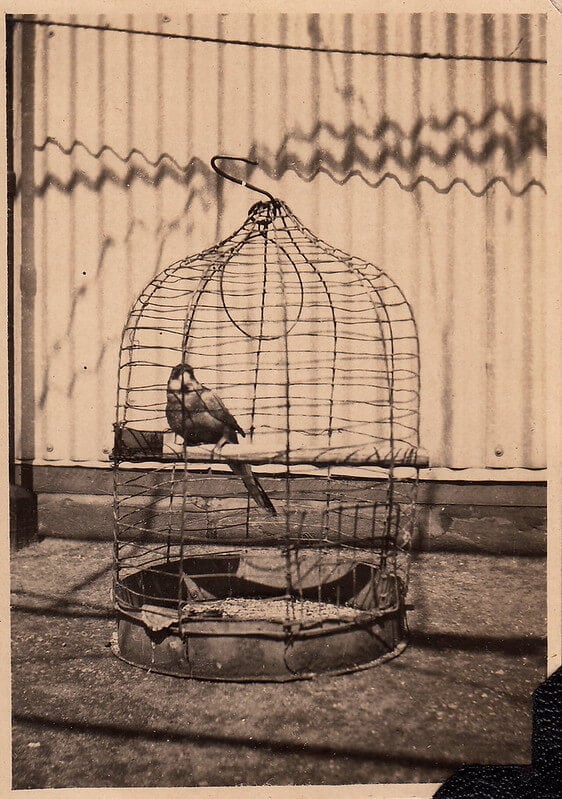
Maya Angelou’s 1969 memoir is among the most frequently challenged books in American schools due to its depiction of childhood abuse, drawing objections across multiple decades since publication. It remains widely taught for its unflinching account of resilience and its influence on American autobiography.
The Objection Rarely Outlives the Book

A challenge almost always begins with a specific complaint about a specific passage: a slur, a scene of violence, a description a parent found too explicit for a given age. Few of those complaints were unreasonable on their own terms. What they consistently failed to predict was how the book would be read once the immediate controversy faded.
Every title here survived its own moment of objection and went on to become required reading somewhere, often in the very institutions that once removed it. That is not proof the objections were wrong at the time. It is evidence that a school board’s judgment about what a young reader can handle rarely matches how the culture eventually settles the question.
More from Go2Tutors!

- The Romanov Crown Jewels and Their Tragic Fate
- 13 Historical Mysteries That Science Still Can’t Solve
- Famous Hoaxes That Fooled the World for Years
- 15 Child Stars with Tragic Adult Lives
- 16 Famous Jewelry Pieces in History
Like Go2Tutors’s content? Follow us on MSN.



