26 Car Trip Rituals That Disappeared With Technology
Long drives used to require a level of preparation and improvisation that modern navigation and streaming apps have made almost entirely unnecessary. Entire rituals grew up around the boredom, uncertainty, and shared discomfort of being in a car for hours without a screen in sight.
Unfolding a Paper Road Map on the Dashboard

Before GPS, road trips depended on a folded paper map, unwieldy and nearly impossible to refold correctly, spread across a passenger’s lap or the dashboard to trace the route by finger.
Asking for Directions at a Gas Station

Getting lost meant pulling into a gas station and asking an attendant or stranger for directions, often receiving landmarks instead of street names as guidance.
Playing the License Plate Game

Spotting license plates from all fifty states became a genuine competitive pastime, with kids keeping tally on a scrap of paper for the entire length of a long drive.
Counting Cows Out the Window
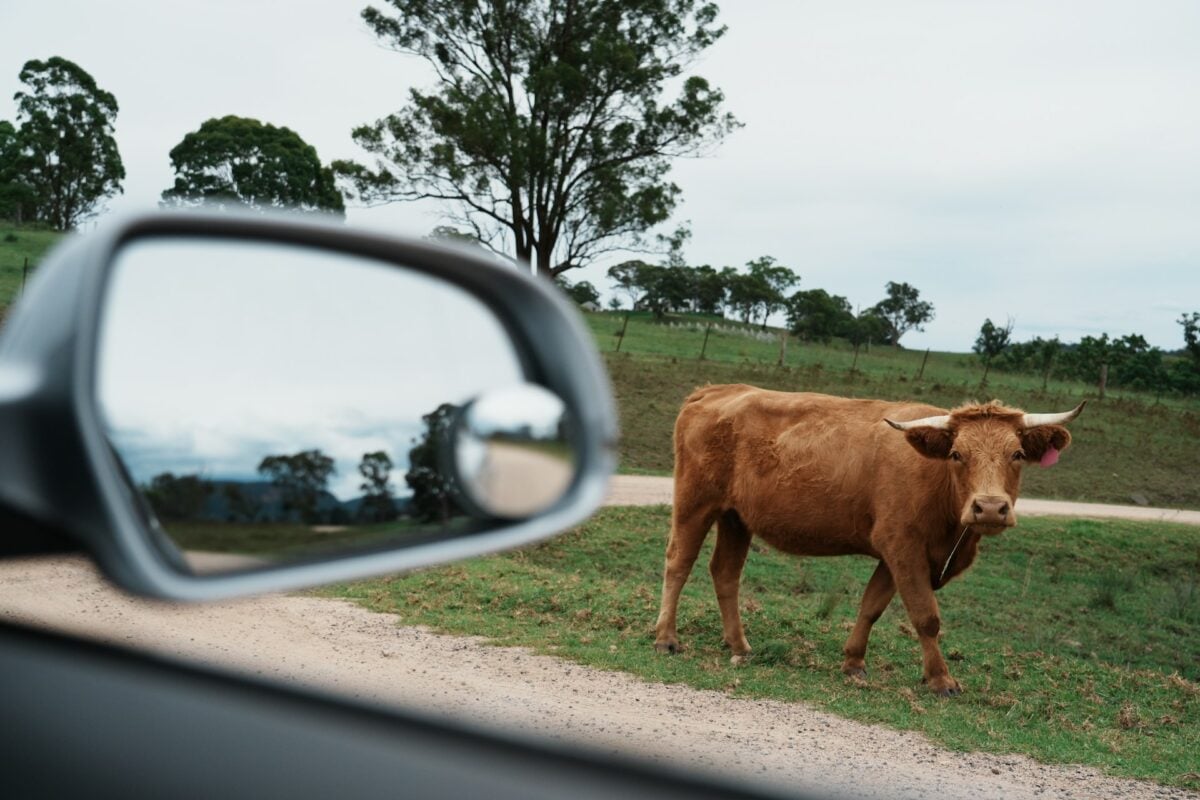
A simple, low-stakes game on rural highways, counting cows or horses passed the time on stretches of road with little else to look at.
Fighting Over the Front Seat
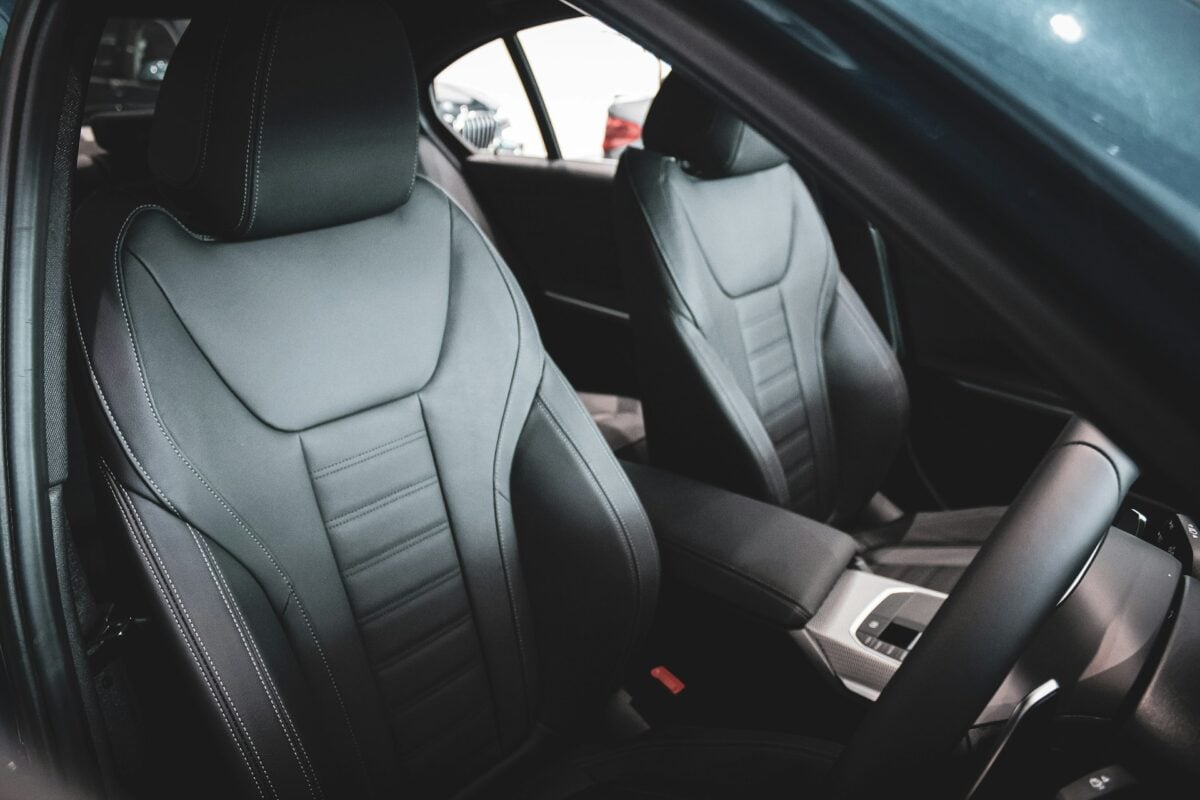
Before car seats and seating charts were as strictly enforced, siblings negotiated, or fought outright, over who got the coveted front passenger seat for each leg of a trip.
Bringing a Portable Cassette Player
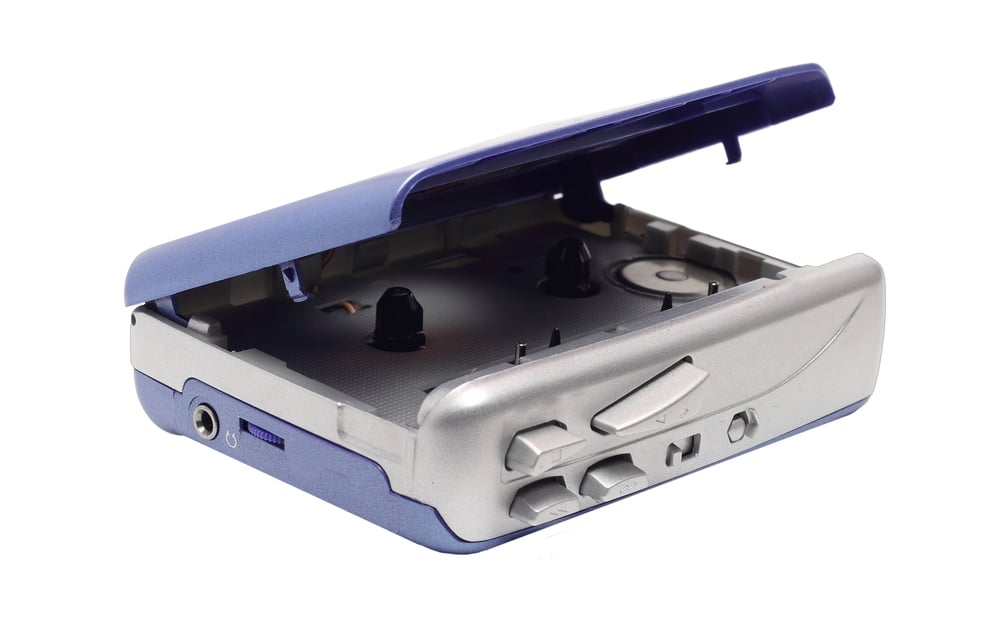
Long before streaming, a portable cassette player with headphones was the only way to control your own soundtrack independent of what was playing on the car radio.
Making a Mixtape Specifically for the Drive
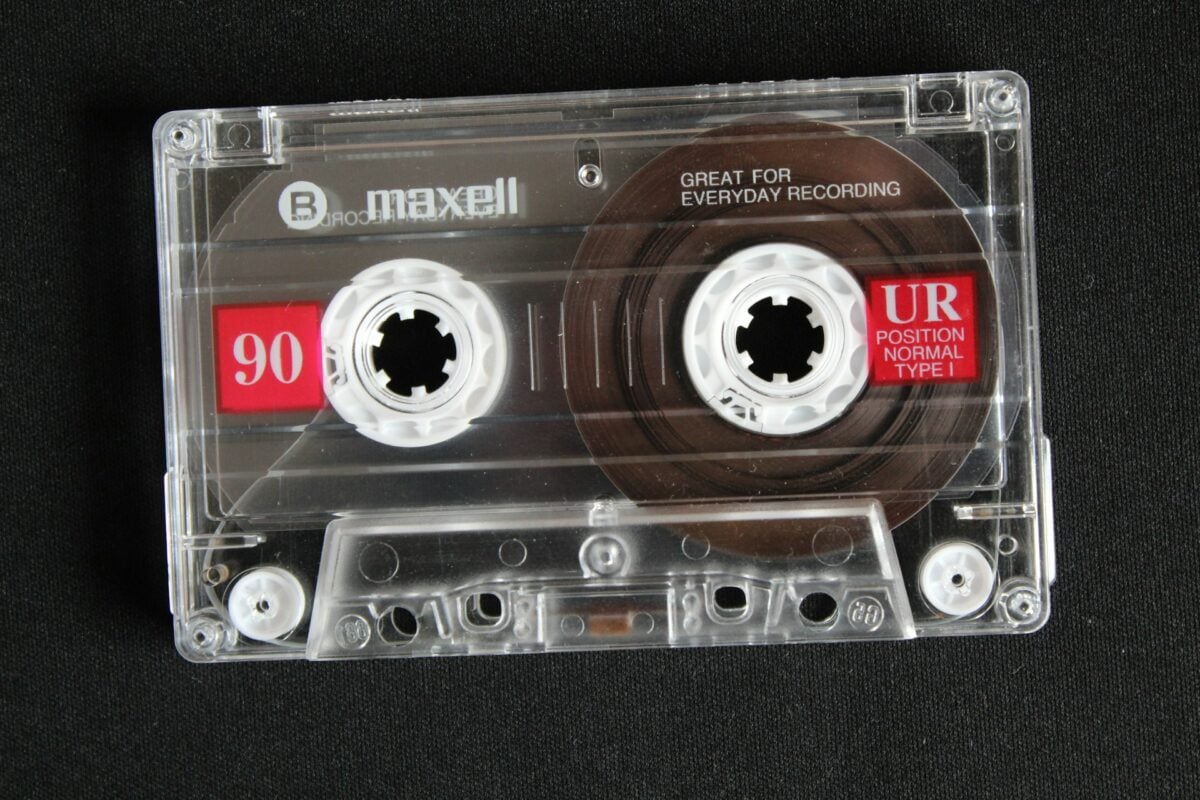
Trip preparation often included recording a custom mixtape off the radio or from other tapes, carefully timed to fill the exact length of the drive.
Losing Radio Signal and Scanning for a New Station
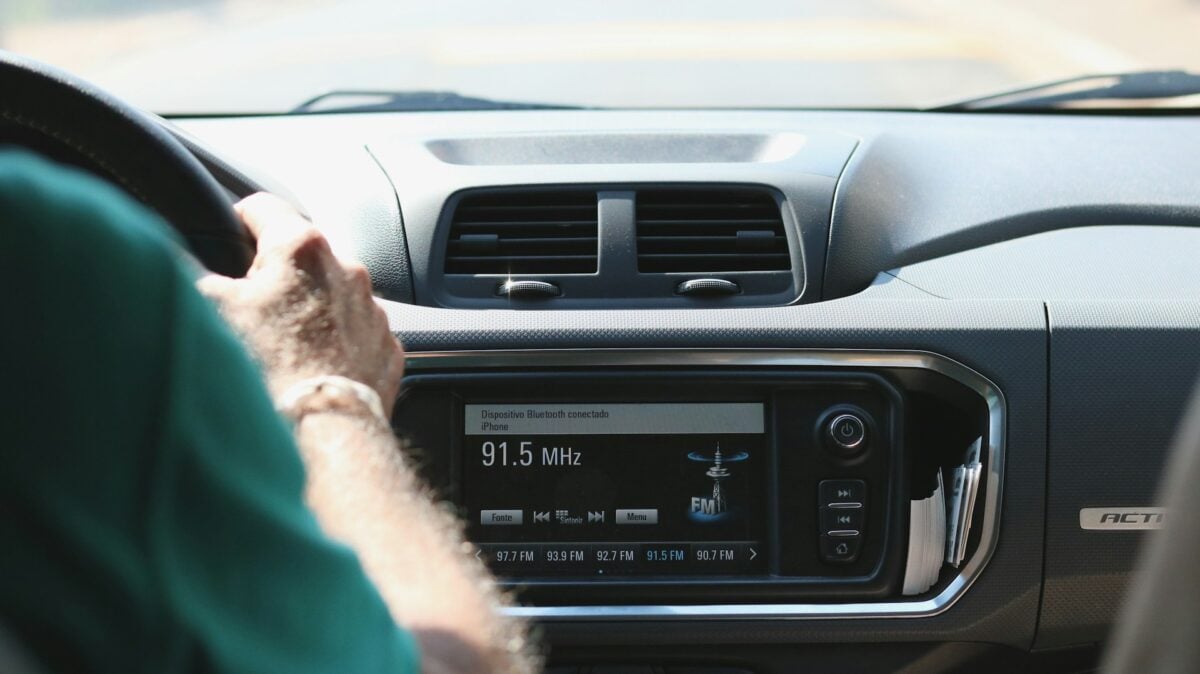
As a car crossed into new territory, the radio would fade into static, prompting a manual scan through the dial to find a listenable station, sometimes landing on something completely unexpected.
Playing I Spy for Hours
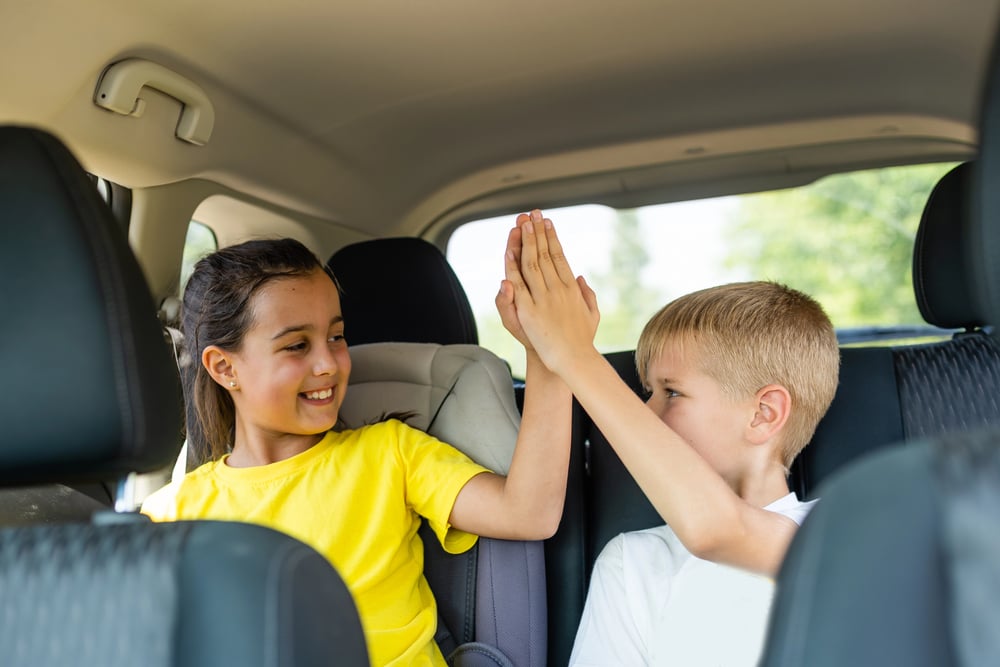
With no screens to rely on, I Spy became a default entertainment option, stretched far longer than the game was ever really designed to last.
Keeping a Physical Atlas in the Glovebox
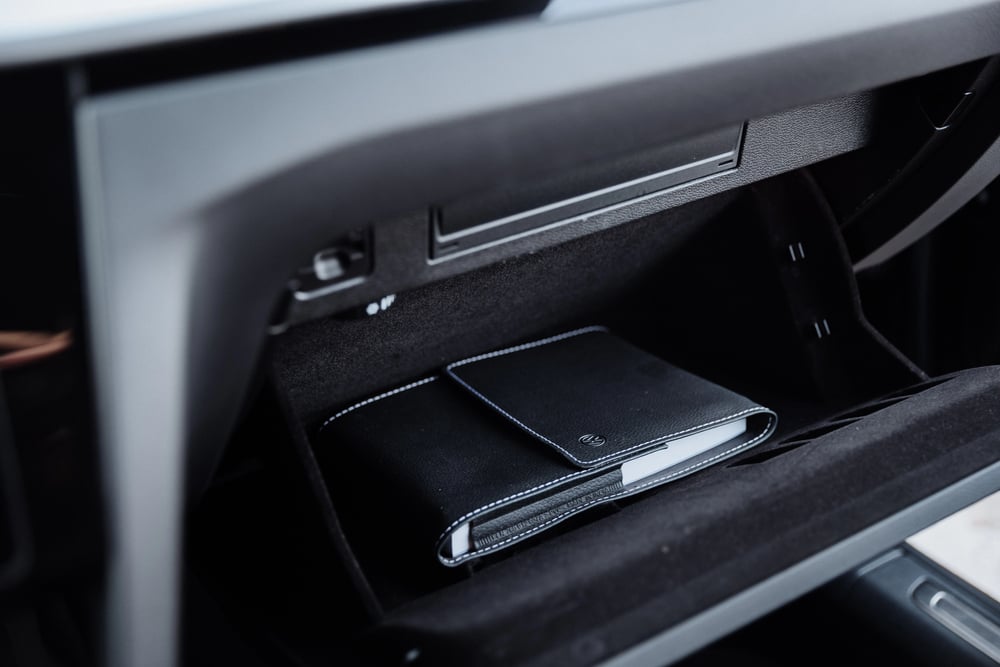
Families who traveled frequently often kept a spiral-bound road atlas in the glovebox, well-worn and annotated with routes from previous trips.
Writing Down Directions on an Index Card

Before printable directions existed, some travelers called ahead or consulted a map to write turn-by-turn directions on an index card, taped to the dashboard for reference.
Stopping at Every Roadside Attraction Sign
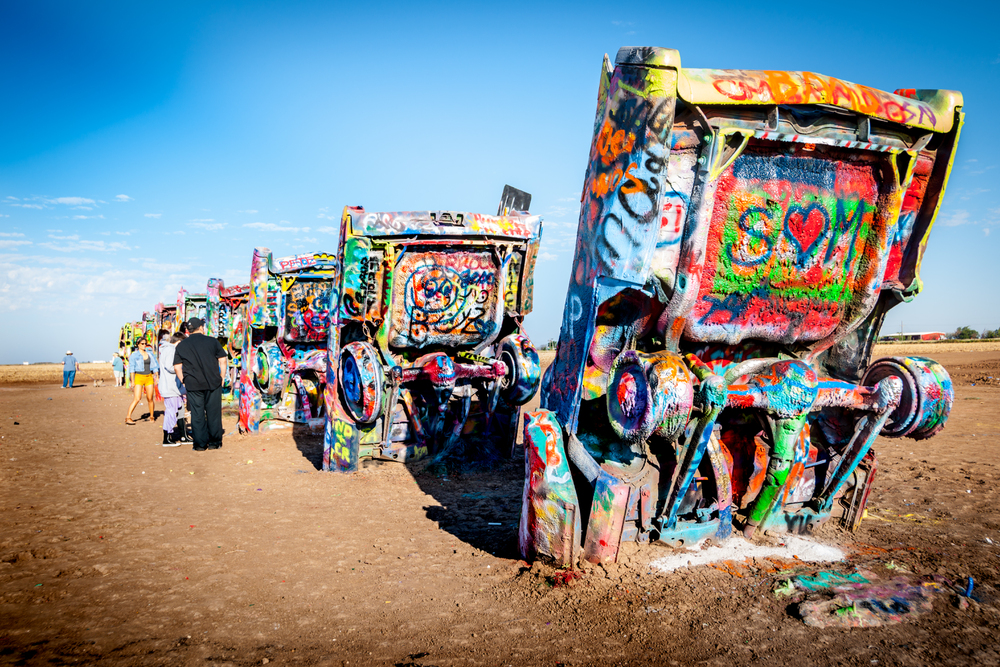
Billboards advertising the “World’s Largest” something practically guaranteed a stop, since there was no way to look up in advance whether it was actually worth the detour.
Playing Twenty Questions
A verbal guessing game requiring no materials at all, Twenty Questions filled long silences and worked equally well for toddlers and adults stuck in the same back seat.
Reading a Paperback Aloud to Pass the Time

Without individual screens, families sometimes took turns reading a book aloud, one chapter at a time, as a shared activity across the entire trip.
Watching for Mile Markers to Track Progress
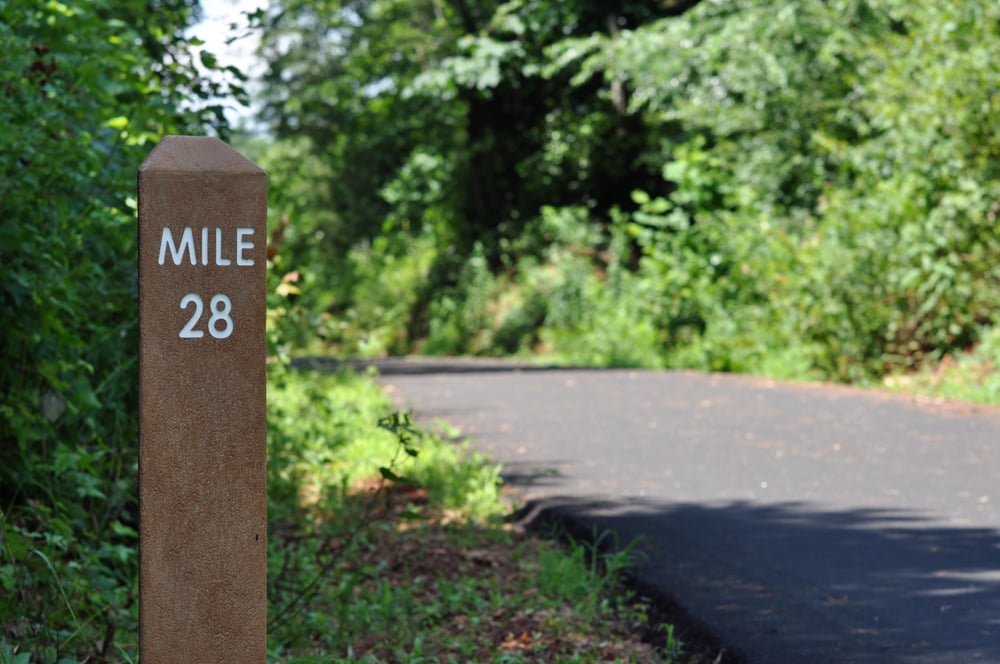
Without a GPS estimating arrival time, travelers tracked progress the old-fashioned way, watching mile markers and doing rough math against the posted highway speed.
Bringing a Cooler Packed the Night Before
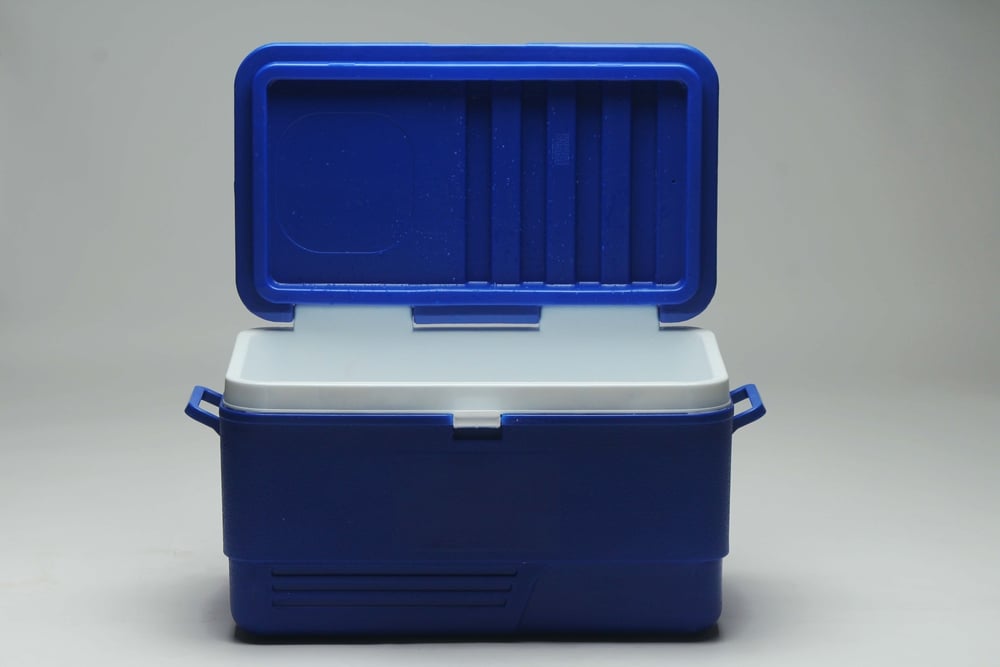
Road trip meals were planned around a cooler, packed with sandwiches and drinks the night before departure to avoid unnecessary stops at restaurants.
Playing the Alphabet Game with Highway Signs
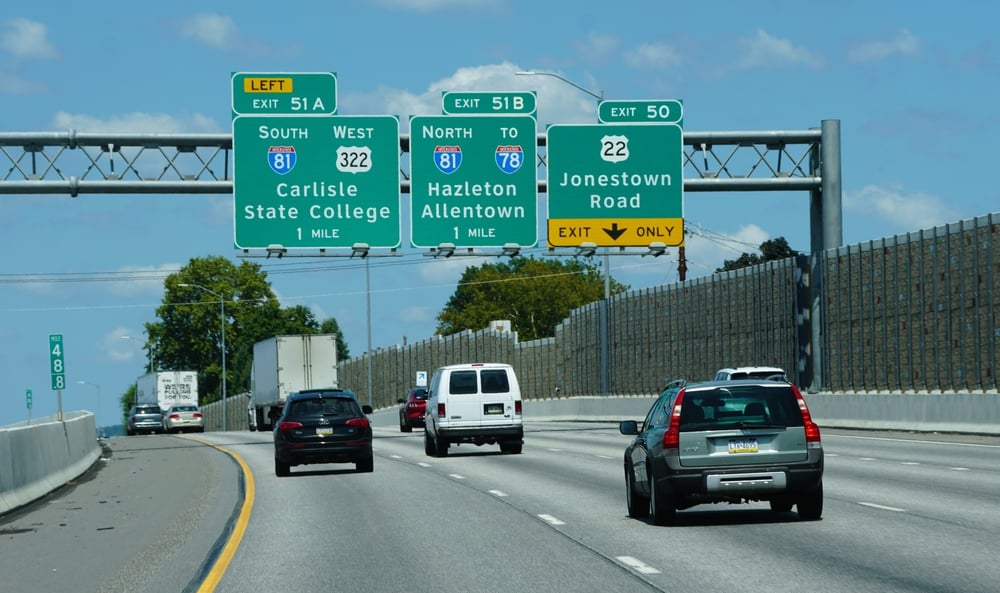
Spotting letters in order on billboards and road signs, working from A to Z, was a durable way to kill an hour on a featureless highway stretch.
Straining to Hear a Game Through AM Static
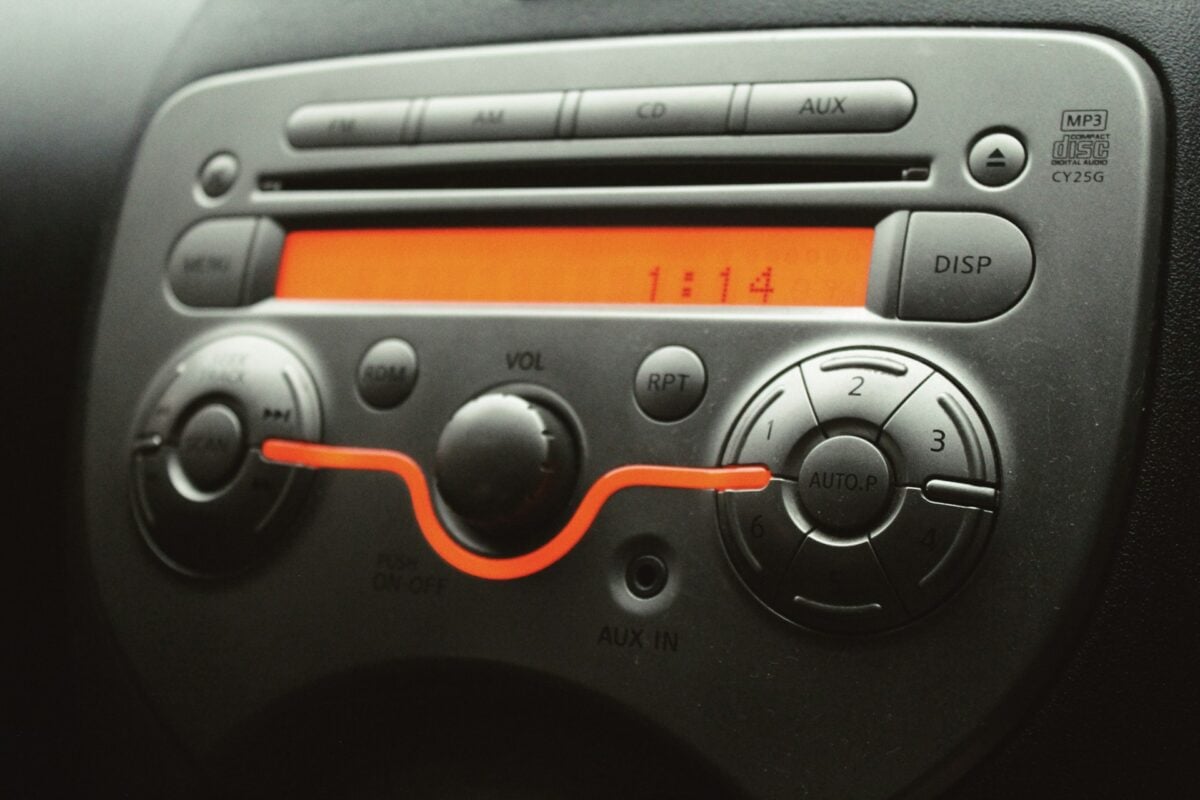
Long drives during a sports season often meant straining to hear a broadcast through fading AM radio signal, adjusting the antenna or angle of the car for better reception.
Keeping a Trip Journal in the Back Seat

Some families encouraged kids to keep a simple trip journal, jotting down what they saw each day, partly for entertainment and partly as a keepsake afterward.
Calling Ahead for a Motel Reservation from a Pay Phone
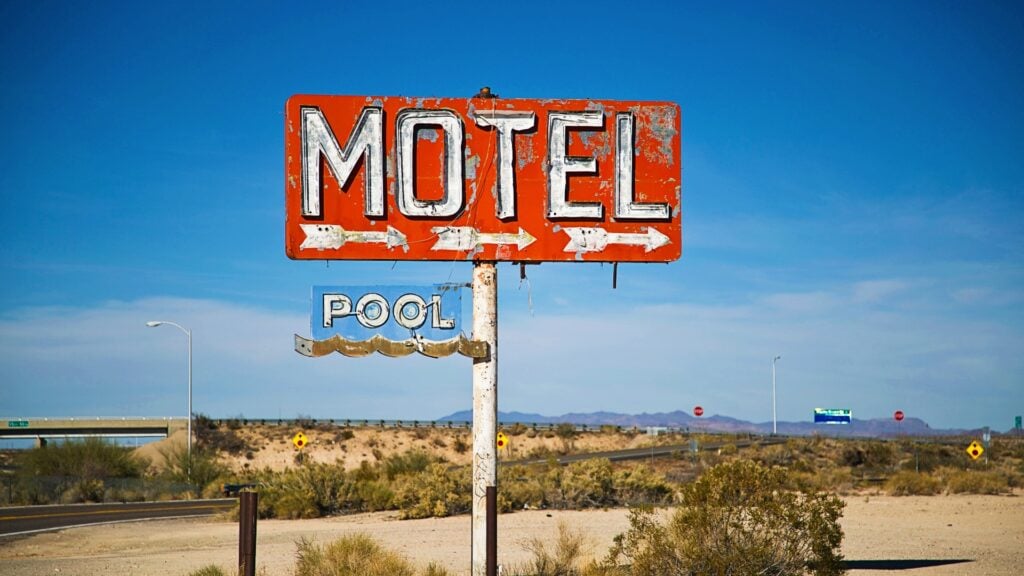
Without online booking, travelers called ahead from a roadside pay phone to confirm a motel room was available before committing to stop for the night.
Playing a Spotting Game for a Specific Car Model
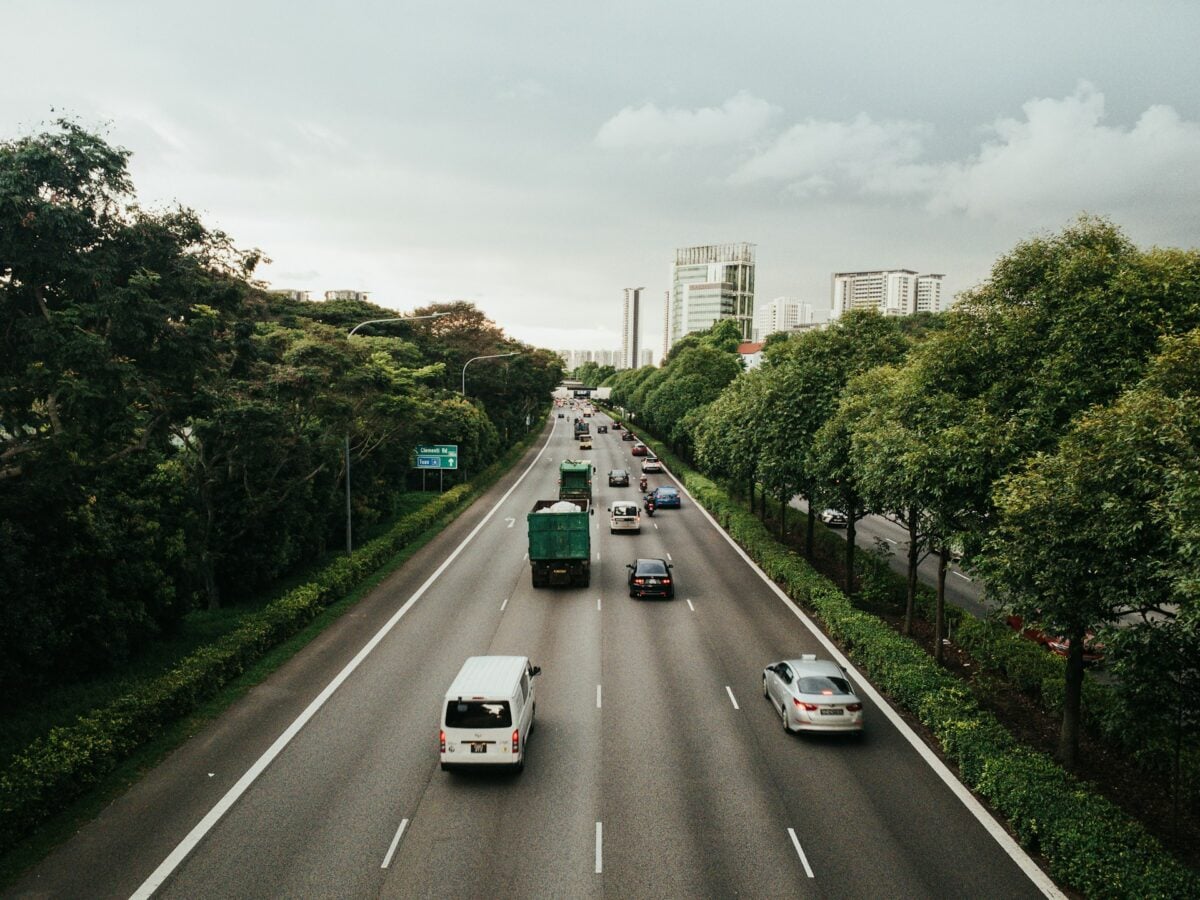
A simple spotting game built around a common car model, often paired with a friendly tap on the arm, turned every sighting into a small competition between siblings.
Bringing a Deck of Cards for Rest Stops

Stops at highway rest areas often included a quick card game at a picnic table, a way to stretch legs and reset attention before getting back on the road.
Navigating by Landmark Instead of Address
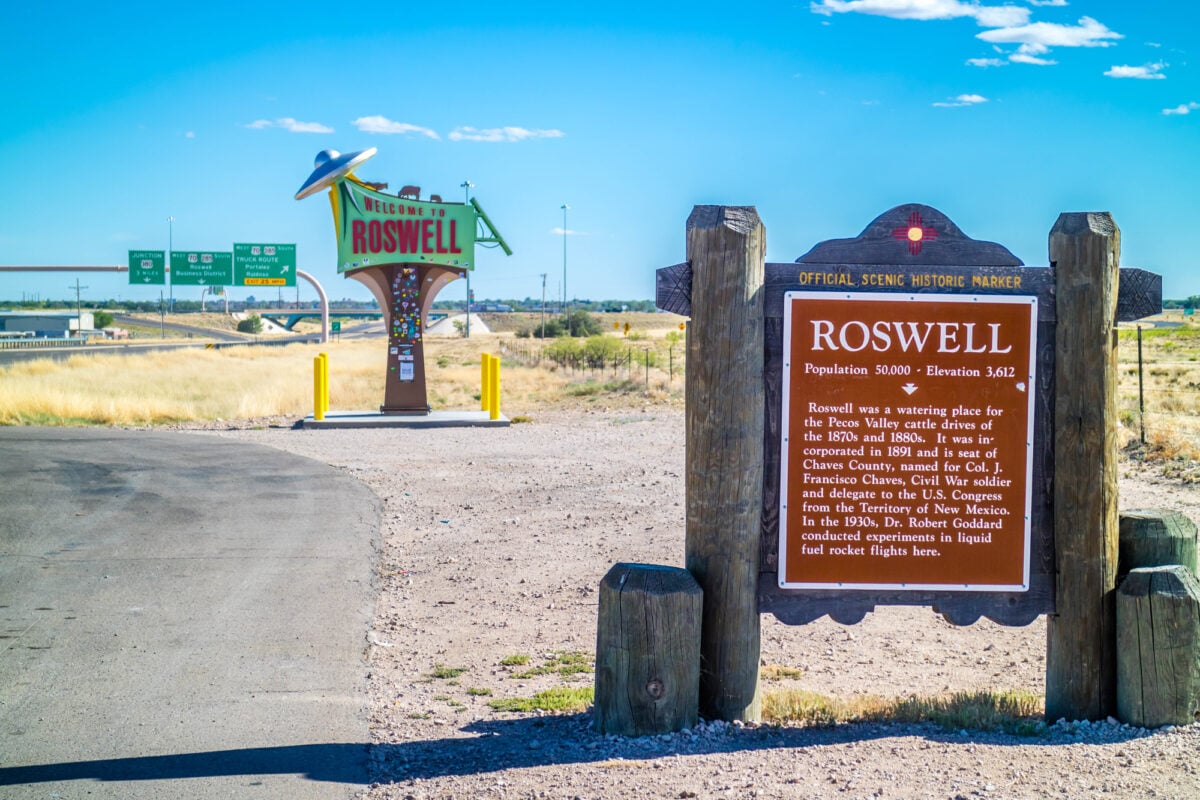
Directions given by friends or family often relied on landmarks rather than exact addresses, meaning travelers watched for a specific gas station or barn to know when to turn.
Estimating Arrival Time Purely by Guesswork

Without any digital estimate, families guessed arrival times based on experience and rough math, adjusting the estimate out loud every hour or so as the trip progressed.
Keeping a Roll of Quarters for Toll Booths
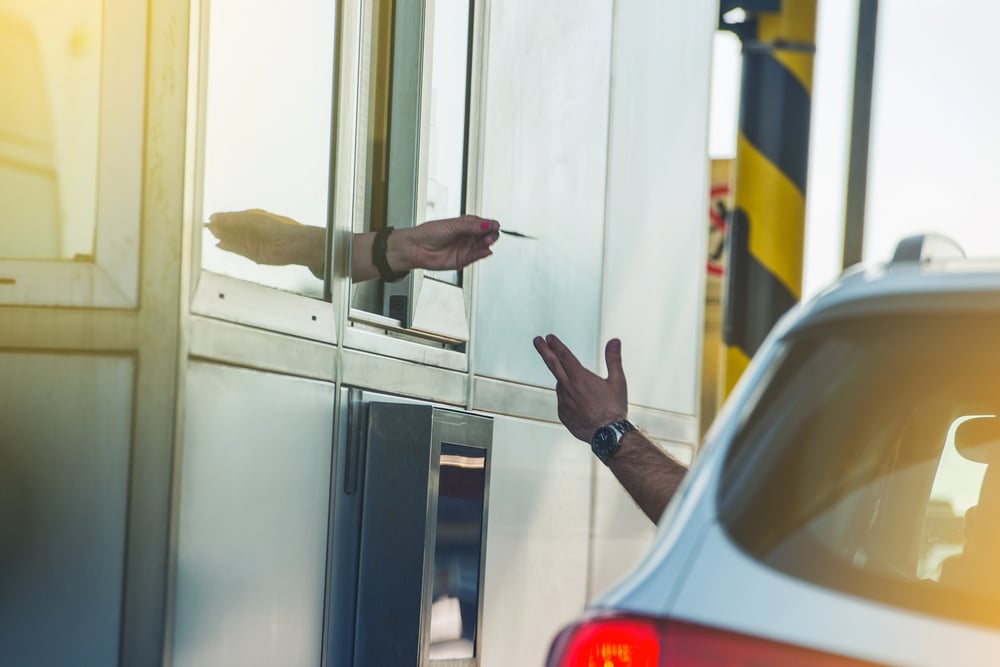
Cash-only toll booths meant keeping a dedicated roll of quarters in the car specifically for tolls, refilled before any trip that involved a highway known for them.
Writing Postcards from Roadside Stops

Souvenir postcards, bought at gas stations or attractions, were often written and mailed mid-trip, arriving home sometimes before the travelers themselves did.
The Slower Shape of Getting There

None of these rituals were efficient. Getting lost, losing radio signal, and improvising entertainment out of a deck of cards or a highway sign were simply part of what a long drive required. The trip itself demanded a kind of patience that has largely been engineered out of modern travel.
What’s changed isn’t the destination but the texture of getting there. A drive that once involved genuine uncertainty and shared boredom is now a passive, pre-mapped experience, narrated by a calm voice that already knows exactly how long is left.
More from Go2Tutors!

- The Romanov Crown Jewels and Their Tragic Fate
- 13 Historical Mysteries That Science Still Can’t Solve
- Famous Hoaxes That Fooled the World for Years
- 15 Child Stars with Tragic Adult Lives
- 16 Famous Jewelry Pieces in History
Like Go2Tutors’s content? Follow us on MSN.