Terrifying Predators Living In The Amazon River
Few rivers match the Amazon’s wild variety, though danger swims just below. Hidden in dark water, hunters thrive where light fails and trees drown under tides.
Power drives some attackers forward. Silence pulls others through tangled roots and slow swirls. A handful move like they belong to another realm entirely.
A single twitch of water might mean something is wrong here. Speed matters more than strength in this ever-changing flow.
Fangs slice through murky water where survival hinges on speed and silence. Teeth longer than fingers tear into whatever moves too slow beneath the surface.
Shadows dart between sunlit patches, always hunting, never still. Life here pulses fast, sharp, dangerous – ruled by jaws built for crushing.
Every ripple could mean dinner – or doom.
Bull Shark

Not many sharks handle fresh water well, yet the bull shark does – seen swimming deep into the Amazon. Moving from sea to river? No problem, thanks to how it manages internal salts.
Prey, usually safe from other sharks, becomes reachable when this one shows up. Built strong, almost stocky, it sprints instead of chasing over distance.
Sudden power matters more than endurance here. Murky water doesn’t slow it down.
When sight fades, the bull shark senses motion through electric signals – tiny ripples become clues. A drifting shadow here, a flicker there – it notices them all.
Far inland, where waves never reach, it still glides by, unseen but present.
Black Caiman
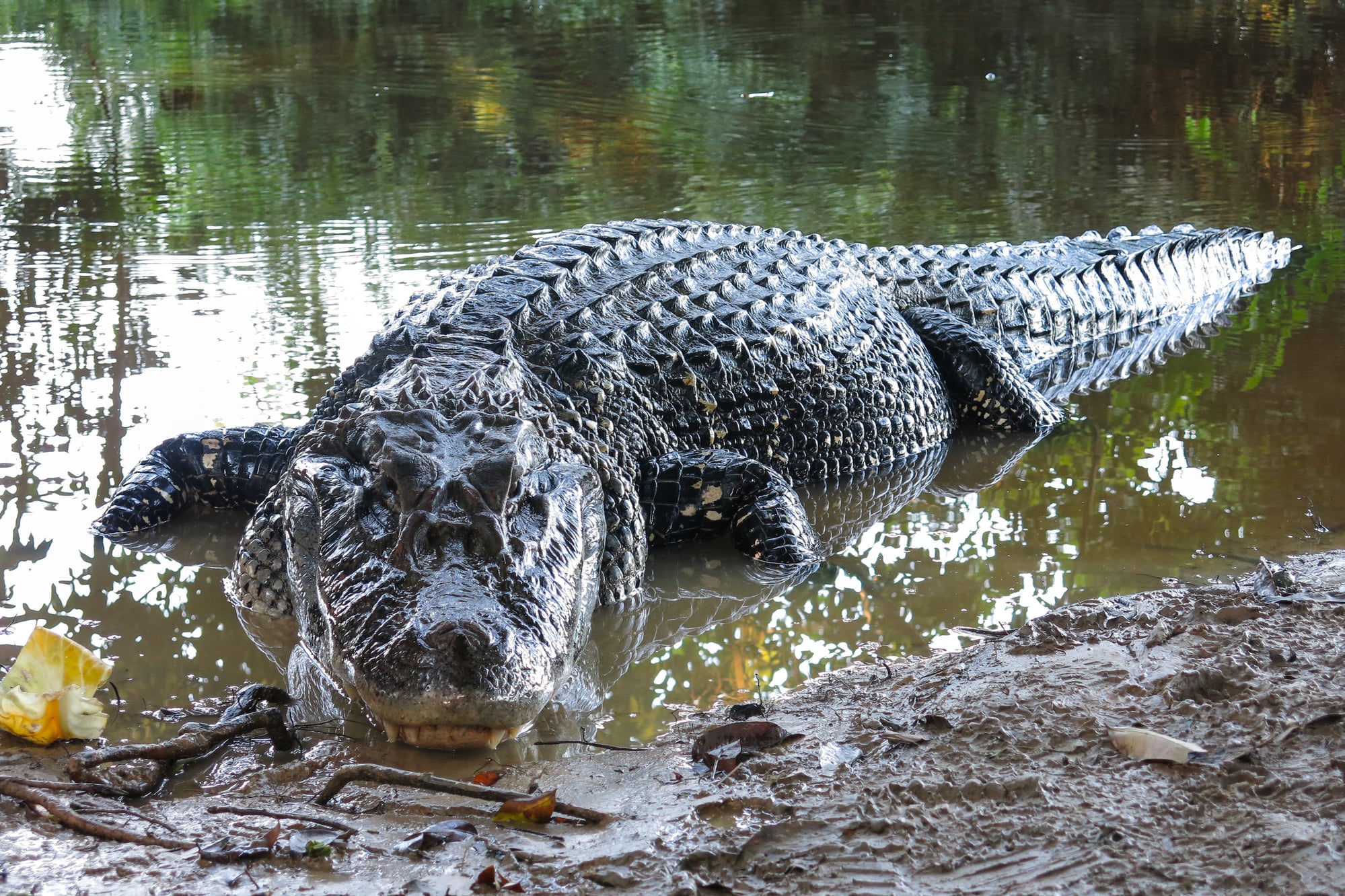
The black caiman is the largest predator in the Amazon basin, often exceeding 15 feet in length. It sits at the top of the food chain in many regions, feeding on fish, birds, mammals, and occasionally other reptiles.
Its dark coloration helps it disappear into the water, especially at night when it is most active. Stillness is its defining trait.
A black caiman can remain nearly motionless with only its eyes above the surface, waiting for the right moment. When it strikes, the movement is sudden and forceful.
It doesn’t rely on endurance—it relies on timing, and that precision makes it highly effective.
Green Anaconda
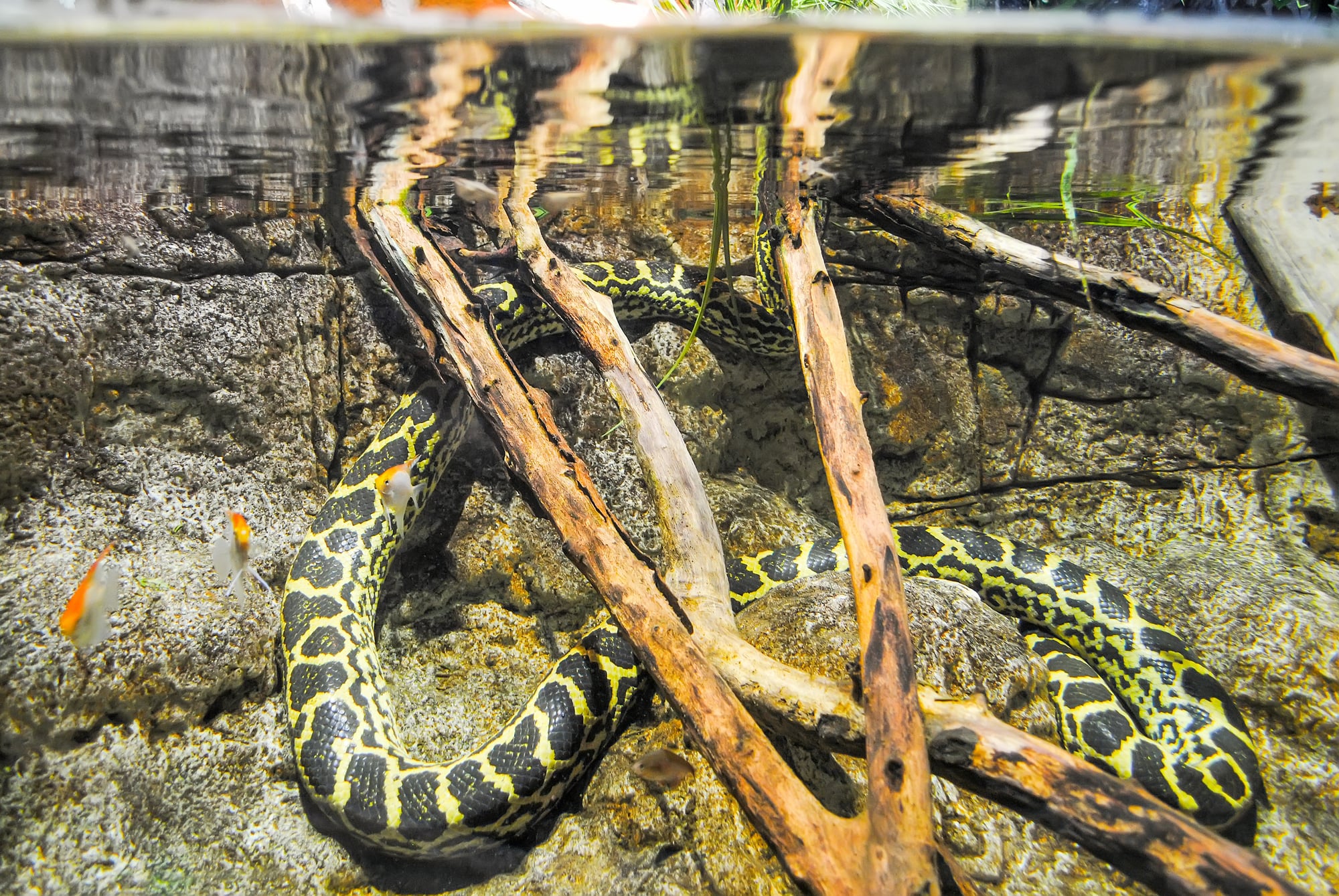
The green anaconda spends much of its life in water, where its immense size becomes an advantage rather than a limitation. As one of the heaviest snakes in the world, it uses rivers and swamps to support its body while remaining concealed.
Despite its bulk, it moves with quiet efficiency. It hunts by ambush, staying partially submerged and blending into its surroundings.
When prey comes within reach, it strikes quickly and coils with immense strength. The water helps mask both movement and presence, turning the anaconda into a nearly invisible threat in its environment.
Electric Eel
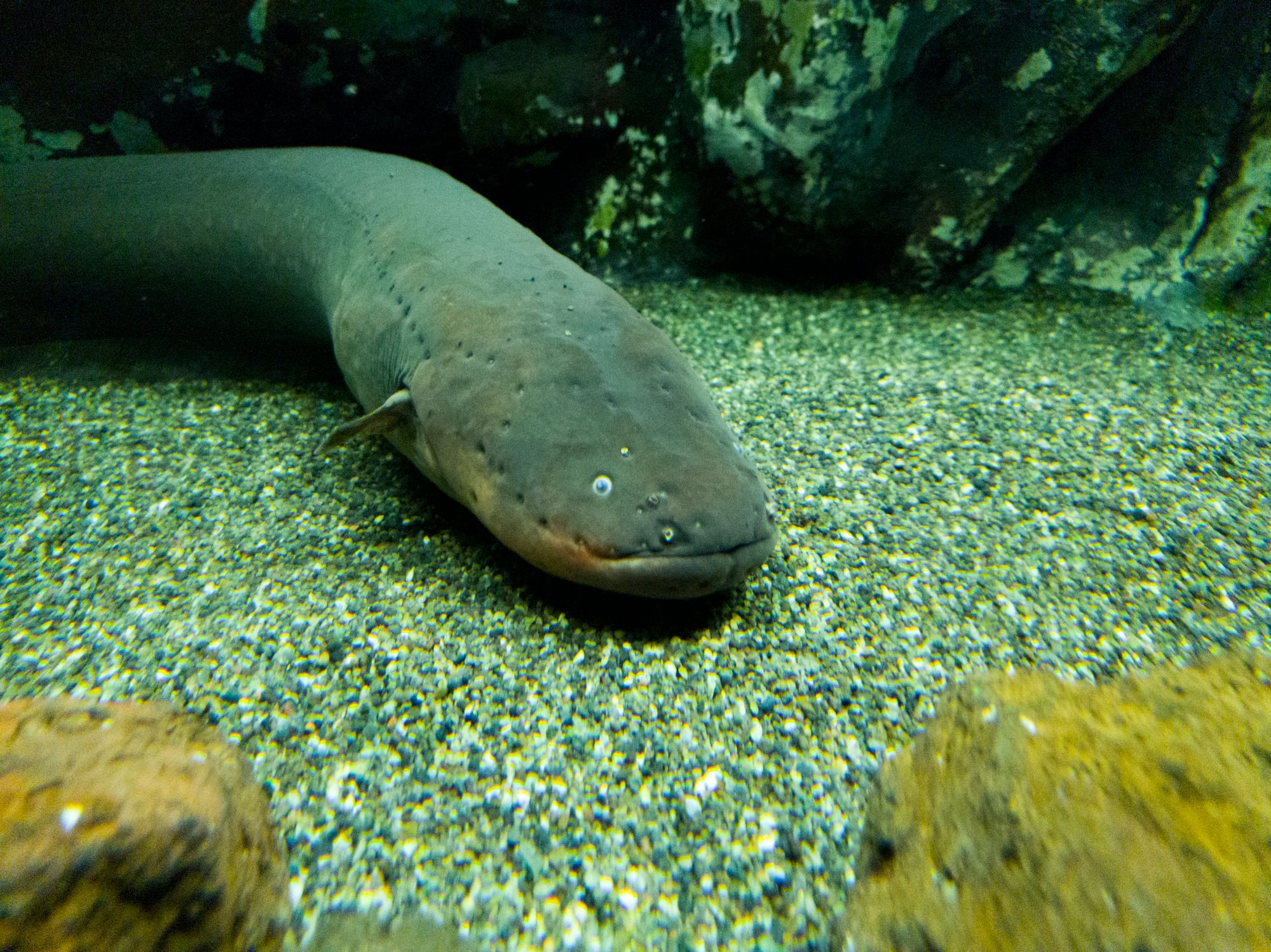
The electric eel introduces a different kind of danger—one based on energy rather than force. It can generate powerful electric discharges to stun prey or defend itself.
In the dim, sediment-rich waters of the Amazon, this ability gives it a significant edge. Rather than relying on sight, it emits low-level electrical pulses to sense its surroundings.
When it locates a target, it releases a high-voltage burst that disrupts muscle control. The result is quick and efficient, allowing it to secure prey without prolonged struggle.
Piranha
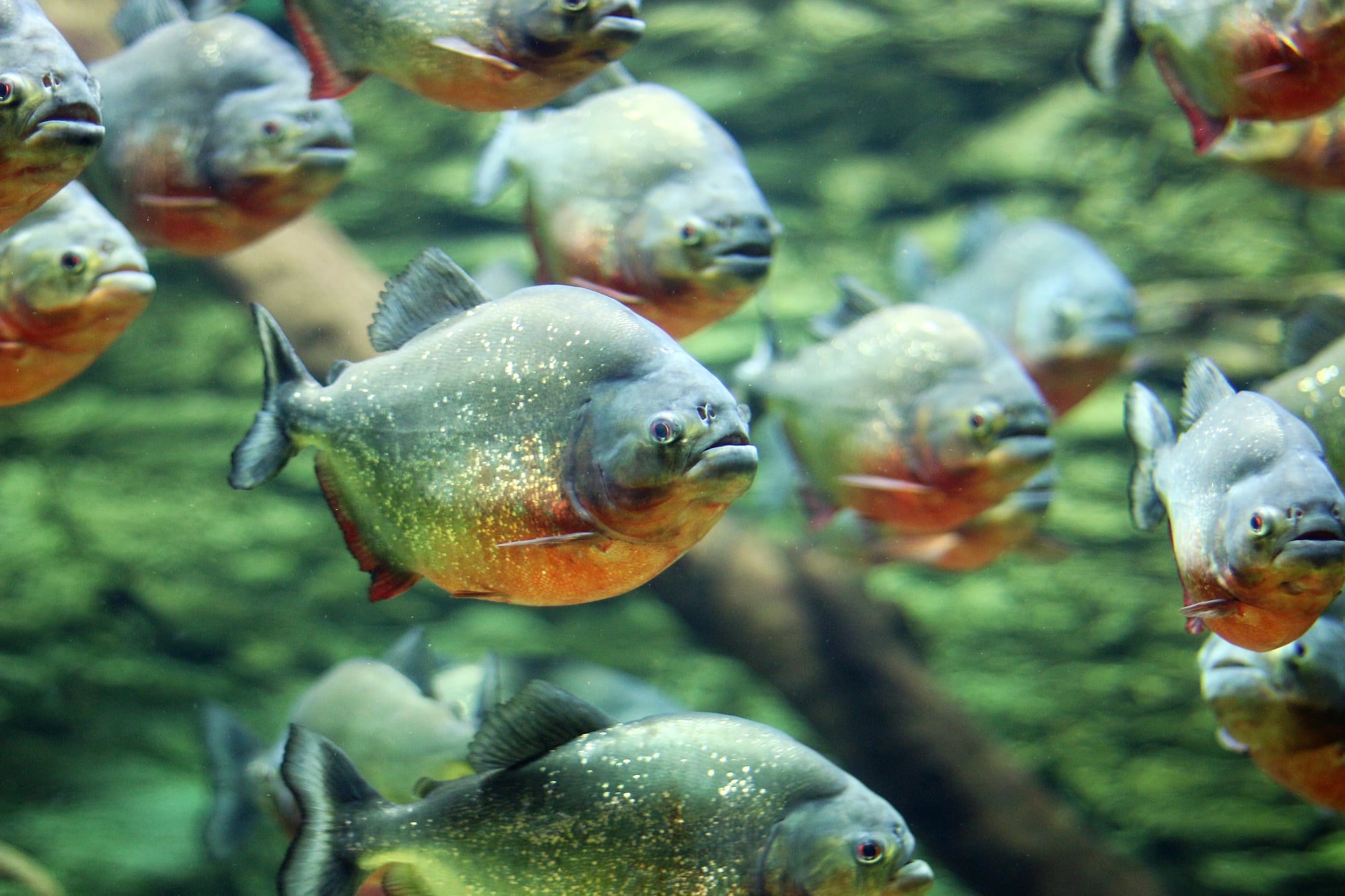
The piranha has earned a reputation that often drifts into exaggeration, but its effectiveness is very real. Equipped with sharp, interlocking teeth, it can slice through food with precision.
Most species are opportunistic feeders, targeting smaller fish or scavenging rather than attacking large animals. Even so, environmental conditions can shift their behavior.
During periods of low water or limited food, they may become more aggressive and feed in groups. In those moments, their strength lies in coordination, where multiple individuals create a rapid, collective feeding response.
Arapaima

The arapaima is one of the largest freshwater fish in the world, growing over 10 feet long. While often seen as a giant rather than a threat, it is an efficient predator with powerful jaws and a fast upward strike.
It feeds on fish, birds, and anything that drifts within reach near the surface. Its ability to breathe air allows it to thrive in oxygen-poor waters where other species struggle.
This gives it access to quieter hunting grounds, where it can move with less competition. When it surfaces, the movement is brief but purposeful—often followed by a sudden strike.
Payara
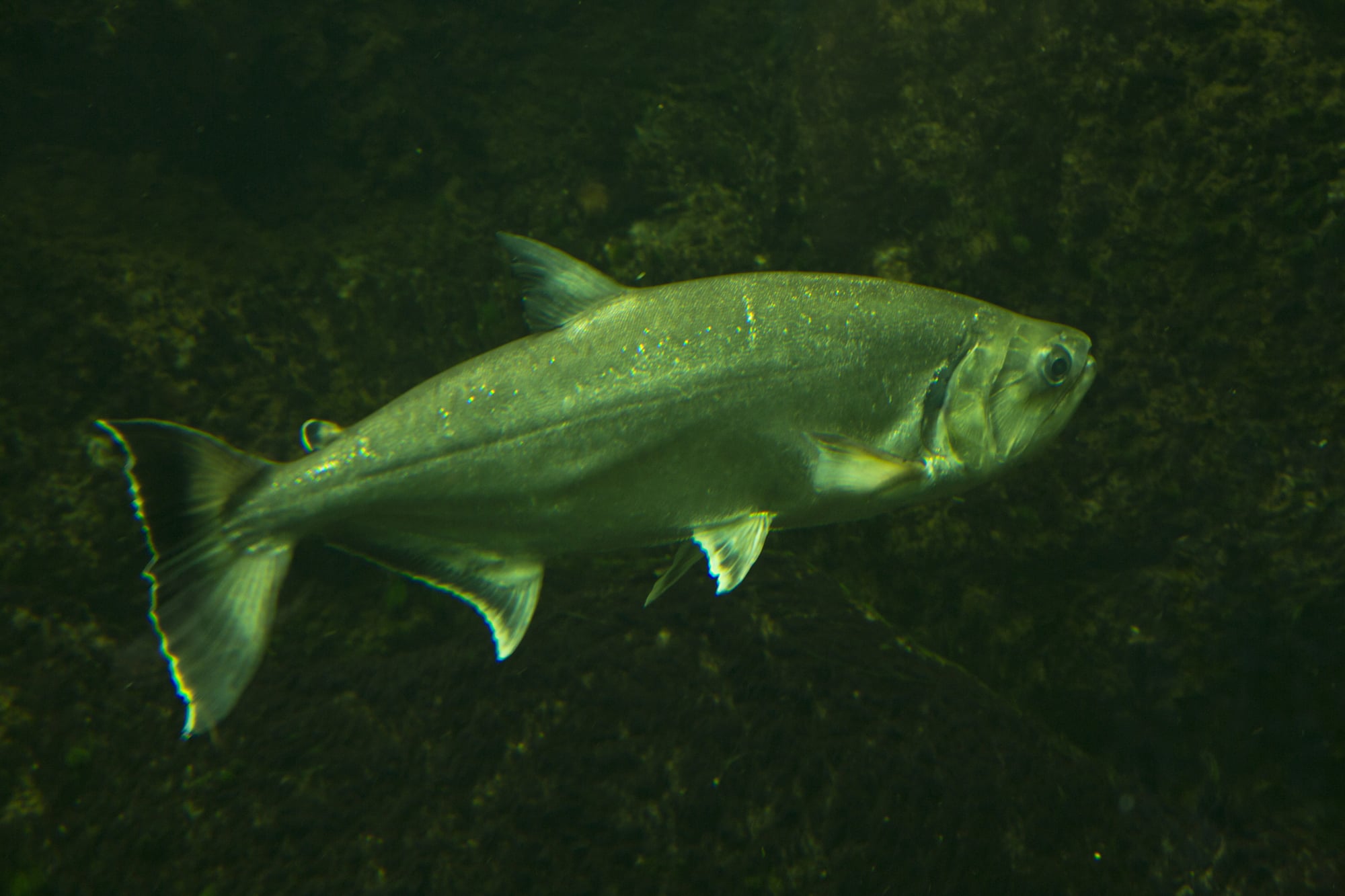
The payara, sometimes called the ‘vampire fish,’ is known for its long, fang-like teeth that extend from its lower jaw. These aren’t just for show—they help it grip slippery prey in fast-moving water.
It is built for speed, with a streamlined body that allows it to chase down smaller fish. Living in strong currents, the payara relies on quick bursts of acceleration rather than endurance.
Its hunting style is direct and efficient, often targeting prey mid-water. The dramatic appearance of its teeth reflects a very practical purpose: securing a meal in a constantly shifting environment.
Candiru
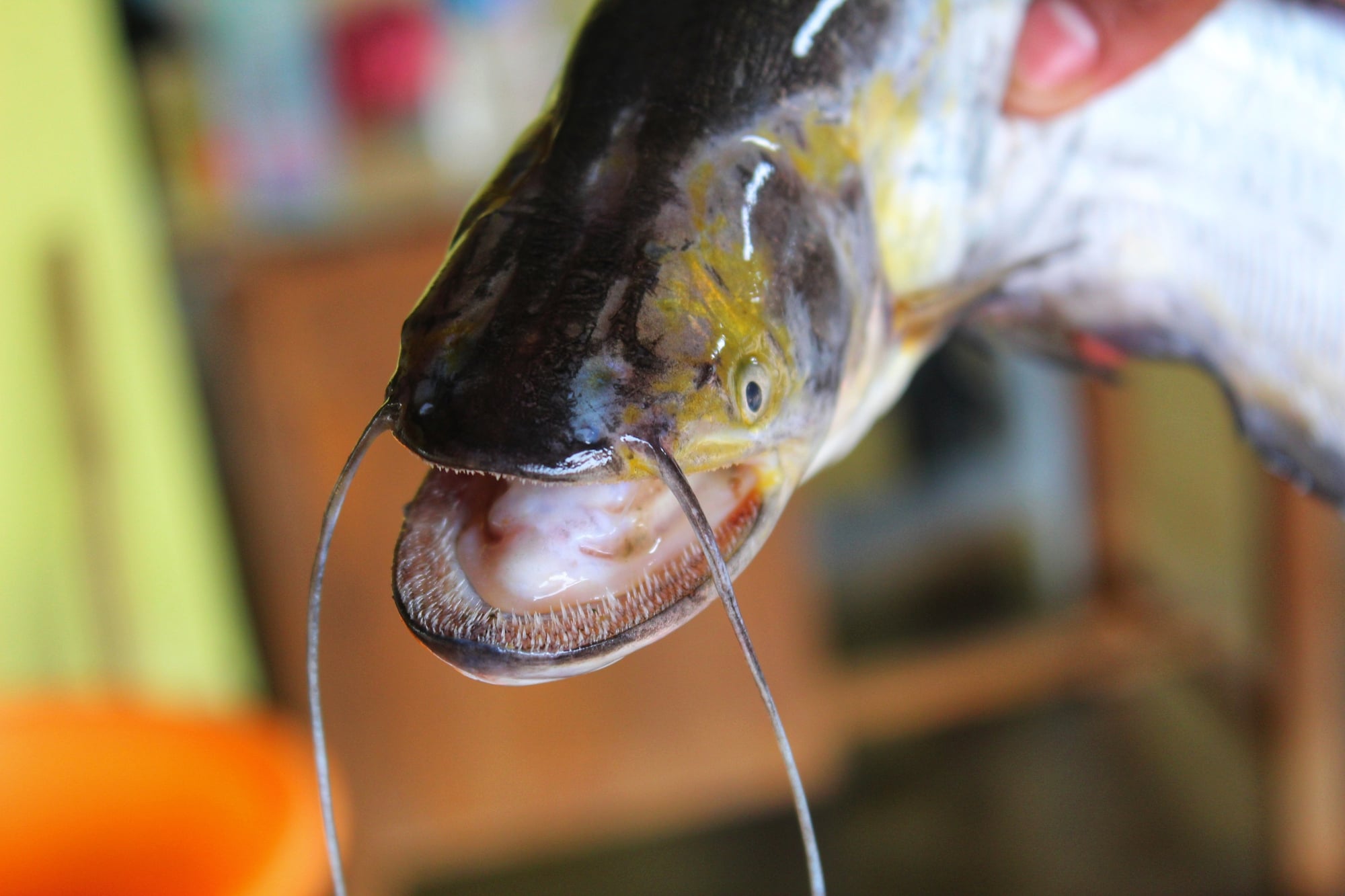
The candiru is small compared to many other Amazon predators, but its behavior has made it one of the most talked-about fish in the region. It is known for entering the gill chambers of larger fish, where it feeds on blood.
Its size allows it to move unnoticed through the water, and its hunting strategy depends on sensing chemical cues released by other fish. While its reputation is often exaggerated in popular stories, its parasitic lifestyle is very real and highly specialized.
Red-Tailed Catfish

The red-tailed catfish is a large, opportunistic predator that feeds on fish, crustaceans, and small animals. With a wide mouth and strong suction, it can engulf prey quickly and efficiently.
It tends to stay near the riverbed, where it waits for movement above. Its whisker-like barbels help it detect vibrations and locate food in low-visibility conditions.
Rather than chasing, it relies on positioning and timing. When prey comes close enough, the response is immediate.
Peacock Bass

The peacock bass is known for its aggression and speed. Unlike many ambush predators, it actively hunts, chasing down prey with bursts of energy.
Its strong jaws and sharp teeth make it a formidable opponent for smaller fish. It often hunts during the day, relying on sight as well as movement.
This sets it apart in a river where many predators depend on low-light conditions. Its behavior is bold and direct, making it one of the more visibly active hunters in the Amazon.
Freshwater Stingray
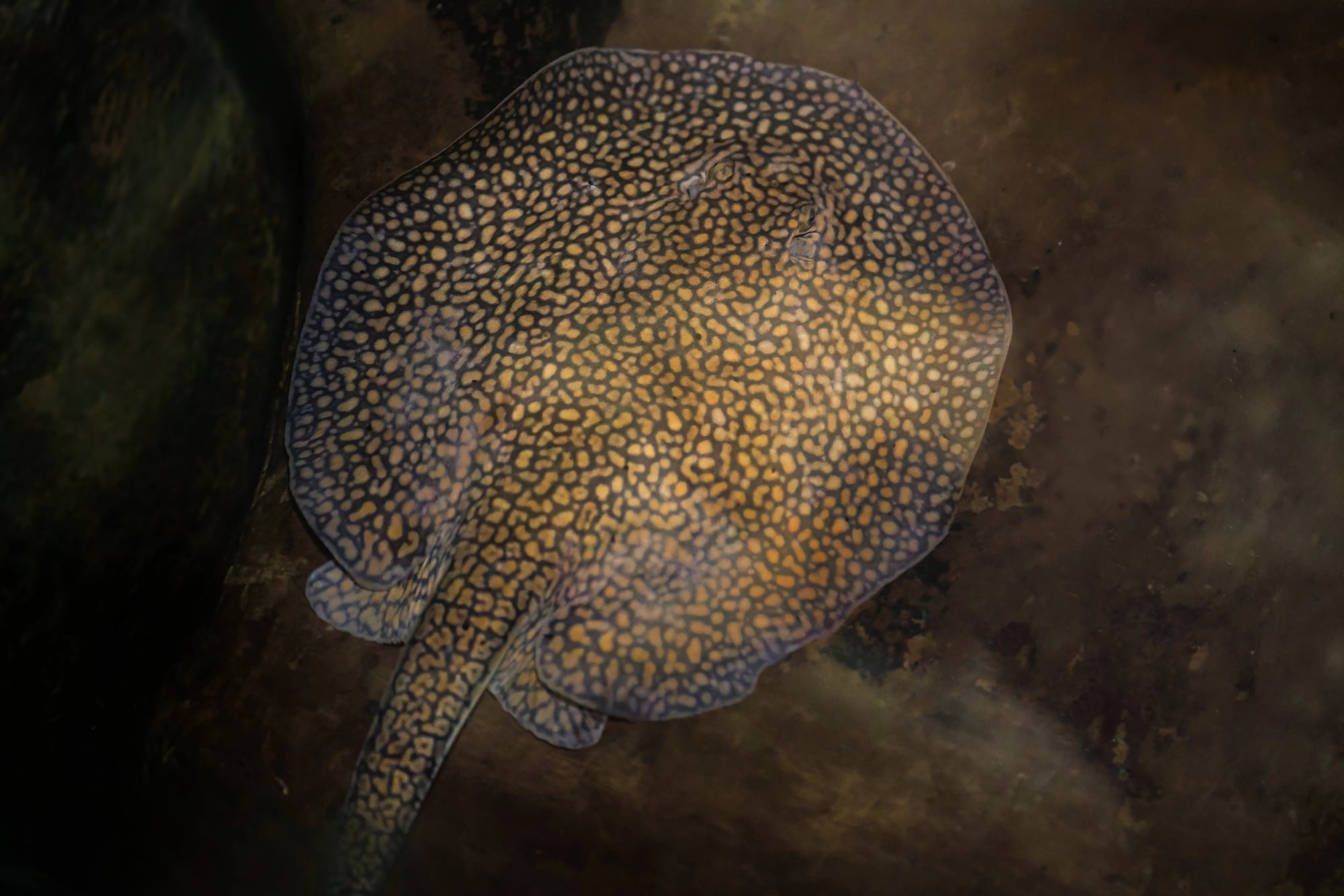
The freshwater stingray spends most of its time buried beneath sand or sediment on the riverbed. From above, it can be nearly impossible to spot.
This camouflage allows it to ambush prey and avoid detection. Its defining feature is its venomous barb, which it uses for defense.
While it doesn’t hunt with it, the presence of this weapon makes it one of the more dangerous animals to encounter accidentally. Its stillness is what makes it effective—remaining hidden until disturbed.
Wolf Fish
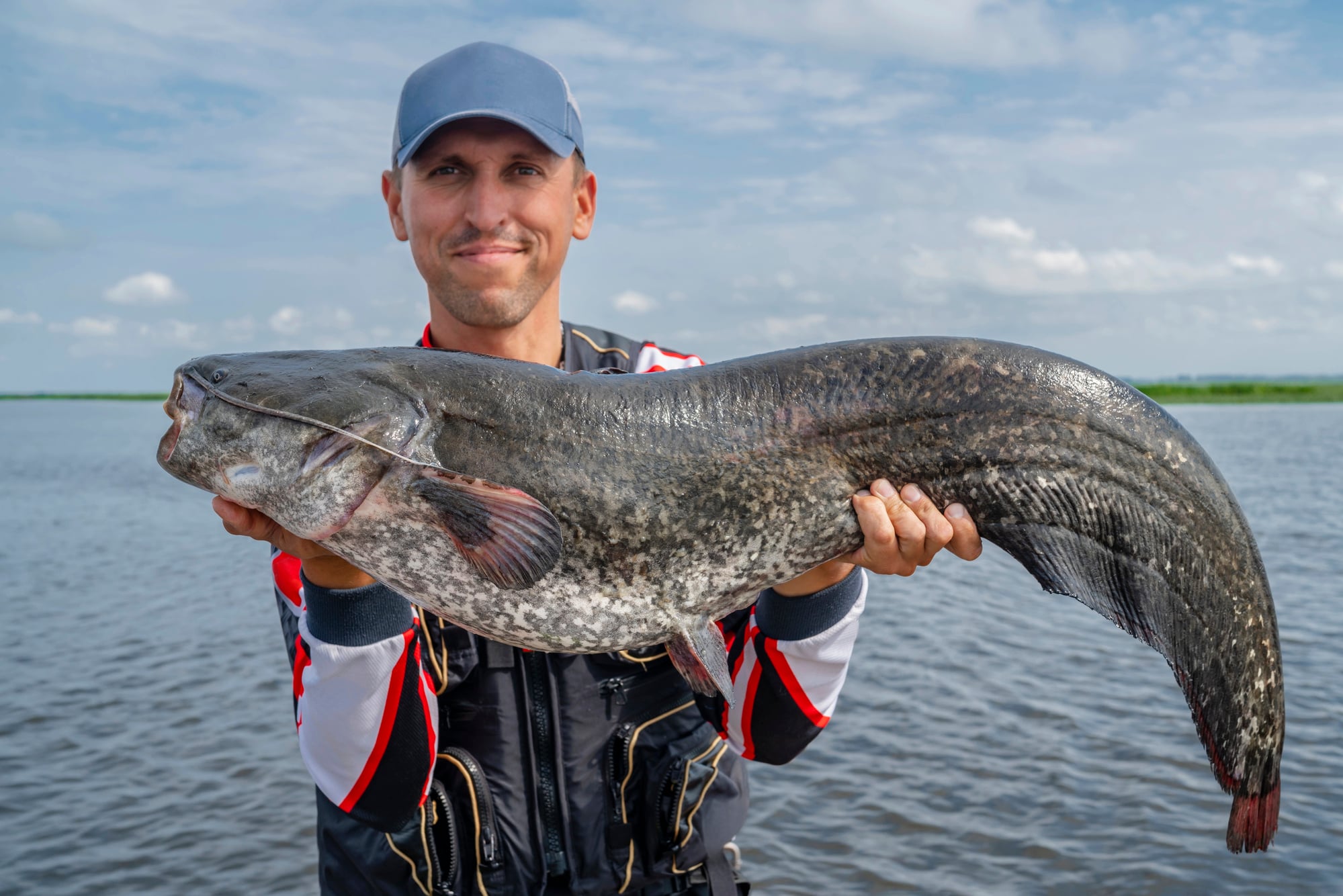
The wolf fish has a reputation for aggression and resilience. With a broad head and sharp teeth, it is built for close-range attacks.
It often lurks in shallow waters or near vegetation, waiting for prey to pass. It can survive in low-oxygen environments and even endure short periods out of water.
This toughness allows it to persist in conditions where others cannot. Its hunting style is simple but effective—wait, strike, and overpower.
Tambaqui
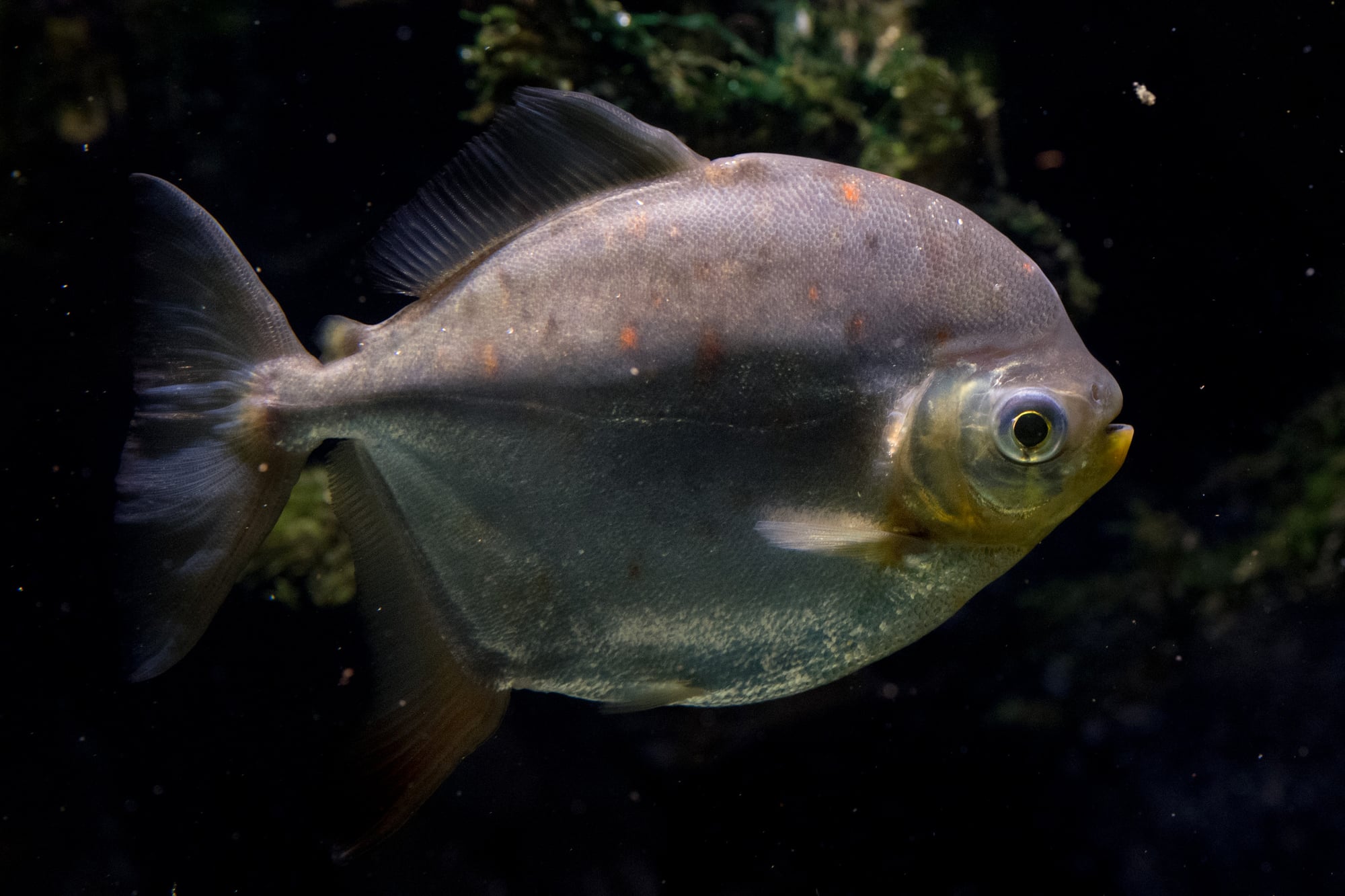
The tambaqui is not a traditional predator, but its powerful jaws allow it to crush hard fruits and seeds. Occasionally, it supplements its diet with smaller animals, showing a level of opportunism that fits well within the Amazon’s ecosystem.
Its strength lies in versatility rather than aggression. By adapting its diet to seasonal changes, it remains a constant presence in the river.
While not feared in the same way as others, it still plays a role in the balance between plant and animal life.
Giant Otter

The giant otter brings intelligence and coordination into the mix. Living in family groups, it hunts cooperatively, targeting fish and occasionally larger prey.
Its sharp teeth and strong bite make it an efficient hunter. Unlike solitary predators, the giant otter relies on teamwork.
Communication and coordination allow it to outmaneuver prey, especially in complex environments like flooded forests. Its social nature adds another layer to how predation works in the Amazon.
Arowana

The arowana is known for its ability to leap out of the water to catch prey above the surface. It feeds on insects, birds, and small animals, using timing and precision rather than force.
Its upward strike is quick and controlled, often catching prey off guard. This behavior highlights how the Amazon blurs the line between water and land, with predators capable of hunting across both spaces.
Piraíba Catfish
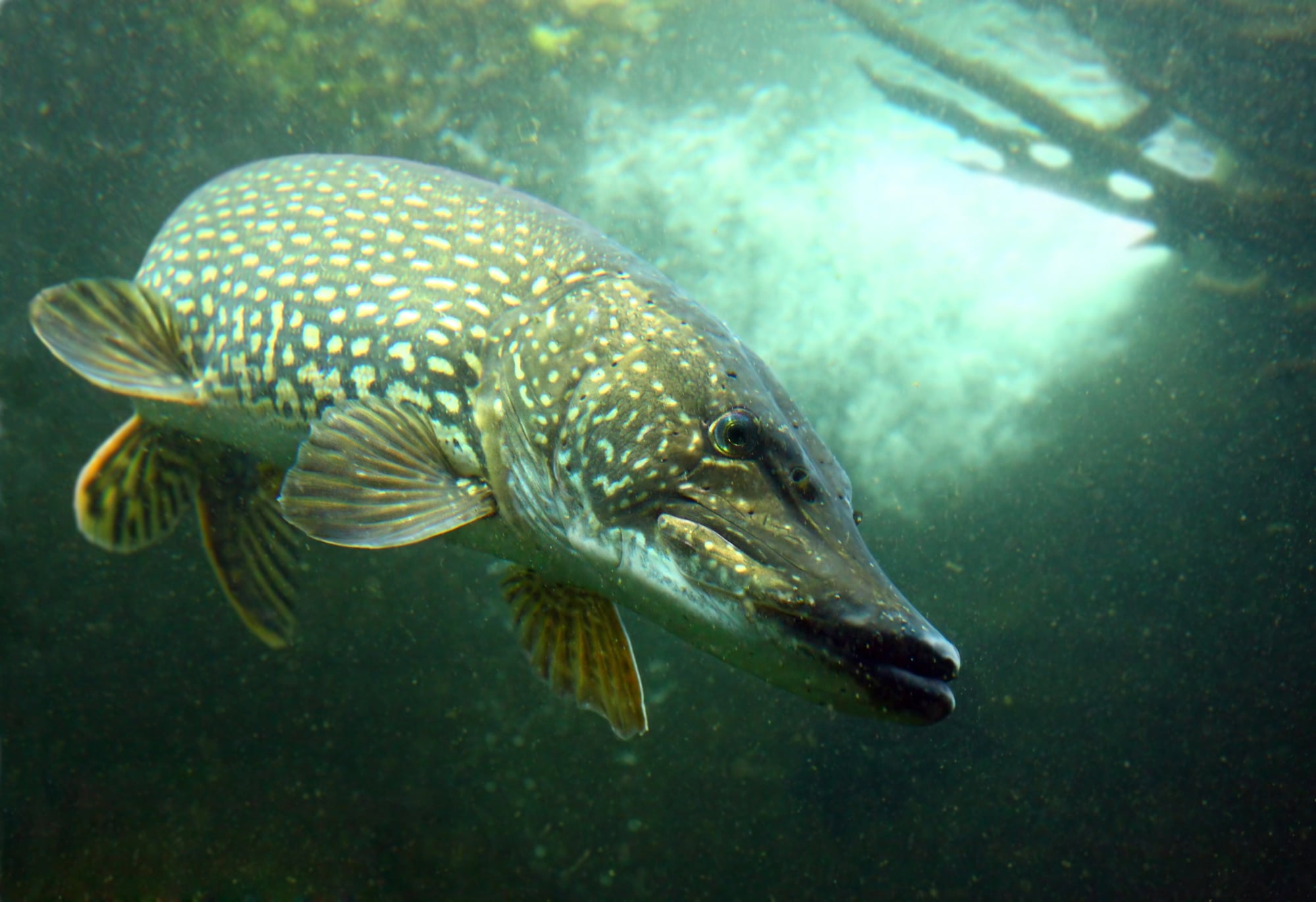
A massive creature lurking in South American rivers, the piraiba moves with purpose when hunting. Though often quiet beneath the surface, it covers vast stretches of water chasing meals.
This powerful fish earns its size through constant motion and sharp instincts. Found where currents run strong, it follows seasonal shifts like clockwork.
Big meals sometimes join fish on the menu, thanks to strength that shapes where it goes. River sections link through its travels, quietly holding a role wider than itself.
Why It Still Matters
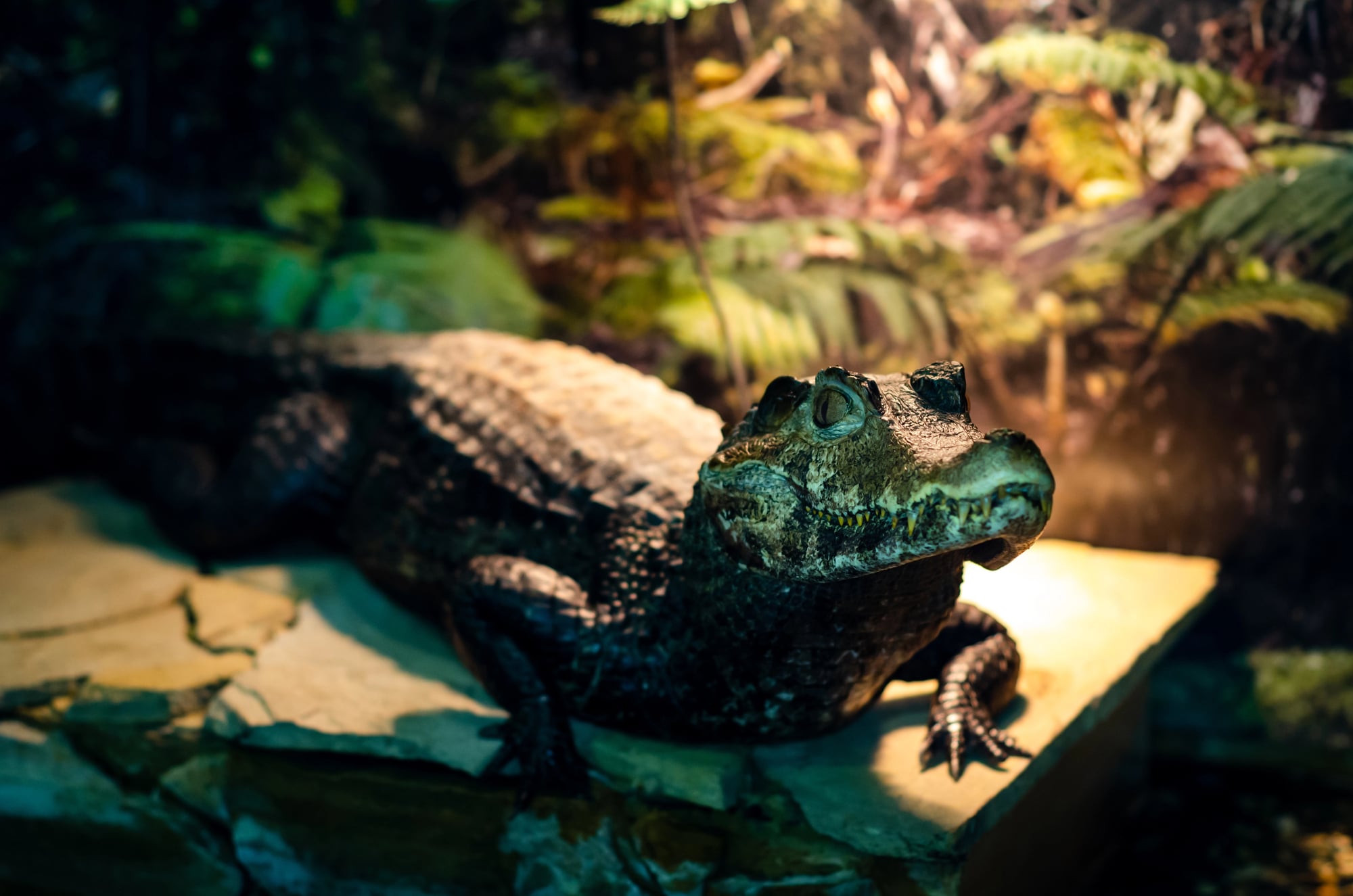
Downriver, predators crowd the water like nowhere else on Earth. One after another, each creature keeps numbers in check, setting rhythms others must follow.
Life here holds together – still – for now, despite what pushes from beyond. Seeing these hunters clearly shifts how you view them.
Not danger, but deep history shapes what they are. Each move they make comes from ages of learning a shifting world full of unseen currents.
When the water alters course, so does their fate – and ours runs alongside it, quietly.
More from Go2Tutors!

- The Romanov Crown Jewels and Their Tragic Fate
- 13 Historical Mysteries That Science Still Can’t Solve
- Famous Hoaxes That Fooled the World for Years
- 15 Child Stars with Tragic Adult Lives
- 16 Famous Jewelry Pieces in History
Like Go2Tutors’s content? Follow us on MSN.