26 Department Store Features Shoppers Miss
Department stores were once built to keep people inside all day. Shoppers could eat lunch, get a portrait taken, have a hat fitted and pick up a catalog order without ever stepping back onto the sidewalk.
Most of those extras disappeared as malls, discount chains and online retail squeezed margins. What remains is a memory of stores that behaved more like small cities than places to buy socks.
Tea Rooms Above the Sales Floor
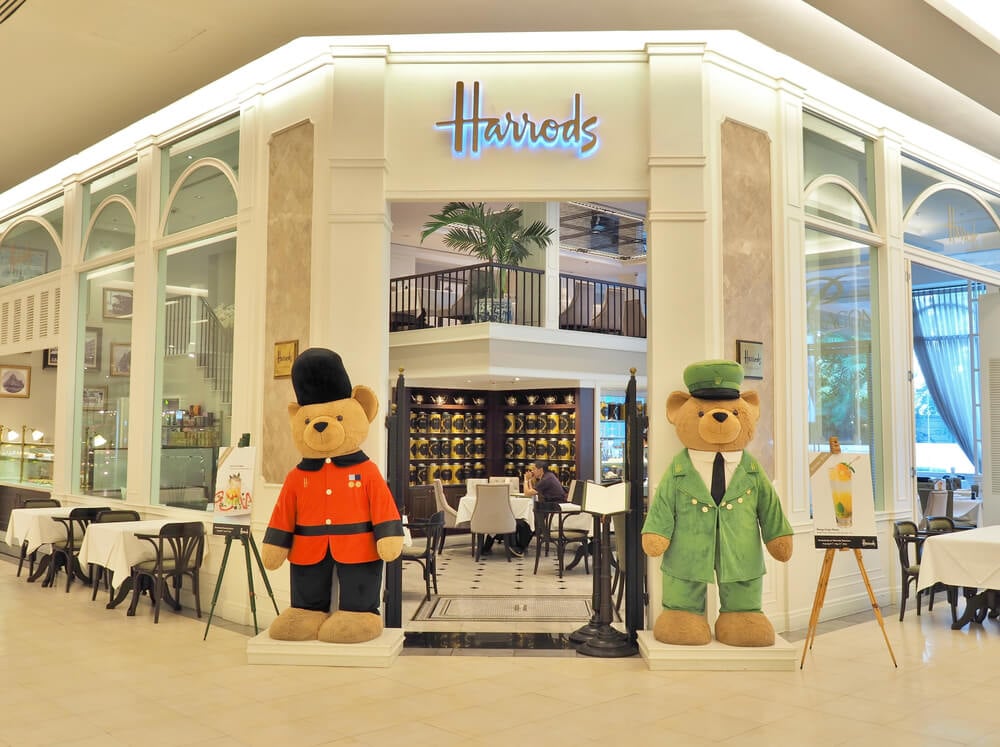
Department store tea rooms served lunch to shoppers who expected tablecloths, waitresses and a menu of chicken salad and popovers. The Walnut Room at Marshall Field’s in Chicago opened in 1907 and is often described as one of the first restaurants inside a department store.
Its signature was a chicken pot pie credited to Mrs. Hering, and at Christmas a towering tree rose in the center of the room. Dozens of other stores copied the idea, from Dayton’s in Minneapolis to Rich’s in Atlanta.
Most closed as stores cut space, though the Walnut Room still serves diners in Chicago.
Uniformed Elevator Operators
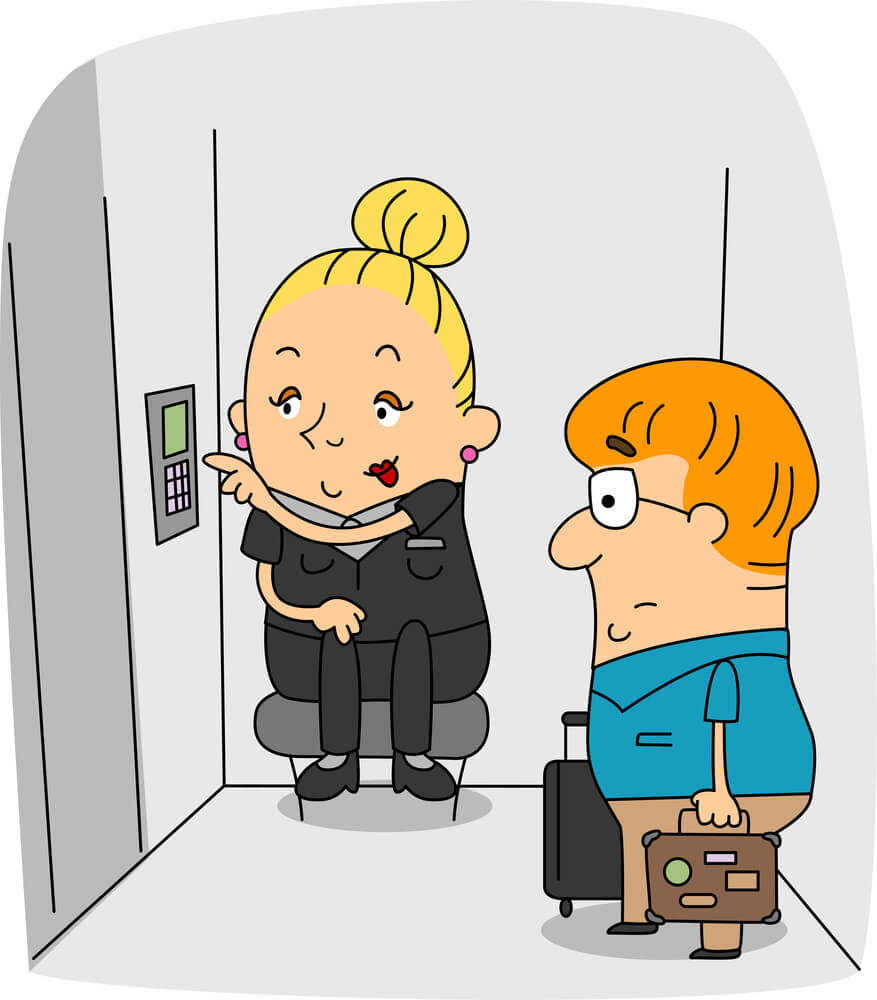
Elevator operators in white gloves once called out each floor and its departments, from underwear to housewares, as the doors opened. The job required judging the passengers, stopping precisely at the floor and managing crowds during holiday rushes.
Operators in the grand stores wore tailored uniforms and were treated as part of the shopping experience. Automatic elevators began replacing them in the middle of the 20th century, and the job had almost vanished by the 1970s.
A few historic buildings keep operators as a novelty, but most shoppers now push the button themselves.
Pneumatic Tube Cash Systems
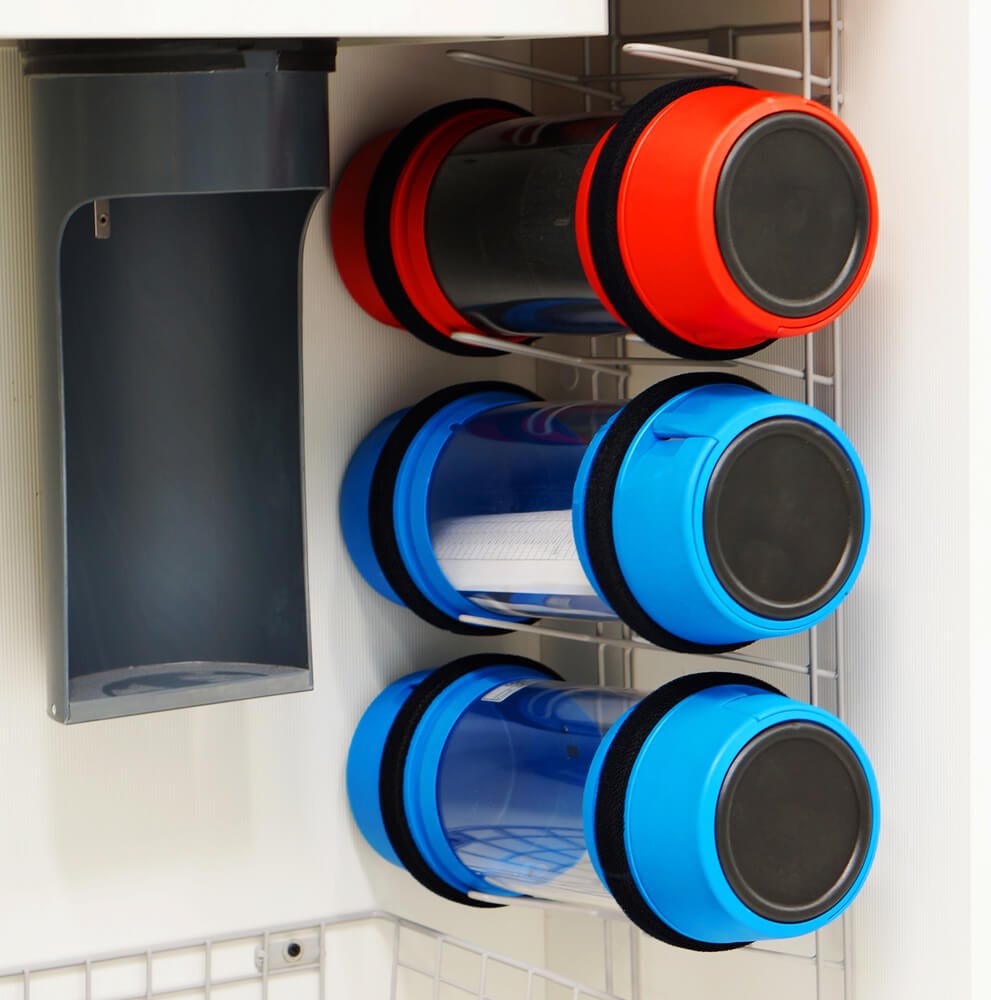
Pneumatic tube systems carried payments from the sales counter to a central cashier’s office, where clerks made change and sent it back through the same tube. The system meant individual clerks never handled large amounts of cash, which reduced theft and mistakes.
Shoppers watched the capsule vanish with a whoosh and return a minute later with a receipt and coins. Companies such as Lamson built many of these systems in the late 1800s and early 1900s.
Electronic cash registers made them obsolete, though some banks and hospitals still use pneumatic tubes today.
Animated Holiday Windows
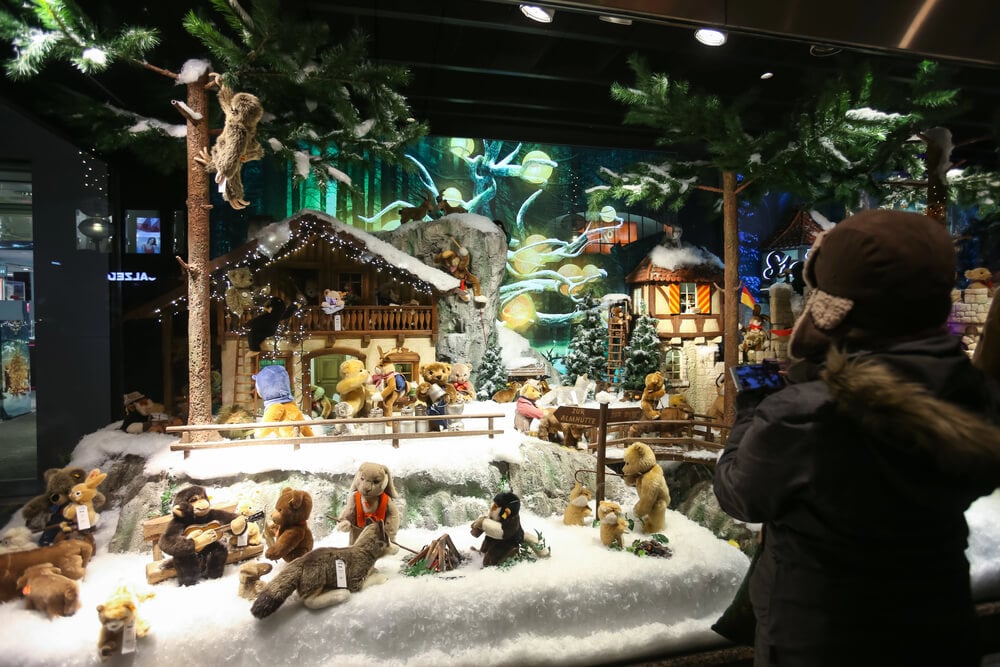
Animated holiday windows turned department store facades into moving stage sets, with mechanical figures, miniature villages and elaborate fairy tales. Families traveled downtown to walk past them, often waiting in long lines on cold nights.
Stores such as Macy’s, Lord and Taylor and Marshall Field’s commissioned designers and craftsmen to build new displays each year. The windows became an unofficial kickoff to the holiday season in many cities.
Some flagship stores still create displays, but many downtown stores that once competed on windows have closed, taking the tradition with them.
Rudolph as a Free Store Handout
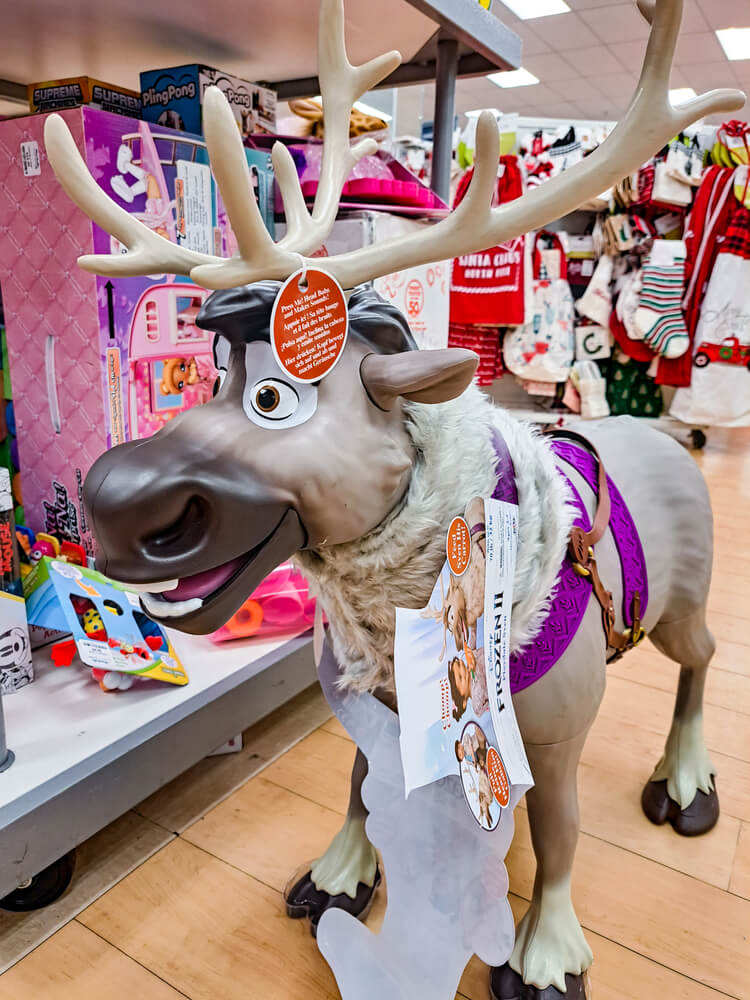
Rudolph the Red-Nosed Reindeer began as a free booklet handed out by Montgomery Ward to children during the 1939 holiday season. The store asked Robert L. May, a copywriter in its Chicago office, to create a Christmas story it could give away instead of buying coloring books.
Montgomery Ward distributed about 2.4 million copies that first year. May later received the rights to the character, and the 1949 song recorded by Gene Autry made Rudolph a permanent part of Christmas.
Few shoppers today know the reindeer began as a department store promotion.
Catalog Pickup Desks
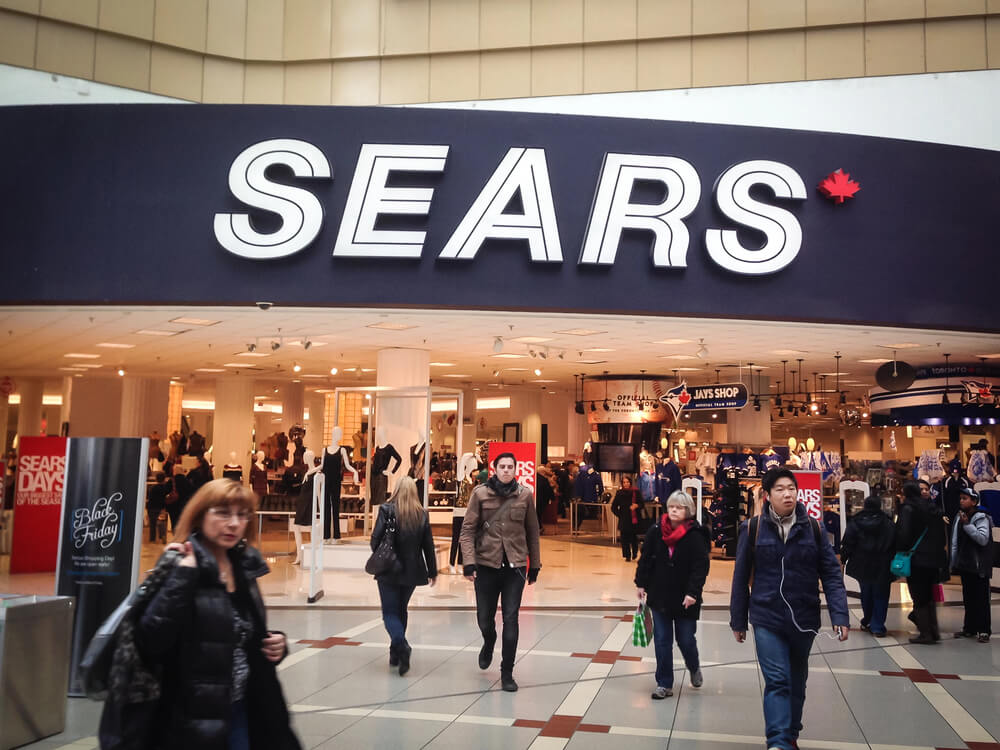
Catalog pickup desks let shoppers order from a thick paper catalog and collect their merchandise at a local store a few days later. Sears was the most famous example, and its catalog desks were often tucked into a corner near the loading dock.
Customers could order anything from clothing to power tools, then wait for their name to be called. The system served rural and small-town shoppers well, especially before online shopping existed.
Sears ended its general merchandise catalog in 1993, and the pickup desks faded away along with it.
Layaway Counters
Layaway allowed shoppers to reserve an item with a small deposit and pay it off over several weeks or months before taking it home. The system was popular during the holidays, when families spread the cost of gifts across the fall.
Layaway counters were often located at the back of the store, stacked with bags and boxes labeled with customer names. The practice declined as credit cards spread, and some major chains dropped layaway in the 2000s.
A few retailers still offer it seasonally, but buy-now-pay-later apps have largely replaced the counter.
Charga-Plate Credit Cards
Charga-Plate was an early form of store credit, a small embossed metal plate carried in a leather case like a dog tag. The plates were introduced by the Farrington Manufacturing Company in 1928 and adopted by department stores across the country.
Clerks pressed the plate into an imprinting machine to transfer the customer’s name and account number onto a sales slip. The system made charging purchases fast and reduced errors.
Plastic credit cards replaced the metal plates by the 1950s and 1960s, and surviving Charga-Plates are now collected as retail artifacts.
Free Gift Wrapping
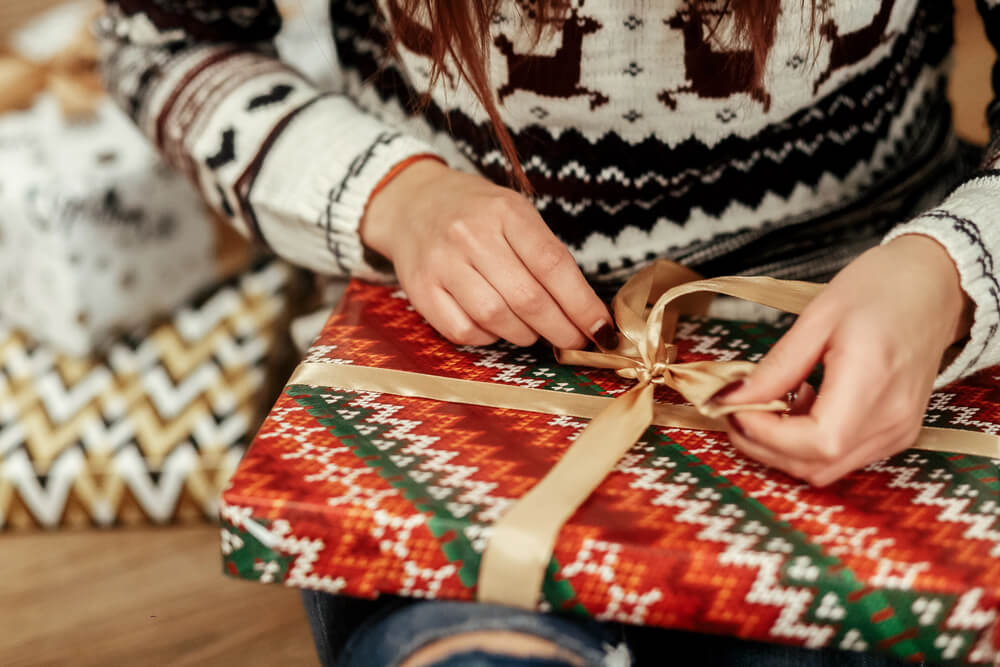
Free gift wrapping turned purchases into presents at a counter staffed by clerks who could fold paper, tie ribbon and curl bows in seconds. Each store had its own signature wrapping paper and boxes, which became status symbols in their own right.
A gift in a box from a well-known store told the recipient where it came from before it was even opened. During the holidays, the wrapping line could stretch across the floor.
Most stores later began charging for gift wrap or eliminated the service, leaving shoppers to wrap purchases at home.
Home Delivery Trucks

Department stores once ran their own delivery fleets, with trucks painted in store colors carrying packages to customers’ homes, often the same day. Shoppers could buy a dress, a lamp or a set of dishes and have it delivered without carrying anything.
Horse-drawn wagons gave way to motor trucks in the early 20th century, and the vehicles became moving advertisements. Some stores offered free delivery within the city limits.
As retail costs rose, the fleets were cut back, and delivery was handed over to parcel services and later to online retailers.
Millinery Departments
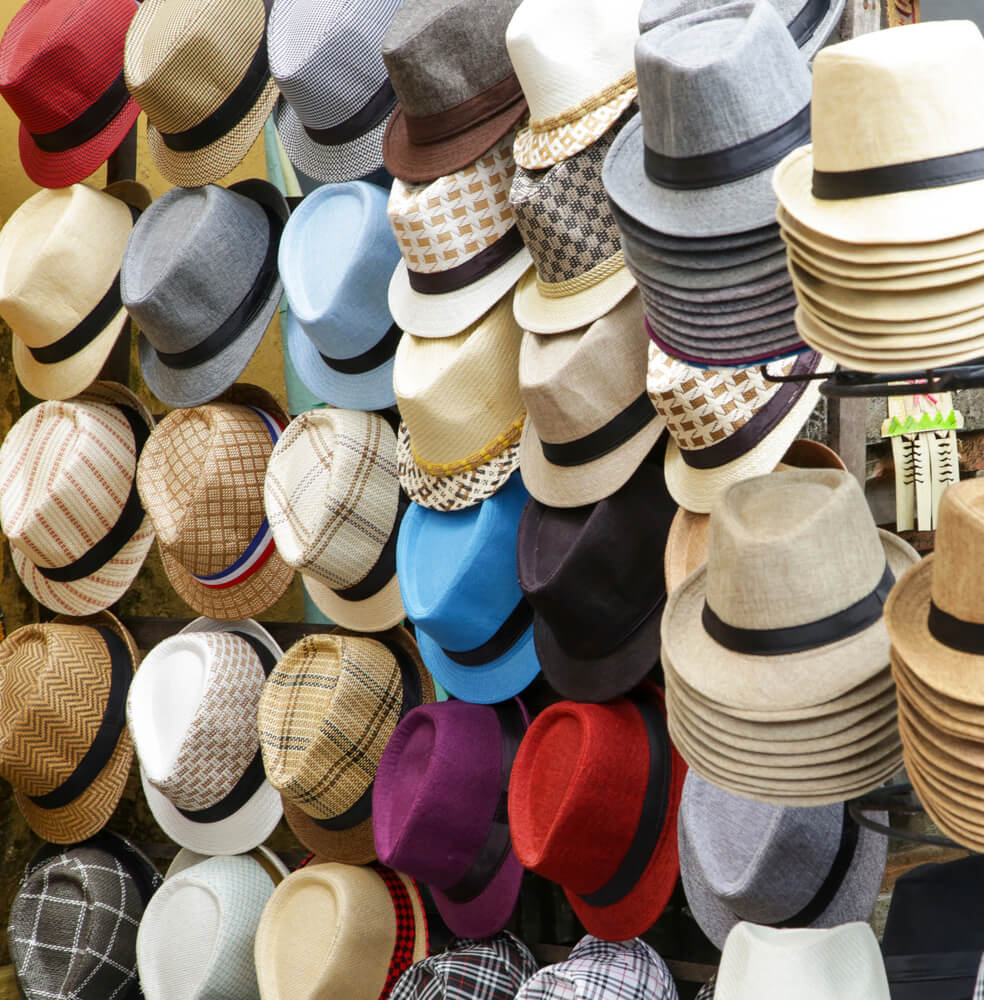
Millinery departments sold hats, and at their peak they were among the busiest parts of any department store. Women wore hats for church, shopping, work and social events, and the millinery floor offered hundreds of styles, along with trims and veils.
Trained milliners could adjust or decorate a hat to suit a customer’s face and outfit. The department declined in the 1960s as hairstyles grew larger and hats fell out of fashion.
Most stores eventually folded what remained into accessories, and custom hat fitting all but vanished from the sales floor.
Glove Counters
Glove counters offered gloves for every occasion, from short daytime styles to long evening gloves that reached above the elbow. Customers rested their elbows on a small cushion while a clerk eased the leather onto their fingers and checked the fit.
Proper gloves were considered essential for women’s dress well into the 1950s and early 1960s. The glove counter declined along with formal dress codes.
Today, gloves are mostly sold for warmth rather than style, and the custom fitting ritual has disappeared from nearly every store.
Shoe-Fitting Fluoroscopes
Shoe-fitting fluoroscopes let customers look through a viewer at an X-ray image of their feet inside new shoes. The machines were common in shoe departments from the 1920s through the 1950s, and children loved wiggling their toes to watch the bones move.
They were marketed as a scientific way to ensure a good fit. As concerns about radiation exposure grew, states began restricting them, with Pennsylvania becoming the first to ban them in 1957.
Surviving machines are now museum pieces, reminders of a time when X-rays seemed like harmless fun.
Frango Mints Made Upstairs
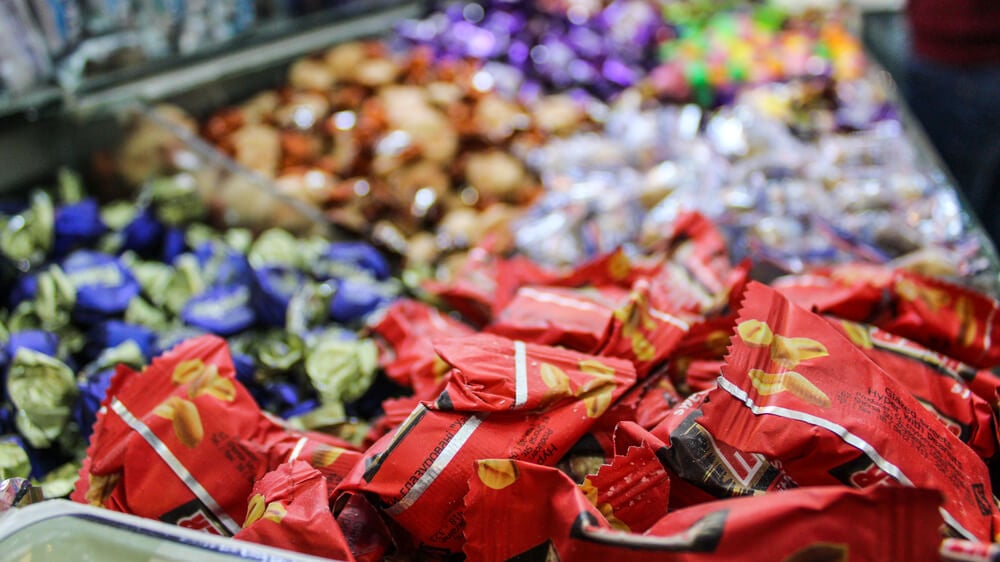
Frango mints were made in a candy kitchen on the 13th floor of the Marshall Field’s flagship on State Street in Chicago, beginning in 1929. The chocolate mints became a signature of the store, sold in green boxes and given as gifts across the Midwest.
In 1999, production moved to a candy company in Pennsylvania, and Chicagoans reacted with outrage. Mayor Richard M. Daley publicly objected, and the move became a symbol of the city losing a beloved institution.
Frango mints are still sold, but the candy kitchen upstairs remains a nostalgic memory.
Wooden Escalators
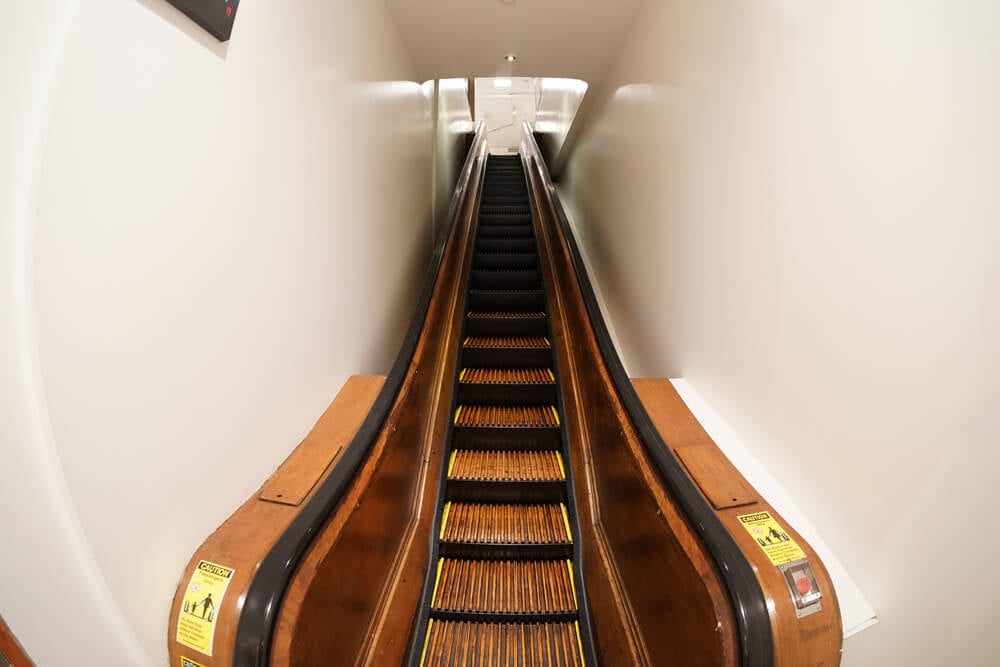
Wooden escalators, with slatted steps and wooden sides, carried shoppers between floors in some of the grandest department stores. Macy’s Herald Square in New York installed its first escalators in the early 1900s, and several of the original wooden escalators still run in the store.
Riding them felt like stepping back in time, with the clack of the steps announcing each movement. Most stores replaced wooden escalators with metal models for safety and durability.
Macy’s has kept some of its survivors, making them one of the few remaining examples in regular use.
Ladies’ Lounges
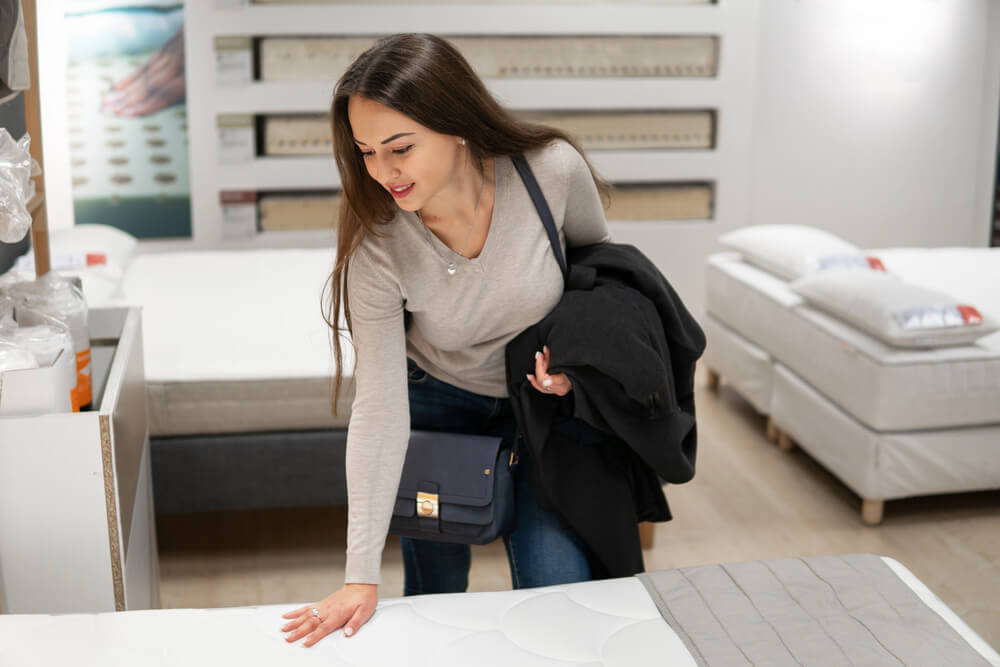
Ladies’ lounges gave shoppers a comfortable place to rest, fix their makeup, make a phone call or meet friends. Many included sofas, writing desks, mirrors and attendants, and some offered nurseries where mothers could leave small children.
The lounges reflected an era when a shopping trip could last all day and required breaks. As stores reduced staff and floor space, the lounges were converted into sales areas or plain restrooms.
Some historic stores still preserve elaborate lounges, but most shoppers would never guess they existed.
Record Listening Booths
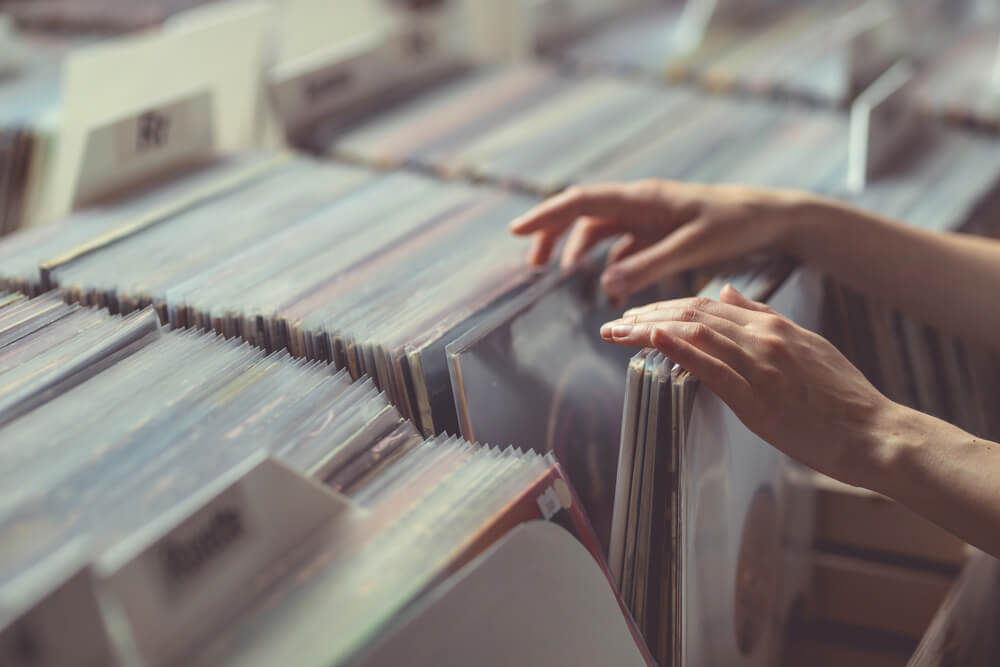
Record listening booths let customers sample music before buying, stepping into small soundproof rooms with a turntable or speaker. Store clerks would play a requested record, and teens often crowded into booths together to hear the latest hits.
The booths were common in department store record departments during the 1940s and 1950s. As self-service racks and headphone stations replaced them, the booths disappeared.
They represented a slower way of discovering music, when trying a record involved asking a clerk and waiting for a turn in a small glass room.
Pet Departments Selling Exotic Animals
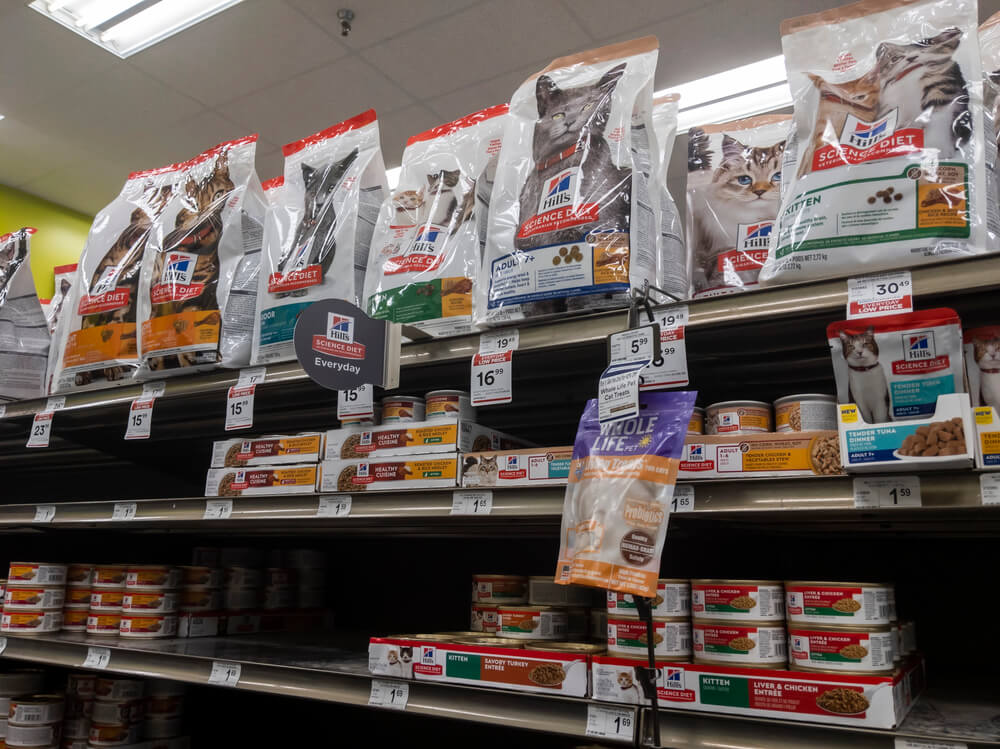
Pet departments in some department stores once sold far more than goldfish and puppies. Harrods in London ran a famous animal department that sold exotic creatures to wealthy customers.
In 1969, two young Australians bought a lion cub there, named him Christian and raised him in a London furniture shop before releasing him in Kenya. Their later reunion with the grown lion became a viral video decades afterward.
Harrods closed its pet department, known as Pet Kingdom, in 2014, ending an era when shoppers could buy almost any animal under a department store roof.
Portrait Studios

Portrait studios inside department stores offered affordable family photos, baby portraits and holiday cards, often with painted backdrops and seasonal props. Sears Portrait Studios was one of the best-known chains, capturing millions of family photos over the decades.
Parents lined up with children in matching outfits, and the photographer worked quickly to coax smiles. The rise of digital cameras and smartphones reduced demand, and the company that operated Sears Portrait Studios closed them abruptly in 2013.
The stiff poses and laser backgrounds still turn up in family albums and online nostalgia threads.
Automatic Markdowns at Filene’s Basement
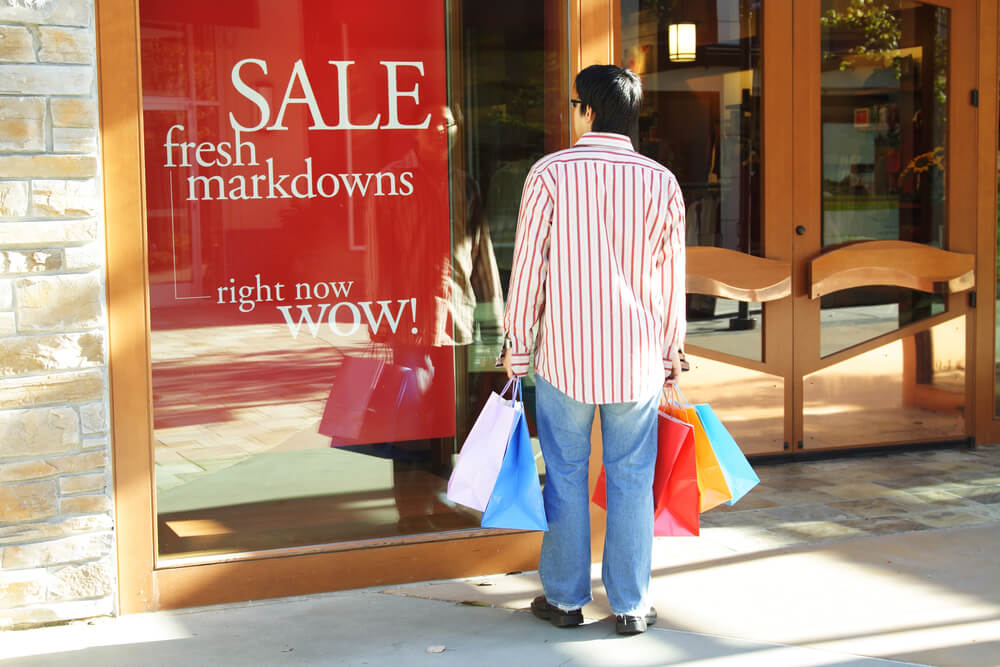
Filene’s Basement in Boston introduced an automatic markdown system in 1909, cutting prices on unsold merchandise at set intervals. The longer an item stayed on the floor, the cheaper it got, until unsold goods were given to charity.
The system encouraged shoppers to visit often and gamble on waiting for a lower price. The store was also famous for its bridal gown sale, where brides rushed in to grab dresses.
Filene’s Basement closed its remaining stores in 2011, and bargain hunters still recall the thrill of the markdown calendar.
Pianists in the Aisles
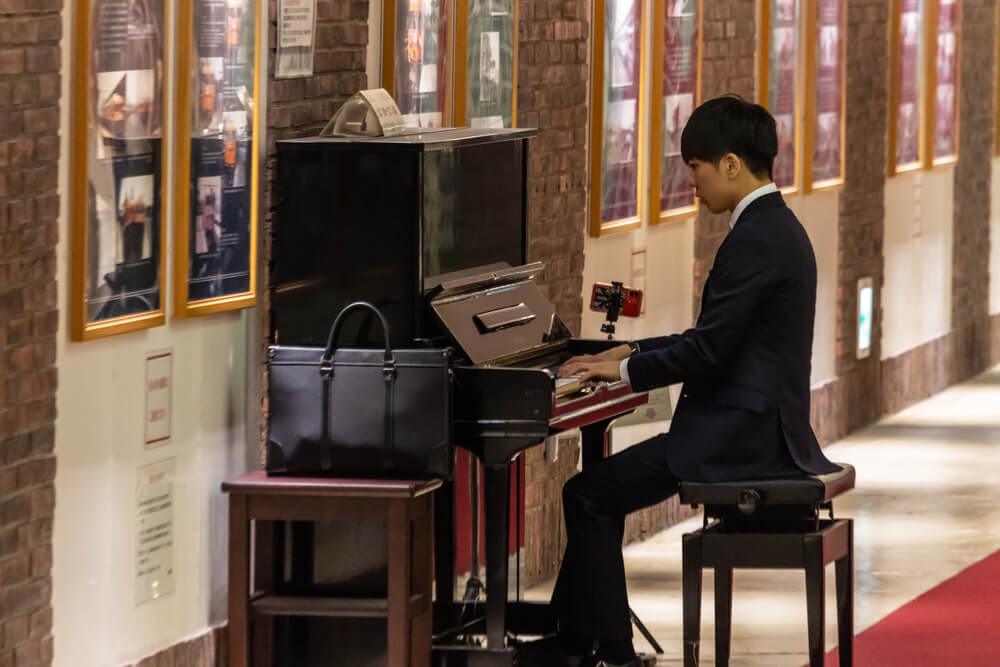
Nordstrom became known in the 1980s and 1990s for placing grand pianos in its stores, with pianists playing background music for shoppers. The live music set a relaxed, upscale mood and became part of the company’s reputation for customer service.
Some pianists took requests and became familiar faces to regular customers. Nordstrom began removing the pianos in the 2000s as it updated its stores and cut costs.
The music now comes from speakers, and many shoppers remember the pianists as a small luxury that made the store feel special.
Rich’s Pink Pig
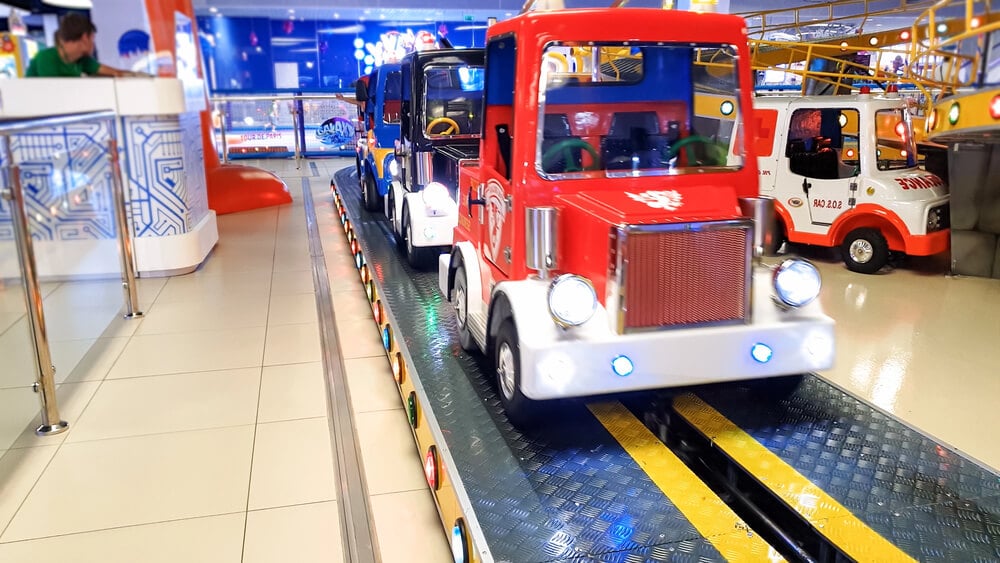
Rich’s department store in Atlanta launched the Pink Pig in 1953, a small monorail ride that carried children over the store’s toy department during the holidays. The pig-shaped cars were named Priscilla, and riding the Pink Pig became a tradition for generations of Atlanta families.
Riders received a sticker proclaiming they had ridden the pig. The ride later moved to other locations after Rich’s downtown store closed.
A version of the Pink Pig still operates in Atlanta each holiday season, though it no longer glides above a downtown store.
Store-Sponsored Parades
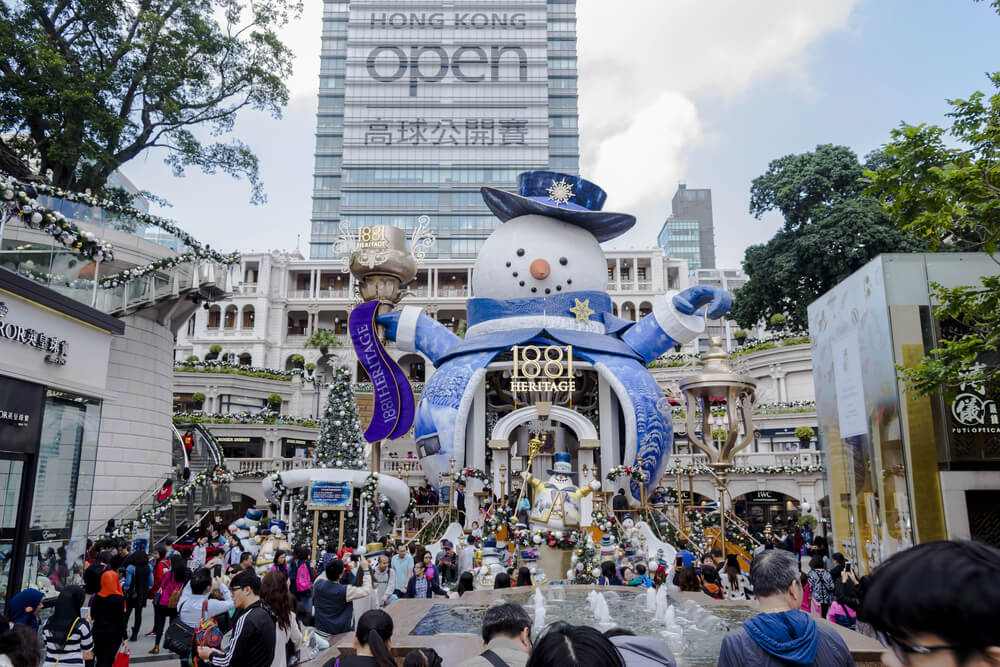
Department stores once organized their own holiday parades, with floats, bands and costumed characters marching through downtown streets. Gimbels in Philadelphia began a Thanksgiving parade in 1920, several years before Macy’s launched its parade in New York in 1924.
The parades were designed to draw crowds downtown and kick off the holiday shopping season. Gimbels closed in the 1980s, and many local store parades disappeared with their sponsors.
The Macy’s parade survives as the best-known example, but it was once one of many such events.
Meeting Under the Wanamaker Eagle
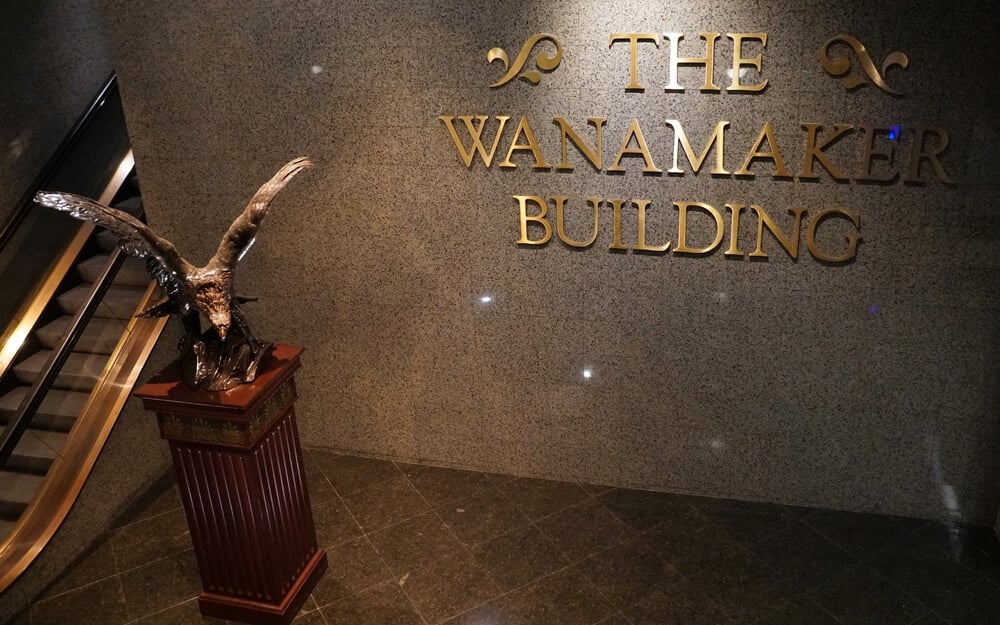
The bronze eagle in the grand court of Wanamaker’s in Philadelphia was a famous meeting spot, and arranging to meet at the Eagle was a common habit in the city. The eagle weighed about 2,500 pounds and had been displayed at the 1904 World’s Fair in St. Louis before John Wanamaker bought it.
The court also housed the enormous Wanamaker Organ, one of the largest pipe organs in the world. The building later became a Macy’s.
Many people still recall meeting friends there before lunch or a matinee.
Store Radio Stations
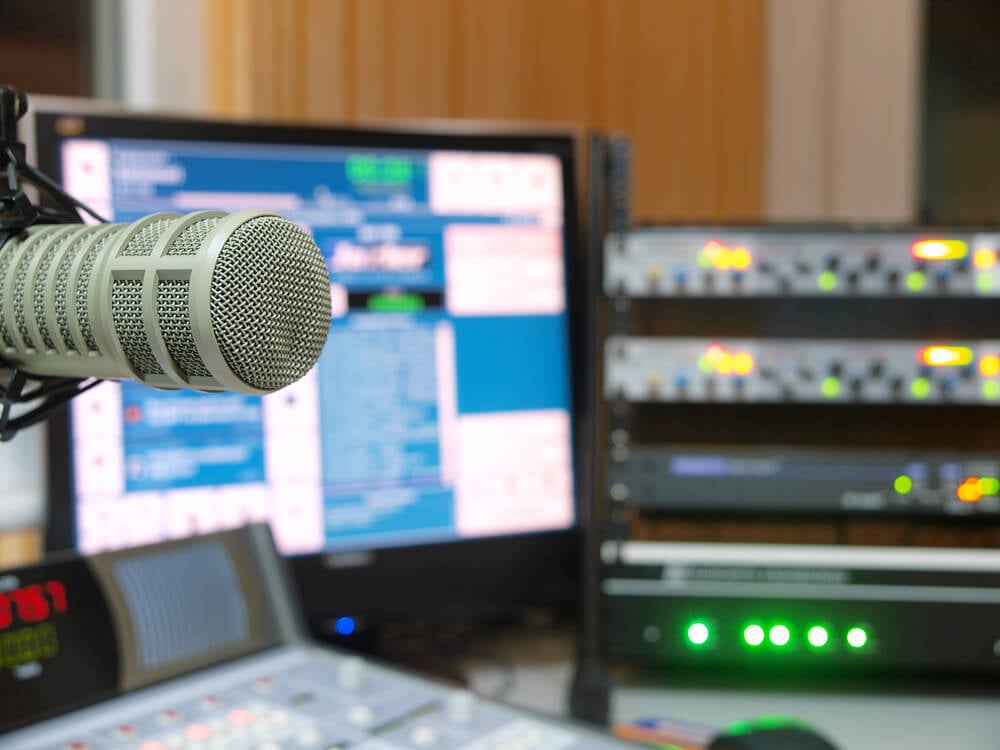
Some department stores owned radio stations, using them to promote merchandise and build their brands. Bamberger’s in Newark launched WOR in 1922, broadcasting from the store, and Gimbels in Philadelphia launched WIP the same year.
The stations aired music, news and entertainment alongside store announcements, and they helped build the early radio audience. WOR became one of the most influential stations in the country and a founding member of the Mutual Broadcasting System.
Today, it is hard to imagine a store running a major radio station.
Allstate Cars at Sears
Sears once sold cars, and the most famous attempt was the Allstate, offered in 1952 and 1953. The car was built by Kaiser-Frazer and was essentially a rebadged Henry J with a different grille and trim.
Sears sold it through select stores and its catalog, mostly in the South, backed by Allstate tires and batteries. Sales were small, and the experiment ended after two model years.
Surviving Allstates are now prized by collectors, and they recall a time when a department store would sell nearly anything, including transportation.
Shopping Used to Be an Outing
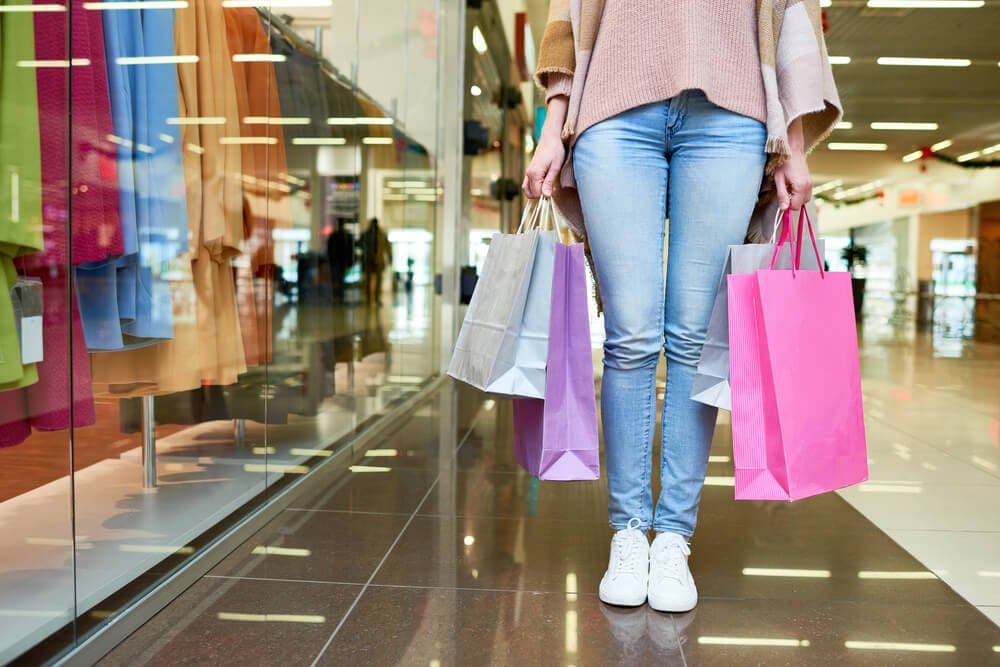
Department stores once offered an entire day of experiences under one roof. Shoppers could eat, relax, listen to music and watch a parade without ever leaving the retailer’s orbit.
The stores sold goods, but they also sold a sense of occasion. Most of these features disappeared as retailers focused on efficiency and price.
Online shopping delivers convenience, but it rarely delivers a lion cub, a pink pig or a mint made upstairs. People who remember the old stores miss the atmosphere as much as the merchandise.
More from Go2Tutors!

- The Romanov Crown Jewels and Their Tragic Fate
- 13 Historical Mysteries That Science Still Can’t Solve
- Famous Hoaxes That Fooled the World for Years
- 15 Child Stars with Tragic Adult Lives
- 16 Famous Jewelry Pieces in History
Like Go2Tutors’s content? Follow us on MSN.



