15 Trees That Thrive in Wetlands and Flood-Prone Areas
Most trees hate wet feet. Flooding and waterlogged soil create conditions that kill off even hardy species, but some trees have figured out how to turn soggy conditions into an advantage. These wetland specialists have developed incredible adaptations over thousands of years.
If you’re stuck with a perpetually damp yard or planning a restoration project, the secret lies in choosing species that actually prefer wet conditions. Here is a list of 15 trees that don’t just tolerate flooding—they thrive in it.
Bald Cypress
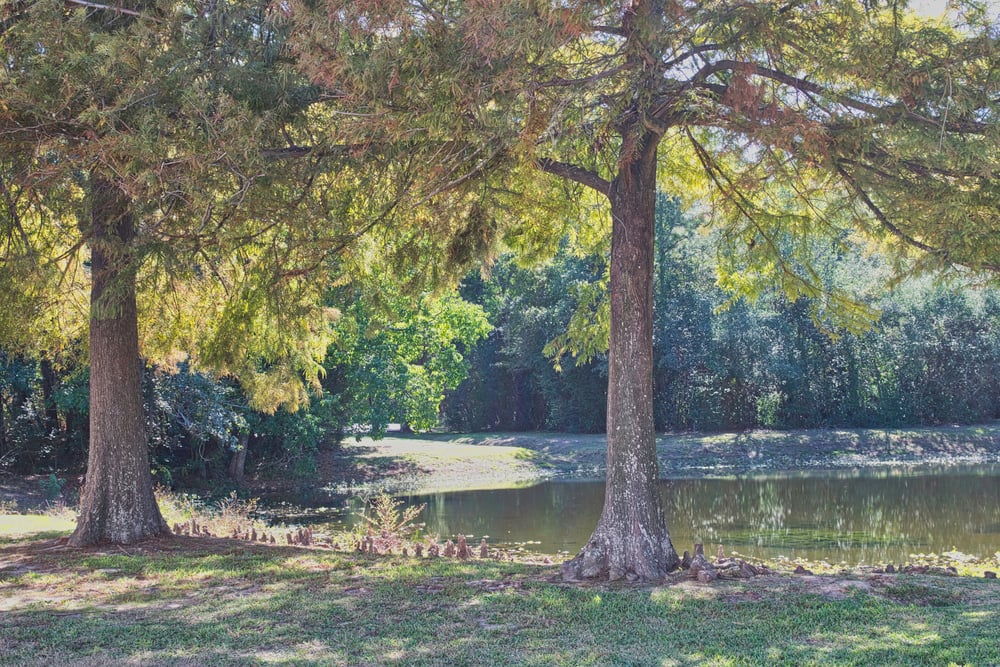
The bald cypress reigns supreme in American swamplands, where it can live for over a thousand years. What makes these trees fascinating is their “knees”—bizarre wooden projections that poke up from the water around their base.
Scientists believe these knees help the tree breathe when its roots are submerged for months at a time, though the exact mechanism remains something of a mystery.
Red Maple
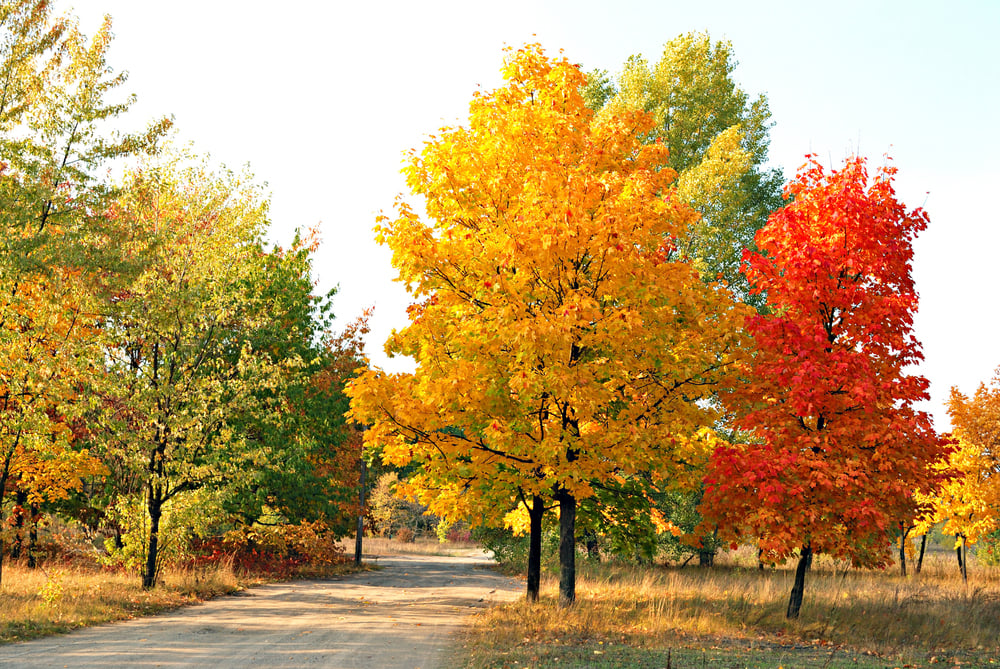
Red maples have mastered the art of flexibility. Their root systems spread horizontally rather than diving deep, which lets them grab oxygen from the soil surface even during floods.
Come autumn, these trees put on a show that rivals any fireworks display—their leaves turn every shade of red imaginable.
Like Go2Tutors’s content? Follow us on MSN.
River Birch
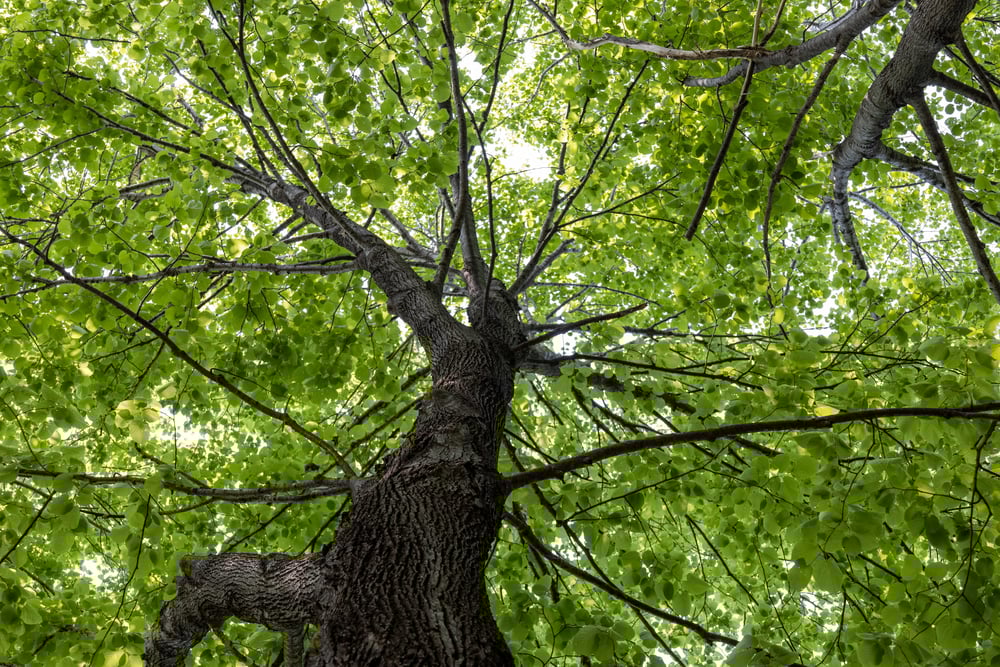
River birches naturally hang out along creek beds and in low-lying areas where drainage is poor. The bark peels off in papery strips that curl and twist, creating texture that looks good year-round.
While other trees struggle in unstable, wet soil, river birches actually use their extensive root networks to hold everything together.
Black Willow
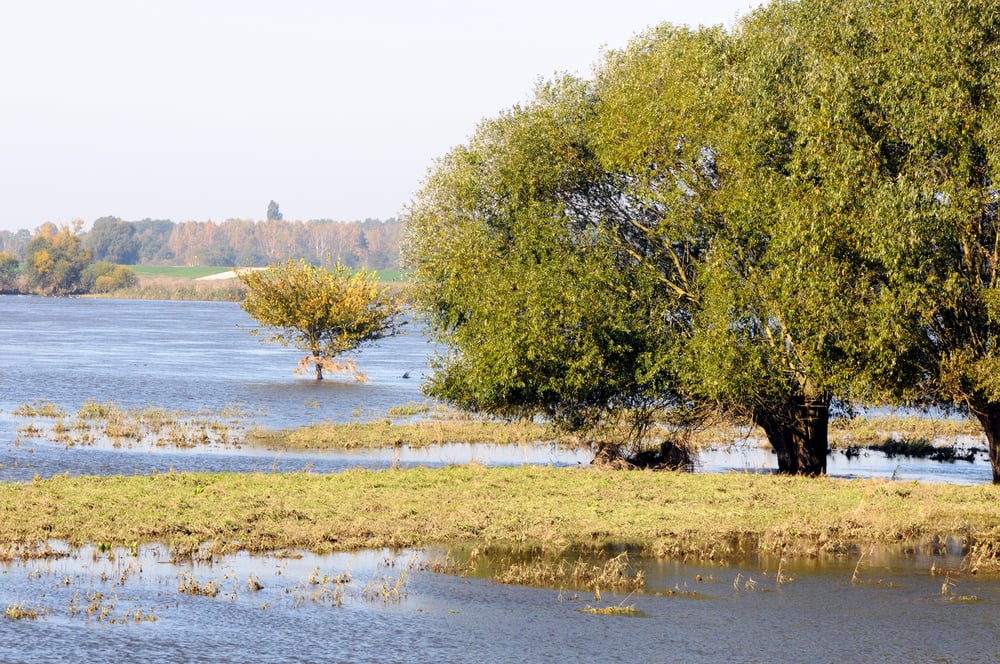
Black willows take water tolerance to the extreme—they’ll grow happily with their roots completely underwater for half the year. The branches bend like rubber in storms, rarely breaking even in severe weather.
These trees reproduce so easily that a broken twig stuck in mud will often sprout into a new tree within weeks.
Eastern Cottonwood
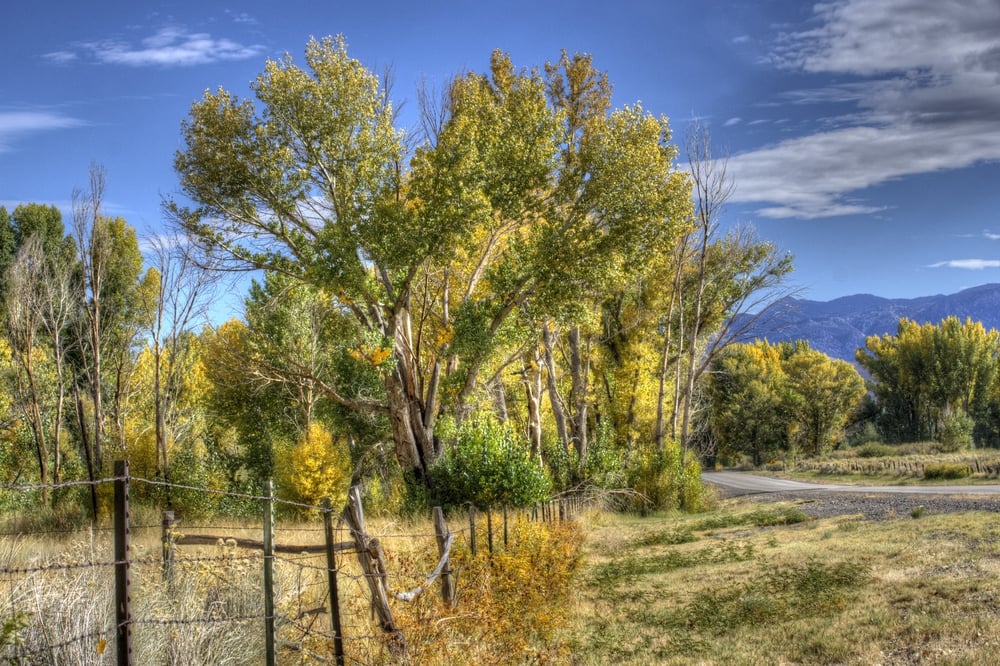
Eastern cottonwoods grow faster than almost any other North American tree, especially when their roots hit water. The leaves make a distinctive rustling sound that’s audible from hundreds of feet away, even in light breezes.
Mature specimens can tower over 100 feet tall and live for centuries, creating landmark trees that dominate entire floodplains.
Like Go2Tutors’s content? Follow us on MSN.
Swamp White Oak
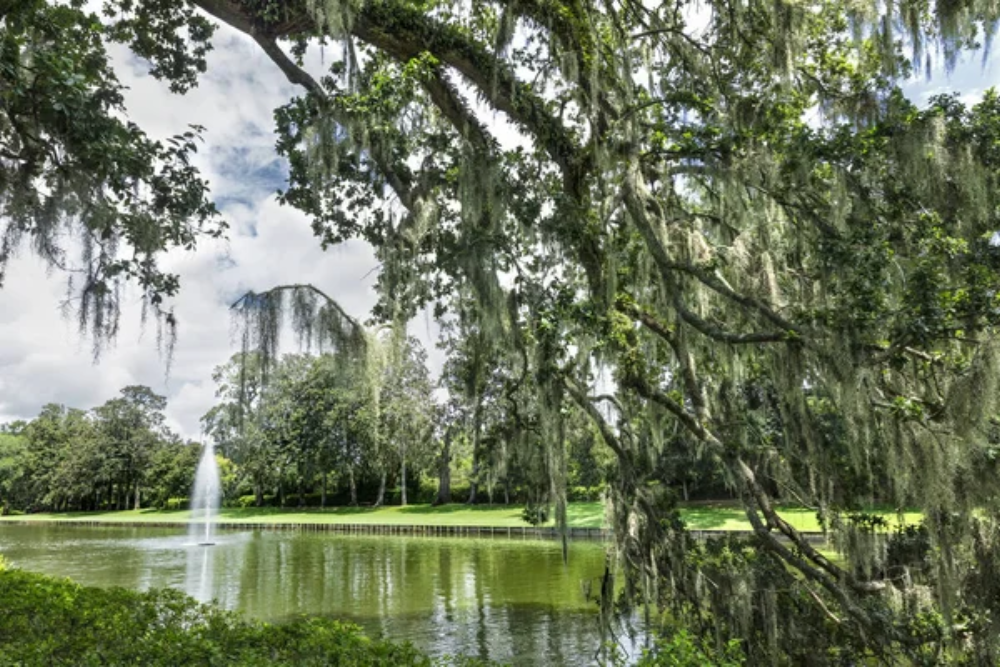
Swamp white oaks combine classic oak characteristics with serious flood tolerance. Unlike many wetland trees that have weak wood, these oaks produce timber that’s been valued for shipbuilding and construction for centuries.
The acorns feed everything from ducks to deer, making these trees ecological powerhouses in wet landscapes.
Green Ash
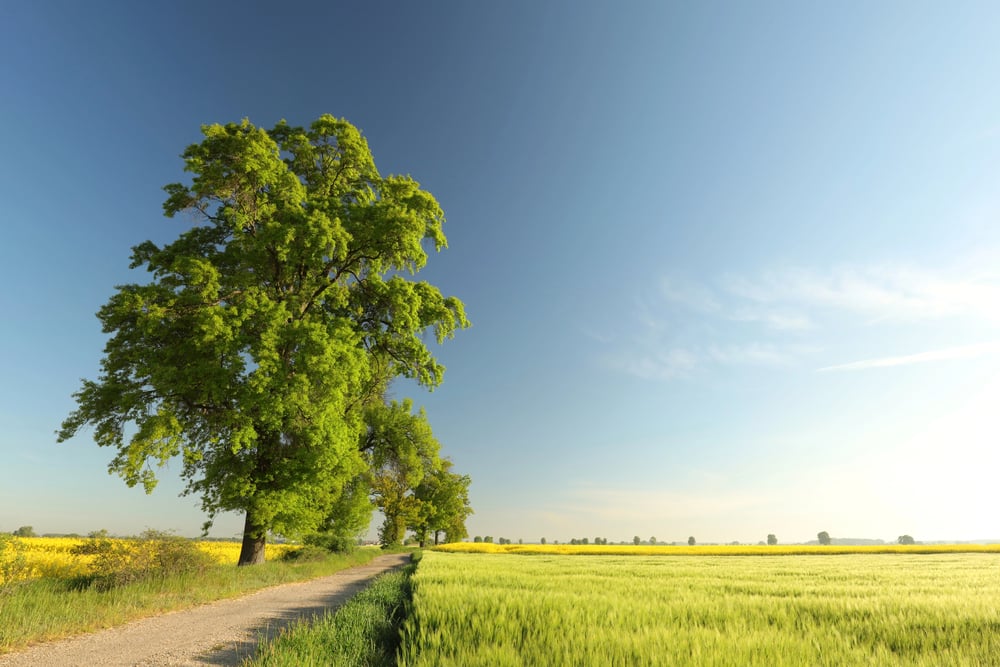
Green ash trees colonize disturbed wetlands faster than almost any other species. Their compound leaves create dense shade, while the fall color ranges from bright yellow to golden bronze.
Unfortunately, emerald ash borer has devastated many populations, though trees in consistently wet areas seem to show better resistance.
Pin Oak
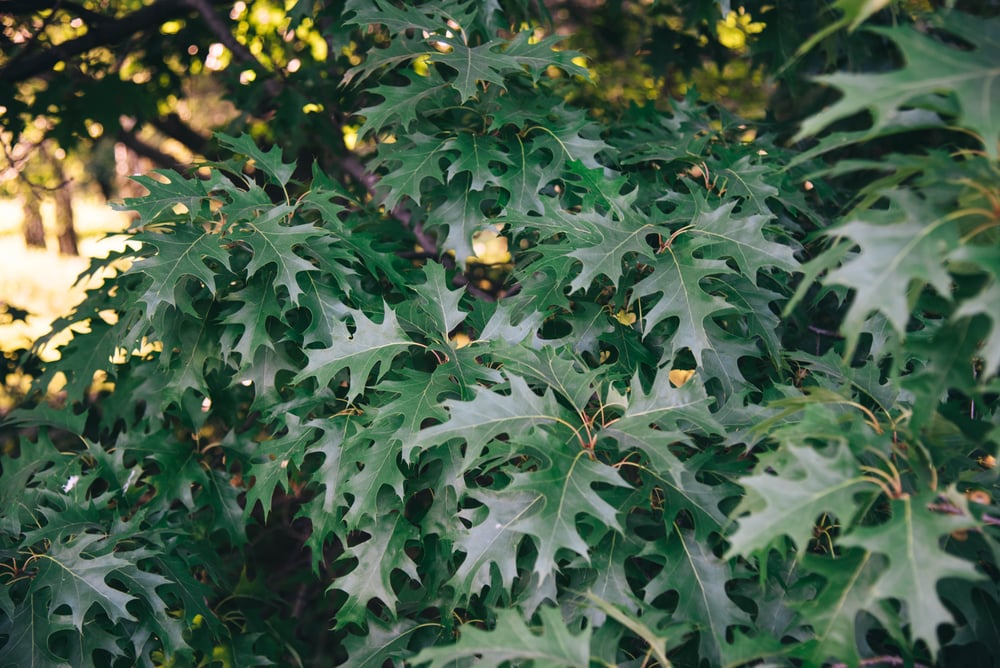
Pin oaks earned their name from the small, stubby branches that persist on their lower trunks—these “pins” create a distinctive texture that’s easy to identify. Heavy clay soil doesn’t bother these trees at all; in fact, they prefer it.
The symmetrical branching pattern makes them popular for formal landscapes, yet they handle seasonal flooding without missing a beat.
Like Go2Tutors’s content? Follow us on MSN.
Tupelo
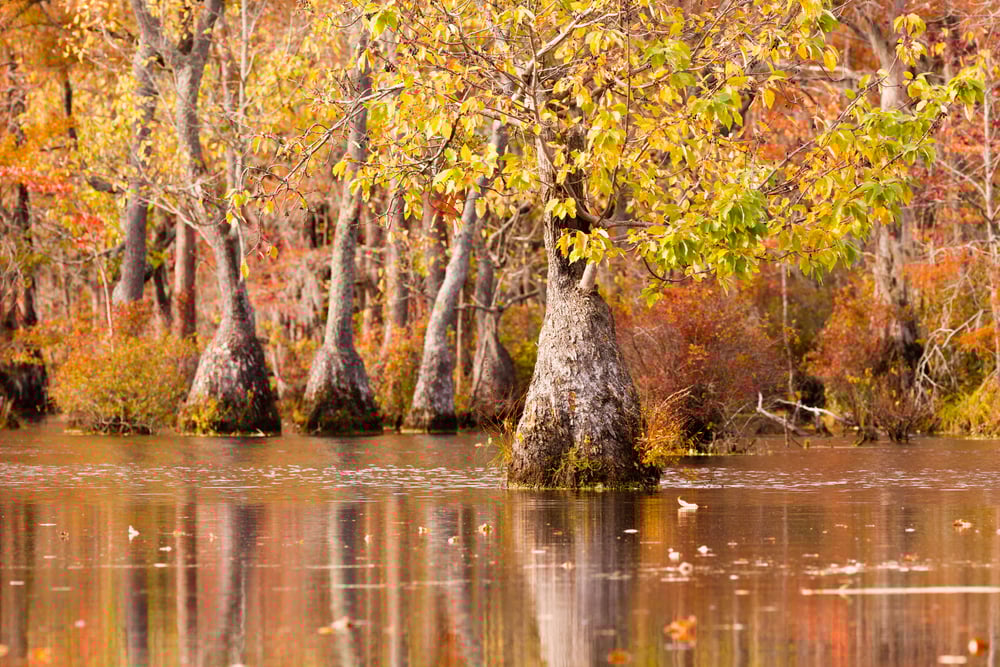
Tupelo trees produce autumn colors that make photographers drive for miles. The glossy leaves turn brilliant shades of red, orange, and purple that can stop traffic.
When growing in permanent water, these trees develop swollen, buttressed bases that look almost prehistoric—some specimens in southern swamps are over 600 years old.
Pond Cypress
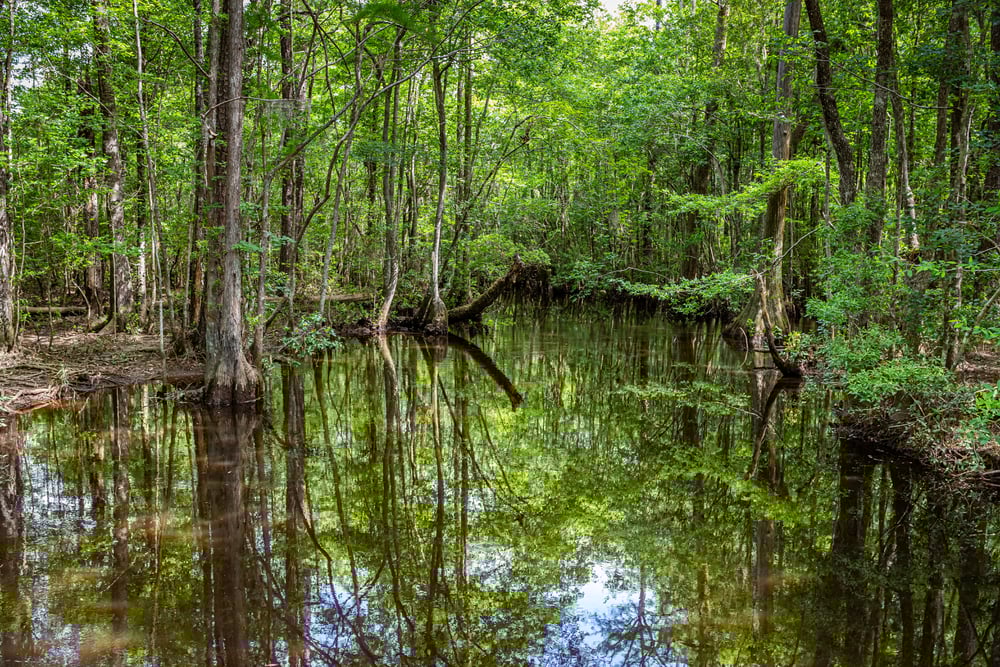
Pond cypress stays smaller than its famous cousin, the bald cypress, but it’s actually tougher in some ways. The foliage has a soft, feathery texture that contrasts beautifully with bolder wetland plants.
These trees handle both flooding and periodic drought, making them more versatile than many wetland specialists.
American Elm
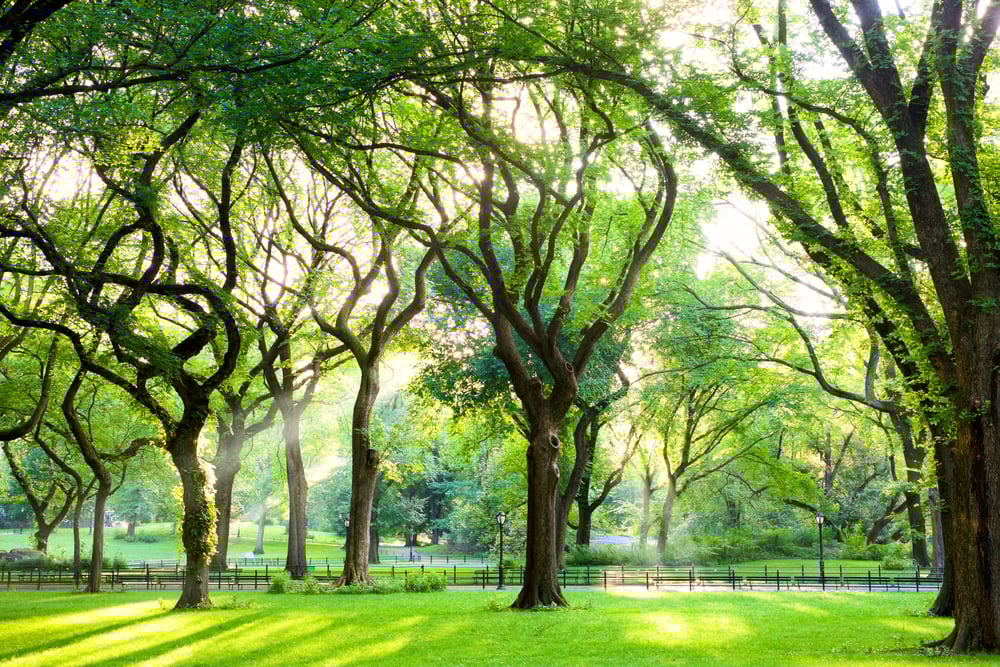
American elms once formed cathedral-like canopies over wetlands throughout the eastern United States. Dutch elm disease wiped out most of the original population, but new disease-resistant cultivars are bringing back their graceful, vase-shaped silhouettes.
These trees can handle seasonal flooding while providing the classic elegance that made them so beloved.
Like Go2Tutors’s content? Follow us on MSN.
Buttonbush
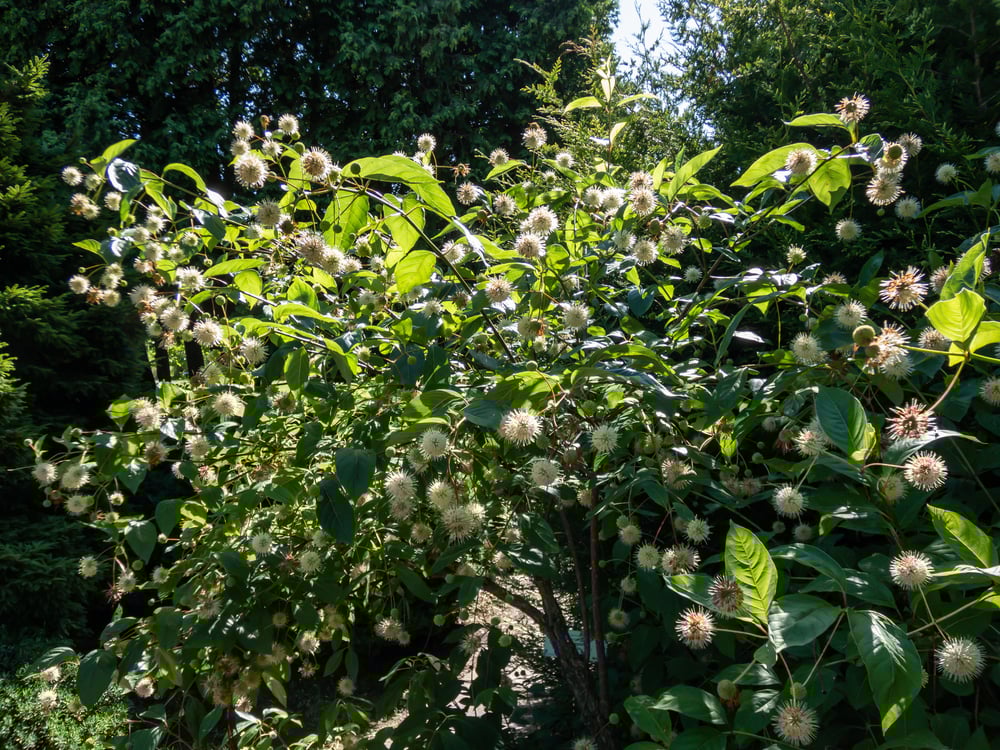
Buttonbush blurs the line between large shrub and small tree, but its wetland performance is outstanding. The spherical white flowers look like pincushions and bloom in midsummer when few other wetland plants are flowering.
This native species attracts more butterfly species than almost any other wetland plant, creating active pollinator habitat.
Water Hickory
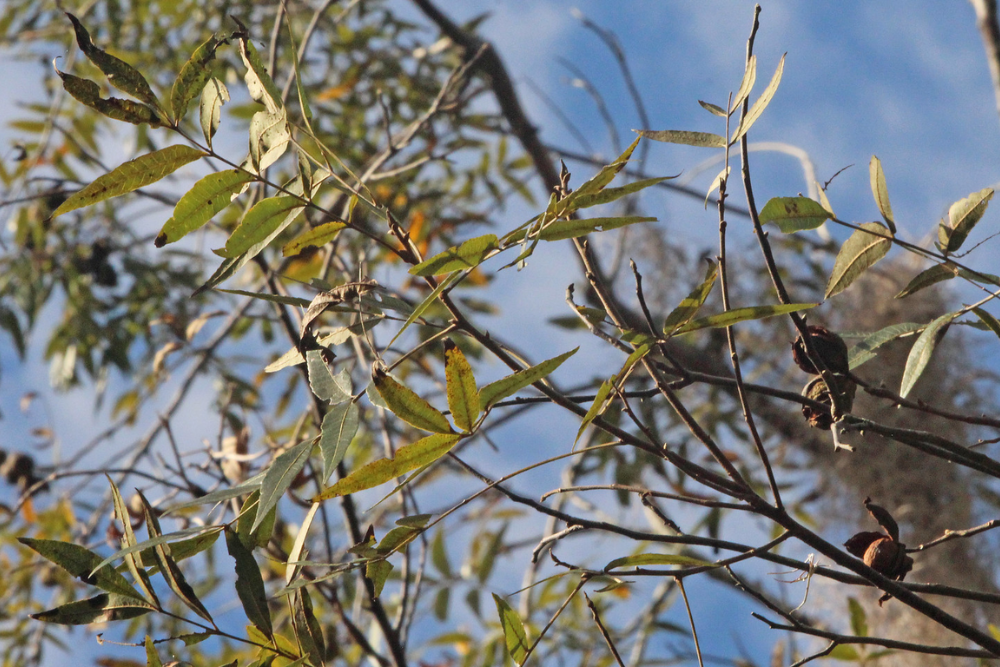
Water hickories develop massive, buttressed trunks that help them stay upright in soft, swampy soil. The bark becomes deeply furrowed with age, creating dramatic texture on mature specimens.
While most hickories prefer well-drained sites, water hickories actually struggle in dry conditions and perform best with consistent moisture.
Overcup Oak
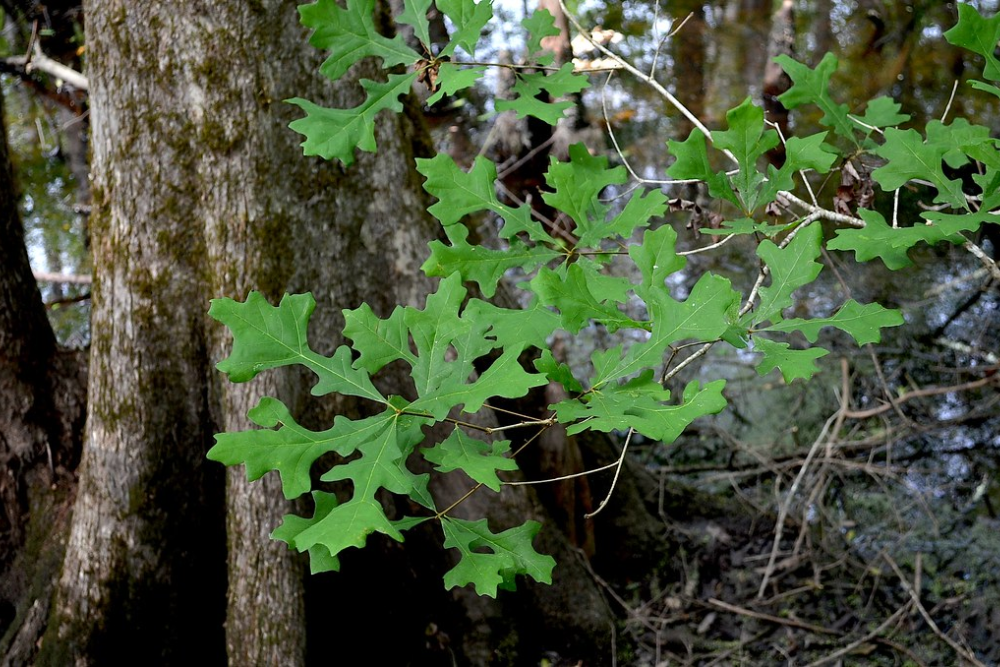
Overcup oaks produce acorns that are almost completely hidden by their caps, giving them their distinctive name. These trees excel in heavy clay soil where drainage is poor and other oaks fail.
The ability to switch between flood and drought tolerance makes them valuable for areas with unpredictable water levels.
Like Go2Tutors’s content? Follow us on MSN.
Peach-Leaved Willow
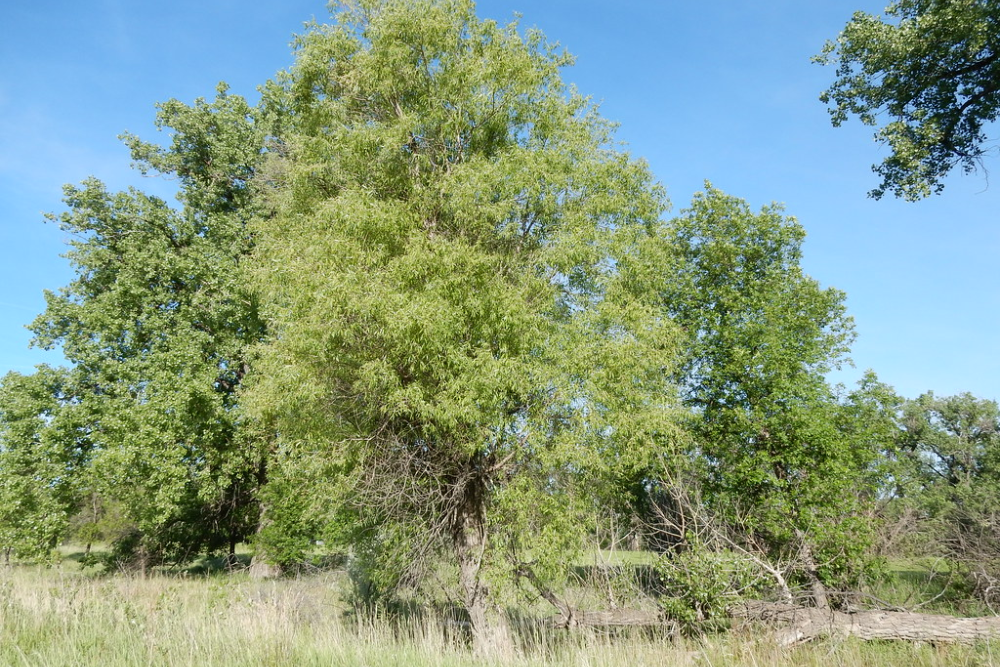
Peach-leaved willows offer all the flood tolerance of traditional willows but with more refined foliage. The narrow leaves create a softer texture than the broader-leaved willows, while the drooping branches add graceful movement to the landscape.
These trees root so easily from cuttings that restoration projects often use them for quick establishment.
Working With Water Instead of Against It
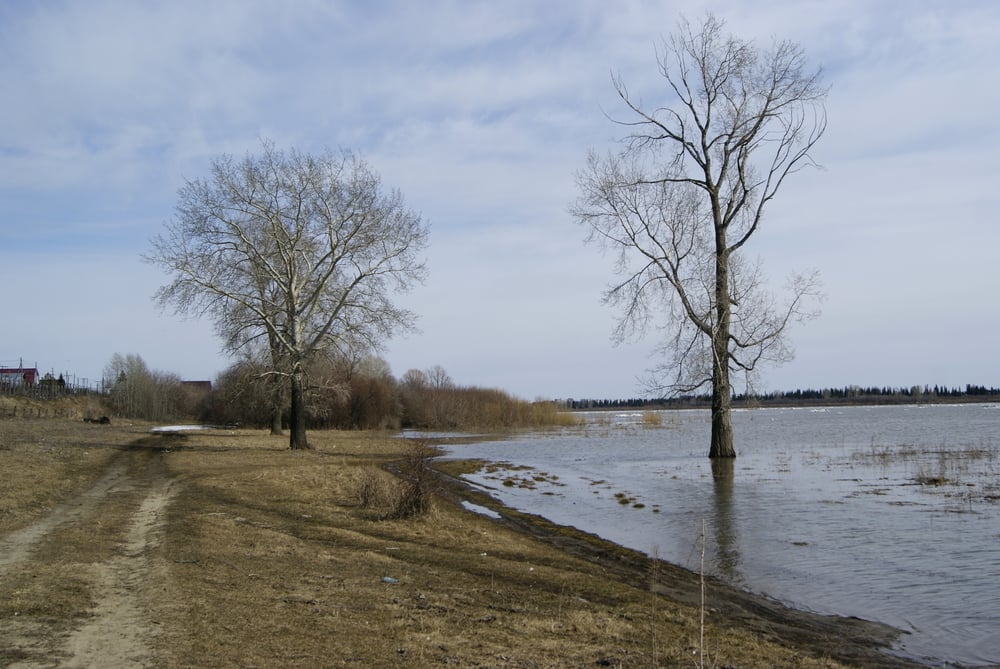
These wetland champions demonstrate how choosing the right species transforms problems into opportunities. Each tree brings something different to wet landscapes, from the ancient majesty of bald cypress to the quick establishment of willows.
Success in challenging sites comes from understanding what nature already does well, then supporting those natural processes rather than fighting them.
More from Go2Tutors!

- 16 Historical Figures Who Were Nothing Like You Think
- 12 Things Sold in the 80s That Are Now Illegal
- 15 VHS Tapes That Could Be Worth Thousands
- 17 Historical “What Ifs” That Would Have Changed Everything
- 18 TV Shows That Vanished Without a Finale
Like Go2Tutors’s content? Follow us on MSN.