26 Doctors Whose Findings Were Doubted
Medicine likes to remember its breakthroughs as moments of applause. The record says otherwise.
A surprising number of the ideas that now fill textbooks were first greeted with silence, ridicule, a lost job or a slammed door.
The people below were right, and most of them paid for it. Some lived long enough to collect a Nobel Prize, and others died before anyone apologized.
Ignaz Semmelweis and the Unwashed Hands

At Vienna General Hospital in 1847, the maternity ward staffed by doctors lost roughly one mother in ten to childbed fever, while the ward run by midwives lost far fewer. Semmelweis noticed that doctors came straight from the autopsy room.
He ordered them to scrub in chlorinated lime, and deaths on his ward fell to about one percent. Senior colleagues took the implication that they were killing patients as an insult.
He lost his post, grew erratic and bitter, and died in an asylum in 1865 at forty-seven, reportedly from an infected wound.
John Snow and the Broad Street Pump
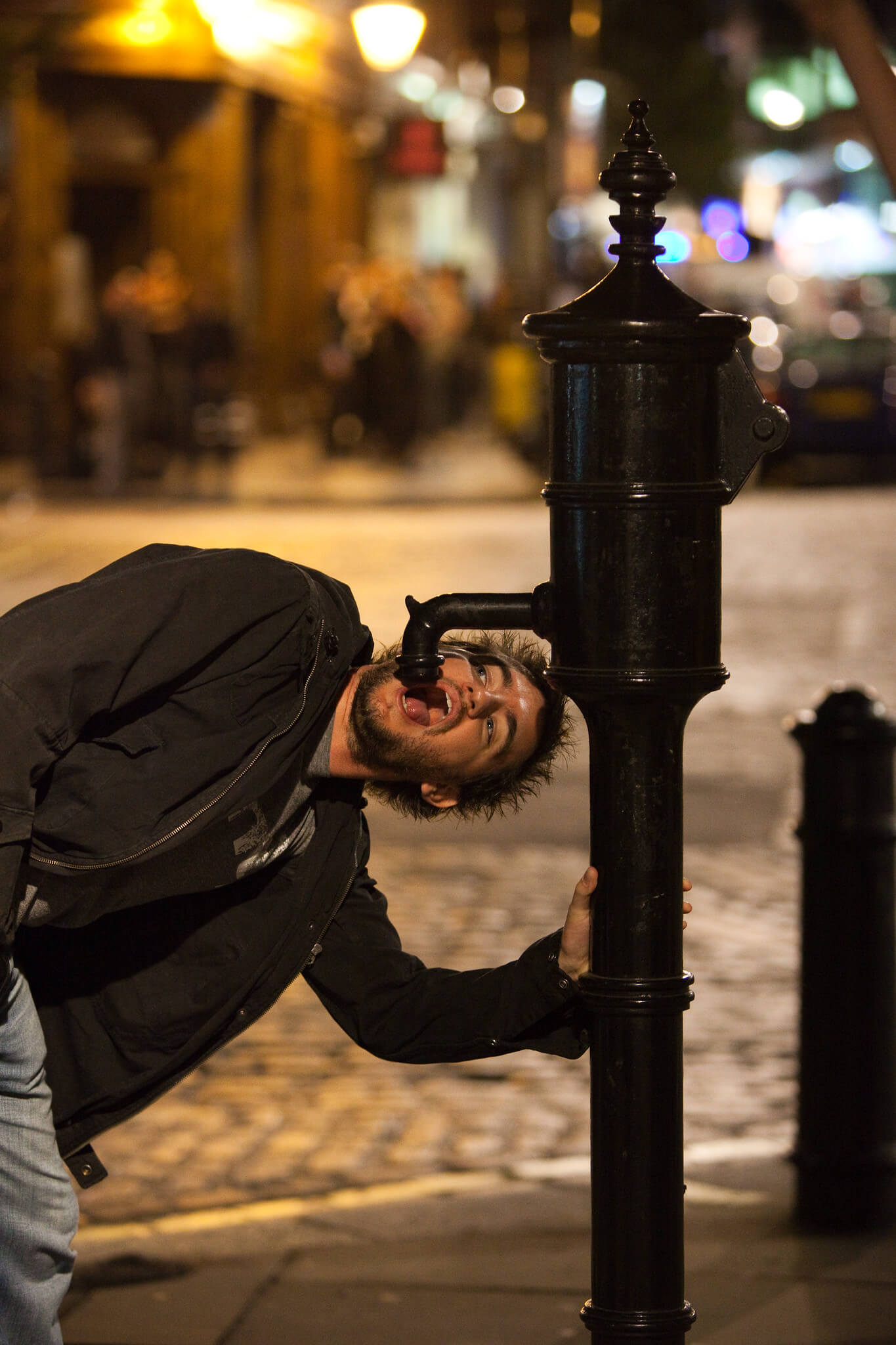
When a waterborne epidemic killed more than 600 people around London’s Soho in a few weeks of 1854, official opinion blamed bad air. Snow, a physician better known for giving Queen Victoria chloroform, plotted the deaths on a street map and found them clustered around one public pump on Broad Street.
He persuaded the parish to remove the handle. The Board of Health examined his theory and rejected it outright.
Snow died of a stroke in 1858, and a later outbreak in 1866 finally convinced the authorities that he had been right.
William Harvey and the Circulating Blood
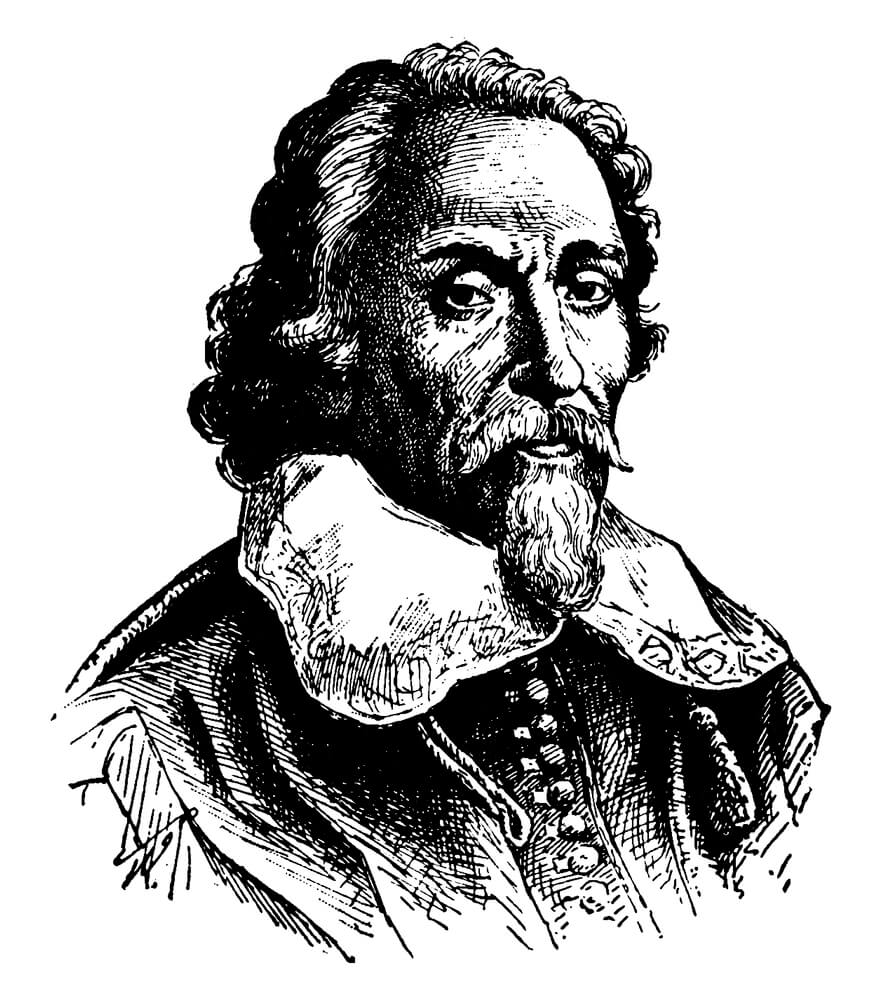
Harvey published his proof in 1628 that blood travels in a loop, pumped by the heart, and did it partly by arithmetic. He calculated that the heart moves more blood in half an hour than the entire body contains, so the liver could not possibly be manufacturing it fresh from food as Galen had taught for 1,400 years.
The Paris anatomist Jean Riolan attacked him in print. According to the biographer John Aubrey, Harvey’s practice fell off badly afterward because patients thought him crack-brained.
He lived to see the theory accepted, which was rarer than it sounds.
Andreas Vesalius and the Errors of Galen
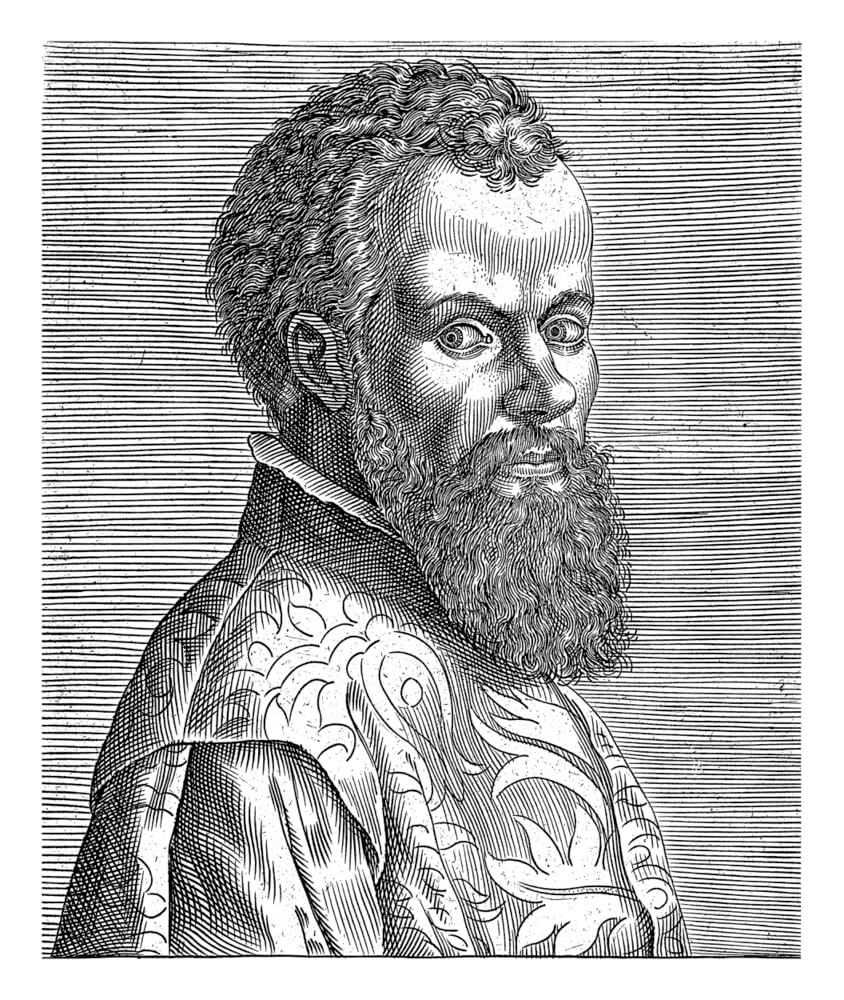
At twenty-eight, Vesalius published On the Fabric of the Human Body in 1543, an illustrated anatomy based on his own dissections of human corpses. It corrected around 200 errors in Galen, who had worked from apes, pigs and dogs.
The human lower jaw is one bone and not two, for instance, and the breastbone has three parts and not seven. His former teacher Jacobus Sylvius responded by calling him a madman in print and suggesting that the human body must have changed since ancient times.
Vesalius burned some of his notes in frustration and left teaching for court medicine.
Zabdiel Boylston and Boston’s Inoculation Riot
During the smallpox epidemic of 1721, Boylston was the only Boston physician willing to try inoculation, a technique the minister Cotton Mather had learned about from an enslaved West African man named Onesimus. Boylston began with his own six-year-old son.
Mobs threatened to hang him, someone threw a lit grenade through Mather’s window, and the town’s other doctors denounced the practice. Boylston kept records.
Of 242 people he inoculated, six died, about two and a half percent, against fourteen percent among those who caught the disease naturally. London’s Royal Society elected him a fellow in 1726.
Edward Jenner and the Cowpox Cartoonists
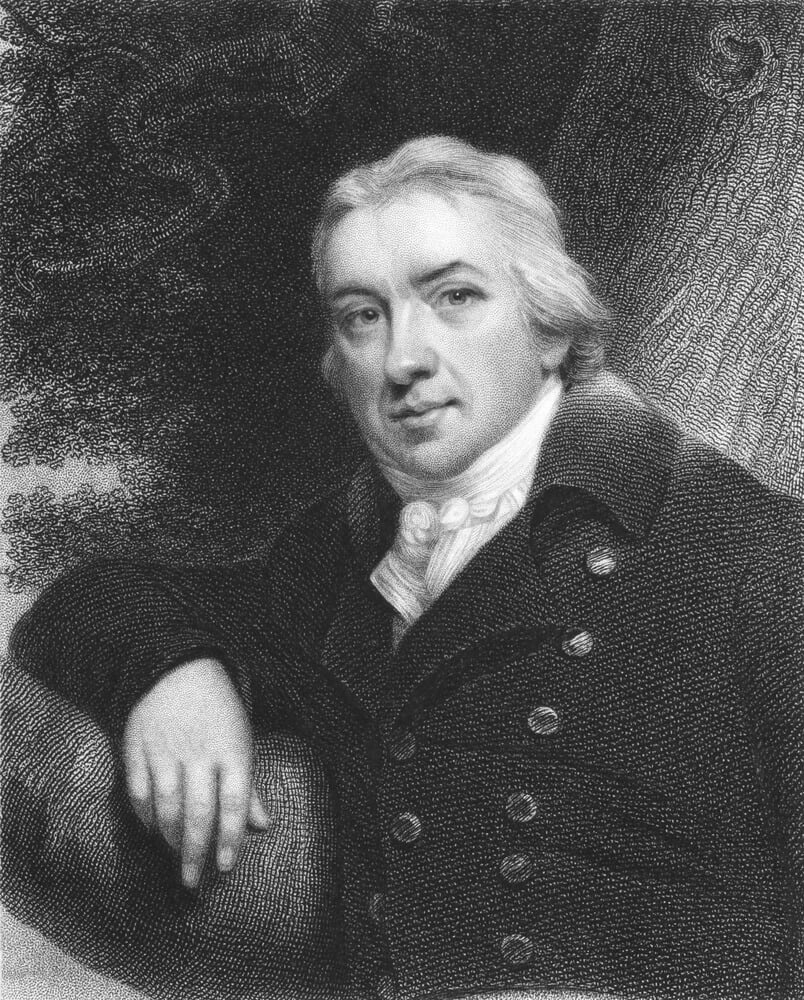
Jenner sent his first cowpox report to the Royal Society in 1797 and had it returned with the advice that he should not risk his reputation on something so at odds with established knowledge. He published at his own expense the following year.
London physicians resisted, clergy objected to mixing animal matter with human flesh, and a famous 1802 James Gillray cartoon showed vaccinated patients sprouting tiny cows from their arms and faces. Napoleon, by contrast, had his troops vaccinated and reportedly said he could refuse Jenner nothing.
Parliament eventually awarded him 30,000 pounds.
James Lind and the Navy’s Forty-Year Delay

Aboard HMS Salisbury in 1747, Lind took twelve sailors with scurvy, split them into six pairs and gave each pair a different remedy, from cider to seawater to vinegar. The two men given oranges and lemons recovered within a week.
It was arguably the first controlled clinical trial. Lind published in 1753, and the Admiralty did nothing.
Scurvy went on killing more British sailors than enemy action through the Seven Years’ War and the American Revolution. The Navy finally ordered lemon juice issued in 1795, the year after Lind died.
Jean-Antoine Villemin and Contagious Consumption

Most nineteenth-century physicians considered tuberculosis hereditary, a weakness of constitution that ran in delicate families. Villemin, a French army doctor, injected material from the lungs of dead patients into rabbits in 1865 and showed that the animals developed the same disease, while untreated rabbits stayed healthy.
The Academy of Medicine in Paris heard his results and dismissed them. Robert Koch identified the tuberculosis bacillus in 1882 and was showered with honors.
Villemin had demonstrated that the disease was transmissible seventeen years earlier and is now largely a footnote in Koch’s story.
Carlos Finlay and the Mosquito Theory
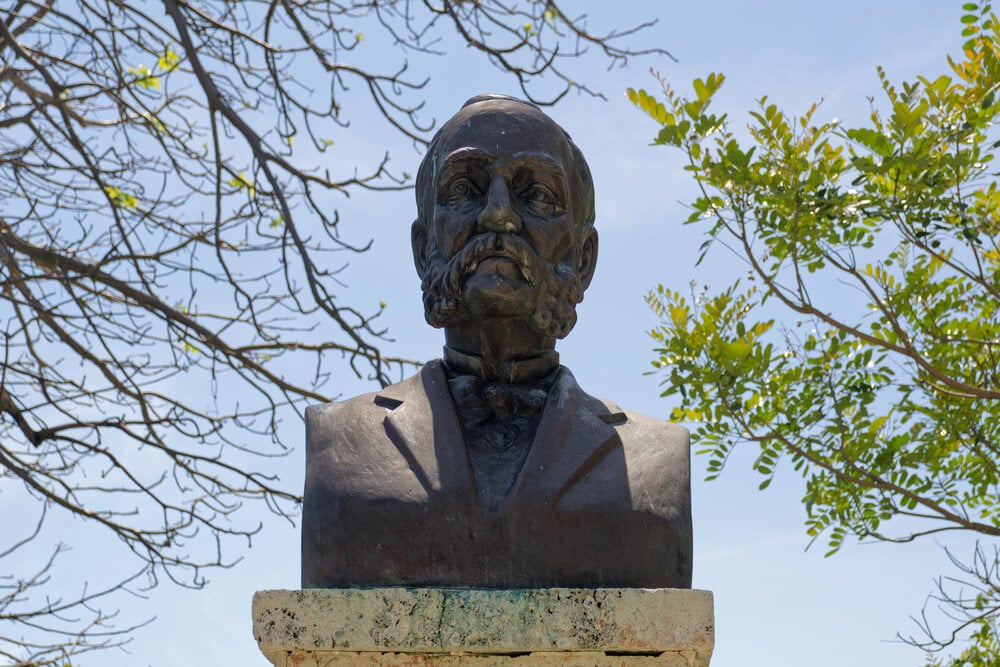
In 1881 the Cuban physician told an international conference, and then the Havana Academy of Sciences, that yellow fever was carried by a particular mosquito. He was received with polite silence, and for the next two decades was known around Havana as the mosquito man.
He ran about a hundred experimental inoculations trying to prove it. When Walter Reed’s army commission arrived in 1900, it used mosquito eggs supplied by Finlay to confirm the theory within months, and American textbooks long gave Reed the credit.
Finlay was nominated for the Nobel Prize seven times and never won.
Joseph Goldberger and the Filth Parties

Pellagra was killing thousands across the American South each year when the Public Health Service sent Goldberger to investigate in 1914. Everyone assumed a germ.
He noticed that orphans and prisoners got the disease while their well-fed staff never did, and he cured it in a Mississippi orphanage by adding meat and milk to the menu. Southern politicians resented the suggestion that the region’s poverty was the cause.
To silence the germ camp, Goldberger, his wife and colleagues swallowed capsules of scabs and excreta from patients. None fell ill.
The missing nutrient, niacin, was identified eight years after his death.
Peyton Rous and the Chicken Tumor
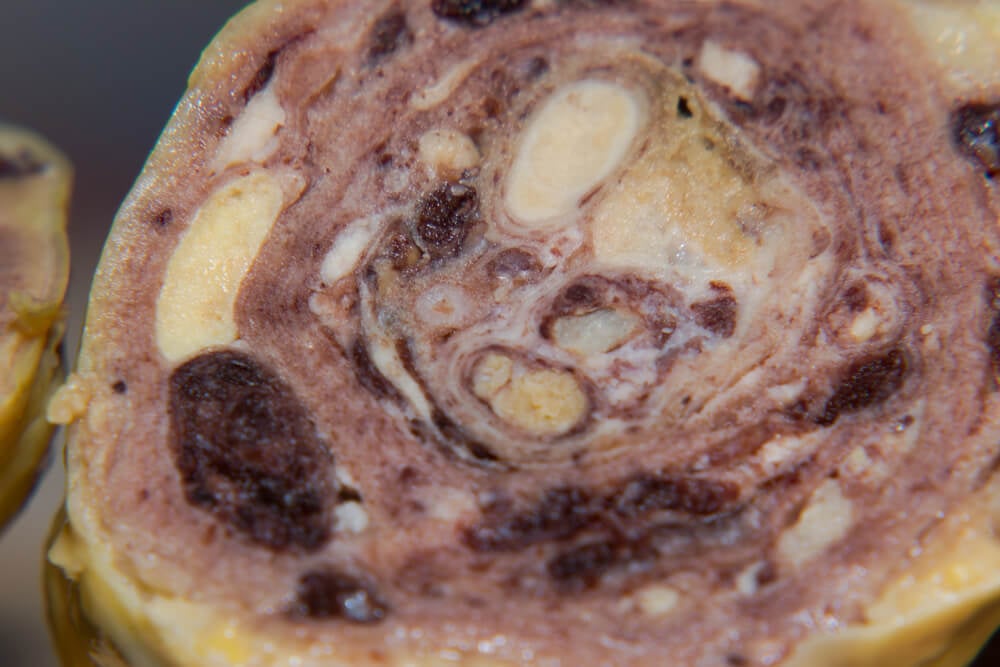
In 1911 a farmer brought a Plymouth Rock hen with a large breast tumor to the Rockefeller Institute. Rous ground up the tumor, passed it through a filter fine enough to remove every cell, and injected the clear fluid into healthy chickens, which grew the same cancer.
Something smaller than a cell was causing it. Colleagues dismissed the result as a quirk of poultry with no bearing on real cancer, and Rous eventually moved on to other work.
Tumor viruses became a major field decades later. He received the Nobel Prize in 1966, fifty-five years after the experiment, at eighty-seven.
William Coley and the Fever Cure for Cancer

Coley, a young New York bone surgeon, found hospital records in 1891 of a patient whose inoperable tumor had vanished after a severe skin infection. He began injecting cancer patients with killed bacteria to provoke the same fever, and some tumors shrank dramatically.
Results were inconsistent, the mechanism was unknown, and radiation therapy arrived offering doctors something more predictable. The American Cancer Society eventually placed his toxins on its list of unproven methods.
Immunotherapy is now a pillar of cancer treatment, and Coley is routinely described as the father of the field.
Ernest Codman and the End Result Idea

Codman, a surgeon at Massachusetts General Hospital, proposed something that now sounds obvious. Hospitals should follow every patient long enough to learn whether the treatment worked, and should publish the results, mistakes included.
He resigned in 1914 when the hospital refused to promote surgeons on merit. At a 1915 public meeting he unveiled a large cartoon showing his colleagues as an ostrich with its head in the sand, kicking golden eggs to the Back Bay establishment.
He lost his Harvard teaching post and much of his income. The modern system of hospital accreditation grew directly from his idea.
Werner Forssmann and the Catheter in His Own Heart
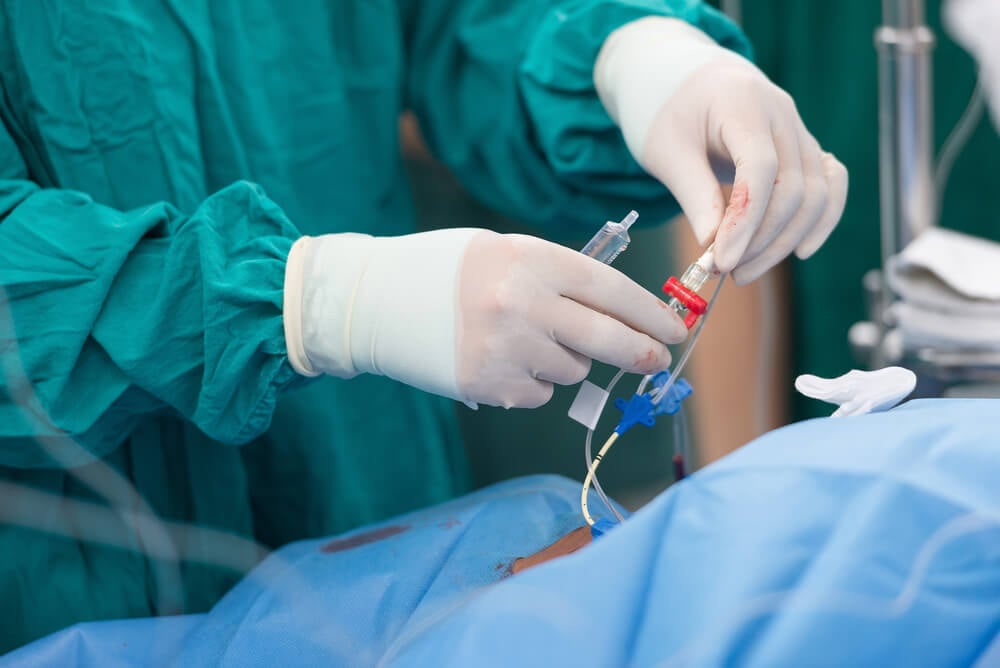
In 1929 the twenty-five-year-old German surgical trainee was forbidden to test his idea that a tube could be threaded safely into a living heart. He did it anyway, numbing his own elbow, pushing a urinary catheter 65 centimeters up the vein, and then walking down to the X-ray department to photograph the tip sitting in his right atrium.
He had tricked the nurse guarding the supplies by strapping her to the operating table as his supposed subject. His chief told him such stunts belonged in a circus.
Forssmann was working as a small-town urologist when the Nobel committee called in 1956.
Oswald Avery and the Stuff of Genes

In 1944 Avery, then sixty-six, and two younger colleagues at the Rockefeller Institute reported that the substance able to transform one strain of pneumonia bacteria into another was DNA. Nearly everyone believed genes had to be made of protein, since DNA seemed too chemically dull to carry information.
A respected colleague down the hall insisted for years that trace protein contamination explained the result. Avery was nominated for the Nobel Prize repeatedly and died in 1955 without it.
The committee’s failure to honor him is often cited as its most regrettable omission.
John Cade and the Lithium Guinea Pigs

Cade spent three and a half years as a prisoner of war in Changi, watching fellow inmates break down, and came home to Melbourne convinced that mental illness had a chemical basis. Working in a disused hospital pantry in 1948, he found that lithium salts made guinea pigs unusually calm.
He swallowed lithium himself to check its safety, then gave it to ten patients with mania. Some who had been hospitalized for years went home.
His 1949 paper was barely noticed, and lithium was not approved in the United States until 1970. It remains a frontline treatment for bipolar disorder.
Lawrence Craven and the Daily Aspirin

Craven was a family doctor in Glendale, California, who noticed in the 1940s that tonsillectomy patients chewing aspirin gum for the pain tended to hemorrhage afterward. He reasoned that a drug that thinned blood could prevent the clots behind heart attacks.
He put his middle-aged male patients on a daily tablet and reported in the 1950s that among roughly 8,000 of them, none had suffered a heart attack. He published in obscure regional journals, kept no control group, and was ignored.
Large randomized trials confirmed aspirin’s protective effect against heart attacks in the 1980s, three decades after his death.
Alice Stewart and the Prenatal X-Ray

Stewart, an Oxford epidemiologist working on a shoestring grant, interviewed the mothers of children who had died of cancer and compared them with mothers of healthy children. Her 1956 findings showed that a single diagnostic X-ray during pregnancy roughly doubled the risk of childhood cancer.
Obstetricians and the nuclear industry alike disliked the message that low doses of radiation could harm. Prominent colleagues questioned her methods for years, and her funding stayed meager.
A large American study confirmed the result in 1962. Routine X-rays of pregnant women continued in many hospitals into the 1970s.
Min Chiu Li and the Cure That Got Him Fired
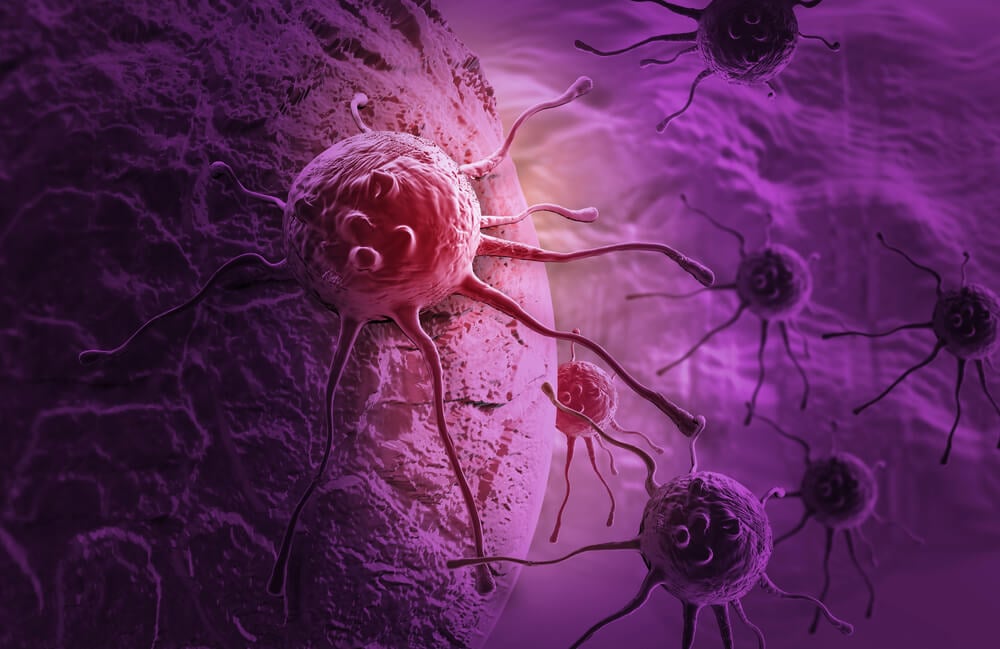
At the National Cancer Institute in the mid 1950s, Li treated women dying of choriocarcinoma, a fast-spreading cancer of the placenta, with methotrexate. He then did something unorthodox.
He kept dosing them after the tumors had disappeared, continuing until a hormone marker in their urine fell to zero, because he believed invisible cancer remained. His superiors considered this reckless experimentation on apparently healthy patients and dismissed him in 1957.
The women he treated to zero stayed cured, and the others relapsed. It was the first metastatic solid tumor cured by drugs, and Li shared a Lasker Award in 1972.
Jacques Miller and the Useless Thymus

In 1961 the thymus, a small organ behind the breastbone that shrinks after childhood, was widely considered a leftover with no function. Miller, a young researcher in London, removed it from newborn mice and found they wasted away, unable to fight infection or reject foreign skin grafts.
He concluded that the thymus produces a vital class of immune cell. Eminent immunologists suggested his mice were simply living in dirty converted horse stables and catching bugs.
Nobel laureate Peter Medawar called the organ an evolutionary accident. Miller was right, and T cells now sit at the center of immunology.
Judah Folkman and the Tumor’s Blood Supply
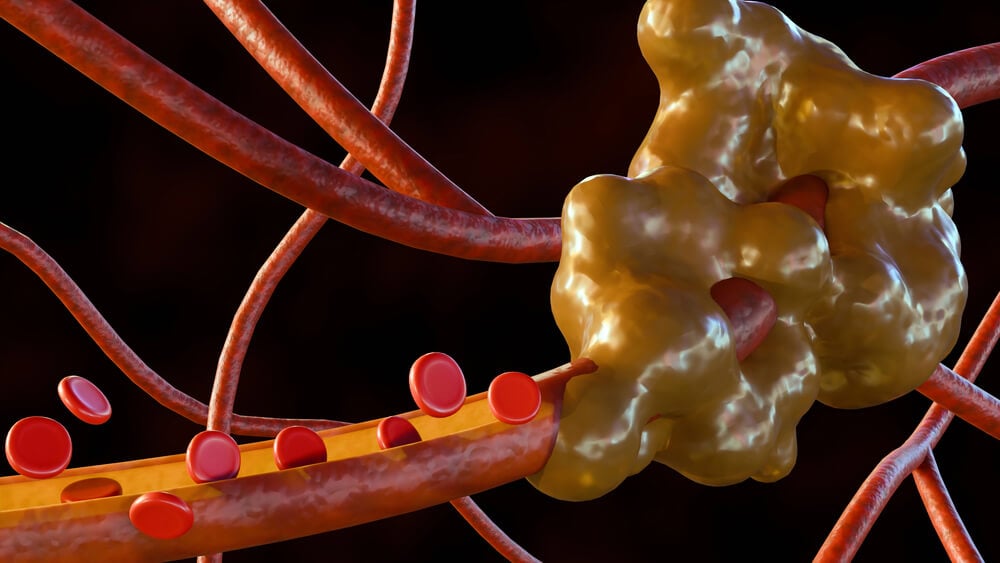
Folkman, a Boston pediatric surgeon, proposed in 1971 that tumors cannot grow beyond the size of a pinhead unless they recruit their own blood vessels, and that blocking this process could starve them. Cancer researchers were focused on killing tumor cells directly and regarded vessel growth as a side effect.
Audiences thinned when he rose to speak at conferences, and grant reviewers were openly scornful. He spent three decades isolating the signaling molecules involved.
The first drug based on his theory won approval in 2004, and related medicines now also treat a leading cause of blindness.
Bernard Fisher and the End of Radical Mastectomy

For some seventy years the standard operation for breast cancer removed the breast, the chest muscles beneath it and the lymph nodes of the armpit, on the theory that cancer spread outward in an orderly way. Fisher, a Pittsburgh surgeon, argued that the disease was in the bloodstream from early on, so a bigger operation could not catch it.
Surgeons accused him of endangering women, and many refused to enroll patients in his trials. His 1985 results showed that removing the lump followed by radiation gave the same survival.
Hundreds of thousands of women have since been spared the disfiguring surgery.
Stanley Prusiner and the Infectious Protein

In 1982 the San Francisco neurologist claimed that scrapie in sheep, and related brain diseases in people, were caused by a misfolded protein that contained no genetic material at all. He named it the prion.
The idea violated a central rule of biology, that anything infectious must carry DNA or RNA in order to reproduce. Critics called it heresy, his university nearly denied him tenure, and some funding dried up.
The mad cow crisis of the 1990s brought the theory urgent attention. Prusiner won the Nobel Prize alone in 1997, an unusual honor in modern science.
Barry Marshall, Robin Warren and the Ulcer Bug
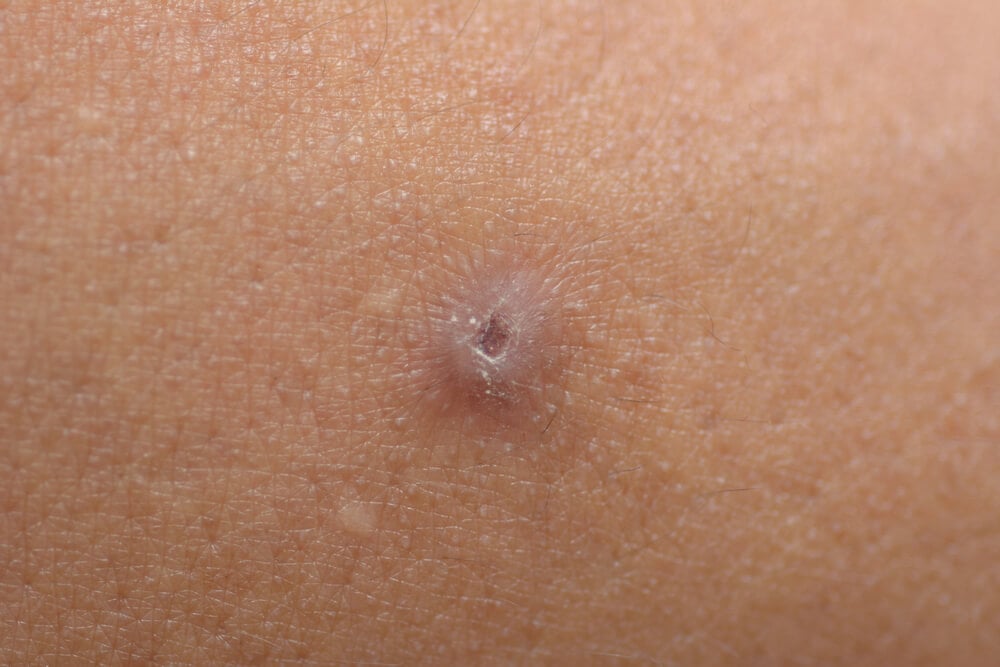
Everyone knew that ulcers came from stress and acid, and that bacteria could not survive in the stomach. Warren, a Perth pathologist, kept seeing spiral bacteria in biopsies, and Marshall, a trainee, managed to culture them in 1982 only because plates were accidentally left incubating over the long Easter weekend.
Their conference submission was rated among the worst received that year. Unable to infect lab animals, Marshall drank a broth of the bacteria himself in 1984, developed gastritis within days, and cured it with antibiotics.
The pair shared the Nobel Prize in 2005.
Harald zur Hausen and the Wart Virus
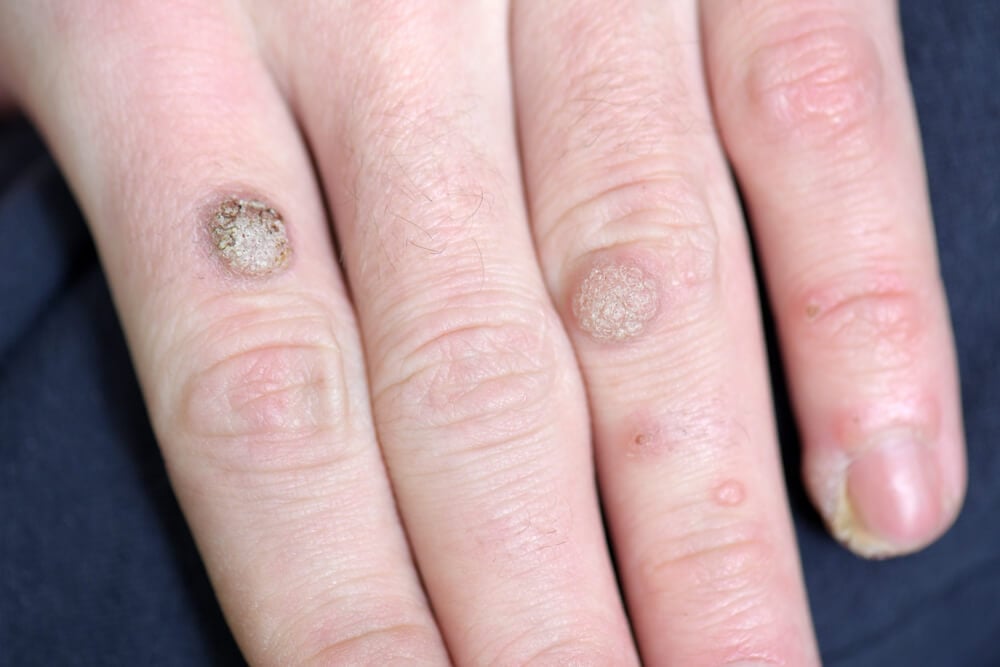
Through the early 1970s most researchers believed a herpes virus caused cervical cancer. At a 1974 conference in Florida, zur Hausen reported that he could find no trace of herpes in tumor samples and suggested that papillomaviruses, the cause of common warts, were the real culprit.
The room received him in stony silence. He spent the following decade hunting through tumor tissue and isolated two high-risk strains, HPV 16 and 18, in 1983 and 1984.
Those two account for about seventy percent of cervical cancers. His 2008 Nobel Prize arrived two years after the vaccine his work made possible.
Bennet Omalu and the Brain on His Autopsy Table

Omalu was a Nigerian-born forensic pathologist in Pittsburgh when the body of former Steelers center Mike Webster arrived on his table in 2002. Webster had died at fifty after years of confusion and homelessness.
His brain looked normal to the eye, so Omalu paid for special staining out of his own pocket and found tangles of abnormal protein usually seen in elderly dementia patients. He published the case in 2005 as chronic traumatic encephalopathy.
Doctors on the NFL’s head injury committee demanded the paper be retracted. The league publicly acknowledged the link years later.
The Lag Between Right and Recognized
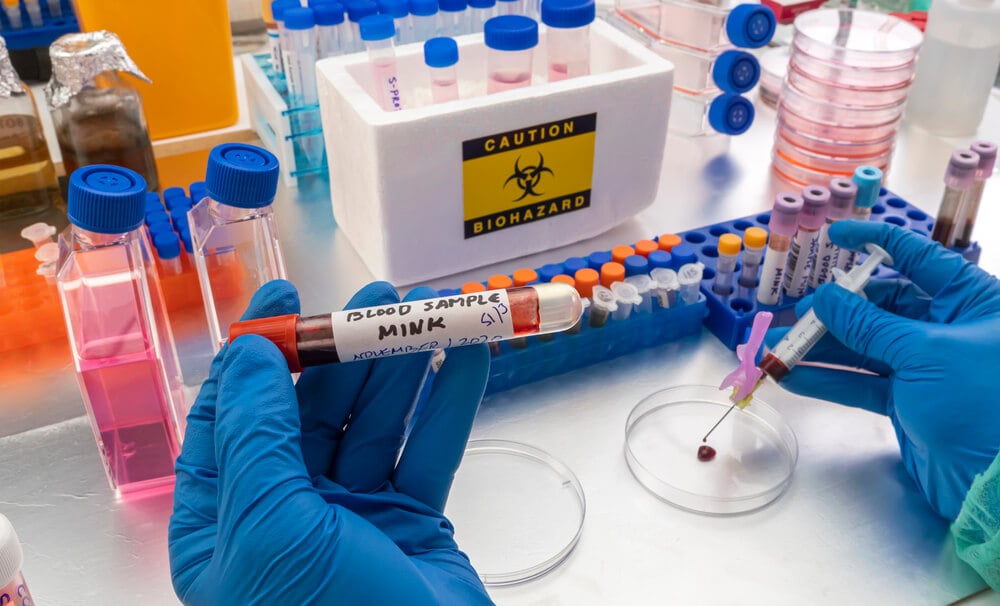
A pattern runs through these stories. The doubters were rarely fools, and they often had reasonable objections about method, sample size or mechanism.
What failed was the willingness to test an unwelcome idea quickly, especially when it implied that respected people had been harming their patients. The delays carried a body count. Sailors died of scurvy for four decades after the cure was published, and mothers died of childbed fever for a generation after the fix was shown.
Science corrected itself in every case here, and the correction arrived too late for a great many people who never knew there had been an argument.
More from Go2Tutors!

- The Romanov Crown Jewels and Their Tragic Fate
- 13 Historical Mysteries That Science Still Can’t Solve
- Famous Hoaxes That Fooled the World for Years
- 15 Child Stars with Tragic Adult Lives
- 16 Famous Jewelry Pieces in History
Like Go2Tutors’s content? Follow us on MSN.



