Blockbuster Nights vs Netflix Marathons: Movie Watching Then and Now
One moment you’re digging through shelves, next thing – endless choices glow on glass. Back then, luck decided if the tape was even in stock.
Now? A flicker of light pulls up nearly anything, anytime. Instead of driving around town, fingers drift across devices like they’re skimming clouds.
Picking something feels different when nothing runs out. What once took time now happens in blinks.
Watching films isn’t about trips or waits, it’s quiet moments shaped by impulse. Back when things were different, screens didn’t follow people everywhere.
These days, fingers scroll instead of flip pages. What once needed a living room now fits in a palm.
Time changed not only what we watch but where. Old routines gave way without warning.
Choices multiply while attention shrinks. Moments that used to gather crowds now happen alone.
Quiet headphones replace shared laughter on couches.
The Friday Night Trip to Blockbuster

Folks built real routines around Friday trips to grab films at the rental shop. Kids piled into the backseat after dinner, each allowed one choice off the shelf.
Smells of buttered corn and fresh-scrubbed floors hung between rows where workers in light-blue tops sorted stacks. Those outings settled into habit, something folks truly enjoyed week after week – choosing flicks turned into its own kind of celebration.
Browsing Shelves Vs Scrolling Thumbnails
Among those aisles at Blockbuster, bright rows of VHS sleeves and plastic DVD jackets stood like tiny billboards. Instead of tapping a screen, visitors lifted a box, turned it over, scanned the summary, lingered on artwork – then chose when something clicked.
Endless menus on Netflix may promise variety, yet staring into them feels strangely empty. Touching cardboard covers gave weight to picking a film; thumbnails float by without leaving marks, even if smart software predicts every move.
The Panic of Finding an Empty Shelf
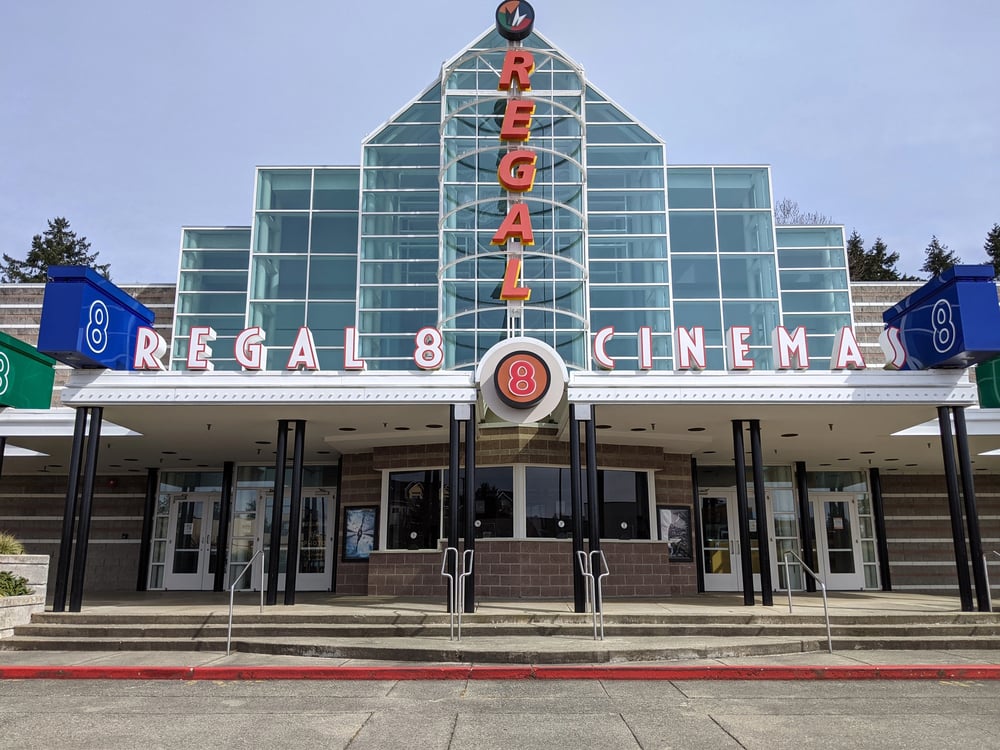
Imagine stretching your hand out for a brand-new album, just to grab air at an empty spot on the rack. Another person had already taken it – game over.
You either picked something less exciting or walked away with nothing. With streaming, that frustration vanished because online files do not disappear after one listen.
Still, gone is the quiet pride of grabbing the final version before anyone else noticed it was special. Fees piled up when tapes stayed past their time.
That nagging notice about rewinding? Always showed up right on schedule.
Choices Got Fewer, So Decisions Came Quicker
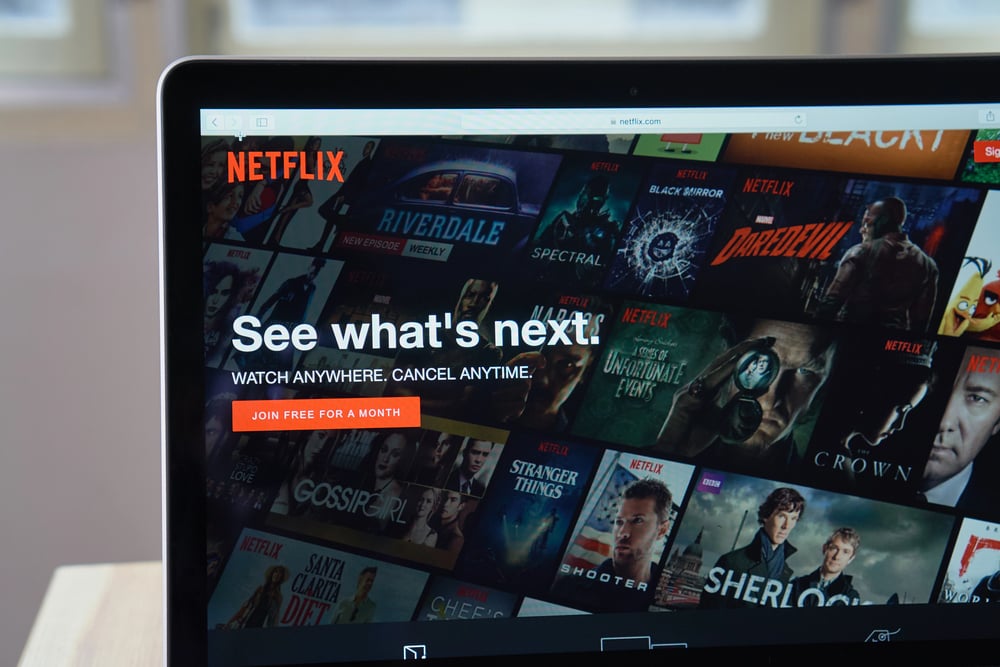
A handful of thousand movies filled even the largest Blockbuster shelves, give or take based on square footage. Because the pile stayed small, settling on one didn’t drag into hours of second-guessing.
Streaming vaults now pack fifty times that number, impressive until you’re stuck swiping past the same thumbnails again. What looks like freedom often freezes people mid-click, something dusty aisles somehow avoided.
Endless rows online create pressure reels and plastic cases never could.
Impulse Picks From the Checkout Display

Bright shelves near the register held sweets, kernels ready to pop, also flicks the shop hoped would sell. A quick pick might become a surprise hit or an instant regret – still, it brought a spark of chance.
Online picks arrive through silent math, sorting what you might like; not quite the same as choosing blind when a bold image catches your eye mid-wait.
Together, That’s How We Watched. It Just Happened That Way

Movie night once pulled folks into a single living room around a single set. Together, families settled in, while friends filled the couch for group viewings, couples turned rentals into evenings worth marking.
Laughter, gasps, chatter – they wove moments between viewers, stitching attention tightly. These days, screens scatter across bedrooms, kitchens, even bathrooms – each person glued to their own stream.
What used to unite now quietly divides, one headphone pair at a time.
Commercial Breaks Vs Uninterrupted Streaming

Movies you rent just run from start to finish, while cable often breaks them up with endless ads. Because of that, watching felt more like an event.
Now, streaming keeps that smooth flow alive – but certain apps sneak in commercials again if you skip paying more. Still, skipping ads altogether? That idea first took off with rentals.
It now stands out most on high-end plans people pick when they want peace.
Physical Media You Could Actually Own

Buying a VHS tape or DVD meant owning it forever, building personal collections that lined living room shelves. People could watch their favorites repeatedly without monthly fees or internet connections.
Streaming turned ownership into access, where content appears and disappears based on licensing deals. That shift means beloved movies might vanish from platforms without warning, something that never happened with a purchased tape sitting on the shelf.
Staff Recommendations Vs Algorithms

Blockbuster employees developed relationships with regular customers and offered personalized suggestions based on actual conversations. These interactions felt human and often led to discovering hidden gems.
Streaming algorithms track viewing habits and make predictions, but they lack the personal touch of someone who knows your taste through real discussion. The difference between human intuition and data analysis shows in the quality and unexpectedness of recommendations.
New Releases Had Genuine Hype

Big movie releases created genuine excitement at rental stores, with cardboard displays and reserved copies for pre-orders. The competition to grab new titles first made them feel like limited-edition items.
Streaming platforms release content quietly in comparison, and while some shows build buzz through social media, the physical presence of a hyped release at Blockbuster created an atmosphere that digital platforms struggle to match.
Launch day at the video store carried energy that clicking a thumbnail just doesn’t deliver.
The Social Aspect of Running Into Neighbors

Video stores doubled as community gathering spots where neighbors ran into each other and chatted about recent watches. These casual encounters built connections and created shared cultural moments within local areas.
Streaming is solitary by nature, with viewing happening behind closed doors and conversations moving to online forums filled with strangers. The neighborhood bonding that happened naturally at Blockbuster doesn’t have a real equivalent in the streaming age.
Scratched Discs and Tracking Issues

Rentals came with technical risks that tested patience and sometimes ruined viewing experiences. DVDs got scratched and skipped through crucial scenes, while VHS tapes developed tracking problems that made picture quality terrible.
Streaming eliminated these physical media problems, though it introduced new ones like buffering, connection drops, and quality downgrades when internet speeds lag. Technology improved reliability in some ways while creating different frustrations in others.
Weekend Watching Vs Daily Consumption

Renting movies felt like a special weekend treat rather than an everyday activity. The effort required to get to the store and the rental fees meant people saved movie nights for when they really wanted them.
Streaming’s convenience and flat monthly rate turned movie watching into a casual daily habit instead of a planned event. That shift from occasional treat to constant availability changed how people value and appreciate the content they consume.
Building Anticipation Through Planning
Deciding which movie to rent required thought and discussion that built excitement before viewing even started. Families debated options during the car ride, friends called ahead to see what was available, and the whole process created anticipation.
Streaming’s instant gratification removes that build-up entirely. The wait and effort that went into Blockbuster nights made the actual watching feel more rewarding, whereas instant access can make content feel disposable.
Where Movie Memories Live Now
Blockbuster created memories tied to physical places and shared experiences that people still talk about decades later. The blue-and-yellow storefront, the smell of the aisles, the frustration of late fees, all became part of personal history.
Streaming offers convenience and selection that rental stores couldn’t match, but it produces fewer memorable moments beyond the content itself. The ritual of going somewhere for entertainment left a different kind of imprint than simply opening an app from the couch, and that difference matters when people look back on how they spent their time.
More from Go2Tutors!

- The Romanov Crown Jewels and Their Tragic Fate
- 13 Historical Mysteries That Science Still Can’t Solve
- Famous Hoaxes That Fooled the World for Years
- 15 Child Stars with Tragic Adult Lives
- 16 Famous Jewelry Pieces in History
Like Go2Tutors’s content? Follow us on MSN.