Bizarre Beauty Treatments from History
Throughout history, folks pursued strange fixes just to feel prettier. Certain methods seem harsh today.
Some come off as gross. A handful even led to death.
Still, they carried on – looking right, beat feeling fine.
Crocodile Dung Face Masks

Ancient Egyptians rubbed crocodile excrement on their faces. They mixed it with mud and sometimes fermented wine to create a paste.
The wealthy elite believed this mask tightened skin and reduced wrinkles. Cleopatra supposedly loved it enough to write about it in her beauty book.
The weird part is they were onto something. Crocodile dung contains antimicrobial properties and certain enzymes that benefit skin.
The Greeks and Romans borrowed this treatment later, adding it to their spa baths. Still disgusting, but apparently effective.
Lead-Based Face Powder
Pale skin meant wealth in Europe for centuries. If you were pale, you didn’t work outdoors in the sun.
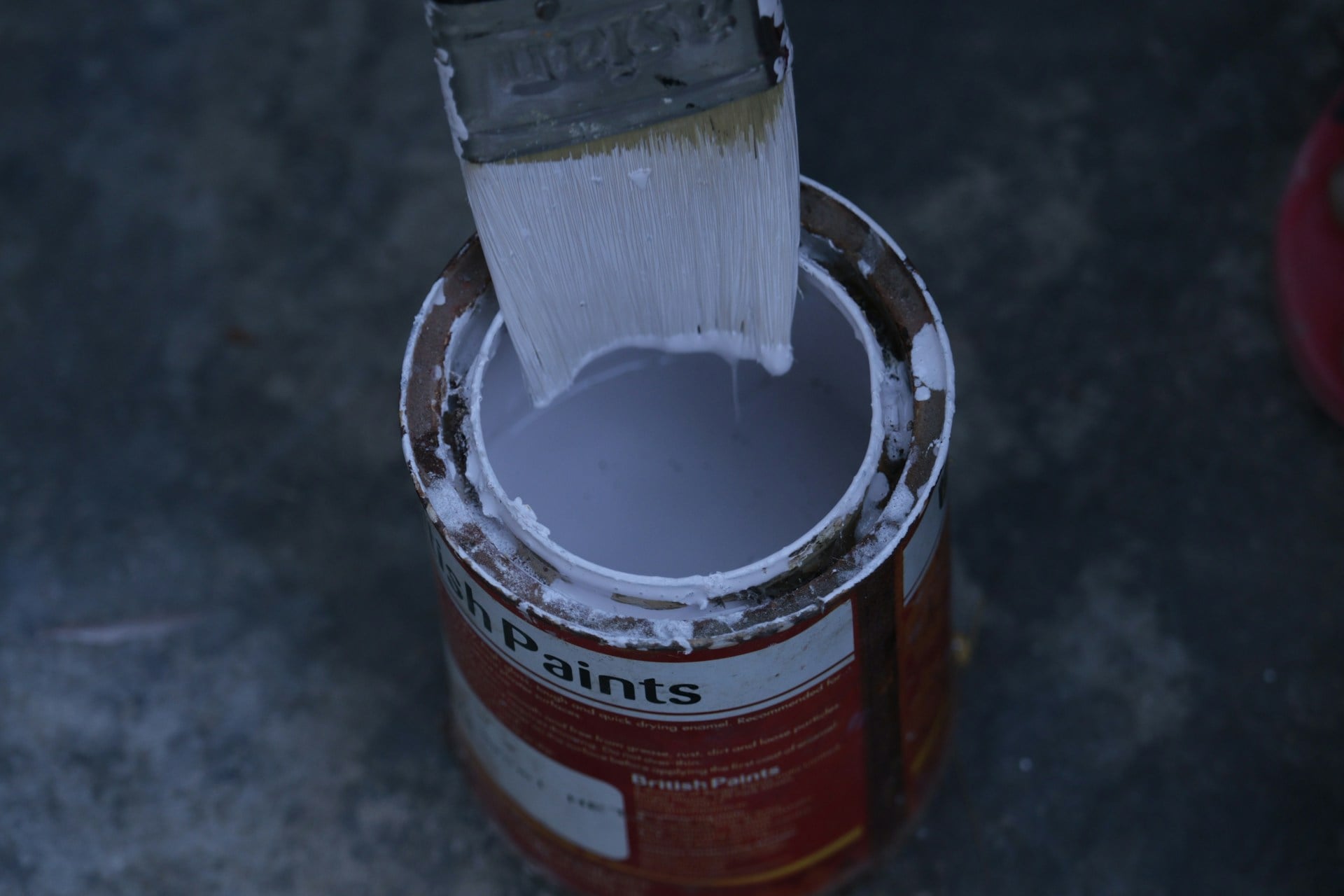
To achieve that ghostly white look, people applied Venetian ceruse, a mixture of white lead, vinegar, and water. The powder worked.
It made the skin look porcelain white. It also poisoned users slowly over time.
The lead caused hair loss, muscle paralysis, skin inflammation, and eventually death. Queen Elizabeth I famously wore this makeup.
By the end of her life, her face was scarred and damaged from years of poisoning herself daily.
Urine as Mouthwash

Romans used urine to whiten teeth and freshen breath. The ammonia in urine actually works as a disinfectant and whitening agent.
People collected urine, let it age to strengthen the ammonia content, then used it to rinse their mouths. This practice stuck around until the 18th century.
Some Roman bathhouses even imported urine from regions known for higher quality. The phrase “money doesn’t stink” comes from Emperor Vespasian defending his tax on urine collection.
It was valuable stuff.
Nightingale Droppings Facials

Japanese geishas rubbed bird feces on their faces. Specifically, nightingale droppings ground into powder.
The guanine compound in the droppings brightened and softened skin, creating that porcelain look geishas needed. This treatment still exists today in high-end Japanese spas.
The droppings get sanitized and turned into powder, then applied as a facial. People pay good money for it because the treatment genuinely works for brightening and evening out skin tone.
Arsenic Complexion Wafers
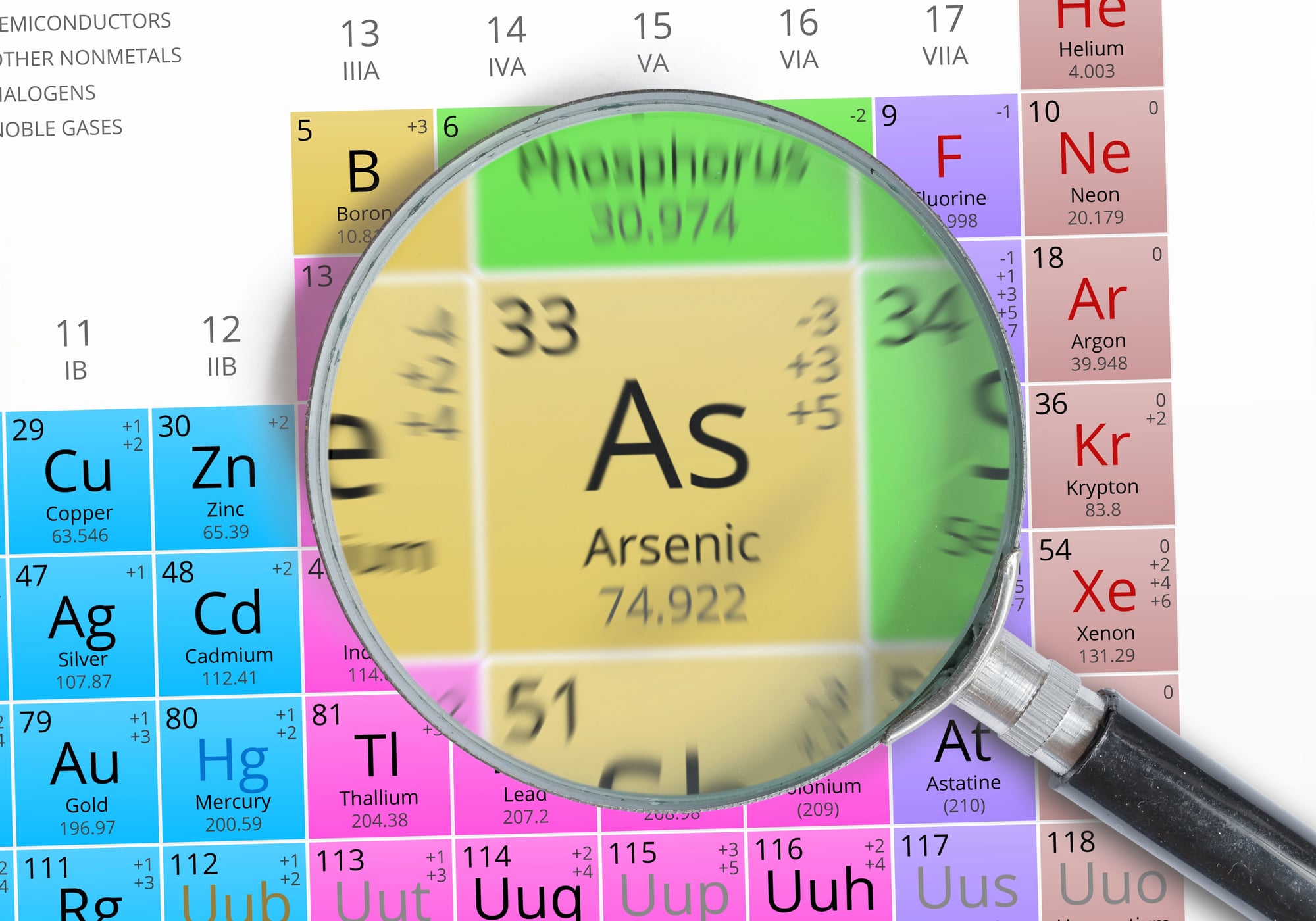
Victorian women ate arsenic. Small tablets promised clear, glowing skin from the inside out.
The arsenic did create a pale, delicate complexion by essentially poisoning the person just enough to make them look fragile. The side effects included hair loss, chronic illness, and death.
Multiple women died before authorities finally banned these wafers. But the desire for pale skin was so strong that women kept using them despite knowing the risks.
Mouse Fur Eyebrows

Lead makeup caused eyebrow loss. The solution? Glue mouse pelts to your face.
Women cut strips of mouse fur, shaped them like eyebrows, and stuck them on with adhesive. Real mice skin on real human faces.
This trend came from the same era as lead-based makeup. Women destroyed their natural eyebrows with poison, then replaced them with dead rodents.
Modern fake eyebrows suddenly seem reasonable in comparison.
Gold and Honey Face Masks

Ancient Greeks applied gold mixed with honey to their faces. Aristocrats believed gold could prevent aging and create a radiant glow.
The honey provided actual moisturizing benefits, but the gold did nothing except create temporary shimmer. This treatment was expensive and pointless.
The gold offered zero skincare benefits but rich people kept using it because it felt luxurious. Sometimes beauty treatments are more about status than results.
Clay Eating for Pale Skin

Spanish women during the Golden Age ate clay to lighten their complexions from the inside. The clay worked.
It made skin paler. It also caused anemia and chlorosis, a condition that turns skin greenish-white due to iron deficiency.
Eating clay deprived the body of nutrients and made women genuinely ill. But pale skin signaled wealth and refinement, so they kept eating it.
The sicker you looked, the more beautiful you appeared.
Quicklime and Arsenic Hair Removal
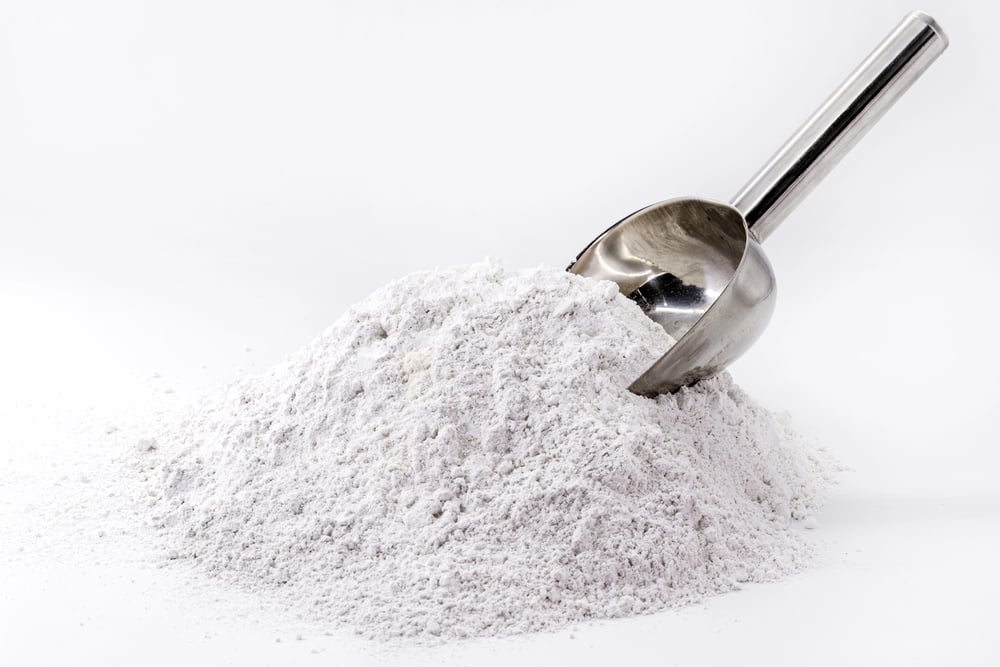
Renaissance women boiled quicklime and arsenic together, then poured the mixture on their legs to remove hair. They wiped it off right before their skin started peeling.
The timing was critical. Too long and you’d burn layers of skin off.
This method caused irritation, chemical burns, and arsenic poisoning. Modern waxing suddenly seems gentle.
But unwanted hair was unacceptable, so women risked permanent damage for smooth skin.
Belladonna Eye Drops

Italian and Victorian women dripped deadly nightshade extract into their eyes to dilate their pupils. Large, dark pupils were considered seductive and beautiful.
The plant’s name, belladonna, literally means “beautiful woman” in Italian. The side effects included blurred vision, headaches, vertigo, and eventual blindness with extended use.
Women accepted temporary or permanent vision loss for a striking, wide-eyed appearance. Some things mattered more than seeing clearly.
Towering Wigs with Animal Fat

Pre-Revolutionary French aristocrats wore enormous wigs reaching up to one and a half times their face height. These structures used wood frames, wire supports, and stuffing made of cotton, wool, and straw.
Hair draped over the frame, held in place with beef fat or bear grease, then covered in powder. The animal fat attracted lice.
It also caught fire easily. Women walked around with flammable, lice-infested hair sculptures on their heads.
The wigs left scalp scars and caused infections, but fashion demanded height and excess.
Corsets That Stopped Breathing

Victorian women cinched their waists to extreme degrees using corsets with metal eyelets. The goal was a wasp waist, an hourglass figure so exaggerated it looked inhuman.
Some aimed for 14-inch waists, though most couldn’t actually achieve that without passing out. The restricted breathing caused constant fainting spells.
Corsets also worsened pneumonia and tuberculosis by compressing lungs. Women died from respiratory illnesses made worse by tight lacing.
But the tiny waist looked feminine and fashionable, so they kept tightening the strings.
Foot Binding for Tiny Feet

Chinese families broke their daughters’ toes and wrapped them tightly to prevent normal growth. The practice started around age four to seven.
All toes except the big toe were broken and bound, creating tiny feet called lotus feet. This wasn’t just painful.
It caused lifelong disability, frequent infections, and sometimes death from complications. Women with bound feet couldn’t walk normally.
That was the point. Tiny feet showed the family was wealthy enough that their daughter didn’t need to work.
The practice lasted from the 10th century into the 1900s.
Blue Veins Drawn on Skin
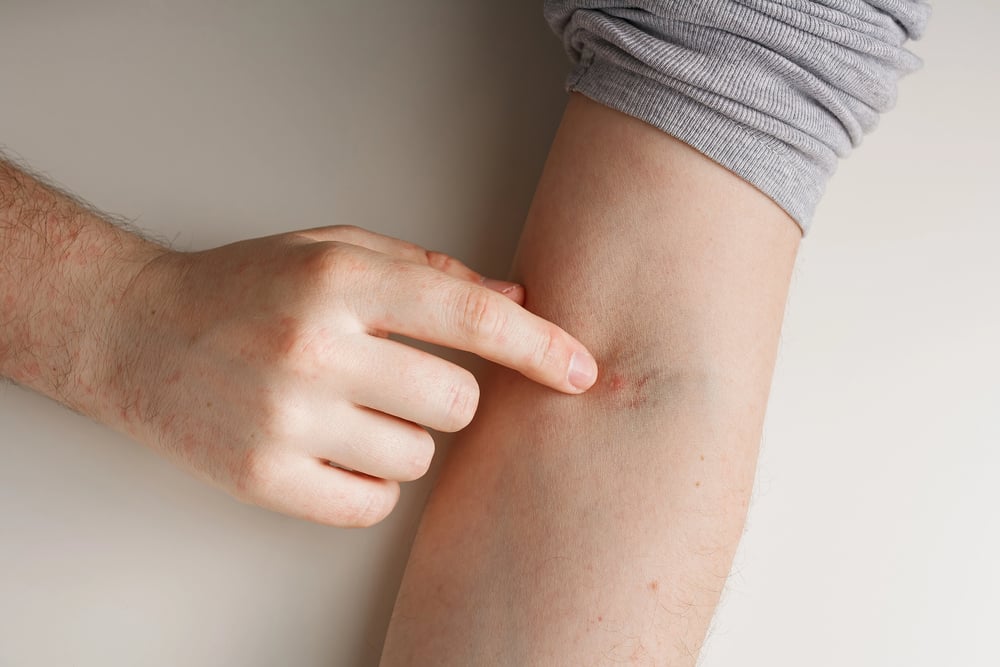
Women in the 1700s drew blue lines on their skin with pencil to emphasize their veins. Visible blue veins proved skin was pale and translucent enough to see through.
It signaled aristocratic blood and indoor living. They literally drew fake veins on themselves to look paler and more delicate.
The goal was appearing fragile, almost sickly. Health and vitality were working-class traits.
Beauty meant looking like you might faint at any moment.
What Beauty Cost

These cures have one thing in common besides feeling odd – they caused pain. Hurt came first.
Poison followed close behind. Some lost their strength or couldn’t move right.
Still, folks kept using them since looking good meant fitting tight rules. Looking nice often meant trading safety, clear thoughts, even survival.
Rules shift. Things that felt crucial back then seem silly today.
Our current fixes could shock folks 100 years ahead. Looking good always demanded some pain.
But here’s the real issue – how much agony actually pays off.
More from Go2Tutors!

- The Romanov Crown Jewels and Their Tragic Fate
- 13 Historical Mysteries That Science Still Can’t Solve
- Famous Hoaxes That Fooled the World for Years
- 15 Child Stars with Tragic Adult Lives
- 16 Famous Jewelry Pieces in History
Like Go2Tutors’s content? Follow us on MSN.