14 Natural Sounds Recorded by Scientists
Nature’s symphony surrounds us daily, though many of its most fascinating movements remain hidden from our ears. Throughout history, scientists have captured remarkable audio phenomena that reveal the secret languages and acoustic marvels of our world. Some of these recordings have fundamentally changed our understanding of how the natural world communicates.
Here is a list of 14 remarkable natural sounds that scientists have managed to record and study, each one offering a unique window into the acoustic wonders of our planet.
Sand Dunes Singing

Under ideal circumstances, some sand dunes can create resonant, deep humming noises that last for many minutes. Vibrations with frequencies between seventy and one hundred five hertz are produced when wind forces sand grains across the steep sides of dunes.
Each dune has its own distinct acoustic signature, according to scientists who have recorded these “singing dunes” in desert locations from Morocco to Chile. The resulting sounds resemble musical instruments being played by the wind.
Ice Shelves Drumming

Antarctica’s enormous ice shelves produce low-frequency vibrations that human ears cannot detect unless they are wearing specialized gear. Scientists who have made these vibrations available for recording have discovered that ice shelves are essentially giant musical instruments.
Vibrations travel through them at different speeds depending on temperature and snow cover. These recordings allow scientists to monitor the health and stability of these critical ice structures as climate change continues.
Like Go2Tutors’s content? Follow us on MSN.
Trees Drinking Water

Using specialized microphones, scientists have recorded the subtle sounds of water moving through tree trunks during transpiration. The recording captures thousands of tiny bubbles forming and popping as water moves through the xylem tissues.
During drought conditions, these recordings become more pronounced as air bubbles form in the water columns. The distinctive ‘pops’ indicate the tree is experiencing stress.
Coral Reef Symphonies

Healthy coral reefs are surprisingly noisy places, with recordings revealing a complex soundscape of snapping shrimp, grunting fish, and the subtle sounds of coral polyps themselves. Scientists have established that reef noise works as a crucial navigational tool for larval fish and invertebrates seeking to settle on reefs.
The dramatic difference between recordings of healthy versus degraded reefs has become an important tool in conservation assessment. Sound can help restore reef systems by attracting marine life back to recovering areas.
Volcanic Infrasound
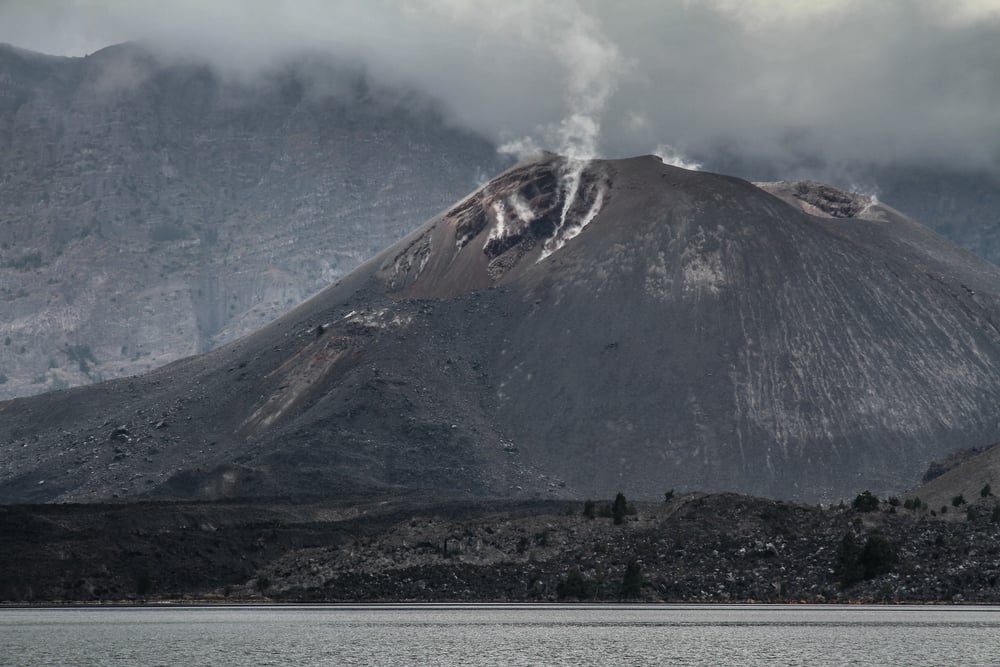
Volcanoes produce powerful sound waves below a human’s range of hearing that have the ability to travel thousands of miles. Scientists detect these infrasound signatures with special equipment, producing profiles to forecast eruptions.
Each volcano possesses its own acoustic ‘fingerprint’ based on its unique chamber and vent arrangement. These are discovered to have been highly useful for early warning systems at active volcanic sites.
Like Go2Tutors’s content? Follow us on MSN.
Auroras Crackling

The northern and southern lights don’t just create visual displays—they also generate audible sounds that scientists have managed to record. These recordings capture faint crackling, whooshing, and popping noises created when solar particles collide with gases in Earth’s atmosphere.
For centuries, indigenous peoples of the Arctic reported hearing auroras. Scientists only recently verified these accounts through sophisticated audio equipment placed directly in the field.
Whale Songs Across Oceans

Over decades of research, scientists have documented increasingly intricate patterns in the hundreds of miles that humpback whales can travel underwater. Individual whales share and alter acoustic patterns to create their unique songs.
These songs have become increasingly complex over time. Recordings from earlier decades compared to modern samples reveal cultural transmission among whale groups.
Earth’s Background Hum

Our planet produces a constant, ultra-low-frequency vibration that scientists have managed to record through seismometers. This planetary ‘hum’ happens even when there’s no earthquake activity.
It is caused by ocean waves interacting with the seafloor and atmosphere. The recordings help researchers understand Earth’s internal structure, much like how medical ultrasounds create images.
Like Go2Tutors’s content? Follow us on MSN.
Mountain Glacier Movements

Glaciers produce an array of sounds as they slowly travel downslope, from deep rumbles to high-pitched squeaks. Scientific recordings capture the sounds of ice compressing, crevasses forming, and meltwater carving tunnels through these massive ice rivers.
Acoustic monitoring of glaciers has become an important tool for climate scientists. Changes in the frequency and character of these sounds indicate shifting glacial dynamics.
Plant Root Growth

Using extremely sensitive piezoelectric sensors, researchers have recorded the delicate sounds of plant roots growing through soil. These recordings capture both the physical movement of the root tip and the subtle cracking of soil particles as they’re pushed aside.
Scientists can distinguish between different species based on their root growth acoustics. Faster-growing plants typically produce more frequent sounds.
Underground River Networks

Scientists have recorded complex water systems flowing through limestone caves using hydrophones placed in strategic locations. These recordings reveal the extent of underground watersheds and help map inaccessible cave passages by tracking the movement of water.
The distinct echoes and resonances in different cave chambers create unique acoustic signatures. They allow researchers to estimate chamber size and shape without physical exploration.
Like Go2Tutors’s content? Follow us on MSN.
Shifting Tectonic Plates
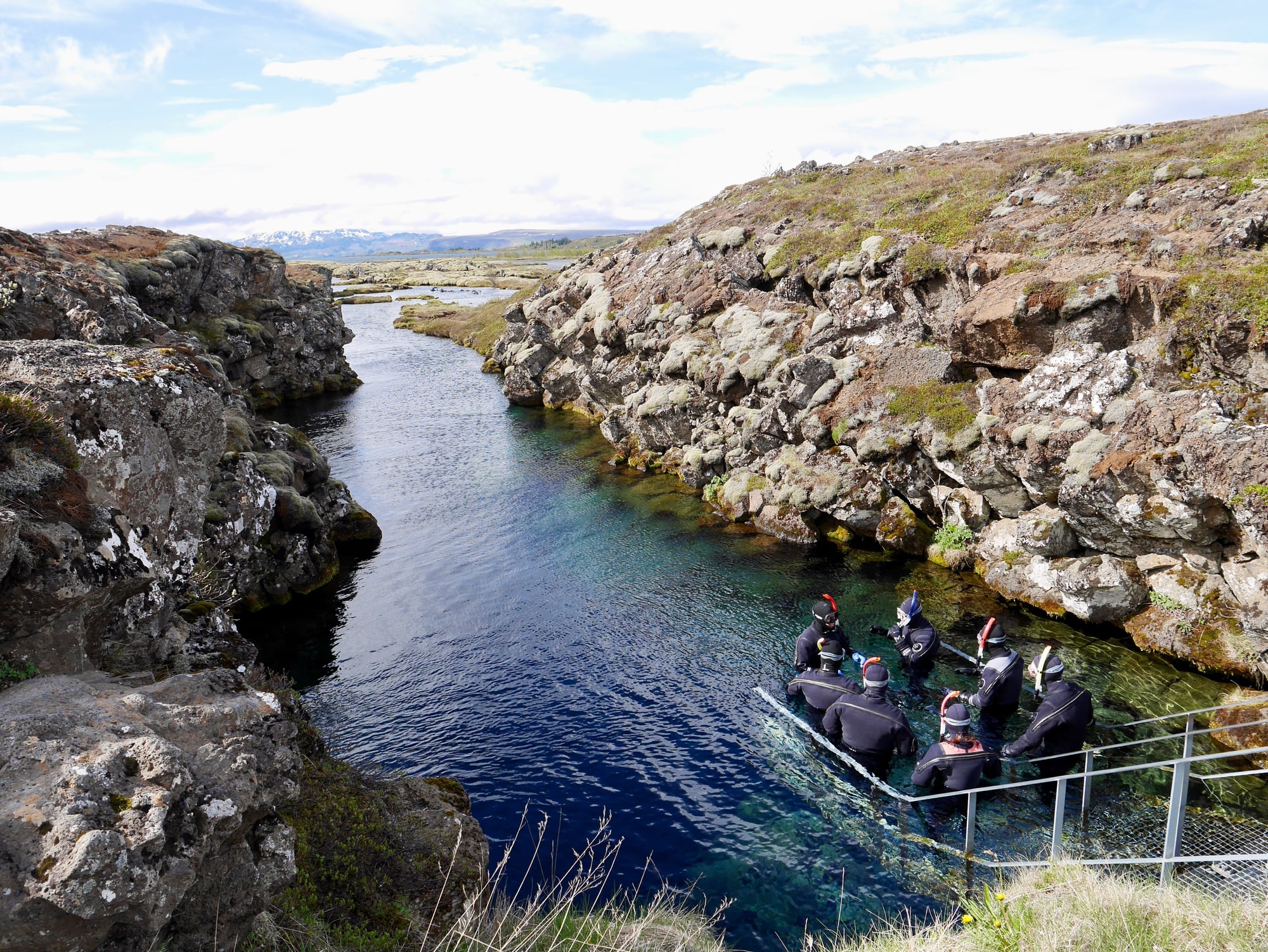
The grinding movement of Earth’s tectonic plates produces distinctive sounds that scientists monitor through networks of seismic sensors. Each fault line creates its own acoustic pattern based on factors like rock type, depth, and pressure.
Recordings of these sounds help geologists predict earthquake risk. Changes in the acoustic pattern often precede major seismic events by hours or even days.
Meteor Entries in the Atmosphere

When meteors enter Earth’s atmosphere, they create distinctive sounds that scientific equipment can capture even when the objects themselves are invisible. The larger the object, the lower the frequency, with some creating audible ‘sonic booms’ while others produce only infrasound below human hearing range.
These recordings help astronomers estimate the size, speed, and composition of incoming space objects. They also aid in tracking meteorite impacts that occur in remote or unobservable locations.
Migration Movements in Soil

Scientists have recorded the mass migration of microscopic organisms through soil during seasonal changes or after rainfall. These recordings capture millions of tiny creatures moving simultaneously, creating subtle but distinct acoustic patterns.
Different soil ecosystems produce unique soundscapes. This allows researchers to assess soil health without disturbing the environment through physical sampling.
Like Go2Tutors’s content? Follow us on MSN.
The Acoustic Legacy

These remarkable natural sounds remind us that our world communicates in ways that extend far beyond human perception. As recording technology continues to advance, scientists uncover increasingly subtle acoustic phenomena that help explain everything from animal behavior to planetary processes.
These sound archives don’t just satisfy scientific curiosity—they provide valuable data for conservation, climate science, and our deeper understanding of Earth’s intricate systems. Listening closely may become one of science’s most powerful tools.
More from Go2Tutors!

- 18 Unexpectedly Valuable Collectibles You Might Have Lying Around
- 20 Little-Known Historical Battles That Had Huge Consequences
- 20 Historical Artifacts That Scientists Can’t Explain
- 15 Inventions That Were Immediately Banned After Being Created
- 20 Actors Who Were Almost Cast in Iconic Roles
Like Go2Tutors’s content? Follow us on MSN.



