26 Historic Buildings Demolished and Later Regretted
Cities grow and change, and sometimes progress requires razing older buildings to make room for the new. Occasionally those cities later looked at the empty lot, the modern building that replaced a landmark, and wished they had found another way.
These are the demolitions that became regrets.
Pennsylvania Station, New York (1963)
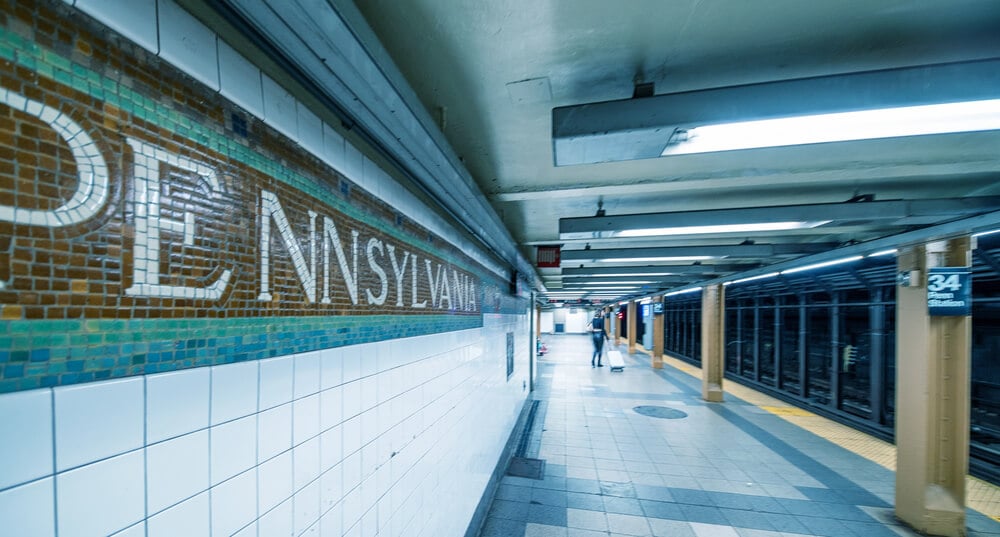
The demolition of the Pennsylvania Station’s original Beaux-Arts facade shocked even New Yorkers accustomed to change, replaced with a modern office tower and underground shopping area that commuters found infinitely less dignified. The loss galvanized the historic preservation movement nationwide and led directly to New York’s Landmarks Preservation Commission.
The replacement building has since become a symbol of the demolition’s failure.
Grand Central’s Original South Side Plan (1913 Design, Never Built)
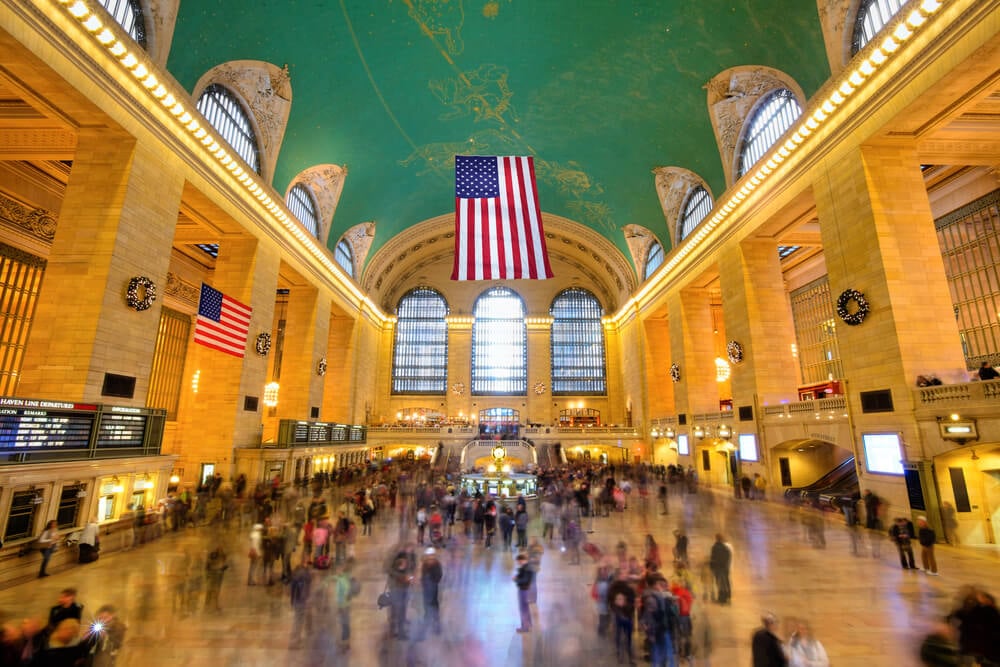
When planners proposed demolishing the entire southern side of Grand Central Terminal in the 1960s to erect an office tower, public outcry stopped the project before any destruction occurred. The case became a template for future preservation battles.
Had the plan proceeded, the current Grand Central would be half its current size and the city poorer for it.
The Woolworth Building’s Original Entry Sequence (Modified)
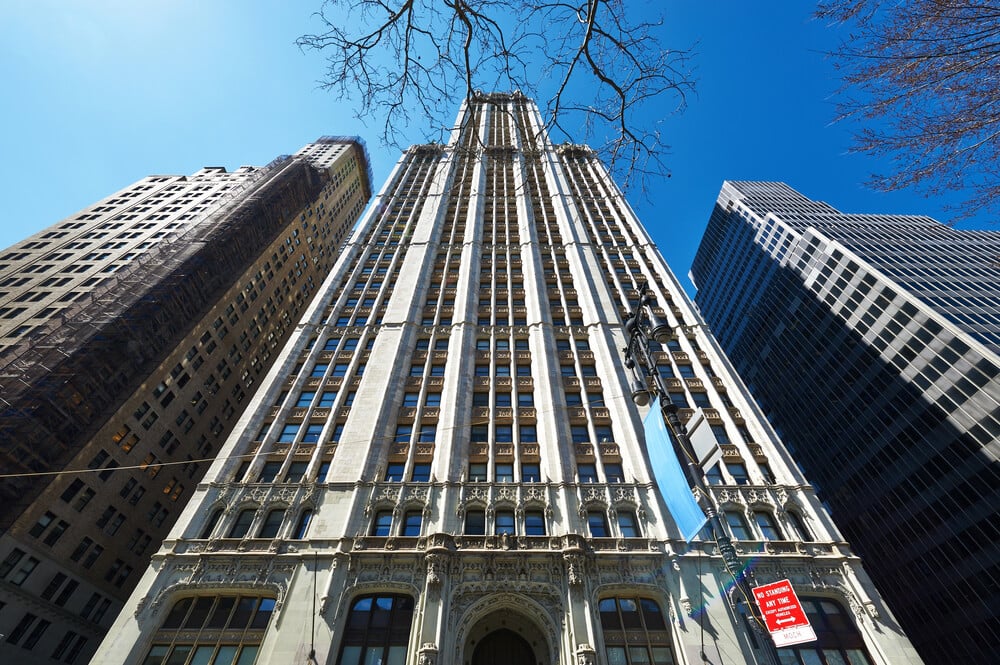
The Woolworth Building’s ornate ground-floor entry sequence was simplified in later decades, a loss that was reversed through partial restoration in the 2000s as the building’s historical value was recognized. The building still stands, but the loss of its original pedestrian experience was mourned by architectural historians.
The partial restoration proved that some losses could be reversed.
King’s Cross Station Trainshed, London (Survived Threat)
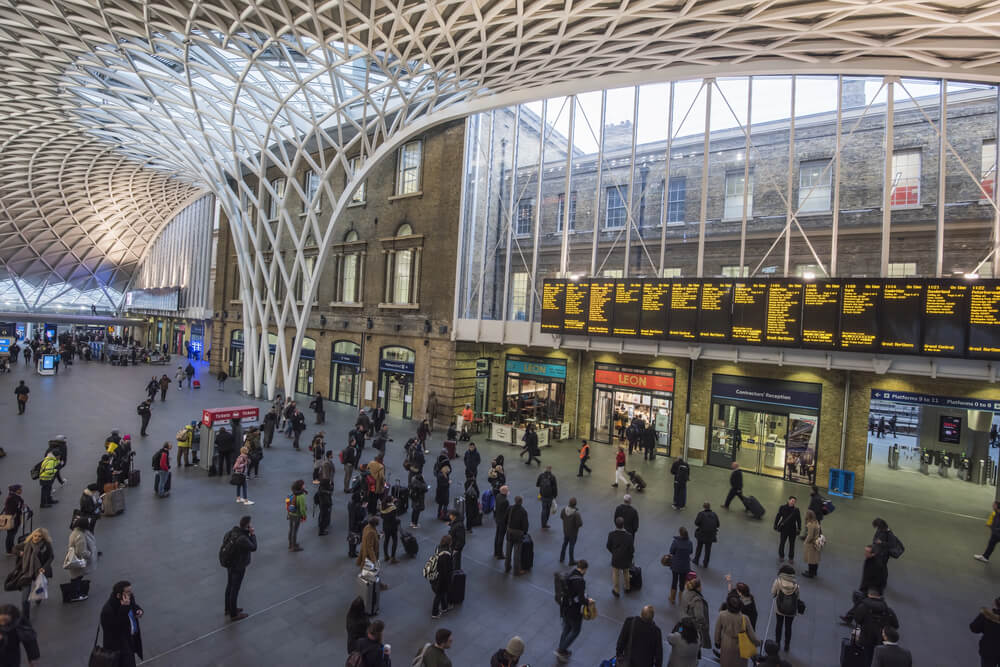
Planners threatened demolition of the Victorian-era trainshed at King’s Cross Station, one of London’s great cast-iron engineering spaces, before preservation efforts saved it. The space is now valued for its engineering significance and its contribution to the broader station complex.
The preservation fight established precedent for protecting industrial structures.
The Singer Building, New York (1908–1967)
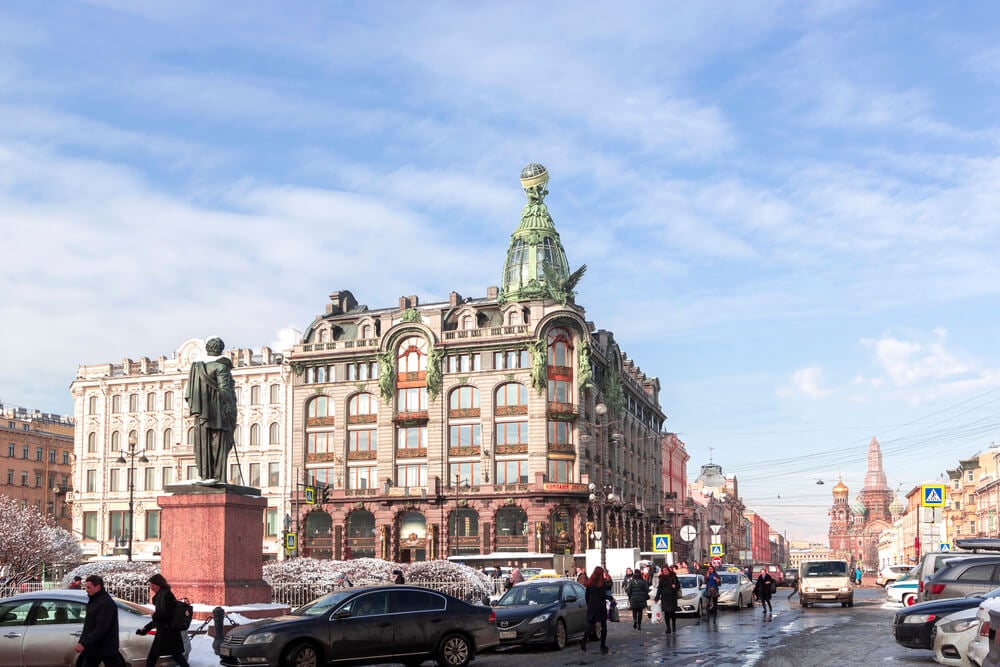
The demolition of the Singer Building, once the world’s tallest building, shocked preservationists because it was still structurally sound and architecturally significant, replaced with a nondescript office tower. The loss accelerated landmark protection efforts and became a cautionary tale about short-term economics overriding long-term cultural value.
The replacement building has no cultural presence whatsoever.
Pruitt-Igoe, St. Louis (1954–1972)
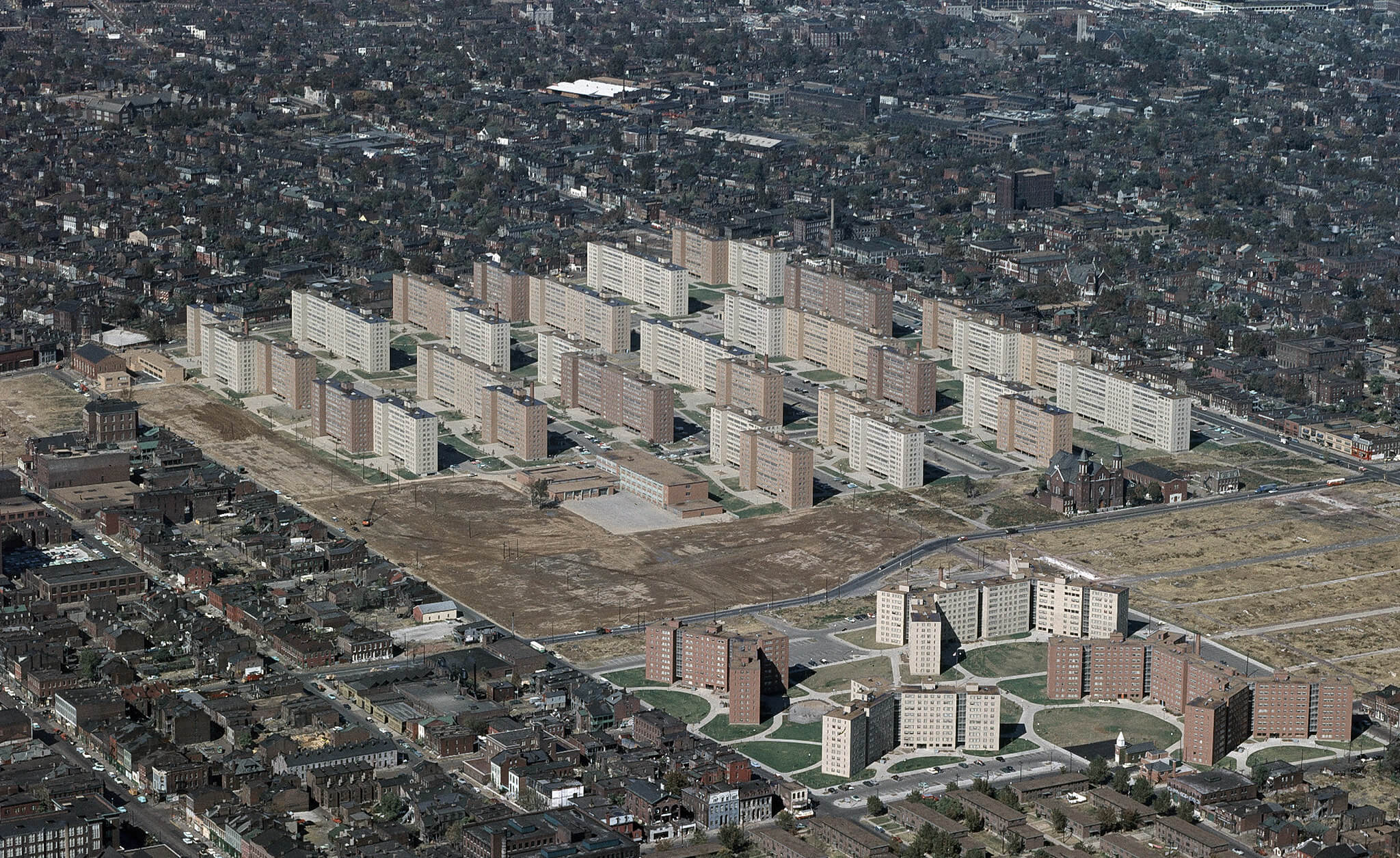
The modernist housing complex built with great optimism was demolished less than twenty years after completion when maintenance costs and changing urban dynamics made it economically unfeasible. The demolition has since become a symbol of the failure of top-down urban planning and the loss of mid-century architectural ambition.
Architects now study Pruitt-Igoe as both achievement and disaster.
Glasgow’s Templeton on the Green (1889 – Nearly Lost)
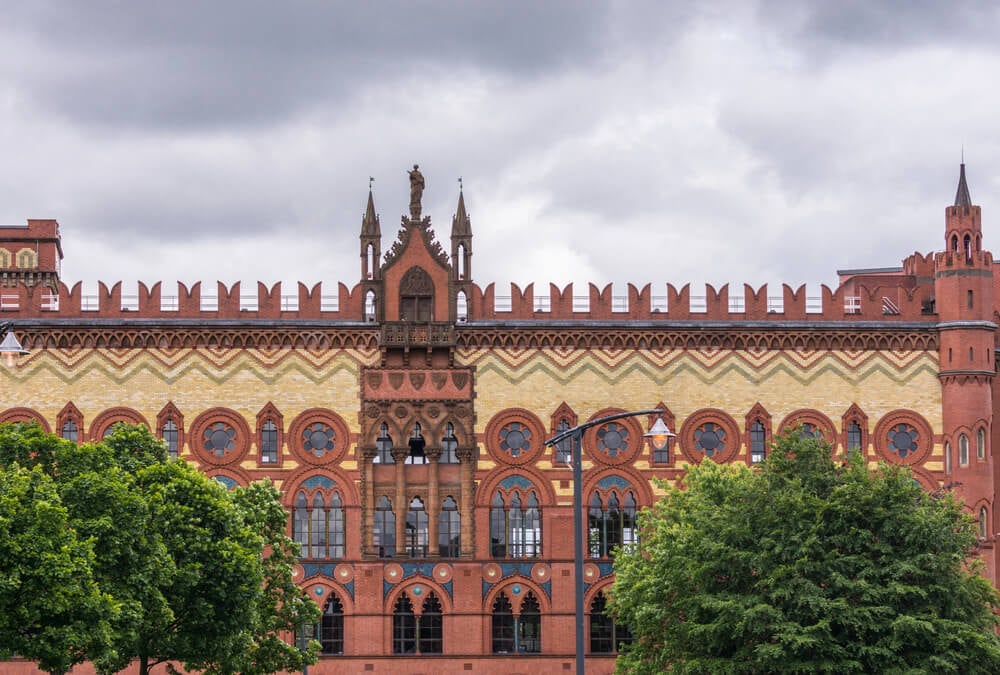
The former carpet factory, designed to evoke the Doge’s Palace in Venice, survived threats of demolition in recent decades and is now being converted to residential use, making it a success story of saved buildings rather than a regretted loss. The case shows that some demolition regrets can be prevented through intervention.
Glasgow’s preservation movement learned from earlier losses to save this one.
Detroit’s Metropolitan Building (1907–1961)
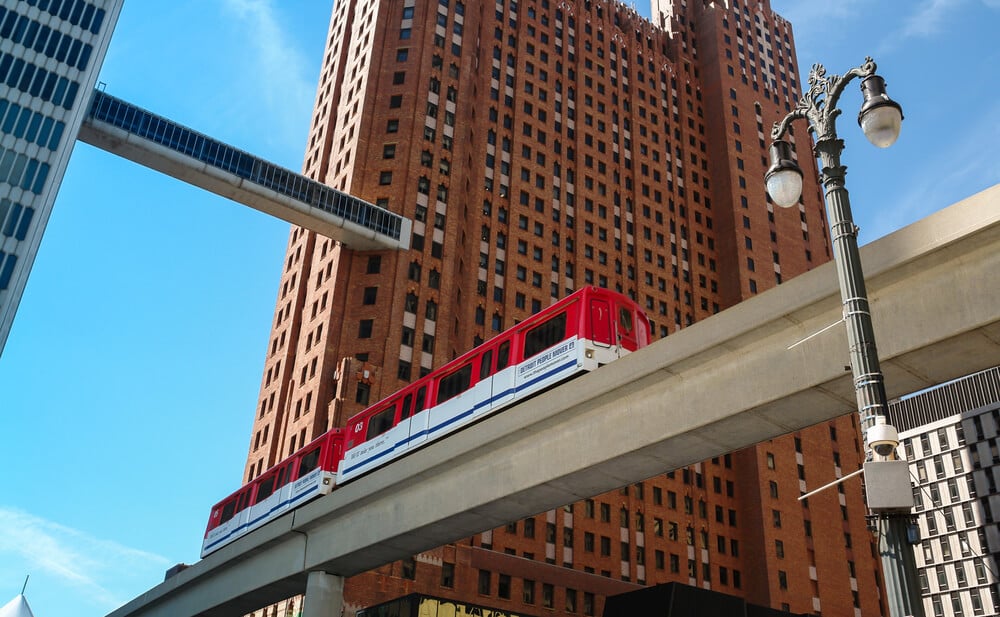
The demolition of the Metropolitan Building, a Richardson Romanesque landmark, removed one of Detroit’s most distinctive architectural statements and symbolized the beginning of downtown’s decline. The loss accelerated awareness that urban fabric is destroyed incrementally and that preservation requires constant attention.
The empty lot remained for decades.
The Flatiron Building’s Threatened Destruction (1902, Never Demolished)
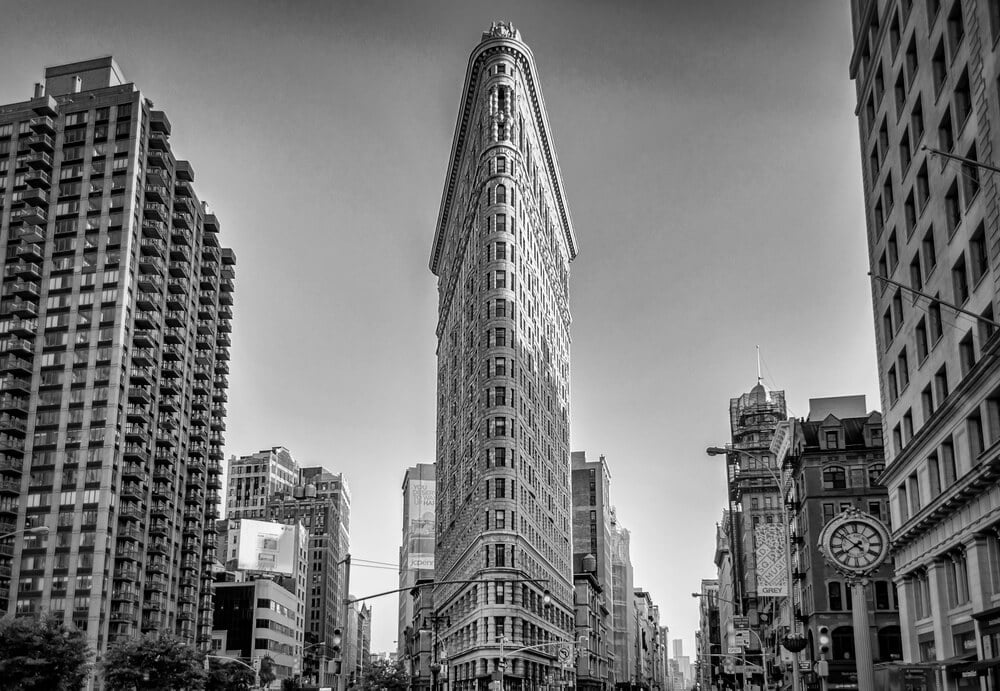
When the Flatiron Building was threatened with demolition in the 1990s, public outcry saved it, making it a case study in how preservation efforts can succeed even for commercially underperforming properties. The building has since become one of New York’s most valued landmarks.
The threatened demolition mobilized preservation advocates before any harm occurred.
Charles Street Station, Boston (1897–1987)
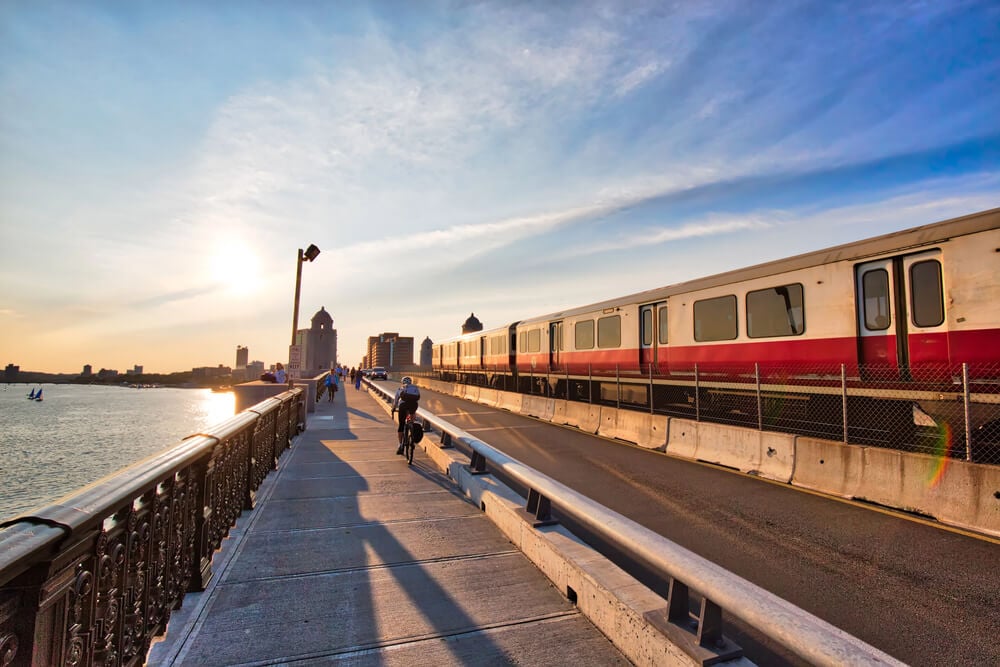
The demolition of Charles Street Station, designed by H.H. Richardson, removed an important architectural statement from downtown Boston and has been regretted by preservation advocates ever since. The replacement is less distinguished than the original.
The loss made clear that Boston’s preservation infrastructure needed strengthening.
The Healy Hall Competition, Georgetown University
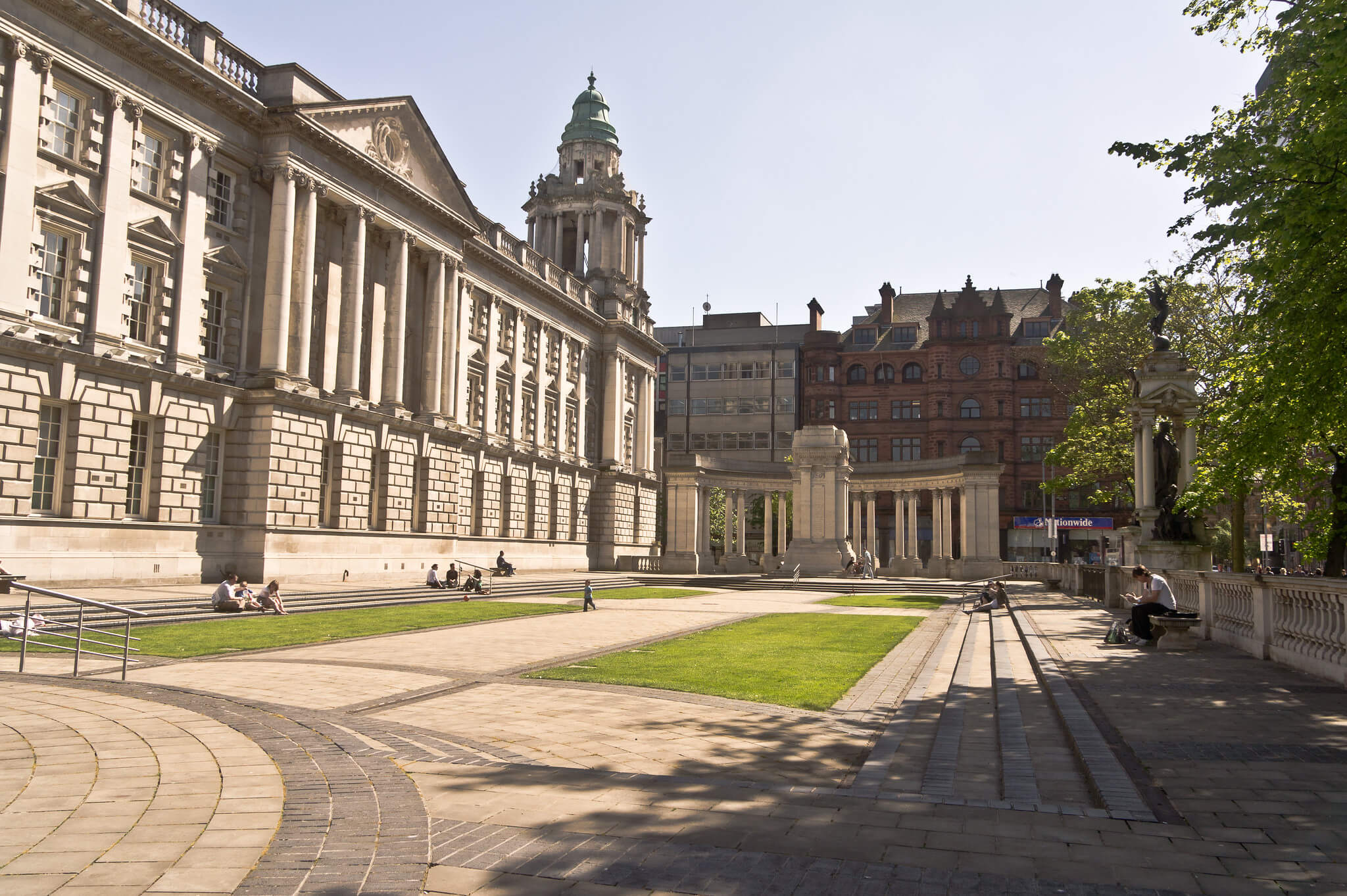
When plans threatened to demolish sections of Georgetown’s Healy Hall in the 1960s for a modern addition, preservation advocates stepped in to stop the project, protecting what is widely considered one of America’s finest collegiate Gothic buildings. The building remains iconic partly because this demolition never happened.
The case established that educational institutions could be talked into preservation.
The Sagamore Hill Threat (Not Demolished)
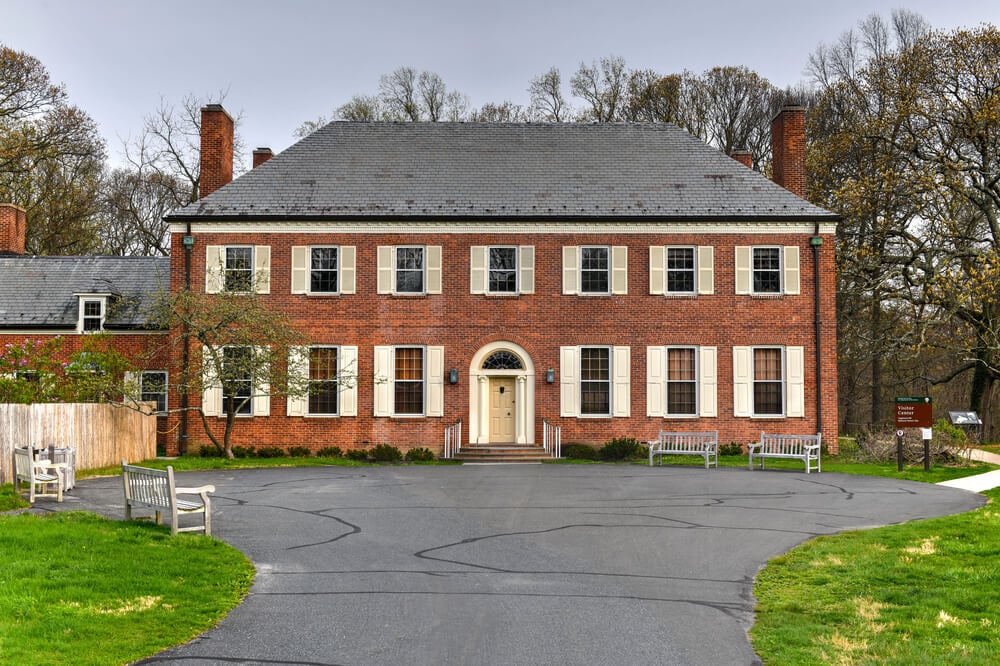
Theodore Roosevelt’s house, Sagamore Hill, was threatened with demolition and commercial redevelopment in the 1970s, but preservation groups and the National Trust for Historic Preservation saved it by acquiring it and creating a house museum. The preservation prevented the loss of significant presidential and architectural history.
The case shows that acquisition can succeed where restrictions fail.
The Seagram Building’s Surrounding Context Loss
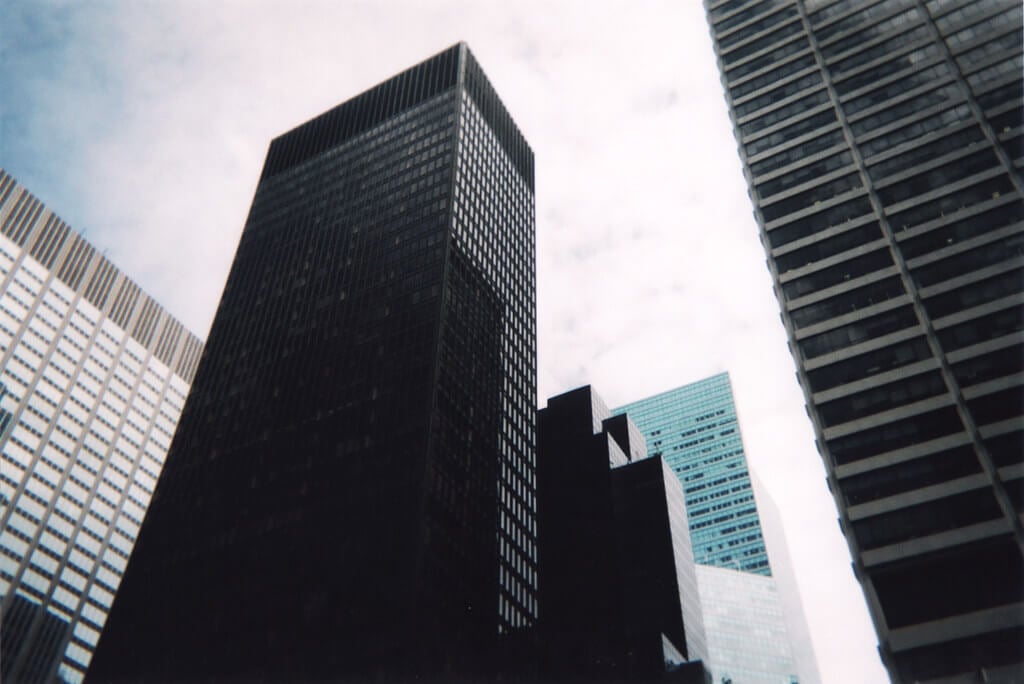
While the Seagram Building itself was preserved, the lower-rise historic neighborhood surrounding it was demolished for redevelopment, changing the building’s relationship to its urban context. The loss of context diminishes the building’s impact despite the building’s own survival.
Architects now understand that preserving individual buildings without context has limits.
St. Pancras Station’s Threatened Facade (Saved)
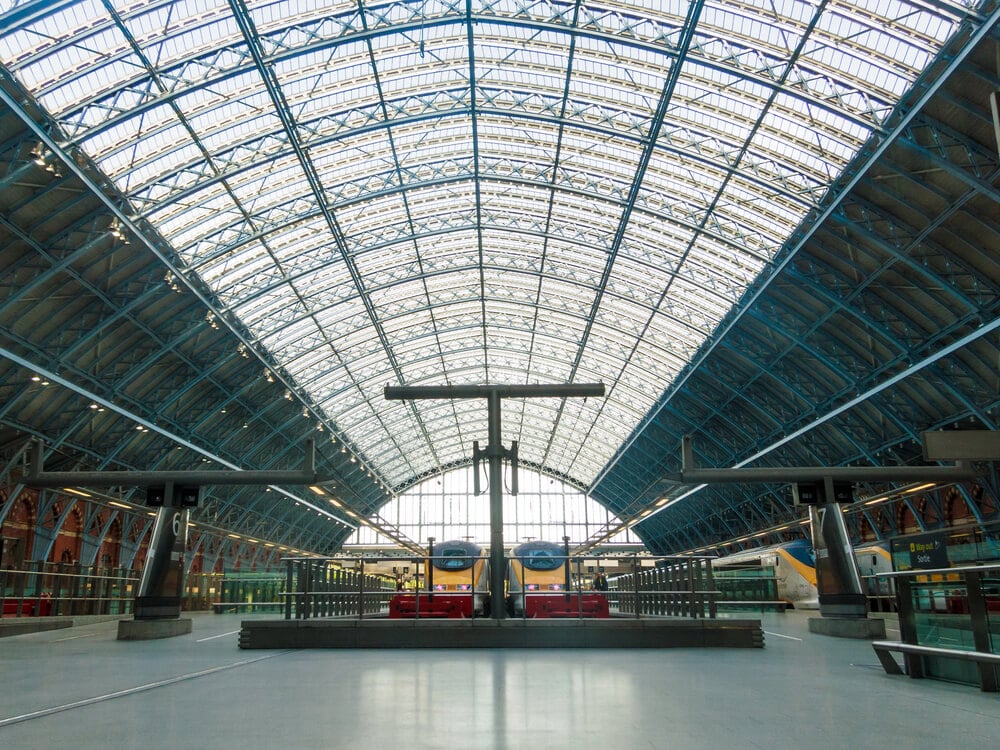
When renovation threatened to modernize St. Pancras Station’s Victorian Gothic facade in the 1960s, preservation advocates fought to maintain the original, and the station is now considered one of London’s architectural treasures. The saved facade is one of the reasons the station has become a modern destination.
The preservation established precedent for protecting Victorian railway architecture.
The Ritz Hotel, London (Threatened)
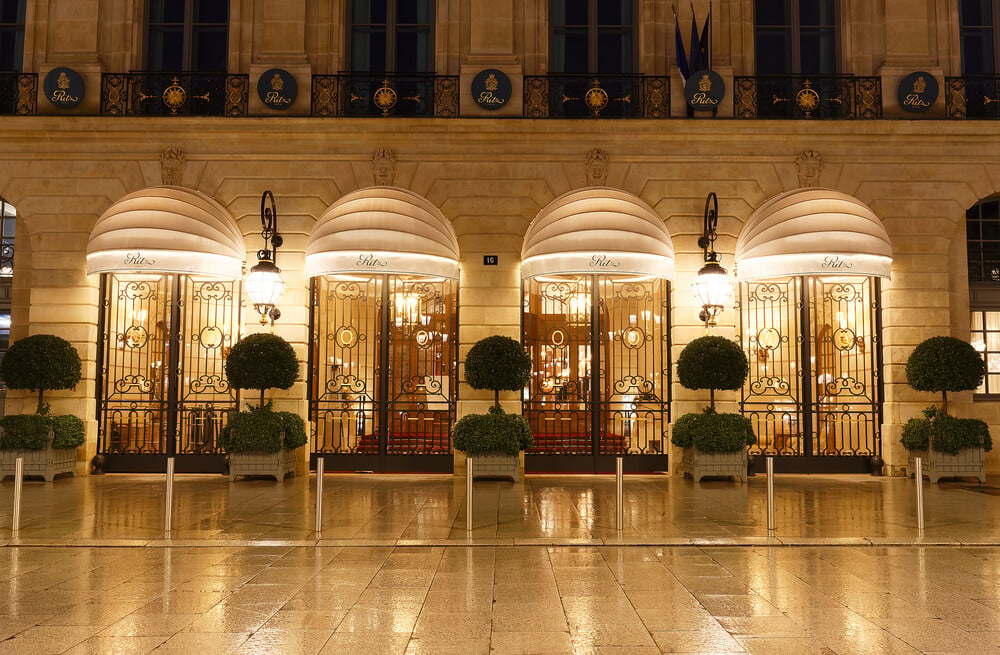
The Ritz Hotel’s threatened demolition and replacement was prevented through preservation efforts, saving one of London’s most iconic Edwardian designs. The building’s survival proved that prestigious buildings could be protected even in high-value commercial real estate.
The hotel’s preservation value has only increased since the threat.
Holborn Viaduct Station, London (Partial Loss)
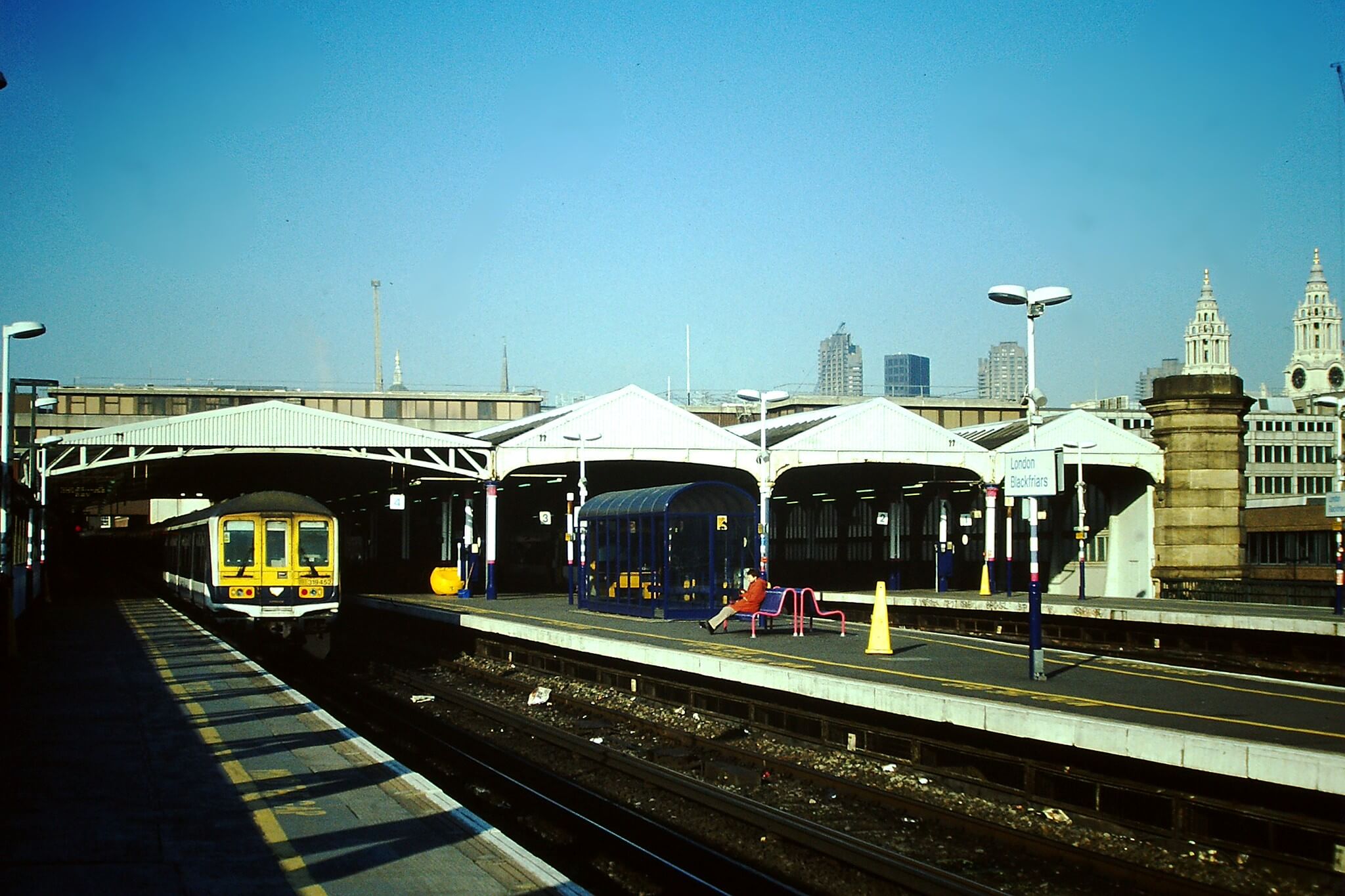
Holborn Viaduct Station, Victorian ironwork and engineering, was partially demolished and rebuilt, with losses that preservationists still mourn despite the partial survival. The truncated version of the station tells the story of what was lost.
The case illustrated that partial demolition can be as damaging as complete loss.
The National Theatre Site Debate (Not Demolished)

When the South Bank of the Thames was redeveloped, the existing Victorian theater district was threatened but ultimately some buildings were preserved as the National Theatre was constructed nearby. The case showed that new construction could preserve elements of the older fabric if planning demanded it.
London chose to honor some of the old while building the new.
The Bowery, New York (Lost Street Character)
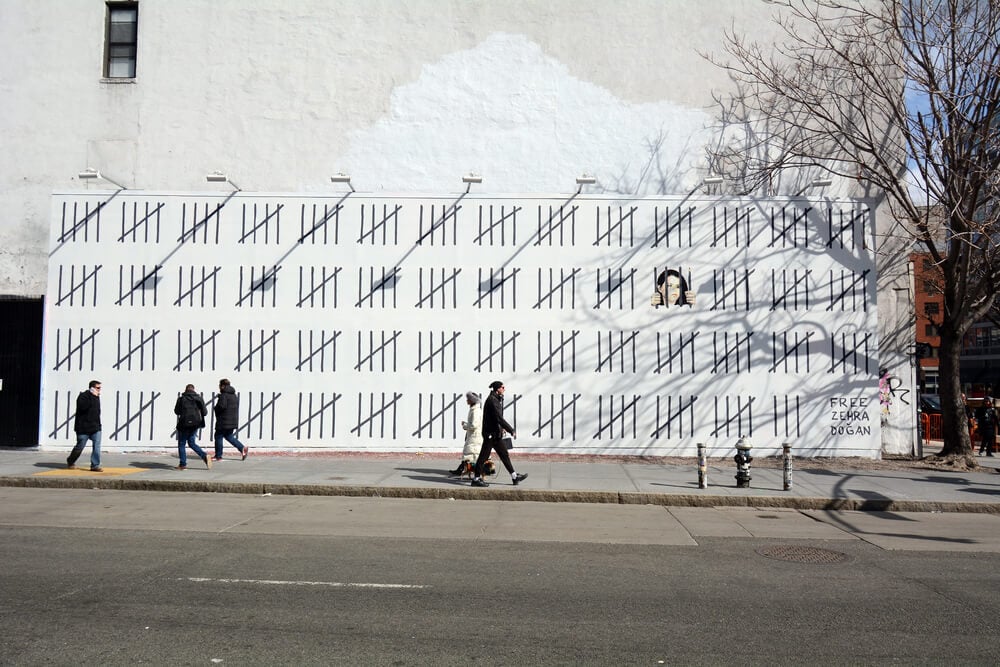
While individual buildings on the Bowery survived, the collective character of the street—the network of low-rise commercial and residential spaces that defined it—was transformed by demolition and replacement with modern mid-rises. The loss of context created a street that is less historically legible.
Modern preservationists now emphasize protecting street-scale relationships, not just individual buildings.
Philadelphia’s Reading Terminal Threat (Saved)

The Reading Terminal Market, a Victorian-era iron and glass structure, was threatened with demolition in the 1970s and 1980s, but preservation efforts and community advocacy saved it, and it has since been restored and repurposed. The building is now valued as both architectural landmark and functioning market.
The preservation proved that historic structures could accommodate modern uses.
The Woolworth Building’s Upper Floors Use (Preserved)
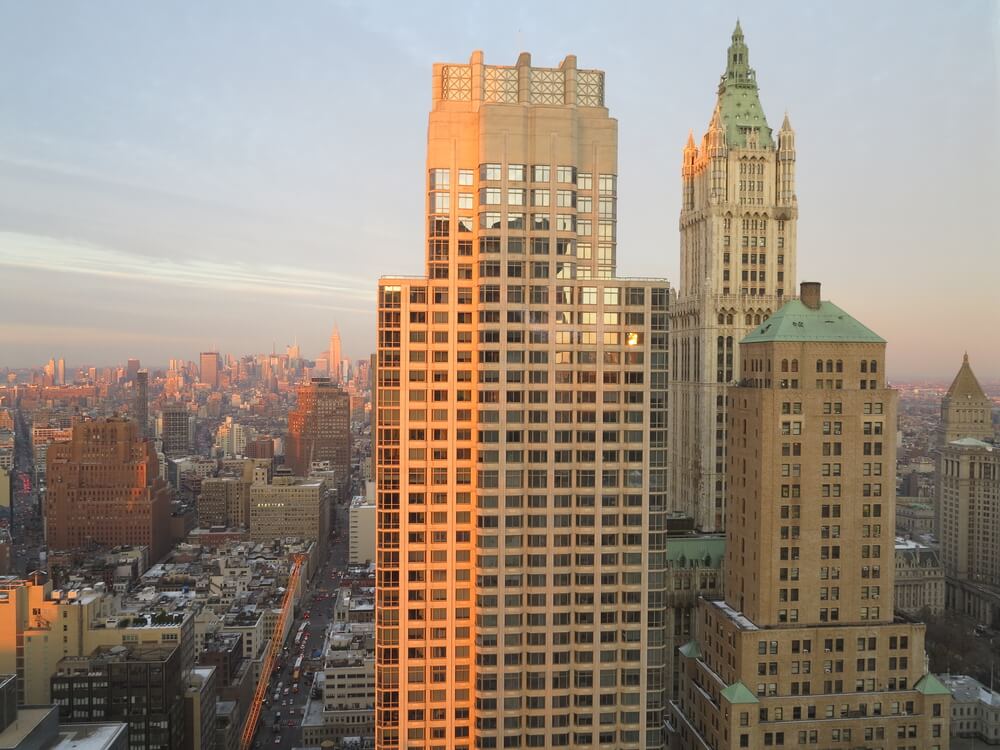
When the Woolworth Building’s upper floors were converted from office to residential use in the 2010s, it preserved the building’s full architectural statement and prevented threats of demolition or gutting. The conversion proved that historic commercial buildings could find new life without destroying their historical integrity.
The building is now more valued than when it was merely office space.
The Guaranty Building, Buffalo (Restoration Success)
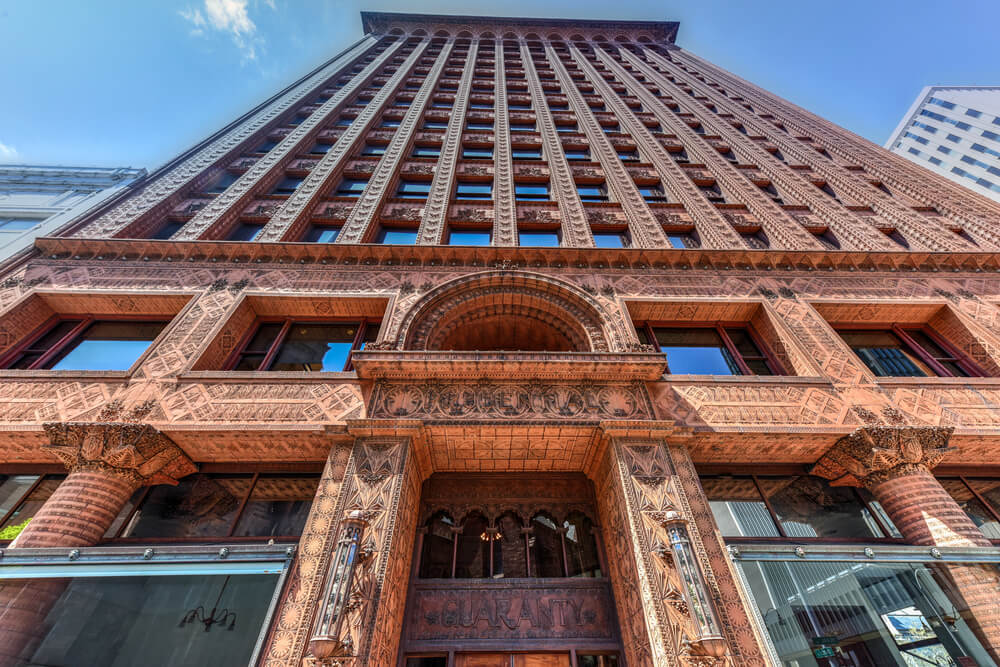
The Guaranty Building, an early Louis Sullivan masterpiece, threatened to become a forgotten ruin before preservation efforts and careful restoration brought it back to active use and cultural prominence. The building’s survival and return to visibility has made it an icon of successful preservation.
Buffalo now celebrates the building as a crucial part of the city’s architectural heritage.
New Haven’s Urban Renewal District (Regretted)
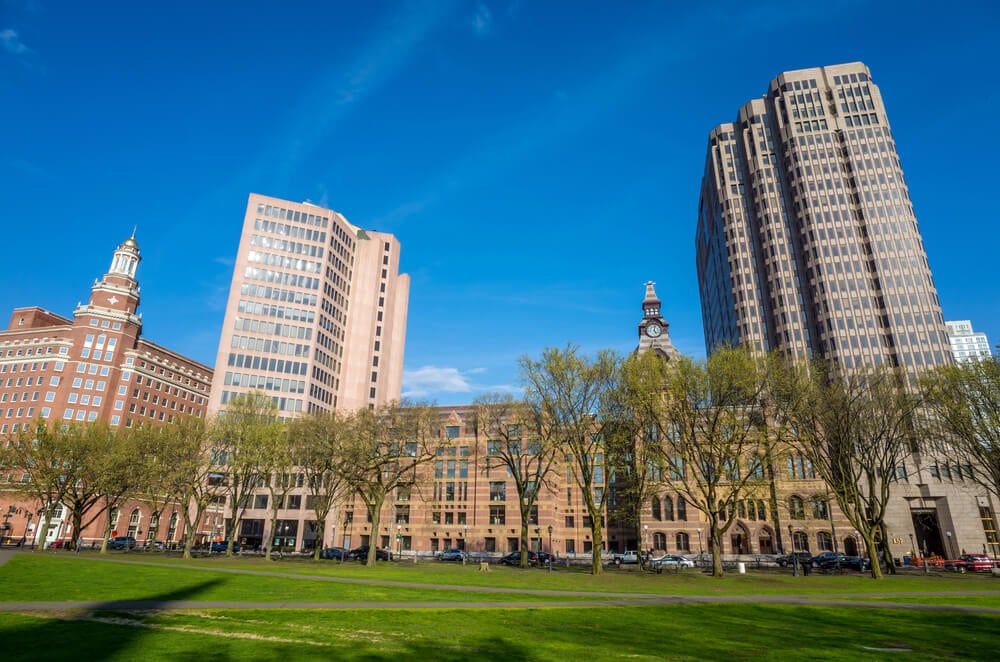
New Haven’s aggressive urban renewal program demolished multiple blocks of historic structures in the 1960s and 1970s to build the Church Street renewal project, a modernist complex now considered a failure of urban design. The loss of the street grid and pedestrian connections has been extensively mourned.
The project is now taught as an example of how modernist planning failures can be permanent.
The National Biscuit Company Building Threat (Saved)
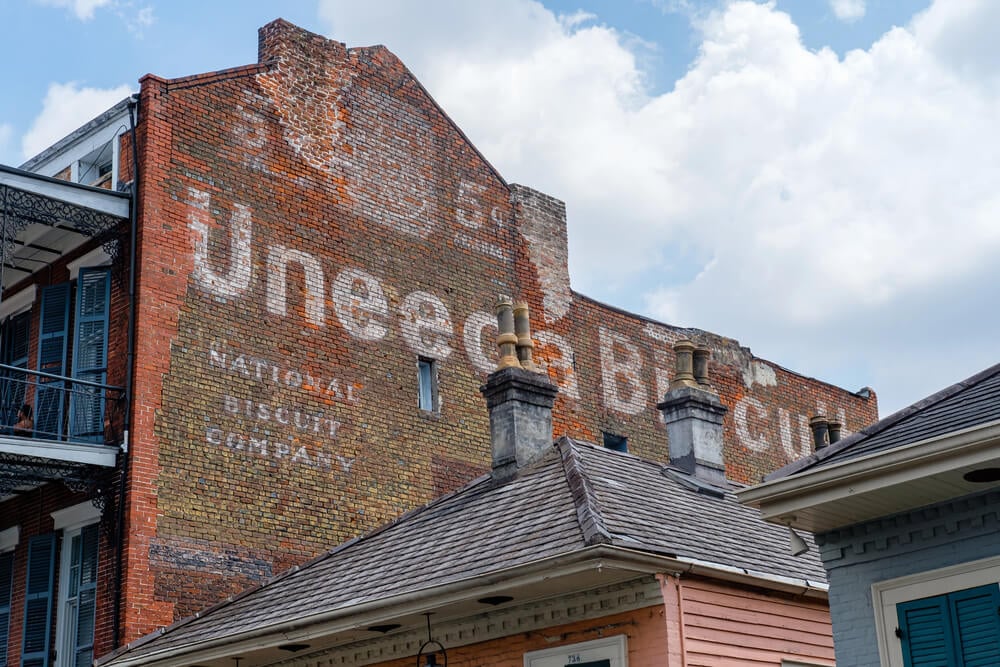
When the National Biscuit Company building, designed by George Post, was threatened with demolition for redevelopment, preservation advocates fought to save it, and it has since been converted to residential use and other purposes. The building remains a significant architectural presence in its neighborhood.
The preservation prevented the loss of late-nineteenth-century commercial architecture.
Grand Union Hotel Site, Saratoga Springs
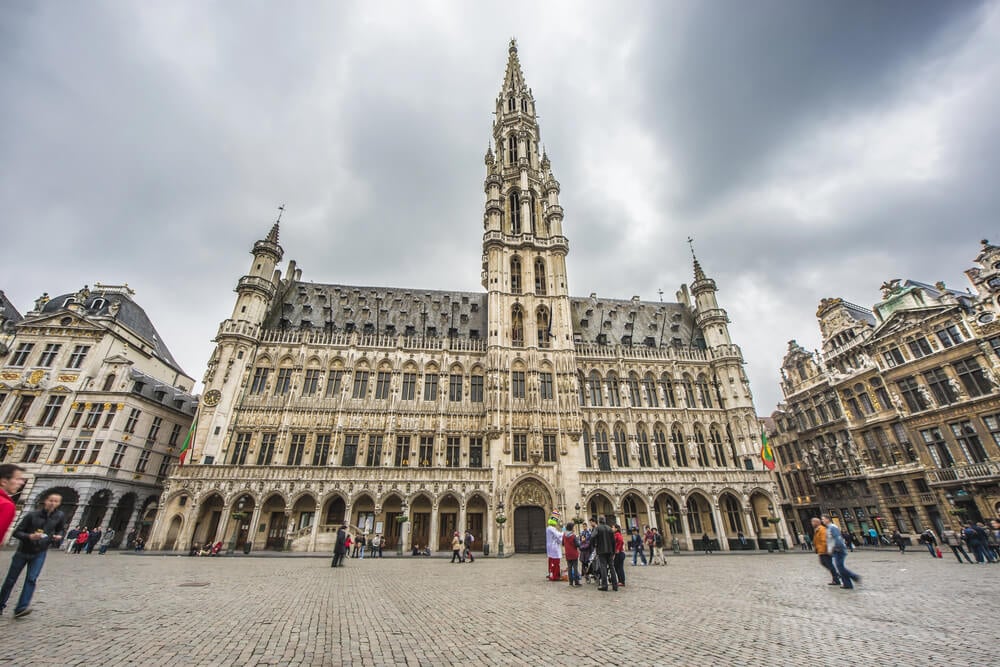
The demolition of the grand nineteenth-century Grand Union Hotel removed one of the city’s defining architectural statements and has been regretted ever since, as replacement buildings cannot match the original’s cultural significance. The site remains marked by the absence.
Saratoga Springs now protects remaining hotel buildings with fierce determination.
Hotel Boulderado’s Upper Floors Threat (Saved)
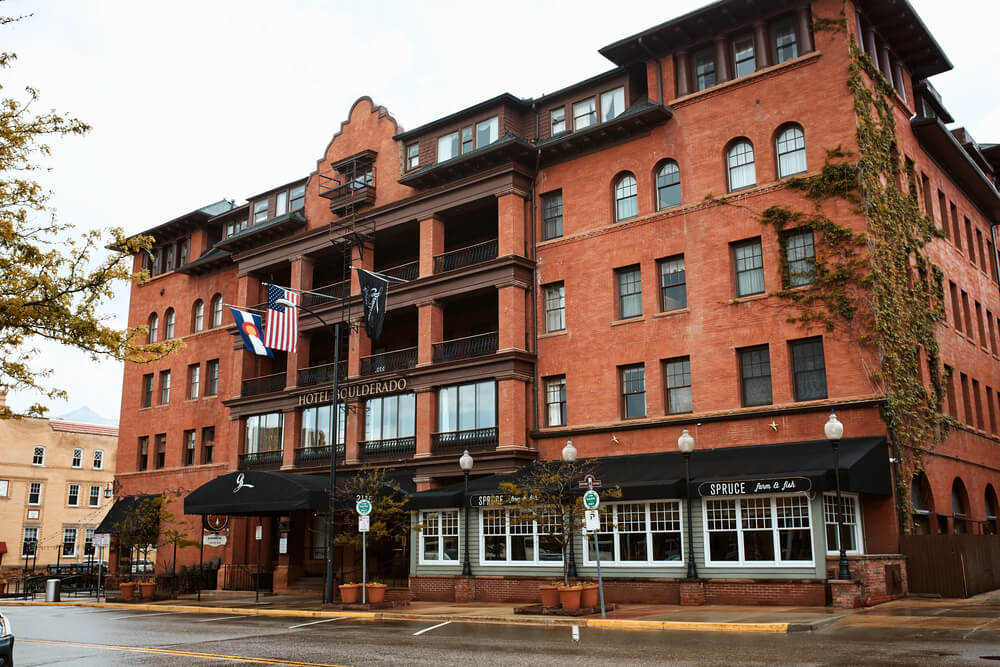
Hotel Boulderado in Boulder, Colorado, threatened to demolish its upper floors in favor of a rooftop expansion, was talked out of the plan through preservation advocacy, and the building remains intact. The case proved that preservation pressure could influence preservation decisions even in economically challenging times.
The hotel is now celebrated as a community resource.
The Great Central Hotel, Newcastle (Demolished, Mourned)
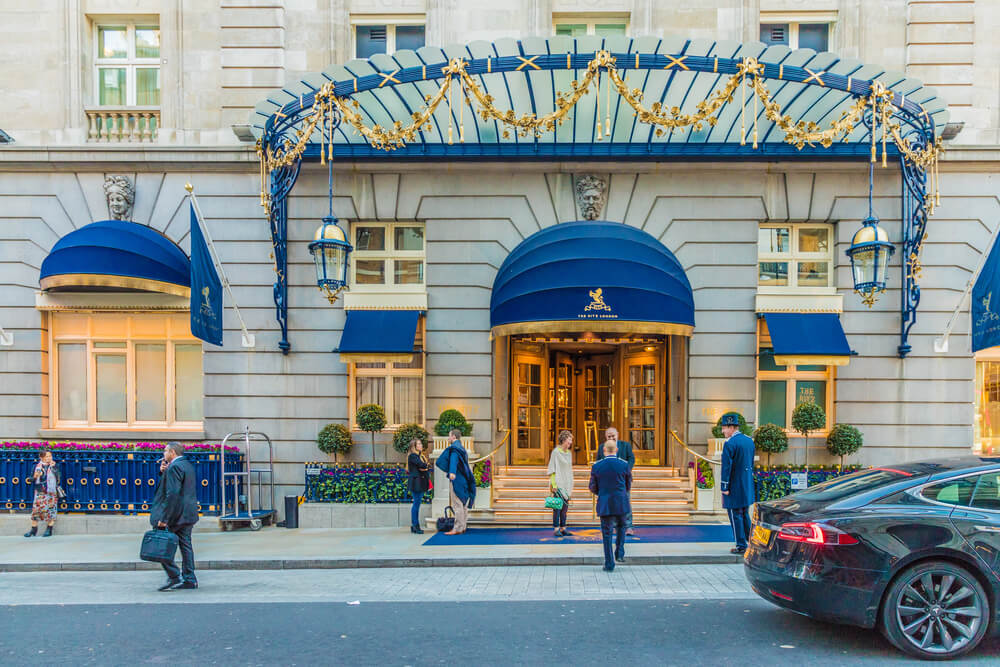
The demolition of Newcastle’s Great Central Hotel, a Victorian Romanesque structure, removed an important architectural anchor from the city and has been extensively mourned by preservation advocates and residents. The empty lot represents a layer of the city’s history that cannot be recovered.
Newcastle’s preservation movement grew more active after this loss.
When Regret Cannot Restore

The buildings on this list exist in an odd temporal state: some are still standing and regrets are about how they are treated; others are gone and regrets are about the absence. The most painful category is the building demolished before its value was understood, replaced by something demonstrably worse, where regret serves only as a warning.
Cities cannot always avoid demolition, and not every loss is a regret. But when demolition is followed by genuine emptiness—an empty lot or an inferior replacement—the regret becomes permanent.
These buildings represent the knowledge cities gain only through loss.
More from Go2Tutors!

- The Romanov Crown Jewels and Their Tragic Fate
- 13 Historical Mysteries That Science Still Can’t Solve
- Famous Hoaxes That Fooled the World for Years
- 15 Child Stars with Tragic Adult Lives
- 16 Famous Jewelry Pieces in History
Like Go2Tutors’s content? Follow us on MSN.