14 Ancient Recipes Still Enjoyed Today
Food connects us across time in ways few other cultural elements can match. The dishes our ancestors created thousands of years ago continue appearing on modern tables – sometimes virtually unchanged despite millennia of culinary evolution. Ancient cooking techniques and flavor combinations have demonstrated remarkable staying power, with many recipes surviving transitions between empires, continents, and technological revolutions.
Here’s a fascinating collection of 14 ancient recipes that have endured through centuries and remain beloved dishes in modern kitchens around the world.
Sourdough Bread

Archaeological evidence from ancient Egypt dates sourdough production back at least 5,000 years, with naturally occurring yeast cultures giving bread its distinctive tangy flavor. Egyptian bakers discovered that saving a portion of dough from each batch created consistently better results.
Modern artisanal bakeries still maintain sourdough starters using essentially identical techniques. Some even boast cultures continuously maintained for over a century.
Tamales
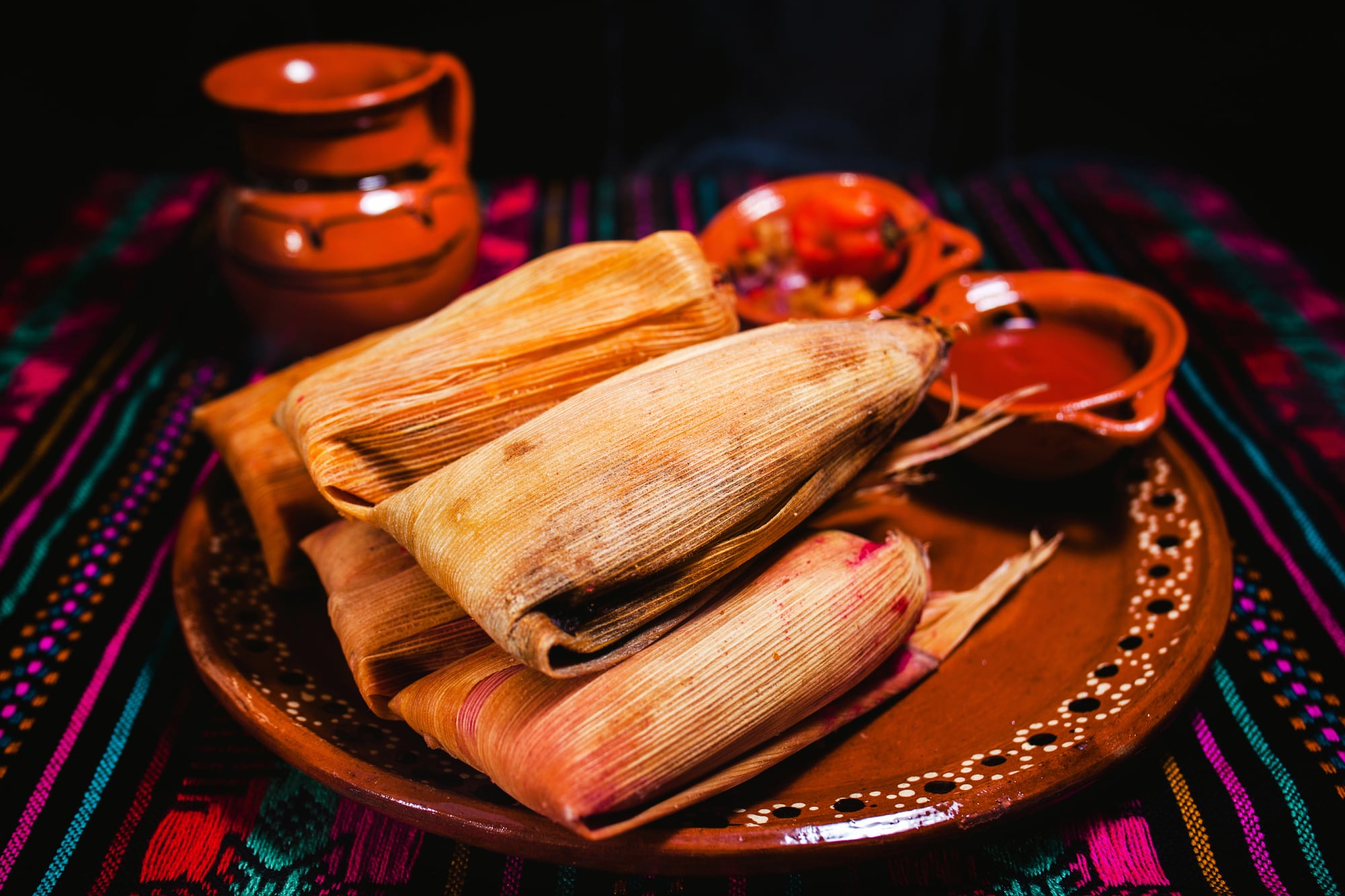
Mesoamerican cooks wrapped corn dough around flavorful fillings, then steamed them inside husks or leaves—a technique dating back to roughly 8000 BCE. These brilliantly practical portable meals served ancient Aztec and Maya warriors who needed sustenance during campaigns.
The preparation hasn’t changed much in thousands of years. Families across Mexico and Central America still gather for tamaladas, making dozens in a single afternoon while sharing stories across generations.
Garum

Ancient Romans went absolutely crazy for this fermented fish sauce. They poured it on practically everything! Production was a smelly business—fish guts layered with salt in massive vats, then left fermenting in the Mediterranean sun.
Though it vanished from European tables after Rome fell, nearly identical sauces flourish throughout Southeast Asia today. Vietnamese nước mắm and Thai nam pla follow almost exactly the same production methods as their Roman counterparts used two millennia ago.
Cheesecake

The earliest recorded cheesecake recipe comes from Roman politician Cato the Elder around 230 CE. His version? Simple fresh cheese mashed with honey and eggs, then baked atop pastry.
Greeks likely made something similar even earlier. The basic formula hasn’t really changed much, though modern versions add cream cheese and graham cracker crusts—both recent inventions.
Hummus

This Middle Eastern chickpea spread has appeared on tables across the Levant since at least the 13th century, though similar preparations probably existed way earlier. Its fundamental ingredients create a nutritionally complete dish that stored beautifully before refrigeration existed.
Today’s hummus doesn’t stray far from historical versions. The essential technique—grinding chickpeas with tahini, garlic, lemon and olive oil—remains identical despite contemporary variations adding everything from roasted peppers to chocolate.
Congee

Chinese medical texts from around 1000 BCE mention rice porridge as both everyday sustenance and a medicinal remedy. This humble dish sustained countless generations across Asia with minimal ingredients—just rice cooked slowly in abundant water until it breaks down completely.
Regional variations evolved over four millennia. Some are savory with pickled vegetables, others sweetened with fruits or nuts, yet the fundamental preparation technique hasn’t budged an inch.
Pancakes

People have been pouring grain-based batters onto hot surfaces for an astonishingly long time. Stone Age cooks likely made primitive versions on heated rocks! Ancient Greeks called their pancakes ‘tagēnias’ while Romans enjoyed similar ‘alita dolcia’ sweetened with honey.
The concept’s so incredibly simple yet effective it’s barely changed across millennia. Modern pancakes use virtually identical cooking methods—though thankfully on better surfaces than hot stones.
Curry

Archaeological excavations revealed mortars and pestles from the Indus Valley Civilization around 2600 BCE containing residue from ginger, turmeric, and other signature curry spices. People were grinding curry blends 4,500 years ago!
While infinite regional variations exist today, the fundamental approach remains unchanged: aromatics and spices are cooked in fat before simmering with main ingredients. Even the cooking vessels still resemble ancient clay pots.
Pilaf

Persian cooks developed sophisticated rice-cooking techniques around 500 BCE—perfecting methods for achieving separated grains infused with aromatic flavors. This culinary innovation spread throughout the Middle East and Central Asia.
Today’s pilaf recipes follow essentially identical principles: rice is briefly sautéed in fat before adding precisely measured liquid, then covered to steam until perfectly fluffy. Ancient Persian nobility would recognize modern versions immediately.
Stew

Humans likely created the first stews roughly 25,000 years ago when someone genius figured out how to make watertight cooking vessels. Clay tablets from ancient Mesopotamia around 1700 BCE contain recognizable stew recipes with meat, vegetables, and herbs simmered together.
The basic technique hasn’t changed one bit. Ingredients get browned, liquids added, then everything simmers slowly until flavors meld and tougher components soften. Cooking equipment improved dramatically while the method remained frozen in time.
Gateau de Miel

Egyptian tomb paintings from nearly 4,000 years ago depict honey cake production—showing how ancient bakers combined honey with grain flour and sometimes nuts or dried fruits.
Honey provided both sweetness and crucial preservation properties in an era without refrigeration. Modern versions follow strikingly similar preparations. Contemporary bakers use measuring cups instead of eyeballing ingredients, but otherwise follow nearly identical techniques.
Sauce Béarnaise
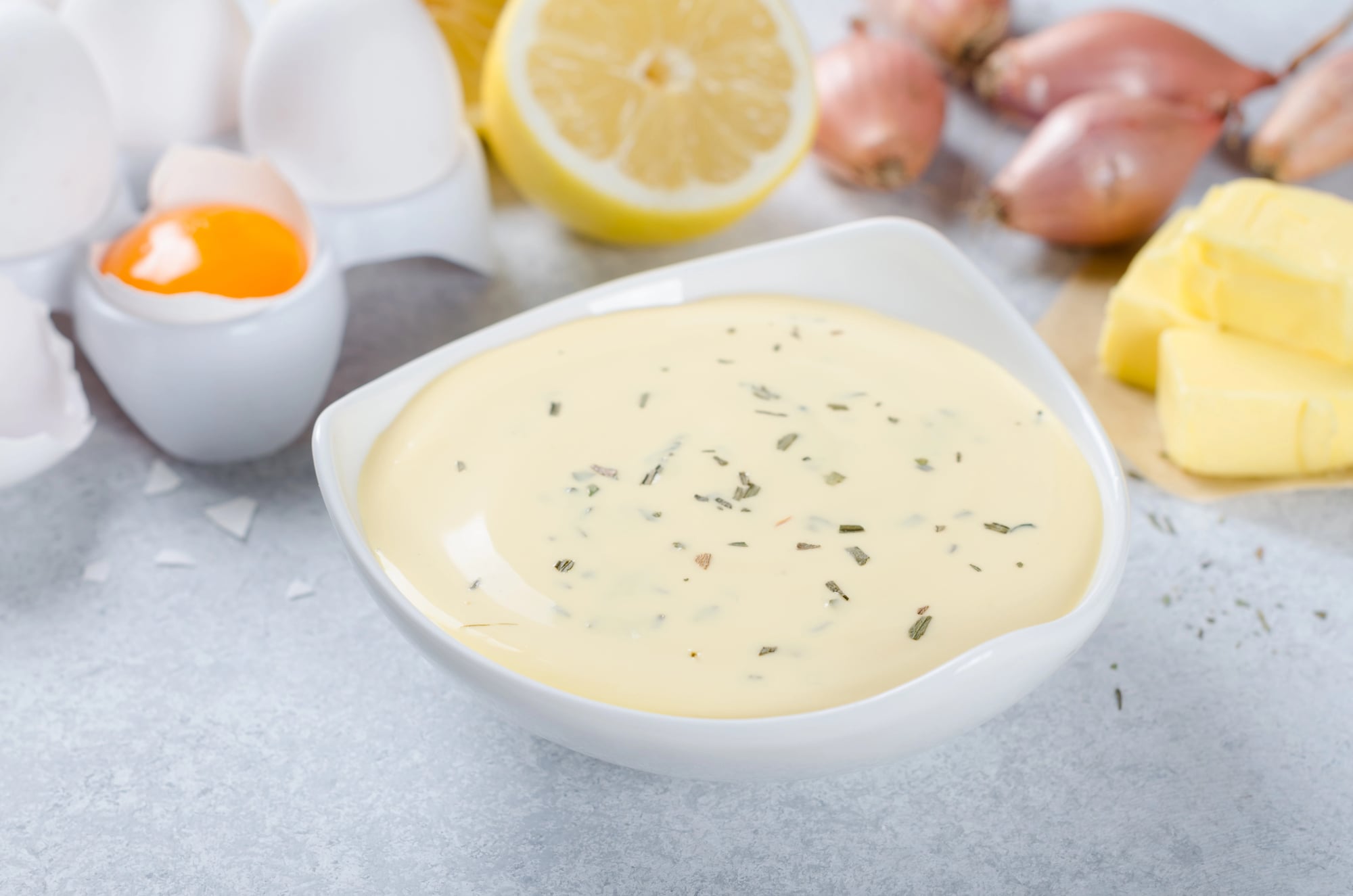
While technically more recent than other entries, this classic French sauce descends directly from ancient Roman emulsion techniques documented in 1st century cookbooks.
The fundamental process—gradually incorporating fat into an acidic reduction—has remained essentially unchanged for two millennia. Modern chefs follow almost the same sequence, though with superior temperature control and equipment.
Spiced Wine

Archaeological evidence shows spiced wine production in China around 7000 BCE, with detailed Egyptian recipes recorded by 3150 BCE. These ancient versions typically incorporated honey, herbs, and spices into fermented grape juice.
The tradition continues unbroken across millennia. Contemporary European Glühwein and Nordic Glögg follow remarkably similar preparation principles to those of ancient spiced wines despite evolving independently.
Baklava

Layered pastry desserts using thin dough, nuts, and honey appear in Assyrian texts from the 8th century BCE. Byzantine kitchens later refined these techniques before Ottoman expansion spread the treat throughout the Mediterranean and Middle East.
The meticulous assembly process remains largely unchanged. Paper-thin pastry sheets are layered with chopped nuts and drenched in aromatic syrup post-baking. Regional variations developed across centuries, yet the core technique preserves ancient culinary wisdom.
Culinary Time Travel

These ancient recipes demonstrate something profound about human taste preferences—they don’t actually change much, despite endless culinary innovations. We still crave the same fundamental flavor combinations our ancestors enjoyed thousands of years ago.
Something almost magical happens when preparing these historical dishes. The simple act of cooking connects modern kitchens directly with ancient hearths across time, nourishing both bodies and cultural identities in an unbroken chain of human experience.
More from Go2Tutors!

- The Romanov Crown Jewels and Their Tragic Fate
- 13 Historical Mysteries That Science Still Can’t Solve
- Famous Hoaxes That Fooled the World for Years
- 15 Child Stars with Tragic Adult Lives
- 16 Famous Jewelry Pieces in History
Like Go2Tutors’s content? Follow us on MSN.



