26 Historic Photos That Were Kept Out of Newspapers for Decades
Photographers captured images that newspapers refused to publish, kept in archives gathering dust for decades until historians or museums rediscovered them. These suppressed photographs reveal gaps between official narratives and what actually happened.
Some were considered too graphic, too politically sensitive, or simply too unflattering to the powerful interests that controlled major publications. The delay between capture and public knowledge sometimes stretched forty years or longer.
When these photographs finally surfaced, they changed understanding of historical events in ways that studio portraits and official photographs never could.
Civil Rights March Brutality Photos
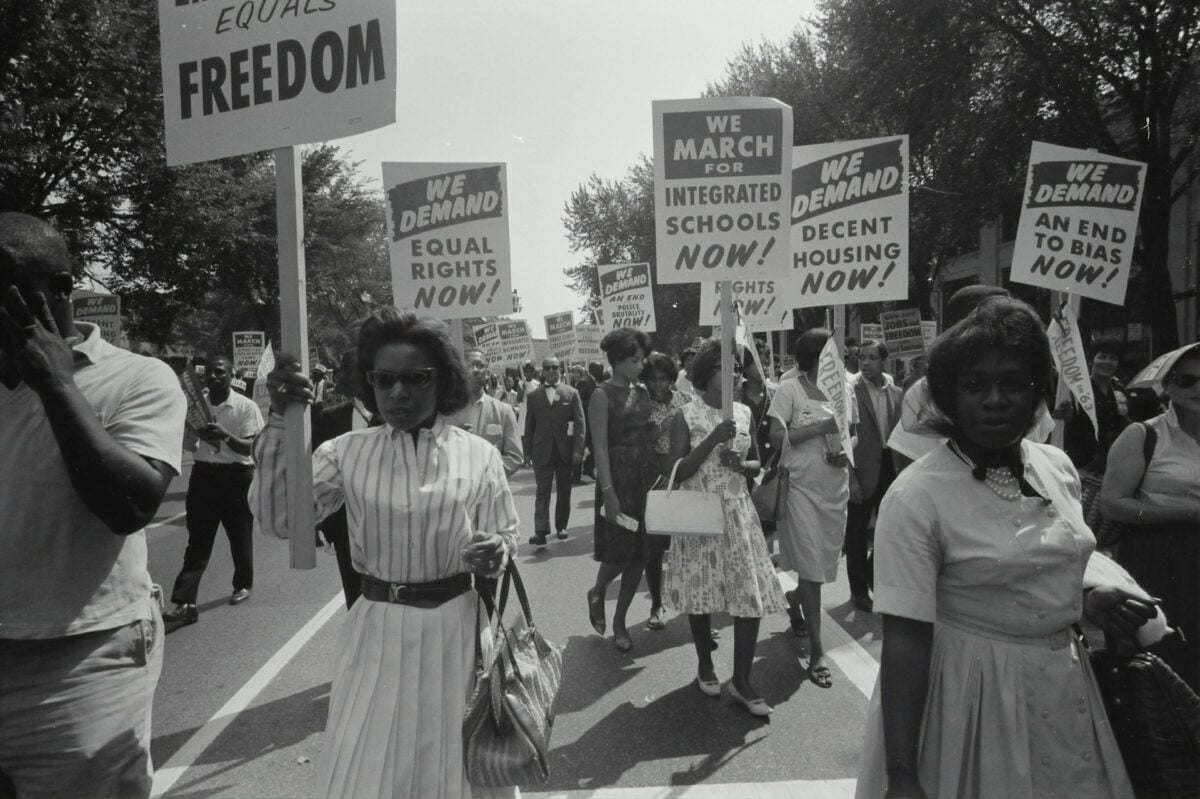
Photographers documented police violence against civil rights marchers that newspapers refused to print during the 1960s. These images remained archived while sanitized versions appeared in publications.
The raw documentation of brutality became historically crucial decades later when attitudes shifted.
Vietnam War Napalm Victims
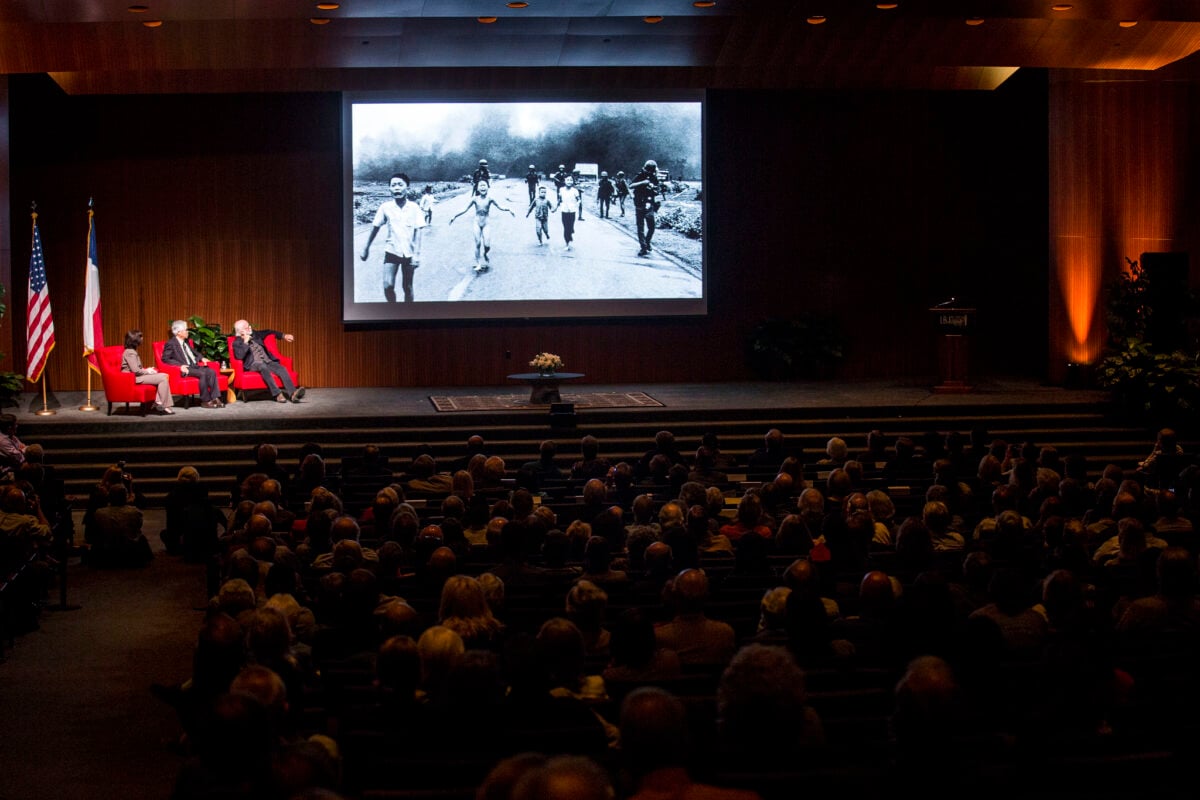
The famous “Napalm Girl” photograph showing a burned child fleeing an attack was initially controversial. Many publications refused the image initially, viewing it as too disturbing.
The photograph eventually became an iconic documentation of war’s civilian cost.
Kennedy Assassination Zapruder Film
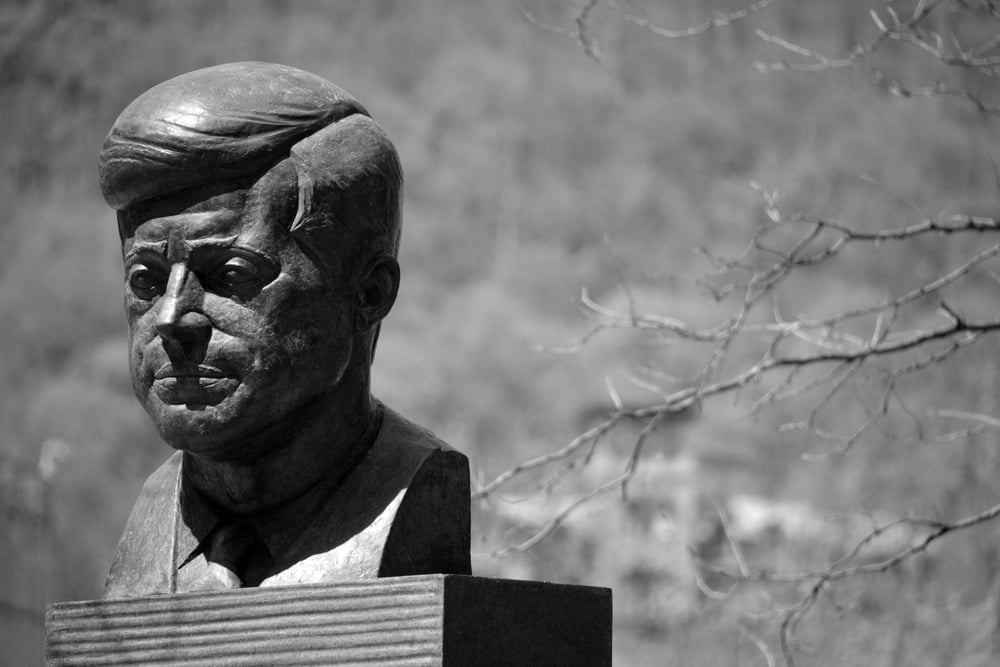
The home movie of JFK’s assassination captured details that official narratives initially disputed. Suppressed from public viewing for years, it eventually became central to assassination investigations and conspiracy theories.
Lynching Documentation Photos
Photographers documented the aftermath of lynchings in ways newspapers and journals refused to acknowledge publicly. These images were kept hidden for decades in archives, representing evidence of atrocities newspapers suppressed.
Women Suffrage Arrest Photos
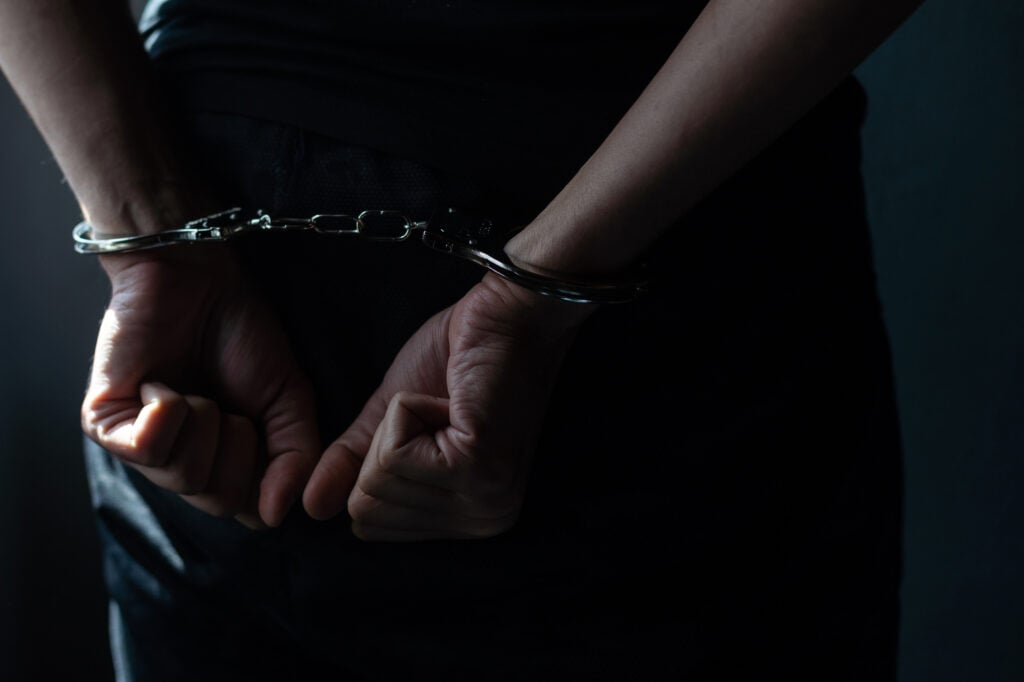
Photographs of suffragettes being arrested and brutalized remained largely unpublished during the height of the movement. The images challenged narratives about orderly political progress.
Japanese American Internment Camp Photos
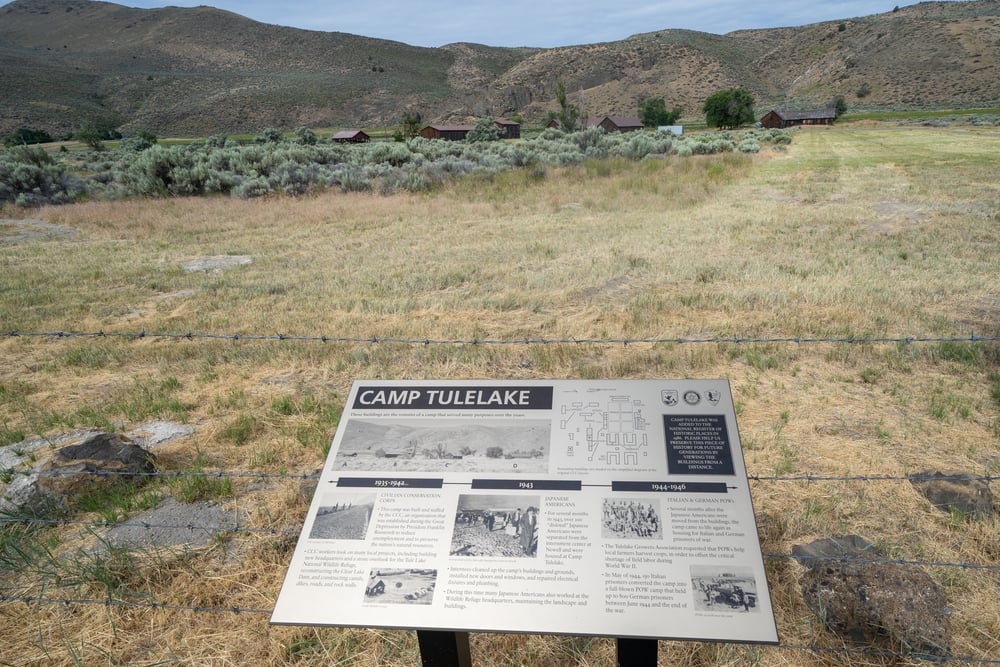
Freelance photographer Ansel Adams and others captured daily life in internment camps. These images were restricted and suppressed while official releases showed sanitized versions.
Labor Strike Violence Photos
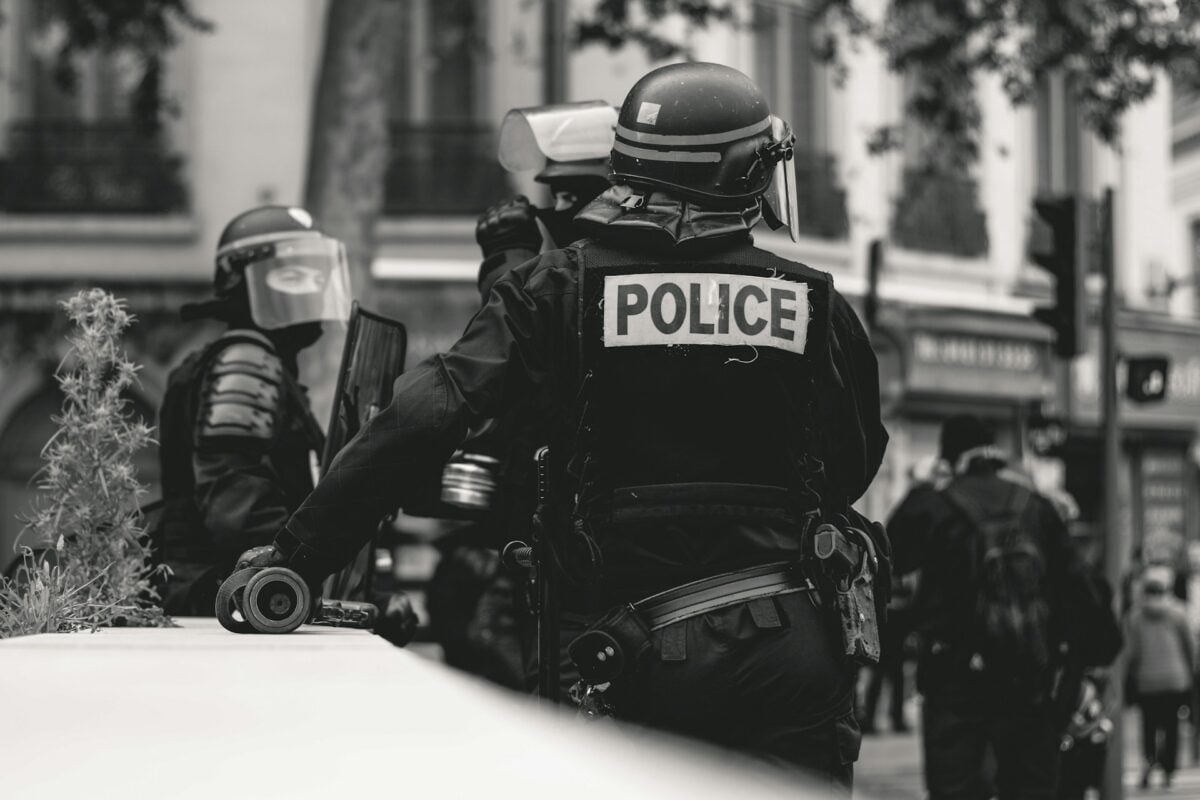
Photographers documented police and military violence against striking workers that newspapers downplayed or refused. The images remained archived while sanitized accounts appeared in print.
WWI Trench Warfare Reality
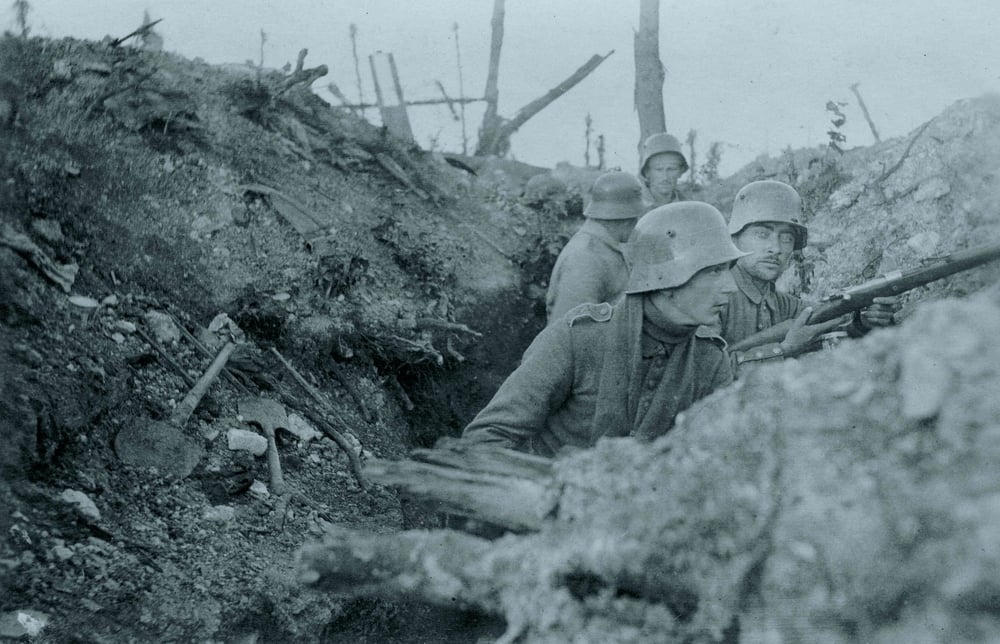
Military photographers captured the genuine horrors of trench warfare that official publications minimized. Raw images of mass death and suffering were restricted by military censorship.
The Dust Bowl Human Suffering
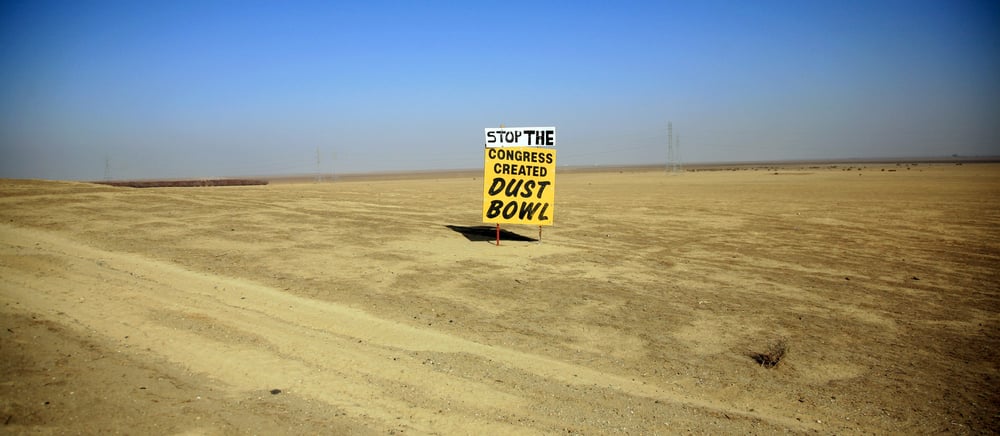
While Walker Evans photographed sharecroppers during the Depression, many of his most powerful images remained unseen for years. Publications preferred less uncomfortable imagery.
Spanish Civil War Casualties
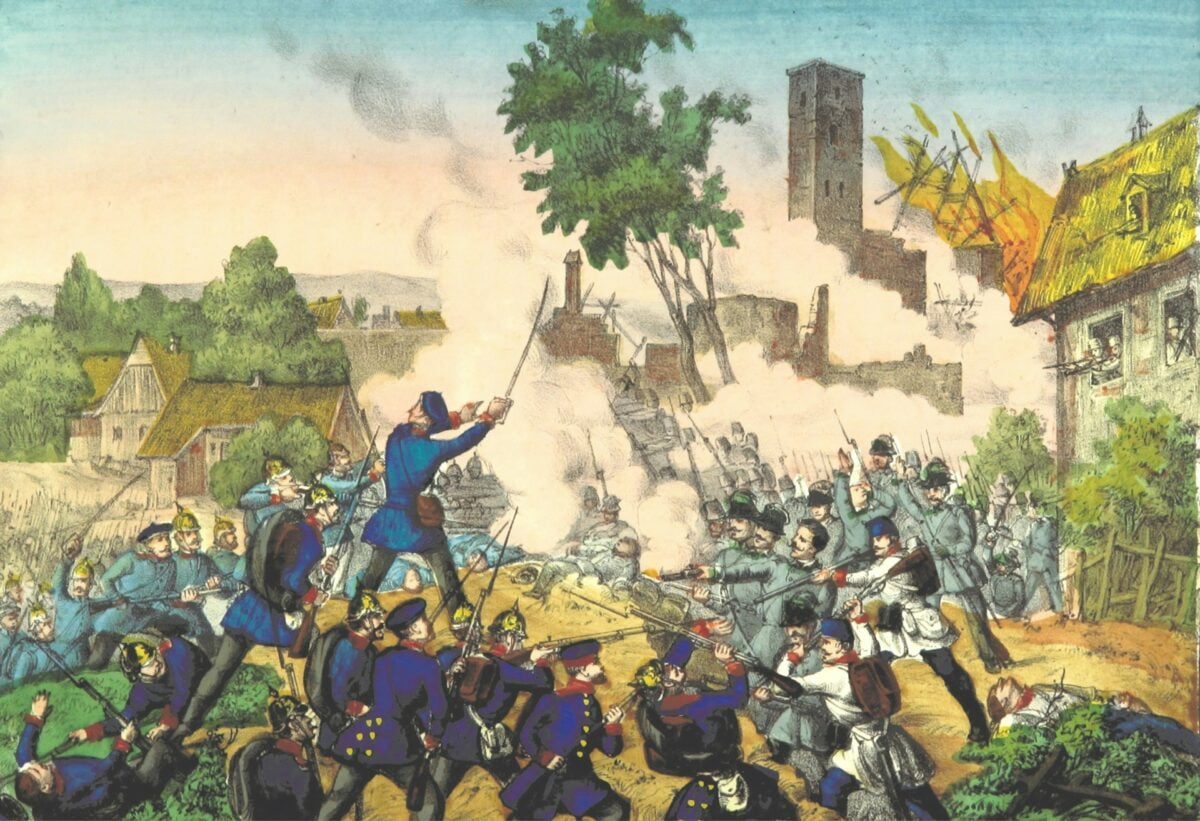
International photographers documented civilian casualties that fascist governments and sympathetic publishers suppressed. The images remained hidden until historical reckoning arrived.
Holocaust Liberation Photos
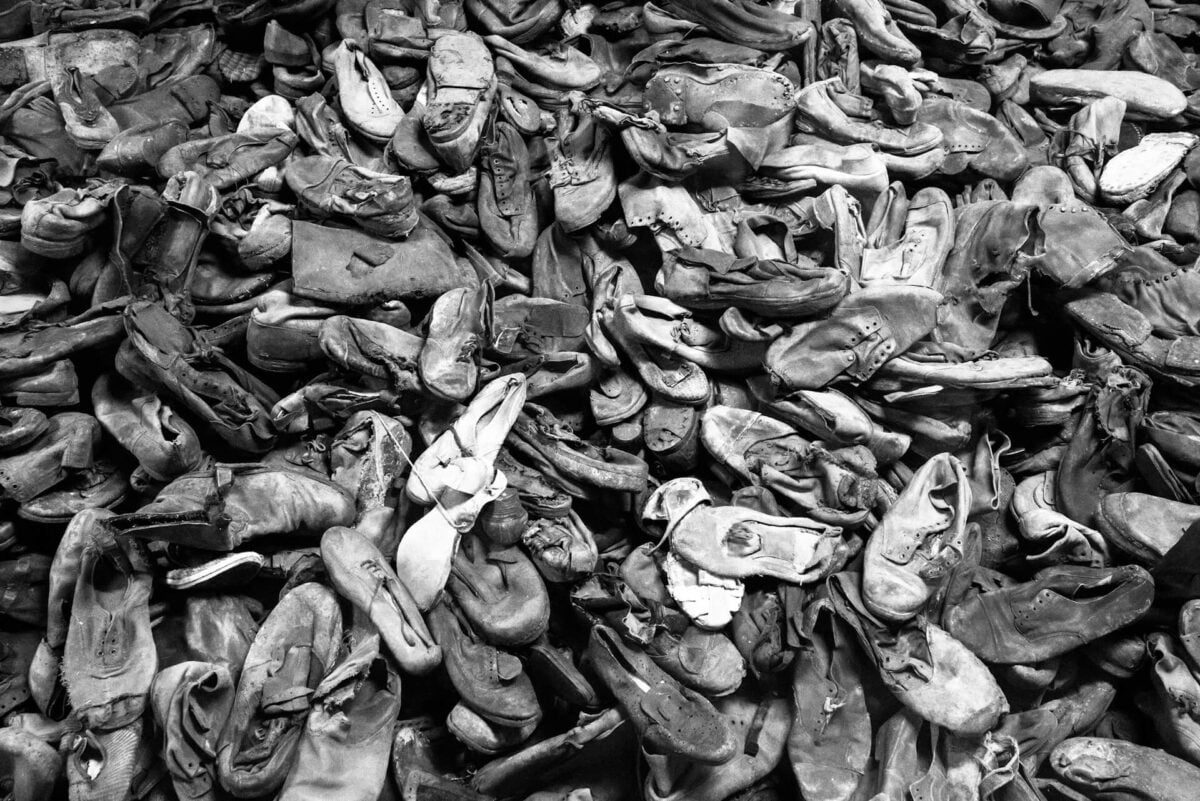
Photographers documented concentration camps immediately after liberation. Some of the most graphic documentation was suppressed by publishers who found the images too disturbing for their audiences.
Atomic Bomb Aftermath in Japan
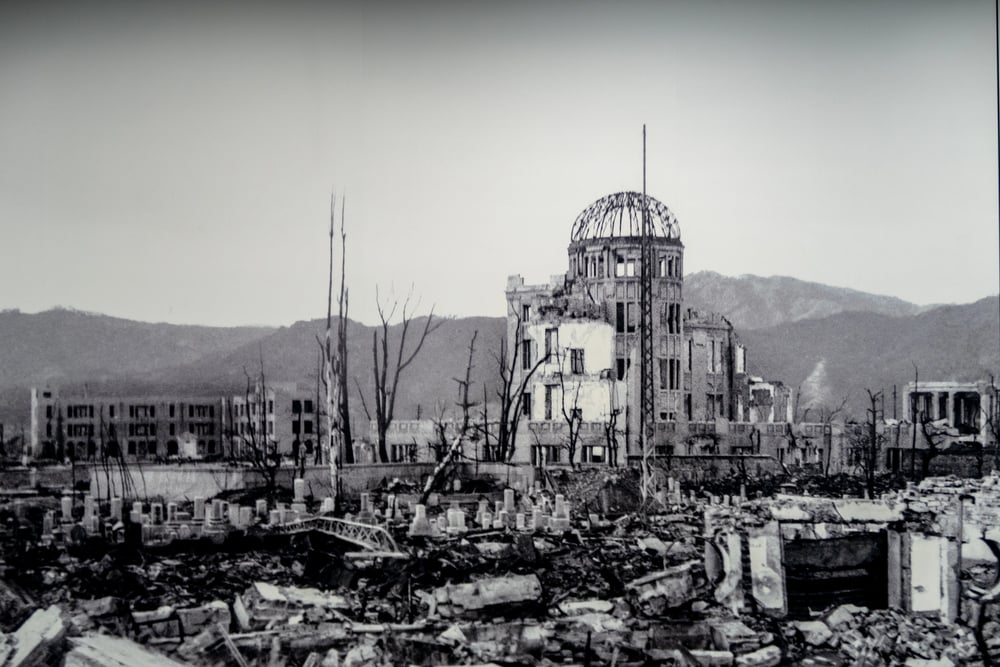
Photographs of Hiroshima and Nagasaki destruction and radiation victims were heavily censored by occupation authorities. The suppression lasted for years, preventing public knowledge of the weapons’ true effects.
Korean War Civilian Casualties
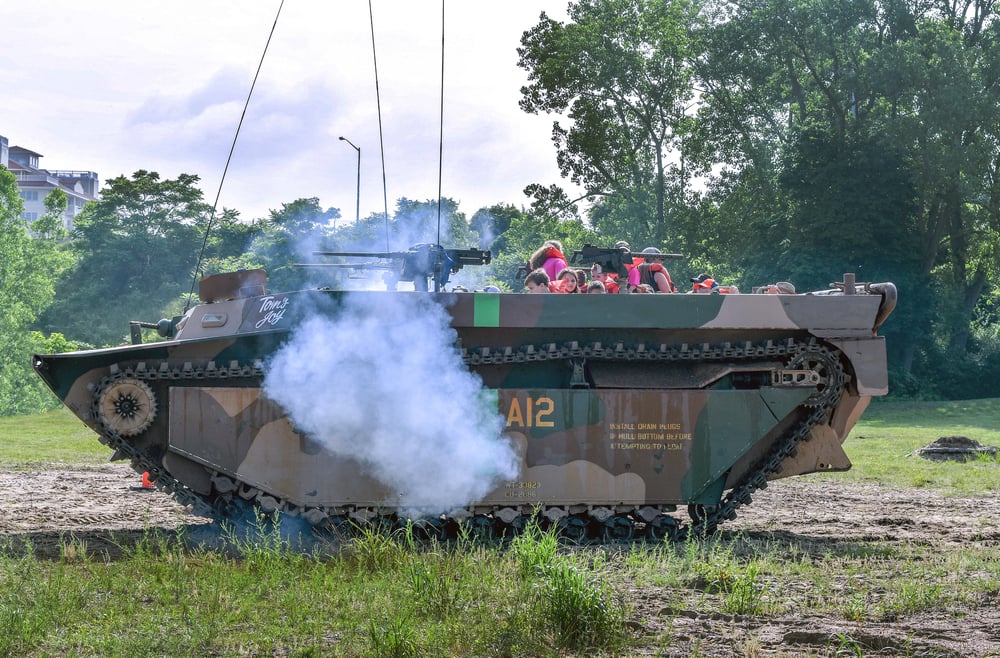
Combat photographers documented civilian deaths that military censors restricted. The images challenged sanitized narratives about the conflict.
Indian Removal and Reservation Conditions
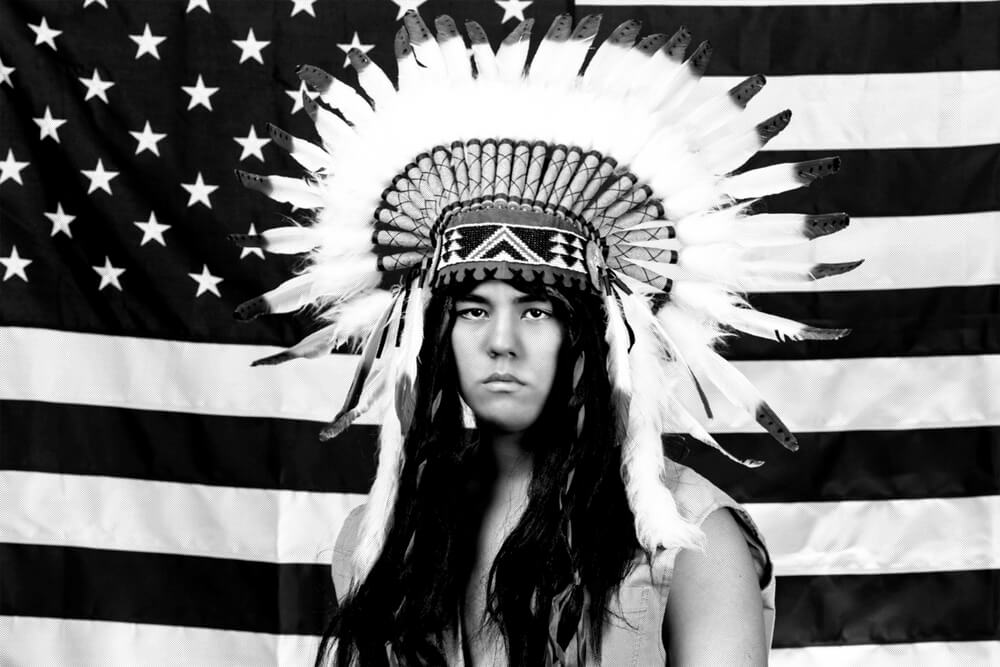
19th-century photographs documenting forced displacement and reservation poverty were archived and ignored. They contradicted official narratives about civilization and progress.
Reconstruction Era Violence Photos
Photographers documented Ku Klux Klan violence and racial atrocities in the post-Civil War period. These images were often suppressed or destroyed by communities.
Anti-War Protest Photos
Photographs of police attacking antiwar protesters during the Vietnam era were often confined to alternative publications. Mainstream media limited distribution of images showing state violence.
Police Brutality in Urban Areas
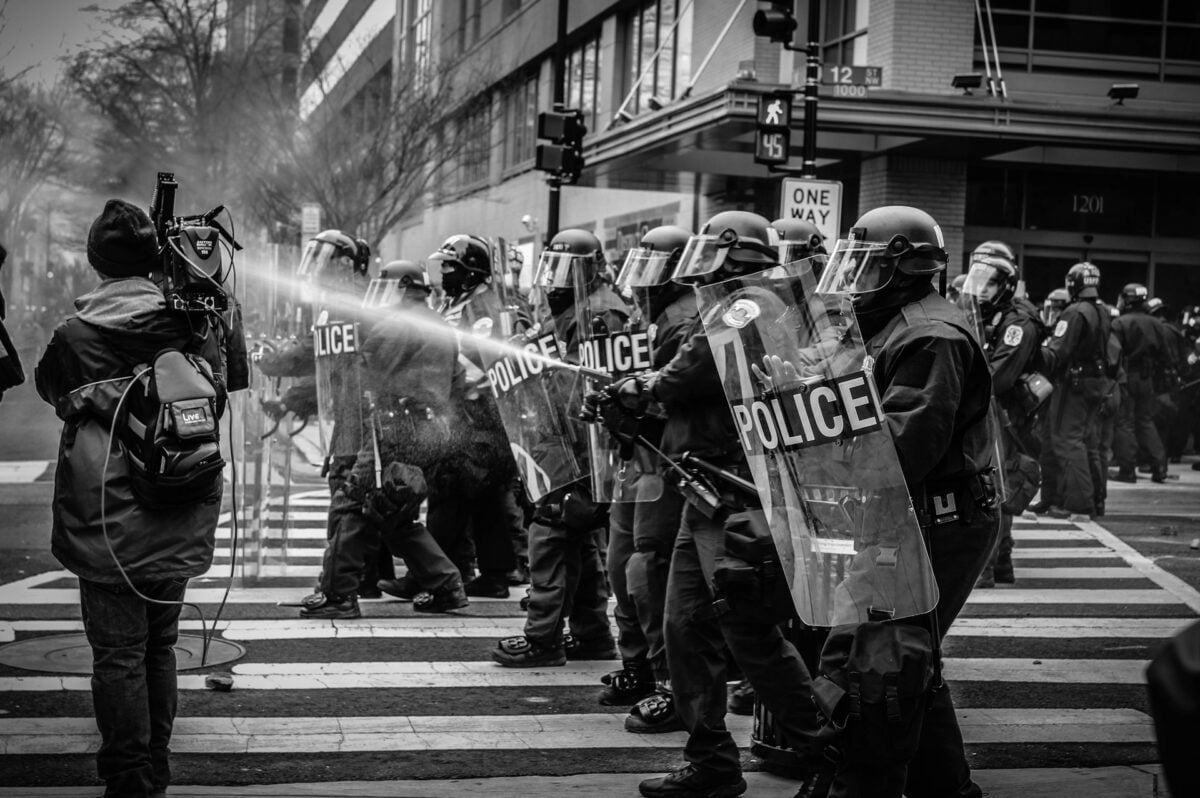
Photographers documented police violence in Black neighborhoods that mainstream publications refused. These images circulated primarily in community journals and alternative media.
Industrial Accident Documentation
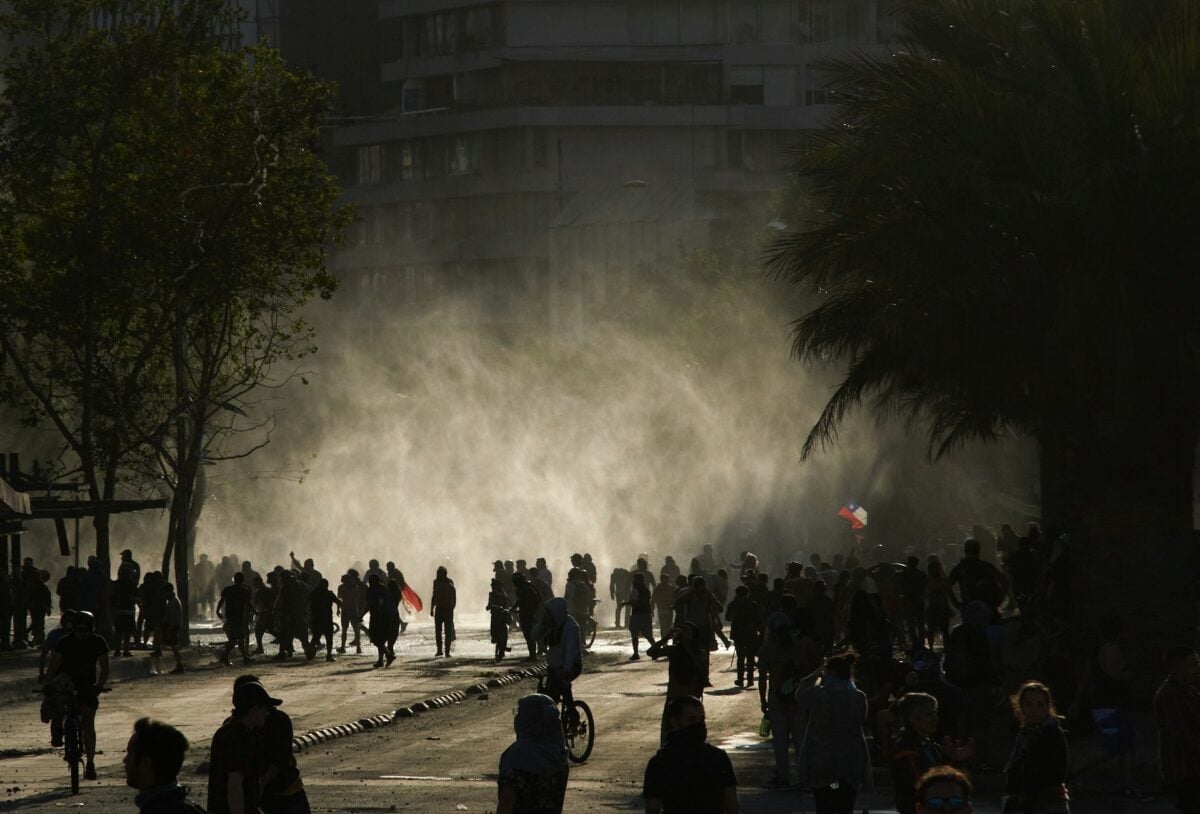
Photographers captured workplace disasters and industrial injuries that companies and sympathetic publications suppressed. Insurance and legal battles kept many images private.
Native American Boarding School Photos
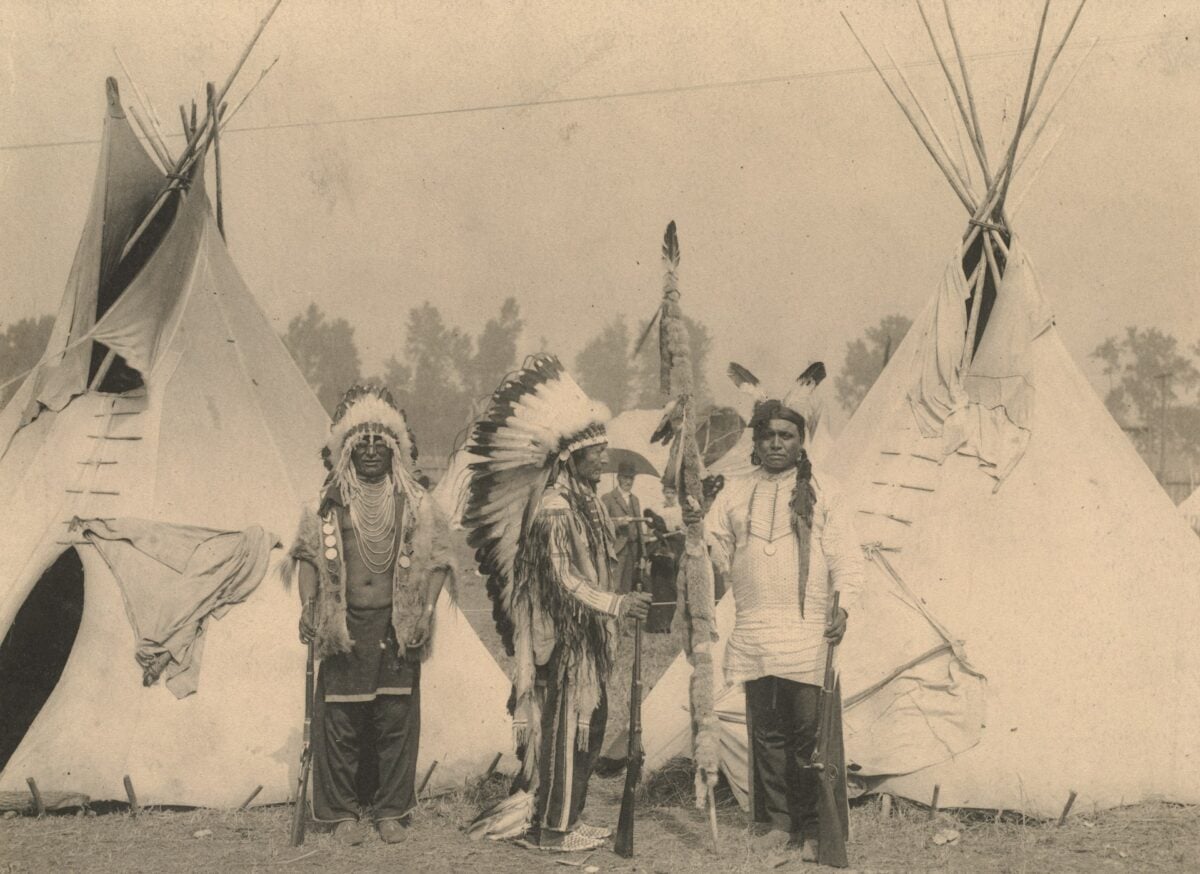
Photographers documented the harsh conditions in Indian boarding schools. Many images showing abuse and cultural erasure were suppressed by the institutions.
Women Entering Factories During Wartime
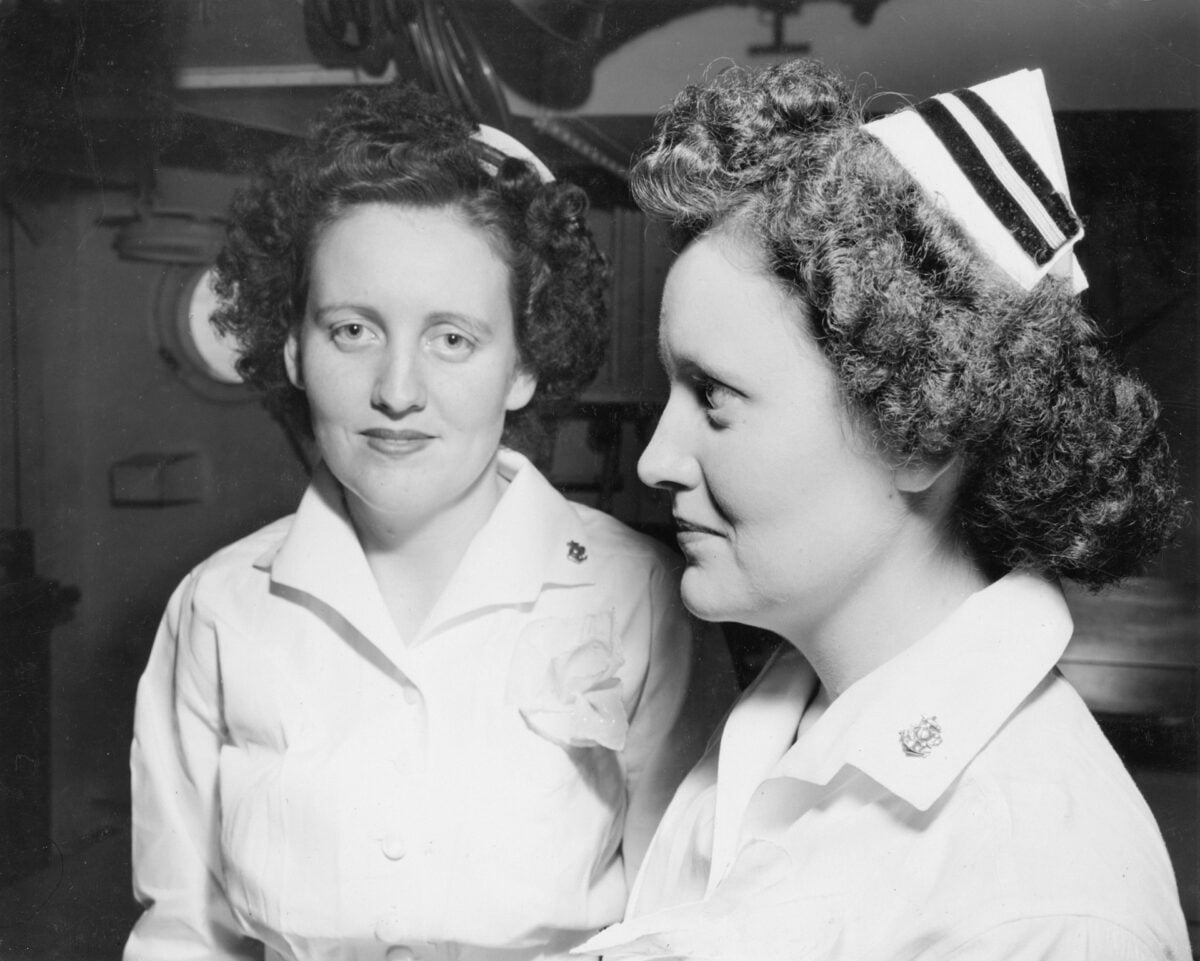
While celebrating female workforce contributions, publications often censored photos showing dangerous working conditions and exploitation. The images remained archived.
Environmental Disaster Photos
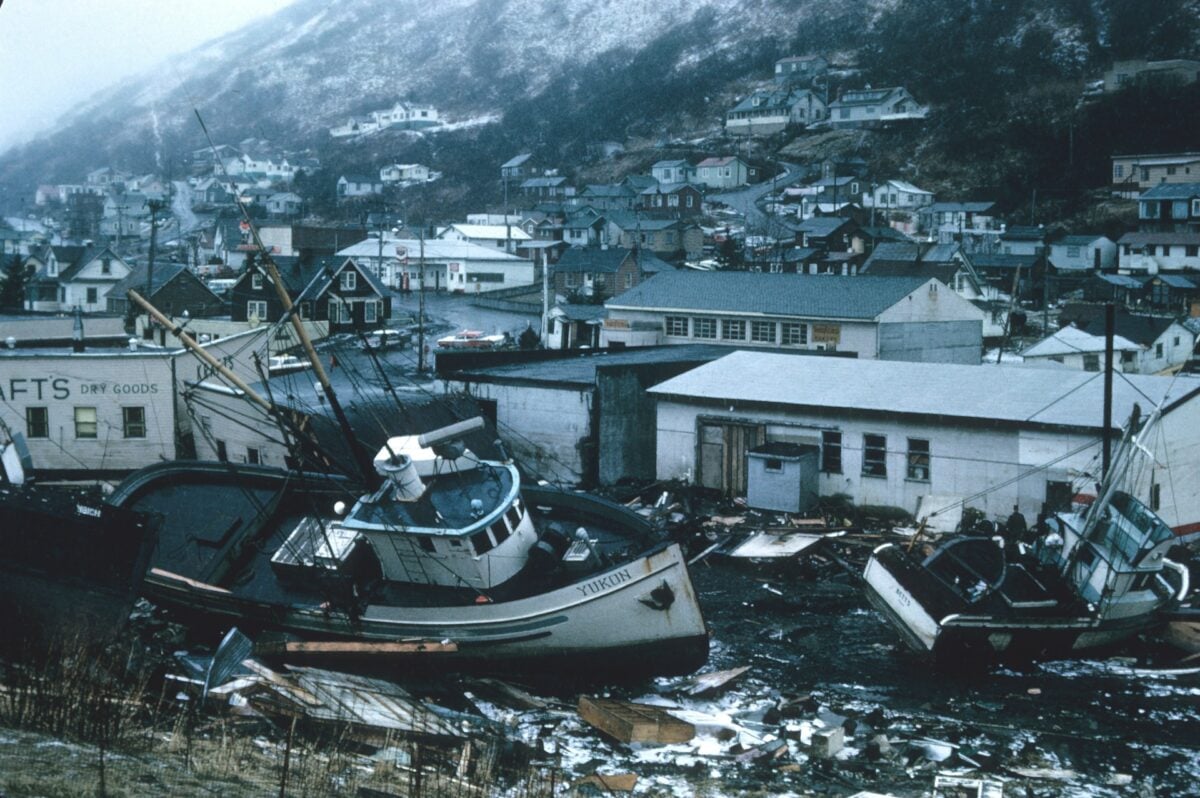
Photographers documented industrial pollution and environmental destruction that corporations and allied media suppressed. Images remained in archives for decades.
Political Assassination Photographs
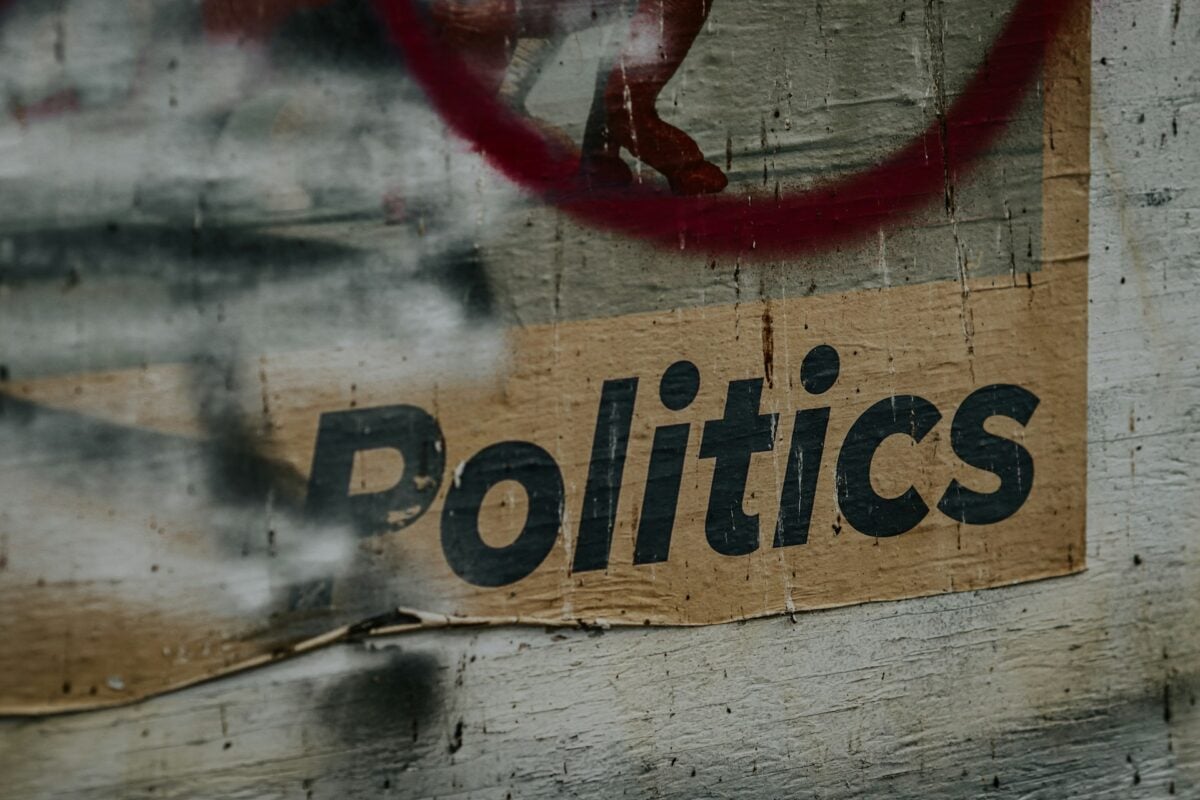
Photographs of political killings around the world were often suppressed by governments and international media. Publication delays measured in decades reflected political pressure.
Poverty and Homelessness Documentation
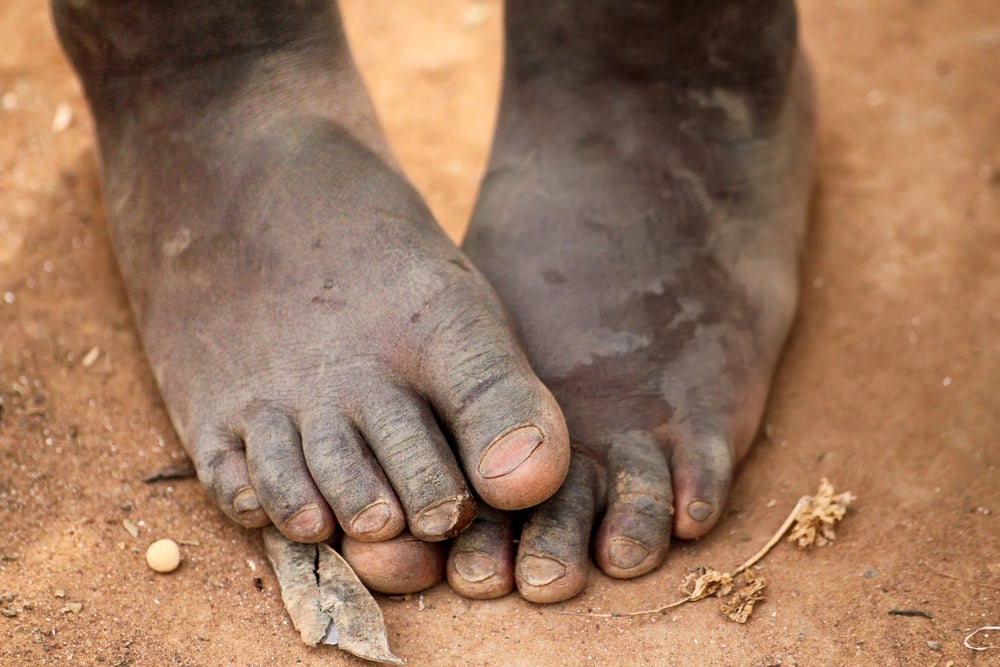
Depression-era and post-war photographers documented extreme poverty that publications considered too depressing or politically sensitive. Images remained archived instead of circulating.
Gang and Street Violence Photos
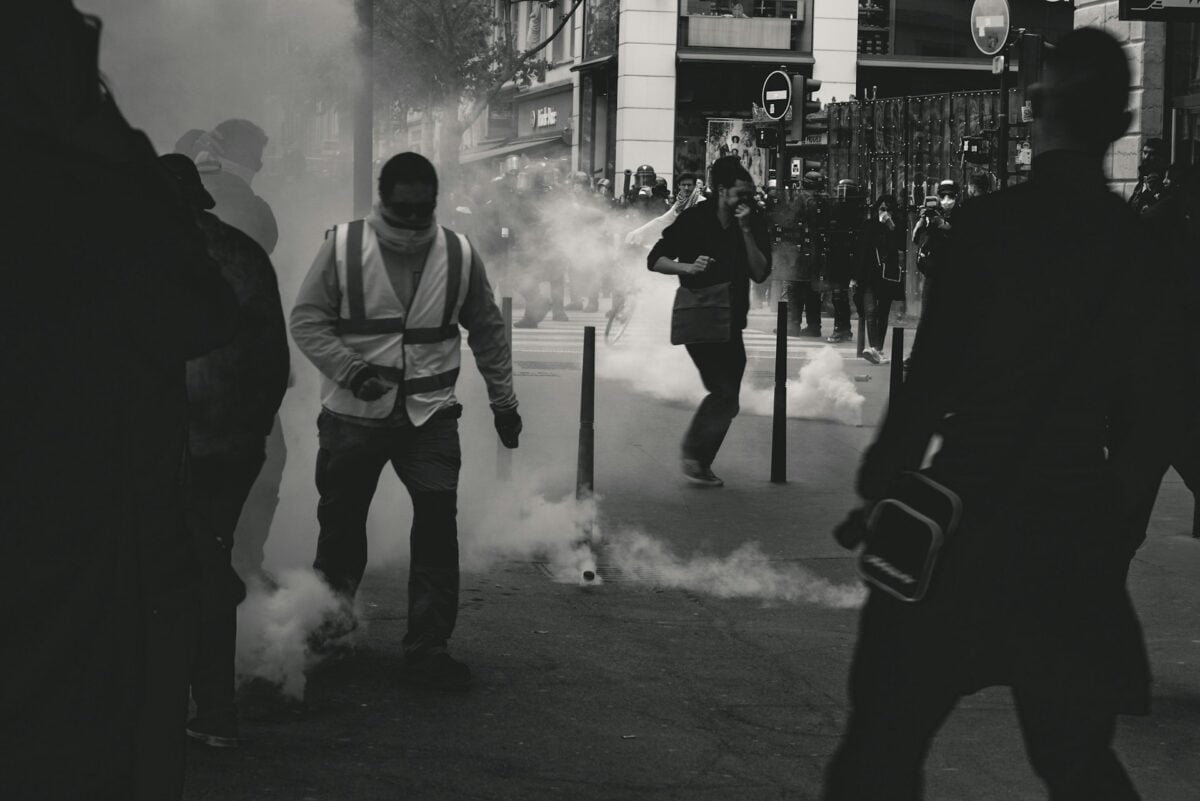
Photographers captured street violence and gang activity that publications restricted for fear of sensationalism or negative community portrayal. Archive storage replaced publication.
Drug Epidemic Documentation
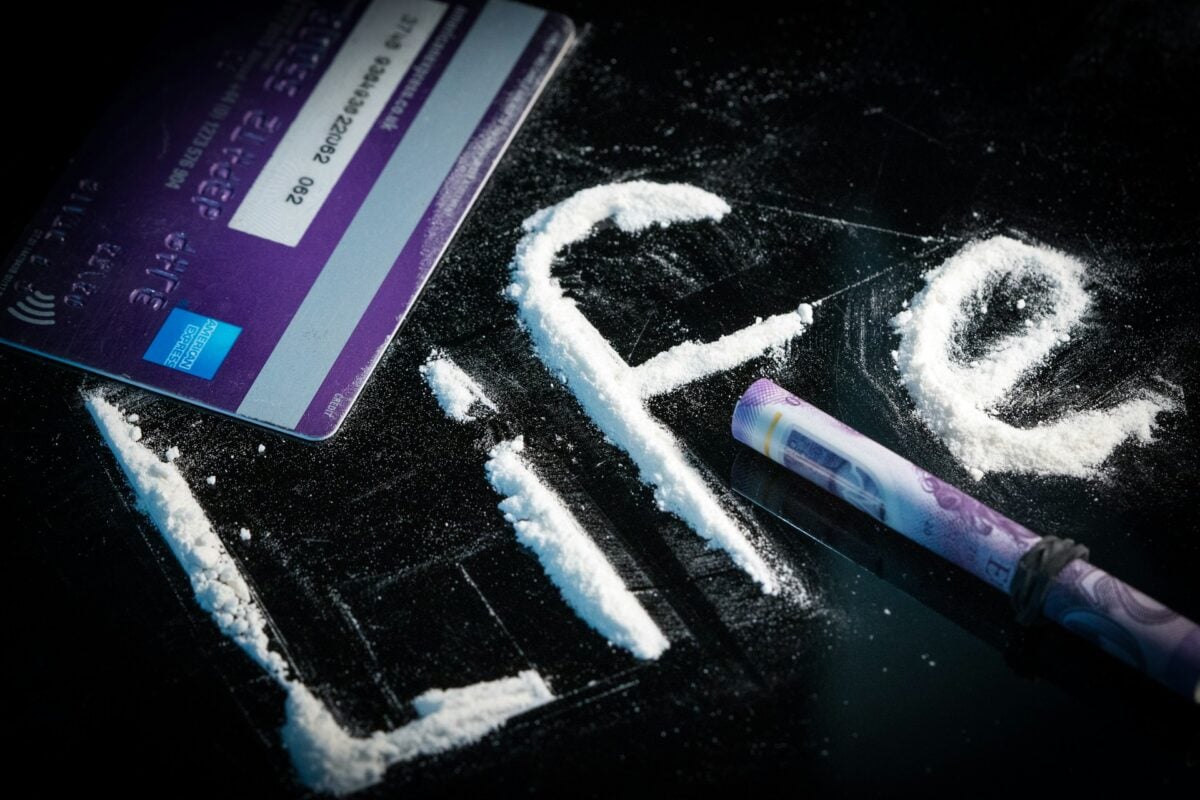
Photographers documented drug use and addiction that publications considered too controversial. These images circulated primarily in medical or legal contexts.
Police Corruption Evidence
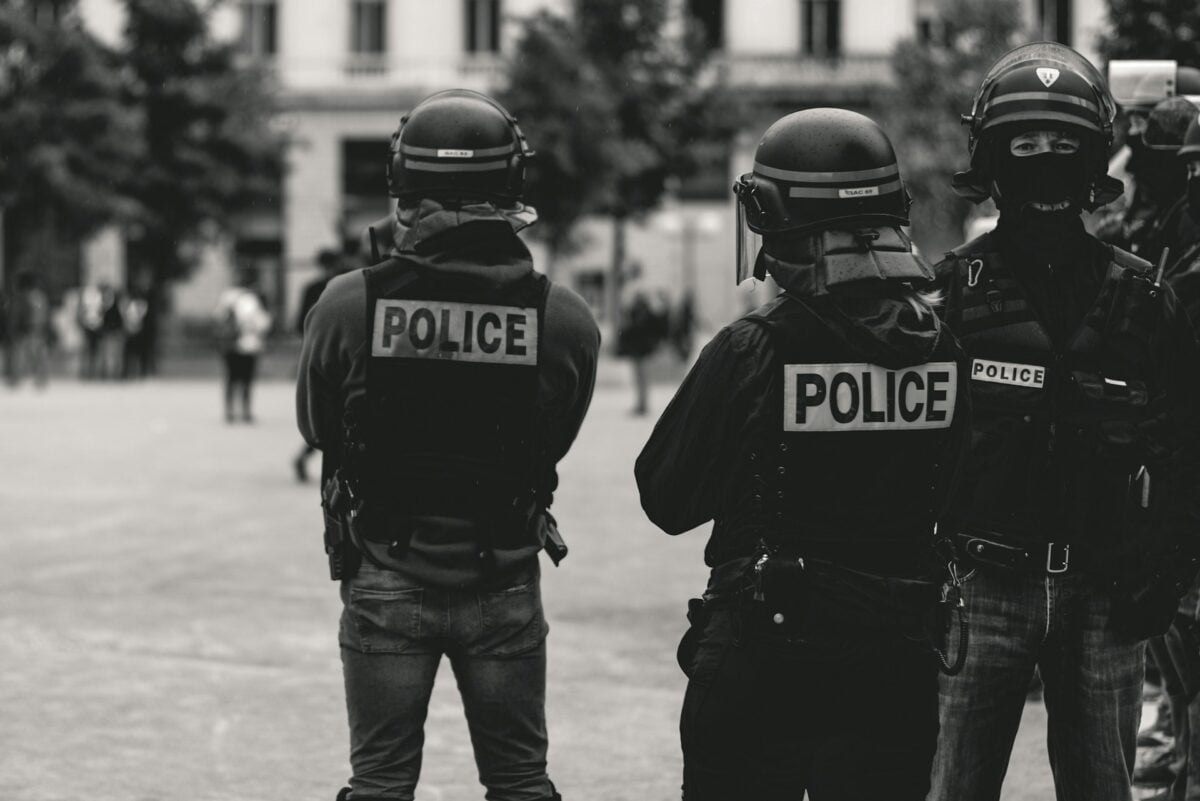
Photographers captured evidence of police corruption and brutality that publishers suppressed under pressure. Years often passed before the images saw public circulation.
The Waiting
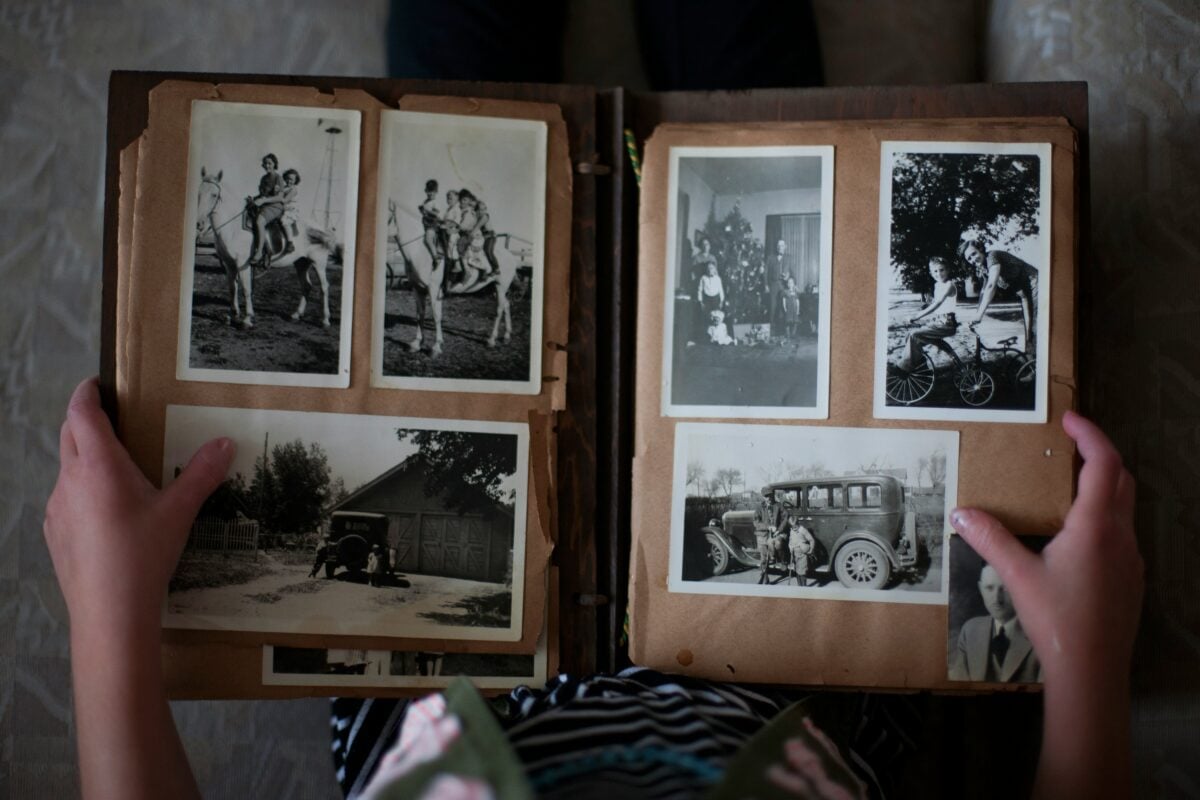
History is filled with moments photographers captured that the powerful worked to forget. The passage of time eventually transformed forbidden photographs into historical documents.
Archives preserve what publishers refused, waiting for eras when the truth finally mattered enough to print.
More from Go2Tutors!

- The Romanov Crown Jewels and Their Tragic Fate
- 13 Historical Mysteries That Science Still Can’t Solve
- Famous Hoaxes That Fooled the World for Years
- 15 Child Stars with Tragic Adult Lives
- 16 Famous Jewelry Pieces in History
Like Go2Tutors’s content? Follow us on MSN.