33 Words That Mean Something Totally Different In Another Language
There’s a particular kind of panic that hits when a word you know perfectly well suddenly means something else entirely, usually right as you’re saying it out loud to a native speaker. Maybe you asked for something in a foreign country and got a look somewhere between confusion and concern.
Maybe you read a menu, a road sign, or a label and had to stop and reconsider everything you thought you understood. Languages borrow from each other constantly, but they don’t always borrow the meaning along with the spelling, and that’s where things get interesting.
What follows is a tour through the words that look familiar and behave like total strangers the moment they cross a border.
Gift

A gift in English is something wrapped in paper. In German it means poison.
Same five letters, opposite intentions. Say “Geschenk” instead, unless you mean it literally.
Pain

The French word “pain” just means bread — the baguette on the counter, nothing dramatic — and that’s it: no suffering involved, no matter how many English speakers wince at the bakery sign.
So “pain chaud” isn’t a warning — it’s warm bread, fresh from the oven. Not scary. Just bread.
Con

Every language borrows its neighbor’s furniture without asking, and Spanish took the word “con” and made it modest, just a bridge, a coupling, the small word standing between “café” and “leche.”
English kept it too, but let it curdle into suspicion, a stranger’s smile right before the wallet disappears. Same three letters, wildly different weather inside them.
One is an invitation. The other is a warning.
Fart

Scandinavian road signs are funnier to English speakers than they have any right to be. “Fartkontroll” isn’t a bodily function, it’s a speed camera warning, which is somehow both a letdown and a relief.
Norwegians have been driving past these signs for decades without a hint of the giggle they cause in visiting Americans. That says more about English than it does about Norway.
Bra

“Bra” in English refers to an undergarment. In Swedish and Norwegian, it just means good.
A Swede telling you dinner was “bra” isn’t complimenting your wardrobe. It’s a compliment on the meal, full stop.
Barf

In Persian, “barf” is snow — the kind that shuts down mountain roads north of Tehran every winter — and it has nothing to do with the meaning English speakers assume the moment they hear it.
So a Farsi weather report warning of heavy “barf” is describing a storm: not an illness. Context matters here.
Without it, a snow day sounds like a very bad one.
Mist

There’s a kind of poetry in how German turned the word for morning fog into a word for manure, as if someone decided both were things you’d rather not walk through barefoot.
English speakers picture a soft gray veil over a field. German speakers picture the field itself, freshly fertilized.
Rat

Nobody in Germany is afraid of the word “Rat.” It means advice, not rodent, and a “Ratsversammlung” is a council meeting, not a pest control emergency.
English speakers scanning German street signs for “Rathaus,” meaning city hall, tend to do a double take, which is fair, because the visual is genuinely funny. The word has nothing to apologize for.
Boot

In English, a boot goes on your foot. In Dutch and German, “boot” means boat.
Ask for a “boot” in Amsterdam and someone will point you toward the canal, not the shoe store. Footwear and watercraft, separated by an ocean of meaning.
Handy

Germans call a cell phone a “Handy,” which sounds like an English word doing a decent impression of itself — useful, maybe, but not related to how English actually uses it.
So when someone in Munich says they left their “Handy” at home, already halfway out the door, they mean the phone, not a tool or a skill.
Linguists still argue over where the term came from: some blame an old Motorola slogan, others a stray English phrase that got adopted and never let go. Either way, it stuck — and now an entire country calls a smartphone by a word few English speakers would recognize.
Bald

German turned a word about missing hair into a word about time running short, and somehow that feels almost accidental, like two rivers that happen to cross without ever really touching.
“Bis bald” means see you soon, not a comment on anyone’s scalp. The overlap is coincidence dressed up as confusion, and it trips up beginners every single semester.
Brat

English hears “brat” and pictures a spoiled kid throwing a tantrum in a grocery store.
Russian hears the same word and pictures a brother, nothing more sinister than that. It’s a small reminder that tone matters as much as spelling, and that a word can carry warmth in one country and mild contempt in another.
Context, as usual, does the heavy lifting.
Actual

“Actual” in English means real, verified, true. In Spanish and French, it means current, as in right now, this month, this year.
A Spanish news anchor talking about “la situación actual” isn’t confirming reality. They’re talking about today.
Sensible

Calling someone “sensible” in English is a compliment about their judgment — level-headed, practical, the person who remembered to bring an umbrella.
But say the same word to a French or Spanish speaker and you’ve just told them they’re emotionally fragile.
So a translator working across both languages has to catch this one early, because the mix-up shows up constantly in business emails and rarely lands the way anyone intended.
The words look identical: they just aren’t. And that’s the trap with false friends generally, they don’t announce themselves.
Exit

Spanish took the Latin root for “going out” and pointed it somewhere entirely different, toward triumph instead of departure, so that “éxito” now means success rather than an emergency door.
There’s something almost hopeful in that detour, as if the language decided leaving and winning were close enough cousins to share a name.
English speakers squinting at a Spanish magazine headline about someone’s “gran éxito” might brace for news of an escape. It’s actually a victory lap.
Constipated

This one causes real trouble at Spanish pharmacies. Telling a pharmacist you’re “constipado” means you have a stuffy nose and a cough, not the digestive issue an English speaker might assume.
The pharmacist won’t blink, because in Spanish that’s just a cold, plain and ordinary. English speakers, meanwhile, spend an uncomfortable few seconds wondering what they just admitted to.
Embarrassed

English speakers say “embarrassed” when they’re mortified. Spanish speakers hear “embarazada” and think pregnant.
The words look like cousins but aren’t related at all. It’s one of the most famous mix-ups in language classes, and for good reason.
Assist

In English, to assist someone means to help them carry something, fix something, get through something.
In Spanish, “asistir” just means to show up, to attend a class, a meeting, a concert, no helping required, no effort beyond arriving on time.
So a student who says they “asistieron a la clase” isn’t bragging about tutoring anyone: they went, sat down, and that was the whole job.
It’s a smaller word than English gives it credit for.
Realize

English “realize” is a quiet, internal thing, a lightbulb clicking on somewhere behind the eyes.
Spanish “realizar” is loud and physical, the actual building of the thing, not the noticing of it.
A Spanish speaker who “realizó su sueño” didn’t simply understand their dream, they built it, brick by brick, until it stood there finished.
The difference is the whole distance between thinking and doing.
Introduce

Nobody warns English speakers learning Spanish about this one, and they really should.
“Introducir” means to insert something, a key into a lock, a card into a slot, not to present a person at a party.
Ask a native Spanish speaker to “introduce” your friend and you’ll get a confused look, because that request sounds like a job for a vending machine, not a host.
Small word, large potential for an awkward silence.
Deception

English “deception” implies lies, tricks, betrayal.
French “déception” just means disappointment, a canceled trip, a bad meal, nothing sinister. Nobody’s scheming. They’re just let down.
Large

English speakers hear “large” and picture size overall — a large dog, a large house, something with real volume to it.
But French “large” is narrower than that, describing width specifically, a wide street or a loose-fitting coat.
So a French tailor measuring a jacket as “large” isn’t calling it big, just roomy across the shoulders.
It’s a distinction English never bothered to make, one word covers everything, while French keeps its options open.
The English word ballooned — the French word stayed put.
Sympathetic

English “sympathetic” leans toward pity, the gentle look someone gives you after bad news.
French and Spanish took the same root somewhere else entirely, toward charm, toward the kind of person you’d want at your dinner table.
Calling a stranger “sympathique” isn’t feeling sorry for them, it’s saying they’re good company.
One word built itself around comfort during hard times, the other around simply being liked.
Eventually

This mistranslation causes real damage in business meetings.
English “eventually” promises something will happen, given enough time.
Spanish “eventualmente” promises nothing of the sort, it just means maybe, possibly, if circumstances allow.
Anyone translating a contract between the two languages needs to catch this one before it becomes a legal argument.
Compromise

English “compromise” means meeting halfway.
Spanish “compromiso” means an obligation, a commitment, sometimes an engagement to be married.
Nobody’s giving anything up. They’re just agreeing to show up.
Argument

English speakers hear “argument” and brace for a fight, raised voices, someone slamming a door somewhere in the background.
Spanish “argumento” wants none of that drama, it just means the plot of a book or a movie, the sequence of events that makes the story hang together.
So a Spanish speaker describing the “argumento” of a film isn’t recounting a disagreement between the actors, they’re summarizing the storyline.
It’s a gentler word than English gives it credit for, and it makes a certain kind of sense: every good plot is, after all, just a series of things happening in order.
Attend
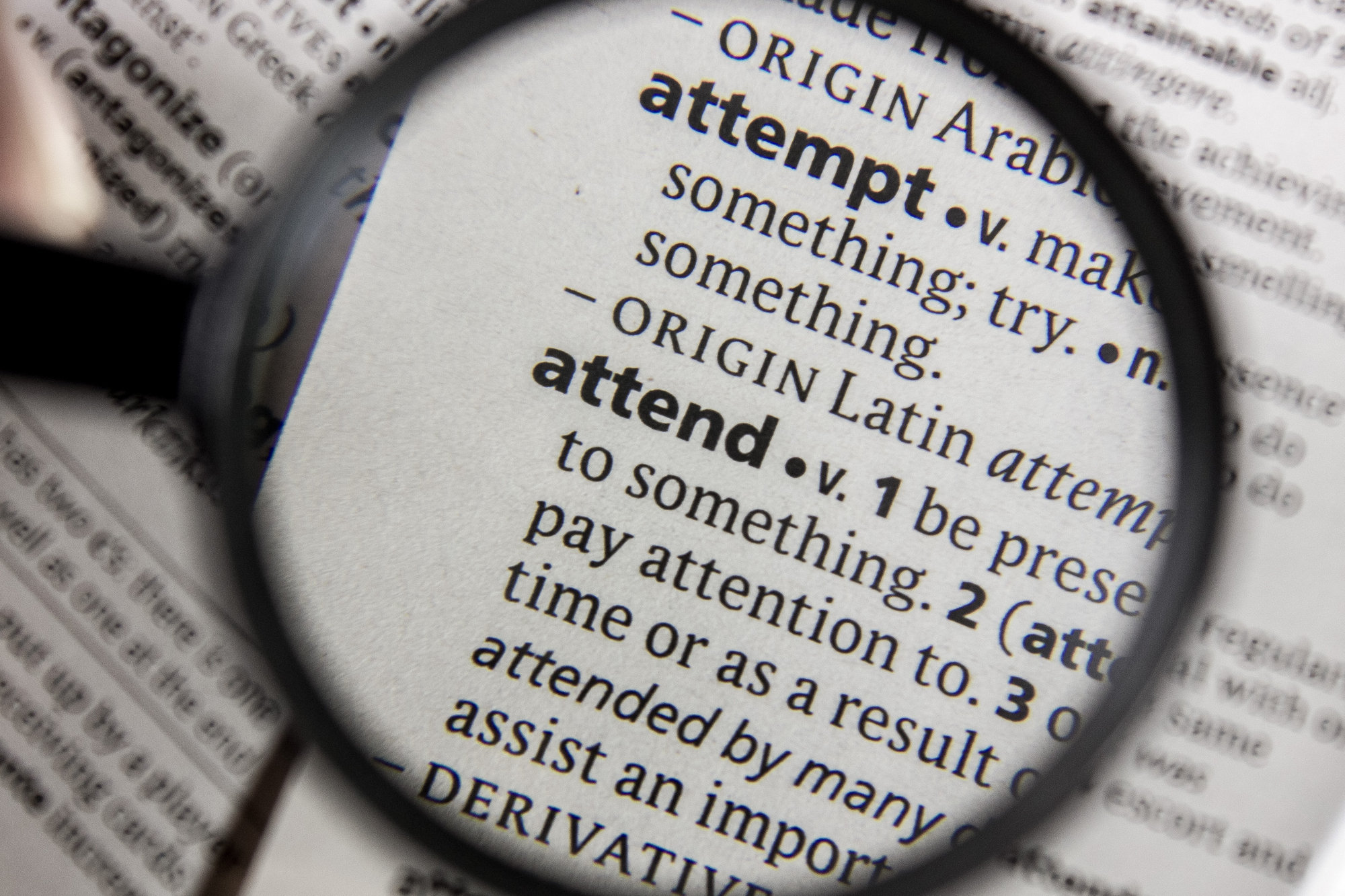
English “attend” means showing up, being present, checking a box on someone else’s list.
French “attendre” is the opposite kind of stillness, the waiting room instead of the meeting itself, the patience instead of the arrival.
A sign reading “Veuillez attendre” isn’t asking you to attend anything, it’s asking you to sit tight.
Two words that look like siblings, doing completely different jobs.
Costume

French “costume” just means a suit, the kind worn to a wedding or a job interview, nothing theatrical about it.
English speakers hear “costume” and picture face paint and a rented cape from a Halloween store.
Ask a French colleague about their “costume” for the gala and you’re asking about their tailoring, not their creativity.
It’s a far more boring word in French than it ever gets to be in English.
Preservative

English “preservative” keeps food fresh on the shelf.
In Spanish and French, “preservativo” and “préservatif” mean condom, not a food additive at all.
This mix-up has caused genuine embarrassment on translated ingredient labels for decades, and it keeps happening.
Read the label twice before repeating that word out loud abroad.
Library

English speakers walking into a “librería” in Madrid expecting rows of borrowable books are in for a small disappointment, because it’s a bookstore, and everything inside has a price tag.
So the actual library, the place with a card catalog and overdue fines, is called a “biblioteca” instead, a word that looks nothing like its English cousin despite doing exactly its job.
It’s a strange little swap: the word that sounds like library sells books, and the word that sounds unrelated lends them out for free.
English speakers usually figure this out the hard way, wallet already open.
Fabric

English “fabric” is soft, something you’d run a hand across in a sewing store, cotton or linen or something with a pattern.
Spanish and French took the same root and built something entirely different from it: a factory, all steel and noise, nothing textile about it at all.
A “fábrica de zapatos” isn’t a shop selling shoe material, it’s the building where the shoes themselves get made.
The word traveled the same distance in both languages and ended up in completely different rooms.
Demand

French “demander” simply means to ask, politely, the way you’d ask for the check at a restaurant.
English “demand” is far more forceful, closer to an ultimatum than a request.
Translate a French email too literally and a simple question turns into what reads like a threat.
Tone gets lost fast when the words look identical but carry completely different weight.
Genial

English “genial” describes someone warm and friendly, an easy presence at a party.
Spanish “genial” means something closer to amazing, fantastic, the word you’d use for a great idea or a perfect day.
A Spanish friend calling your plan “genial” isn’t just being nice about your personality. They think it’s brilliant.
When Words Cross Borders Without Packing Right
None of this is really about vocabulary. It’s about how confidently people carry a word from one place to another, assuming it will behave the same way it always has, only to watch it shift shape the moment it lands somewhere new.
Language doesn’t travel like luggage, checked and predictable. It travels more like water, taking the shape of whatever container it’s poured into, picking up new sediment along the way.
The next time a word betrays you mid-sentence in a foreign country, there’s some comfort in knowing it’s not a personal failing. It’s just a word that packed light and figured it would sort itself out on arrival.
More from Go2Tutors!

- The Romanov Crown Jewels and Their Tragic Fate
- 13 Historical Mysteries That Science Still Can’t Solve
- Famous Hoaxes That Fooled the World for Years
- 15 Child Stars with Tragic Adult Lives
- 16 Famous Jewelry Pieces in History
Like Go2Tutors’s content? Follow us on MSN.



