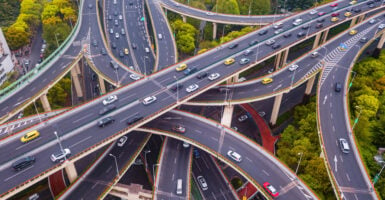
Cities That Could Be Underwater by 2050
Climate change isn’t just melting ice caps and raising temperatures. It’s also pushing sea levels higher at a pace that’s catching many coastal cities off guard.
Scientists now predict that some of the world’s most famous and populated urban areas could face serious flooding or even partial submersion within the next few decades. These aren’t distant threats or far-off possibilities.
The water is rising now, and the clock is ticking for millions of people who call these places home. So which cities are really at risk?
Let’s look at the places where rising tides and sinking land are creating a perfect storm for disaster.
Miami
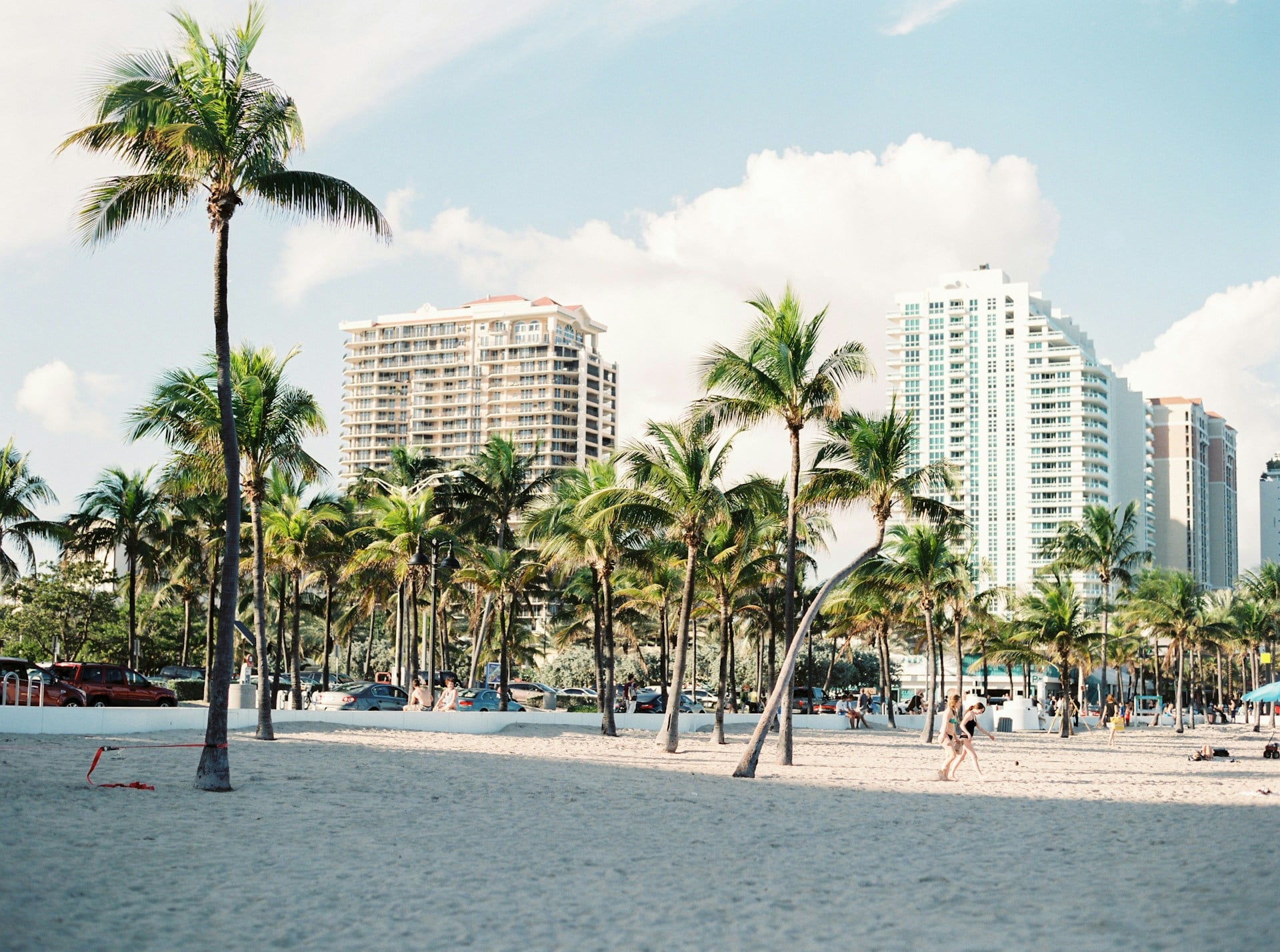
Miami sits barely above sea level, making it one of the most vulnerable cities in America. The city already experiences regular flooding during high tides, a phenomenon locals call ‘sunny day flooding’ because it happens even when there’s no storm in sight.
Engineers estimate that large portions of Miami Beach and downtown could be underwater by mid-century if current trends continue. The city has invested billions in pumps and raised roads, but many experts think these measures just buy time rather than solve the problem.
Jakarta
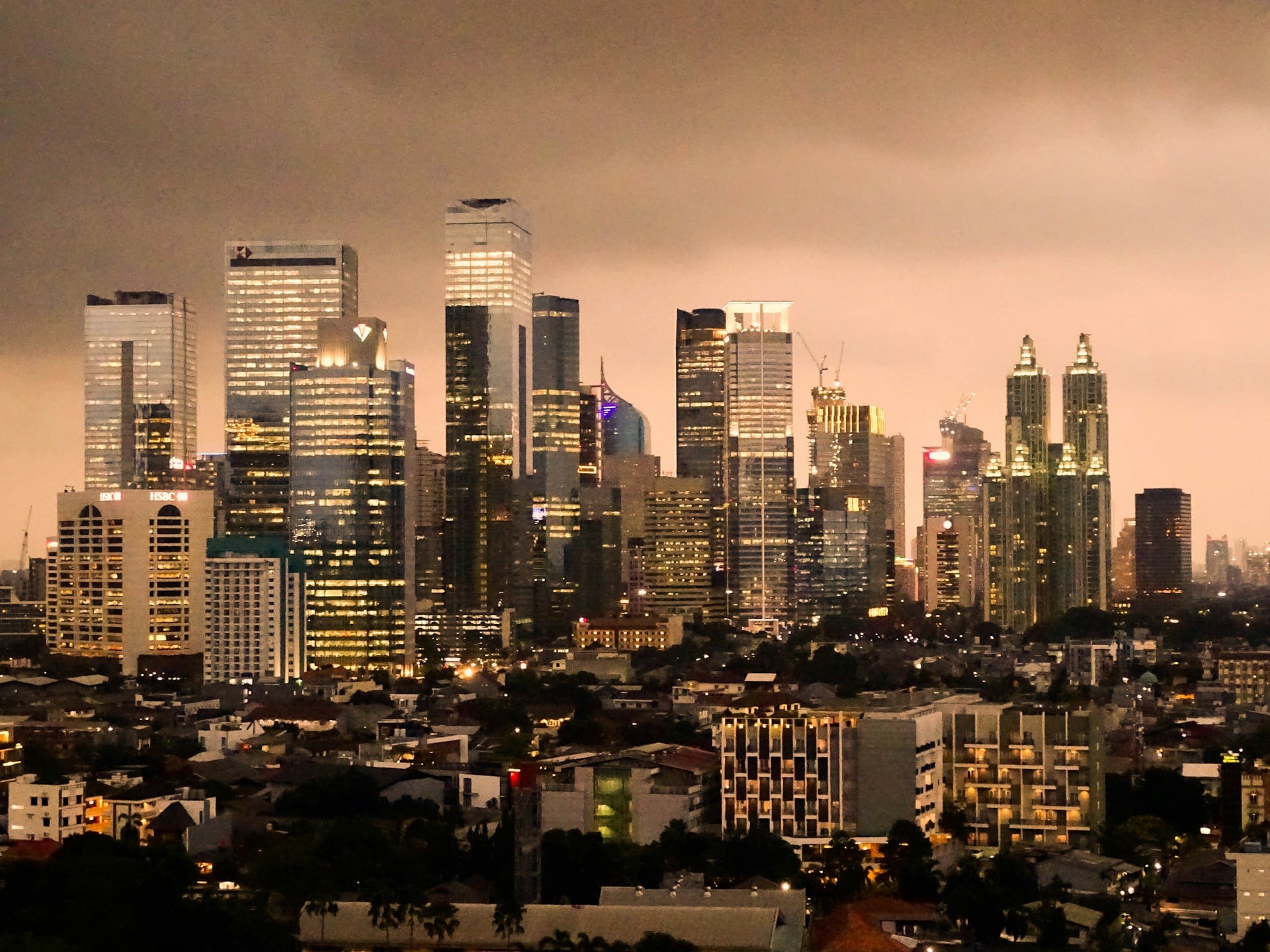
Indonesia’s capital is sinking faster than almost any other major city on Earth. Parts of Jakarta drop by as much as ten inches every year, partly because people pump too much groundwater from beneath the city.
Combine that sinking with rising seas, and you get a recipe for disaster. The Indonesian government has already announced plans to move the capital to another island, essentially abandoning Jakarta to its watery fate.
New Orleans

This Louisiana city has fought against water for its entire existence, sitting below sea level and surrounded by rivers, lakes, and the Gulf of Mexico. Hurricane Katrina showed just how vulnerable New Orleans really is, and things haven’t improved much since 2005.
The land beneath the city continues to sink while waters rise, and the protective wetlands that once buffered storm surges keep disappearing. Even the massive levee system might not be enough to save the Big Easy from permanent flooding.
Venice

The famous Italian city built on wooden pilings has dealt with flooding for centuries, but the problem has gotten much worse recently. High tide events called ‘acqua alta’ now happen more frequently and reach higher levels than ever before.
Venice installed a complex system of mobile barriers to hold back the Adriatic Sea, but these barriers can’t stay closed all the time without cutting the city off from the ocean it depends on. Many historic buildings already show severe water damage, and some neighborhoods flood so often that residents have given up fighting it.
Bangkok

Thailand’s capital faces a double threat from rising seas and sinking foundations. The city pumps groundwater for drinking and industry, causing the land to compact and drop several inches each year.
Bangkok sits on a river delta that’s naturally low and flat, meaning even small increases in sea level can push water far inland. Researchers predict that much of Bangkok could be below sea level by 2050, turning parts of this vibrant city into permanent lagoons.
Alexandria

Egypt’s second-largest city sits right on the Mediterranean coast, where thousands of years of history could vanish beneath the waves. Alexandria has survived since ancient times, but rising seas threaten the tombs, libraries, and archaeological sites that make this city special.
The Nile Delta is also sinking as sediment stops flowing downstream, trapped behind the Aswan Dam. This combination means Alexandria could lose large chunks of its coastline within just a few decades.
Osaka
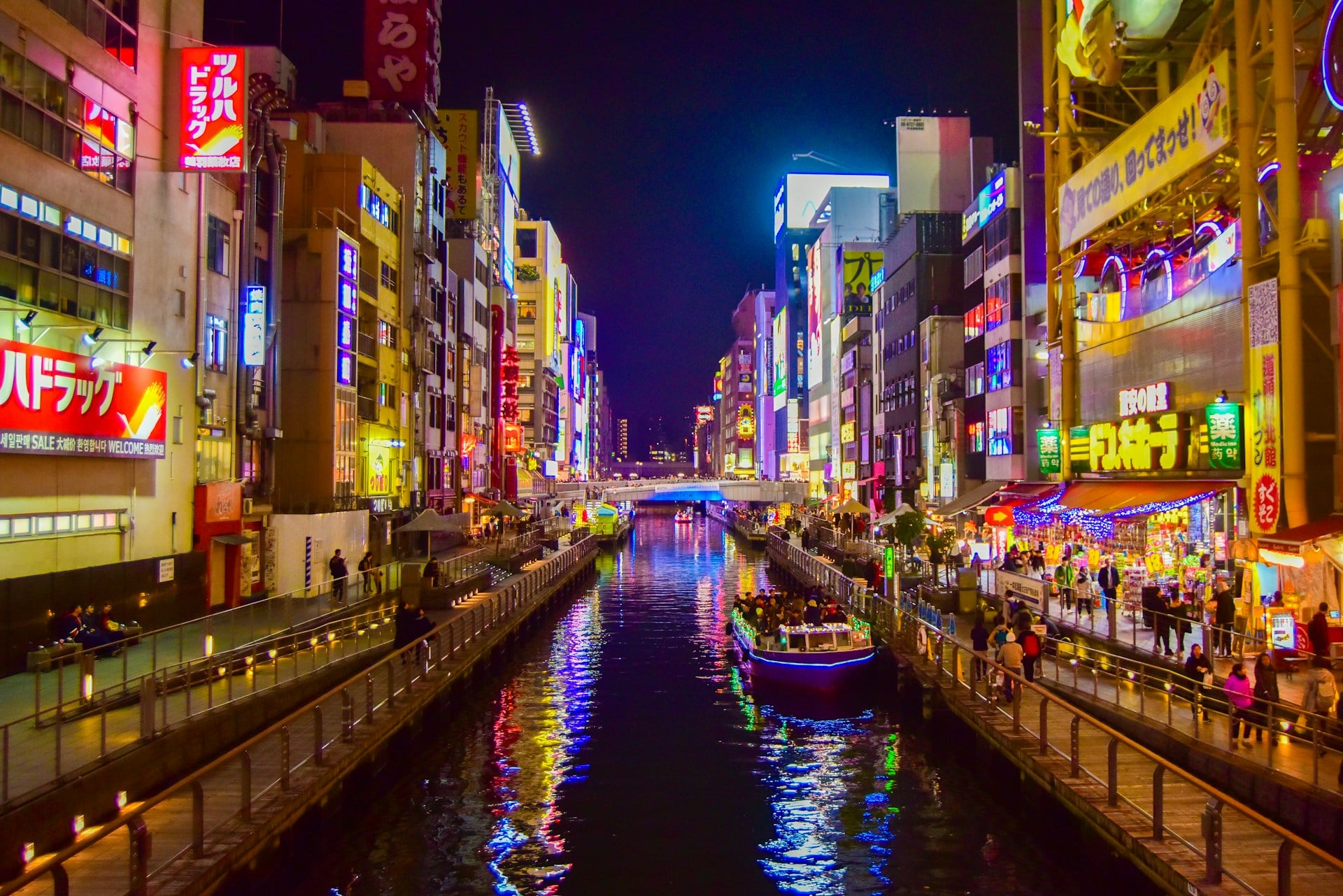
Japan’s third-biggest city lies on a low plain near the ocean, protected by a network of seawalls and drainage systems. But Osaka sits in a region prone to earthquakes and typhoons, both of which could overwhelm its defenses if they strike at the wrong time.
The city has already spent billions reinforcing its coastline, yet engineers warn that these protections might not hold against the storms and surges expected by mid-century. Large parts of Osaka’s industrial zones and residential neighborhoods sit barely above current sea levels.
Shanghai
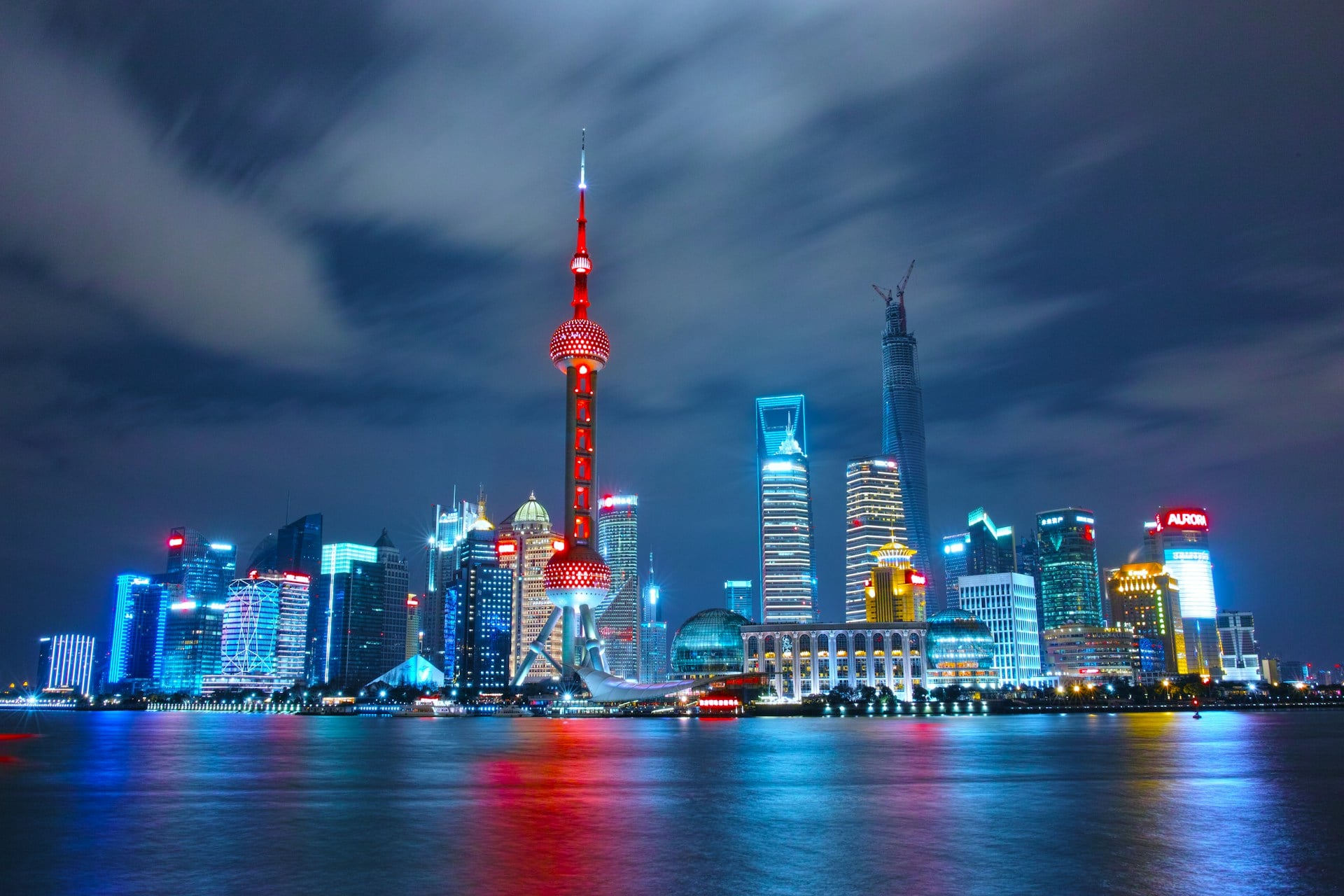
China’s largest city and busiest port faces severe flooding risks from the East China Sea. Shanghai sits at the mouth of the Yangtze River on land that’s naturally low and marshy.
The city has grown explosively over the past few decades, building heavy skyscrapers on soft ground that’s slowly compressing and sinking. Shanghai has constructed impressive seawalls and flood barriers, but these might not be tall enough to handle the storm surges predicted for 2050 and beyond.
Basra

Iraq’s main port city sits where the Tigris and Euphrates rivers meet the Persian Gulf. Basra faces threats from multiple directions: rising seas from the south, reduced river flow from upstream dams, and land subsidence from oil extraction.
The city’s infrastructure is already crumbling after years of war and neglect, leaving it poorly prepared for climate challenges. Salt water has already pushed far up the rivers, contaminating drinking water and killing date palm groves that have grown there for millennia.
Ho Chi Minh City

Vietnam’s economic powerhouse sprawls across the low-lying Mekong Delta, where millions of people live just barely above sea level. The Mekong River deposits less sediment than it used to, partly because of dams upstream in China and Laos.
This means the delta isn’t building up to match rising seas anymore. Ho Chi Minh City already floods regularly during monsoon season, and experts predict these floods will become permanent in many neighborhoods by mid-century.
Kolkata

India’s third-largest city sits on the edge of the Bay of Bengal, where cyclones regularly bring devastating storm surges. Kolkata’s population has exploded to over 14 million people, many living in slums built on low ground near the water.
The surrounding Ganges Delta is sinking as people extract groundwater and sediment flow decreases. Rising seas combined with more intense cyclones could make large parts of Kolkata unlivable within the next few decades.
Dhaka

Bangladesh’s capital sits barely above sea level in a country already famous for catastrophic flooding. Dhaka packs over 20 million people into a relatively small area, much of it built on former wetlands that naturally flooded during monsoon season.
The city sinks as buildings compress the soft ground beneath them while rivers deposit less sediment to build the land back up. Scientists predict that rising seas could submerge parts of Dhaka and force millions of people to flee inland.
Lagos

Nigeria’s largest city sprawls across low-lying islands and coastal plains along the Atlantic Ocean. Lagos has grown explosively from a small port to a megacity of over 15 million people, most living in neighborhoods built on reclaimed swamps and sandbars.
The city has almost no flood protection infrastructure, and much of Lagos already floods during heavy rains. Rising seas will make these floods worse and more frequent, potentially displacing millions of people who have nowhere else to go.
Amsterdam

The Dutch have battled the sea for hundreds of years, creating a network of dams, waterways, or pumping stations to stay dry. Much of Amsterdam lies under sea level, shielded by walls that block river flows along with North Sea surges.
Though they lead globally in handling floods, there’s concern even among them – higher oceans could one day overpower these safeguards. To last past 2050, the city must boost its defense setup heavily; such improvements though? They’ll demand huge cash.
London

LONDON isn’t right next to the sea, yet the River Thames links it straight to the North Sea. The city put up the Thames Barrier back in ’82 to block sudden floods; since then, it’s worked just fine.
Still, experts are saying it won’t last much longer because oceans are climbing and weather’s getting wilder. Some areas of the city lie so low that a big wave might soak subway lines, business hubs, plus homes near the riverbanks.
Charleston

This old South Carolina town’s fought floodwaters since the colonies, yet things’ve turned way rougher lately. Downtown drowns many times every year these days – no rain needed, just high tides forcing seawater out of drains.
It rests on a spit of land where three rivers hit the ocean, so water sneaks in from all sides. Places built long ago, tough enough to make it through storms and battles for hundreds of years, may not last past mid-century floods.
Copenhagen

Copenhagen lies close to the water, right by the Baltic shore – still, it’s safer from floods than a lot of at-risk places. Instead of just concrete, they’ve added green spaces that soak up stormwater while improving airflow.
Upgraded sewers help move rain away faster, which makes streets less likely to drown out. Their goal? Zero emissions and full resilience against extreme weather – tough targets requiring serious cash flow.
No matter how smart the designs get, higher oceans could force people to leave certain seaside zones behind.
The water just won’t stop climbing

Sea levels keep going up past 2050 – coastal towns flooding soon are only the start. Millions dwell near shores that’ll one day force them to shift, fix things, or adjust in ways we don’t even picture yet.
A few places might slap together barriers and drain water nonstop just to hold on. Elsewhere, folks may pull back toward higher ground, leaving whole districts behind as the ocean takes over.
Decisions taken before 2030 could decide who makes it through – and who ends up like a half-remembered legend under saltwater.
More from Go2Tutors!

- The Romanov Crown Jewels and Their Tragic Fate
- 13 Historical Mysteries That Science Still Can’t Solve
- Famous Hoaxes That Fooled the World for Years
- 15 Child Stars with Tragic Adult Lives
- 16 Famous Jewelry Pieces in History
Like Go2Tutors’s content? Follow us on MSN.