26 Obsolete Tech Gadgets From the Early 2000s That Collectors Now Actively Seek
There’s a particular smell that comes back to people when they open an old junk drawer and find a tangle of chargers that fit nothing they currently own. That feeling, half nostalgia and half confusion, is exactly why a certain corner of the collecting world has gotten so busy lately.
Gadgets that once felt disposable, the kind of thing you’d trade in for twenty bucks without a second thought, are now changing hands for real money on secondhand marketplaces. Some of it is nostalgia. Some of it is genuine design appreciation. And some of it, honestly, is just people wanting back the specific texture of a decade that felt slower, clunkier, and somehow more fun to own things in.
The iPod Classic
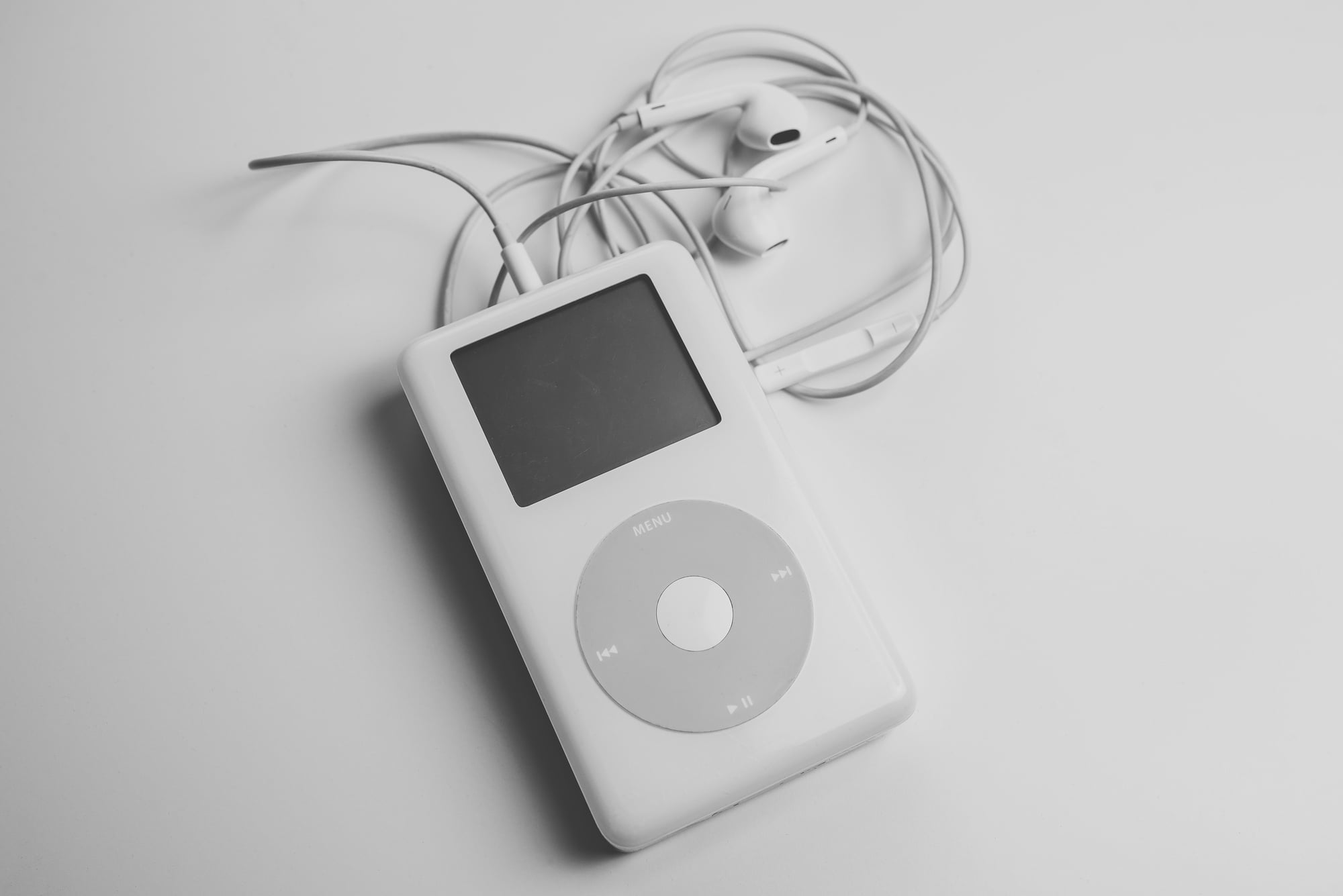
The click wheel was never just a control surface, it was a small ritual you performed every time you wanted music, spinning your thumb in a circle to scroll through hundreds of songs like turning a tiny dial on a safe only you knew the combination to. Apple discontinued it in 2014, and that decision alone turned every surviving unit into something closer to a relic than a gadget.
Storage capacity ranged up to 160 gigabytes in later models, which sounds almost quaint next to a modern phone, but at the time it felt like carrying your entire music collection in a pocket. Collectors now chase specific colors and storage sizes, and a mint-condition unit in its original box can pull in hundreds of dollars from buyers who just want to feel that wheel again.
The Palm Pilot
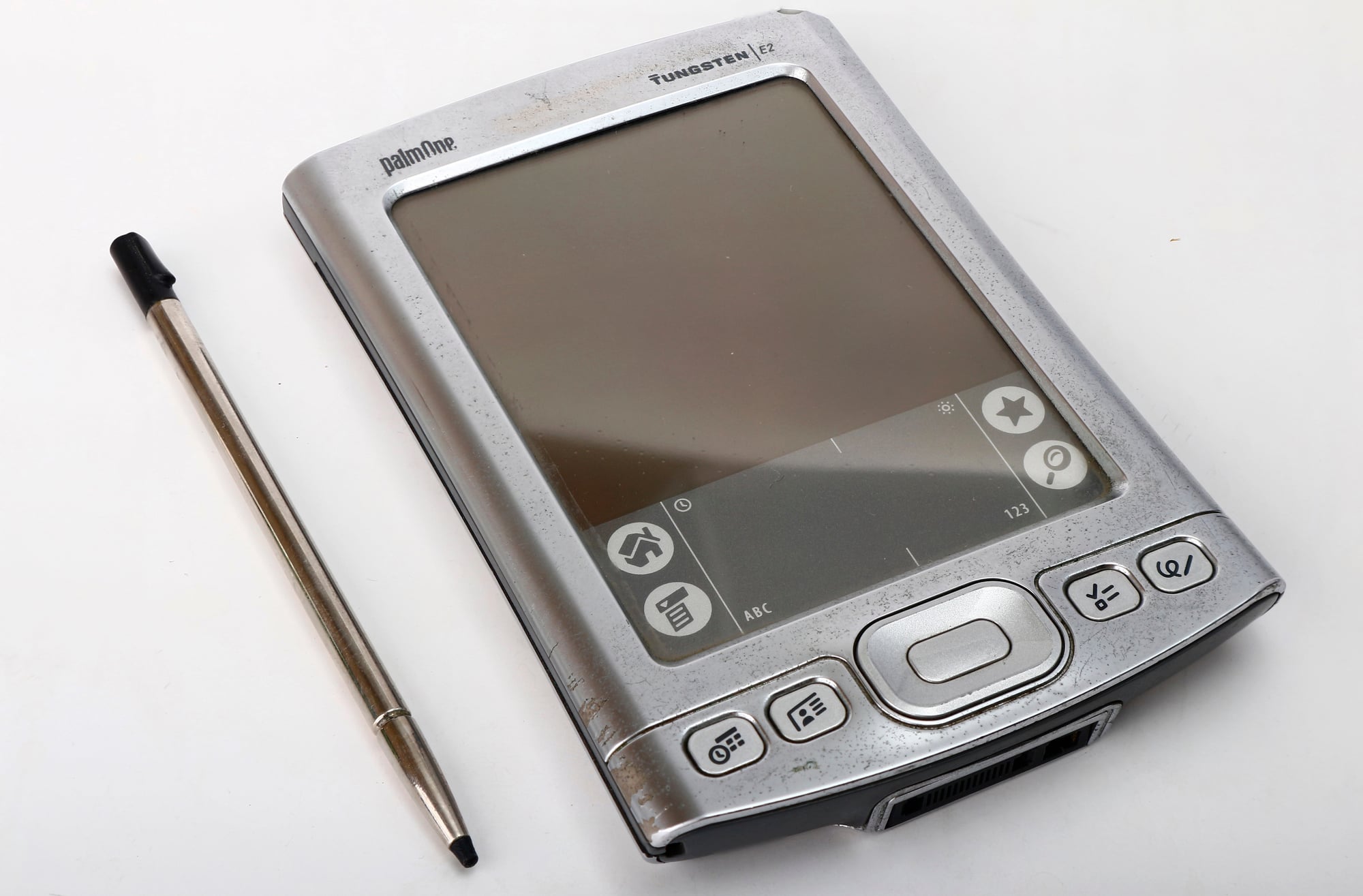
Nobody who owned one calls it a phone. It was a personal organizer, full stop, and it did that one job with a stubbornness that modern devices have forgotten how to have.
Tap the stylus, jot a note, sync it to a desktop cradle that hummed like a tiny appliance. Collectors want the earliest models now, scratches and all, because the stylus tap is a feeling nothing since has bothered to replicate.
The BlackBerry
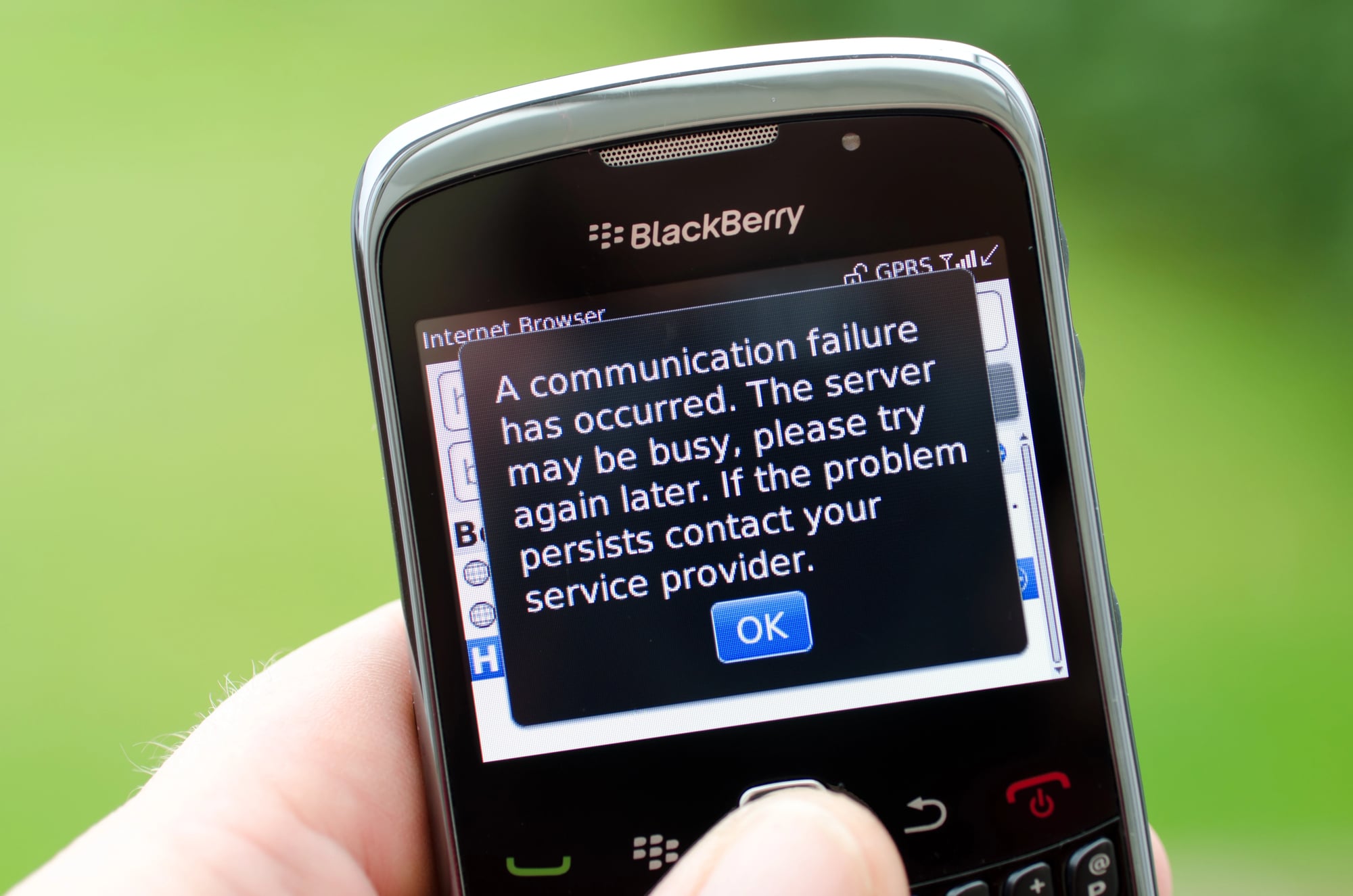
Holding one now feels like handling a fossil of a very specific kind of ambition, back when a tiny keyboard under your thumbs was the loudest way to announce you had somewhere important to be. The keys clicked with a stubborn, almost defiant resistance, nothing like the flat glass that replaced them, and that resistance is exactly what people miss when they talk about typing an email at a red light.
Executives once treated the device like a tether to the office, and there’s something quietly funny about that same object now sitting in a display case, admired for being disconnected rather than connected. Collectors hunt down the ones with the trackball intact, since that little rolling nub tends to die first and takes the whole charm of the thing with it.
The Motorola RAZR
The RAZR arrived in 2004 looking like nothing else on the market, a slab of metal thin enough to feel almost architectural (people genuinely gasped when they saw one flip open at a dinner table), and Motorola sold more than 130 million of them before the smartphone rendered the whole shape obsolete. It had a snap to the hinge that nobody talks about enough — a small mechanical click that told you the call was over before the screen even caught up — and that click is half the reason grown adults now pay real money for a phone that can’t load a single modern app.
Short verdict: it still feels good to close. So collectors chase the pink ones, the electric blue ones, anything gaudy enough to prove they bought it in the era when a phone’s color mattered more than its processor.
The Nokia 3310
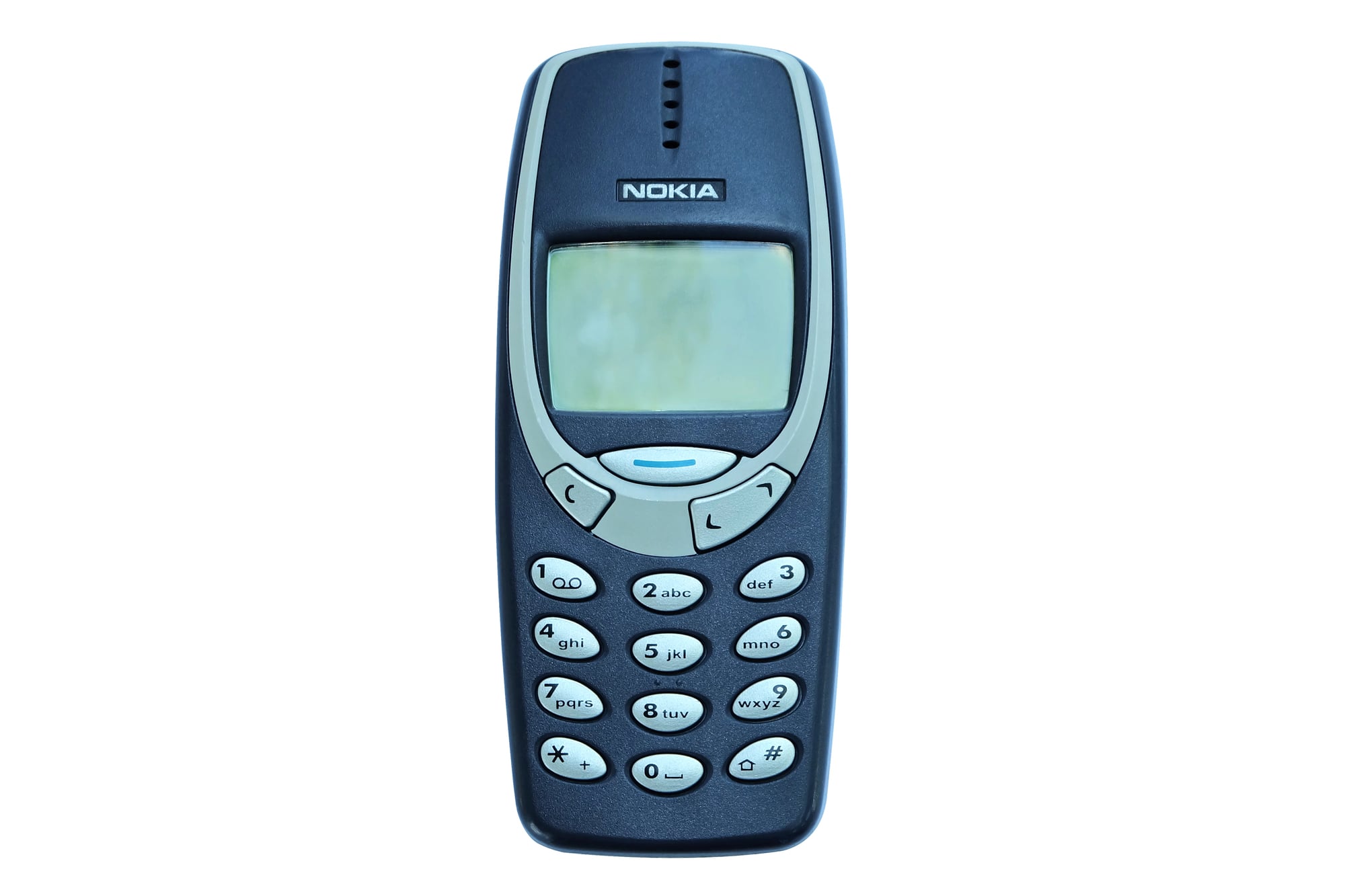
Nobody dropped a 3310 and worried. The thing survived falls, dunks, actual physical abuse, and it still turned on.
Snake ran on it, nothing else needed to. Collectors want the ones with intact keypads now, because that rubbery click-clack is half the reason anyone bothers restoring these at all.
The Game Boy Advance
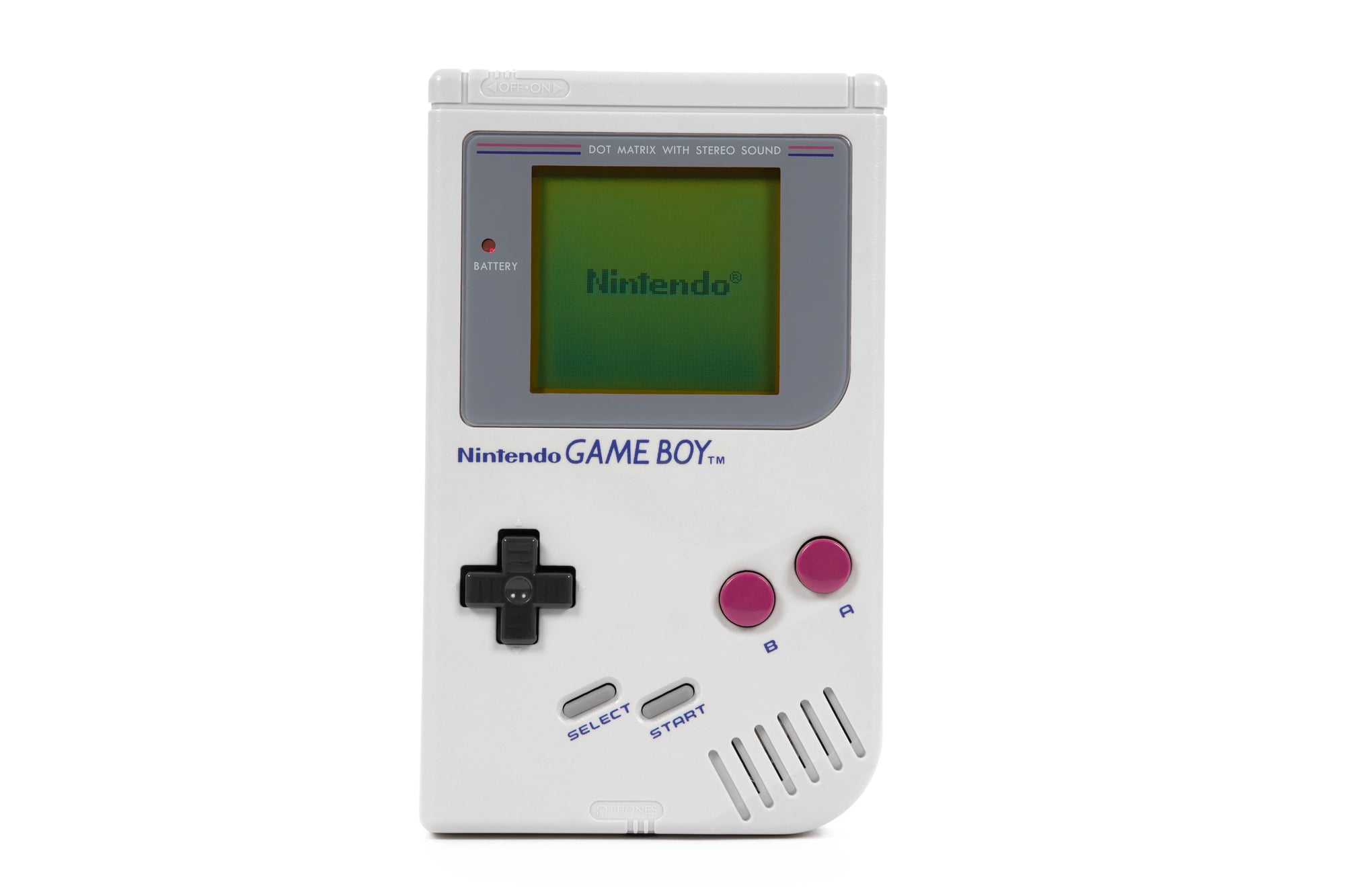
Holding a Game Boy Advance feels a little like holding a worn-down river stone: the shell is scuffed in places only years of pocket friction could manage, and the buttons have gone soft in that specific way plastic softens when it’s been pressed thousands of times by someone who cared. There’s no backlight on the original model, so half the memory attached to it involves angling the screen toward a lamp or a car window just to see Pikachu clearly, a small negotiation with sunlight that newer screens made unnecessary and, somehow, less interesting.
Collectors gravitate toward the transparent purple and the Tommy Hilfiger limited editions now, colors that feel less like electronics and more like artifacts from a specific summer. The cartridges rattle a little when you shake them, and that rattle is doing more emotional work than it has any right to.
The Zip Drive
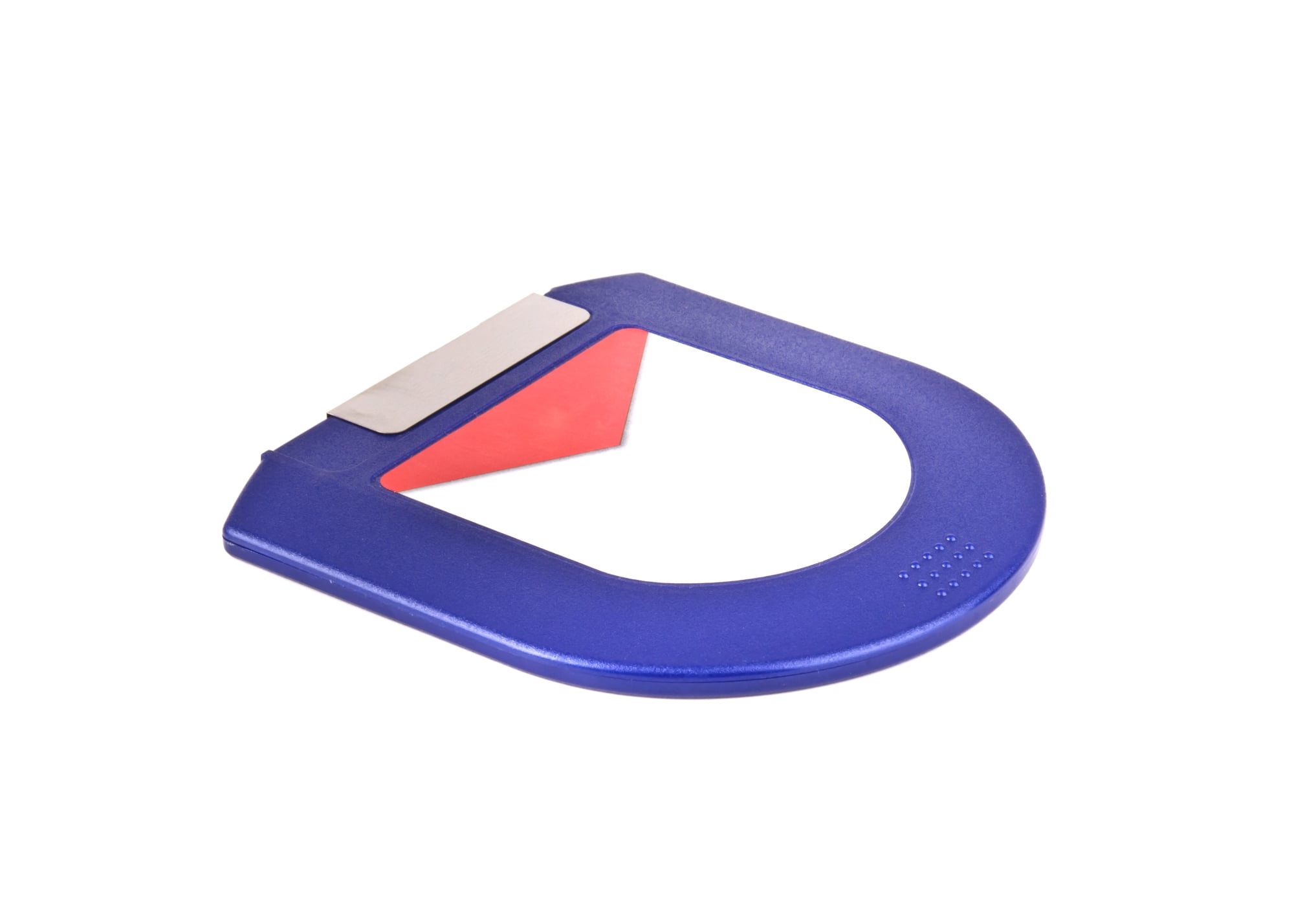
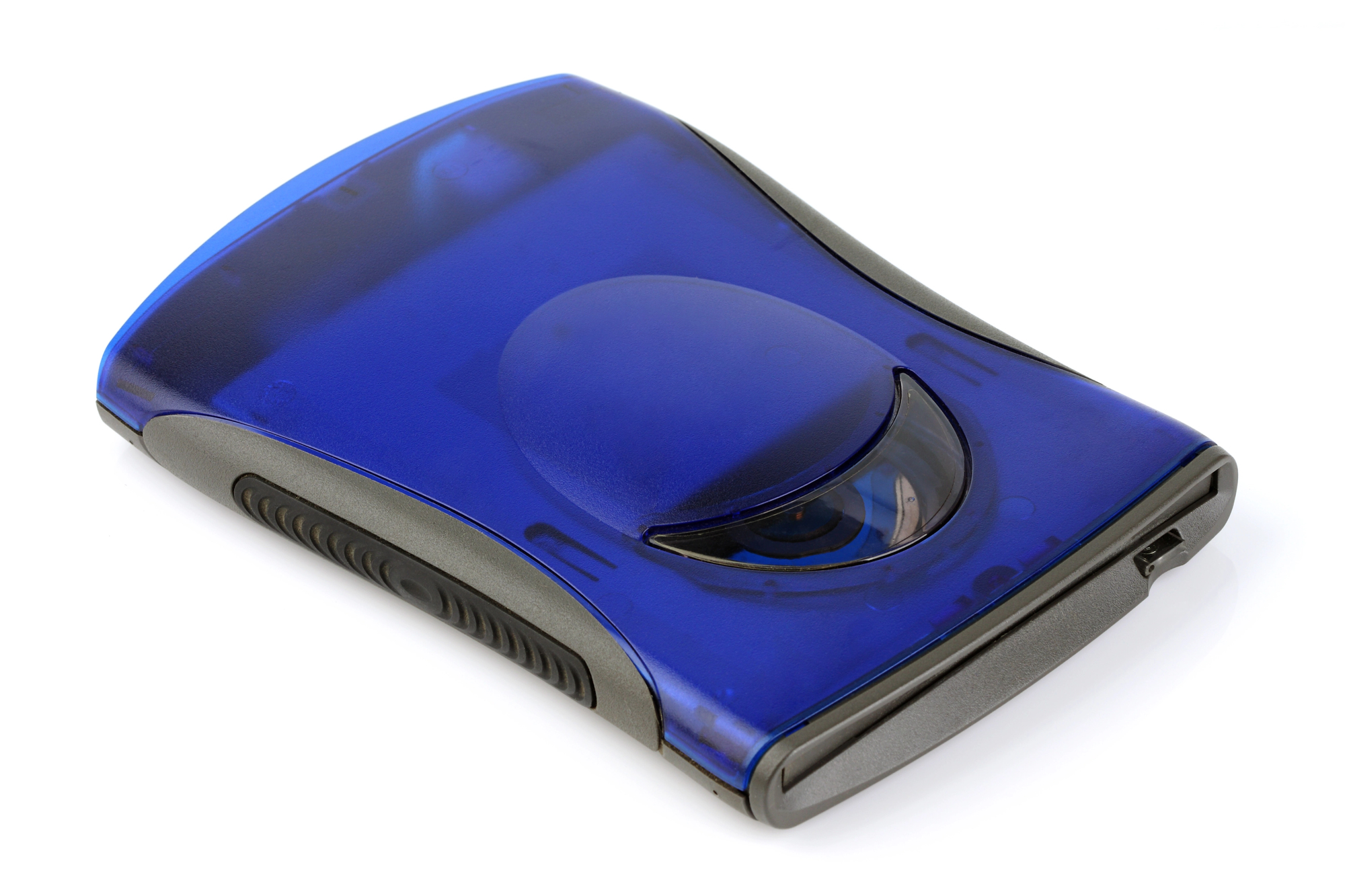
Iomega’s Zip drive was never as reliable as anyone pretended it was, and the phrase “click of death” exists for a reason. It held 100 or 250 megabytes depending on the model, which felt enormous next to a floppy disk and laughably small next to anything that came after it.
People bought the external drives, plugged them into parallel ports, and treated the disks like tiny vaults for term papers and pirated MP3s. Collectors want them now anyway, chunky beige housing and all, mostly because nothing about them apologizes for being from 1999.
The T-Mobile Sidekick
The swivel screen was the whole point, really, the way you’d flick it open with one hand while riding the bus like you were revealing a secret nobody else on the block had access to yet — and Danger Inc., the company behind it, built something so specific to a moment that it never really survived past that moment. It shipped with a full keyboard tucked underneath a screen that rotated on a single hinge (a hinge that, to be fair, broke on an alarming number of units within a year or two), and somehow that fragility never stopped it from becoming the phone every teenager on a sitcom seemed to be holding.
So the ones that survive now, hinge intact, screen unscratched, carry a weight that has nothing to do with what they can actually do anymore. Collectors specifically want the Paris Hilton-era color schemes: the pink, the two-tone plastic, the models that scream 2005 the second you see them.
The Sony MiniDisc Player
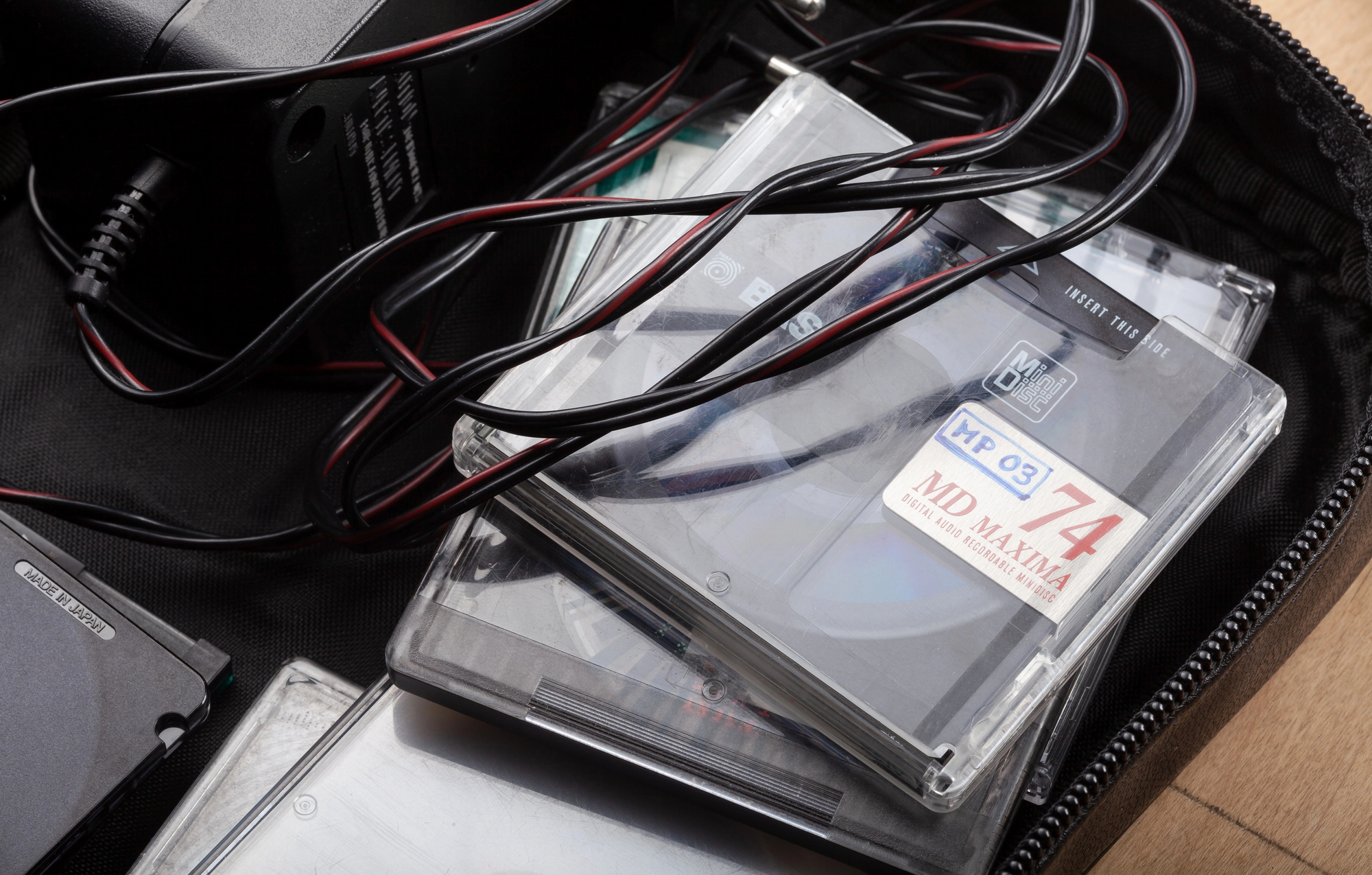
MiniDisc never caught on in America the way Sony wanted, and that’s exactly why it’s valuable now. The format was better than cassette, arguably better than early MP3 players, and almost nobody bought one.
Collectors want the players with the blue electroluminescent displays intact, since those screens die first and take the resale value with them. Scarcity did what marketing couldn’t.
The TiVo Series1

Nobody explains a TiVo without their voice changing slightly, some mixture of reverence and disbelief that a box once let you pause live television and the whole country acted like fire had been reinvented. The Series1 shipped in 1999 with a spinning hard drive loud enough to hear across a quiet room, a mechanical hum that meant something was actually happening in there.
Collectors chase working units now mainly for that hum, and for the boxy beige case that looks nothing like the black rectangles that replaced it. Finding one with an intact hard drive is the hard part, since drives from that era were never built with 25 years of service in mind.
The Compaq iPAQ
The iPAQ was the PDA that made Palm look complacent, and it deserved every bit of the reputation. Compaq built it with a color screen and expansion sleeves that let it do things a Palm Pilot never dreamed of, which is exactly why gadget enthusiasts treated it like the smart kid at the science fair.
It ran on Windows CE, an operating system nobody misses, though somehow that never stopped people from loving the hardware around it. Collectors want the early 3600 and 3800 series units now, expansion packs included, because a complete kit is rarer than the device itself.
The Palm Treo
The Treo fused a phone and a PDA before anyone agreed that was a good idea. It had a real keyboard, a stylus, and a stubby antenna that dared you to call it elegant.
Collectors want the color screen models now, Handspring-era units especially, because those bridge two eras nobody else bothered documenting.
The Sony Clie
Sony’s Clie line never got the credit it deserved, mostly because it launched into a market already crowded with Palm devices and half-hearted PDAs — and yet the high-end models, the ones with a jog dial on the side and a screen sharp enough to shame a Palm Pilot, quietly outclassed almost everything else on the shelf, which nobody seemed to notice at the time and everybody seems to regret now. Nobody talks about the swivel screen enough.
The NX and UX models rotated their displays and bolted on tiny digital cameras (a feature that looked absurd in 2002 and oddly prophetic a decade later), restless tinkering that only gets called visionary once a company stops making the thing. So when Sony walked away from the PDA market in 2005, it left behind a handful of devices that had experimented harder in five years than most product lines manage in twenty, and collectors now hunt the swivel-screen units specifically: the hinge is fragile, the parts don’t exist anymore, and a working one says something about patience most gadgets never ask for.
The Nokia N-Gage
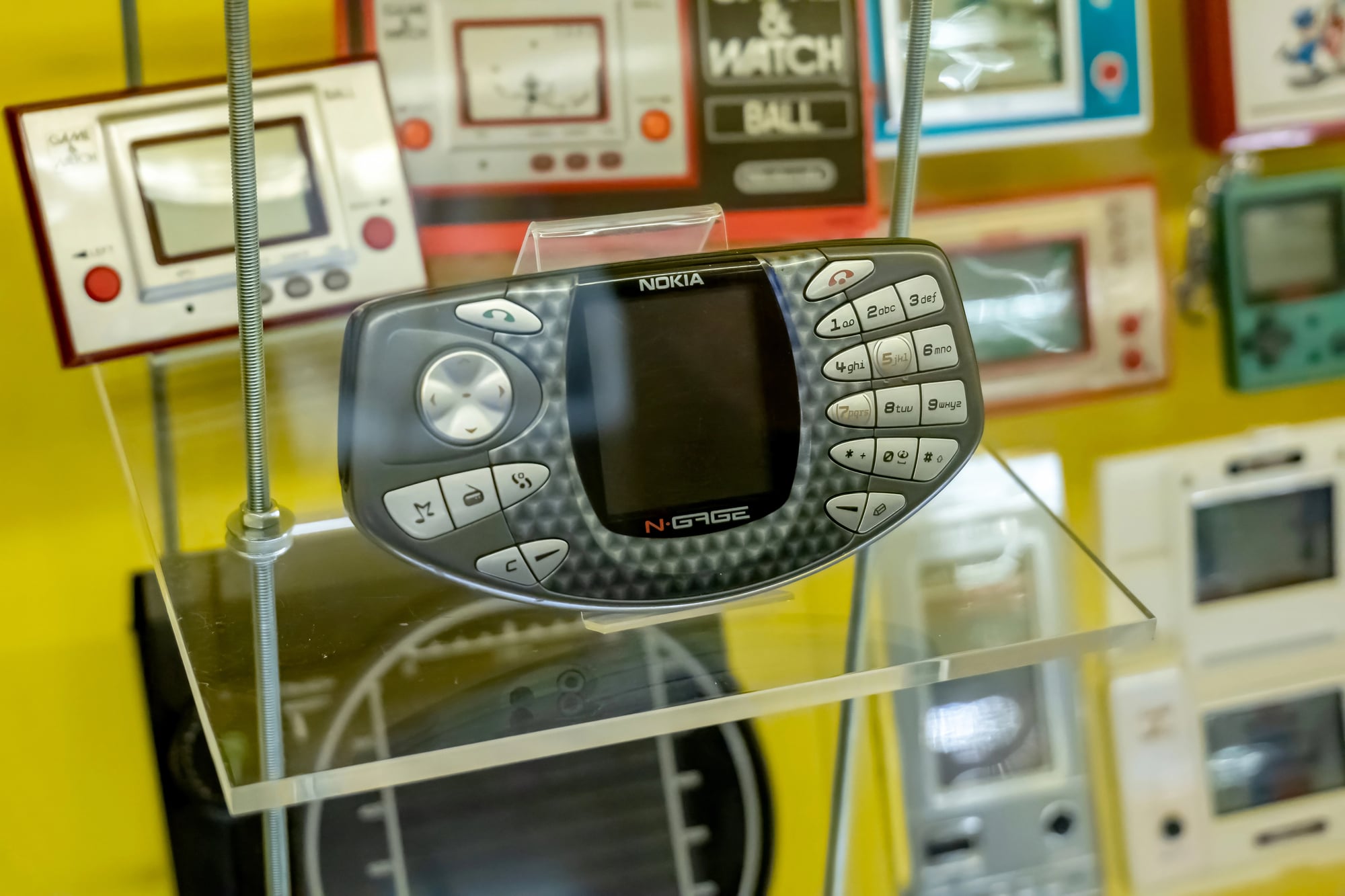
Holding an N-Gage sideways to answer a call always looked a little like pressing a taco to your ear, and that joke followed the device everywhere it went. Nokia built it to be a phone and a handheld game console stitched into one plastic shell, an ambition that made far more sense on paper than it ever did in an actual pocket.
The cartridge slot lived under the battery cover, which meant swapping games required popping the back off the entire phone, a design decision that punished curiosity every single time. Collectors want it anyway now, taco shape and all, because failure this specific and this earnest rarely shows up twice in one decade.
The iPod Mini
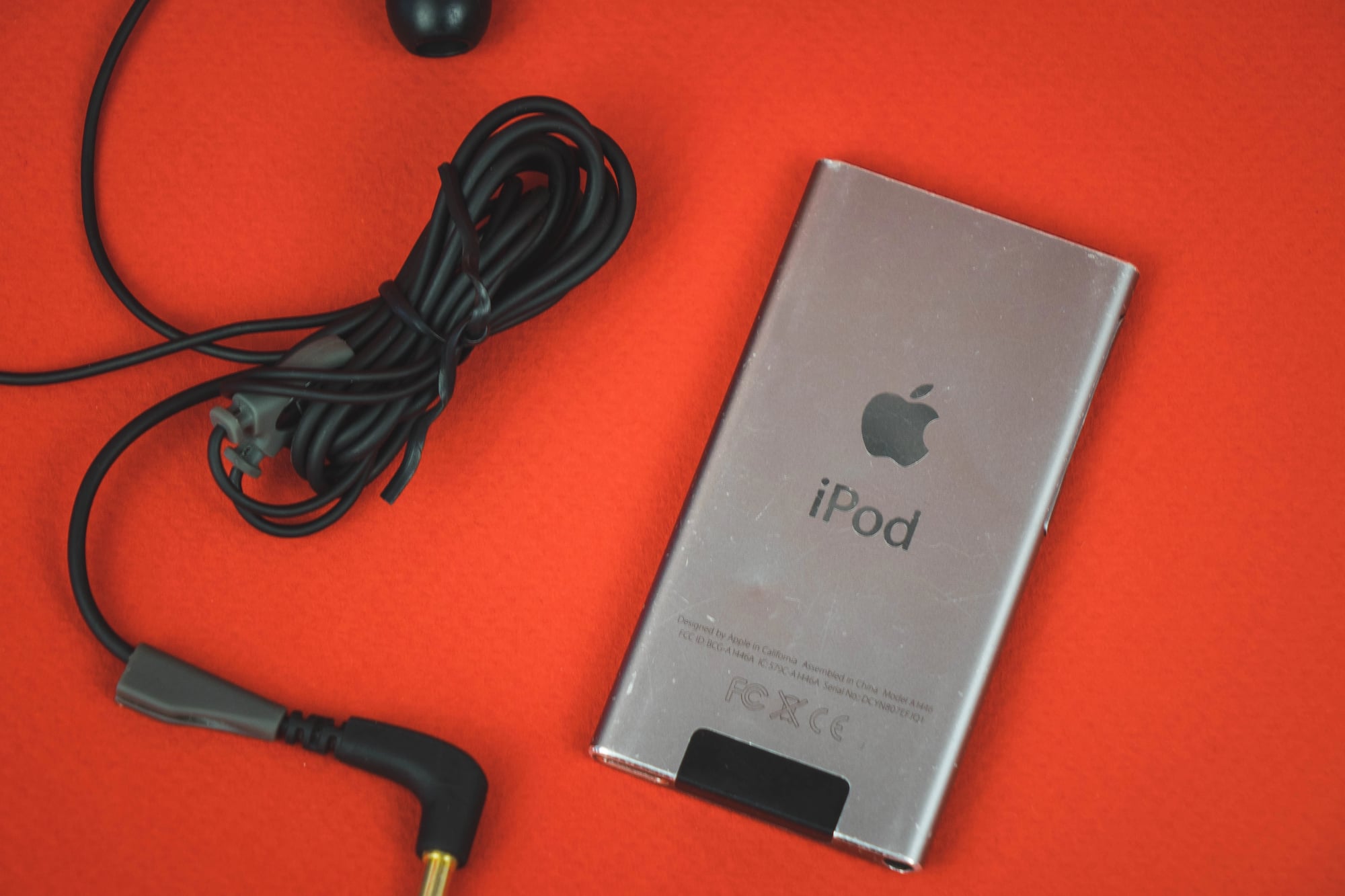
Aluminum shell, five colors, barely eighteen months on shelves before Apple pulled it. The nano replaced it in 2005, and that abrupt cancellation is the entire reason collectors chase it now.
Blue and gold units command the highest prices — silver was the color everyone already had, so nobody wants it back.
The Handspring Visor
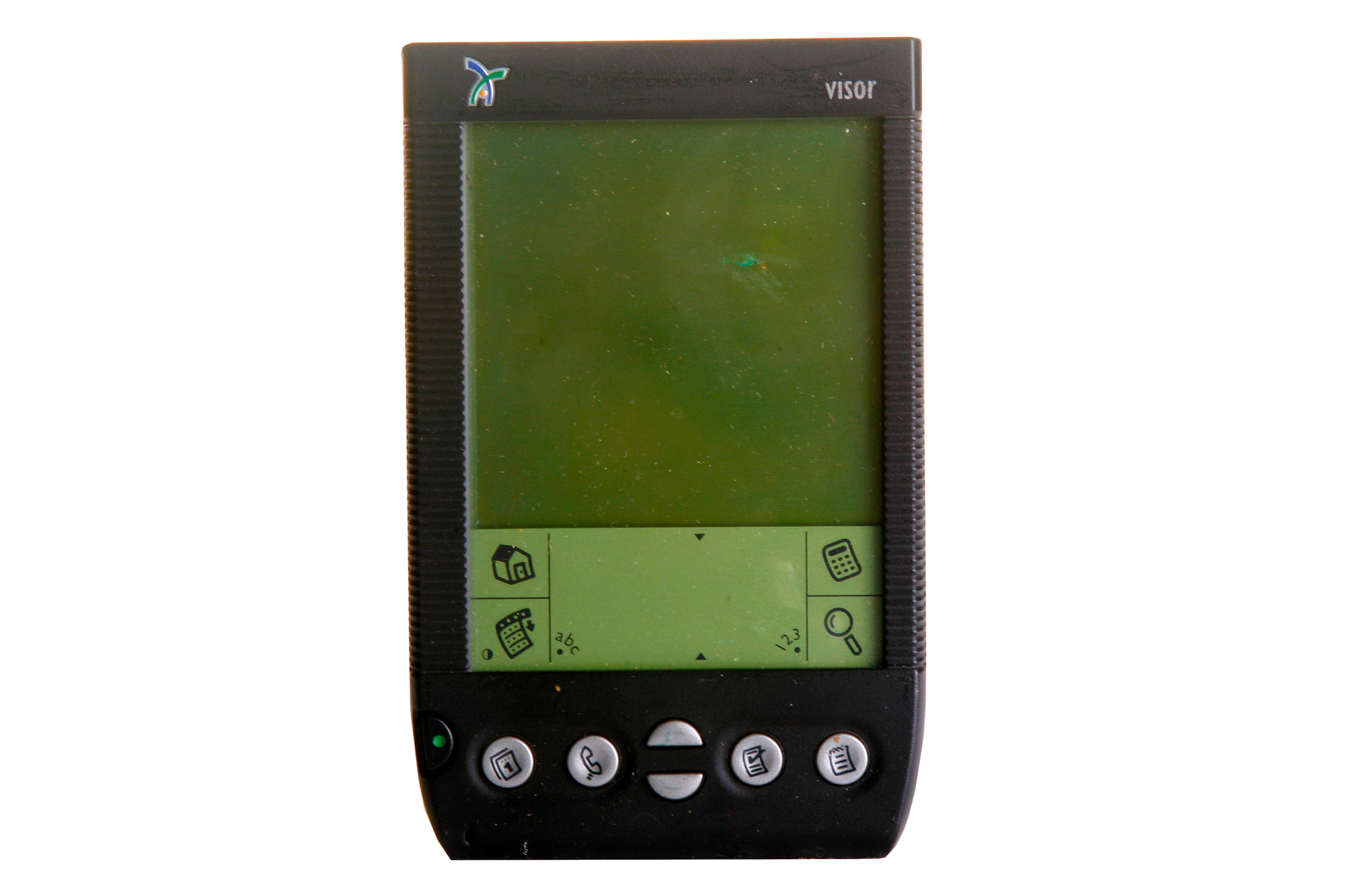
Handspring was founded by the same people who built Palm in the first place, which makes the whole story feel a little like watching someone leave a company just to go build a better version of what they used to make — and somehow they pulled it off, at least for a while. The Visor’s real trick was the Springboard slot on the back, a modular expansion port that let you snap in a camera, a game cartridge, or even a cell phone module (a feature that felt genuinely ahead of its time in 2000, before anyone had agreed on what a smartphone should even look like).
So when Palm eventually bought Handspring back in 2003, it closed a strange little loop: the students had outgrown the teacher just long enough to matter. Collectors want the translucent colored models now, Springboard modules included, since a complete set is where the actual value sits.
The Sega Dreamcast VMU
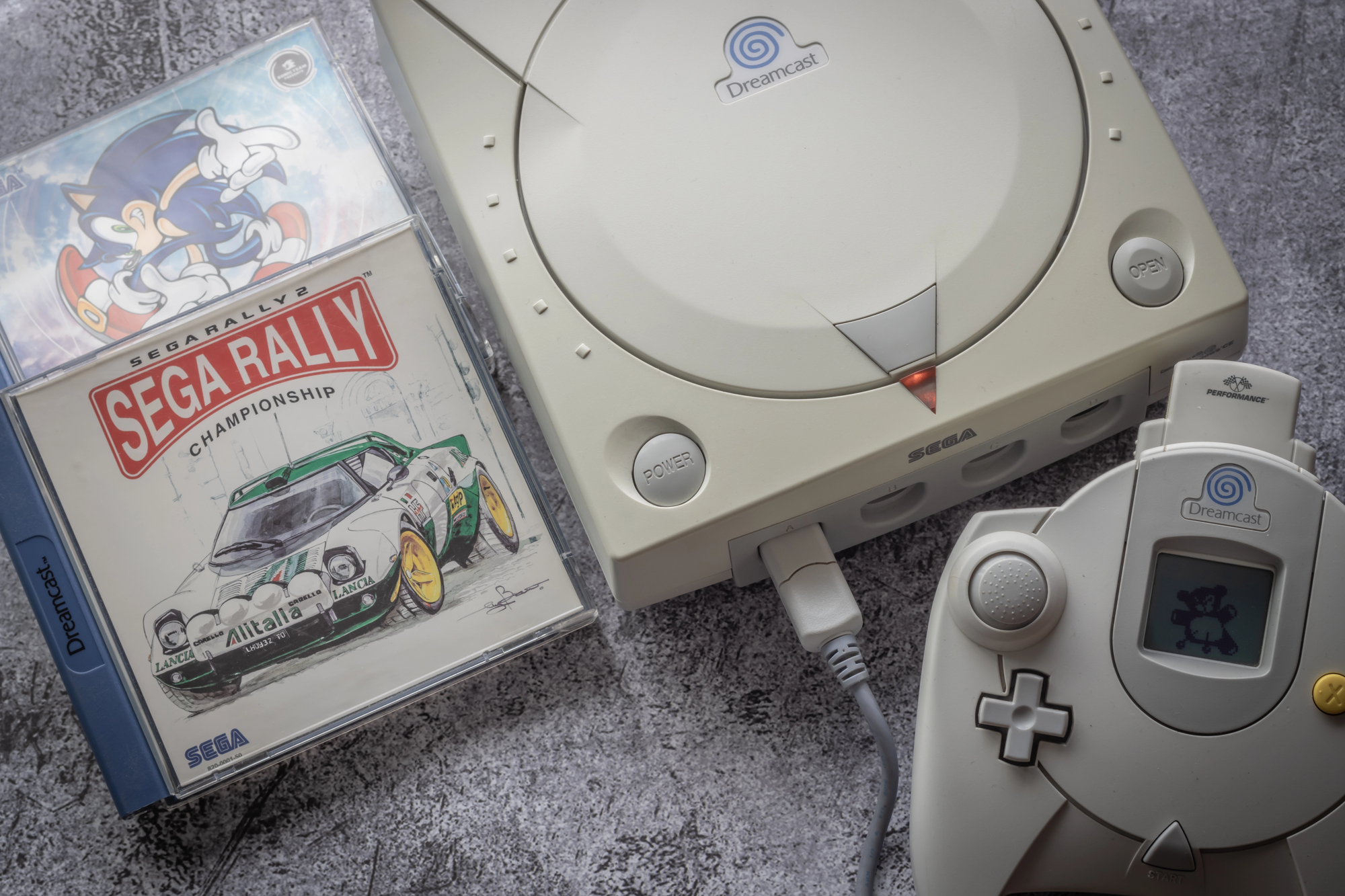
A VMU never behaved like an accessory, it behaved like a small stubborn creature that lived inside your memory card slot, blinking through its own tiny screen while a minigame ran quietly in the background whether you were paying attention or not. Pull it out of the controller and it kept going, tamagotchi-like, indifferent to whether the console was even plugged in, which made it feel less like storage and more like something you were mildly responsible for.
Collectors now hunt the ones with working screens and intact battery contacts, since corrosion tends to claim the internals first and silence that little blinking companion for good.
The Apple iPod Photo
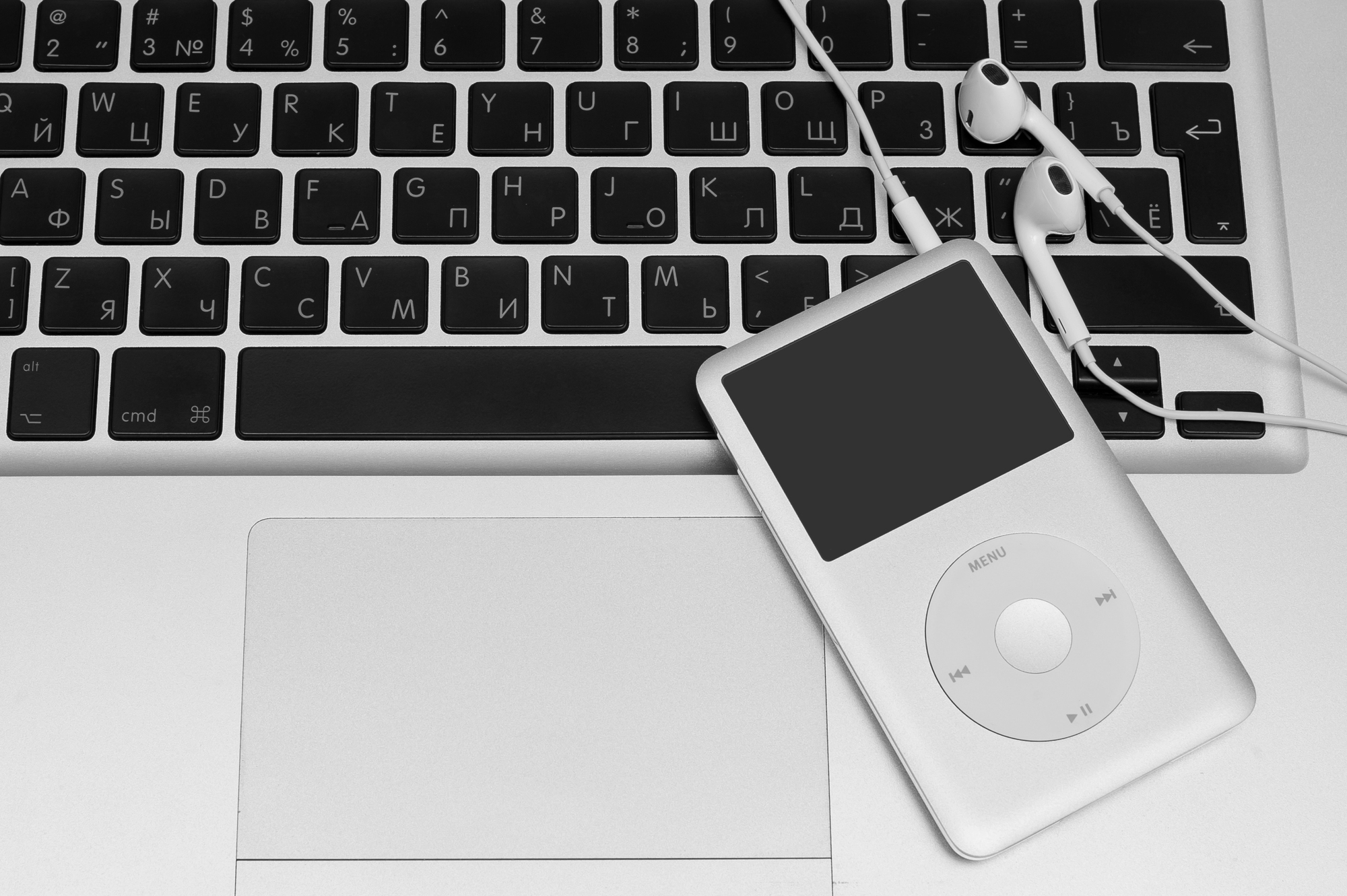
Nobody actually needed to look at photos on a two-inch screen in 2004. Apple sold it anyway, and people bought it in droves.
The color screen drained the battery twice as fast as the regular iPod, and everyone complained, and everyone kept using it. Collectors want the 60GB models now, original click wheel intact, because that’s the version that actually justified the price tag.
The Rio Karma
Rio built the Karma in 2003 as a direct shot at the iPod, and for a company that had already lost the format war once with the original Rio PMP300, that took a certain stubborn optimism nobody expected from them at that point. It ran on a proprietary Ohm sync software instead of anything resembling iTunes (a decision that doomed it commercially and somehow makes it more interesting now), and the 20-gigabyte drive paired with gapless playback that Apple didn’t bother matching for years.
So the people who bought one back then tended to be the audio obsessives, the ones who cared more about bit rates than brand names, and that’s exactly the crowd hunting used units today. Working Karmas are scarce enough that a clean one with the original dock sells for more than it ever did new.
The BlackBerry 850
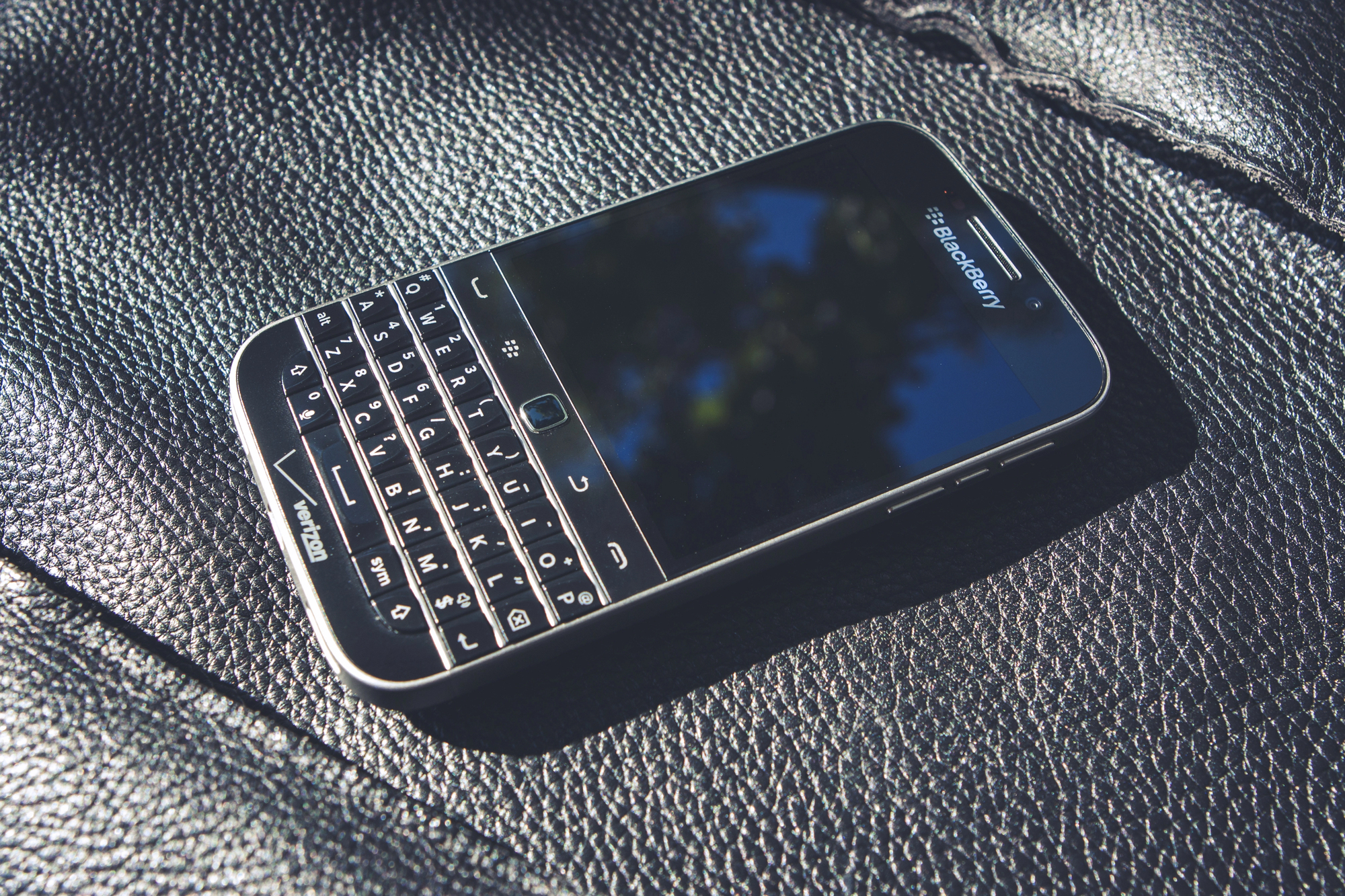
The BlackBerry 850 wasn’t a phone. It was a pager with actual email, and in 1999 that felt like witchcraft.
Executives clipped it to their belts like a badge of importance, thumbs working the tiny keyboard long before “thumbing” was even a word anyone used. Collectors want the ones with the original holster clip intact, since that little plastic tooth snaps off if you so much as look at it wrong.
The Sharp Zaurus
Sharp built the Zaurus for people who found Palm OS a little too polite, and the SL-5500 model — the one running embedded Linux instead of anything resembling a consumer-friendly interface — attracted exactly the kind of user who enjoyed configuring things nobody asked them to configure. It had a slide-out keyboard, a resistive touchscreen, and a command line buried under the surface for anyone willing to dig (which, at the time, meant a small but devoted crowd of open-source tinkerers who treated the thing like a pocket-sized workstation).
So while Palm and Handspring were busy chasing mainstream buyers, Sharp quietly built a cult following among people who wanted root access more than they wanted ease of use: that tradeoff is exactly why the Zaurus never sold in huge numbers. Collectors want the SL-5500 and SL-5600 now, keyboard slide intact, because functioning units with unbroken hinges have gotten genuinely hard to find.
The Creative Nomad Jukebox
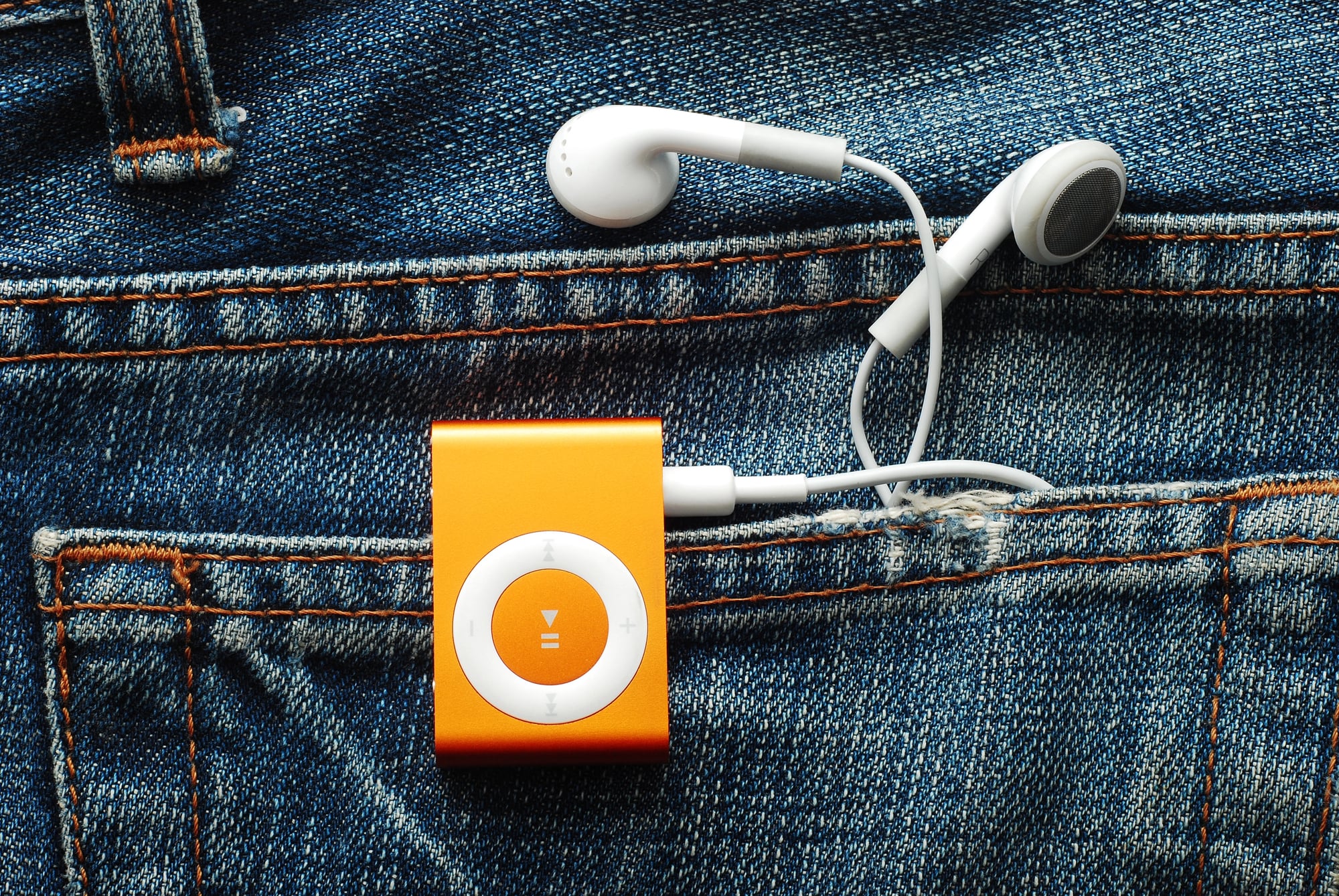
Calling it “the iPod before the iPod” undersells how genuinely clunky the thing was, and to be fair, that’s part of the charm now. Creative shoved a full six-gigabyte hard drive into a shell roughly the size of a hardcover novel back in 2000, a full year before Apple made the same idea look effortless.
It ran on four AA batteries because nobody had figured out battery efficiency yet, which meant the Jukebox weighed down a jacket pocket like a small brick with attitude. Collectors want the original units still holding a charge, mostly because so few survived the decade with their hard drives intact.
The Palm m500 Series
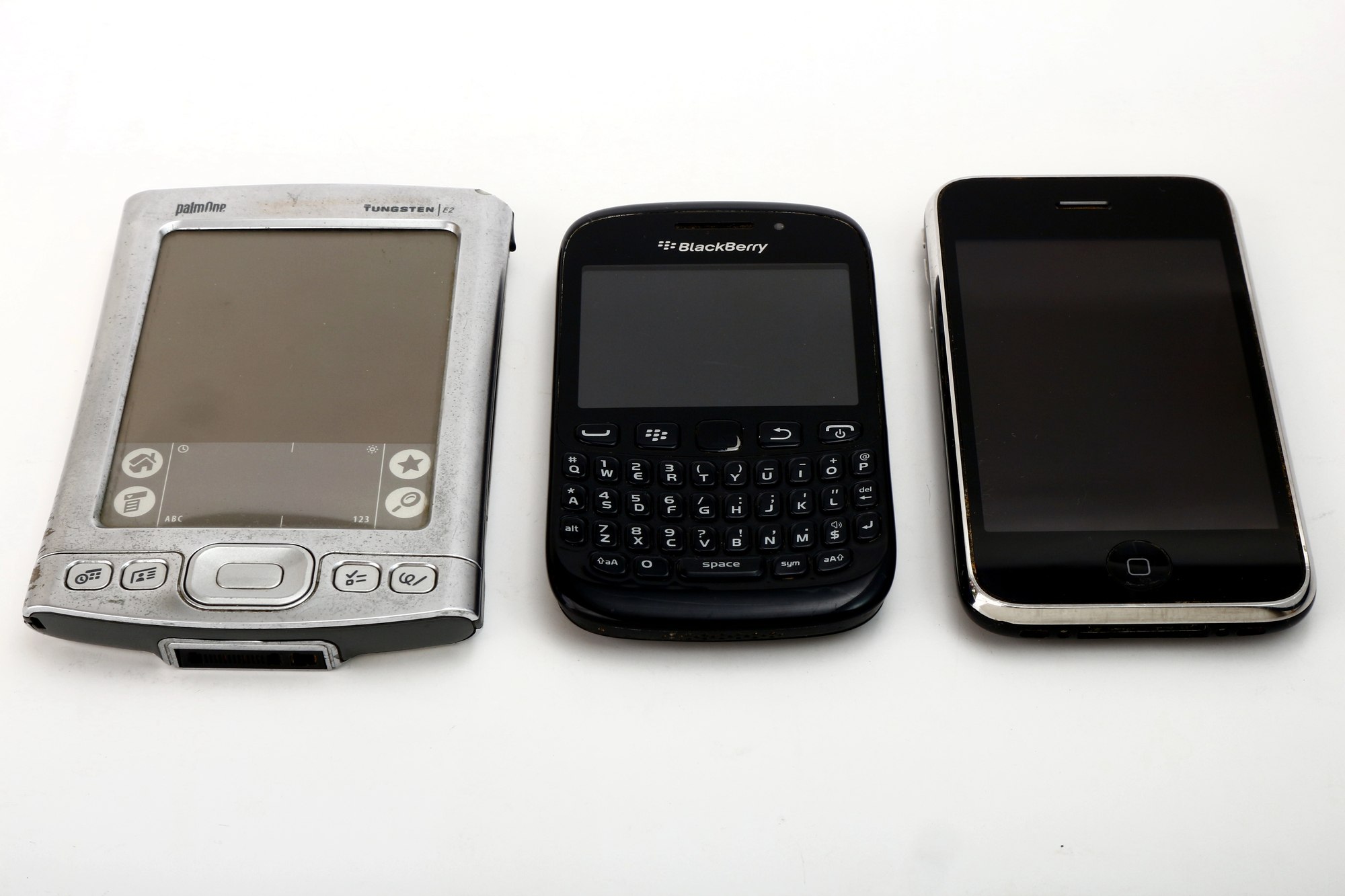
The m500 corrected everything the original Palm Pilot got wrong. Slimmer body, a rechargeable battery instead of AAs, a metal case that felt like an actual object instead of a toy someone handed you at a trade show.
Collectors want the m505 specifically, color screen and all, since that’s the model that made every previous Palm suddenly look like a rough draft.
The TiVo Series2
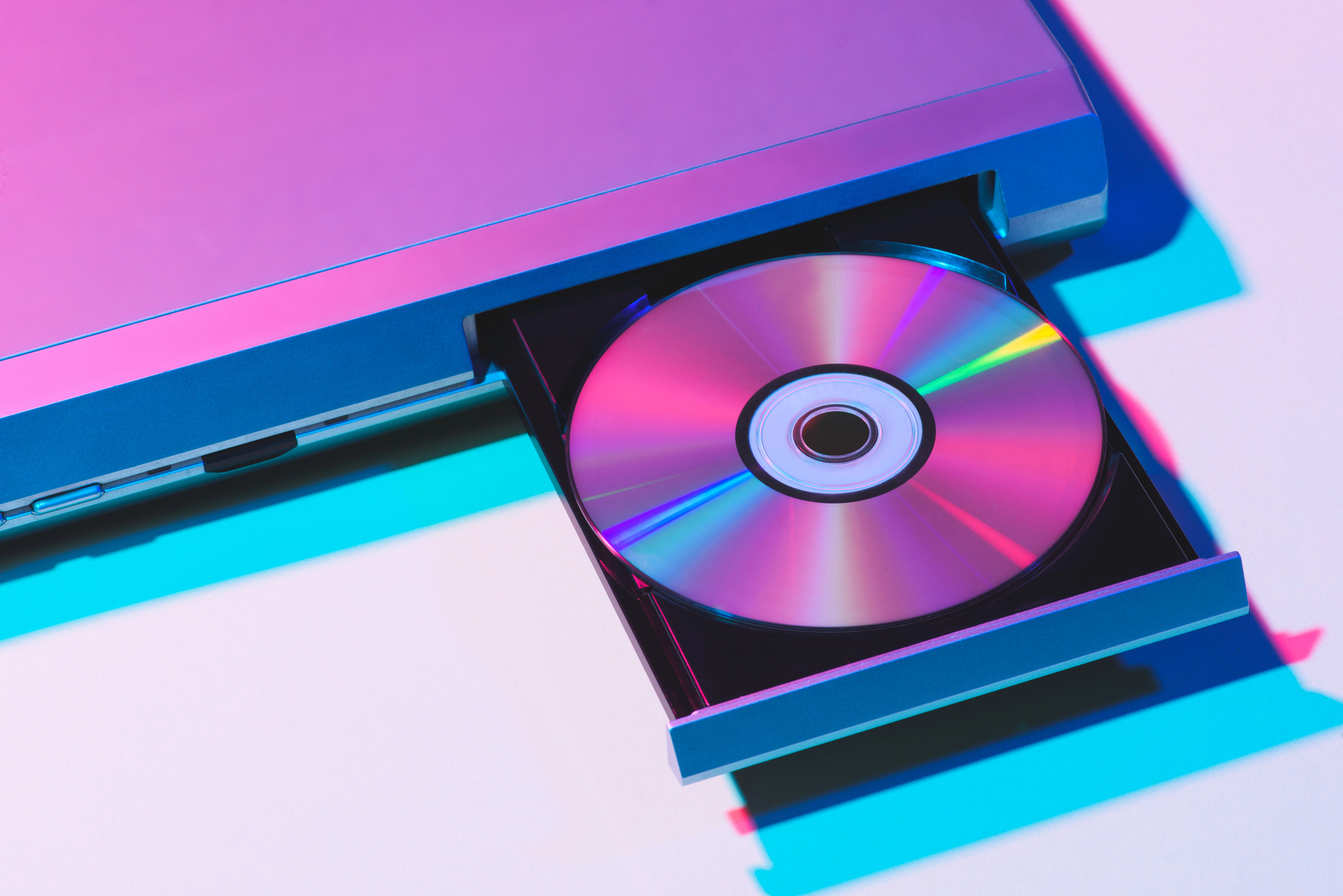
The Series2 arrived in 2002 and fixed the one thing everyone quietly resented about the original TiVo: the price and the bulk. It added a slimmer case, networking support, and eventually the ability to burn recordings to a DVD, small conveniences that felt enormous at the time.
Collectors want the early Series2 boxes now, original remote included, because that remote’s rounded peanut shape never got improved on so much as replaced.
The Sony Mavica FD7
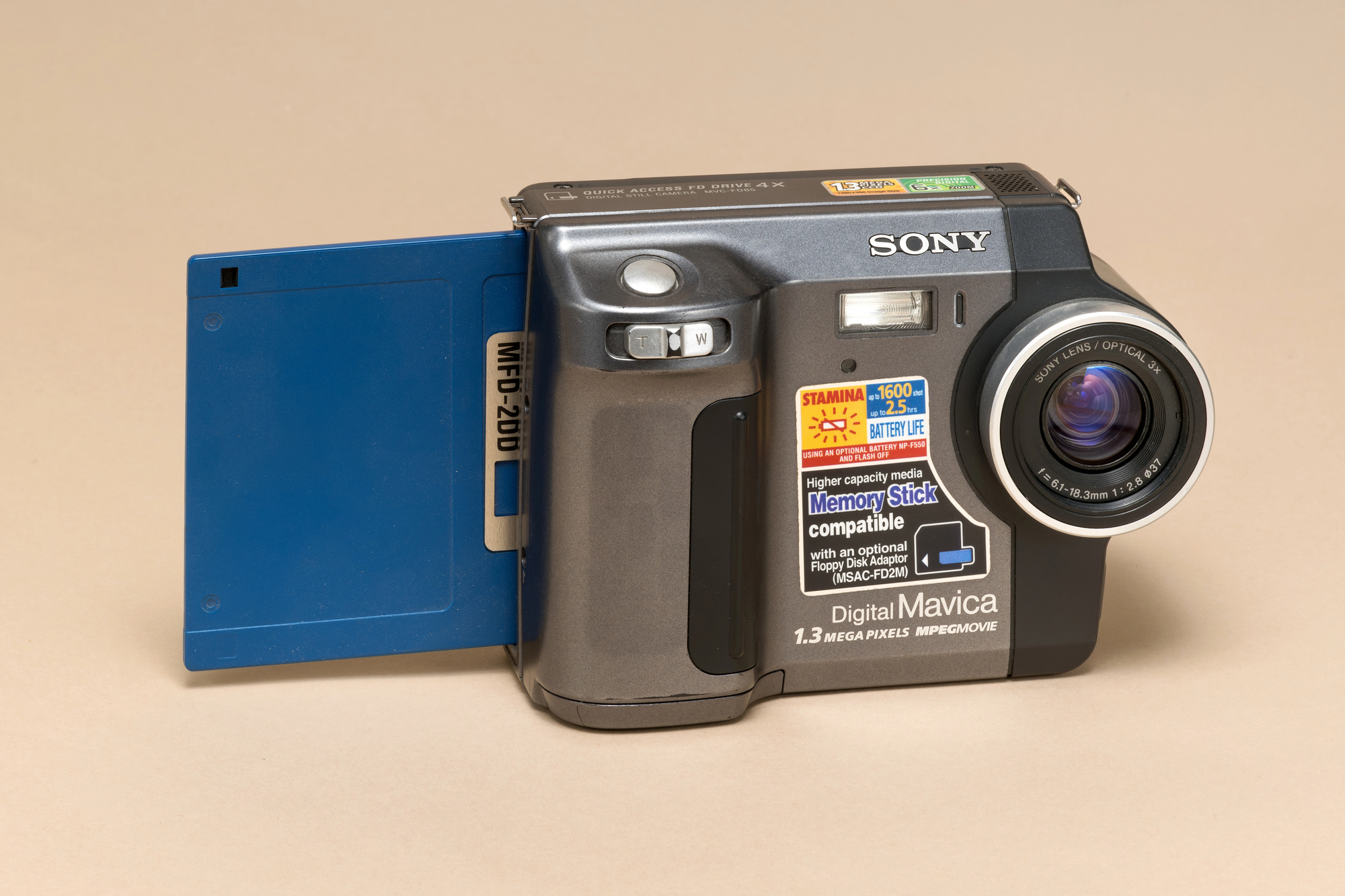
Sony solved the early digital camera problem by ignoring memory cards entirely and building a camera around the one storage format everybody already trusted — the 3.5-inch floppy disk — which sounds absurd now but felt like genius in 1997 and still felt clever well into the early 2000s. Each disk held maybe a dozen low-resolution shots (fewer if you dared shoot anything close to full size), so vacations turned into a small logistical operation involving a shoebox full of floppies and a running count of how many were left.
And the whole system worked exactly as long as floppy drives stayed relevant, which turned out to be a shorter window than Sony was banking on. Collectors want working FD7 and FD97 models now, disks included, since the format that made the camera convenient is the same format that made it obsolete.
The Kodak EasyShare
Kodak never tried to make the EasyShare exciting, and that restraint is exactly why it worked. One-button transfers, a simple dock, a design built around not making anyone think too hard about getting pictures off the camera.
It got dismissed as boring next to flashier rivals, which makes it almost funny that collectors now chase those early 2000s models specifically for that plain, unfussy charm nobody bothered appreciating the first time around.
The Junk Drawer Renaissance
None of these gadgets were built to last this long in anyone’s memory, let alone their display cabinet. They were stopgaps, half-finished ideas, devices that got replaced within a year or two by something thinner and smarter — and that’s precisely what makes them worth holding onto now.
A working Zip drive or a Clie with its swivel screen intact says something a brand-new phone never could: that someone, somewhere, took a chance on an idea before the market had decided whether it deserved one. So the drawer full of dead batteries and stubborn hinges isn’t clutter so much as evidence, proof that progress rarely moves in a straight line, and that the detours are usually the part worth remembering.
More from Go2Tutors!

- The Romanov Crown Jewels and Their Tragic Fate
- 13 Historical Mysteries That Science Still Can’t Solve
- Famous Hoaxes That Fooled the World for Years
- 15 Child Stars with Tragic Adult Lives
- 16 Famous Jewelry Pieces in History
Like Go2Tutors’s content? Follow us on MSN.



