26 Old Fielding Gloves and Bats Collectors Buy
A leather glove shaped by thirty summers of catching has a character no factory can reproduce, and a bat with a player’s name burned into the barrel carries a story in every crack. Those are the pieces that end up in shoeboxes, closets and garage corners long after the last game of catch.
The market for old gloves and bats runs from forty-dollar store models to seven-figure relics swung by legends. What separates them is age, maker, whose name is stamped on the leather or wood, and how much of the original piece has survived.
Fingerless Gloves From the 1880s and 1890s
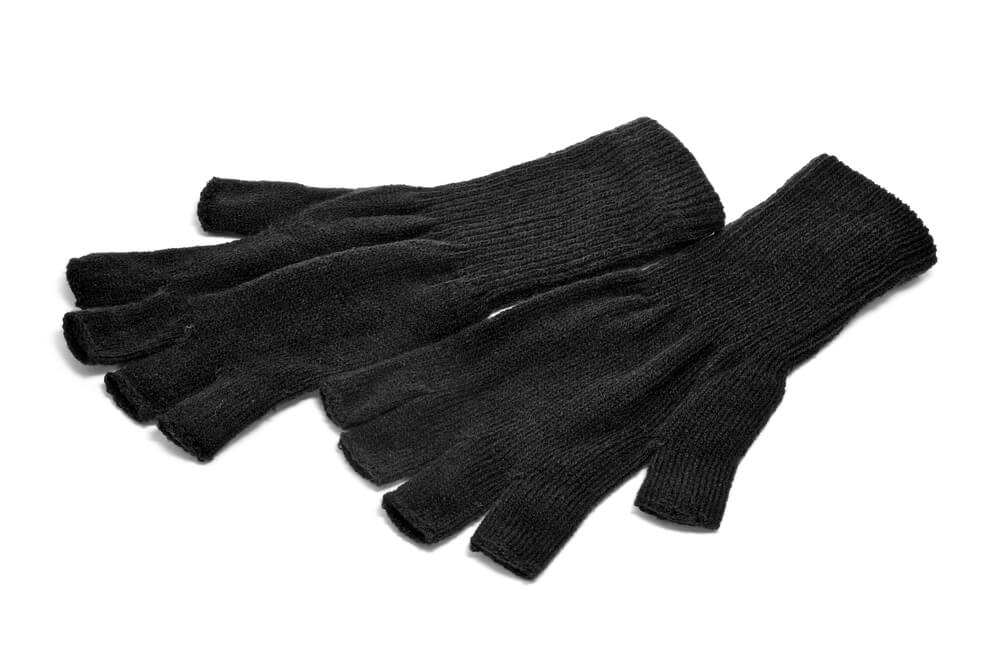
The first gloves worn on American diamonds were thin leather work gloves with the fingertips cut off, padded just enough to take the sting out of a hard throw. Players who wore them in the 1870s and 1880s were often mocked for it.
Surviving examples are scarce, and a genuine nineteenth-century fingerless glove reaches anywhere from several hundred dollars to four figures depending on condition and maker. Dry, cracked leather and missing buttons at the wrist lower value.
Reproductions are common at antique malls, so buyers look for period stitching and age-consistent wear.
Pillow-Style Catcher’s Mitts
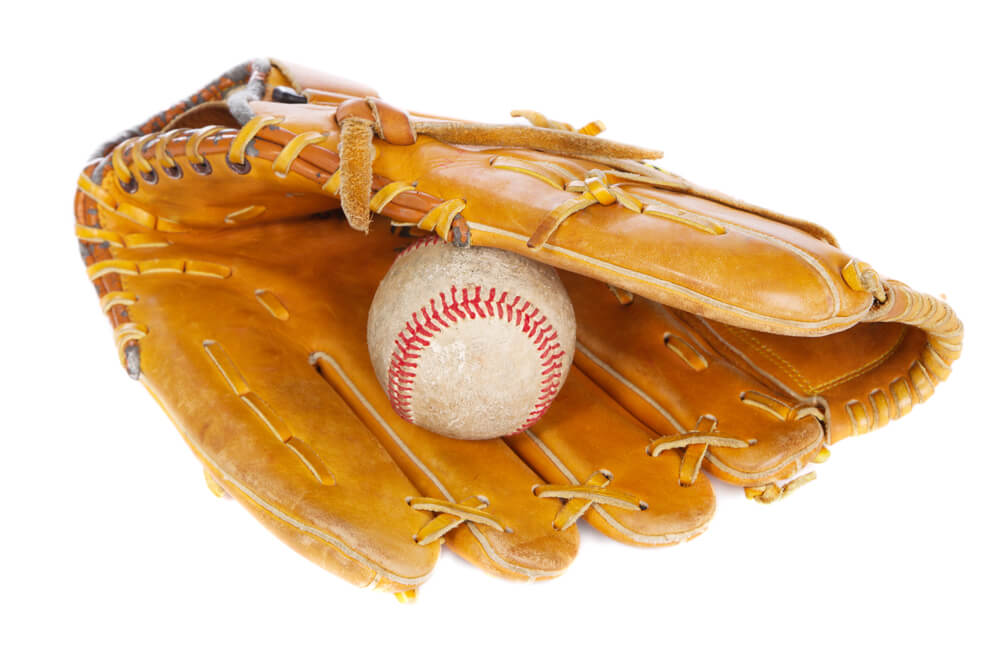
From the 1890s through the 1920s, catchers used round, heavily stuffed mitts that looked like leather pillows with a thumb attached. They offered protection but almost no pocket, so catchers used two hands on every pitch.
Examples from makers such as Spalding and Reach sit around 100 to 500 dollars, with scarce designs and strong maker stamps reaching more. The stuffing often shifts or leaks through cracked leather.
A mitt with a clear stamp, supple leather and intact lacing is worth several times one that has dried out in a barn.
Early First Base Mitts
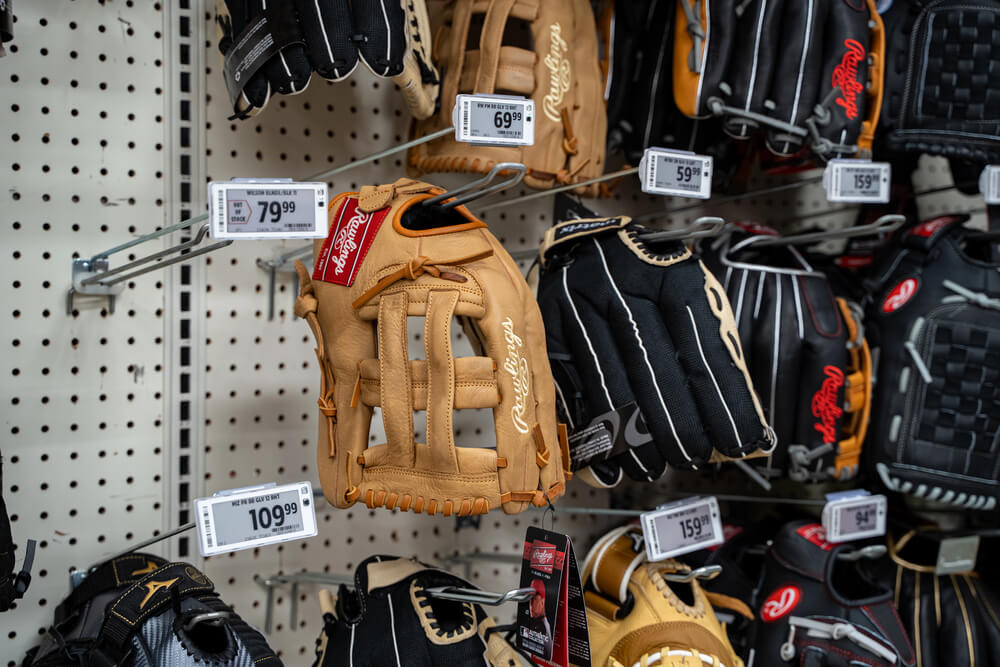
First basemen adopted their own mitts in the late nineteenth century, larger than a fielder’s glove and built to scoop throws in the dirt. Early versions had a single thong or lace between thumb and fingers, and many were made by Reach, Spalding and Draper-Maynard.
Examples from before about 1920 sit around 100 to 400 dollars. Collectors look for clear maker stamps and original lacing.
Relaced mitts, torn palms and heavy dry rot bring prices down, and the shape should not be flattened from decades of storage under something heavy.
Reach and Spalding Fielder’s Gloves
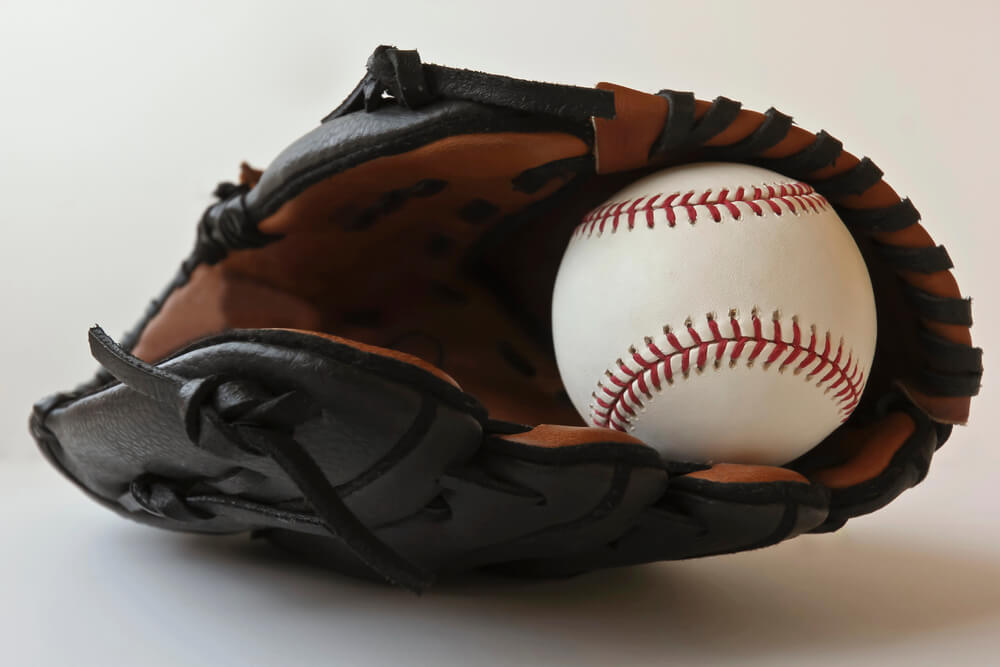
A.J. Reach and Spalding dominated the equipment trade in the early 1900s, and their catalogs sold gloves at every price point, from cheap boys’ models to professional grades. Early fielder’s gloves from these makers are small, flat and lightly padded by modern standards.
Examples from the 1900s and 1910s sit around 75 to 300 dollars, with professional-grade models and clear stamps reaching more. The leather should be supple rather than brittle, and the stamping on the thumb or wrist strap is what confirms the maker.
Tears in the palm cut value hard.
Rawlings Bill Doak Model
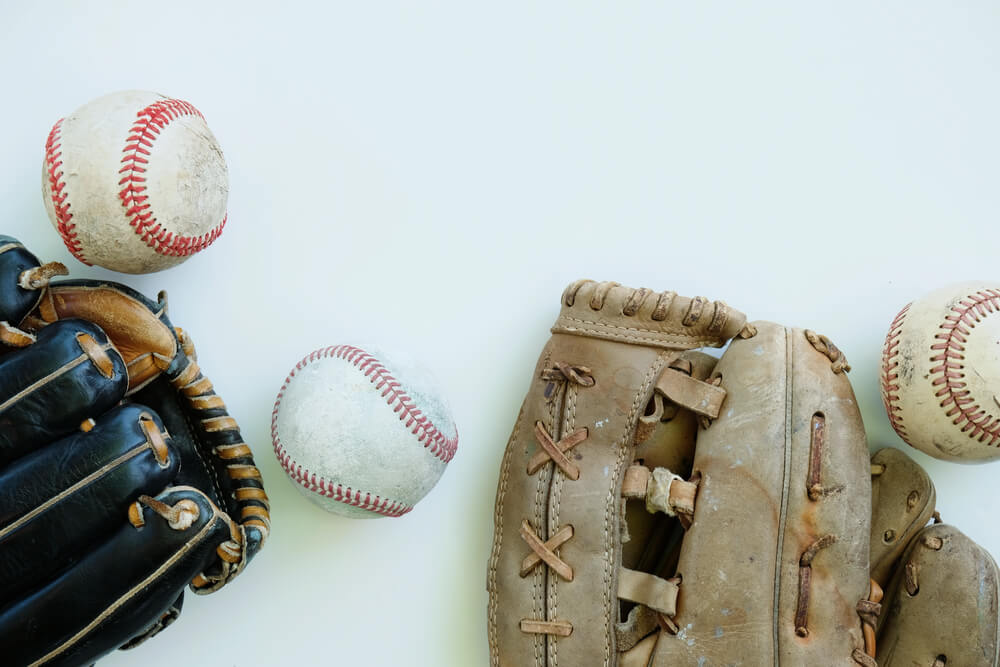
In 1920 Bill Doak, a pitcher for the St. Louis Cardinals, took an idea to Rawlings for a web laced between the thumb and first finger, creating a natural pocket for the first time. The Bill Doak model stayed in the Rawlings line until 1953 and changed how gloves were made.
Early examples reach 200 to 800 dollars, with the first years and strong stamping going higher. Later versions are more common.
Collectors check the Doak name on the leather, and relacing, dry rot and flattened pockets all lower value.
Rawlings Trapper Mitt
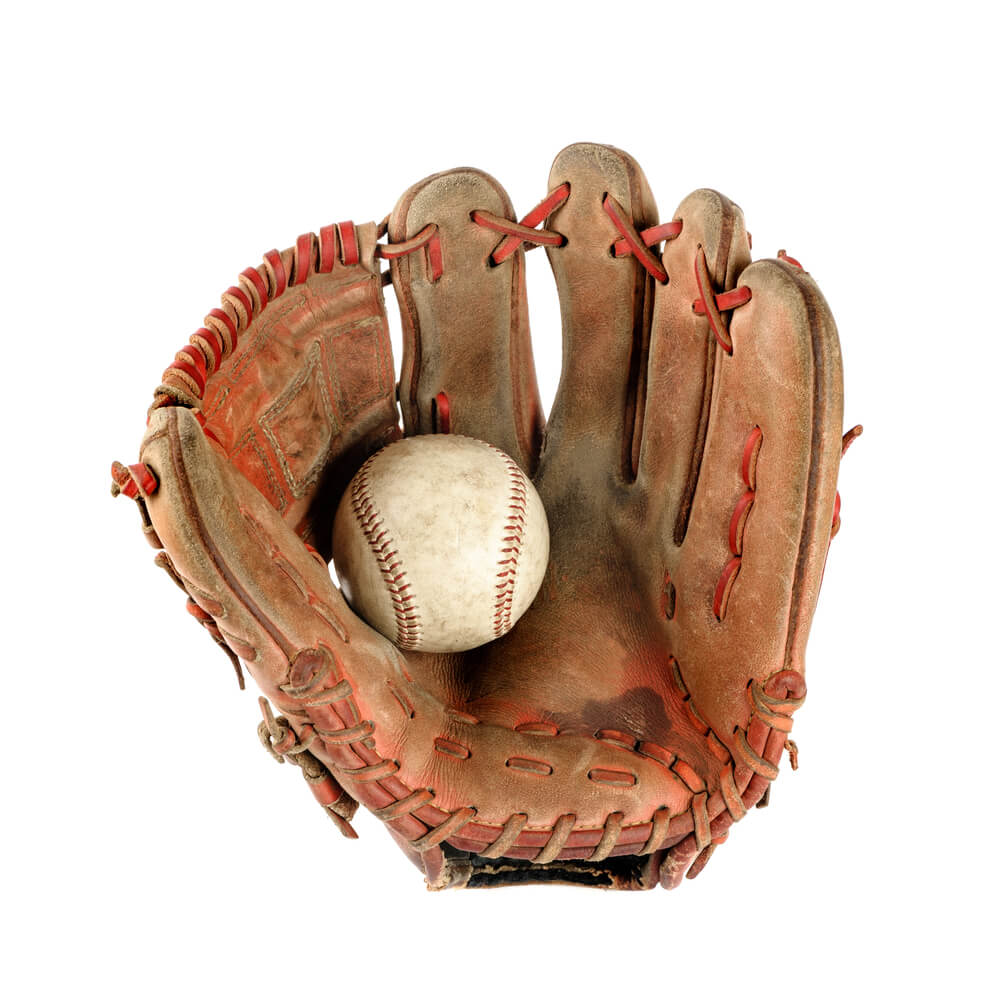
Rawlings introduced the Trapper mitt for first basemen in 1941, sometimes called the Claw, with a deep pocket that Rawlings patented as the Deep Well. The design was refined in 1950 with an extra strip of leather across the top.
Early Trappers reach 100 to 400 dollars in good condition. The pocket should hold its shape, and the lacing should be original.
Cracked leather and relacing lower value. Collectors of equipment history value the Trapper because its basic design still shows up in modern first base mitts.
Three-Fingered Playmaker
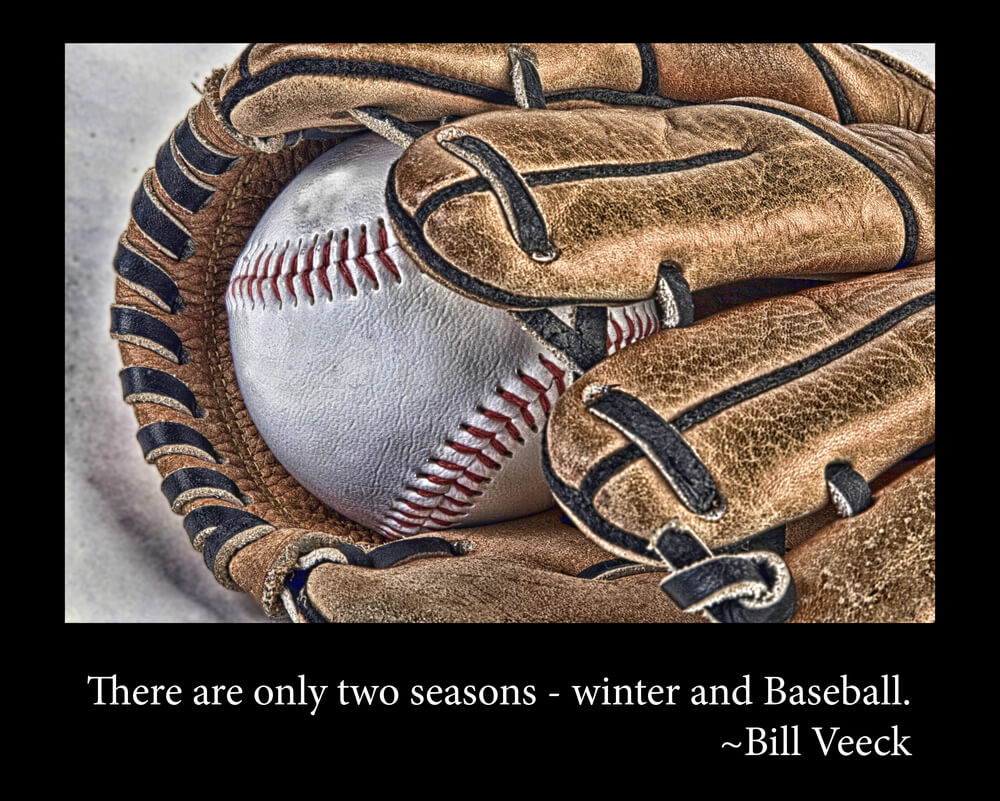
Rawlings released the Playmaker in 1948, a three-fingered glove that gave fielders a larger catching area with less bulk. It ranked among the most popular gloves of the postwar years, sold in sporting goods stores and hardware shops across the country.
Plenty of fathers bought one and handed it down. Examples sit around 50 to 200 dollars, with player-endorsed versions reaching more.
The glove was sold in large numbers, so condition matters more than scarcity. Supple leather, a clear stamp and original lacing matter most, while dry rot and torn webbing lower the price.
Wilson A2000
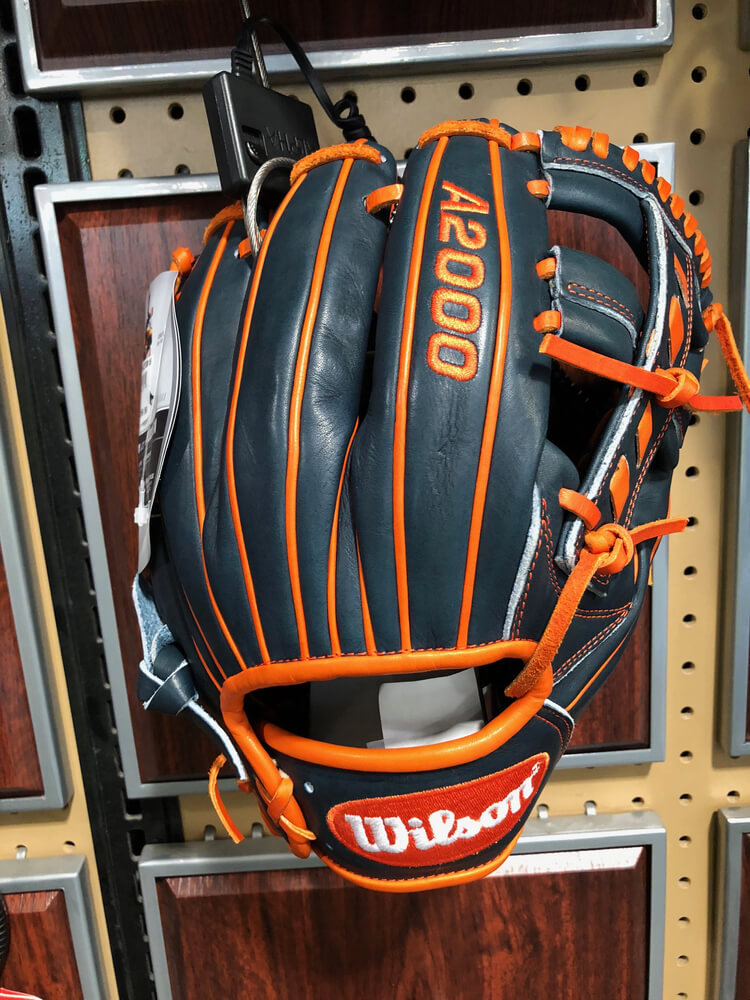
Wilson introduced the A2000 in 1957, and the glove set the pattern for the modern fielder’s glove with its deep pocket and flexible design. It is still made today, which gives early examples a clear lineage.
First-generation A2000s from the late 1950s and early 1960s reach several hundred dollars in good condition. Collectors check the model stamp and patent markings to date them.
Relacing, cracked leather and missing tags lower value. A well-kept early A2000 with its original shape is one of the core pieces in any glove collection.
Heart of the Hide XPG Gloves
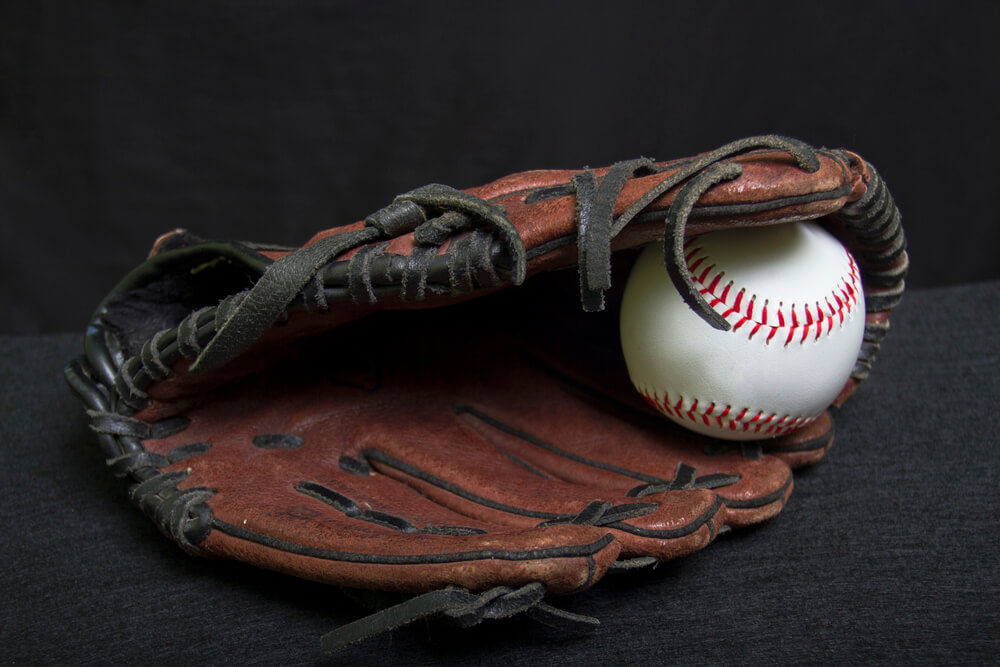
Rawlings introduced its XPG line in 1958 along with Heart of the Hide leather, a premium tanned grade that became the company’s signature and is still used on its top gloves. Many major leaguers wore XPG models, and store versions carried stamped player names.
Early examples reach 150 to 600 dollars, with player-endorsed and game-used pieces going much higher. Collectors check for the Heart of the Hide stamp and the model number to date a glove.
Dry rot, relacing and a flattened pocket lower value, and gloves with original tags and boxes are scarce.
Six-Fingered Trap-Eze
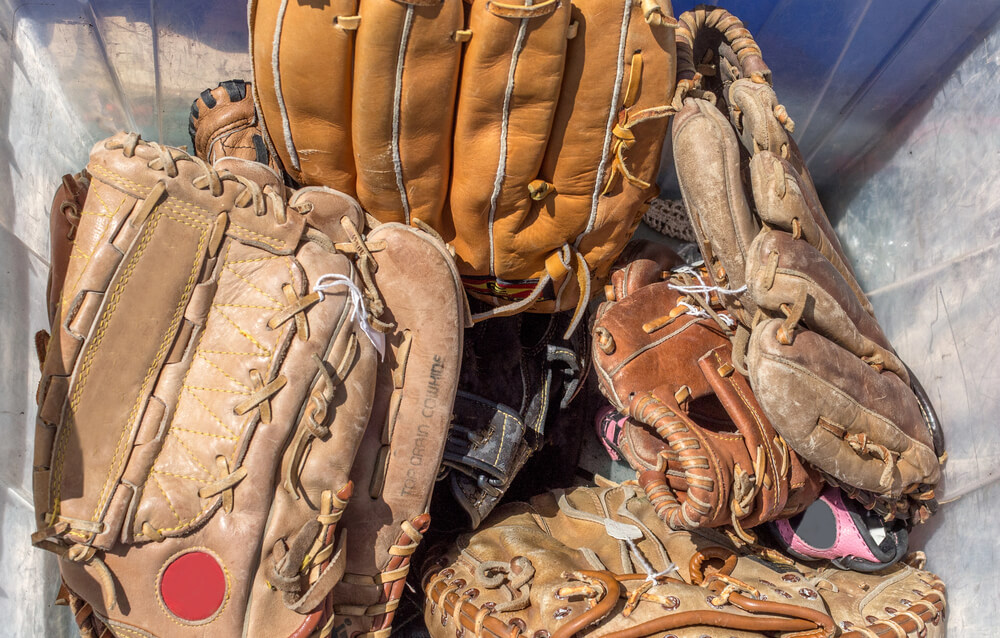
Developed by Rawlings in the 1960s, the Trap-Eze is a glove with an extra leather finger between the thumb and forefinger that created a wide, trapping pocket. Outfielders and infielders both adopted it, and the design influenced gloves for years.
Early examples sit around 75 to 250 dollars, with player-endorsed versions reaching more. The extra finger can stiffen and crack if the glove was stored dry.
Collectors look for the Trap-Eze stamp and original lacing, and a glove that still closes cleanly is worth noticeably more than a stiff one.
Player-Endorsed Store Model Gloves
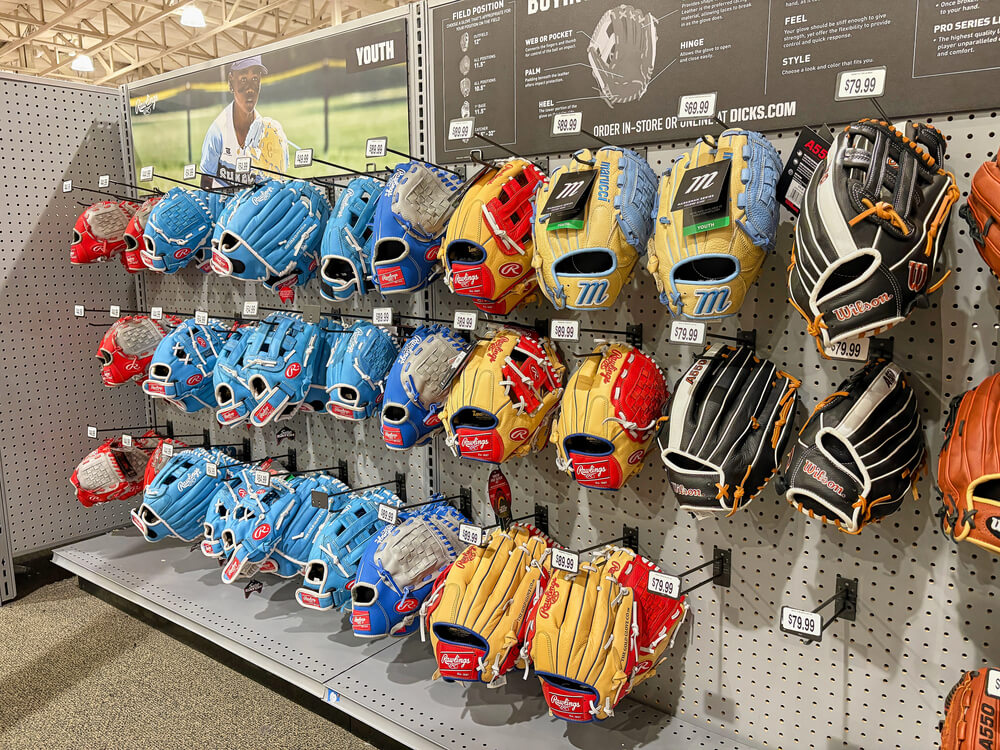
From the 1930s onward, glove makers stamped the names and facsimile signatures of star players onto gloves sold in stores. Mickey Mantle, Stan Musial, Willie Mays, Roberto Clemente and Ted Williams all endorsed models, and collectors now chase them by player.
Common store models sit around 30 to 150 dollars, while scarce players and pristine examples reach several hundred. The signature stamp should be clear and legible, since it is the entire point.
Faded stamps, dry rot and relacing lower value, and original boxes or hang tags add a strong premium.
Sears Ted Williams Gloves
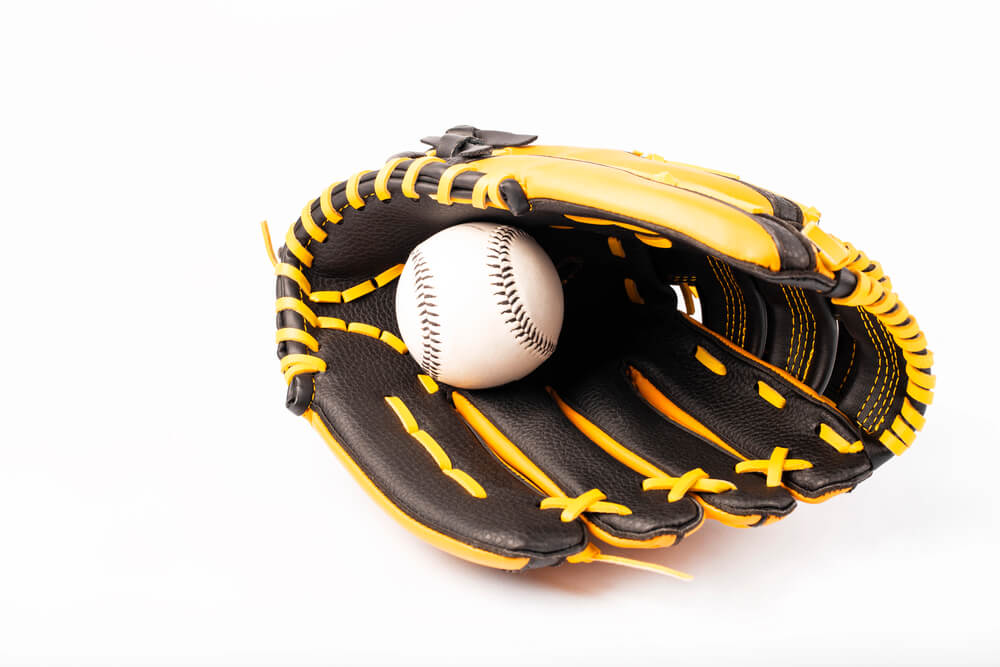
Sears signed Ted Williams as a spokesman in 1961, and his name appeared on gloves, bats and other sporting goods sold through Sears stores and catalogs for years afterward. Before that, Sears sold equipment under the J.C. Higgins brand.
Ted Williams-branded gloves sit around 30 to 150 dollars, with early examples and those in excellent condition reaching more. The gloves were made in large numbers, so condition matters more than rarity.
A clean signature stamp and supple leather are what buyers want, while cracked palms and torn webbing lower value.
Nokona Gloves From Nocona, Texas
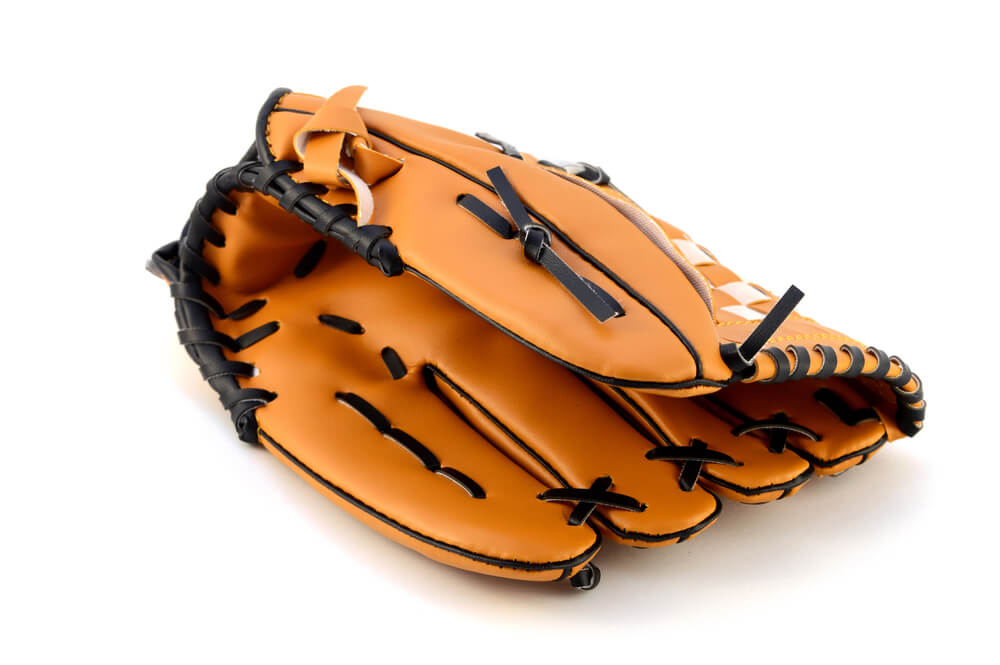
Nokona began making gloves in the small town of Nocona, Texas, in the 1930s, and the company still makes them there, one of the few glove makers left in the United States. Vintage Nokona gloves are prized for their leather and craftsmanship.
Early examples reach 100 to 400 dollars, with scarce models going higher. Collectors look for the Nokona stamp and original lacing.
Dry rot and cracked leather lower value. The company’s long American history gives its older gloves a following that most mass-market brands never had.
Game-Used Gloves From Major Leaguers
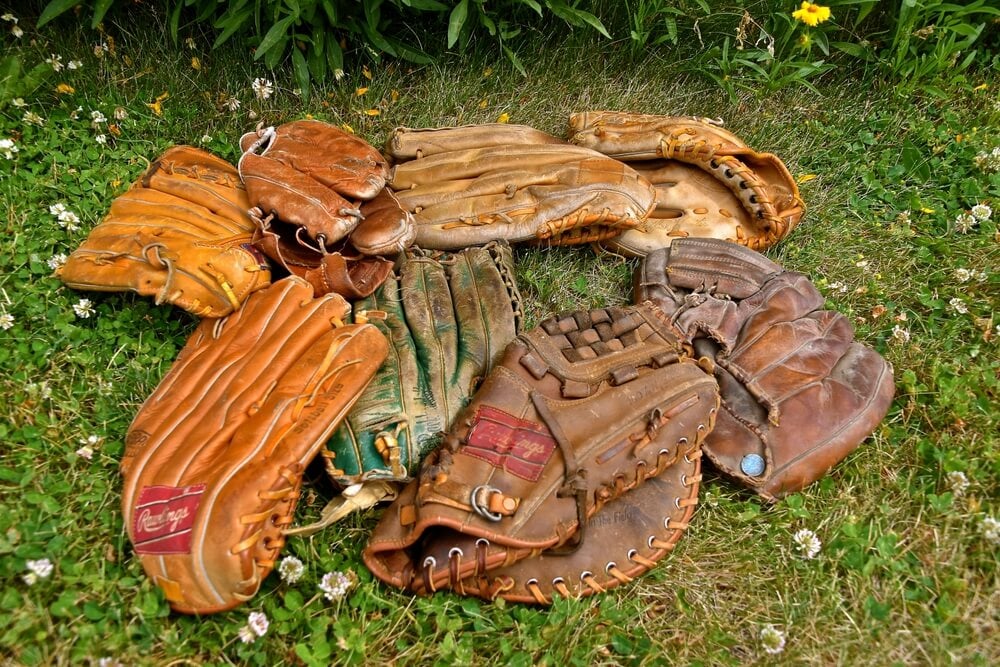
Gloves actually worn in major league games are among the hardest items to authenticate, since players switched gloves often and almost nobody kept records. Authenticated game-used gloves from stars reach thousands to hundreds of thousands of dollars, depending on the player and the paperwork.
Letters from the player, photo matching and provenance from the family matter enormously. Heavy use is expected and adds to the appeal.
Collectors stay cautious, since fakes and unsupported claims are common, and the best examples arrive with clear, traceable histories that survive expert scrutiny.
Early Hillerich and Bradsby Bats
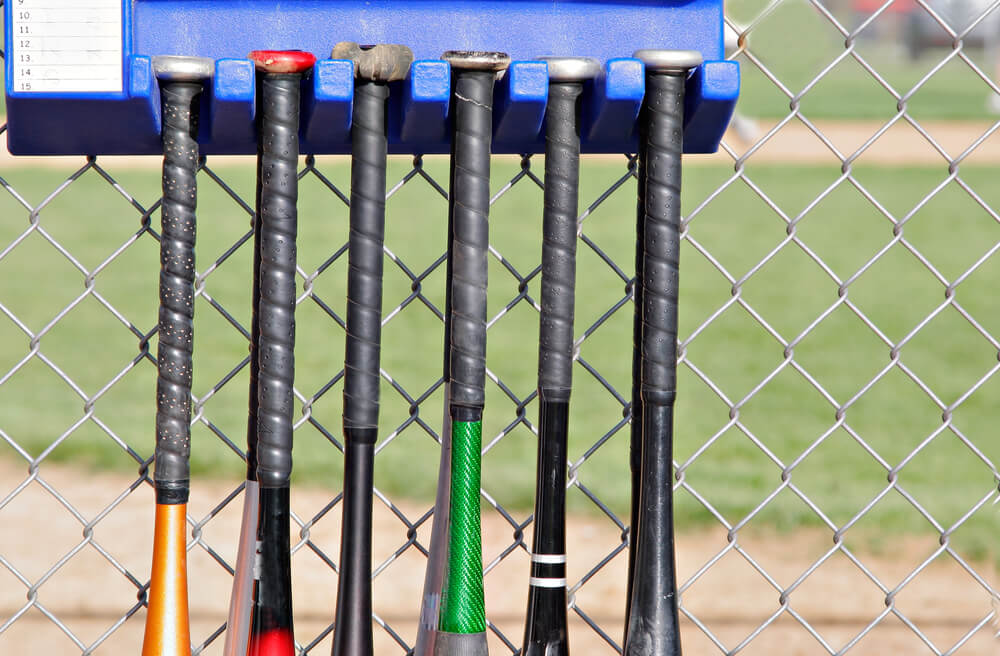
The Louisville Slugger story begins in 1884, when a young Bud Hillerich is said to have made a bat for local star Pete Browning in his father’s woodworking shop. The company became Hillerich and Bradsby in 1916.
Collectors date early bats by the centerbrand, the stamped logo on the barrel, which changed over the decades. Early store bats reach 100 to 500 dollars, while professional model bats reach much higher.
Cracks, handle checking and heavy sanding lower value, and a clear centerbrand is essential for dating.
Honus Wagner Signature Model Bats
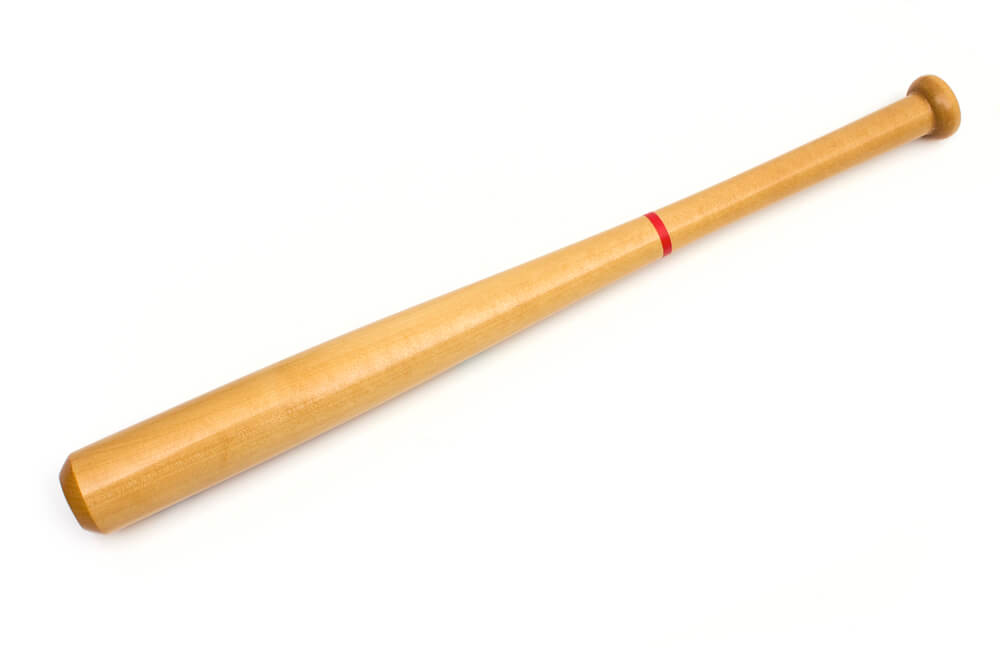
In 1905 Honus Wagner became the first player to sign an endorsement deal with the maker of the Louisville Slugger, allowing his signature to be burned into bats sold to the public. That deal launched the signature model bat and set a pattern every later star followed.
Early Wagner store models reach several hundred dollars and sometimes four figures, depending on age and condition. Later signature models of other stars are more common.
The burned signature should be clear and deep, and cracks, sanding and refinishing lower value.
Black Betsy, Shoeless Joe Jackson’s Bat
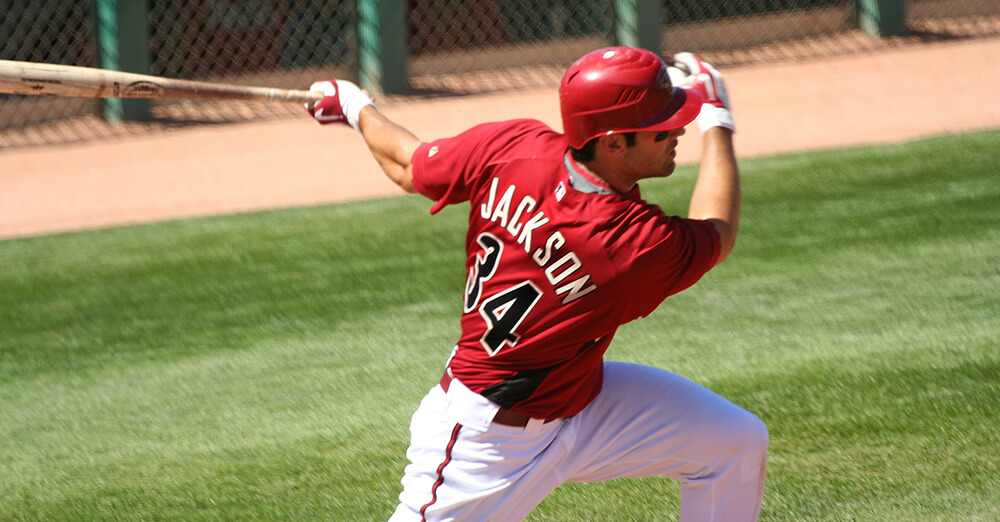
Black Betsy was the favorite bat of Shoeless Joe Jackson, handmade from hickory by a South Carolina craftsman when Jackson was still a teenager mill hand. Jackson used it through his major league career, which ended with his ban after the 1919 World Series scandal, and kept it until his death.
The bat sold for 577,610 dollars in an online auction in 2001, then a record for any bat. Its dark finish, warping and age all belong to the story.
No ordinary bat will reach that level, but Black Betsy shows what a famous name and airtight provenance can do.
Babe Ruth’s First Yankee Stadium Home Run Bat
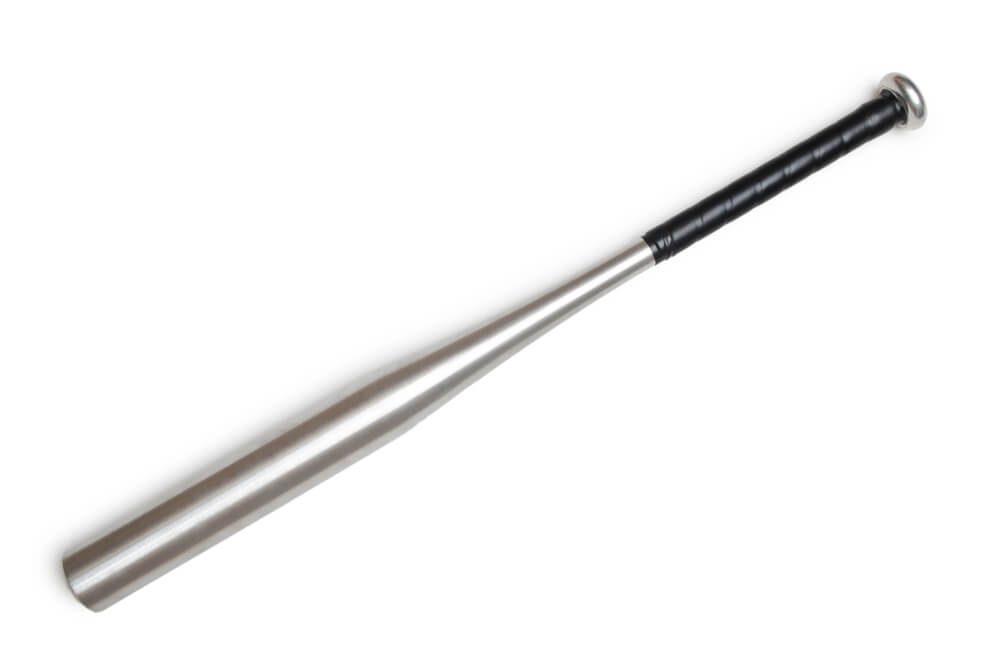
On April 18, 1923, Babe Ruth hit the first home run in the new Yankee Stadium with a 36-inch ash bat, then gave it to a Los Angeles newspaper as a prize for a high school home run contest. He signed it for the young winner, Victor Orsatti, who kept it for decades.
The bat reached 1,265,000 dollars at Sotheby’s in 2004, a record for a bat at the time. Its value rests on a documented chain of ownership, Ruth’s inscription and wood still in sound shape.
Provenance like that almost never survives with used equipment.
Professional Model Bats With Factory Records
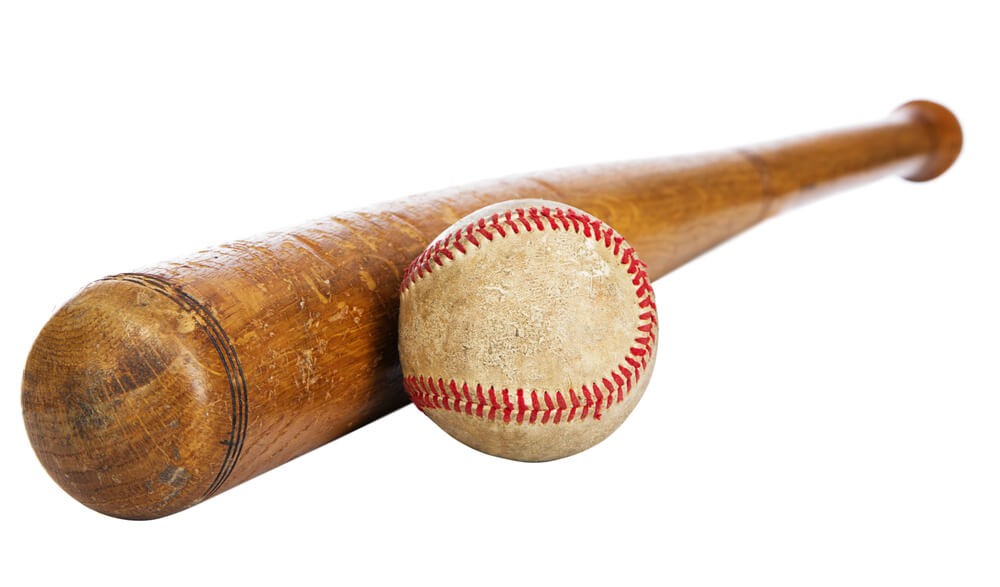
Bats made for professional players carry factory records showing who ordered them, when and to what specifications, and those ledgers are the foundation of bat authentication. A professional model bat matched to a player’s shipping records and showing real game wear sits around several hundred dollars for role players and far higher for stars.
Grading services examine seam marks, cleat marks, pine tar and handle tape to rate use. Collectors are wary of bats with vague stories.
Heavy cracks lower value, but some use is essential.
Spalding Mushroom-Knob Bats
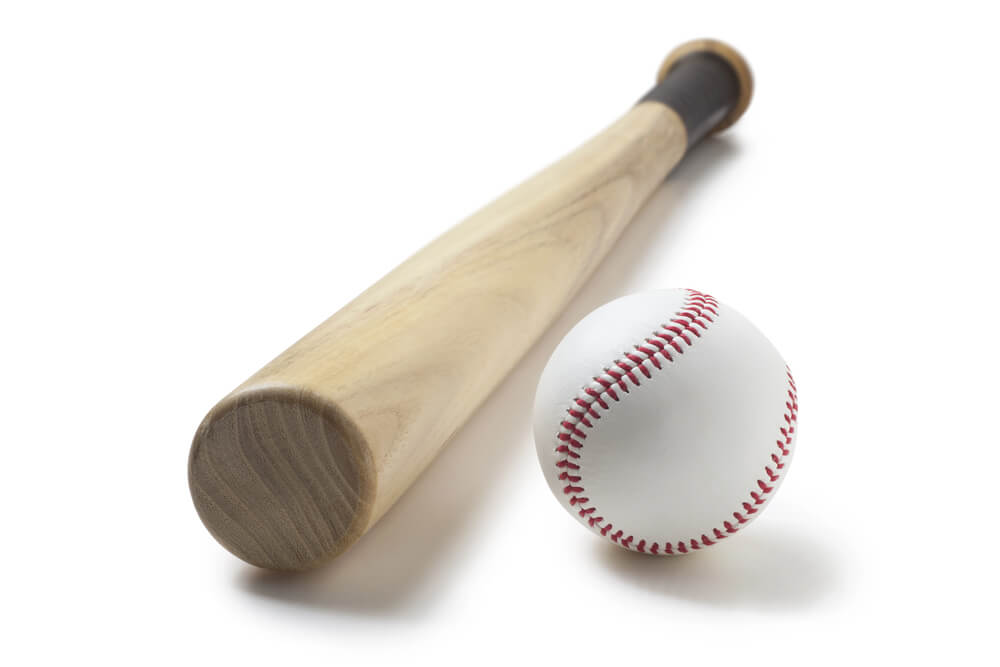
In the early 1900s Spalding sold bats with an oversized knob shaped like a mushroom cap, designed to shift weight toward the hands and give the hitter more control. The design was marketed with player endorsements and never caught on widely, which is why surviving examples are scarce.
Mushroom bats reach several hundred dollars and more in good condition. The knob is the defining feature of the bat and needs to be intact, without chips or cracks.
Collectors check for Spalding stamping and period wood, since later reproductions exist.
Heinie Groh’s Bottle Bat
Cincinnati third baseman Heinie Groh became famous in the 1910s for a bat with a thick barrel that narrowed sharply to a thin handle, a shape that looked like a milk bottle. He used it through a long career and won a World Series with the Reds in 1919.
Store model bottle bats bearing Groh’s name reach several hundred dollars, and game-used examples reach far higher. The distinctive shape makes them instantly recognizable.
Cracks at the neck, where the barrel meets the handle, are common and lower value sharply.
Adirondack Big Stick Bats
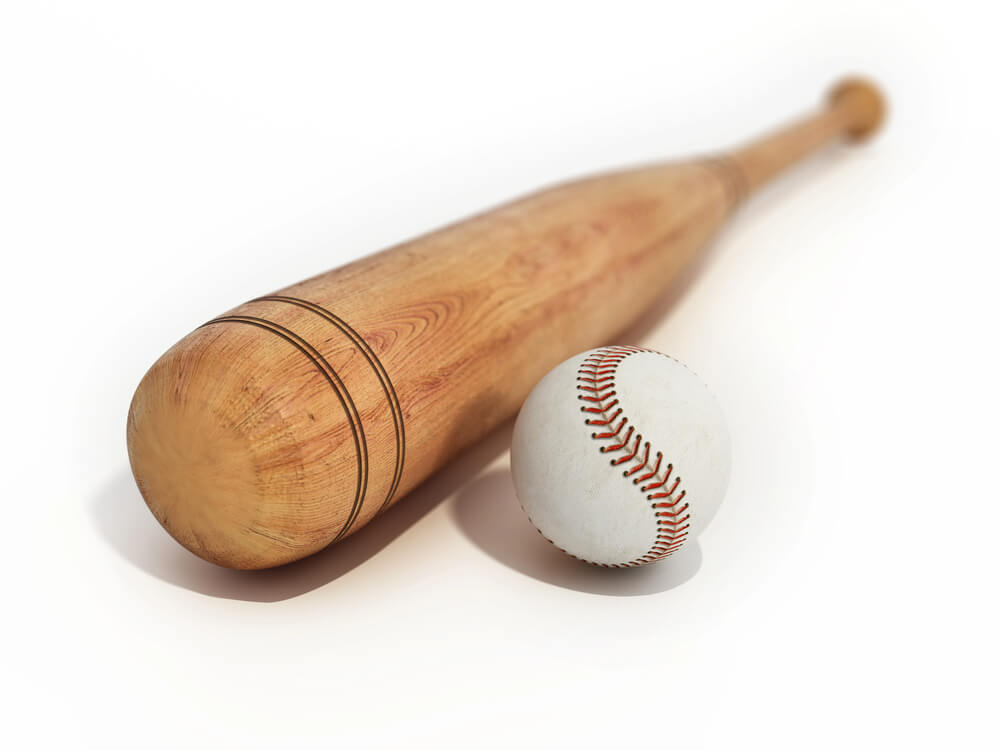
Adirondack bats were made in Dolgeville, New York, beginning in the 1940s, and the Big Stick line became a common sight in major league dugouts through the 1950s and 1960s. The brand later became part of Rawlings.
Store model Adirondacks with player names sit around 50 to 200 dollars, while professional models reach much higher. Collectors look for crisp Adirondack stamping and the Big Stick branding.
Cracks, sanding and heavy use lower value, and the brand marks should be clear rather than rubbed away by years of handling.
Hanna Batrite Bats
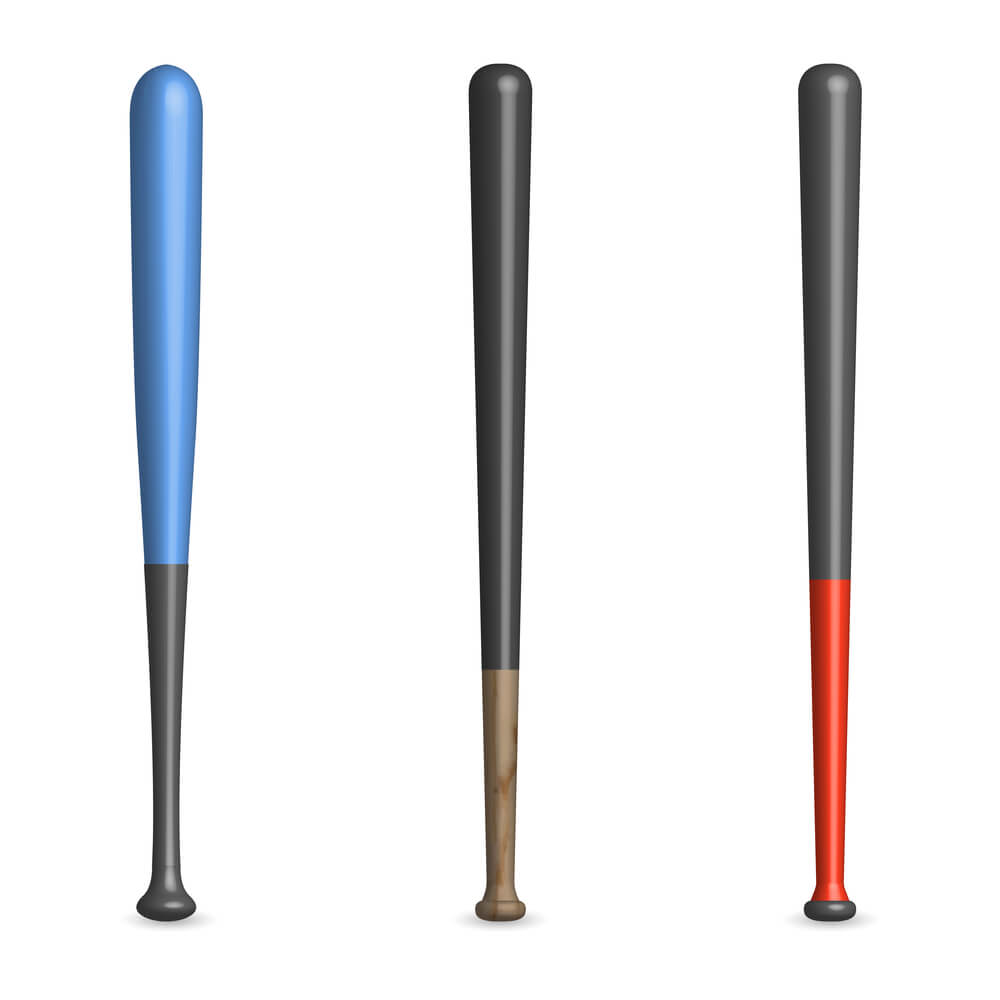
Hanna Manufacturing of Athens, Georgia, made Batrite bats for decades in the twentieth century, supplying both sporting goods stores and professional players. The company was one of the few serious rivals to Louisville Slugger in the South, and its bats turn up regularly at regional estate sales.
Store model Batrite bats sit around 40 to 150 dollars, while professional models reach several hundred and more. Collectors from the Southeast value them for regional history.
The Batrite stamp should be legible, and cracks, sanding and warping lower value.
Black Commemorative World Series Bats
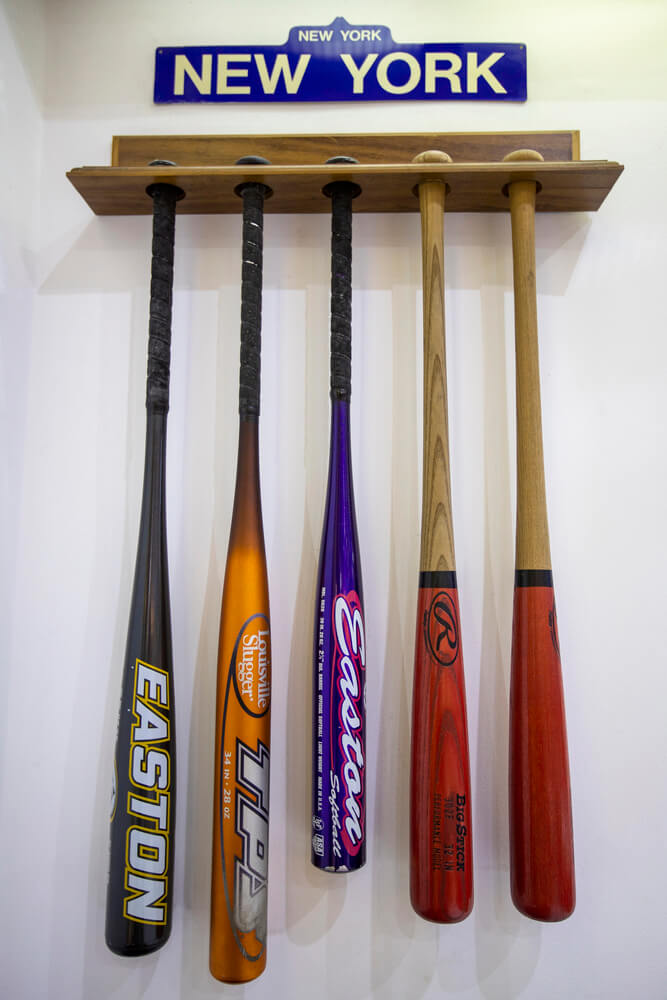
For decades, Louisville Slugger has produced black bats with gold lettering for World Series and All-Star teams, carrying the facsimile signatures of the players on each roster. They were given to players, staff and members of the press rather than sold in stores, which keeps supply limited.
Examples sit around 200 to 1,000 dollars, with championship teams and famous rosters reaching more. The gold lettering should be bright and complete.
Scratches, chipped paint and fading lower value, and collectors check for authentic factory markings. A black bat from a famous championship club is one of the few team items that ordinary collectors can still afford.
Bat Day Giveaway Bats
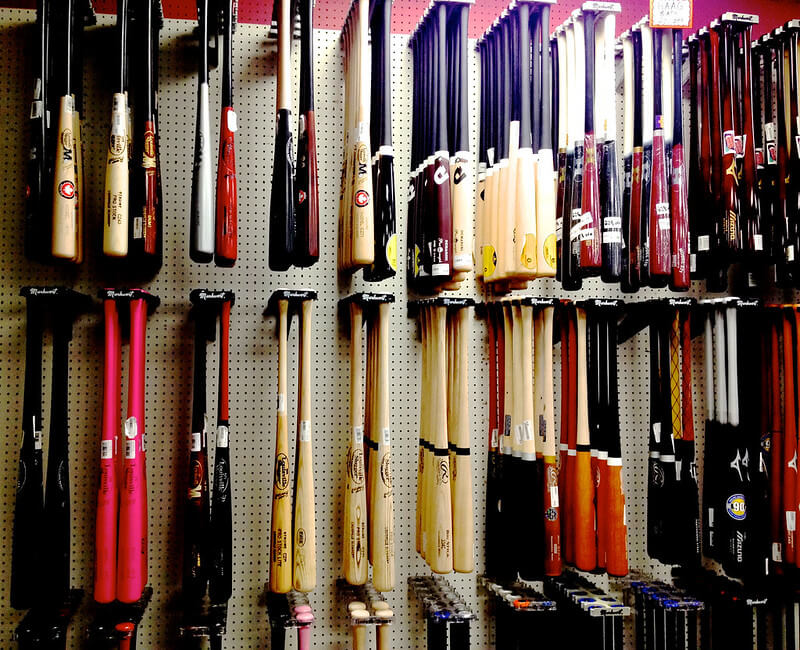
Many major league teams held Bat Day promotions in the second half of the twentieth century, handing out full-size or souvenir bats to children at the gate. Millions were given away, so most are common and sit around 10 to 40 dollars.
Bats with a star’s facsimile signature, early dates or unusual team logos reach more. Condition matters, and bats that were actually used in backyards show dents and cracks.
Collectors often seek their own team’s Bat Day bats from a specific year, which gives these cheap bats a strong nostalgic pull.
Batting Gloves From the Late 1960s
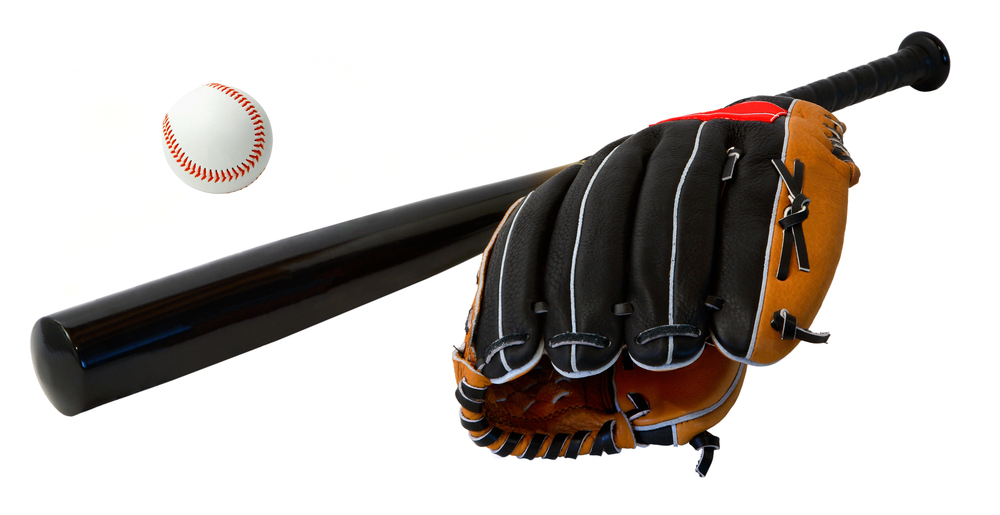
Batting gloves became common in the majors in the late 1960s and 1970s, and Ken Harrelson is often credited with popularizing them after wearing a golf glove at the plate in the mid-1960s. Early game-used batting gloves from stars reach hundreds to thousands of dollars, depending on authentication.
Store models are more common and sit around 20 to 60 dollars. Worn leather and torn fingers are expected on game-used examples, and many buyers prefer them that way.
Clean, unused store models with original packaging are harder to find than the worn ones.
Leather and Wood Keep Their Own Score
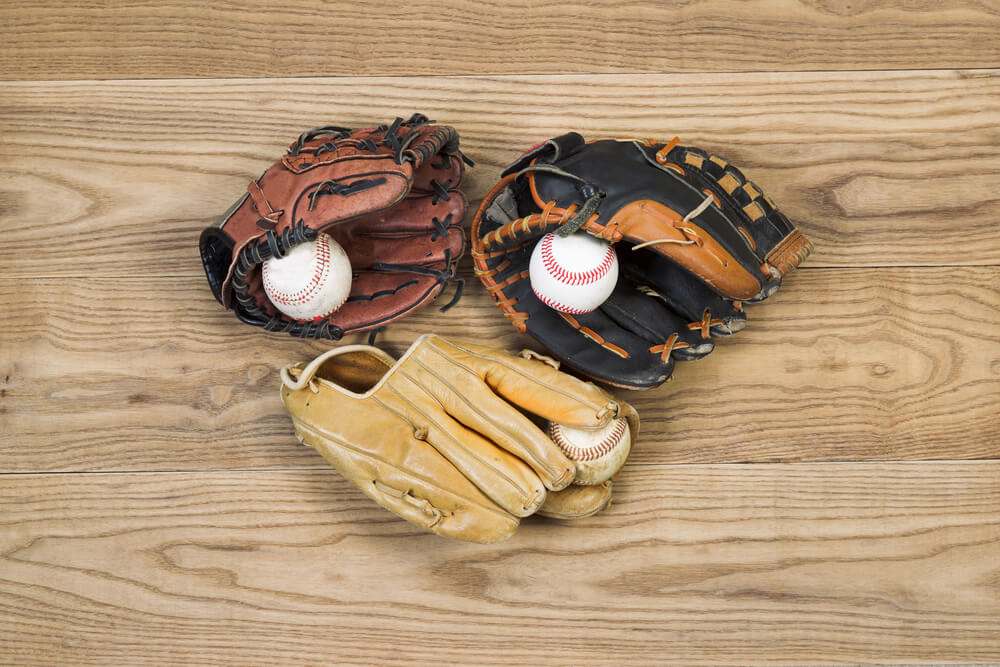
A glove or a bat records its use in a way few objects can. The pocket takes the shape of one hand, the barrel collects the marks of one swing after another, and the leather darkens with every season it survives.
Collectors pay for that record as much as for the maker’s stamp.
The gap between a forty-dollar store model and a million-dollar relic comes down to documentation. Names, factory records, photographs and a clear chain of ownership turn worn equipment into history.
Without them, even a genuinely old glove is simply a nice piece of leather.
More from Go2Tutors!

- The Romanov Crown Jewels and Their Tragic Fate
- 13 Historical Mysteries That Science Still Can’t Solve
- Famous Hoaxes That Fooled the World for Years
- 15 Child Stars with Tragic Adult Lives
- 16 Famous Jewelry Pieces in History
Like Go2Tutors’s content? Follow us on MSN.