Reasons Certain Historical Figures Were Written Out of Their Own Countries’ Records
History is supposed to be a permanent record, yet powerful figures have systematically erased inconvenient people from official narratives by destroying documents, defacing monuments, airbrushing photographs, and rewriting texts. These erasures reveal how control of the past becomes a tool for controlling the present.
The reasons given—political betrayal, religious heresy, challenges to male authority—expose how the people in power determine not just who ruled, but who is allowed to have existed at all. The practice of erasing someone from history is far older and more widespread than most realize.
From ancient Egyptian pharaohs to Soviet dictators, rulers have understood that the most devastating punishment transcends the body: it is the obliteration of memory. When someone is truly erased, they cannot serve as inspiration, cautionary tale, or precedent.
They simply vanish, as if they never were.
Hatshepsut and the Female Pharaoh Problem
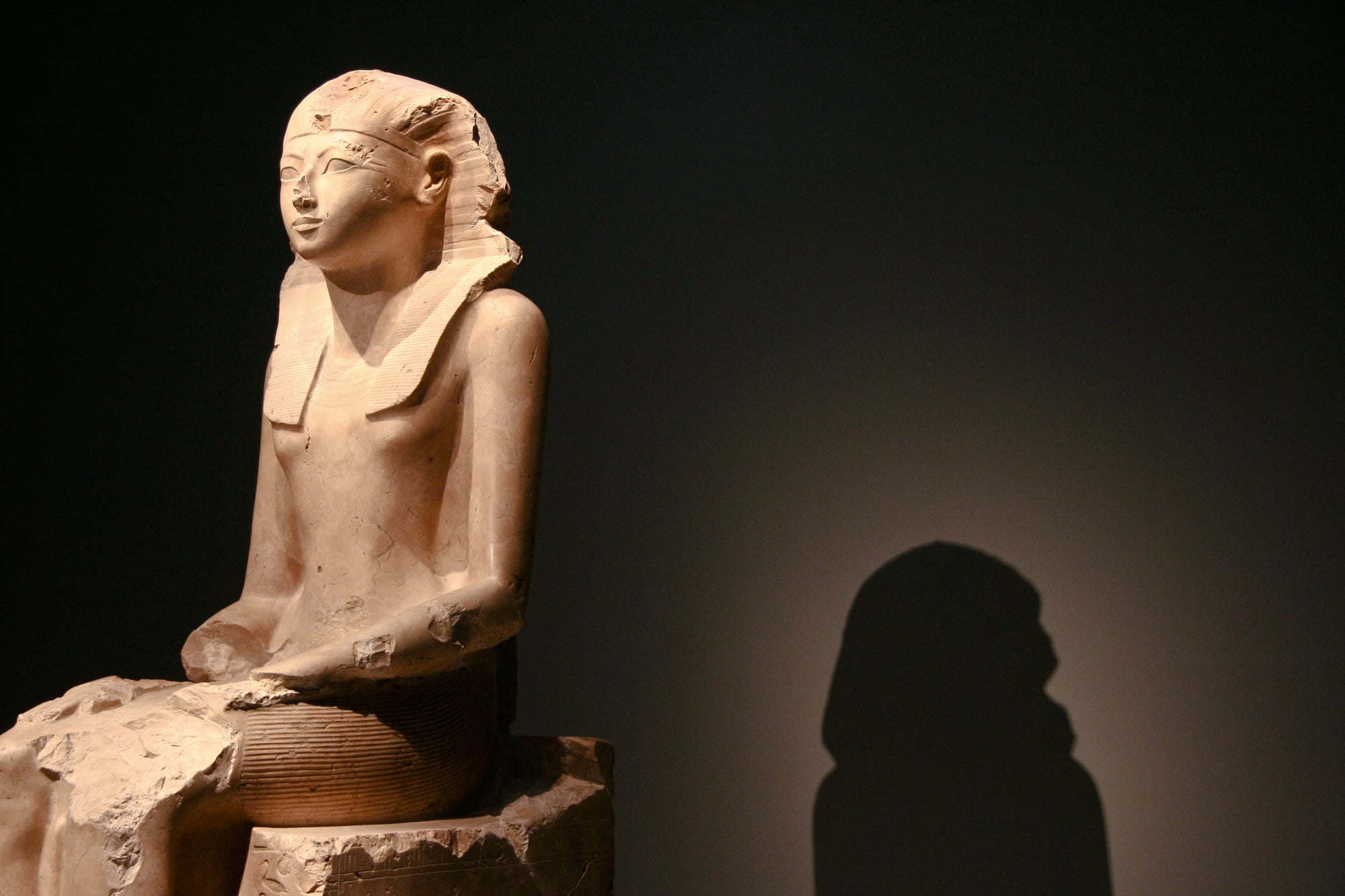
Ancient Egypt’s most successful female pharaoh ruled for 22 years, commanding building expeditions, erecting obelisks that still pierce the sky at Luxor, and steering Egypt through two decades of extraordinary prosperity. Then Hatshepsut died, and her successor Thutmose III methodically destroyed every public record of her existence.
He chiseled her name from monuments, defaced her statues, and removed her from the official king lists, creating a 1,500-year gap in the record. For centuries, her temples and obelisks were attributed to male rulers who followed her, and her mummy remained unidentified in storage until 2007.
Historians debate whether Thutmose III erased her because she was a woman wielding power meant for men, or whether her unusual reign violated the cosmic order of Ma’at that pharaohs were supposed to maintain.
Pharaoh Akhenaten and the Monotheism That Could Not Be Forgotten
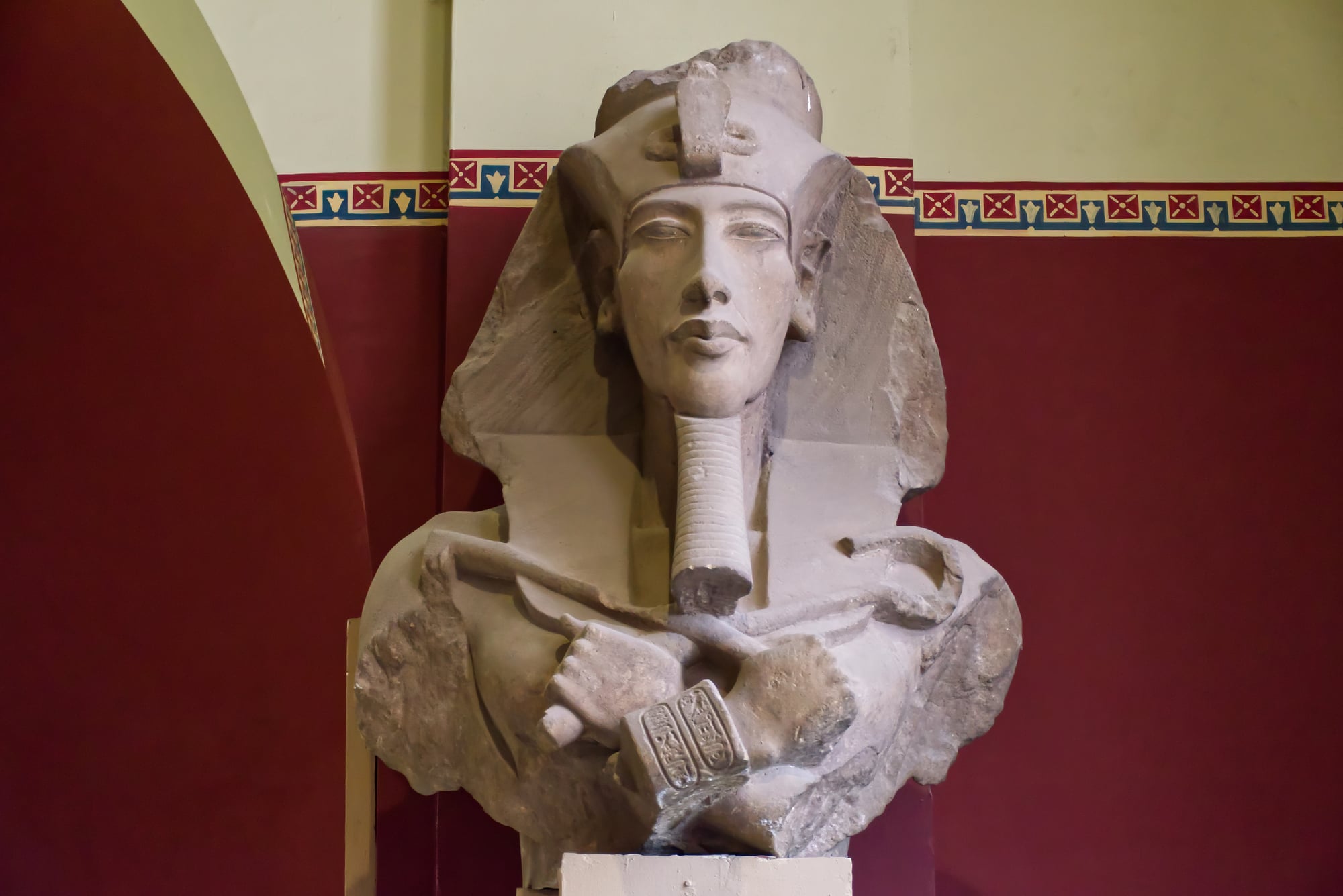
Pharaoh Akhenaten attempted to overturn 1,500 years of Egyptian religious tradition by introducing monotheism—worship of a single god, Aten, the sun disk. His successors considered this theological revolution so dangerous that they systematically chiseled his name from temples, smashed his statues, and removed him from the official record.
Yet Akhenaten’s erasure was ultimately unsuccessful because his revolutionary changes were too dramatic to hide completely. His very absence became historical evidence.
Modern Egyptologists stumbled upon him precisely because his defaced sarcophagus and obliterated inscriptions testified to someone powerful enough to have warranted such systematic destruction. His successors inadvertently ensured his memory survived by attacking it so thoroughly.
Emperor Geta’s Face Erased From Every Stone
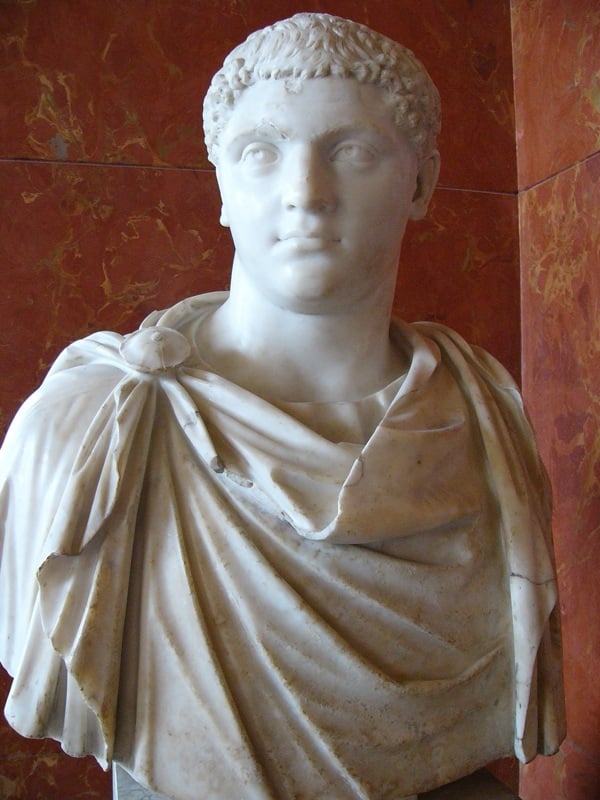
After Roman Emperor Geta was murdered by his brother Caracalla in 211 CE, Caracalla ordered that his brother’s name become unspeakable—death awaited anyone who uttered it. Caracalla’s agents scraped Geta’s face from marble portraits, leaving ghostly blank ovals where features had been.
His name was chiseled from inscriptions throughout the empire, his honors expunged from records, and his existence declared criminal. Unlike Hatshepsut’s long erasure, Geta’s was immediate and intended to be total.
Yet the very fact of his defacement became its own historical record—modern archaeologists can identify Geta’s presence precisely by the careful scraping marks on monuments. Caracalla meant to obliterate his brother; instead, he created permanent evidence of his rage.
Leon Trotsky and the Soviet Photographer’s Art
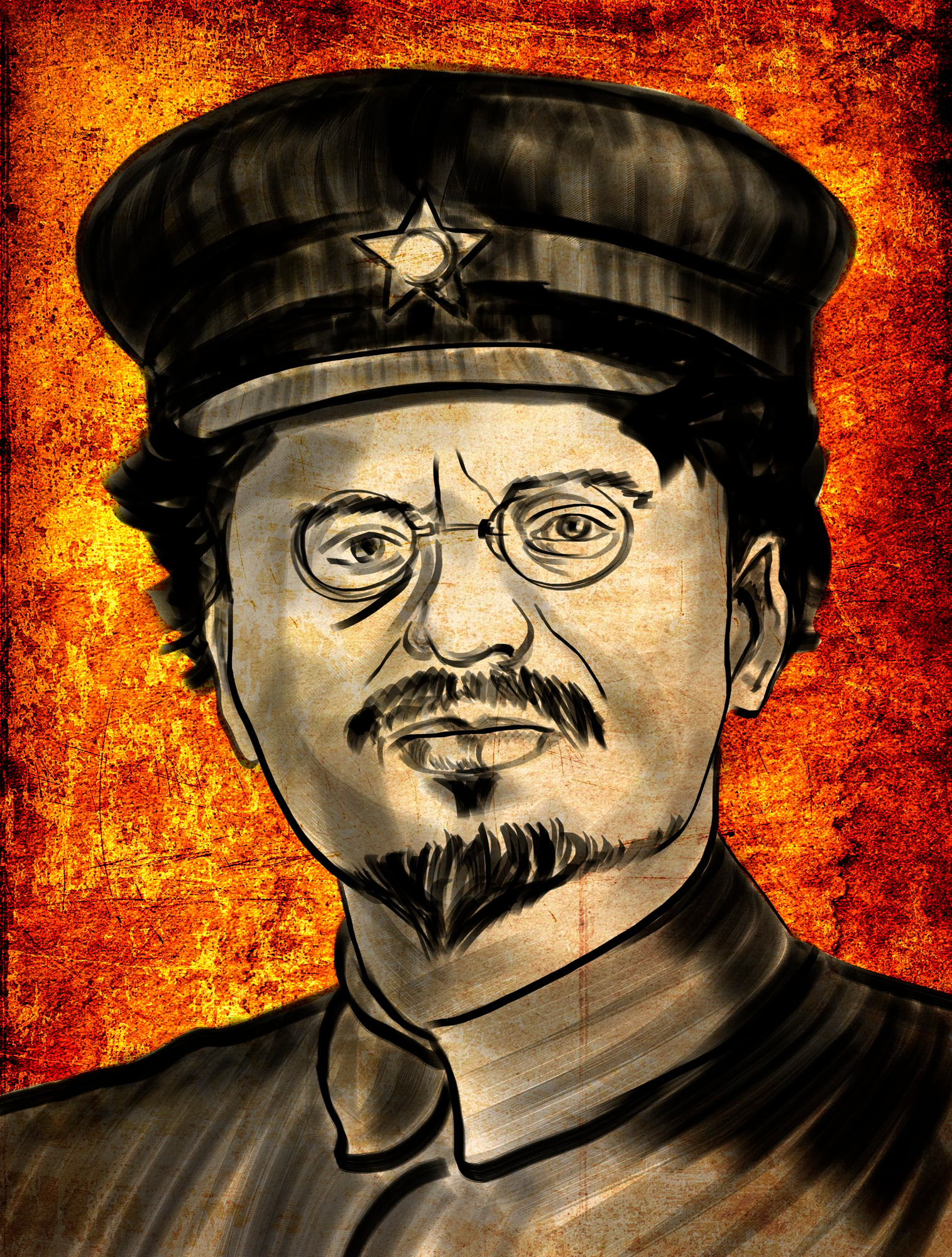
Soviet dictator Joseph Stalin understood that photographs, more than words, shaped historical memory. When Bolshevik revolutionary Leon Trotsky fell out of favor, Stalin ordered his systematic removal from official photographs.
Soviet photographers and retouchers, working with nothing more sophisticated than scalpels, glue, paint, and airbrushes, carefully erased Trotsky from group portraits, from images of Lenin’s funeral, from crowds and delegations. In one photograph, three men who had marched beside Stalin in 1926 were methodically painted over until Stalin stood alone—a solo ruler rewritten into history by hand.
Trotsky was cast not as a forgotten nonperson but as a traitor, reimagined in political cartoons as a German agent on a Nazi leash, but his physical presence was stripped from the visual record.
Nikolai Yezhov, the Propagandist Erased
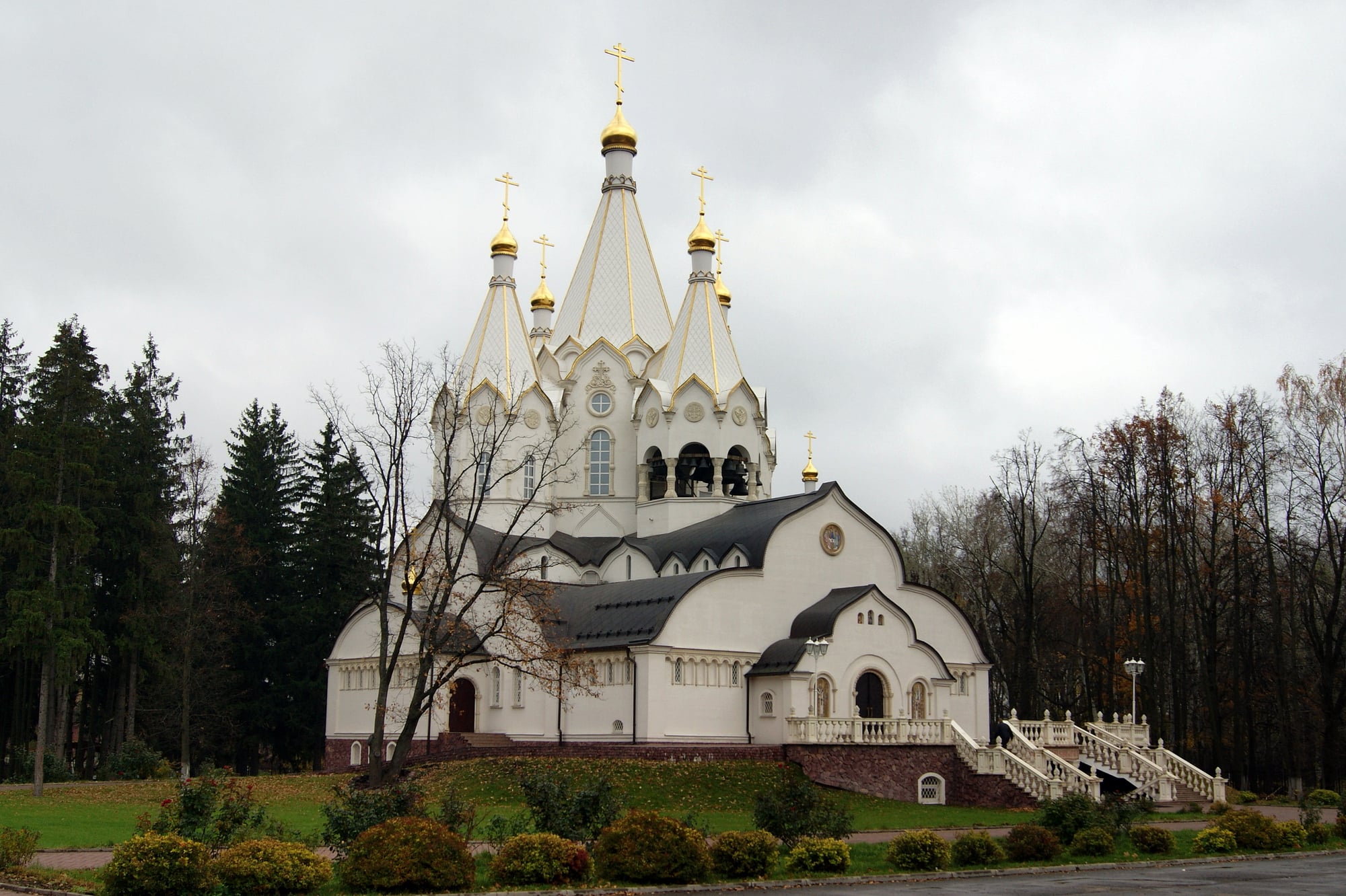
As head of Stalin’s secret police, Nikolai Yezhov orchestrated the execution of over half a million Soviet citizens during the “Great Purge.” When Stalin eventually decided Yezhov had become politically inconvenient, he was executed—and then erased.
Photographs were altered to remove him from Stalin’s side. A famous image of Stalin and his inner circle strolling along a Moscow canal was carefully retouched to remove Yezhov, leaving an awkward empty space.
Soviet citizens who had known Yezhov’s face could watch it disappear, photograph by photograph, as if he were being murdered not once but continuously. The physical act of erasing his image from the historical record became a public demonstration of Stalin’s absolute power over memory itself.
Emperor Domitian and the Paranoid Tyrant
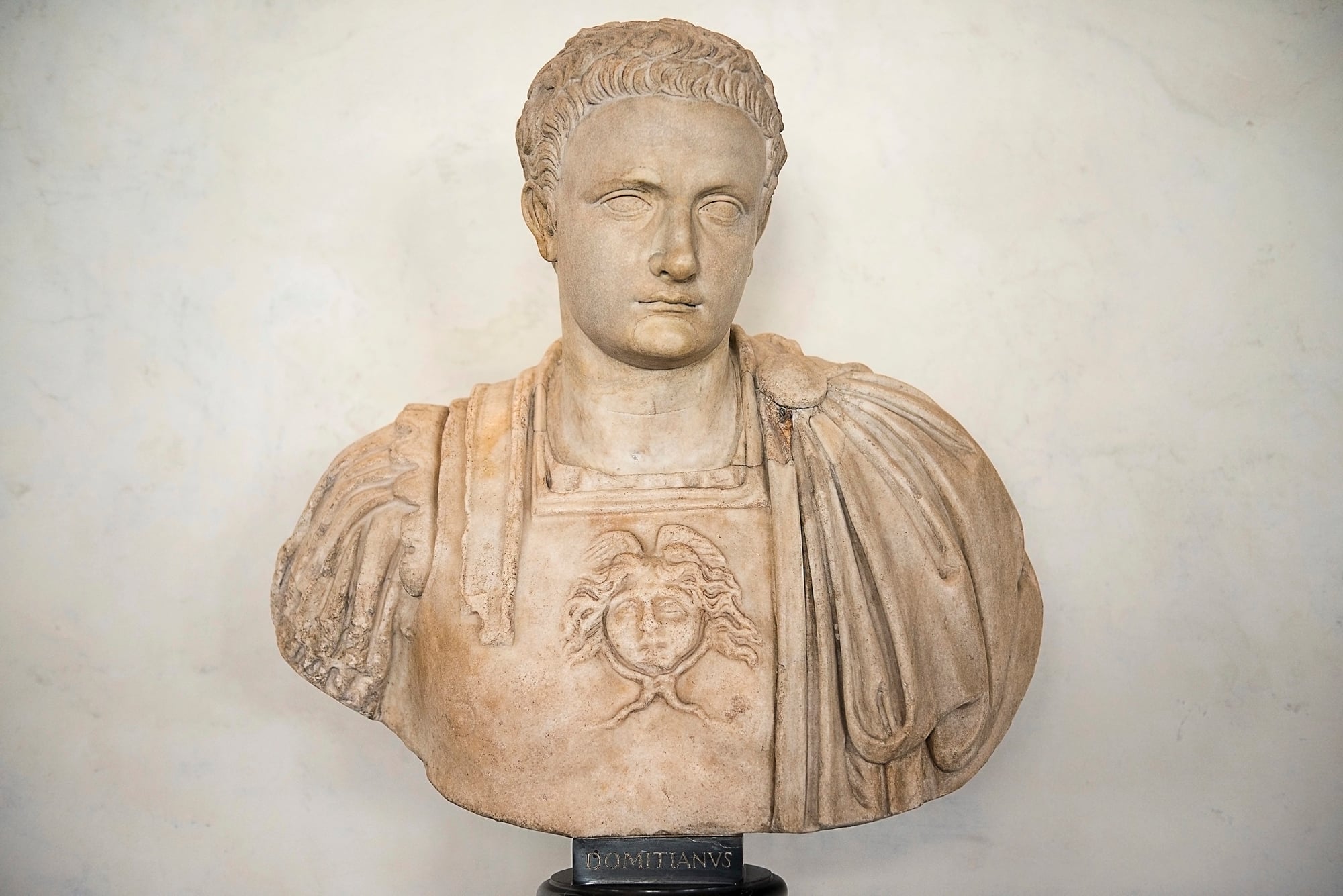
After Emperor Domitian was assassinated in 96 CE, the Roman Senate condemned his memory so thoroughly that his name was erased from inscriptions, his triumphal arch was re-dedicated to other emperors, and later historians like Suetonius rewrote his reign as the paranoid tyranny of a madman. Unlike Geta, whose assassination prompted immediate erasure, Domitian’s condemnation was political theater—the Senate used his erasure to justify the power that had executed him.
Modern historians debate whether Domitian was genuinely tyrannical or whether the post-mortem portrait was entirely fabricated to serve the political interests of the senators who had murdered him. His erasure was so thorough that later emperors wrote of him as a cautionary tale without acknowledging their source was propaganda authored by his enemies.
Pharaoh Tutankhamun’s Accidental Erasure
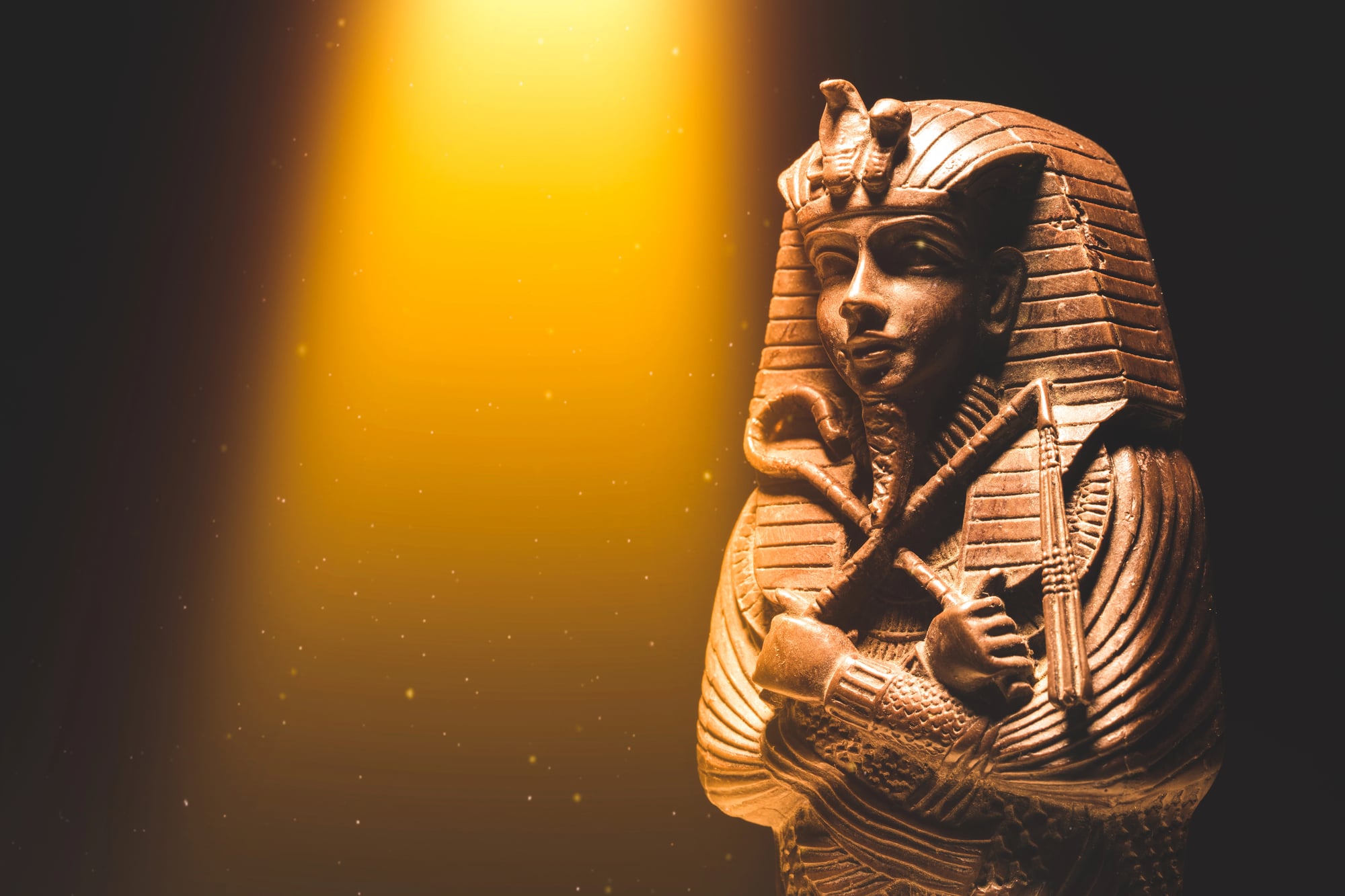
Young Pharaoh Tutankhamun earned the condemnation of his successor Horemheb not because of his own actions but because of his family connections. Associated with the heretical Pharaoh Akhenaten, Tutankhamun’s name was removed from some official lists.
His relatively short reign left few monuments, so his erasure was incomplete and easier than Akhenaten’s. Ironically, Tutankhamun’s erasure from official records meant his tomb remained unviolated for centuries, protected by obscurity.
When his burial chamber was discovered in 1922, its treasures were undisturbed precisely because he had been so successfully forgotten. His erasure preserved him for modern archaeology in ways a celebrated reign might not have.
The Revolutionaries Recast as Nazi Agents
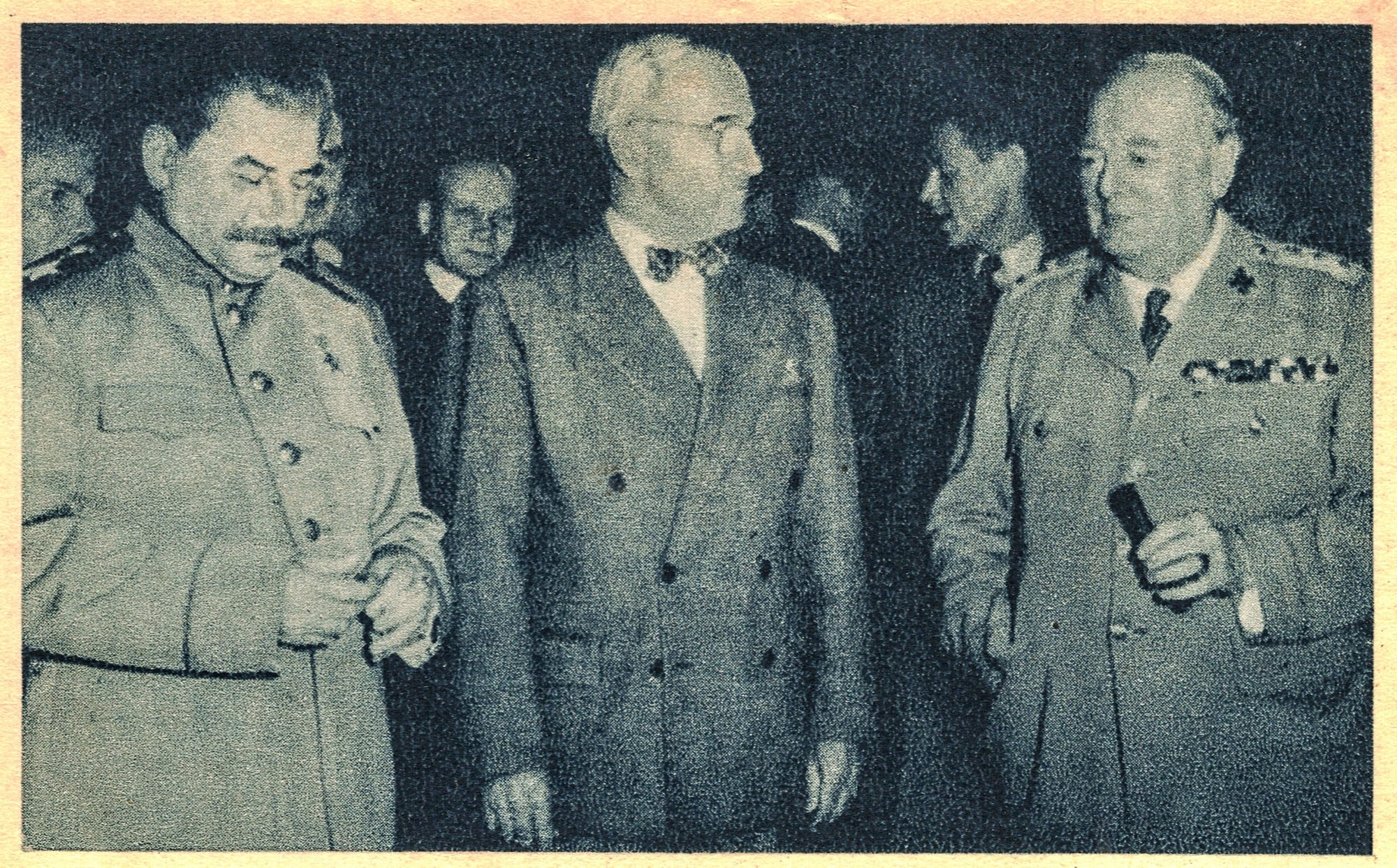
Stalin’s photograph retouchers faced an impossible task when dealing with Old Bolsheviks like Bukharin, Kamenev, and other early Communists who had fallen from favor. Erasing them entirely was impossible because they remained too central to the revolution’s history.
Instead, Soviet propaganda transformed them into something worse than unpersons—they became traitors. Their images were scraped from photographs, but their names survived in political cartoons depicting them as mad dogs on Nazi leashes or conspirators plotting with Hitler.
These figures were doubly erased: first from the visual record, then reinvented as mythical enemies. Their actual revolutionary contributions vanished while their reputations were murdered posthumously through accusations of treason.
Madame Noor Inayat Khan and the British Spy Forgotten
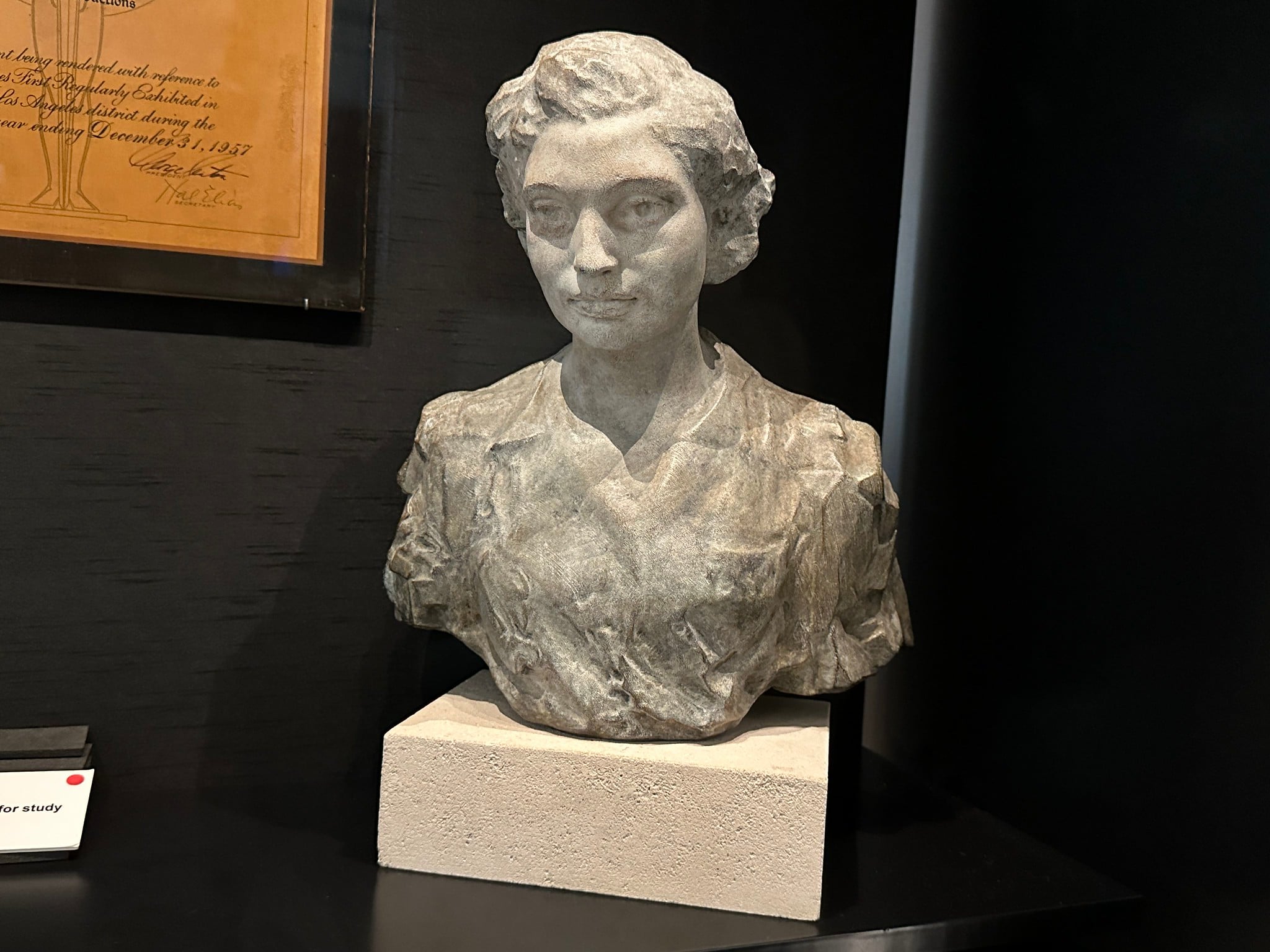
British secret agent Noor Inayat Khan was a female radio operator for the Special Operations Executive during World War II, transmitting from Paris until her capture by the Nazis. Executed at Pforzheim Prison in 1944, she was initially recognized as a war hero.
But as postwar Britain sought to normalize its history, female spies like Khan found their roles minimized and their names removed from standard histories. Her erasure was subtler than ancient damnatio memoriae—not defacement and chiseling, but simple omission from official accounts, the reduction of heroic contributions to footnotes, and eventually near-total obscurity.
It took decades for her story to resurface, demonstrating that erasure need not be violent or obvious to be effective.
Isabella de’ Medici and the Woman Too Dangerous to Remember
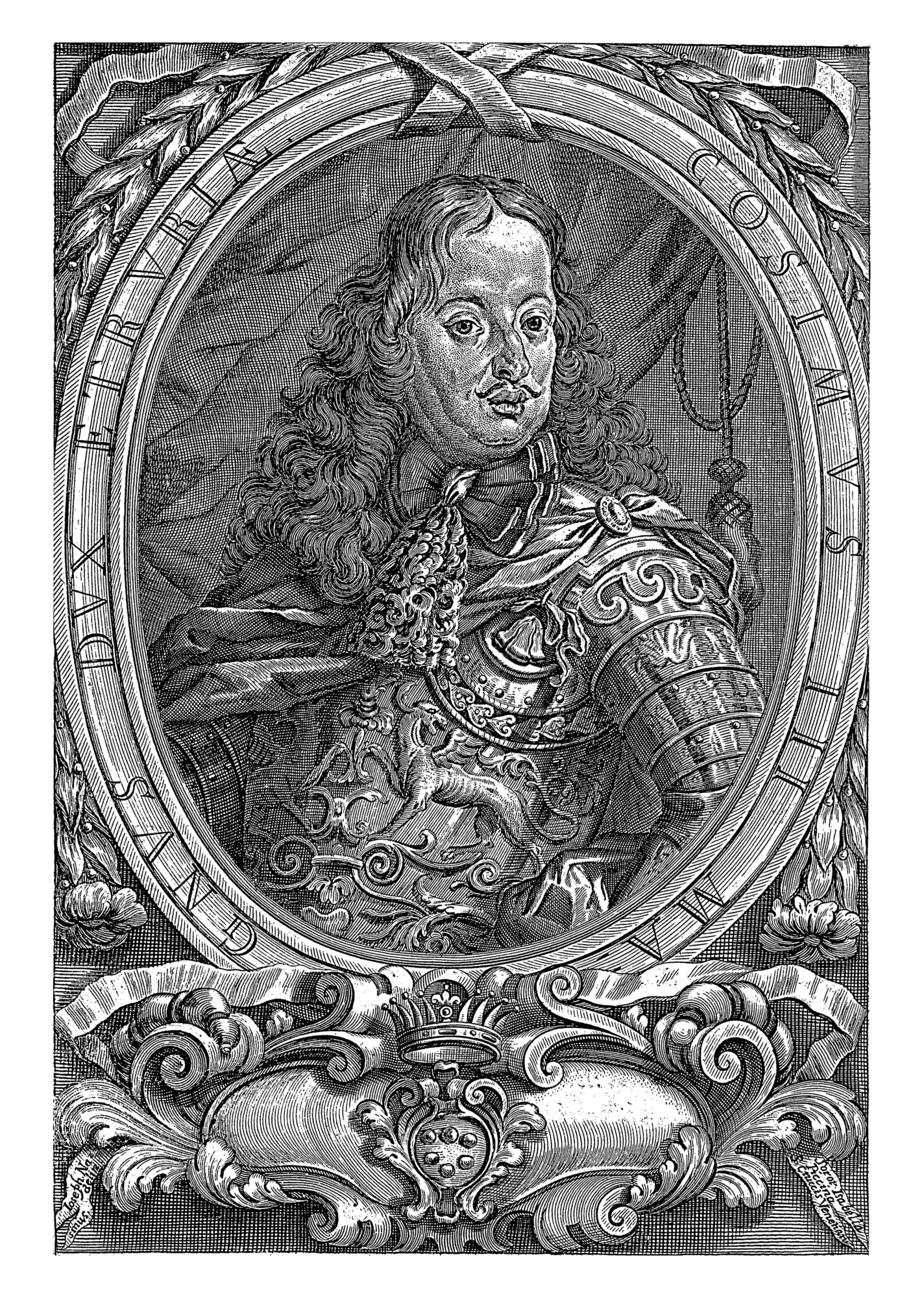
Renaissance noblewoman Isabella de’ Medici was intentionally omitted from family histories and political records by her own relatives, who found her intelligence, political influence, and independence threatening to the carefully controlled narrative of Medici power. Unlike male members of her family, whose every achievement was recorded, Isabella’s contributions were documented only in private correspondence that historians had to piece together centuries later.
Her erasure was bureaucratic rather than violent, accomplished through the simple power of deciding which achievements deserved recording in official documents and which could be safely forgotten.
Commodus and the Forgotten Emperor
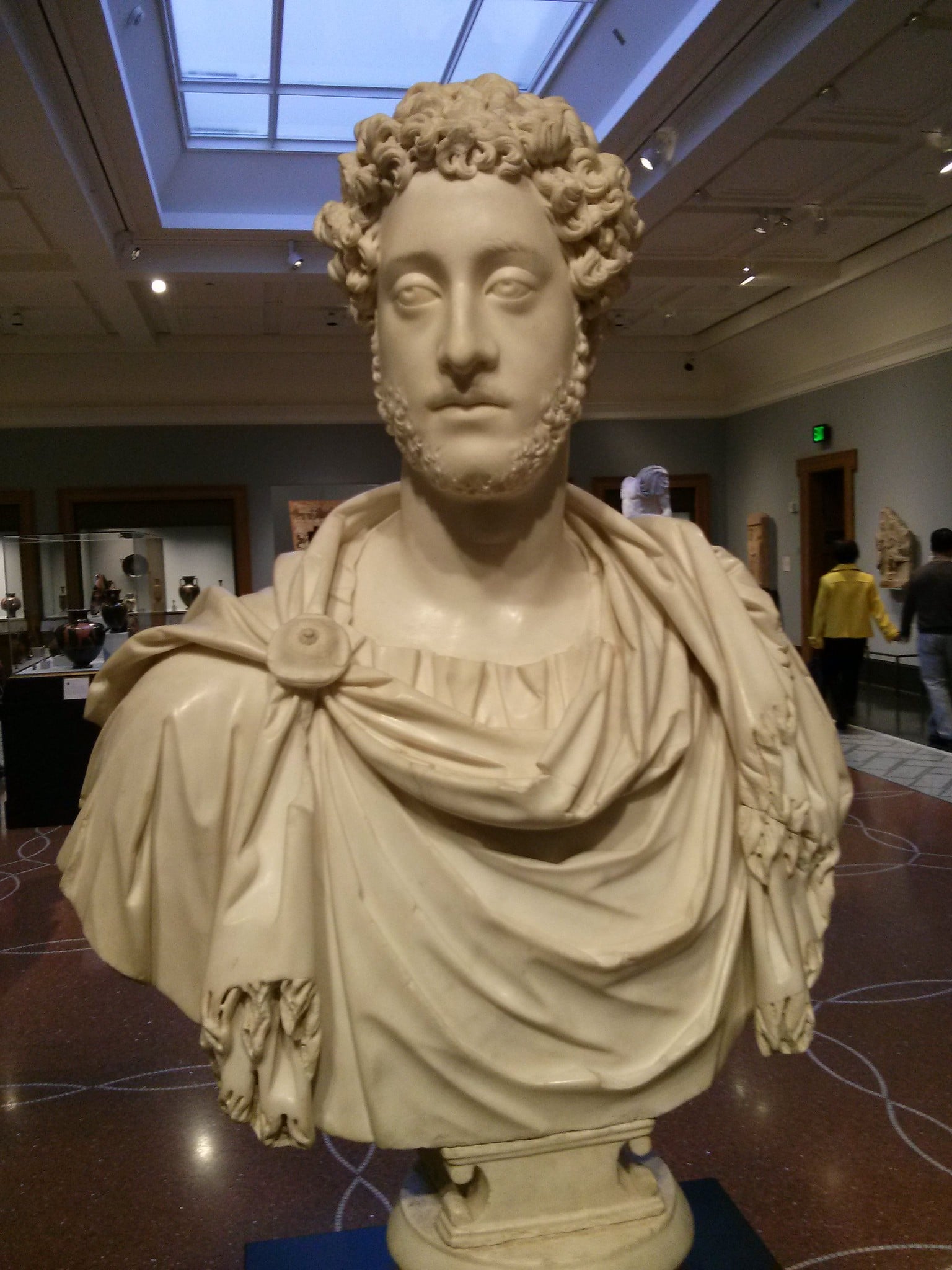
Roman Emperor Commodus suffered a damnatio memoriae after his assassination, with his name erased from inscriptions and monuments. Yet unlike Domitian, whose erasure was used to justify political decisions, Commodus’s erasure was largely successful in rendering him forgettable—his name survives primarily in the accounts of historians who wrote about the empire generally, not because anyone thought him important enough to remember.
His erasure made him famous precisely for being forgettable, a paradox that demonstrates how the practice of erasing history can sometimes backfire, making the erased person more intriguing to later generations.
The Nazi Party Officials Edited Out of Soviet Records
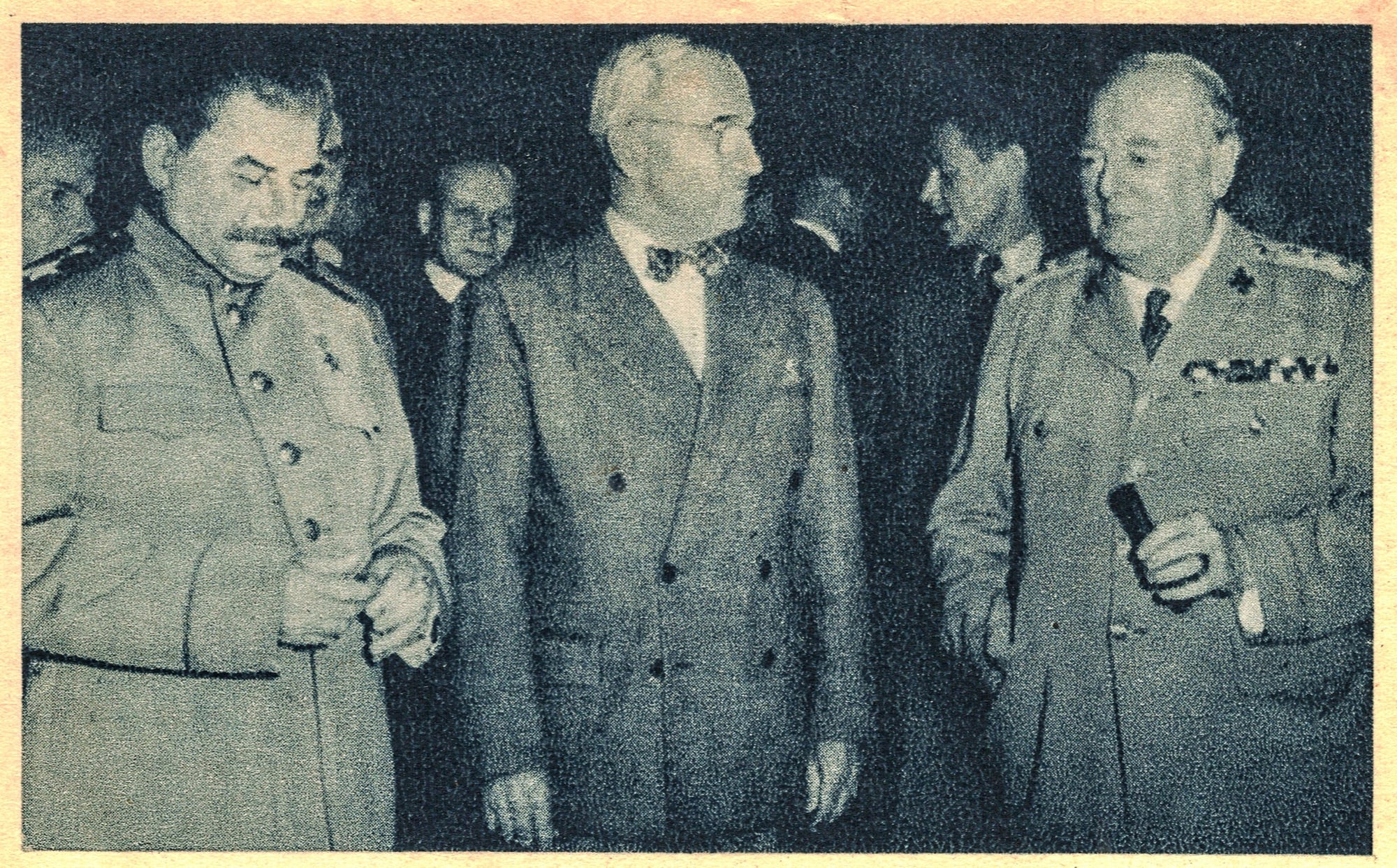
As the Soviet Union attempted to rewrite its own postwar history, certain Nazi collaborators and officials who had been cooperated with by the Soviets found themselves erased from Soviet records. These figures were removed not because of their Nazi affiliations but because acknowledging their existence would require explaining Soviet collaboration.
Their erasure served Soviet political interests rather than historical accuracy, demonstrating how multiple nations can use erasure practices to hide their own inconvenient histories.
Religious Figures Condemned to Oblivion
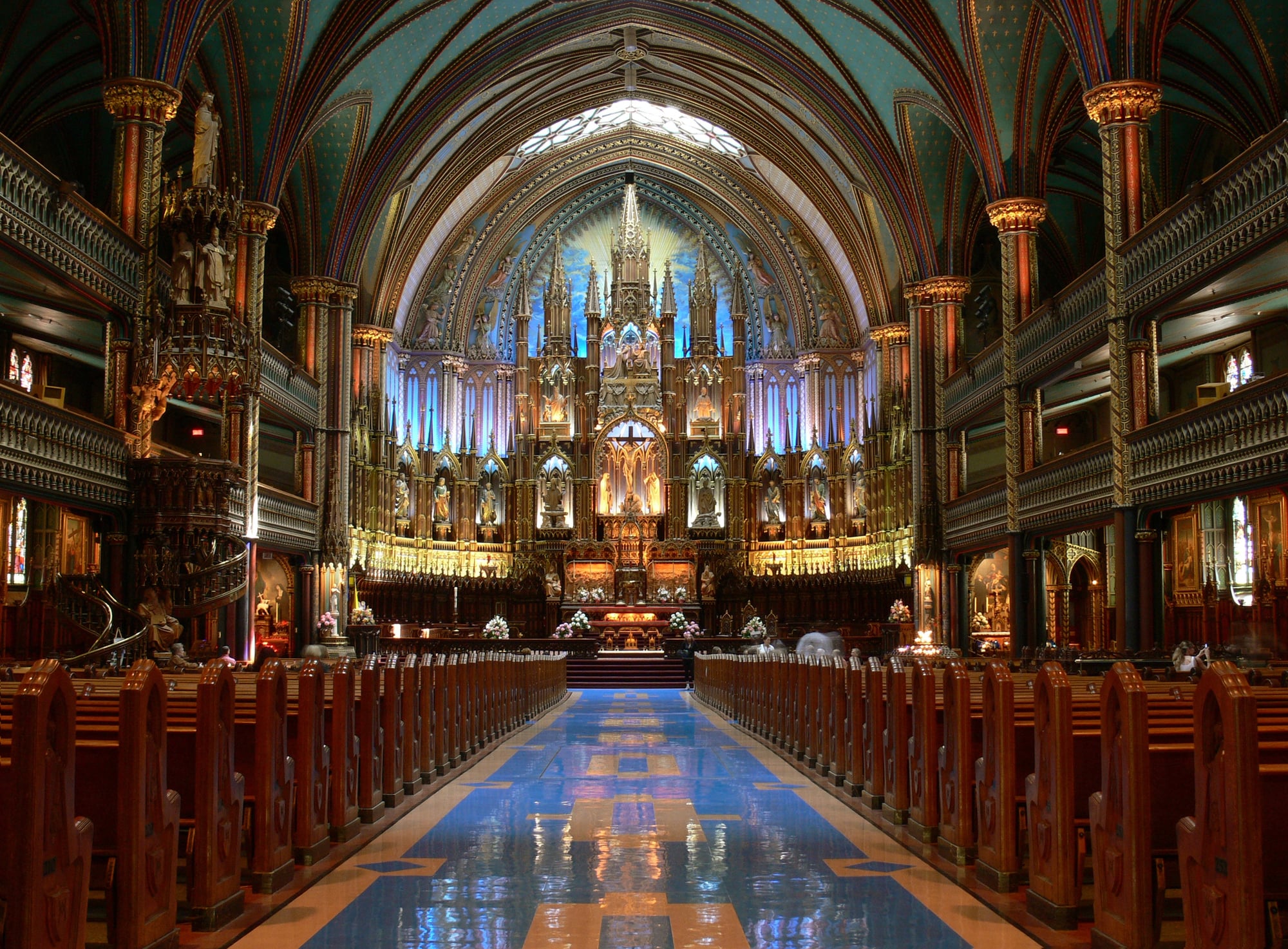
The Catholic Church practiced its own form of damnatio memoriae on heretics like John Wycliffe, whose books were burned and whose name was struck from church records. Though the Church could not fully erase Wycliffe—his theological influence was too widespread—his public standing was obliterated.
He was condemned as a heretic, and subsequent generations knew him primarily as an example of theological error rather than as a serious thinker. His erasure was theological as well as historical: he was removed not just from records but from the community of legitimate Christian thought.
Soviet Propagandists’ Skill With Primitive Technology
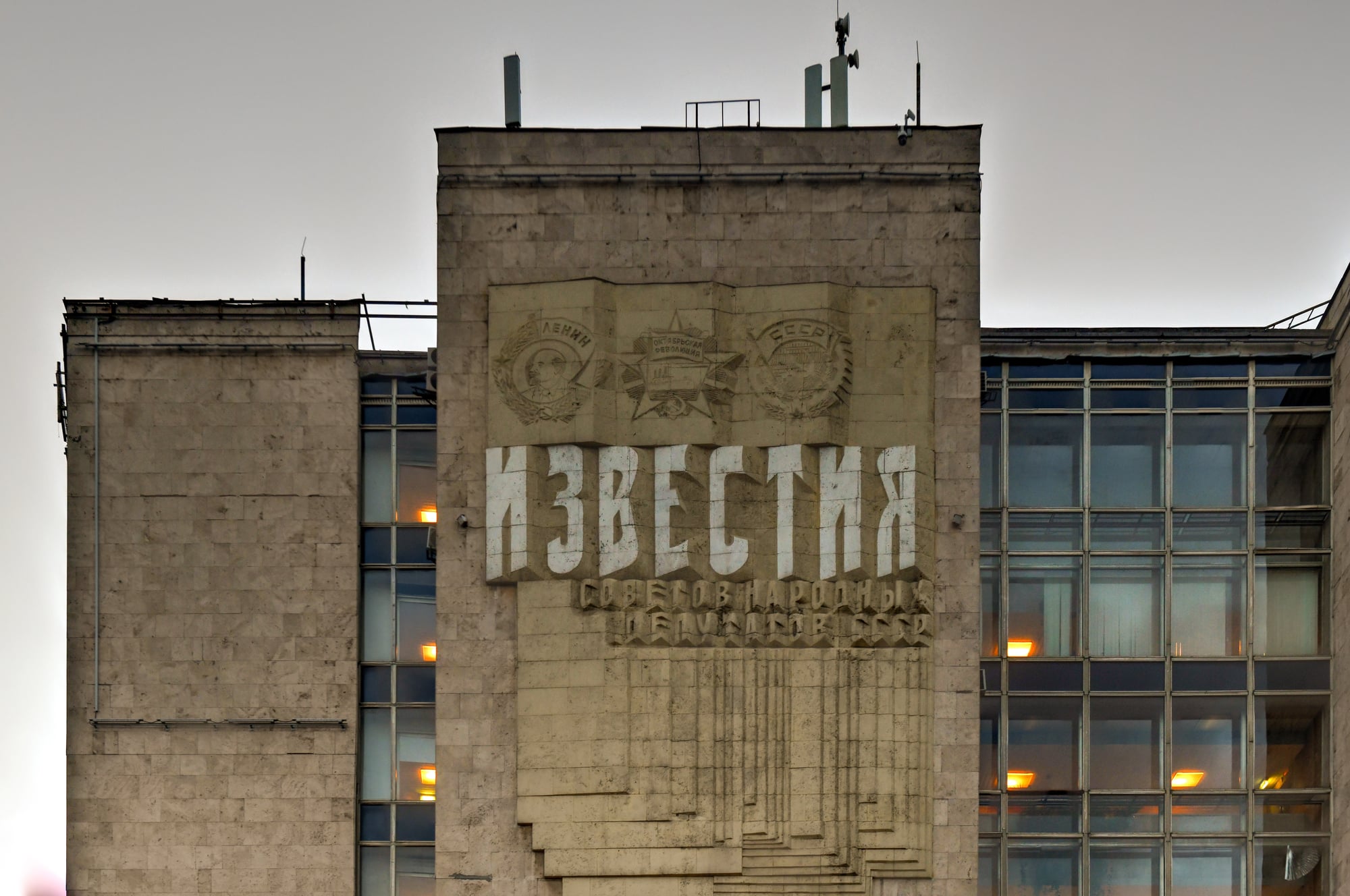
The skill with which Soviet retouchers accomplished their work is striking and unintentionally hilarious to modern observers. Without Photoshop, working with nothing more than scalpels, paint, brushes, and airbrushes, they carefully removed politically inconvenient figures from official photographs.
In one image of a 1917 demonstration, retouchers changed shop signs and banner text to make the scene appear more revolutionary than it originally was. Their work was sometimes rough—a famous image from the Battle of Berlin showing Soviet soldiers raising the flag was so heavily altered that its historical authenticity remains disputed.
Yet the very crudity of their methods ensured evidence of erasure survived, leaving ghostly traces of what had been removed.
The Photograph as Historical Record That Cannot Be Completely Erased
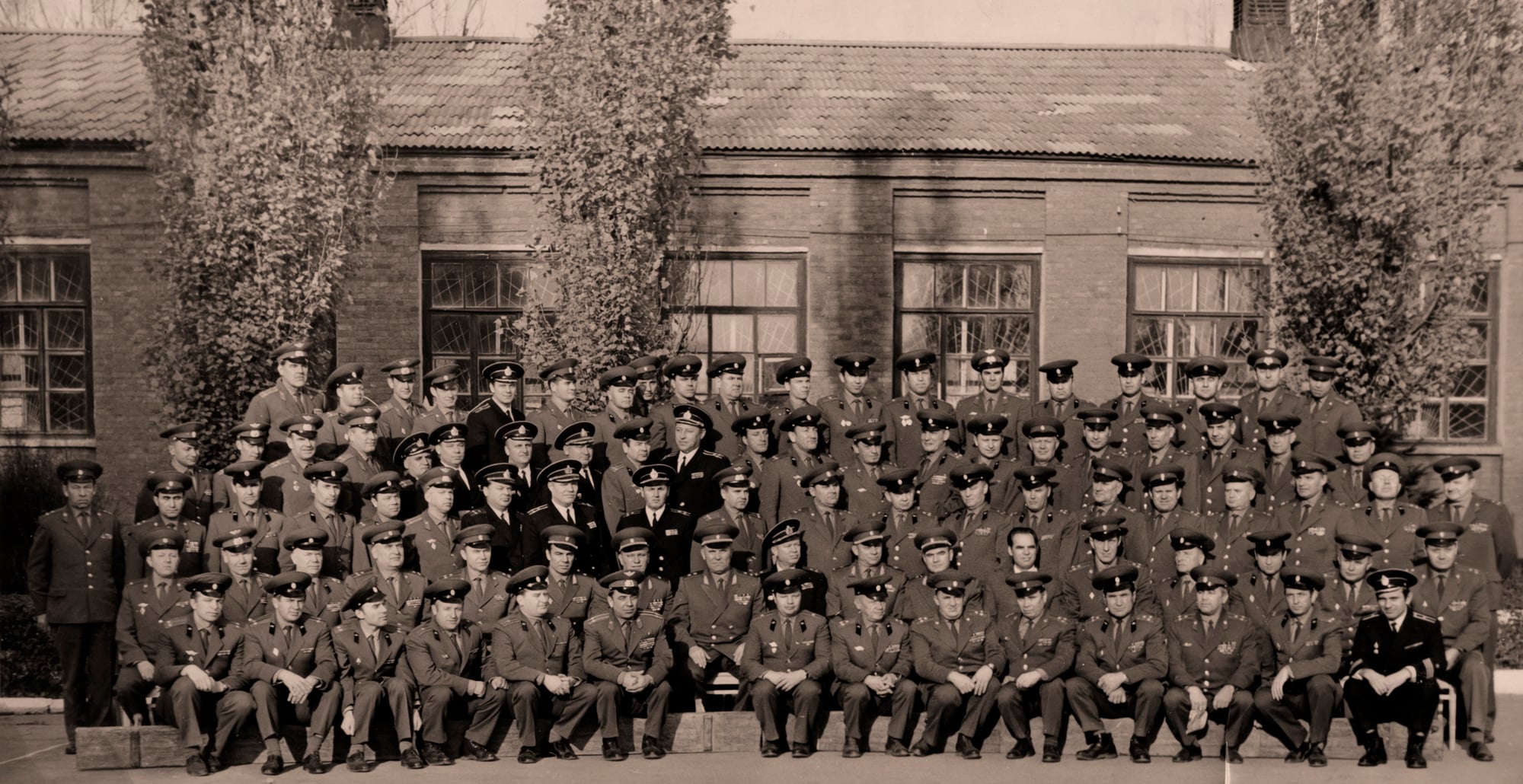
Paradoxically, the most famous victims of photographic erasure are those whose erasure failed. Trotsky is famous precisely because Stalin tried to remove him from photographs.
Yezhov’s absence from retouched images is more historically significant than his presence would have been. The physical traces of erasure—the blank ovals in marble, the empty spaces in photographs, the suspicious absences from official lists—become their own form of evidence, testifying to the power wielded against these figures and the very existence they were meant to not have.
The Irreversible Erasure of the Truly Forgotten
The most successful erasures are those we know nothing about—figures so completely erased that we cannot study their removal because we do not know they existed. These people have left no trace, no ghostly shadow in monuments or photographs, no suspicious blank space that suggests something was removed.
For every famous historical figure whose erasure can be documented, countless unknown people disappear completely, leaving no evidence of removal because erasure that truly succeeds is invisible. We know of Hatshepsut’s erasure only because her monuments survived; we know of Trotsky’s removal from photographs only because retouching technology was crude enough to leave evidence.
The names and lives we will never discover because they were erased before history learned to preserve them.
When Nations Rewrite Themselves Out of Guilt
Some governments erase inconvenient figures not because they wielded power but because acknowledging them requires confronting national guilt. Collaborative officials, war criminals sheltered by postwar governments, and political embarrassments are sometimes written out of national records, their erasure serving not authoritarian control but collective amnesia.
These erasures are often incomplete, discovered decades later in archives that survived despite official attempts at destruction. They demonstrate that erasure serves the erasing power’s immediate political interests, rarely succeeding across generations.
The Enduring Power and Ultimate Failure of Erasure

The practice of erasing historical figures has survived from ancient Egypt to the modern age, demonstrating its persistent appeal to those in power. Yet history shows it rarely achieves its intended purpose.
The visible scars of erasure—the chiseled faces, the scraped photographs, the suspicious absences—tell us more about the person erased than years of celebration might have. By trying to obliterate someone from history, rulers inadvertently preserved evidence of their existence and power.
The greatest irony of damnatio memoriae is that it announces itself: only the erased leave behind this particular kind of evidence. In attempting to destroy memory, these figures often ensured they would never be forgotten.
More from Go2Tutors!

- The Romanov Crown Jewels and Their Tragic Fate
- 13 Historical Mysteries That Science Still Can’t Solve
- Famous Hoaxes That Fooled the World for Years
- 15 Child Stars with Tragic Adult Lives
- 16 Famous Jewelry Pieces in History
Like Go2Tutors’s content? Follow us on MSN.



