31 Store Chains That Once Anchored Malls
The modern shopping mall was built on a simple principle: get people to one place, give them anchor stores as destinations, and let the smaller shops in between catch the overflow traffic. For decades, this model worked.
Department stores acted as gravitational centers, their massive storefronts drawing crowds and justifying the real estate development around them. Many of these anchors became so embedded in their regions that their logos felt permanent, their parking lots a social constant.
But the retail landscape of the past four decades has been relentless, and most of these anchors are now defunct, their storefronts repurposed or simply demolished.
The causes were multiple and compounding. Some fell to changing consumer tastes.
Others couldn’t survive the 2008 financial crisis, then later faced the unstoppable rise of online shopping. A few were casualties of leveraged buyouts or strategic mergers that erased their identities entirely.
What remains is a archive of brand names that shaped American retail for generations.
Sears, Roebuck & Co.
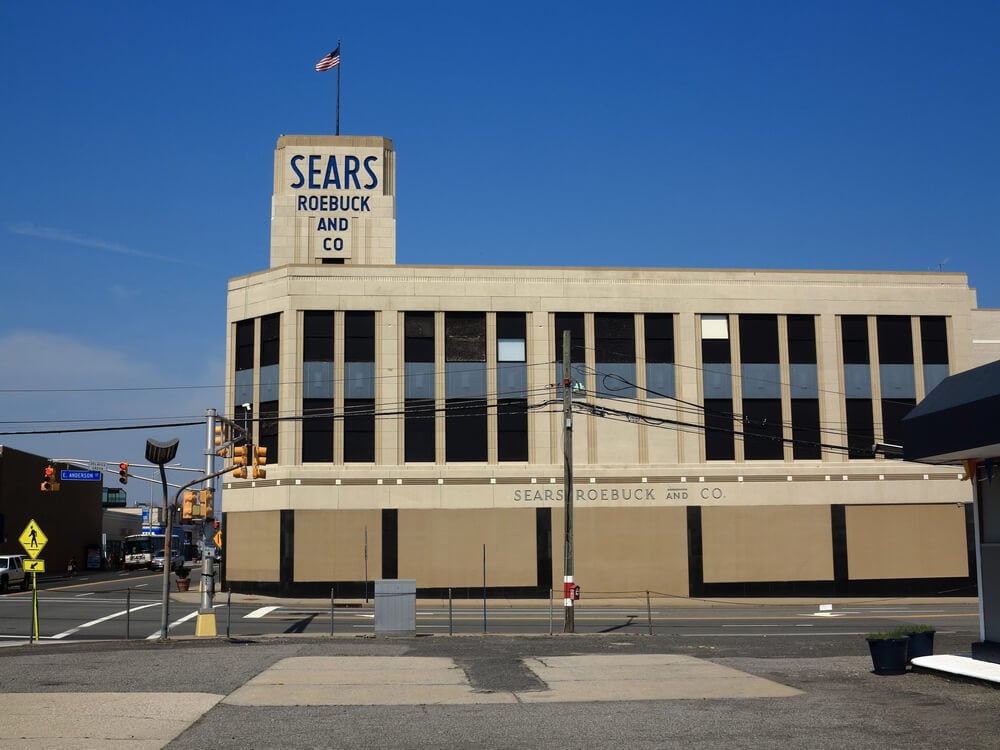
Sears was perhaps the most iconic department store ever to anchor a mall. From the 1960s through the 1980s, no chain held more symbolic weight—the company had literally invented mail-order retail and the Sears catalog was itself an American institution.
Sears stores anchored nearly every major mall built in America, offering everything from appliances to clothing under one vast roof. The company filed for bankruptcy in 2018 after 125 years in business, with the final stores closing in 2023, leaving behind empty storefronts in shopping centers nationwide.
Montgomery Ward
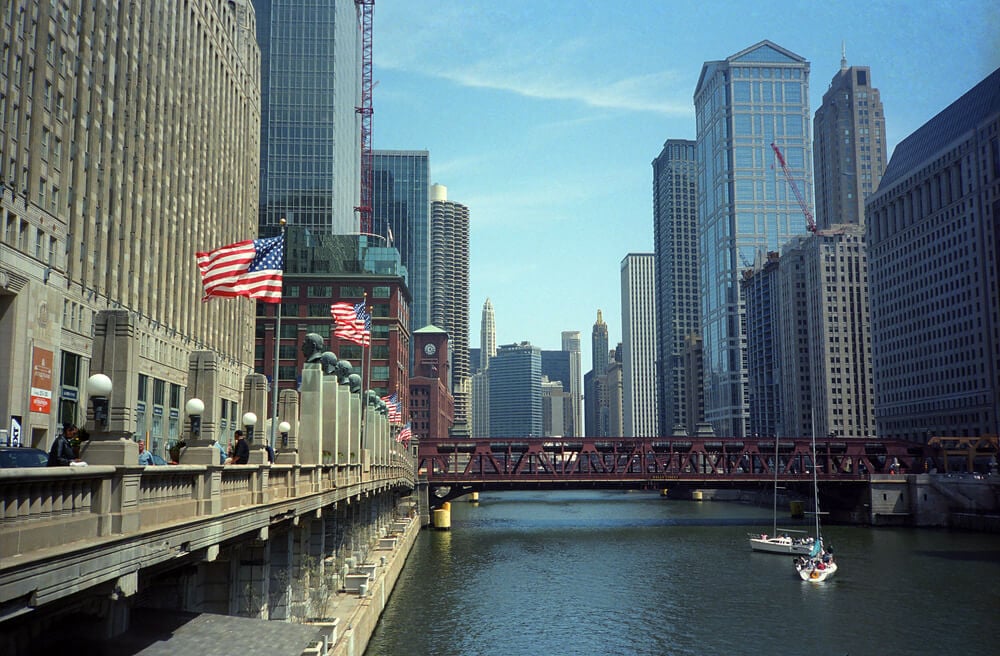
A mail-order pioneer that rivaled Sears, Montgomery Ward opened its first retail location in 1926 and quickly became a mall staple throughout the mid-20th century. The company was particularly dominant in the Midwest and South, with its distinctive “Wards” branding appearing on thousands of storefronts.
Despite a 1999 bankruptcy reorganization attempt, the company could not survive the shift to online retail and closed completely in 2001 after more than a century of operation.
JCPenney
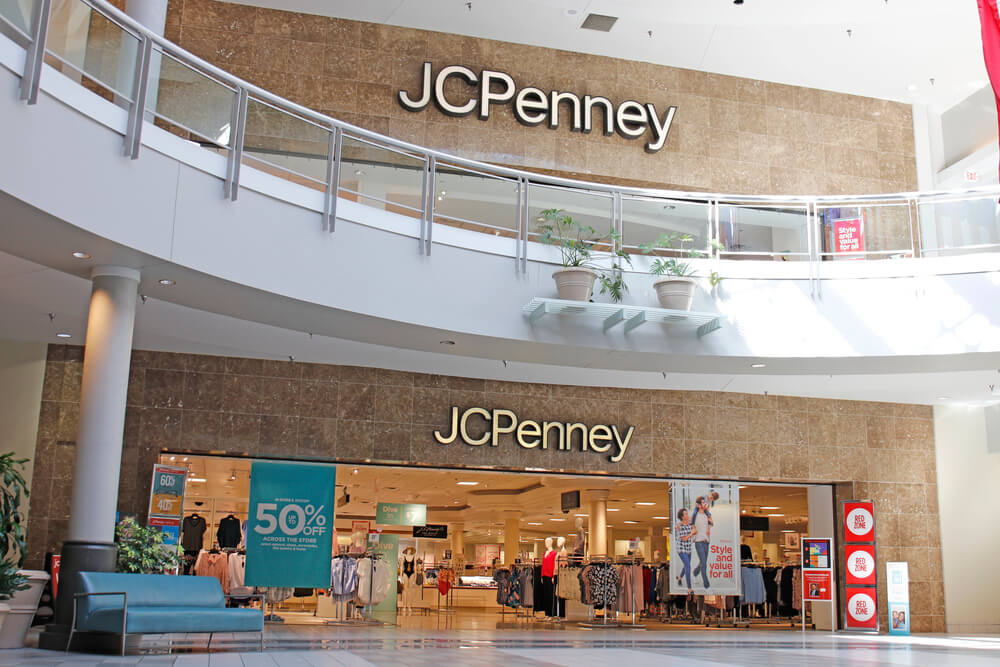
JCPenney dominated shopping malls as an affordable department store alternative to higher-end retailers. The chain’s catalog and retail presence made it ubiquitous from the 1970s through the 2000s, and at its peak, JCPenney operated over 800 stores.
The company struggled with online competition and filed for bankruptcy in 2020, though it has since reorganized and continues limited operations.
Gimbels
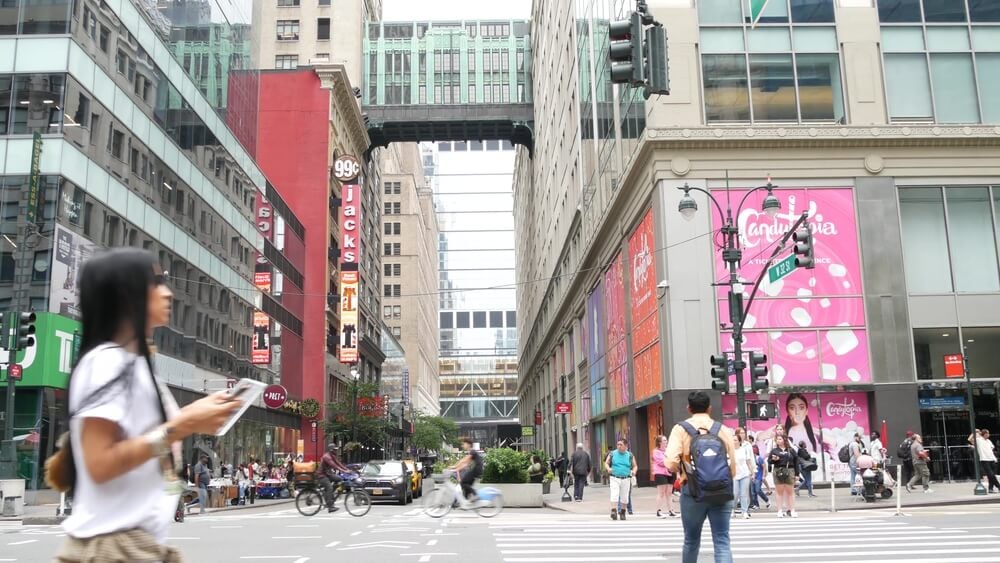
The Gimbels chain was a regional powerhouse, particularly dominant in the Northeast and Midwest with stores stretching from the late 1800s into the 1980s. The store was famous for its holiday window displays and its position as an equal to Macy’s in many markets.
After more than a century, Gimbels closed its last stores in 1987 when the chain was dissolved.
Marshall Field’s
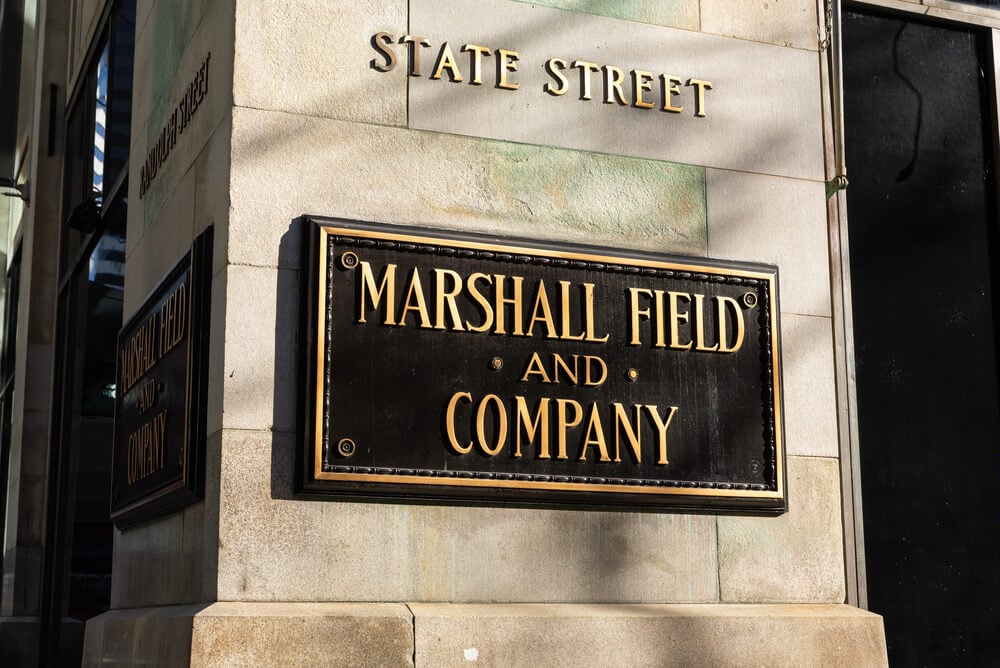
Marshall Field’s represented high-end retail in the Midwest, particularly dominating Chicago and the surrounding region. The flagship State Street store was an iconic building in its own right, and the chain’s reputation for quality and customer service made it a cultural institution.
After Federated Department Stores acquired it in 1998, the Marshall Field’s name was phased out in favor of Macy’s branding, effectively erasing one of America’s most beloved regional department stores.
Filene’s
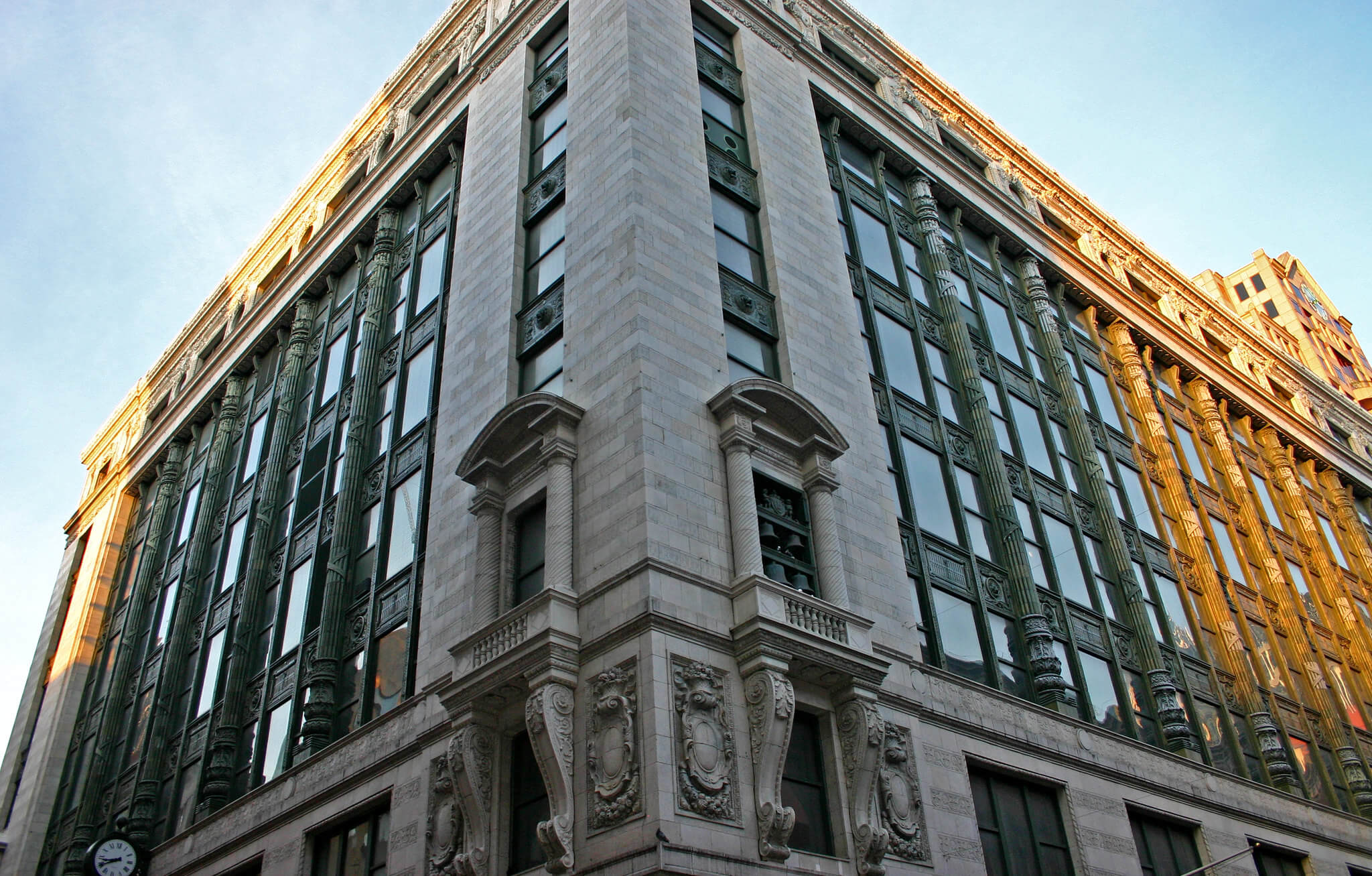
Founded in Boston in 1881, Filene’s was a New England institution that anchored malls and shopping districts from Maine to Connecticut. The department store was particularly famous for its annual Filene’s Basement sale, where marked-down goods were offered at rock-bottom prices.
Filene’s was acquired and merged into Federated Department Stores, which later converted all locations to Macy’s by 2007.
Abraham & Strauss (A&S)
A&S was a legendary Brooklyn-based department store that anchored shopping centers throughout the New York tri-state area. Known for its quality merchandise and regional prestige, the store was featured prominently in Brooklyn culture and nostalgia.
The store was acquired by Federated Department Stores in 1994 and subsequently converted to Macy’s locations.
Hecht’s
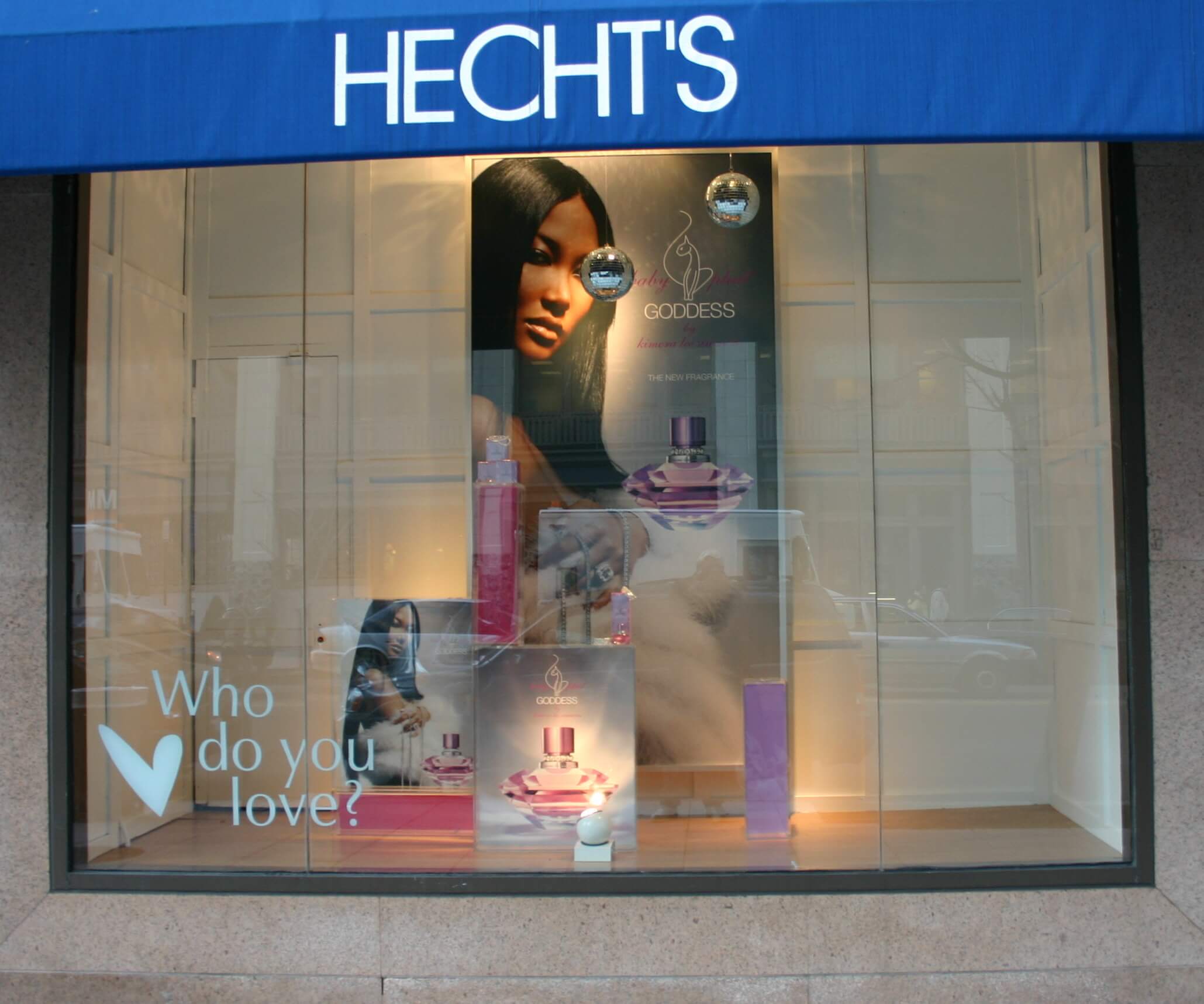
Hecht’s was a mid-Atlantic institution with stores anchoring malls from Maryland to North Carolina. The department store had deep roots in the region and maintained a loyal customer base for generations.
Hecht’s was absorbed into Federated Department Stores in 2005, and all locations were converted to Macy’s stores within a few years.
Kaufmann’s
Kaufmann’s anchored malls throughout Pennsylvania, West Virginia, and Ohio, offering customers a trusted alternative to Sears and JCPenney. The store was acquired by Federated Department Stores, which later rebranded all locations as Macy’s in 2006.
The Kaufmann’s name, despite its 140-year history, was completely erased in favor of the national brand.
Hudson’s
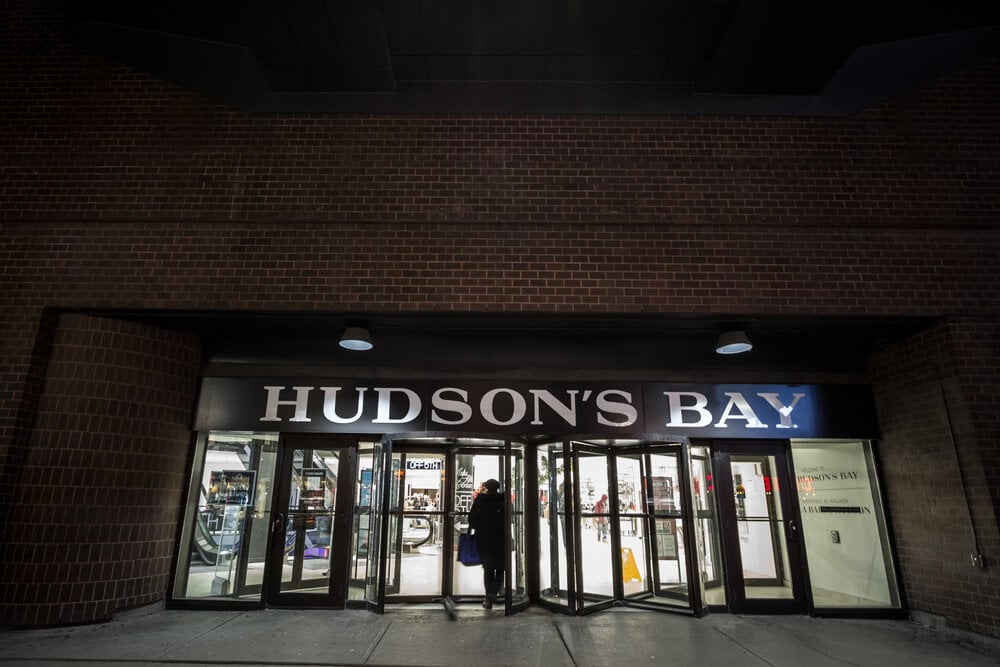
Hudson’s was a Detroit-based department store that dominated malls and retail districts across the Midwest from 1911 through the 1980s. At one time, Hudson’s flagship store on Woodward Avenue was the second-largest department store in America and also the tallest.
The chain closed its last locations by 1983 as the Detroit retail market contracted.
Dayton’s
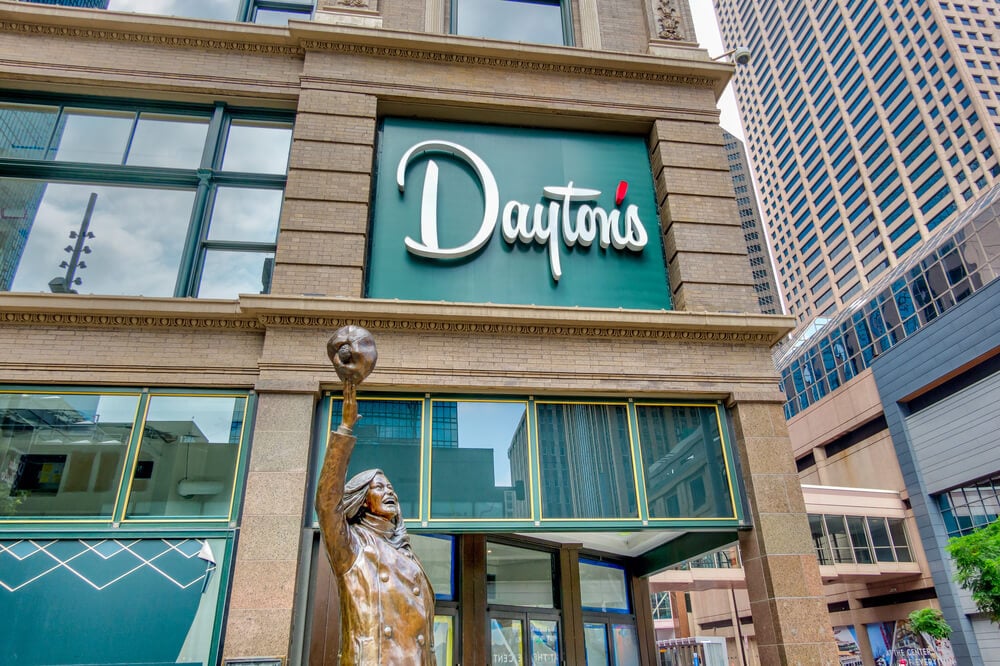
Dayton’s was a Minneapolis-based department store that anchored shopping centers throughout the Upper Midwest and Upper Great Plains. The store was known for its quality merchandise and strong community presence.
Dayton’s was acquired by Federated Department Stores, rebranded as Macy’s, and eventually superseded by the Target brand (which grew from the parent company).
Bon-Ton
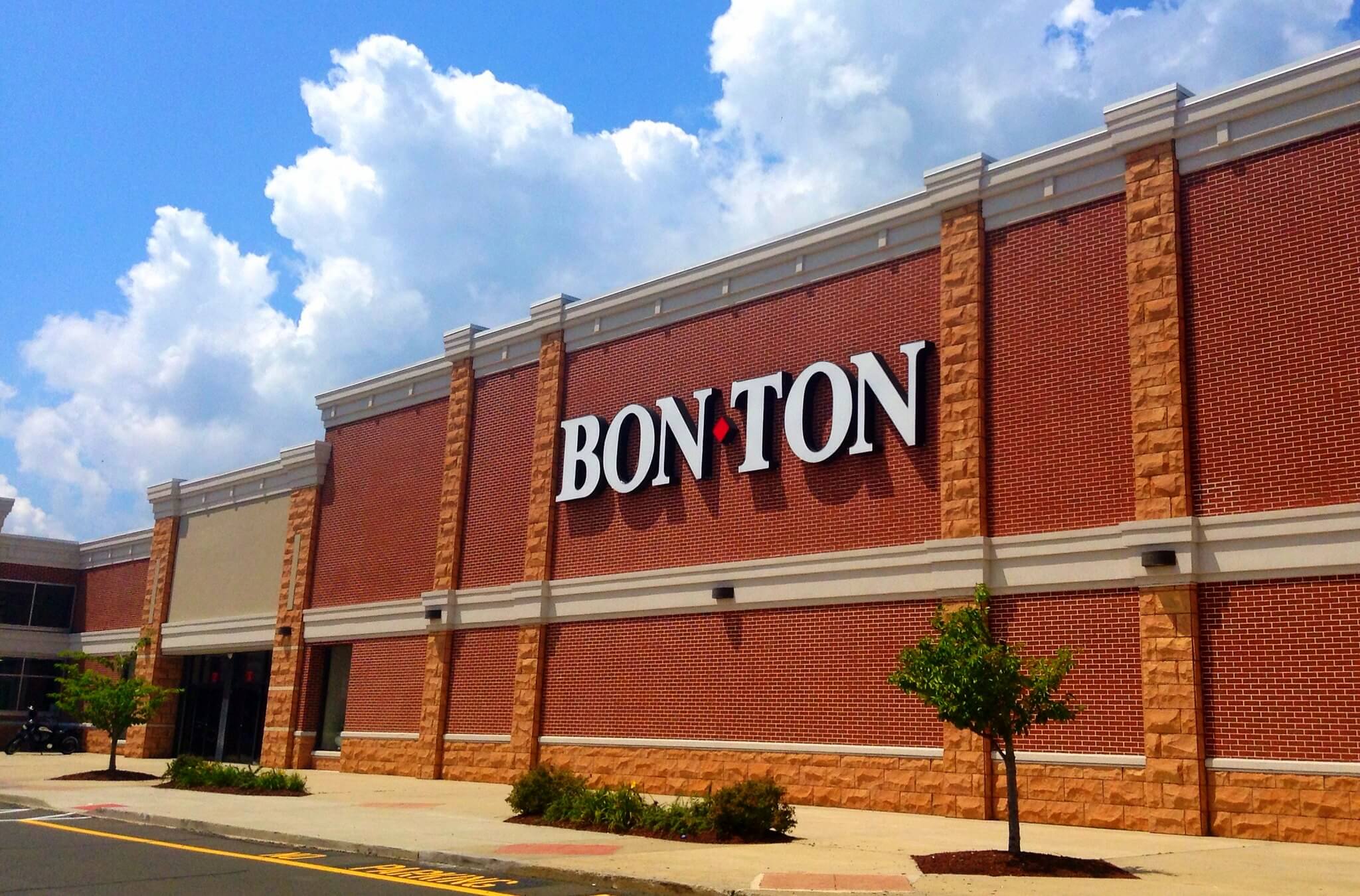
The Bon-Ton operated stores in the Mid-Atlantic and Midwest, particularly in Pennsylvania, New York, and New Jersey. The regional department store chain maintained a presence in smaller and mid-sized cities where it became a community anchor.
After decades of declining mall traffic, Bon-Ton filed for bankruptcy in 2019 and closed all remaining stores.
Dillard’s
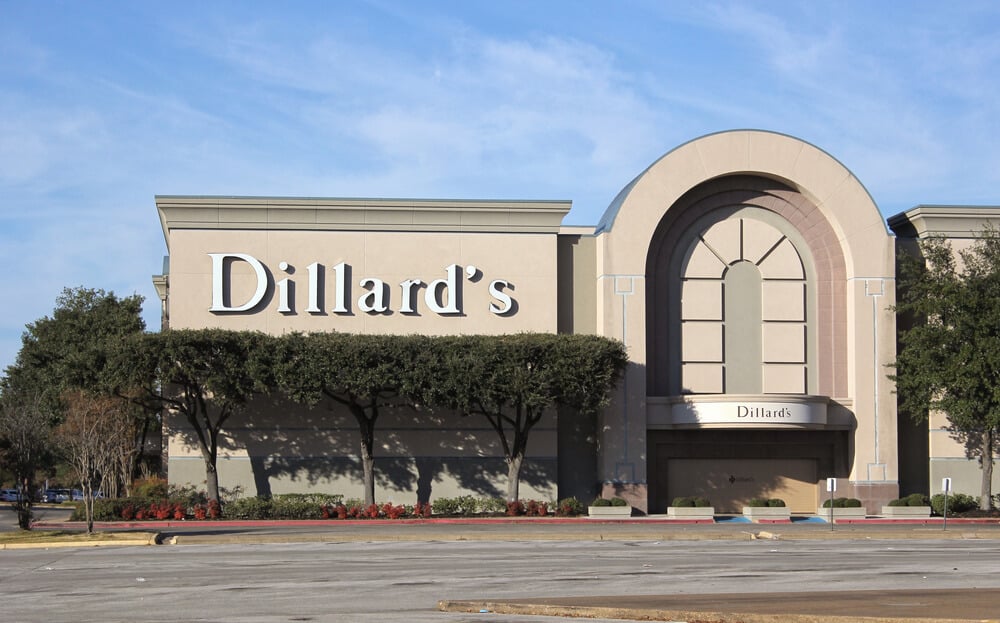
While Dillard’s still operates limited stores today, it was once a much larger regional chain anchoring malls throughout the South and Southwest. Dillard’s acquired several regional chains in the 1990s and 2000s, absorbing their identities.
Though the Dillard’s name survived, the chain has contracted significantly and exited many mall locations.
Younkers
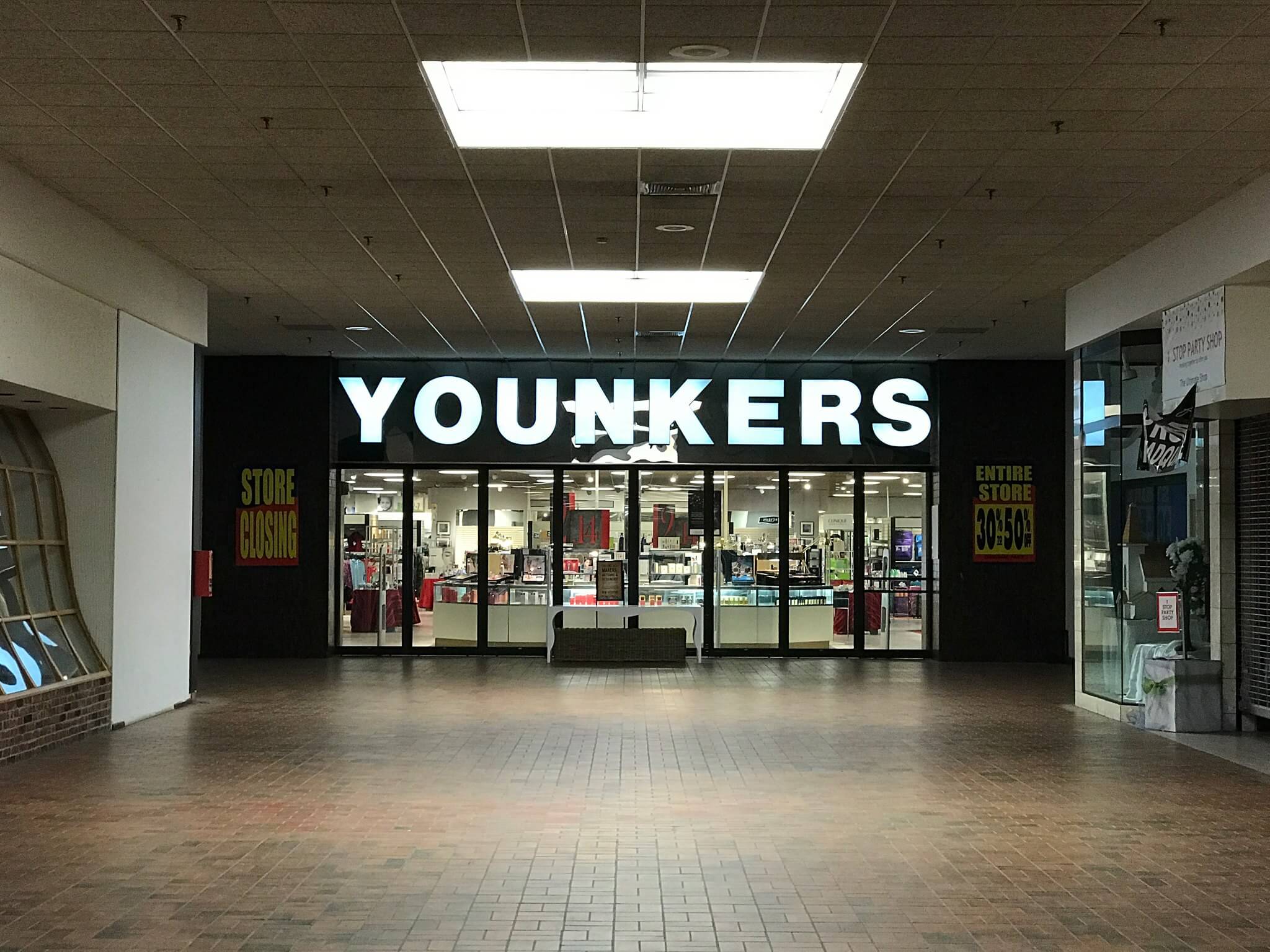
Younkers was a regional department store chain that anchored malls throughout the Midwest, particularly Iowa, Wisconsin, and Minnesota. The store was known for value and selection.
Younkers was acquired by Bon-Ton, which later went bankrupt, resulting in the closure of all Younkers locations by 2019.
Carson Pirie Scott
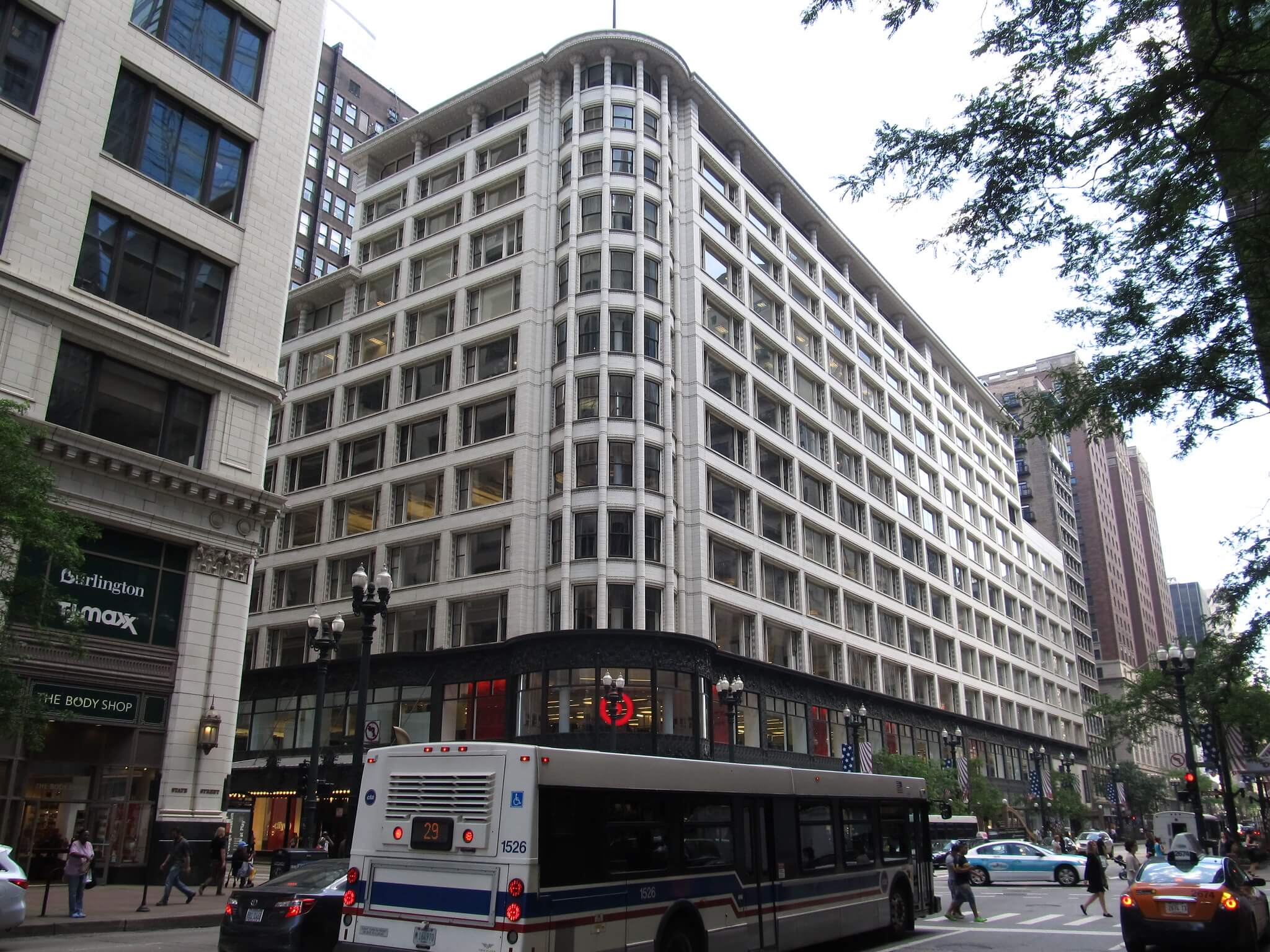
Carson’s was a major regional department store in Illinois, Wisconsin, and Michigan, with the flagship store on State Street in Chicago standing as an architectural landmark. The company operated profitably for generations but struggled with online competition and closed its last stores in 2017 after 163 years in business.
Emporium
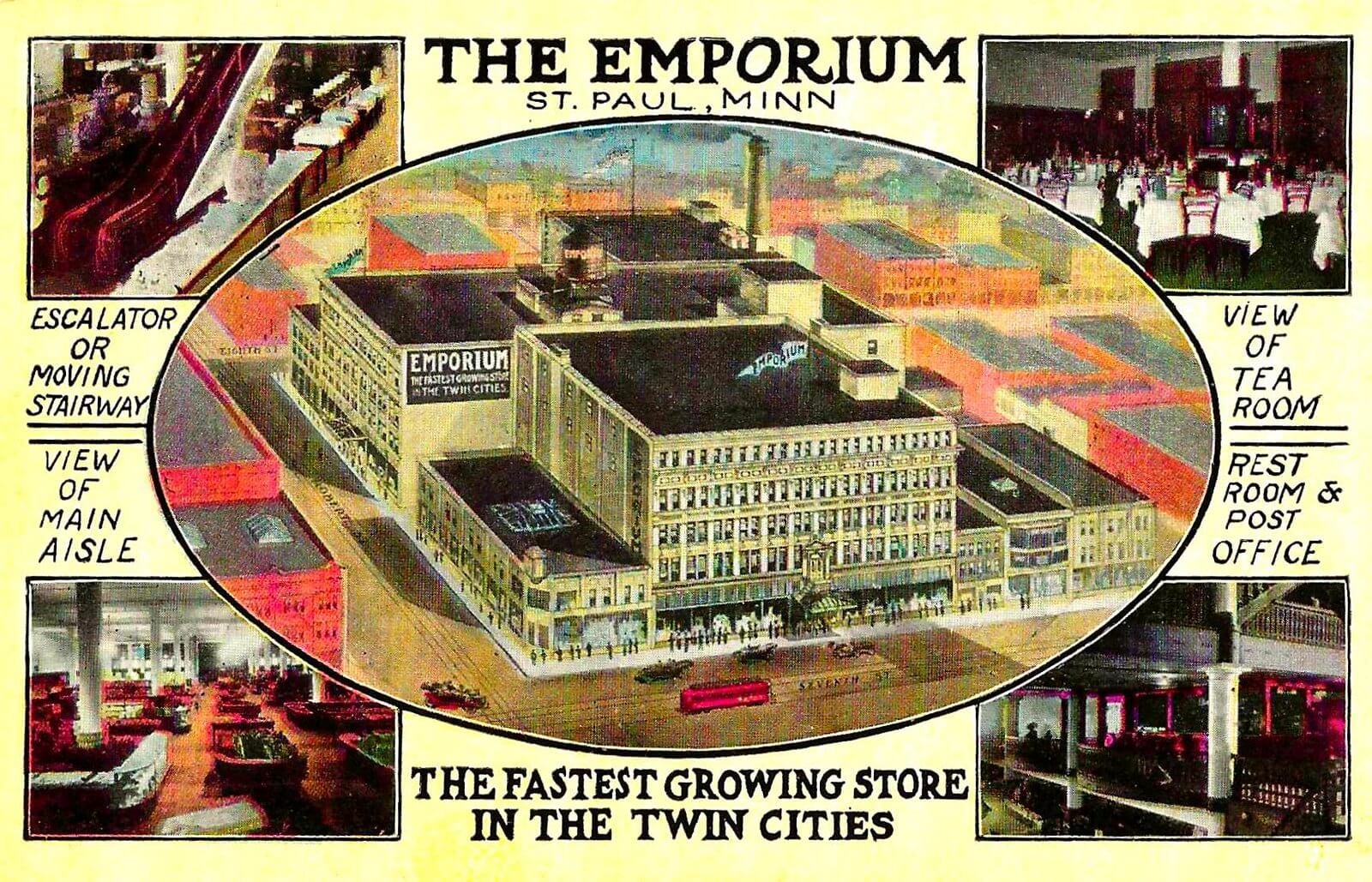
The Emporium was a San Francisco-based department store that anchored malls and shopping districts throughout California. The store maintained a strong presence in the Bay Area and had expanded into Southern California.
Emporium was acquired by Federated Department Stores and converted to Macy’s in 2000.
Robinsons

Robinsons was a Southern California department store chain with locations anchoring malls in Los Angeles and surrounding areas. The store was known for its fashion-forward merchandise and competitive prices.
Robinsons merged with May Department Stores and was later converted to Macy’s locations.
Stein Mart
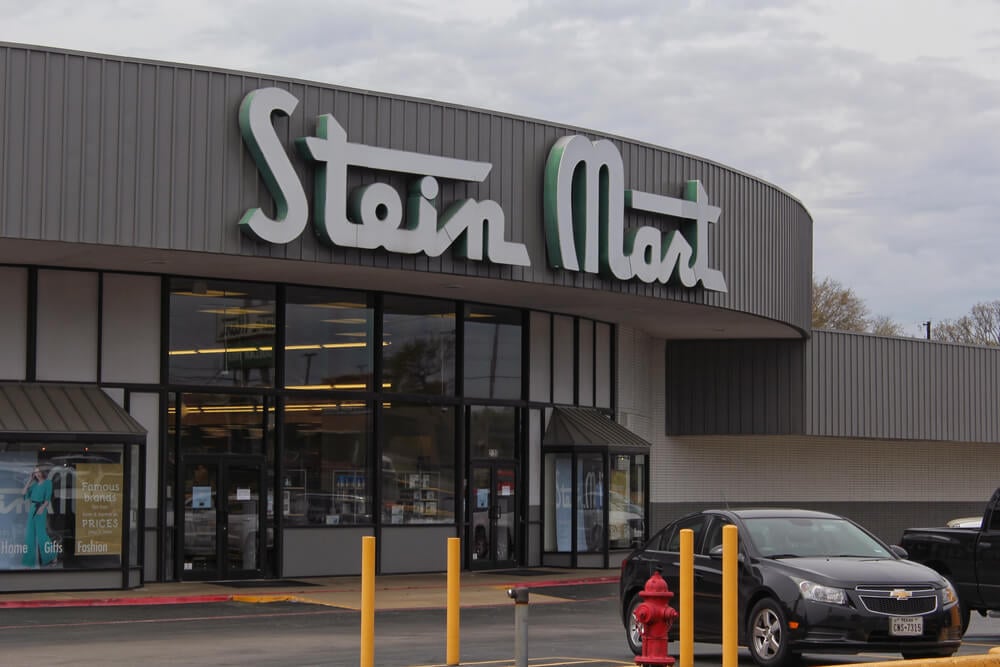
Though it began as a specialty discount retailer, Stein Mart eventually anchored many malls across the South and Midwest. The store offered name-brand apparel and home goods at reduced prices.
Stein Mart filed for bankruptcy in 2020 and closed all remaining locations.
Elder-Beerman
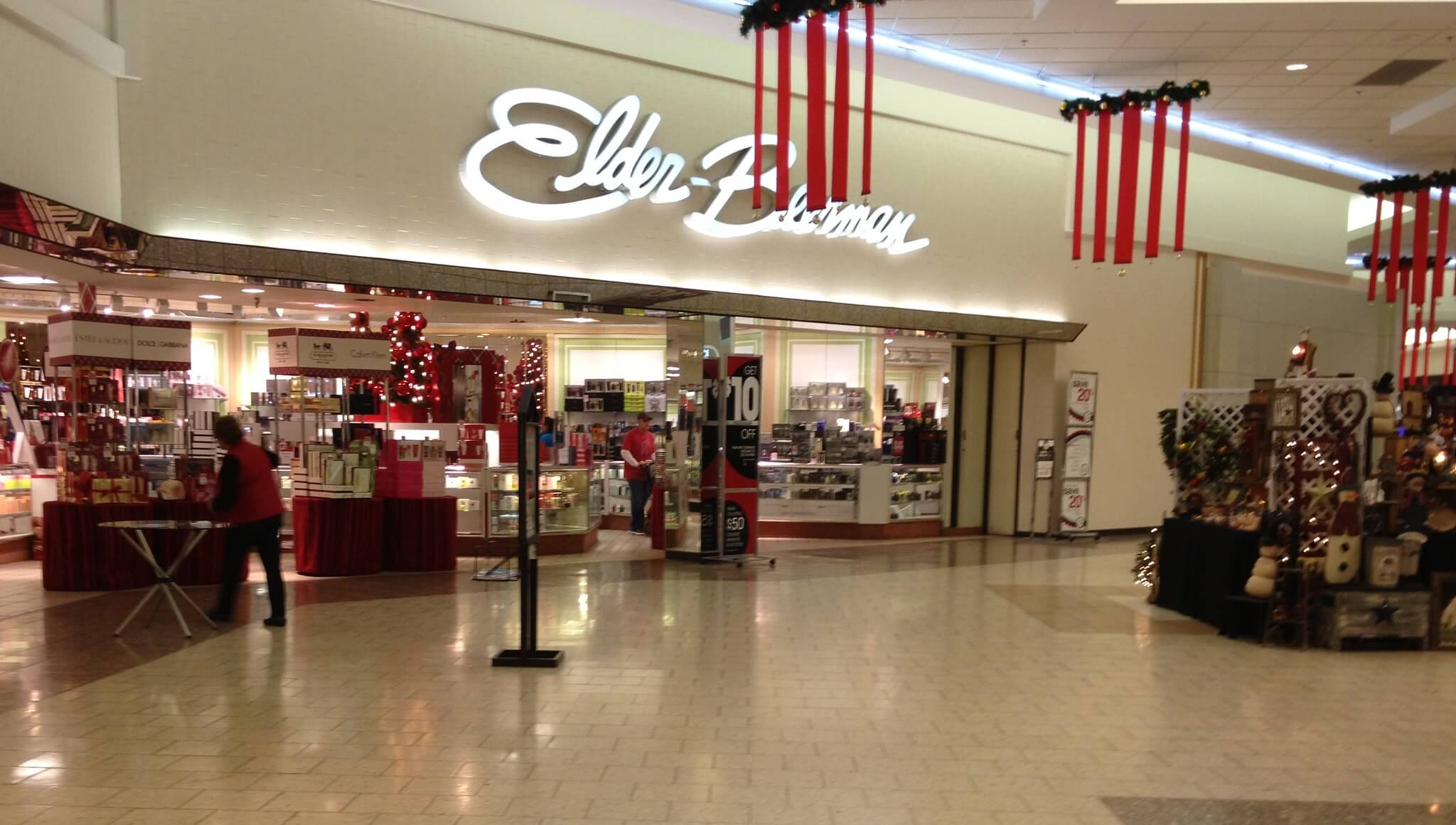
Elder-Beerman was a regional department store chain anchoring malls in Ohio, Indiana, and Kentucky. The store offered affordable family clothing and competed against JCPenney and Sears.
Elder-Beerman closed in 2019 after more than a century of operation.
Bullock’s
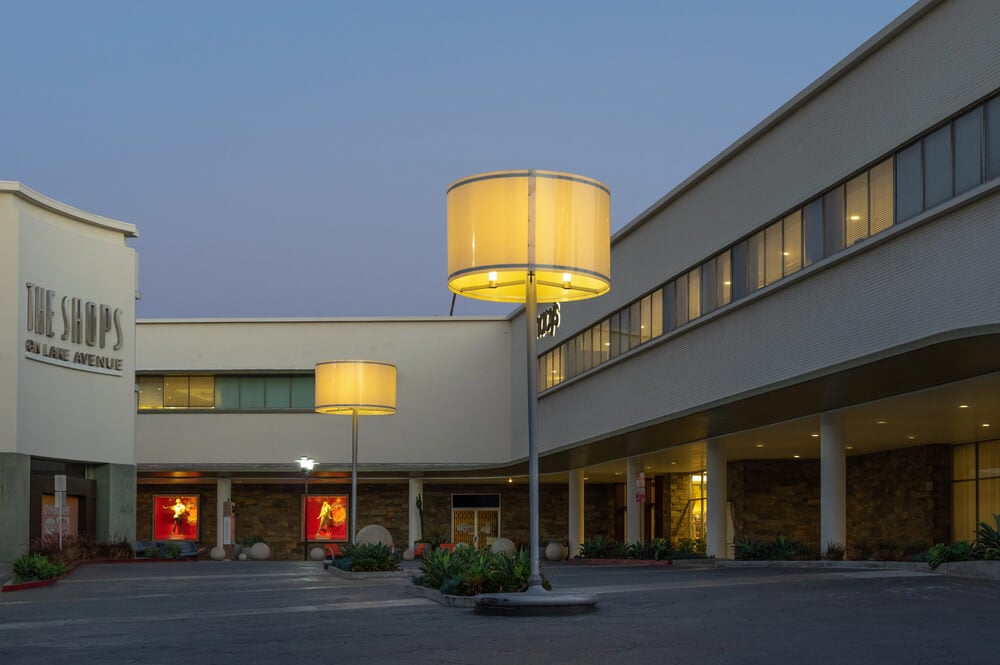
Bullock’s was a prominent Southern California department store with the flagship located in Los Angeles’s Wilshire District. The store was acquired by Federated Department Stores and eventually converted to Macy’s, with all locations closed by 2002.
I. Magnin
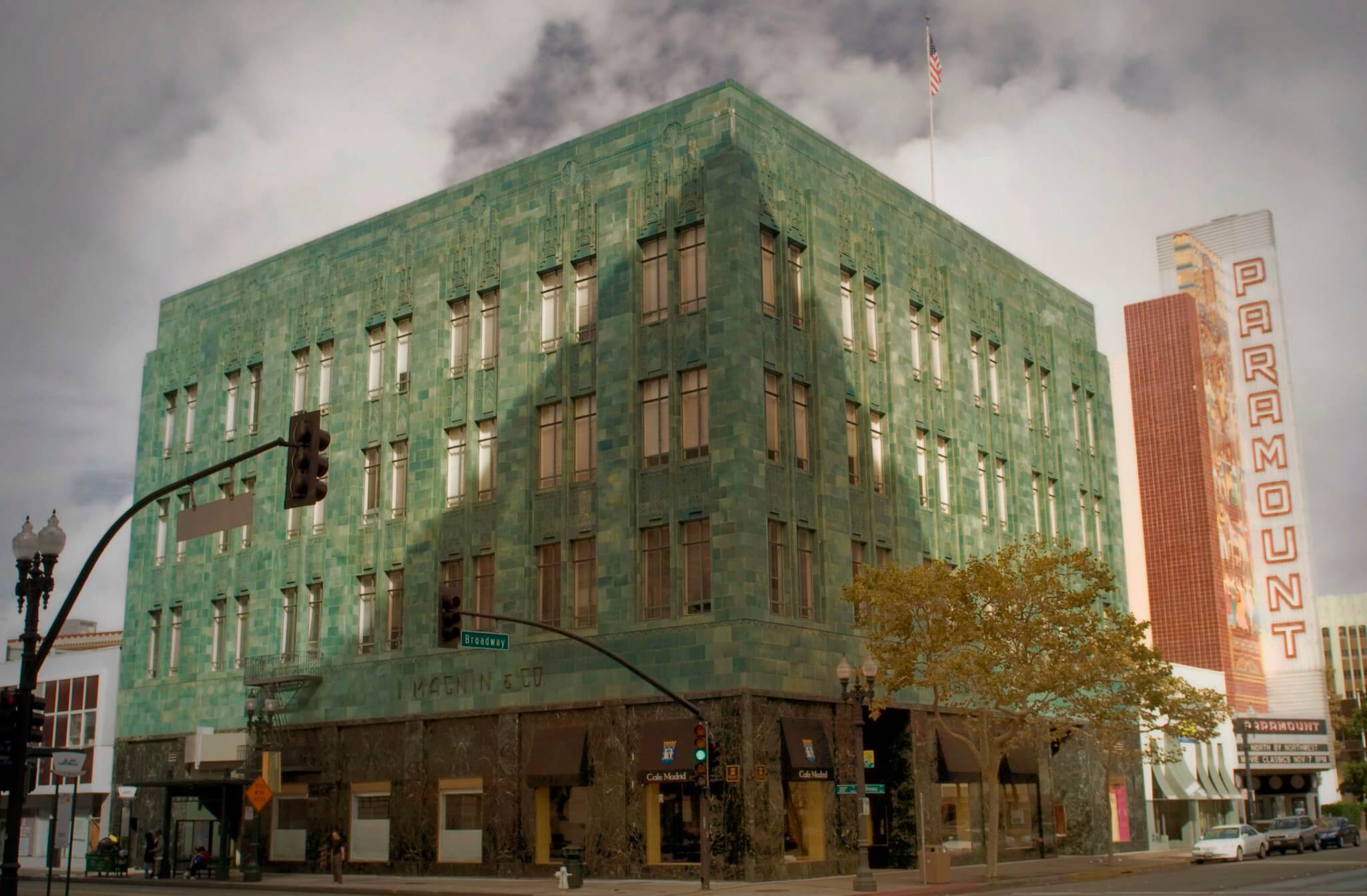
I. Magnin was an ultra-high-end department store based in San Francisco that anchored malls in California and other western states. Known for designer clothing and luxury goods, I. Magnin was eventually absorbed into Federated Department Stores and closed by the late 1990s.
Gaines
Gaines was a mid-Atlantic regional department store that anchored malls in West Virginia, Kentucky, and Ohio. The store offered family apparel and home goods.
Gaines closed its operations in the early 2000s.
Gottschalks
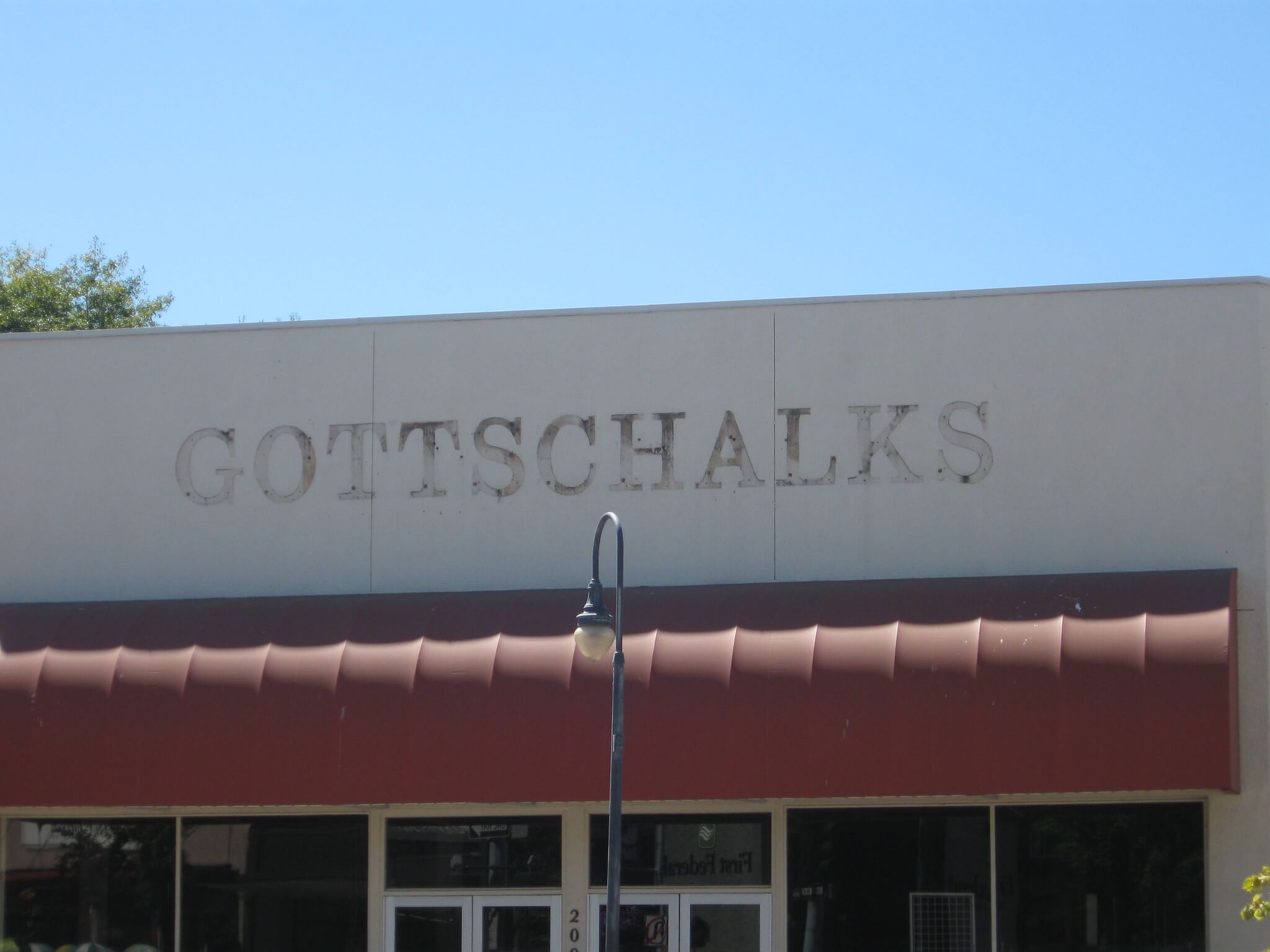
Gottschalks was a Western regional department store anchoring malls in California, Nevada, and Oregon. The store was known for its quality merchandise and regional loyalty.
Gottschalks went bankrupt in 2009 and closed all stores by 2010.
Ralphs
While Ralphs is better known today as a grocery chain, the company operated department store locations in Southern California. The department store locations were eventually discontinued as the company focused on grocery operations.
Woolworth
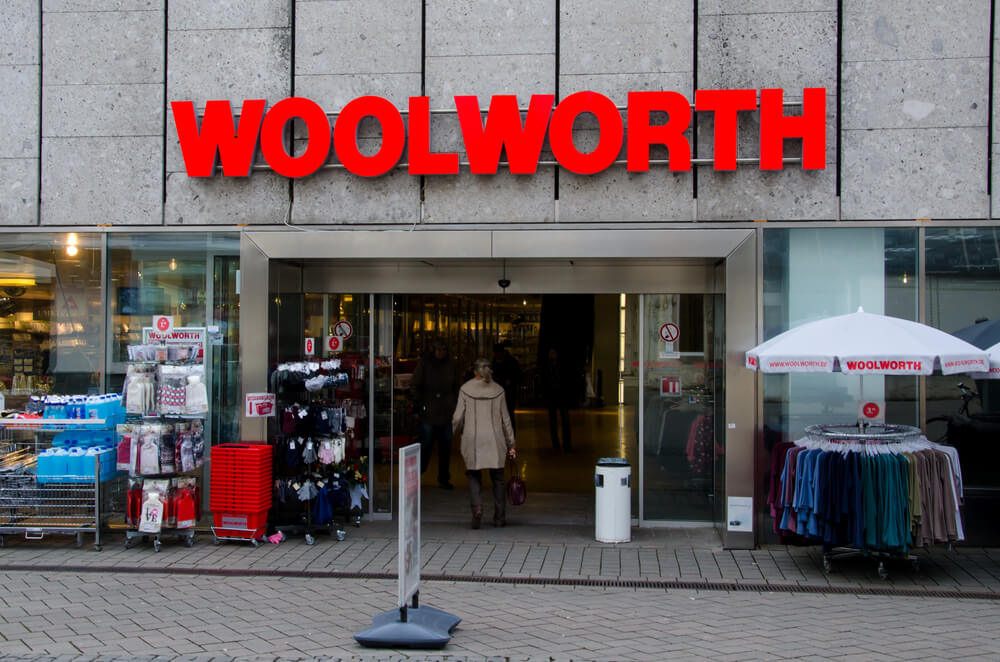
Woolworth department stores anchored malls and shopping districts throughout America, and F.W. Woolworth Co. operated some of the most valuable real estate in retail. While most mall locations closed in the 1990s-2000s, the name was better known for Woolworth’s variety stores.
Titche-Goettinger
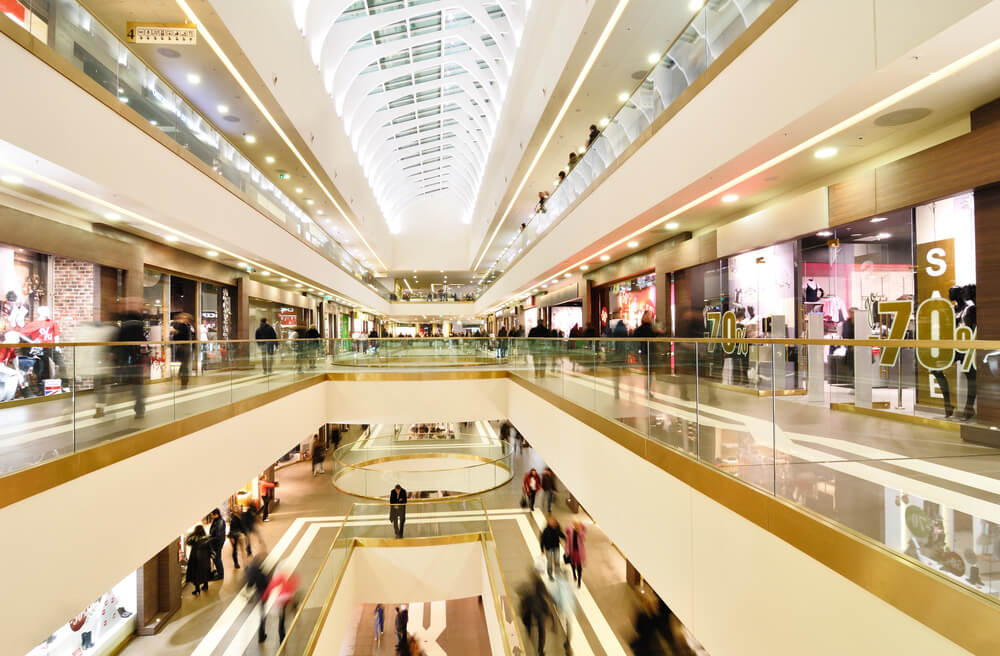
Titche-Goettinger was a Dallas-based department store that anchored shopping centers across Texas. The store was known for its quality selection and regional prestige.
The store was acquired by Joske’s and eventually converted to Macy’s locations.
Bon Marché
The Bon Marché was a Seattle-based department store that anchored malls throughout the Pacific Northwest. The store maintained strong regional loyalty.
Bon Marché was acquired by Federated Department Stores and converted to Macy’s by 2006.
The Limited
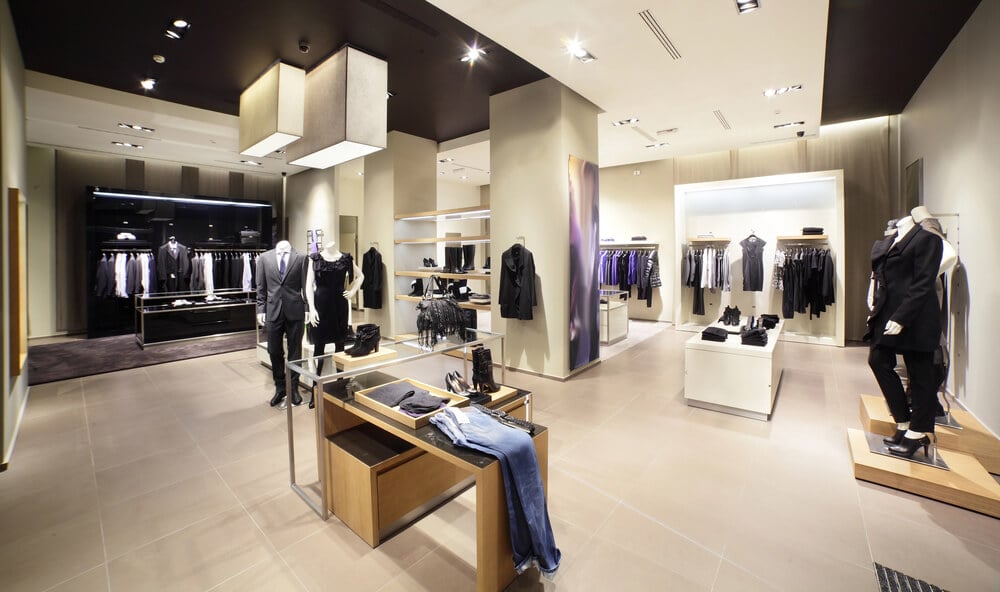
While The Limited is better known as an apparel retailer, it operated as an anchor store in some malls and dominated mall directories through its various store concepts. The Limited brand was acquired by Federated Department Stores and eventually phased out.
Gayfers
Gayfers was a regional department store chain based in Mobile, Alabama that anchored shopping centers throughout the Deep South. The store was acquired by Dillard’s, which later closed all Gayfers locations in 1998.
Joske’s
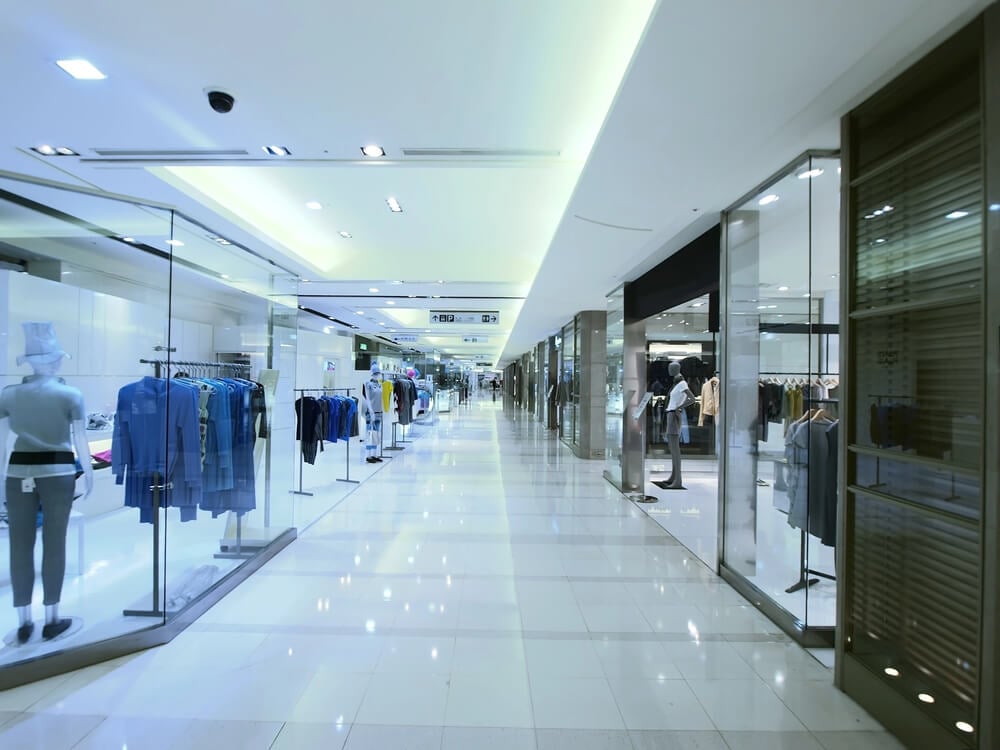
Joske’s was a Texas-based department store that grew to anchor malls across Texas and the Southwest. Known for quality and value, Joske’s was acquired by Federated Department Stores and converted to Macy’s, erasing more than a century of brand history.
Tilt Mahal
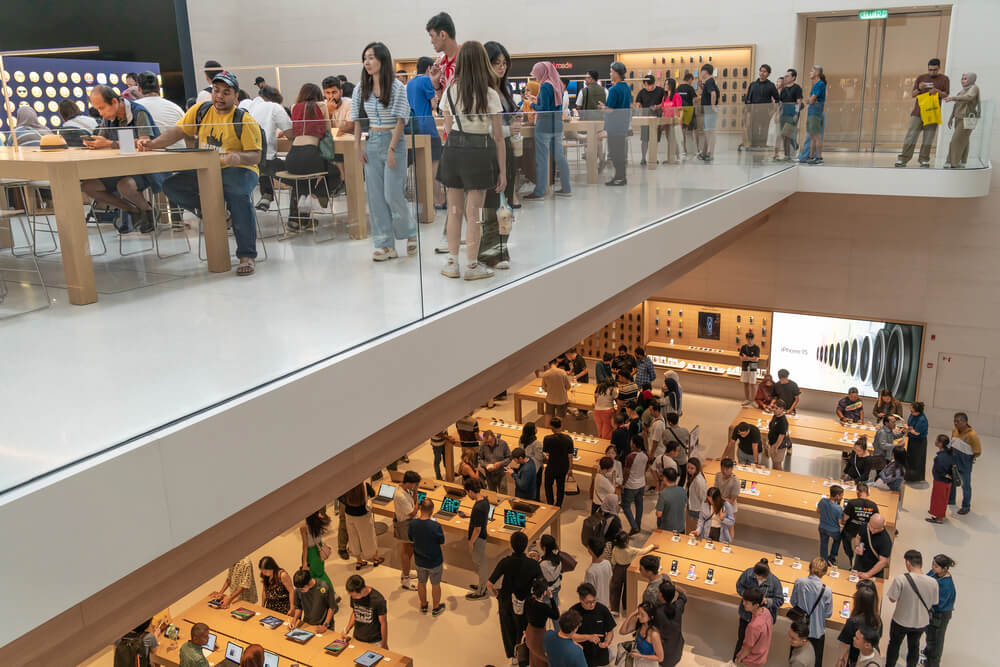
Tilt Mahal operated as a regional retailer in select markets but never achieved the scale of major anchor chains. The store eventually ceased operations.
The Rise and Fall of the Anchor

The department store anchor was once essential to the shopping mall ecosystem. But the economic model that created those massive storefronts—drawing traffic, commanding prime real estate, and justifying the smaller retailers in between—required continuous consumer foot traffic that online shopping has made obsolete.
When the anchors went, malls had no reason to exist, and the towns and regional economic systems built around them contracted accordingly. What remains is a landscape of abandoned buildings and forgotten brand names, a retail graveyard that maps the last five decades of American commerce.
Most of these chains operated for generations, building regional identities and family traditions around their merchandise. That most of them are now names known only to those old enough to remember shopping in an era before internet commerce speaks to how quickly the retail landscape can shift.
The anchor stores that once defined American malls are now anchors only in memory.
More from Go2Tutors!

- The Romanov Crown Jewels and Their Tragic Fate
- 13 Historical Mysteries That Science Still Can’t Solve
- Famous Hoaxes That Fooled the World for Years
- 15 Child Stars with Tragic Adult Lives
- 16 Famous Jewelry Pieces in History
Like Go2Tutors’s content? Follow us on MSN.



