26 Pieces of Old Fishing Gear Passed Down Through Families That Tackle Collectors Actively Hunt
Old fishing equipment tends to travel through families differently from most inherited items. A grandfather’s tackle box doesn’t get priced at a garage sale because it feels wrong to reduce it to a dollar figure.
It goes into a cupboard, then a garage, then an attic, and by the time someone finally opens it, forty years have passed and nobody is quite sure what’s in there. What’s often in there is money — sometimes considerably more than the family imagines.
The vintage tackle collecting market has grown steadily for decades. Certain lures from the early 20th century command four-figure prices based on the maker, the specific colour, the presence of original glass eyes, and whether the original box survived.
Bamboo fly rods by legendary craftsmen sell for more than some cars. And the gap between what a family thinks an item is worth and what a specialist collector will pay for it tends to be the widest in this particular corner of the antiques world.
Split Cane Bamboo Fly Rods by H.L. Leonard
Hiram Leonard began building split Tonkin cane fly rods in the 1870s in Maine, and the rods produced by the Leonard company through the early 20th century are the benchmark against which all other bamboo rod makers are judged. A multi-piece bamboo rod with original agate guides, intact ferrules, and the maker’s paperwork in its original cloth bag and metal tube can sell for thousands.
Collectors and active fly fishermen both pursue these — the rods cast beautifully — which keeps demand from either side from ever fully disappearing.
Hardy Perfect Fly Reels
Hardy Brothers in Alnwick, England began producing the Perfect fly reel in 1891, and variations of it remained in production for over a century. Vintage Hardy Perfect reels in good mechanical order — smooth drag, clean spool, undamaged rim — sell for $400–$1,200 depending on size, age, and specific model variant.
A 3-3/8 inch Hardy Perfect Trout reel has sold for around $462 on the specialist market. Hardy reels are still used on rivers; finding one in an inherited tackle box is a find that rewards immediate research before anything else happens.
Edward vom Hofe Reels
Edward vom Hofe produced what many serious anglers consider the finest big-game reels ever made, working from a workshop in Brooklyn, New York from the 1870s through the early 20th century. His reels combined German silver side plates with precision-cut mechanisms that operate without the ratcheting imprecision of cheaper contemporary equivalents.
A vom Hofe rod and reel combination sold for $2,000 at auction in 2021. An Arthur Kovalovsky hand-made 16/0 big game reel — a related category of hand-built American saltwater reels — sold for $9,236 in 2018.
Heddon Frog Lures With Original Box
James Heddon began carving wooden fishing plugs in Dowagiac, Michigan in 1902, and the company he founded became the dominant lure manufacturer in American history. The wooden frog lure from Heddon’s early catalogue — with its hand-painted detail, glass eyes, and tin lips — is among the most actively collected lures in existence.
Early examples with original paint, functional hardware, and original box in clean condition sell for $200–$800. A box with an intact price label and the correct early-era graphics doubles the value of the lure inside it.
Creek Chub Weedless Wooden Lures
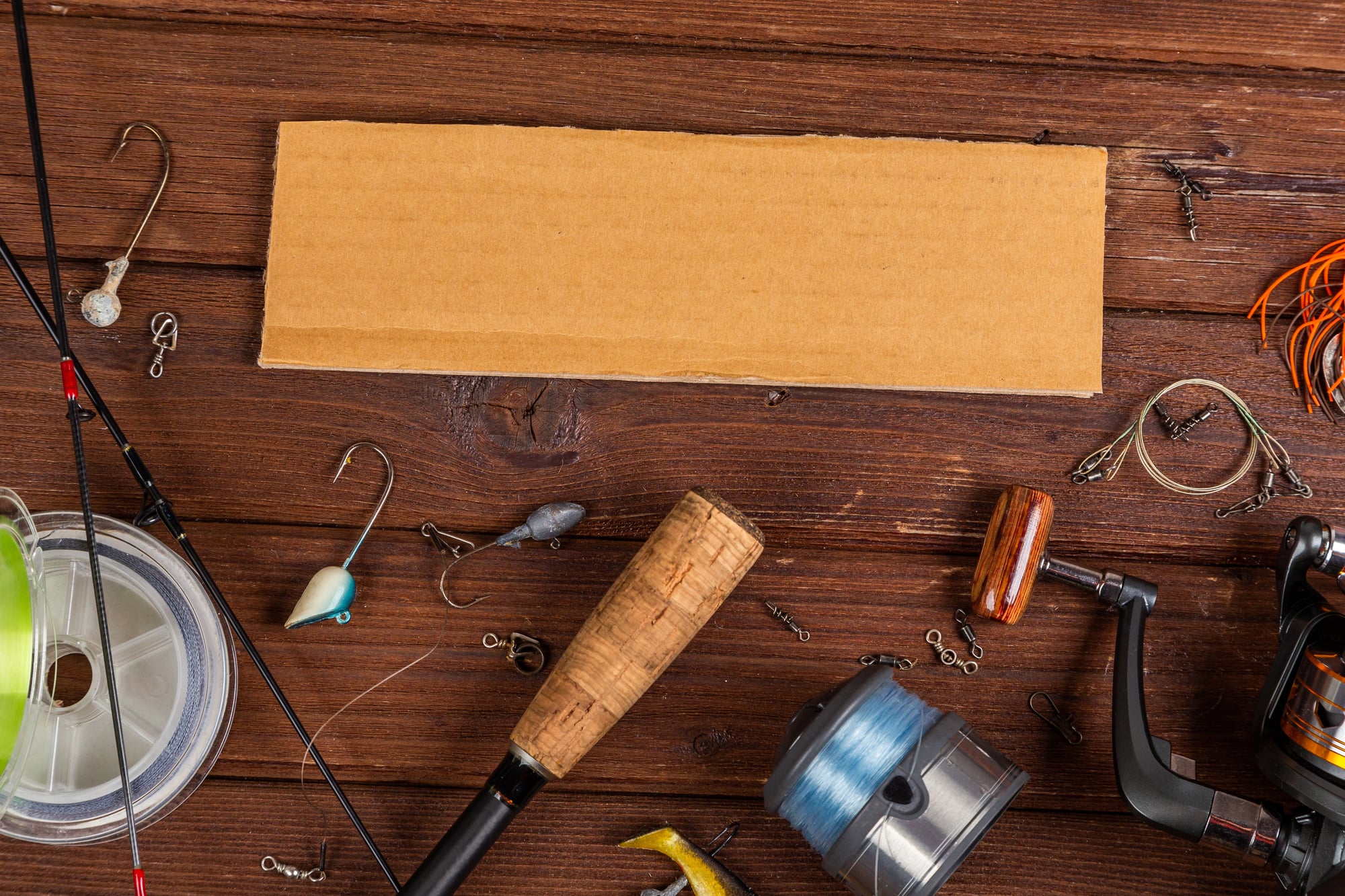
The Creek Chub Bait Company of Garrett, Indiana produced wooden lures from around 1916 onwards, and their weedless designs — built with wire guards to prevent snagging on underwater vegetation — are among the most sought-after in the vintage lure market. A Creek Chub Weedless Wood fishing lure with original box sold for $419 in late 2018.
The specific colour combinations matter significantly: a standard scale finish is worth less than a rare crappie finish, which is worth less than a few colours that were only produced for a single year.
Pflueger Medalist Fly Reels
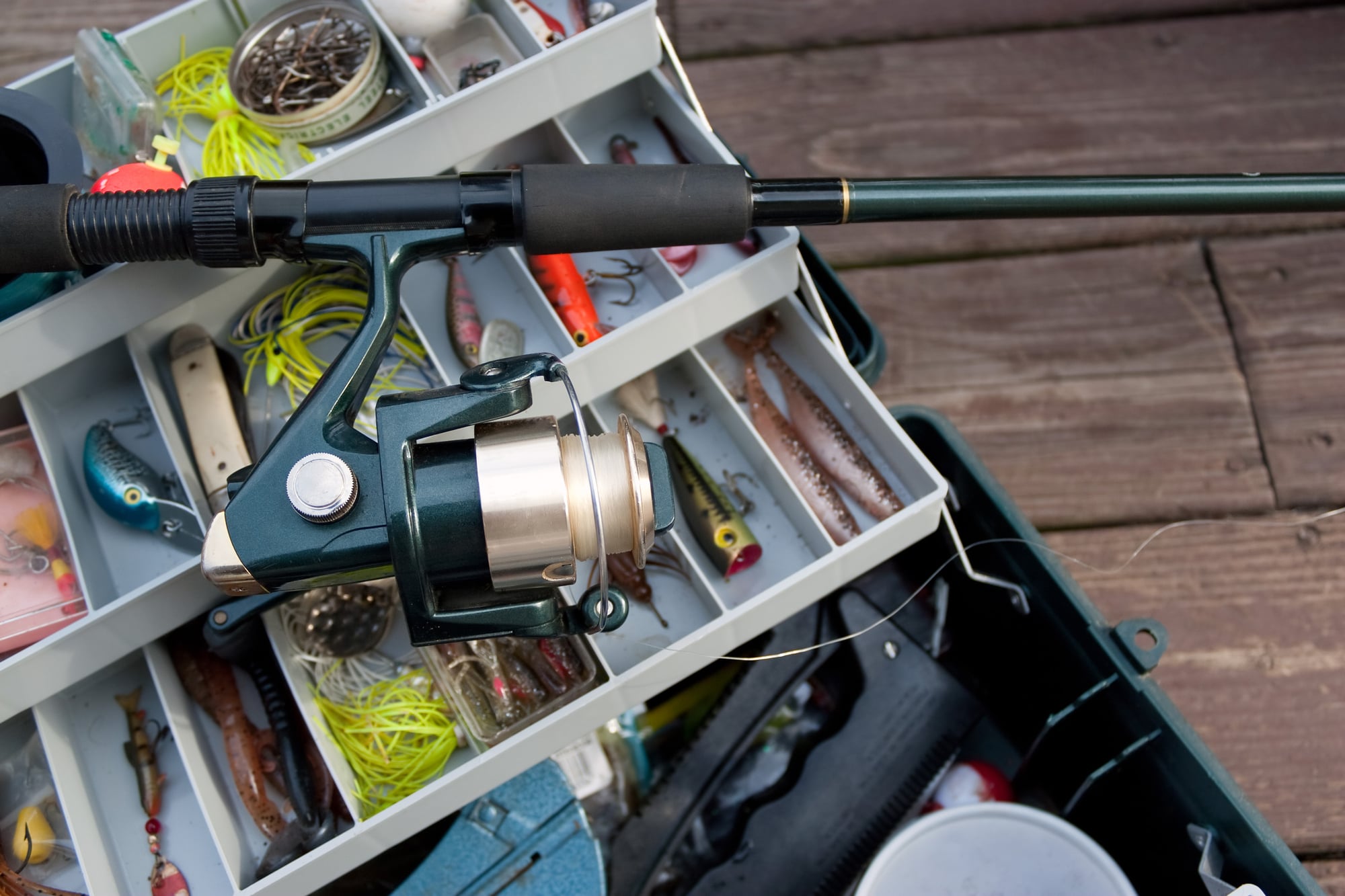
Pflueger is the name most American anglers’ grandfathers knew as reliable, affordable, and well-made. The Medalist fly reel — produced from 1929 onwards — is the reel that introduced a generation of American fly fishermen to the sport.
Older Medalist models in good working order sell for $80–$200. The appeal to collectors is partly historical and partly practical: many fly fishermen who fish for trout still prefer the feel and sound of a Medalist over modern plastic-framed alternatives.
South Bend Lures in Original Boxes
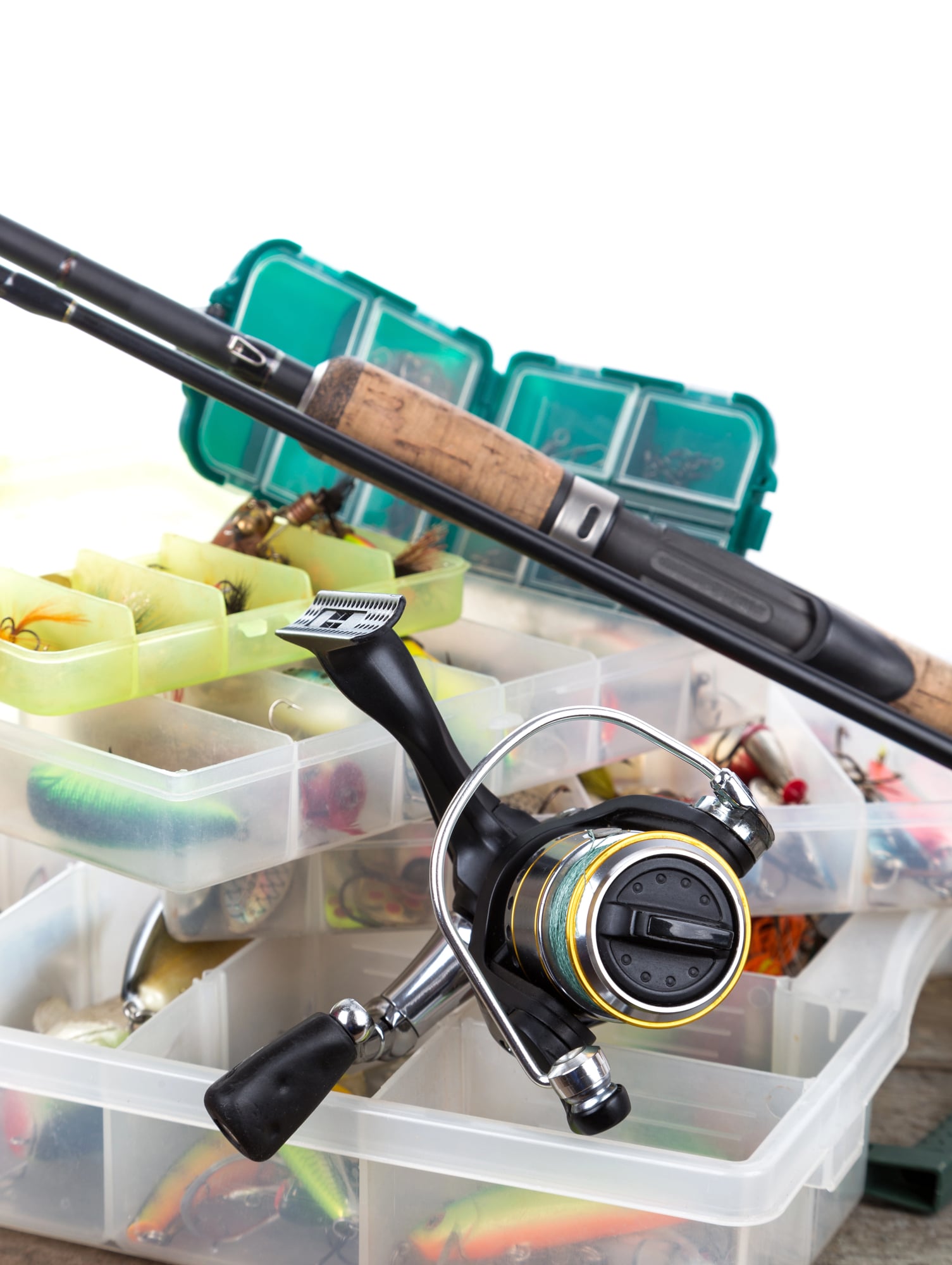
South Bend Bait Company, founded in Indiana in 1909, produced a range of wooden lures — including the Bass-Oreno and the Surf-Oreno — that are among the most recognisable in the vintage collecting market. The Bass-Oreno with its red and white wooden body and intact hardware in good condition sells for $50–$200 depending on colour variation and the presence of the original box.
Complete sets of South Bend lures in their original boxes with the South Bend logo printed on the top are the combinations that stop collectors mid-sentence.
Bamboo Fly Rods by Everett Garrison
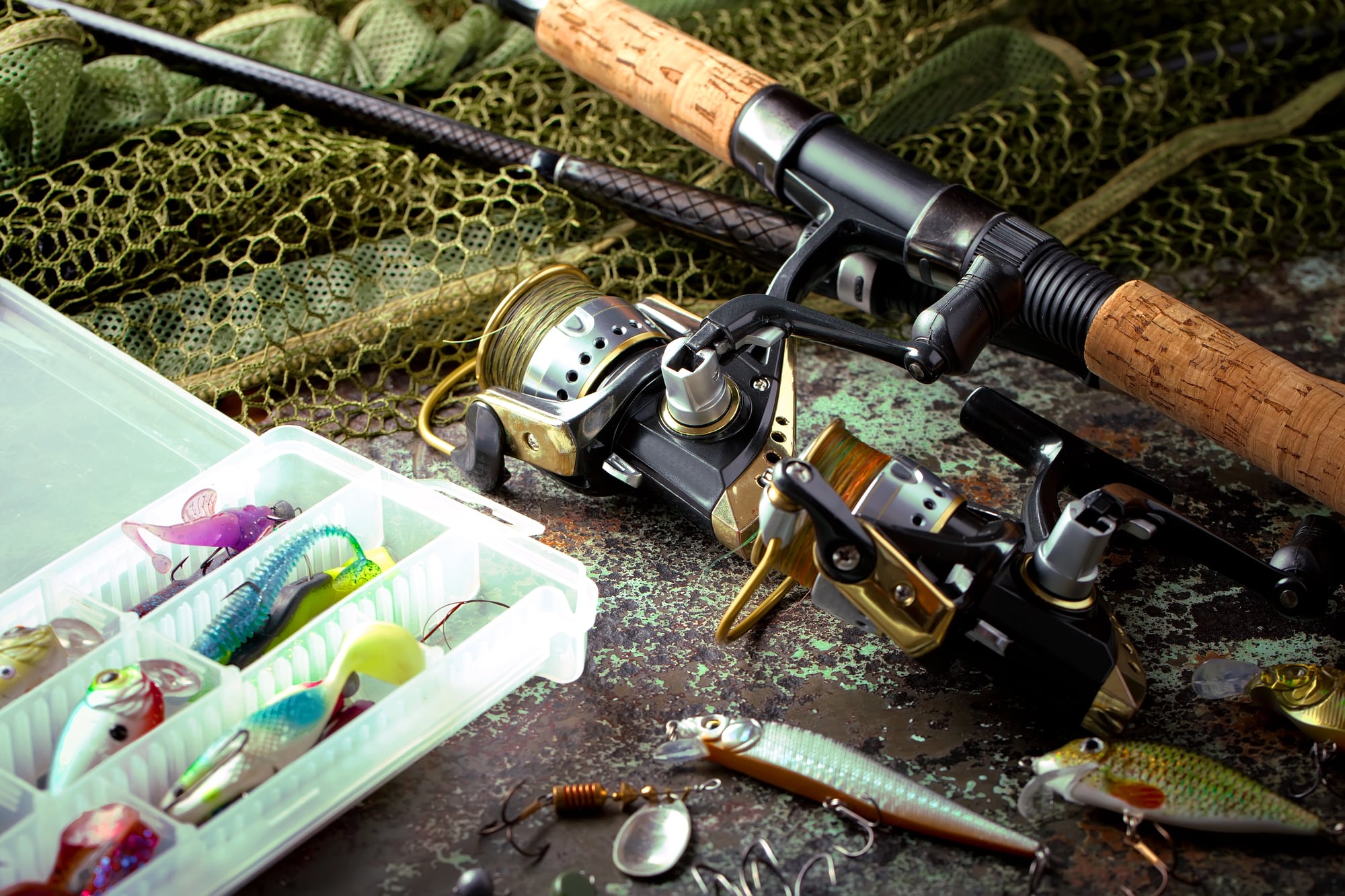
Everett Garrison made fly rods by hand in his Yonkers, New York workshop, typically producing fewer than ten rods per year, mostly between the 1930s and 1970s. It is estimated that fewer than 700 Garrison rods were ever built.
A Garrison rod in original condition with its bag and tube — and particularly with any paperwork or correspondence confirming its provenance — sells for $10,000–$30,000 at specialist fishing tackle auctions. Most people who have one have no idea what they have, because Garrison never advertised and never sought recognition.
Hardy Palakona Bamboo Fly Rods
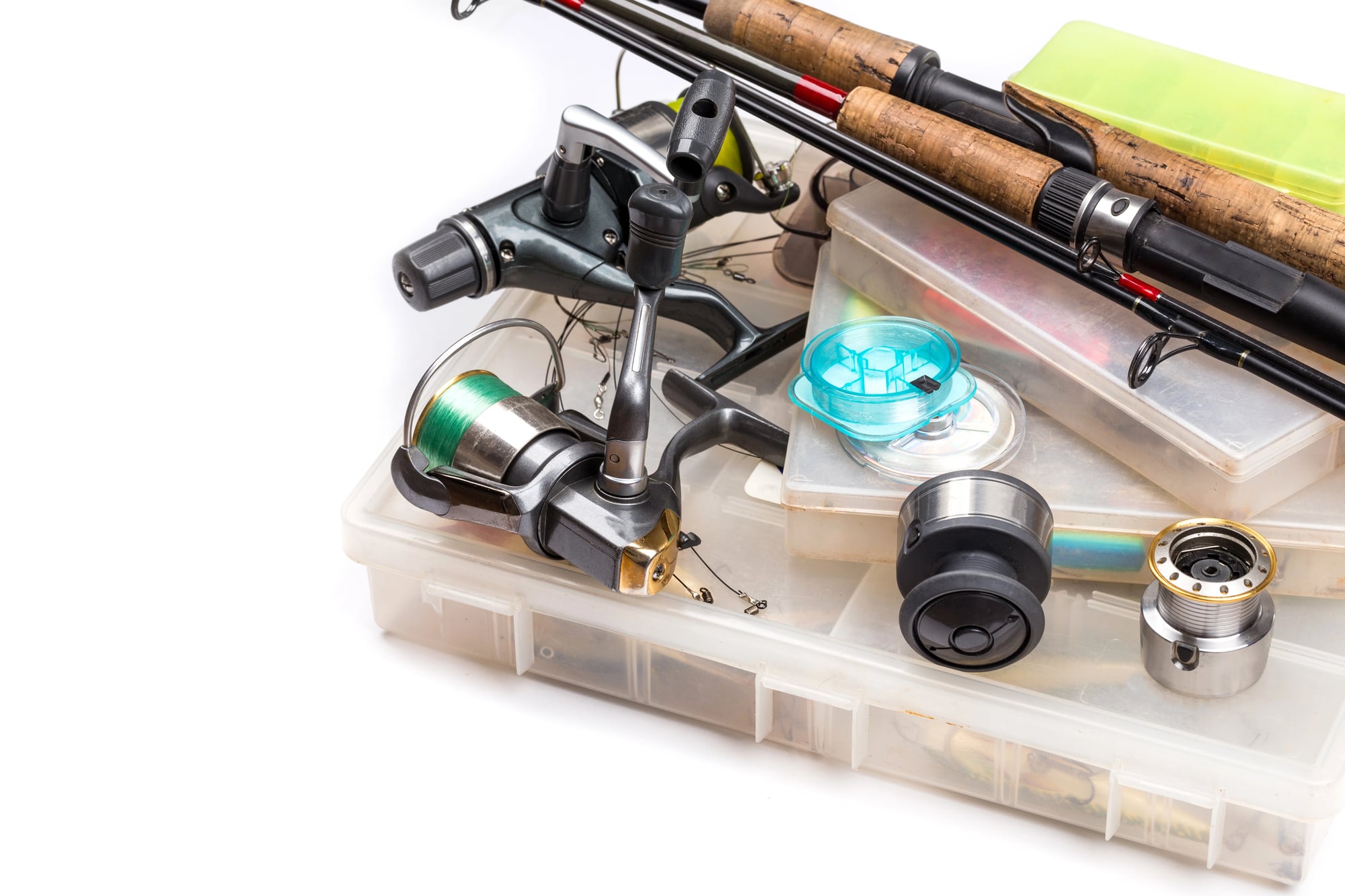
Hardy’s Palakona rods — their premium split cane fly rods made in Alnwick — were considered the finest production bamboo rods available in Britain from the late Victorian period through the 1960s. The word “Palakona” appeared on the rod just above the handle, along with the specific model name and Hardy’s guarantee label.
Good examples in original bags with matching tubes sell for $500–$2,000 depending on length, model, and condition. Hardy bamboo rods are still fished seriously; the ones found in estate sales often show their age through use rather than neglect.
Abu Garcia Ambassadeur 5000 Baitcasting Reels
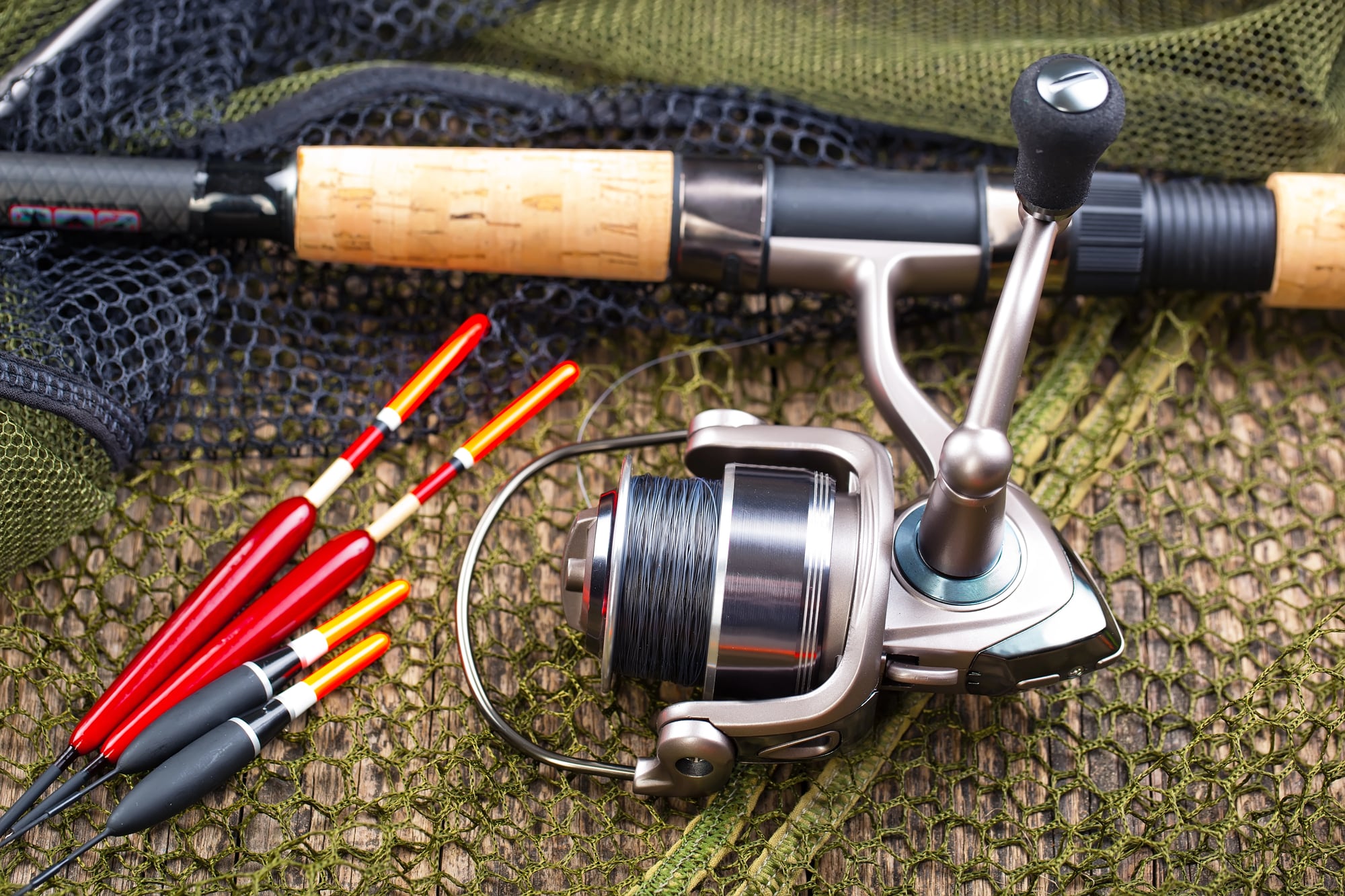
The Ambassadeur 5000 — introduced by ABU of Sweden in 1952 — is possibly the most successful baitcasting reel ever made. Early Swedish-made examples from the 1950s and 1960s, with the correct stamped markings and original red body, sell for $80–$300.
They still fish. The drag systems on early Ambassadeurs are considered by many experienced baitcasters to be smoother and more consistent than modern equivalents, and the Swedish-made casting feel is something that reel collectors discuss with the same intensity that audiophiles discuss turntable cartridges.
Orvis Battenkill Bamboo Fly Rods
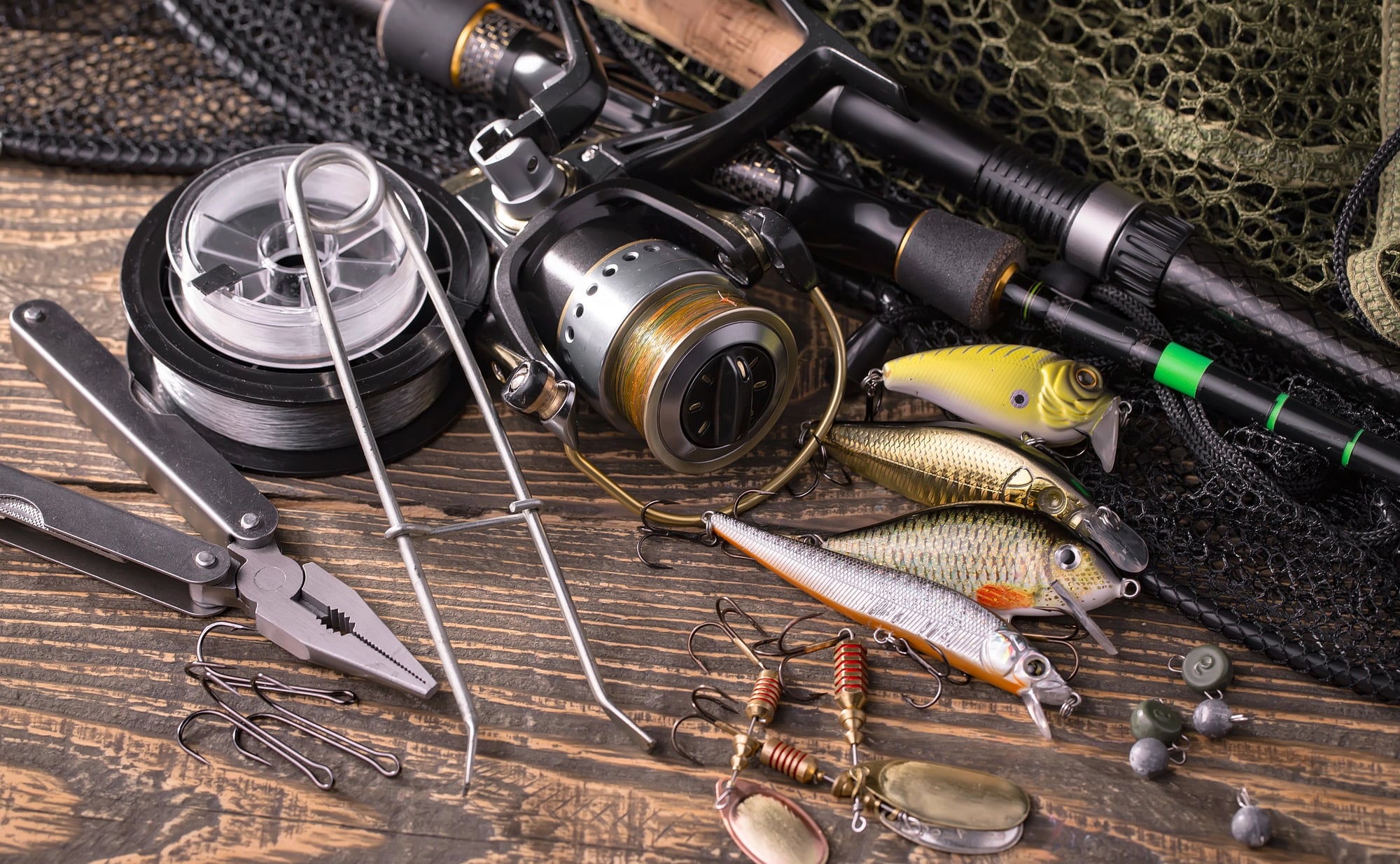
Orvis bamboo rods from the company’s Battenkill period — particularly the impregnated Battenkill models that emerged in the post-war decades — are reliable finds at specialist auctions. An Orvis impregnated Bamboo Fly Rod Battenkill (8ft) sold for $410 in late 2018.
Orvis is still an active company, which makes their historical rods less obscure to non-specialists than a Garrison or Payne — but that familiarity makes them more liquid in the secondary market. A clean Battenkill with original rod bag still finds buyers quickly.
Vintage Tackle Boxes, Loaded With Period Contents
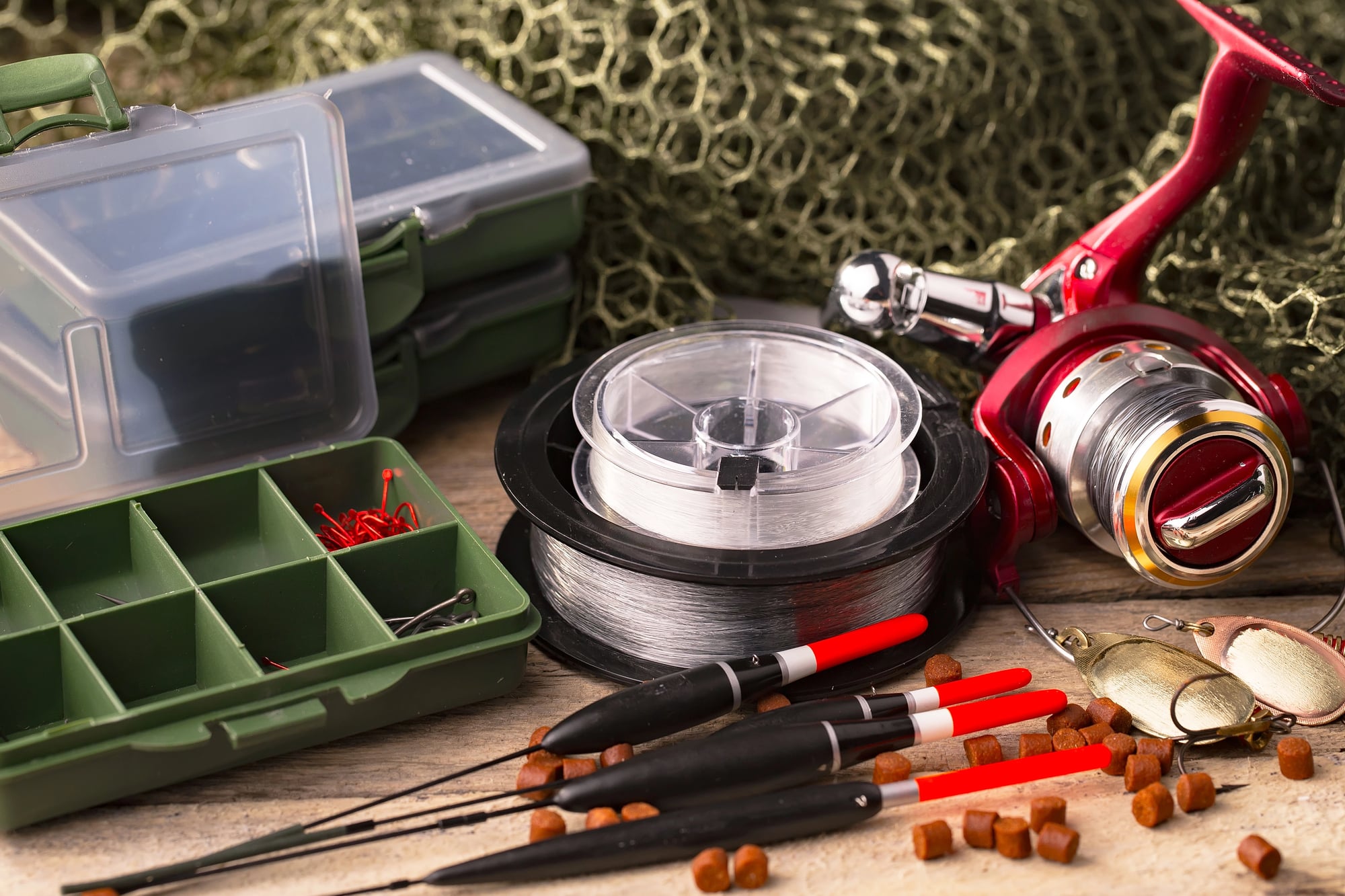
An old metal tackle box — the kind with a hinged lid and multiple lift-out trays — is worth almost nothing by itself. A metal tackle box from the 1940s with its original contents intact — period lures from Heddon, South Bend, Creek Chub, or Pflueger, still in their original sections, untouched since the last fishing trip — is worth serious money as a unit.
One complete tackle box with vintage lure contents sold for $3,500 at auction. The critical point is keeping the contents together and not selling pieces individually before getting the lot assessed.
Mitchell 300 Spinning Reels, Early French Production
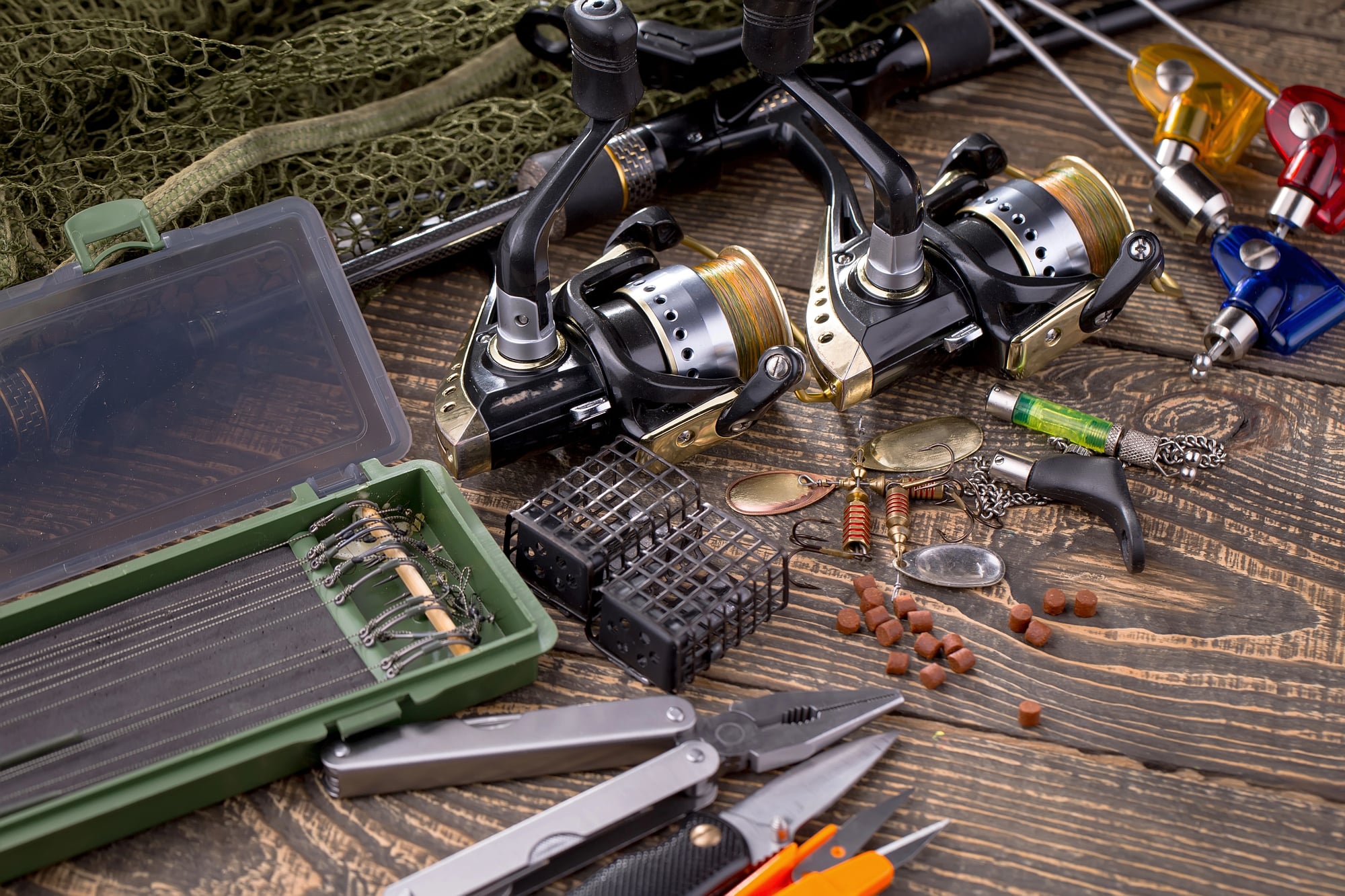
The Mitchell 300 — produced by the French company Garcia Mitchell from 1948 — became the defining spinning reel of the mid-20th century and remained in production in various forms for decades. Early French-made examples from the first decade of production, with the correct markings and smooth mechanisms, sell for $100–$300 to collectors who distinguish them from the later versions made after the company’s repeated ownership changes.
A Mitchell 508 rod and reel combo sold for $784 on eBay. The combination of reel and original matching rod in working condition is always worth more than either component alone.
Jim Payne Bamboo Fly Rods
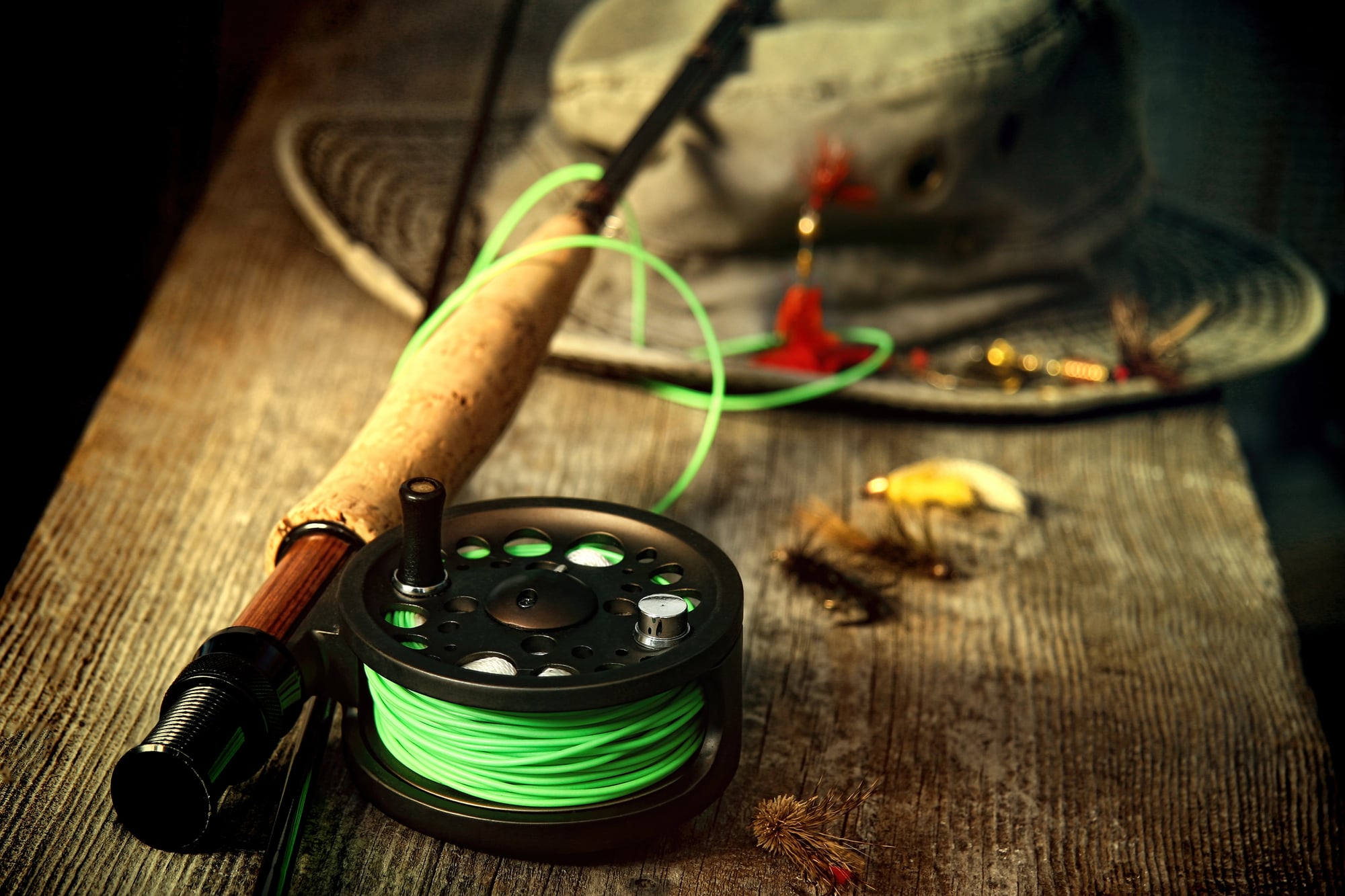
Edward Payne began building bamboo fly rods in the 1880s, and his son Jim Payne continued the craft through the mid-20th century, producing what many collectors consider the most technically refined bamboo rods ever made. Jim Payne rods are identified by the characteristic taper profiles that experienced collectors recognise on sight.
Clean examples with original bags and tubes in fishable condition sell for $5,000–$20,000. The rods cast in a way that graphite cannot replicate — they load differently, flex differently, and produce a presentation that serious fly casters consider meaningfully superior for specific applications.
Heddon River Runt Lures
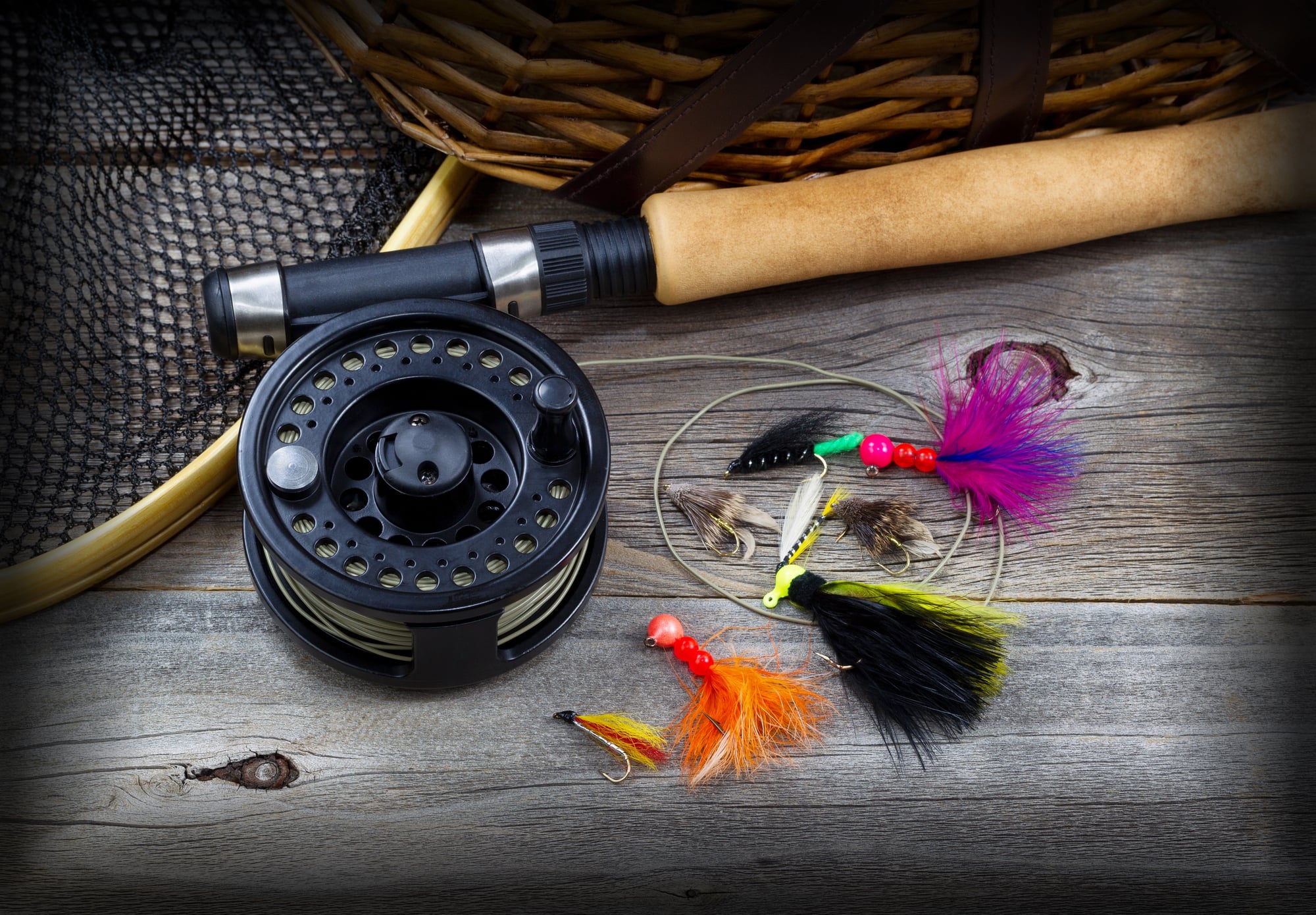
The Heddon River Runt — a deep-diving wooden lure introduced in the 1930s — was produced in so many colour variations over such a long period that serious collectors have produced catalogues dedicated solely to tracking the different finishes. Common finishes in good condition sell for $20–$80.
Rare colour combinations from specific limited production periods sell for $200–$600. The boxes for River Runts from the early production period, with the correct Heddon logo and graphics, are independently collected by people who consider them small pieces of printed Americana.
Vom Hofe-Style Saltwater Reels With Engraved Side Plates
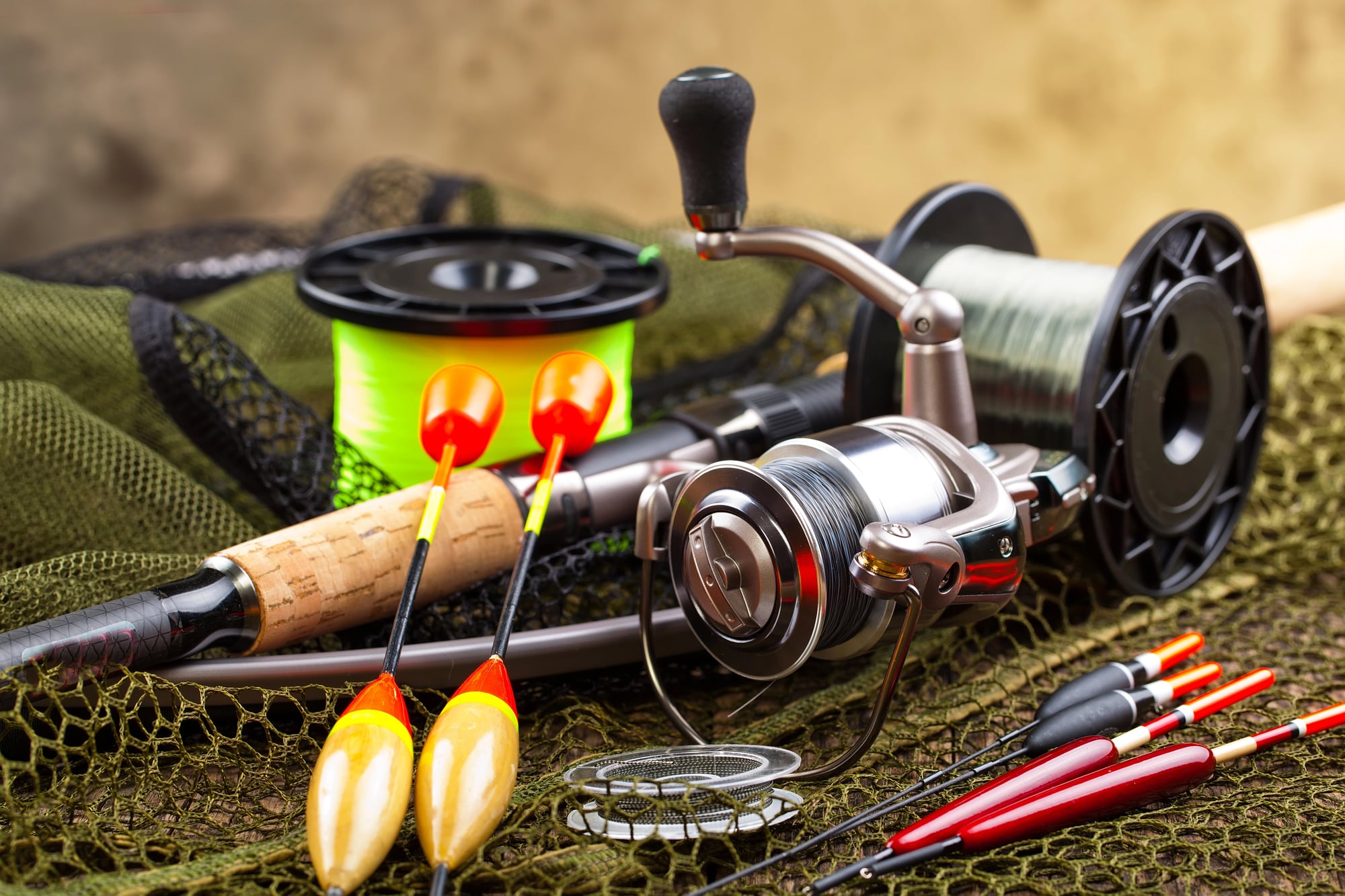
The tradition of engraved reel side plates — a style associated with Edward vom Hofe and a small number of contemporaneous American reel makers working around the turn of the 20th century — produces the most visually striking items in any collection of fishing tackle. Engraved plates showing fish, wildlife, or decorative patterns in fine line work represent a level of craft that no current production reel approaches.
Collectors who pursue this specific category of antique reel sometimes pay four-figure prices for exceptional examples.
Shakespeare Wonder Rod (Fiberglass Spiral Wrap)
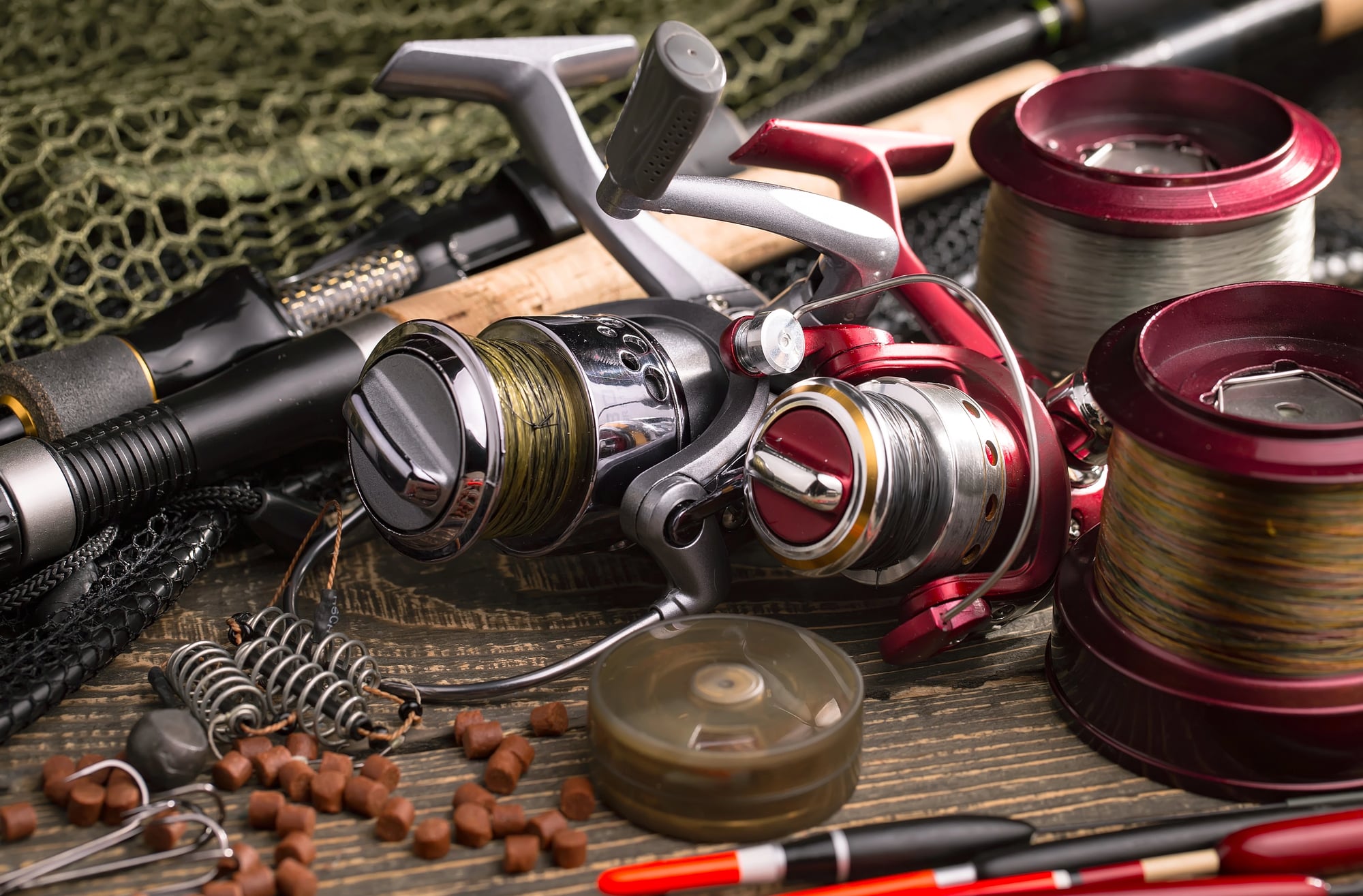
The Shakespeare Wonder Rod was one of the first commercially successful fibreglass fishing rods, introduced in the late 1940s when fibreglass was a genuinely new material for rod construction. The distinctive spiral wrap design — unusual compared to conventional parallel wrapping — is the identifying visual feature.
Models with original cork handles and matching tubes in clean condition are the ones collectors seek. The historical significance as an early fibreglass design maintains collector interest even among people who primarily fish bamboo or modern graphite.
Early Jointed Wooden Lures With Glass Eyes
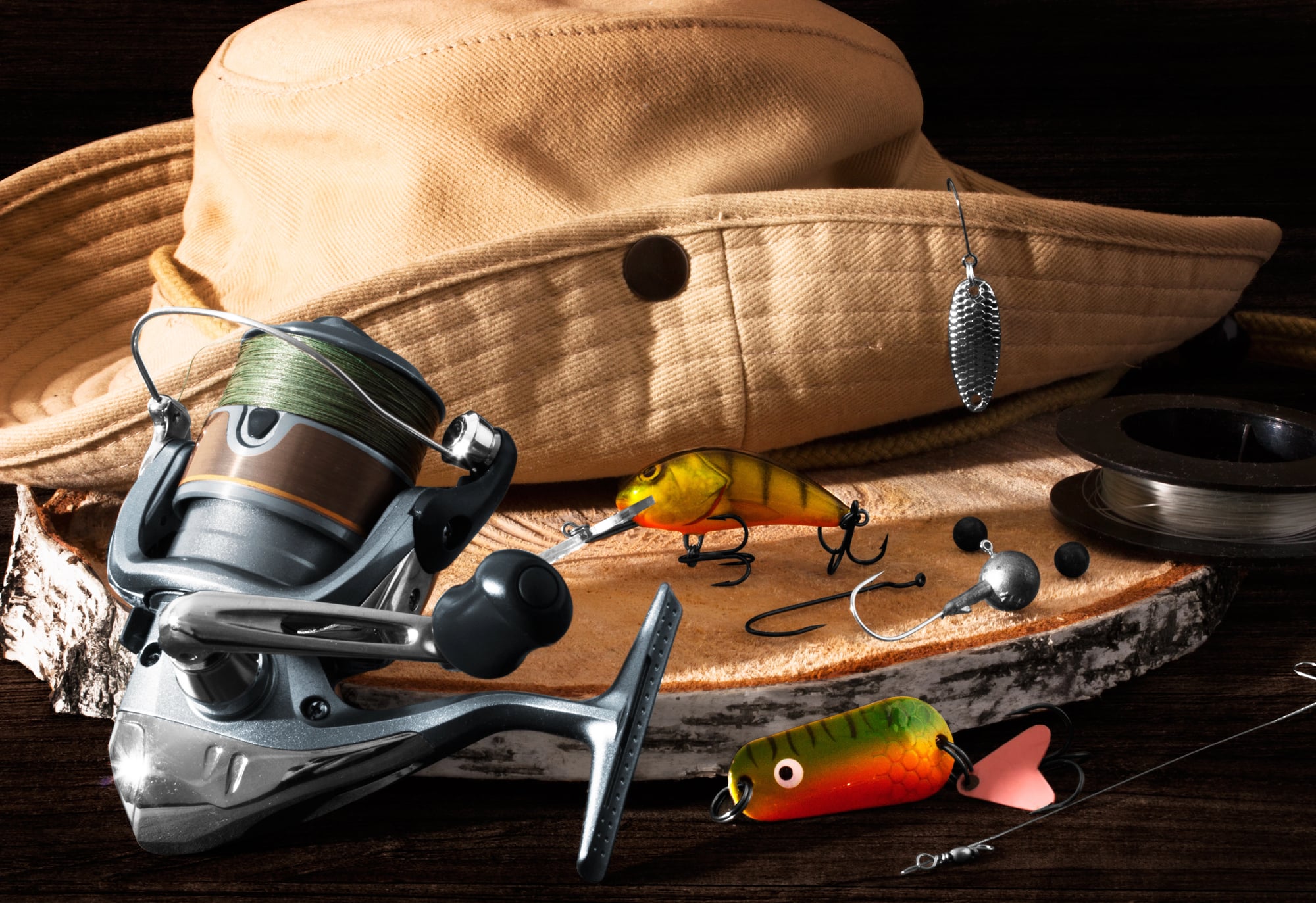
Jointed wooden lures — two-piece lures connected by a hinge that produces a swimming action no single-piece lure can replicate — with original glass eyes and hand-painted finishes are among the most visually striking items in vintage tackle collecting. Creek Chub, Heddon, and Paw Paw all produced significant jointed lures in the first half of the 20th century.
Clean examples with intact jointing hardware, original glass eyes, and no missing paint sections sell for $80–$400 depending on size, maker, and specific finish. Large muskie-sized examples in early glass-eye configurations command the highest prices.
Pflueger Akron and Templar Casting Reels
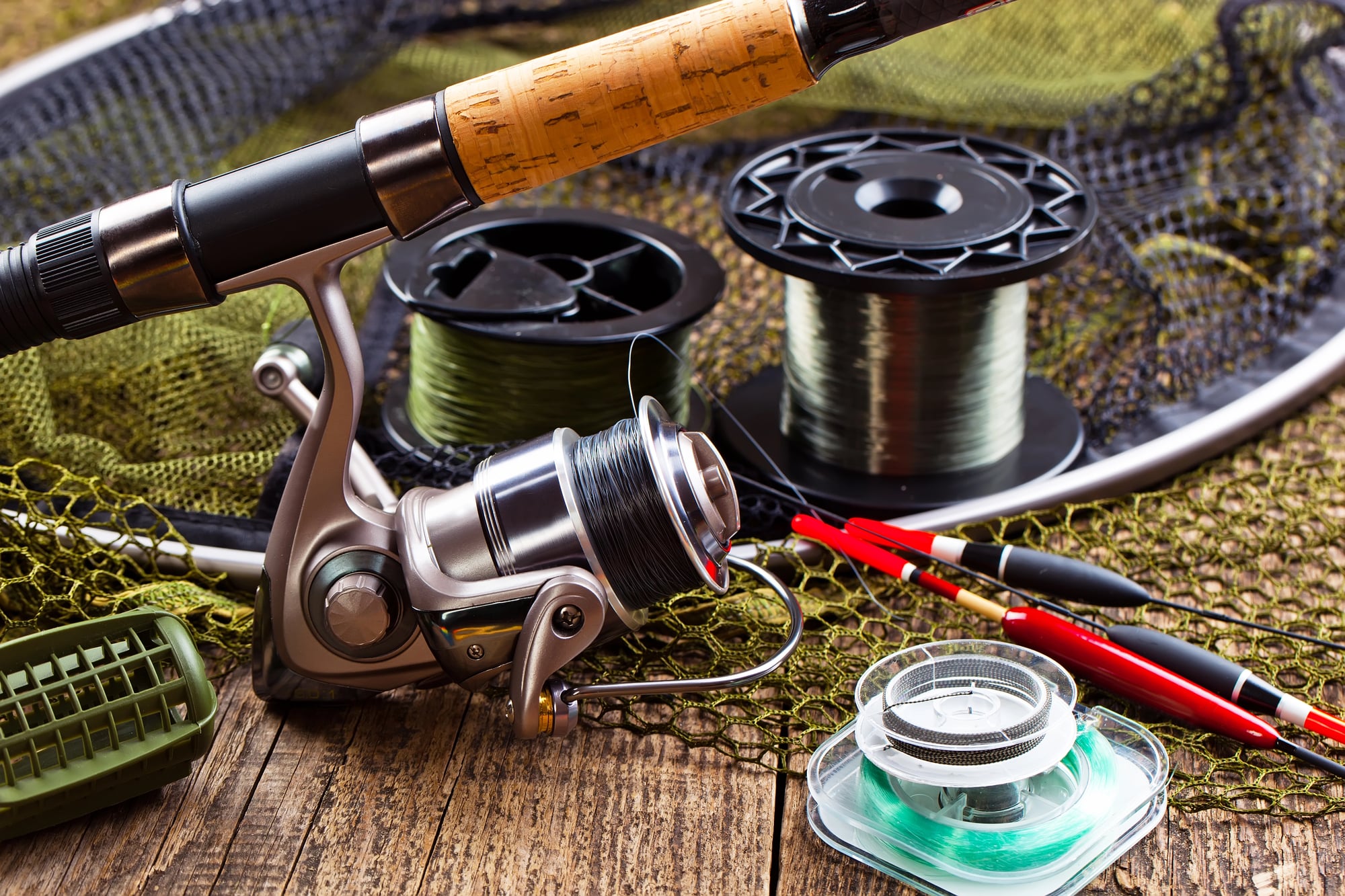
Pflueger’s Akron and Templar baitcasting reels from the pre-war period are specific items that serious reel collectors watch for. The Templar 1420, a saltwater reel produced in various configurations from the early 20th century, has a following among collectors who appreciate the engineering of its level-wind mechanism.
Early patent dates stamped into the side plate and engraved side plate designs are the details that separate the valuable early examples from later production. Working examples with smooth palming operations sell for $80–$250.
Heddon Lucky 13 Lures in Rare Colours
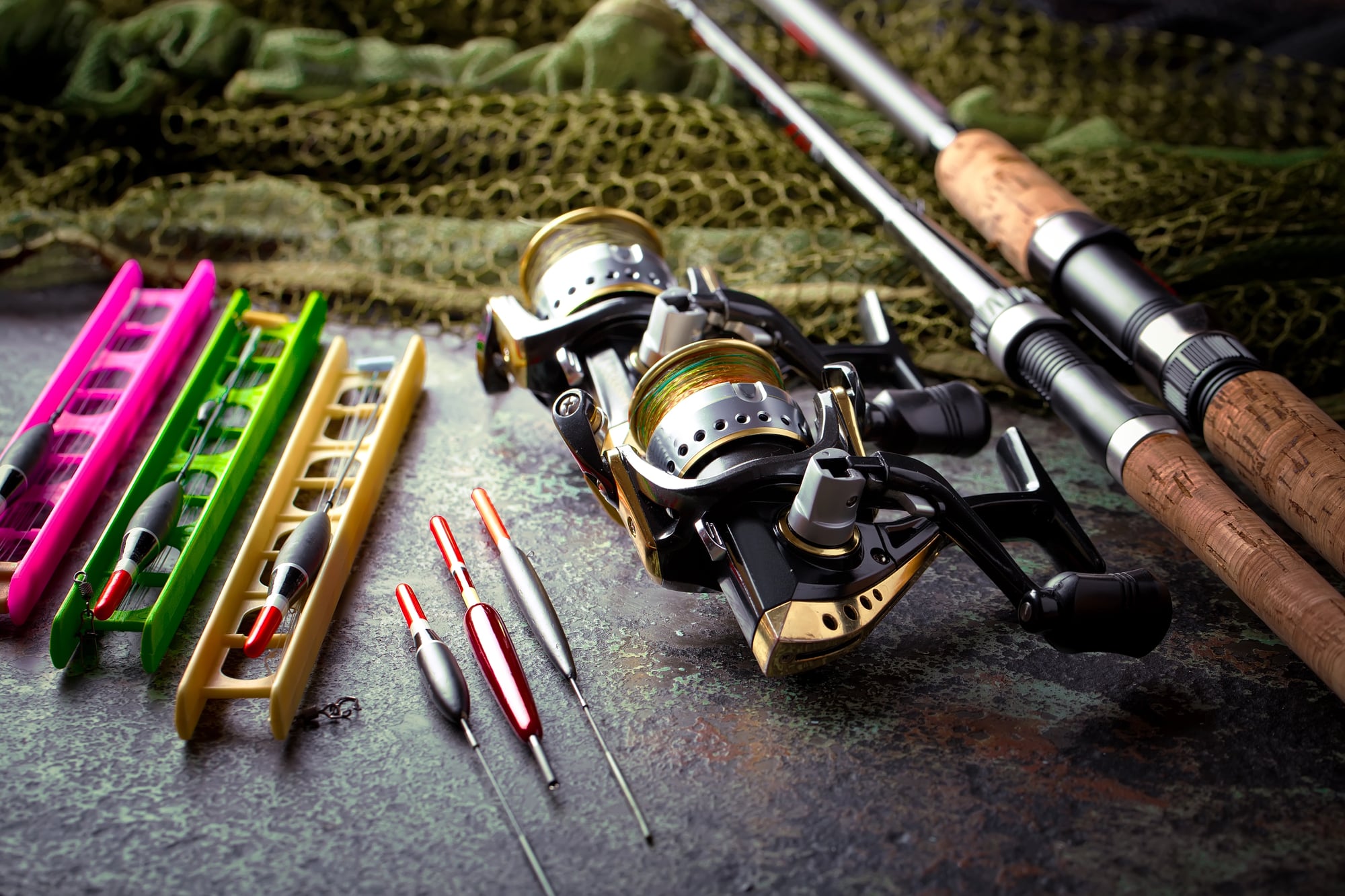
The Heddon Lucky 13 — a large surface lure designed originally for pike and muskie — was produced from 1920 onwards in an enormous range of colour variations over its production run. Early examples with glass eyes and hand-painted detail in rare colour combinations are at the top of the Heddon collector market.
A large Lucky 13 in a scarce early finish with original glass eyes sells for $200–$800. The surface commotion it creates when retrieved — a deep, churning disturbance — is the reason it’s still fished today, which gives it a dual market among collectors and active anglers.
Vintage Fly Fishing Nets, Carved Wooden Frames
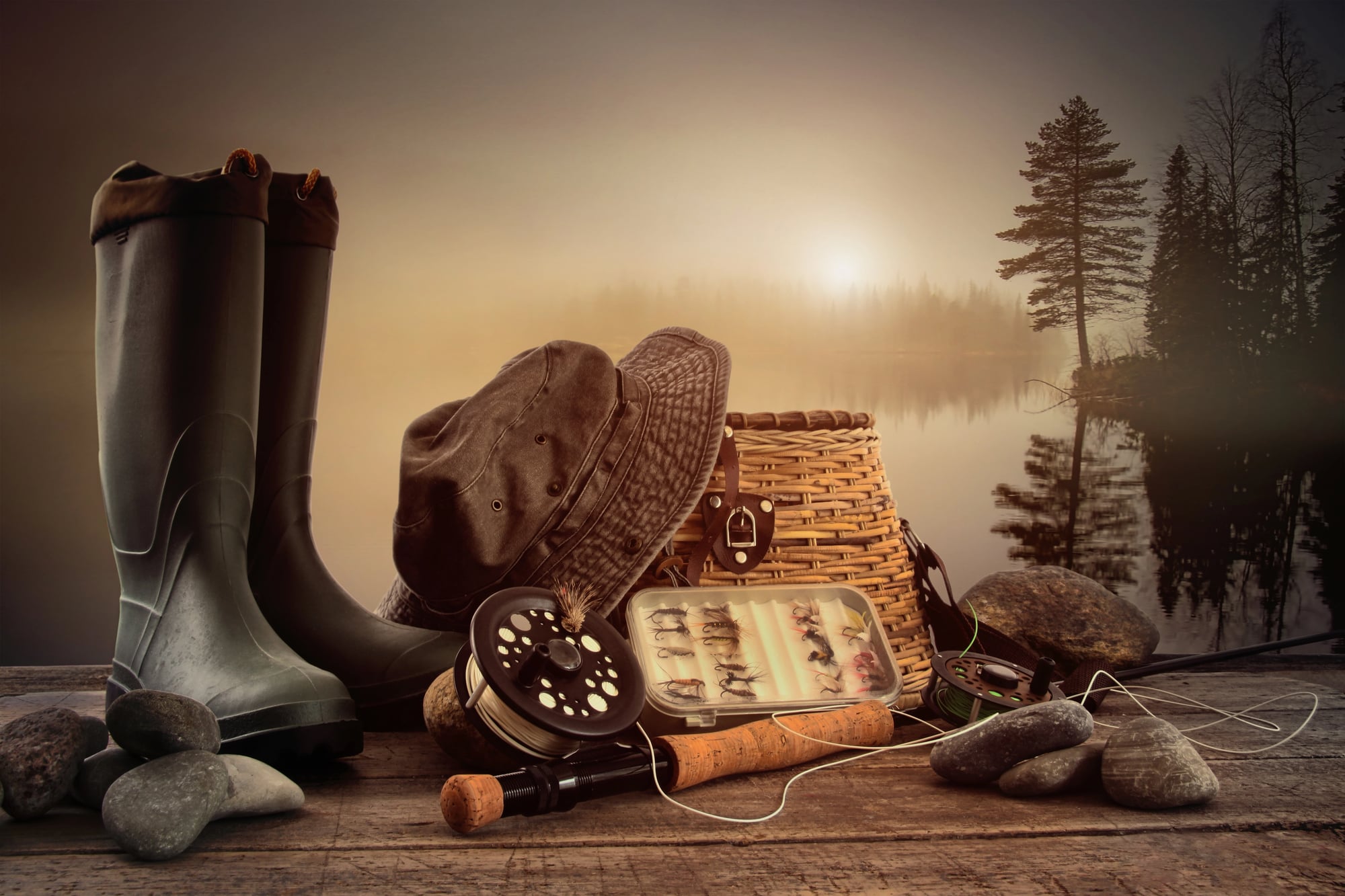
Hand-carved wooden landing nets from the early and mid-20th century — particularly those with bent-frame designs using steamed and curved hardwood with finely knotted nets — are collected as objects of craft rather than just historical fishing equipment. Clean examples with intact netting, smooth wood finish, and original hanging cord sell for $80–$300.
Net makers like Brodin and Gees have historical equivalents whose pre-war work is now treated as antique. The ones found in fishing cabins and tackle rooms often have decades of use evident in the patina, which adds rather than subtracts from collector interest.
South Bend Anti-Back-Lash Reels (Early 20th Century Patent Models)
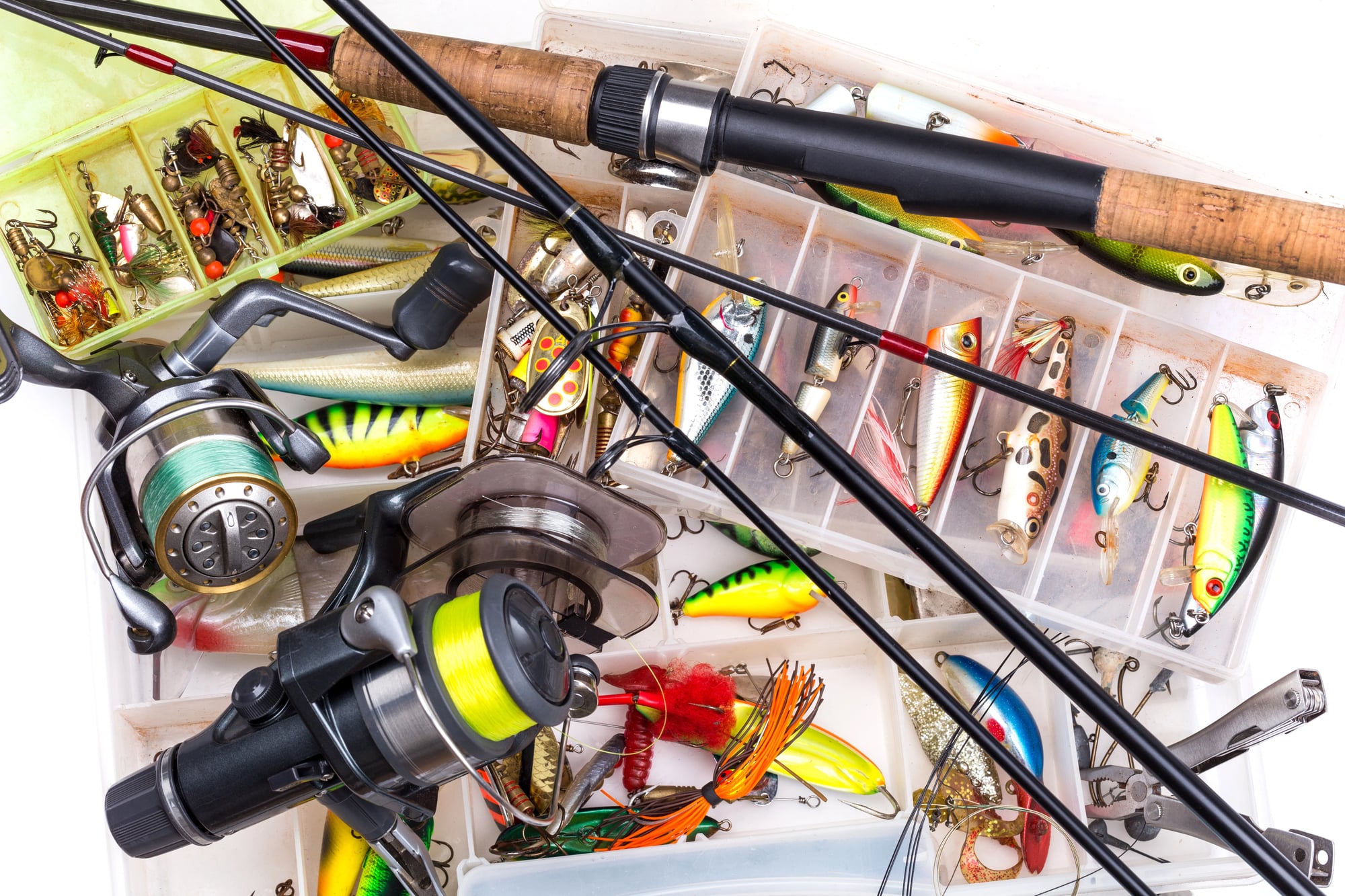
The South Bend Anti-Back-Lash reel from around 1916 was an early commercial attempt to solve the most persistent problem in baitcasting — the overrun of the spool that throws the line into a tangle. Early patent date models with the correct stamped information and engraved side plates are items that reel specialists specifically watch for.
The innovation represented by the anti-backlash mechanism, for its time, is part of what makes the reel historically interesting. Clean examples sell for $100–$300 at specialist fishing tackle auctions.
Vintage Cane Salmon Rods With Agate Guides
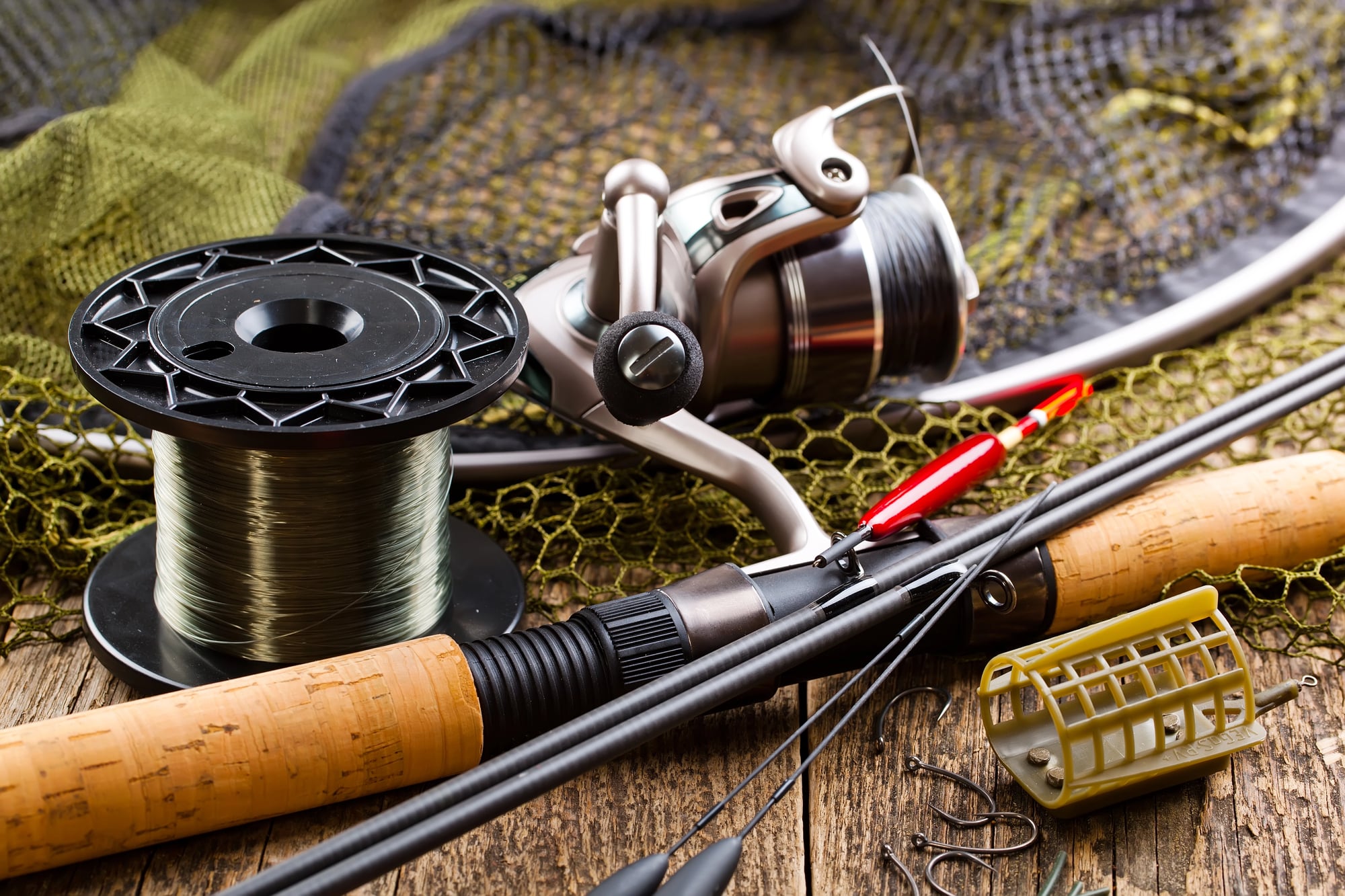
Full-size cane salmon rods — typically 14–16 feet in length for spey casting on large rivers — represent the most physically impressive items in bamboo rod collecting. Hardy, Farlow, and Playfair all produced notable salmon rods in the early-to-mid 20th century.
A Hardy Palakona salmon rod in original condition with its rod bag and ferrule protectors sells for $800–$3,000. The rods require specific knowledge to assess because the ferrule alignment, guide spacing, and taper profile all affect function, and a rod that hasn’t been properly cared for over decades can be damaged in ways that are not immediately visible.
Arbogast Jitterbug Lures in Early Configurations
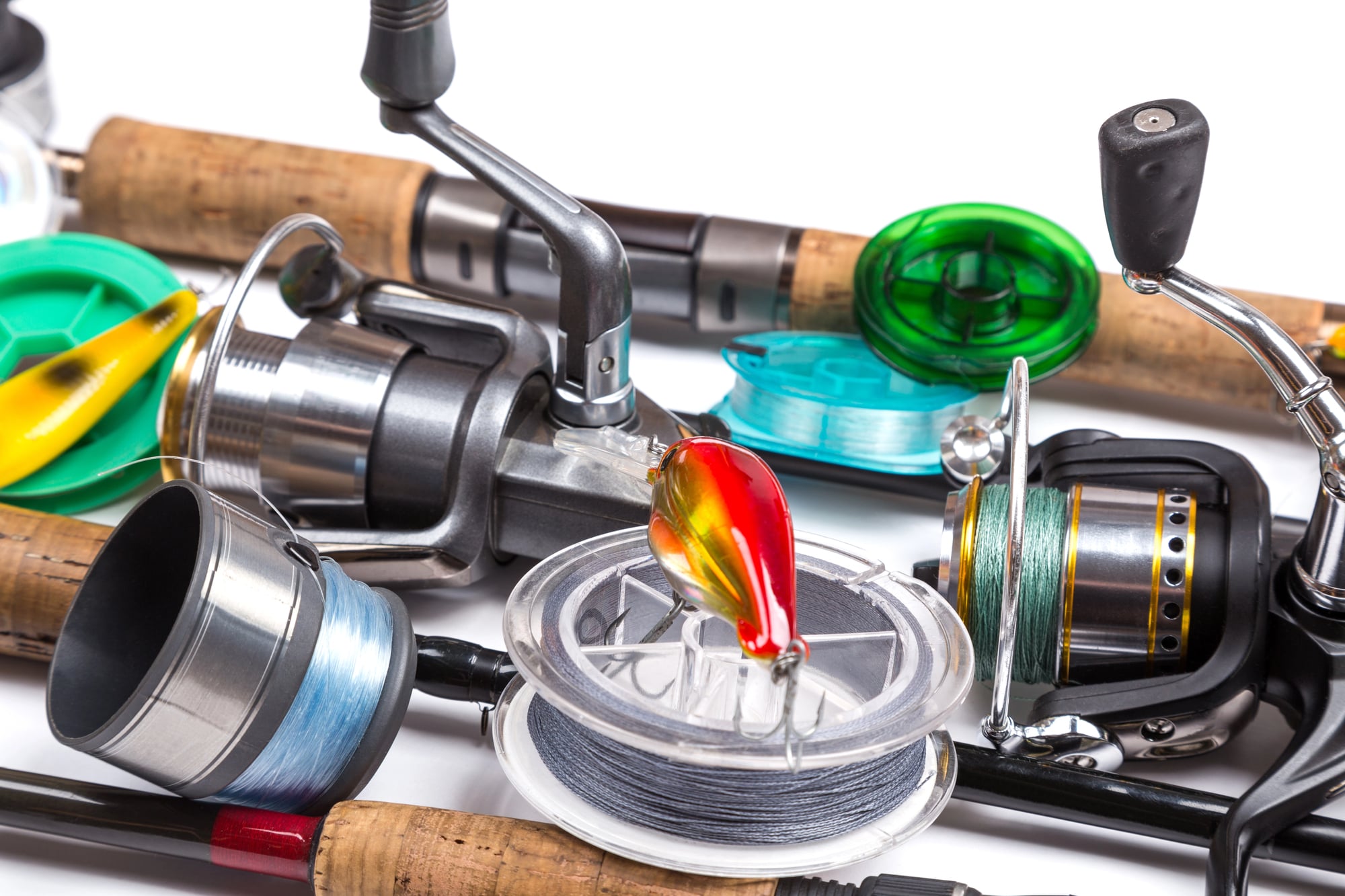
Fred Arbogast developed the Jitterbug in 1937 — a surface lure with a distinctive cupped lip that produces a rhythmic gurgling action on retrieve. Early examples with the original cup design, painted eyes, and period colour combinations sell for $50–$200 depending on configuration.
The Jitterbug is still manufactured today, but the early pre-war examples with specific hardware and finishes are identifiably different from modern production and are collected for both their historical position and their functional superiority for specific surface fishing situations.
Old Fly Boxes, Particularly Hardy and Wheatley
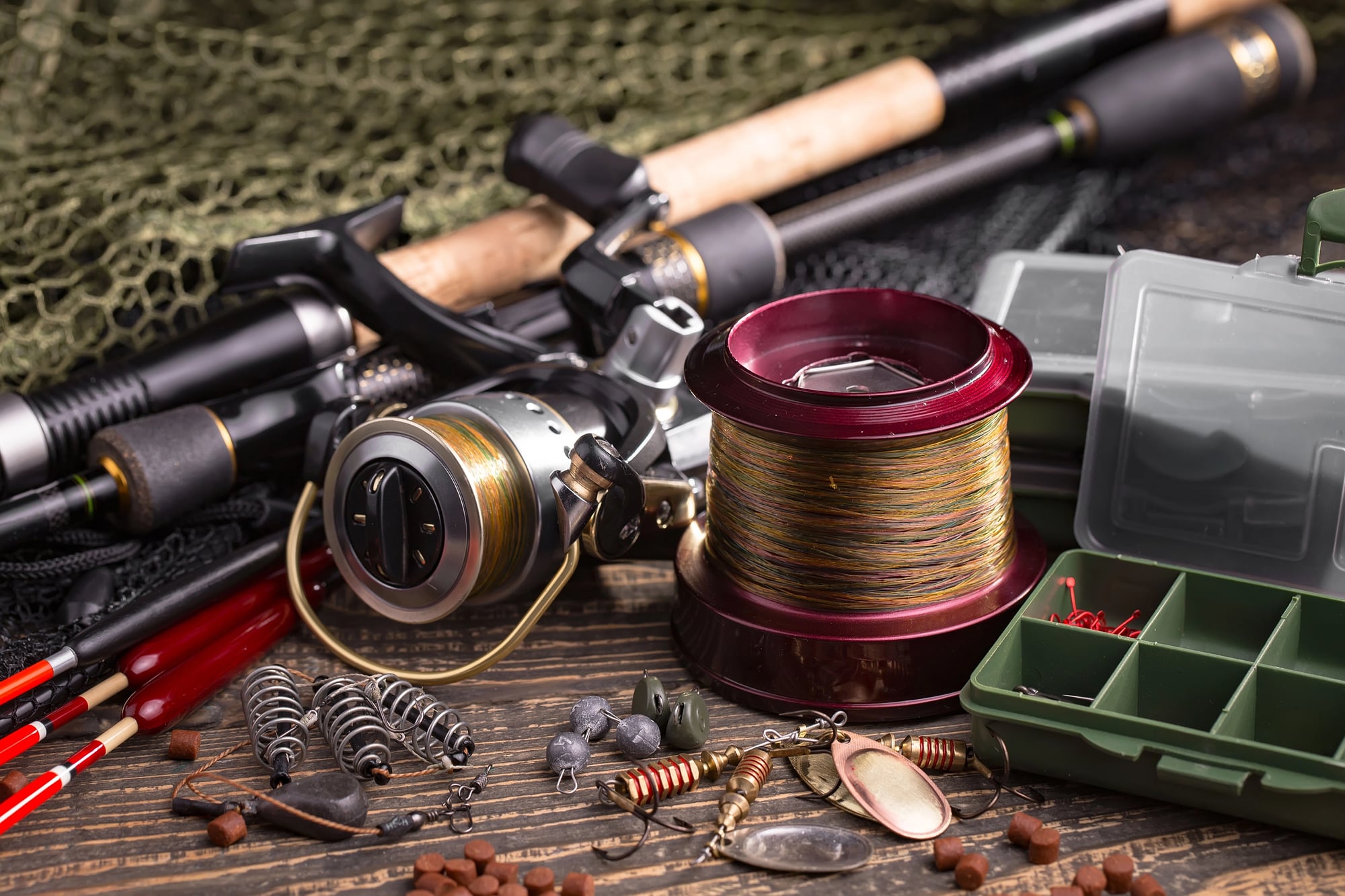
Hardy and Wheatley fly boxes — small, hinged metal cases with individual spring clips or compartments for holding artificial flies — are collected as miniature objects of craft. A clean Hardy aluminium fly box with interior clips in full working order and the Hardy name stamped on the lid sells for $100–$300.
Wheatley’s silver-finish aluminium boxes with the distinctive ripple-pattern interior are in a similar range. The boxes found in old fishing kit sometimes contain flies tied with materials — including exotic bird feathers now restricted by wildlife law — that add their own layer of historical interest.
Vintage Creel Baskets, Woven Wicker
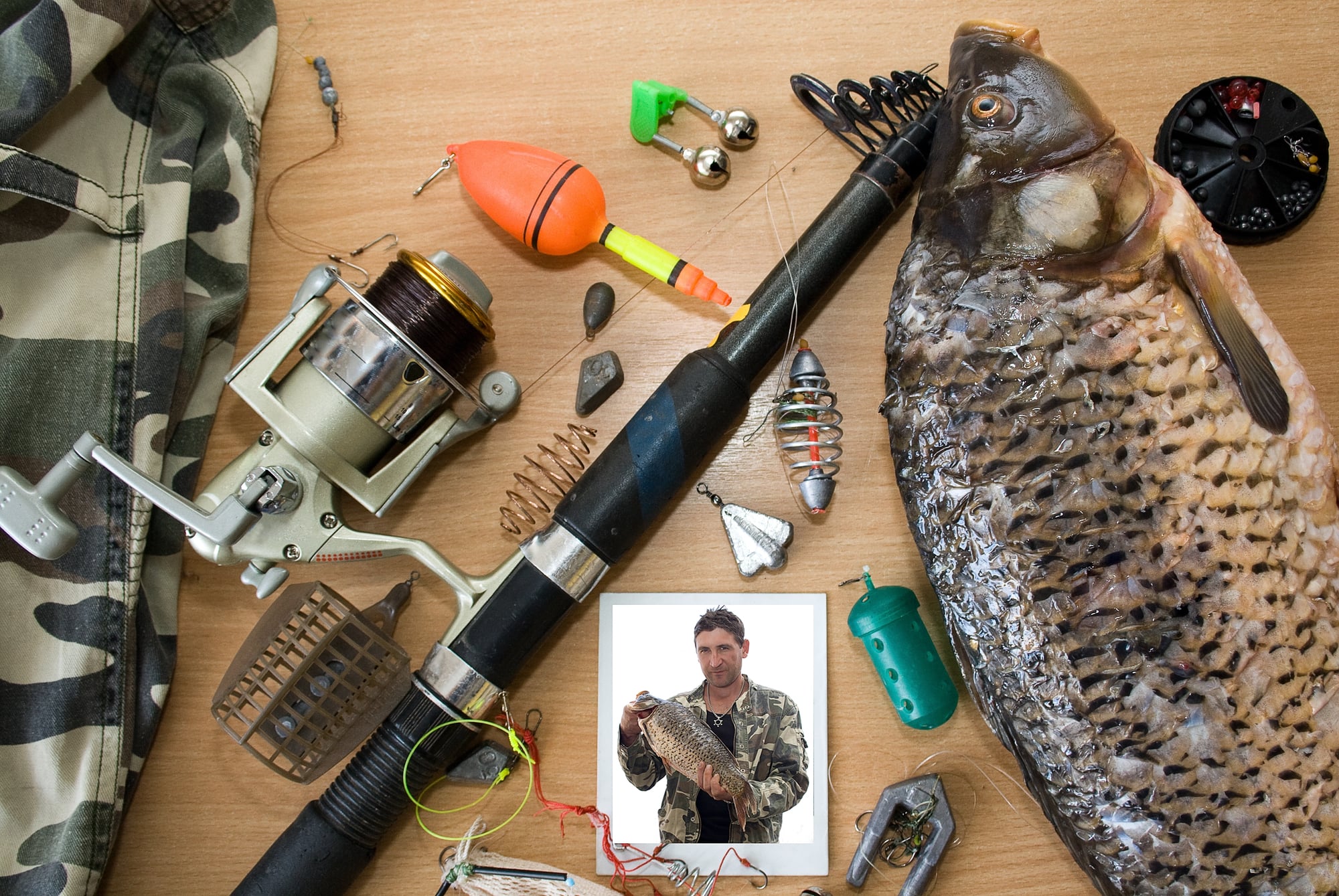
The woven wicker creel — the fish-carrying basket worn on the hip or shoulder — was standard equipment for stream fishing from the Victorian period through the mid-20th century. A well-preserved wicker creel in good structural condition with intact leather shoulder strap and original lid clasp sells for $80–$250.
Certain makers’ baskets are specifically collected, but even unsigned examples in good condition move quickly at fishing antiques auctions because they’re used as decorative items as much as they’re collected. The ones found in fishing cabins with fifty years of patina look exactly like what they are.
The Value in the Attic
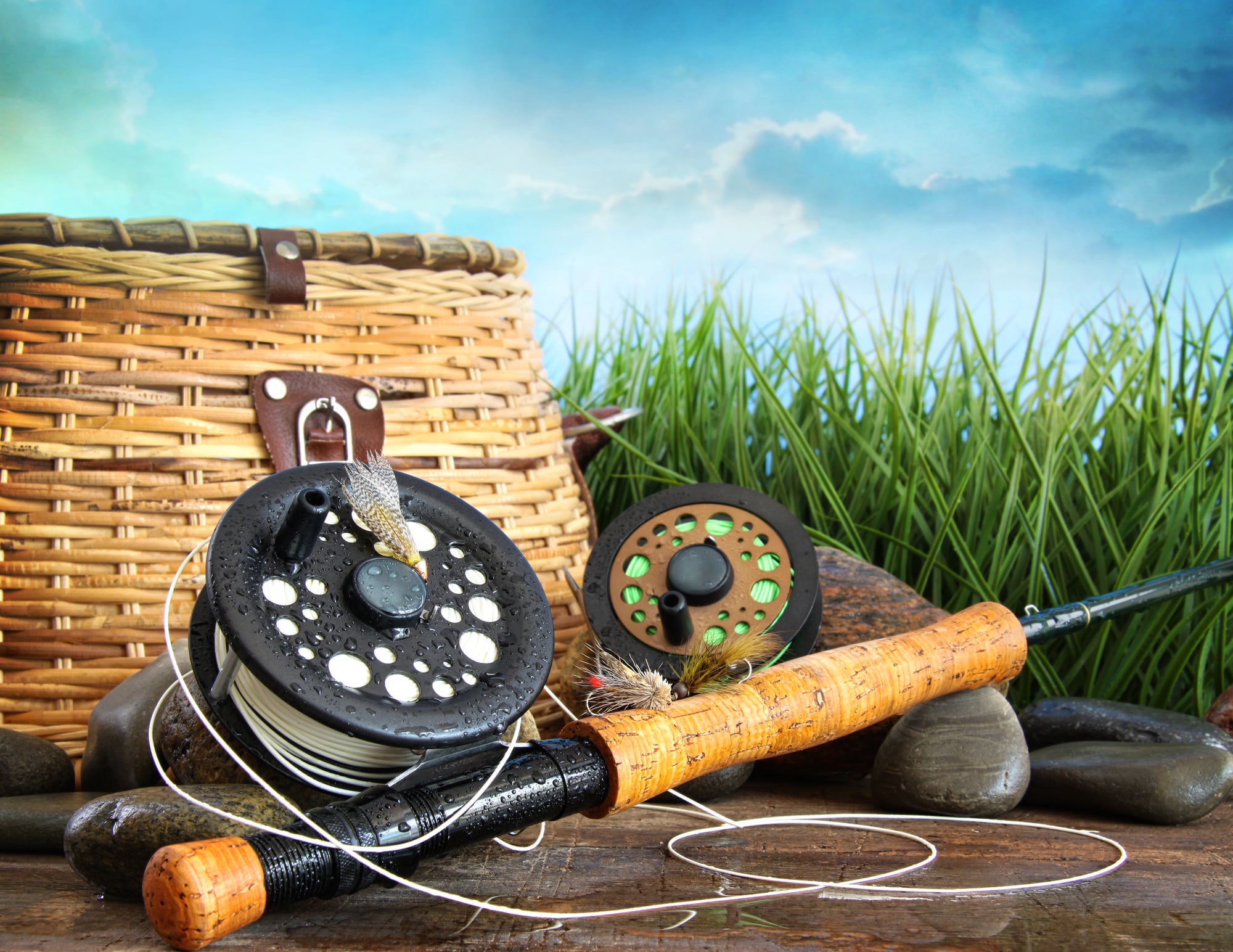
The fishing gear most likely to be valuable is usually the gear that was put away carefully rather than the gear that was used hardest. A bamboo rod that spent forty years in its tube, in the back of a cupboard, is frequently in better condition than one that was fished every season.
The same applies to lures kept in the original box, reels stored with the drag backed off, and fly boxes kept closed in a dry space. What looks like forgotten equipment is often preserved equipment — and the difference between forgotten and preserved is sometimes the difference between $50 and $5,000.
Before any inherited fishing gear is donated, sold in a job lot, or distributed without valuation, a specialist assessment is worth the effort. Online resources including Antique Lure Collectors and the National Fishing Lure Collectors Club provide databases and community knowledge that can identify pieces quickly.
The collector who buys the Heddon frog lure at a garage sale for $5 already knows exactly what they have — and they are counting on the seller not knowing the same thing.
More from Go2Tutors!

- The Romanov Crown Jewels and Their Tragic Fate
- 13 Historical Mysteries That Science Still Can’t Solve
- Famous Hoaxes That Fooled the World for Years
- 15 Child Stars with Tragic Adult Lives
- 16 Famous Jewelry Pieces in History
Like Go2Tutors’s content? Follow us on MSN.



