26 Playground Games Gone for Good and Barely Remembered
There’s a specific kind of memory that lives in the palms of your hands — the sting of a rubber orb, the grit of asphalt under your knees, the sound of a dozen kids arguing about rules that nobody wrote down. Recess used to be its own civilization, complete with its own laws, rituals, and social hierarchies.
The games that filled those twenty minutes weren’t organized by adults or found on a screen. They were passed down kid to kid, generation to generation, the way folk songs travel — imperfectly, regionally, and with tremendous conviction.
Most of them are gone now, casualties of liability concerns, disappearing equipment, and the slow creep of structured programming into every corner of childhood. These are the ones worth remembering.
Red Rover

Red Rover is essentially a human battering ram competition dressed up as a children’s game. Two lines of kids lock arms, one side calls someone over, and that someone sprints full-speed at the weakest link in the chain trying to break through.
The fact that this was considered wholesome afternoon entertainment for most of the twentieth century says something remarkable about how childhood has changed.
Crack the Whip
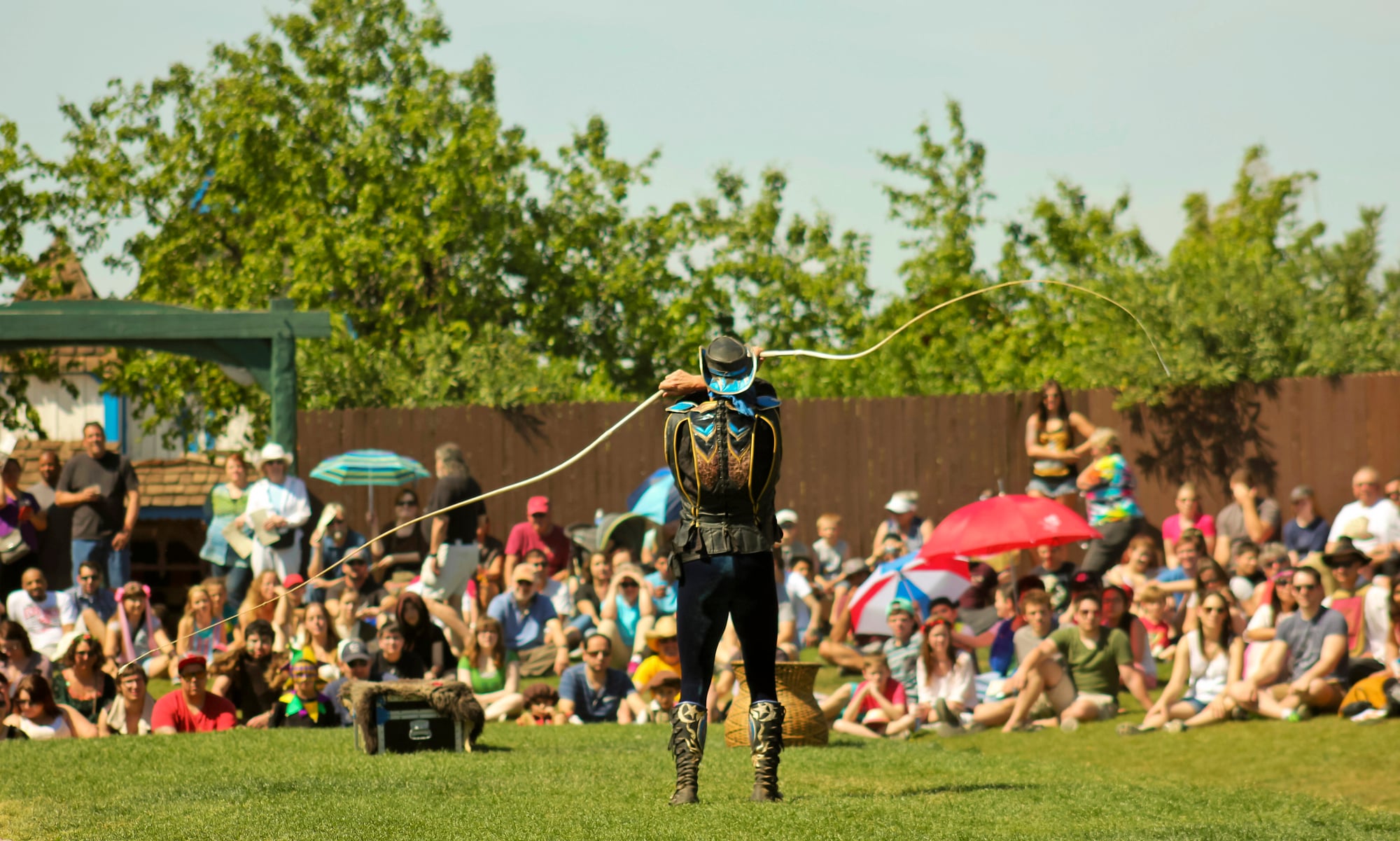
There’s something almost geological about Crack the Whip — the way force travels down a line of linked hands until it arrives, amplified and merciless, at the kid on the end. The person anchoring the center barely moves, pivoting slowly while the chain stretches outward, and the last child in line experiences something closer to a centrifuge than a game.
So the goal, officially, was to hold on — but the game’s real drama lived in the moment the grip broke and someone went sliding across the blacktop. Physics, as it turns out, is indifferent to whether you’re having fun.
Marbles
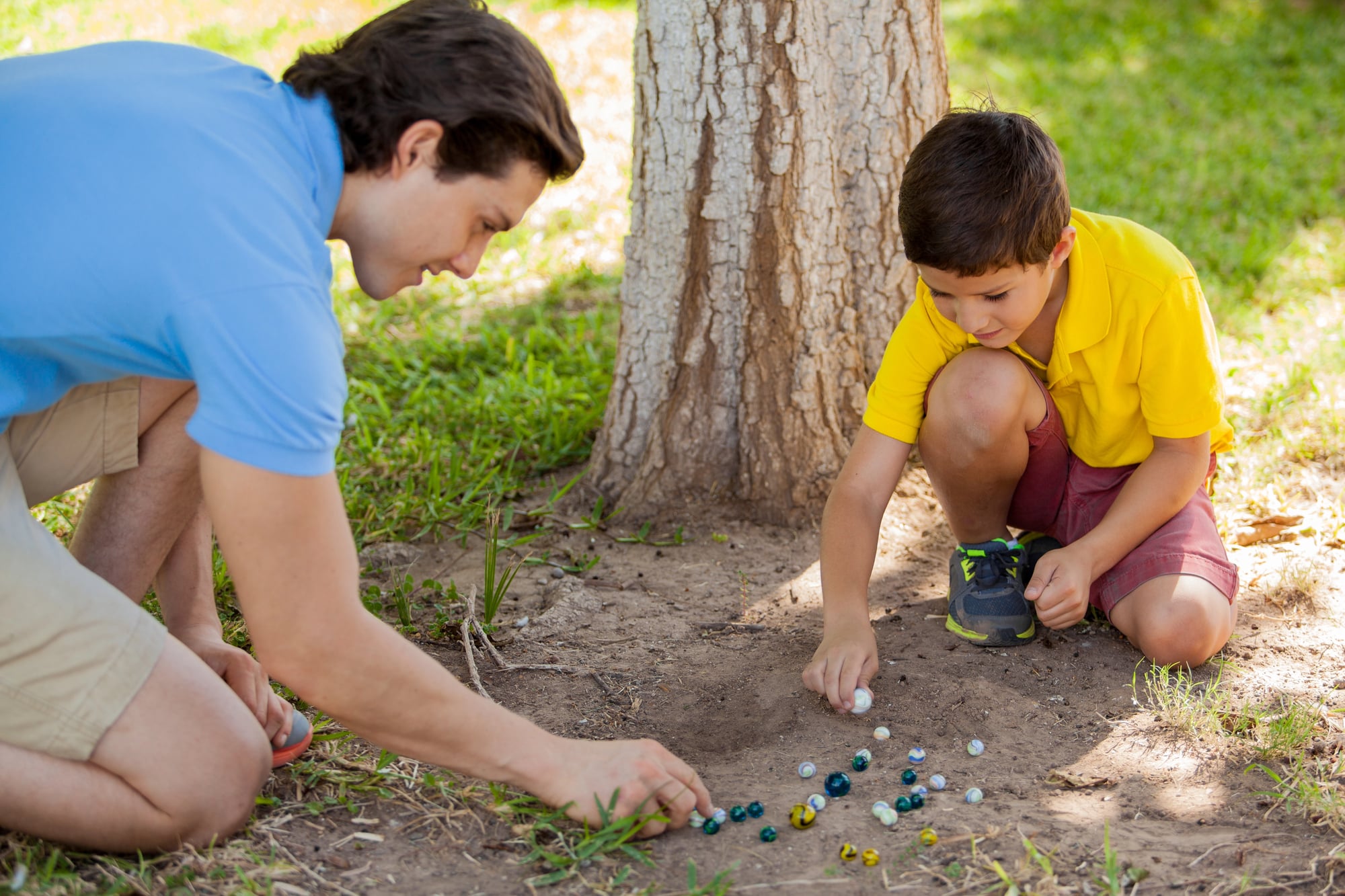
Marbles is a game of genuine skill that somehow got filed under “quaint.” You drew a circle in the dirt, placed your target marbles inside it, and then used your shooter — a slightly larger marble you’d chosen with the seriousness of a golfer selecting a club — to knock the others out of the ring.
Regional rules varied wildly, stakes ranged from nothing to everything in your collection, and a kid who was genuinely good at marbles carried a certain quiet authority on the playground.
Hopscotch

Hopscotch has the quality of a game that seems too simple to be interesting until you’re actually playing it, at which point the combination of balance, coordination, and chalk-drawn terrain starts to feel surprisingly absorbing. It asked almost nothing of you — a rock, a sidewalk square, a free afternoon — and it delivered that rare thing: a game that could be played alone without being lonely.
And yet somewhere between the 1980s and now, the chalk drawings mostly stopped appearing.
Four Square

Four Square was a democracy with a monarchy at its center. The player in the highest-ranked square — square four, the king’s position — got to invent the rules for that round, which meant the game was also, quietly, a lesson in how power works.
Serving the rubber orb with a flat palm, calling out “around the world” or “bus stop” like a decree, watching everyone scramble to comply — it required real reflexes and produced genuine playground hierarchies. The game has nearly vanished from school yards, though the equipment still exists in catalogs that no one seems to order from anymore.
Tug of War
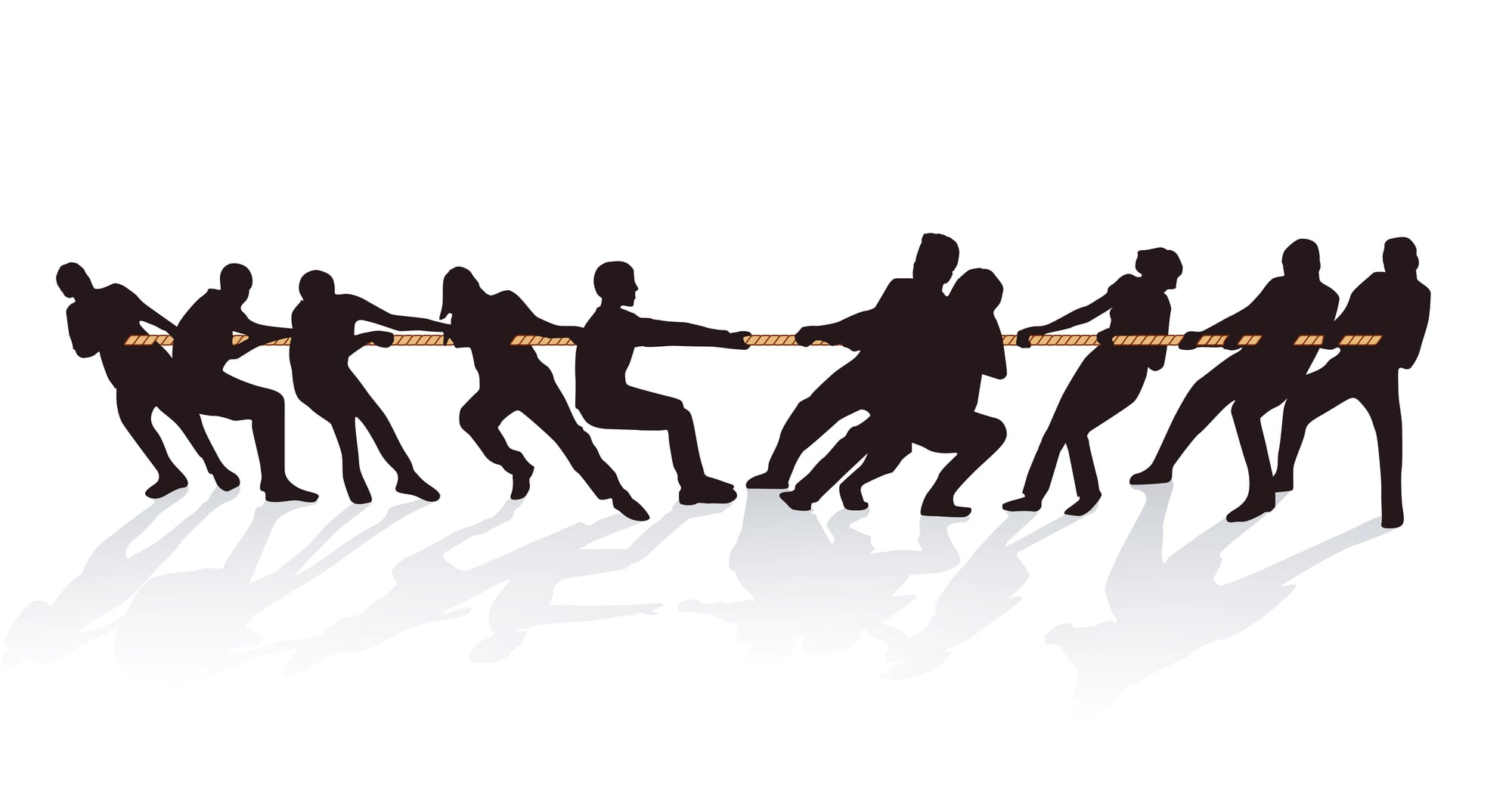
Tug of War is one of the oldest competitive games in recorded human history, which makes its disappearance from playgrounds feel oddly like a civilizational retreat. Two teams, one rope, a line in the dirt, and the understanding that this would hurt your hands and that was fine.
The game ended when someone crossed the line or when the rope slipped, leaving one entire team sitting down hard on the ground in a heap. To be fair, that part was always the funniest thing anyone saw all week.
Jacks
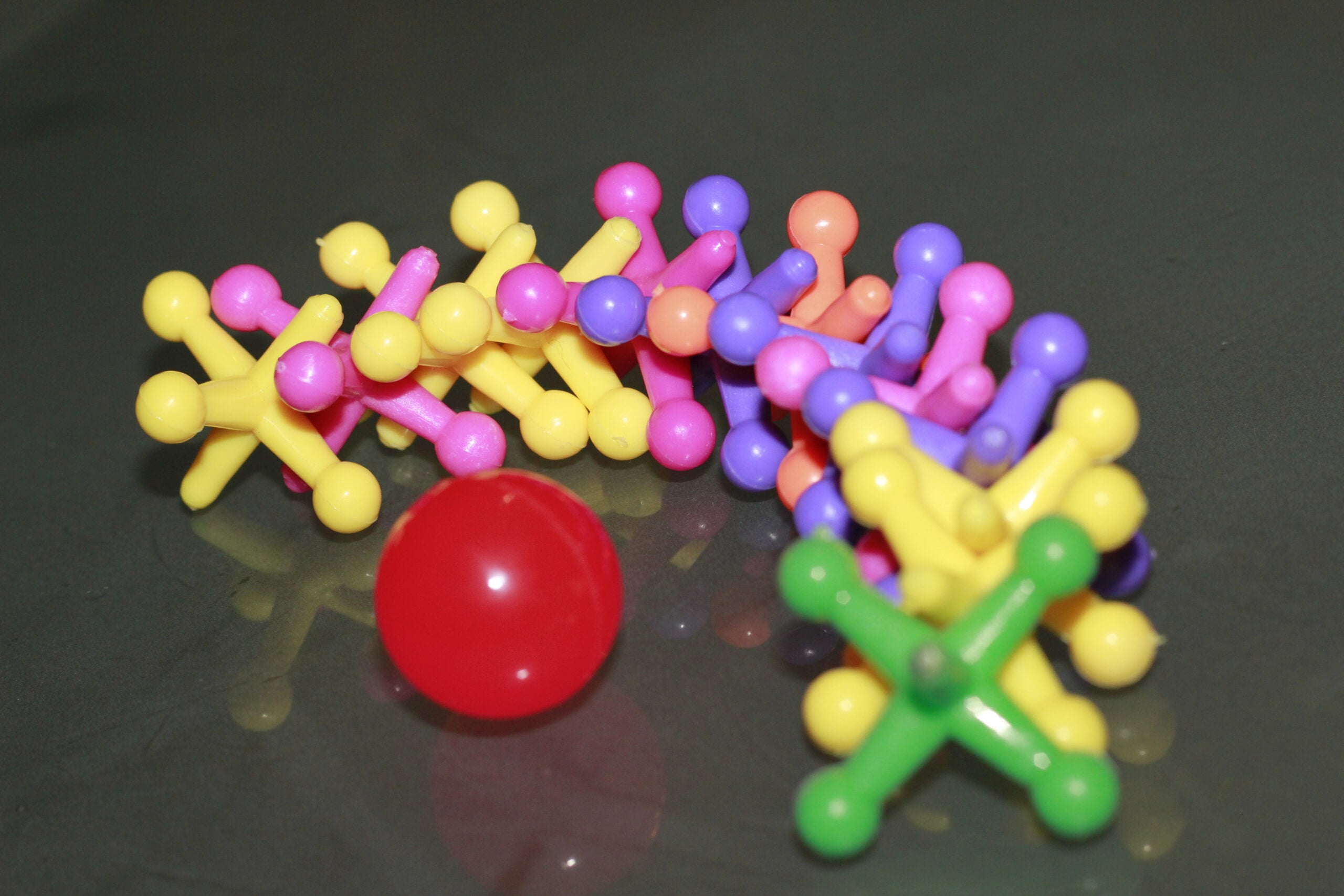
Jacks arrived at the playground in a small cloth bag or a cardboard box, and once it was out, the game took over completely — fingers moving fast across the pavement, scooping up metal pieces between bounces of a small rubber orb with a focus that looked almost meditative. The progression from onesies to tensies had the structure of a video game level system, except the only screen involved was the sky above you.
It was a game that rewarded practice in a way that was immediately visible, which gave kids who were good at it a particular kind of quiet pride.
Freeze Tag
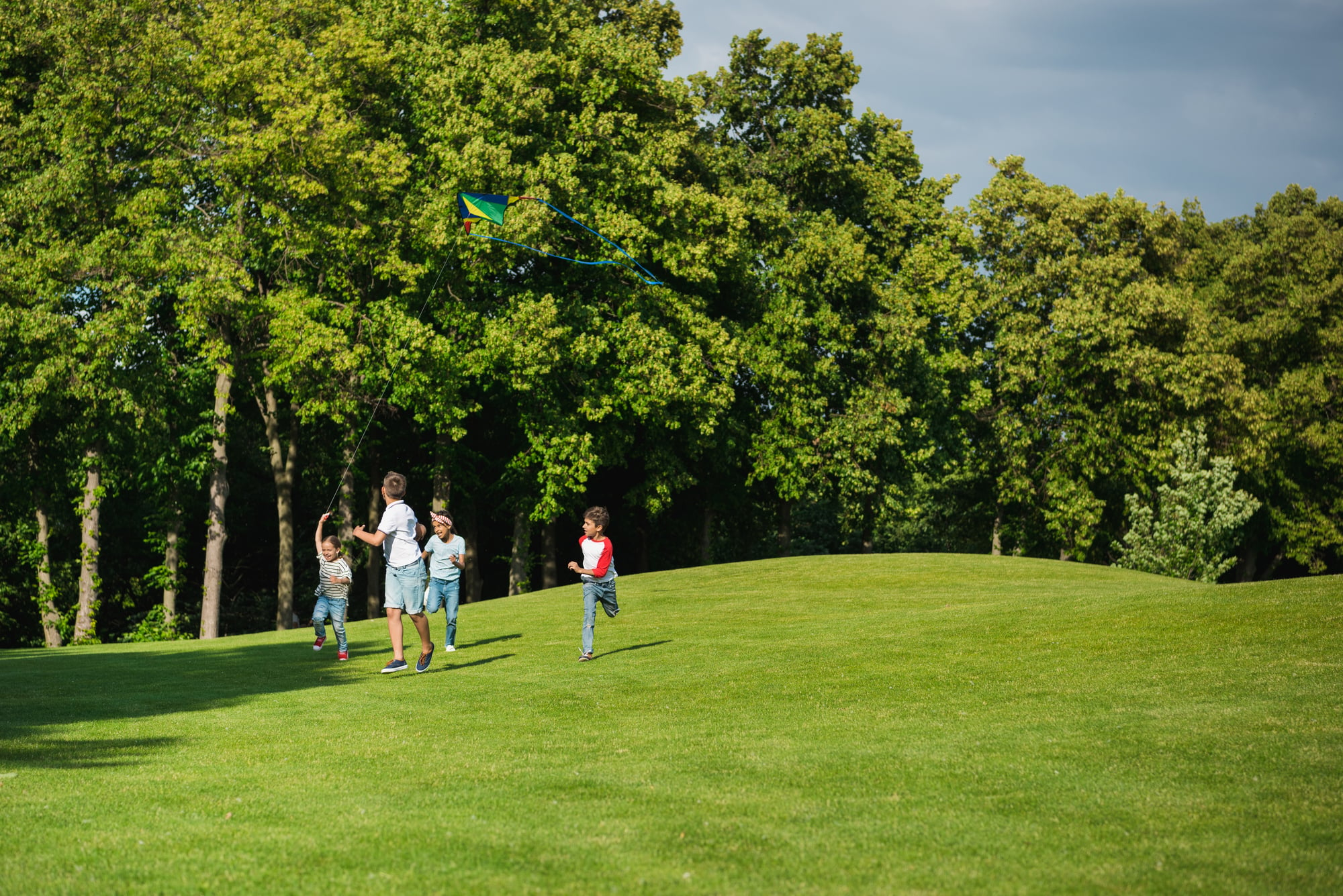
Freeze Tag worked on a principle that felt almost philosophical: you could be stopped mid-motion, locked in whatever position you were in, completely dependent on someone else to free you. The frozen kid had to hold the pose — arms out, one leg raised, mid-laugh — until a free teammate crawled between their legs or touched their shoulder.
It was silly, and it was also, without anyone intending it, a game about how much you need other people to keep moving.
British Bulldog
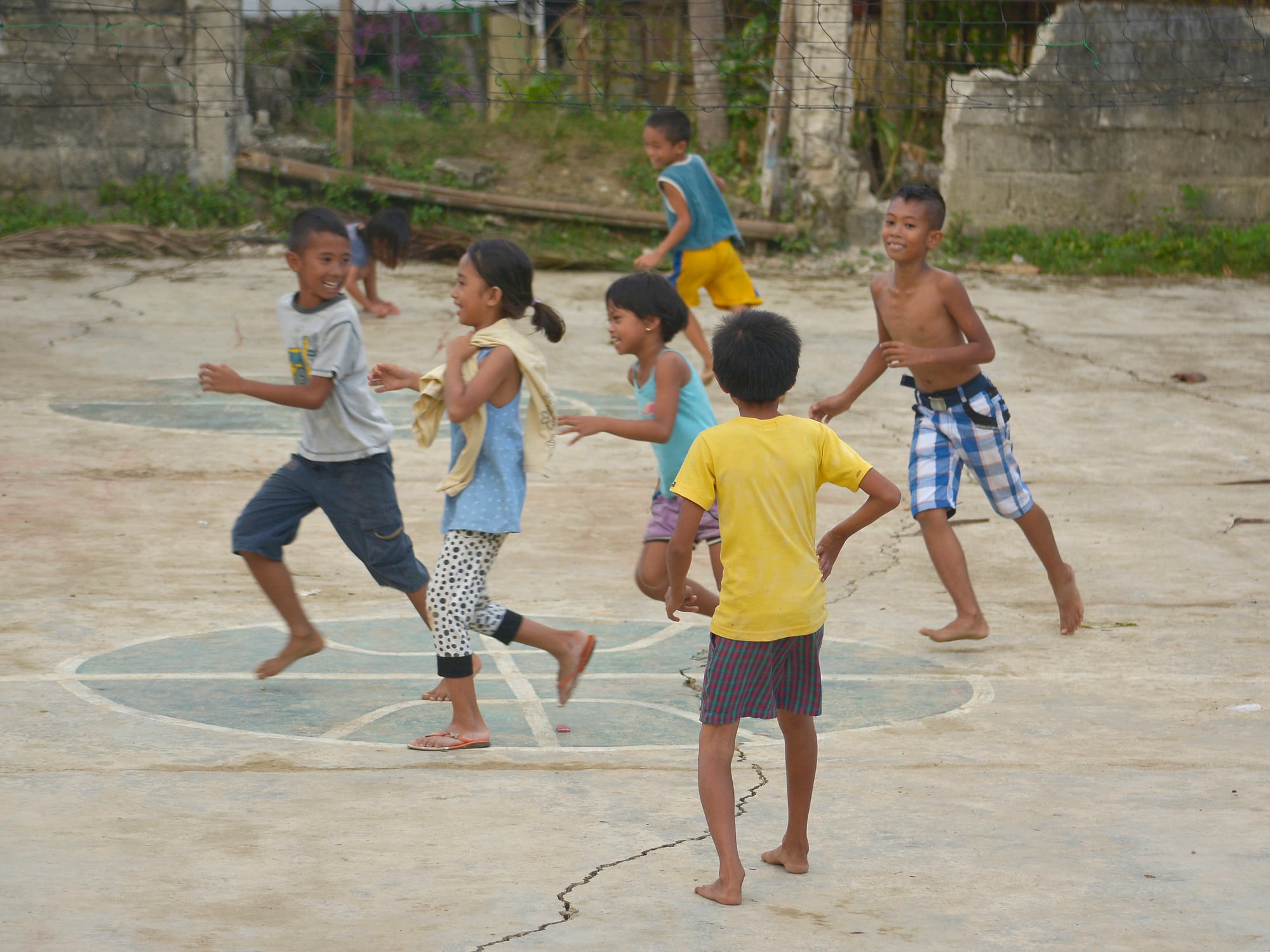
British Bulldogs is the kind of game that parents heard described and immediately understood why it was being banned. One player stands in the middle of the field, everyone else lines up on one side, and the object is to run to the other side without being physically lifted off the ground and held long enough for the catcher to shout “British Bulldogs 1-2-3.”
The lifting requirement — not just tagging, actually lifting — meant the game produced scraped knees, torn jackets, and approximately one sprained wrist per session, which explains its near-total disappearance from organized school settings.
Dodgeball
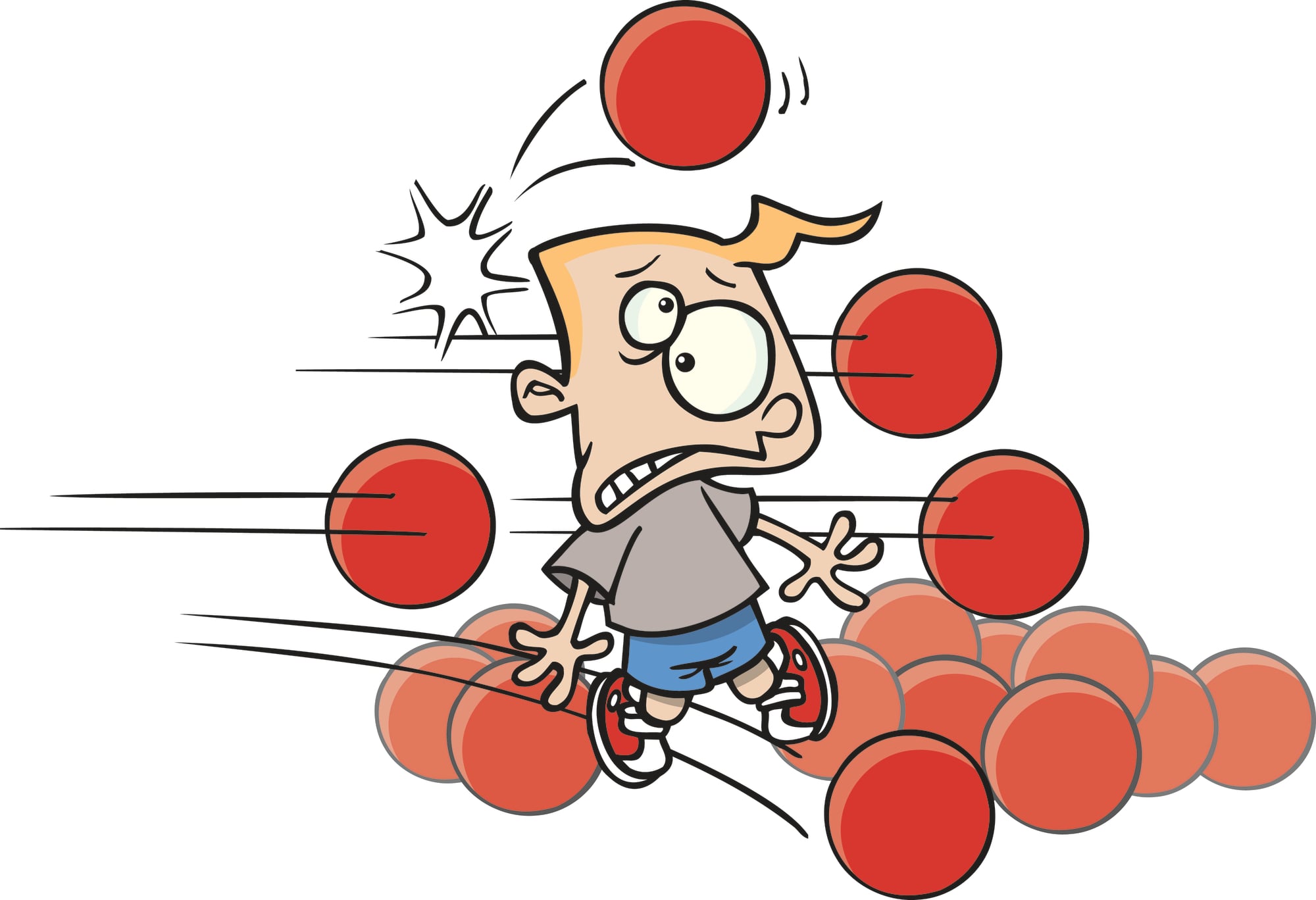
Dodgeball’s reputation has done a full rotation over the decades — beloved, then vilified, then nostalgically defended, then banned outright in many districts. The game is exactly what it sounds like: stand in a gym or a blacktop square, throw rubber orbs at other people, try not to get hit.
What gets lost in the debates about its appropriateness is how genuinely good it felt to make an impossible dodge or nail someone moving fast across the gym floor. The argument about whether it belongs in schools is ongoing. The version most people remember, though, is already gone.
Capture the Flag
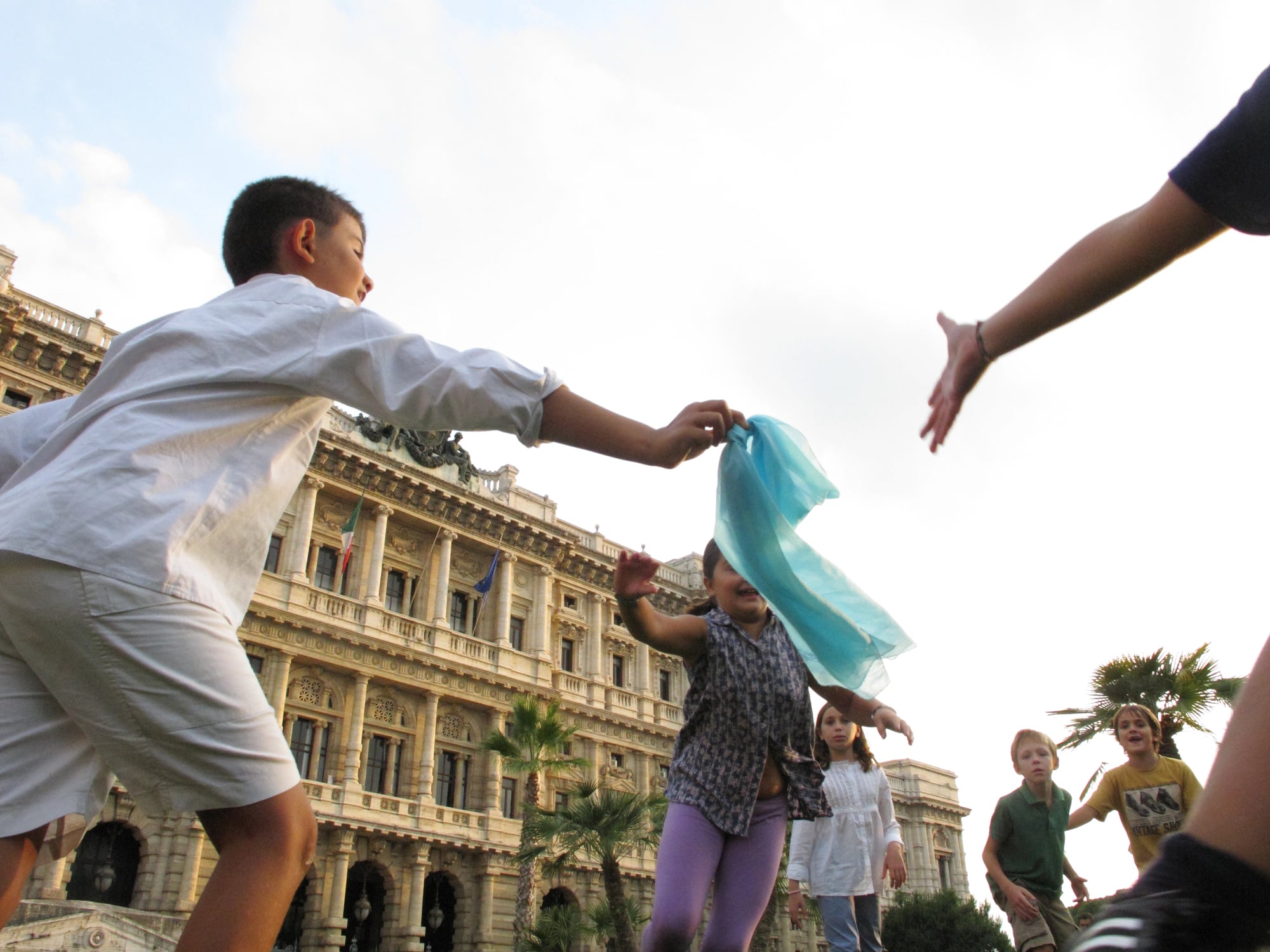
Capture the Flag had everything a child could want from a game — territory, espionage, the visceral thrill of sprinting toward an enemy position with something stolen. Two teams, two flags, a dividing line that functioned as a border crossing with real consequences.
Getting caught on the wrong side meant sitting in jail until a teammate tagged you free, which gave the game a genuine tension that lasted the entire recess period. It needed space, and as playgrounds shrank and supervision tightened, the game quietly stopped fitting.
Stoop
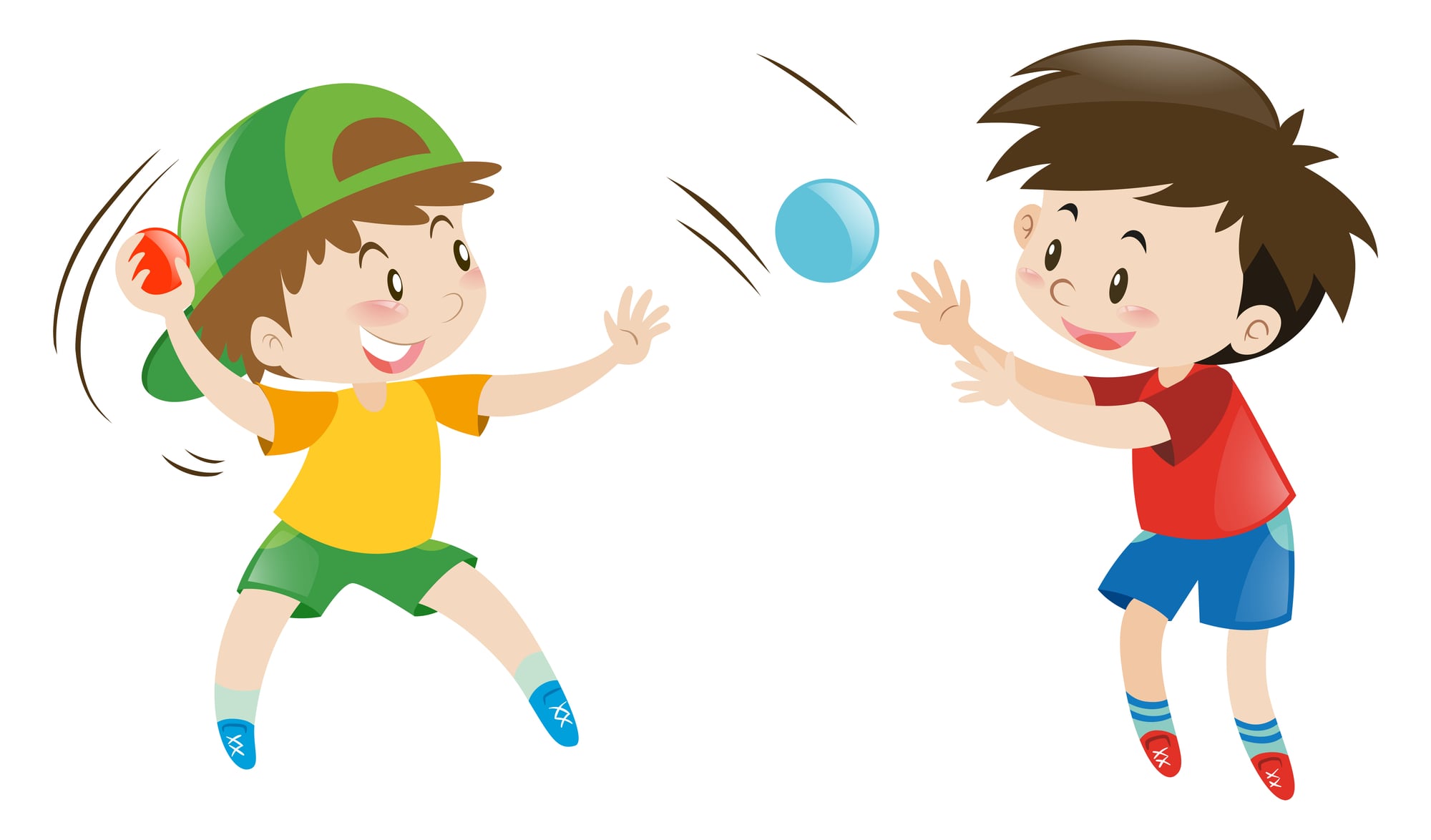
Stoop was born from urban geography — specifically from the discovery that a rubber orb thrown hard against the angled edge of a front stoop would come back at a speed and angle roughly equivalent to a line drive. The game required no bat, no field, no team, just a stoop and a willingness to stand in front of something moving fast.
Points came from cleanly catching the return off the point of the step, and a miss counted as an out. It was a game invented by and for a particular kind of city childhood that has mostly been replaced by buildings with no stoops at all.
King of the Hill
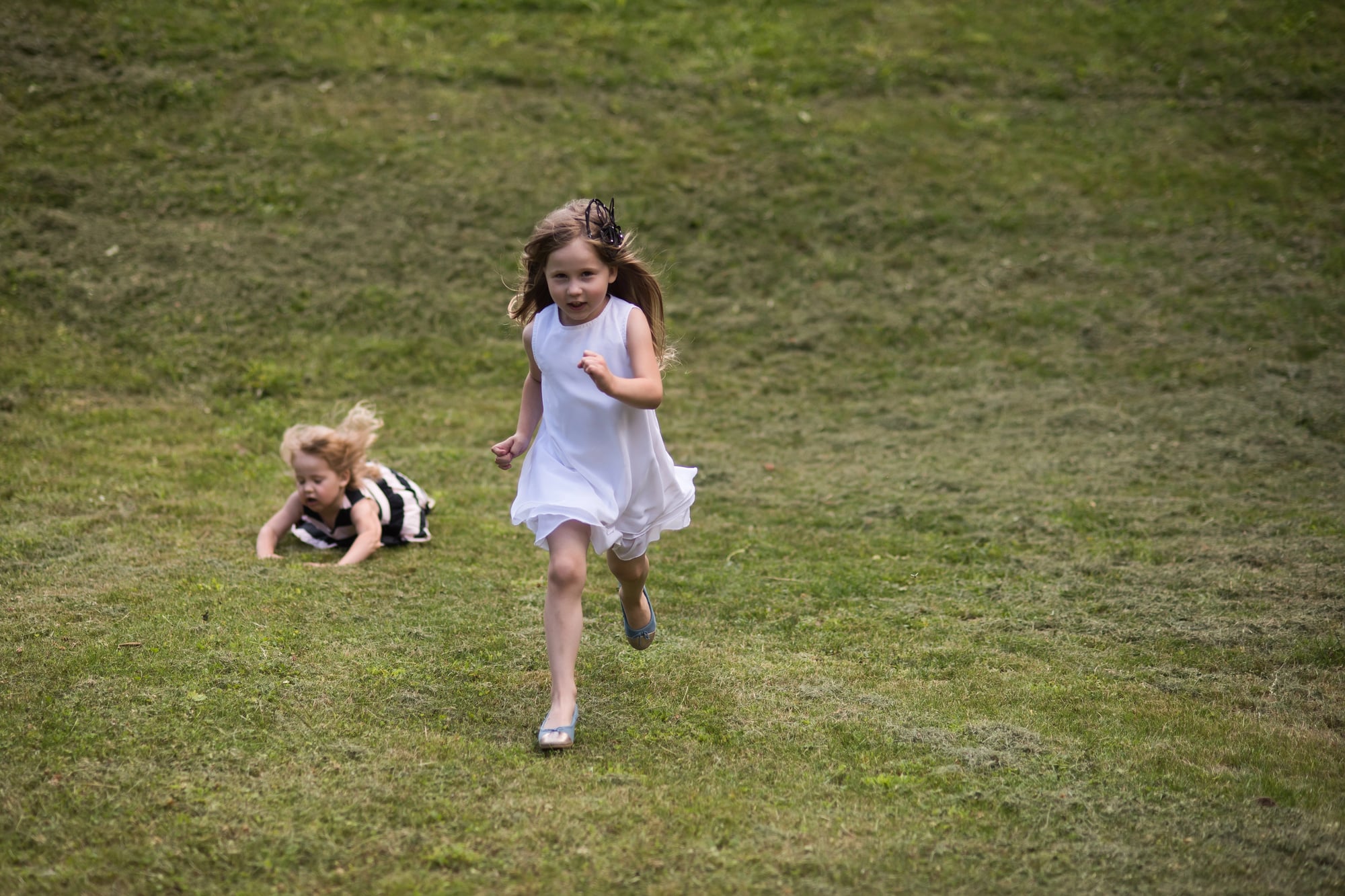
King of the Hill is not subtle. One person stands at the top of a pile of dirt or a snow mound and everyone else tries to push them off.
The winner is whoever is standing on top when someone calls time or everyone gives up. It was considered recreational. The game required no equipment, no rules beyond the obvious, and no adults — which is probably why it thrived for as long as it did and disappeared almost completely once playgrounds started having supervisors who were expected to intervene.
Skelly
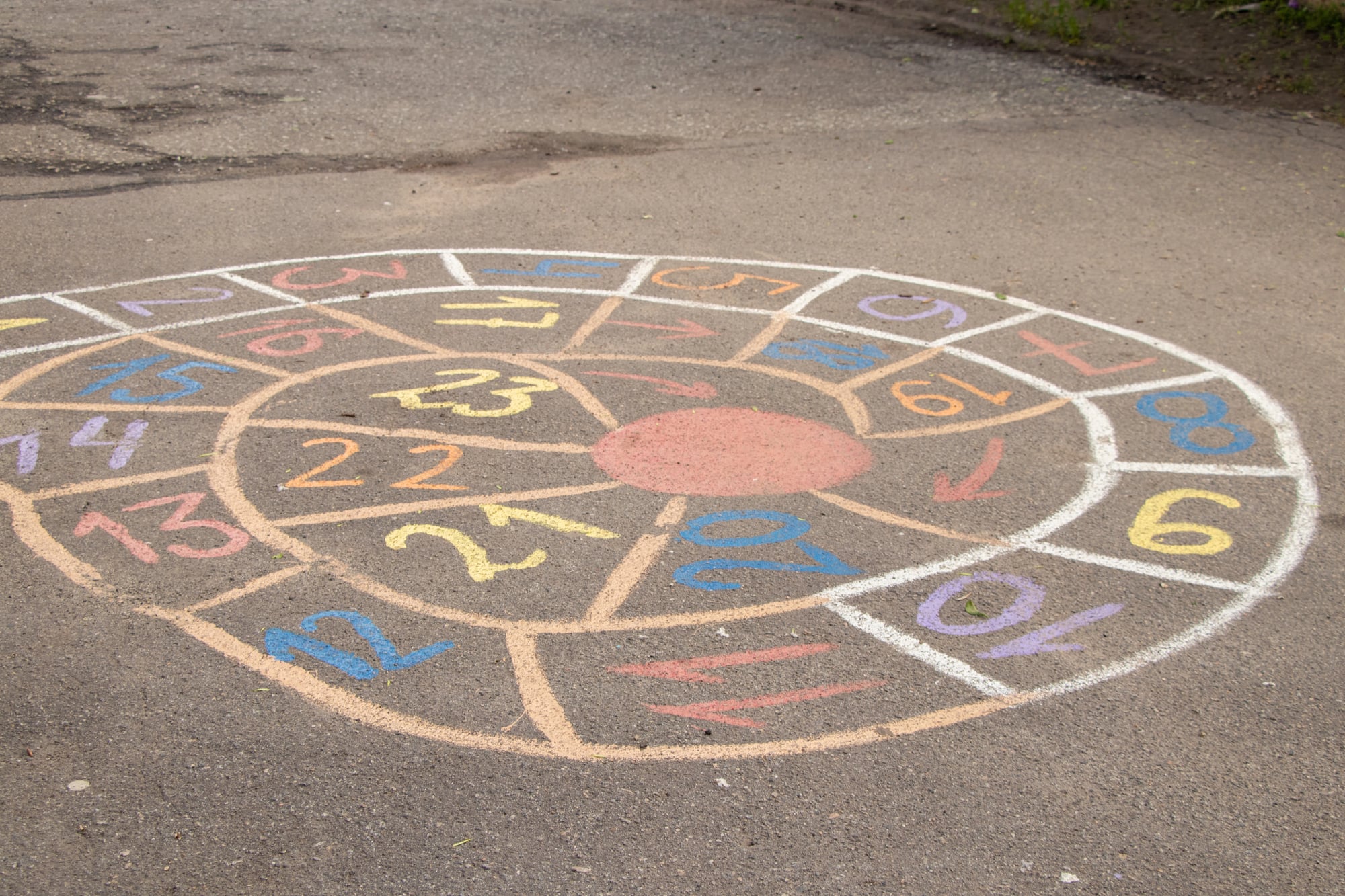
Skelly (or Skully, depending on which block you grew up on) was a street game played on a hand-drawn board — bottle caps filled with wax or clay as playing pieces, a numbered grid chalked onto pavement, and a set of rules complex enough that explaining them to a newcomer took several minutes. The filled cap became your personal piece, weighted for distance and accuracy, and the strategy involved was genuine.
It belonged entirely to a specific era of city childhood when the street was the playground and bottle caps were currency.
Wallball

Wallball is a game of pure instinct — you hit a rubber orb against a wall with your palm, your opponent returns it before it bounces twice, and this continues until someone fails. The right wall made all the difference: a brick school wall with an uneven surface could produce unpredictable bounces that turned a simple game into something genuinely difficult.
It was fast, competitive, required nothing but one orb and a wall, and generated more arguments about whether something counted as a legal bounce than almost any other game.
Ringolevio

Ringolevio was tag’s more intense, more territorial, more chaotic older sibling. It was a city game played across blocks — sometimes literally across multiple city blocks — where the goal was to capture every member of the opposing team and hold them in a designated “jail” while the uncaught members tried to free them.
A captured player had to shout “Ringolevio 1-2-3” while being held to make the capture official, and the game could theoretically last an entire afternoon. The game required a neighborhood to play in the old sense: unsupervised, sprawling, and completely run by kids.
Spud

Spud starts with everyone clustered together, one player holding an orb— each player is assigned a number — and ends with someone either fleeing successfully or getting hit. The player with the orb throws it into the air and calls a number; the person whose number is called has to grab the orb and shout “Spud!” while everyone else scatters, and then they get to take a set number of giant steps toward whoever they choose before throwing.
It sounds complicated written down, and it played out in a beautiful kind of controlled chaos that somehow everyone always understood after one round.
Auntie I Over

Auntie I Over (also called Annie I Over, or Ante Over, depending on the region) required a building — specifically a building small enough to throw an orb over the roof. One team stood on each side, the thrower called “Auntie I Over!” before launching the orb, and if the receiving team caught it, they ran around the building to tag as many of the other team as possible before being spotted.
The game was specific to rural and small-town childhoods, places where the school building was low enough and the supervision loose enough to make throwing things over the roof seem like a reasonable idea.
Giants, Wizards, and Elves

Giants, Wizards, and Elves was a full-body version of rock-paper-scissors — two teams retreat to opposite ends of a field, huddle to choose which character they’ll all play, then march toward each other and reveal simultaneously. Giants beat Elves (they stomp them), Wizards beat Giants (they cast a spell), Elves beat Wizards (they swarm them), and the losing team runs for safety while the winners give chase.
The game was loud and physical and required genuine group coordination, which made it more chaotic and more fun than its simple structure suggested.
Steal the Bacon

The bacon in question was usually a beanbag or a piece of cloth dropped in the center of a field, and the game was remarkably tense for something involving neither bacon nor actual theft. Two teams line up facing each other, each player assigned a number, and when the caller shouts a number both corresponding players sprint for the object — the one who grabs it has to get back to their line without being tagged, turning every round into a one-on-one sprint with high stakes and an audience.
It had the quality of a duel with a soft landing.
Blind Man’s Bluff

Blind Man’s Bluff handed one blindfolded player a rope and told them to find everyone else in a circle by sound alone, while the other players tried to stay out of reach — tugging the rope, calling out, moving just quickly enough to avoid contact. It is, viewed from a certain angle, mildly terrifying: one person deprived of sight, surrounded by others who are deliberately trying to confuse them while still remaining connected by a single rope.
And yet it was considered a perfectly cheerful afternoon activity for centuries before anyone questioned it.
Red Light, Green Light

Red Light, Green Light holds a strange quality — it’s a game about stillness, not movement, which puts it in a category all its own. One player stands at the far end of a field calling out colors while everyone else creeps forward and freezes on “Red Light,” and the caller spins around trying to catch someone still moving.
The pressure of holding completely still while someone stares directly at you turns out to be harder than it sounds, and the game produced a specific kind of anxious laughter that is difficult to replicate with any amount of expensive equipment.
Simon Says
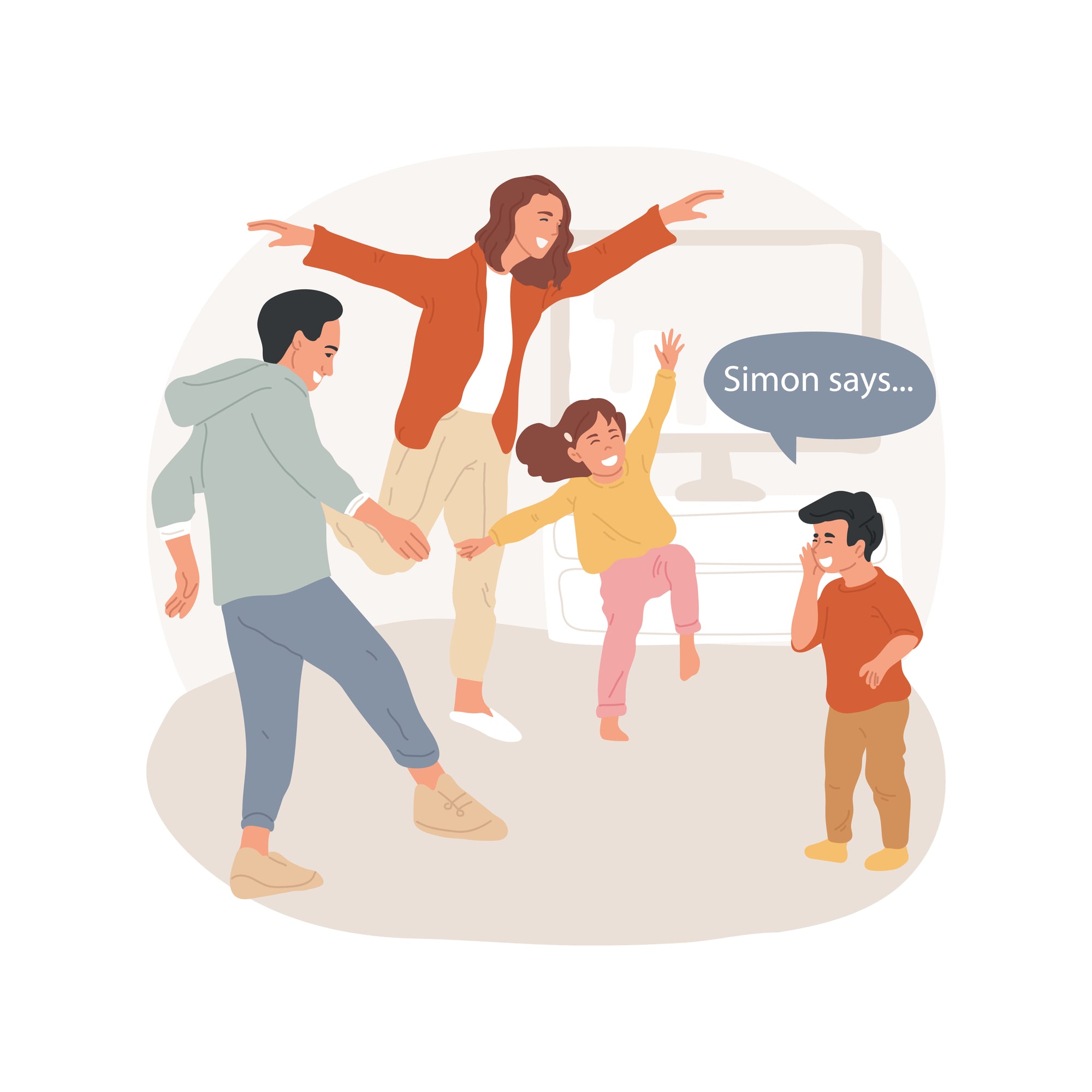
Simon Says is the rare game that gets more interesting, not less, the more you understand it. The structure is simple — only follow commands prefaced with “Simon says” — but a fast-talking Simon could create a rhythm that bypassed conscious thought entirely, getting players to follow commands on reflex before their brains caught the missing prefix.
It was, incidentally, a better lesson in the mechanics of persuasion and attention than most things taught in classrooms, which nobody mentioned at the time because it looked too much like fun.
Kick the Can
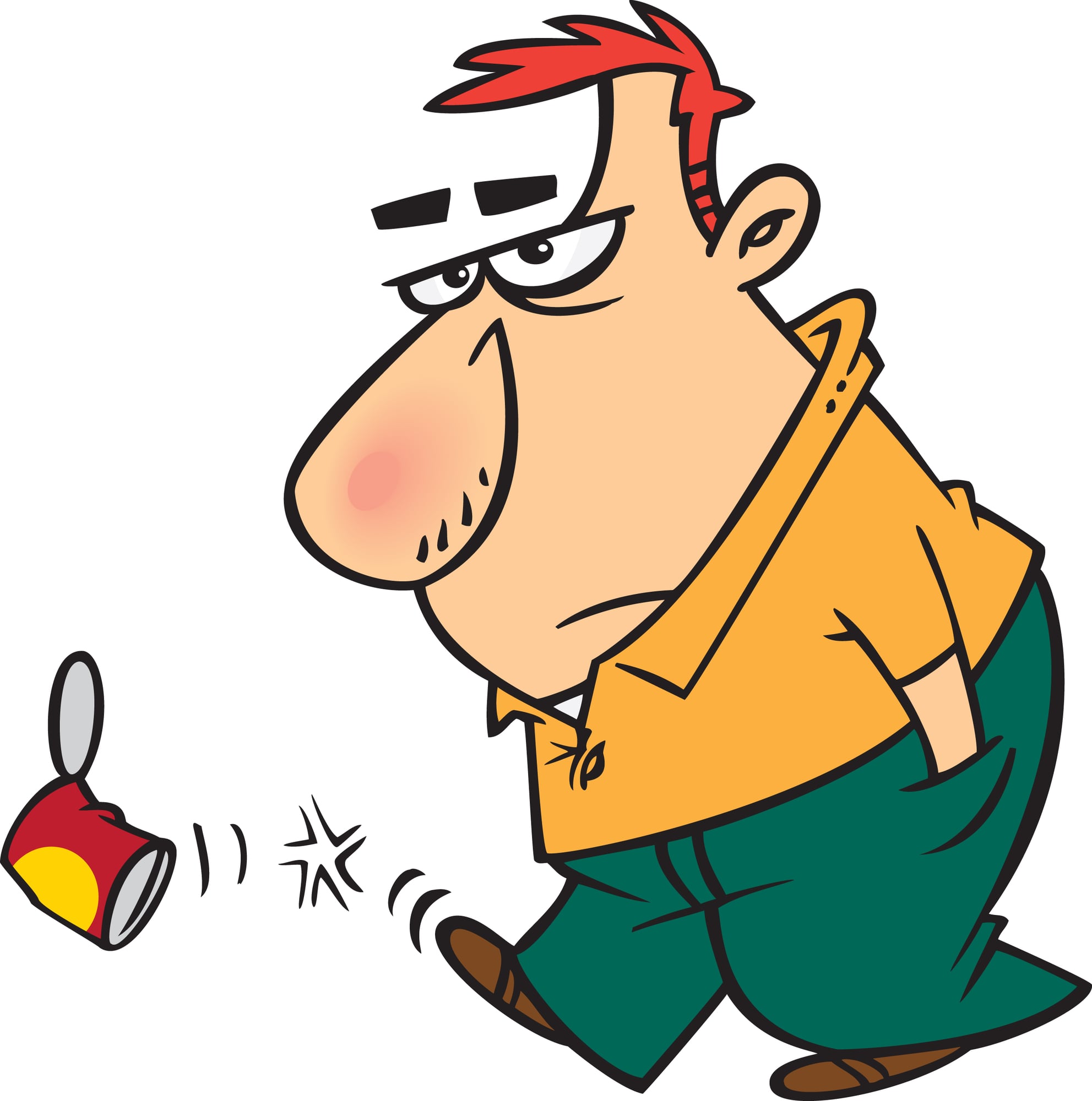
Kick the Can was hide-and-seek with a prison-break element added in — one player guards a can in the center of a field while everyone else hides, and any hidden player who sprints in and kicks the can before being tagged sets all the captured players free. The game could last until dark without anyone getting bored.
It needed a big yard, a can, and enough kids to make the odds interesting — a combination that turned out to be surprisingly rare to assemble as suburbs reorganized themselves around scheduled activities and fenced yards.
Sardines
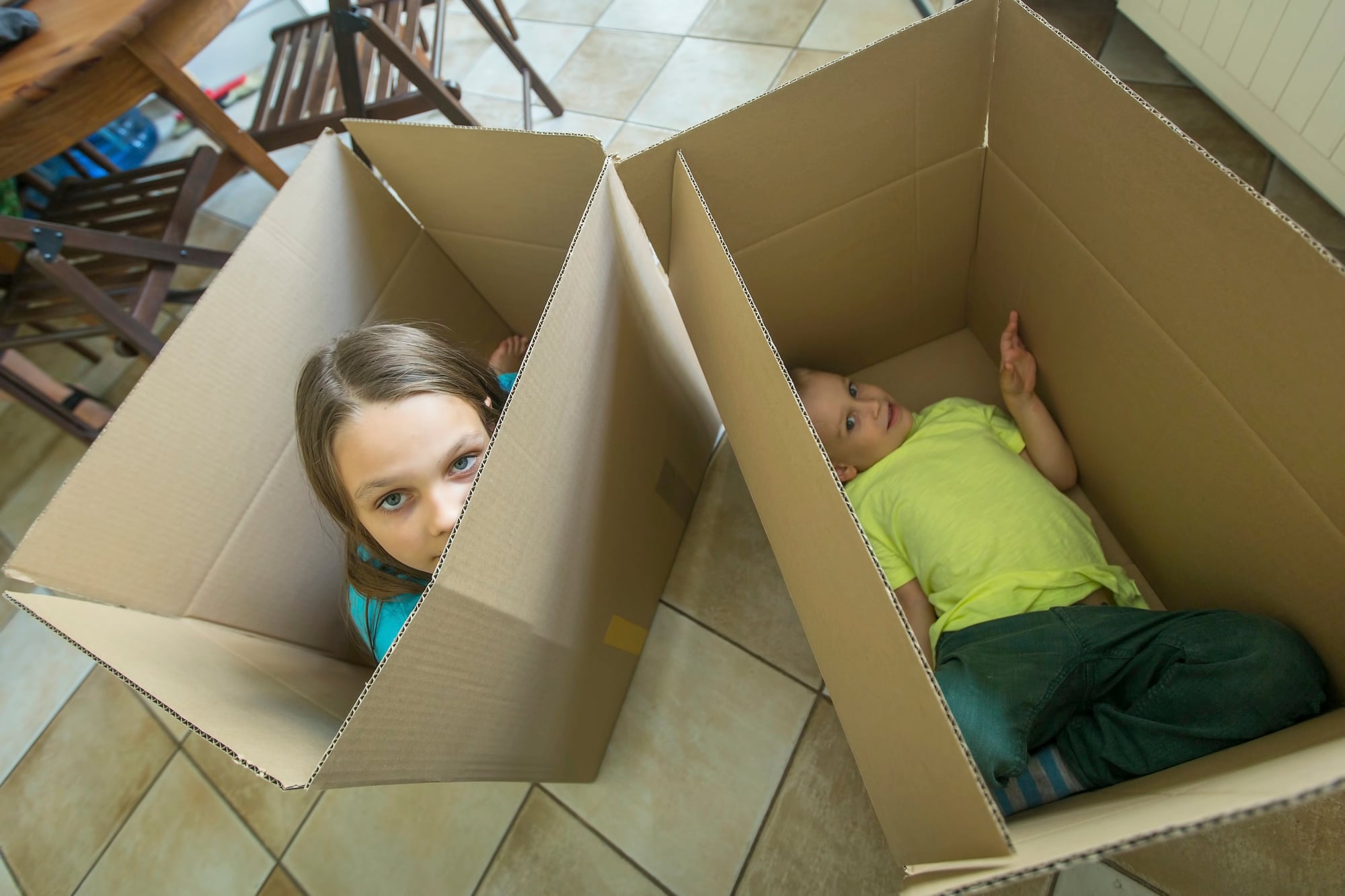
Sardines is hide-and-seek running in reverse — one person hides, and as each seeker finds them, they squeeze into the hiding spot alongside them until one cramped, barely-breathing group of children is discovered by the last person still searching. The hiding spots got increasingly impractical as more bodies joined in: inside a coat closet, under a porch, wedged between a car and a fence.
By the end, the hiding was a fiction and what remained was twelve kids crammed into a space meant for two, trying not to make noise, which turned out to be its own kind of excellent.
Mother, May I

Mother, May I placed one child in a position of total authority — the “Mother” standing at the far end of a field, dispensing permission for movement in increments that were entirely arbitrary. “Take three giant steps.”
“Take one baby step.” “Take two hops forward.”
Every instruction required the phrase “Mother, may I?” before execution, and anyone who forgot was sent back to the start. It was a game about deference and memory disguised as a race, and a child who was good at it was someone who had learned, early, exactly how much it costs to forget to ask.
Where the Blacktop Belongs
Some things don’t translate forward. Not everything is supposed to. These games belonged to a specific ecology of childhood — loose time, mixed ages, minimal equipment, and the freedom to get it wrong without consequence — and that ecology is largely gone, replaced by something more scheduled, more observed, and considerably less scraped-up.
The games themselves weren’t precious. The conditions that produced them were.
What’s worth holding onto isn’t the rules to Skelly or the specific geography of Ringolevio, but the underlying premise: that kids given time and space will invent their own world, complete with laws and stakes and beauty, and it will matter to them more than almost anything the adults planned.
More from Go2Tutors!

- The Romanov Crown Jewels and Their Tragic Fate
- 13 Historical Mysteries That Science Still Can’t Solve
- Famous Hoaxes That Fooled the World for Years
- 15 Child Stars with Tragic Adult Lives
- 16 Famous Jewelry Pieces in History
Like Go2Tutors’s content? Follow us on MSN.



