15 Photos Showing What Life Was Like in Soviet Russia
There’s something strange about looking at old photographs from the Soviet Union. The people in them look ordinary — tired, sometimes smiling, going about their days — but the world they’re moving through was unlike anything most people today can fully imagine.
These images, whether pulled from state archives or private albums, offer a window into a way of life that was shaped at every turn by ideology, scarcity, community, and survival. Here are 15 photographs that capture what daily life actually looked like behind the Iron Curtain.
The Queue Outside The Bakery
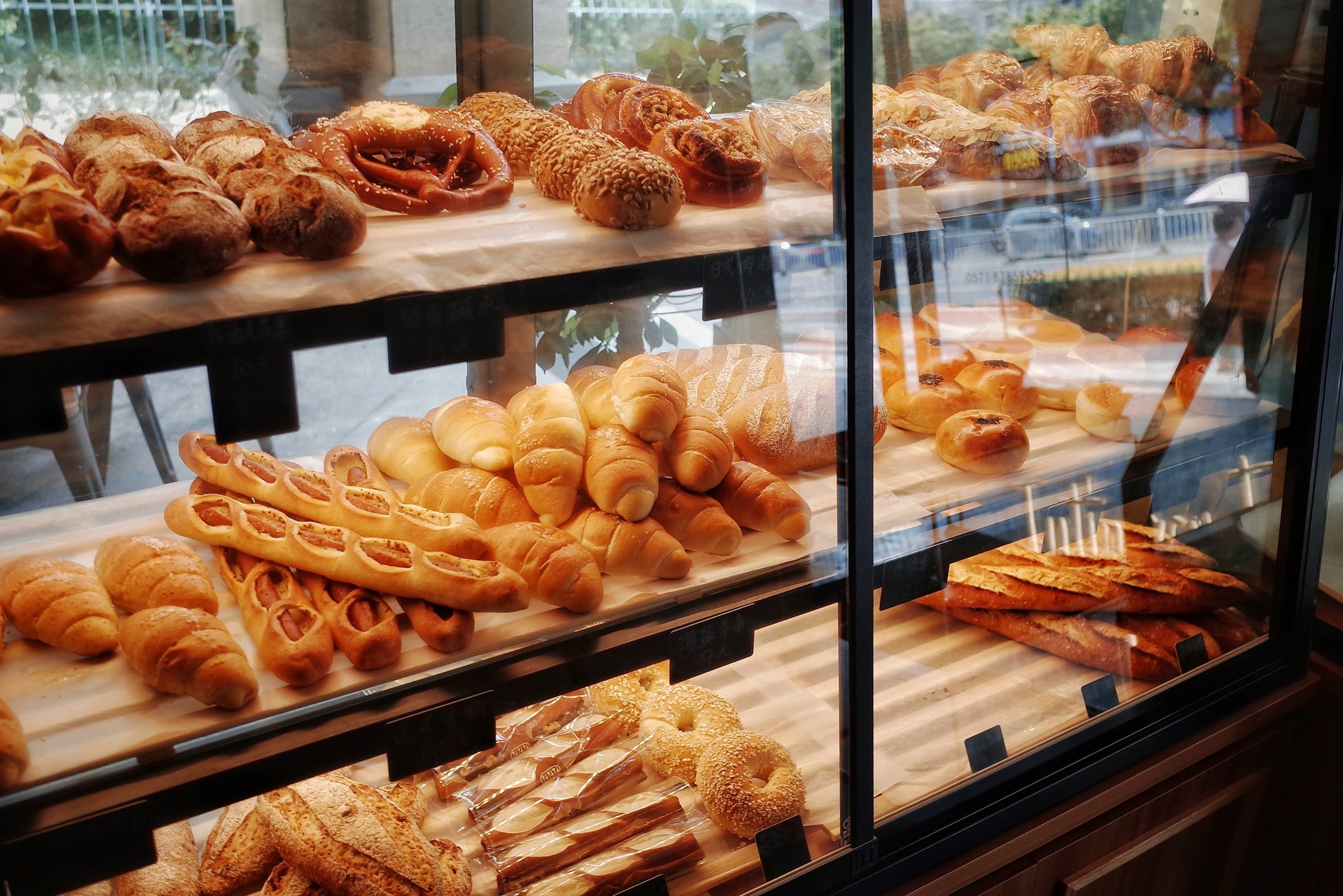
Long lines were so common in Soviet life that people joined them before even knowing what was being sold. The logic was simple: if a queue had formed, something worth having was at the end of it.
This photo captures a typical morning outside a state bakery — dozens of people bundled in thick coats, shifting their weight, talking quietly among themselves. Bread was available, but not always, and not always in the kind you wanted.
A Classroom In The 1950s

Every Soviet classroom looked more or less the same. Rows of wooden desks, a chalkboard at the front, and above it — always — a portrait of Lenin staring down at the children.
This photograph shows a group of students, probably around ten years old, sitting perfectly upright as their teacher writes on the board. The children are dressed neatly.
Inside A Kommunalka
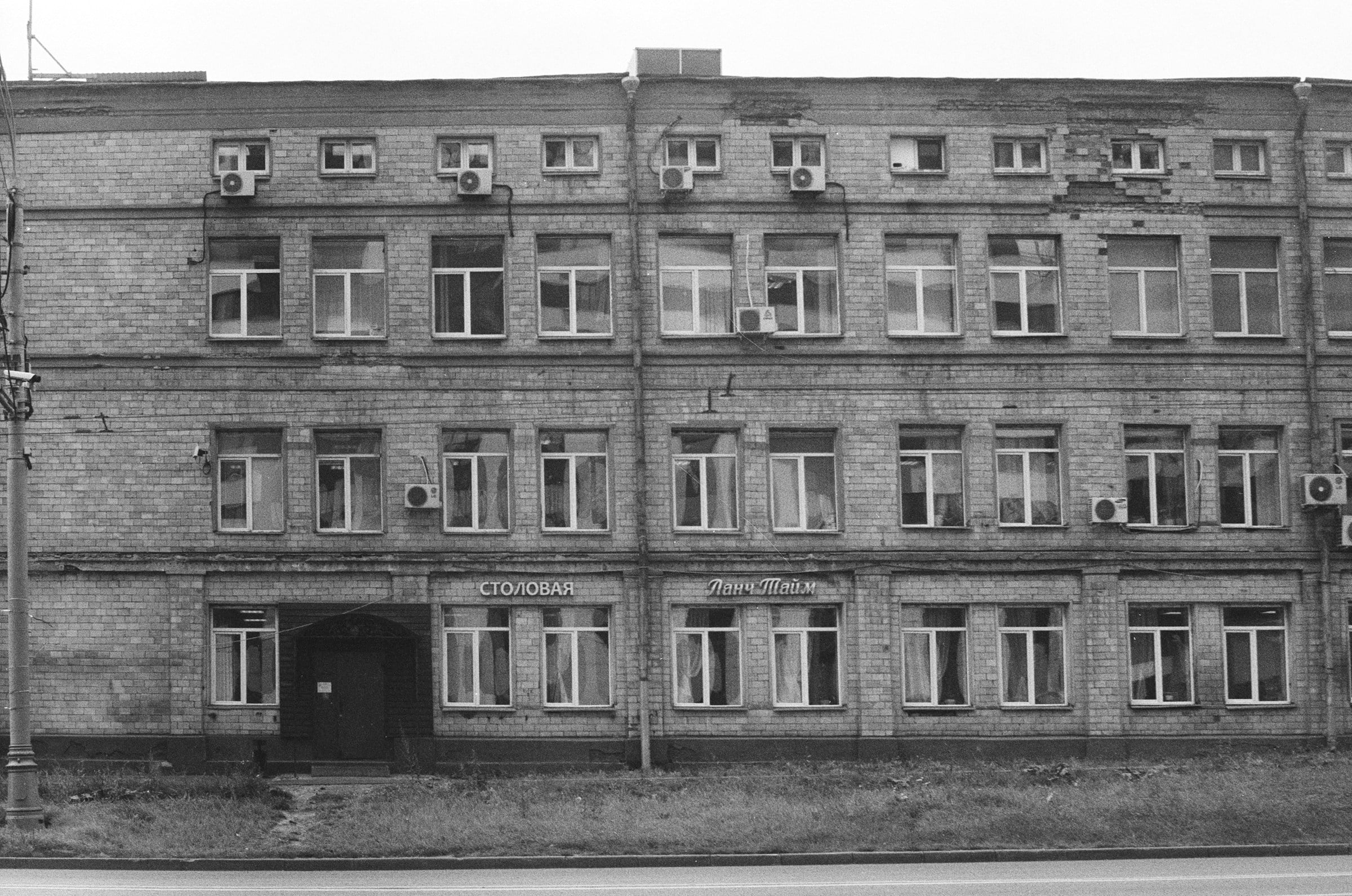
The kommunalka — or communal apartment — was one of the defining features of Soviet urban life. Families who had no hope of getting their own flat shared a large apartment with several other families.
Each family had one room. The kitchen, bathroom, and hallway were shared by everyone.
Workers At A Soviet Factory

Soviet propaganda celebrated the worker above all else. And photographs from factory floors showed exactly that — men and women in overalls operating heavy machinery, faces focused, surrounded by steel and noise and smoke.
This image from a Leningrad manufacturing plant captures a shift change: workers streaming out through wide double doors, tired but not broken, many of them pausing to light up before heading to the tram stop.
May Day In Red Square

Few photographs from Soviet Russia are as visually striking as those taken during state celebrations. This one shows Red Square on May 1st — International Workers’ Day — with a sea of red flags, banners bearing the faces of Marx and Lenin, and an endless procession of people moving past the reviewing stand.
Soldiers, factory workers, athletes, children — everyone had a place in the parade. Attendance was technically voluntary.
Watching State Television

By the 1970s, television had become central to Soviet home life. This photograph shows a family gathered around a small black-and-white set in their apartment, the kind of scene that would look familiar anywhere — except for what was on the screen.
Soviet television broadcast news, cultural programming, films, and educational content, all of it carefully managed. There were no advertisements.
Life On A Collective Farm
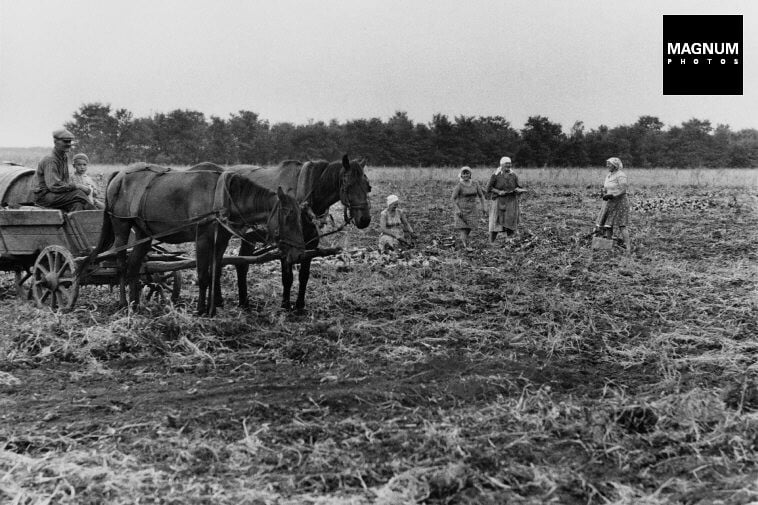
Outside the cities, life moved differently. This photograph, taken somewhere in Ukraine in the early 1960s, shows women working a collective farm — a kolkhoz — harvesting wheat by hand in a flat, open field that stretches to the horizon.
They’re wearing headscarves and long skirts, faces brown from the sun. Collectivization had been one of the most violent ruptures in Soviet history, but by the time this photo was taken, it was simply the reality of rural life.
The Moscow Metro
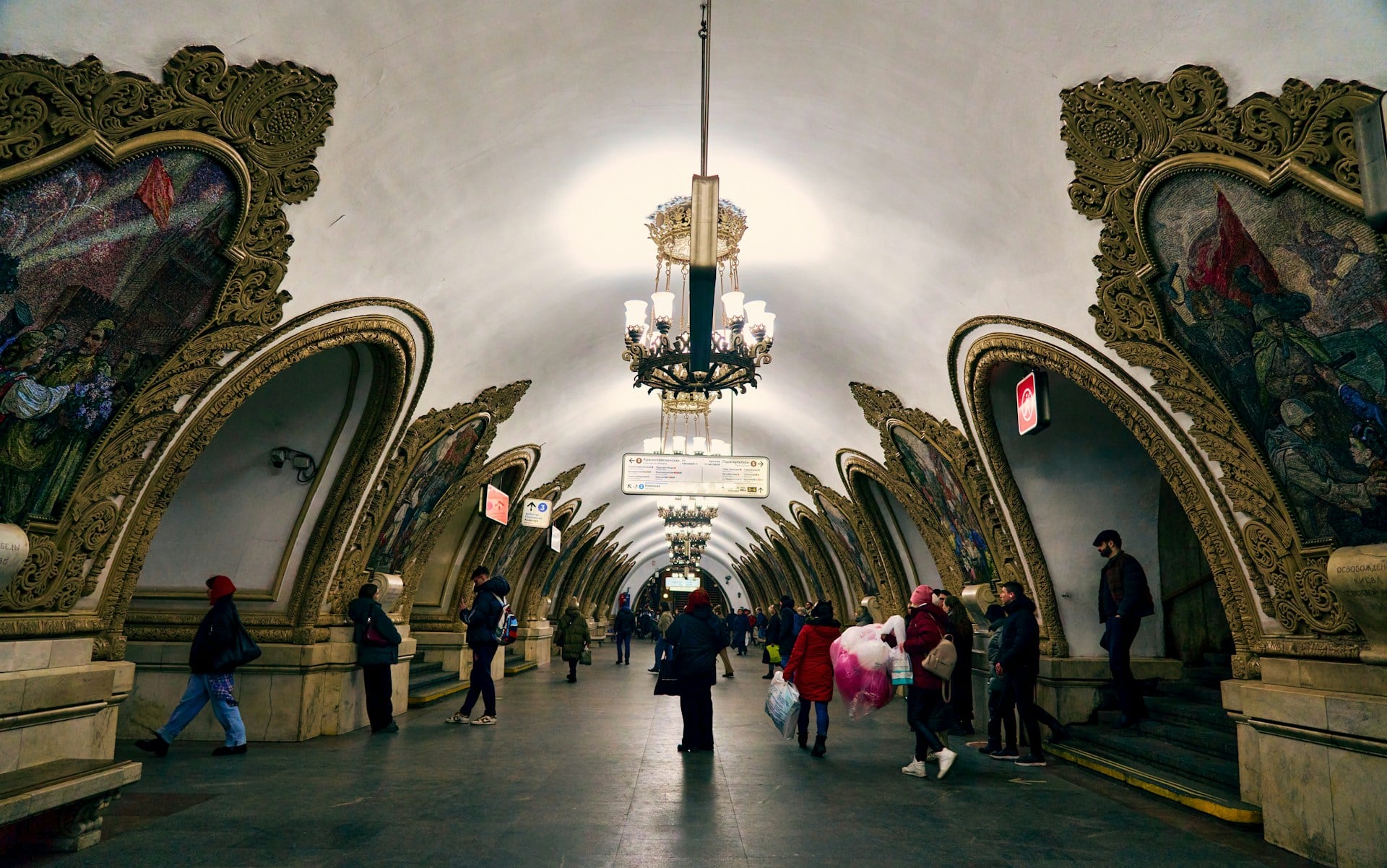
If Soviet Russia had one undeniable achievement to show the world, it was the Moscow Metro. The stations weren’t just functional — they were built to look like palaces.
Marble floors, gilded chandeliers, enormous mosaics depicting workers, soldiers, and collective farm scenes. This photograph captures a platform somewhere on the Circle Line, almost absurdly grand.
A Pioneer Camp Summer

Soviet children spent their summers at Pioneer camps — state-run outdoor programs that mixed outdoor activities with political education. This photograph shows a group of children in their Pioneer uniforms — white shirts, red neckerchiefs — standing in formation at a morning ceremony, arms raised in the Pioneer salute.
The camps were genuinely popular. There were swimming pits and forests and friendships that lasted for life.
Sparse Shelves At The Gastronom

State grocery stores — gastronomy — were a reliable source of frustration. This photograph shows a long counter with a few products arranged in careful rows: canned goods, some jars of preserves, a small pile of root vegetables.
The shelves behind the counter are mostly empty. A single store clerk stands with her arms behind her back, waiting.
A Soviet Wedding

Wedding photographs from Soviet Russia have a particular look. Formal, a little stiff, but not unhappy.
This one shows a couple emerging from a registry office — a ZAGS — in their best clothes. The groom is in a dark suit.
Street Fashion In The 1970s
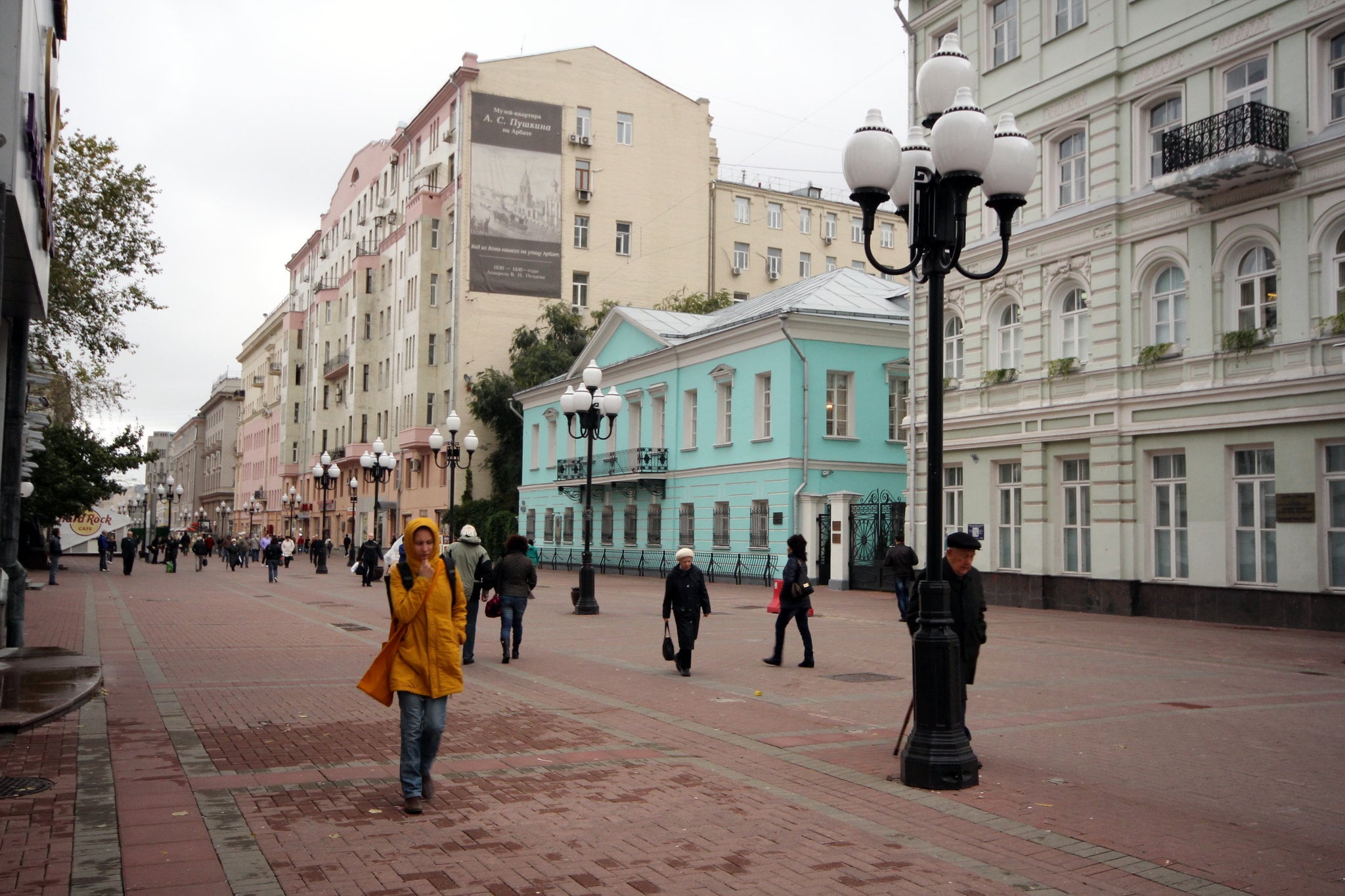
Soviet fashion gets dismissed easily, but this photograph from a Moscow street in 1974 complicates that story. Two young women are walking arm in arm, wearing fitted coats and tall boots, hair done carefully despite the cold.
They look put-together. They look like they care.
Chess In The Park

Beneath a lazy sun, city parks often held clusters of elderly men deep in chess matches. Here, within Moscow’s Gorky Park, a snapshot captures four players leaning close to two boards, focused.
Onlookers stand still nearby, quiet witnesses to each move. Next to one player rests a metal thermos – steam long gone, cup untouched.
The Dacha On A Weekend
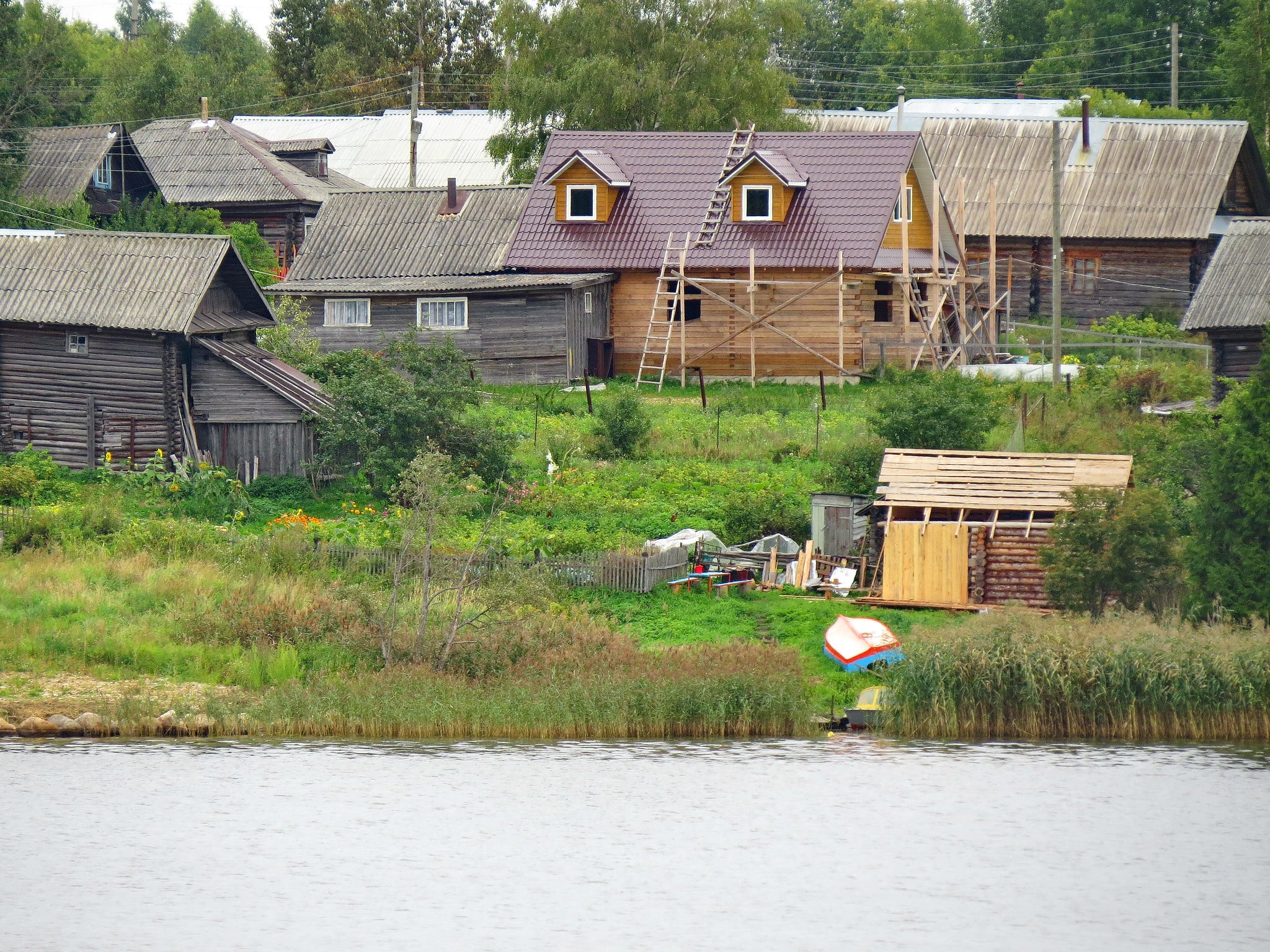
Away from each Soviet city, tiny wooden houses appeared across the fields – these were dachas, weekend spots for city dwellers. In this image, relatives sit together outside near their summer home, sharing food like fresh tomatoes, cucumbers, and loaves of bread.
At the middle of the setup stands a samovar, steaming quietly. Their faces carry a calmness rarely seen in pictures shot within city limits.
Subbotnik Mandatory Saturday Labor
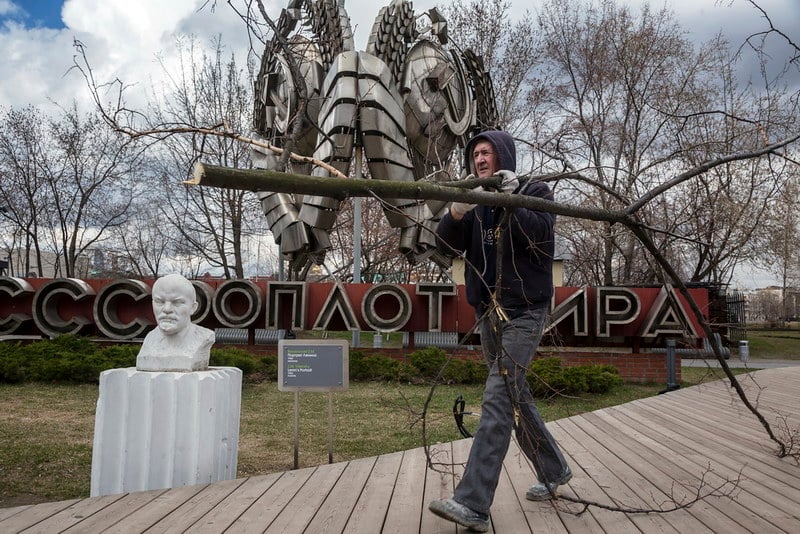
Come springtime, one Saturday each year felt different though it looked like any weekend. Not quite a break, more an unspoken duty.
People turned out anyway, drawn by habit or expectation. That was subbotnik: hours spent clearing parks, digging soil, fixing benches – tasks assigned without question.
What The Camera Missed

Not every truth makes it into the frame. Surviving pictures from Soviet times give us queues, marches, clinking glasses, quiet moments on green benches – glimpses of routine days.
Yet missing are the thoughts held back, whispered only if safe; how folks got good at spotting lies in slogans versus real life; the weight of acting loyal when tired was just part of the rhythm.
More from Go2Tutors!

- The Romanov Crown Jewels and Their Tragic Fate
- 13 Historical Mysteries That Science Still Can’t Solve
- Famous Hoaxes That Fooled the World for Years
- 15 Child Stars with Tragic Adult Lives
- 16 Famous Jewelry Pieces in History
Like Go2Tutors’s content? Follow us on MSN.