26 Radio Formats That Vanished From the Dial
Turning a car radio dial once meant scanning past a genuinely wide spread of programming styles, many of them built around a specific niche audience or a single regional quirk that would never survive a modern ratings meeting. Consolidation, streaming, and shifting listener habits have quietly erased most of them.
Some of these formats disappeared because the audience aged out and was never replaced. Others were simply bought out by larger companies and reformatted overnight, often without warning to longtime listeners.
Full-Service AM Radio
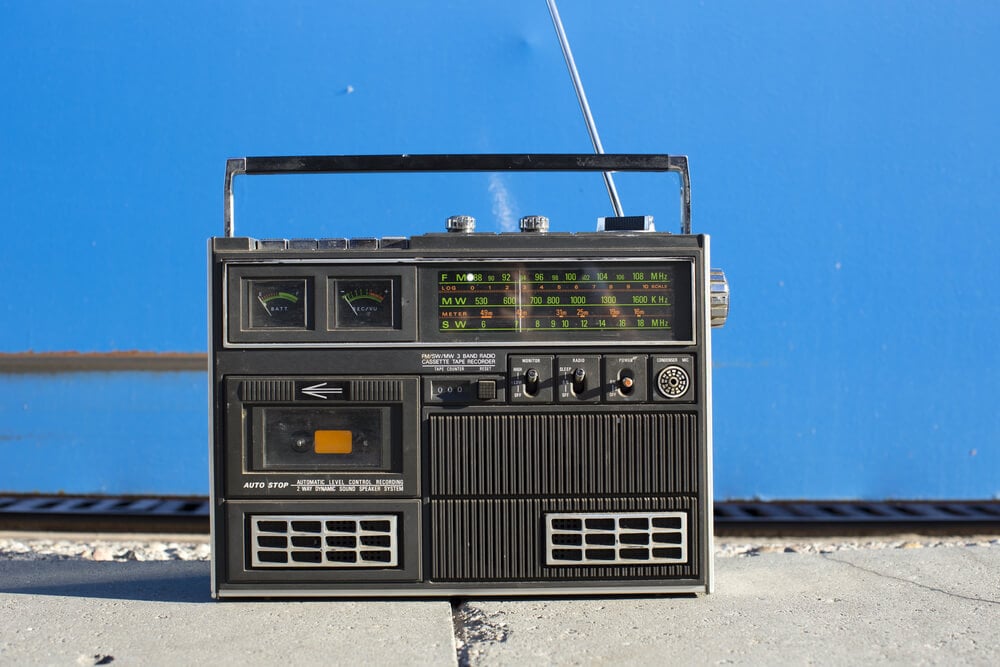
Before FM dominated music listening, full-service AM stations mixed local news, weather, farm reports, community bulletin boards, and a variety of music genres all within a single station’s daily schedule, aiming to serve an entire town’s needs rather than one narrow demographic. A single station might air a polka show in the morning, farm commodity prices at noon, and a call-in advice program in the evening.
The format largely disappeared as AM radio lost music listeners to FM and stations narrowed their focus to single formats like sports or talk.
Beautiful Music
Also known as easy listening, the beautiful music format filled stations with orchestral instrumental versions of pop standards, played with minimal talk between songs and almost no on-air personality presence at all. Stations following this format often used syndicated, centrally produced programming feeds rather than local hosts, making the sound remarkably consistent from city to city.
The format faded through the 1980s and 1990s as its aging audience shrank and advertisers shifted toward formats reaching younger demographics.
Album Oriented Rock In Its Original Form
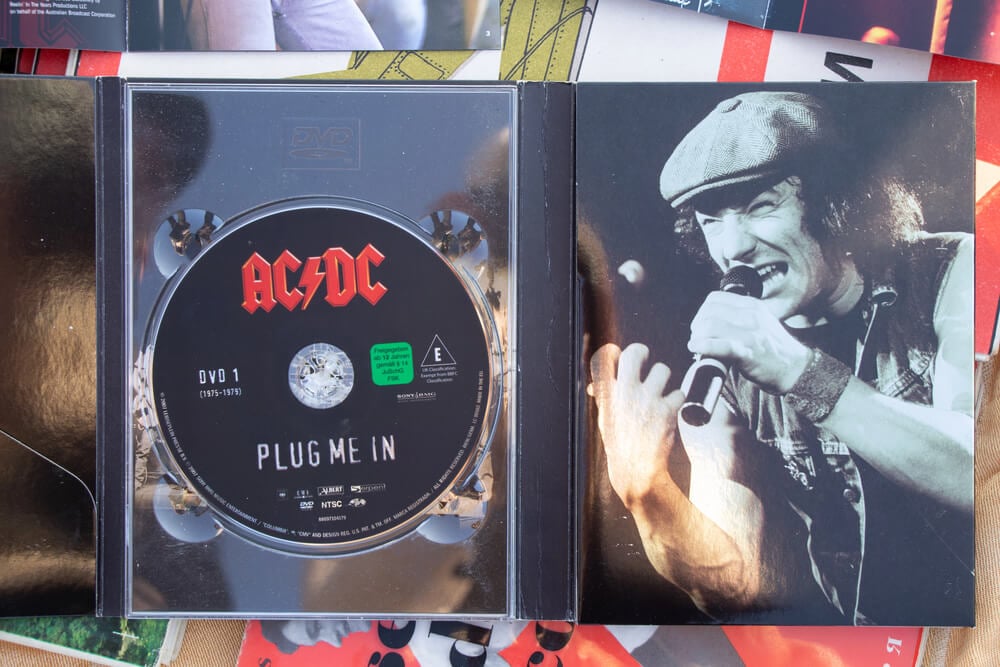
Early album oriented rock, often shortened to AOR, let disc jockeys play extended cuts from full rock albums rather than sticking strictly to radio-edited singles, giving stations a distinctly freeform feel through the 1970s. Deep album tracks that never charted as singles received regular airplay purely because a station’s programmers or DJs personally liked them.
Tighter corporate playlists through the 1980s gradually replaced this freeform approach with narrower, research-driven rotations, effectively ending the original format even though the AOR name persisted.
Freeform Radio
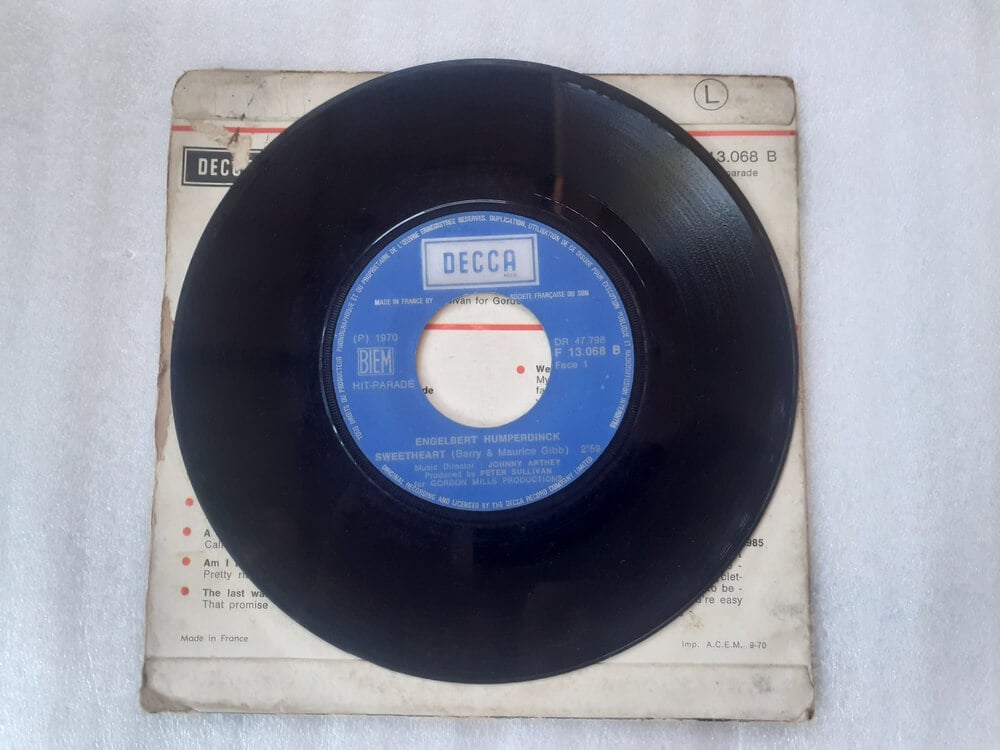
Freeform stations gave individual DJs near-total control over what played during their shift, mixing genres and running lengths with no fixed playlist or format restrictions at all, a style that flourished briefly on FM in the late 1960s and early 1970s. A single freeform hour might move from jazz to spoken word poetry to an extended rock jam with no programming logic beyond the host’s own taste.
Corporate consolidation of radio ownership through subsequent decades made this level of individual DJ autonomy essentially impossible to sustain commercially.
Top 40 AM Radio
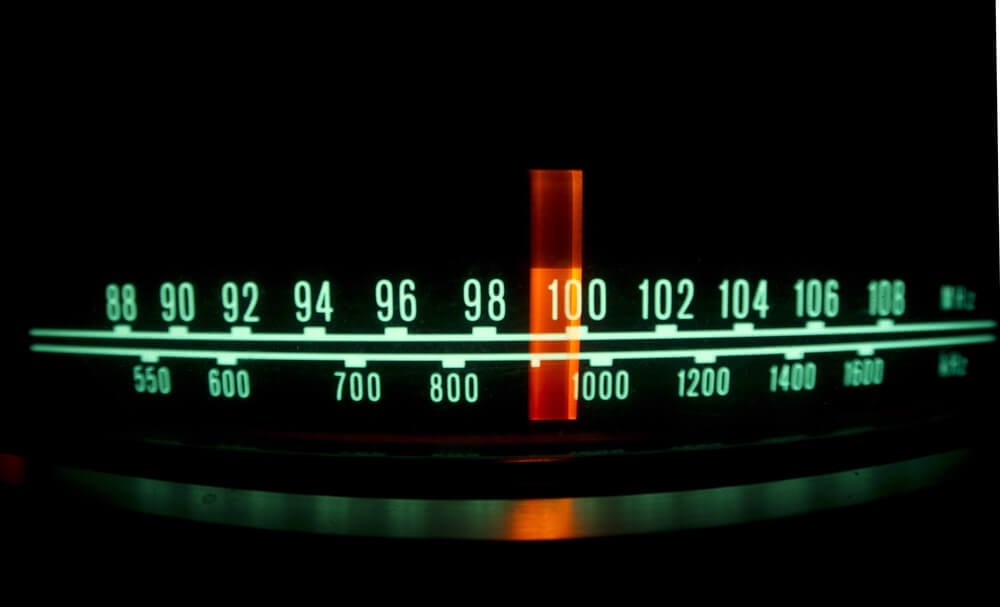
Before FM took over music listening, AM stations dominated with a tightly rotated Top 40 playlist format, playing the same handful of current hits repeatedly throughout the day alongside fast-talking DJs and frequent contests. The format defined popular music radio through the 1960s and into the 1970s, with stations competing fiercely for the same young audience in a given market.
FM’s superior sound quality for music eventually pulled the format away from AM almost entirely by the early 1980s.
Country Comedy And Variety

Some country radio stations in the mid-twentieth century mixed musical performances with live comedy sketches and variety segments, following a format modeled loosely on radio’s earlier vaudeville-style programming traditions. These segments often featured recurring comic characters and running bits familiar to regular listeners in a specific region.
The format largely disappeared as country radio narrowed toward a more consistent, music-focused playlist format by the 1970s and 1980s.
Progressive Rock Radio
Distinct from freeform, progressive rock stations built loosely structured playlists around longer, more musically ambitious rock songs, positioning themselves as an alternative to the tightly formatted Top 40 stations of the same era. The format gave significant airplay to songs running six, eight, or even fifteen minutes long, a length that would never fit a modern commercial playlist.
Format consolidation and the rise of classic rock as a distinct, more commercially predictable category absorbed most progressive rock stations by the 1980s.
Adult Standards
Adult standards stations built their entire playlist around pre-rock popular music, featuring vocalists and big band recordings from the 1940s through early 1960s aimed specifically at an older listening audience. The format served as a natural successor to full-service AM stations as that older demographic aged and their listening habits solidified around a specific era of music.
As that core audience declined in number through the 2000s, most surviving adult standards stations converted to other formats or went off the air entirely.
Urban Contemporary In Its Original Regional Form

Early urban contemporary stations were often deeply tied to a specific city’s local music scene, blending genres and playing local artists in a way shaped heavily by regional taste rather than a national programming template. A station’s playlist in one city could sound meaningfully different from a station using the same format label in another city.
National program consolidation and syndicated playlists through the 1990s and 2000s smoothed out much of that regional distinctiveness across the format.
Farm Broadcasting
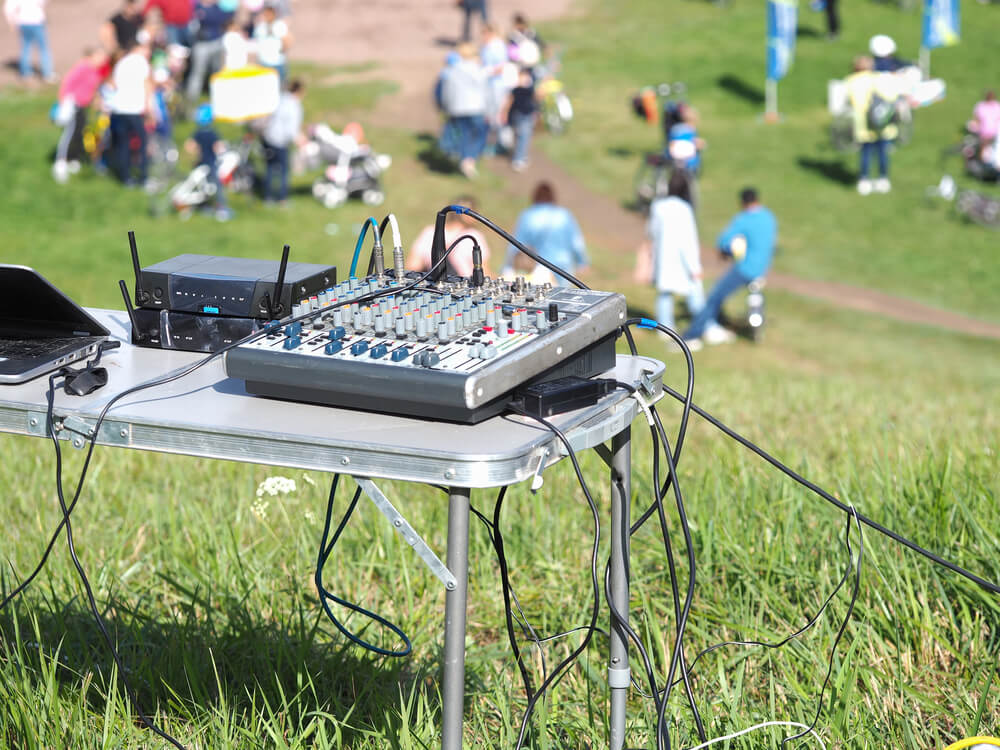
Dedicated farm broadcast segments, and in some cases entire stations, delivered detailed commodity prices, weather forecasts tailored to planting and harvest schedules, and agricultural news specifically for a rural farming audience. Many stations employed a dedicated farm director whose voice became a trusted daily fixture for listeners managing crops and livestock.
Consolidation of rural radio ownership and the shift of agricultural data online sharply reduced the number of stations still carrying dedicated farm broadcasting by the 2000s.
Big Band And Swing Format

Stations dedicated entirely to big band and swing era recordings served a listener base that had grown up with that music as the popular sound of their youth, running programming built around specific bandleaders and vocalists from the 1930s and 1940s. The format required almost no new music to stay relevant to its audience, drawing entirely from a fixed historical catalog.
As that generation of listeners aged out of the format’s target demographic, most stations converted away from big band programming by the 1990s.
Religious Variety Programming
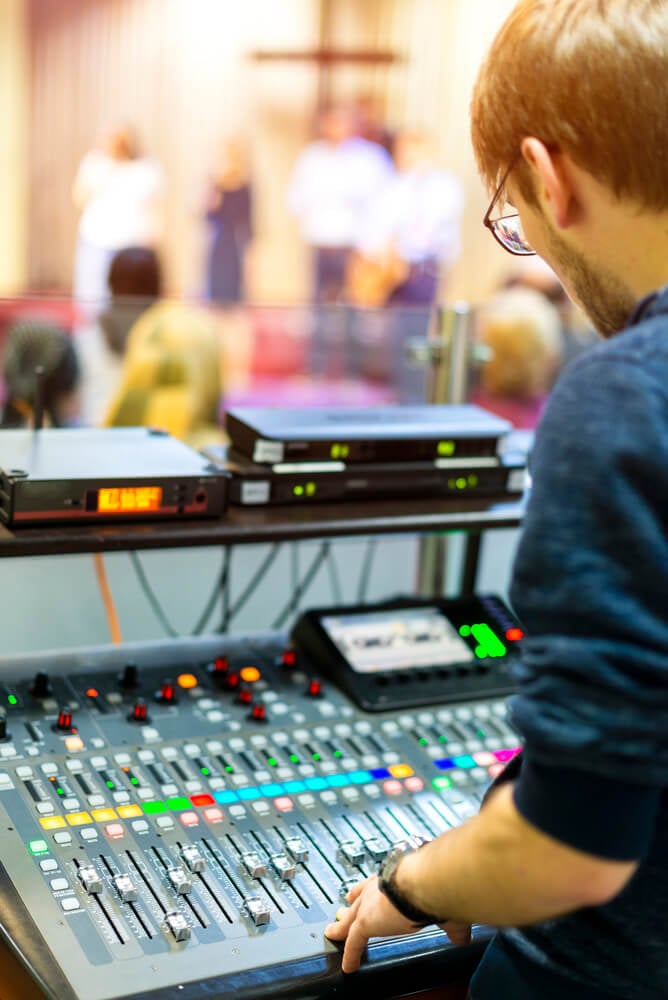
Beyond straightforward preaching formats, many stations once mixed religious teaching segments with gospel music, call-in prayer lines, and locally produced religious variety programming across a single broadcast day. The format often served as one of the only sources of religious content available to a rural listening area before cable and streaming expanded access dramatically.
Consolidation into narrower religious talk or contemporary Christian music formats gradually replaced the more varied original mix.
Big City Top 40 Battle Stations

In many major markets, two competing Top 40 stations engaged in openly public ratings battles, running dueling contests, stunts, and promotional giveaways specifically designed to poach listeners from the rival station across town. These rivalries produced some of radio’s most memorable promotional stunts, including on-air challenges and elaborate cash giveaways funded by the competition itself.
Market consolidation, with a single company eventually owning both former rival stations in many cities, largely ended this specific kind of head-to-head format war.
Disco Format Stations
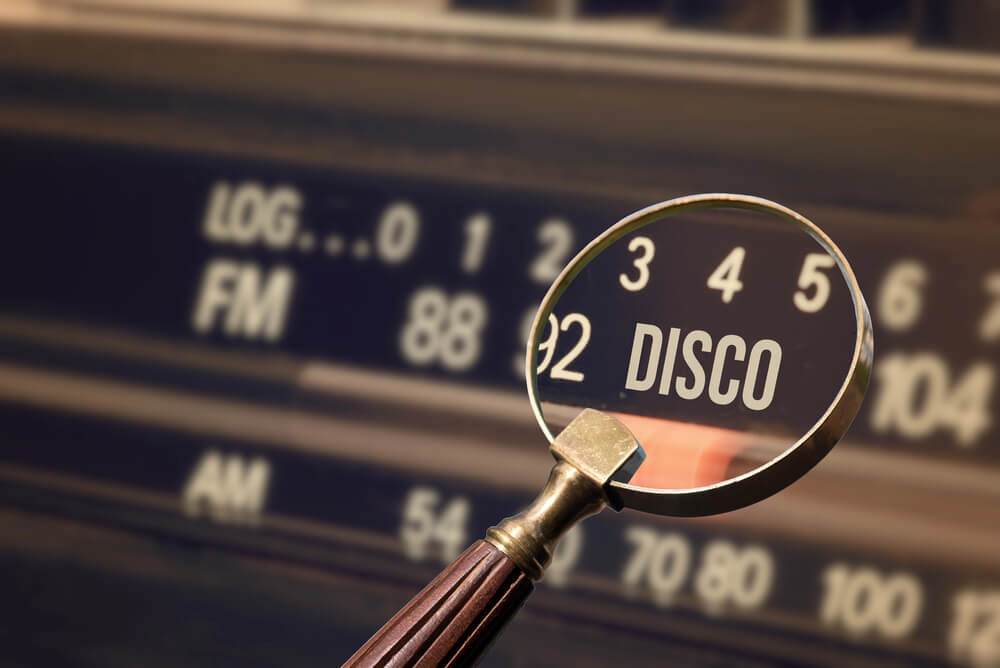
Following disco’s explosive commercial popularity in the late 1970s, several major market stations converted entirely to an all-disco format, playing extended dance mixes and building entire programming blocks around the genre’s rapid rise. The format collapsed almost as quickly as it had appeared, following a broader and sudden cultural backlash against disco around 1979 and 1980.
Most disco-format stations converted directly to a different genre within a year or two of the format’s peak popularity.
Blues And R&B Specialty Blocks

Many stations once carried dedicated evening or weekend blocks devoted specifically to blues and rhythm and blues recordings, often hosted by a knowledgeable specialist DJ with deep personal familiarity with the genre’s catalog and history. These blocks served listeners who could not find the genre represented in a station’s regular daytime playlist
Narrower format specialization and, later, satellite and streaming alternatives reduced the number of terrestrial stations still carrying dedicated specialty blocks like these.
Drive-Time Comedy Radio Theater

Some morning and afternoon drive-time shows built entire segments around short scripted comedy sketches performed live by the on-air staff, functioning almost like a brief radio drama embedded within an otherwise standard music show. These bits required a dedicated writing effort behind the scenes that many modern morning shows, built more around banter and call-in segments, no longer invest in.
The format faded as morning show budgets shifted toward syndicated national programming rather than locally written comedy content.
Polka Radio Hours

In regions with significant Eastern European immigrant populations, dedicated polka programming aired regularly, sometimes for a full hour or more, featuring accordion-driven dance music tied closely to specific ethnic community identities. These programs often included community announcements relevant specifically to that ethnic audience, functioning as a hybrid of entertainment and community bulletin board.
Shrinking and aging listener bases for the format led most stations to drop dedicated polka programming by the early 2000s.
Album Rock Countdown Shows

Weekly syndicated countdown shows ranking rock albums or singles based on listener requests and sales data became a fixture of many rock stations, often airing as a dedicated multi-hour weekend block hosted by a nationally recognized voice. These countdowns gave listeners a predictable, appointment-based reason to tune in at a specific time each week. Streaming charts and on-demand listening have largely eliminated the appointment-listening habit that these countdown shows depended on.
Oldies Format In Its Narrow Original Form
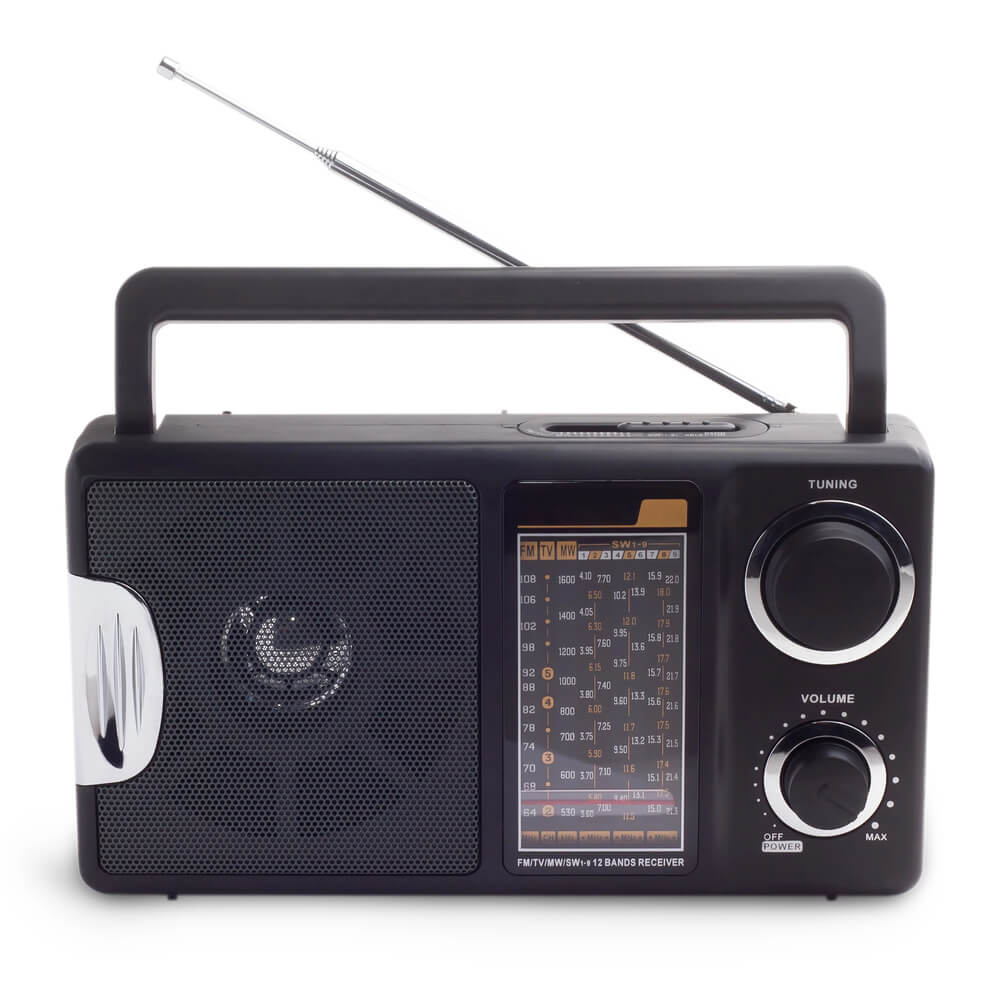
The original oldies format focused tightly on a specific, narrow band of music, typically 1950s and early 1960s rock and roll, without expanding into later decades as the format aged. As that specific music era moved further into the past, most oldies stations gradually widened their playlists to include 1970s and even 1980s music simply to stay commercially viable with a shrinking core audience.
The original, narrowly defined version of the format effectively no longer exists on commercial radio.
Regional Mexican Ranchera Blocks

Many stations serving Mexican-American communities once dedicated specific programming blocks to ranchera and traditional regional Mexican music, distinct from the broader and more commercially packaged regional Mexican format that dominates today. These blocks were often deeply tied to a specific sub-region of Mexico, reflecting the particular background of the local immigrant community being served.
Broader format consolidation across Spanish-language radio has blended many of these once-distinct regional blocks into more generalized programming.
Late Night Ghost And Paranormal Talk
Several stations once carried dedicated late-night programming focused specifically on paranormal topics, UFO reports, and ghost stories, taking listener calls describing personal supernatural experiences live on air. The format built a devoted niche following specifically because of its late hour and unusual, atmospheric subject matter.
Syndicated national versions of similar programming eventually replaced most local versions of this format, and later, podcasts absorbed much of the remaining audience entirely.
Sunday Morning Ethnic Community Radio
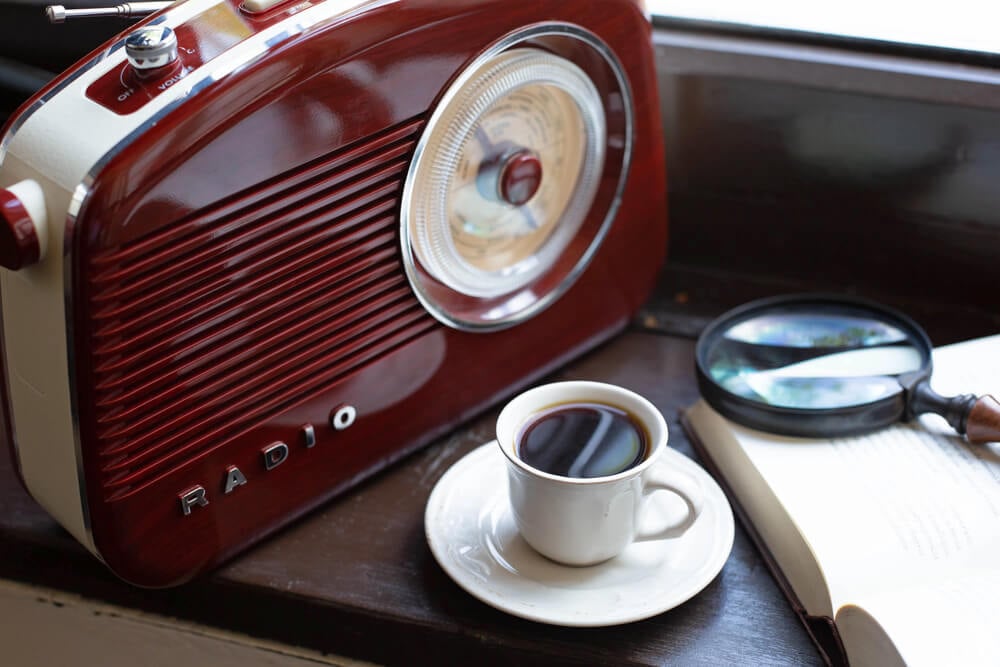
Many stations once sold out Sunday morning airtime in blocks to different immigrant and ethnic community organizations, each producing their own short programming segment in their own language for their own audience within a single station’s broadcast day. A listener scanning through a Sunday morning schedule might hear five or six entirely different languages and community focuses within a few hours.
Dedicated ethnic and multicultural stations, along with internet radio, have largely absorbed the audience that once relied on these shared Sunday blocks.
New Wave And Alternative In Its Original Underground Form
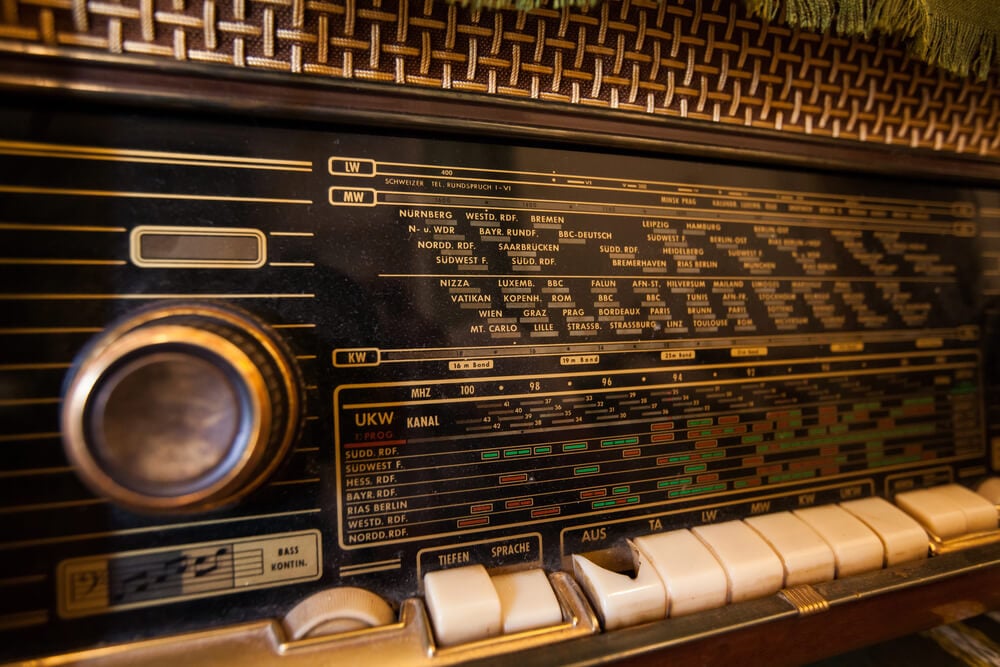
Before alternative rock became a mainstream commercial radio format in the 1990s, a small number of college and independent stations carried genuinely underground new wave and post-punk programming, often the only place in a given city to hear those artists at all. The format’s underground identity depended specifically on being difficult to find, a quality that disappeared once major labels and commercial stations absorbed the genre’s more marketable acts.
What survived under the alternative label by the 1990s bore only a loose resemblance to the original underground format.
Middle Of The Road Format

Known within the industry simply as MOR, the middle of the road format sat deliberately between rock and adult standards, playing softer pop vocalists and mainstream hits without venturing too far into either edgier rock or older pre-rock standards. The format aimed explicitly at a broad, non-offensive audience that programmers believed would tune out anything too aggressive or too dated.
Format fragmentation into more specifically targeted genres through the 1980s and 1990s effectively dissolved the broad middle ground MOR had once occupied.
Farm-To-Market Livestock Report Blocks
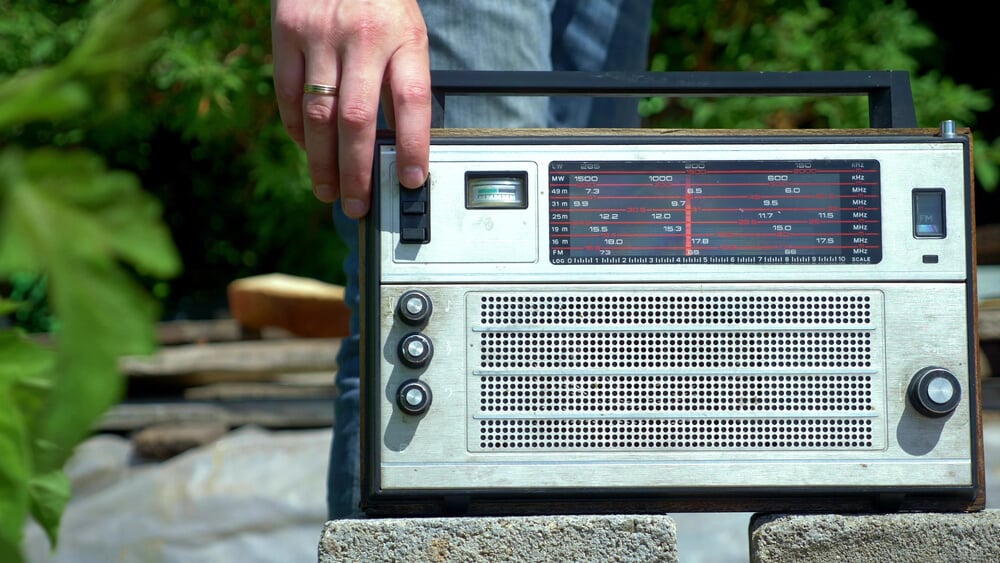
Distinct from general farm broadcasting, some stations carried dedicated multiple-times-daily livestock and grain market report segments, read rapidly by a specialist announcer trained specifically in the format’s distinctive fast, clipped delivery style. Farmers timed their work around these specific broadcast slots to catch pricing information relevant to daily buying and selling decisions.
Real-time digital market data available on phones and computers made the format almost entirely unnecessary by the 2010s.
Local High School Sports Play-By-Play Networks
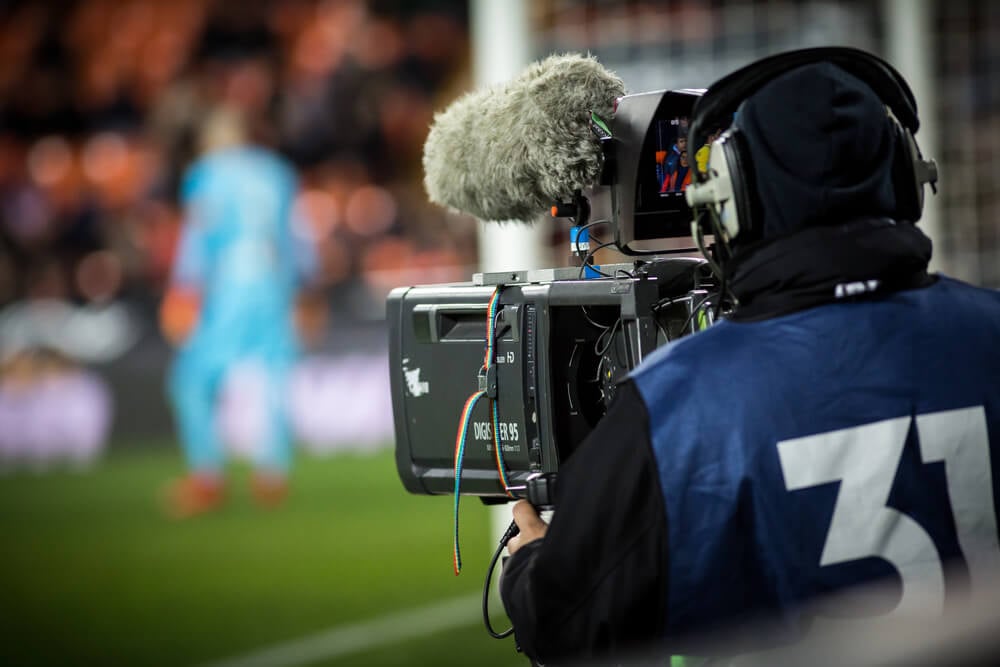
Small local stations once built entire fall and winter schedules around live play-by-play coverage of local high school football and basketball games, often the only broadcast coverage those games received at all. A dedicated local announcer became a genuinely well-known community figure purely through years of calling the same local teams’ games.
Livestreaming by schools themselves and shrinking local station budgets have reduced the number of stations still carrying this kind of dedicated local sports coverage.
The Dial As A Map Of A Community

Each of these formats existed because a station believed a specific, sometimes narrow audience was worth serving directly, whether that meant farmers checking grain prices, an immigrant community listening in their own language, or a handful of listeners who wanted an entire new album played start to finish before deciding whether to buy it.
What replaced this patchwork was not silence but consolidation, national playlists and syndicated programming that could serve a much larger audience at a fraction of the cost. The dial still fills every available frequency, but far less of what plays through it was built for the specific town it reaches.
More from Go2Tutors!

- The Romanov Crown Jewels and Their Tragic Fate
- 13 Historical Mysteries That Science Still Can’t Solve
- Famous Hoaxes That Fooled the World for Years
- 15 Child Stars with Tragic Adult Lives
- 16 Famous Jewelry Pieces in History
Like Go2Tutors’s content? Follow us on MSN.