33 Shipwrecks Discovered Centuries Later With Cargo Still Intact
Somewhere on the floor of every major ocean and most navigable seas, there are ships that left port and never arrived. Some went down in storms hours into a voyage.
Others sank in battle, ran onto reefs at night, or were swallowed by weather systems that have since become mere footnotes in maritime records. For centuries, these ships were simply lost — beyond retrieval, beyond view, beyond understanding of what they contained.
Modern deep-sea technology changed that calculation entirely. Remotely operated vehicles, multibeam sonar, and deep-water excavation tools have allowed researchers to reach wrecks at depths once considered permanently inaccessible.
What they have found there is startling: not just ships, but time capsules — cargo holds sealed for three or four hundred years, amphoras still containing their original contents, bronze statues lying exactly where they fell. The preservation can be extraordinary, and the list of what has been found beneath the waves keeps growing.
The Antikythera Wreck (C. 65 BCE – Discovered 1900)
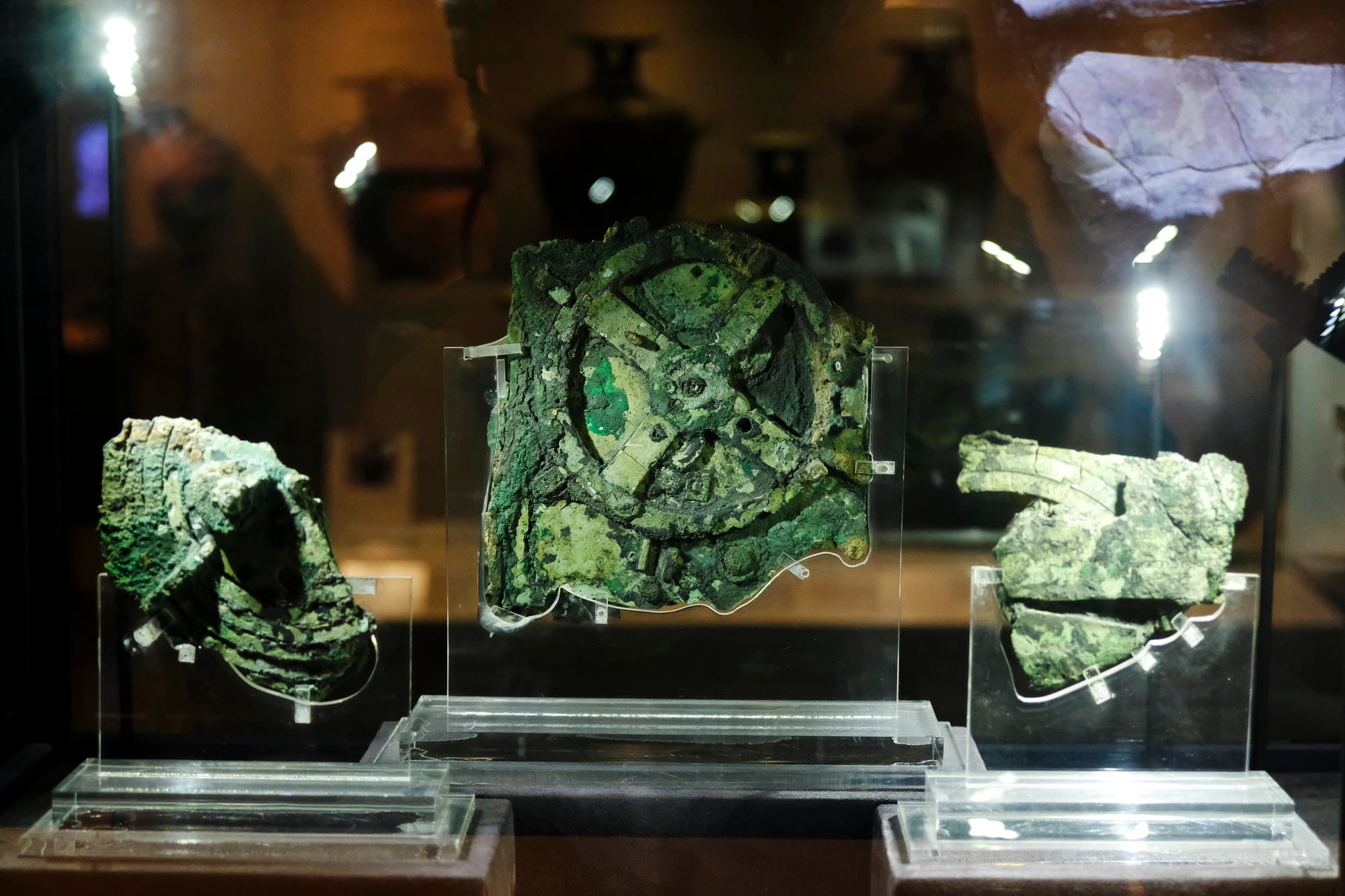
Greek sponge divers blown off course by a storm sheltered near the island of Antikythera in the spring of 1900 and discovered, on the seabed fifty-two metres down, the remains of a Roman-era cargo ship. What came up in subsequent excavations included bronze and marble sculptures, gold jewelry, fine glassware, gaming pieces, and a corroded lump of bronze that was initially overlooked.
That lump, studied over decades, proved to be the Antikythera Mechanism — a complex system of interlocking gears capable of predicting the positions of the sun, moon, and planets, as well as solar and lunar eclipses. It remains the most sophisticated mechanical device known from the ancient world, and nothing comparable appeared in European technology for another thousand years.
Ongoing excavations have recently confirmed the site holds a second wreck beneath the first.
The Uluburun Wreck (C. 1300 BCE – Discovered 1982)
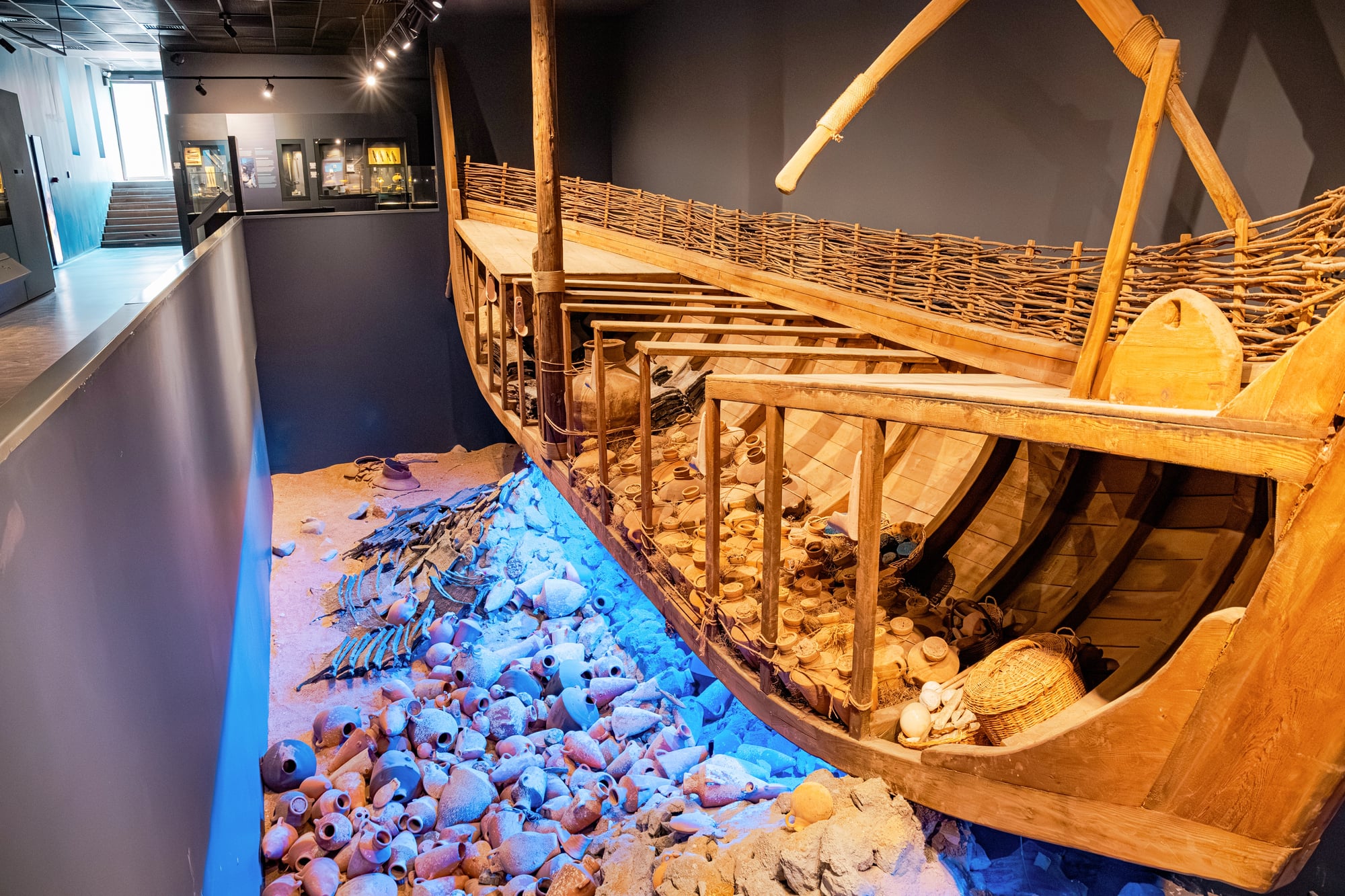
A Turkish sponge diver spotted copper ingots on the seabed off the coast of Uluburun in 1982, leading to the excavation of a Late Bronze Age cargo ship dated to approximately 1300 BCE. The cargo was extraordinary for what it revealed about ancient trade networks: copper from Cyprus, tin from Afghanistan and Turkey, a sword from Italy, cylinder seals from Mesopotamia, ebony from Africa, and glass ingots of a type found only in Egypt.
A gold pendant depicting a falcon gripping cobras was among the luxury goods aboard. The cargo had clearly been assembled for an elite recipient — it was too varied, too valuable, and too geographically dispersed to represent a single merchant’s stock.
The Vasa (1628 – Discovered 1956)
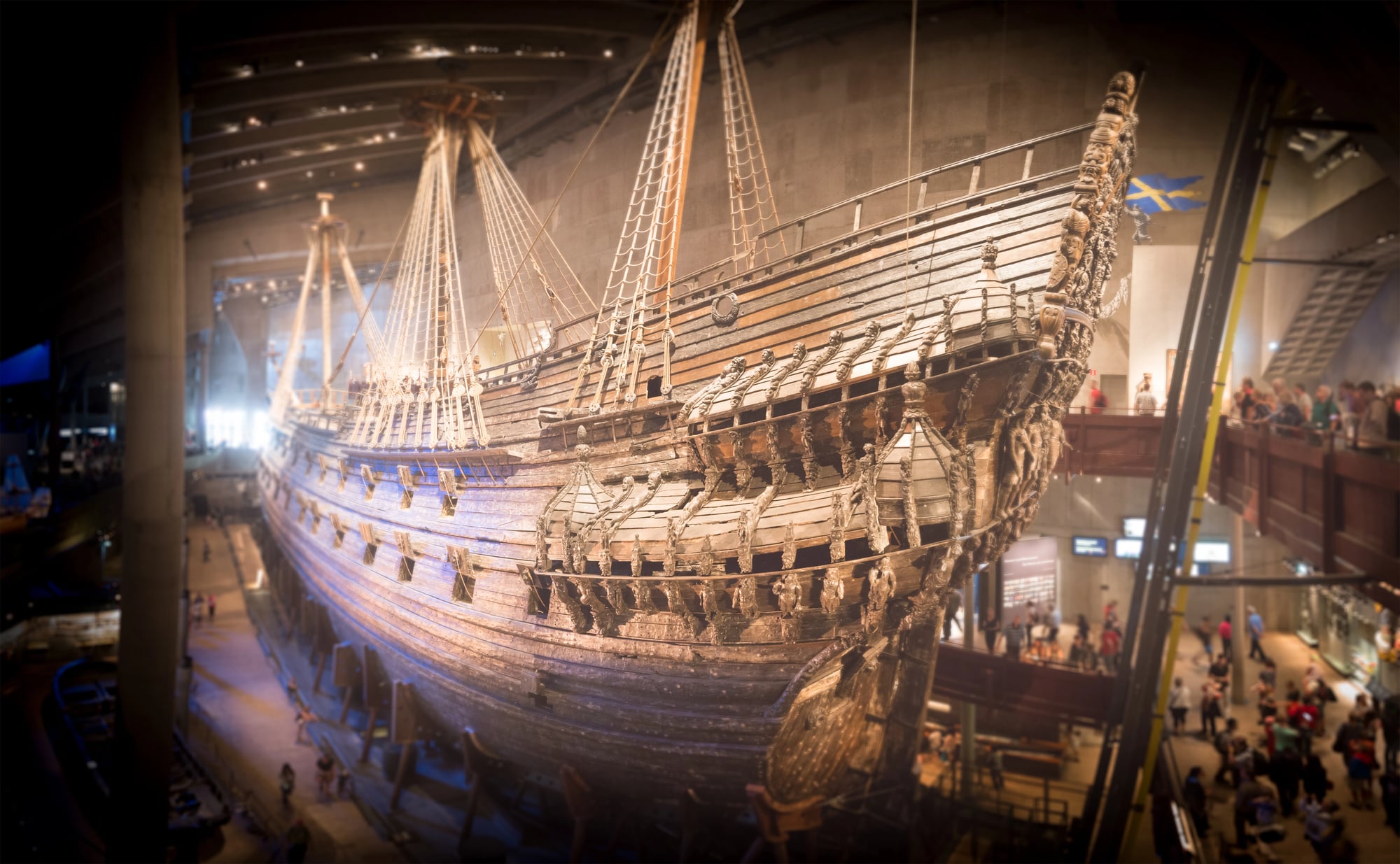
The Swedish warship Vasa sailed for approximately twenty minutes on her maiden voyage in Stockholm harbour on August 10, 1628, before water entered through her open gun ports and she sank. She remained on the harbour floor for 333 years, preserved by the cold, low-salinity Baltic water and the relative absence of wood-eating organisms.
In 1961 the ship was raised largely intact. Over 40,000 artifacts came up with her: cannons, sails, clothing, coins, tools, and the skeletal remains of crew members.
She has been on display in Stockholm’s Vasa Museum since 1990, and the museum receives over a million visitors annually.
The Mary Rose (1545 – Discovered 1971)
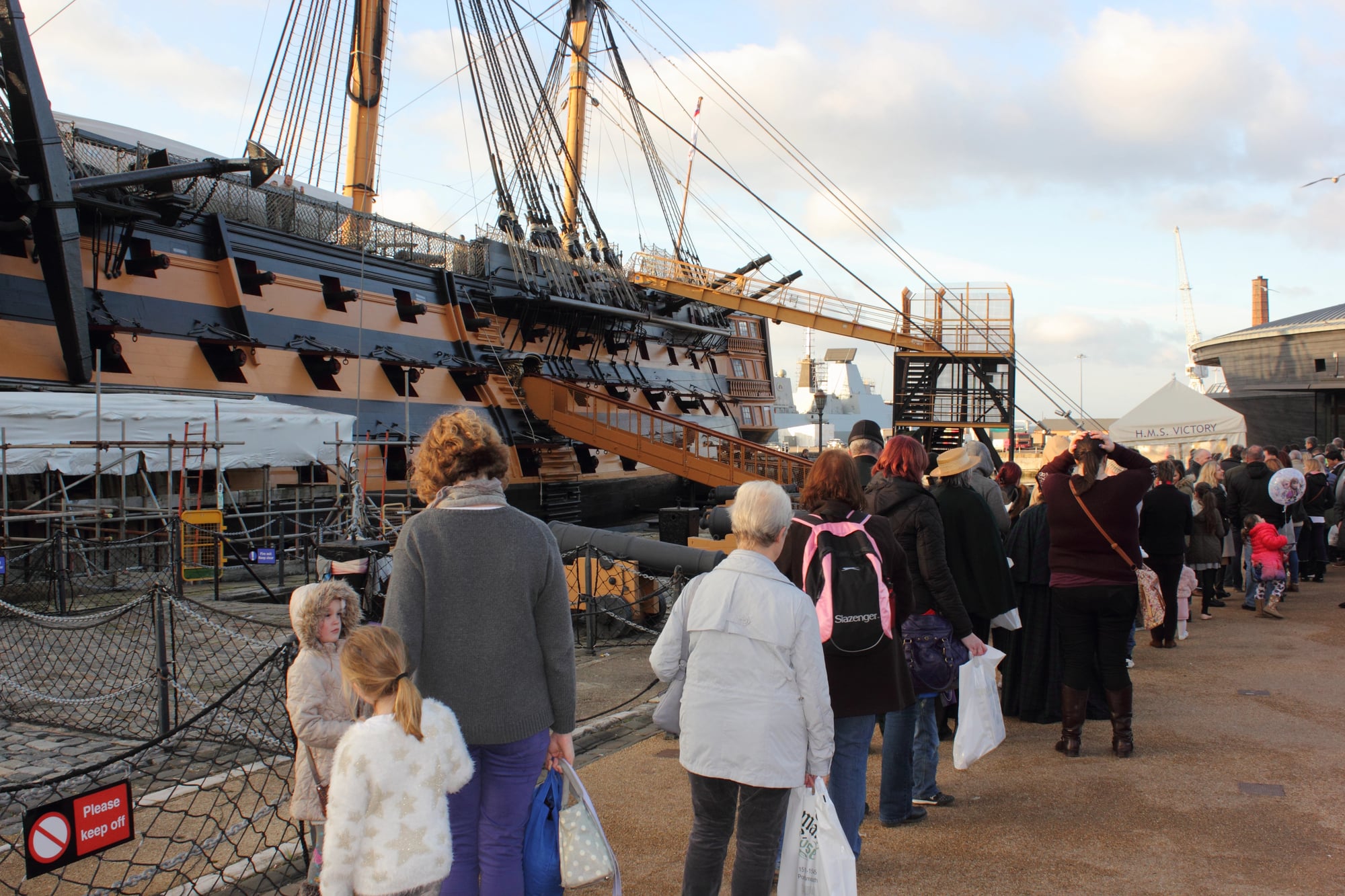
Henry VIII’s flagship Mary Rose sank during a battle with the French in the Solent on July 19, 1545, with the king watching from shore. The wreck was located in 1971 and raised in 1982 in what was then the largest and most complex underwater salvage operation in history.
The ship had been buried under sediment, which preserved one side of the hull and an extraordinary collection of artifacts: longbows, iron shot, musical instruments, surgeon’s tools, and the personal belongings of hundreds of men who went down with her. Among the finds were sealed storage chests that had not been opened since the sixteenth century.
The Nuestra Señora De Atocha (1622 – Discovered 1985)
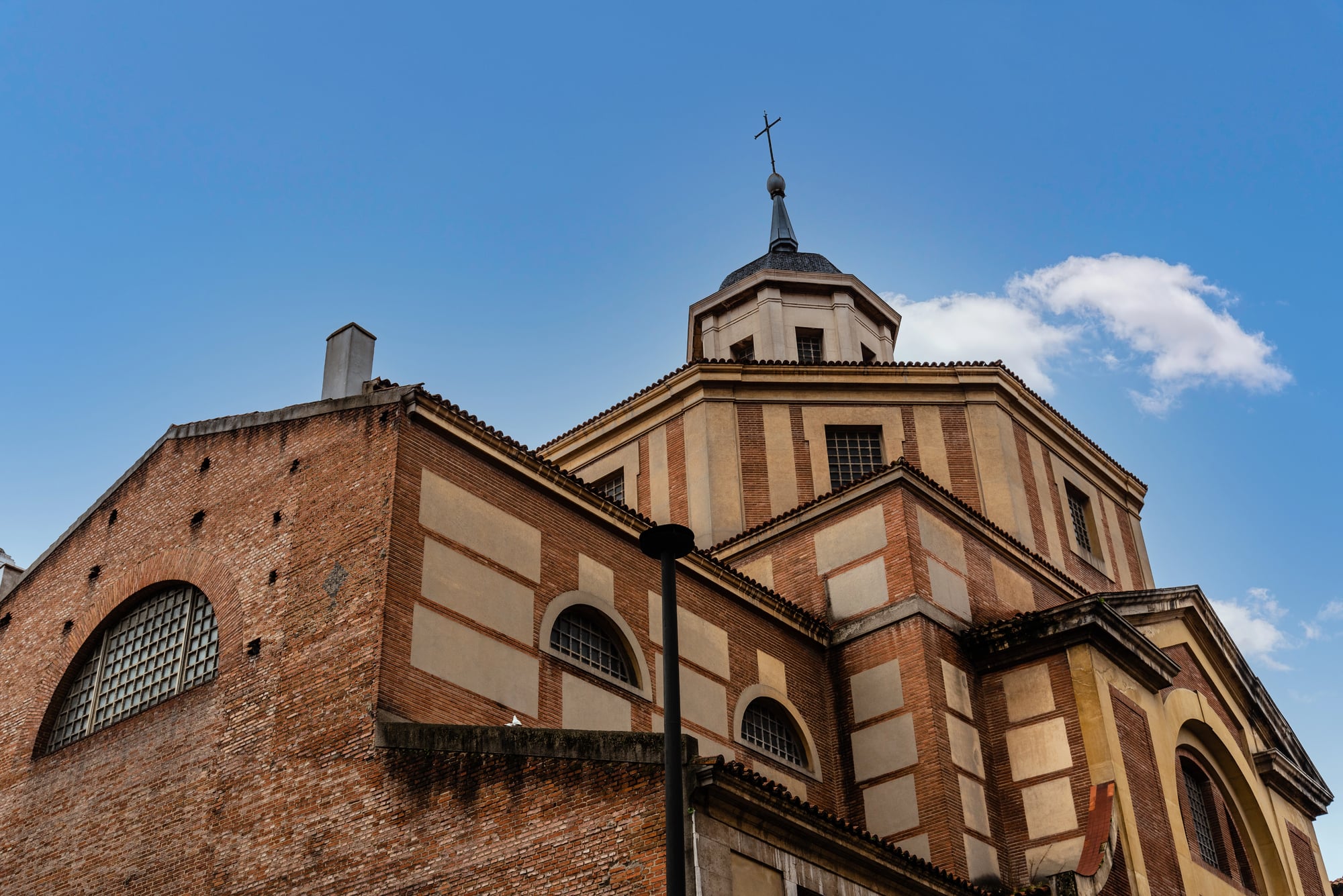
The Atocha left Havana in September 1622 as rear guard of a Spanish treasure fleet bound for Seville and sank in a hurricane off the Florida Keys. She went down with 265 people aboard; five survived by clinging to the stump of the mizzenmast.
Her cargo included roughly forty tons of gold and silver, seventy pounds of Colombian emeralds, copper and indigo. Treasure hunter Mel Fisher pursued the wreck for sixteen years, losing three crew members including his own son, before finding the main cargo in 1985.
The U.S. Supreme Court ultimately awarded him sole rights to the find.
The San José (1708 – Located 2015, Confirmed 2025)
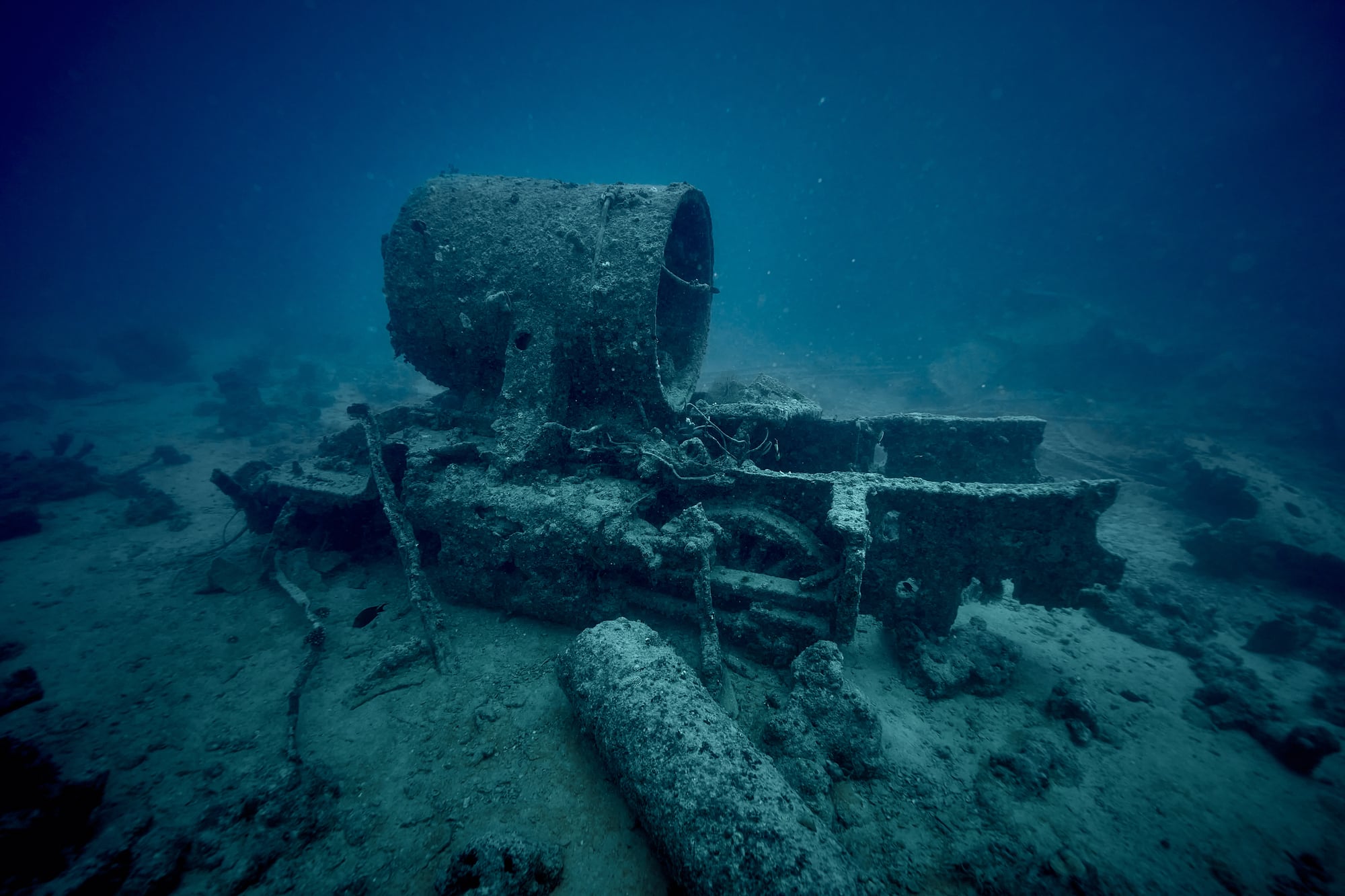
The San José was a 62-gun Spanish galleon sunk by British warships off Cartagena, Colombia, in June 1708 while carrying gold, silver, and emeralds valued in current estimates at somewhere near seventeen billion dollars — making it widely regarded as the most valuable shipwreck ever located. In November 2025, the first physical objects were brought to the surface: a bronze cannon inscribed with the word “Sevilla,” a porcelain cup, and three hand-struck gold coins.
Legal disputes between Colombia, Spain, Bolivia, and private salvage companies over ownership of the cargo remain unresolved.
The Endurance (1915 – Discovered 2022)
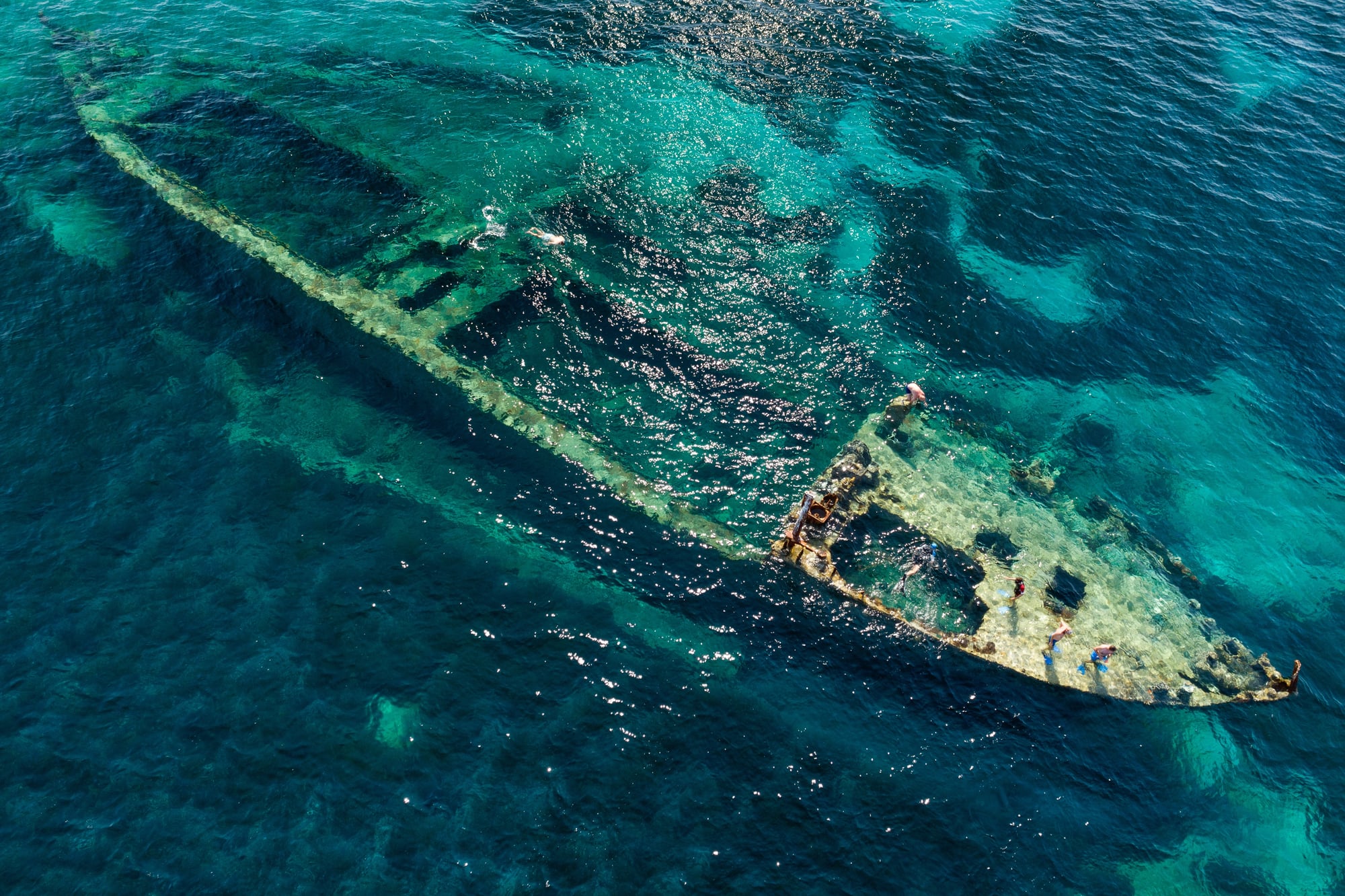
Ernest Shackleton’s ship Endurance was crushed by Antarctic pack ice in November 1915 and sank in the Weddell Sea. In February 2022, a team of scientists and filmmakers located the wreck at a depth of 3,008 metres using underwater drones deployed from an icebreaker.
The ship was found upright and in astonishing condition — its name clearly legible on the stern, its masts still standing, its woodwork detailed and intact. No material was recovered; the site is protected as a historic monument under the Antarctic Treaty.
The Black Sea Greek Trading Vessel (C. 400 BCE – Discovered 2018)
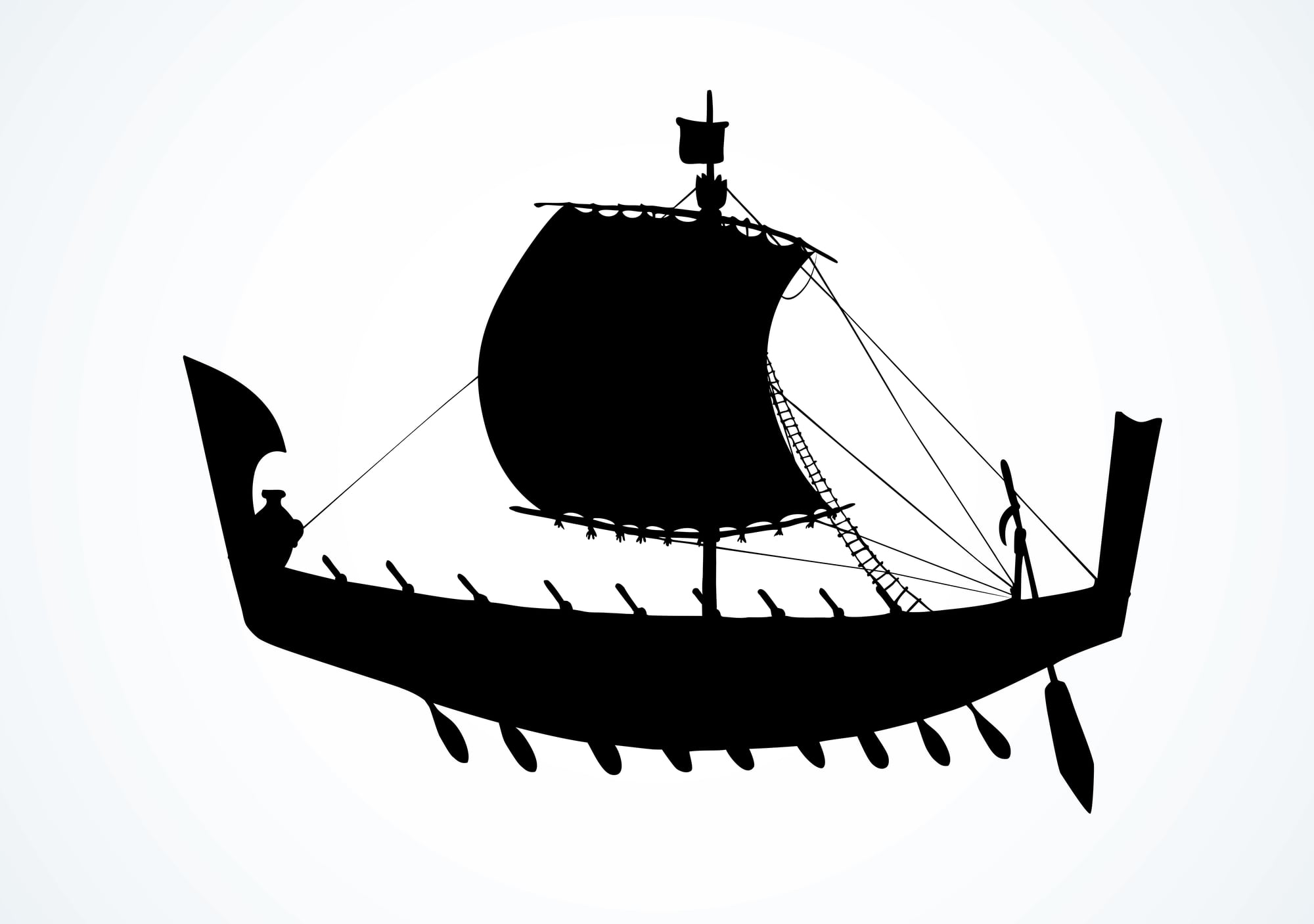
The Black Sea Maritime Archaeology Project discovered a Greek trading vessel dating to approximately 400 BCE off the Bulgarian coast at a depth of roughly 1.25 miles. The ship’s mast, rudders, and rowing benches were all intact — a state of preservation possible only because the deep Black Sea is anoxic, meaning it contains no oxygen at that depth and therefore hosts no organisms capable of breaking down organic material.
This wreck is the oldest intact vessel ever found.
The Belitung Wreck (C. 830 CE – Discovered 1998)
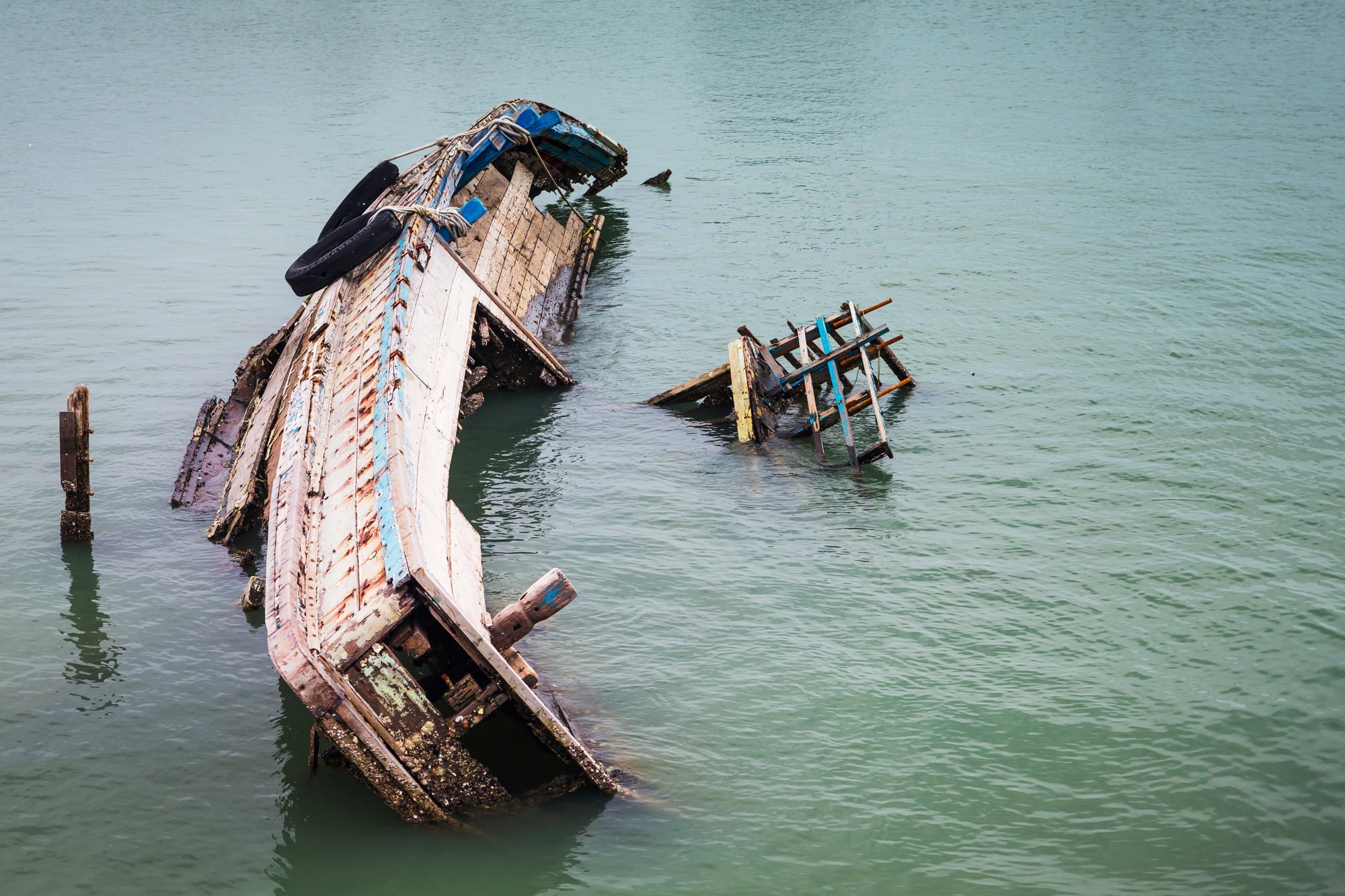
A fisherman near Belitung Island in Indonesia discovered a shipwreck in 1998 that proved to be a Tang Dynasty Arab dhow, sailing from China to the Middle East when it sank around 830 CE. The cargo included 60,000 pieces of Tang Dynasty ceramics, many still intact and stacked in their original arrangement in the hold — the largest single collection of Tang ceramics ever found.
The haul also included gold and silver objects, bronze mirrors, and spices.
The Porcelain Wreck (C. 18th Century – Discovered 2025)
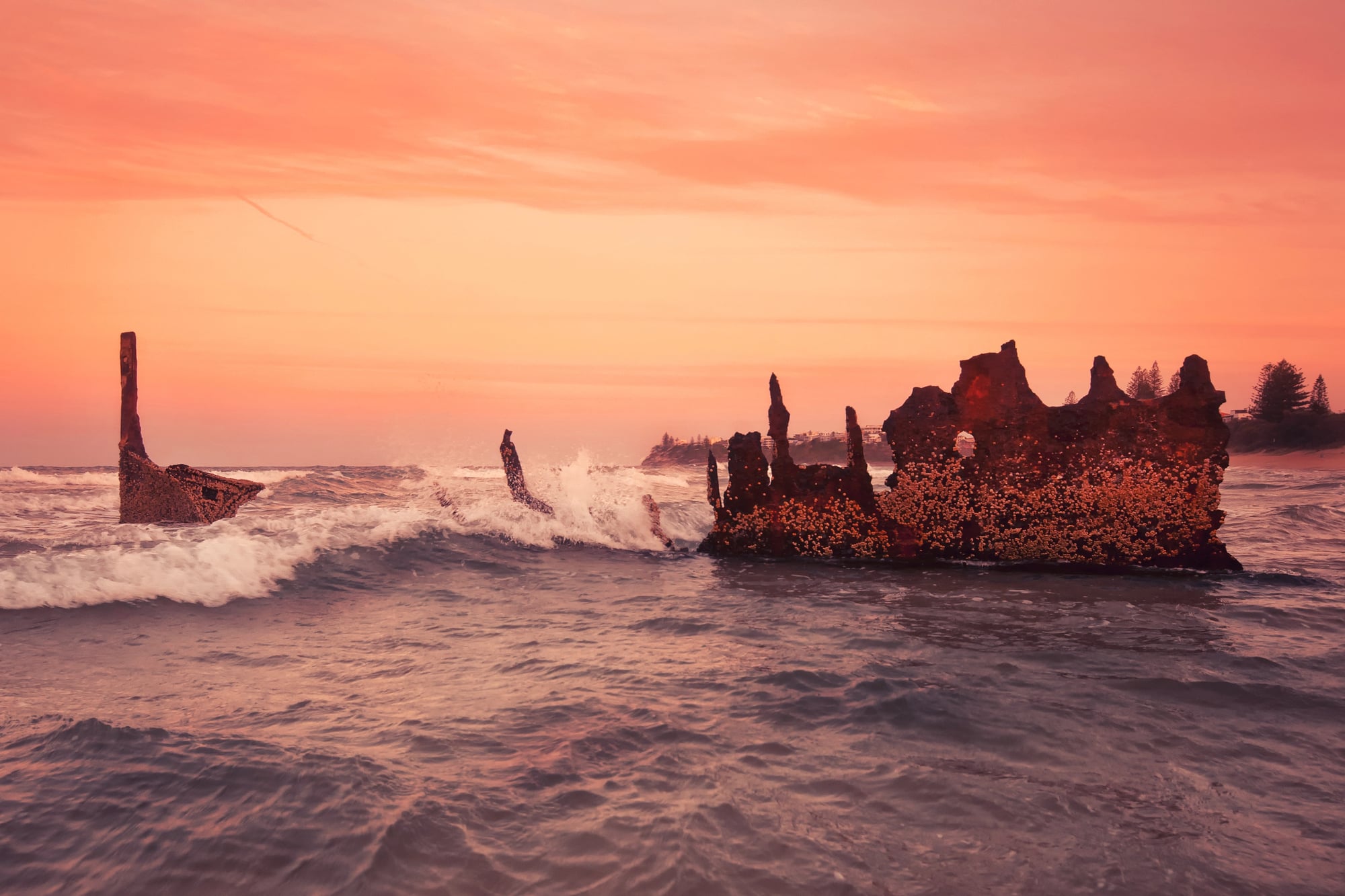
In 2025, researchers exploring the Skagerrak strait between Norway and Denmark, at a depth of nearly 600 metres, found an eighteenth-century trading vessel with its cargo largely intact. The haul included Chinese export porcelain, chandeliers, and luxury goods destined for wealthy northern European merchants.
The depth and the cold, low-oxygen conditions of the strait had preserved both the hull and the contents in exceptional condition. The wreck had been unknown to maritime historians.
The Kyrenia Ship (C. 300 BCE – Discovered 1965)
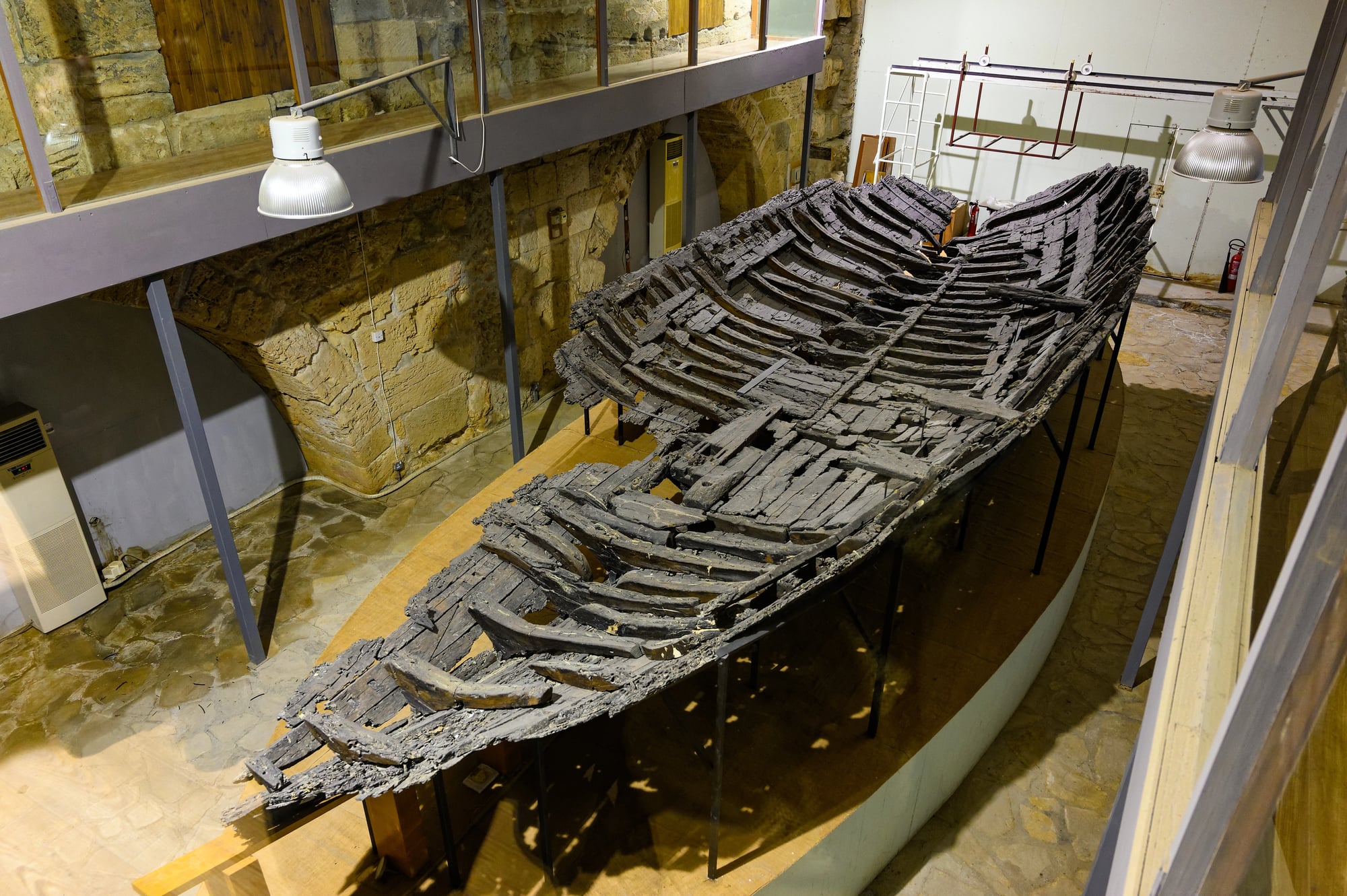
A Cypriot diving instructor named Andreas Cariolou discovered an ancient Greek merchant vessel off the coast of Kyrenia, Cyprus, in 1965. The ship was approximately 2,300 years old and in remarkably good condition.
Its cargo included nearly 400 wine amphoras, 29 stone grinding mills used as ballast, and almonds still identifiable after more than two millennia. The ship itself was subsequently raised, preserved, and placed on display at Kyrenia Castle.
The Yassi Ada Byzantine Wreck (C. 625 CE – Excavated 1961–1964)
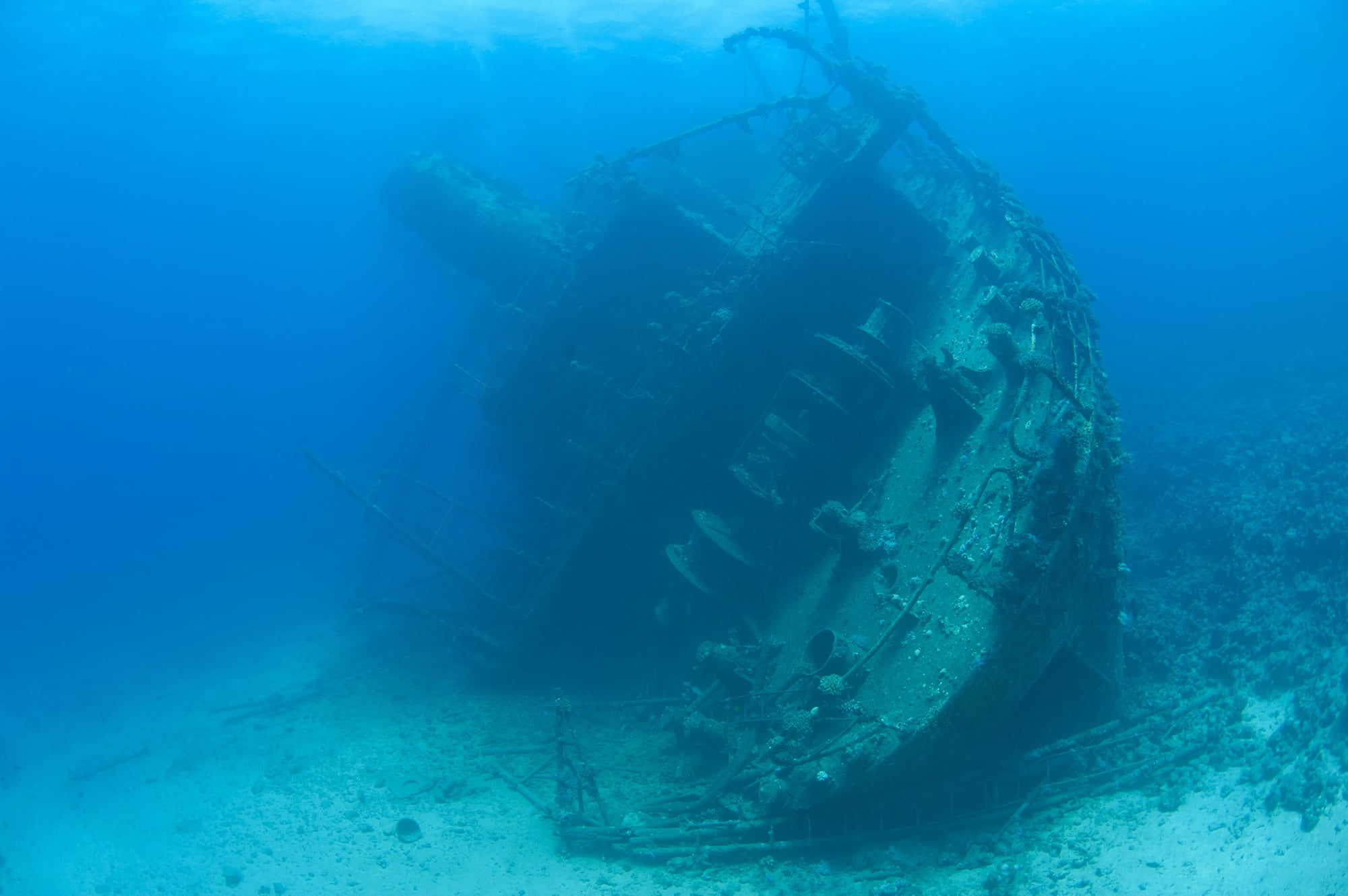
George Bass of the University of Pennsylvania led one of the first scientifically rigorous underwater excavations in history at Yassi Ada off the Turkish coast, uncovering a seventh-century Byzantine merchant ship. The cargo included hundreds of amphoras still sealed with their original stoppers, along with coins that dated the sinking to the reign of the emperor Heraclius.
The excavation established many of the methodological standards that now govern underwater archaeology worldwide.
The Yenikapı Wrecks (Various Dates – Discovered 2004)
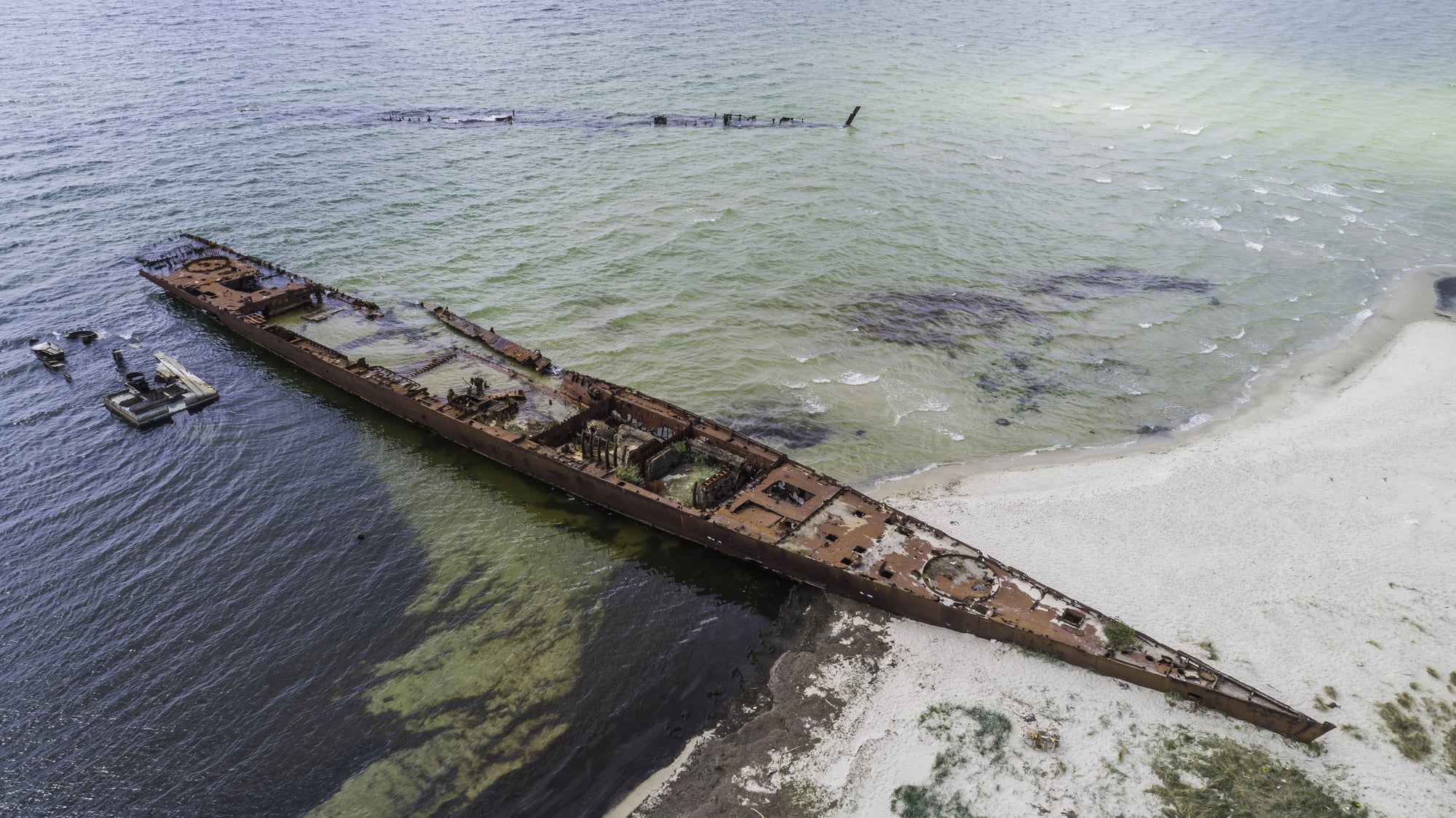
Workers excavating the site for Istanbul’s Marmaray railway tunnel beneath the Bosphorus Strait in 2004 struck the remains of the ancient Theodosian Harbour, buried under centuries of accumulated sediment. Thirty-seven shipwrecks were ultimately recovered from the site, spanning a period from the fifth to eleventh centuries CE.
Many had cargo still aboard — amphoras, ceramic vessels, Byzantine-era trade goods. The Yenikapı wrecks transformed understanding of Byzantine maritime commerce and shipbuilding.
The Fournoi Wrecks (Various Ancient Periods – Ongoing Excavations From 2015)
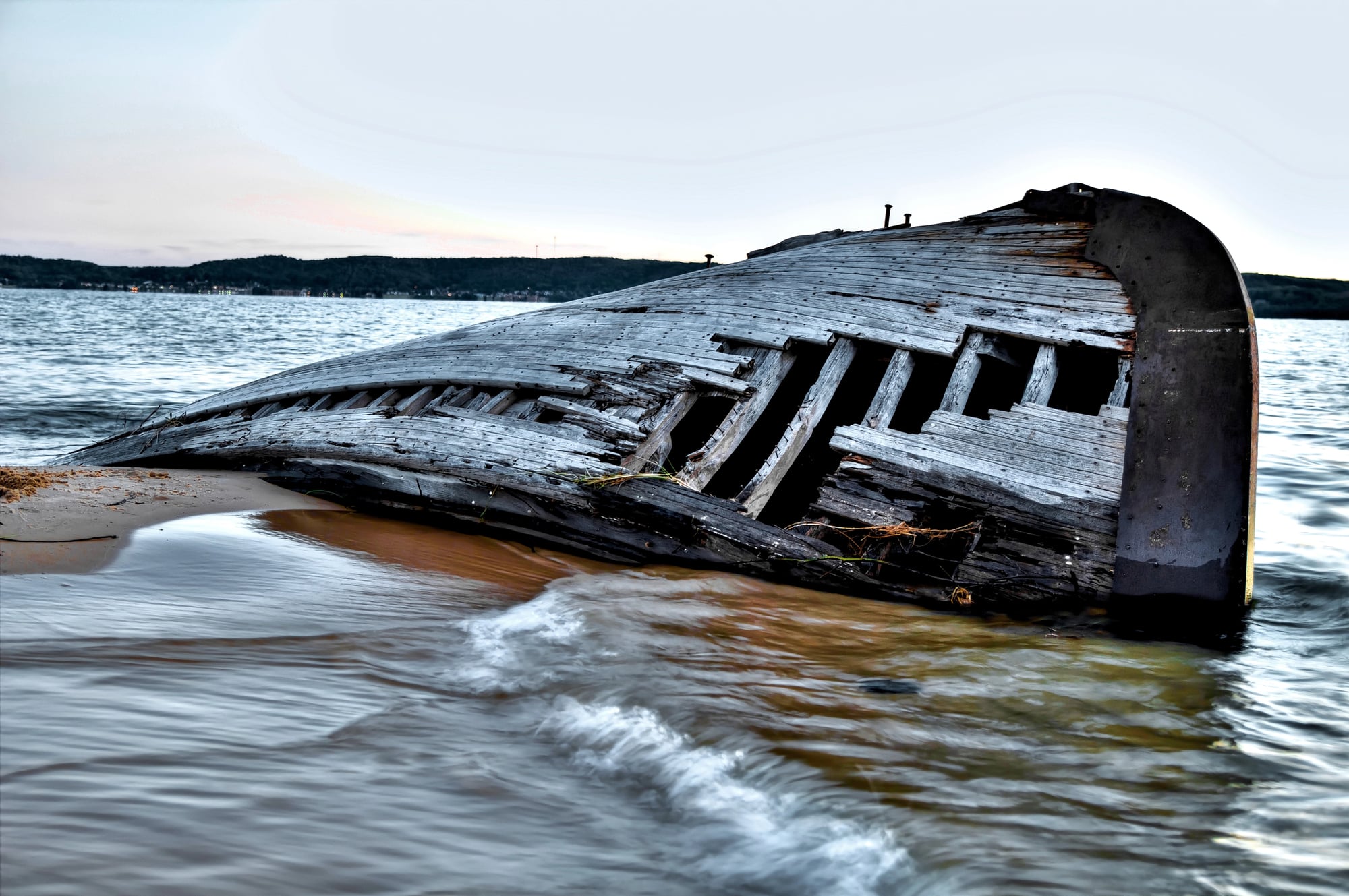
The island group of Fournoi in the eastern Aegean sits at the convergence of ancient Mediterranean trade routes, and the waters around it have produced more than fifty-eight ancient wrecks since systematic survey began in 2015. Individual wrecks carry cargo from the Black Sea, Spain, Italy, Africa, Cyprus, and the Aegean.
Several of the wrecks are so well preserved that their cargo arrangements remain intact, offering an unparalleled view of ancient merchant packing and loading practices.
The Geldermalsen (1752 – Discovered 1985)
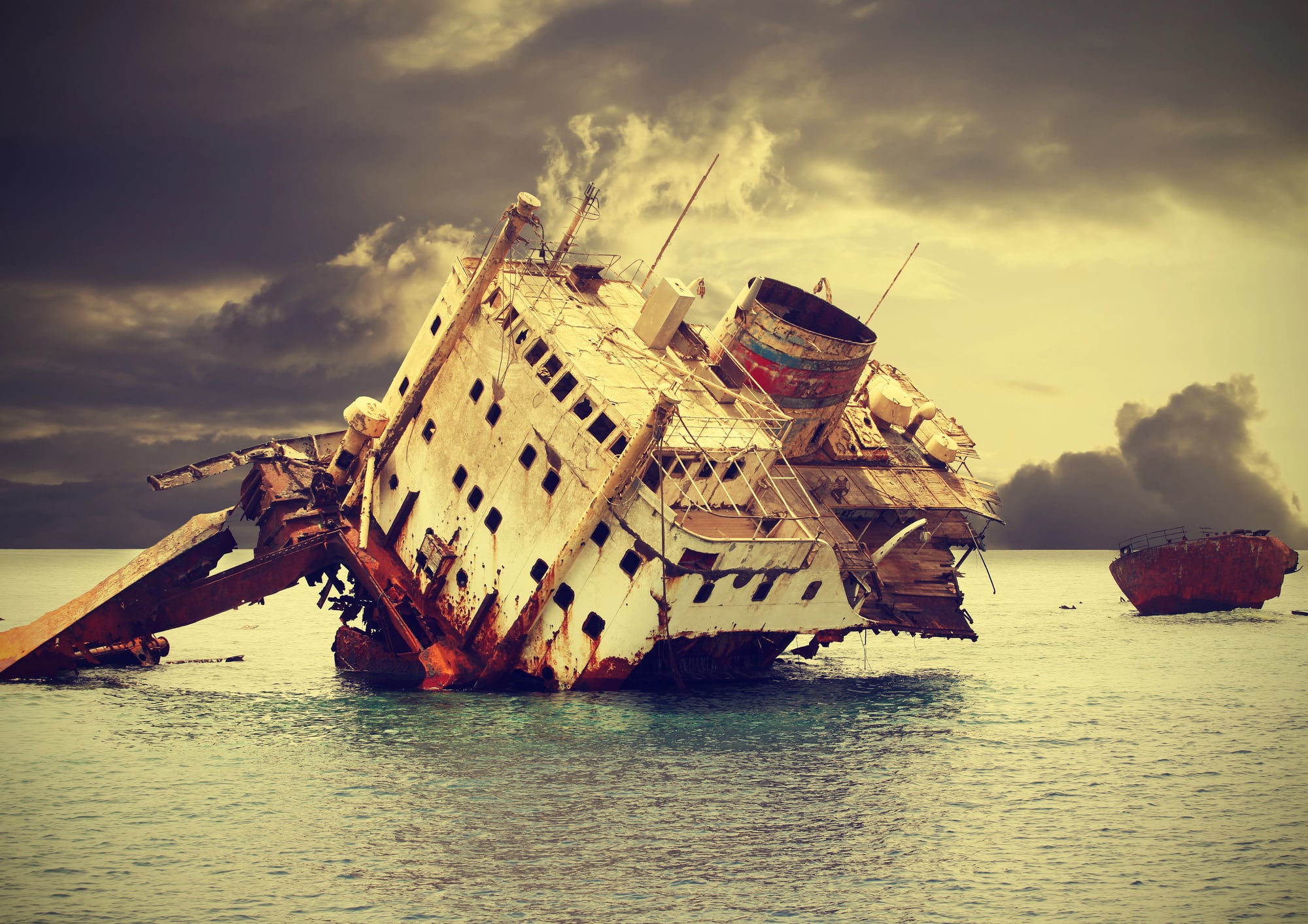
The Dutch East India Company ship Geldermalsen sank in the South China Sea in January 1752 after striking a reef. When British marine archaeologist Michael Hatcher located the wreck in 1985, he found the hold still packed with 147,000 pieces of Chinese export porcelain, arranged exactly as they had been loaded onto the ship in Canton thirty-four years earlier.
A quantity of gold ingots was also recovered. The ceramics were sold at Christie’s in Amsterdam in 1986, fetching nearly nine million dollars.
The SS Central America (1857 – Discovered 1988)
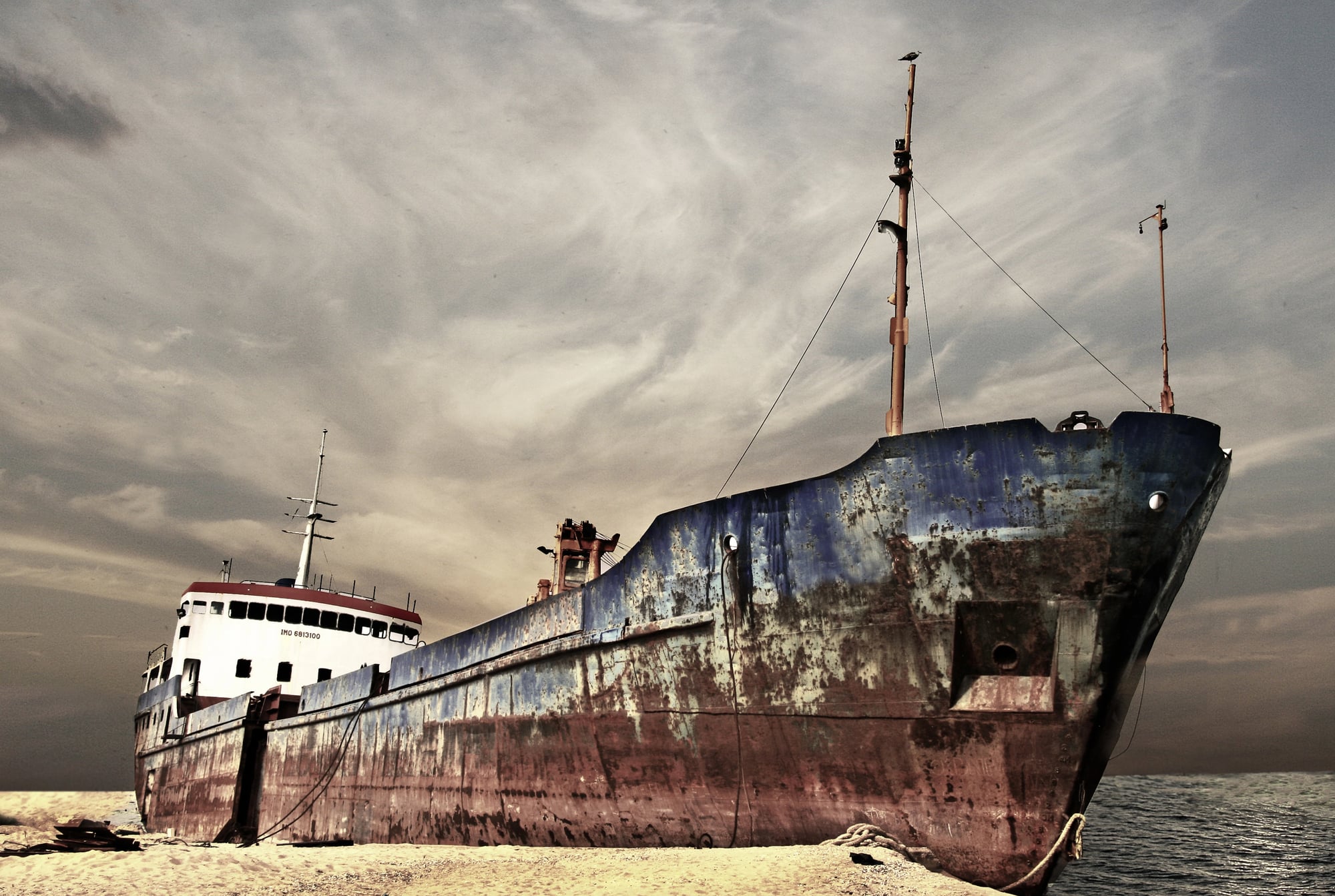
The SS Central America, sometimes called the “Ship of Gold,” sank in a hurricane off the South Carolina coast in September 1857 while carrying approximately 30,000 pounds of gold from the California Gold Rush to New York. The loss contributed directly to the Panic of 1857.
The wreck was located in 1988 at a depth of 7,200 feet. Among the recovered items were gold coins and ingots from California’s early minting operations, along with a perfectly preserved Wells Fargo strongbox still sealed and locked when it was brought to the surface.
The RMS Titanic (1912 – Discovered 1985)
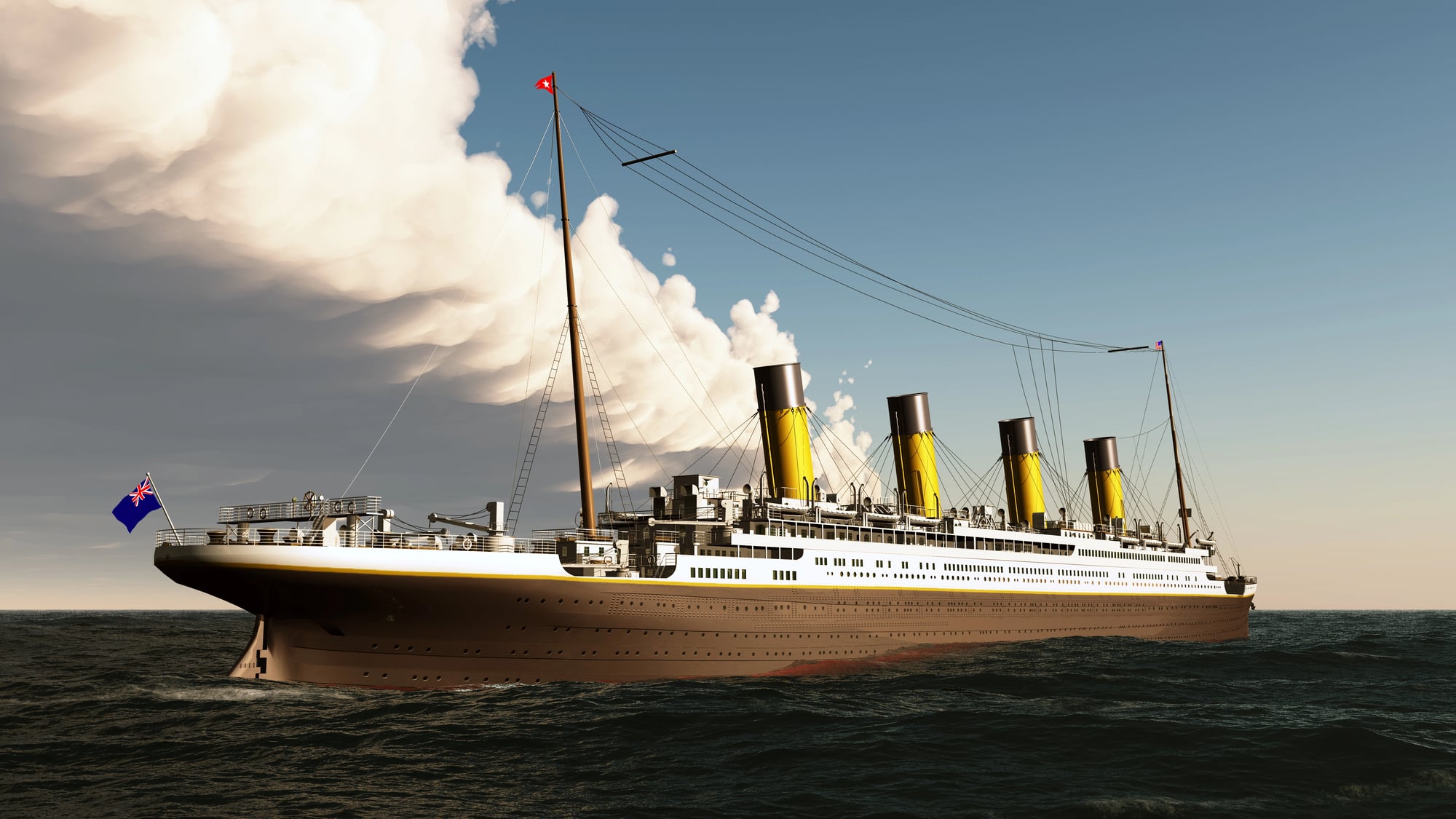
Robert Ballard located the Titanic at a depth of 12,500 feet in 1985, thirty-eight years after the ship sank. The wreck had split into two major sections, but the debris field between them contained thousands of artifacts preserved in near-freezing water: luggage, shoes, dishes, perfume bottles, and personal items from first-class passengers.
The wreck is being consumed by iron-eating bacteria at a rate that leads scientists to estimate that within a century, little will remain. It is protected under the UNESCO convention on Underwater Cultural Heritage.
The HMS Erebus (1848 – Discovered 2014)
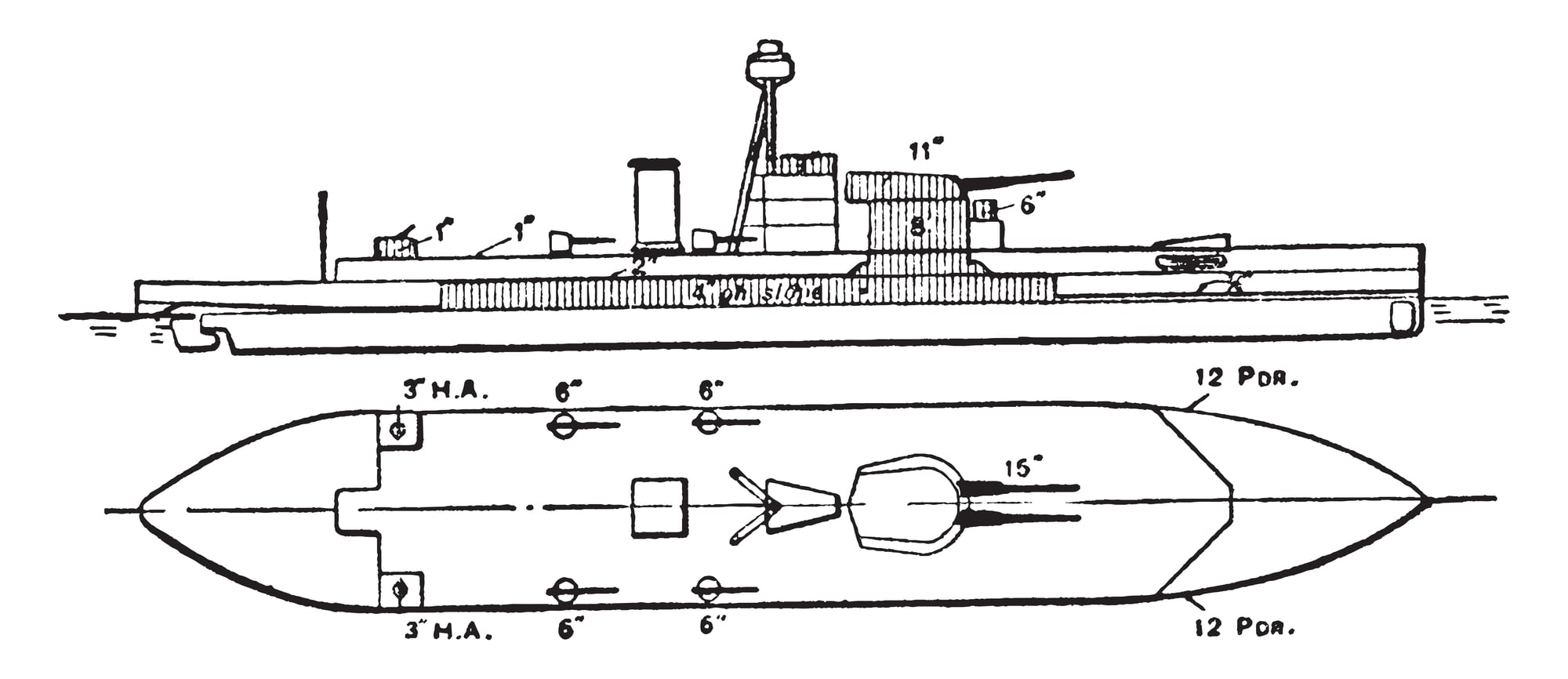
The HMS Erebus departed Britain in 1845 as part of the Franklin Expedition, tasked with navigating the Northwest Passage. All 129 men of the expedition died; the precise fates of individual crew members and both ships remained uncertain for over 150 years.
Erebus was found in 2014 at a depth of eleven metres in the waters off King William Island. Its companion vessel, HMS Terror, was found two years later in 2016.
La Trinidad Valencera (1588 – Discovered 1971)
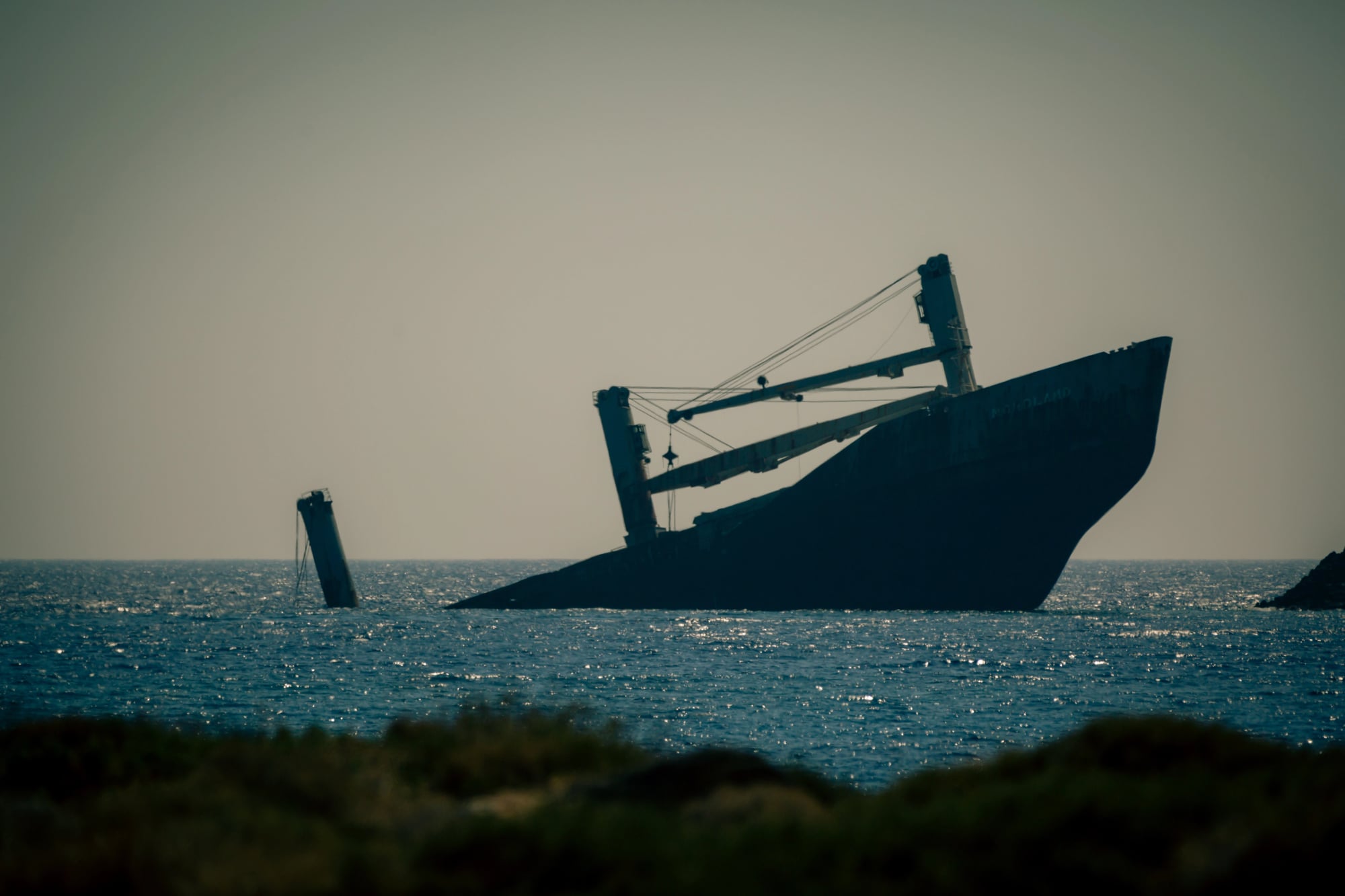
One of the most significant Armada wreck excavations, La Trinidad Valencera was found in Kinnagoe Bay, Ireland. The excavation yielded a nearly complete inventory of its military supplies including bronze cannons, lead ingots, and the personal belongings of soldiers still in their original containers.
The wreck documented the catastrophic losses suffered by the Armada after it was driven around the British Isles by storms following its failure against England.
The Bronze Age Wreck at Cape Gelidonya (C. 1200 BCE – Excavated 1960)
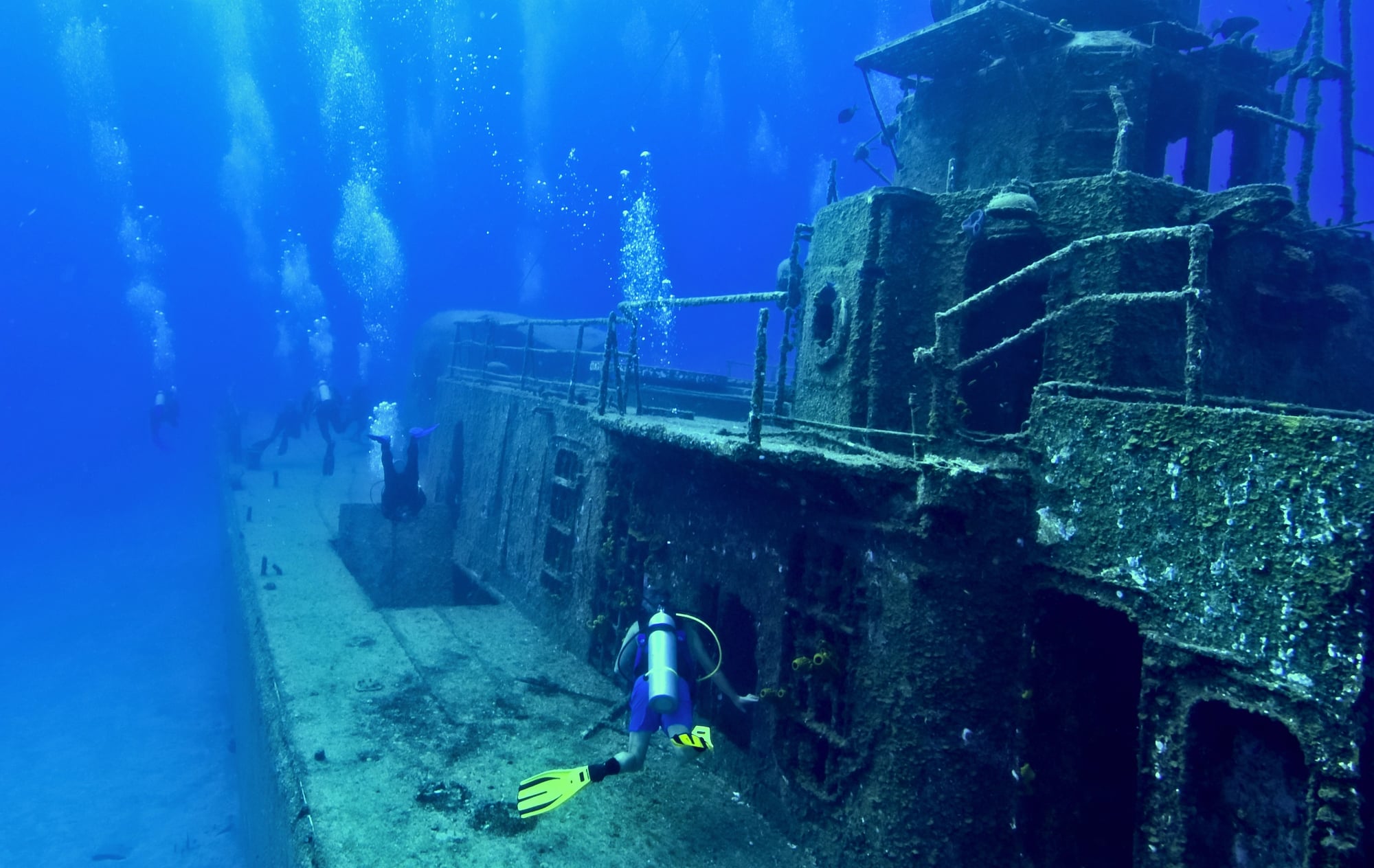
George Bass’s 1960 excavation of the Cape Gelidonya wreck off southern Turkey produced the first fully underwater excavation of a shipwreck ever conducted. The ship was a small Bronze Age merchant vessel, and its cargo of copper and tin ingots, bronze tools, and Canaanite trade goods dated to approximately 1200 BCE.
Bass’s techniques, developed and refined over the course of this excavation, established underwater archaeology as a scientific discipline in its own right.
The Santa Margarita (1622 – Discovered 1980)
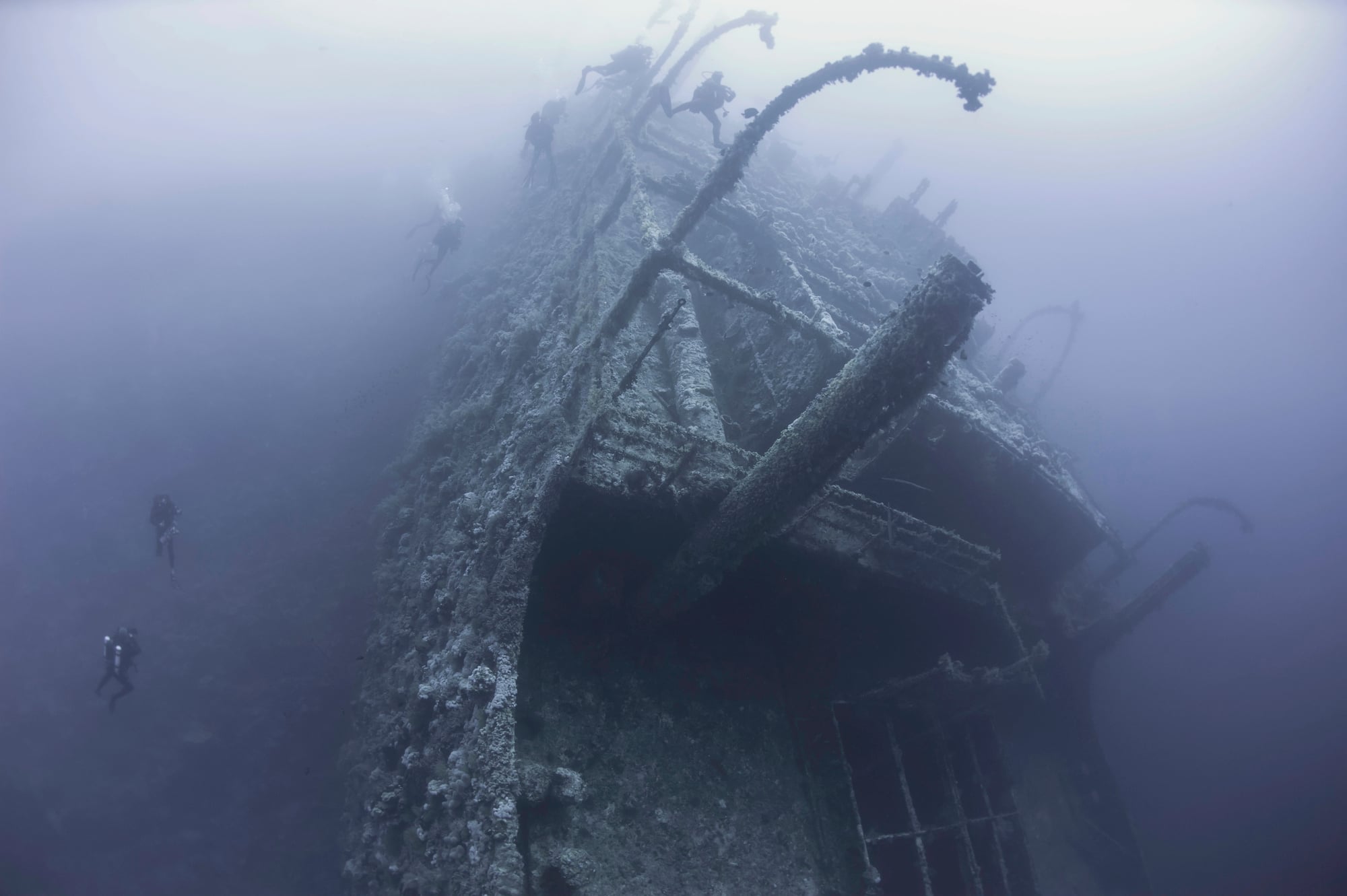
The Santa Margarita sank in the same hurricane as the Atocha in September 1622 and was found by Mel Fisher’s team five years before the Atocha itself. Spanish salvors had partially recovered the Margarita’s cargo in the 1620s using Indian slave labor and a brass diving bell with a glass window.
Fisher’s team found what remained: silver bars, coins, and a collection of personal items belonging to passengers and crew, including gold chains and crucifixes.
The Mentor (1802 – Discovered 2004)
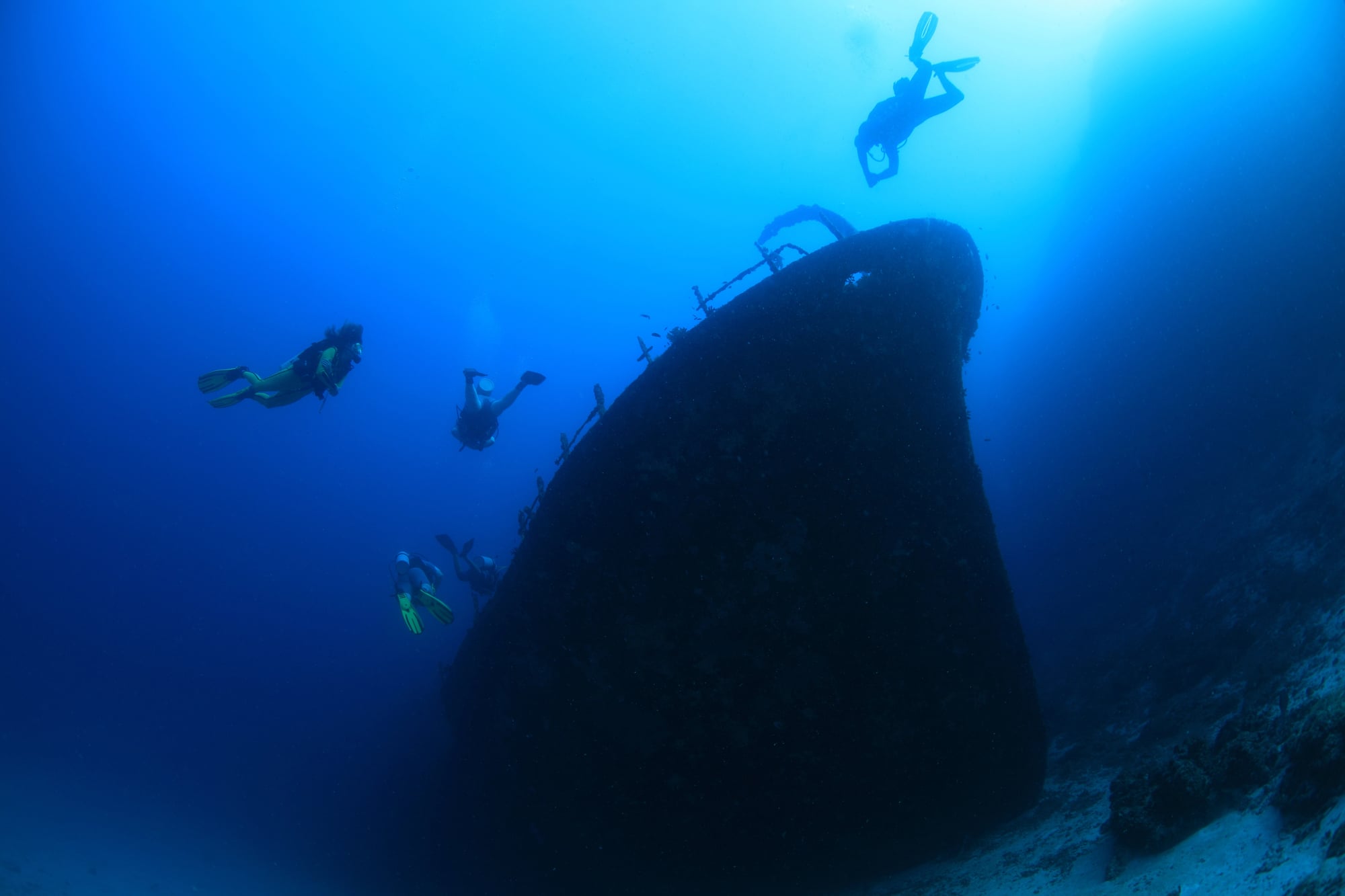
The Mentor was a vessel chartered by Lord Elgin to transport seventeen crates of antiquities removed from the Parthenon in Athens to Britain. It sank off the Greek island of Kythira in 1802.
Much of the cargo was recovered in immediate salvage operations, and the Marbles eventually reached the British Museum in 1816. However, marine archaeologists exploring the site in the early 2000s found additional ancient artifacts still on the seabed, having remained undisturbed beneath the Mentor’s scattered remains for two centuries.
The Vergulde Draeck (1656 – Discovered 1963)
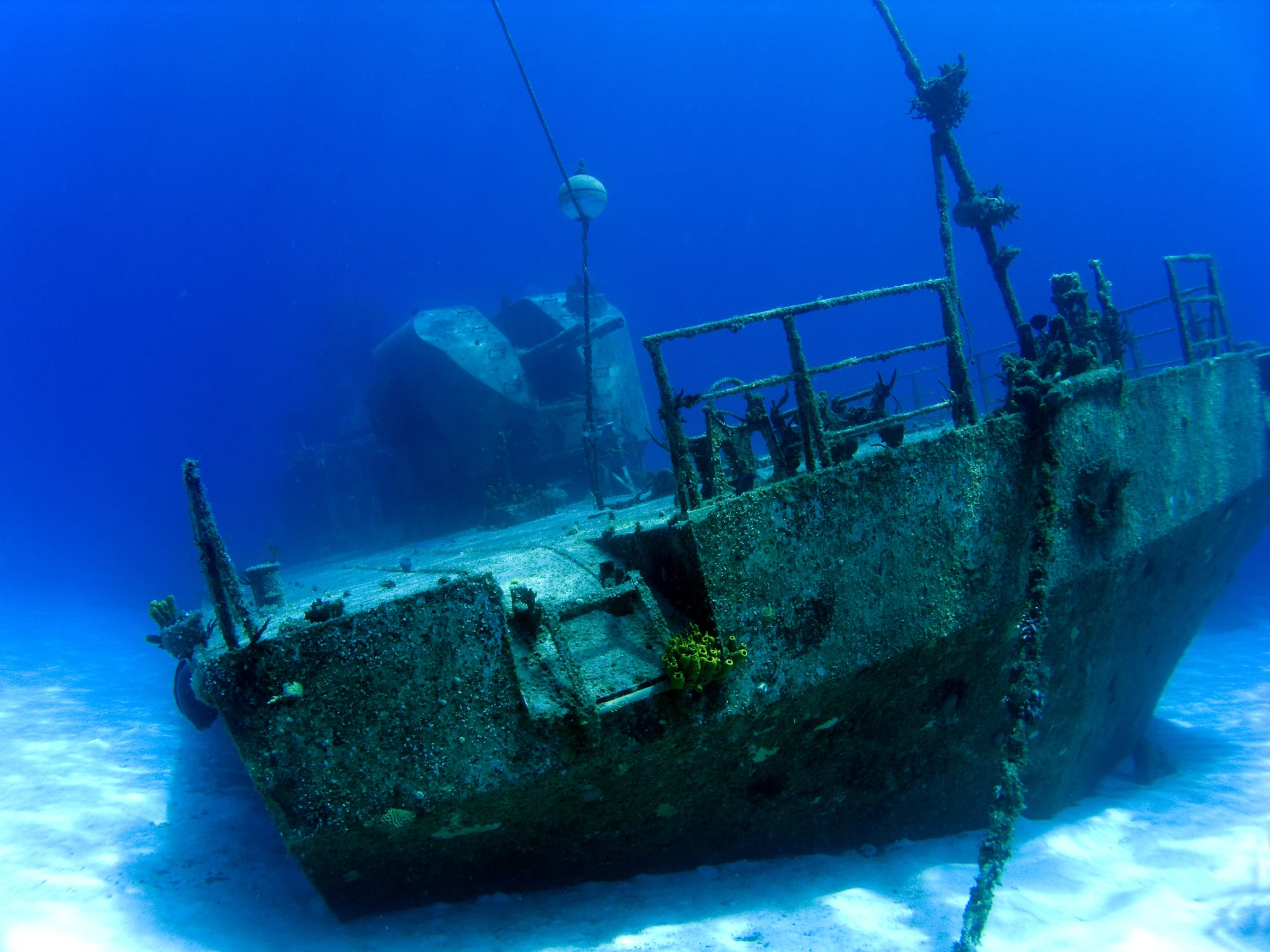
The Vergulde Draeck — Golden Dragon in English — was a Dutch East India Company merchant vessel that struck a reef off the coast of Western Australia in April 1656 with 193 people aboard. Seven survivors reached Batavia in a ship’s boat; the remaining 186 were never found.
Recreational divers located the wreck in 1963, and subsequent excavations recovered over 6,000 artifacts including silver coins, pewter plates, navigation instruments, and personal items.
The SS Gairsoppa (1941 – Discovered 2011)
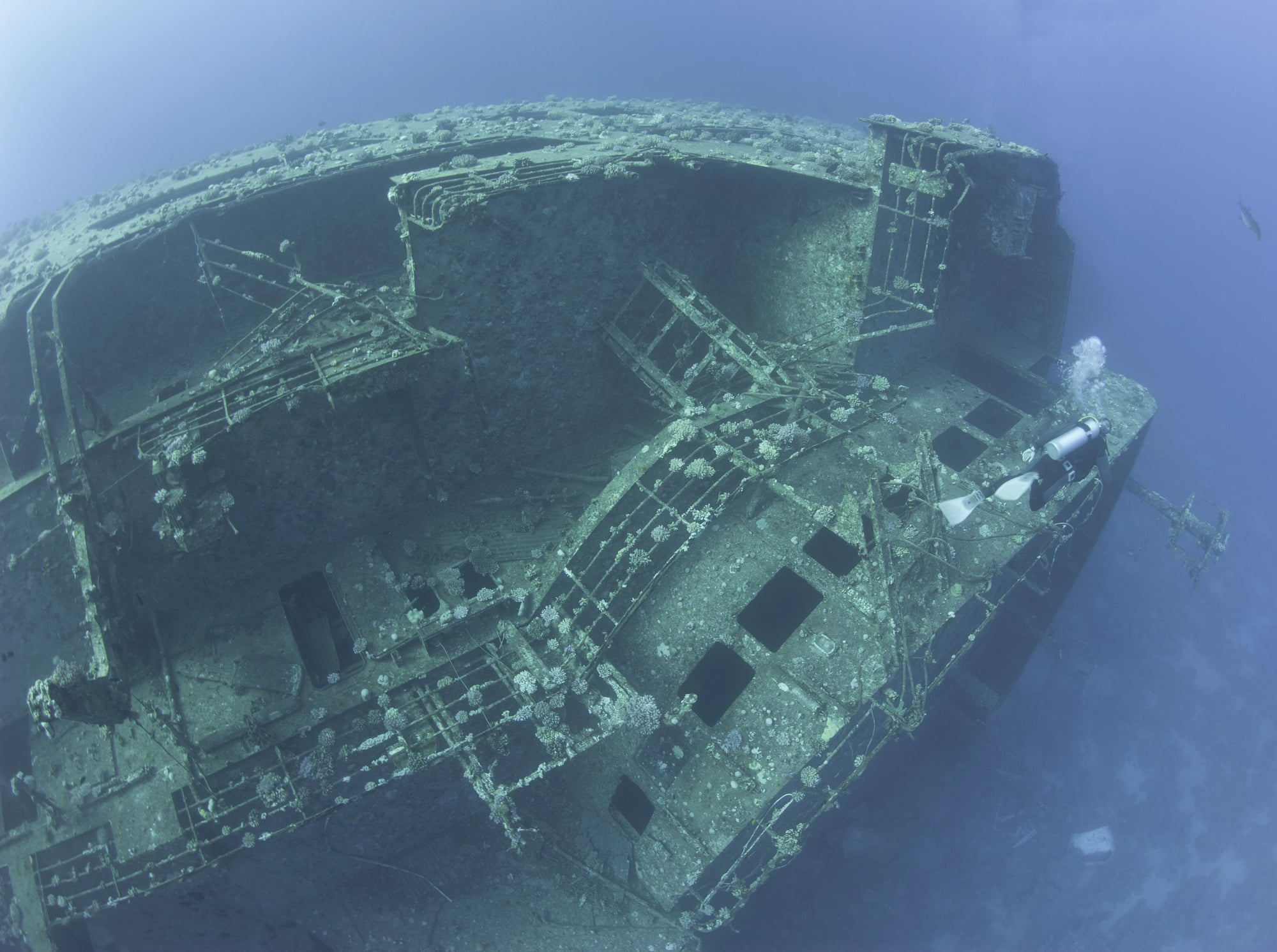
The British cargo ship SS Gairsoppa was torpedoed by a German U-boat in February 1941 and sank to a depth of 15,400 feet off the Irish coast. The ship was carrying roughly 200 tons of silver as part of wartime cargo.
When Odyssey Marine Exploration located the wreck in 2011, it was one of the deepest and largest recoveries of precious metal from a historic shipwreck ever attempted, with approximately 1,218 silver bars recovered in subsequent dives.
The Flor De La Mar (1511 – Location Disputed)
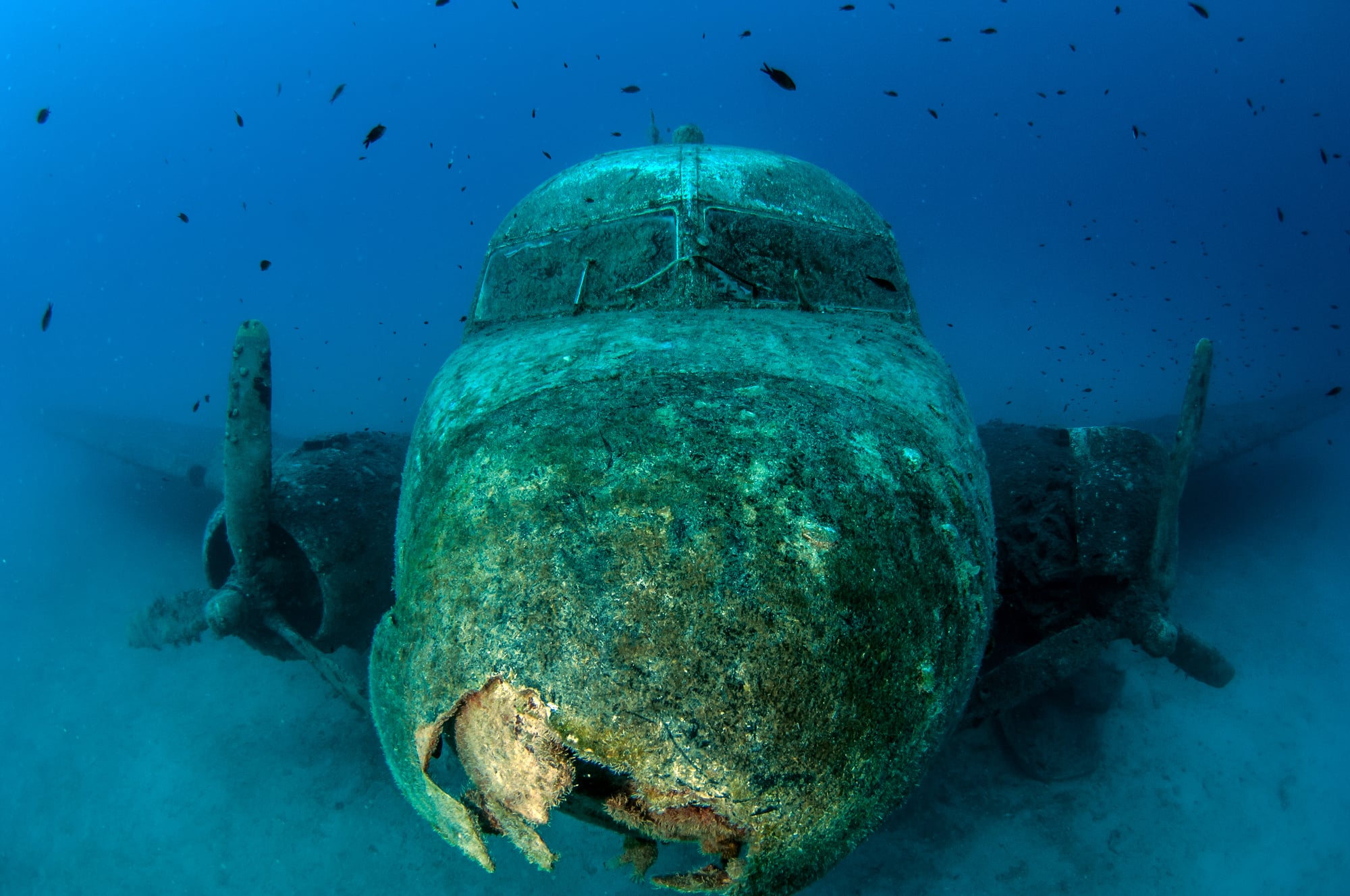
The Flor de la Mar was a Portuguese carrack that sank in the Strait of Malacca in 1511 while carrying what historical accounts describe as the largest treasure ever assembled on a single ship: gold, jewels, and goods looted from the conquest of Malacca. Its precise location remains disputed between Malaysia, Indonesia, Portugal, and various private claimants.
None of the multiple expeditions searching for it has definitively located the wreck.
The Whydah Gally (1717 – Discovered 1984)
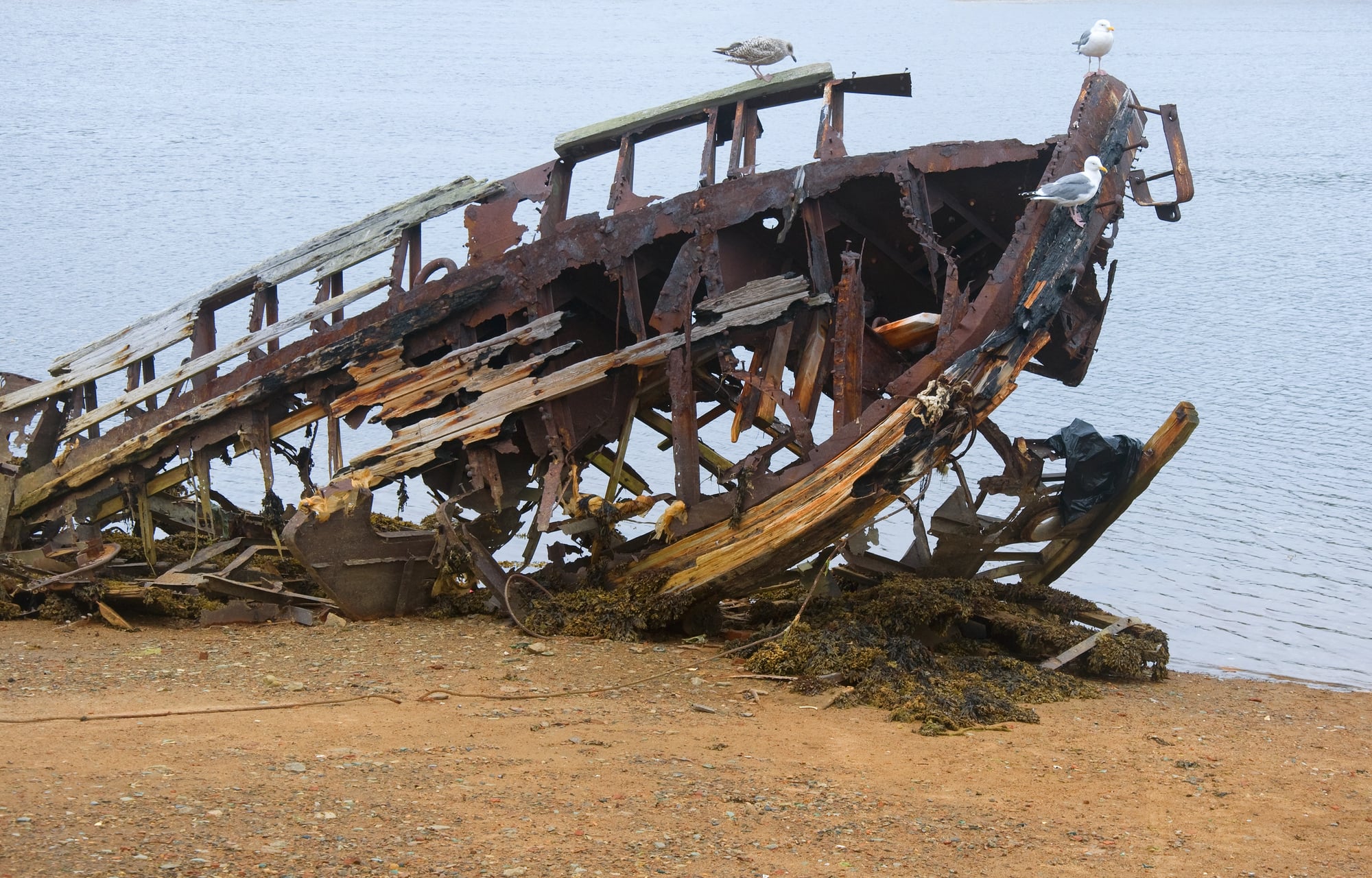
The Whydah Gally was a slave ship captured by the pirate Samuel Bellamy in February 1717 and converted into his flagship. It sank in a violent storm off Cape Cod in April 1717.
Barry Clifford discovered the wreck in 1984, and the subsequent excavation produced approximately 200,000 artifacts including coins, jewelry, weapons, navigational instruments, and a ship’s bell that conclusively identified the vessel. The Whydah is the only fully authenticated pirate shipwreck ever excavated.
The Rooswijk (1740 – Discovered 2004)
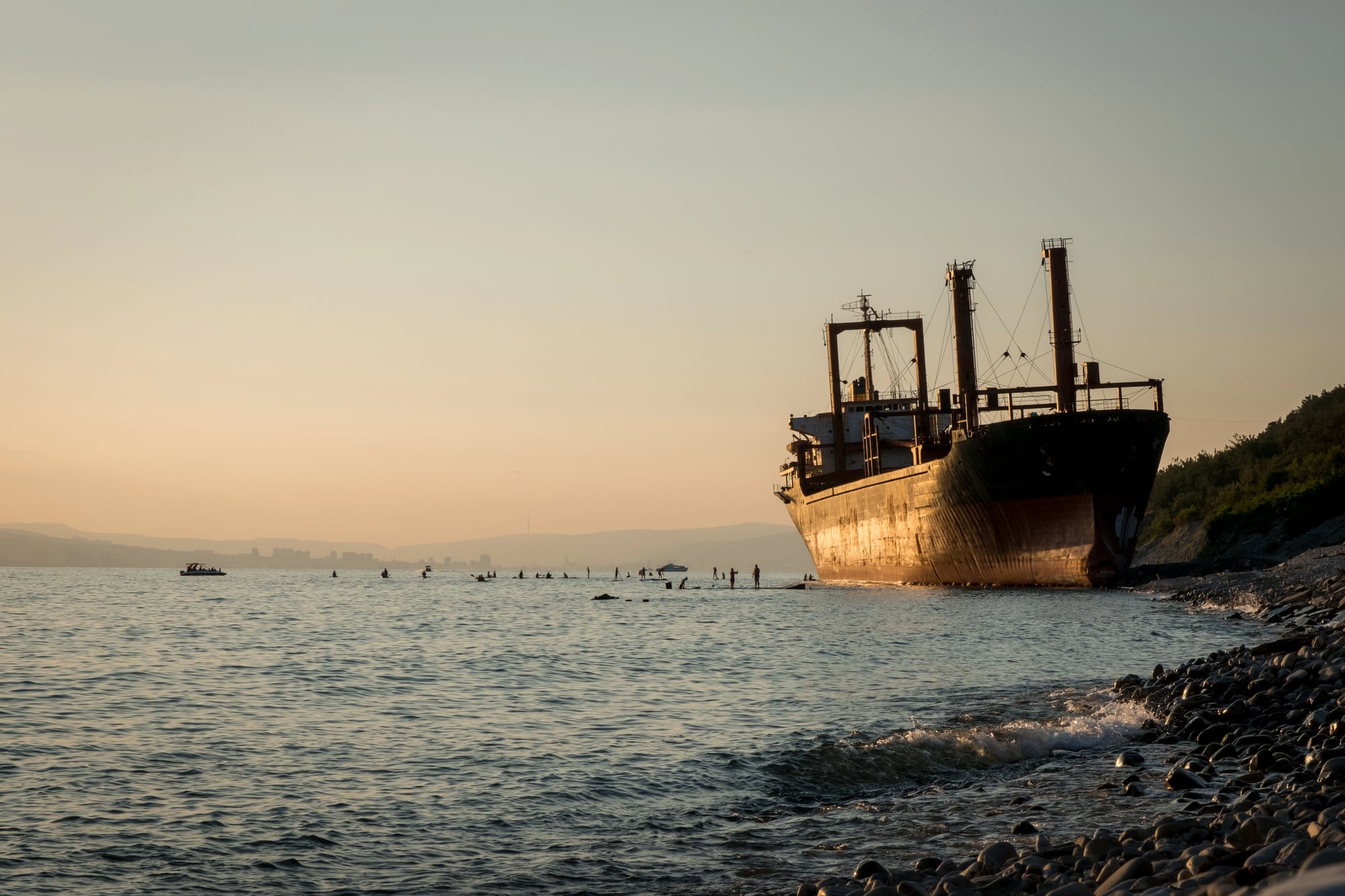
The Dutch East India Company ship Rooswijk sank off the Goodwin Sands in January 1740, killing all 250 crew members. Joint excavations beginning in 2016 recovered silver ingots, personal items, tools, and navigational instruments.
A notable find was a wooden chest containing twelve unused navigation instruments, still in their original packaging after nearly three centuries on the seabed.
The Queen Anne’s Revenge (C. 1718 – Discovered 1996)
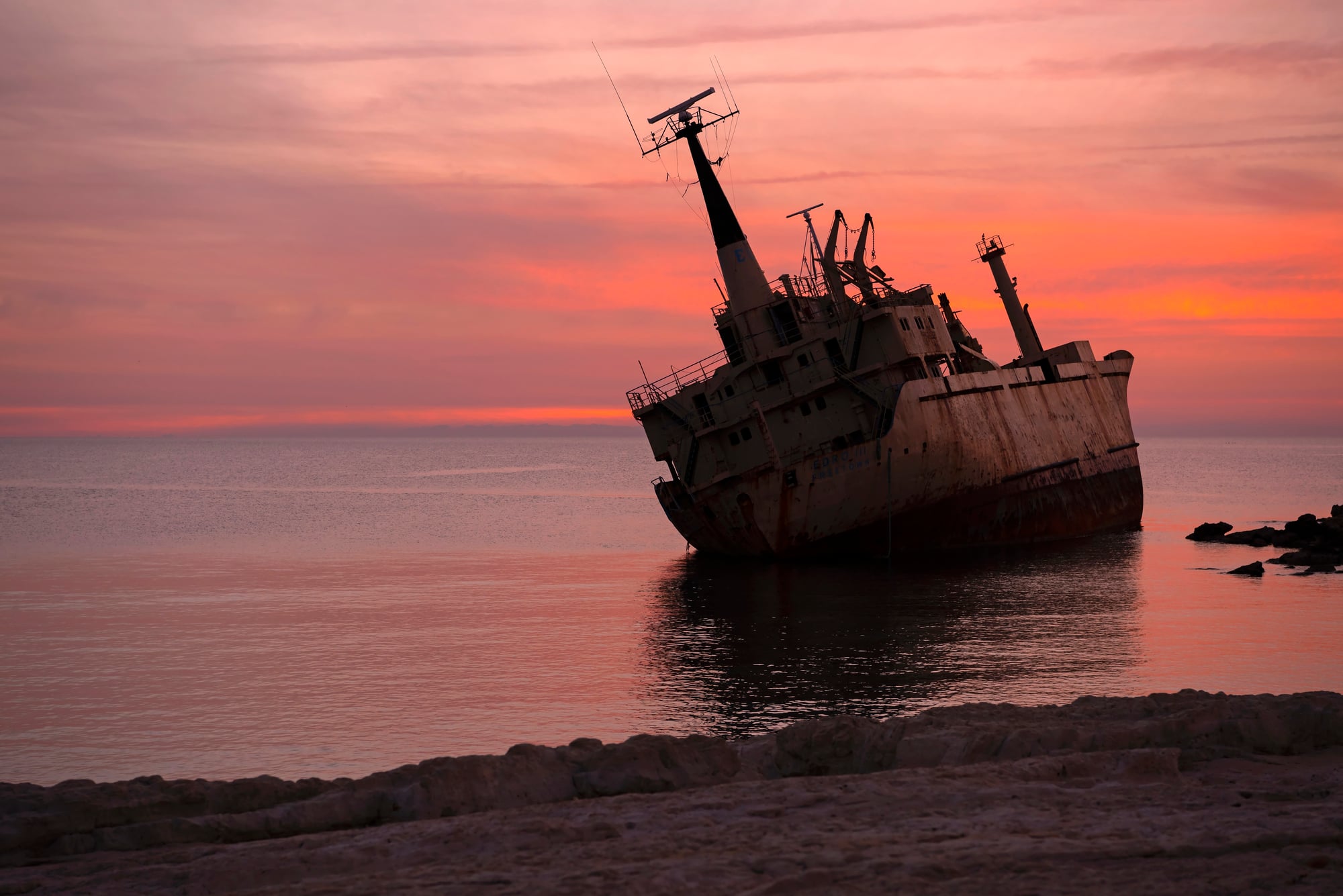
The Queen Anne’s Revenge was the flagship of the pirate Blackbeard (Edward Teach), originally a French slave ship that Blackbeard captured in 1717. It ran aground near Beaufort Inlet in North Carolina in May 1718.
Marine archaeologists identified the wreck in 1996, and ongoing excavations have produced bronze cannons, pewter plates, medical instruments, and personal items. The recovered cannons are being conserved at the North Carolina Department of Natural and Cultural Resources.
The Flota De Tierra Firme Wrecks (1715 – Ongoing Salvage)
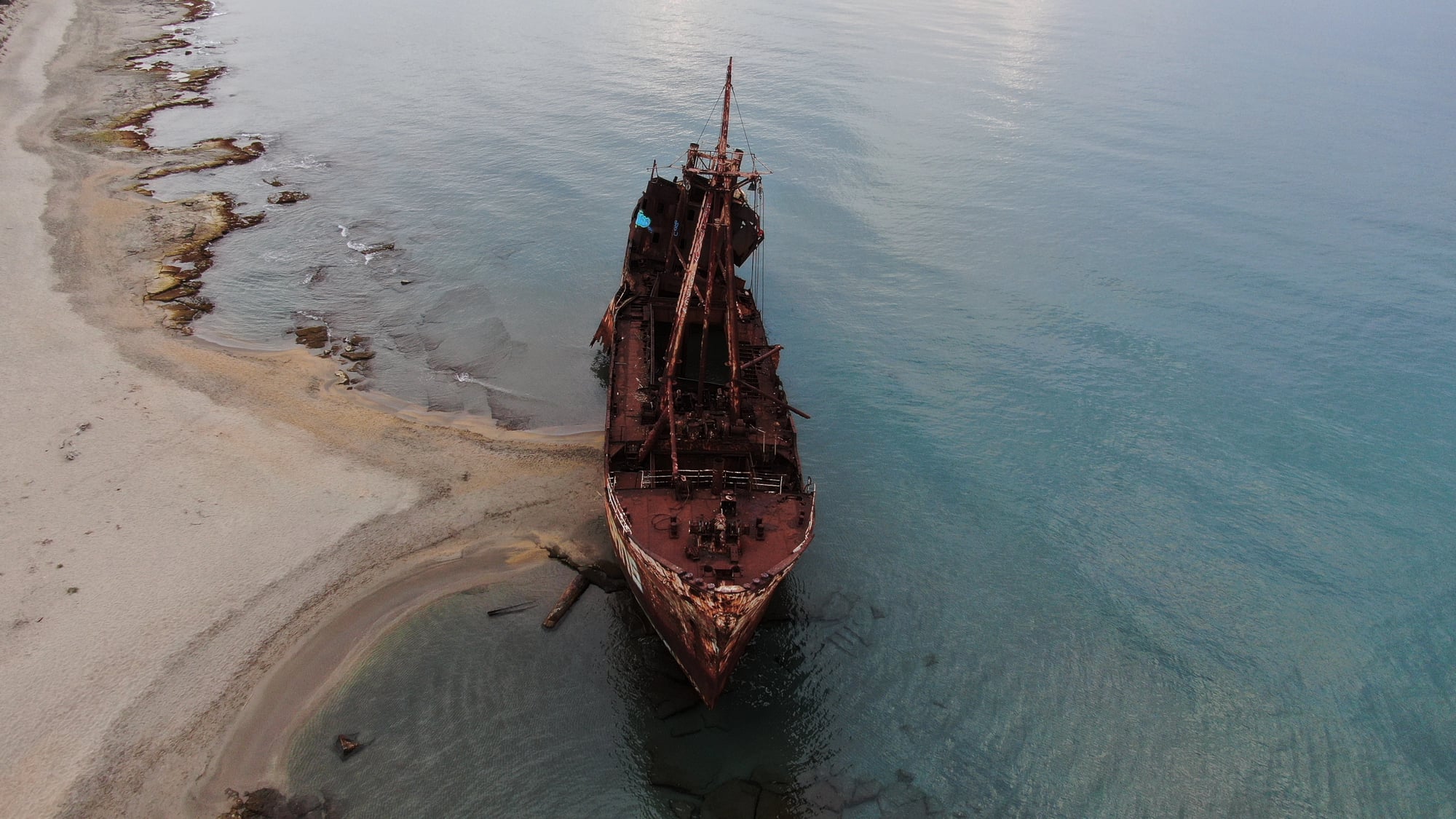
A hurricane struck a fleet of eleven Spanish treasure ships off the Florida coast on July 30, 1715, sinking the entire fleet and killing approximately 700 sailors. The cargo included the personal jewelry of the new queen of Spain, Elisabeth Farnese, which had not yet been insured.
Modern salvage operations along the Florida treasure coast continue to recover pieces in shallow water; a Florida family made headlines in 2015 when they recovered gold coins and a jeweled chain in just fifteen feet of water.
The Nao Santa Cruz (1773 – Discovered 2019)
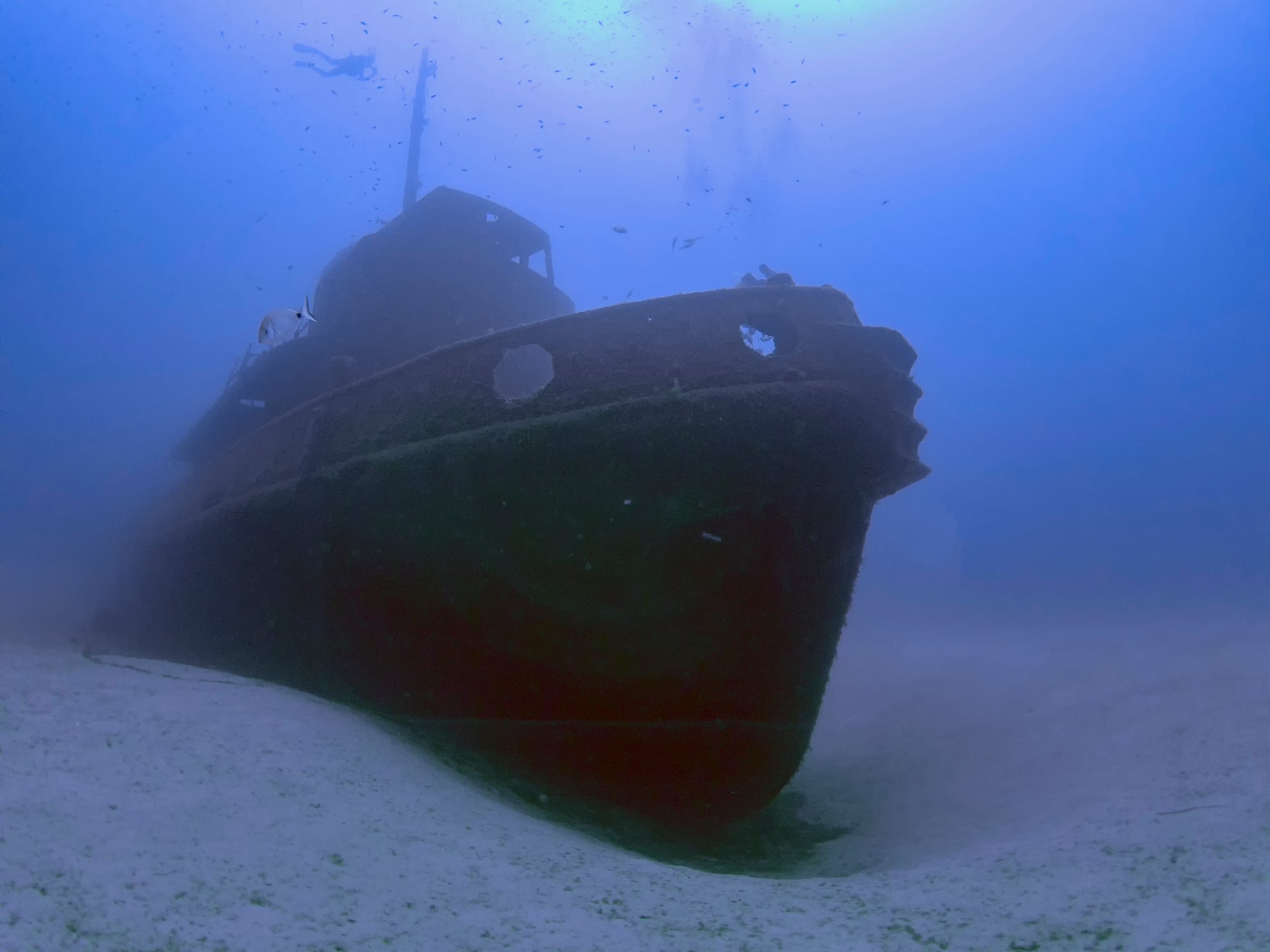
Uruguayan maritime archaeologists located the Nao Santa Cruz in 2019 after correlating historical documents with survey data from the Río de la Plata estuary. The ship proved to be one of the best-preserved colonial-era vessels in South American waters.
Much of the ship’s wooden structure remained, allowing researchers to document in detail the construction techniques used in Spanish colonial shipbuilding — a category of vessel from which very few physical examples survive.
The Dunwich Wrecks (Medieval – Ongoing Surveys)
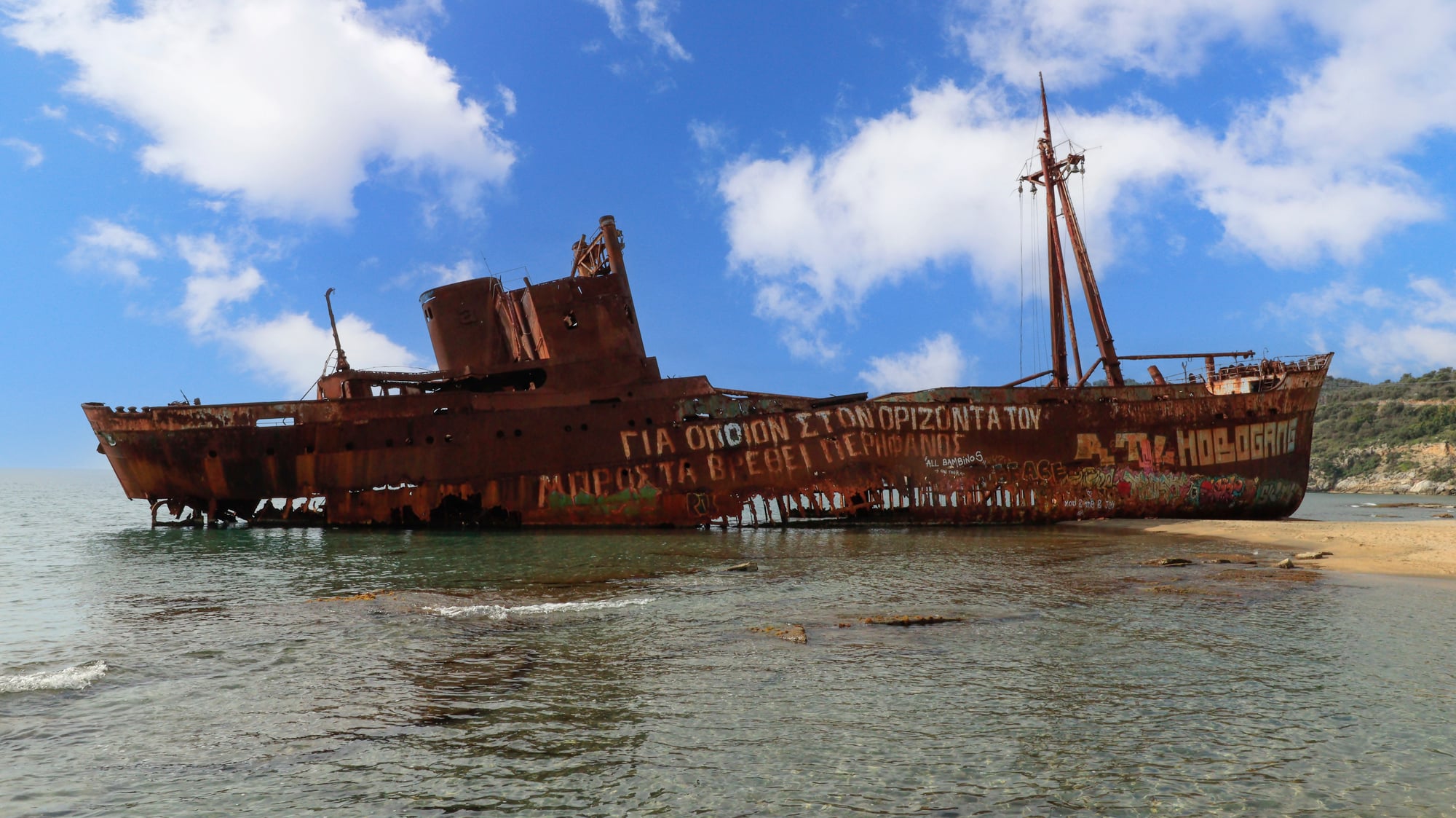
The town of Dunwich on the Suffolk coast of England was once one of the largest cities in medieval England, and much of it gradually fell into the North Sea between the twelfth and sixteenth centuries as coastal erosion consumed the cliffs. Underwater surveys have located the remains of multiple medieval vessels and harbour structures.
Stone anchors, ceramic cargo, and the structural remains of medieval quays have all been documented. The submerged city of Dunwich has no parallel in the British archaeological record.
The U-576 And The Bluefields (1942 – Discovered 2014)
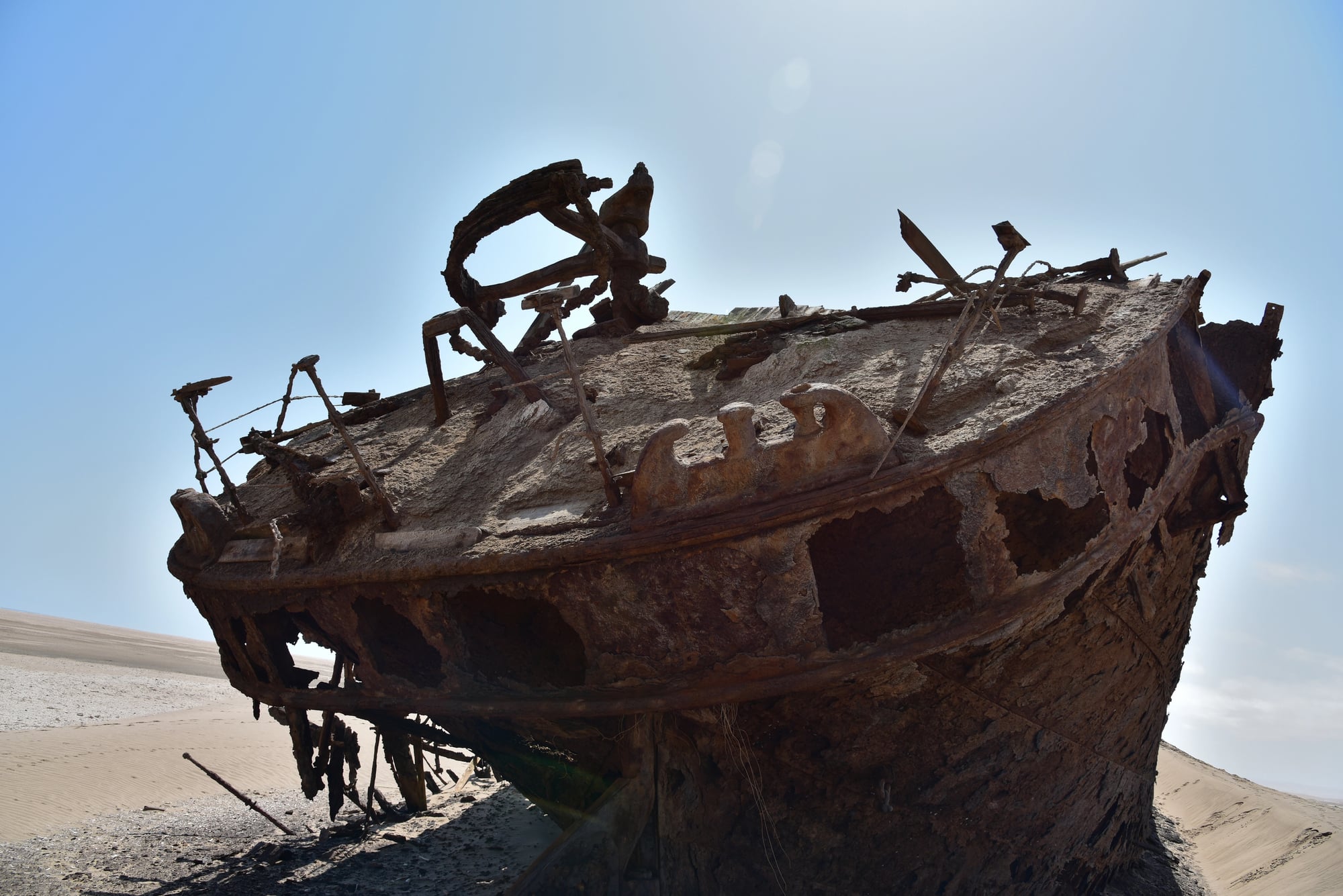
NOAA maritime archaeologists discovered, in a single 2014 survey, two ships resting within 240 yards of each other off Cape Hatteras: the German submarine U-576 and the Nicaraguan merchant ship Bluefields, which U-576 had torpedoed in July 1942 before being sunk itself by American aircraft minutes later.
Both vessels were found largely intact, their proximity on the seabed a permanent record of the final seconds of a World War II engagement. The site is protected as a war grave under both American and German law.
The Sinan Wreck (C. 14th Century – Discovered 1975)
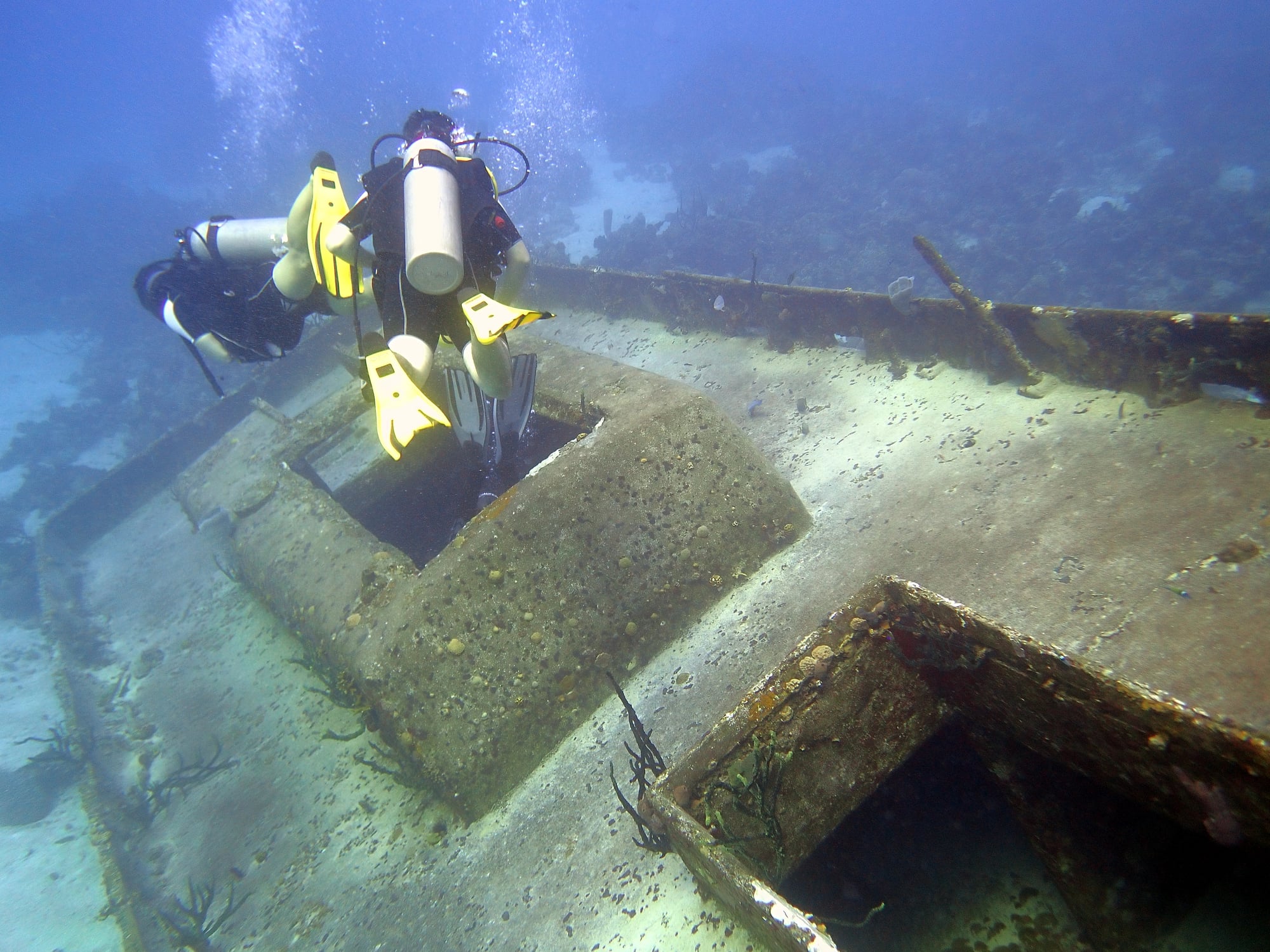
The Sinan wreck, found by a fisherman off the coast of South Korea in 1975, proved to be a fourteenth-century Chinese trading vessel carrying cargo bound for Japan. Over a period of nine years, the Korean government recovered more than 20,000 ceramic pieces — including celadon and blue-and-white porcelain — along with 28 tons of copper coins, medicinal herbs still identifiable, and wooden slips documenting the cargo manifest and consignee.
The copper coins had been stacked into units and tied with rope, and the rope was still attached to some of the stacks when they were brought up.
When The Sea Keeps Records
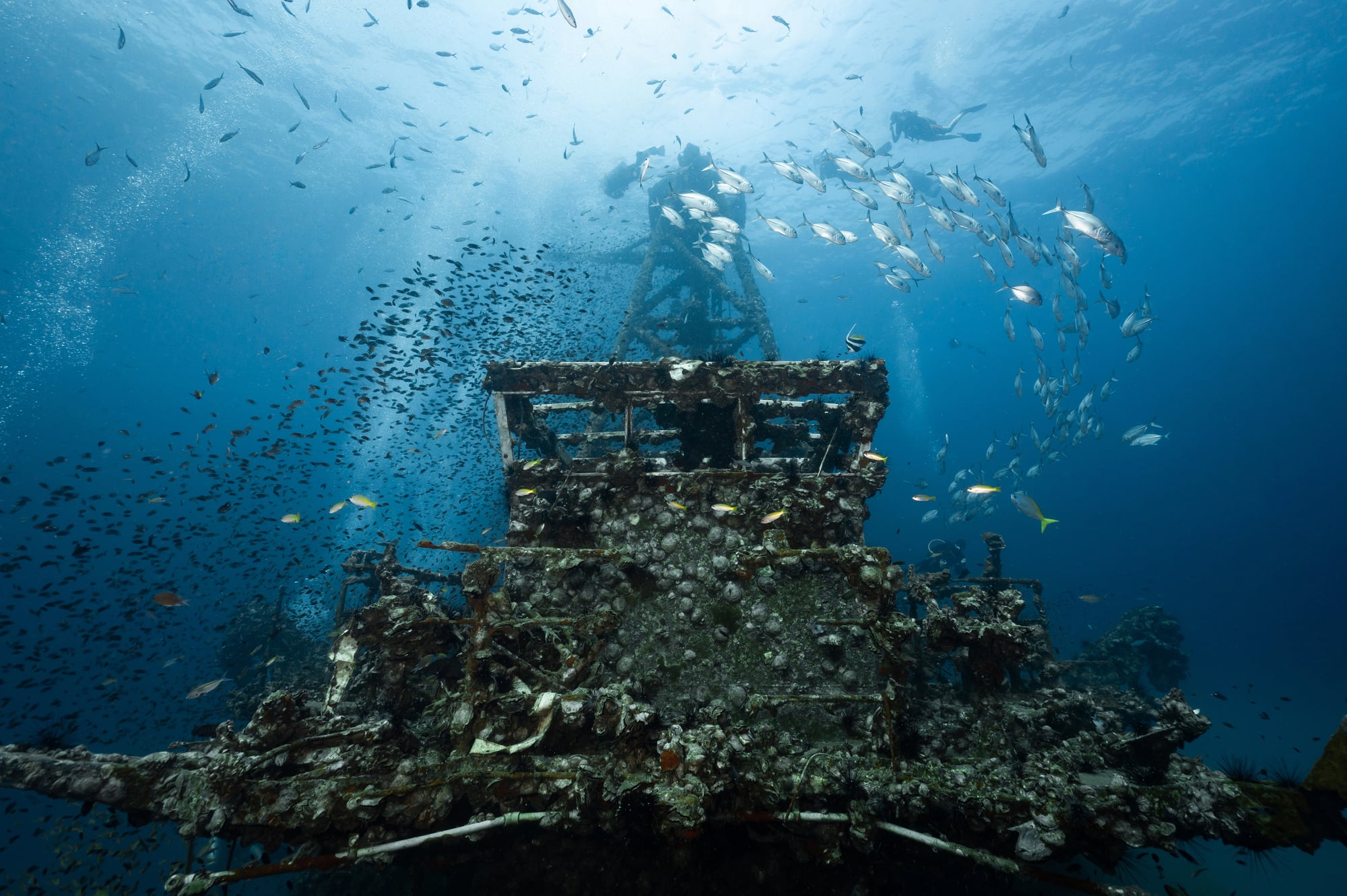
What the ocean floor preserves, it preserves with an indifference that no archive can match. Fire, flood, conflict, and deliberate destruction have erased more of the historical record than any other forces — but a ship that goes down quickly and lands in cold, oxygen-poor, or sediment-rich water can remain unchanged for millennia.
The cargo manifests of merchant vessels, the personal items of soldiers and sailors, the luxury goods destined for royal courts — all of it sometimes survives, stacked and sealed, while the world above forgets the ship ever existed.
The wrecks in this list represent a fraction of what remains to be found. Estimates vary, but some marine archaeologists suggest that fewer than five percent of the world’s historic shipwrecks have been located, and a far smaller proportion have been systematically excavated.
The technology now available to survey the deep ocean is advancing faster than the institutional capacity to deploy it, which means the list of known wrecks with intact cargo is likely to grow substantially in the coming decades. What is already known is enough to be startling.
More from Go2Tutors!

- The Romanov Crown Jewels and Their Tragic Fate
- 13 Historical Mysteries That Science Still Can’t Solve
- Famous Hoaxes That Fooled the World for Years
- 15 Child Stars with Tragic Adult Lives
- 16 Famous Jewelry Pieces in History
Like Go2Tutors’s content? Follow us on MSN.



