Scientific Toys That Turned Bedrooms Into Laboratories
For much of the twentieth century, the way to feel like a scientist was to own the equipment: a box of reagents, a pile of steel girders, a microscope, or a counter that clicked near uranium. Manufacturers sold curiosity with total confidence, and parents bought it.
The sets below run from the early 1900s through the Cold War, and several carried risks that no toy maker would accept today. Prices for vintage sets depend heavily on completeness and condition.
The Erector Set
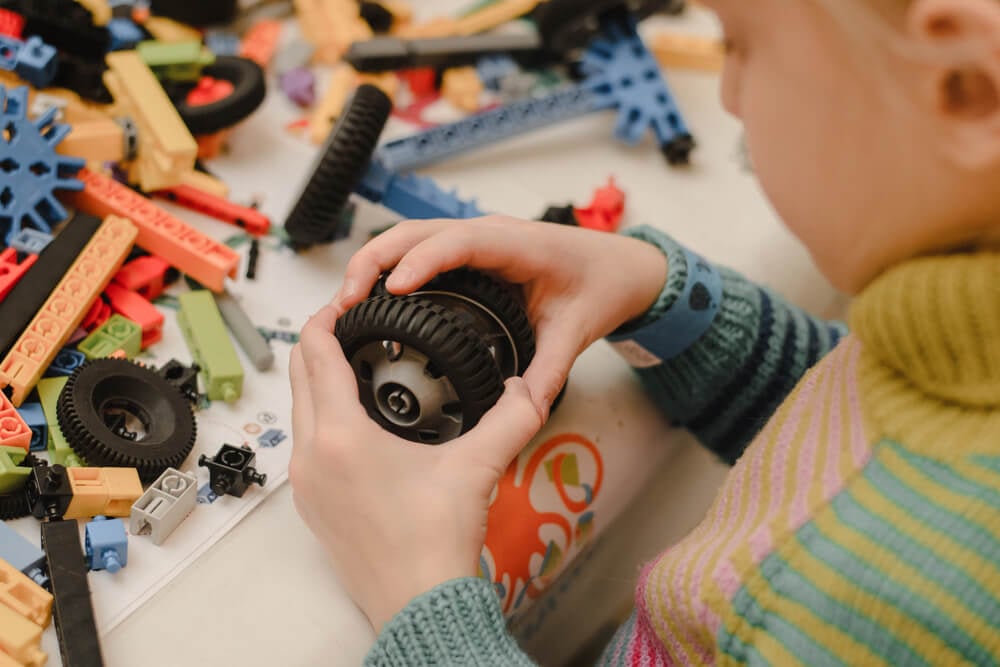
A. C. Gilbert introduced the Mysto Erector Structural Steel Builder at the New York Toy Fair in 1913, inspired by watching cranes lift steel girders. It was backed by what is described as the first major American advertising campaign for a toy.
The set won a gold medal at the Panama-Pacific Exposition in San Francisco in 1915, and the company became the A. C. Gilbert Company in 1916. Gilbert’s firm went bankrupt in 1967, so complete boxed sets from its decades of production now draw collectors.
The Erector Contest

Gilbert invented the Erector Contest in 1913 as a way to collect new model ideas for his catalogs. The prizes were extravagant, including automobiles and ponies.
The first national campaign also placed ads in magazines such as the Saturday Evening Post, turning a box of metal strips into a household name within a few years.
Meccano
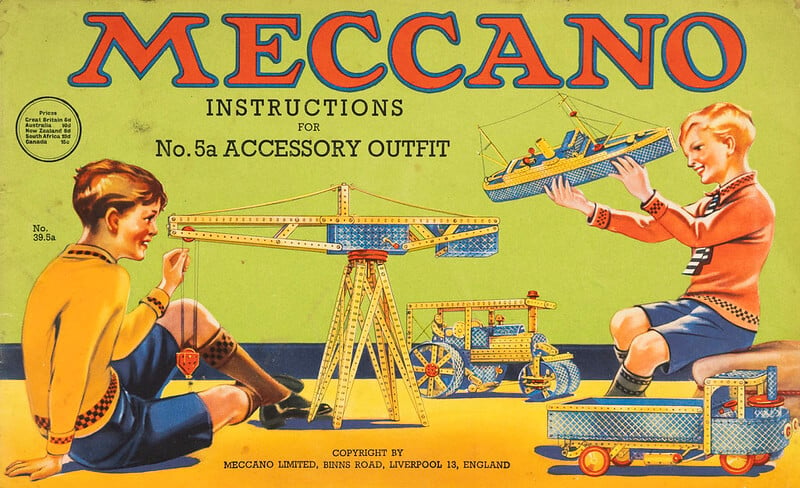
Frank Hornby, a Liverpool clerk, began sketching a system of interchangeable metal strips, wheels, and axles in 1898 to entertain his children. He patented it in 1901 as Mechanics Made Easy, and the first outfits sold in 1902 for 7 shillings 6 pence.
An engineering professor at Liverpool University, Henry Selby Hele-Shaw, endorsed the toy, which helped Hornby secure parts suppliers. The name Meccano was registered in 1907, and Meccano Ltd was established the following year.
Tinkertoy
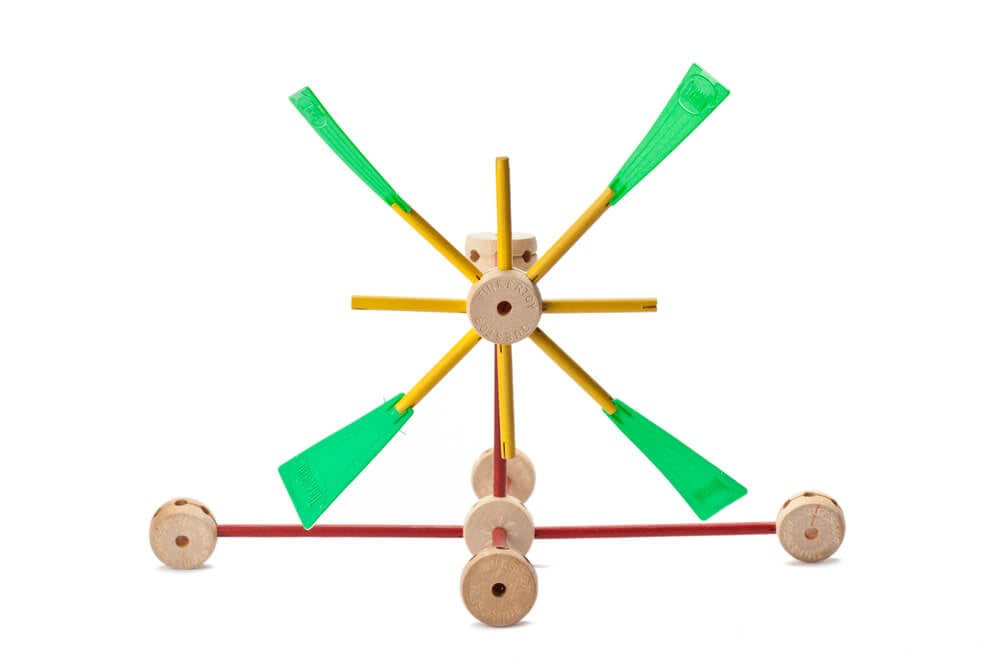
Charles Pajeau, a stonemason from Evanston, Illinois, pitched the idea in 1913 on a commuter train to Robert Pettit, a Chicago Board of Trade trader, and the two formed the Toy Tinkers Company. Tinkertoys appeared at the New York Toy Fair in 1914, and sources put first-year sales between about 900,000 and more than a million sets.
Instructions covered elaborate builds such as printing presses, lathes, and power saws. The toy entered the National Toy Hall of Fame in 1998.
Porter Chemcraft Begins in Hagerstown
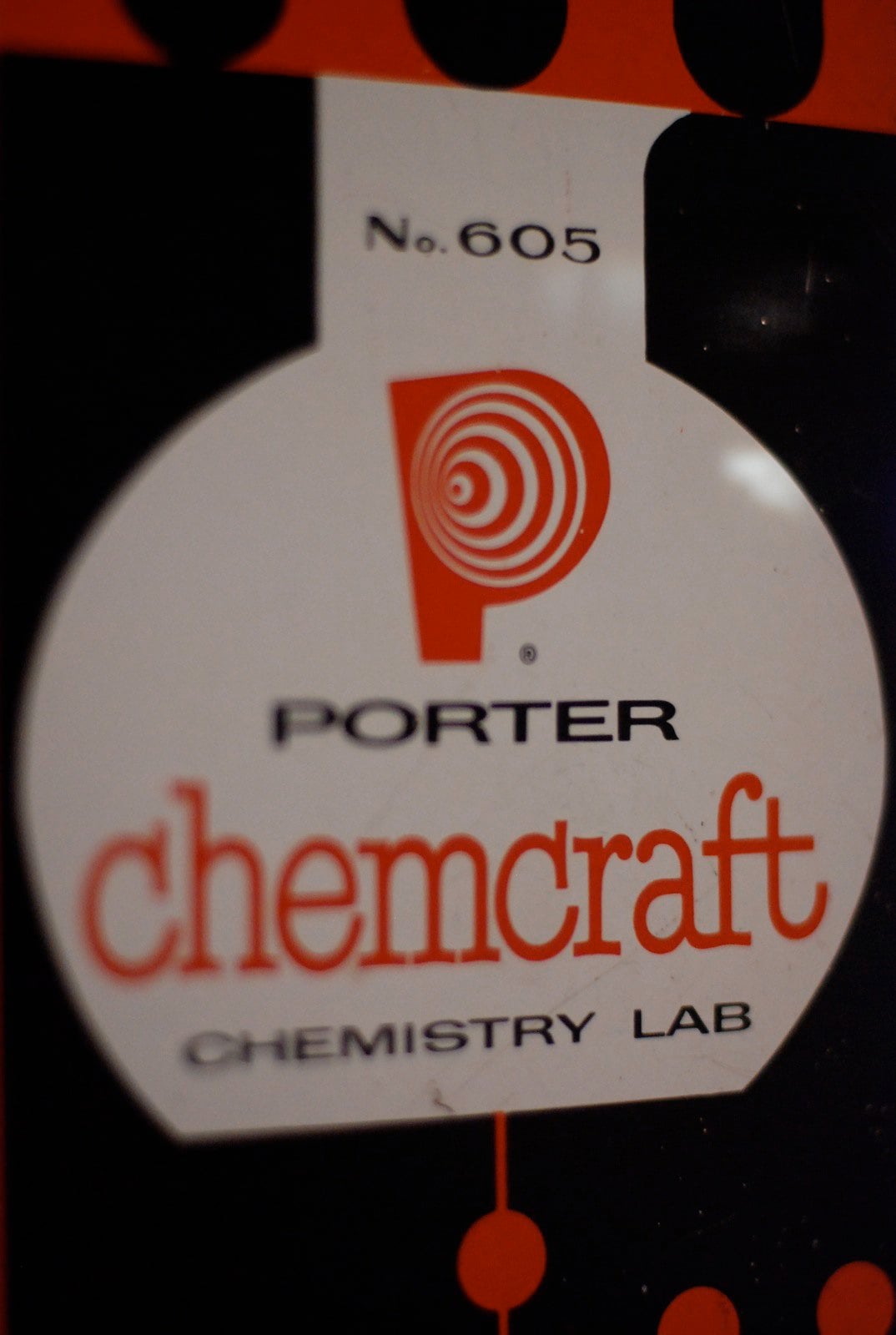
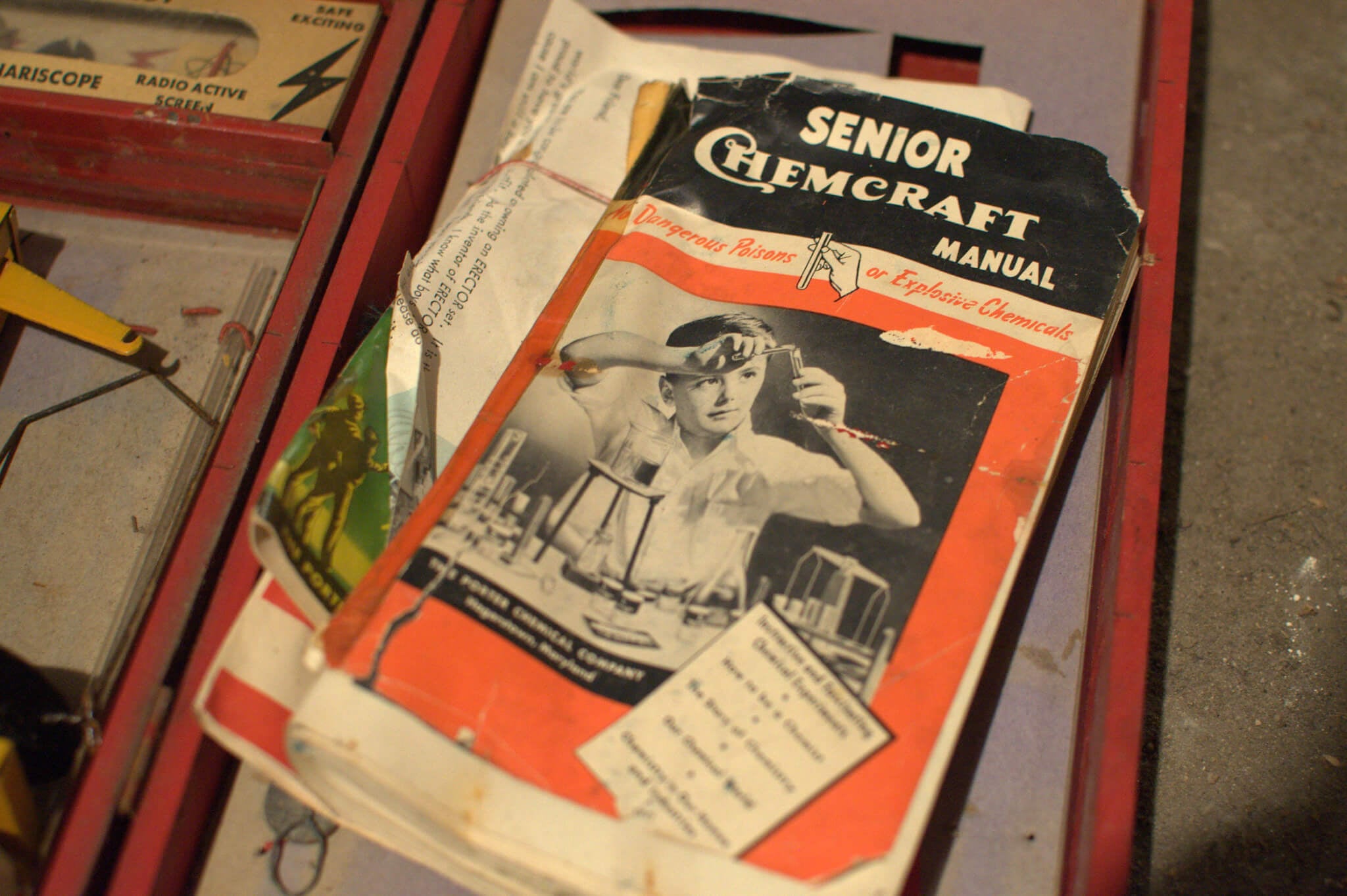
John J. and Harold Mitchell Porter began the Porter Chemical Company in Hagerstown, Maryland, in 1914, and the first Chemcraft sets reached stores around 1915 and 1916. Their basement-built boxes of “chemical magic” produced invisible inks and color changes, and they are considered the first modern chemistry sets for children.
By 1939 the company claimed to be the largest consumer of glass test tubes in the world. In 1955 it manufactured 425,000 chemistry and microscope sets.
Gilbert Chemistry Sets
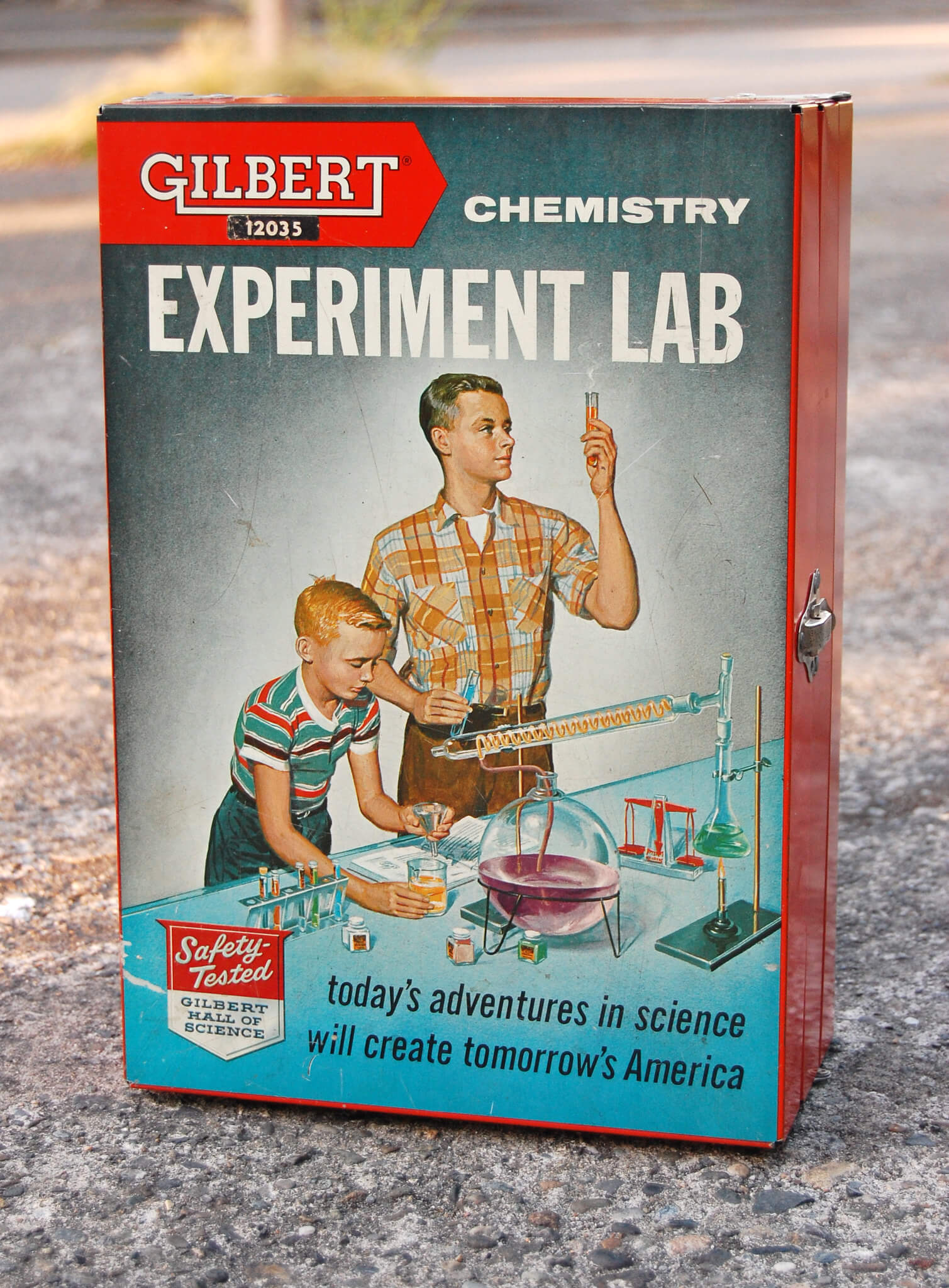
Gilbert entered the market in 1923 with his own chemistry sets, which earned the Good Housekeeping seal despite including an explosives experiment. A 1946 manual by chemist Treat B.
Johnson, Fun with Gilbert Chemistry, ran 128 pages. The company also made microscope kits and inexpensive reflector telescopes alongside its Erector sets.
Chemcraft Master Laboratory and Atomic Energy
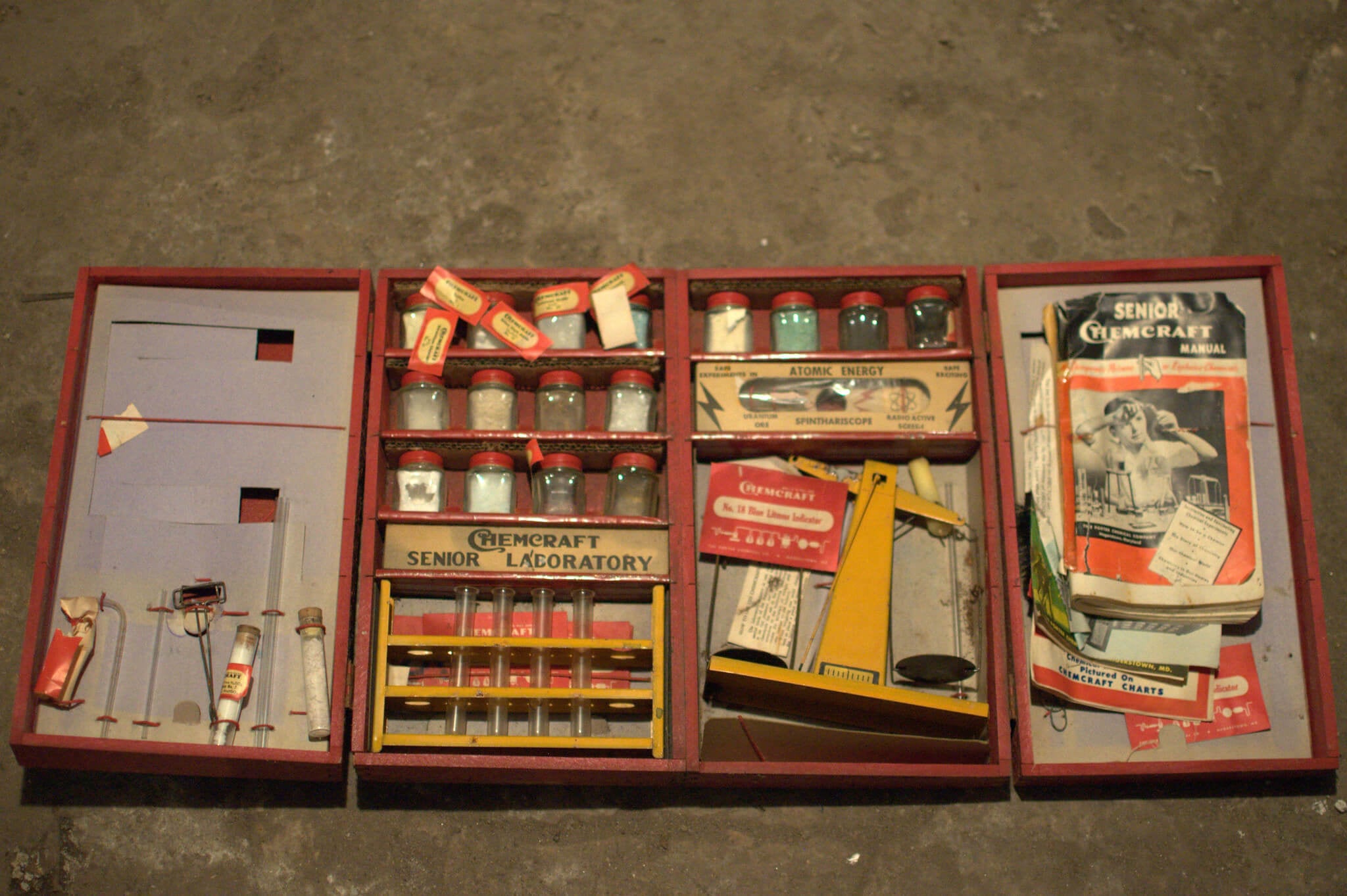
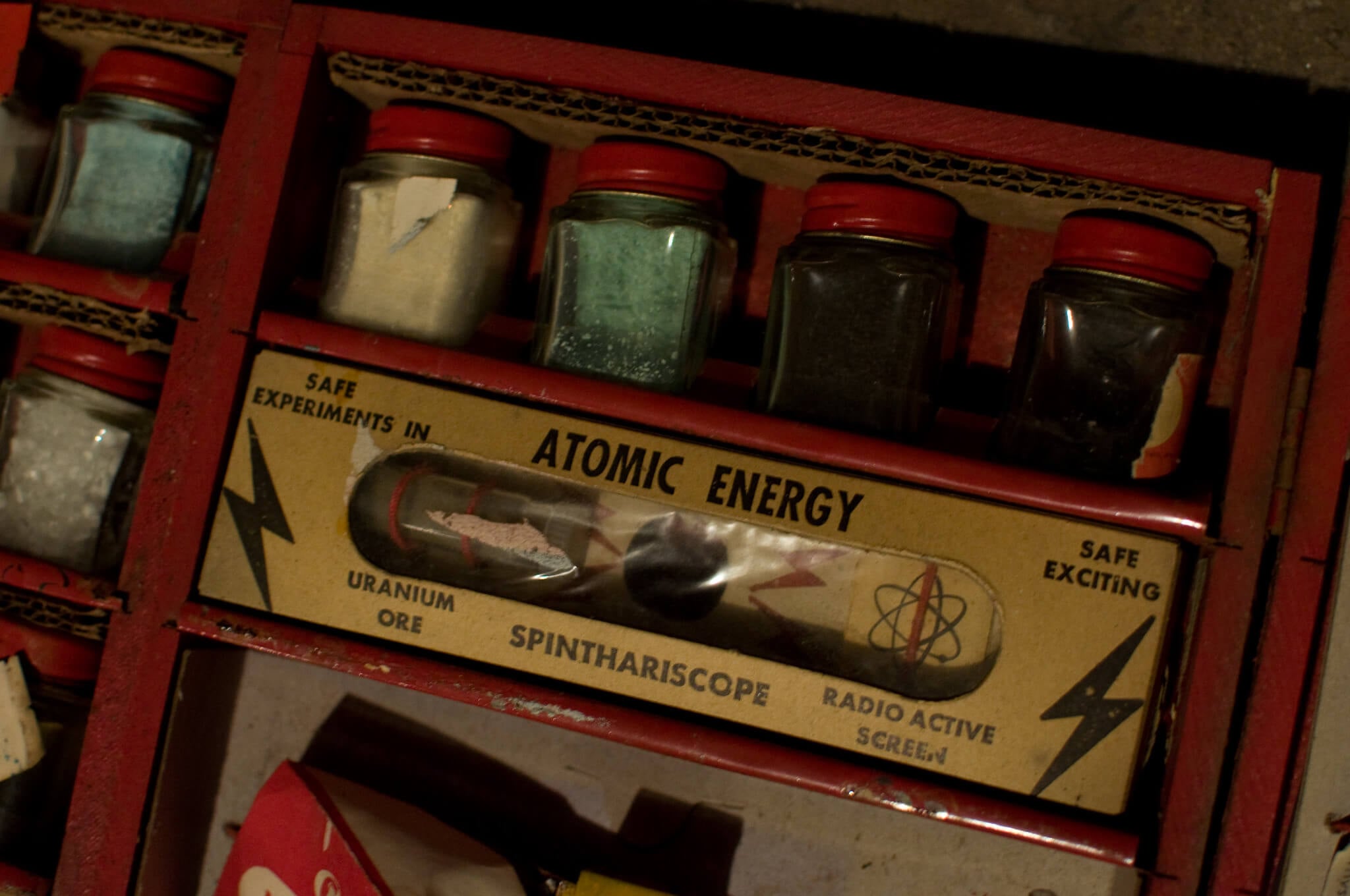
Popular Science covered a Chemcraft atomic energy set in December 1947. By 1951 the top-of-the-line Chemcraft Master Laboratory retailed for $27.50 and contained, among other things, radioactive uranium ore.
Competing Porter sets that also contained uranium ore sold for $10 and $25, making radioactivity a standard selling point for a few years.
The Gilbert U-238 Atomic Energy Lab
Gilbert’s U-238 Atomic Energy Lab of 1950 included a battery-powered Geiger-Muller counter, an electroscope, a spinthariscope, a cloud chamber with a short-lived polonium-210 source, and four jars of uranium-bearing ore. The 60-page manual was written by Manhattan Project physicist Ralph E. Lapp, and the set arrived with a Dagwood comic book. At $49.50 it was expensive for a toy, and fewer than 5,000 units reportedly sold over two years of production. Complete surviving sets are rare and priced accordingly.
Microcraft and Gilbert Microscope Kits

Porter’s Microcraft line of microscope sets competed directly with the Gilbert company’s microscope kits, which began in 1934. These kits let children examine pond water, plant cells, and insect wings from the edge of a bed.
Microscope sets ranked alongside chemistry sets as Porter’s best sellers during the 1950s.
The Chemcraft Science Club
Porter did not stop at selling boxes. The company ran a Chemcraft Science Club with membership cards and published a Chemcraft Science Magazine, and it promoted essay contests for young aspiring scientists.
One slogan declared that Porter Science prepared young America for world leadership, tying a toy purchase to national ambition.
Lionel’s Electric Express
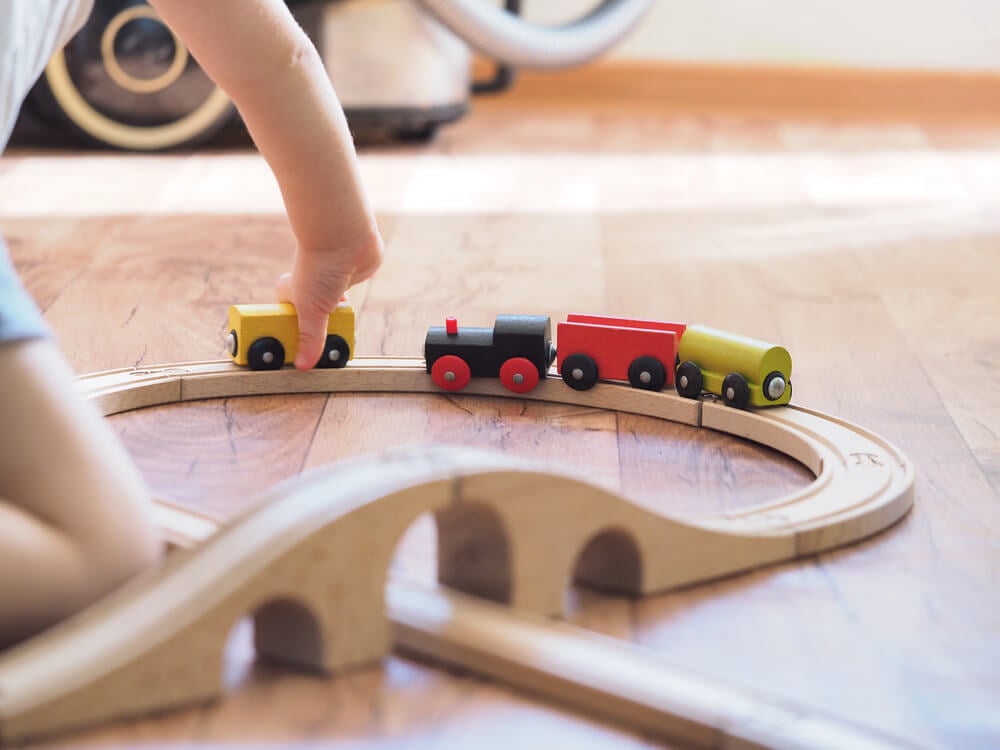
In 1900 Joshua Lionel Cowen and Harry C. Grant founded the Lionel Manufacturing Company, and Cowen’s first train, the Electric Express, borrowed a motor intended for a battery-powered fan. It was originally meant as a store window display, and the first example reportedly sold for four dollars to a Manhattan novelty shop.
Customers wanted to buy the display instead of the merchandise, and the company issued its first catalog in 1902.
Edison’s Talking Doll

Thomas Edison’s phonograph doll went on sale April 7, 1890, standing 22 inches tall and weighing about four pounds thanks to the tiny phonograph hidden inside. Cranked by hand, it recited nursery rhymes recorded on wax cylinders.
Sales were poor, production halted within weeks, and the Edison Phonograph Toy Manufacturing Company was more than $50,000 in debt by the fall.
The Slinky
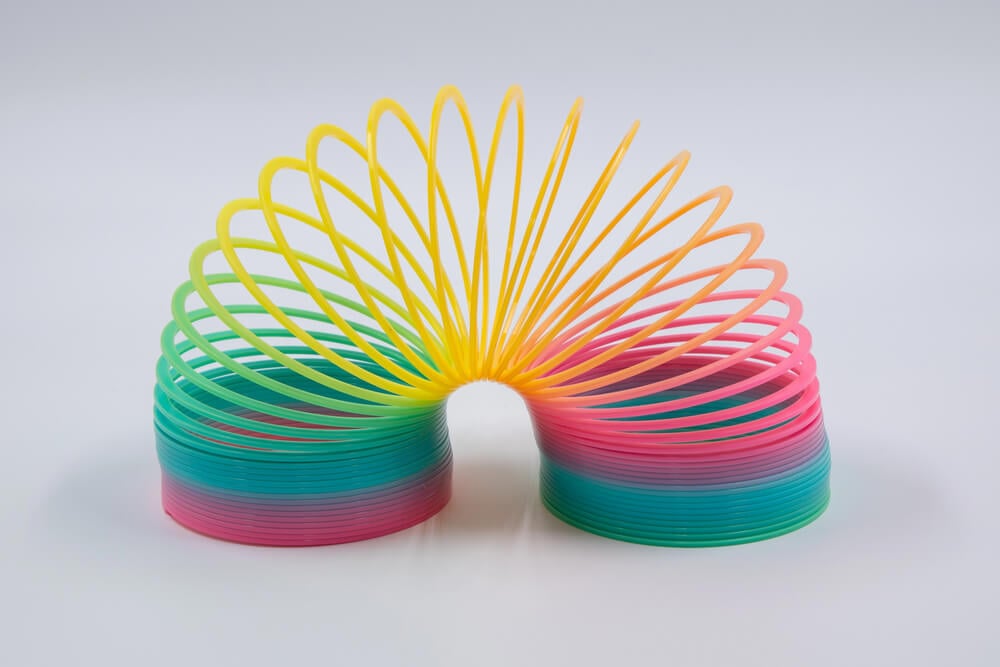
Naval engineer Richard T. James was developing springs to steady shipboard instruments in 1943 when one fell from a shelf and walked away. His wife Betty named it, and on November 27, 1945, he demonstrated 400 of them on an inclined plane at Gimbels in Philadelphia.
All 400 sold at a dollar each in 90 minutes, and by the end of the holiday season 22,000 had sold. James filed a patent that month, and it was granted in January 1947.
Uncle Milton’s Ant Farm
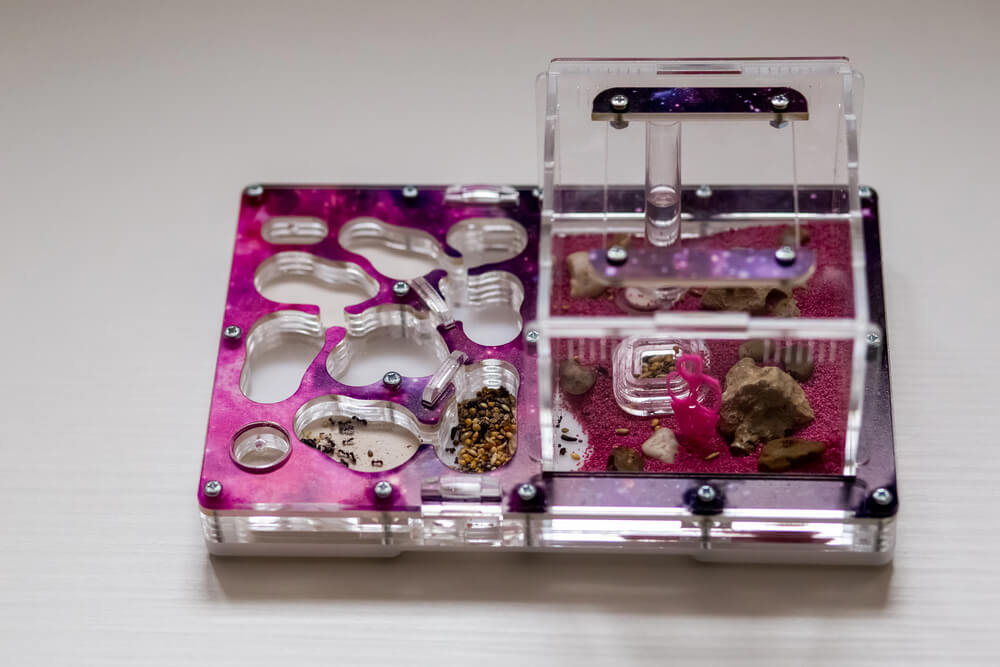
Milton Levine spotted ants at a Fourth of July picnic in 1956 and remembered gathering them in jars on his uncle’s farm. He and his brother-in-law built the first version from clear plastic handkerchief boxes and sand, sold by mail order, and eventually hired ant pickers to supply demand.
Levine bought out his partner in 1965 and renamed the company Uncle Milton Industries. More than 20 million have sold.
When Chemistry Sets Faded

Porter formed a relationship with the Lionel Corporation, producing Lionel-Porter Chemcraft sets in the late 1950s and early 1960s during the boom in science toys spurred by the Space Race. By the 1970s and 1980s the climate had shifted, and Porter closed in the 1980s over liability concerns after selling more than a million chemistry kits.
Surviving sets are valued for their intact glassware, original chemical bottles, and instruction booklets.
Curiosity Sold in Cardboard Boxes

What links these toys is an unusual faith that a child could learn real science through unsupervised play. Manufacturers borrowed language from laboratories and engineering firms, and some of the contents would raise alarm today.
That faith shaped a generation of engineers and chemists, and it also accounts for the dramatic decline in chemistry sets once liability concerns and changing attitudes caught up with them. The boxes that remain are artifacts of a time when science was something to own.
More from Go2Tutors!

- 27 Silver Dollars and Half Dollars Worth Keeping
- 28 Restaurant Menu Items Nobody Orders Anymore
- 17 Places Built in Seemingly Impossible Spots
- 27 Vintage Rings Worth More Than They Look
- 25 Restricted Sites Tourists Can’t Enter
Like Go2Tutors’s content? Follow us on MSN.