26 Specific Old License Plates From Certain States That Have Become Surprisingly Hot Collectibles
Most people who pull an old license plate off a barn wall or find one in a garage pile are thinking about decoration, not investment. The plates go up as wall art, get used in craft projects, or get tossed.
What those people typically don’t know is that the Automobile License Plate Collectors Association (ALPCA) has been cataloguing and trading plates since 1954, and the hobby has produced some eye-popping auction results. A 1921 Alaska plate sold for $67,500 in 2013.
A 1928 Massachusetts plate reached $43,000 in 2018. A 1918 Delaware plate sold for over $410,000 in a different category entirely.
These are not decorative objects — they are historically significant pieces of American government and automotive history that happen to look like flat pieces of painted metal. What drives value is a specific combination of factors: early production year, low state population at time of issue, unusual material, documented rarity of surviving examples, and single-digit or low-number configurations.
These 26 plates and plate types represent the most consistently valuable categories in the American collector market, plus some surprising international entries.
1921 Alaska License Plate
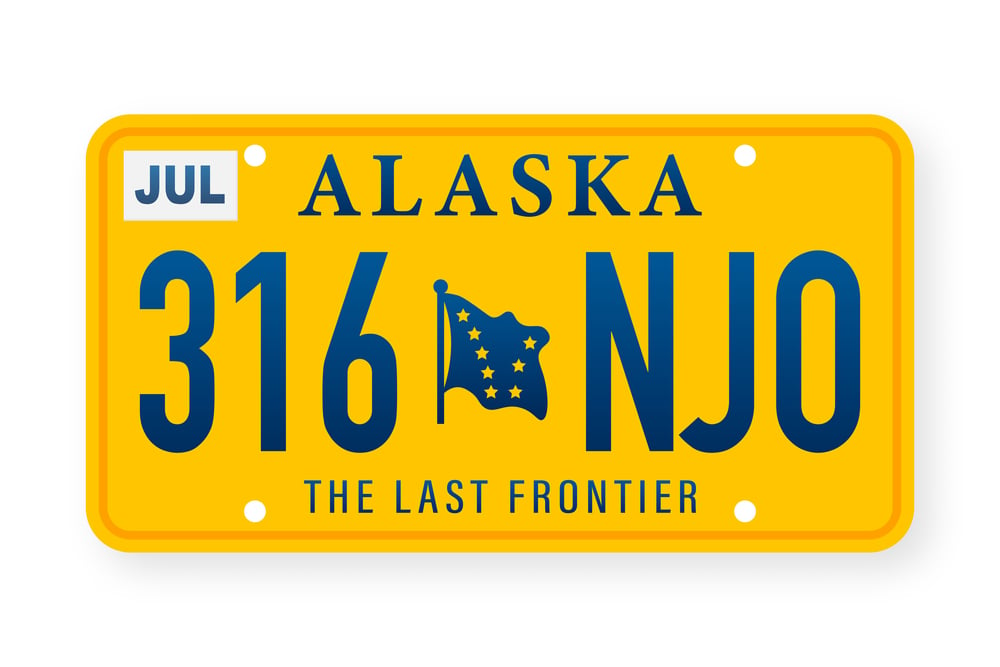
Before Alaska became the 49th U.S. state in 1959, it issued license plates as a territory, and its territorial population was so small that plate quantities were extraordinarily limited. The 1921 Alaska territorial plate is the most valuable state license plate in the American collector market, with documented sales reaching $67,500 in 2013.
Only a tiny number of plates were issued for the territory in its earliest vehicle registration years, and surviving examples in good condition are the holy grail for American plate collectors.
1912 and 1913 Mississippi Plates
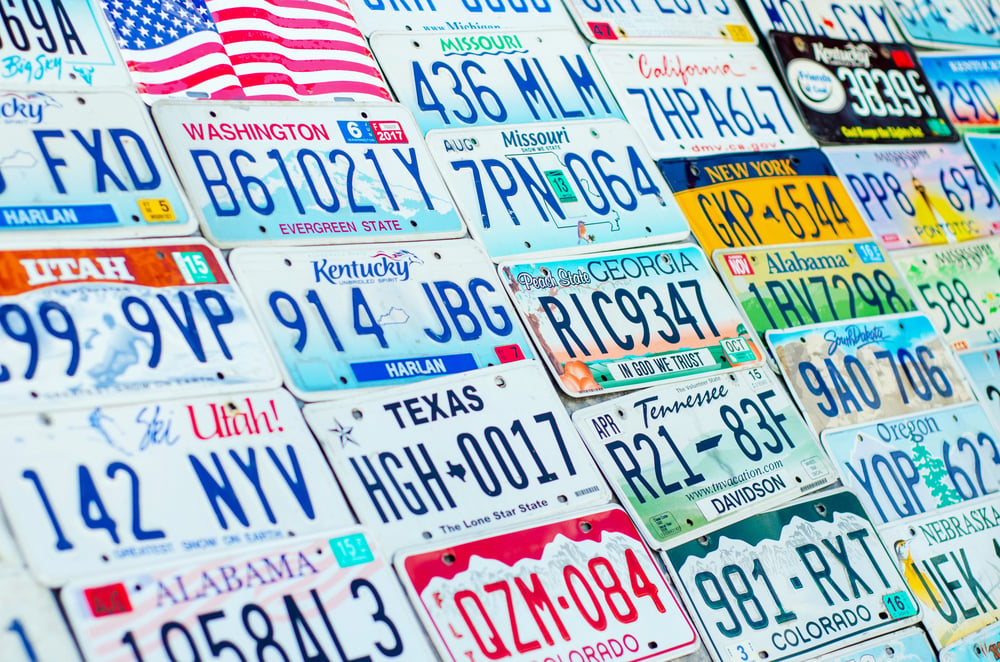
Mississippi was among the last states to establish mandatory vehicle registration, and its earliest plates from 1912 and 1913 were produced in extremely small quantities to serve a rural state with limited automobile penetration. Collector value for these early Mississippi plates runs $35,000 to $50,000 for examples in good condition.
Early Delaware Plates (Low Numbers)
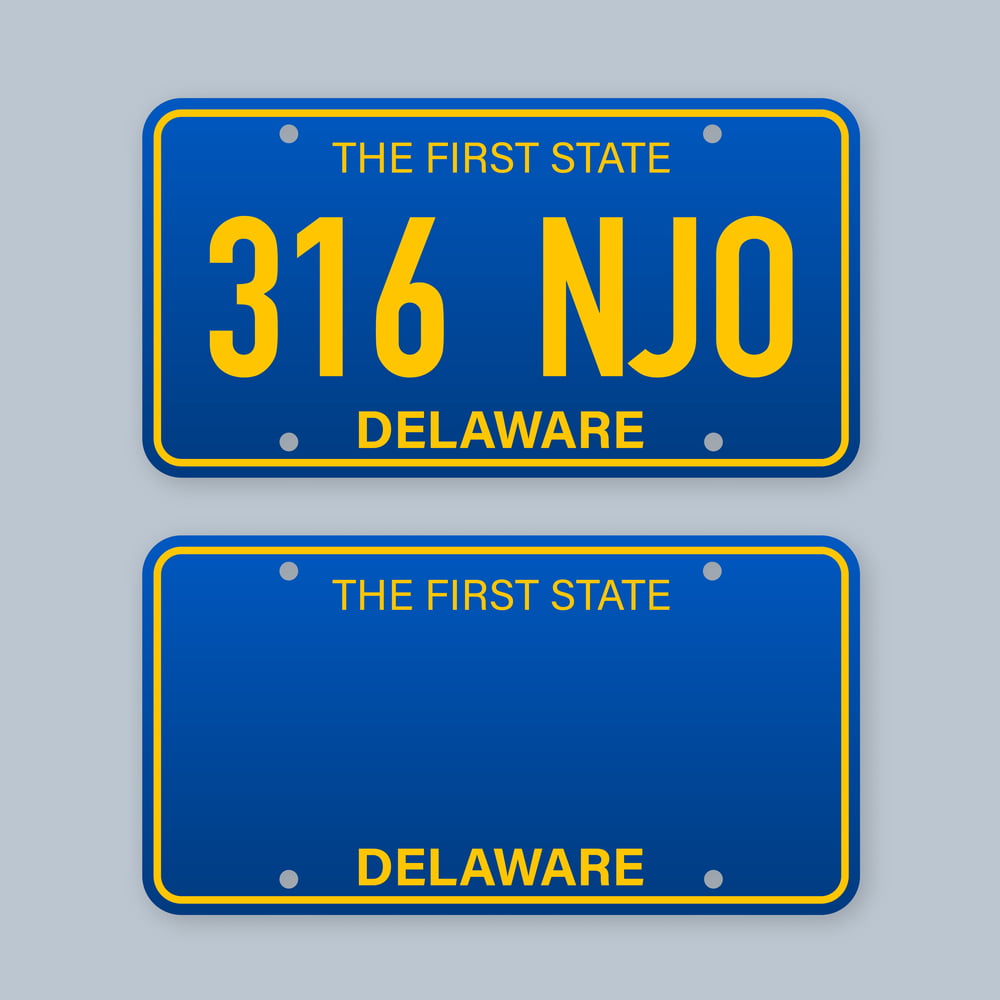
Delaware has the smallest vehicle registration numbers in the United States, and low-number Delaware plates can be passed from owner to owner as personal property indefinitely. A single-digit Delaware plate is worth $50,000 to $410,000, with prices varying based on the specific number.
The record was a 1918-era Delaware low-number plate that sold for more than $410,000 at auction in 2018.
1906 West Virginia Plates
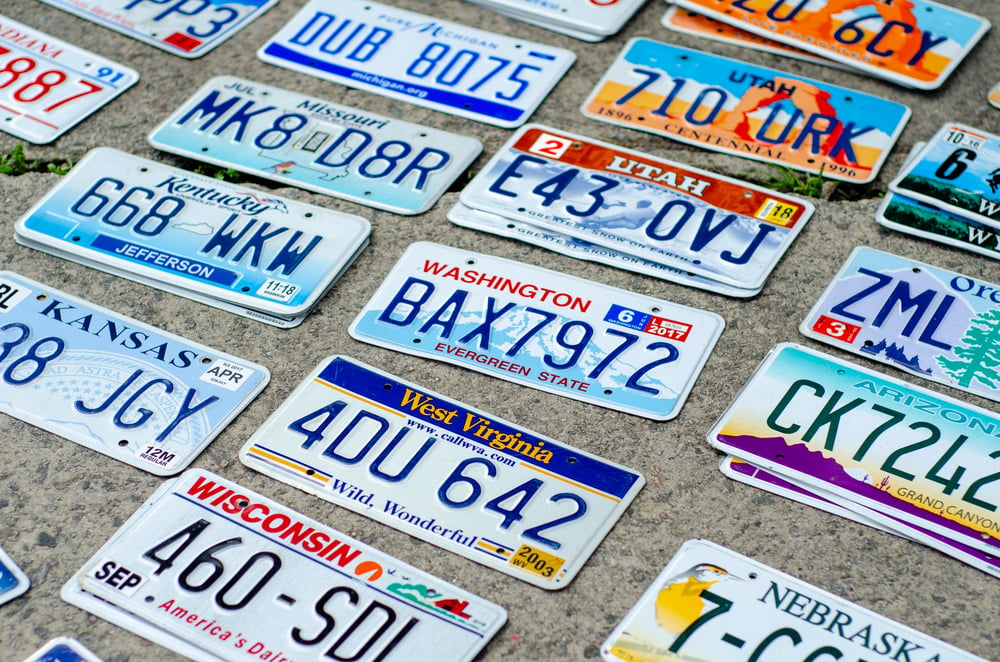
West Virginia issued license plates from 1905 as one of the first states to require vehicle registration, and the earliest plates — pressed in thin aluminium — were not durable and have survived in very small quantities. A 1906 West Virginia plate in collectable condition is worth approximately $25,000.
1910 Vermont Porcelain Plate
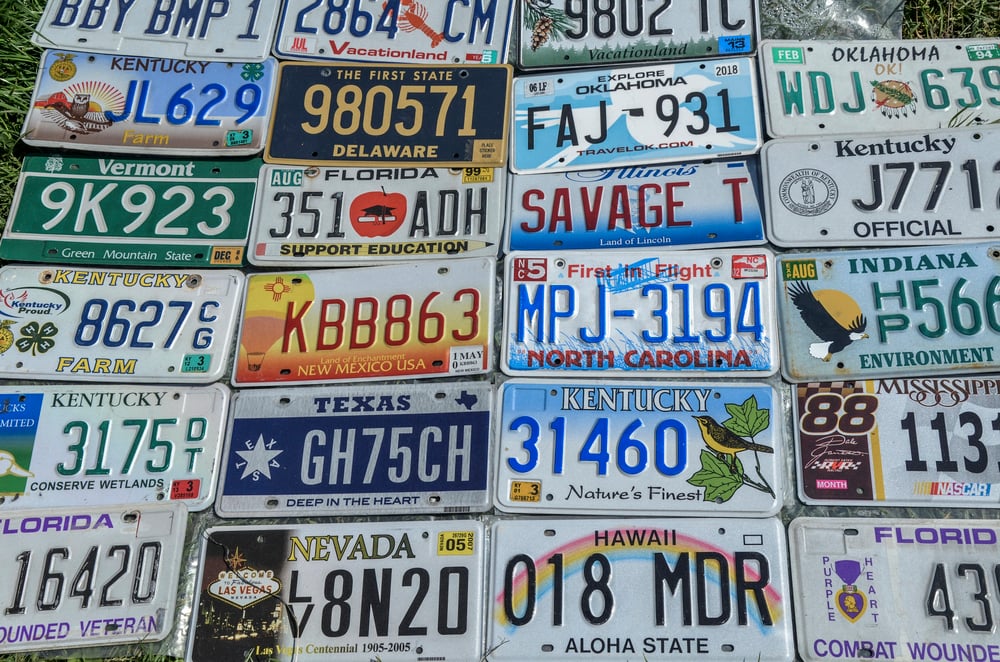
Vermont was among the first states to produce porcelain enamel license plates in the early 1900s. A 1910 Vermont porcelain plate in fine condition has sold for approximately $15,000.
The porcelain construction is susceptible to chipping at the edges, making fine-condition examples significantly more valuable.
1913 Indiana Porcelain Plate
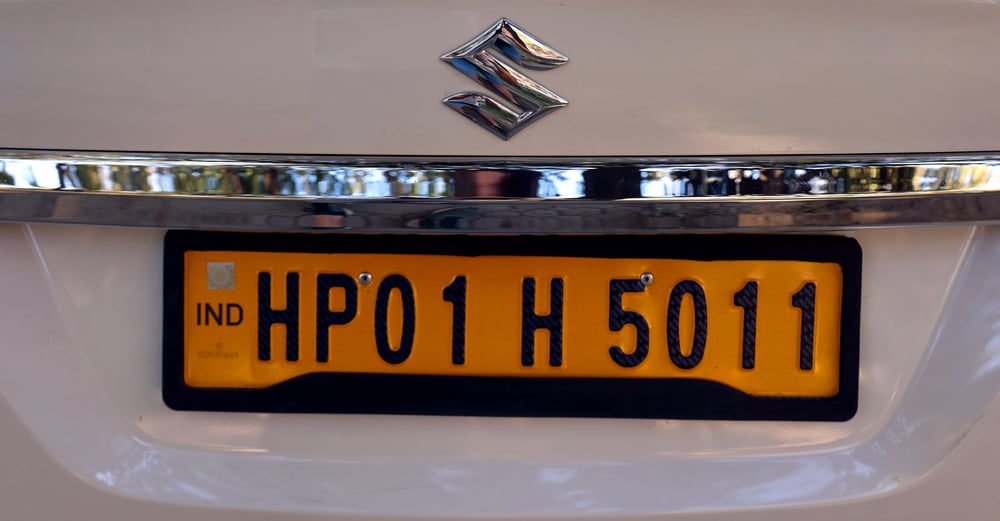
The 1913 Indiana porcelain licence plate was produced in the first year Indiana required plates, with a distinctive blue and white porcelain design. Examples in fine condition have sold in the $1,000 range as recently as 2014.
1915 Connecticut Porcelain Plate
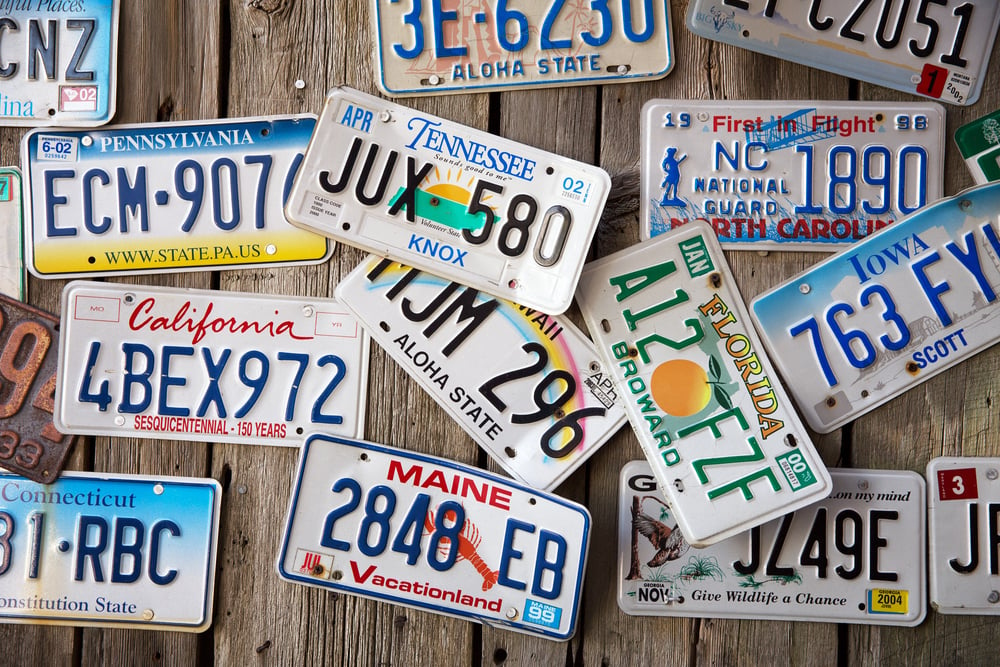
Connecticut’s early porcelain plates from the mid-1910s are consistently sought by New England collectors. A 1915 Connecticut porcelain plate in collectable condition sold for approximately $1,000 in 2014, which represents the entry level for state-specific porcelain plates from this era.
1914 Pennsylvania Plate
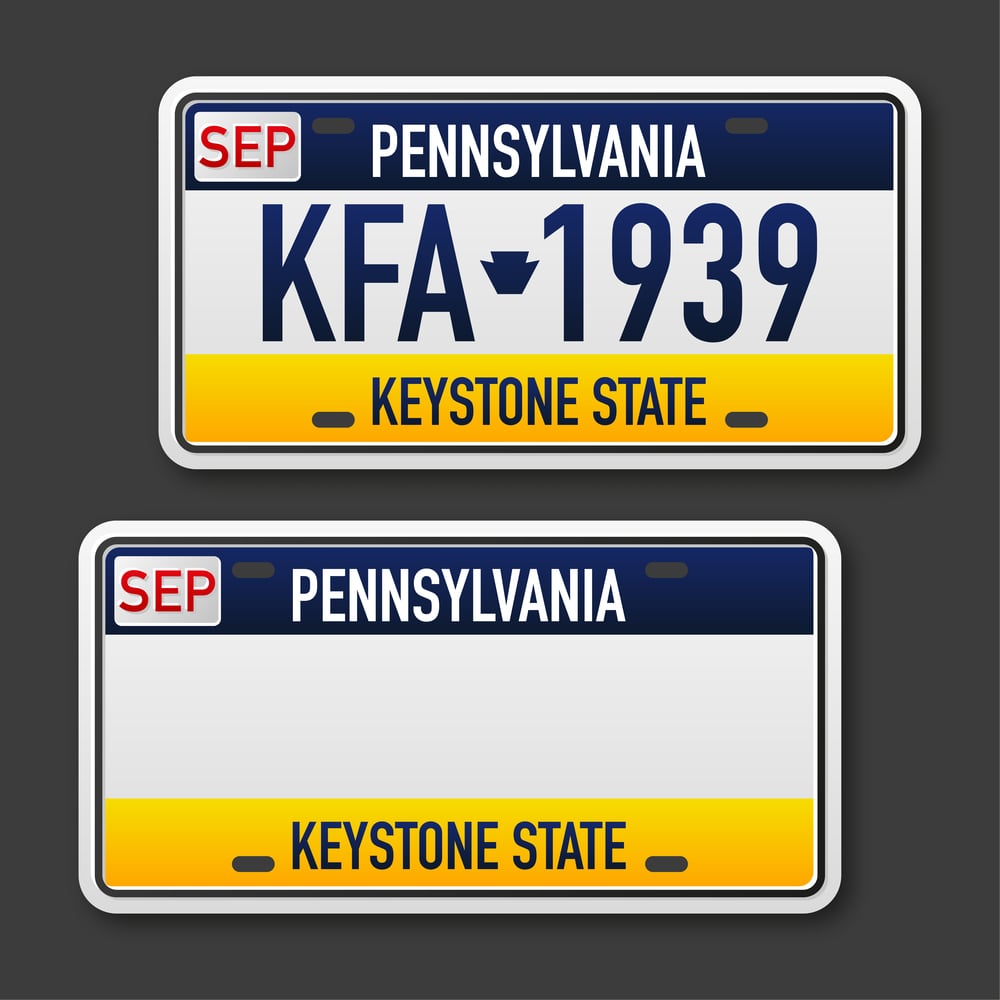
Pennsylvania’s 1914 license plate sold for $37,000 at auction in 2011, making it one of the highest-priced non-Alaska, non-Delaware plates in the American market at that time. Pennsylvania was an early and significant automotive state, and its early plates from the 1910s are consistently competitive at specialist automotive auctions.
Pre-State Hawaii Territorial Plates
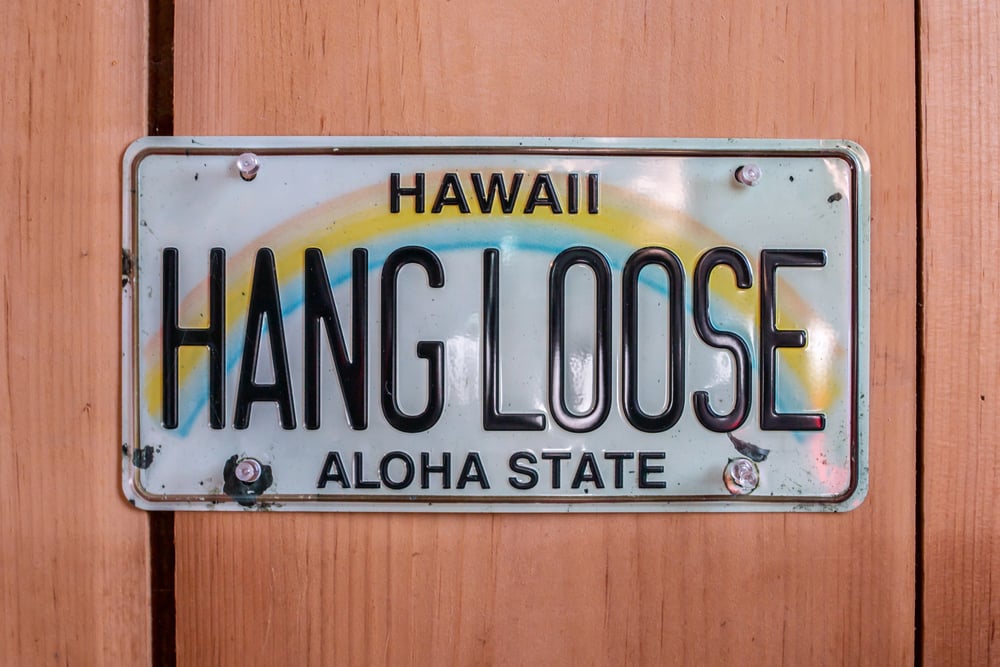
Before Hawaii became the 50th U.S. state in 1959, it issued licence plates as a U.S. territory. Collector values for pre-statehood Hawaiian territorial plates in good condition run from $500 to $3,000 depending on the specific year, condition, and whether the word “Territory” is clearly legible.
1911 Montana Plate
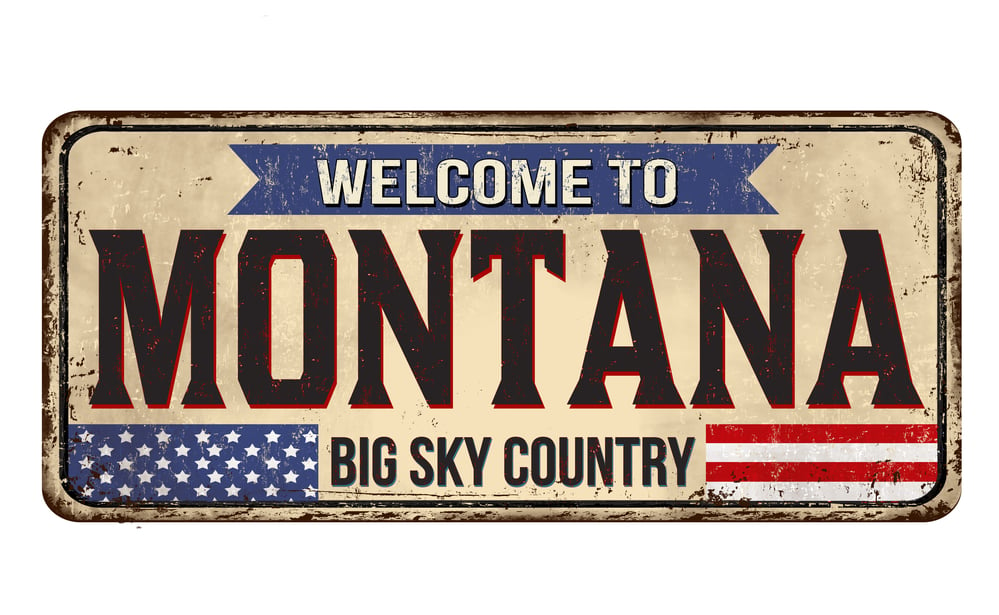
The 1911 Montana license plate sold for $41,000 at auction in 2014, reflecting Montana’s status as one of the largest states with very low early automobile registration numbers. The combination of the extreme geographic size of the state and the small rural population means that early Montana plates were produced in quantities that now look tiny to collectors.
California Black Plates (1963–1969)
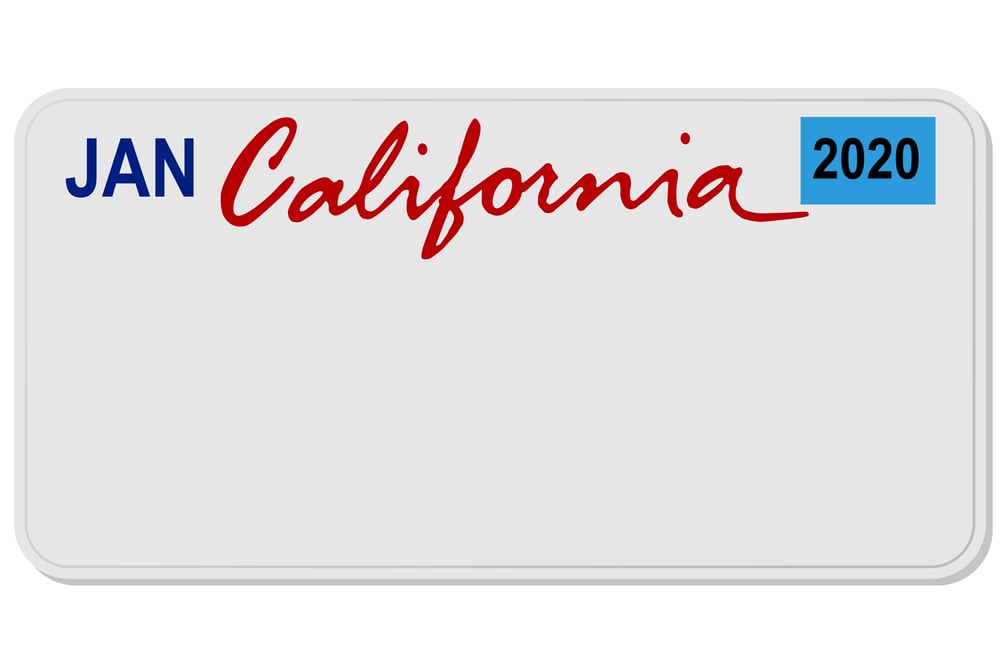
California’s black licence plates from the 1963–1969 series — black background with yellow numbers — have become one of the most actively traded state-specific plates in the American market. A matching pair of original 1963-series California black plates in excellent condition can sell for $500 to $1,500, with single-digit or very low number examples reaching $2,000 to $5,000.
1930 Ontario Province Plate
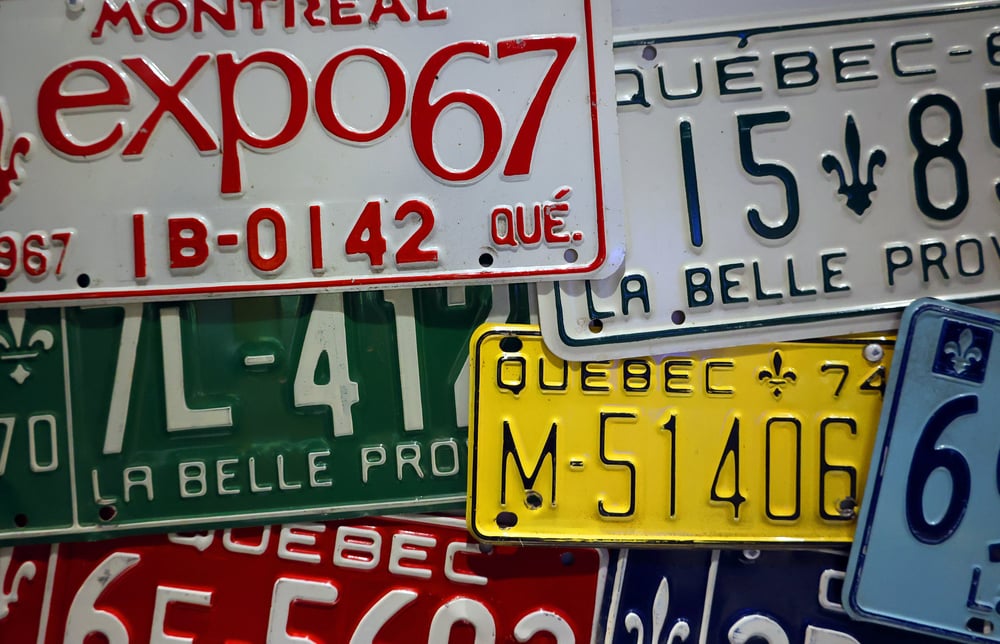
The 1930 Ontario province plate sold for $35,000 at auction in 2012 — one of the highest prices ever paid for a Canadian licence plate. Ontario’s large population and early automobile penetration mean that its earliest plates were produced in relatively high quantities, but survival rates have dropped significantly over nine decades.
New Hampshire Low-Number Plates
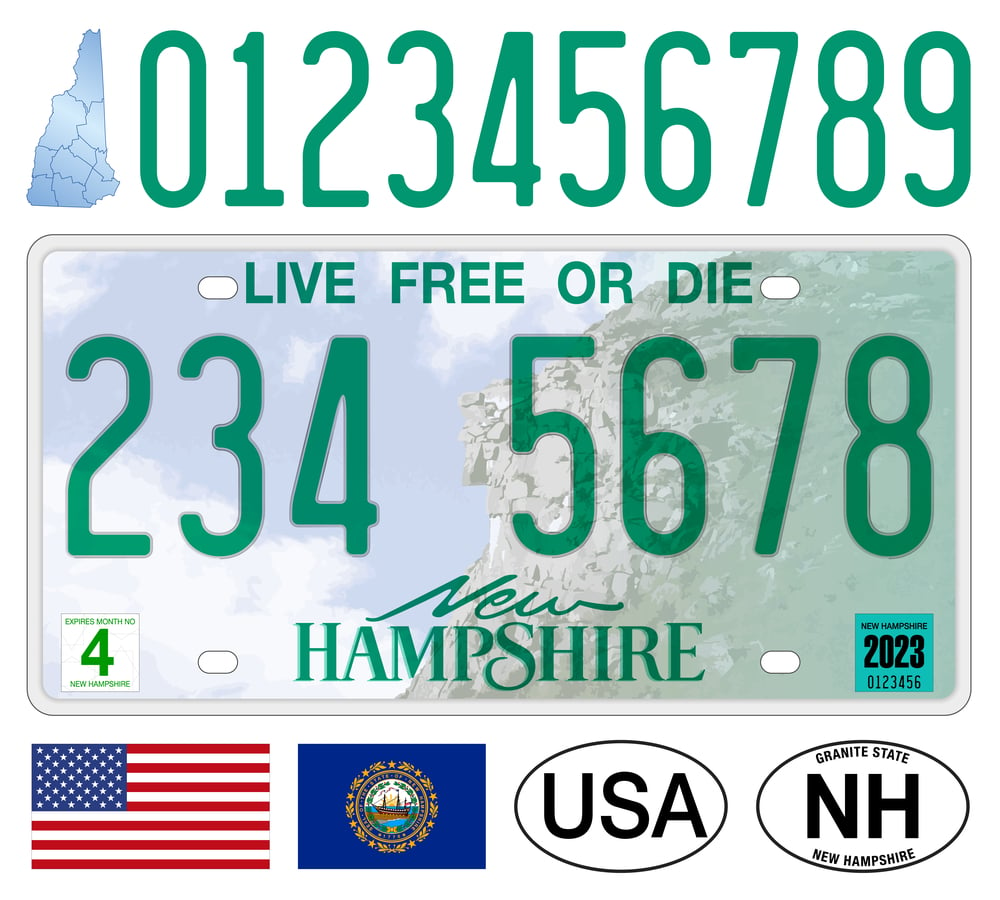
New Hampshire operates a personalised low-number plate system where plates with very low numbers are owned as private property by families and passed down through generations. Single-digit New Hampshire plates have sold for $10,000 to $50,000 depending on the number and the plate era.
1902 New York “0 10” Plate
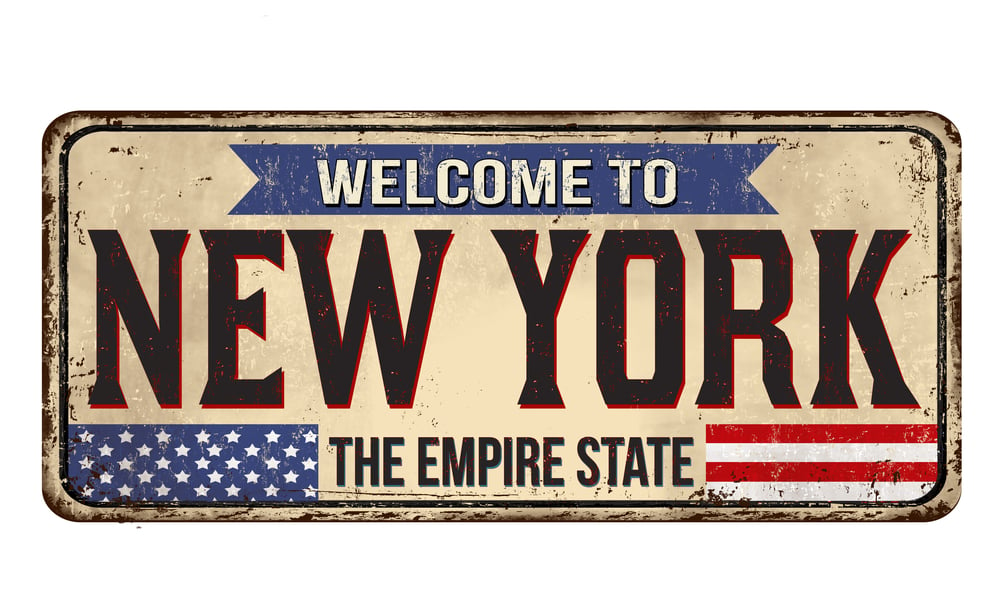
The 1902 New York plate reading “0 10” sold for $170,000 in 2017, reflecting both its extraordinary age — among the earliest registered vehicle plates from any U.S. state — and the compelling low-number configuration. New York was one of the first states to require vehicle registration, beginning in 1901.
1963 Shelby American Manufacturing Plates
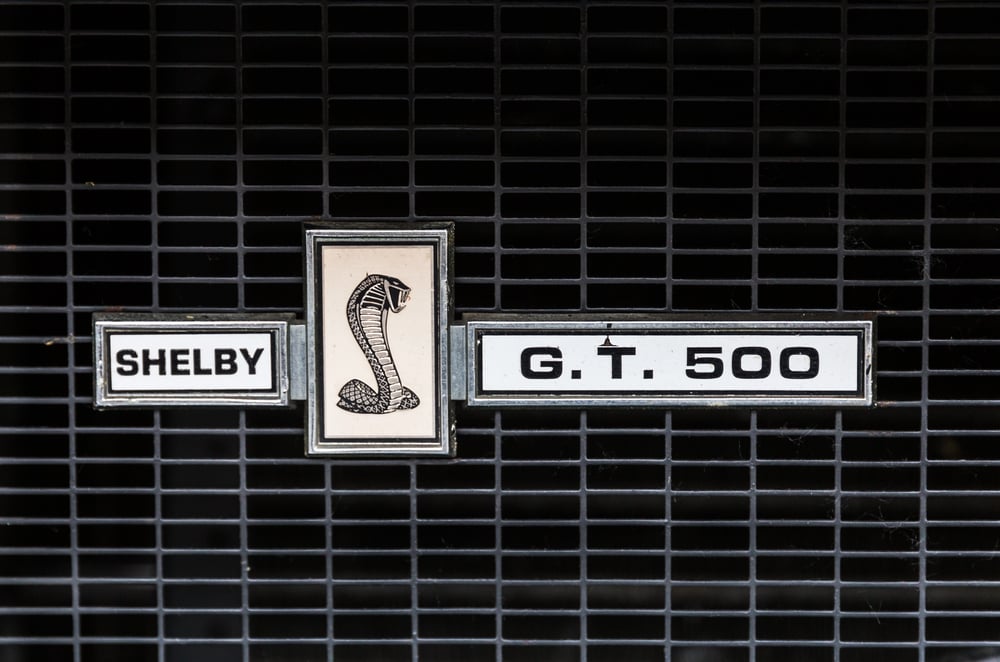
Manufacturing plates issued to Shelby American — Carroll Shelby’s legendary performance car company — are vehicular identification plates issued to the manufacturer for testing purposes. A pair of 1963 Shelby American manufacturing plates sold for $5,310 and $7,080 in 2020, drawing buyers from both the automotive memorabilia and licence plate collecting communities.
Montana “Treasure State” Low-Number Plates
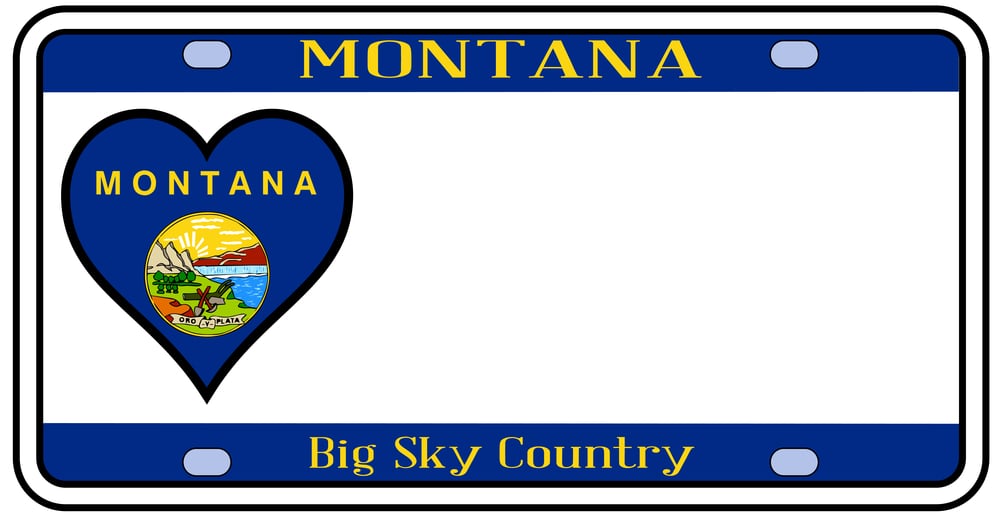
Early-series low-number Montana plates from the 1940s and 1950s in the original “Treasure State” design are actively traded. The state’s association with wide-open land means that original pre-war Montana low-number plates combine the historical value of the year of issue with the premium of the specific number configuration.
Washington Territory Pre-State Leather Plates
Before Washington achieved statehood in 1889, the Washington Territory issued vehicle identification markers, some of which were produced in leather rather than metal. A leather Washington pre-state plate sold for approximately $1,000 in 2014.
Pre-state plates from any territory that later became a state carry a specific historical gravity that transcends pure vehicle registration.
Nevada Plates From Early Gaming Era
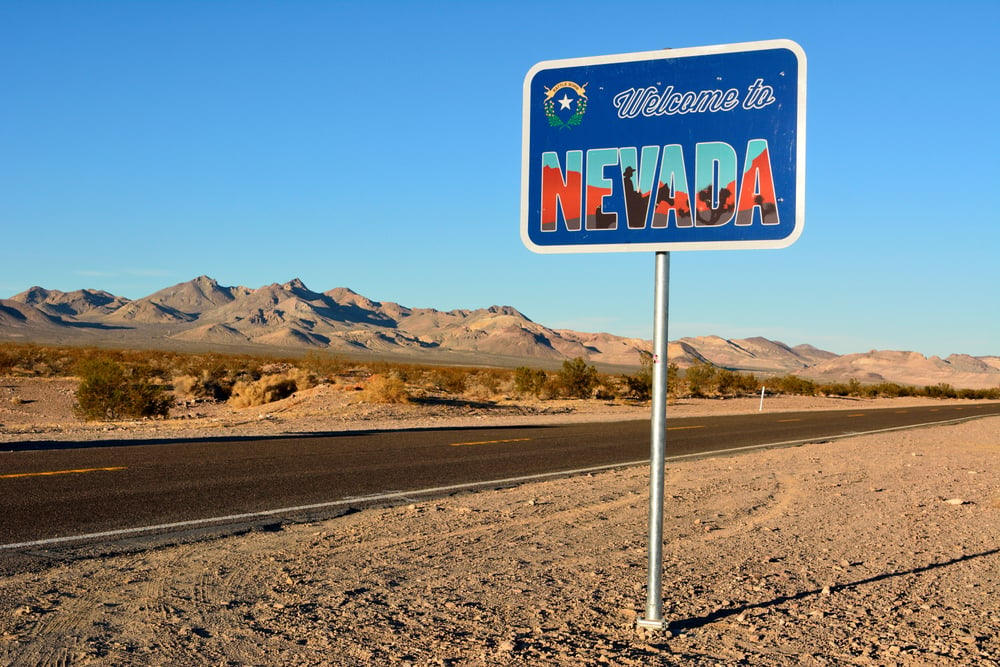
Nevada’s licence plates from the early 1950s — when Las Vegas was transforming from a small desert city into a national entertainment destination — carry the association of a specific and dramatic moment in American cultural history. Values typically run $100 to $500 for standard plates from this era, with unusual configurations reaching higher.
Texas Plates From the 1930s
Texas issued distinctive licence plates throughout the 1930s with colour schemes reflecting the state’s visual culture. Values range from $50 to $500 for standard examples, with very early year, very low issue number, and excellent original condition pushing the highest-quality examples well above that range.
Florida Plates From the Early Tourism Era
Florida’s licence plates from the 1920s and early 1930s reflect the architectural and cultural optimism of the Florida land boom. Plates from 1926 and 1927 in fine condition are worth $200 to $800 to specialist collectors, with sunburst motifs and citrus imagery making them visually distinctive and decoratively appealing beyond pure historical value.
UK Single-Character Plates
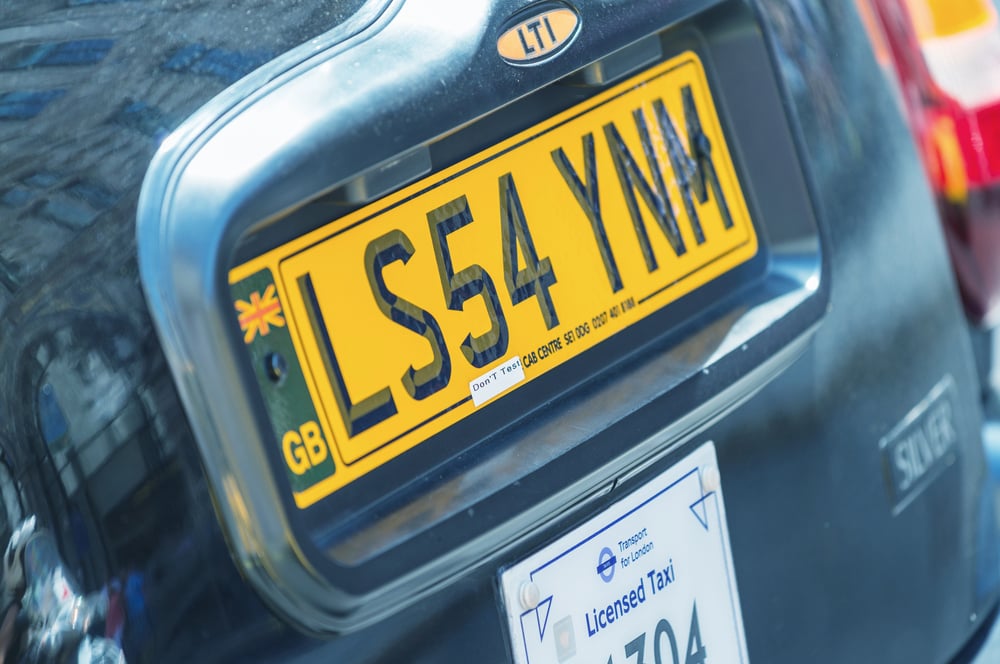
The United Kingdom operates a registration system where very early, very simple registrations are privately owned and can be sold. A plate reading “J 4” — just two characters — sold for approximately $500,000 to a UK collector in 2020, reflecting the extreme premium paid for single and double-character UK registrations.
1928 Massachusetts Plate
The 1928 Massachusetts plate sold for $43,000 in 2018, placing it firmly in the top tier of American state plate values. Massachusetts was an early and important automotive state, and surviving examples in fine original condition from the 1920s are now rare enough to command significant prices.
Vatican City Plates
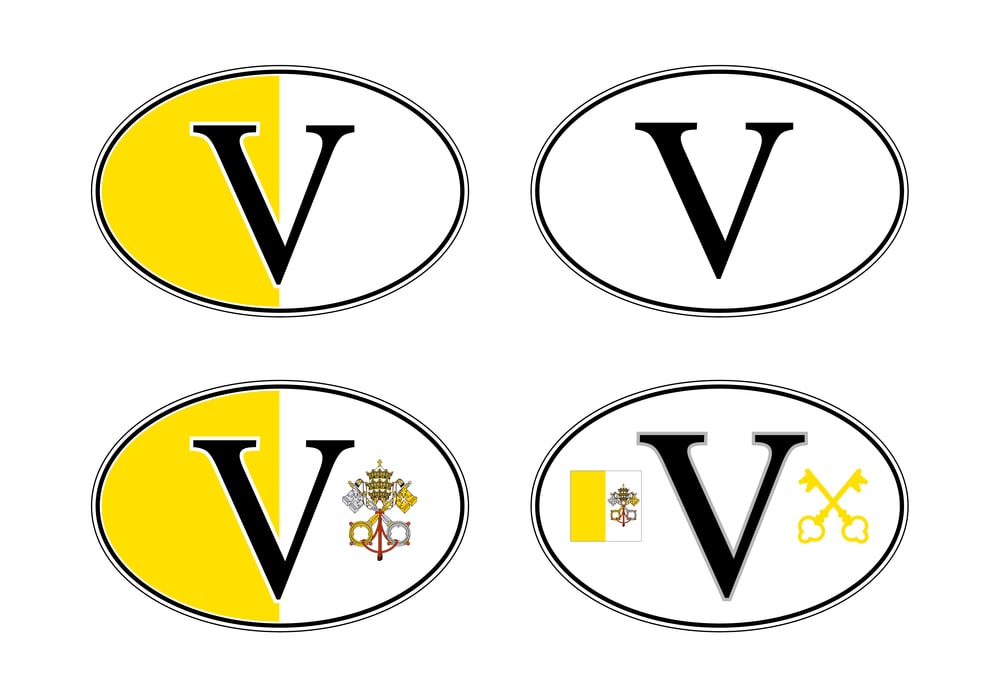
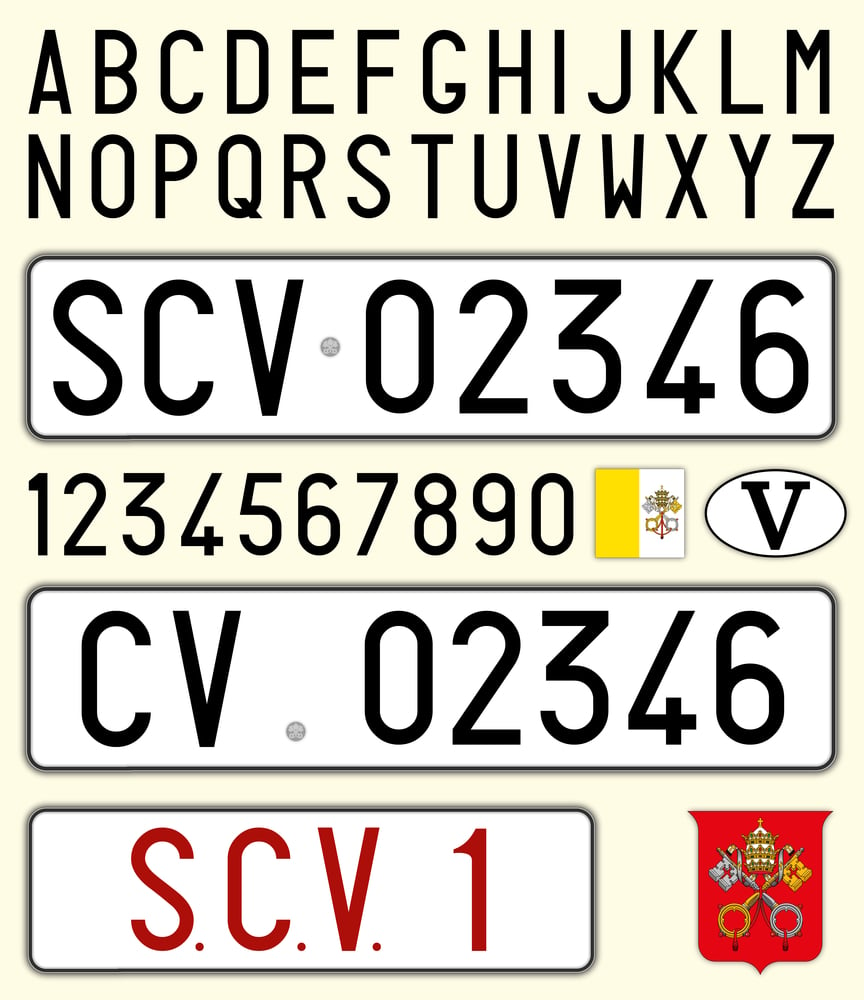
Vatican City has one of the smallest vehicle fleets of any sovereign territory in the world, and its licence plates — carrying the “SCV” (Stato della Città del Vaticano) designation — are among the rarest government-issued plates on earth. Collectors who specialise in international and diplomatic plates consider Vatican plates among the most prized acquisitions in the hobby.
Disney Theme Park Operational Plates

Operational plates issued to vehicles working within Disney theme park properties exist in small quantities because the parks operate on private land and issue their own internal vehicle identification. A single Walt Disney World 50th Anniversary vanity plate sold for $1.56 million at auction.
More accessible operational examples from ordinary park maintenance vehicles reach $200 to $2,000 depending on the specific property and year.
North Dakota Plates From the 1910s
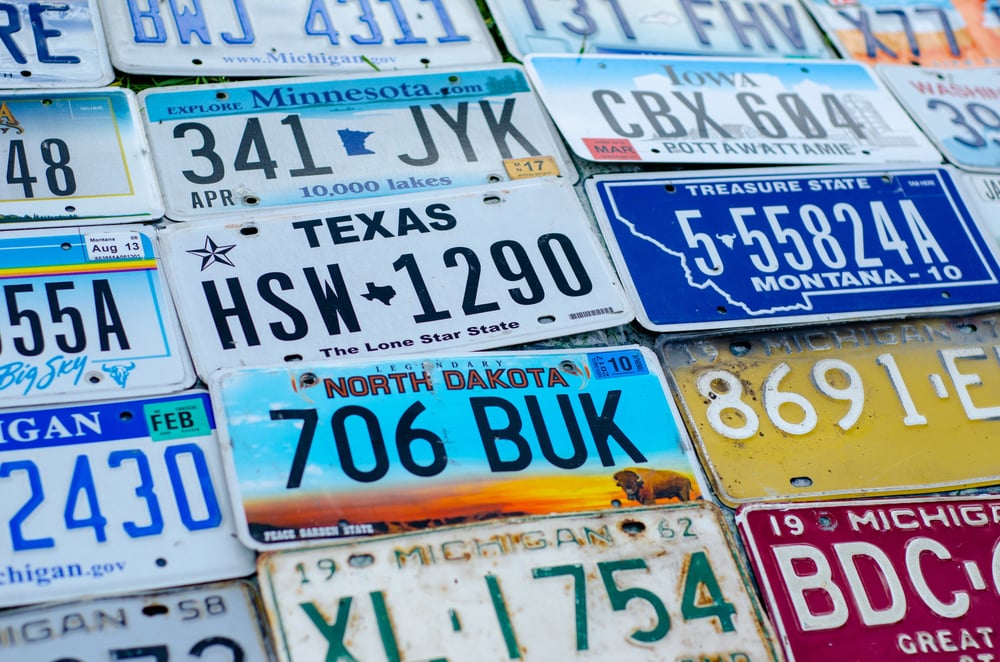
North Dakota’s earliest licence plates, from the mid-1910s when the state was largely agricultural with very limited automobile penetration, were issued in tiny quantities. A 1916 or 1917 North Dakota plate in excellent original condition is worth $500 to $2,500 in the specialist market, with examples from the very first years of North Dakota registration reaching considerably higher.
1915 Connecticut Porcelain Plate (Matched Pair)
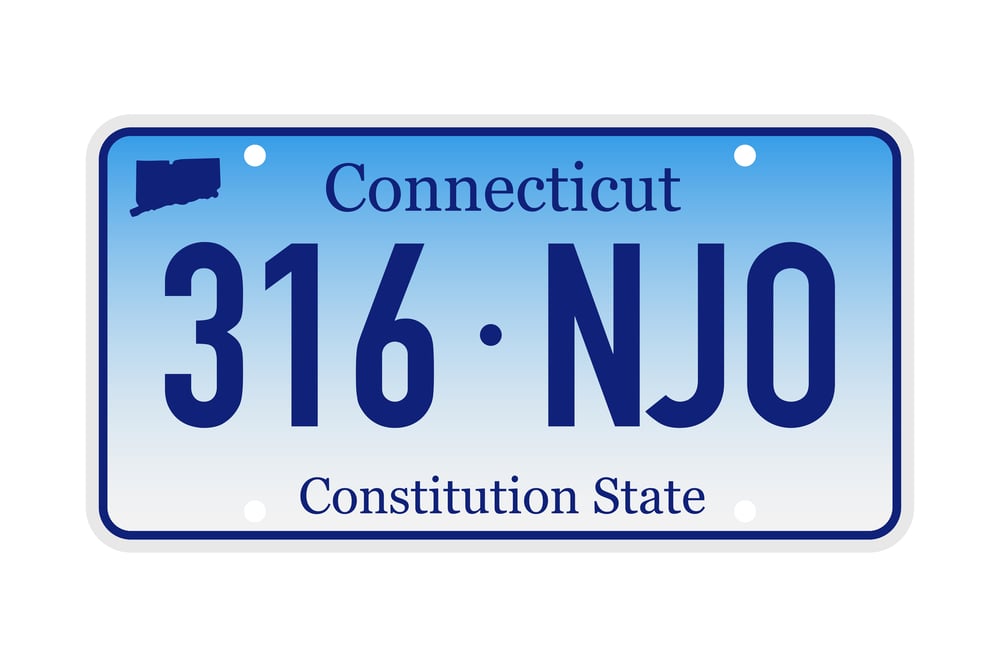
A matched pair — two plates with the same number, issued together as front and back for a single vehicle — is almost always worth more than twice the value of a single plate from the same year and state. A matched pair of 1915 Connecticut porcelain plates in excellent condition is significantly rarer than any individual plate because the chance of both examples from a single vehicle surviving the same century together is considerably smaller than either surviving alone.
What Makes a Plate Worth Pursuing
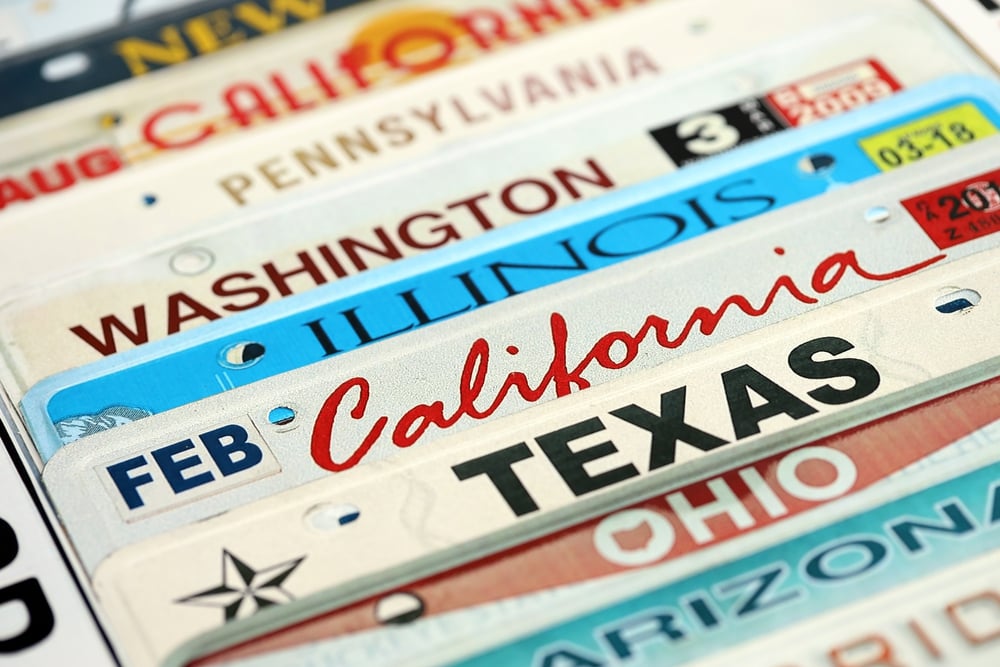
Three things determine whether an old plate sitting in a garage is worth five dollars or five thousand: the state that issued it, the year it was issued, and the specific number or configuration on its face. Most plates are worth modest decorative value — $10 to $50 at a market — but the plates from states that had tiny populations in the early automotive era, produced in materials that didn’t survive well, in very low numbers from the very first years of registration, represent a category where values are set by the intersection of historical significance and genuine scarcity.
The collector community that knows these values well is smaller and more specialised than most antique markets, which is exactly why the most valuable plates keep appearing at garage sales priced as wall art. The people who know are very few.
The people who stumble past them without knowing are many. That gap, which has persisted for decades, shows no sign of closing.
More from Go2Tutors!

- The Romanov Crown Jewels and Their Tragic Fate
- 13 Historical Mysteries That Science Still Can’t Solve
- Famous Hoaxes That Fooled the World for Years
- 15 Child Stars with Tragic Adult Lives
- 16 Famous Jewelry Pieces in History
Like Go2Tutors’s content? Follow us on MSN.



