Why Certain National Holidays Honor Events Most Citizens Can’t Explain
There’s a particular kind of awkward silence that falls over a barbecue when someone asks, “So what exactly are we celebrating today?” Most people know the name of the holiday.
Most people enjoy the day off. But the actual event behind it — the specific year, the political context, the reason it was deemed worthy of a federal calendar slot — tends to live somewhere between vague and completely absent.
That’s not laziness, exactly. It’s more that holidays have a way of outliving their original explanations, becoming rituals first and history lessons never.
Some of the most observed days in the American calendar fall into this category, and the stories behind them are frequently stranger, messier, and more contested than the bunting and the cookouts suggest.
Columbus Day

Columbus Day is one of the most protested holidays on the federal calendar, and a striking number of people observing it couldn’t tell you the year Columbus made landfall, let alone which island he actually reached. October 12, 1492 — specifically the Bahamian island now believed to be San Salvador — is the event being honored, yet the holiday spent most of the 20th century functioning more as an Italian-American cultural celebration than a commemoration of any specific navigational achievement.
Columbus himself never set foot on North American soil.
Juneteenth
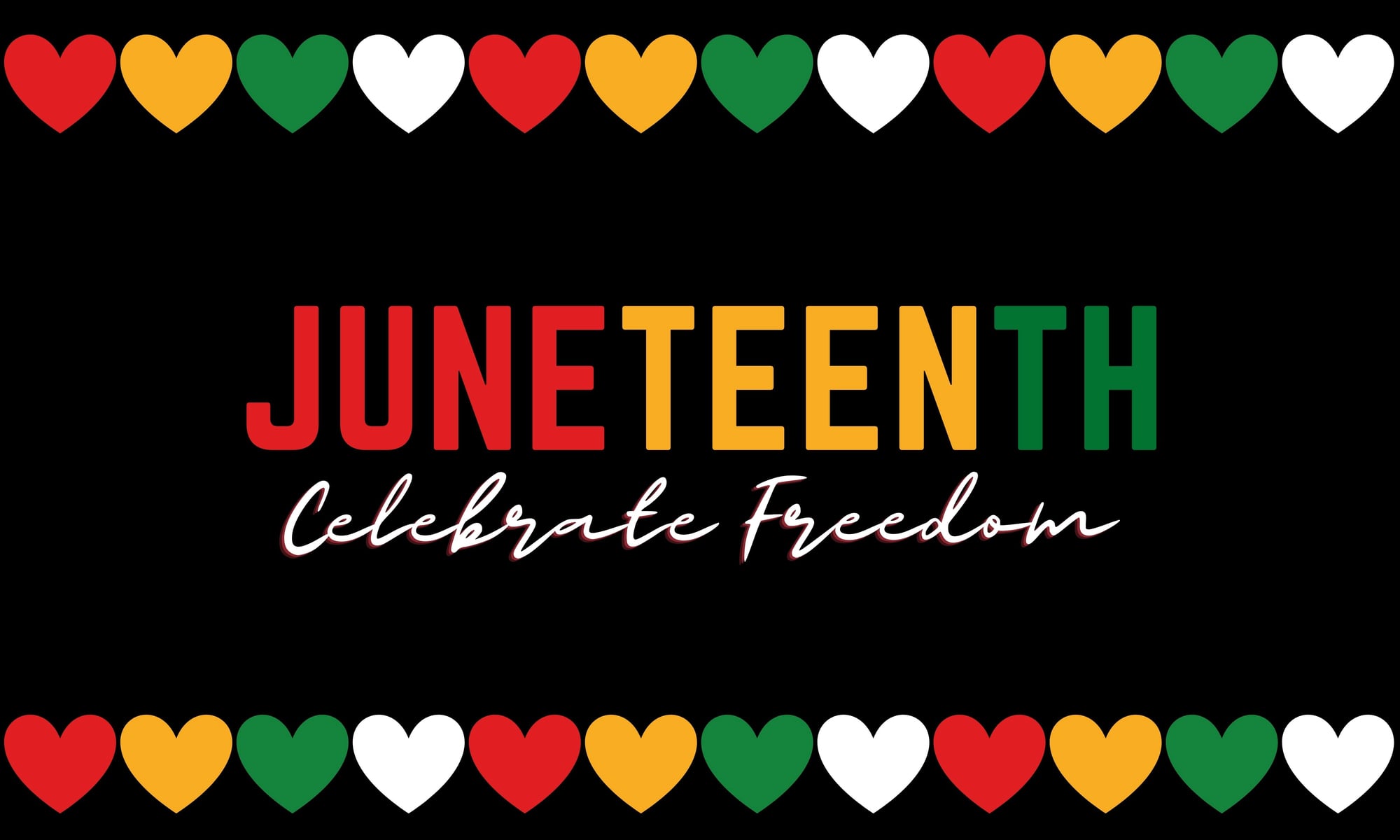
Juneteenth marks June 19, 1865 — the day Union soldiers arrived in Galveston, Texas and announced the end of enslavement, more than two months after the Confederacy’s surrender. It became a federal holiday only in 2021, which means a large portion of the population encountered it on federal calendars before they encountered its history.
The delay between the Emancipation Proclamation in 1863 and that announcement in Galveston is the entire point of the day: enforcement lagged behind law, and the holiday exists in that gap.
Presidents’ Day
Presidents’ Day isn’t actually called Presidents’ Day — not officially. The federal holiday is still legally named Washington’s Birthday, a designation that dates to 1879, and it honors George Washington’s February 22 birthday specifically.
The “Presidents’ Day” name crept in through retail advertising in the 1980s, and it stuck so thoroughly that most Americans now assume the holiday is a generic tribute to all presidents, which is what car dealerships prefer anyway. Washington himself would probably find the furniture sales baffling.
Labor Day
Labor Day lands on the first Monday of September every year, and most people treat it as the unofficial end of summer rather than a commemoration of anything specific. What it actually marks — loosely — is the American labor movement’s long, sometimes brutal fight for the eight-hour workday, the five-day workweek, and the elimination of child labor practices that were commonplace well into the early 20th century.
The holiday was signed into law in 1894 by Grover Cleveland, in part as a conciliatory gesture after federal troops killed striking workers during the Pullman Strike, which is a detail that tends not to make it onto the paper plates.
Veterans Day
Veterans Day and Memorial Day get confused so routinely that the mix-up has become its own cultural footnote. Veterans Day, observed on November 11, marks the armistice that ended World War I — specifically the agreement that took effect at the 11th hour of the 11th day of the 11th month in 1918 — and it honors all living military veterans, not those who died in service.
Memorial Day, the one in May with the white clothing rules, is for the fallen. The distinction matters enormously to veterans, and it gets blurred almost every single year.
Martin Luther King Jr. Day
Martin Luther King Jr. Day wasn’t signed into federal law until 1983, and it wasn’t observed in all 50 states until the year 2000 — a timeline that carries its own commentary. The holiday honors King’s birthday, January 15, 1929, though it’s observed on the third Monday of January.
What tends to get lost in the annual tributes is how contested his legacy was at the time of his death in 1968: polling from that era showed his approval ratings were deeply unfavorable among white Americans, a fact that the sanitized holiday narrative tends to quietly set aside.
Flag Day
Flag Day sits on June 14 each year and commemorates the date in 1777 when the Continental Congress adopted the Stars and Stripes as the official flag of the new nation. It is not a federal holiday — federal employees don’t get the day off — but it appears on enough calendars and gets enough civic ceremony that many people assume otherwise.
The resolution that established the flag gave almost no physical description of it, which is why early American flags varied so dramatically in their arrangement of stars and the proportions of the stripes.
Thanksgiving
Thanksgiving’s official origin story — Pilgrims, Wampanoag, harvest feast, 1621 — is familiar enough, but the holiday as a fixed national observance wasn’t established until Abraham Lincoln proclaimed it in 1863, during the Civil War, as a gesture toward national unity. The date itself wasn’t fully standardized until 1941, when Congress fixed it to the fourth Thursday of November after Franklin Roosevelt’s attempt to move it earlier to extend the holiday shopping season created what newspapers at the time called “Franksgiving.”
The feast in 1621, to be fair, bore almost no resemblance to what Americans serve now.
Patriot Day
Patriot Day is September 11, and while the events of that morning in 2001 need no introduction, the holiday itself — formally established by Congress in 2002 — is widely unknown as an official observance. It is a day of remembrance, not a federal holiday, meaning there’s no day off attached to it, which partly explains why it doesn’t register the way other commemorations do.
The name “Patriot Day” was chosen specifically, and some families of those lost that day have expressed ambivalence about the framing.
Cesar Chavez Day
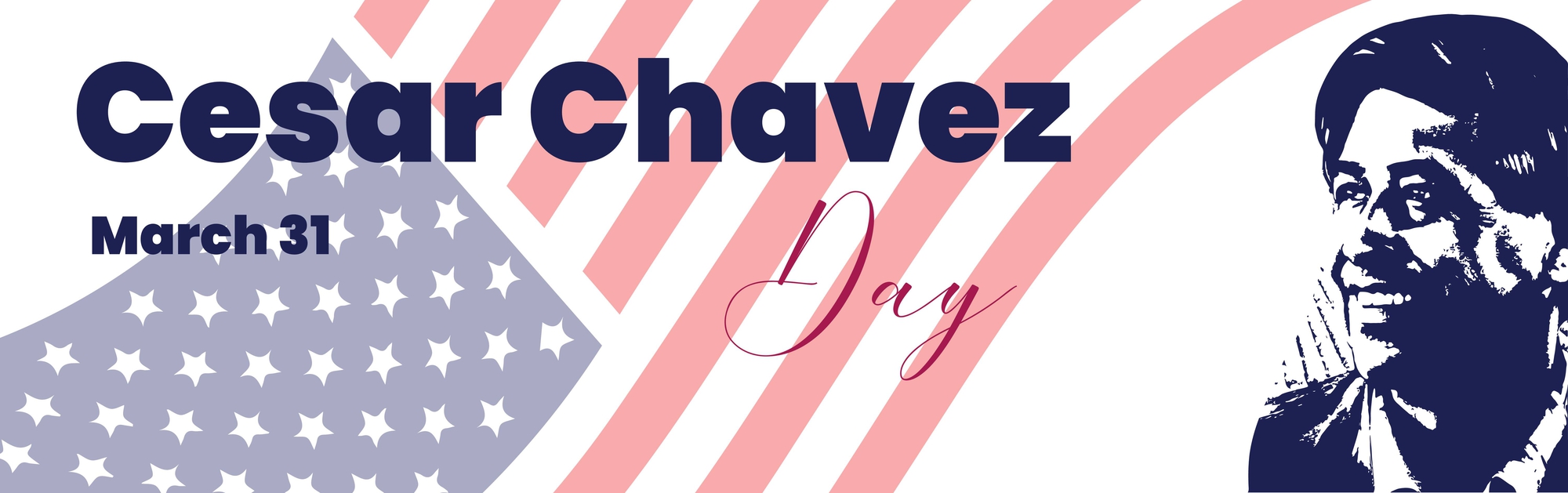
Cesar Chavez Day, observed on March 31, honors the birthday of the labor organizer and civil rights activist who co-founded the United Farm Workers union in 1962 alongside Dolores Huerta. It is a state holiday in California, Colorado, and Texas, among others, but not a federal holiday — a distinction most people marking the day don’t think to check.
Chavez’s work drew directly on the tactics of Mahatma Gandhi and the nonviolent protest tradition, and his grape boycott of the late 1960s drew millions of American consumers into a labor dispute in a way that had no real precedent.
Indigenous Peoples’ Day
Indigenous Peoples’ Day is observed on the second Monday of October — the same calendar slot as Columbus Day — and more than a dozen states have replaced the Columbus designation entirely with it. The holiday honors the histories, cultures, and contributions of Native American peoples, though its official status varies so dramatically by state and municipality that two neighbors in the same city can be observing completely different things on the same afternoon.
The collision between the two holidays on the same date is not accidental; it was the entire point of the replacement campaign when it began in Berkeley, California in 1992.
D-Day
D-Day — June 6, 1944 — is not a federal holiday, but it carries the weight of one in American cultural memory, observed with ceremonies, presidential statements, and media retrospectives that dwarf the attention given to actual holidays. The “D” in D-Day doesn’t stand for anything specific: it’s a military placeholder meaning simply “the day,” used for any major operation, and the Normandy invasion inherited the name.
The operation involved more than 156,000 Allied troops crossing the English Channel in the largest seaborne invasion in history, and its outcome was far from certain at dawn that morning.
Constitution Day
Constitution Day falls on September 17 and marks the date in 1787 when delegates to the Constitutional Convention signed the document in Philadelphia. It became a federal observance only in 2004, pushed through by Senator Robert Byrd as a rider attached to an omnibus spending bill — which is a perfectly American way to honor a founding document.
Educational institutions that receive federal funding are required to provide programming on the Constitution that day, though the compliance varies considerably and the holiday receives almost no public attention outside of civics classrooms.
Armed Forces Day
Armed Forces Day is the third Saturday of May, and it exists separately from Veterans Day and Memorial Day in a three-part commemorative structure that most civilians have never consciously mapped out. It was established in 1949 after the military branches were unified under the Department of Defense, replacing five separate service-specific holidays that had cluttered the calendar.
Armed Forces Day honors those currently serving — not veterans, not the fallen — and it’s a distinction the Pentagon has maintained carefully even as public awareness of the holiday has remained persistently thin.
Inauguration Day
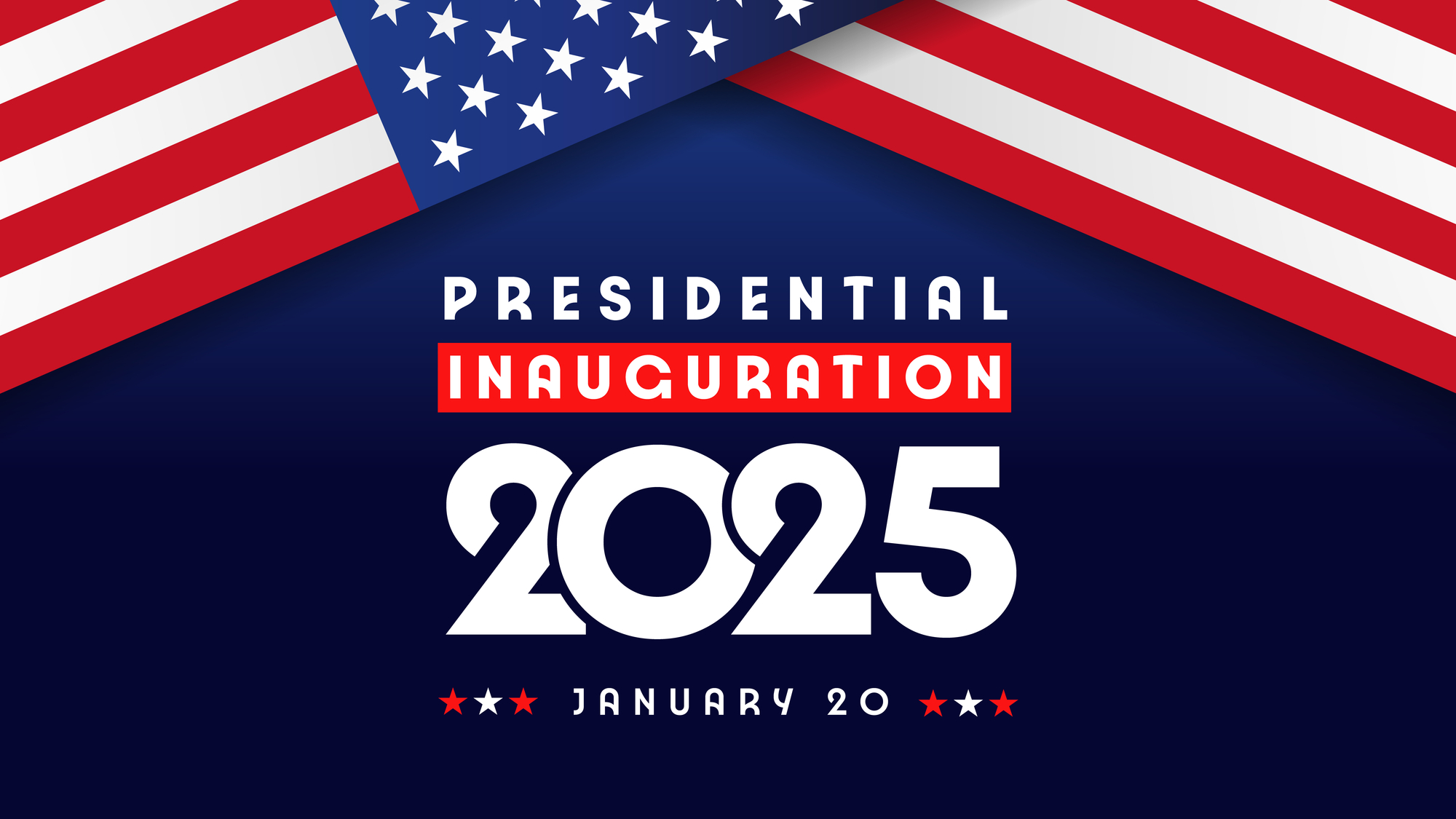
Inauguration Day — January 20 every four years — is a federal holiday, but only for federal employees in the Washington, D.C. area, a geographic carve-out that makes it effectively invisible to the rest of the country. The date was fixed by the 20th Amendment in 1933, shifting the ceremony from March 4, where it had sat since George Washington’s second inauguration.
The original March date was chosen because the travel distances involved in 1789 made anything earlier logistically impossible — a reminder that the American calendar still carries the physical constraints of a country that once moved by horse.
Election Day
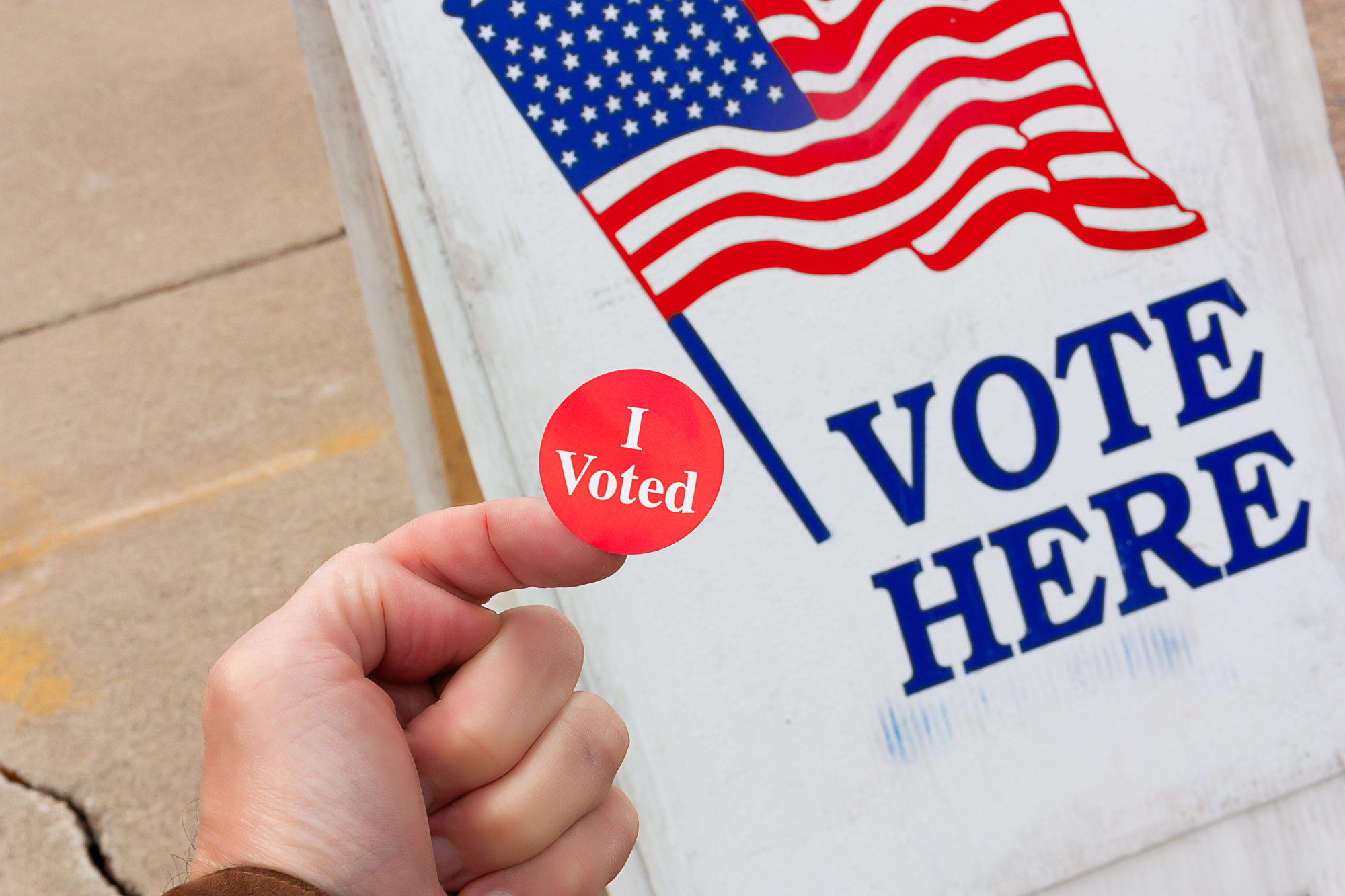
Election Day is the Tuesday after the first Monday in November, and the reason it lands on a Tuesday traces back to 1845 and the logistics of a farming nation. Farmers needed Monday to travel to the county seat to vote, Sunday was reserved for church, and Wednesday was market day — so Tuesday emerged as the compromise.
The United States remains one of the few democracies that holds its national elections on a workday rather than a weekend or a designated holiday, a structural quirk that has measurable effects on voter turnout and has been debated in Congress without resolution for decades.
The Calendar Never Explains Itself
Holidays arrive on the calendar the way old furniture arrives in a new apartment — carrying histories no one has fully accounted for, taking up space that gets accepted rather than examined. The dates were chosen by committees, signed by presidents under specific pressures, renamed by retailers, and inherited by generations who were handed the day off without the backstory.
That’s not a failure of education so much as a feature of how culture actually works: the ritual survives the explanation. But there’s something worth retrieving in those explanations — not because it makes the barbecue more solemn, but because the actual history is almost always stranger, and more human, than the official version that replaced it.
More from Go2Tutors!

- The Romanov Crown Jewels and Their Tragic Fate
- 13 Historical Mysteries That Science Still Can’t Solve
- Famous Hoaxes That Fooled the World for Years
- 15 Child Stars with Tragic Adult Lives
- 16 Famous Jewelry Pieces in History
Like Go2Tutors’s content? Follow us on MSN.