26 Things Kids Used to Collect That Felt Like the Most Important Hobby in the World
At a certain point in childhood, acquiring more of a specific thing becomes the only project that matters. The logic is hard to articulate from the outside — why does a shoebox full of trading cards represent security, or why does finding a stamp from a country you’ve never heard of feel like an accomplishment — but to the child doing the collecting, the stakes are entirely real.
A collection is inventory and identity at the same time, and the gap in the set is the thing that pulls you forward.
Most of these collections got packed into boxes at some point, forgotten in closets, occasionally discovered decades later by adults who can’t believe they once cared so much. And then, in the same moment, remember exactly why they did.
Baseball Cards
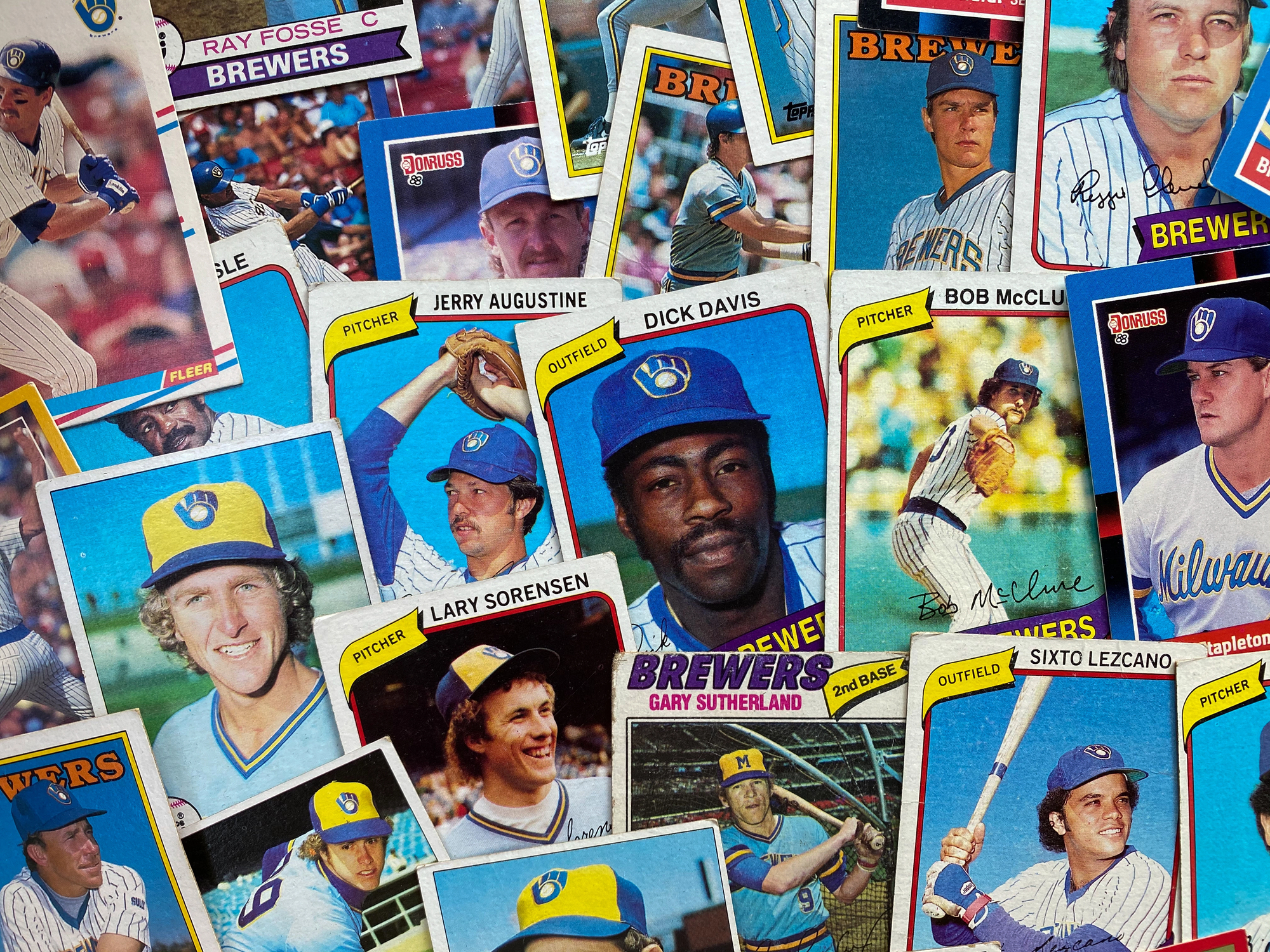
The powdery gum that came in the pack was never the point, but it was always the first thing. After it went in the mouth and the cards were revealed, the ritual began: sorting, checking for duplicates, calculating what you had and what you still needed.
The most serious collectors kept their best cards in plastic sleeves inside three-ring binders. The players on the cards were sometimes still actively playing, which meant the cards weren’t just souvenirs — they were also live records of something still happening.
Stickers
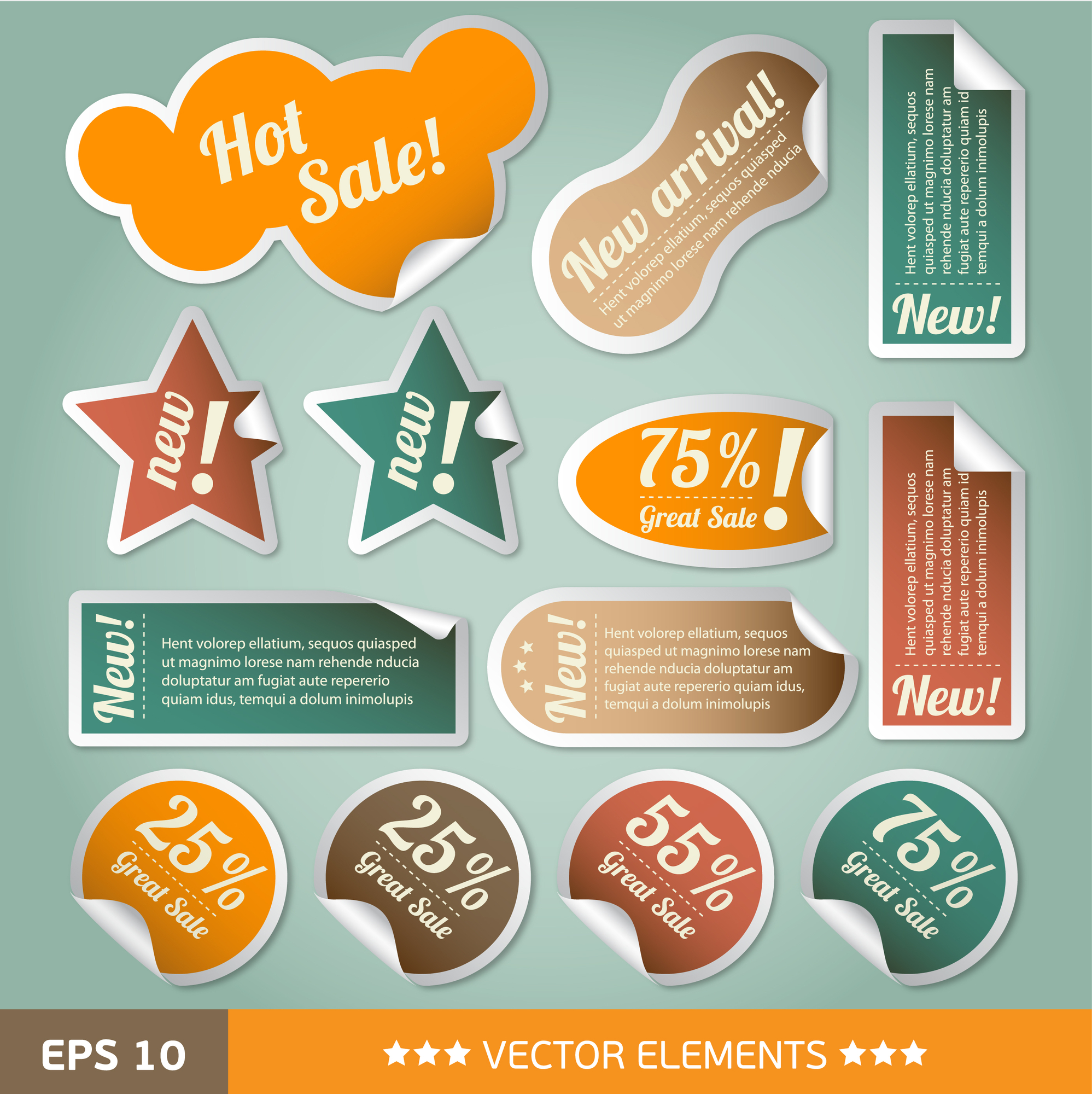
Stickers were too valuable to stick on anything. That was the whole paradox.
Scratch-and-sniff, puffy, holographic, fuzzy, glitter-backed — every type had its own value, and the hierarchy was understood collectively without anyone needing to explain it. Sticker books allowed for display without commitment. Trading happened at recess with the specific intensity of a negotiation where both parties knew the current market rates and nobody trusted anybody.
POGs
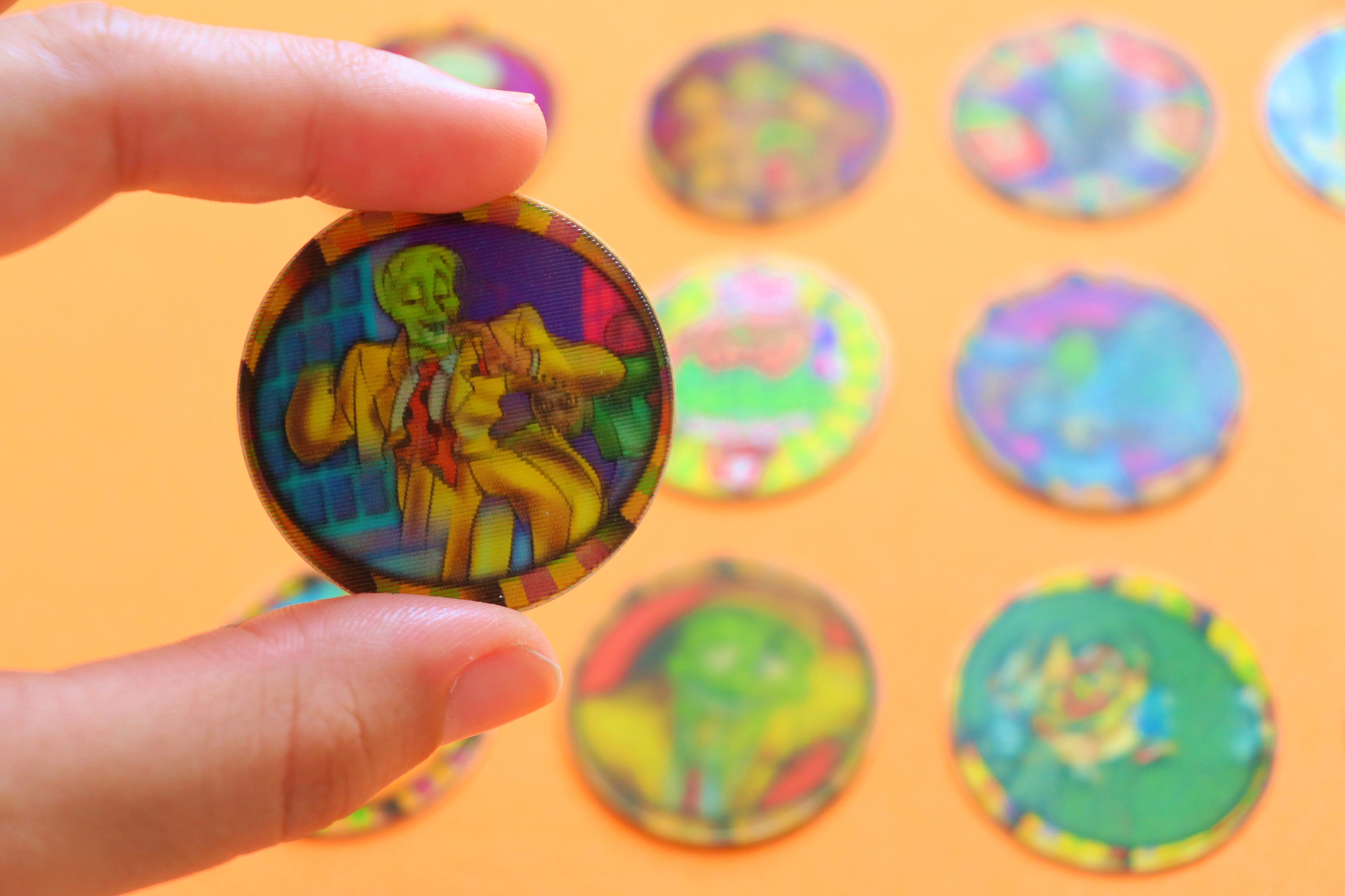
A cardboard circle printed with a design, stackable, playable in a game involving a heavier plastic disc called a slammer. Pogs originated in Hawaii, where children in the 1920s had used milk-cap lids from a local dairy called Maui’s POG juice.
By the time they hit mainstream American and British markets in 1993 and 1994, they were a full-blown cultural event. Schools banned them in some districts for encouraging gambling. Kids who had rare slammers — heavy metal ones, or unusual shapes — wielded specific social currency.
Pokemon Cards
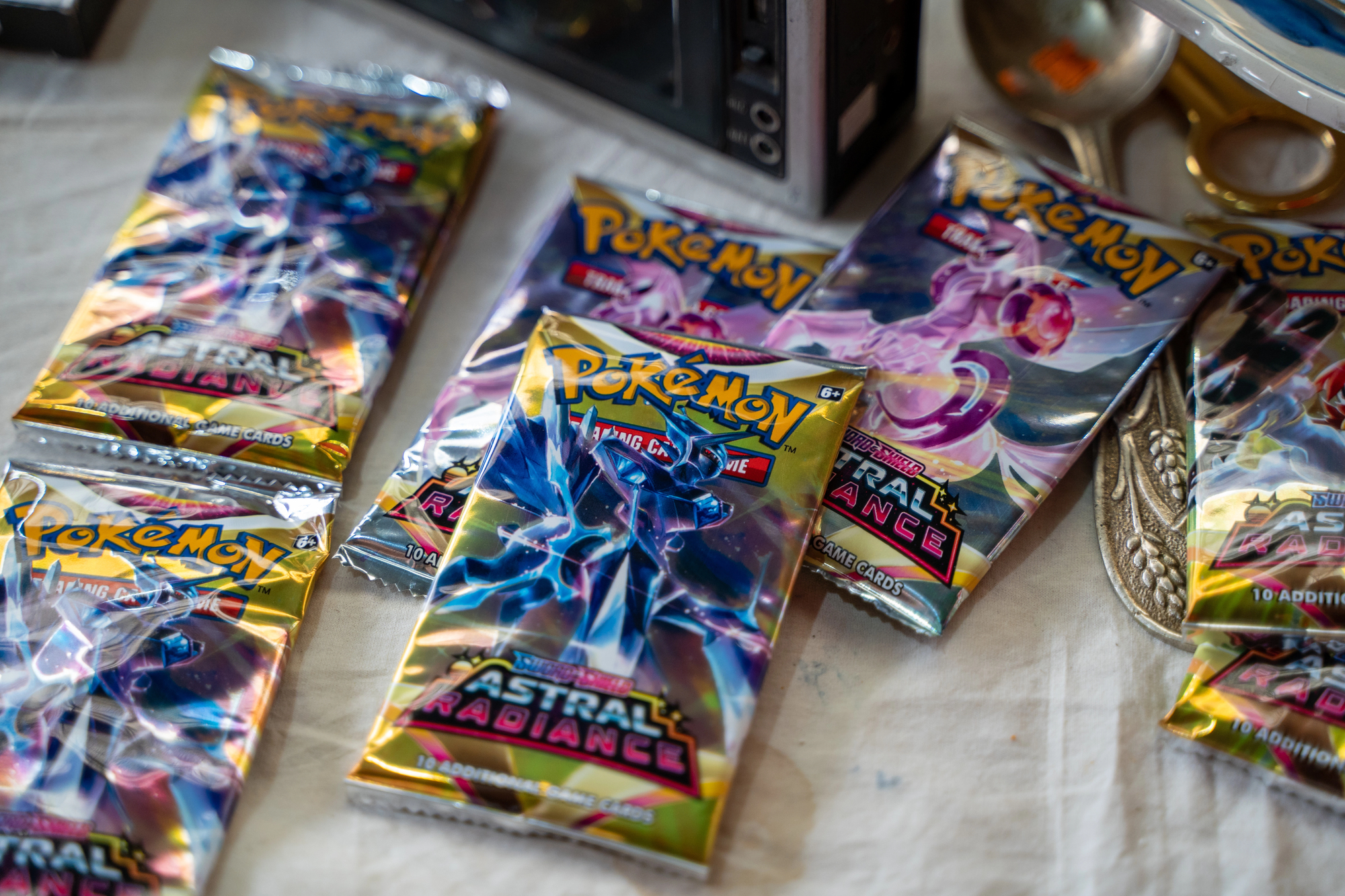
Released in the United States in 1998, Pokemon cards immediately restructured playground economics. The card hierarchy was instantly understood: holographic Charizard at the top, common Pidgey at the bottom, everything else somewhere in between.
The game printed on the back was secondary to the collecting. Adults who revisit their childhood Pokemon collections in the 2020s occasionally discover cards worth thousands of dollars in original sleeves, which is either wonderful or infuriating depending on how many they traded away for a handful of duplicates.
Stamps

Stamp collecting was the hobby with the longest tradition on this list — philately has been a formal pursuit since the 1840s — but for children in the twentieth century it was also just what you did when you got an interesting envelope. Stamps from foreign countries were exotic proof that somewhere else existed.
Commemorative stamps had tiny portraits and dates on them. The albums with clear mounts were satisfying in the way that any filled grid is satisfying. Grandparents who were serious collectors often passed their enthusiasm on without meaning to.
Marbles
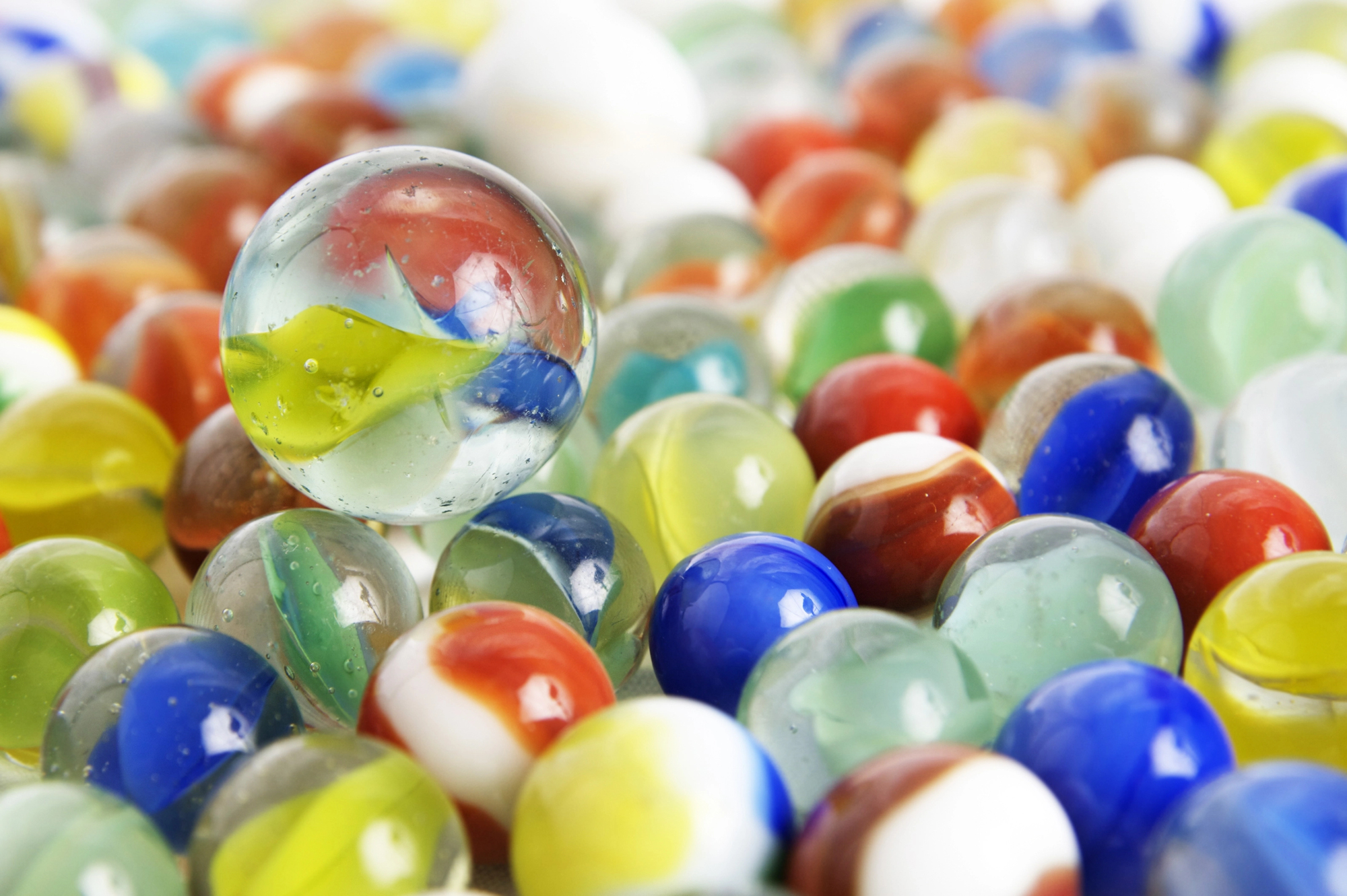
Marbles occupied a specific category: they were both game pieces and objects of beauty, and the collecting impulse served both functions. Clear glass with a ribbon of color through the center, metallic-finish “steelies,” large shooters that gave you an advantage in the game, rare handmade glass specimens that no one was willing to risk in actual play.
The physical weight of a handful of marbles is a specific tactile memory for anyone who kept a bag of them.
Comic Books
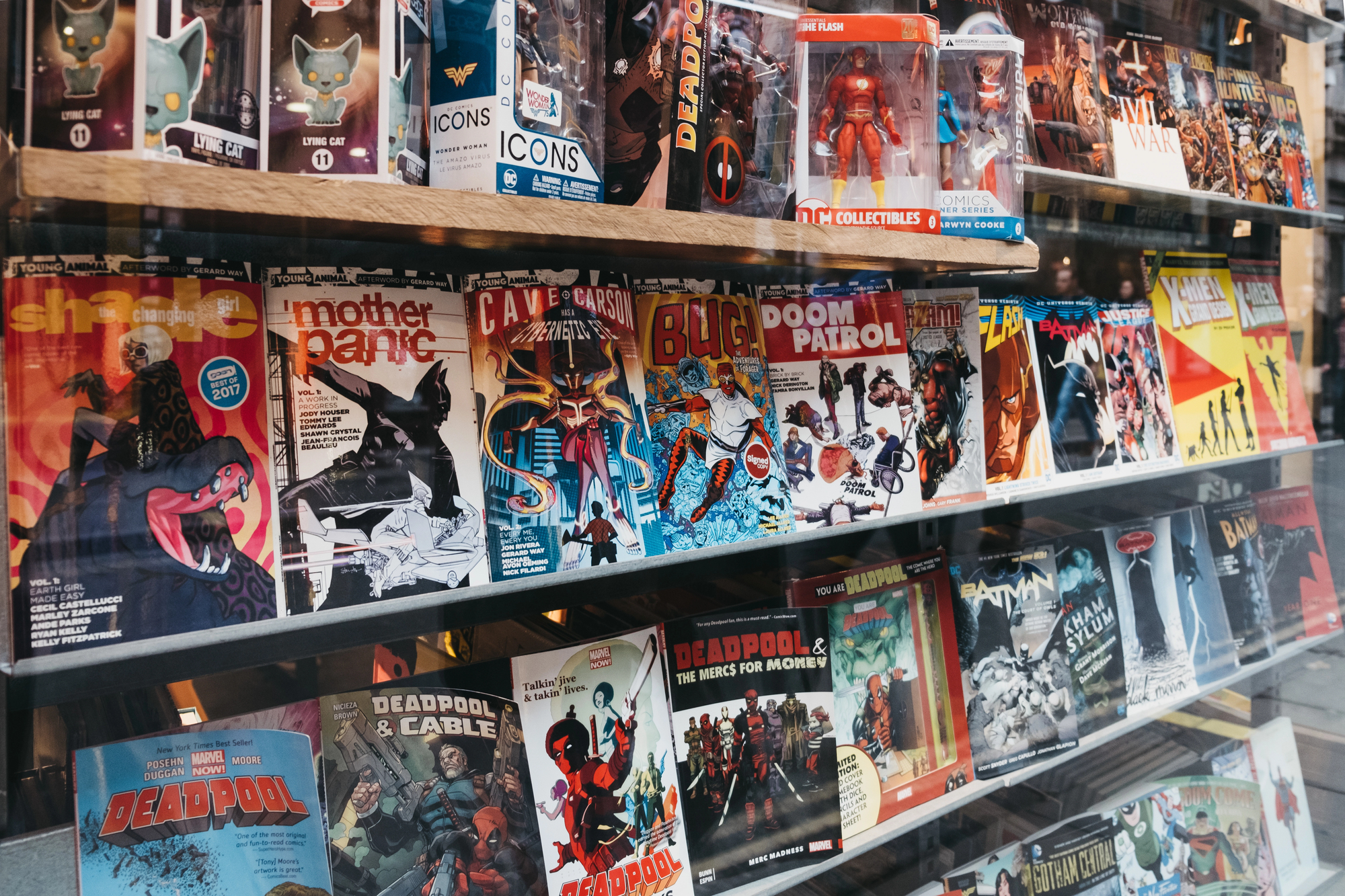
The Silver Age of comic books ran roughly from the late 1950s to the early 1970s, during which Marvel and DC published the first appearances of characters who would eventually generate billions in film revenue. Kids who collected comics in that era had no idea what they were sitting on.
Later generations collected with more awareness of potential value — bagged, boarded, stacked away from light — but the collecting impulse was the same: to own the whole run, to have the issues that continued the story, to track something across time.
Hot Wheels and Matchbox Cars
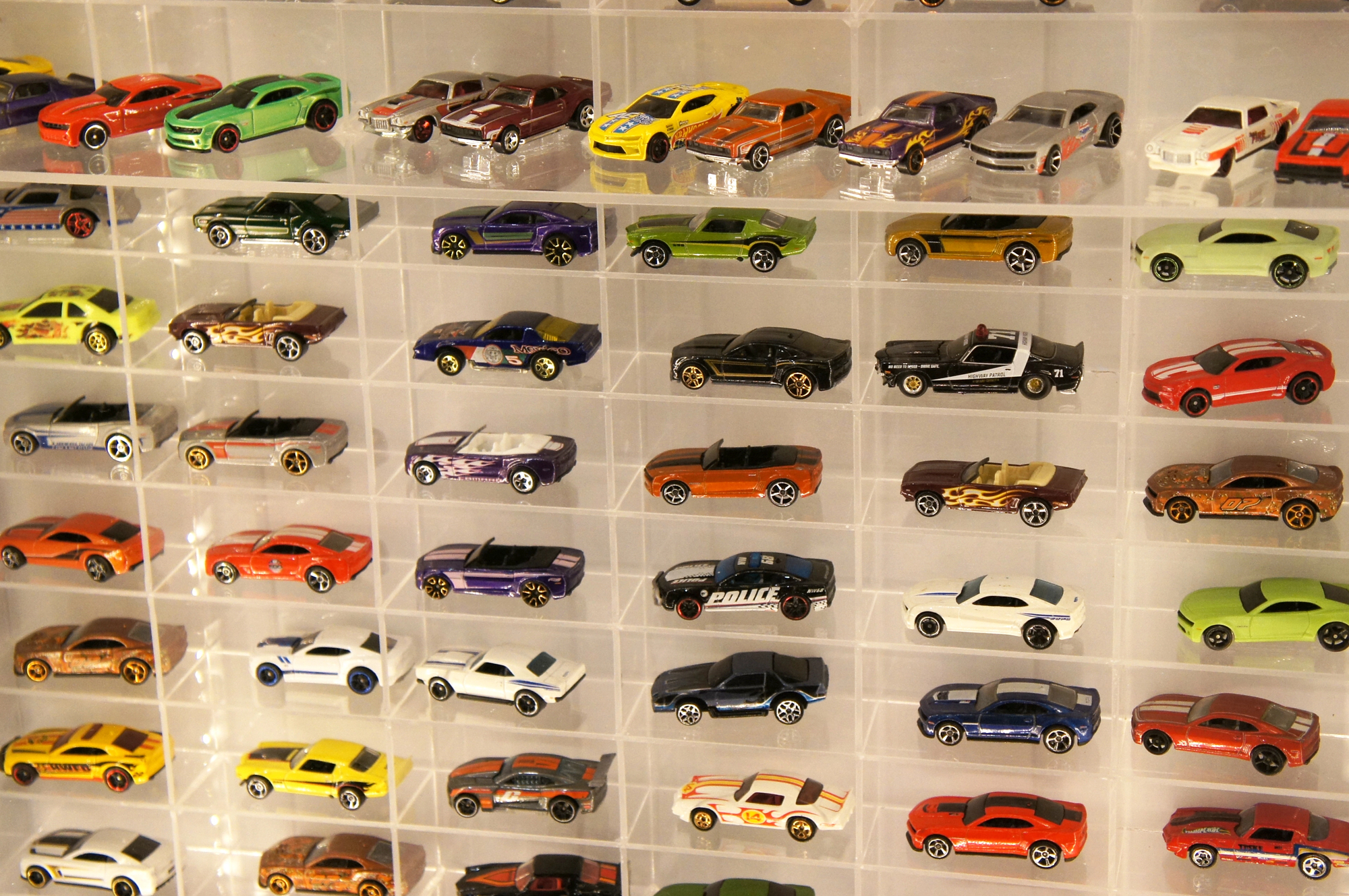
The first Hot Wheels cars appeared in 1968, designed by Mattel to outperform Matchbox on the track and outshine them on the shelf. The rivalry between the two brands ran through families like a minor religion — some houses were Hot Wheels houses, others Matchbox, and children of the dedicated variety often had dozens arranged on shelves or in specialized carrying cases.
The 1969 Pink Beach Bomb prototype, a Volkswagen van designed to carry surfboards, never reached mass production and now sells at auction for over a hundred thousand dollars.
Erasers
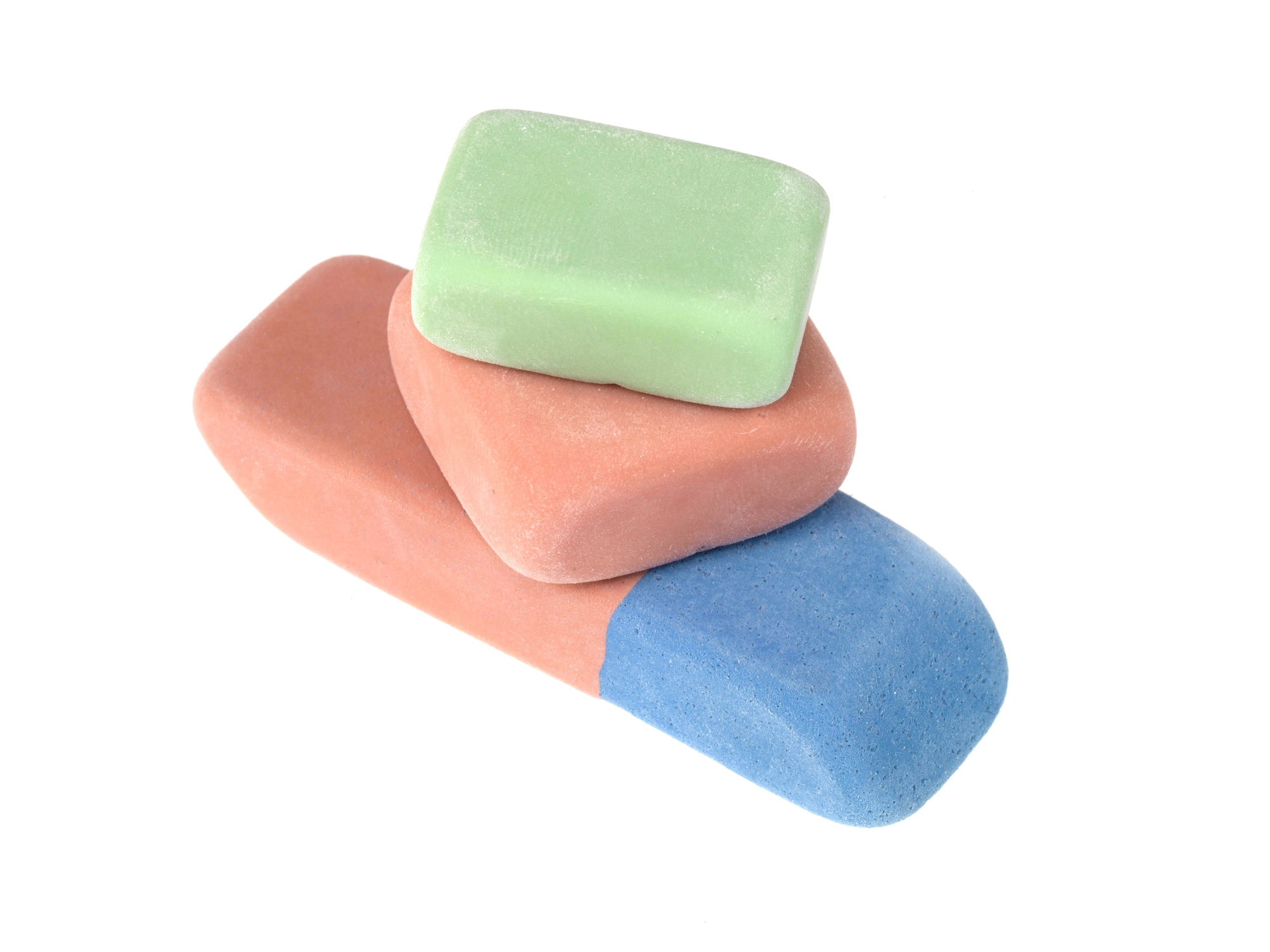
Shaped like fruits, animals, food items, landmarks, cartoon characters — novelty erasers were collected rather than used, because using them destroyed them, and destroying them was not the point. British corner shops and school supply stores in the 1980s carried them by the bagful.
They didn’t serve the function their shape suggested. They were simply small objects that accumulated on desks and windowsills until someone moved and half of them got left behind.
Beanie Babies
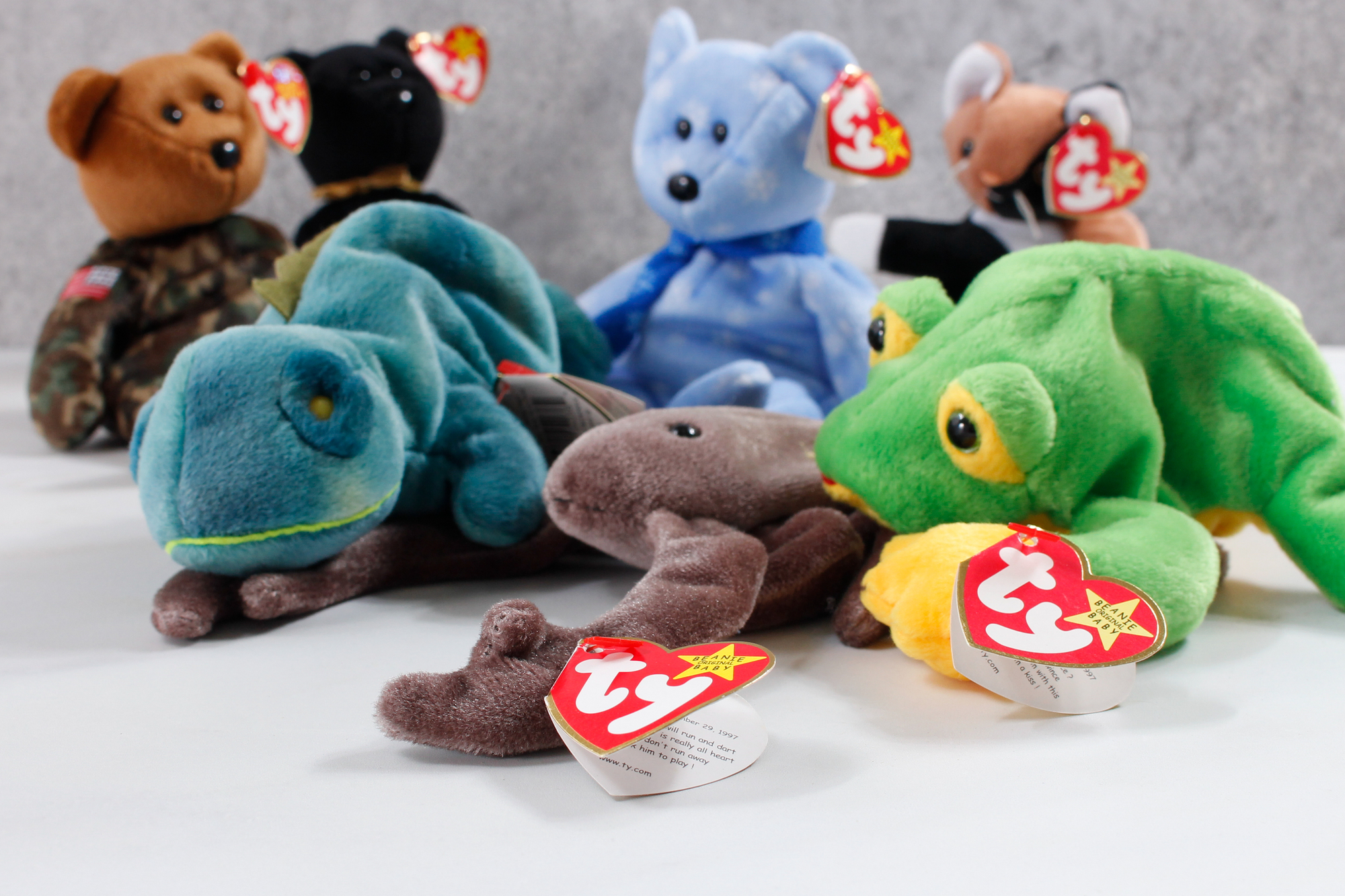
Ty Inc. released Beanie Babies in 1993 and within a few years had created one of the most intense collectible crazes of the twentieth century. Parents drove between stores looking for retired editions.
Certain Beanie Babies — the Princess Diana bear, the Peanut the Elephant error edition with the wrong purple color — were considered genuinely valuable investments and stored with tag protectors to preserve the heart-shaped swing tags. The secondary market inflated, collapsed, and left basements full of small plush animals still in their original packaging.
Snow Globes

Some children collected snow globes specifically, usually starting with a souvenir from a family trip that happened to appeal to them. The globes were not particularly useful or interactive — you shook them, watched the snow settle, and put them back.
But they were visual proof of places visited, and a shelf of them became a kind of geographic record of a family’s travels. The impulse was the same as postcards but three-dimensional.
Keychains
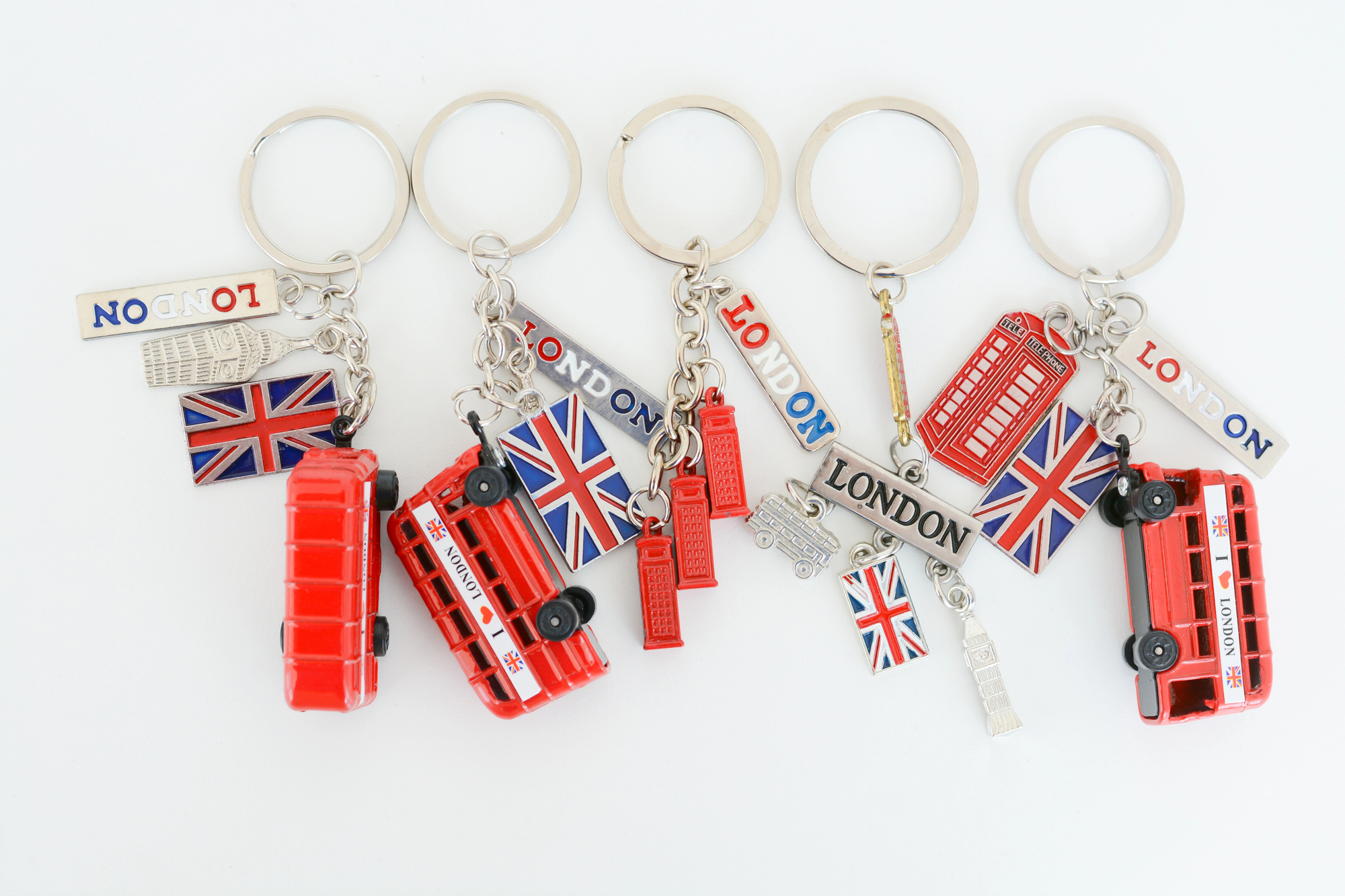
Kids rarely had enough keys to justify keychains, but that didn’t stop the accumulation. Souvenir keychains from every vacation, novelty keychains from school fairs, miniature versions of favorite characters, keychains that lit up or made sound.
They collected on backpacks and bedroom hooks in clumps that kept growing. The useful function was irrelevant. The keychain represented the place, or the moment, or simply the appealing object found for fifty cents at a tourist shop on a Wednesday in July.
Rocks and Minerals
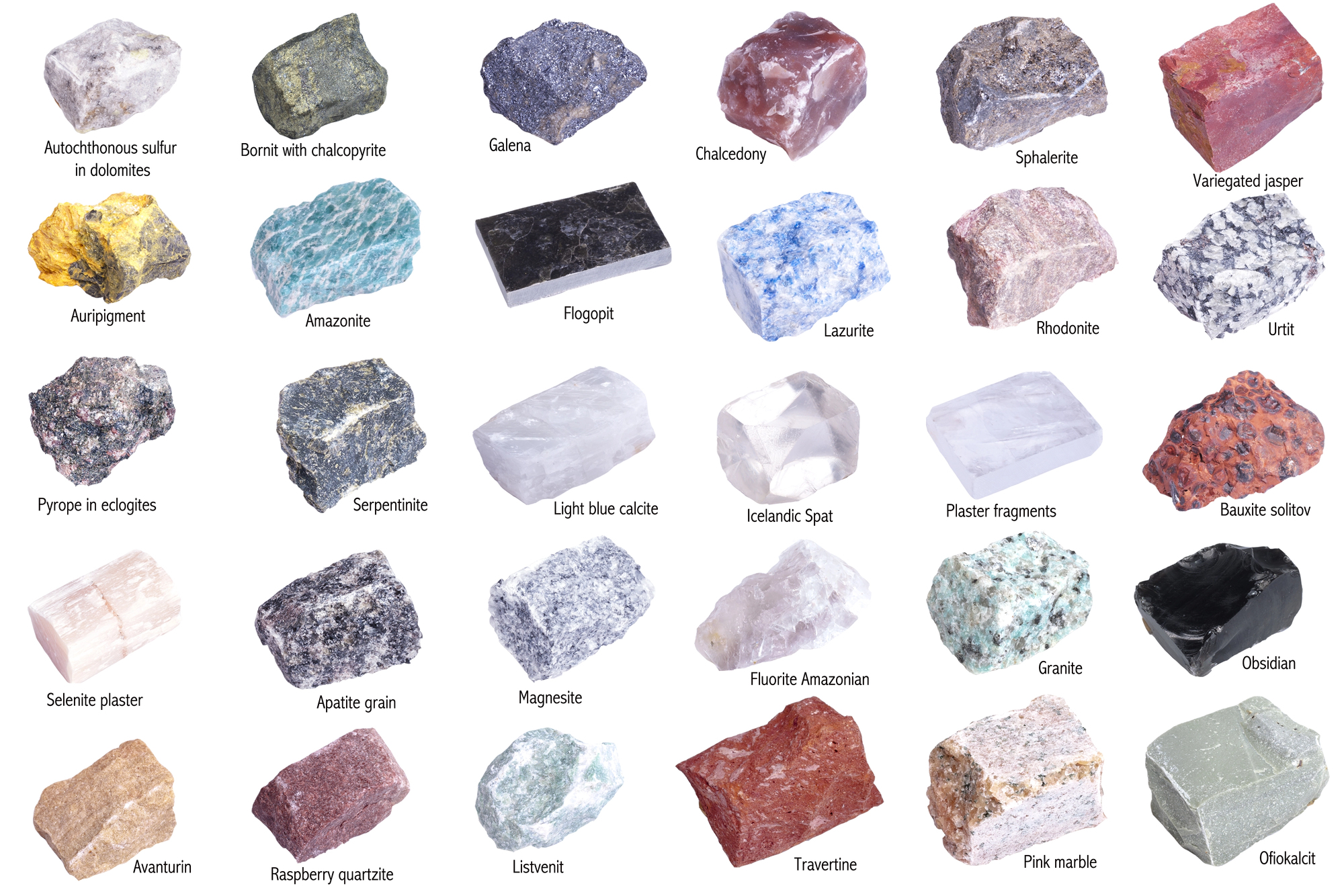
Rock collecting occupied the space between hobby and proto-science. Children who developed the habit often started with a single interesting stone found on a walk and ended up with a labeling system and a reference book.
The most serious young collectors could identify quartz varieties, explain the difference between igneous and sedimentary formations, and catalog the specimens in egg cartons with the same organizational intensity applied to baseball cards. Many professional geologists remember exactly which stone started the whole thing.
Lisa Frank Stickers and Merchandise

Lisa Frank’s visual language — saturated neon colors, cosmic patterns, wide-eyed cartoon animals often depicted in unlikely glamorous situations — dominated girls’ sticker collections and school supply culture from the 1980s through the 1990s. The holographic and oil-slick stickers were at the top of the trading hierarchy.
Lisa Frank collections lived in dedicated albums rather than alongside ordinary sticker varieties. The brand’s aesthetic has resurfaced periodically as a nostalgia item and remains immediately recognizable to anyone who grew up in that era.
Souvenir Spoons
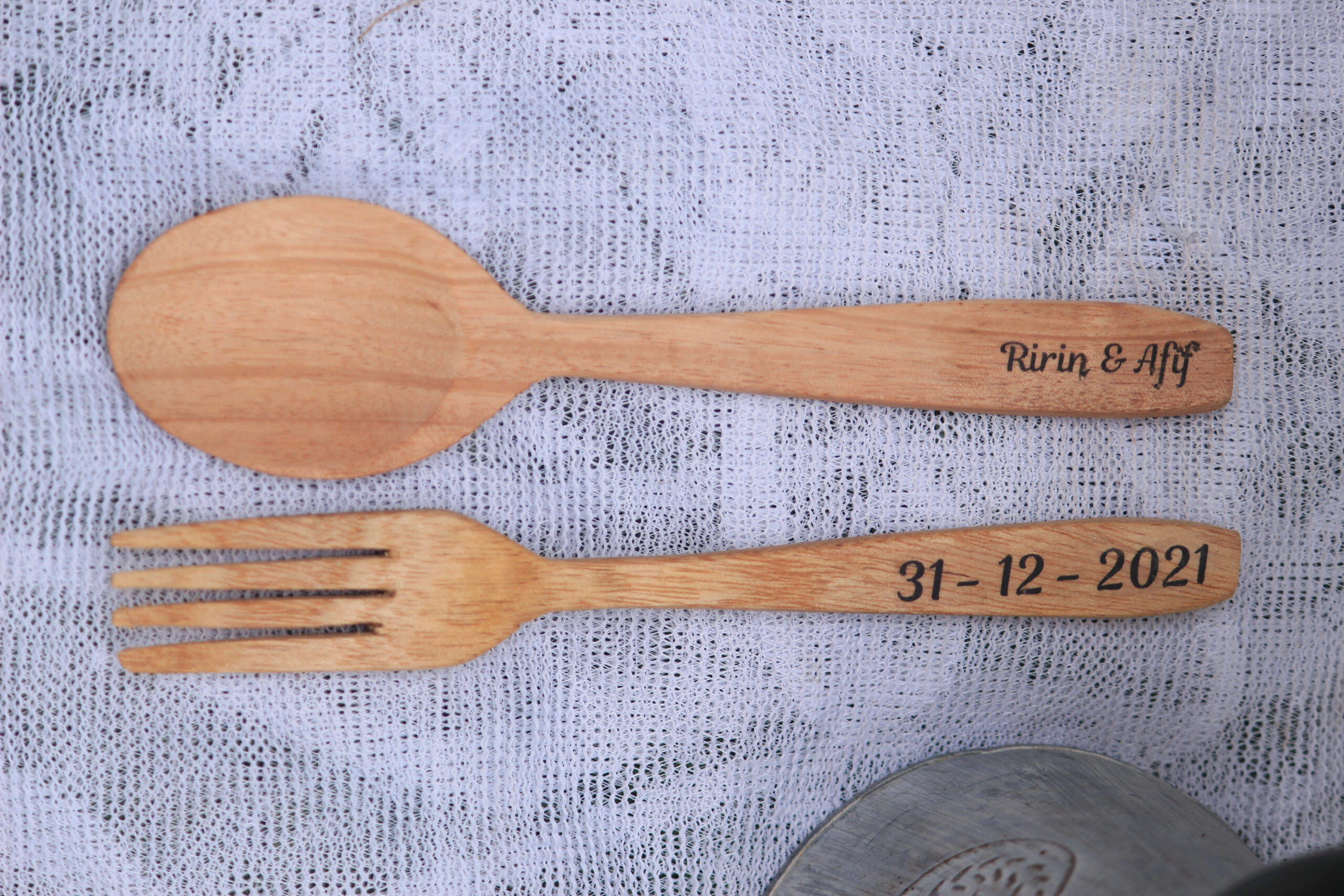
Collecting spoons from different locations was primarily the province of grandparents, who then passed entire drawers of them to grandchildren who treated them more like artifacts than functional objects. Each spoon had an enamel design, the name of a state or country or landmark, occasionally a small three-dimensional figurine on the handle.
They displayed in special racks. The collecting impulse was partly geographic — assembling a map in metal — and partly the same instinct that drives any accumulation of small identical objects in slightly different versions.
Movie and TV Trading Cards
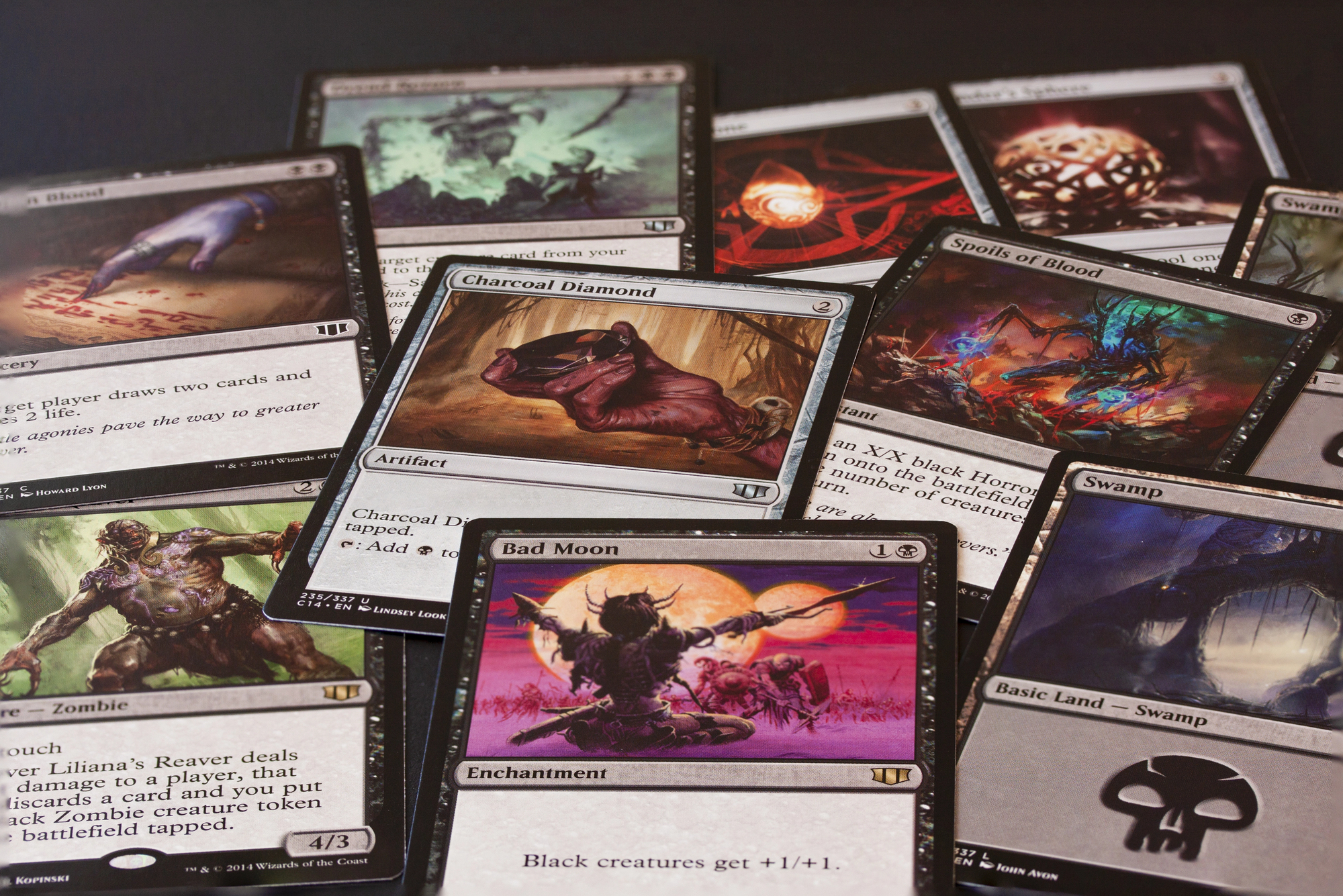
Throughout the 1980s and early 1990s, every major film franchise generated trading card sets. Empire Strikes Back, Indiana Jones, Ghostbusters, Teenage Mutant Ninja Turtles — each produced cards with scene stills on the front and trivia or story details on the back.
The completist urge applied to these exactly as it did to sports cards: you needed the whole set, and the gaps were the only thing that mattered once you’d accepted that premise.
Coins

Coin collecting — numismatics at the adult level — arrived in children’s lives as something more accessible: filling the folders from the coin shop with pennies from different years, or accumulating foreign currency from relatives who traveled.
American state quarters, launched in 1999, brought a new generation to the hobby with a simple and visible completion goal. Kids who found an unusual year or a mint error in circulation experienced the specific pleasure of discovering that ordinary things could be rare.
Panini Football Stickers
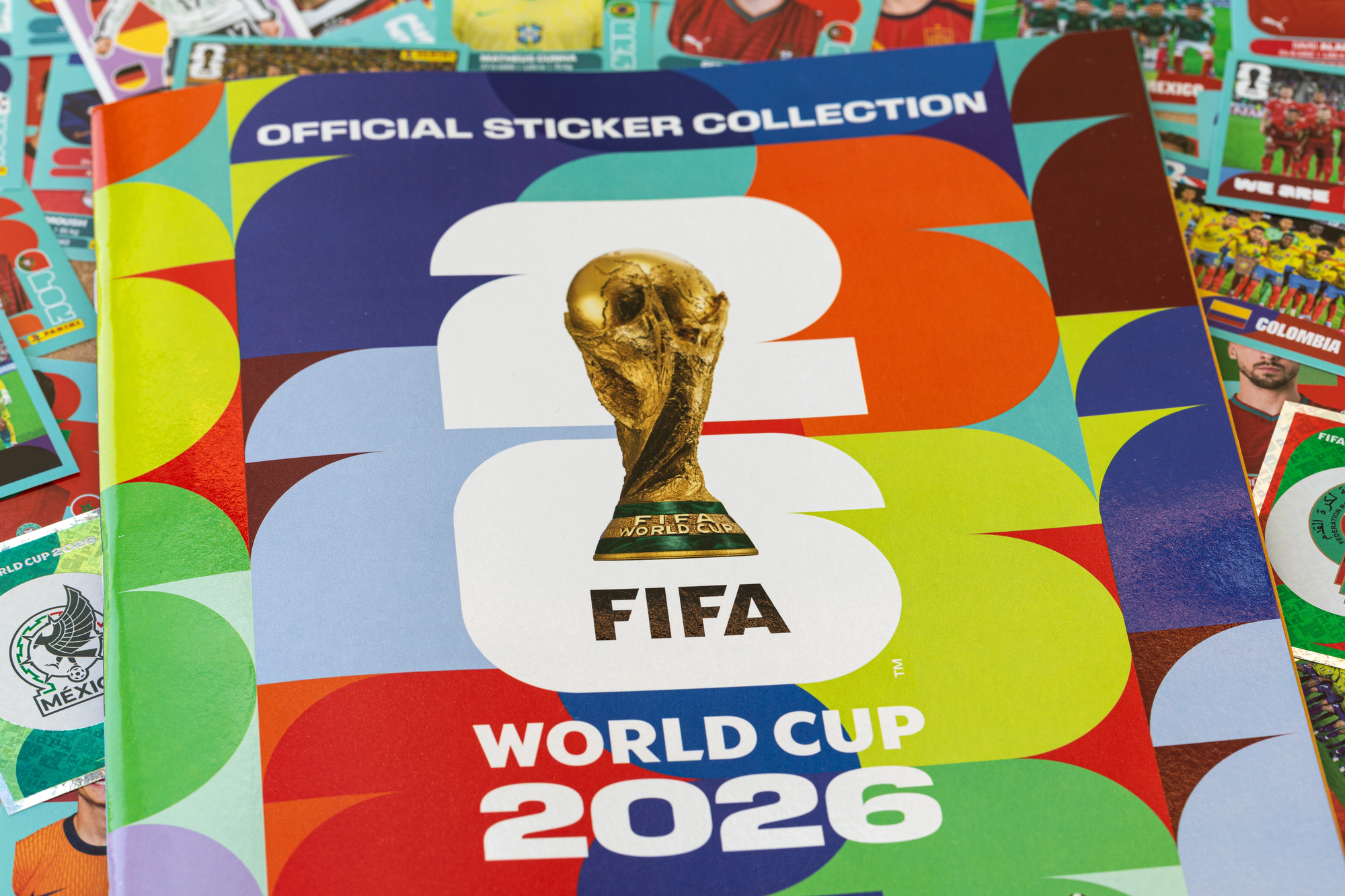
Panini’s football sticker albums for World Cup and domestic league seasons ran a specific kind of operation: you bought packs, you traded duplicates, and the swap economy that emerged in schoolyards and at newsagent counters had its own protocols and prices.
Finding a foil sticker — the shiny badges and player headshots that appeared in special positions in the album — was the equivalent of pulling a holographic Pokemon card. The phrase “got, got, need” operated as its own dialect.
Tazos
Frito-Lay and Walkers distributed Tazos inside crisp packets in the mid-1990s in a clear effort to replicate the Pogs phenomenon with their own branded version. It worked.
Children began buying crisps specifically for the Tazos rather than the crisps, which was either a marketing triumph or a dietary concern depending on your perspective. Sets were themed around Looney Tunes characters, then Space Jam, then other properties. The ones with decorative edges were harder to find and therefore worth more in the schoolyard rate.
Action Figures
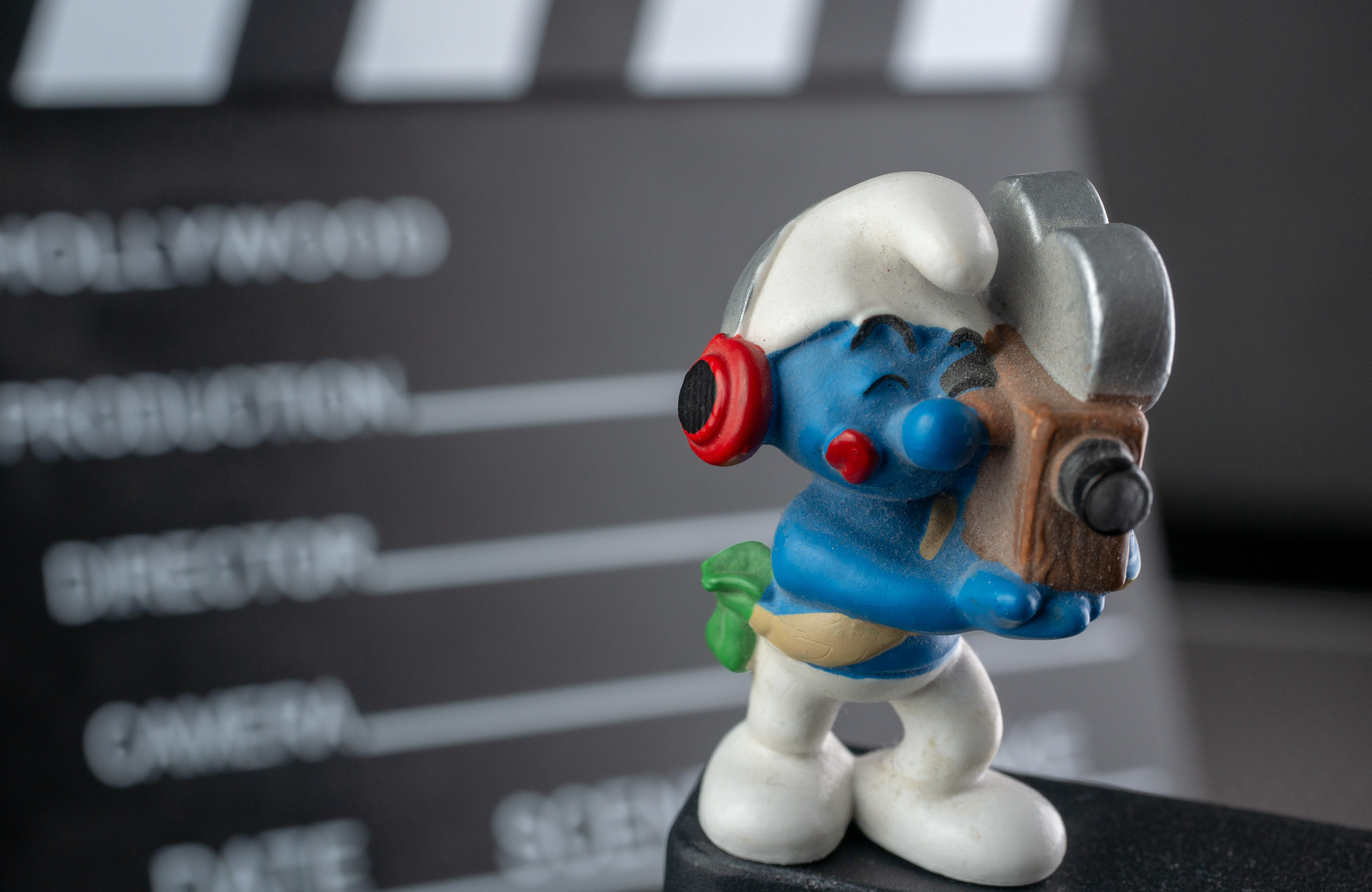
The action figure collection was distinct from toy play in one important way: the collecting impulse wanted the whole lineup. G.I. Joe had dozens of characters across the 1980s, each with a file card biography on the back of the package.
He-Man’s Masters of the Universe added new characters every few months. Transformers came in size categories that implied hierarchy. Kids who collected every figure in a line were doing something different from kids who played with them — they were building an inventory, and the gaps on the shelf were what organized the next birthday wish list.
Sports Pennants

Felt pennants representing favorite sports teams were hung on bedroom walls long before licensed merchandise became the sophisticated industry it is today. The pennants were simple: team colors, name, maybe a logo.
Accumulating pennants from multiple teams or multiple sports turned a wall into an assertion of identity. The pennant from an opponent that someone had given you anyway still made the wall — it was still a pennant, and the collection was still incomplete without it.
Matchbooks
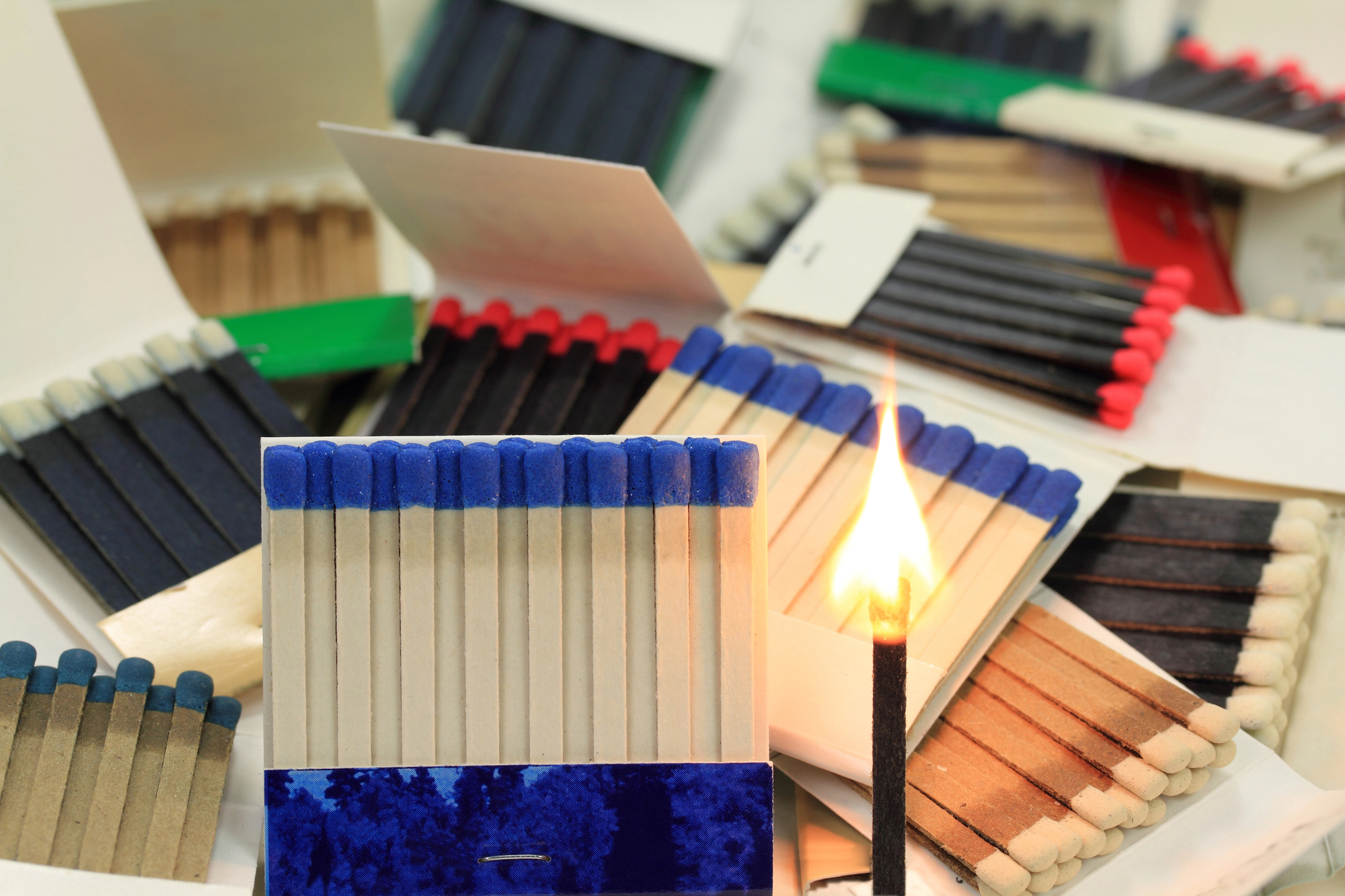
Adults collected matchbooks from restaurants and hotels and nightclubs from at least the 1930s onward, and children who grew up around adults who did this absorbed the habit. Matchbooks were free, took up no space, and came from somewhere specific — which made them perfect for the child-collector logic of acquiring proof that places existed.
A matchbook from a steakhouse in a city you’d visited once was evidence and souvenir simultaneously.
National Geographic Magazines

Nobody subscribed to National Geographic intending to collect it, but the yellow spines accumulated on shelves in a way that made departure feel like vandalism. Families who received the magazine from the 1960s onward often kept every issue, and children who grew up in those houses understood that the stack represented something — time, continuity, the geography of a world much larger than the one visible through the bedroom window.
The photographs alone justified the space.
Rubber Ducks

A small subset of children — and then adults — developed a genuine collecting practice around rubber ducks that went well beyond the standard bathtub scenario. Novelty rubber ducks dressed as historical figures, sporting team mascots, profession types, holiday editions — the category expanded alongside collector interest and today encompasses specialist conventions and market price guides.
It remains the most cheerful collecting category on this list.
Music Cassettes and Then CDs
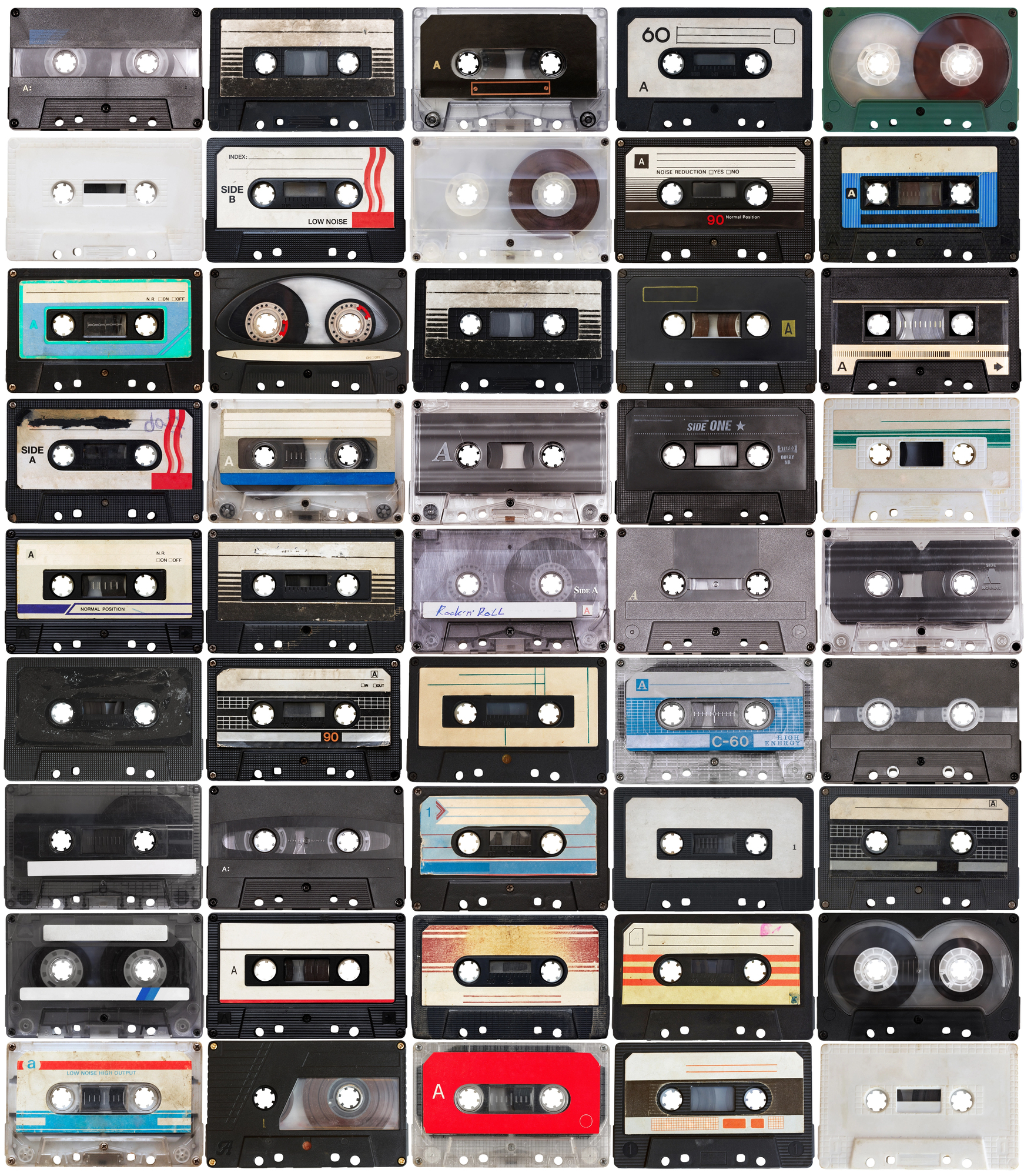
The transition from cassettes to CDs in the late 1980s and early 1990s gave a generation two separate collecting moments. Cassettes came first — physical artifacts that deteriorated with use and required careful rewinding.
CDs arrived with the promise of permanence and a reflective disc surface that seemed impossibly futuristic. The CD tower became a domestic furniture category. Having a large and varied collection was a statement about who you were, displayed in living rooms and bedrooms at exactly the height where visitors could see it.
Erasable Pens and Gel Pens
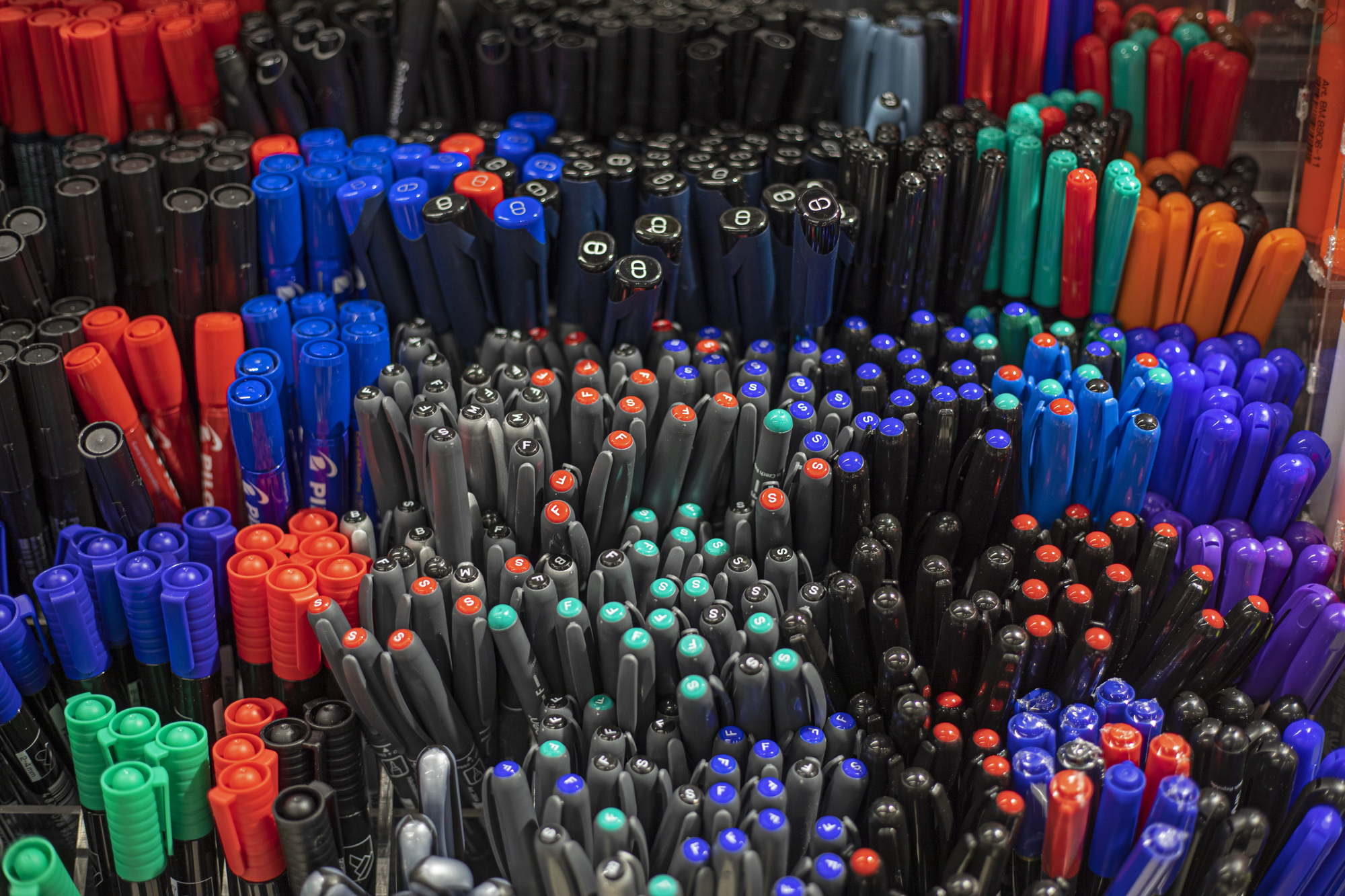
In the 1990s, gel pens — particularly the Gelly Roll brand and its competitors — became a collection category among schoolchildren, particularly girls. The color count mattered: the school that had sixty-four gel pen colors had more than someone with forty-eight.
Metallics and glitters ranked above standard colors. The pens were used, but sparingly, preserved more like supplies than tools. The irony of collecting writing instruments you were afraid to actually write with was never mentioned, possibly because it was too accurate a description of how collecting worked.
Why Accumulation Mattered

The collecting impulse in childhood was never really about the objects. It was about having a project with clear criteria, visible progress, and the possibility of completion — three things that daily life as a child rarely offered.
A shoebox of baseball cards or a sticker book with two gaps remaining gave the day a structure and the week a direction. The object mattered enough to trade for, to save toward, to ask for at birthdays. That mattering was real. The fact that it eventually ended doesn’t change that it once organized entire years.
More from Go2Tutors!

- The Romanov Crown Jewels and Their Tragic Fate
- 13 Historical Mysteries That Science Still Can’t Solve
- Famous Hoaxes That Fooled the World for Years
- 15 Child Stars with Tragic Adult Lives
- 16 Famous Jewelry Pieces in History
Like Go2Tutors’s content? Follow us on MSN.



