26 Things Nobody Tells You About Cruising with a Large Group
Planning a cruise with extended family, friends, or colleagues sounds like the perfect vacation. Everyone together, endless entertainment, and the convenience of one booking handling it all.
The reality involves logistics most people never consider until they’re standing at the gangway with fifteen relatives who all have different ideas about dinner plans. Large group cruising has its own unwritten rules, hidden costs, and social dynamics that can make or break the experience.
Here’s what actually happens when you book multiple cabins and try to coordinate everyone’s good time.
Booking Early Doesn’t Guarantee Adjacent Cabins

Cruise lines don’t hold blocks of rooms together just because someone calls six months ahead. Cabins get assigned based on availability, deck preference, and how much the booking agent feels like helping that particular day.
Even when you book the entire group simultaneously, expect to find yourselves scattered across different decks and sections. The couple who booked the balcony cabin might end up three floors away from everyone else.
Group Dining Reservations Are Nearly Impossible
— Photo by sainaniritu
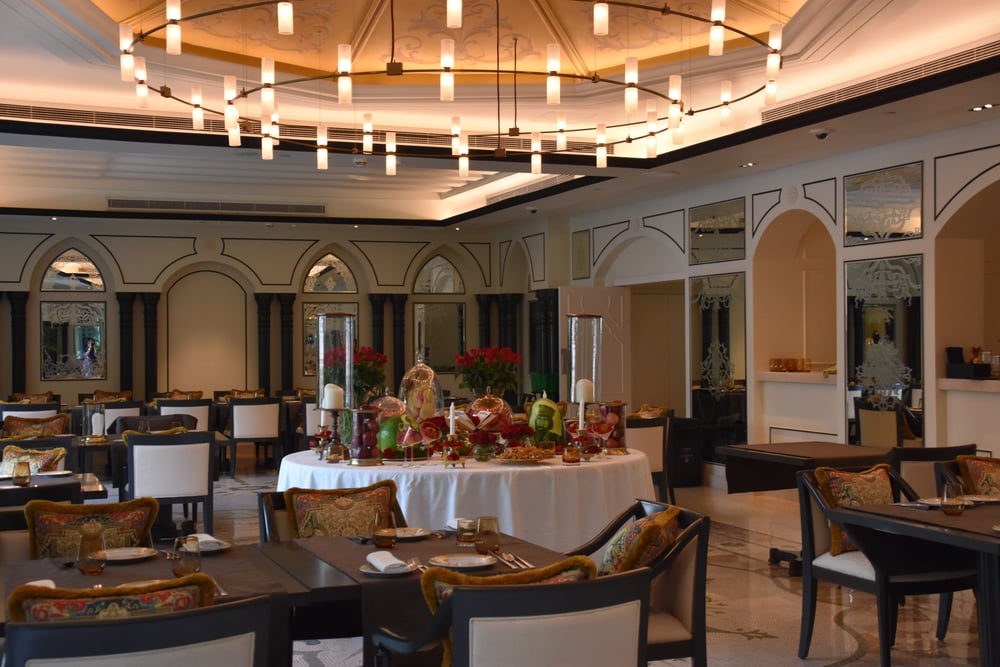
Specialty restaurants accommodate parties of eight maximum. Larger groups get split up or told to make separate reservations, which rarely align timing-wise.
The main dining room can theoretically seat larger parties together, but the reality involves awkward table configurations where half the group can’t hear the other half. Most cruise dining rooms weren’t designed for family reunion dynamics, and it shows every single night.
Someone Always Gets Seasick at the Worst Possible Moment

Within any group larger than ten people, at least one person will spend the first two days horizontal in their cabin while everyone else explores the ship. This person inevitably recovers just as the ship reaches calm waters, then complains about missing everything.
The seasick person also tends to be someone critical to group decision-making (like whoever holds the shore excursion confirmations), which creates a domino effect nobody anticipated. And yes, they probably ignored all advice about bringing motion sickness remedies because they “never get seasick on boats.”
Kids in Large Groups Become Exponentially Louder
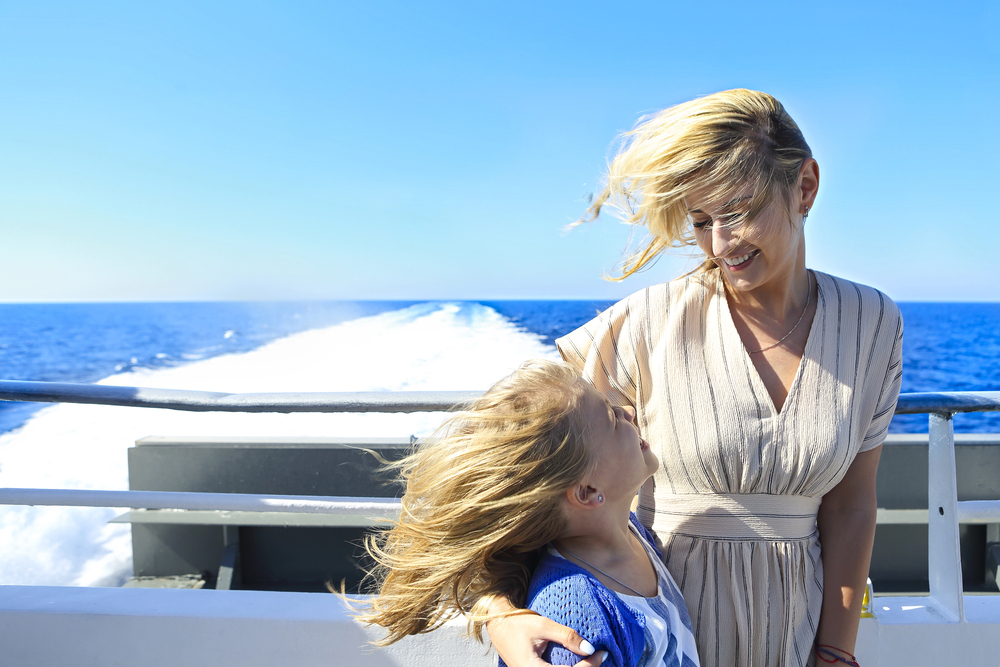
Two children on a cruise behave like children. Six children on a cruise behave like a small, mobile circus that has lost all adult supervision and decided the ship’s hallways are their personal playground.
The noise level doesn’t just double or triple — it multiplies in ways that defy mathematics, and somehow always peaks during the exact moments when other passengers are trying to nap or enjoy quiet deck time. Other cruisers will start recognizing your group by sound alone, which isn’t the kind of memorable vacation experience anyone was aiming for.
Shore Excursion Coordination Becomes a Full-Time Job
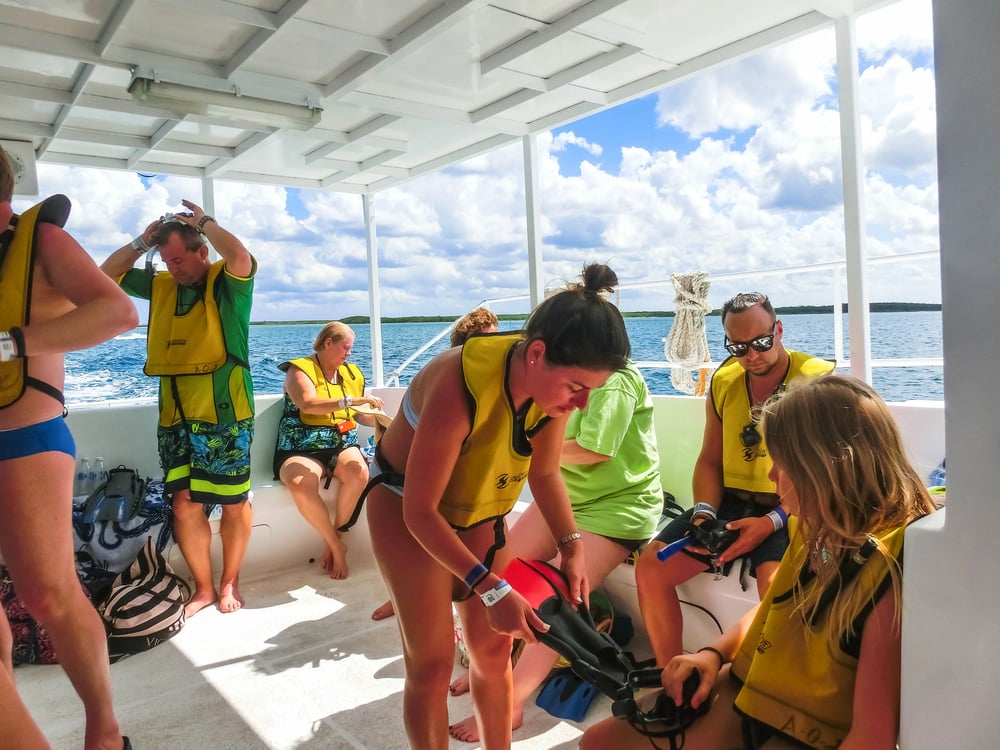
Every destination involves lengthy group discussions about which tours to book, who wants to explore independently, and whether Uncle Bob’s mobility issues can handle the “moderate walking” excursion. These conversations happen repeatedly, for every single port, usually while standing in busy public areas of the ship where decision-making becomes even more complicated.
Someone always changes their mind at the last minute, leaving the person who organized everything scrambling to modify bookings or find alternative plans. And there’s inevitably one family member who books their own excursion without telling anyone, then wonders why they can’t find the group at the meeting spot.
Cabin Categories Create Unexpected Social Hierarchies
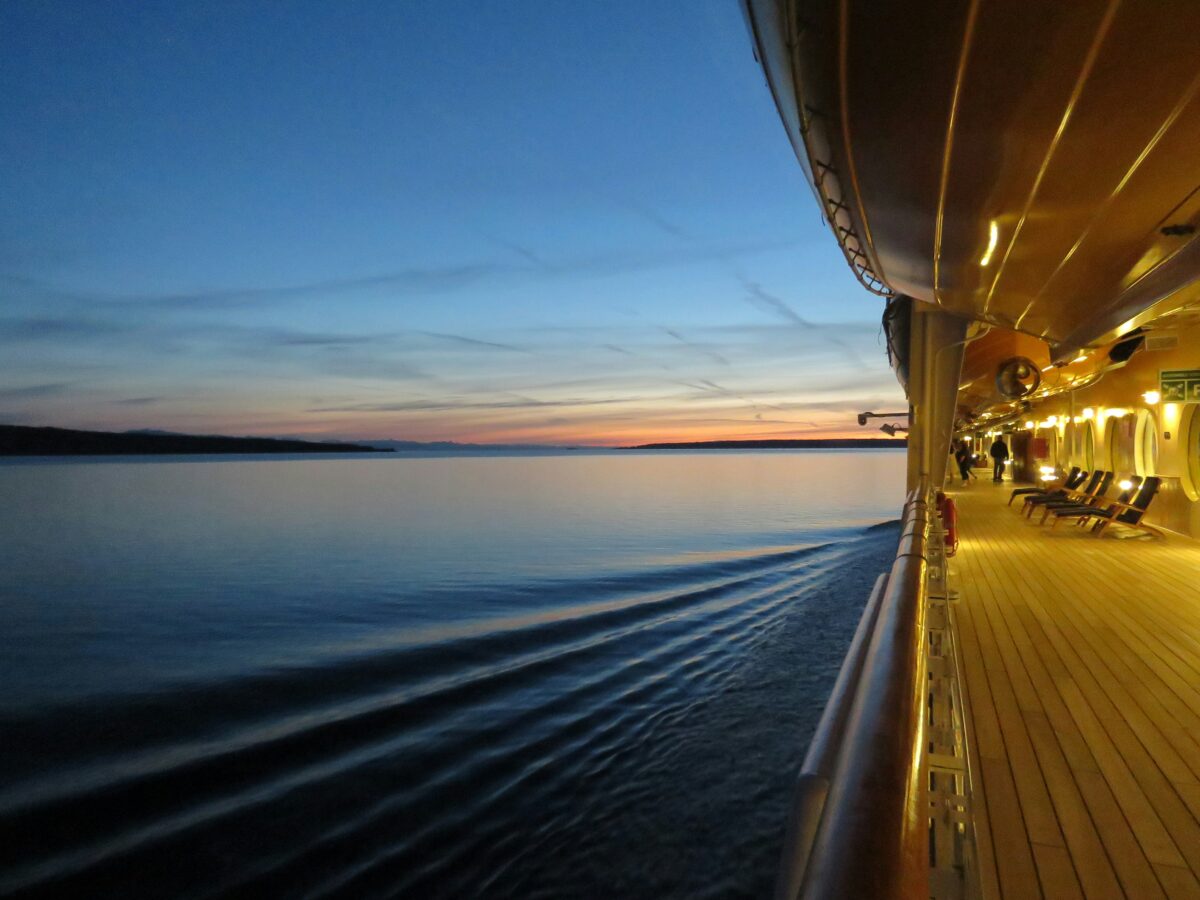
The family that splurged on a suite suddenly becomes the default gathering spot, whether they wanted to host or not. Their balcony turns into the group’s unofficial headquarters, and their mini-fridge becomes community storage.
Meanwhile, relatives in interior cabins start making pointed comments about “some people” having room to breathe, while the suite-dwellers feel obligated to share their space even when they’d rather retreat. Nobody discusses these dynamics beforehand, but they surface by day two and persist for the entire cruise.
Group Photo Logistics Are Surprisingly Complex
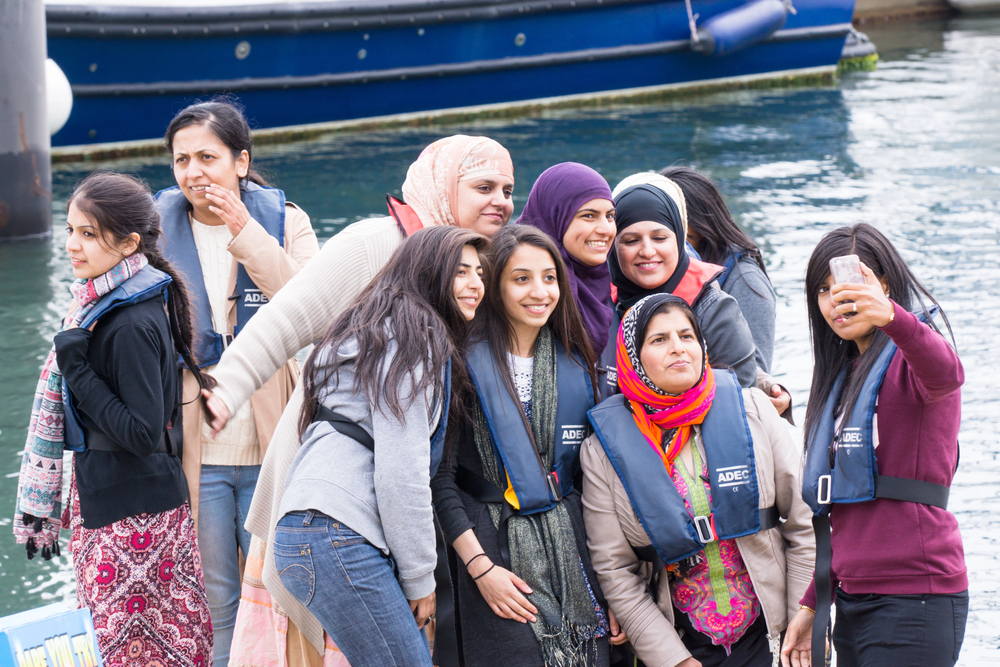
Coordinating a single photo with fifteen or twenty people requires military-level planning that nobody anticipates. Someone’s always in the bathroom, getting food, or dealing with a crying child when the perfect sunset moment arrives.
The ship’s photographers will attempt group shots, but their standard poses and backdrops weren’t designed for extended family dynamics. Half the group ends up squinting into the sun while the other half complains about their positioning, and the final photos capture everyone’s frustration more clearly than their smiles.
Elevator Wait Times Become a Genuine Problem
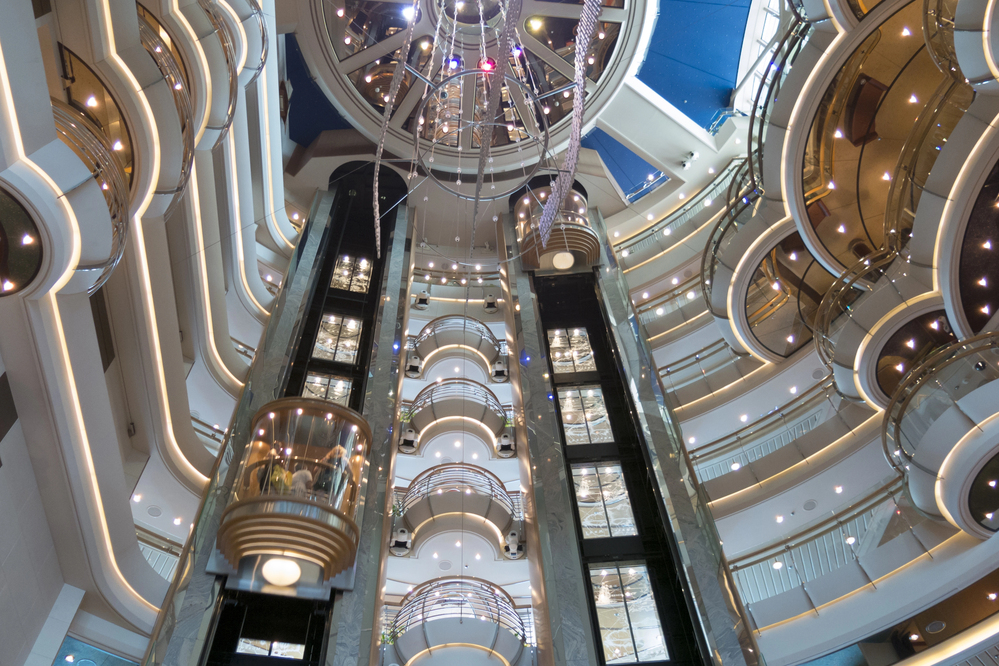
Large groups clog elevators in ways that affect everyone’s schedule and mood. When eight people need to travel together, they’re usually waiting for the third or fourth elevator car, while smaller groups and solo travelers squeeze past them with barely concealed irritation.
Splitting up to take stairs sounds logical until someone points out that Grandma can’t handle twelve flights, and now the group faces a choice between leaving people behind or continuing to monopolize elevator space. Either way, someone ends up annoyed, and these small frustrations accumulate throughout the week.
Pool and Deck Chair Territory Wars
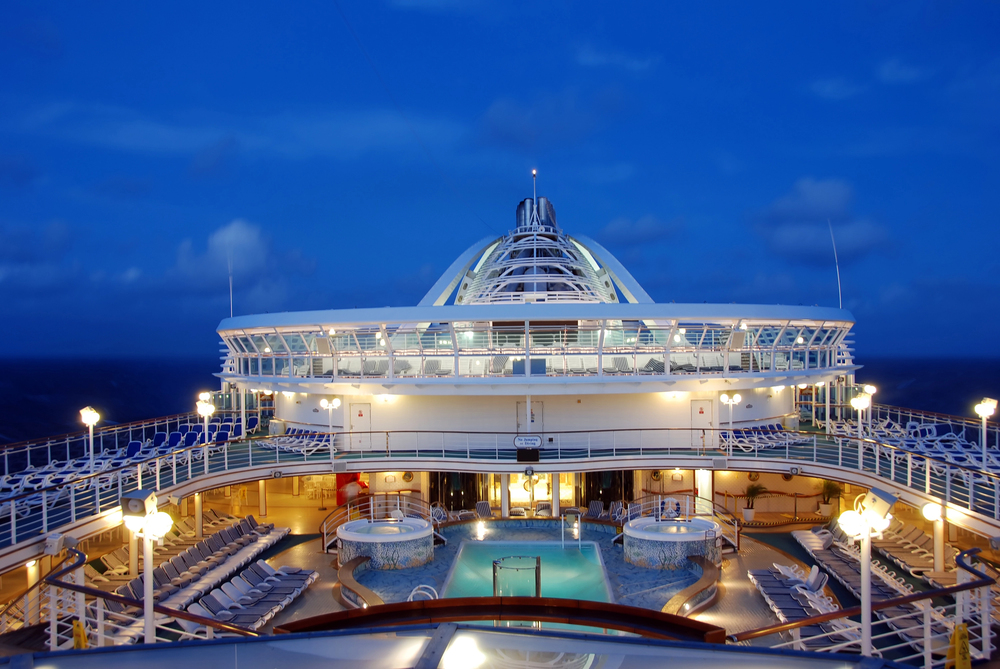
Finding adjacent seating for a large group requires either getting up at dawn to claim territory or accepting that everyone will be scattered across different decks and pool areas. The people who wake up early to secure chairs become oddly territorial about their success, while late risers grumble about being stuck in whatever leftover spots remain available.
Cruise ship pools aren’t designed for group gatherings anyway — they’re usually too crowded, too small, and too noisy for actual conversation. But large groups often fixate on staying together at the pool, leading to daily negotiations about who’s responsible for chair duty and whether it’s worth the effort.
Specialty Dining Becomes a Political Minefield

Someone always wants to try the steakhouse while others prefer casual dining, and somehow these preferences become proxy wars for deeper family dynamics that have nothing to do with food. The person who suggests splitting up for dinner gets accused of not wanting to spend time together, while the person insisting everyone eat together gets blamed for being controlling.
Reservation times rarely align with everyone’s preferences — early eaters clash with late diners, and the compromise time satisfies nobody. Plus, specialty dining costs add up quickly when multiplied by a large group, creating budget tensions that nobody wants to address directly but everyone feels.
Cabin Key Cards Go Missing Constantly

With multiple families juggling multiple key cards, someone’s always locked out of their room at inconvenient moments. The missing key cards usually surface in someone else’s pocket or purse, but never quickly enough to prevent frustration and finger-pointing.
Replacing key cards involves trips to guest services, which means someone misses part of whatever group activity was planned. The person who loses their key inevitably needs access to their cabin right when everyone else is ready to head to dinner or a show, creating delays that ripple through the evening’s plans.
Laundry Facilities Become Contested Territory

Most cruise ships have limited self-service laundry facilities that can’t accommodate multiple families doing laundry simultaneously. The laundry rooms turn into informal reservation systems where people leave clothes unattended for hours, or passive-aggressive note exchanges about hogging machines.
Large groups generate more laundry faster than anyone anticipates, especially when traveling with children or active adults who change clothes multiple times daily. The families who pack light congratulate themselves until day four, when they realize they’re competing with their own relatives for washing machine access.
Gift Shop Purchases Create Unexpected Peer Pressure

Cruise ship shops promote group buying through package deals and sales that sound appealing until someone calculates the actual costs. One family’s souvenir budget becomes everyone’s business when they’re shopping together, and children start comparing what their cousins got versus their own haul.
The duty-free alcohol deals create particular tension when some group members drink regularly while others don’t, but everyone’s expected to participate in the “group purchase” to get the discount. These shopping dynamics bring out competitive behaviors that nobody expected from a relaxing vacation.
Communication Across the Ship Is Nearly Impossible

Cell phone service on cruise ships is expensive and unreliable, making it difficult to coordinate meetups or plan changes when the group is spread across different activities. The ship’s phone system requires knowing cabin numbers and actually being in the room to receive calls.
Large groups inevitably fragment throughout the day, then struggle to reconnect for meals or evening plans. Someone’s always missing when it’s time to leave for an excursion, and tracking them down involves physical searches across multiple decks and venues.
Dining Time Preferences Cause Daily Conflicts

Early diners want to secure good tables and stick to regular meal schedules, while late diners prefer leisurely mornings and flexible timing. The compromise dining time satisfies neither group and creates rushed or delayed experiences that make everyone slightly cranky.
Breakfast becomes particularly contentious when some group members want to maximize port time while others insist on family meals together. The people who grab quick coffee and pastries get accused of anti-social behavior, while the people insisting on sit-down breakfasts get blamed for making everyone late.
Activity Preferences Split Groups in Unexpected Ways

The family members who seemed compatible at home discover completely different cruise priorities once onboard. Some people want to try every activity and entertainment option, while others prefer relaxing by the pool or exploring ports independently.
These differences create subtle pressure for people to participate in activities they don’t enjoy or skip things they’d prefer to do. The group organizers feel responsible for keeping everyone together and entertained, while individual families start wishing they’d booked separately.
Bathroom Sharing in Connecting Rooms Gets Awkward
— Photo by mkopka
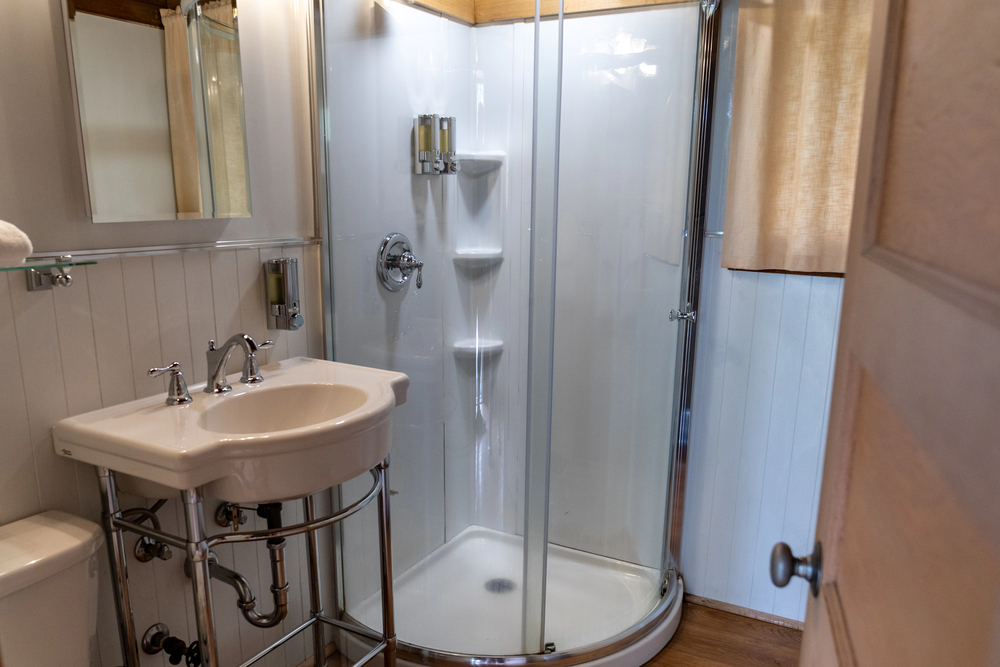
Connecting cabins seem like perfect solutions for large groups until people realize they can hear everything happening in adjacent bathrooms. Families with different morning routines, shower schedules, and privacy expectations discover uncomfortable levels of togetherness.
The thin walls and connecting doors that seemed convenient during booking become sources of tension when someone’s 6 AM shower wakes the entire neighboring cabin, or when bathroom availability becomes a scheduling negotiation between multiple families.
Deck Space for Group Gatherings Is Limited
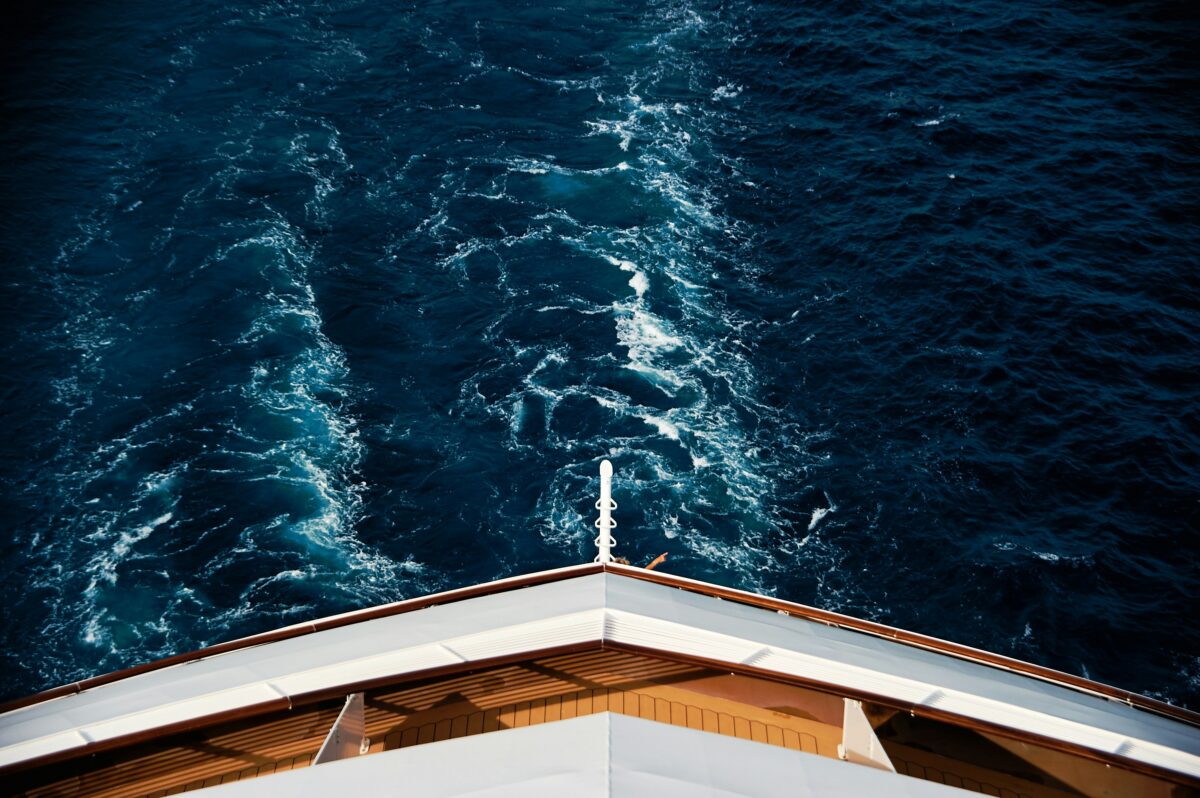
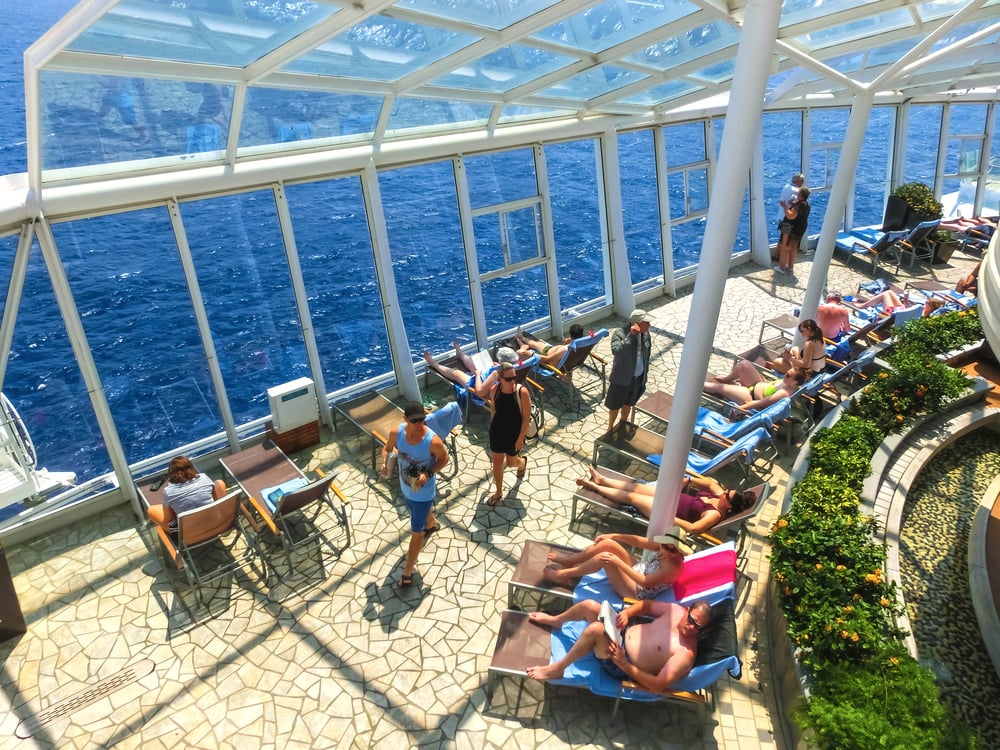
Finding areas large enough for group conversations or activities requires competition with other passengers and cruise ship programming. The deck space that looks adequate in photos becomes cramped when occupied by fifteen people plus their belongings.
Wind, sun, and noise factors that weren’t obvious during planning make outdoor gathering spaces less comfortable than expected. Groups often end up moving multiple times per day, searching for spots that accommodate everyone’s needs while remaining considerate of other passengers.
Photography Expectations Create Pressure

Someone always appoints themselves a group photographer, then feels obligated to document every moment and gather everyone for constant photo opportunities. The candid vacation experience gets interrupted by frequent posing sessions that some family members enjoy while others find intrusive.
The pressure to create picture-perfect memories conflicts with people’s desire to relax and enjoy moments without performance. Social media considerations add another layer, as different family members have varying comfort levels with having their vacation documented and shared online.
Budgets Become Uncomfortably Public

Large group activities make everyone’s spending habits visible in ways that create awkwardness around economic differences within families. The relatives who budget carefully for the cruise itself discover unexpected pressure to participate in expensive add-ons because “everyone else is doing it.”
Drink packages, spa treatments, and excursion costs multiply quickly, and declining to participate becomes a public declaration of financial limitations or different priorities that some family members prefer to keep private.
Cabin Temperature Preferences Cause Roommate Conflicts

Connecting rooms and shared spaces amplify individual differences in temperature comfort that wouldn’t matter during shorter family gatherings. Someone’s always too hot or too cold, and the cruise ship’s climate control systems weren’t designed for group negotiations.
Balcony doors stay open or closed based on majority rule rather than individual preference, and common areas become territory where temperature control reflects whoever complains most effectively rather than actual comfort levels.
Evening Entertainment Splits Opinions Dramatically

Cruise ship shows and activities appeal to different age groups and entertainment preferences in ways that make group attendance complicated. Children want different activities than adults, and adult preferences vary widely between high-energy performances and quiet entertainment.
Attempting to attend shows together requires reservations and seating coordination that often results in split groups anyway, while trying to accommodate everyone’s preferences means satisfying nobody completely.
Departure Day Coordination Requires Military Precision
Getting multiple families packed, checked out, and off the ship simultaneously involves luggage logistics, transportation coordination, and timing that most groups underestimate until departure morning arrives.
Airport transfers, different flight schedules, and varying departure preferences create bottlenecks and waiting periods that end the cruise experience on stressful notes rather than the relaxed farewell everyone hoped to achieve.
Return Travel Reveals Everyone’s True Feelings

The flight or drive home comes when people finally express their honest opinions about group dynamics, accommodation complaints, and family tensions that were suppressed during the cruise itself.
Setting Sail Into Reality
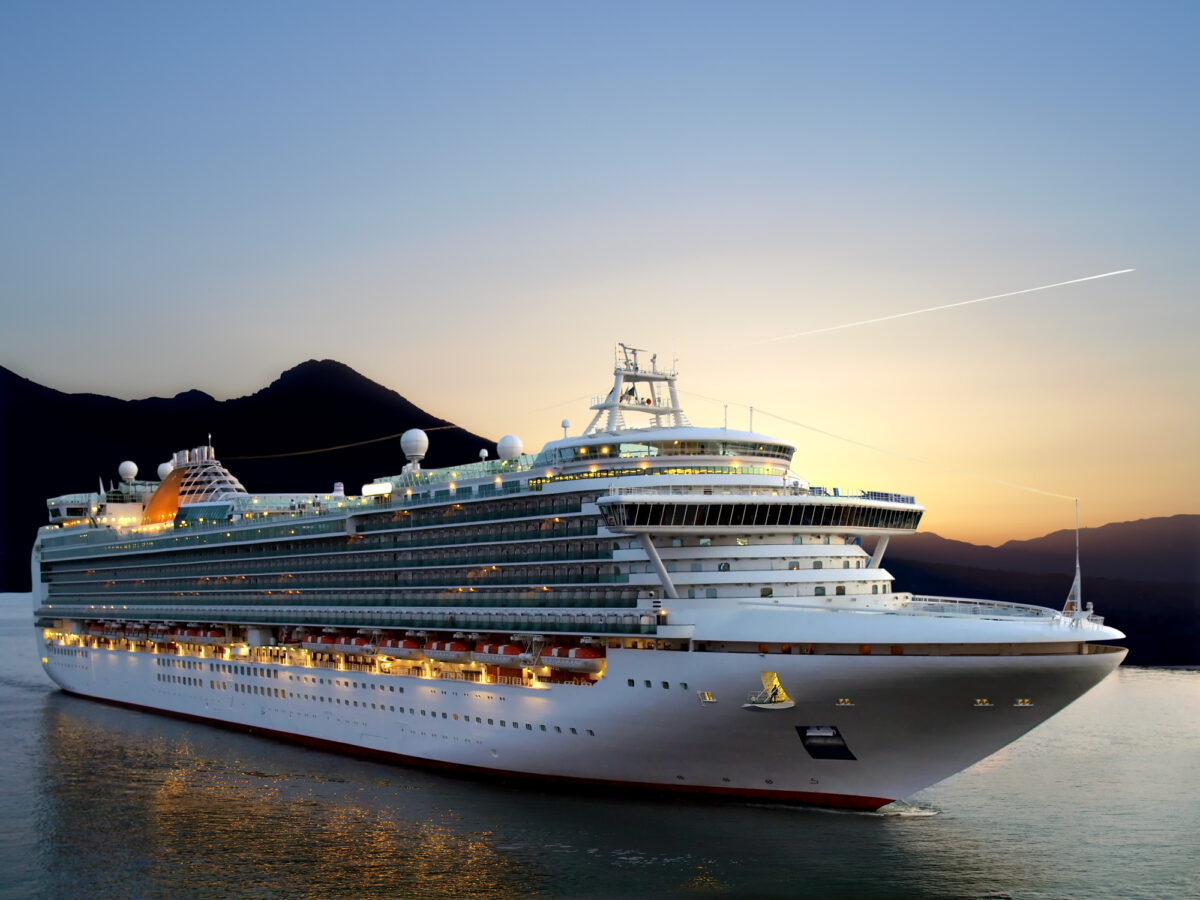
Large group cruising works best when everyone abandons the fantasy of constant togetherness and embraces the reality of planned separation. The most successful group cruises involve families who coordinate major activities but give each other permission to pursue individual interests without guilt or explanation.
The key lies in managing expectations before boarding rather than trying to solve logistics while at sea. Groups who discuss dining preferences, activity priorities, and budget considerations beforehand spend less time negotiating and more time enjoying the experience they actually booked rather than the idealized version they imagined.
More from Go2Tutors!

- The Romanov Crown Jewels and Their Tragic Fate
- 13 Historical Mysteries That Science Still Can’t Solve
- Famous Hoaxes That Fooled the World for Years
- 15 Child Stars with Tragic Adult Lives
- 16 Famous Jewelry Pieces in History
Like Go2Tutors’s content? Follow us on MSN.



