26 Things Samurai Carried Into Battle
A samurai heading to war carried much more than a sword. Armor, weapons, signals, and even food all had their place in a kit built over centuries.
Every piece served a purpose, from stopping an arrow to announcing who stood on the field.
Some items, such as the sword, are famous. Others, like the dried rice ration or the stuffed cloak, rarely appear in pop culture.
Together they show how a warrior managed a day of combat.
Katana
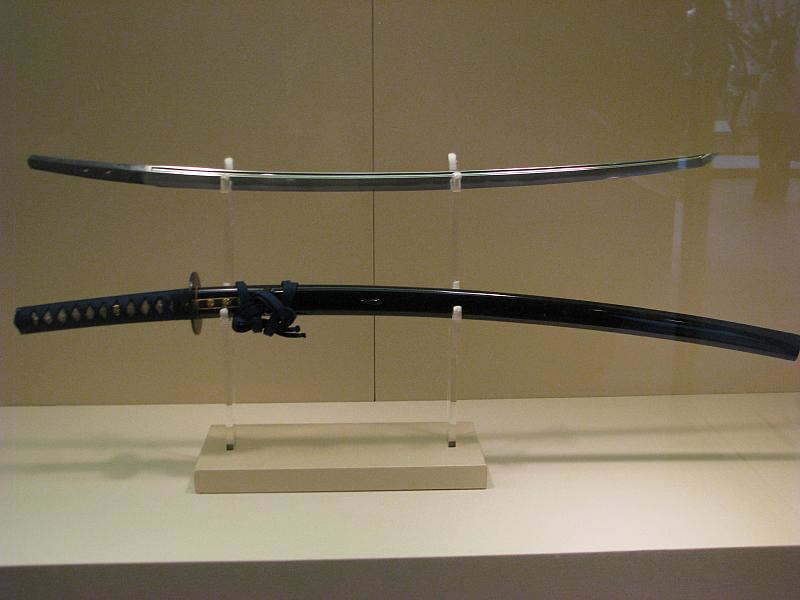
The katana is a curved, single-edged sword worn with the edge facing up through the sash. It became the standard sidearm for many warriors as battle shifted toward close fighting on foot.
Smiths folded and hammered the steel to balance hardness and flexibility.
Tachi
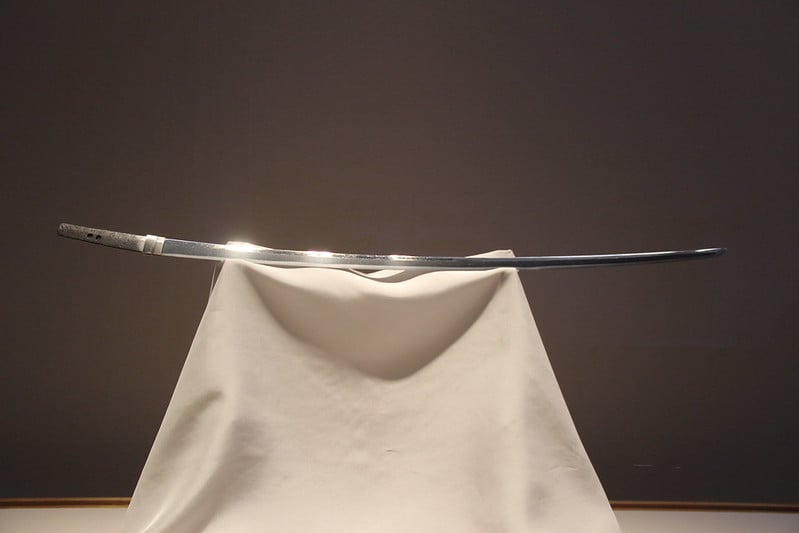
The tachi is an older style of sword, slung from the belt with the edge facing down, suited to fighting on horseback. It is usually longer and more curved than a katana.
Many surviving tachi are now treated as national treasures.
Wakizashi
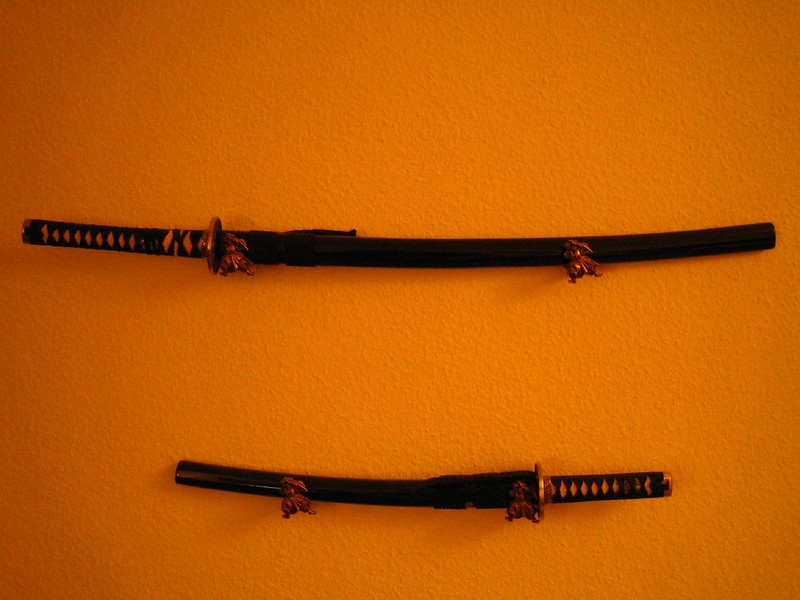
The wakizashi is a shorter blade carried alongside the main sword. Samurai in the Edo period wore the pair together, a combination only warriors were allowed to display.
The shorter blade was handy indoors or when the long sword was out of reach.
Tanto
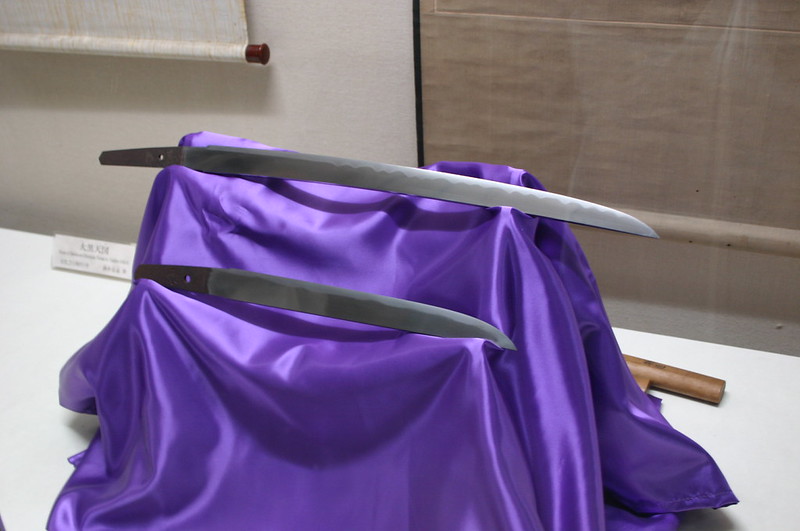
The tanto is a dagger, typically under a foot in length, used for close-quarters fighting. A warrior could draw it when a longer weapon was impractical, such as when grappling.
Its sturdy blade could pierce armor gaps.
Kozuka
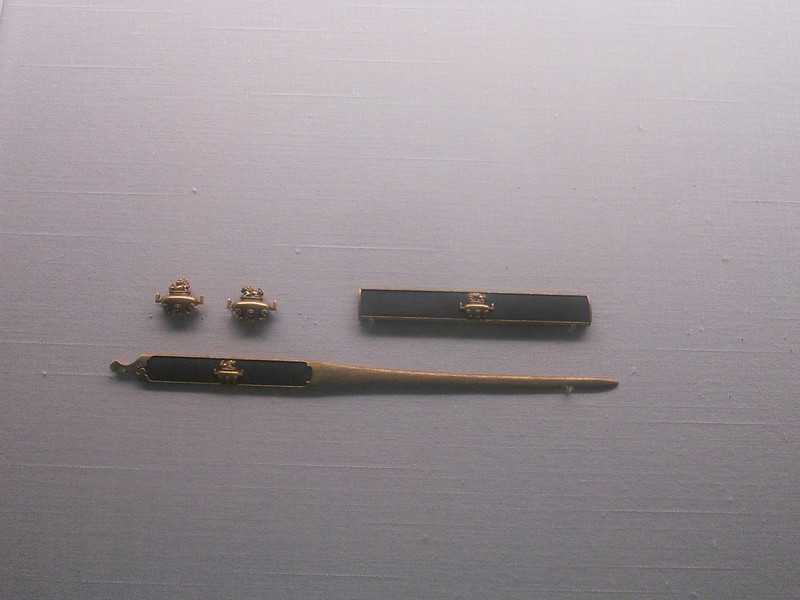
The kozuka is a small utility knife tucked into a slot in the scabbard of a short sword. Its handle was often decorated with delicate metalwork.
The blade handled small chores that a sword could not.
Yumi
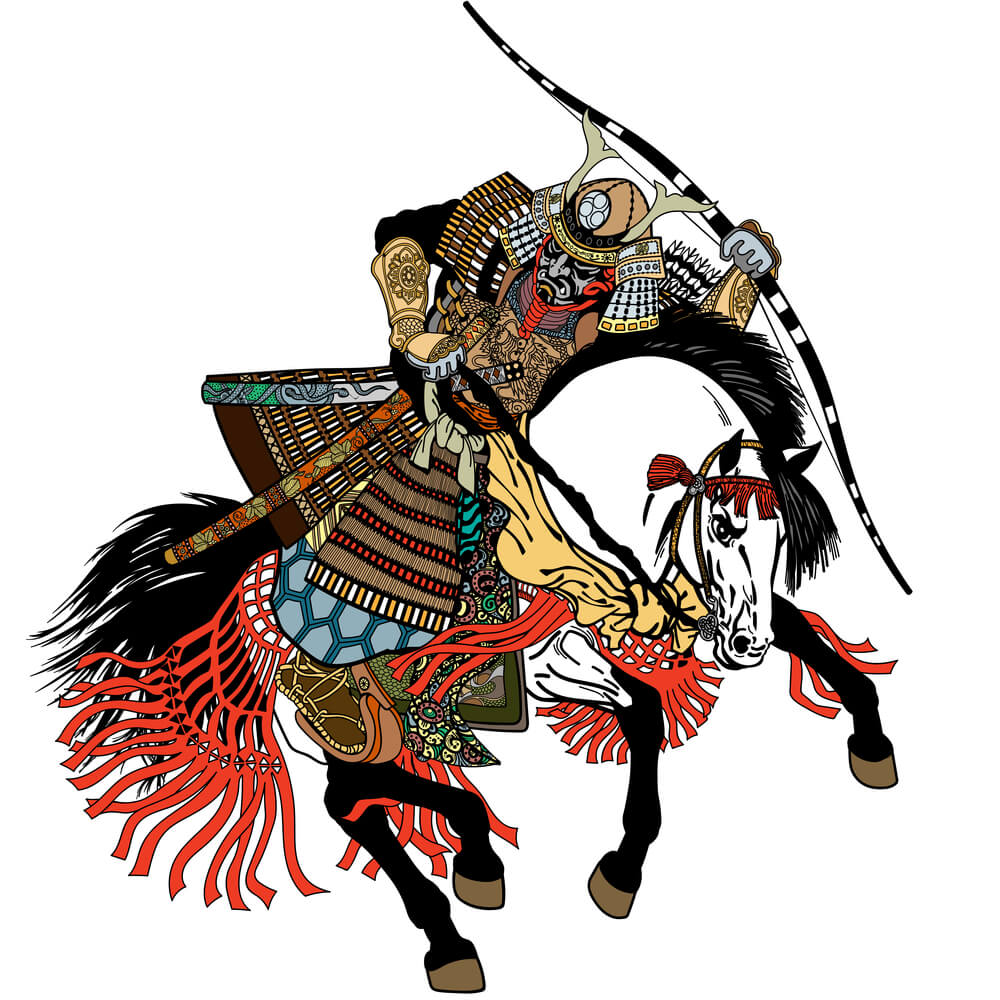
The yumi is an asymmetrical longbow that can exceed two meters in length. Archery was the central skill of the early warrior class, which was often described as the way of the horse and bow.
Gripping low on the shaft allowed shooting from horseback.
Ya
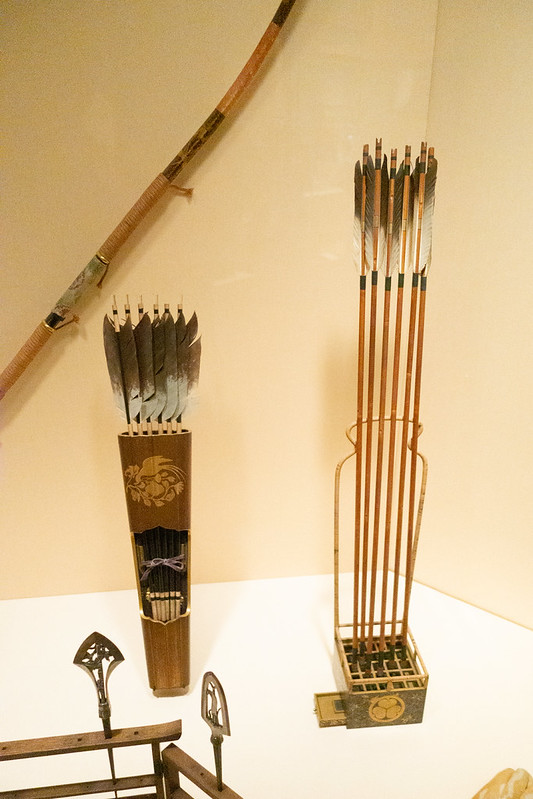
Arrows, called ya, were fitted with feathers and metal points of many shapes. Warriors carried them in quivers on the back or the hip.
Some points were designed to pierce armor, and others to whistle in flight as a signal.
Yugake
The yugake is a leather glove worn on the draw hand to protect against the bowstring. A thick thumb stiffener helped with the release.
Without it, repeated shots could injure the fingers.
Yari
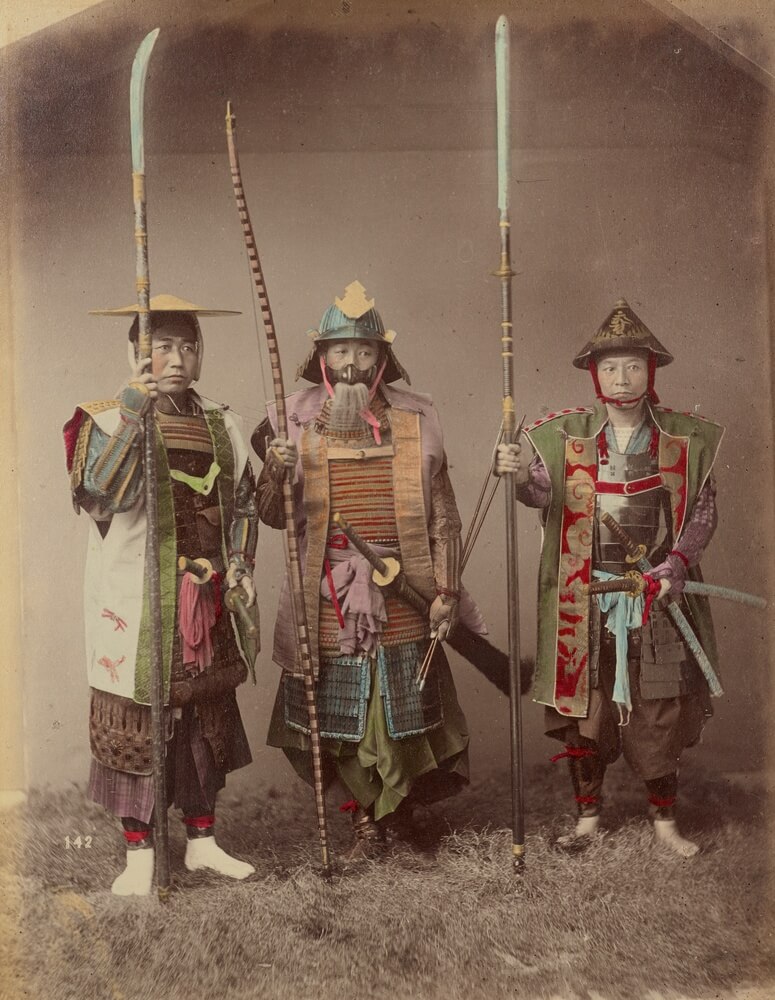
The yari is a straight spear that became the main infantry weapon of the Sengoku period. Lines of foot soldiers armed with long spears could hold ground against cavalry.
A commander who knew how to use the yari could control a battlefield.
Naginata
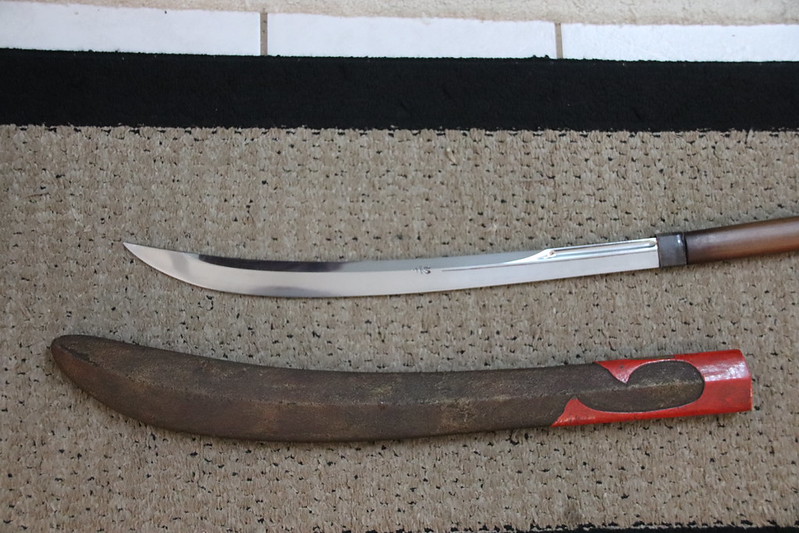
The naginata is a polearm with a curved blade, wielded by warrior monks and by women of samurai families. Its reach and sweeping cuts made it effective against riders.
Training in the weapon remained part of many families’ tradition for centuries.
Tanegashima
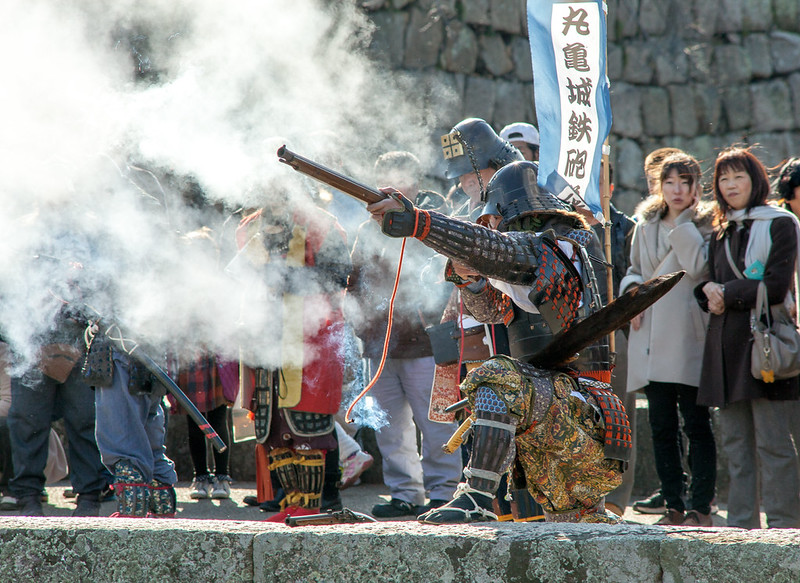
The matchlock musket arrived in Japan in 1543 when Portuguese traders landed on Tanegashima island, and local smiths began copying it almost immediately. Within a few decades guns changed the nature of warfare.
Oda Nobunaga used massed firearms at the Battle of Nagashino in 1575.
Kabuto
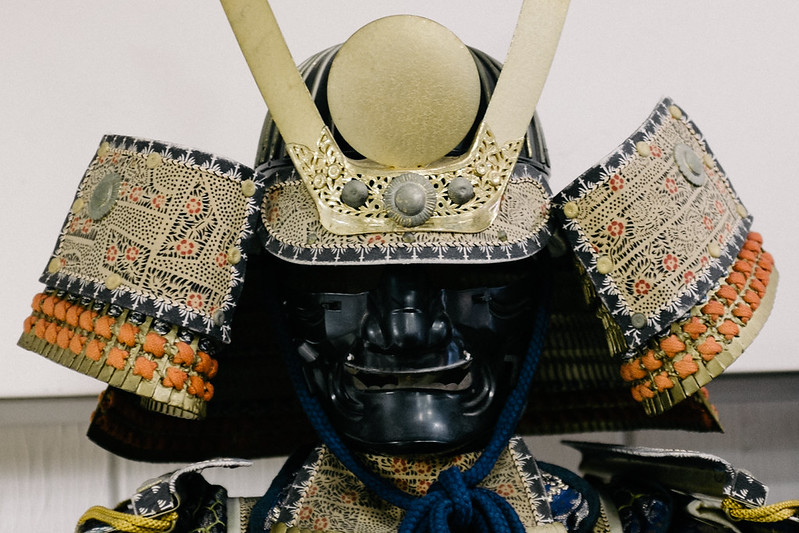
The kabuto is a helmet, often built from riveted iron plates and topped with a decorative crest. Some designs were meant to intimidate with horns, antlers, or sweeping shapes.
A neck guard hung from the back to protect against sword strikes.
Menpo
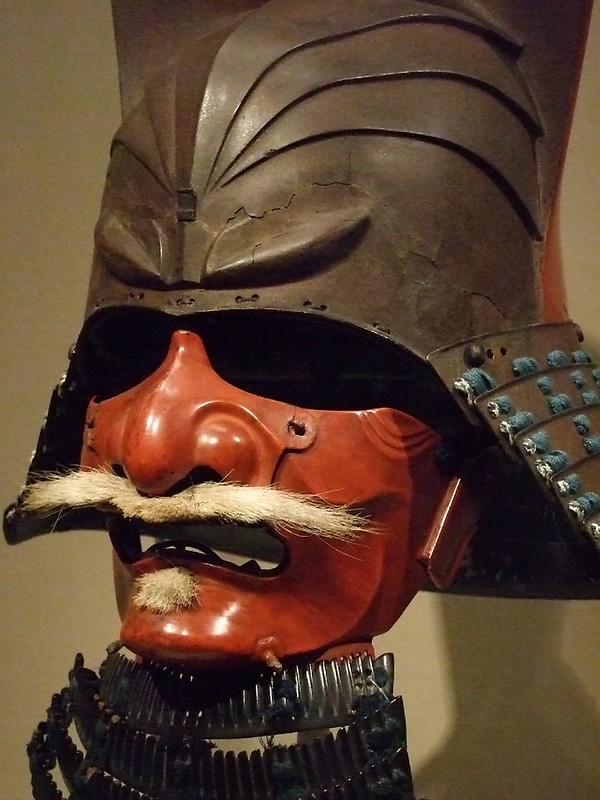
The menpo is a face mask, often molded into a snarl with a mustache and sharp teeth. It protected the lower face and held the helmet cord.
The fierce expression helped unsettle opponents.
Do
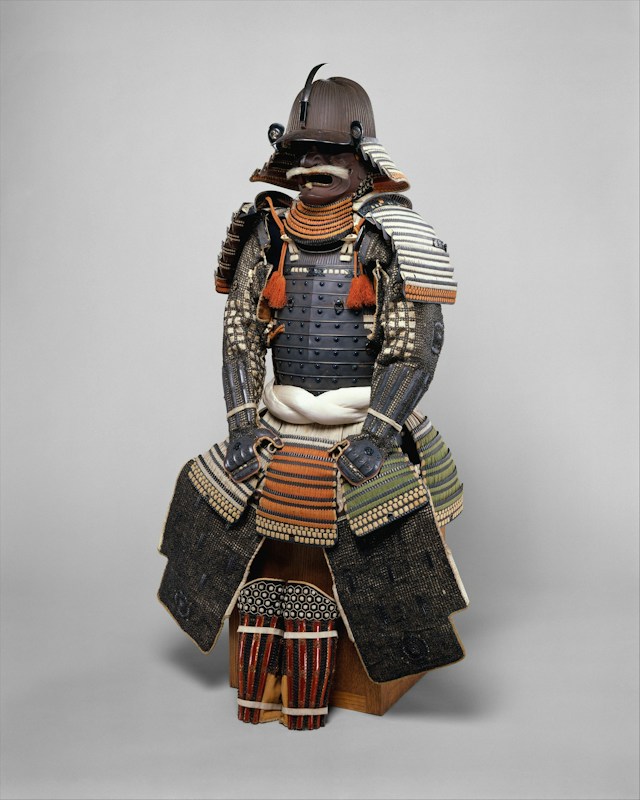
The do is the body armor, usually made of small scales called kozane laced together with silk cords. Layers of lacquer protected the plates from rust.
It flexed with the wearer, which made it practical for hours of movement.
Sode
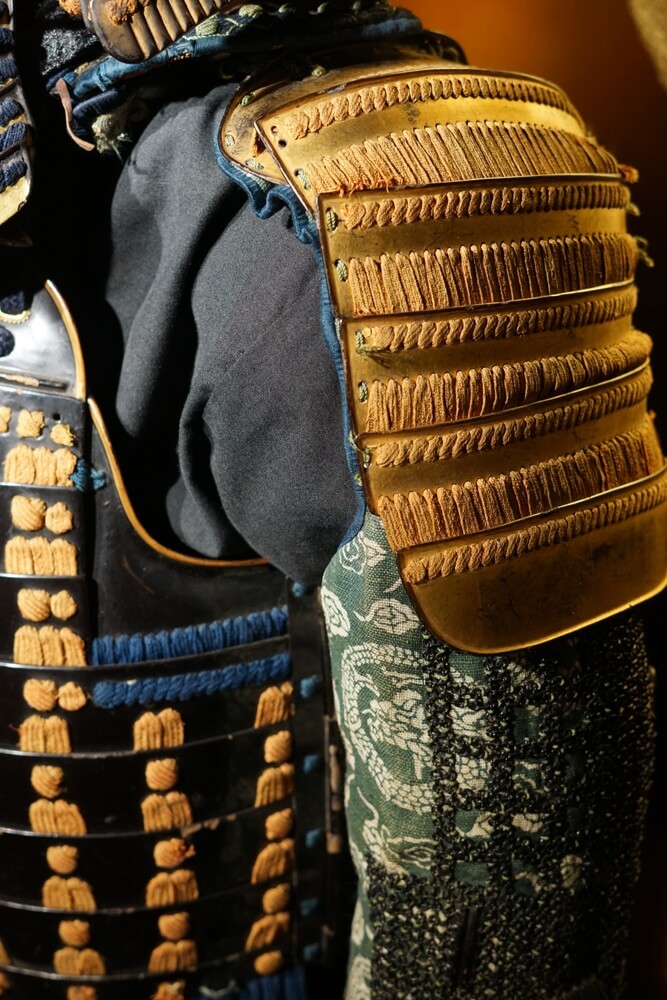
Sode are shoulder guards built from layered plates and hung on cords from the cuirass. They helped deflect arrows and downward cuts.
Their rectangular shape gave a recognizable silhouette.
Kote
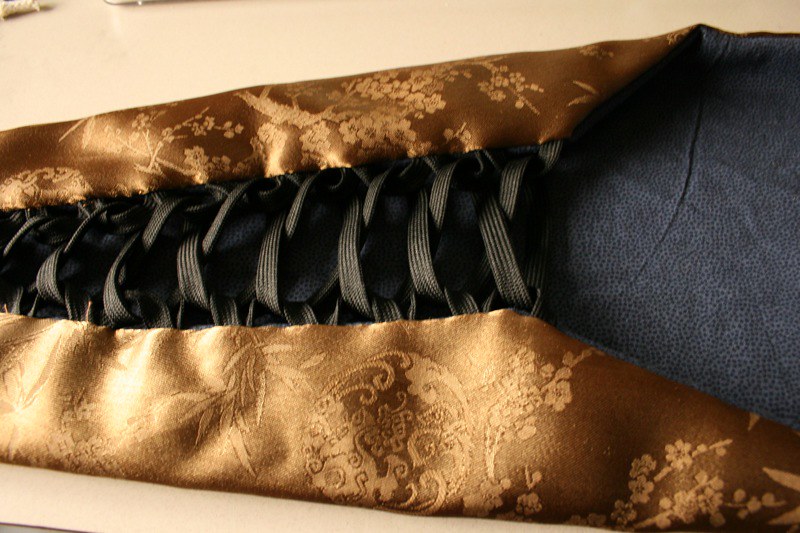
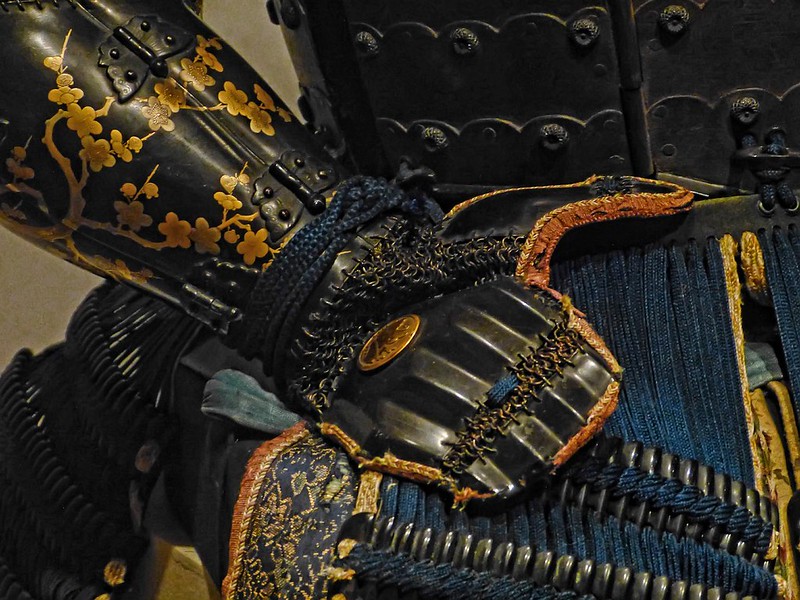
Kote are armored sleeves made from fabric backed with small metal plates. They covered the forearms and often the back of the hand.
Chain mail stitched into the fabric added extra protection.
Haidate
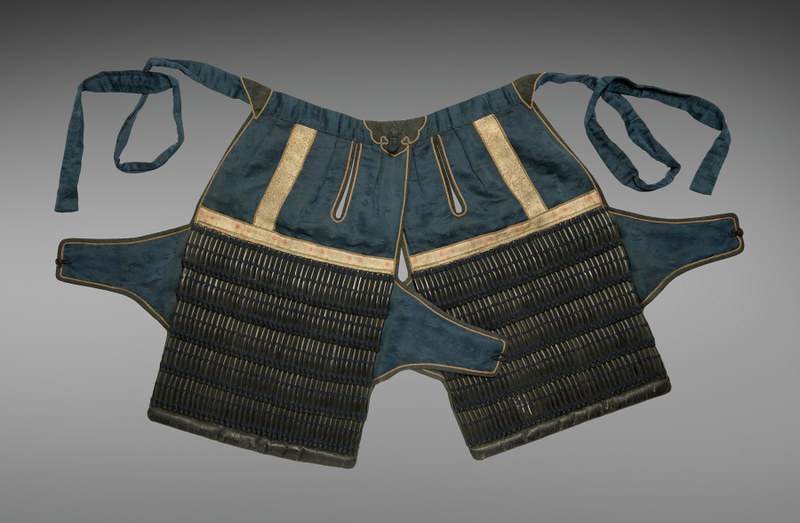
Haidate are thigh guards that tied around the waist and hung like a divided apron. They protected the upper legs without limiting stride.
The cloth was backed with metal splints or chain.
Suneate
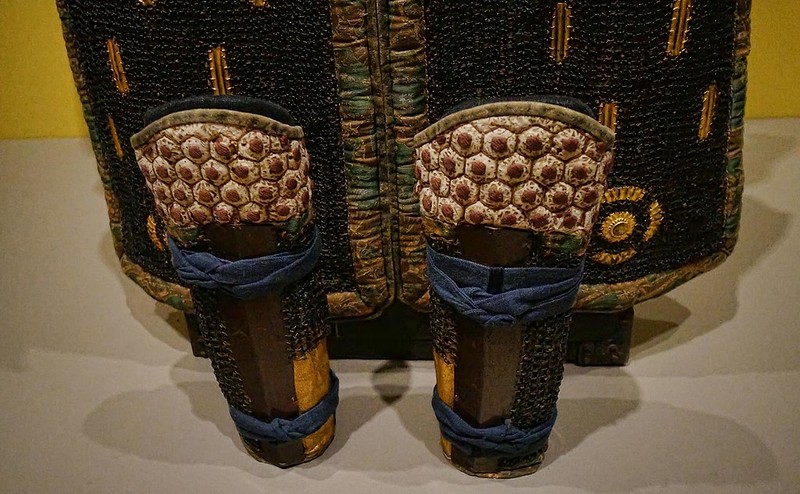
Suneate are shin guards, made of iron splints sewn to cloth. They protected the lower legs from spears and arrows.
Warriors tied them on below the knee.
Horo
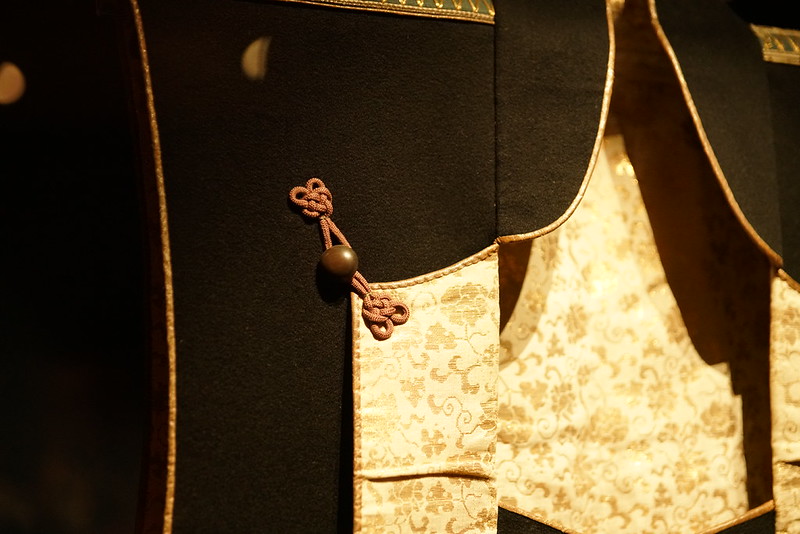
The horo was a cloak stretched over a frame or stuffed with air to billow behind a rider. It was said to deflect arrows from behind and identified messengers on a field.
The unusual shape made a rider easy to spot.
Sashimono
Sashimono were small banners mounted on a warrior’s back to identify the wearer and his lord. Colors and symbols let commanders find their forces in a crowd of fighters.
Banners in bright patterns made the field look like a moving garden.
Uma-Jirushi
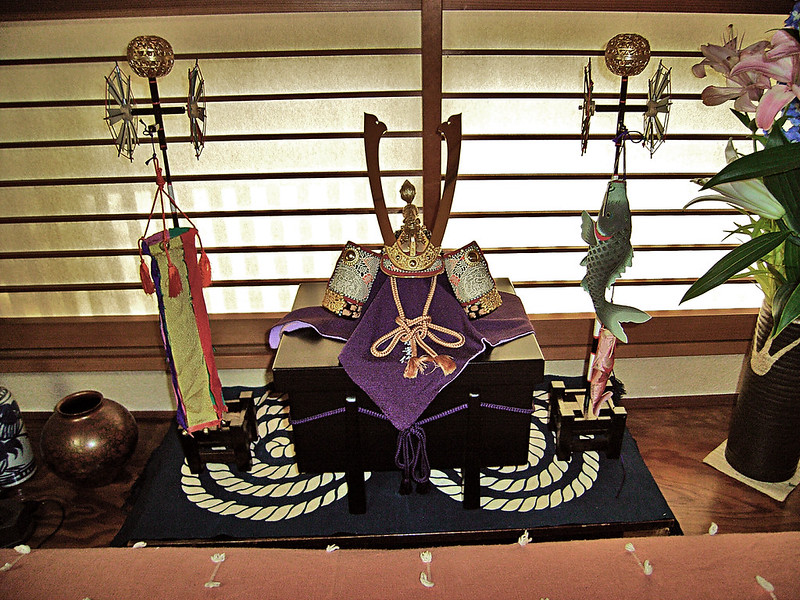
An uma-jirushi was a large standard that marked a commander’s position, carried by an attendant near the leader. The emblem was personal and often unique to the commander.
Armies looked for it to know where to rally.
Horagai
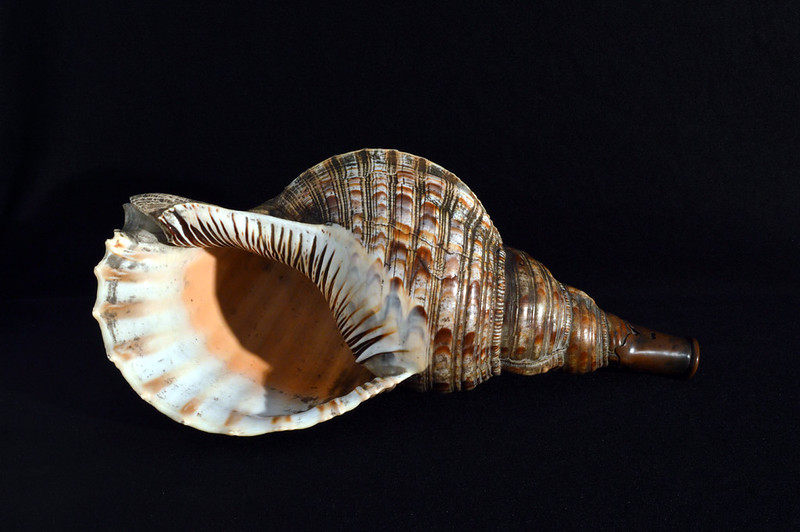
The horagai is a conch-shell trumpet used to signal troops across distances. Its deep, haunting tone could carry across valleys.
Different calls signaled advance, retreat, or assembly.
Gunbai
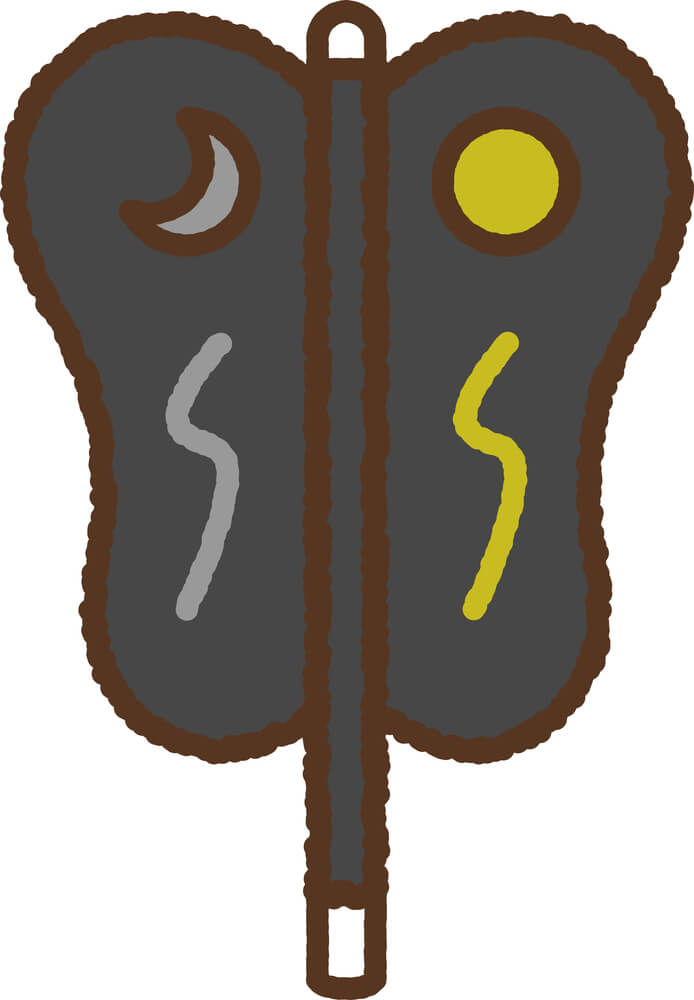
The gunbai is a war fan carried by commanders to signal orders. It was sturdy enough to serve as a shield in a pinch.
Its design, often with a sun or moon painted on it, made it easy to see from afar.
Tessen
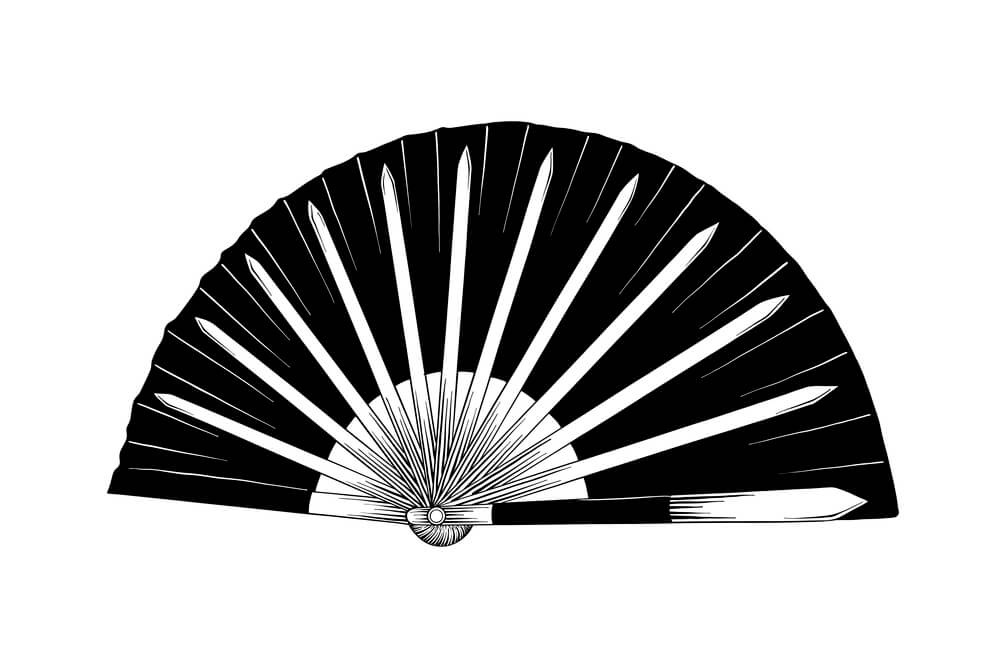
The tessen is a folding fan with iron ribs, carried by officers and used as a signaling tool or hidden weapon. It could be brought into places where swords were forbidden.
The fan looked harmless until it was needed.
Incense
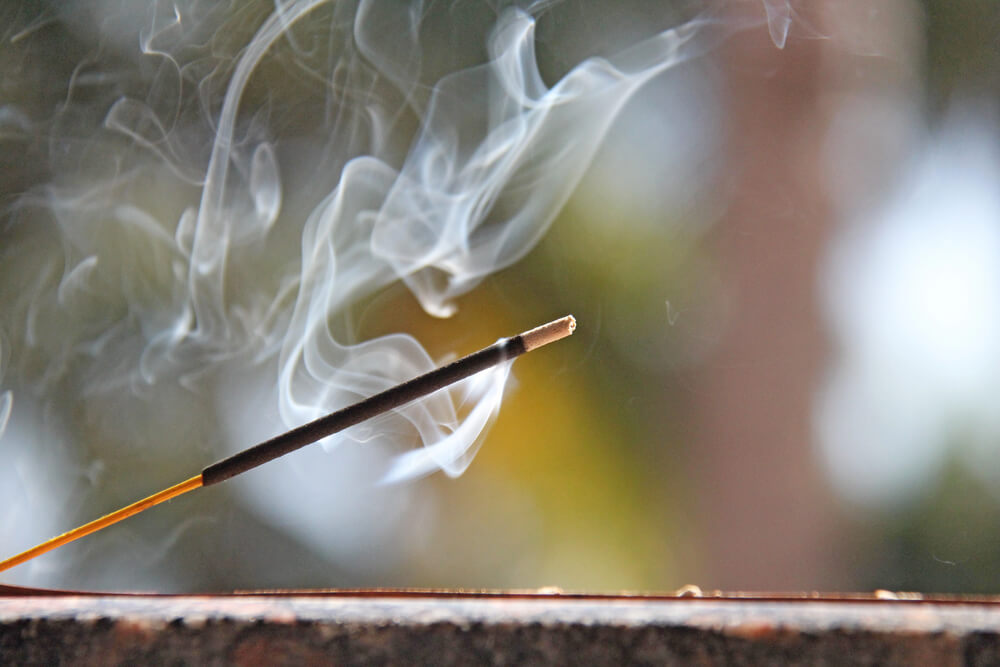
Before the Siege of Osaka in 1615, the young commander Kimura Shigenari reportedly perfumed his helmet with incense so that his head would smell pleasant if it were taken. The story captures the warrior ideal of preparing for death with composure.
He fell in battle that summer.
Hoshi-ii
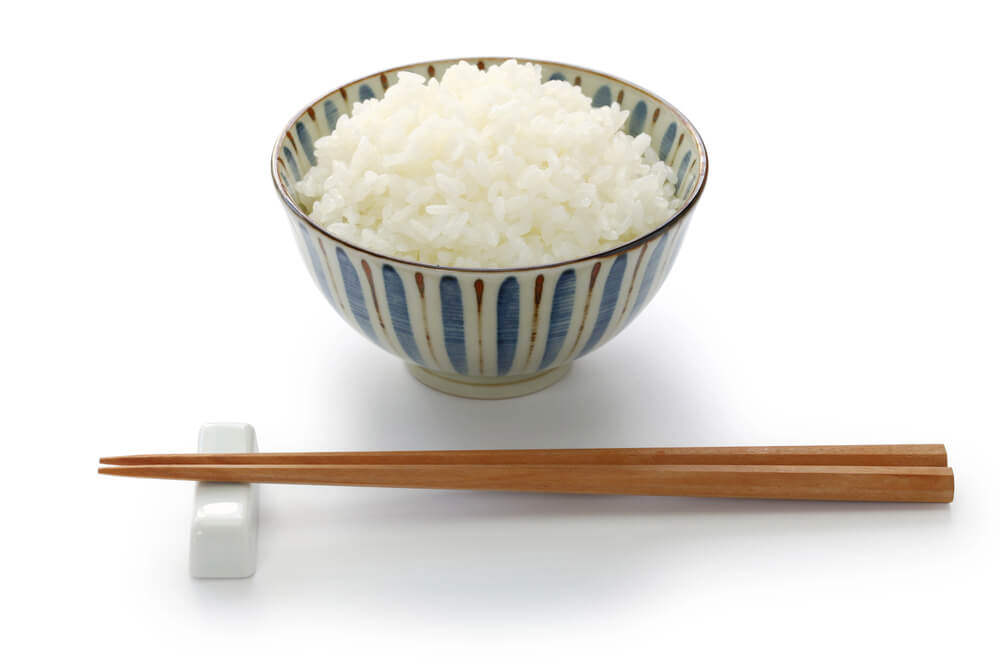
Hoshi-ii was cooked rice that had been dried so it could be carried for days and eaten dry or soaked in water. Soldiers kept it in small bags tied to their armor.
Even the fiercest warrior depended on a handful of rice.
Armor, Rations, and Ritual
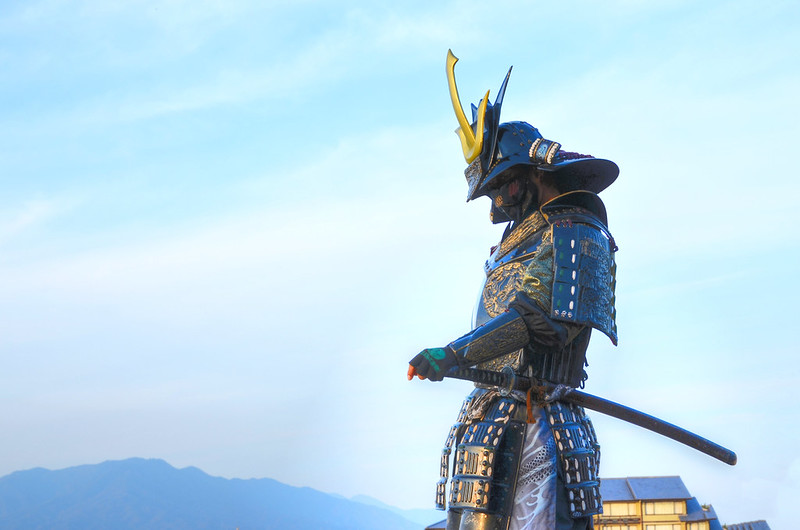
Everything a samurai carried into battle was tied to a larger system of order. Weapons were backed by training, banners by discipline, and food by logistics.
A warrior’s kit reflected the entire society behind him.
That system explains why so many of these objects survive in museums and temples. They were designed to be used hard, but also to be cared for and passed along.
The sword gets the attention, yet the rice bag tells just as much about how battles were won.
More from Go2Tutors!

- The Romanov Crown Jewels and Their Tragic Fate
- 13 Historical Mysteries That Science Still Can’t Solve
- Famous Hoaxes That Fooled the World for Years
- 15 Child Stars with Tragic Adult Lives
- 16 Famous Jewelry Pieces in History
Like Go2Tutors’s content? Follow us on MSN.


