27 Sounds You’d Hear in a Typical ’70s Household
There’s something about sound that memory holds onto longer than almost anything else. You can forget what a room looked like, forget what someone was wearing, forget the exact year — but the sounds come back whole.
A certain kind of hiss, a particular mechanical thud, a melody leaking through a wall. Anyone who grew up in a house in the 1970s carries a catalog of these sounds without even realizing it. Some were annoying. Some were comforting. All of them were inescapable.
The TV Warming Up
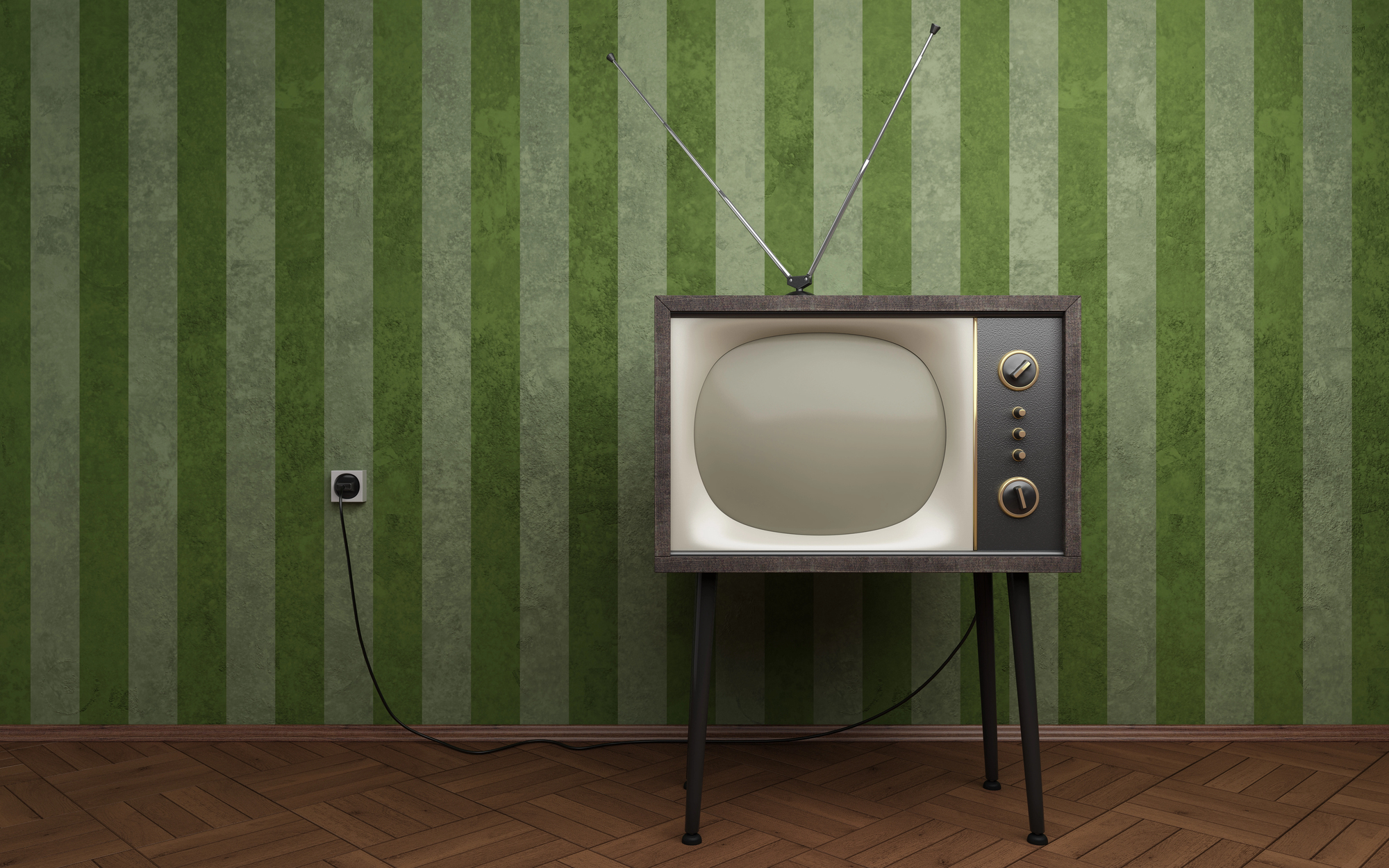
That low electronic hum that climbed in pitch for the first thirty seconds after someone turned on the set. Cathode ray tubes took time — they weren’t instant, and the picture would bloom slowly into view while the sound arrived ahead of it.
It was patience built into the furniture.
The Rotary Dial Returning
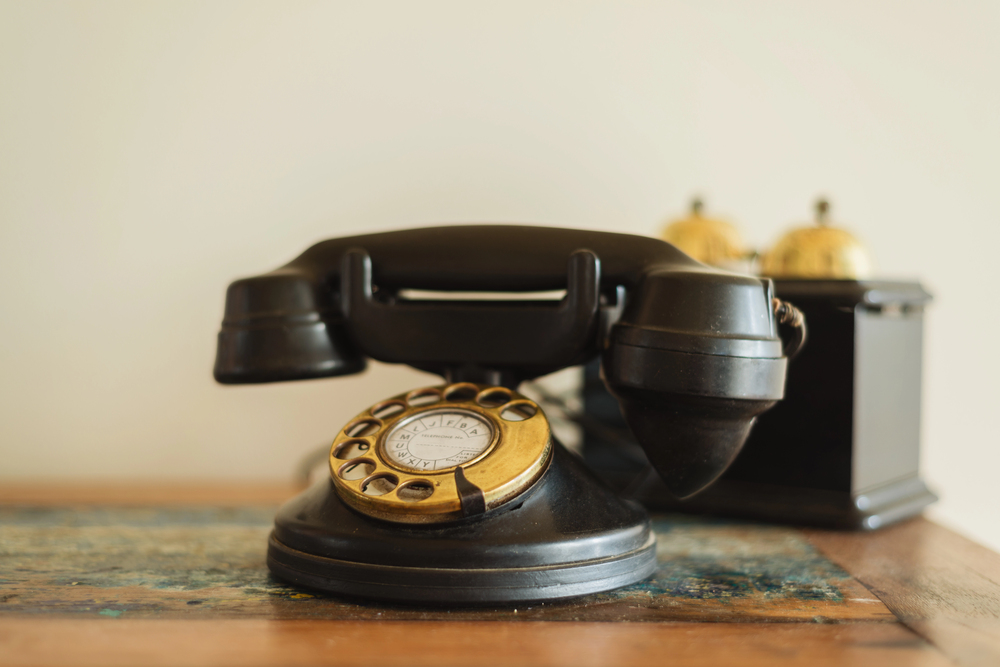
The rotary dial phone didn’t just let you make a call — it made you commit to one, because each number required you to drag that weighted plastic wheel all the way to the finger stop and then wait (a small, maddening pause) while it clattered back to its resting position before you could dial the next digit. So if you misdialed a seven-digit number on the sixth digit, you started over, the whole rattling sequence again.
And the sound itself — that mechanical whirring return, like a tiny engine winding down — was somehow deeply satisfying in a way that a touchscreen will never replicate: tactile, deliberate, earned.
The Hi-Fi Needle Dropping
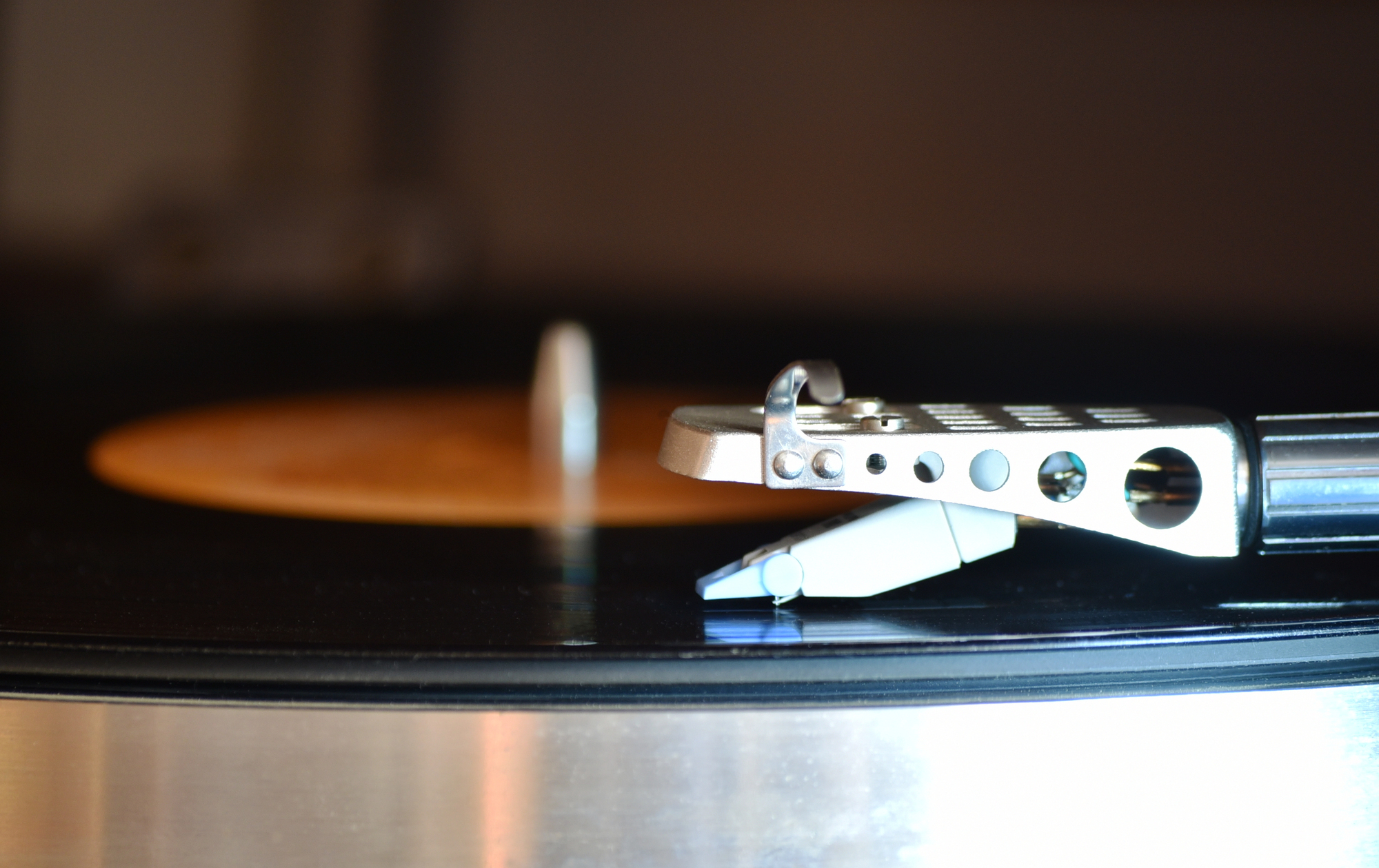
Placing a needle onto a record was its own small ritual, the kind that asked for steadiness and a little respect. That initial crackle before the music started — the soft static pop as the stylus found the groove — was less like an interruption and more like a door being opened.
The record didn’t just play; it announced itself first.
The Console TV Click

The channel selector on a console television from the 1970s made a sound that no modern remote control has ever come close to matching. A heavy, mechanical click-clunk that meant something was actually happening — a physical tuner rotating to a new position.
Turns out “clicking through channels” used to be a literal description, not a figure of speech.
The Kitchen Timer Bell
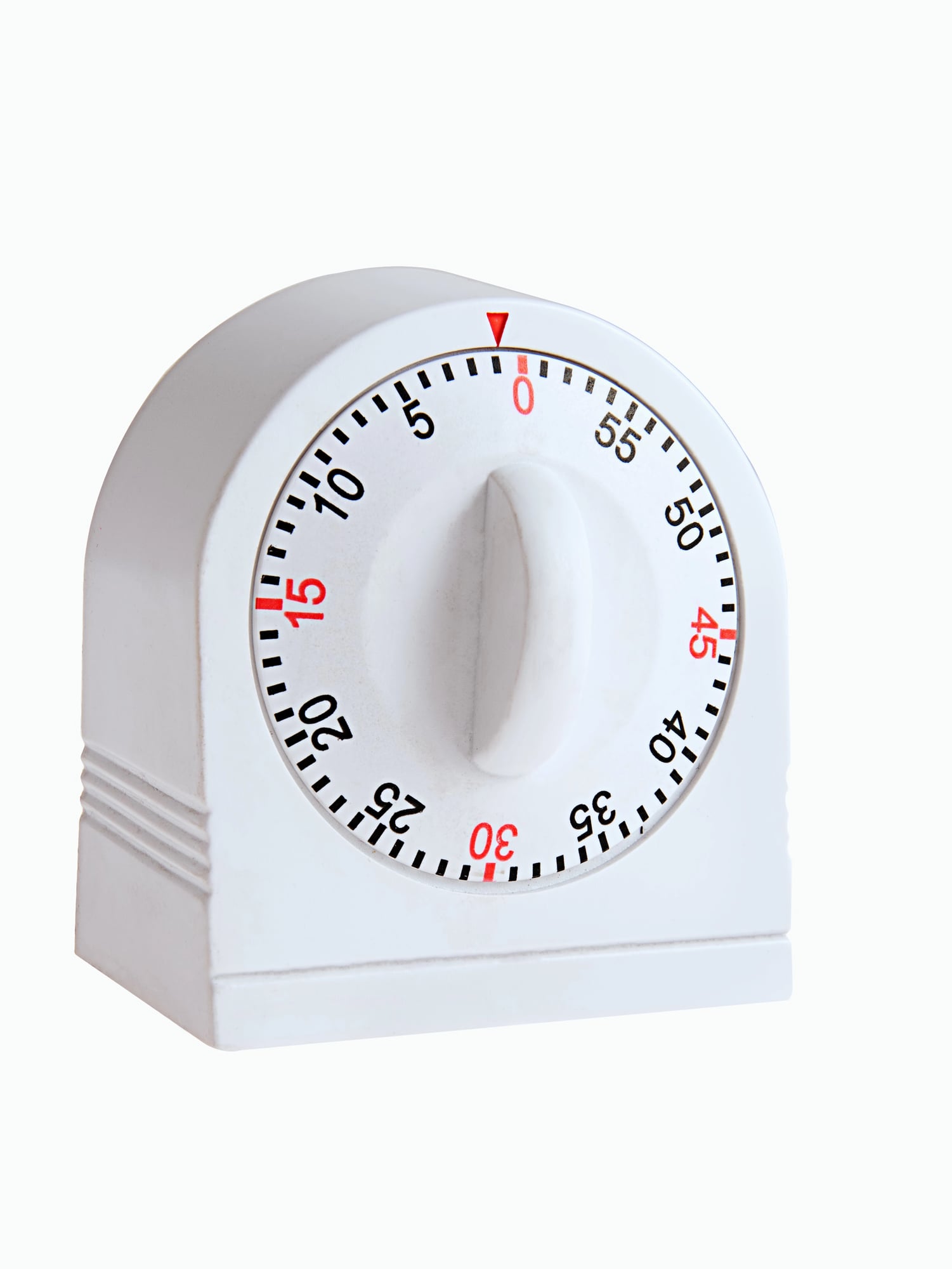
A wind-up kitchen timer rang like a tiny alarm clock — sharp, insistent, impossible to ignore. It didn’t beep politely.
It demanded attention and kept going until someone silenced it. No snooze function. No courtesy.
The Percolator Gurgling
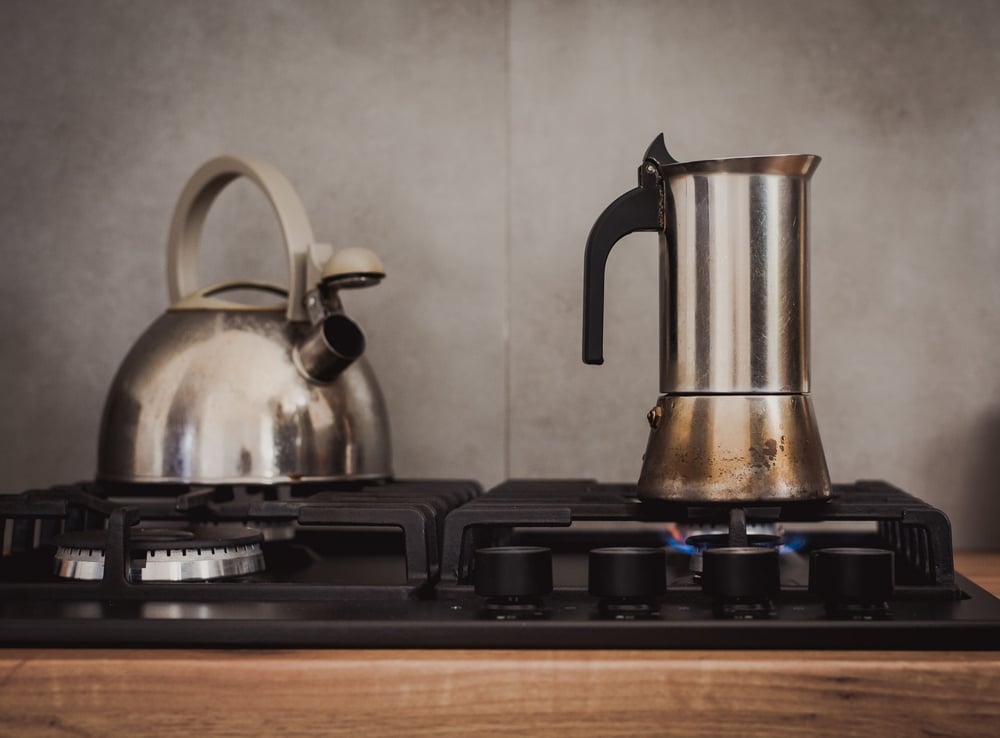
A stovetop percolator making coffee in the morning was its own kind of announcement — not subtle, not hushed, but a rhythmic, bubbling percussion that filled the whole kitchen and then drifted into the hallway, so that the smell and the sound arrived together as a single fact: morning is happening. The gurgle would build slowly (almost theatrically) and then settle into a steady, cycling bubble, each one pushing coffee up through the stem and over the grounds again and again.
It was inefficient by modern standards, and it made the best ambient noise of any appliance ever put on a stove.
The Screen Door Slap
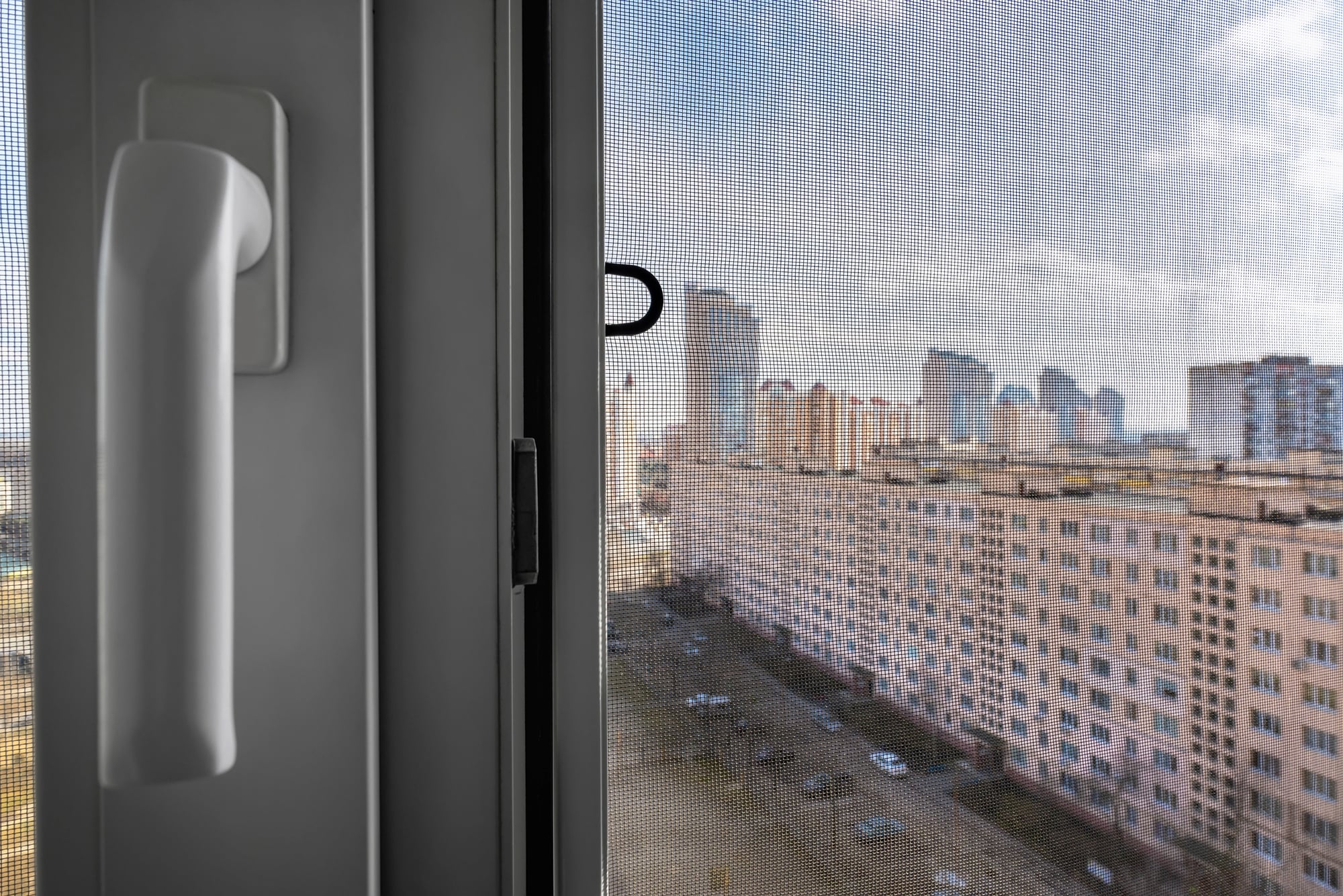
A aluminum screen door in summer didn’t close so much as punctuate. Every time a kid came inside or went back out, that lightweight frame swung wide and then snapped back against the doorjamb with a flat, percussive crack that traveled through the whole house.
It was the sound of constant motion, of a house being lived in without apology.
The Wringer Washer Agitating
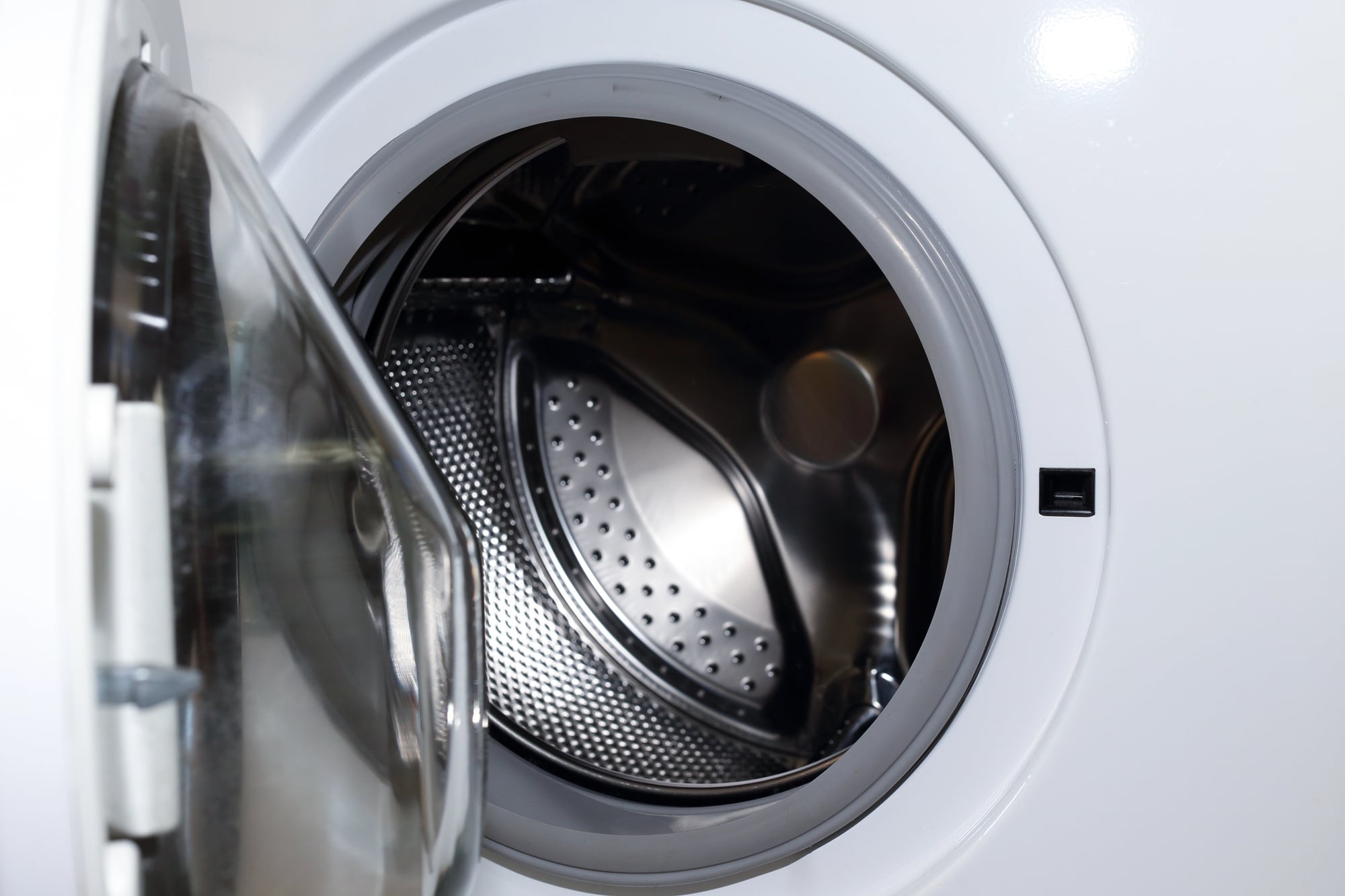
Not every household had made the switch to a fully automatic washer by the early ’70s, and the ones still running wringer washers knew a sound like low industrial machinery at breakfast time. The agitator worked loudly, with a deep rhythmic thud-and-slosh that made the whole laundry room feel like a minor operation.
To be fair, the clothes came out clean, which is saying something for a machine that sounded like it was filing a complaint.
The Milkman’s Glass Bottles

Glass milk bottles clinking on a front porch at five in the morning carried further than they should have. That high, clean clink was specific — nothing plastic sounds like that.
Some families barely registered it anymore. Others claimed they could hear it through two closed doors.
The Reel-to-Reel Playing Back
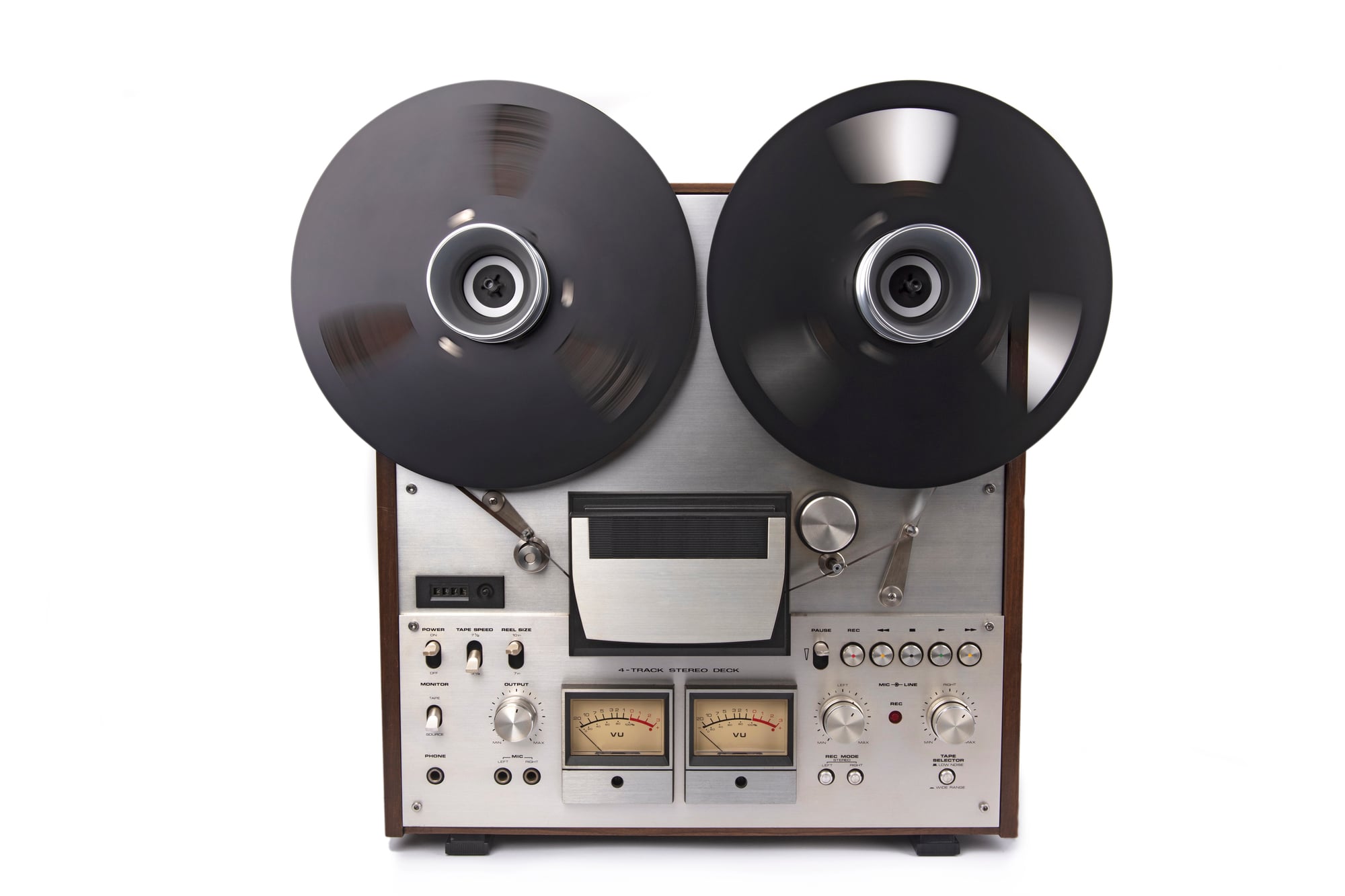
A reel-to-reel tape recorder in the living room — and yes, plenty of households had one — made a sound that was part mechanical and part musical: the soft spinning of the take-up reel (which you could see rotating if you watched), the faint hiss of tape running over the playback head, and then the voice or music laid over all of it with a warmth that cassettes never quite replicated. So you’d record your own voice as a kid and play it back, and your voice sounded both like you and like a stranger, filtered through magnetic tape and a little ambient room noise.
The Transistor Radio Crackling
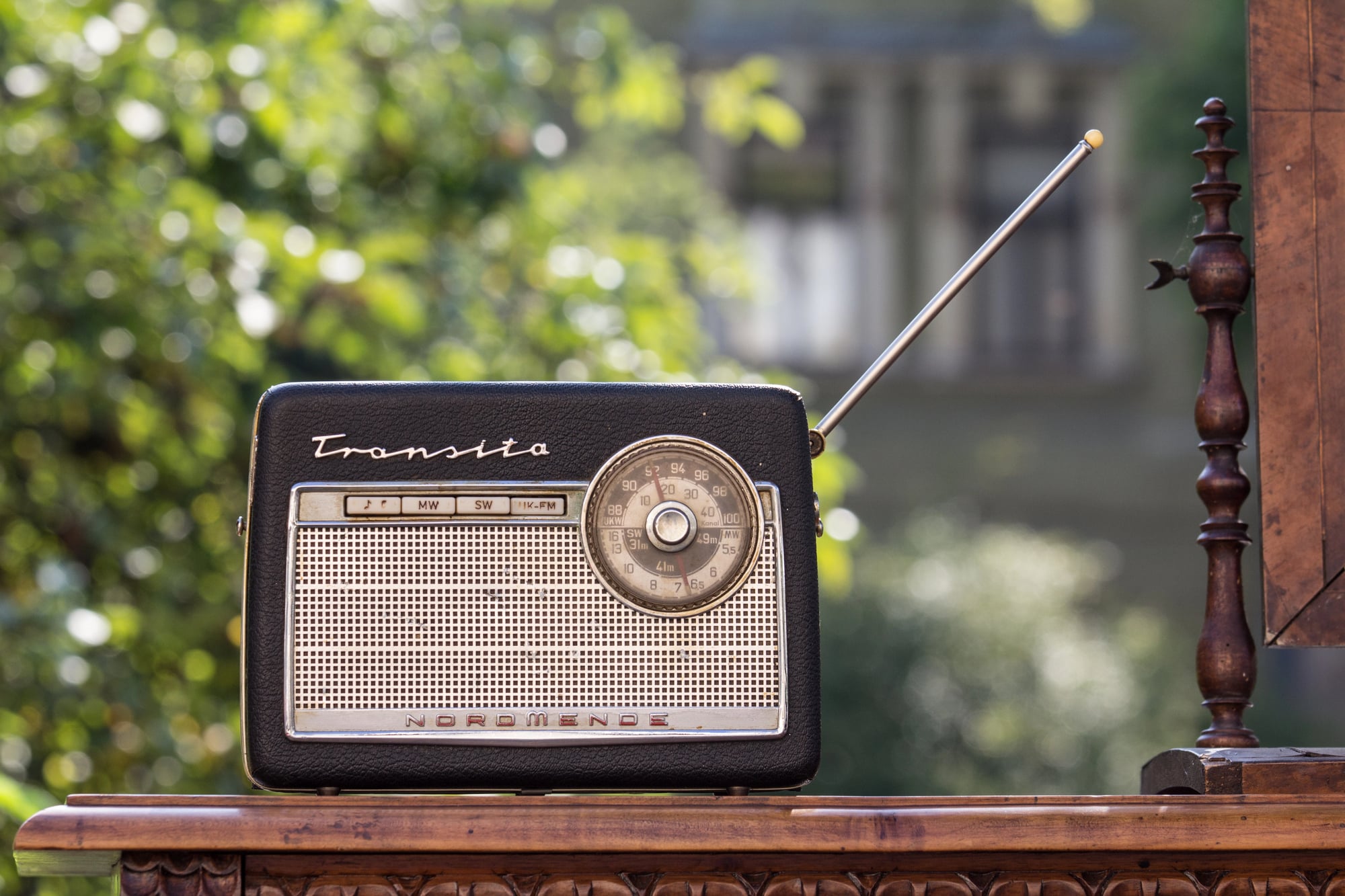
A transistor radio carried into the backyard or propped on a windowsill operated in a permanent negotiation with the atmosphere, the signal drifting slightly depending on clouds, distance, and the inscrutable logic of AM frequencies. The music arrived wrapped in static, the way a letter arrives with the crinkle of the envelope still in it.
You didn’t tune out the crackling — it was part of the sound, part of what made it feel alive.
The Telephone Busy Signal

The busy signal was one of the most honestly frustrating sounds of the entire decade, and it deserves acknowledgment. A rapid, metronomic beep-beep-beep that told you exactly nothing useful — just that someone else was on the phone, possibly for another hour.
There was no voicemail, no callback notification, no alternative. You hung up and tried again later, like a reasonable person with no other options.
The Electric Typewriter Clacking
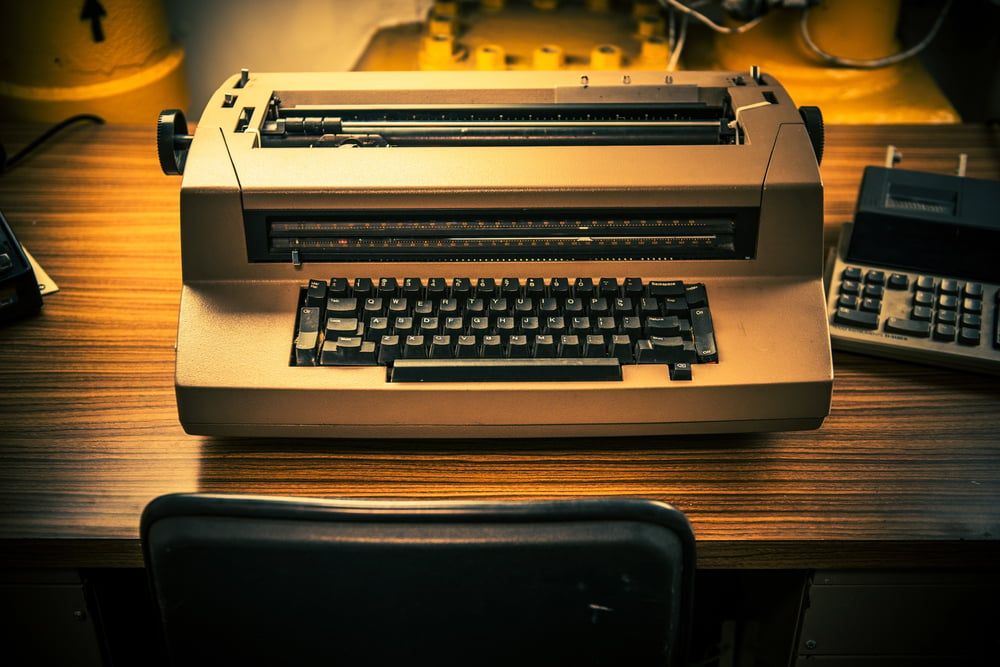
An electric typewriter in a home office — or a bedroom, or a corner of the living room — produced a sound that was almost aggressive in its clarity. Each keystroke landed with a sharp, mechanical snap, and the carriage return at the end of each line added a satisfying bell ping.
The whole machine hummed when it was on, even when no one was typing.
The Avocado Refrigerator Motor
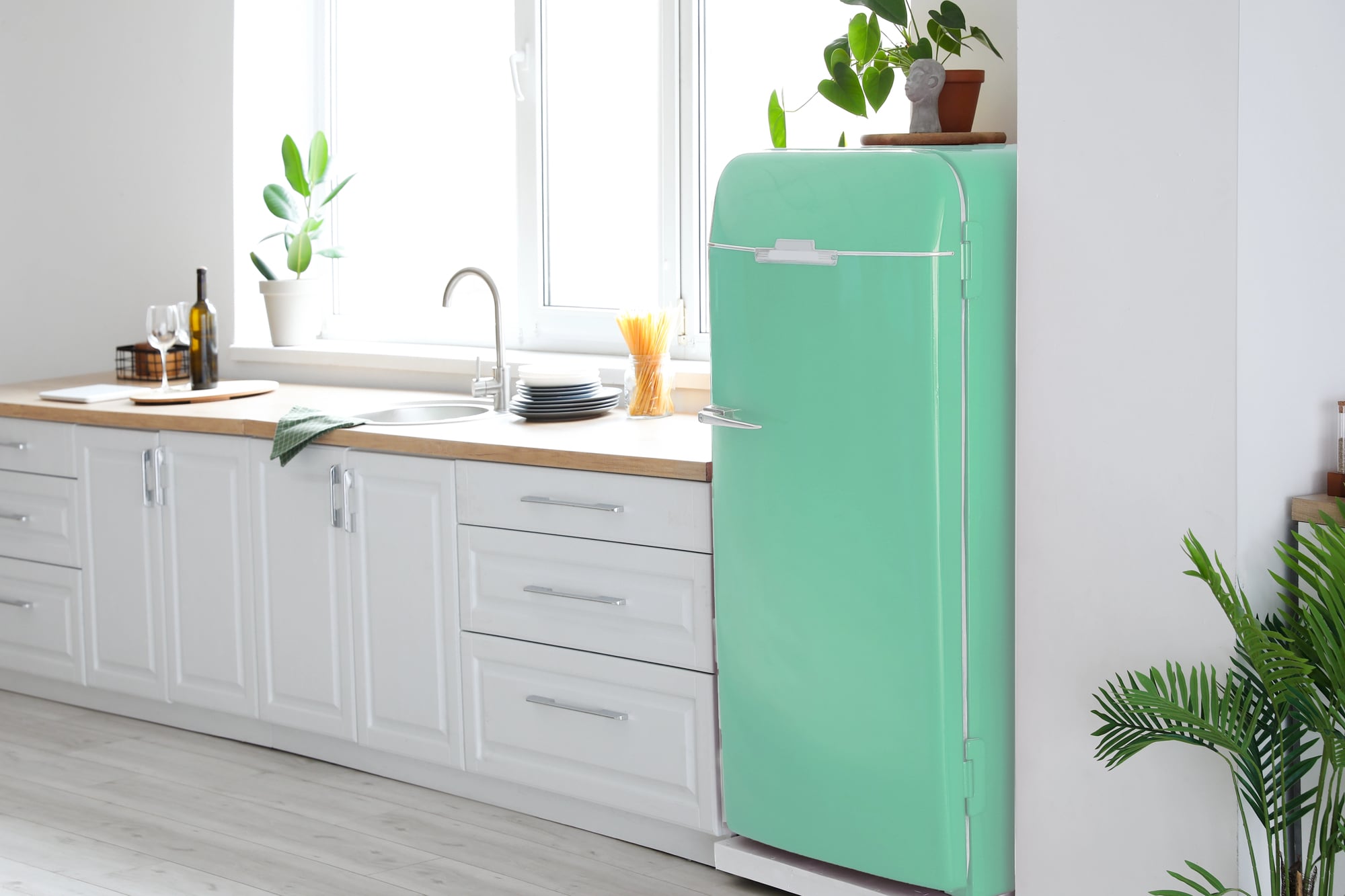
The refrigerators of the 1970s — often finished in harvest gold or avocado green, colors that seemed to make perfect sense at the time — ran with a motor hum that was constant enough to become invisible, until it kicked on louder in the night and you suddenly noticed it again from down the hall. The compressor would cycle with a low, mechanical rumble (a sound somewhere between a distant truck and a sleeping dog) and then cut out abruptly, leaving the kitchen in a silence that felt surprisingly loud.
And then it would start again, stubborn and reliable, exactly when you’d started to forget about it.
The Lawn Mower Pull-Start

Saturday mornings in summer had a particular sound architecture, and at the center of it was the pull-start lawn mower. That repeated, strained yank-and-sputter before the engine finally caught was less a chore sound and more a kind of neighborhood liturgy — one house starting the sequence, another joining minutes later, the whole block eventually humming together in a loose mechanical chorus.
The Popcorn Popper Rattling

The Presto Poplite and its aluminum-domed rivals made more noise per ounce of food than almost any kitchen appliance going. The kernels hitting the inside of the lid sounded like hail on a tin roof for about forty-five seconds, then tapered into isolated pops, and then went quiet.
It took maybe three minutes total, which is approximately three minutes faster than anyone today expects from anything.
The Hi-Fi 8-Track Clunking
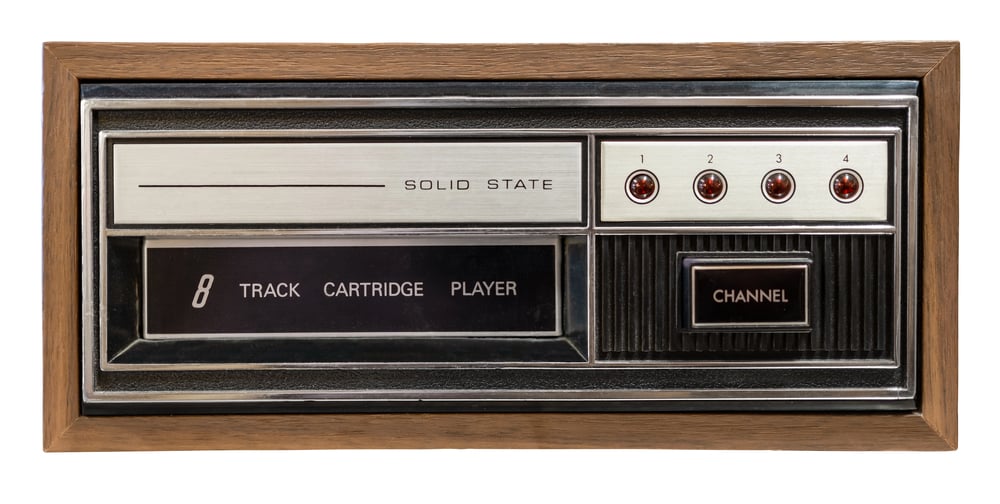
An 8-track player switching tracks mid-song was jarring every single time. A loud mechanical thunk, a half-second of silence, and then the music resumed — sometimes in the middle of a word.
Nobody designed a graceful solution. They just accepted it.
The Party Line Conversation

In rural areas especially, party lines — shared telephone circuits where multiple households used the same line — meant that picking up the receiver sometimes meant walking into someone else’s conversation already in progress, the voices of neighbors drifting in from a mile away as clearly as if they were in the next room. The etiquette was to quietly hang up (which involved its own small click that the other parties almost certainly heard), but the temptation to listen for just a moment — an extra beat, maybe two — was something most people navigated privately and said nothing about afterward.
The Console Stereo Humming
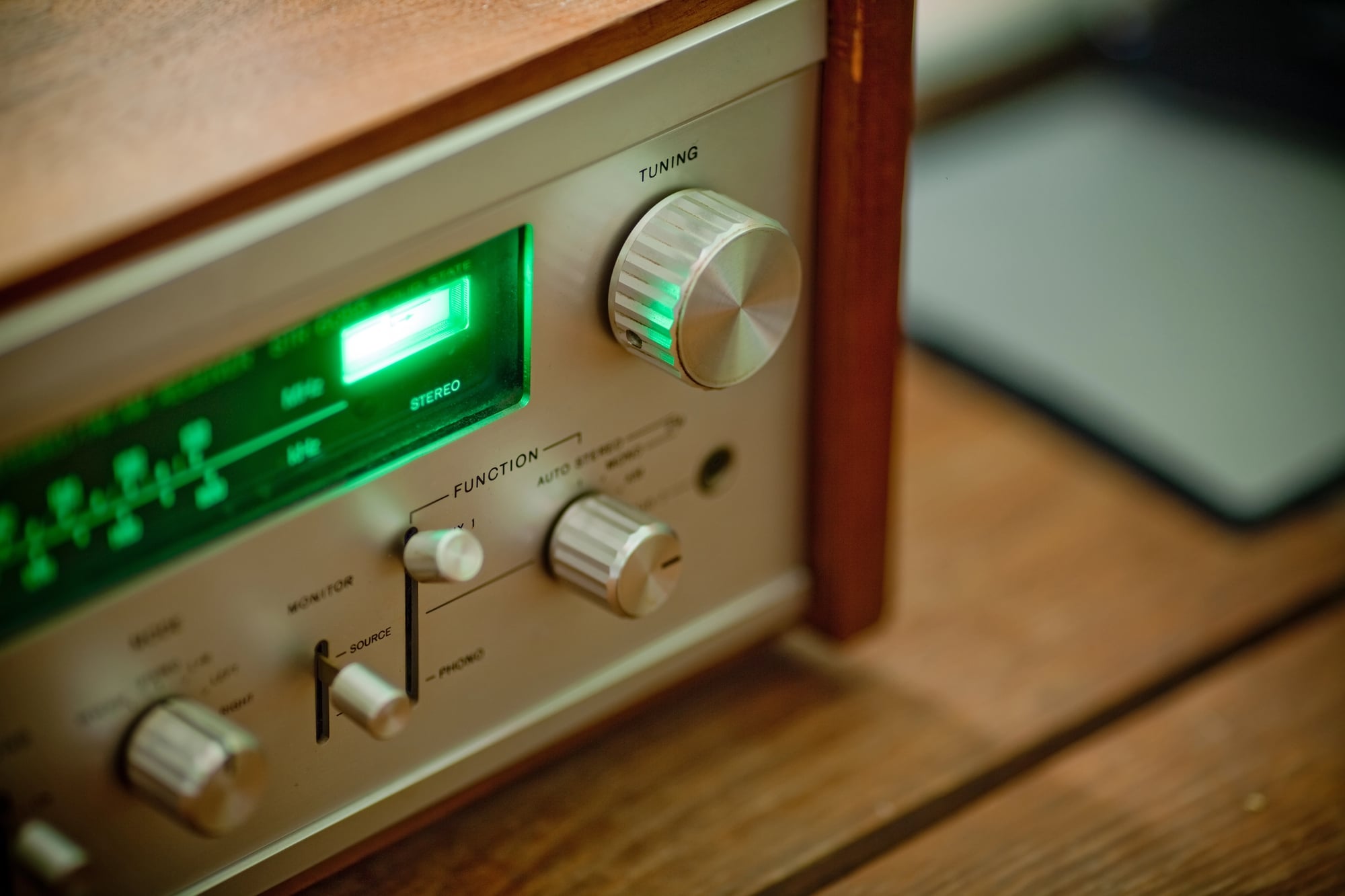
A console stereo — those long, low pieces of furniture that combined a turntable, a radio, and sometimes a reel-to-reel into a single cabinet — gave off a warmth that was partly electronic and partly acoustic, a soft hum from the tubes inside that you felt as much as heard when you stood close. It sat in the living room like a piece of wood furniture that happened to make music, patient and permanent.
Switching it on at night felt less like operating an appliance and more like opening a window.
The Game Show Buzzer
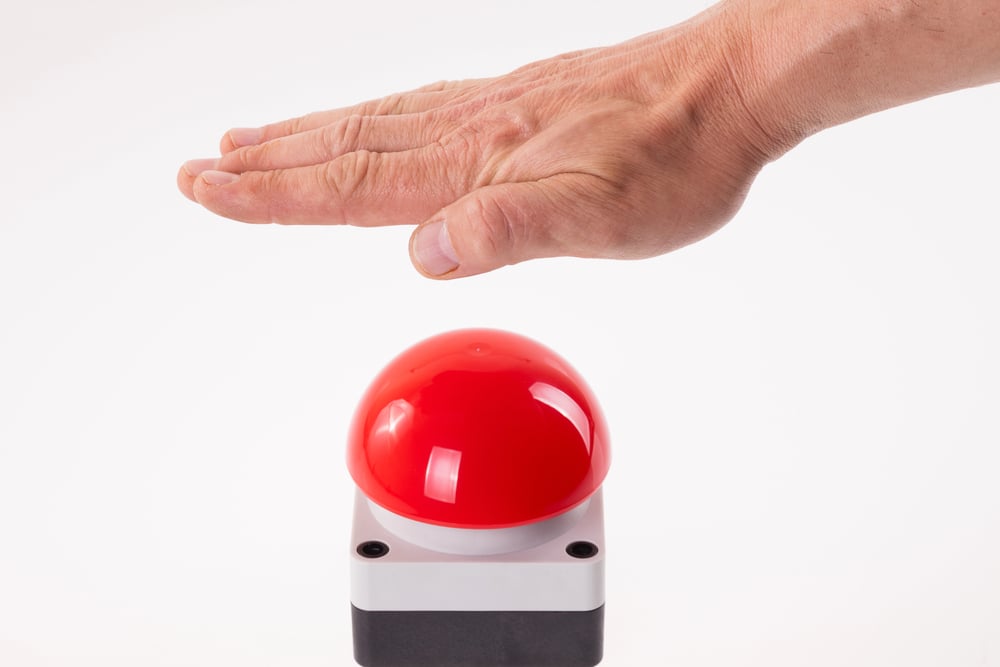
The sound design on 1970s game shows was gloriously unsubtle, and the wrong-answer buzzer on shows like The $10,000 Pyramid or Match Game deserves particular recognition. It was loud, blunt, and slightly humiliating — designed, one suspects, more for the studio audience than for the contestant.
Modern game shows have softened everything into pleasant chimes, which is a loss.
The Wood-Paneled Wagon Idling
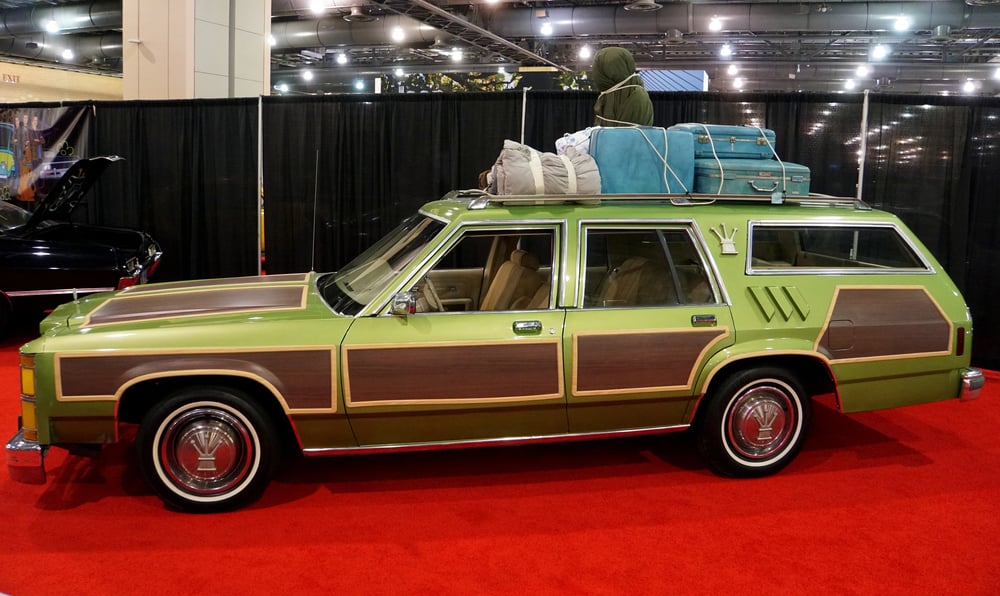
A station wagon idling in the driveway had a particular low rumble — V8 engines running rich, slightly uneven at low speed. You could feel it through the garage wall before you saw the car.
The exhaust note alone could tell you it was time to leave.
The Clothes Dryer Tumbling
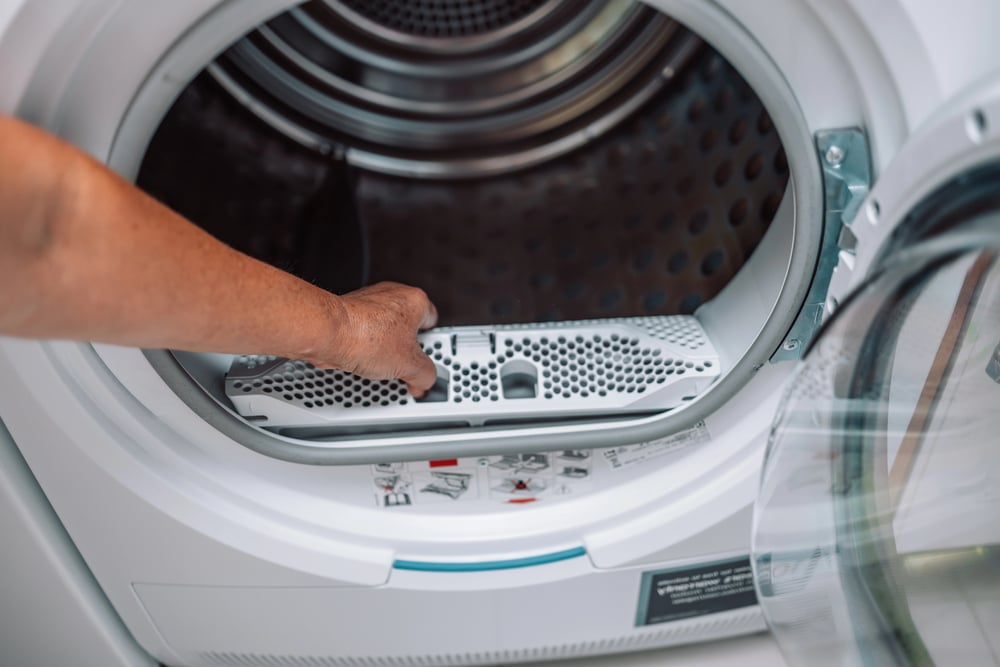
The dryer in the basement or the utility room ran long — forty-five minutes, sometimes an hour — and it provided a steady, muffled percussion that climbed up through the floor joists and into the rooms above: not loud enough to be annoying, but consistent enough to become a kind of background rhythm that the whole house organized itself around, the way a metronome sets the tempo without drawing attention to itself. Something heavy in the drum (a sneaker, a belt buckle, a forgotten quarter) would interrupt the steady tumbling with a periodic clank, regular as a clock.
And somehow even that was comforting, in the way that mechanical sounds from the working parts of a house tend to be.
The Record Skipping
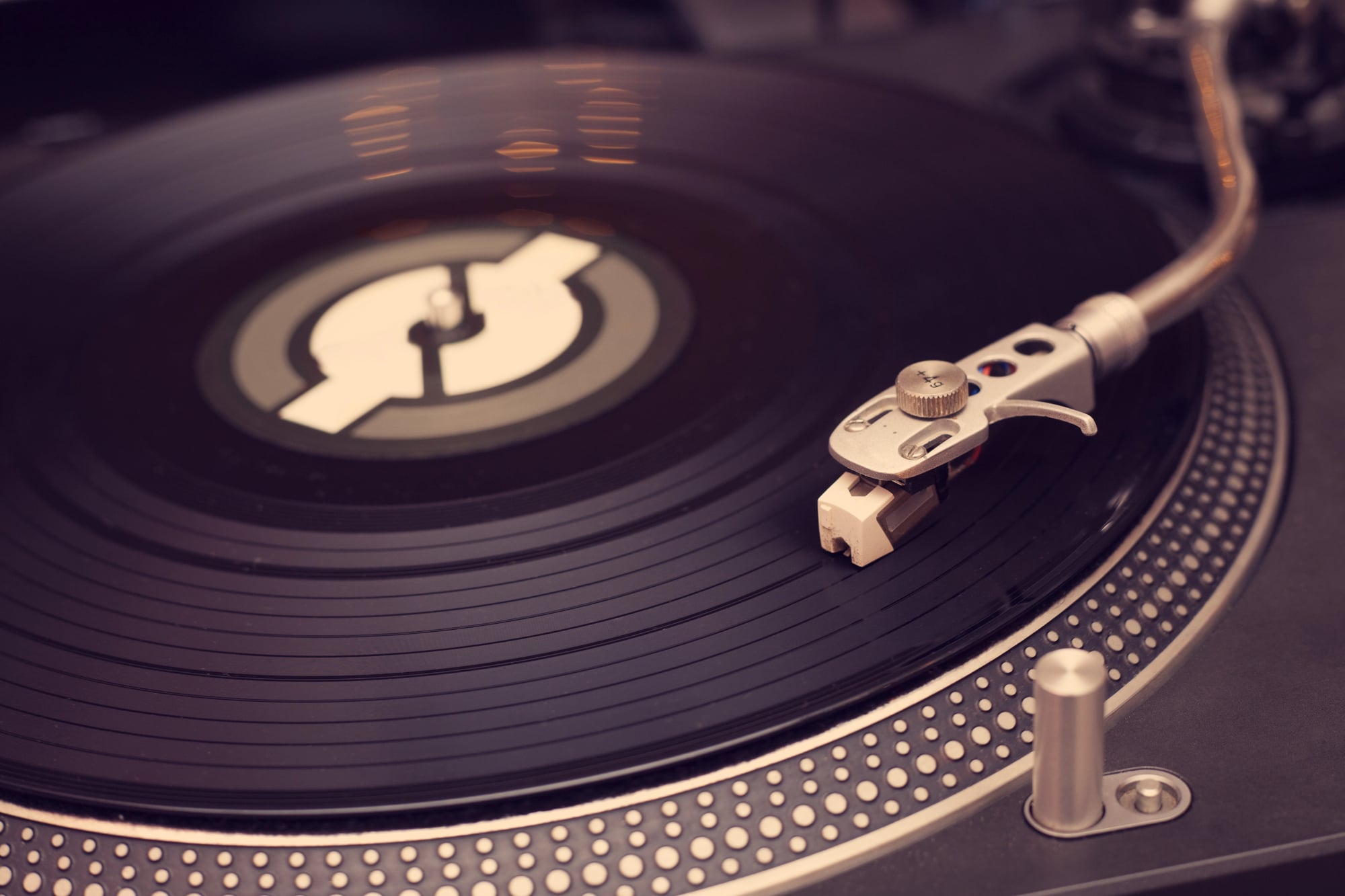
A skipping record was one of those sounds that lived in the space between annoyance and absurdity — the same phrase looping back on itself, patient and indifferent to how many times it had already played. It announced a scratch on the vinyl or a warped pressing or a player that needed its needle checked, and it did so with the stubbornness of a stuck clock.
Someone always had to get up and move the needle, but for a second or two, everyone in the room just listened to the loop without doing anything about it.
The Atari Console Beeping
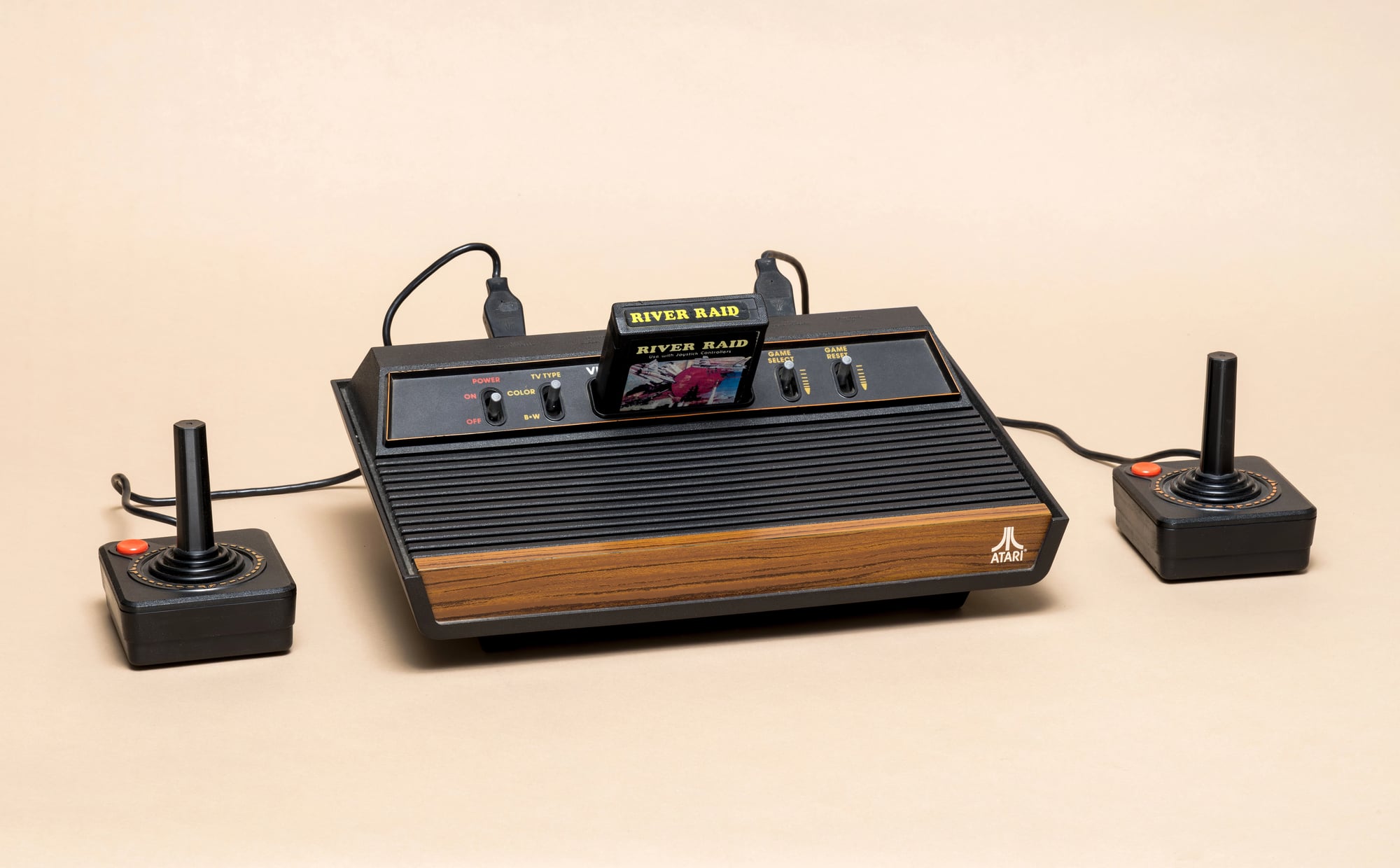
By the late 1970s, the Atari 2600 was a common enough presence in American living rooms that its sound effects — those primitive, square-wave beeps and bloops — had become the sound of a child not doing homework. The bleating tones of Pong or Space Invaders were genuinely limited technology, and everyone involved knew it, and nobody cared.
The fun was real even if the fidelity was not.
The Smoke Detector Testing
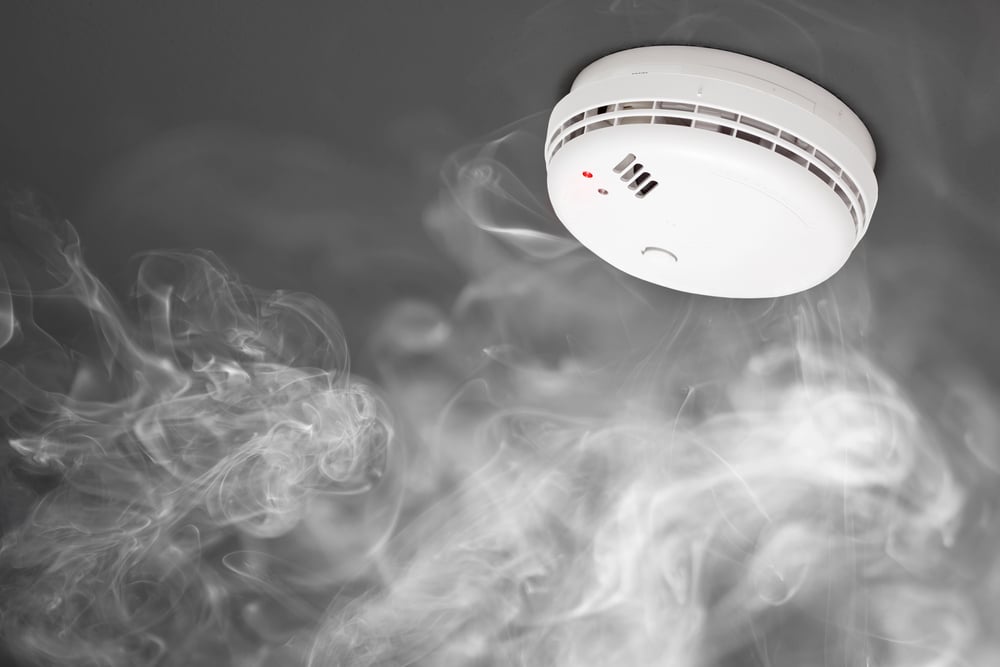
Someone always tested the smoke detector by standing under it with a piece of burnt toast. The alarm was ear-splitting at close range — a flat, mechanical shriek with no warmth in it at all.
Every house had at least one, and every house tested it by accident at least once a month.
The Weather Radio Droning

NOAA weather radio ran continuously through the 1970s on a broadcast band that most households could pick up with a dedicated receiver, and its sound — a flat, synthesized monotone reading forecast data in a voice that was technically human but barely — became a kind of sonic wallpaper in households that kept it on, neither interesting enough to really listen to nor quiet enough to completely ignore. The signal would drift slightly depending on atmospheric conditions (a strange, wavering quality, like hearing someone talk through a fan), and the prepared statements about cold fronts and barometric pressure gave the whole thing the feel of official communication from somewhere very serious and far away.
It was background noise that took itself seriously.
The Ice Cube Tray Cracking

Twisting a metal ice cube tray required a specific physical effort — both hands, a firm grip, a controlled torque — and what came out of it was a sharp, fracturing crack as the ice released from the metal in a single satisfying break. It’s a sound that plastic trays and automatic ice makers have spent fifty years trying and failing to replicate: not because they can’t make ice, but because that particular crack carried the satisfying weight of something done by hand.
The Soundtrack That Lived in the Walls

Sounds don’t stay in the past the way objects do. An avocado-green refrigerator in a photograph is a curiosity.
That same refrigerator’s compressor cycling on at two in the morning, the hum traveling through the house while everyone else was asleep — that’s something that lives in the body. The 1970s had a sonic texture that was entirely its own: mechanical, analog, warm in the way that things with moving parts tend to be warm. None of it was designed to be remembered. All of it was.
More from Go2Tutors!

- The Romanov Crown Jewels and Their Tragic Fate
- 13 Historical Mysteries That Science Still Can’t Solve
- Famous Hoaxes That Fooled the World for Years
- 15 Child Stars with Tragic Adult Lives
- 16 Famous Jewelry Pieces in History
Like Go2Tutors’s content? Follow us on MSN.



