26 Trading Cards Boxed in Closets Worth Checking
Somewhere between the childhood bedroom and the garage, most card collections get boxed up and forgotten, assumed to be worth whatever a quarter-machine toy is worth. A handful of cardboard rectangles from that same era regularly turn out to be worth a mortgage payment, or several.
Checking is free, and the names below are the ones dealers hear about most often when a shoebox finally gets opened.
T206 Honus Wagner
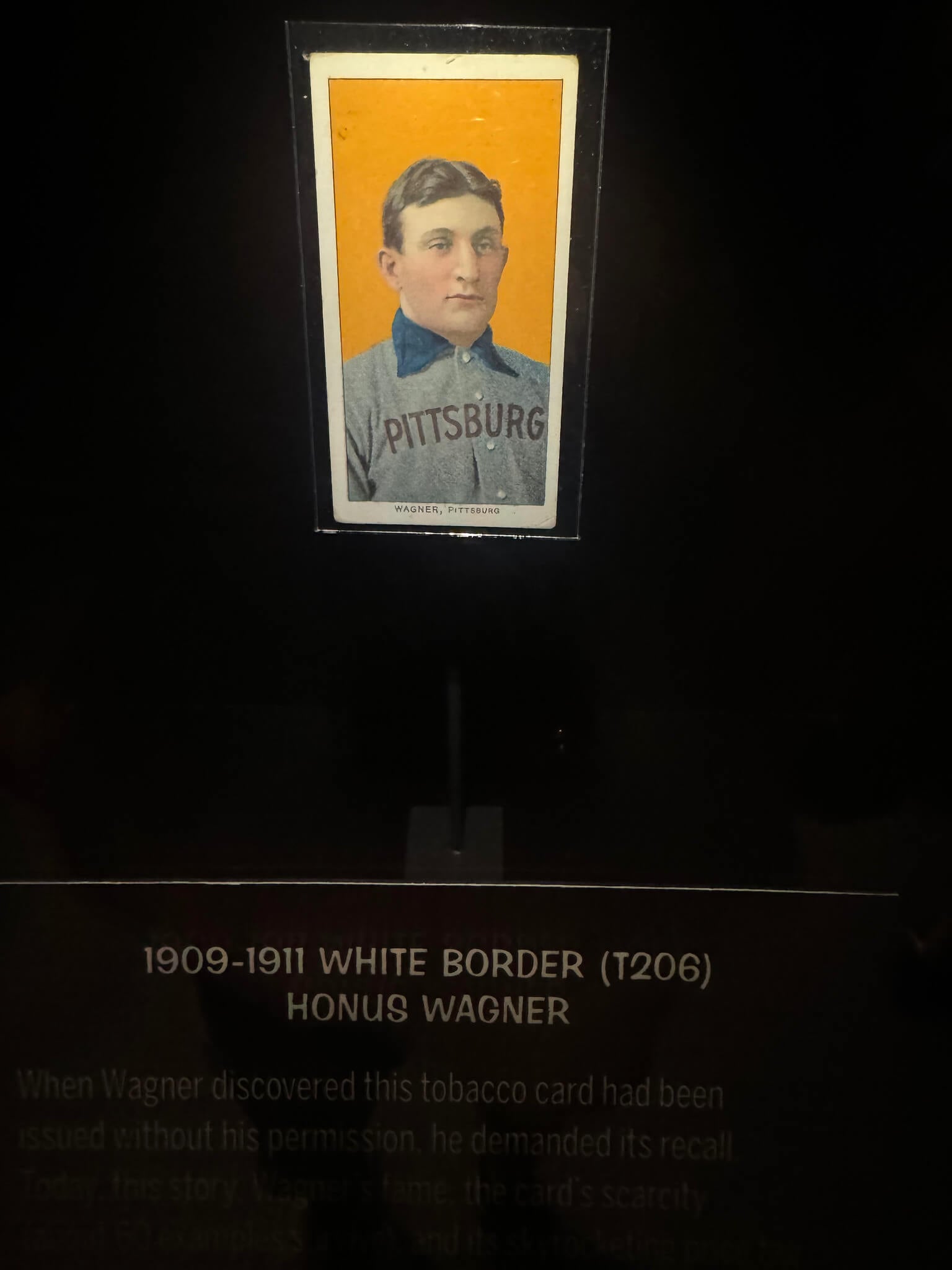
Issued between 1909 and 1911 as part of a set distributed with a widely sold consumer product, this card was pulled from production after Wagner objected to his image being used to market that product to children, which is exactly what makes it so scarce today. Fewer than 60 examples are believed to exist, and even heavily worn copies have sold for well over a million dollars, with top-condition examples reaching into eight figures.
It remains the single card every dealer checks for first when a pre-war collection surfaces.
1933 Goudey Babe Ruth
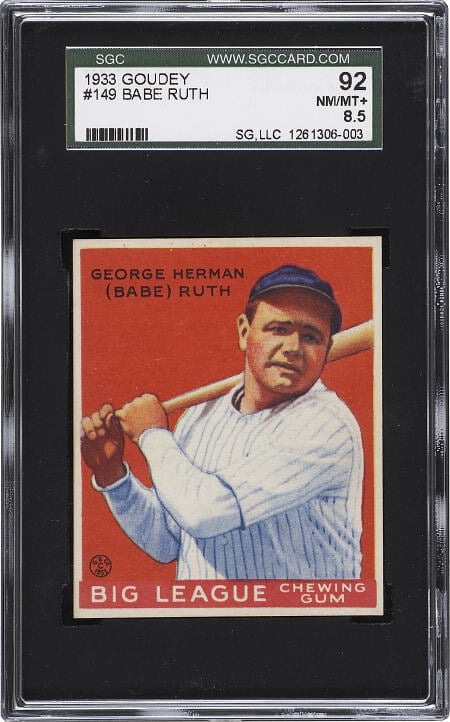
The Goudey Gum Company’s debut set featured Ruth on four separate cards, with card #144 generally considered the most desirable of the group. Because the set was aimed at children who chewed the gum and handled the cards constantly, high-grade survivors are scarce, and strong examples routinely bring six figures.
Even well-loved, heavily creased copies still carry real value given the player and the era.
1948 Bowman George Mikan
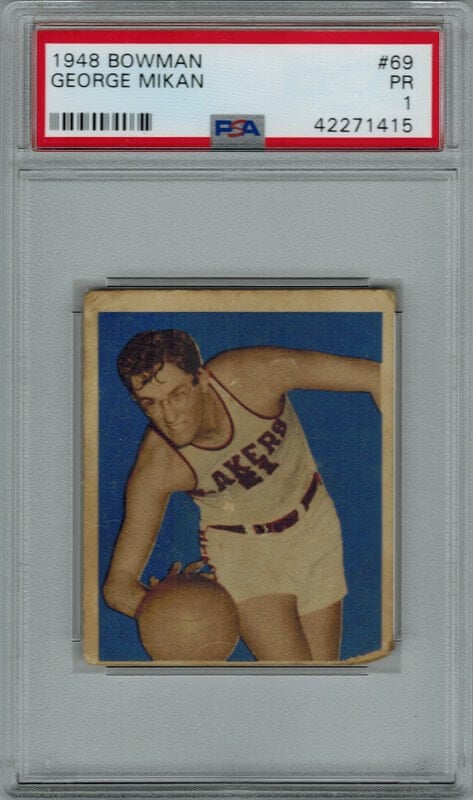
This is the first widely recognized rookie card of professional basketball’s first true superstar, issued during the sport’s earliest years as a national television product. The black-and-white photography and plain design make it easy to overlook next to flashier modern cards, which is precisely why it gets passed over in closets.
Strong copies have sold in the tens of thousands, with pristine examples reaching considerably higher.
1951 Bowman Mickey Mantle
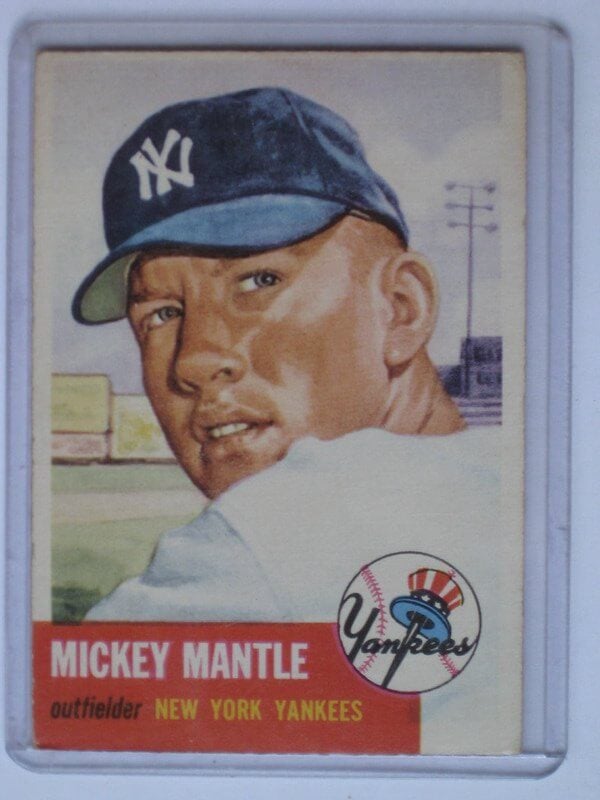
Mantle’s actual rookie card predates his more famous 1952 Topps issue by a full year, and collectors who only know to look for the later card often miss this one entirely. Condition-sensitive pricing ranges from four figures for well-worn copies to well into six figures for clean examples.
The lower name recognition compared to the 1952 issue means this card is more likely to be misidentified or undervalued by a seller who has not done the research.
1952 Topps Mickey Mantle
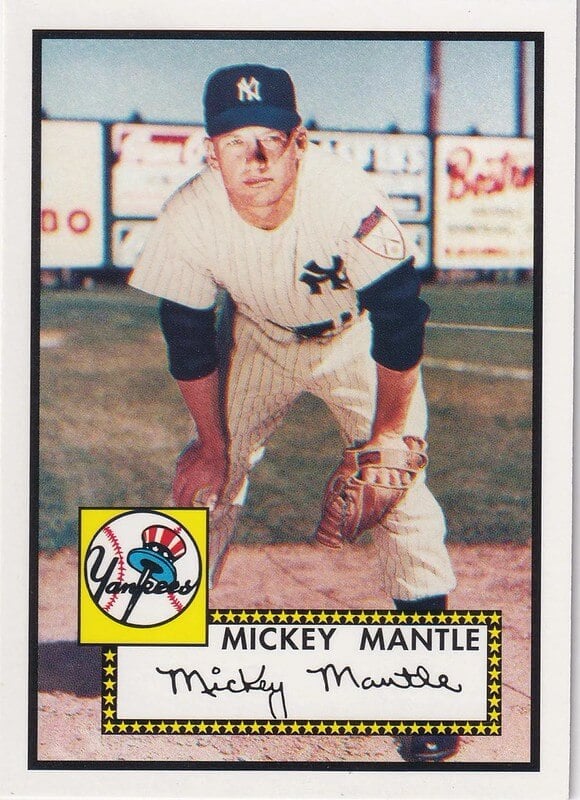
Widely considered the most famous post-war card in the hobby, a pristine copy sold for $12.6 million in 2022, a price driven partly by the story that unsold cases of the set were dumped into the ocean by Topps to clear warehouse space. Even low-grade copies with rounded corners and surface wear regularly bring five figures.
The card’s card number, 311, is worth checking against any Topps set from this year found in a closet.
1954 Topps Hank Aaron
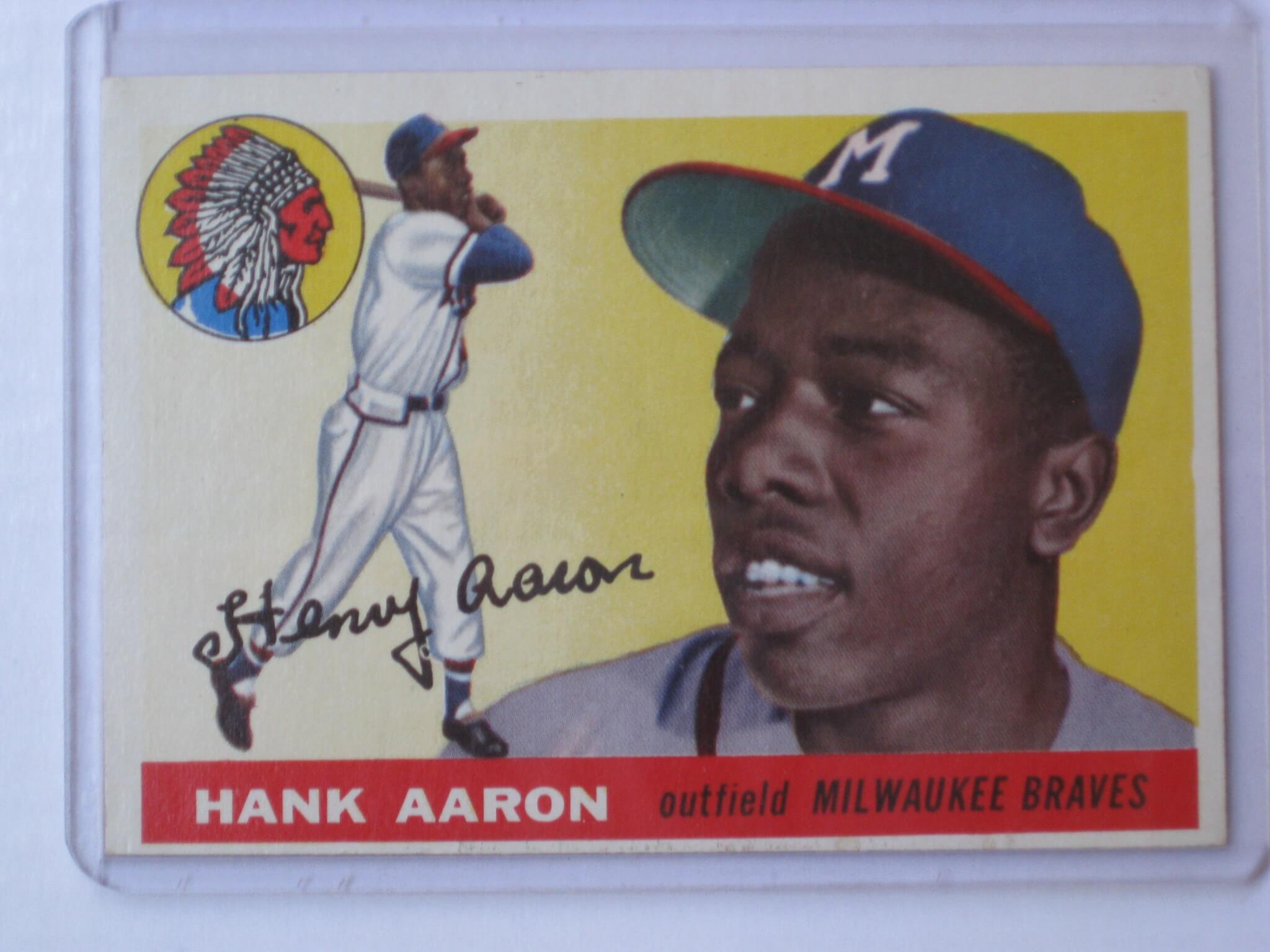
Aaron’s rookie card arrived two years before he began his march toward the all-time home run record, and the card’s modest condition standards compared to Mantle’s make it more attainable for collectors while still commanding serious money in top grade. Strong copies typically sell in the five-figure range, with pristine examples reaching higher.
It is frequently confused with Aaron’s less valuable later Topps issues, so the year printed on the card matters.
1957 Topps Complete Set
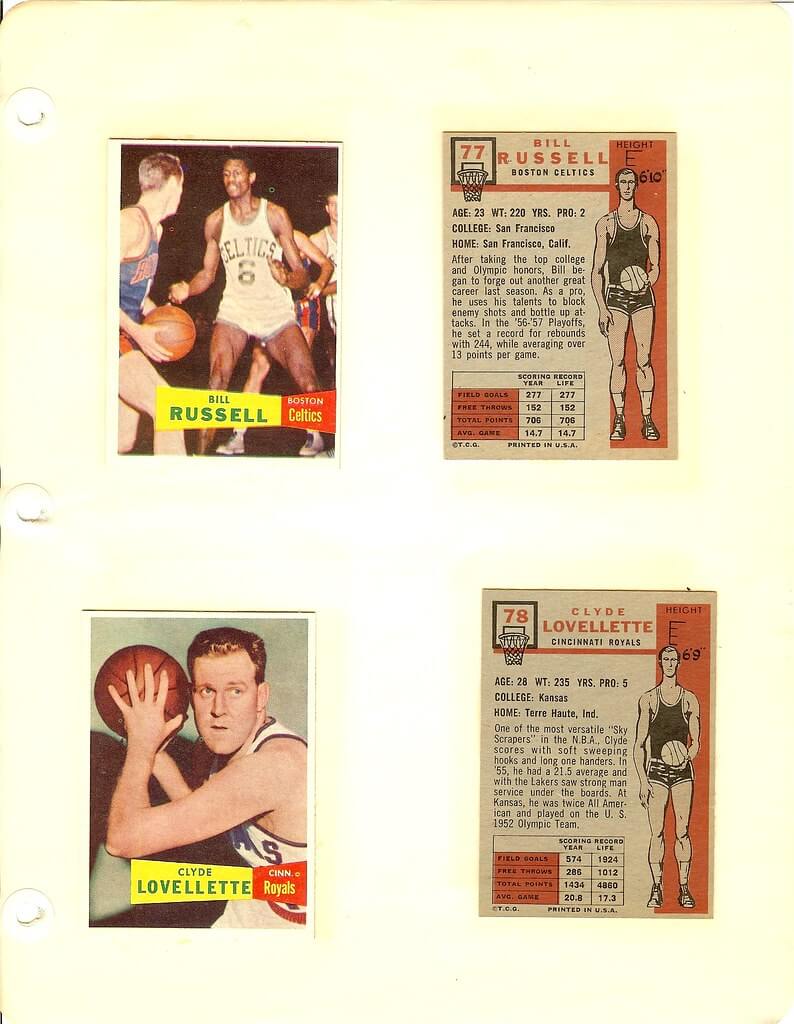
Rather than a single card, a complete run of this 407-card set in strong condition is itself a significant find, since the set includes rookie cards for several future Hall of Famers issued in the redesigned horizontal format Topps introduced that year. Complete high-grade sets have sold for tens of thousands of dollars, while even modest-condition complete runs hold real value simply for their completeness.
Missing even a handful of cards significantly reduces what a set will bring.
1961 Fleer Wilt Chamberlain
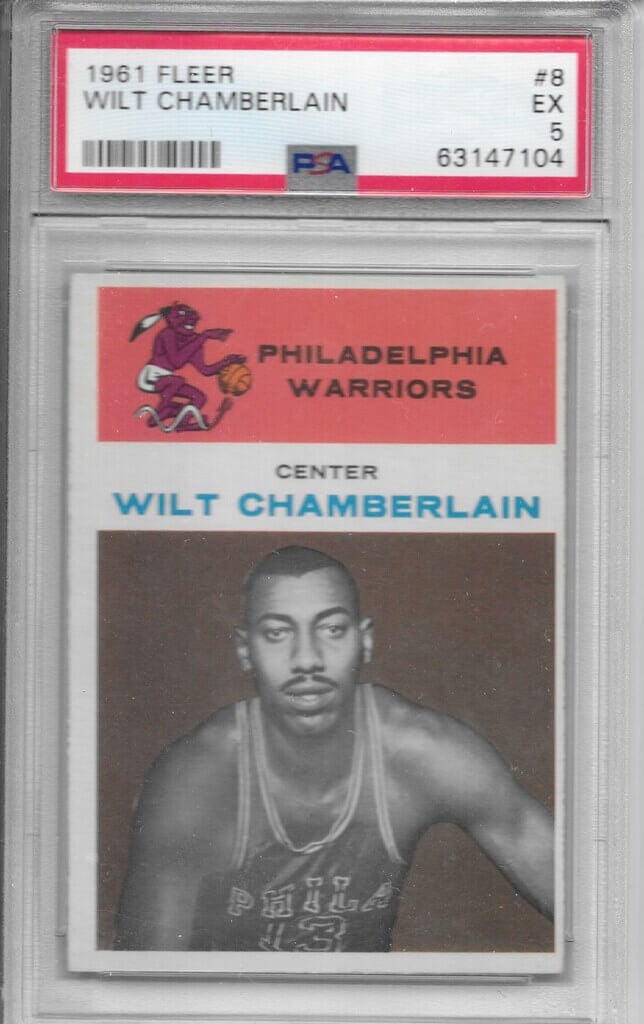
Issued during Fleer’s brief run competing with Topps for basketball card rights, this rookie card captures a player whose statistical dominance has never been matched. Because the set had a limited print run compared to the basketball cards that came decades later, clean copies are genuinely scarce and can bring five figures.
The card is often overlooked by sellers who assume basketball cards only became valuable in the modern era.
1965 Topps Joe Namath
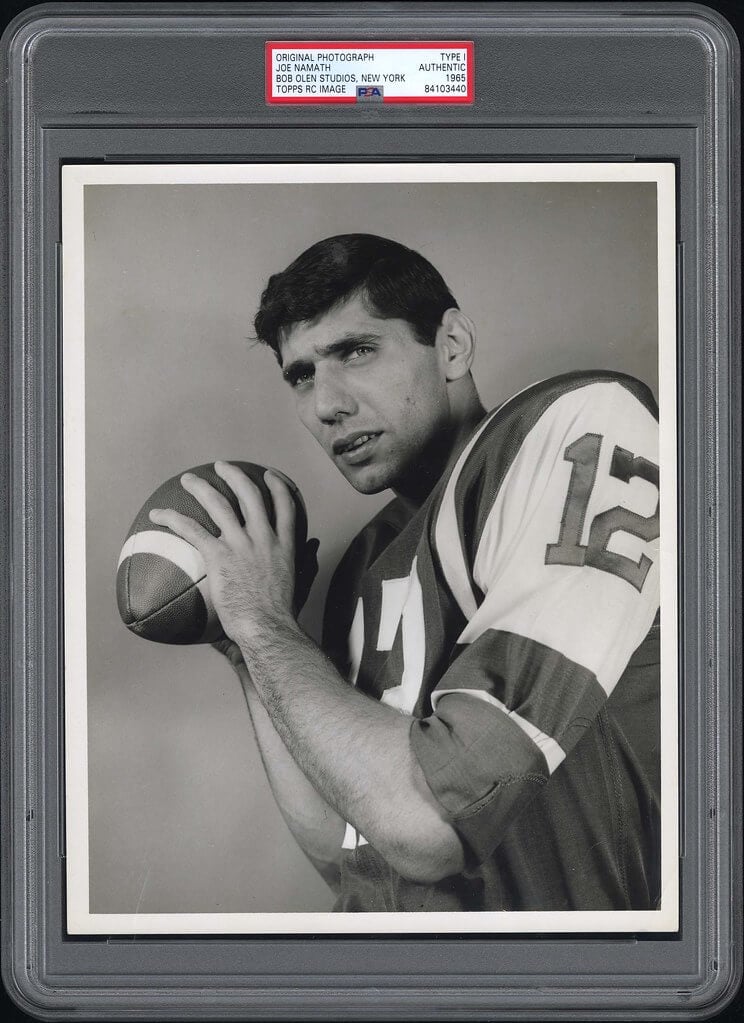
Namath’s rookie card arrived the same year he signed the richest contract in professional football history at the time, a storyline printed on the back of the card itself. The oversized 1965 Topps design makes the set instantly recognizable and easy to identify even by someone unfamiliar with the hobby.
Strong copies typically sell in the low thousands, with top-graded examples reaching well beyond that.
1968 Topps Nolan Ryan
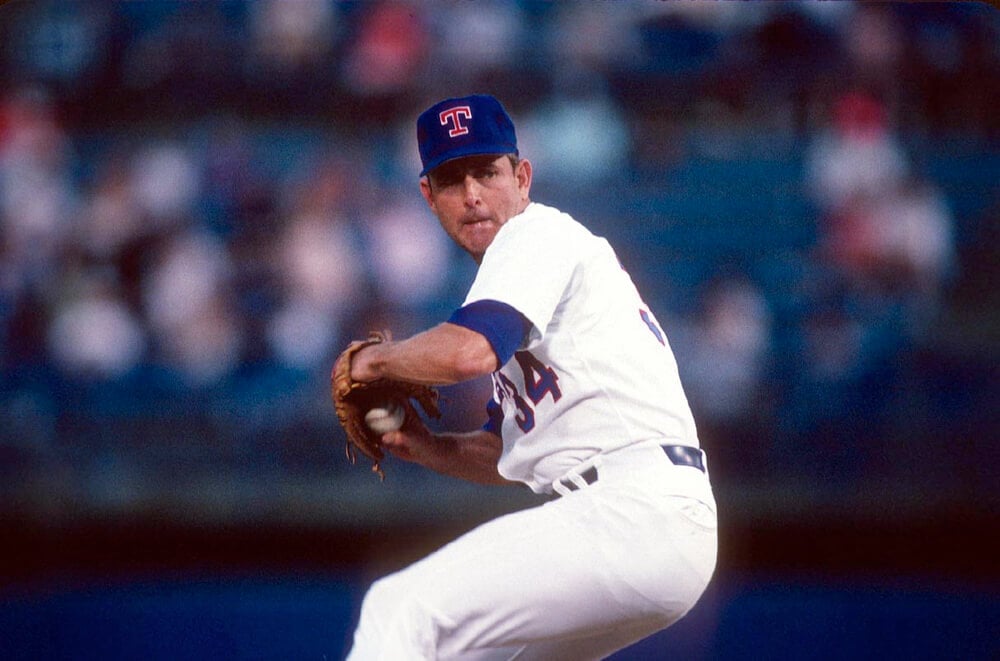
Ryan shares this rookie card with fellow pitcher Koosman, a detail that surprises collectors expecting a solo issue for a player who went on to a record-setting career. High centering is unusually rare for this issue due to how the set was printed, which makes well-centered copies command a significant premium over average examples.
Presentable copies typically bring four figures, with top-graded examples reaching much higher.
1975 Topps George Brett
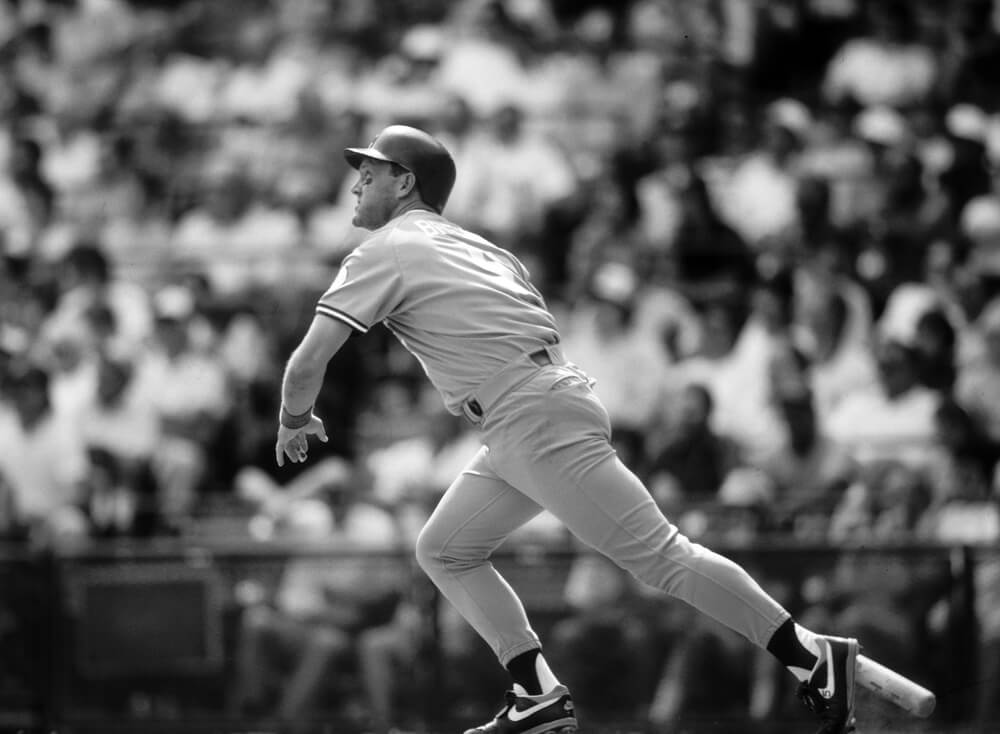
Brett’s rookie card was issued in Topps’ colorful, star-bordered design from that year, sharing the card with fellow rookies Robin Yount and Jim Rice in different releases from the same set. Strong copies are attainable for collectors at a few hundred dollars, while pristine examples can reach into the thousands.
The bright, easily faded borders on this set make centering and surface condition especially important to value.
1979-80 Topps Wayne Gretzky
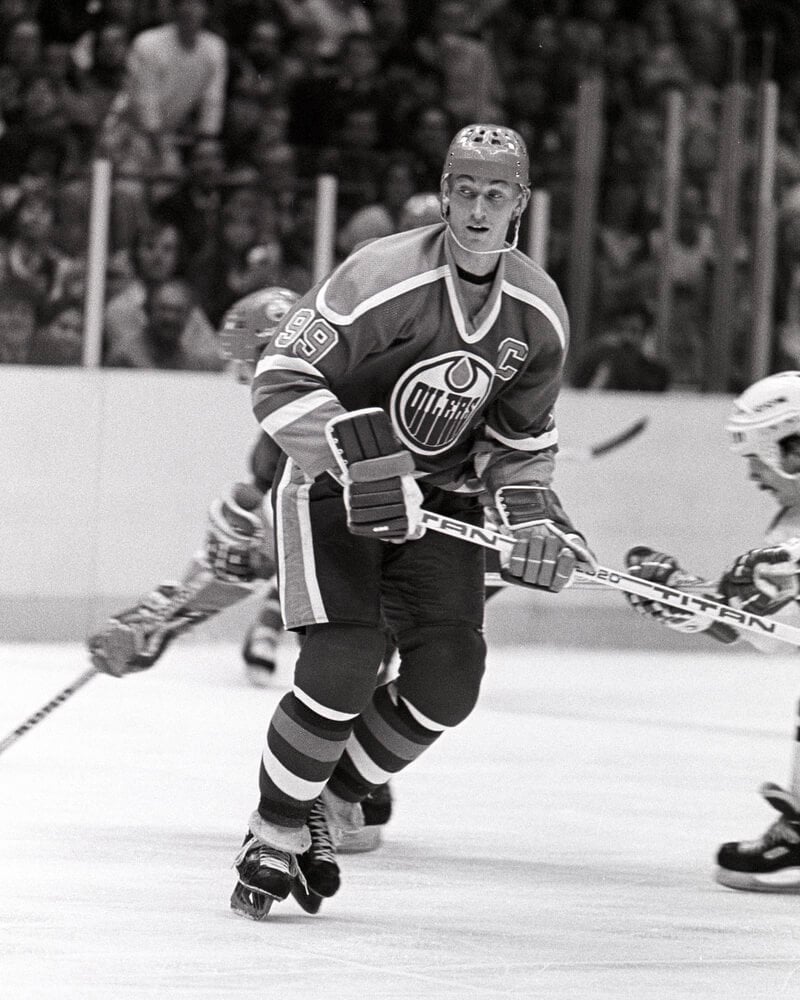
Gretzky’s rookie card, shared with two other players on the same card front, is the single most requested hockey card in the hobby by a wide margin. High-grade examples have sold for hundreds of thousands of dollars, while even modestly worn copies hold four-figure value given the player’s stature.
The card’s thin, glossy stock from this era makes it especially prone to visible wear, so even a closet-stored copy is worth examining closely.
1980 Topps Rickey Henderson
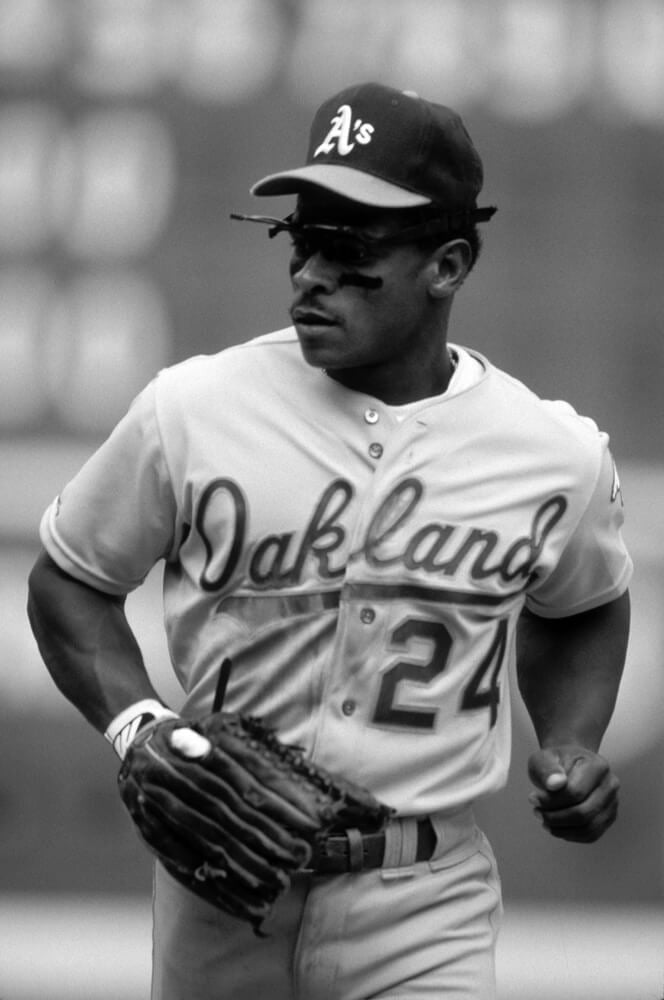
Henderson’s rookie card captures the player who would go on to set the career stolen base record, issued during a Topps design year known for its simple, colorful borders. Clean copies typically sell in the low hundreds, with top-graded examples reaching into the thousands.
The card is commonly found in bulk lots from the era, so a careful check through any large box of 1980 Topps cards is worthwhile.
1986 Fleer Michael Jordan
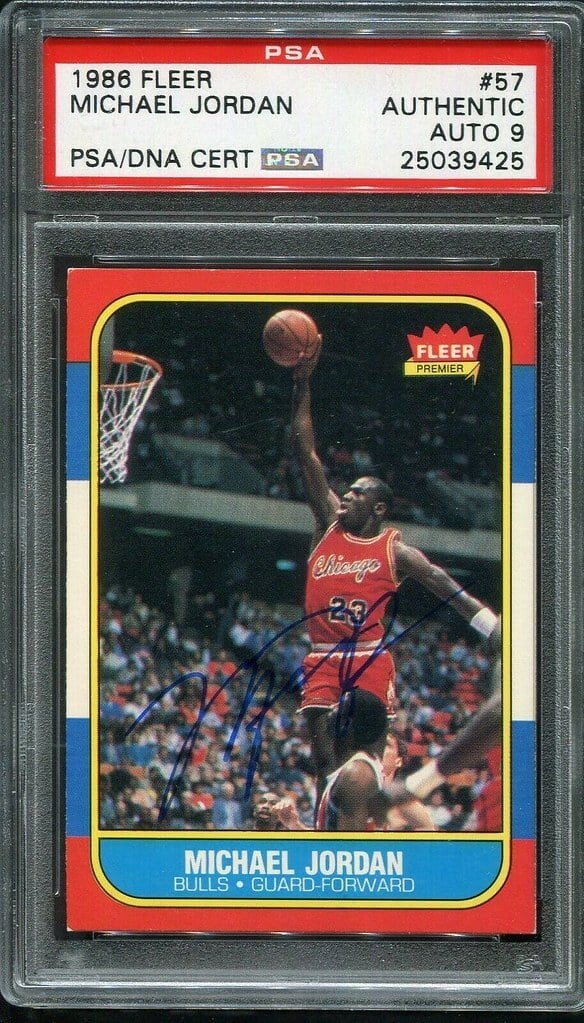
Jordan’s rookie card is arguably the most recognized basketball card ever printed, instantly identifiable by its red-bordered design and the number 57 on the back. A pristine graded copy has sold for well over a million dollars, and even well-worn copies with visible corner damage still command four figures or more.
Because the set was widely distributed, condition is the single biggest factor separating a modest sale from a life-changing one.
1996-97 Topps Chrome Kobe Bryant
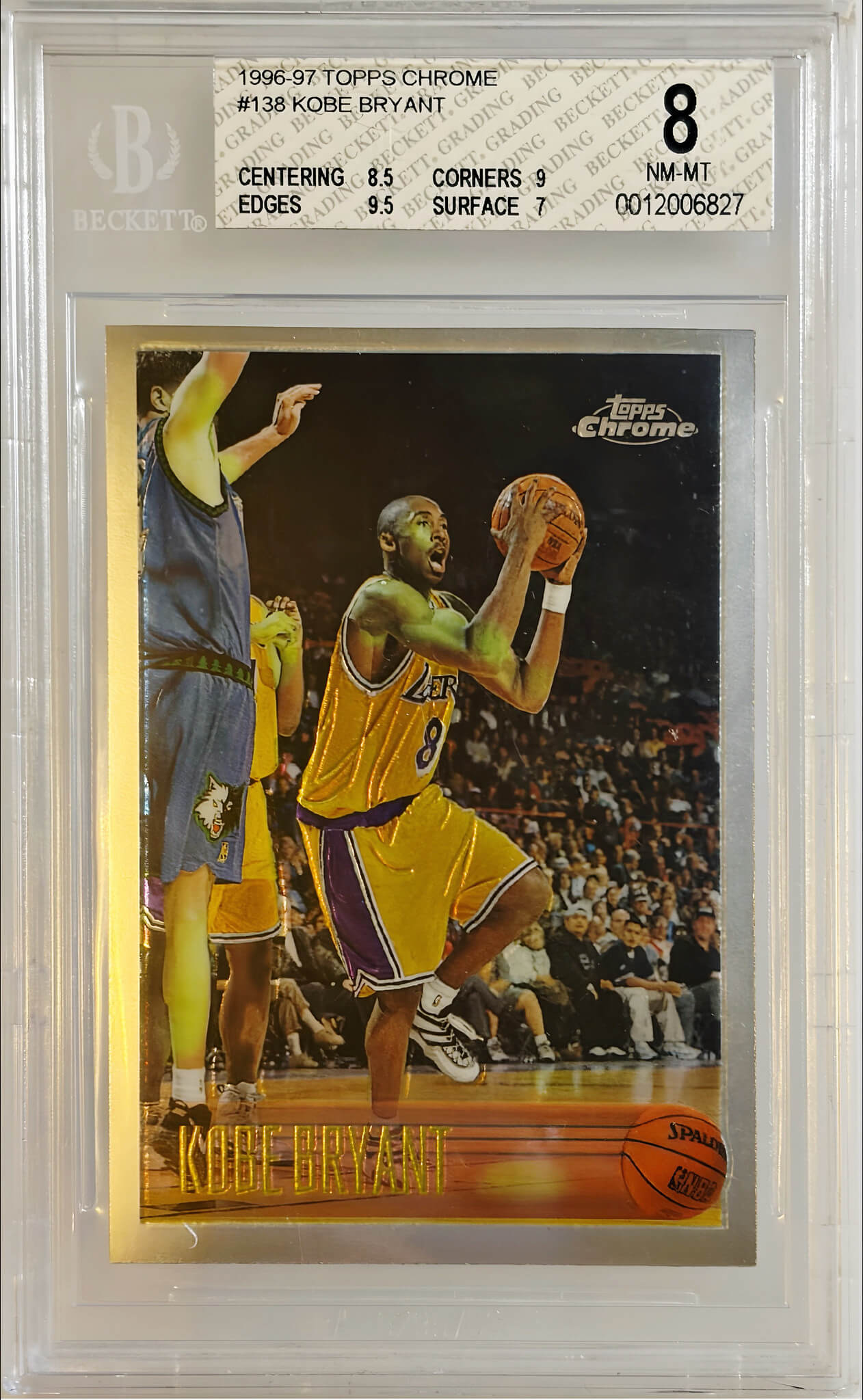
Bryant’s rookie card arrived the year he entered the league directly from high school, printed on Topps’ reflective chrome stock that debuted just a few years earlier. Refractor parallel versions of this card, distinguished by a rainbow-like sheen under light, are dramatically more valuable than the base version and are frequently misidentified by sellers unfamiliar with the distinction.
Base copies in strong condition typically sell in the low thousands, while refractor versions can reach far higher.
1998 Playoff Contenders Peyton Manning
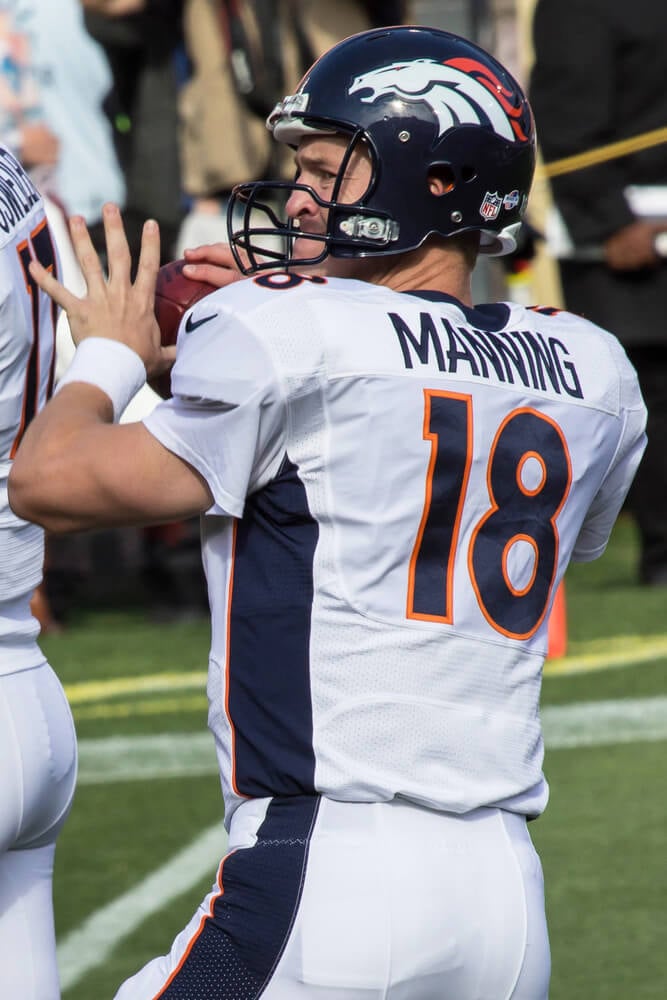
This autographed rookie card was issued as part of a set specifically built around on-card signatures rather than printed facsimiles, a format that was still novel at the time. Because the autograph is authenticated directly on the card rather than a separate insert, condition and signature clarity both factor heavily into price.
Strong examples have sold in the five-figure range.
2000 Playoff Contenders Tom Brady
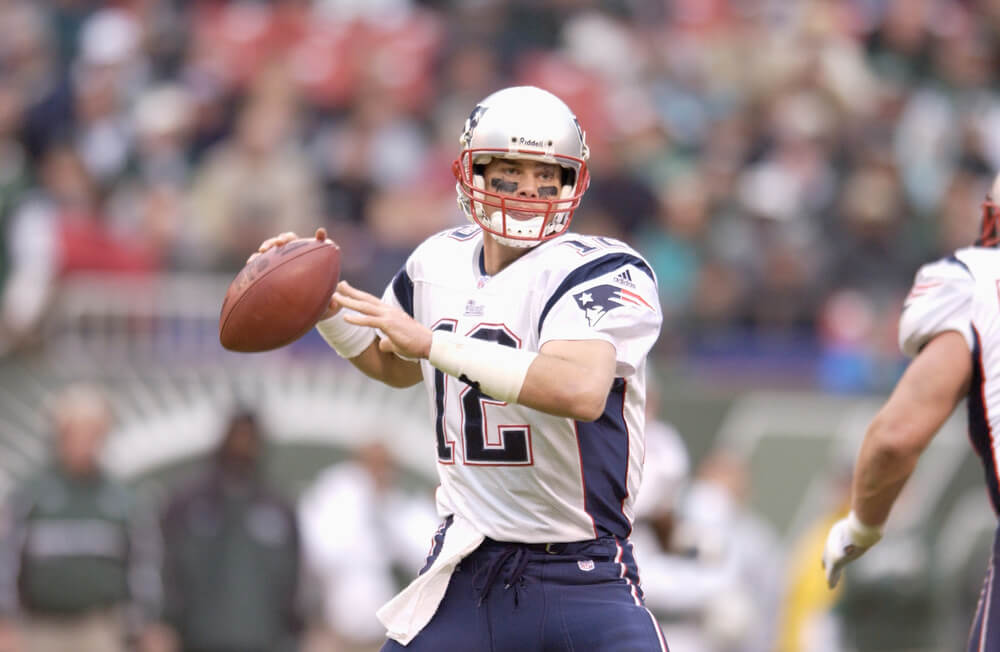
Brady’s autographed rookie card from this set is one of the most recognized modern football cards in the hobby, issued the same year he was drafted in the sixth round by New England. A pristine graded copy sold for well over a million dollars in recent years, reflecting both the player’s career and the card’s relative scarcity within a modestly sized print run.
Even lower-graded examples with a clear signature routinely bring five figures.
2003-04 Topps Chrome LeBron James
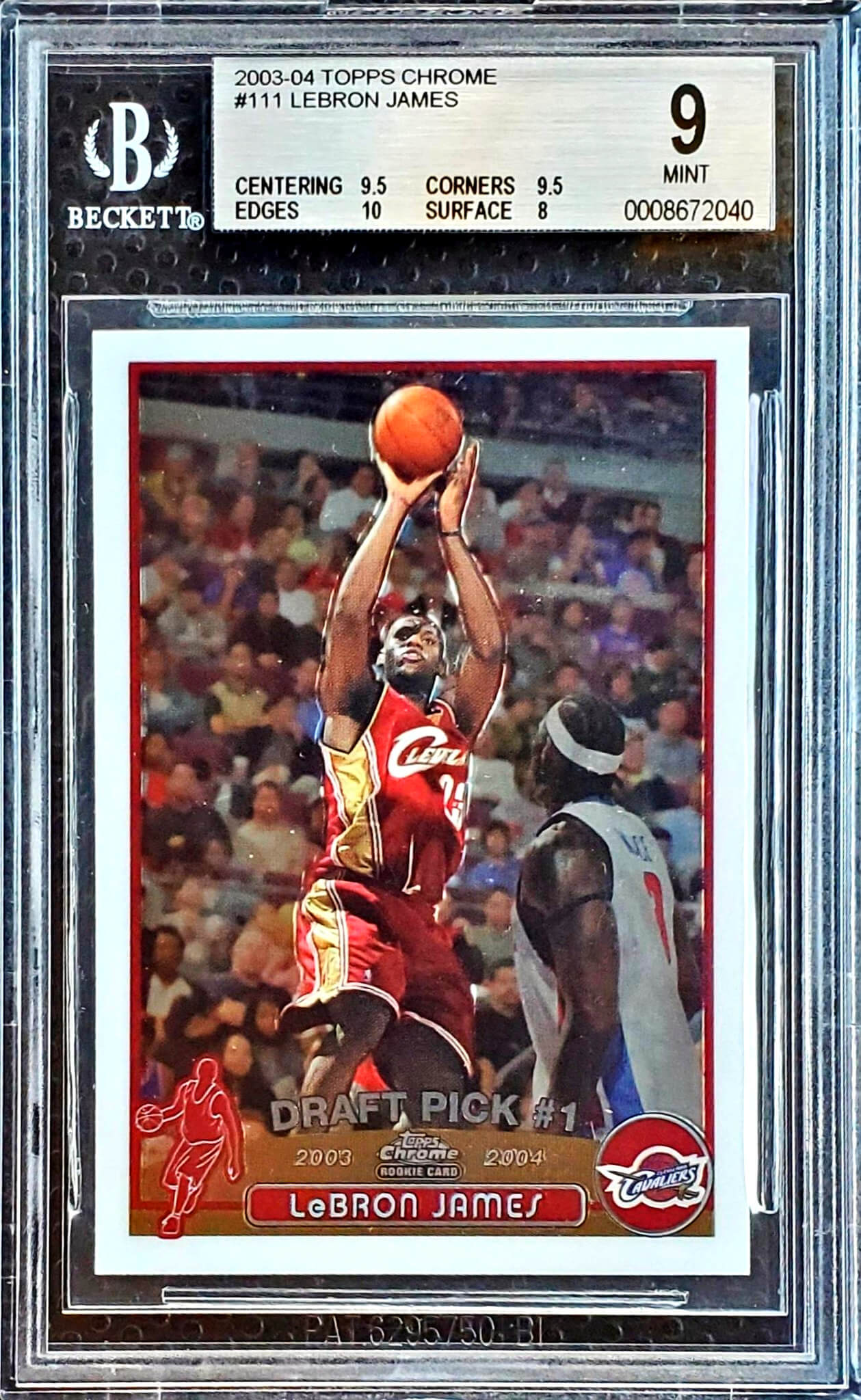
James’ autographed rookie card, issued during his first professional season, has become one of the most consistently valuable cards of the 2000s as his career accomplishments have accumulated. Numbered parallel versions with lower print runs command significantly more than the base autographed issue.
Even base-level graded copies typically sell in the tens of thousands.
1999 Pokemon Base Set Charizard
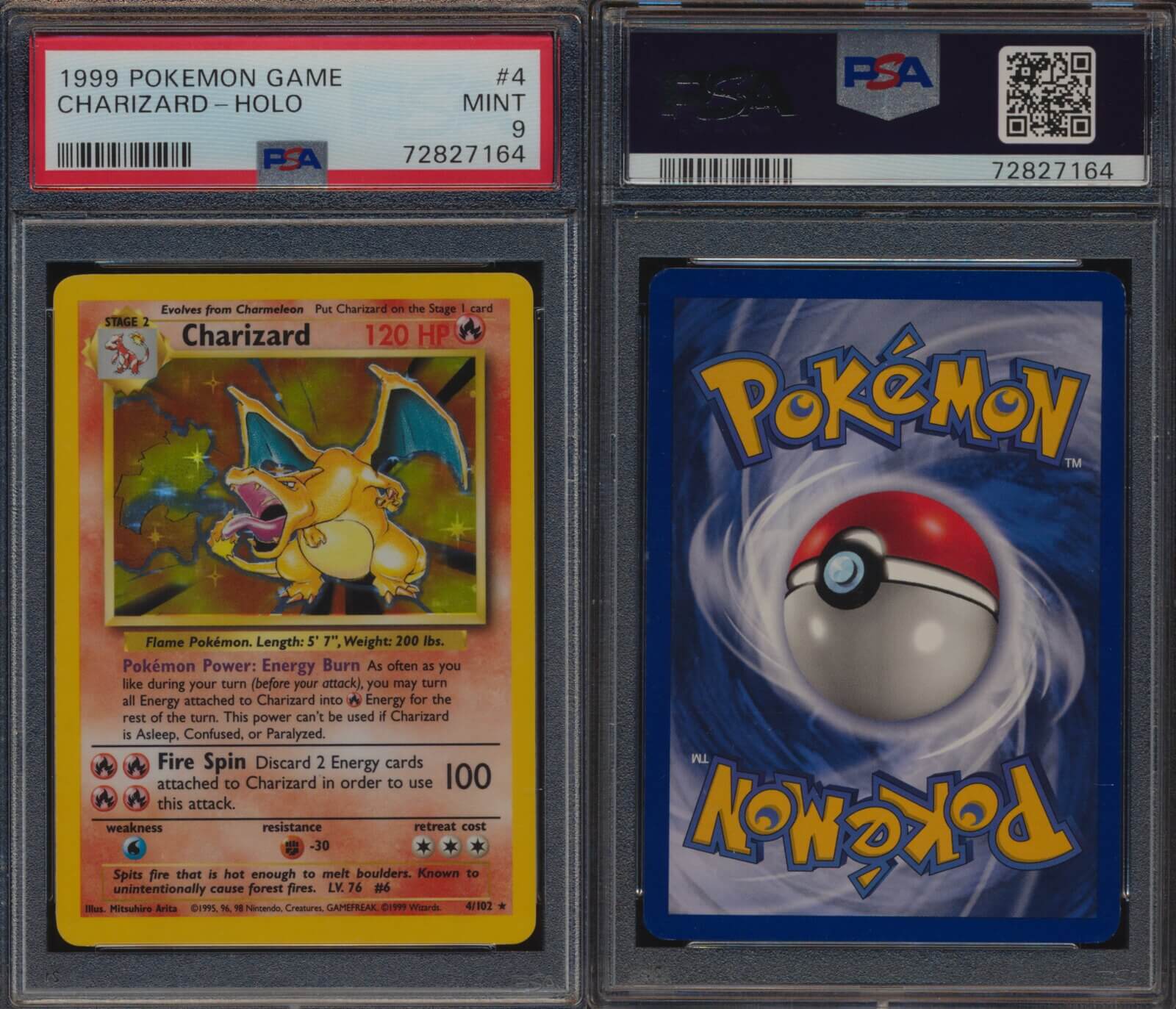
The holographic Charizard from the original English-language Pokemon set became one of the most searched trading cards of any kind almost immediately after release, driven by a wave of nostalgia among collectors who grew up with the franchise. Pristine graded copies have sold for tens of thousands of dollars, while even a played, bent-cornered copy from a childhood collection still holds real value.
It remains the card most likely to turn a forgotten shoebox into a genuine windfall.
1998 Pikachu Illustrator Promo
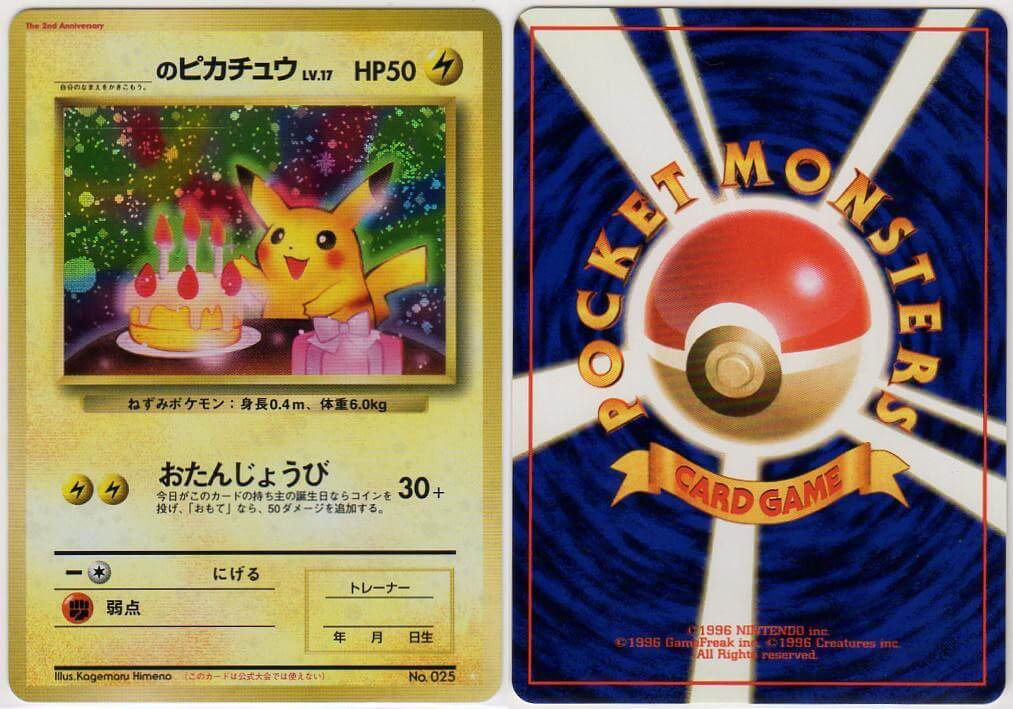
Awarded only to winners of a Japanese illustration contest, fewer than 40 copies of this promotional card are believed to exist, making it the rarest widely recognized Pokemon card ever produced. A copy sold for $16 million in a private sale in recent years, a figure that dwarfs even the most valuable sports cards.
Because so few exist and most are already accounted for by known collectors, finding one in an unchecked collection would be an extraordinary event, but the card’s name is worth knowing regardless.
1993 Magic: The Gathering Alpha Black Lotus
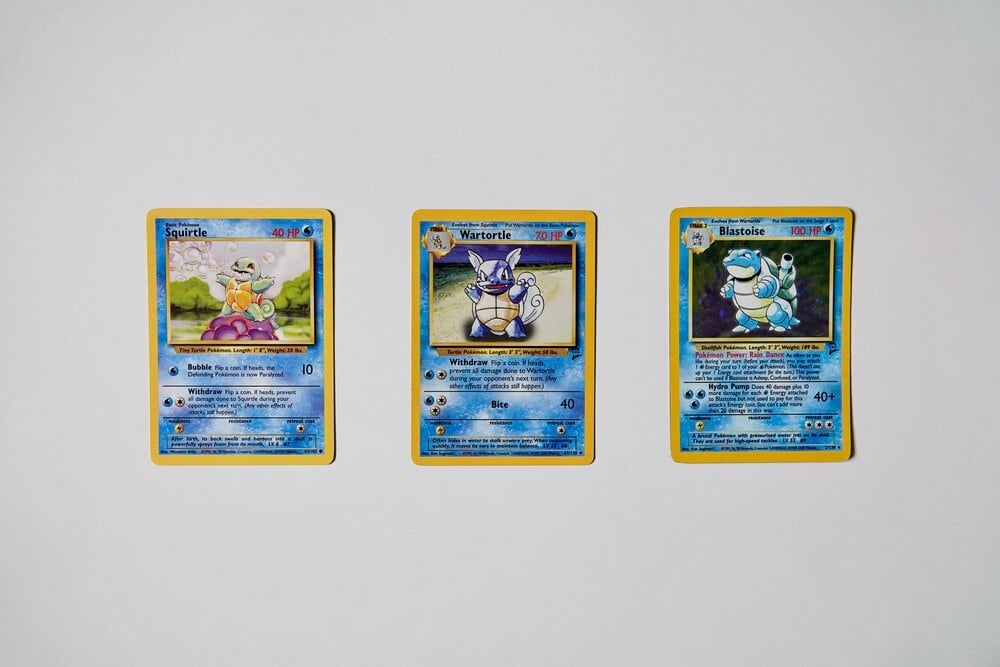
The original print run of this game’s inaugural set included a card so powerful within the game’s rules that it was restricted almost immediately, which only deepened collector demand decades later. High-grade examples from this first Alpha printing have sold for hundreds of thousands of dollars.
Later reprints of the same card exist in far greater numbers and are worth a small fraction of the original, so identifying the printing is essential before assuming a find is valuable.
Cracker Jack Baseball Cards
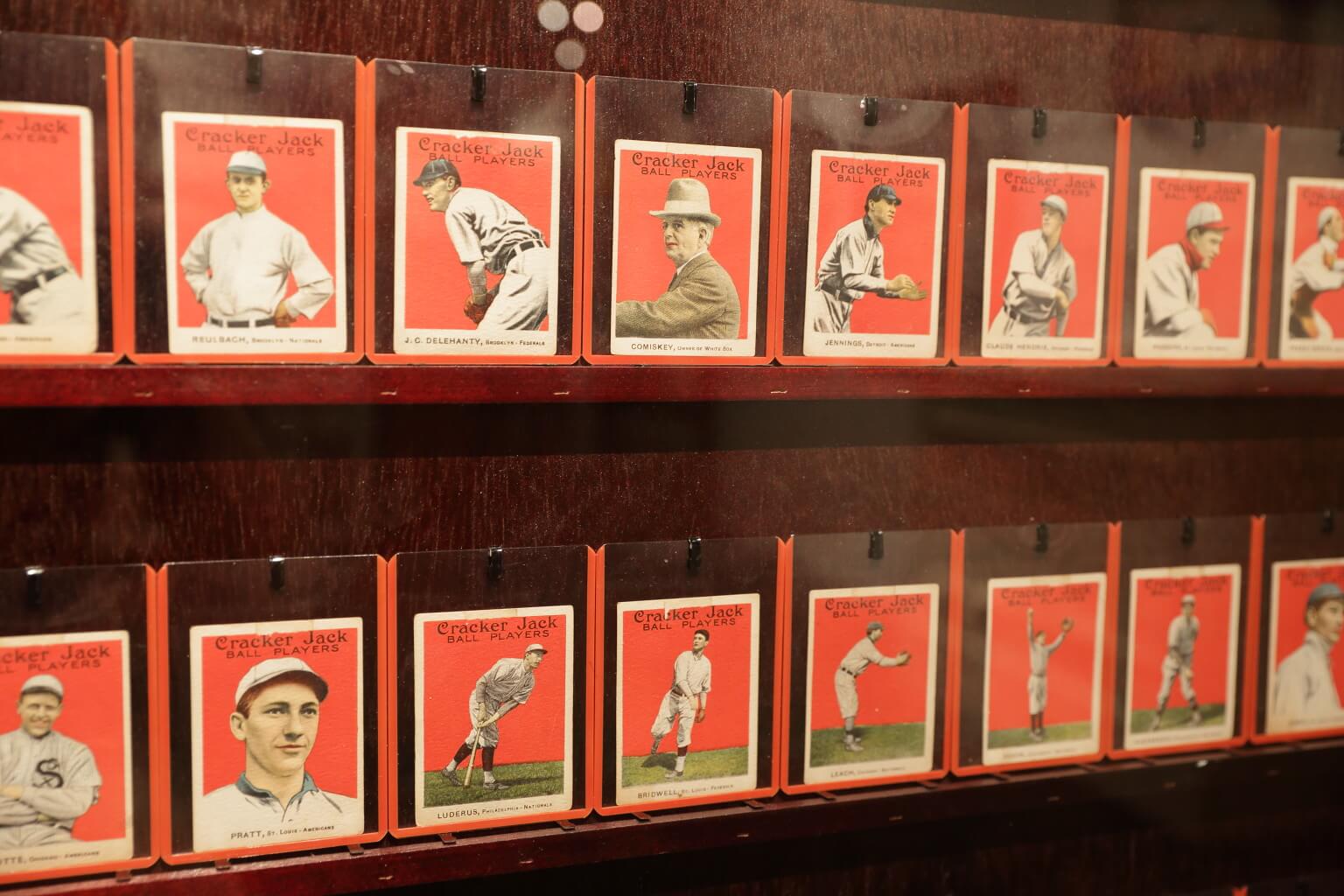
Issued as prizes inside boxes of the caramel popcorn snack in 1914 and 1915, these cards were never intended to survive outside a child’s pocket, which makes complete, uncreased examples exceptionally scarce today. Cards featuring star players from the era can bring thousands of dollars even in modest condition.
The thin, low-quality cardstock used for these cards means most surviving examples show significant wear, making a clean one a genuine rarity.
Garbage Pail Kids Original Series
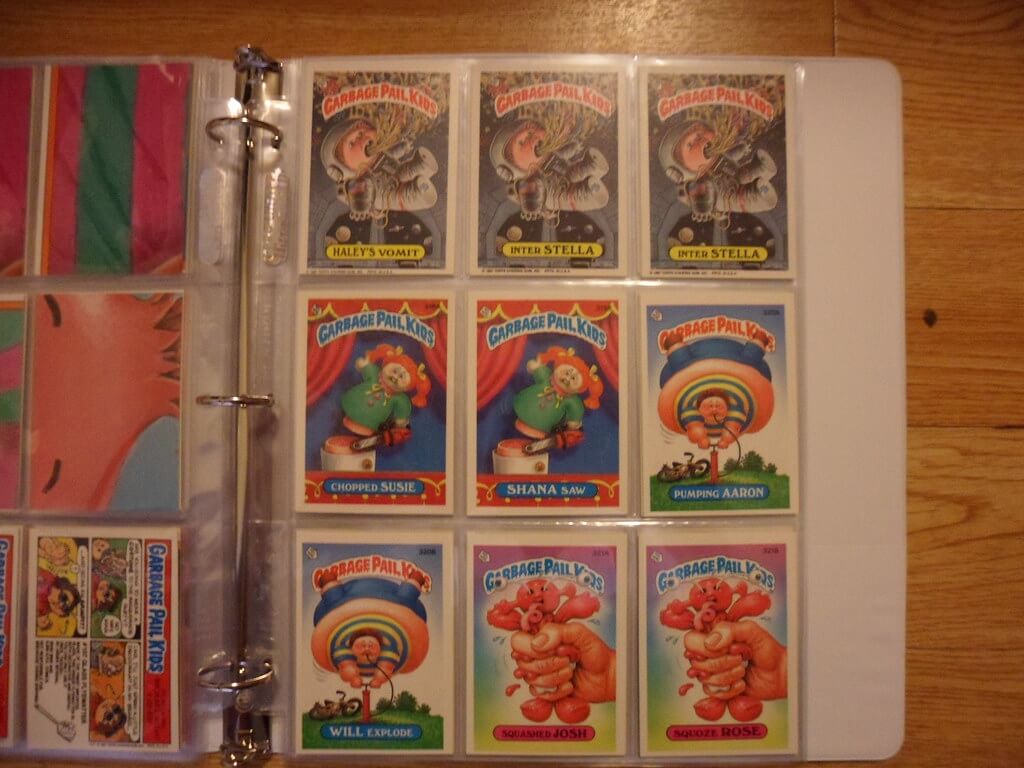
Released in 1985 as a parody response to a popular children’s doll line, this darkly humorous card set became a cultural phenomenon in its own right and was pulled from some store shelves amid complaints from parents and schools. Complete original first-series sets in strong condition can bring several hundred dollars, with individual scarce variations reaching higher.
The series is a reminder that not every valuable card from a childhood collection needs to feature an athlete.
1993 SP Derek Jeter
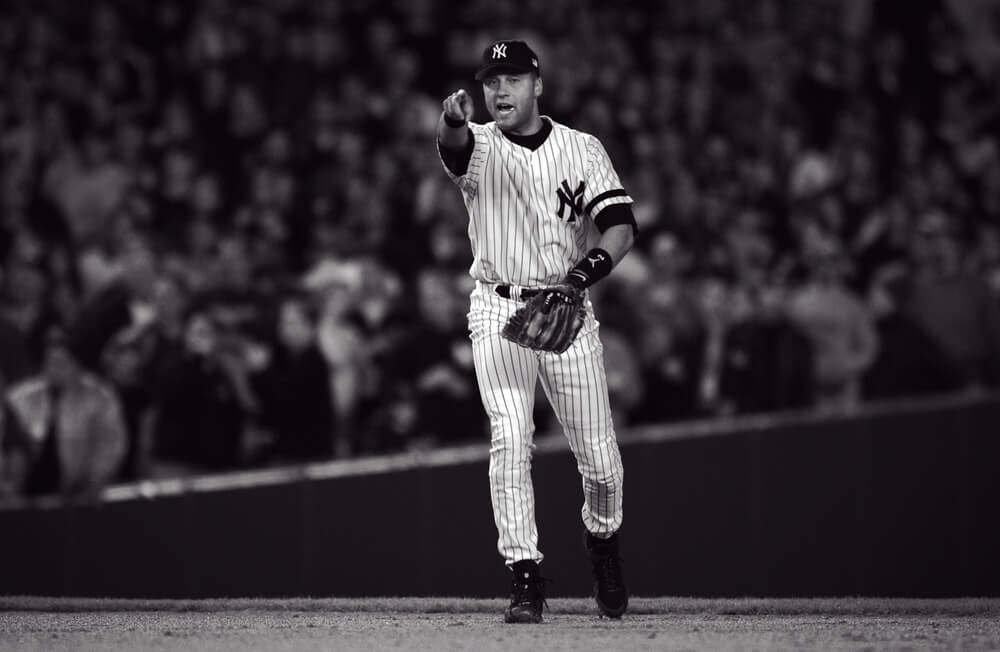
Jeter’s prospect card was issued in a premium, higher-priced set that had a notably smaller print run than standard Topps or Fleer releases from the same year, which is a major factor in its lasting value. High-grade copies have sold for well over $100,000, driven by both scarcity and Jeter’s stature as a career-long member of a single storied franchise.
Lower-grade copies still typically bring four figures.
1989 Upper Deck Ken Griffey Jr.
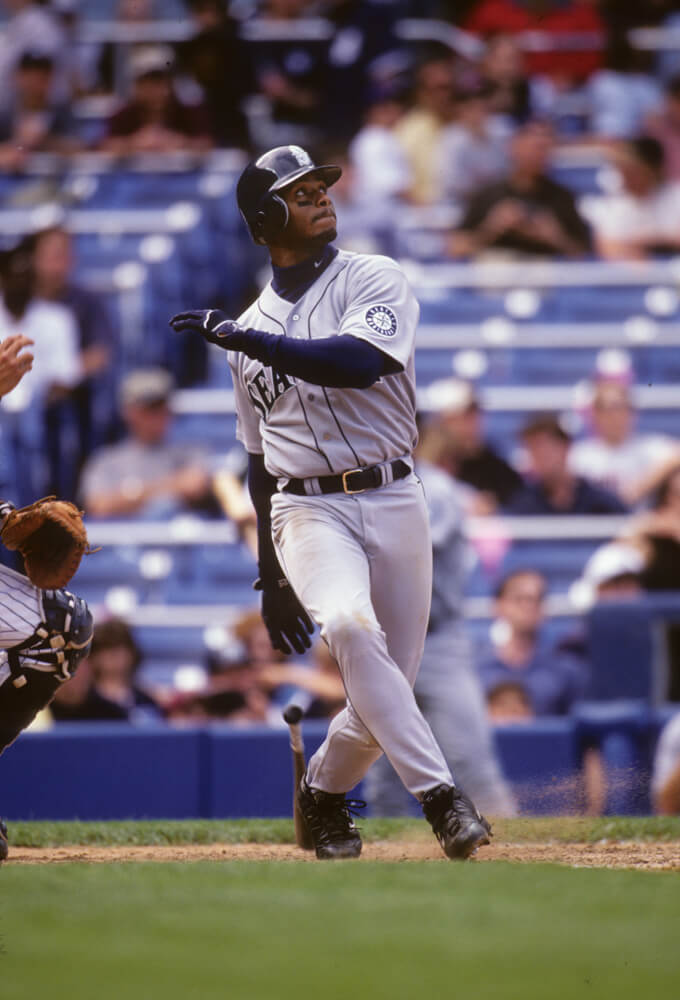
Upper Deck’s debut set introduced tamper-resistant holograms and higher-quality card stock to an industry accustomed to cheaper printing, and Griffey’s rookie card became the flagship image of that shift. The card was produced in far larger numbers than pre-war issues, keeping prices more accessible while still holding steady demand.
Clean copies typically sell in the low hundreds, with pristine graded examples reaching into the thousands.
1990 Leaf Frank Thomas

Issued by a smaller manufacturer competing against Topps and Donruss, this rookie card is frequently overlooked by sellers who assume only Topps-branded cards from the era carry value. Strong copies have sold in the low thousands, a price that regularly surprises collectors unfamiliar with the set’s relative scarcity compared to its more heavily produced competitors.
It is one of the clearer examples of a valuable card hiding behind an unfamiliar brand name.
What a Shoebox Actually Holds
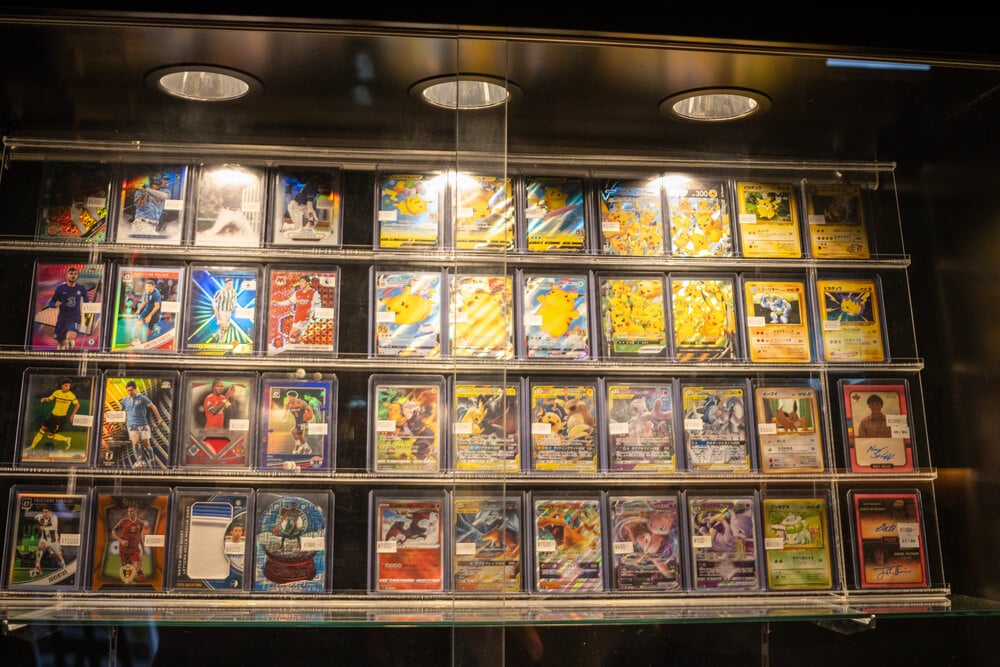
None of these cards look particularly special sitting in a stack, and that is exactly the point. A shortstop who refused to sell cigarettes to children, a rookie season nobody thought to document carefully, a chewing-gum promotion aimed at nine-year-olds: none of it was built to last, and all of it did anyway, purely because someone did not throw the box away.
Checking a closet full of cards costs nothing but an afternoon and a willingness to look up a few numbers printed on cardboard. Most of what turns up will be worth exactly what it looks like.
But the names on this list are common enough, and valuable enough, that skipping the check is the only real mistake left to make.
More from Go2Tutors!

- The Romanov Crown Jewels and Their Tragic Fate
- 13 Historical Mysteries That Science Still Can’t Solve
- Famous Hoaxes That Fooled the World for Years
- 15 Child Stars with Tragic Adult Lives
- 16 Famous Jewelry Pieces in History
Like Go2Tutors’s content? Follow us on MSN.



