15 Largest Deserts and Their Indigenous Communities
Desert landscapes might appear barren and empty to the untrained eye, yet these vast expanses have been home to indigenous communities for thousands of years. From the frozen Antarctic to the scorching Sahara, indigenous peoples have developed remarkable adaptations to thrive in environments that challenge the very limits of human survival. Their deep knowledge of these landscapes — passed down through generations — reveals sophisticated systems of resource management, navigation, and cultural preservation.
The stories of these communities reflect humanity’s incredible ability to adapt and flourish in Earth’s most challenging environments. Here is a list of 15 of the world’s largest deserts and the indigenous peoples who call them home.
Antarctic Desert
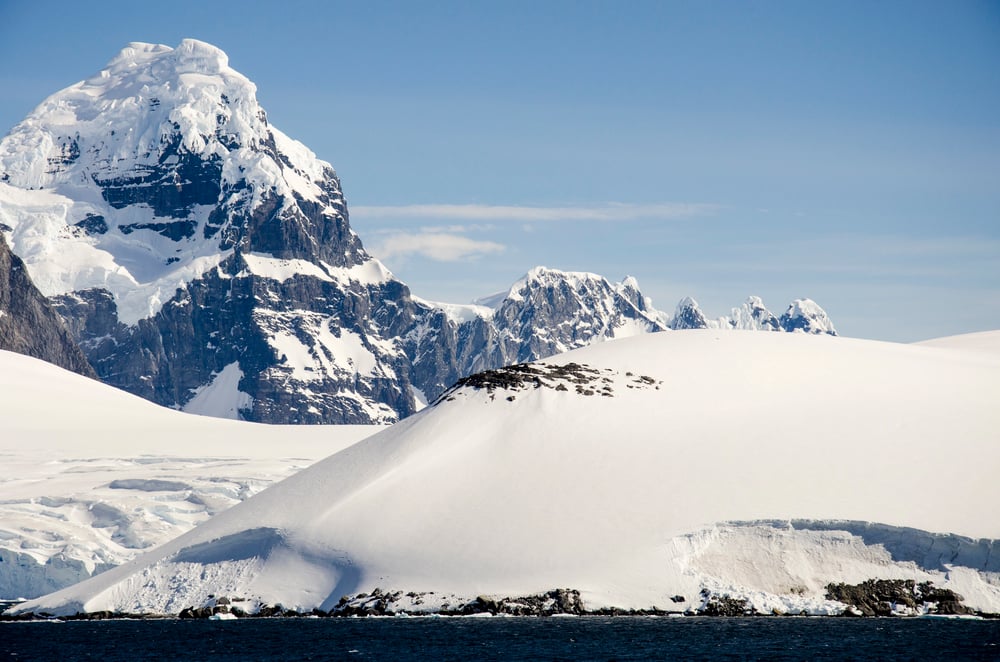
The Antarctic Desert covers 5.5 million square miles. It’s the world’s largest desert, though also the most unusual. While no indigenous communities have ever permanently lived in Antarctica, the continent has been visited and utilized by indigenous peoples from nearby regions for centuries. The Māori of New Zealand, alongside various Pacific Islander groups, maintain traditional stories and knowledge about the southern ice lands. Research stations today include scientists from indigenous communities worldwide — bringing traditional knowledge to climate research and environmental monitoring.
Arabian Desert
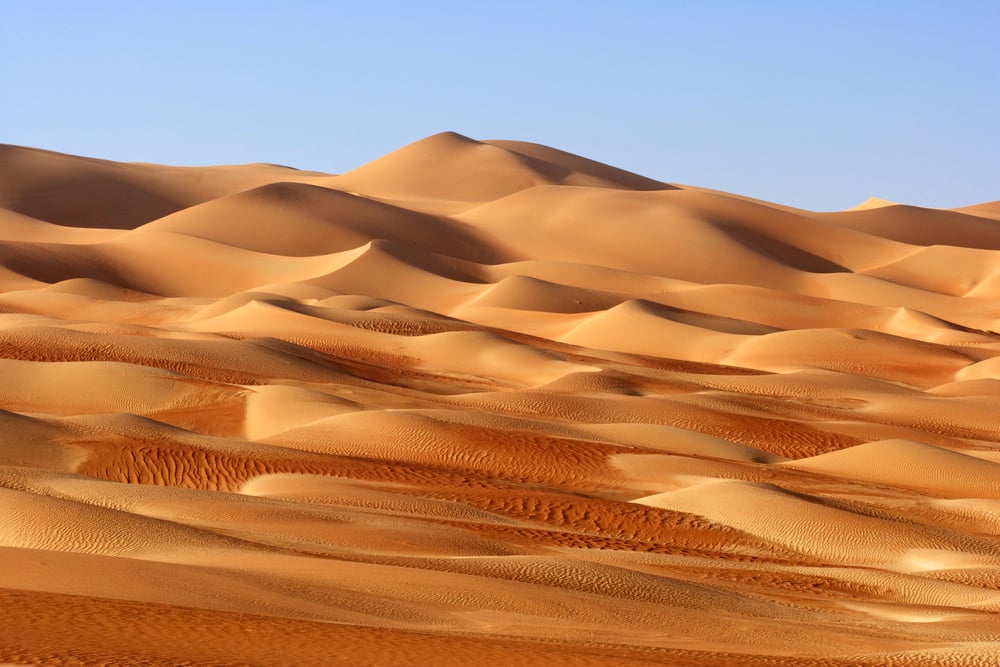
Spanning 900,000 square miles across the Arabian Peninsula, the Arabian Desert includes parts of Saudi Arabia, Oman, the UAE, and Yemen. The Bedouin peoples have been the primary indigenous inhabitants for millennia. They’ve developed a sophisticated nomadic culture perfectly adapted to desert life. Their traditional lifestyle centers around camel herding, seasonal migration patterns — plus an intricate knowledge of water sources and navigation by stars. The Bedouin social structure emphasizes hospitality, oral poetry, and collective decision-making that’s enabled survival in one of Earth’s harshest environments.
Sahara Desert
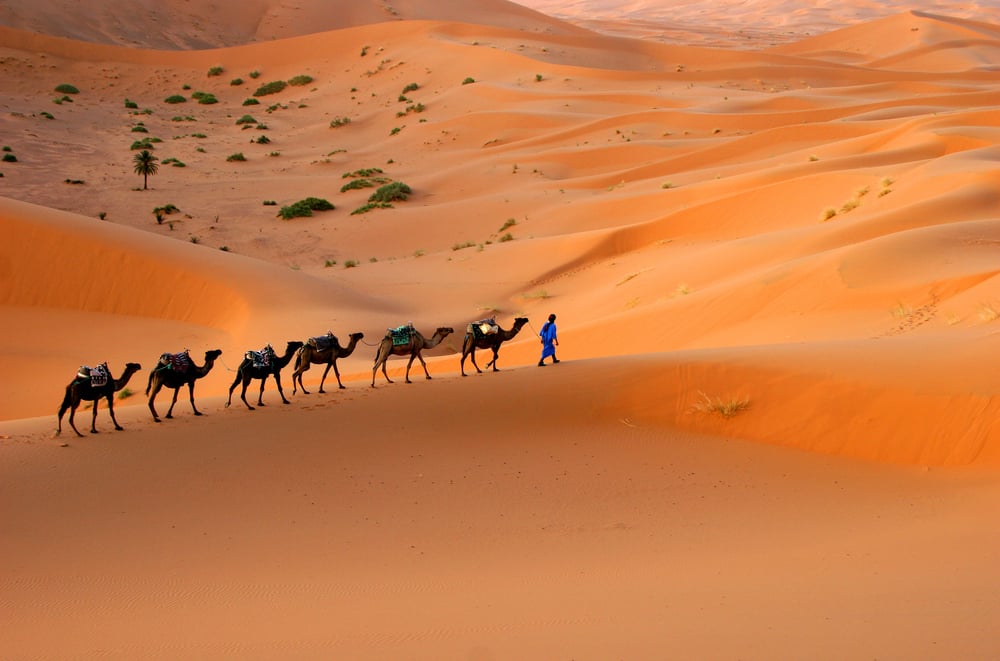
The Sahara is the largest subtropical desert in the world, clocking in at 3.5 million square miles and spanning eleven countries. The Tuareg people are a large Berber ethnic group — traditionally nomadic pastoralists — who principally inhabit the Sahara in a vast area stretching from far southwestern Libya to southern Algeria, Niger, Mali, Burkina Faso, and as far as northern Nigeria. Known as the ‘Blue People’ for their distinctive indigo veils, the Tuareg have maintained their traditional culture through centuries of change. Their society operates on a sophisticated caste system. They’re renowned for their skills in navigation, metalwork, and long-distance trade across the desert.
Great Australian Desert
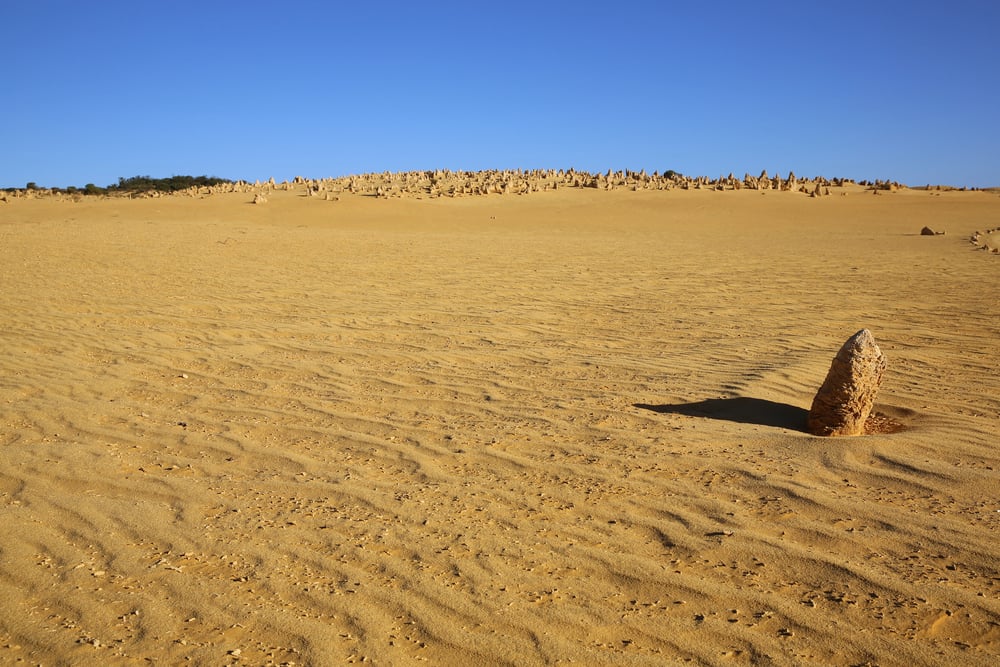
The Great Australian Desert covers an area of 1,371,000 square kilometers — including notable regions like the Great Victoria Desert and Simpson Desert. The Western Desert cultural bloc covers about 600,000 square kilometres in central Australia. It describes a group of linguistically and culturally similar Aboriginal Australian nations. These include groups like the Martu, Pintupi, and Pitjantjatjara peoples who’ve lived in the desert for over 50,000 years. Their traditional lifestyle involves sophisticated fire management, seasonal movement patterns — and an encyclopedic knowledge of desert plants and animals that they call ‘bush tucker.’
Gobi Desert
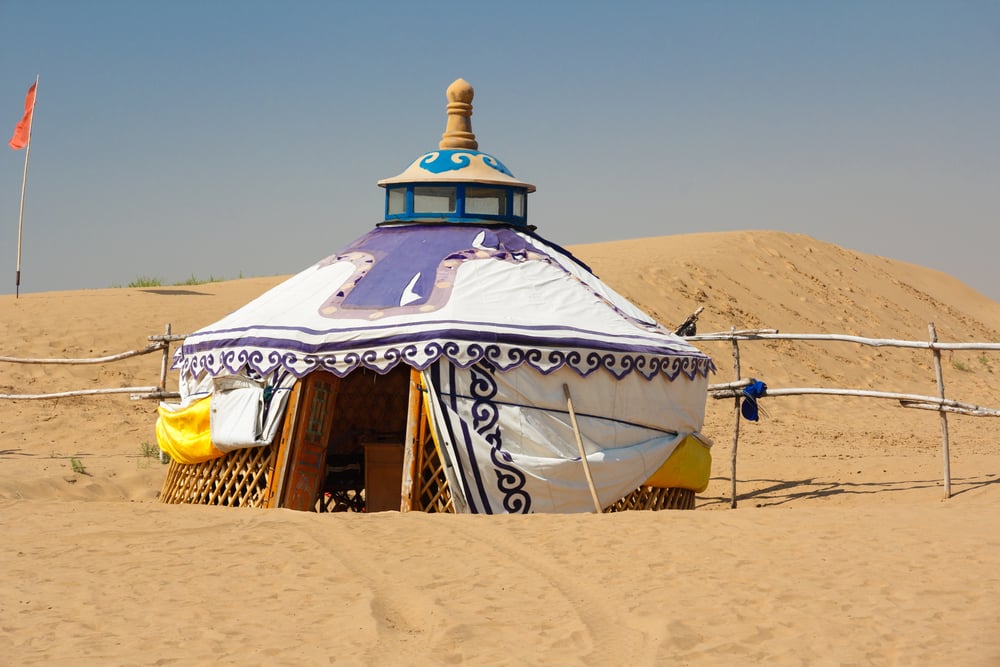
The Gobi Desert spans parts of Mongolia and China, measuring 0.5 million square miles. Traditional Mongolian herders have lived in and around the Gobi for centuries. They practice a nomadic lifestyle centered on raising sheep, goats, camels, and horses. These communities follow ancient migration routes that change with the seasons — and their traditional gers (yurts) are specifically designed to withstand the desert’s extreme temperature swings. The herders possess deep knowledge of weather patterns and animal behavior that’s been crucial for survival in this challenging environment.
Patagonian Desert
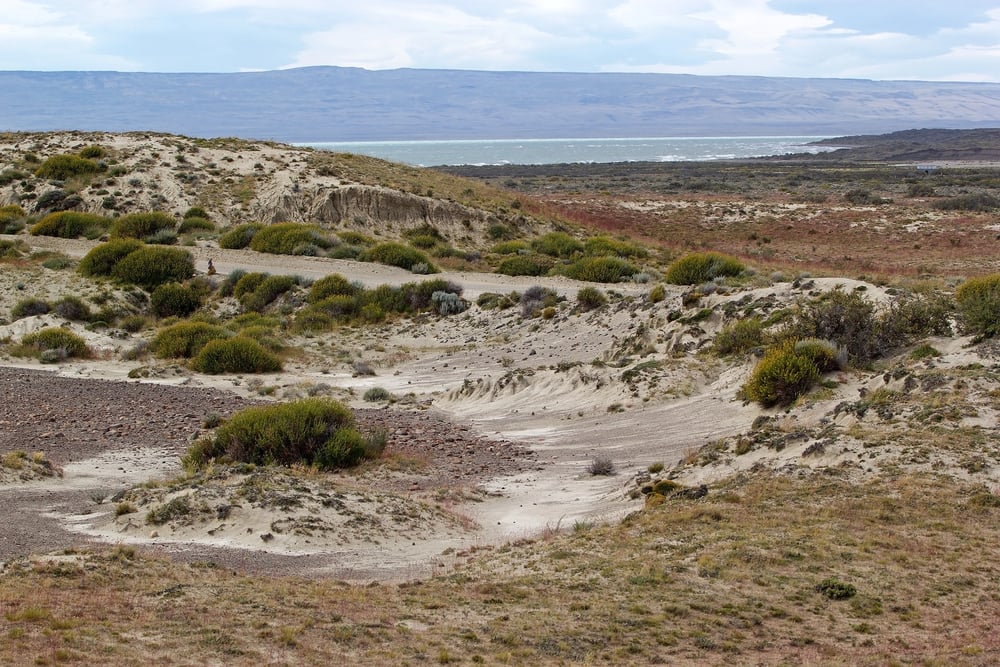
Located in Argentina, the Patagonian Desert measures roughly 0.26 million square miles. The Tehuelche people have inhabited this windswept landscape for thousands of years — developing a culture adapted to the cold, semi-arid environment. They were traditionally hunter-gatherers who followed seasonal migrations of guanaco and other wildlife. The Tehuelche are also known for their rock art, including the famous cave paintings at Cueva de las Manos — which provide insight into their ancient cultural practices and spiritual beliefs.
Great Victoria Desert
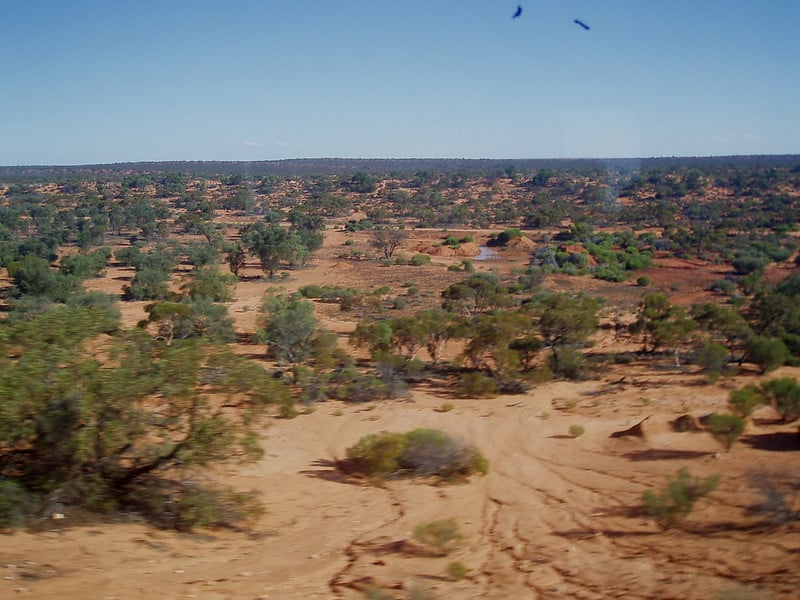
The Great Victoria Desert ranks among the most remote and least densely populated areas in Australia. It’s inhabited by several Indigenous Australian communities who’ve maintained connections to this land for tens of thousands of years. Groups like the Mirning people along the Nullarbor coast have maintained their cultural connections to the country despite colonization challenges. These communities practice traditional fire management, seasonal hunting — and maintain sacred sites throughout the desert. Their knowledge of water sources and seasonal food availability has been essential for survival in this harsh environment.
Great Basin Desert
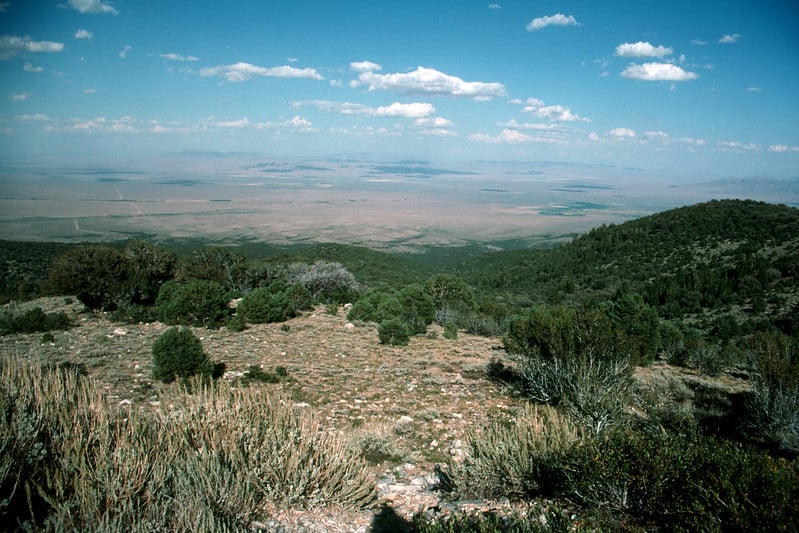
The Great Basin Desert, the largest desert in the United States, covers an area of 190,000 square miles. Native American tribes including the Shoshone, Paiute, and Washoe peoples have lived in this high-elevation desert for thousands of years. These communities developed sophisticated seasonal movement patterns — following the availability of pine nuts, seeds, and other desert resources. Their traditional knowledge includes detailed understanding of plant medicines, basket weaving from native grasses — and sustainable hunting practices that maintained ecological balance.
Chihuahuan Desert
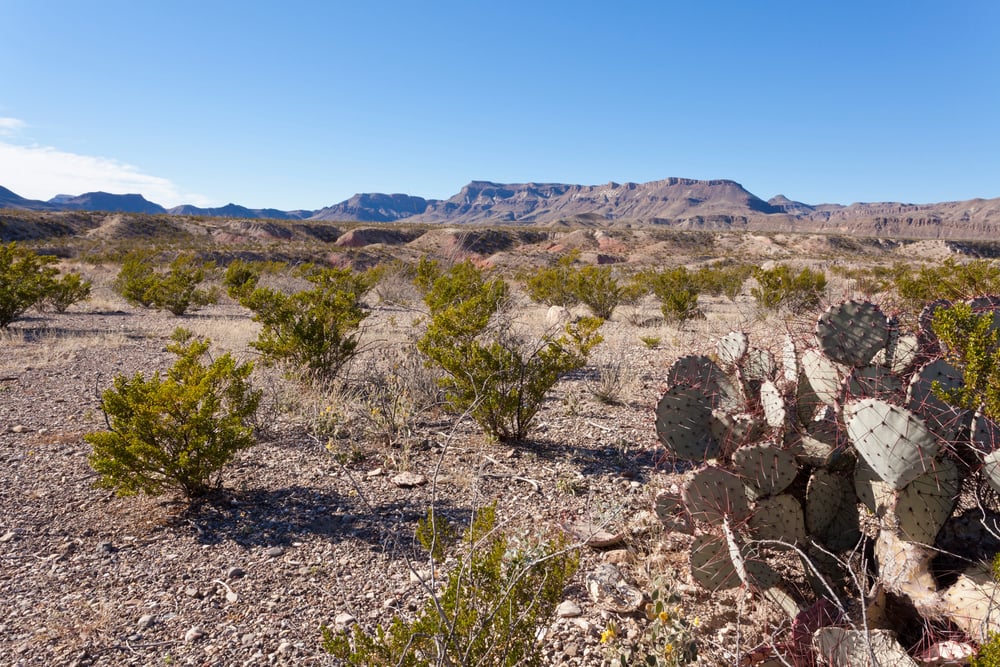
The Chihuahuan Desert spans 453,248 square kilometers across Mexico and the United States. This makes it North America’s largest desert. Various indigenous groups including the Rarámuri (Tarahumara), Apache, and Comanche peoples have traditional connections to this desert. The Rarámuri people are particularly known for their long-distance running abilities — and their sustainable agricultural practices that work with the desert’s seasonal rainfall patterns. They cultivate corn, beans, and squash using traditional terracing methods that prevent erosion.
Sonoran Desert
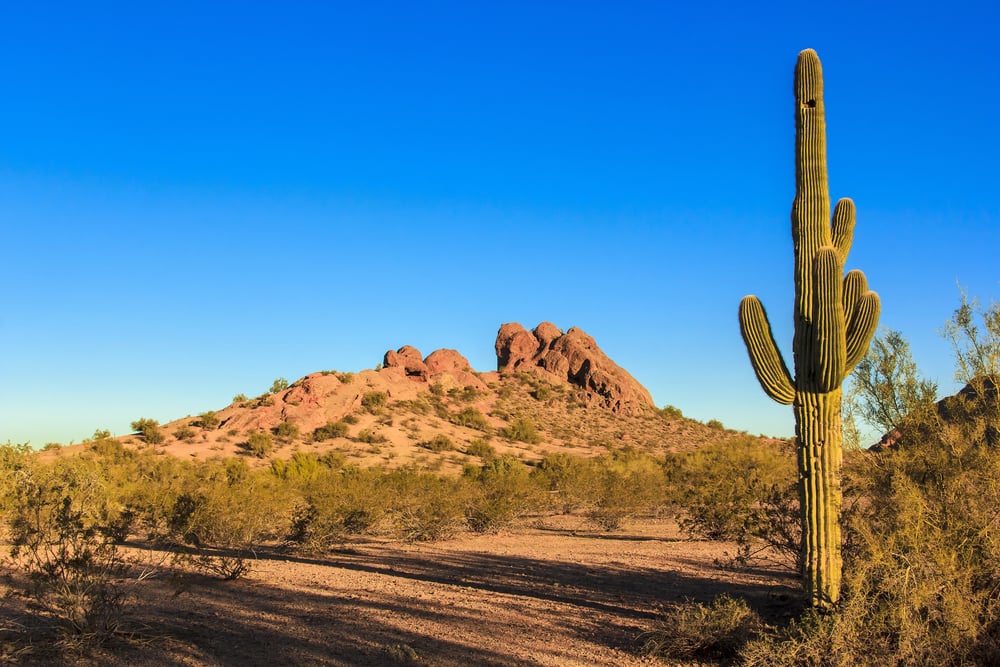
The Sonoran Desert covers approximately 120,000 square miles across Arizona, California, and northwestern Mexico. It’s home to several indigenous communities. The Tohono O’odham Nation has lived in this desert for over 4,000 years — developing sophisticated agricultural techniques adapted to the bimodal rainfall pattern. They cultivate traditional crops like tepary beans and harvest saguaro cactus fruits, which are central to their cultural ceremonies. The Tohono O’odham have maintained detailed ecological calendars that track seasonal changes and resource availability throughout the desert.
Karakum Desert
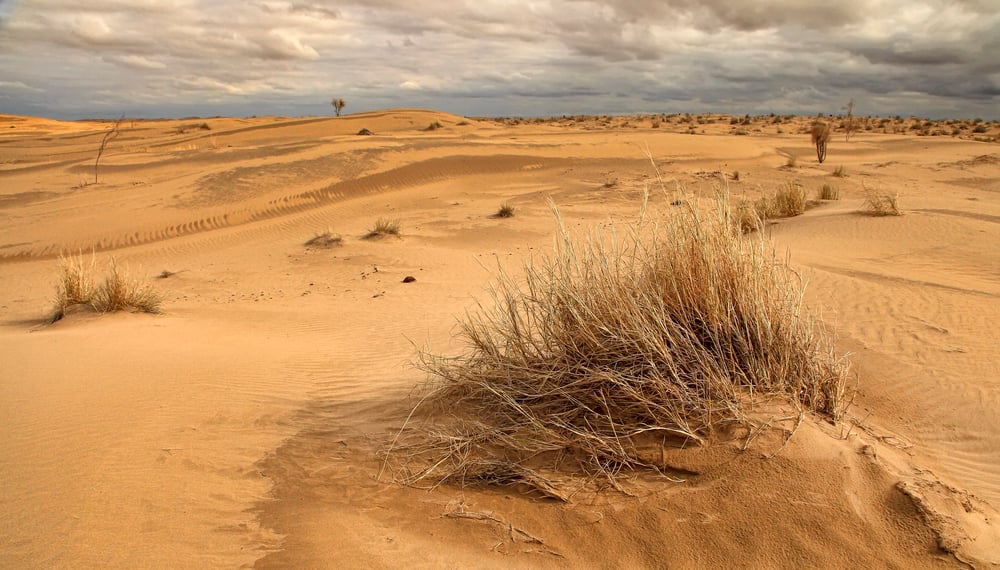
The Karakum Desert spans 350,000 square kilometers in Turkmenistan. Turkmen nomadic tribes have traditionally lived here, practicing a pastoral lifestyle based on sheep, goat, and camel herding. These communities developed portable felt dwellings along with a social organization based on clan relationships that facilitated resource sharing during difficult times. Traditional Turkmen culture includes intricate carpet weaving, oral poetry, plus horse breeding that reflects their deep adaptation to desert life.
Kalahari Desert
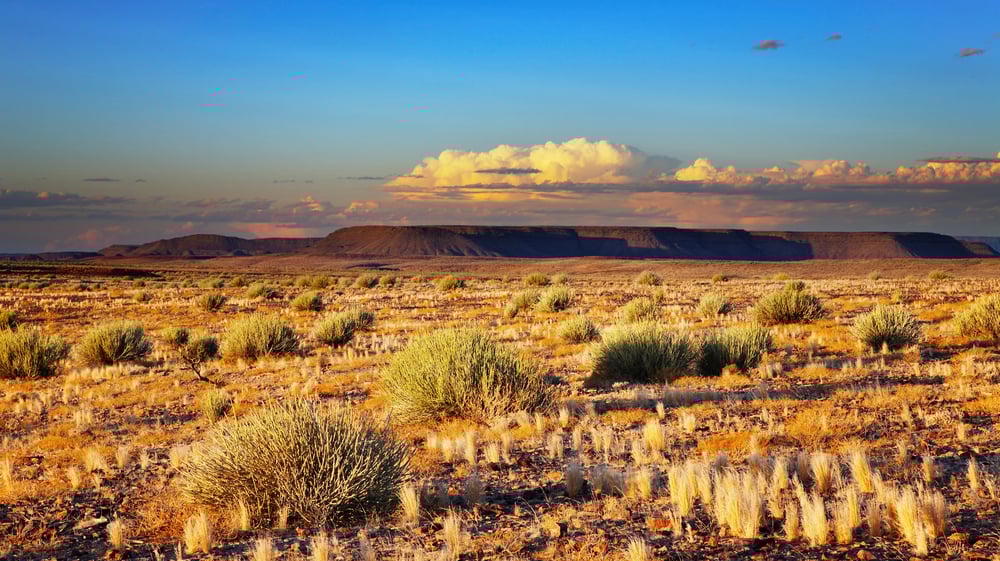
The Kalahari Desert stretches south from Angola through sections of Namibia, Botswana, and South Africa. The San (Bushmen), who’ve called the desert home for over 20,000 years, are Indigenous hunter-gatherer peoples thought to be the oldest residents of southern Africa. The San people possess one of the world’s most sophisticated tracking and hunting systems — able to follow animal tracks across vast distances and identify individual animals by their footprints. Their traditional knowledge includes detailed understanding of desert plants for food and medicine, while their click languages represent some of humanity’s oldest linguistic traditions.
Thar Desert
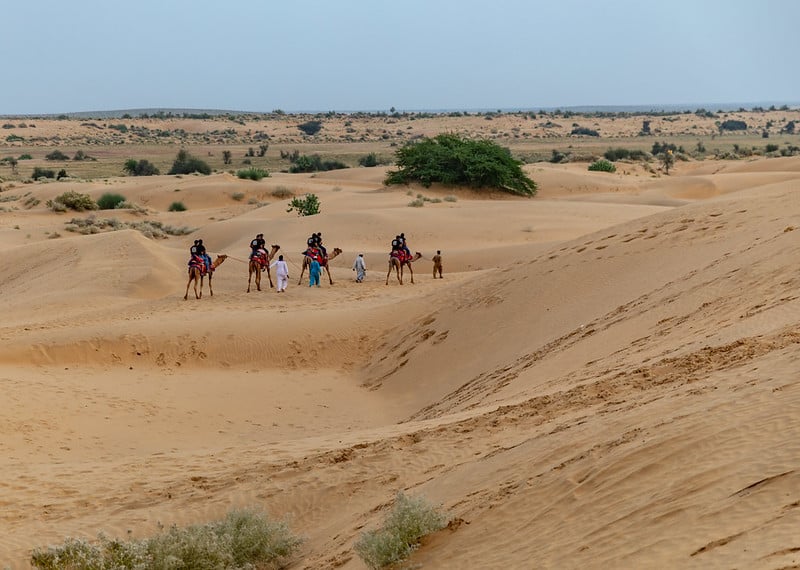
The Thar Desert spans approximately 77,000 square miles across India and Pakistan. It’s home to various Rajasthani communities and the Sindhi people. These groups have developed remarkable water conservation techniques, including traditional rainwater harvesting systems and the construction of stepwells. The communities practice traditional pastoralism with camels, goats, and sheep. They’ve maintained vibrant cultural traditions including folk music, dance, and textile production that reflect their desert heritage.
Gibson Desert
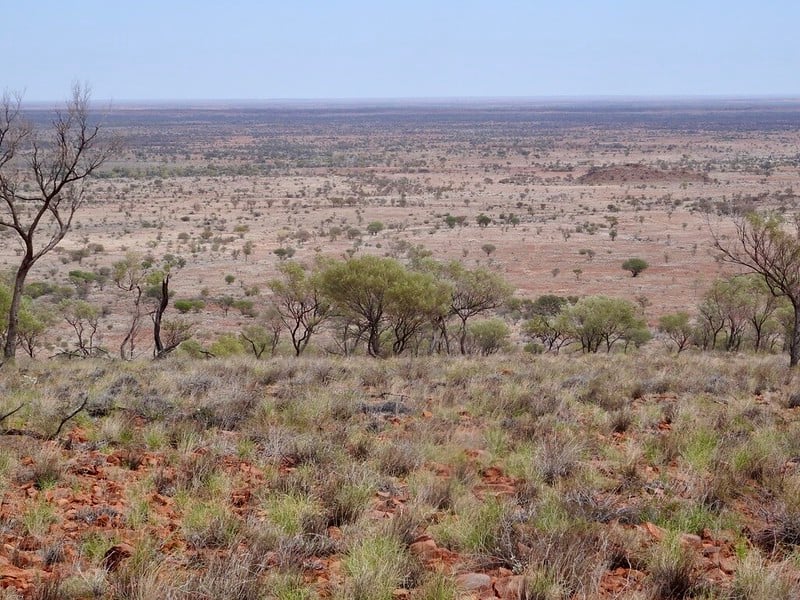
The Gibson Desert in central Western Australia covers about 60,000 square miles. It’s a traditional country for several Aboriginal groups including the Pintupi and other Western Desert peoples. These communities were among the last to have contact with European settlers, with some groups maintaining traditional lifestyles into the 1980s. Their traditional knowledge encompasses sophisticated fire management practices, seasonal movement patterns, plus detailed understanding of desert ecology that modern conservation efforts are increasingly recognizing and incorporating.
Strzelecki Desert
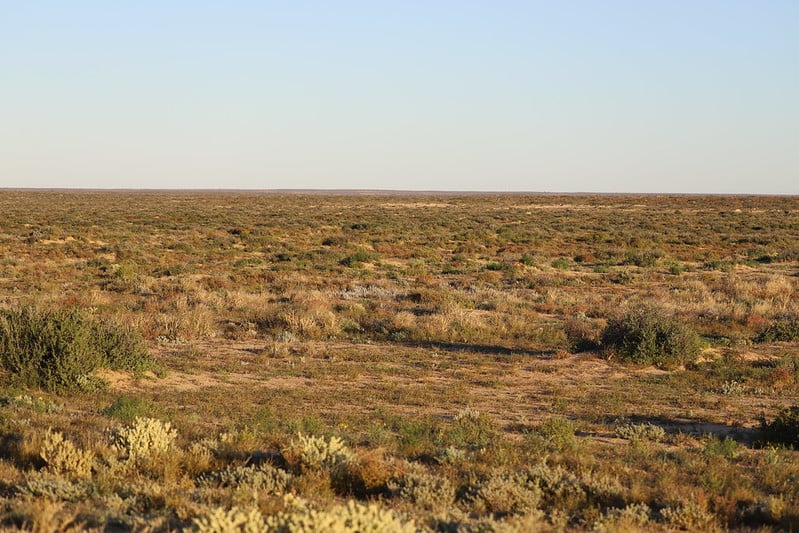
The Strzelecki Desert in South Australia covers approximately 31,000 square miles. It’s a traditional country for the Diyari and Adnyamathanha peoples. These communities developed sophisticated systems for finding and managing water in this arid landscape — including knowledge of seasonal springs and underground water sources. Traditional practices include the harvesting of native grass seeds, hunting techniques adapted to desert animals, and complex kinship systems that regulated access to resources across different clan territories.
Living Traditions in Harsh Landscapes
— Photo by natalia.milko@gmail.com
The indigenous communities of the world’s largest deserts represent some of humanity’s most remarkable adaptations to extreme environments. From the Tuareg’s navigation skills across the Sahara to the San people’s tracking abilities in the Kalahari, these cultures have developed sophisticated knowledge systems that enabled not just survival — but thriving civilizations in places where others saw only emptiness. Today, as climate change threatens these already fragile ecosystems, the traditional knowledge held by indigenous desert communities becomes increasingly valuable for understanding sustainable relationships with harsh landscapes. Their continued presence in these deserts serves as a testament to human resilience and the deep connections that can develop between people and even the most challenging places on Earth.
More from Go2Tutors!

- 16 Historical Figures Who Were Nothing Like You Think
- 12 Things Sold in the 80s That Are Now Illegal
- 15 VHS Tapes That Could Be Worth Thousands
- 17 Historical “What Ifs” That Would Have Changed Everything
- 18 TV Shows That Vanished Without a Finale
Like Go2Tutors’s content? Follow us on MSN.