27 Ancient Cities Buried and Forgotten Until They Were Accidentally Rediscovered
Some cities die slowly. Others simply vanish.
One day, tens of thousands of people walk through markets and temples. The next—after an earthquake or eruption or deliberate destruction—the city becomes a ghost.
Centuries pass. Forests grow over the ruins.
Locals forget that anything was ever there. Then someone digging a well, building a road, or exploring caves stumbles across proof that an entire civilization once thrived in the exact spot they stand.
These rediscoveries haven’t just added archaeological footnotes. They’ve rewritten maps and reshaped understanding of human civilization.
Pompeii, Italy—1748
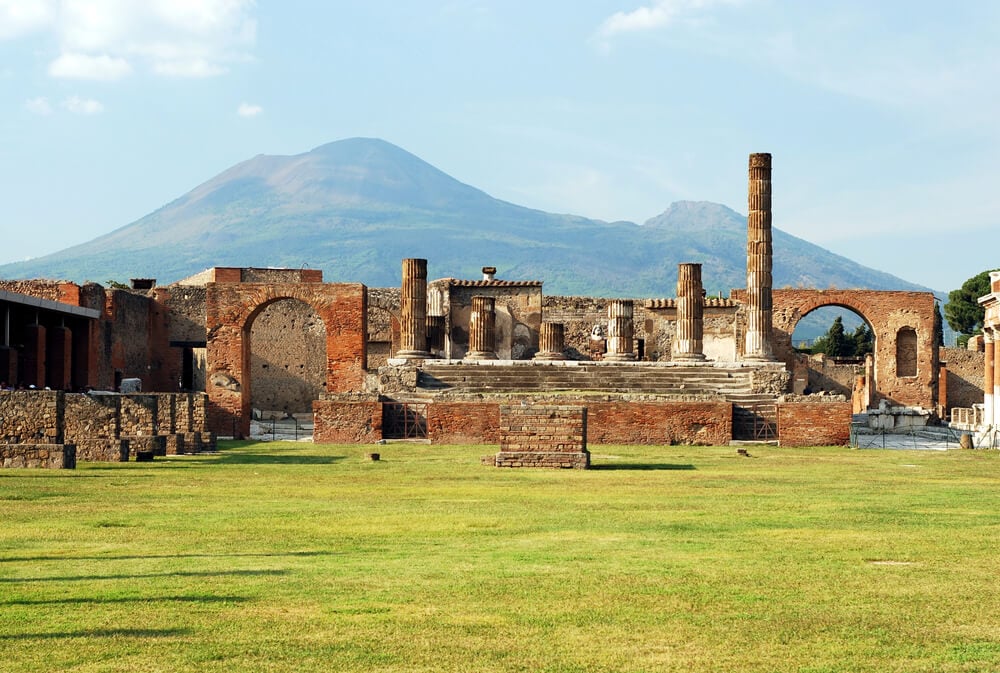
Workers digging a well struck volcanic ash and found preserved homes from 79 AD. What started as accidental discovery became the most detailed window into Roman daily life ever found.
The ash had fossilized Pompeii so completely that graffiti on walls, the contents of shops, and even the shapes of bodies remained intact. Centuries of historical speculation about Roman life were confirmed or contradicted by this single city’s preservation.
Herculaneum, Italy—1709
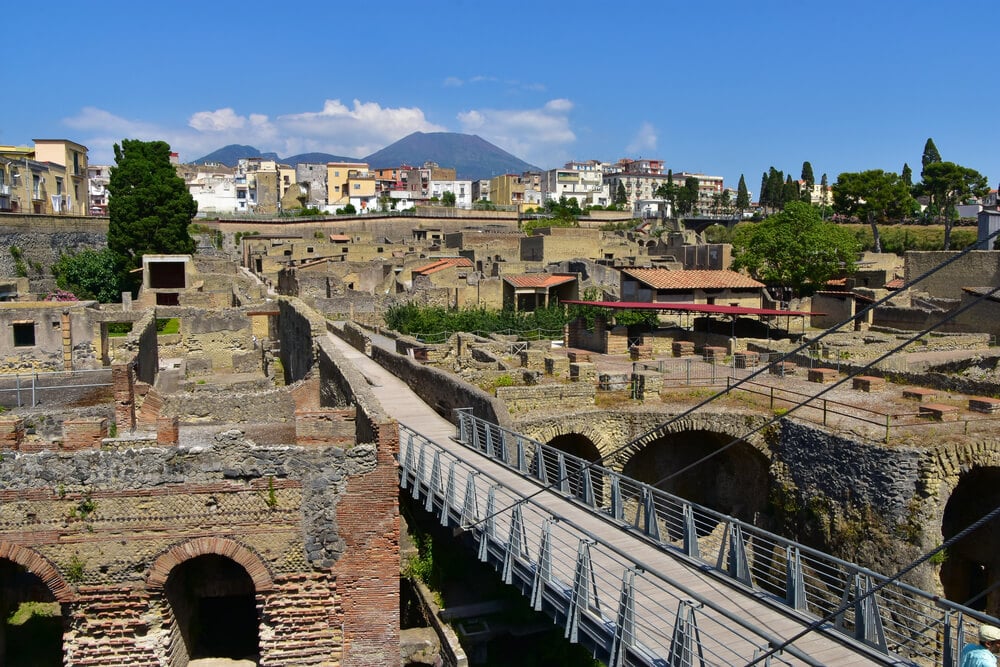
A farmer digging a well hit marble—the ceiling of a buried theater. The discovery sparked excavations that revealed a city even better preserved than Pompeii.
Wooden beams, papyrus scrolls, and organic materials survived the pyroclastic surge intact. The city spent 1,600 years invisible before a construction project accidentally pierced its tomb.
Angkor, Cambodia—1860
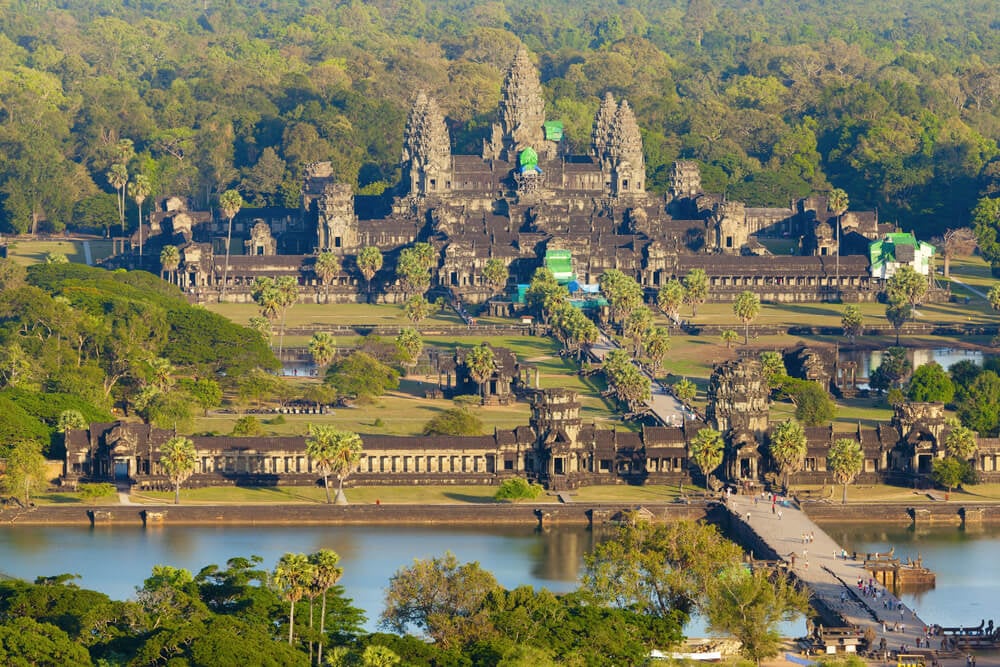
French explorer Henri Mouhot believed he discovered a lost city while actually rediscovering one locals had never forgotten. European attention to Angkor Wat was new; the Cambodian people had always known it was there.
But the European “discovery” launched international interest, transformed Angkor’s status in the historical record, and eventually led to its preservation as a World Heritage site. Sometimes rediscovery is more about attention than about actually finding something new.
Machu Picchu, Peru—1911
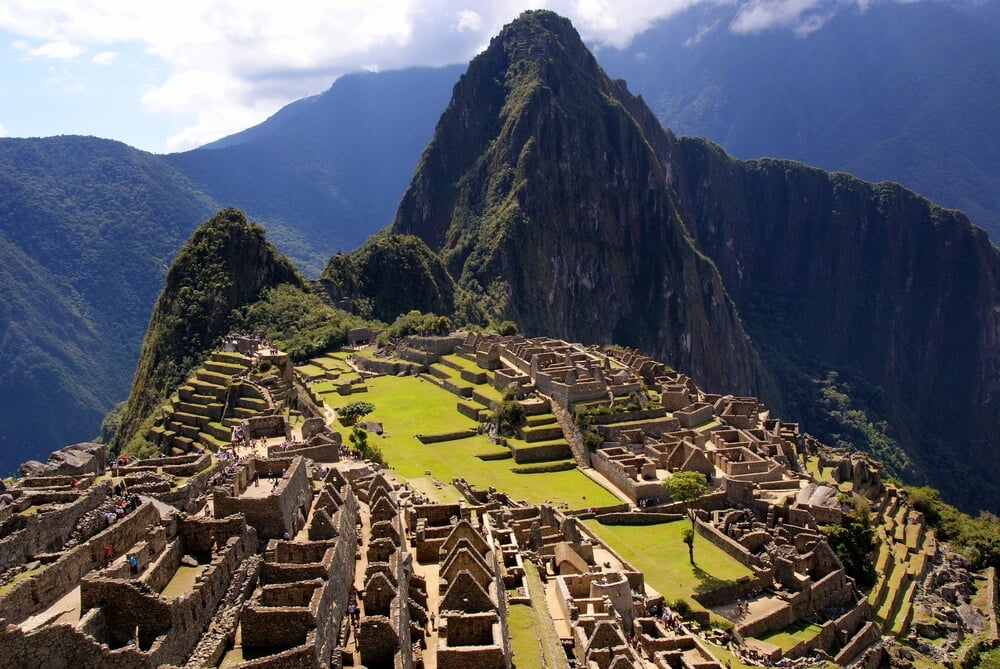
American historian Hiram Bingham announced the discovery of the “Lost City of the Incas,” but local people had never lost it. Shepherds grazed animals on its terraces.
Local residents knew the ruins existed. The discovery was Bingham’s—not the city’s—but the announcement launched global fascination with Incan architecture and engineering.
What had been a local landmark became a world-famous mystery.
Troy, Turkey—1870
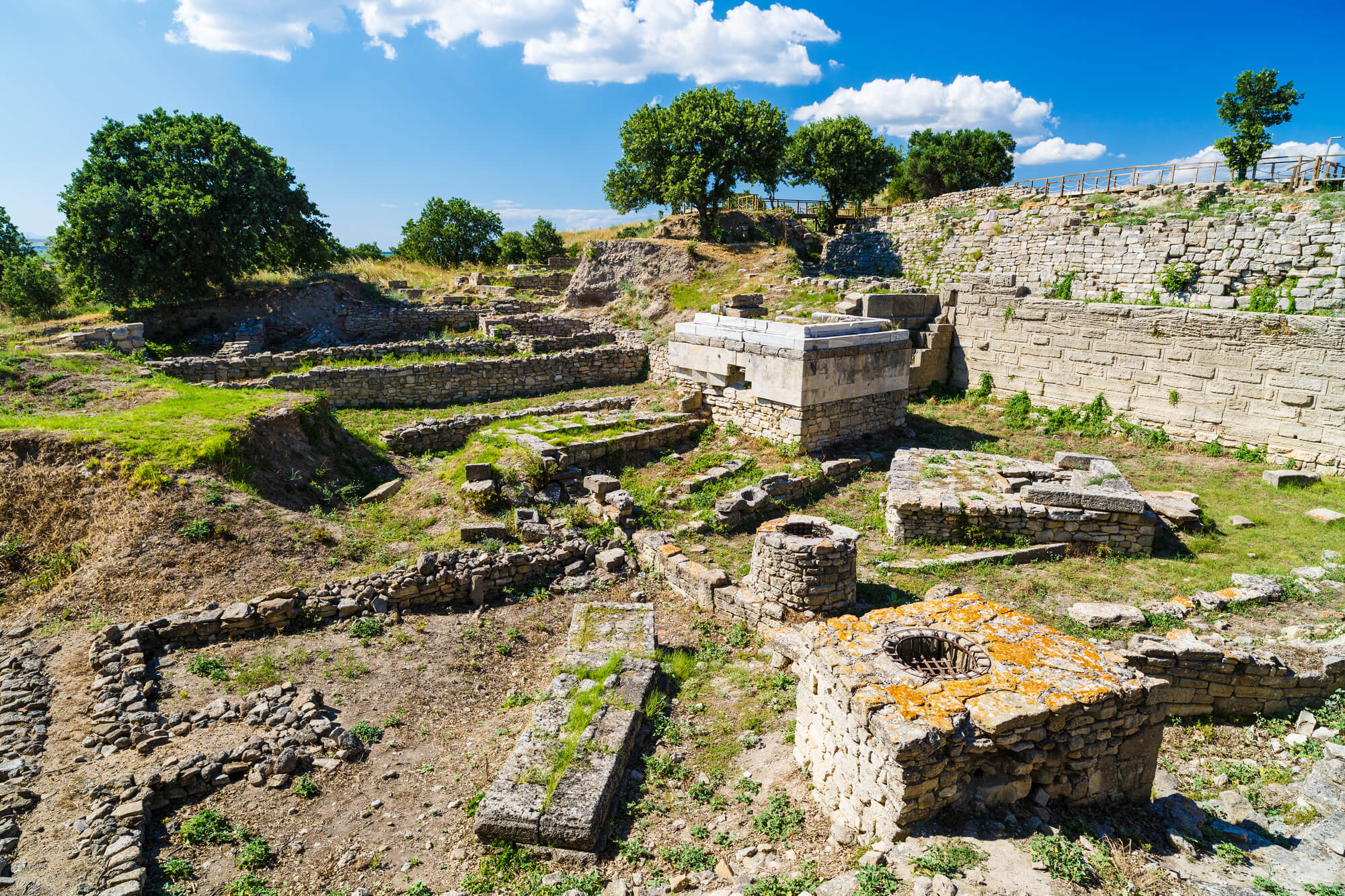
Archaeologist Heinrich Schliemann found the remains of Troy, previously thought to be purely mythological. The city described in Homer’s Iliad had actually existed.
The discovery vindicated ancient sources and proved that archaeology could ground mythology in reality. Schliemann’s work transformed how scholars approached classical literature—if Troy was real, what else in ancient texts might be accurate?
Nineveh, Iraq—1840
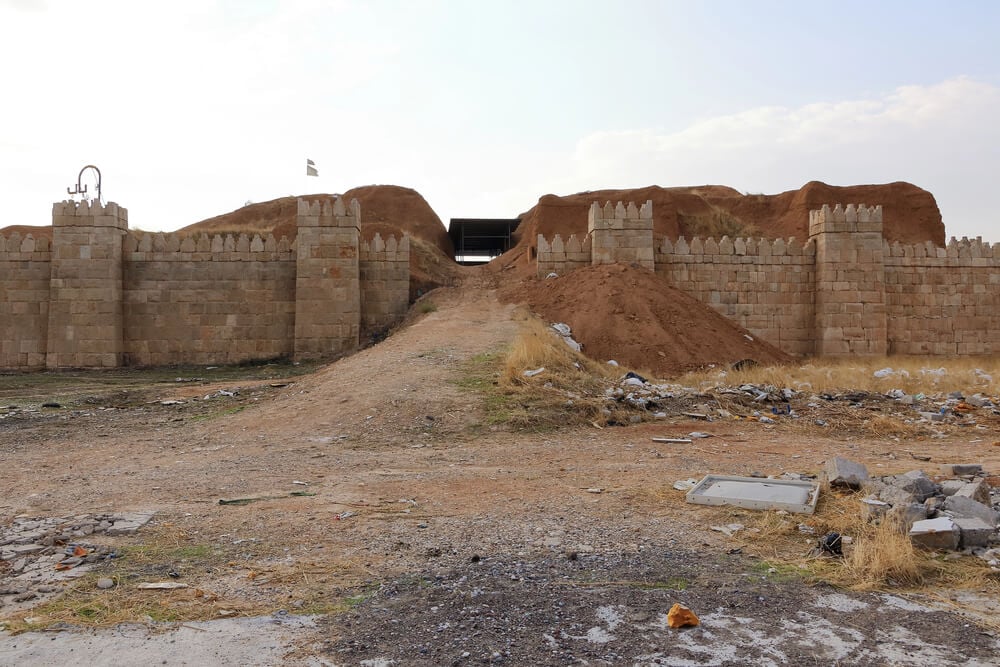
Austin Henry Layard discovered cuneiform tablets in massive libraries. The rediscovery of Assyrian civilization, buried under sand and forgotten for 2,000 years, gave scholars access to thousands of documents that revealed the Assyrian Empire’s complexity, philosophy, and administration.
A civilization erased from living memory was suddenly speaking to us through ancient writing.
Babylon, Iraq—1902
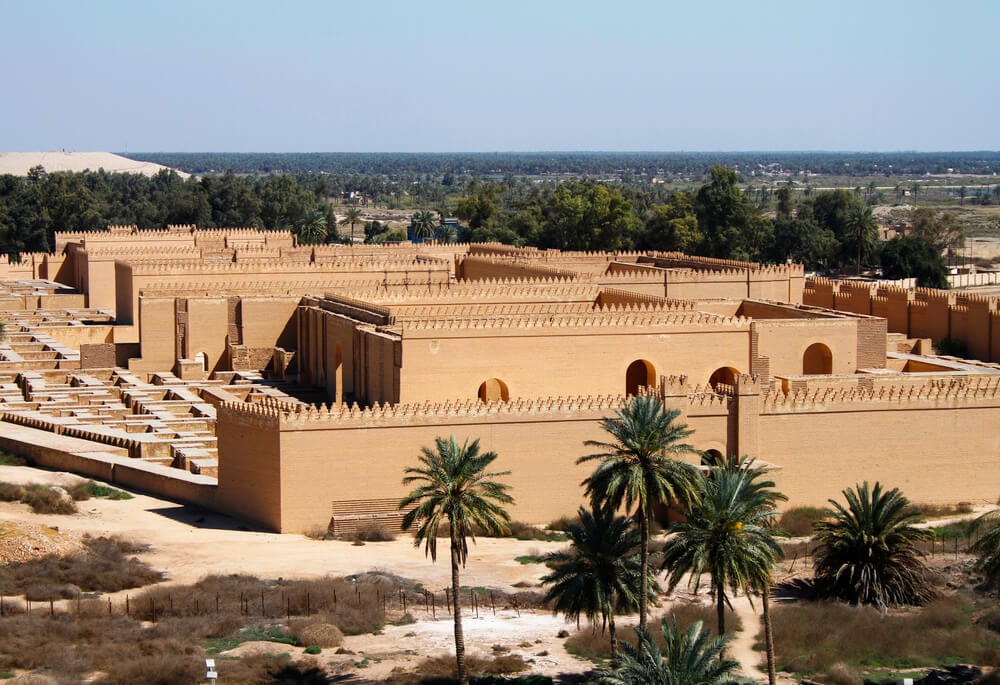
Robert Koldewey’s excavations revealed the city that appeared throughout biblical texts and Greek histories. The rediscovery of Babylon’s physical remains contradicted some historical accounts and confirmed others.
The Ishtar Gate, the streets of Nebuchadnezzar—all emerged from beneath desert soil. A city that had seemed legendary became tangible.
Persepolis, Iran—1930s
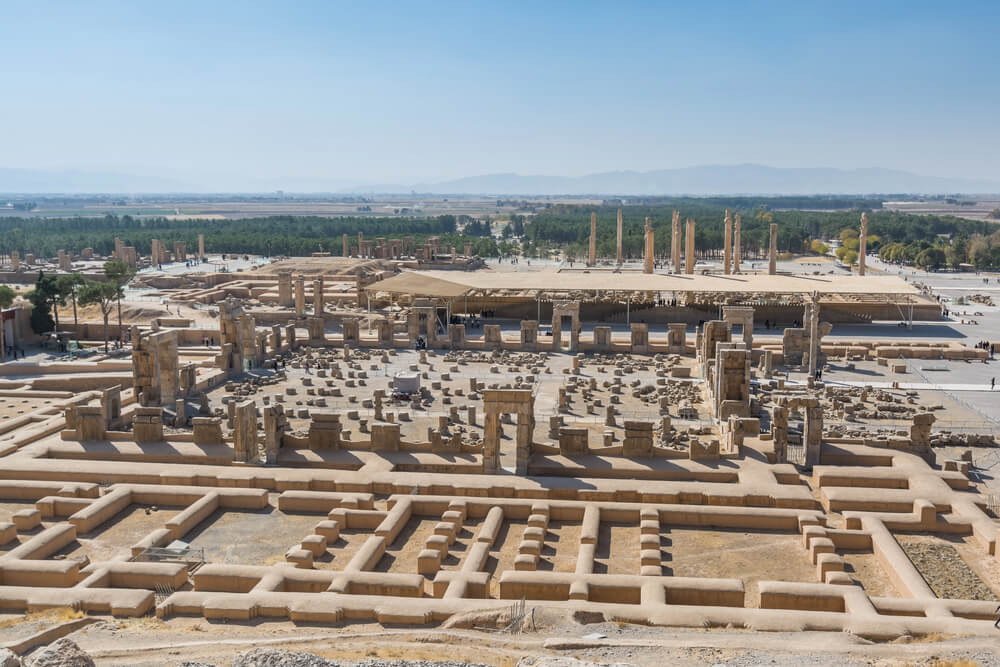
Decades of excavation revealed the capital of the Achaemenid Persian Empire, destroyed by Alexander the Great 2,300 years prior. The ruins showed a city of stunning architecture and sophisticated administration.
The rediscovery challenged Greek historical accounts that painted Persia as barbarous and less civilized than Greece. The physical evidence told a different story than the Greek written record.
Cahokia, North America—1960s
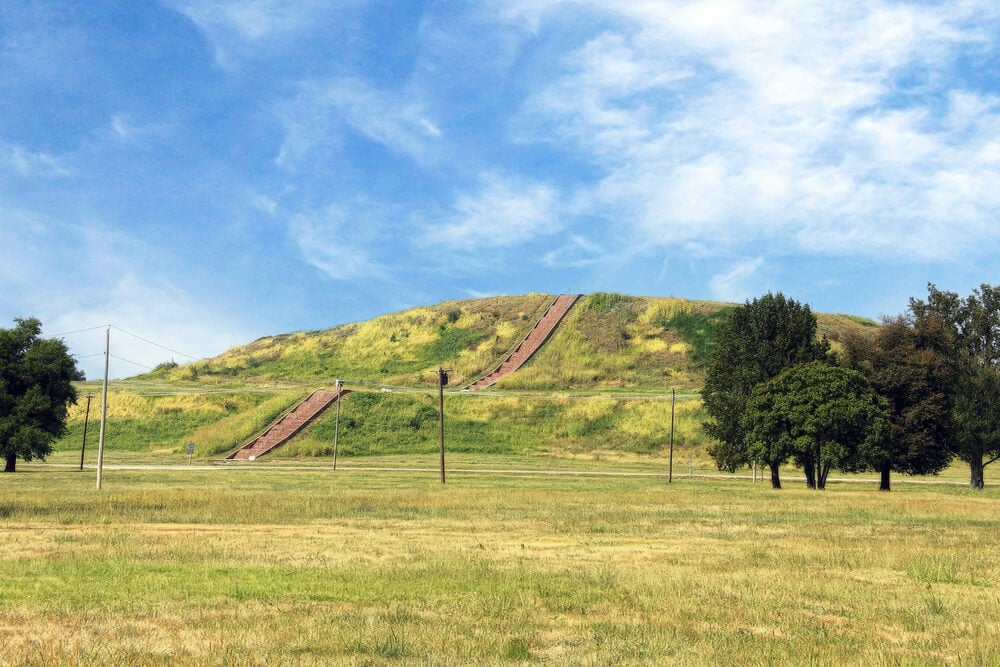
Excavations of the earthen mounds near St. Louis revealed a pre-Columbian city larger than contemporary London. Cahokia had been a center of Mississippian civilization with complex trade networks, sophisticated architecture, and a population exceeding 10,000.
The city had been abandoned for reasons still debated. The rediscovery overturned narratives that the Americas were sparsely populated before European arrival.
Mohenjo-Daro, Pakistan—1920
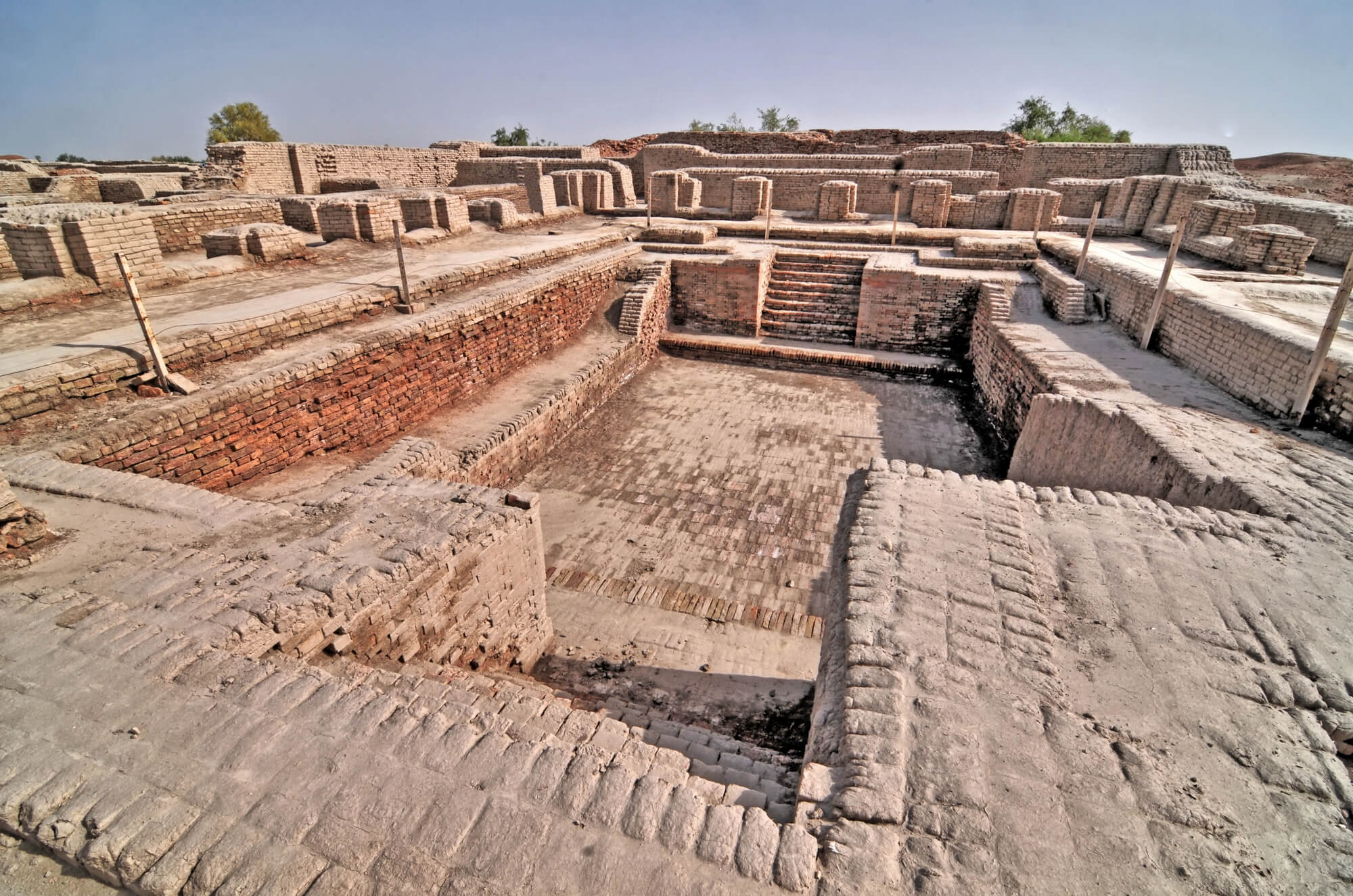
Archaeologists discovered ruins of an Indus Valley Civilization city with sophisticated urban planning, a drainage system more complex than some medieval cities, and a writing system still undeciphered. The planned streets and standardized weights and measures suggested a civilization that rivaled Egypt and Mesopotamia in organization.
The rediscovery overturned assumptions about which civilizations were “advanced.”
Timbuktu, Mali—1828
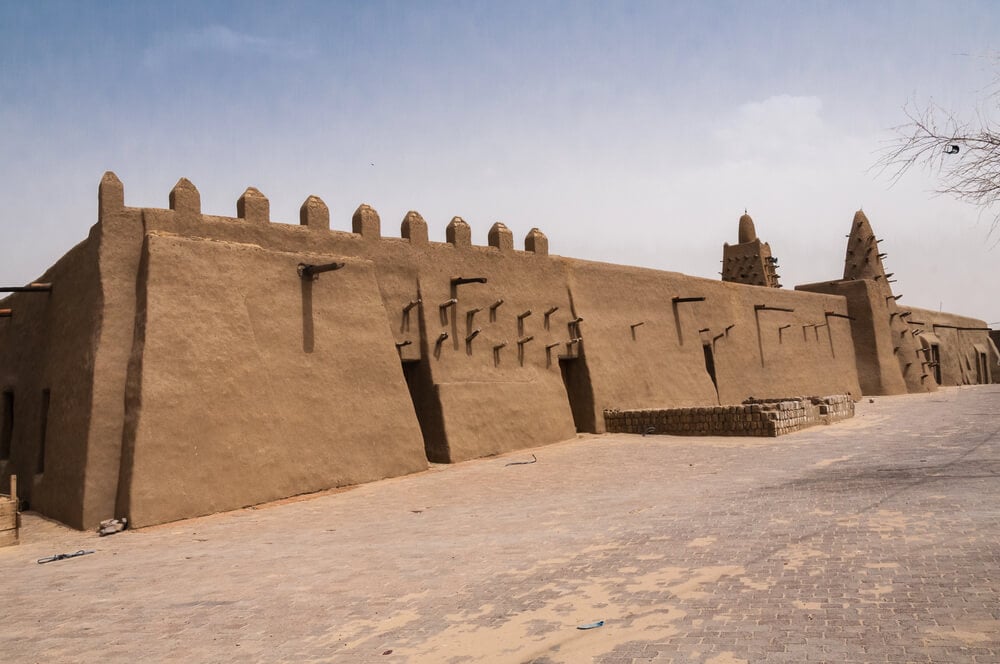
European explorers “discovered” a city that had been a major trading hub and center of Islamic scholarship for centuries. The libraries in Timbuktu contained thousands of manuscripts in Arabic.
The rediscovery by Europeans was primarily a matter of attention—local people had always known Timbuktu existed, but European interest transformed its status in the global consciousness.
Petra, Jordan—1812
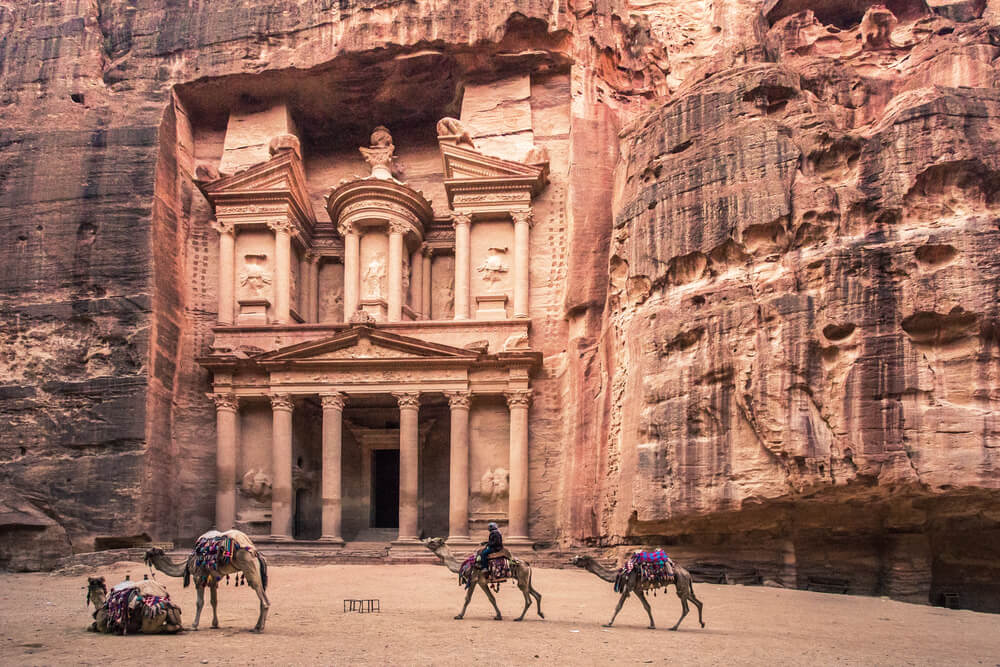
Swiss explorer Johann Burckhardt rediscovered a city carved entirely from rose-red sandstone that had been hidden in a remote valley for 500 years. The city served the Nabataean people as a major trade hub.
The rediscovery opened Petra to archaeological investigation and eventually to tourism, transforming its status from local landmark to world heritage site.
Teotihuacan, Mexico—1500s Onward
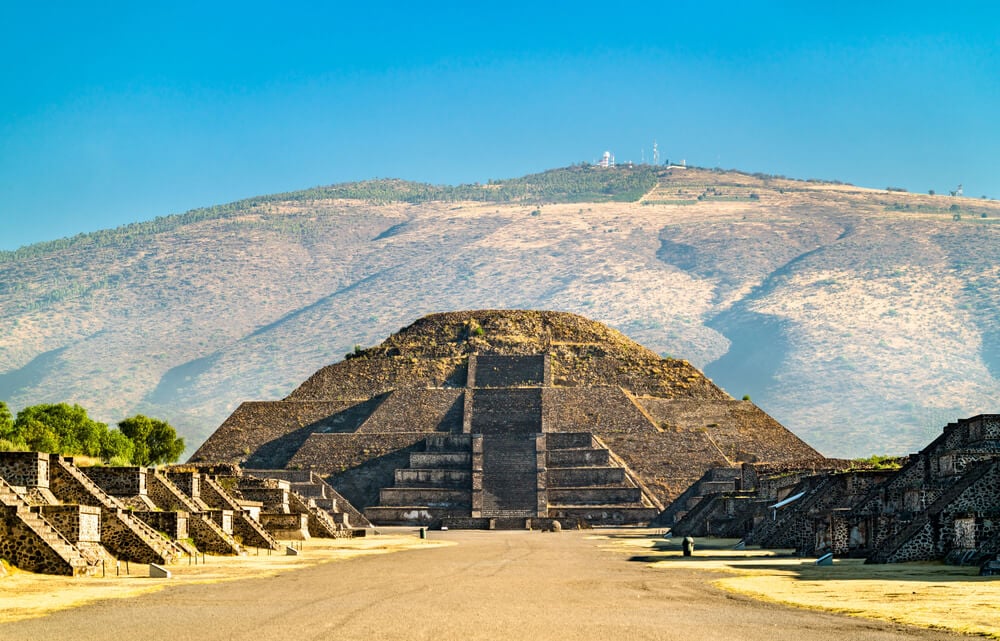
Spanish conquistadors were unaware they walked through the streets of a massive pre-Aztec city that had been abandoned 1,000 years earlier. Archaeological investigation revealed a metropolis of 125,000 people.
The city had been so thoroughly abandoned that even the Aztecs who came after didn’t understand who built it. Centuries of investigation have still not definitively answered the question of Teotihuacan’s builders’ identity.
Çatalhöyük, Turkey—1961
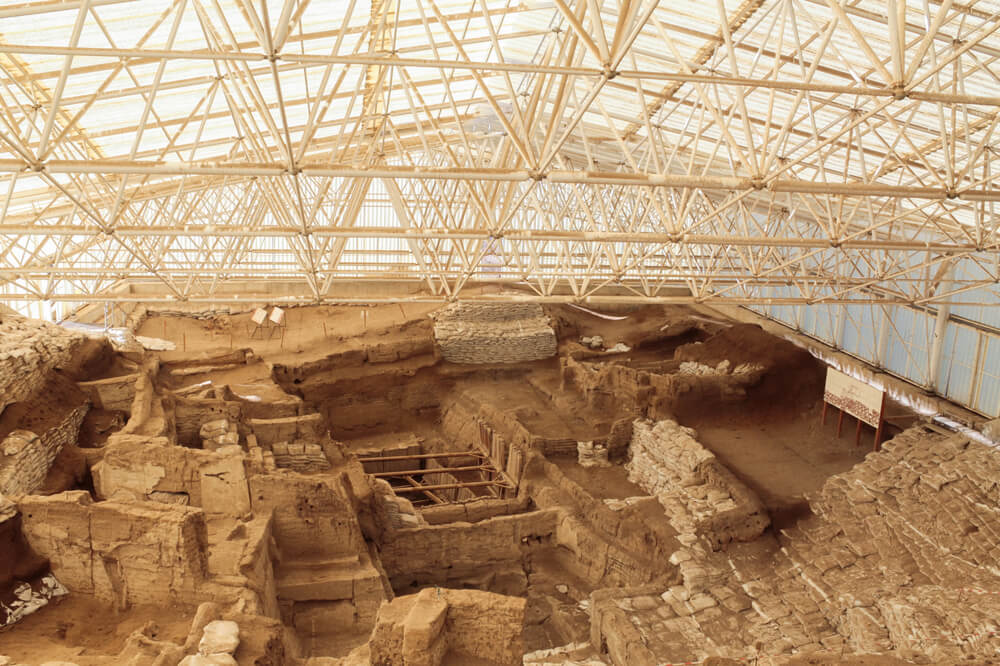
Excavations revealed a Neolithic city of 10,000 residents from 7500 BC with no streets or defensive walls. Homes were built directly attached to each other, entered from rooftops.
The rediscovery of Çatalhöyük challenged assumptions about how the world’s first large settlements were organized. The city proved that urban centers didn’t require militarization or hierarchical control to function.
Göbekli Tepe, Turkey—1995
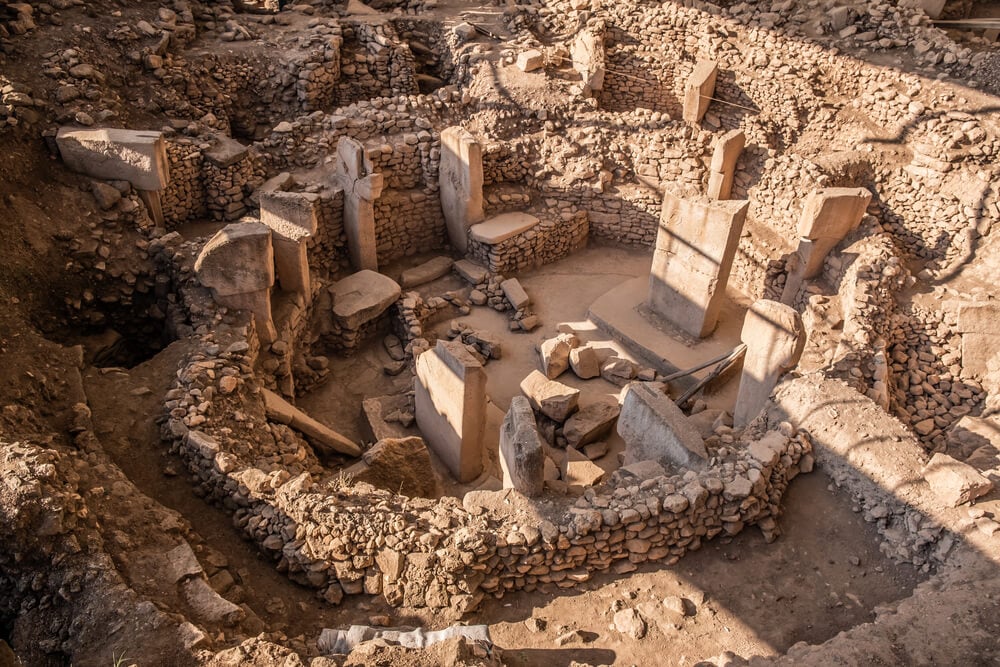
Klaus Schmidt’s excavations revealed a temple complex dating to 9600 BC, thousands of years before civilization was supposed to have begun. The rediscovery overwrote the timeline of human cultural development.
A place of worship predated agriculture, cities, and writing—suggesting that religion preceded civilization, not the reverse.
Samarkand, Uzbekistan—1220s Onward
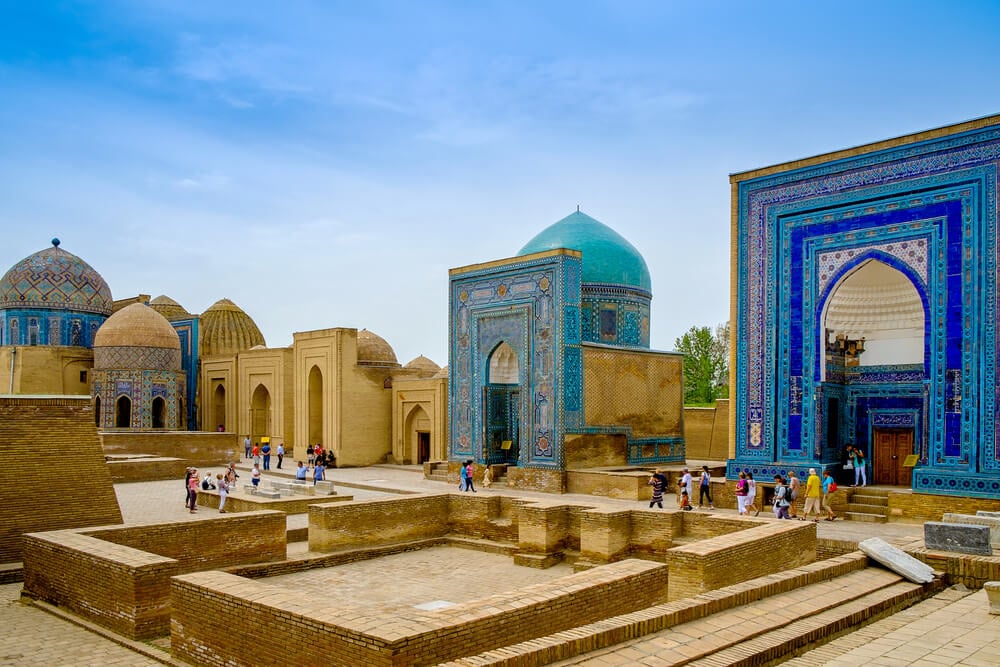
Marco Polo encountered a city that had been famous for centuries but was lost to European knowledge until travel accounts brought news of it. The rediscovery of Samarkand in European consciousness revealed a center of Islamic architecture, learning, and trade that rivaled European cities in sophistication.
The city had never been lost locally—only lost to European awareness.
Hagia Sophia, Istanbul—1453 Onward
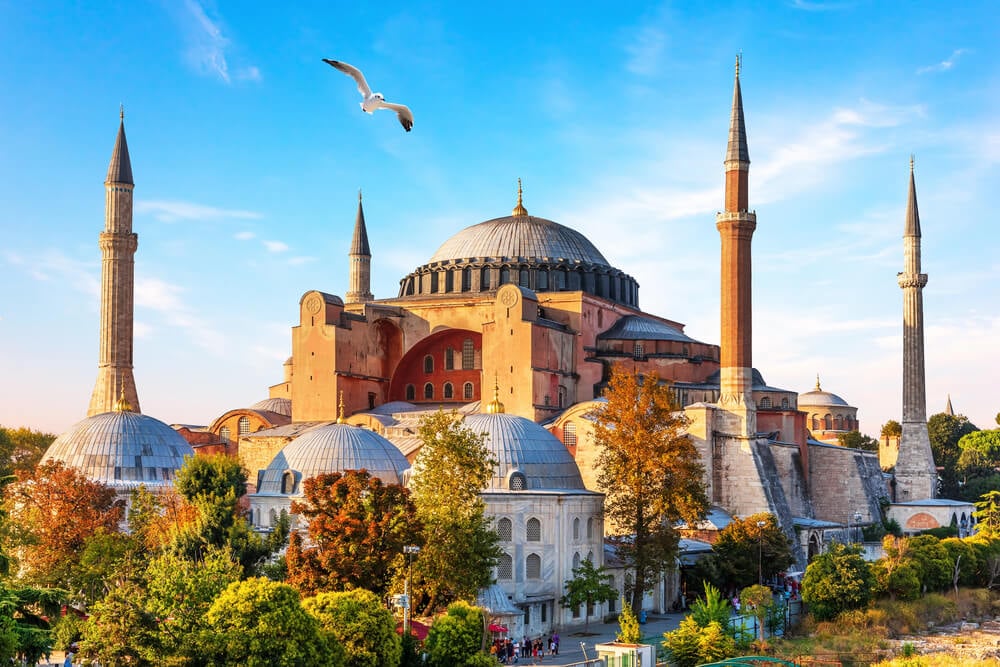
Conquered by Ottoman forces, the Byzantine cathedral was converted to a mosque and its history obscured for centuries. Rediscovery of its architectural innovation and historical significance came gradually as scholars deciphered its construction and origins.
The building remained in use the entire time, but European scholars had to rediscover what they’d once known about Byzantine engineering.
Stonehenge’s Purpose—Ongoing
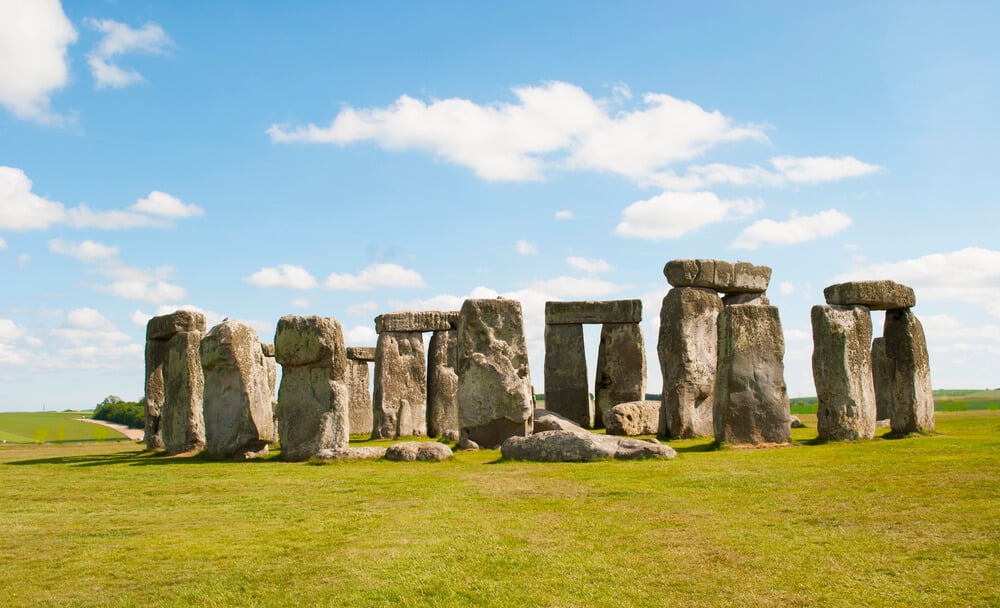
The rediscovery of Stonehenge’s astronomical alignments, ritual significance, and construction timeline occurred over decades of modern archaeology. The monument hadn’t been lost physically—people had walked around it for millennia—but its purpose and meaning were rediscovered through modern analysis.
The site’s true function remains partially mysterious, discovered only in fragments.
Borobudur, Indonesia—1814
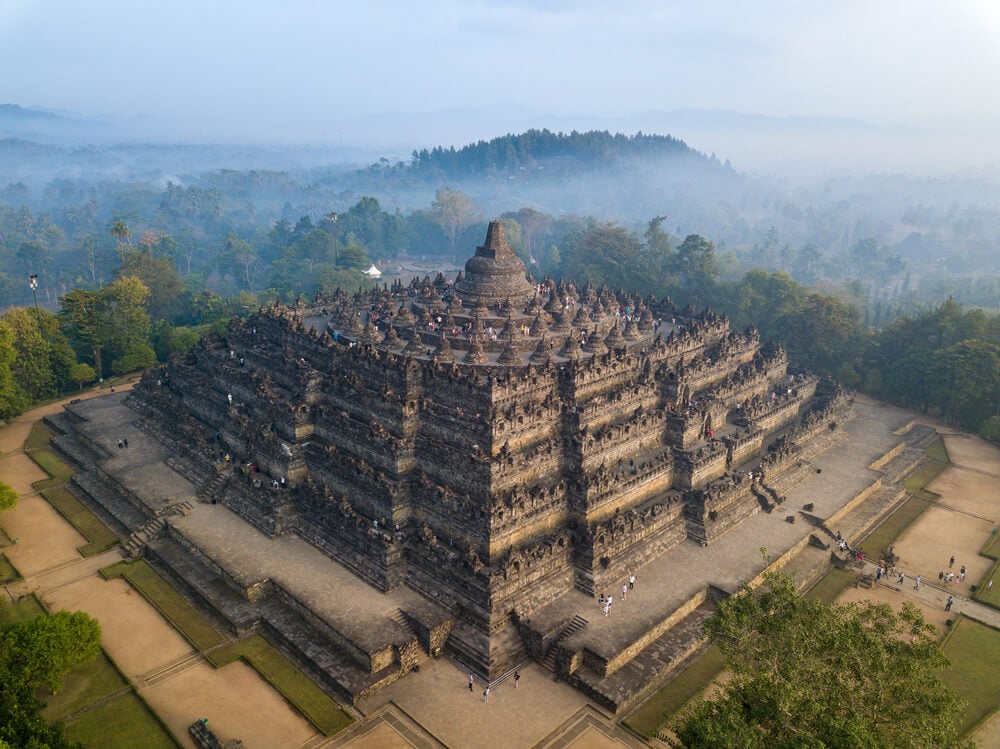
British forces occupying Java discovered a massive Buddhist temple complex covered in volcanic ash and jungle growth. The rediscovery of Borobudur revealed one of the largest Buddhist monuments in the world, hidden by nature for centuries.
Local populations had always known ruins existed, but the temple’s full scale and significance emerged only through systematic excavation.
Qin Dynasty Terracotta Army, China—1974
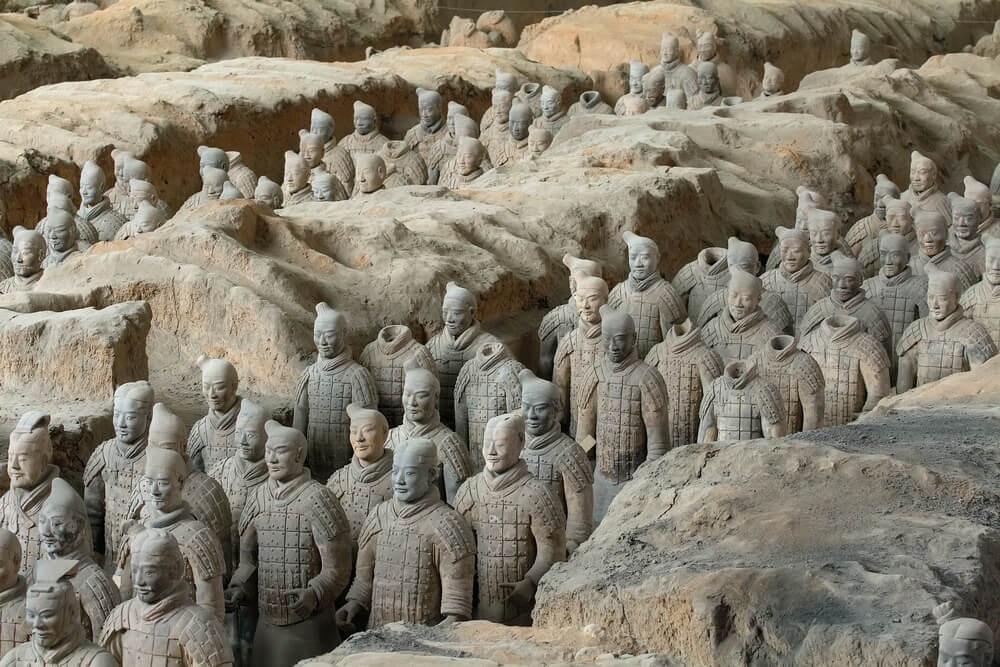
Farmers digging a well discovered fragments of life-sized terracotta soldiers. Excavations revealed over 8,000 statues protecting Emperor Qin Shi Huang’s tomb.
The rediscovery transformed understanding of Qin Dynasty craftsmanship, military organization, and burial practices. A workforce capable of creating thousands of life-sized statues suggested an empire far more organized than textbooks had indicated.
Aksum, Ethiopia—500s AD Onward
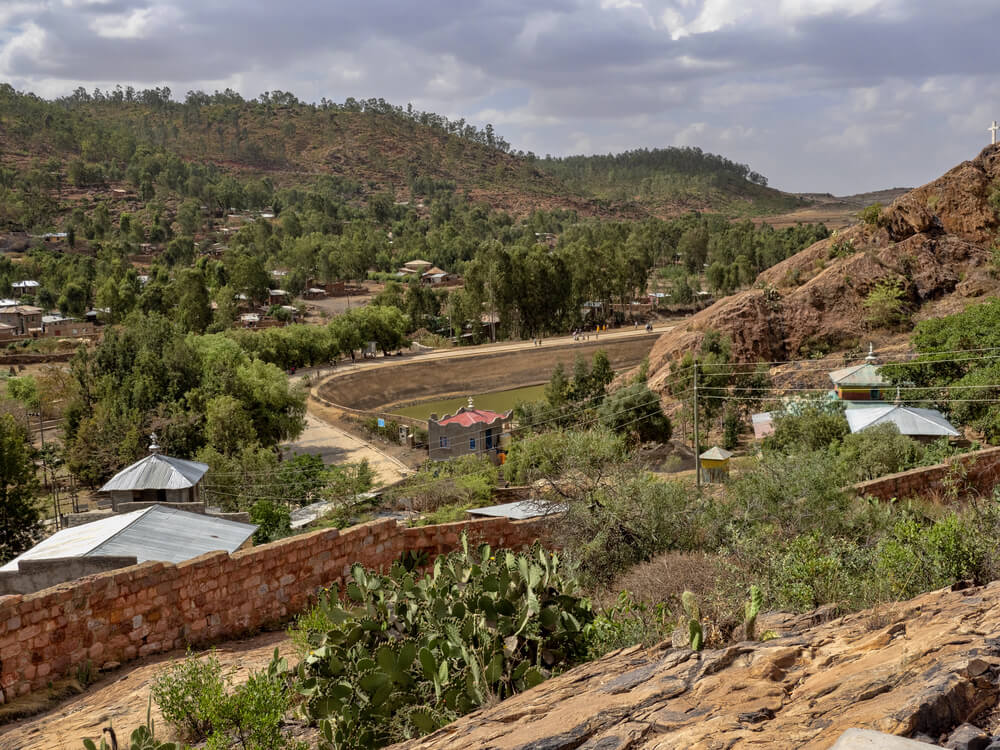
One of the ancient world’s most powerful empires was nearly forgotten. Aksum rivaled Rome, Parthia, and China in influence, yet European history marginalized it.
Rediscovery of Aksum’s historical importance through Ethiopian sources and archaeological investigation revealed a civilization that shaped Mediterranean trade and spread Christianity to the Red Sea region. Intentional erasure from European narratives meant rediscovery required decolonial scholarship.
Cahokia Woodhenge—1993
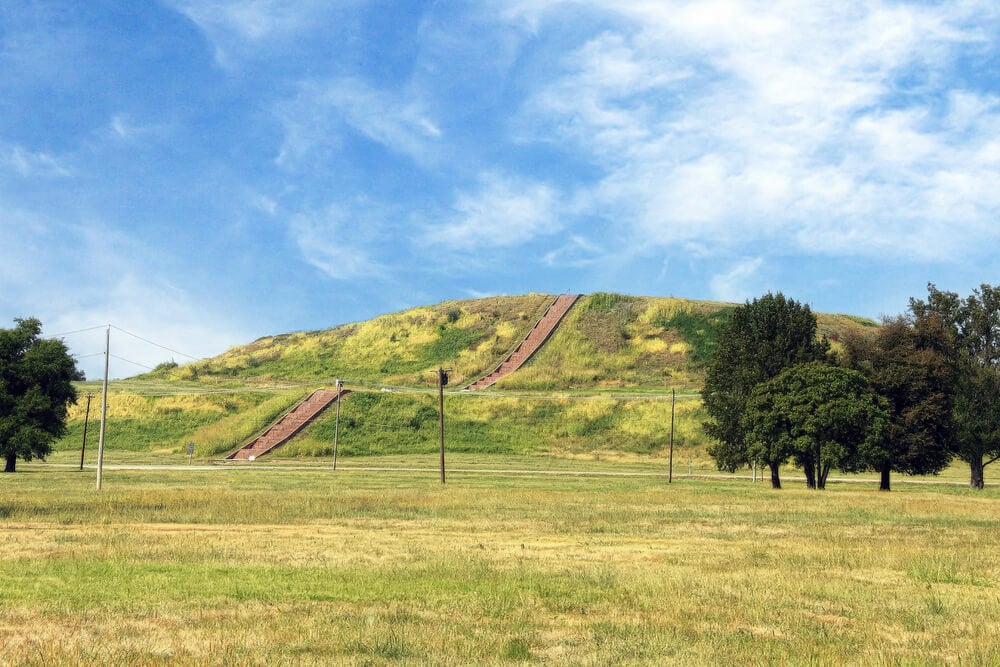
Archaeologists discovered that Cahokia possessed an astronomical observatory constructed from wooden posts, similar in function to Stonehenge. The rediscovery added another layer of sophistication to understanding of pre-Columbian North American civilizations.
Woodhenge had left no obvious remains; its existence emerged only through careful soil analysis and archaeological interpretation.
Susa, Iran—1880s
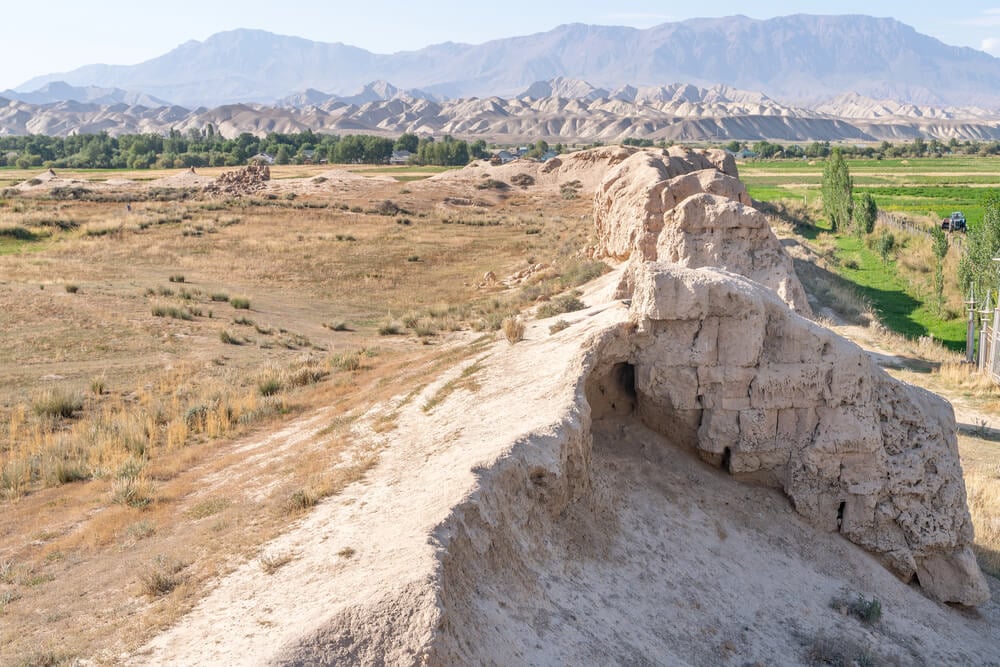
French excavations in present-day Iran revealed one of the world’s oldest cities, occupied continuously from 4200 BC through the Islamic period. The rediscovery of Susa provided archaeological evidence for stories told in biblical texts while also revealing that the city existed long before those texts were written.
Its layers revealed cultural evolution over millennia.
Chan Chan, Peru—1970s
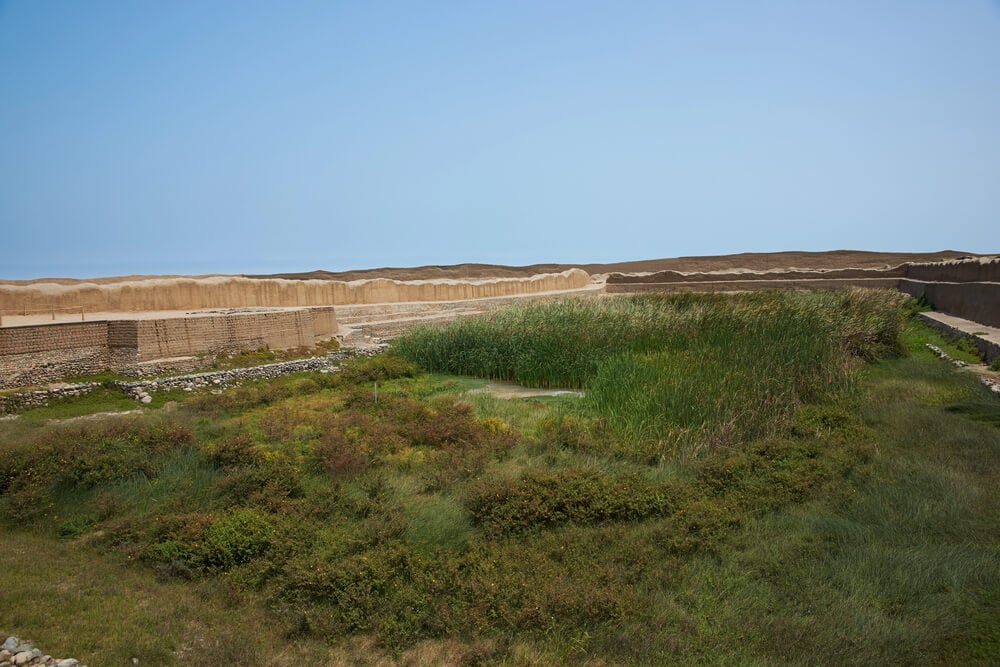
Excavations revealed a pre-Incan city of the Chimú civilization with a population exceeding 30,000. The city’s adobe architecture and sophisticated water management systems suggested engineering knowledge equal to contemporary European cities.
The rediscovery proved that monumental architecture and urban planning existed in pre-Columbian Americas.
Catalhoyuk Ritual Sites—2000s
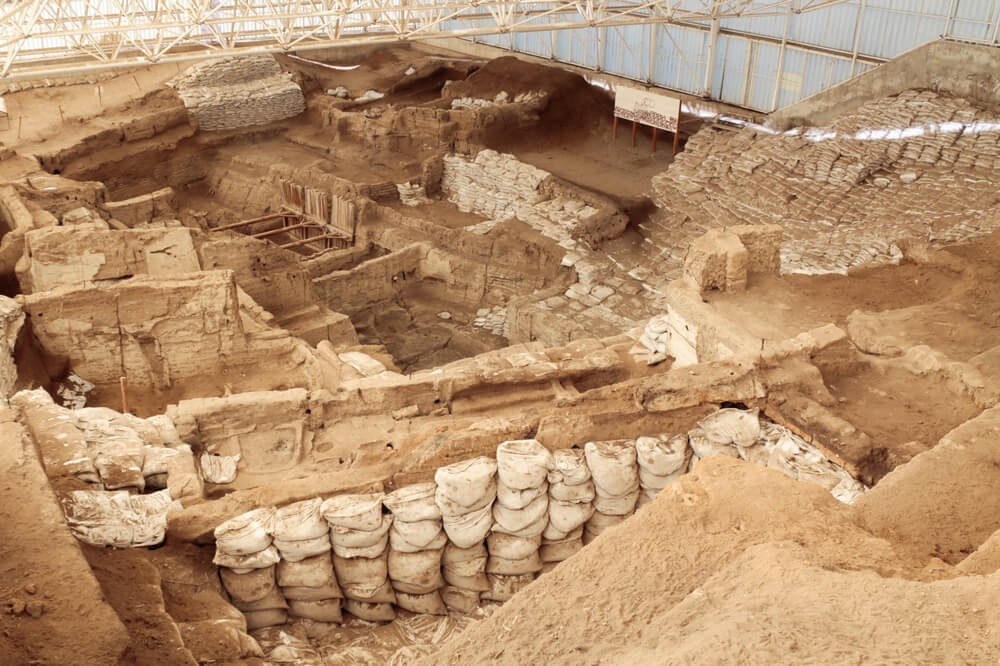
New archaeological techniques revealed ritual spaces within Çatalhöyük that had been overlooked in earlier excavations. The rediscovery of wall-mounted ritual installations and plaster human heads showed religious complexity beyond what initial interpretations had suggested.
The city’s spiritual sophistication emerged slowly as analysis improved.
Qin Shi Huang’s Mausoleum—Partially Unopened
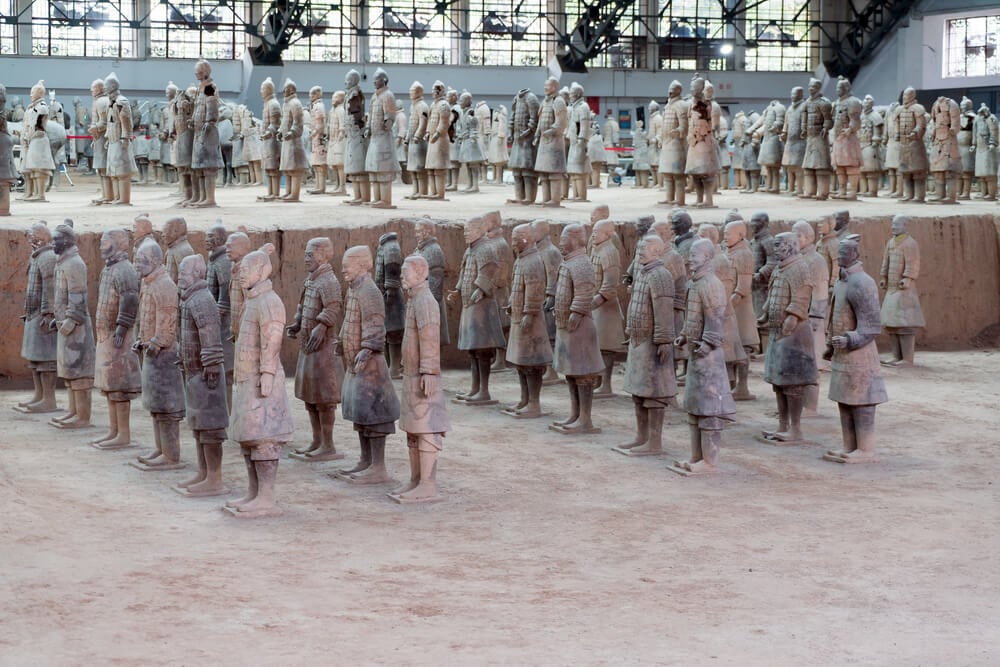
The tomb remains largely unopened, but ground-penetrating radar has revealed rivers of mercury and complex architecture beneath the mound. The rediscovery of the tomb’s true scale and contents is ongoing, with each technological advance revealing more about Qin Dynasty burial practices and the emperor’s vision of the afterlife.
The Forgotten Underwater Cities
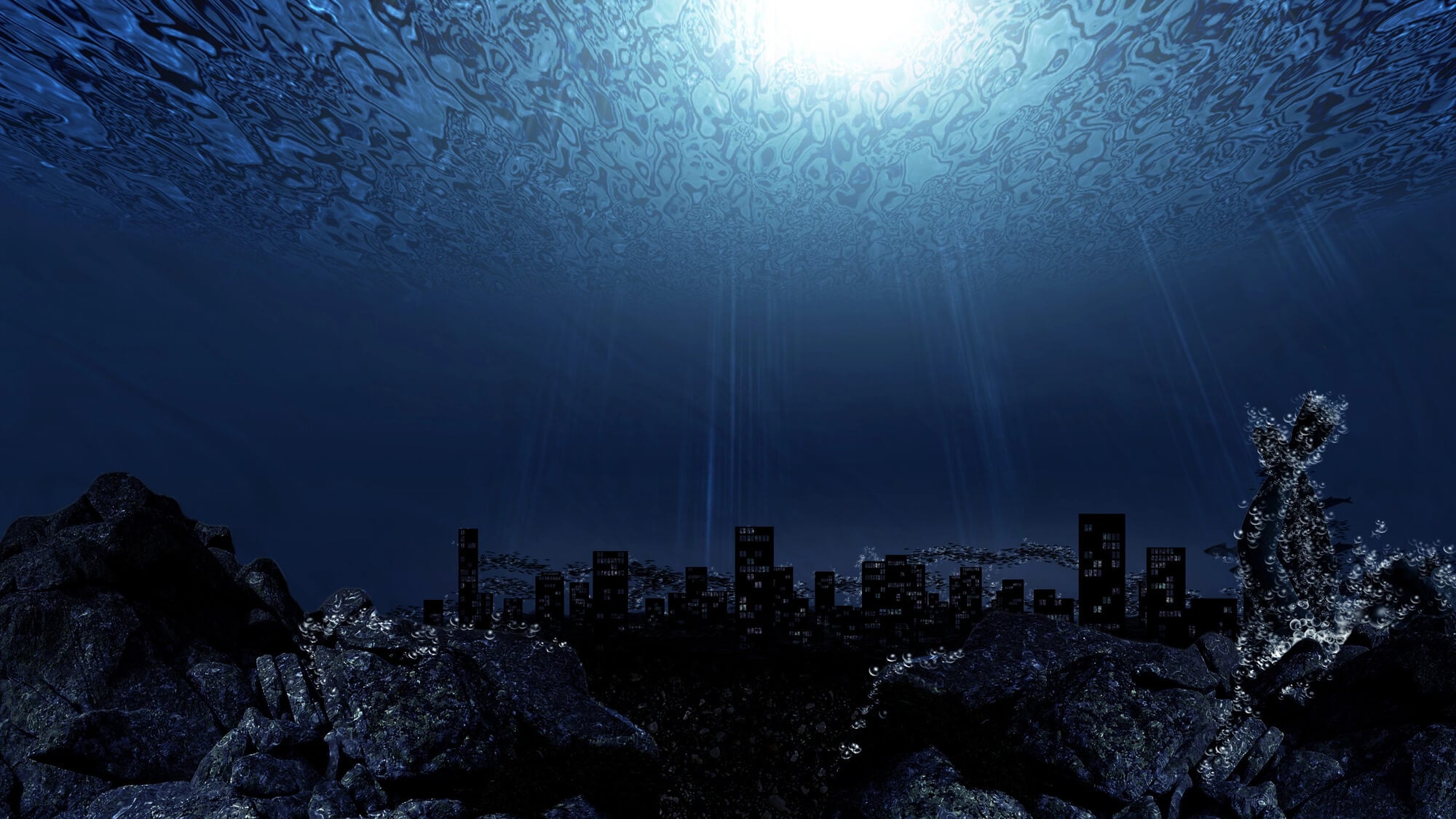
Underwater archaeology has rediscovered entire cities submerged by rising seas after the last ice age. Cities like Doggerland existed for millennia before being flooded approximately 8,000-9,000 years ago.
The rediscovery through underwater excavation reveals human settlements on continental shelves now submerged. These cities were lost not through destruction but through geological change.
Lost Forever, Then Found Again
The pattern is remarkable: humans build, abandon, and forget. Forests grow over architecture. Desert sand buries it. Time erases memory. Then—through intention or accident, systematic excavation or construction equipment—the past resurfaces.
Each rediscovery is a negotiation between the people who lived with these ruins and those who approach them as mysterious relics. Some of these cities were never truly lost—they were forgotten only by outsiders.
More from Go2Tutors!

- The Romanov Crown Jewels and Their Tragic Fate
- 13 Historical Mysteries That Science Still Can’t Solve
- Famous Hoaxes That Fooled the World for Years
- 15 Child Stars with Tragic Adult Lives
- 16 Famous Jewelry Pieces in History
Like Go2Tutors’s content? Follow us on MSN.